يعمل منهج علوم الأحياء (IGCSE) (0610) انطلاقاً من خصائص الكائنات الحية وتركيب الخلية: الإنزيمات، التغذية، النقل في النباتات والحيوانات، الأمراض والمناعة، التبادل الغازي، التنفس، الإخراج، التنسيق، التكاثر، الوراثة، الانتقاء، علم البيئة والتأثيرات البشرية على النظم البيئية.
قد يبدو علم الأحياء مادة يمكن مراجعتها بالقراءة. هذا فخ. تتجه الدرجات نحو المصطلحات الدقيقة: الانتشار ليس انتشاراً تناضحياً، ولا تُمنح علامة لعبارة "تذهب الغذاء إلى الخلايا" حيث تُقبل عبارة "يتم امتصاص الجلوكوز في مجرى الدم".
كلمات الأمر مهمة بنفس قدر المحتوى — الوصف والشرح مهمتان مختلفتان ويُصنّفان بشكل مختلف.
The seven characteristics of living organisms · السمات السبعة للكائنات الحية
Syllabus · المنهج
English
Core
Supplement
1 Describe the characteristics of living organisms by describing: (a) movement as an action by an organism or part of an organism causing a change of position or place (b) respiration as the chemical reactions in cells that break down nutrient molecules and release energy for metabolism (c) sensitivity as the ability to detect and respond to changes in the internal or external environment (d) growth as a permanent increase in size and dry mass (e) reproduction as the processes that make more of the same kind of organism (f) excretion as the removal of the waste products of metabolism and substances in excess of requirements (g) nutrition as the taking in of materials for energy, growth and development
العربية
أساسي
تكميلي
1 صف خصائص الكائنات الحية من خلال وصف: (أ) الحركة كعمل يقوم به الكائن الحي أو جزء منه يسبب تغييراً في الموقع أو المكان (ب) التنفس كالتفاعلات الكيميائية في الخلايا التي تكسر جزيئات المغذيات وتطلق الطاقة للتأيين (ج) الحساسية كقدرة الكشف عن الاستجابة للتغيرات في البيئة الداخلية أو الخارجية (د) النمو كزيادة دائمة في الحجم والكتلة الجافة (هـ) التكاثر كالعمليات التي تنتج المزيد من نفس نوع الكائن الحي (و) الإخراج كإزالة نواتج الأيض والمواد الزائدة عن الاحتياجات (ز) التغذية كأخذ المواد للحصول على الطاقة والنمو والتطور
Source: Cambridge International syllabus · المصدر: منهج كامبريدج الدولي
English
Every living thing shares the same seven characteristics 特征 — seven life processes 生命过程 that all organisms 生物体 carry out. You can remember them with the letters MRS GREN. The examiner gives marks for the exact wording, so learn each definition.
Movement 运动 — an action by an organism, or part of an organism, that changes its position or place.
Respiration 呼吸作用 — the chemical reactions in cells 细胞 that break down nutrient molecules 营养物质 and release energy 能量 for metabolism 新陈代谢.
Sensitivity 应激性 — the ability to detect and respond to changes in the internal or external environment 环境.
Growth 生长 — a permanent increase in size and dry mass 干重.
Reproduction 生殖 — the processes that make more of the same kind of organism.
Excretion 排泄 — the removal of the waste products 废物 of metabolism, and of substances the body has in excess (more than it needs).
Nutrition 营养 — the taking in of materials for energy, growth and development.
Metabolism means all the chemical reactions that happen inside an organism's cells.
العربية
كل كائن حي يشارك نفس السبع سمات — سبع عمليات حياة يقوم بها جميع الكائنات. يمكنك تذكرها بالحروف MRS GREN. يعطي الممتحن الدرجات للصياغة الدقيقة، لذا احفظ كل تعريف.
تُشكّل العمليات الحيوية السبعة كلمة MRS GREN
الحركة — فعل بواسطة الكائن الحي أو جزء منه يغير موقعه أو مكانه.
التنفس — التفاعلات الكيميائية في الخلايا التي تكسر الجزيئات الغذائية وتطلق الطاقة لـ الأيض.
الحساسية — القدرة على الكشف والاستجابة للتغيرات في البيئة الداخلية أو الخارجية.
النمو — زيادة دائمة في الحجم و الكتلة الجافة.
التكاثر — العمليات التي تنتج المزيد من نفس النوع من الكائنات.
الإخراج — إزالة منتجات الفضلات الخاصة بالأيض، والمواد التي يمتلكها الجسم بزيادة (أكثر مما يحتاج).
التغذية — إدخال المواد للحصول على الطاقة والنمو والتطور.
الأيض يعني جميع التفاعلات الكيميائية التي تحدث داخل خلايا الكائن الحي.
Explore · استكشف
Characteristics of life lab · مختبر خصائص الحياة
Classify real observations by the life process they show. · صنّف الملاحظات الحقيقية بناءً على عملية الحياة التي تُظهرها.
1.2
Classification: sorting living things into groups · التصنيف: فرز الكائنات الحية في مجموعات
Syllabus · المنهج
Core
Supplement
1 State that organisms can be classified into groups by the features that they share
5 Explain that classification systems aim to reflect evolutionary relationships
2 Describe a species as a group of organisms that can reproduce to produce fertile offspring
3 Describe the binomial system of naming species as an internationally agreed system in which the scientific name of an organism is made up of two parts showing the genus and species
4 Construct and use dichotomous keys based on identifiable features
6 Explain that the sequences of bases in DNA are used as a means of classification
7 Explain that groups of organisms which share a more recent ancestor (are more closely related) have base sequences in DNA that are more similar than those that share only a distant ancestor
Source: Cambridge International syllabus · المصدر: منهج كامبريدج الدولي
English
There are millions of kinds of living thing. To study them, scientists classify 分类 them — they sort them into groups by the features they share. Organisms in the same group share more features with each other than with organisms in other groups.
Species and the binomial system
The smallest common group is the species 物种. A species is a group of organisms that can reproduce to make fertile offspring 可育后代 ("fertile" means the offspring can themselves go on to have young).
Each species has a two-part scientific name 学名. This way of naming is the binomial system 双名法 — a system agreed all over the world, so every scientist uses the same name.
The first part is the genus 属 (a larger group that the species belongs to). It starts with a capital letter.
The second part is the species. It starts with a small letter.
The whole name is written in italics, for example Homo sapiens (humans). Two rats named Rattus norvegicus and Rattus rattus belong to the same genus but are different species.
Dichotomous keys
A dichotomous key 二歧检索表 is a tool that helps you identify an unknown organism. "Dichotomous" means "splitting into two". At each step the key gives you two choices about a feature. You pick the one that fits your organism, and that choice sends you on to the next pair of choices. You repeat this until you reach the organism's name.
When you build a key, choose clear features you can see — for example "has wings / has no wings" — not features that change, such as size.
Worked example. A key reads: step 1, has wings, go to 2; no wings, go to 3. Step 2, one pair of wings, it is a housefly; two pairs of wings, it is a butterfly. An unknown insect has two pairs of wings. Step 1 only asks "wings or no wings?", so having wings sends you to step 2. At step 2, "two pairs" gives butterfly. Follow the route the key gives you, one step at a time - never jump straight to the name that looks right.
Classification and DNA (Supplement)
Modern classification tries to show evolutionary relationships 进化关系 — how closely different organisms are related. Organisms that are more closely related share a more recent ancestor 祖先.
To measure this, scientists compare the base sequence 碱基序列 of DNA (the order of the chemical "letters" that make up an organism's genes 基因). The rule is simple:
Organisms that share a more recent ancestor (more closely related) have more similar DNA base sequences.
Organisms that share only a distant ancestor have less similar base sequences.
So a DNA base sequence can be used both to classify organisms and to work out how closely two species are related.
العربية
درج حشرات في متحف: يصنف الكائنات الحية بناءً على الخصائص المشتركة بينها
هناك ملايين أنواع من الكائنات الحية. لدراستها، يقوم العلماء بـتصنيفها — حيث يرتبونها في مجموعات بناءً على الخصائص المشتركة. تتشارك الكائنات في نفس المجموعة خصائص أكثر مع بعضها البعض مقارنة بالكائنات في المجموعات الأخرى.
الأنواع والنظام الثنائي
أصغر مجموعة مشتركة هي النوع. النوع هو مجموعة من الكائنات الحية قادرة على التكاثر لإنتاج نسل خصب ("خصب" تعني أن النسل يمكنه بدوره الإنجاب).
اسم علمي: جنس بحرف كبير ونوع بحرف صغير
لكل نوع اسم علمي مكون من جزأين. هذه الطريقة في التسمية تُعرف بـالنظام الثنائي — وهو نظام متفق عليه عالمياً، بحيث يستخدم كل عالم نفس الاسم.
الجزء الأول هو الجنس (مجموعة أكبر ينتمي إليها النوع). يبدأ بحرف كبير.
الجزء الثاني هو النوع. يبدأ بحرف صغير.
يُكتب الاسم الكامل بخط مائل، على سبيل المثال Homo sapiens (البشر). فئران مسماوان Rattus norvegicus وRattus rattus ينتميان إلى نفس الجنس لكنهما نوعان مختلفان.
المفاتيح ثنائية التقسيم
المفتاح ثنائي التقسيم هو أداة تساعدك في تحديد كائن حي مجهول. "ثنائي التقسيم" يعني "التقسيم إلى قسمين". في كل خطوة، يقدم المفتاح لك خيارين حول صفة معينة. تختار الخيار الذي يتناسب مع كائنك الحي، وهذا الخيار يرشدك إلى الزوج التالي من الخيارات. تكرر هذا حتى تصل إلى اسم الكائن الحي.
مفتاح ثنائي التقسيم: كل خطوة تقدم خيارين حتى تصل إلى الكائن
عند بناء مفتاح، اختر صفات واضحة يمكنك رؤيتها — على سبيل المثال "يحتوي على أجنحة / لا يحتوي على أجنحة" — وليس صفات متغيرة مثل الحجم.
مثال محلول. مفتاح يقرأ: الخطوة 1، يحتوي على أجنحة، انتقل إلى 2؛ لا أجنحة، انتقل إلى 3. الخطوة 2، زوج واحد من الأجنحة، إنه ذبابة منزلية؛ زوجان من الأجنحة، إنه فراشة. حشرة مجهولة تحتوي على زوجين من الأجنحة. الخطوة 1 تسأل فقط "أجنحة أم لا؟"، لذا وجود أجنحة يرشدك إلى الخطوة 2. عند الخطوة 2، "زوجان" يعطي فراشة. اتبع المسار الذي يوفره المفتاح خطوة بخطوة - ولا تقفز مباشرة إلى الاسم الذي يبدو صحيحاً.
التصنيف والحمض النووي (إضافة)
يحاول التصنيف الحديث إظهار العلاقات التطورية — مدى قرابة الكائنات الحية المختلفة. الكائنات التي تكون أكثر ارتباطاً تتشارك سلفاً أحدث مشتركاً.
لقياس ذلك، يقارن العلماء تسلسل القواعد للحمض النووي (ترتيب الأحرف الكيميائية المكونة لـالجينات الخاصة بالكائن الحي). القاعدة بسيطة:
الكائنات التي تتشارك سلفاً أحدث (أكثر ارتباطاً) لها تسلسلات قواعد حمض نووي أكثر تشابهاً.
الكائنات التي تتشارك سلفاً بعيداً فقط لديها تسلسلات قواعد أقل تشابهاً.
لذلك يمكن استخدام تسلسل قواعد الحمض النووي لتصنيف الكائنات ولحساب مدى قرابة نوعين ما ببعضهما.
1 State the main features used to place animals and plants into the appropriate kingdoms
4 State the main features used to place all organisms into one of the five kingdoms: animal, plant, fungus, prokaryote, protoctist
2 State the main features used to place organisms into groups within the animal kingdom, limited to: (a) the main groups of vertebrates: mammals, birds, reptiles, amphibians, fish (b) the main groups of arthropods: myriapods, insects, arachnids, crustaceans
5 State the main features used to place organisms into groups within the plant kingdom, limited to ferns and flowering plants (dicotyledons and monocotyledons)
3 Classify organisms using the features identified in 1.3.1 and 1.3.2
6 Classify organisms using the features identified in 1.3.4 and 1.3.5
7 State the features of viruses, limited to a protein coat and genetic material
العربية
أساسي
تكميلي
1 اذكر الخصائص الرئيسية المستخدمة لتصنيف الحيوانات والنباتات في الممالك المناسبة
4 اذكر الخصائص الرئيسية المستخدمة لتصنيف جميع الكائنات الحية في واحدة من الممالك الخمس: الحيوان، النبات، الفطريات، بدائيات النواة، البروتوكست
2 اذكر الخصائص الرئيسية المستخدمة لتصنيف الكائنات الحية إلى مجموعات داخل مملكة الحيوان، مقيدة بما يلي: (أ) المجموعات الرئيسية للفقاريات: الثدييات، الطيور، الزواحف، برمائيات، الأسماك (ب) المجموعات الرئيسية لعقليات الأرجل: متعددة الأقدام، الحشرات، العنكبوتيات، القشريات
5 اذكر الخصائص الرئيسية المستخدمة لتصنيف الكائنات الحية إلى مجموعات داخل مملكة النبات، مقيدة بالسرخسيات والنباتات ذات الأزهار (ذات الفلقتين وذات فلقة واحدة)
3 صنف الكائنات الحية باستخدام الخصائص التي تم تحديدها في 1.3.1 و 1.3.2
6 صنف الكائنات الحية باستخدام الخصائص التي تم تحديدها في 1.3.4 و 1.3.5
7 اذكر خصائص الفيروسات، مقيدة بغلاف بروتيني ومادة وراثية
Source: Cambridge International syllabus · المصدر: منهج كامبريدج الدولي
English
The biggest groups that organisms are sorted into are called kingdoms 界. At Core level you place organisms into the first two kingdoms below; for Supplement you need all five kingdoms. You decide where an organism belongs by looking at its main features.
Kingdom
Main features
Animal 动物
made of many cells; cells have no cell wall 细胞壁; cannot make their own food, so they feed on other organisms; most can move their whole body
Plant 植物
made of many cells; cells have a cell wall; make their own food by photosynthesis 光合作用, so many cells contain chloroplasts 叶绿体
Fungus 真菌
for example moulds 霉菌, mushrooms 蘑菇 and yeast 酵母; have cell walls; cannot photosynthesise; feed on dead or living matter
Prokaryote 原核生物
for example bacteria 细菌; single-celled 单细胞; cells have no nucleus 细胞核
Protoctist 原生生物
for example Amoeba and algae 藻类; usually single-celled; cells do have a nucleus
The fungus, prokaryote and protoctist kingdoms are Supplement only.
Grouping the animal kingdom
The animal kingdom is split first into two: animals with a backbone and animals without one.
Vertebrates 脊椎动物 are animals with a backbone 脊柱. There are five main groups.
Group
Main features
Mammals 哺乳动物
have fur 毛发 or hair; feed their young on milk
Birds 鸟类
have feathers 羽毛 and a beak 喙; lay eggs with hard shells
Reptiles 爬行动物
have dry skin covered with scales 鳞片; lay eggs with leathery shells on land
Amphibians 两栖动物
have moist skin; lay eggs in water; the young live in water
Fish 鱼类
have wet scales and fins 鳍; breathe using gills 鳃; lay eggs in water
Arthropods 节肢动物 are animals with no backbone. They have a hard outer skeleton (an exoskeleton 外骨骼) and legs that bend at joints 关节. There are four main groups.
Group
Main features
Insects 昆虫
body in 3 parts; 3 pairs of legs; usually 2 pairs of wings; 1 pair of antennae 触角
Arachnids 蛛形类
body in 2 parts; 4 pairs of legs; no wings; no antennae
Crustaceans 甲壳类
many pairs of legs; 2 pairs of antennae; most live in water
Myriapods 多足类
long body made of many segments 体节; one or two pairs of legs on each segment
Grouping the plant kingdom (Supplement)
Plants are placed into groups too. You need two of them.
Ferns 蕨类植物 — have roots, stems and leaves, but make no flowers or seeds. They reproduce using tiny spores 孢子.
Flowering plants 开花植物 — make flowers, and form seeds 种子 inside the flower. They split into two groups by their seed-leaves (the first leaves inside a seed, called cotyledons 子叶):
Group
Features
Monocotyledons 单子叶植物
seed has one cotyledon; long narrow leaves; veins 叶脉 run side by side (parallel)
Dicotyledons 双子叶植物
seed has two cotyledons; broad leaves; veins form a branching net
Viruses (Supplement)
Viruses 病毒 are not placed in any kingdom. They are not made of cells, so many scientists do not count them as living. A virus is very simple, with only two parts:
an outer protein coat 蛋白质外壳, and
genetic material 遗传物质 (its genes) inside.
A virus cannot carry out the life processes on its own. It can only reproduce inside the living cells of a host 宿主 — the organism it infects.
العربية
أكبر المجموعات التي يُرتب فيها الكائنات الحية تسمى الممالك. في المستوى الأساسي تضع الكائنات في أول ملكيتين أدناه؛ أما بالنسبة للإضافة فتحتاج إلى جميع الممالك الخمسة. تحدد مكان الانتماء للكائن الحي من خلال النظر إلى其主要 features.
تُصنف الكائنات الحية إلى ممالك خمس بناءً على سماتها الرئيسية
المملكة
الصفات الرئيسية
حيوان
مصنوع من خلايا متعددة؛ الخلايا لا تمتلك جدار خلوي؛ لا تستطيع صنع غذائها الخاص، لذا تتغذى على كائنات أخرى؛ معظمها قادر على تحريك جسمه بالكامل
نبات
مصنوع من خلايا متعددة؛ الخلايا تمتلك جداراً خلوياً؛ تصنع غذاءها الخاص عبر البناء الضوئي، لذا تحتوي العديد من الخلايا على جسيمات خضراء
فطريات
على سبيل المثال العفن والفطر والخميرة؛ تمتلك جدران خلوية؛ لا تقوم بالبناء الضوئي؛ تتغذى على مواد ميتة أو حية
بدائيات النواة
على سبيل المثال البكتيريا؛ وحيدة الخلية؛ الخلايا لا تمتلك نواة
أوليات
على سبيل المثال Amoeba والطحالب؛ عادة وحيدة الخلية؛ الخلايا تمتلك نواة بالفعل
ممالك الفطريات وبدائيات النواة والأوليات هي للإضافة فقط.
فطر: فطر المذنب، وهو فطر مشرومكائن بدائي النواة (بكتيريا): الإشريكية القولونية تُرى تحت المجهر الإلكتروني
تصنيف مملكة الحيوان
تنقسم مملكة الحيوان أولاً إلى قسمين: حيوانات possessing a backbone وحيوانات بدونها.
تنقسم مملكة الحيوان إلى الفقاريات (possesses a backbone) وعقديات الأرجل (بدون possesses a backbone)، كل منهما بمجموعاته الرئيسية
الفقاريات هي حيوانات possesses a backbone. يوجد خمسة مجموعات رئيسية.
المجموعة
الصفات الرئيسية
ثدييات
تمتلك وبراً أو شعرًا؛ ترضع صغارها بالحليب
طيور
تمتلك ريشاً ومنقاراً؛ تضع بيضاً بقشور صلبة
زواحف
تمتلك جلدًا جافًا مغطى بـقشور؛ تضع بيضاً بقشور جلدية على اليابسة
طفيليات
تمتلك جلدًا رطباً؛ تضع بيضاً في الماء؛ يعيش الصغار في الماء
أسماك
تمتلك قشوراً رطبة وزعانف؛ تتنفس باستخدام خياشيم؛ تضع بيضاً في الماء
عقديات الأرجل هي حيوانات بدون possesses a backbone. تمتلك هيكلاً خارجياً صلباً (an exoskeleton) وأرجلاً تنثني عند المفاصل. يوجد أربع مجموعات رئيسية.
المجموعة
الصفات الرئيسية
الحشرات
جسم في 3 أجزاء؛ 3 أزواج من الأرجل؛ عادةً 2 أزواج من الأجنحة؛ 1 زوج من المستشعرات
العنكبوتيات
جسم في 2 أجزاء؛ 4 أزواج من الأرجل؛ بدون أجنحة؛ بدون مستشعرات
القشريات
العديد من أزواج الأرجل؛ 2 أزواج من المستشعرات؛ معظمها يعيش في الماء
متعددات الأرجل
جسم طويل مكون من عدد كبير من الأجزاء؛ زوج أو زوجان من الأرجل على كل جزء
تصنيف مملكة النبات (مكمل)
تُصنف النباتات أيضًا إلى مجموعات. تحتاج إلى معرفتين منها.
النباتات الوعائية — تمتلك جذورًا وساقًا وأوراقًا، لكنها لا تُنتج أزهارًا أو بذورًا. تتكاثر باستخدام بوغات دقيقة.
النباتات المزهرة — تُنتج أزهارًا، وتكوّن بذورًا داخل الزهرة. تنقسم إلى مجموعتين حسب البذرة-الأوراق (أول الأوراق الموجودة داخل البذرة، وتسمى الفصّات):
المجموعة
المميزات
ذوات الفصّة الواحدة
البذرة تحتوي على فصّة واحدة؛ أوراق طويلة وضيقة؛ عروق تسير جنبًا إلى جنب (متوازية)
ذوات الفصّتين
البذرة تحتوي على فصّتين؛ أوراق عريضة؛ العروق تُشكّل شبكة متفرعة
أوراق ذوات الفصّة الواحدة لها عروق متوازية؛ أوراق ذات الفصّتين لها شبكة من العروق المتفرعة
الفيروسات (مكمل)
الفيروسات لا تُصنف ضمن أي مملكة. لأنها ليست مكونة من خلايا، فإن الكثير من العلماء لا يعدّها كائنات حية. الفيروس بسيط جدًا، ويتكون من جزئين فقط:
غلاف خارجي من البروتين، و
مواد وراثية (جيناته) داخله.
الفيروس هو مجرد غلاف بروتيني يحيط بمواده الوراثية
لا يستطيع الفيروس القيام بالعمليات الحية بمفرده. يمكنه التكاثر فقط داخل الخلايا الحية لـ مضيف — وهو الكائن الذي يُصاب به.
Explore · استكشف
Groups of organisms lab · مختبر مجموعات الكائنات الحية
Compare organism groups by the feature that identifies them. · قارن مجموعات الكائنات بالحسمة التي تحددها.
Cells: the building blocks of life · الخلايا: وحدات بناء الحياة
Syllabus · المنهج
English
Core
Supplement
1 Describe and compare the structure of a plant cell with an animal cell, limited to: cell wall, cell membrane, nucleus, cytoplasm, chloroplasts, ribosomes, mitochondria, vacuoles
2 Describe the structure of a bacterial cell, limited to: cell wall, cell membrane, cytoplasm, ribosomes, circular DNA, plasmids
3 Identify the cell structures listed in 2.1.1 and 2.1.2 in diagrams and images of plant, animal and bacterial cells
4 Describe the functions of the structures listed in 2.1.1 and 2.1.2 in plant, animal and bacterial cells
5 State that new cells are produced by division of existing cells
6 State that specialised cells have specific functions, limited to: (a) ciliated cells – movement of mucus in the trachea and bronchi (b) root hair cells – absorption (c) palisade mesophyll cells – photosynthesis (d) neurones – conduction of electrical impulses (e) red blood cells – transport of oxygen (f) sperm and egg cells (gametes) – reproduction
7 Describe the meaning of the terms: cell, tissue, organ, organ system and organism as illustrated by examples given in the syllabus
العربية
أساسي
تكميلي
1 صف وقارن بنية الخلية النباتية مع الخلية الحيوانية، مقصورةً على: الجدار الخلوي، غشاء الخلية، النواة، السيتوبلازم، البلاستيدات الخضراء، الريبوسومات، الميتوكوندريا، والفجواتير
2 صف بنية الخلية البكتيرية، مقصورةً على: الجدار الخلوي، غشاء الخلية، السيتوبلازم، الريبوسومات، الحمض النووي الدائري، والجسيمات الوراثية الصغيرة (البلاسميدات)
3 حدد هياكل الخلية المدرجة في 2.1.1 و2.1.2 في المخططات والصور للخلايا النباتية والحيوانية والبكتيرية
4 صف وظائف الهياكل المدرجة في 2.1.1 و2.1.2 في الخلايا النباتية والحيوانية والبكتيرية
5 ينص على أن الخلايا الجديدة تنتج عن انقسام خلايا موجودة مسبقاً
6 وضح أن الخلايا المتخصصة لها وظائف محددة، مقصورةً على: (أ) الخلايا الهدبية – تحريك المخاط في القصبة الهوائية والشعب الهوائية (ب) خلايا الشعر الجذري – الامتصاص (ج) خلايا النسيج الإسفنجي العمودي – البناء الضوئي (د) الخلايا العصبية – توصيل الإشارات الكهربائية (هـ) خلايا الدم الحمراء – نقل الأكسجين (و) خلايا الحيوانات المنوية والخلايا البيضية (الأمشاج) – التكاثر
7 صف معنى المصطلحات: الخلية، النسيج، العضو، جهاز الأعضاء والكائن الحي بناءً على الأمثلة الواردة في المنهج
Source: Cambridge International syllabus · المصدر: منهج كامبريدج الدولي
English
Every living thing is made of cells 细胞. A cell is the smallest part that can carry out the life processes. In this topic you compare a plant 植物 cell, an animal 动物 cell and the cell of a bacterium 细菌. All new cells are made by the division 分裂 of cells that already exist.
Which structures are in each cell?
Structure
Animal cell
Plant cell
Bacterial cell
cell membrane 细胞膜
yes
yes
yes
cytoplasm 细胞质
yes
yes
yes
ribosomes 核糖体
yes
yes
yes
nucleus 细胞核
yes
yes
no — has a loop of DNA instead
mitochondria 线粒体
yes
yes
no
cell wall 细胞壁
no
yes
yes (different material)
chloroplasts 叶绿体
no
yes (only in green parts)
no
large vacuole 液泡
no
yes
no
plasmids
no
no
yes
So plant and animal cells share five structures: cell membrane, cytoplasm, ribosomes, nucleus and mitochondria. A plant cell has three extra structures: a cell wall, a large vacuole and (in green parts) chloroplasts.
What each structure does
Cell membrane — controls which substances enter and leave the cell.
Cytoplasm — a jelly-like liquid where many chemical reactions happen.
Nucleus — controls the cell's activities and holds the genetic material 遗传物质.
Ribosomes — where proteins 蛋白质 are made.
Mitochondria — where respiration 呼吸作用 happens to release energy 能量.
Cell wall — made of cellulose 纤维素; it gives a plant cell strength and a fixed shape.
Chloroplasts — contain chlorophyll 叶绿素, a green substance that traps light for photosynthesis 光合作用.
Large vacuole — filled with cell sap 细胞液; it helps keep the plant cell firm.
Bacterial cells
A bacterium is a prokaryote 原核生物 — its cell has no nucleus. Instead its DNA is a single loop (a ring), loose in the cytoplasm. Bacteria also have small extra rings of DNA called plasmids 质粒. A bacterial cell has a cell wall and cell membrane, cytoplasm and ribosomes, but no mitochondria and no chloroplasts.
العربية
كل كائن حي يتكون من خلايا. الخلية هي أصغر جزء قادر على أداء العمليات الحية. في هذا الموضوع، تقارن خلية نباتية، وخلية حيوانية، وخلية بكتيرية. جميع الخلايا الجديدة تتكون عن طريق انقسام خلايا موجودة مسبقًا.
أي البنى موجودة في كل خلية؟
البنية
الخلية الحيوانية
الخلية النباتية
الخلية البكتيرية
غشاء خلوي
نعم
نعم
نعم
سيتوبلازم
نعم
نعم
نعم
ريبوسومات
نعم
نعم
نعم
نواة
نعم
نعم
لا — لديها حلقة من الـDNA بدلاً منها
ميتوكوندريا
نعم
نعم
لا
جدار خلوي
لا
نعم
نعم (مادة مختلفة)
بلاستيدات خضراء
لا
نعم (في الأجزاء الخضراء فقط)
لا
فجوة عصارية كبيرة
لا
نعم
لا
بلازميدات
لا
لا
نعم
إذن، تشارك الخلايا النباتية والحيوانية خمس بنى: غشاء خلوي، سيتوبلازم، ريبوسومات، نواة وميتوكوندريا.拥有三额外结构的植物细胞:细胞壁、大液泡和(在绿色部分)叶绿体。
خلية حيوانية: غشاء، سيتوبلازم، نواة، ميتوكوندريا وريبوسوماتالخلية النباتية تملك أيضًا جداراً خلويًا وفجوة عصارية كبيرة وبلاستيدات خضراءخلايا البشرة البصلية تحت مجهر ضوئي — كل خلية لها جدار خلوي واضح
وظيفة كل بنية
الغشاء الخلوي — يتحكم في المواد التي تدخل وتغادر الخلية.
السيتوبلازم — سائل هلامي حيث تحدث العديد من التفاعلات الكيميائية.
النواة — تتحكم في أنشطة الخلية وتحمل المواد الوراثية.
الريبوسومات — حيث تُصنع البروتينات.
الميتوكوندريا — حيث يحدث التنفس الخلوي لإطلاق الطاقة.
الجدار الخلوي — مصنوع من السليلوز؛ يمنح الخلية النباتية القوة والشكل الثابت.
البلاستيدات الخضراء — تحتوي على الكلوروفيل، مادة خضراء تمتص الضوء لـ البناء الضوئي.
الفجوة العصارية الكبيرة — مملوءة بـ العصارة الخلوية؛ تساعد في الحفاظ على صلابة الخلية النباتية.
الخلايا البكتيرية
البكتيريا هي بدائيات النواة — خلوها لا تحتوي على نواة. بدلاً من ذلك، يكون الـDNA الخاص بها حلقة واحدة (حلقة)، حرة في السيتوبلازم. تمتلك البكتيريا أيضًا دوائر صغيرة إضافية من الـDNA تسمى البلازميدات.拥有细胞壁和细胞膜、细胞质和核糖体,但没有线粒体和叶绿体。
Explore the parts of a cell · استكشف أجزاء الخلية
Tap each part of the cell to see what it does. Some parts (cell wall, chloroplast, vacuole) are found only in plant cells. · اضغط على كل جزء من الخلية لترى وظيفته. بعض الأجزاء (الجدار الخلوي، البلاستيدات الخضراء، الفجوة العصارية) توجد فقط في خلايا النبات.
The size of cells: magnification · حجم الخلايا: التكبير
Syllabus · المنهج
English
Core
Supplement
1 State and use the formula: magnification = image size ÷ actual size
2 Calculate magnification and size of biological specimens using millimetres as units
3 Convert measurements between millimetres (mm) and micrometres (μm)
العربية
أساسي
تكميلي
1 وضح واستخدم الصيغة: التكبير = حجم الصورة ÷ الحجم الفعلي
2 حساب التكبير وحجم العينات البيولوجية باستخدام المليمترات كوحدة
3 تحويل القياسات بين المليمترات (mm) والميكرومترات (μm)
Source: Cambridge International syllabus · المصدر: منهج كامبريدج الدولي
English
Cells are tiny, so you look at them under a microscope 显微镜, which makes them appear much larger. How many times larger the image is, is called the magnification 放大倍数.
Worked example. A structure is shown at a magnification of 250. Its image size is 5.00 mm. So the actual size = 5.00 ÷ 250 = 0.02 mm. Always put both sizes in the same unit before you divide.
Changing units (Supplement)
Cells are often measured in micrometres 微米 (μm), which are smaller than millimetres (mm):
So 0.02 mm = 20 μm. To change mm into μm, multiply by 1000. To change μm into mm, divide by 1000.
Worked example. A cell is drawn 60 mm wide, and its real width is 30 μm. Find the magnification. First make the units match: image size = 60 mm = 60 × 1000 = 60,000 μm. Then magnification = image ÷ actual = 60,000 ÷ 30 = ×2000. If you forget to convert and divide 60 ÷ 30, you get ×2 — a thousand times too small. This is the most common mistake in the whole topic.
العربية
الخلائق صغيرة جداً، لذا تنظر إليها تحت ميكروسكوب، مما يجعلها تبدو أكبر بكثير. عدد المرات التي يكون فيها الصورة أكبر هو ما يسمى بـ التكبير.
إذن 0.02 مم = 20 μm. للتحويل من مم إلى μm، اضرب في 1000. وللتحويل من μm إلى مم، اقسم على 1000.
مثال محلول. رُسمت خلية بعرض 60 مم، وعرضها الحقيقي هو 30 μm. أوجد التكبير. أولاً، اجعل الوحدات متطابقة: حجم الصورة = 60 مم = 60 × 1000 = 60,000 μm. ثم التكبير = الصورة ÷ الفعلي = 60,000 ÷ 30 = ×2000. إذا نسيت التحويل وقسمت 60 ÷ 30، فستحصل على ×2 — وهو أصغر ألف مرة. هذا هو الخطأ الأكثر شيوعاً في الموضوع بأكمله.
Explore · استكشف
Magnification lab · مختبر التكبير
magnification = image size / actual size · التكبير = حجم الصورة / الحجم الفعلي
Change actual size and see how image size links to magnification. · غير الحجم الفعلي وشاهد كيف يرتبط حجم الصورة بالتكبير.
A plant cell has a cell wall, a large vacuole and chloroplasts; an animal cell has none of these. Both have a nucleus, cytoplasm, cell membrane, mitochondria and ribosomes.
A cell with no nucleus but with plasmids and a loop of DNA is a bacterium.
For magnification, cover the quantity you want: magnification = image ÷ actual; actual = image ÷ magnification.
Always convert to the same unit before you calculate. Remember 1 mm = 1000 μm.
For a specialised cell, link its job to the one feature that suits it (for example a red blood cell has no nucleus, so it can hold more oxygen).
العربية
الخلية النباتية تحتوي على جدار خلوي وفجوة عصارية كبيرة وكلرو بلاستات؛ بينما الخلية الحيوانية لا تحتوي على أي منها. لكليهما نواة وسيتوبلازم وغشاء خلوي وميتوكوندريا وريبوسومات.
الخلية التي ليس لها نواة ولكن بها بلازميدات وحلقة من الحمض النووي هي بكتيريا.
بالنسبة للتكبير، غطِ الكمية المطلوبة: التكبير = الصورة ÷ الفعلي؛ الفعلي = الصورة ÷ التكبير.
قُم دائماً بالتحويل إلى نفس الوحدة قبل الحساب. تذكر أن 1 مم = 1000 μm.
بالنسبة للخلايا المتخصصة، اربط بين وظيفتها والميزة الوحيدة التي تناسبها (على سبيل المثال الخلية الحمراء ليس لها نواة، لذا يمكنها حمل المزيد من الأكسجين).
3
Movement into and out of cells · الحركة داخل وخارج الخلايا
1 Describe diffusion as the net movement of particles from a region of their higher concentration to a region of their lower concentration (i.e. down a concentration gradient), as a result of their random movement
2 State that the energy for diffusion comes from the kinetic energy of random movement of molecules and ions
3 State that some substances move into and out of cells by diffusion through the cell membrane
4 Describe the importance of diffusion of gases and solutes in living organisms
5 Investigate the factors that influence diffusion, limited to: surface area, temperature, concentration gradient and distance
العربية
أساسي
تكميلي
1 صف الانتشار بأنه الحركة الصافية للجسيمات من منطقة ذات تركيز أعلى إلى منطقة ذات تركيز أقل (أي顺着 التركيز)، نتيجة لحركتها العشوائية
2 نصّ على أن الطاقة اللازمة للانتشار تأتي من الطاقة الحركية للحركة العشوائية للجزيئات والأيونات
3 نصّ على أن بعض المواد تنتقل إلى داخل وخارج الخلايا عن طريق الانتشار عبر غشاء الخلية
4 صف أهمية انتشار الغازات والمذيبات في الكائنات الحية
5 تحقق من العوامل المؤثرة على الانتشار، ومحدود بـ: مساحة السطح، درجة الحرارة، تدرج التركيز والمسافة
Source: Cambridge International syllabus · المصدر: منهج كامبريدج الدولي
English
Diffusion: random motion, one-way flow
Diffusion 扩散 is the net movement 净移动 of particles 粒子 from a region of their higher concentration 浓度 to a region of their lower concentration. We say the particles move down a concentration gradient 浓度梯度.
The particles spread out because of their own random movement 随机运动. The energy 能量 for diffusion comes from the kinetic energy 动能 of the random movement of molecules 分子 and ions 离子 — so diffusion needs no extra energy.
Some substances pass into and out of cells by diffusion through the cell membrane 细胞膜.
Why diffusion matters. Many gases 气体 and dissolved substances (solutes 溶质) move by diffusion in living things. For example, oxygen 氧气 diffuses into cells for respiration, and carbon dioxide 二氧化碳 diffuses out.
The rate of diffusion changes with four factors:
Factor
Diffusion is faster when…
surface area 表面积
the surface is larger
temperature 温度
it is hotter (particles move faster)
concentration gradient
the difference in concentration is bigger
distance
the distance to travel is shorter (a thinner barrier)
العربية
الانتشار: حركة عشوائية، تدفق أحادي الاتجاه
الانتشار هو الحركة الصافية لـ الجزيئات من منطقة ذات تركيز أعلى إلى منطقة ذات تركيز أقل. نقول إن الجزيئات تتحرك 顺着 التركيز (down a concentration gradient).
تنتشر الجزيئات بسبب حركتها العشوائية الخاصة بها. تأتي الطاقة اللازمة للانتشار من الطاقة الحركية للحركة العشوائية لـ الجزيئات والأيونات — لذلك لا يحتاج الانتشار إلى طاقة إضافية.
بعض المواد تمر إلى داخل وخارج الخلايا عن طريق الانتشار عبر غشاء الخلية.
الانتشار: تتحرك الجزيئات من التركيز العالي إلى التركيز المنخفض،顺着 التركيز
لماذا يهم الانتشار. تتحرك العديد من الغازات والمواد المذابة (المذابات) عن طريق الانتشار في الكائنات الحية. على سبيل المثال، ينتشر الأكسجين إلى الخلايا للتنفس، وينتشر ثاني أكسيد الكربون خارجاً.
يتغير معدل الانتشار بناءً على أربعة عوامل:
العامل
يكون الانتشار أسرع عندما…
مساحة السطح
كانت السطح أكبر
درجة الحرارة
كان الجو أكثر حرارة (تتحرك الجزيئات بشكل أسرع)
فرق التركيز
كان الفرق في التركيز أكبر
المسافة
كانت المسافة المقطوعة أقصر (حاجز أدق)
Explore · استكشف
Diffusion and osmosis · الانتشار والانتشار عبر الأغشية
Set the concentration on each side and watch particles spread from high to low until balanced. · حدد التركيز على كل جانب وراقب الجسيمات تنتشر من مرتفع إلى منخفض حتى تتوازن.
1 Describe the role of water as a solvent in organisms with reference to digestion, excretion and transport
7 Describe osmosis as the net movement of water molecules from a region of higher water potential (dilute solution) to a region of lower water potential (concentrated solution), through a partially permeable membrane
2 State that water diffuses through partially permeable membranes by osmosis
3 State that water moves into and out of cells by osmosis through the cell membrane
4 Investigate osmosis using materials such as dialysis tubing
5 Investigate and describe the effects on plant tissues of immersing them in solutions of different concentrations
8 Explain the effects on plant cells of immersing them in solutions of different concentrations by using the terms: turgid, turgor pressure, plasmolysis, flaccid
9 Explain the importance of water potential and osmosis in the uptake and loss of water by organisms
6 State that plants are supported by the pressure of water inside the cells pressing outwards on the cell wall
العربية
أساسي
تكميلي
1 صف دور الماء كمذيب في الكائنات الحية فيما يتعلق بهضم الطعام والإخراج والنقل
7 اصف الأسموزية بأنها الحركة الصافية لجزيئات الماء من منطقة ذات جهد ماء أعلى (محلول مخفف) إلى منطقة ذات جهد ماء أقل (محلول مركز)، عبر غشاء شبه منفذ
2 نصّ على أن الماء ينتشر عبر الأغشية شبه المنفذ عن طريق الأسموزية
3 نصّ على أن الماء يتحرك إلى داخل وخارج الخلايا عن طريق الأسموزية عبر غشاء الخلية
4 تحقق من الأسموزية باستخدام مواد مثل أنابيب Dialysis
5 تحقق وصف تأثير غمر الأنسجة النباتية في محاليل ذات تراكيز مختلفة على أنسجة النباتات
8 اشرح التأثيرات على خلايا النباتات عند غمرها في محاليل ذات تراكيز مختلفة باستخدام المصطلحات: منتفخة، ضغط الامتلاء، انكماش السيتوبلازم، ذابلة
9 اشرح أهمية جهد الماء والأسموزية في امتصاص وفقدان الماء بواسطة الكائنات الحية
6 نصّ على أن النباتات تُدعم بضغط الماء داخل الخلايا الذي يضغط خارجاً على جدار الخلية
Source: Cambridge International syllabus · المصدر: منهج كامبريدج الدولي
English
Osmosis: water crosses the membrane
Water as a solvent
Water is a very good solvent 溶剂 — many substances dissolve 溶解 in it to make a solution 溶液. This matters for digestion 消化 (food must dissolve before it can be used), excretion 排泄 (wastes are carried away dissolved in water) and transport 运输 (substances travel around the body dissolved in blood and sap).
What osmosis is
Osmosis 渗透 is a special kind of diffusion: the net movement of water across a partially permeable membrane 半透膜. This kind of membrane has tiny holes that let small water molecules through but hold back larger solute particles. Water moves into and out of cells by osmosis through the cell membrane.
A concentrated solution has a lot of dissolved solute and little water. A dilute solution has little solute and a lot of water.
(Supplement) Osmosis is the net movement of water molecules from a region of higher water potential 水势 (a dilute solution — more water) to a region of lower water potential (a concentrated solution — less water), through a partially permeable membrane.
Osmosis and plant cells
When you put plant tissue into different solutions, water moves by osmosis:
In pure water or a dilute solution, water moves into the cells. The cells swell and become firm, or turgid 膨胀. The water presses outward on the cell wall; this outward push is the turgor pressure 膨压. Turgid cells make a plant stand up straight — this is how plants are supported.
In a concentrated solution, water moves out of the cells. The cells lose their firmness and become soft, or flaccid 松软.
(Supplement) If even more water leaves, the cell membrane pulls away from the cell wall. This is plasmolysis 质壁分离.
You can investigate osmosis using dialysis tubing 透析管 (an artificial partially permeable membrane), or using cylinders cut from a potato. Measure their length or mass before and after soaking. Cylinders in pure water or a dilute solution gain length and mass; cylinders in a concentrated solution lose length and mass; in a solution of equal concentration there is no change.
Worked example. A potato cylinder has a mass of 5.0 g before soaking and 5.6 g after soaking in a dilute solution. Find the percentage change in mass.
A positive answer means the cylinder gained water, so the solution was more dilute than the cell contents. Always work out the percentage change, not just the change in grams — it lets you compare cylinders that started at different masses fairly.
العربية
الانتشار الأسموزي: عبور الماء عبر الغشاءكرات الدم الحمراء: يتحرك الماء إلى داخل وخارج الخلايا عن طريق الانتفاذ.
الماء كمذيب
الماء مذيب جيد جداً — تذوب فيه مواد عديدة لتكون محلولاً. وهذا مهم لـ الهضم (يجب أن يذوب الطعام قبل استخدامه)، والإخراج (تُزال الفضلات مذابة في الماء)، والنقل (تنقل المواد حول الجسم مذابة في الدم والعصير النباتي).
ما هو الانتفاذ
الانتشار الانتقالي (الأوسmosis) هو نوع خاص من الانتشار: وهو الحركة الصافية للمياه عبر غشاء شبه منفذ. يتميز هذا النوع من الأغشية بفتحات دقيقة تسمح بمرور جزيئات الماء الصغيرة لكنها تحبس الجسيمات الأكبر للذائب. تتحرك المياه إلى داخل وخارج الخلايا عن طريق الأوسmosis عبر غشاء الخلية.
المحلول المركّز يحتوي على كمية كبيرة من الذائب المذاب وقليل من الماء. أما المحلول المخفّف فيحتوي على القليل من الذائب وكثير من الماء.
الأوسmosis: الماء يعبر الغشاء شبه المنفذ؛ الذائب لا يستطيع العبور
(مكمل) الأوسmosis هي الحركة الصافية لجزيئات الماء من منطقة ذات جهد مائي أعلى (محلول مخفف - ماء أكثر) إلى منطقة ذات جهد مائي أقل (محلول مركّز - ماء أقل)، عبر غشاء شبه منفذ.
الأوسmosis والخلايا النباتية
عند وضع أنسجة نباتية في محاليل مختلفة، تتحرك المياه بواسطة الأوسmosis:
في الماء النقي أو المحلول المخفف، تتحرك المياه إلى داخل الخلايا. تنتفخ الخلايا وتصبح صلبة، أو متوترة. يضغط الماء للخارج على جدار الخلية؛ هذا الدفع الخارجي هو ضغط التوتر. الخلايا المتوترة تجعل النبات يقف مستقيمًا — هكذا يتم دعم النباتات.
في محلول مركّز، تتحرك المياه خارج الخلايا. تفقد الخلايا صلابتها وتصبح رخوة، أو مرنة/بطيئة. (ملاحظة: الترجمة الدقيقة لـ flaccid هنا هي "رخوة" أو "غير متوترة").
(مكمل) إذا خرج المزيد من الماء، ينسحب غشاء الخلية بعيدًا عن جدار الخلية. هذه عملية انضغاط السيتوبلازم (plasmolysis). (التصحيح: انضغاط الغشاء الخلوي أو الانسحاب).
دخول أو خروج الماء من خلية نباتية يجعلها متورمة أو مرنة أو ذات انكماش بلازميخلايا البصل الأحمر المنضغطة الغشاء: انسحبت المحتويات البنفسجية بعيدًا عن الجدران الخلوية
يمكنك استقصاء الأوسmosis باستخدام أنبوب تنقية (dialysis tubing) (وهو غشاء شبه منفذ اصطناعي)، أو باستخدام أسطوانات مقطوعة من البطاطا. قِس طولها أو كتلتها قبل وبعد النقع. تكتسب الأسطوانات في الماء النقي أو المحلول المخفف الطول والكتلة؛ تفقد الأسطوانات في المحلول المركّز الطول والكتلة؛ وفي المحلول المتساوي التركيز لا يحدث تغيير.
مثال محلول. أسطوانة بطاطا كتلتها 5.0 جم قبل النقع و5.6 جم بعد النقع في محلول مخفف. أوجد النسبة المئوية للتغير في الكتلة.
الإجابة الموجبة تعني أن الأسطوانة اكتسبت الماء، لذا كان المحلول أكثر تخفيفًا من محتويات الخلية. احسب دائمًا النسبة المئوية للتغير، وليس مجرد التغير بالجرام — فهذا يسمح لك بمقارنة الأسطوانات التي بدأت بكتل مختلفة بشكل عادل.
Explore · استكشف
Osmosis · الانتشار الأسموزي
net movement down the gradient · الحركة الصافية مع المنحدر
A difference in concentration drives net movement until both sides are equal. · الفرق في التركيز يدفع الحركة الصافية حتى يتساوى الجانبان.
1 Describe active transport as the movement of particles through a cell membrane from a region of lower concentration to a region of higher concentration (i.e. against a concentration gradient), using energy from respiration
2 Explain the importance of active transport as a process for movement of molecules or ions across membranes, including ion uptake by root hairs
3 State that protein carriers move molecules or ions across a membrane during active transport
العربية
أساسي
تكميلي
1 صف النقل النشط بأنه حركة الجسيمات عبر غشاء خلوي من منطقة ذات تركيز منخفض إلى منطقة ذات تركيز أعلى (أي عكس تدرج التركيز)، باستخدام الطاقة المستمدة من التنفس
2 اشرح أهمية النقل النشط كعملية لحركة الجزيئات أو الأيونات عبر الأغشية، بما في ذلك امتصاص الأيونات بواسطة الشعيرات الجذرية
3 نصّ على أن ناقلات البروتين تحرك الجزيئات أو الأيونات عبر الغشاء خلال عملية النقل النشط
Source: Cambridge International syllabus · المصدر: منهج كامبريدج الدولي
English
Active transport vs diffusion
Active transport 主动运输 is the movement of particles through a cell membrane from a region of lower concentration to a region of higher concentration — that is, against the concentration gradient. Because this is "uphill", it needs energy from respiration 呼吸作用.
(Supplement) Active transport lets a cell take in useful molecules or ions even when they are already more concentrated inside the cell. For example, root hairs 根毛 take up mineral ions from the soil by active transport. Protein carriers 载体蛋白 in the membrane pick up the molecules or ions and carry them across, using energy.
العربية
النقل النشط مقابل الانتشار
النقل النشط هو حركة الجسيمات عبر غشاء الخلية من منطقة ذات تركيز أقل إلى منطقة ذات تركيز أعلى — أي عكس تدرج التركيز. ولأن هذا يُعدّ "صعودًا للأعلى"، فإنه يحتاج إلى طاقة من التنفس. (التصحيح: التنفس الخلوي / الاستقلاب).
يستخدم النقل النشط الطاقة وبروتين ناقل لتحريك الجسيمات عكس التدرج
(مكمل) يتيح النقل النشط للخلية امتصاص جزيئات أو أيونات مفيدة حتى عندما تكون تركيزاتها أعلى بالفعل داخل الخلية. على سبيل المثال، تمتص الشعيرات الجذرية أيونات المعادن من التربة عن طريق النقل النشط. تقوم ناقلات البروتين في الغشاء بأخذ الجزيئات أو الأيونات وحملها عبر الغشاء، مستخدمةً الطاقة.
Explore · استكشف
Active transport step by step · النقل النشط خطوة بخطوة
Step the carrier protein through its cycle: it uses energy from ATP to move a particle against the gradient, from low to high. · مرّر البروتين الناقل خلال دورته: يستخدم الطاقة من ATP لتحريك جسيم عكس المنحدر، من منخفض إلى عالي.
Explore · استكشف
Active transport — pumping uphill · النقل النشط — الضخ للأعلى
Unlike diffusion, active transport moves substances AGAINST the concentration gradient, so it needs energy. · على عكس الانتشار، النقل النشط يحرك المواد عَكس منحدر التركيز، لذا يحتاج طاقة.
The chemical elements in food · العناصر الكيميائية في الطعام
Syllabus · المنهج
English
Core
Supplement
1 List the chemical elements that make up: carbohydrates, fats and proteins
2 State that large molecules are made from smaller molecules, limited to: (a) starch, glycogen and cellulose from glucose (b) proteins from amino acids (c) fats and oils from fatty acids and glycerol
3 Describe the use of: (a) iodine solution test for starch (b) Benedict’s solution test for reducing sugars (c) biuret test for proteins (d) ethanol emulsion test for fats and oils (e) DCPIP test for vitamin C
4 Describe the structure of a DNA molecule: (a) two strands coiled together to form a double helix (b) each strand contains chemicals called bases (c) bonds between pairs of bases hold the strands together (d) the bases always pair up in the same way: A with T, and C with G (full names are not required)
العربية
أساسي
تكميلي
1 اذكر العناصر الكيميائية المكونة لـ: الكربوهيدرات، والدهون والبروتينات
2 نصّ على أن الجزيئات الكبيرة تتكون من جزيئات أصغر، مقتصرة على: (أ) النشا، الجلايكوجين والسليلوز من الجلوكوز (ب) البروتينات من الأحماض الأمينية (ج) الدهون والزيوت من الأحماض الدهنية والجلسرول
4 صف بنية جزيء الحمض النووي الريبوزي غير المتفرع (DNA): (أ) شريطان ملتفان معاً لتكوين حلزون مزدوج (ب) كل شريط يحتوي على مواد كيميائية تسمى القواعد (ج) الروابط بين أزواج القواعد تمسك الشريطين معاً (د) تتزاوج القواعد دائماً بنفس الطريقة: A مع T، و C مع G (لا يشترط ذكر الأسماء الكاملة)
Source: Cambridge International syllabus · المصدر: منهج كامبريدج الدولي
English
Living things are built from a few kinds of molecule 分子. The most important are carbohydrates, fats and proteins. Each is made from a small number of chemical elements 元素.
Carbohydrates 碳水化合物 and fats 脂肪 contain three elements: carbon 碳 (C), hydrogen 氢 (H) and oxygen (O).
Proteins 蛋白质 contain carbon, hydrogen and oxygen too, plus nitrogen 氮 (N). (Some proteins also contain sulfur, S.)
العربية
الخبز غني بالكربوهيدرات، وهي إحدى المجموعات الغذائية الرئيسية.الكربوهيدرات والدهون تحتوي على C, H وO؛ البروتينات تحتوي أيضاً على النيتروجين
تتكون الكائنات الحية من عدد قليل من أنواع الجزيئات. الأهم منها هي الكربوهيدرات والدهون والبروتينات. كل واحد منها مصنوع من عدد صغير من العناصر الكيميائية.
الكربوهيدرات والدهون تحتوي على ثلاثة عناصر: الكربون (C)، الهيدروجين (H) والأكسجين (O).
البروتينات تحتوي أيضًا على الكربون والهيدروجين والأكسجين، بالإضافة إلى النيتروجين (N). (بعض البروتينات تحتوي أيضًا على الكبريت، S).
Building large molecules from small ones · بناء جزيئات كبيرة من جزيئات صغيرة
English
Large molecules are made by joining many small molecules together, like beads on a string.
Large molecule
Built from
starch 淀粉, glycogen 糖原 and cellulose 纤维素
many glucose 葡萄糖 units
proteins
amino acids 氨基酸
fats and oils
fatty acids 脂肪酸 and glycerol 甘油
Starch and glycogen are energy stores; cellulose makes plant cell walls. Proteins are built from about 20 different kinds of amino acid joined in a chain. One fat molecule is made from three fatty acids joined to one glycerol.
العربية
تُصنع الجزيئات الكبيرة عن طريق ربط عدد كبير من الجزيئات الصغيرة معًا، مثل خرز على خيط.
جزيء كبير
مُكوّن من
النشا والجليكوجين والسليلوز
وحدات عديدة من الجلوكوز
بروتينات
أحماض أمينية
دهون وزيت
أحماض دهنية وجلسرول
النشا والجليكوجين مخازن للطاقة؛ السليلوز يُكوّن جدران خلايا النبات. تُبنى البروتينات من حوالي 20 نوعاً مختلفاً من الأحماض الأمينية مرتبطة في سلسلة. يتكون الجزيء الدهني الواحد من ثلاثة أحماض دهنية مرتبطة بجزيء جلسرول واحد.
تُبنى الجزيئات الكبيرة عن طريق ربط وحدات صغيرة متعددة، مثل خرز على خيطحبيبات النشا من بطاطس، تُرى تحت المجهر — كل حبة مُكوّنة من وحدات جلوكوز متعددة
You can test a piece of food to find out which substances it contains. Add the test chemical and watch for a colour change.
Food substance
Test
Positive result
starch
add iodine solution 碘液
orange-brown → blue-black
reducing sugars 还原糖 (such as glucose)
add Benedict's solution 本尼迪特试剂 and heat
blue → brick-red / orange
protein
add biuret 双缩脲 solution
blue → purple
fats and oils
ethanol 乙醇emulsion 乳浊液 test
a cloudy white layer forms
vitamin 维生素 C
add to blue DCPIP
blue → colourless
Two things to remember: only the Benedict's test needs heat; and DCPIP loses its colour (goes colourless), while the other tests gain a new colour.
Worked example. A student tests an unknown food. Iodine solution stays orange-brown. Benedict's solution, after heating, turns brick-red. Biuret solution turns purple. What does the food contain? Iodine staying orange-brown is a negative result, so there is no starch. Brick-red is a positive Benedict's result, so reducing sugar is present. Purple is a positive biuret result, so protein is present. The food contains reducing sugar and protein, but no starch. "No colour change" is a real result - it tells you the substance is absent.
العربية
يمكنك اختبار قطعة غذائية لمعرفة المواد المكونة لها. أضف الكاشف الكيميائي وراقب تغير اللون.
مادة غذائية
الاختبار
النتيجة الإيجابية
نشا
أضف محلول اليود
برتقالي-بني → أزرق-أسود
سكريات مختزلة (مثل الجلوكوز)
أضف محلول بيندكت وسخّن
أزرق → أحمر طوب / برتقالي
بروتين
أضف محلول بيوريت
أزرق → بنفسجي
دهون وزيت
اختبار استحلاب الإيثانول
تتشكل طبقة بيضاء معتمة
فيتامين سي
أضفه إلى DCPIP الأزرق
أزرق → عديم اللون
شيئان يجب تذكرهما: اختبار بيندكت فقط يحتاج إلى سخن؛ وDCPIP يفقد لونه (يصبح عديم اللون)، بينما تختبر الكواشف الأخرى اكتساب لون جديد.
كل اختبار طعام يعطي تغيير لونه الخاص للنتيجة الإيجابيةاختبار بيندكت في الواقع: اللون الأزرق يعني عدم وجود سكر مختزل؛ بينما الراسب البرتقالي إلى أحمر الطوب يعني وجوده
مثال محلل. يختبر طالب طعاماً مجهولاً. يبقى محلول اليود برتقالي-بني. يتحول محلول بيندكت، بعد التسخين، إلى أحمر طوب. يتحول محلول البيوريت إلى البنفسجي. ماذا يحتوي الطعام؟ بقاء اليود برتقالي-بني هو نتيجة سالبة، لذا لا يوجد نشا. أحمر الطوب هو نتيجة إيجابية لاختبار بيندكت، لذا يوجد سكر مختزل. اللون البنفسجي هو نتيجة إيجابية لبيوريت، لذا يوجد بروتين. يحتوي الطعام على سكر مختزل وبروتين، لكن لا يحتوي على نشا. "عدم تغير اللون" هو نتيجة حقيقية - فهي تخبرك أن المادة غائبة.
Explore · استكشف
Food test lab · مختبر اختبار الطعام
Follow how the test result reveals the nutrient in a sample. · تابع كيف يكشف نتيجة الاختبار عن المغذي في العينة.
4.1
The structure of DNA (Supplement) · بنية الحمض النووي الريبوزي المنقوص (مكمل)
English
DNA is the genetic material 遗传物质 — it carries the instructions for building and running an organism. Its structure has four key points:
two strands 链 are coiled together to form a double helix 双螺旋 (like a twisted ladder).
each strand carries chemicals called bases 碱基.
bonds 化学键 between pairs of bases hold the two strands together.
the bases always pair in the same way: A with T, and C with G.
العربية
DNA هو المادة الوراثية — يحمل تعليمات بناء وتشغيل الكائن الحي. له أربعة نقاط رئيسية في بنيته:
شريطان ملتويان معاً لتشكيل حلزون مزدوج (مثل سلم ملتوٍ).
يحمل كل شريط مواد كيميائية تسمى القواعد.
روابط بين أزواج القواعد تمسك الشريطين معاً.
تتزاوج القواعد دائماً بنفس الطريقة: A مع T، وC مع G.
1 Describe a catalyst as a substance that increases the rate of a chemical reaction and is not changed by the reaction
2 Describe enzymes as proteins that are involved in all metabolic reactions, where they function as biological catalysts
3 Describe why enzymes are important in all living organisms in terms of a reaction rate necessary to sustain life
4 Describe enzyme action with reference to the shape of the active site of an enzyme being complementary to its substrate and the formation of products
6 Explain enzyme action with reference to: active site, enzyme-substrate complex, substrate and product
7 Explain the specificity of enzymes in terms of the complementary shape and fit of the active site with the substrate
5 Investigate and describe the effect of changes in temperature and pH on enzyme activity with reference to optimum temperature and denaturation
8 Explain the effect of changes in temperature on enzyme activity in terms of kinetic energy, shape and fit, frequency of effective collisions and denaturation
9 Explain the effect of changes in pH on enzyme activity in terms of shape and fit and denaturation
العربية
أساسي
تكميلي
1 صف المحفز بأنه مادة تزيد من سرعة التفاعل الكيميائي ولا تتغير بسبب التفاعل
2 صف الإنزيمات بأنها بروتينات تشارك في جميع التفاعلات الأيضية، حيث تعمل كمحفزات بيولوجية
3 صف سبب أهمية الإنزيمات في جميع الكائنات الحية من حيث سرعة التفاعل اللازمة للحفاظ على الحياة
4 صف عمل الإنزيم بالرجوع إلى شكل الموقع النشط للإنزيم الذي يكمل موقعه مع الراسم (المادة المتفاعلة) وتكوين النواتج
6 اشرح عمل الإنزيم بالرجوع إلى: الموقع النشط، معقد الإنزيم-الراسم، الراسم والناتج
7 اشرح تحديدية الإنزيمات من حيث الشكل المكمل والتوافق بين الموقع النشط والراسم
5 حقق وصف تأثير تغيرات درجة الحرارة ودرجة الحموضة على نشاط الإنزيم بالرجوع إلى درجة الحرارة المثلى والتشوه
8 اشرح تأثير تغيرات درجة الحرارة على نشاط الإنزيم من حيث الطاقة الحركية والشكل والتوافق وتردد التصادمات الفعالة والتشوه
9 اشرح تأثير تغيرات درجة الحموضة على نشاط الإنزيم من حيث الشكل والتوافق والتشوه
Source: Cambridge International syllabus · المصدر: منهج كامبريدج الدولي
English
Enzyme action: lock and key
A catalyst 催化剂 is a substance that speeds up the rate 速率 of a chemical reaction 化学反应 but is not used up or changed by the reaction. The same catalyst can be used again and again.
Enzymes 酶 are biological catalysts — catalysts made by living cells. They are proteins 蛋白质. Enzymes take part in all the reactions of metabolism 新陈代谢, so they control almost every chemical reaction in a living thing.
Enzymes are vital. Without them, the reactions that keep you alive would be far too slow. Enzymes raise the reaction rate enough to keep the organism alive.
العربية
عمل الإنزيم: القفل والمفتاحمساحيق الغسيل الحيوية تحتوي على إنزيمات تحلل البقع.
العامل المحفز هو مادة تسرع معدلتفاعل كيميائي لكنها لا تُستهلك أو تتغير بفعل التفاعل. يمكن استخدام نفس العامل المحفز مراراً وتكراراً.
الإنزيمات هي عوامل محفزة بيولوجية — محفلات تصنعها الخلايا الحية. وهي بروتينات. تشارك الإنزيمات في جميع تفاعلات الأيض، لذا فهي تتحكم في تقريباً كل تفاعل كيميائي في الكائن الحي.
الإنزيمات ضرورية. بدونها، ستكون التفاعلات التي تبقيك على قيد الحياة بطيئة جداً. ترفع الإنزيمات معدل التفاعل بما يكفي لإبقاء الكائن الحي حياً.
Explore · استكشف
What enzymes do · ماذا تفعل الإنزيمات
rate rises then plateaus · يزداد المعدل ثم يستقر
More substrate means a faster reaction — until the enzymes can't keep up. · زيادة الركيزة تعني تفاعلًا أسرع — حتى لا تستطيع الإنزيمات مواكبة ذلك.
5.1
How an enzyme works · كيف تعمل الإنزيمات
English
Each enzyme has a special pocket called its active site 活性位点. The molecule 分子 it works on is called the substrate 底物.
The shape of the active site is complementary 互补 to the shape of the substrate — they fit together like a key in a lock.
The substrate slots into the active site. (Supplement) This makes an enzyme-substrate complex 酶底物复合物.
The reaction takes place, and the substrate is changed into one or more products 产物.
The products leave the active site, which is then free to be used again.
Why enzymes are specific (Supplement)
Each enzyme is specific 专一 — it works on only one kind of substrate. This is because only that substrate has the right shape to fit the active site. A substrate of a different shape will not fit, just as the wrong key will not open a lock.
العربية
تحتوي فاكهة الكيوي على إنزيم بروتياز يحلل البروتين.
لكل إنزيم جيب خاص يسمى الموقع النشط. الجزيء الذي يعمل عليه يسمى المواد المتفاعلة.
شكل الموقع النشط متكامل مع شكل المواد المتفاعلة — يندمجان معاً كمفتاح في قفل.
تنزلق المواد المتفاعلة داخل الموقع النشط. (مكمل) هذا يُشكّل معقد إنزيم-مواد متفاعلة.
يحدث التفاعل، وتتحوّل المواد المتفاعلة إلى واحد أو أكثر من المنتجات.
تغادر المنتجات الموقع النشط، الذي يصبح حينها حراً للاستخدام مرة أخرى.
الجزيء المتطابق يتناسب مع الموقع النشط كمفتاح في قفل، ثم يغادر كناتج تفاعلي
لماذا الإنزيمات محددة (مكمل)
كل إنزيم محدد — يعمل على نوع واحد فقط من المواد المتفاعلة. وذلك لأن هذه المواد المتفاعلة وحدها تمتلك الشكل المناسب ليناسب الموقع النشط. ستختلف مواد تفاعلية ذات شكل آخر ولن تندمج، تماماً كما لن يفتح المفتاح الخاطئ القفل.
The effect of temperature and pH · تأثير درجة الحرارة والحموضة
English
The activity of an enzyme depends on temperature 温度 and pH. You can investigate this by measuring how fast the reaction goes at different temperatures or pH values.
Temperature
As the temperature rises from cold, enzyme activity speeds up. The enzyme and substrate molecules have more kinetic energy 动能, so they move faster and meet more often. (Supplement) There are more useful collisions 碰撞 each second.
Activity is highest at the optimum temperature 最适温度 (about 37 °C in the human body).
Above the optimum, activity falls fast. The heat changes the shape of the active site, so the substrate no longer fits. The enzyme is denatured 变性. Denaturation is permanent — the enzyme cannot recover.
Worked example. A reaction finishes in 50 s at 20 °C, and in 20 s at 37 °C. Which temperature is faster, and by how much? A shorter time means a faster rate, so work out a rate with rate = 1000 ÷ time. At 20 °C the rate is 1000 ÷ 50 = 20 units; at 37 °C it is 1000 ÷ 20 = 50 units. So 37 °C is 50 ÷ 20 = 2.5 times faster. Do not say the rate "went up by 30 s" - a time is not a rate. Turn the time into a rate first, and remember the bigger rate always goes with the smaller time.
pH
Each enzyme works best at one particular pH.
If the pH is too high or too low, the shape of the active site changes, the substrate stops fitting, and the enzyme is denatured.
العربية
تعتمد نشاط الإنزيمات على درجة الحرارة ودرجة الحموضة (pH). يمكنك استكشاف ذلك عن طريق قياس سرعة التفاعل عند درجات حرارة أو قيم pH مختلفة.
درجة الحرارة
مع ارتفاع درجة الحرارة من البرودة، يزداد نشاط الإنزيم. تمتلك جزيئات الإنزيم والركيزة طاقة حركية أكبر، مما يجعلها تتحرك بشكل أسرع وتتصادم أكثر. (ملحق) توجد تصادمات فعالة أكثر كل ثانية.
يكون النشاط في أعلى مستوى له عند درجة الحرارة المثلى (حوالي 37 درجة مئوية في جسم الإنسان).
فوق الدرجة المثلى، ينخفض النشاط بسرعة. يغير الحرارة شكل الموقع النشط، لذا لم يعد الركيزة تليق به. يصبح الإنزيم منشطا. الانشطار دائم — لا يمكن للإنزيم التعافي.
يصل النشاط إلى ذروته عند درجة الحرارة المثلى، ثم ينخفض بشدة عندما ينشط الإنزيم
مثال محلول. ينتهي تفاعل في 50 ثانية عند 20 درجة مئوية، وفي 20 ثانية عند 37 درجة مئوية. أي درجة حرارة أسرع، وبكم؟ يعني الوقت الأقصر معدلًا أسرع، لذا احسب المعدل باستخدام المعادلة: المعدل = 1000 ÷ الزمن. عند 20 درجة مئوية، المعدل هو 1000 ÷ 50 = 20 وحدة؛ عند 37 درجة مئوية هو 1000 ÷ 20 = 50 وحدة. إذن 37 درجة مئوية أسرع بـ 50 ÷ 20 = 2.5 مرة. لا تقل إن المعدل "ارتفع بمقدار 30 ثانية" — فالزمن ليس معدلًا. حوّل الزمن إلى معدل أولاً، وتذكر أن المعدل الأكبر يترافق دائمًا مع الزمن الأصغر.
الرقم الهيدروجيني (pH)
يعمل كل إنزيم بشكل أفضل عند درجة حموضة (pH) محددة.
إذا كانت درجة الحموضة عالية جدًا أو منخفضة جدًا، يتغير شكل الموقع النشط، ويتوقف الركيزة عن اللياق، ويصبح الإنزيم منشطًا.
لكل إنزيم درجة حموضة مثلى واحدة؛ بعيداً عنها يكون الإنزيم قد فقد شكله
Explore · استكشف
Temperature and enzyme activity · درجة الحرارة ونشاط الإنزيم
Drag the temperature. Activity rises to an optimum, then falls as the enzyme denatures. · اسحب درجة الحرارة. يرتفع النشاط حتى يصل إلى مثالي، ثم ينخفض عندما يتحلل الإنزيم.
1 Describe photosynthesis as the process by which plants synthesise carbohydrates from raw materials using energy from light
2 State the word equation for photosynthesis as: carbon dioxide + water $\rightarrow$ glucose + oxygen in the presence of light and chlorophyll
10 State the balanced chemical equation for photosynthesis as: $6\text{CO}_2 + 6\text{H}_2\text{O} \rightarrow \text{C}_6\text{H}_{12}\text{O}_6 + 6\text{O}_2$
3 State that chlorophyll is a green pigment that is found in chloroplasts
4 State that chlorophyll transfers energy from light into energy in chemicals, for the synthesis of carbohydrates
5 Outline the subsequent use and storage of the carbohydrates made in photosynthesis, limited to: (a) starch as an energy store (b) cellulose to build cell walls (c) glucose used in respiration to provide energy (d) sucrose for transport in the phloem (e) nectar to attract insects for pollination
6 Explain the importance of: (a) nitrate ions for making amino acids (b) magnesium ions for making chlorophyll
7 Investigate the need for chlorophyll, light and carbon dioxide for photosynthesis, using appropriate controls
8 Investigate and describe the effects of varying light intensity, carbon dioxide concentration and temperature on the rate of photosynthesis
9 Investigate and describe the effect of light and dark conditions on gas exchange in an aquatic plant using hydrogencarbonate indicator solution
11 Identify and explain the limiting factors of photosynthesis in different environmental conditions
العربية
أساسي
تكميلي
1 صف البناء الضوئي بأنه العملية التي تصنع فيها النباتات الكربوهيدرات من المواد الخام باستخدام طاقة الضوء
2 كتابة المعادلة اللفظية للبناء الضوئي كالتالي: ثاني أكسيد الكربون + ماء $\rightarrow$ سكر جلوكوز + أكسجين في وجود الضوء والكلوروفيل
10 كتابة المعادلة الكيميائية الموزونة للبناء الضوئي كالتالي: $6\text{CO}_2 + 6\text{H}_2\text{O} \rightarrow \text{C}_6\text{H}_{12}\text{O}_6 + 6\text{O}_2$
3 نصّ على أن الكلوروفيل صبغة خضراء توجد في البلاستيدات الخضراء
4 نصّ على أن الكلوروفيل ينقل الطاقة من الضوء إلى طاقة كيميائية، من أجل تصنيع الكربوهيدرات
5 استعرض الاستخدامات والتخزين اللاحق للكربوهيدرات المنتجة في البناء الضوئي، مقتصرة على: (أ) النشا كمخزن للطاقة (ب) السليلوس لبناء جدران الخلايا (ج) الجلوكوز المستخدم في التنفس لتقديم الطاقة (د) السكروز للنقل في الخشب اللحاء (هـ) الرحيق لجذب الحشرات للتلقيح
7 حقق الحاجة إلى الكلوروفيل والضوء وثاني أكسيد الكربون للبناء الضوئي، باستخدام ضوابط مناسبة
8 حقق وصف تأثيرات اختلاف شدة الضوء وتركيز ثاني أكسيد الكربون ودرجة الحرارة على معدل البناء الضوئي
9 حقق وصف تأثير ظروف الضوء والظلام على تبادل الغازات في نبات مائي باستخدام محلول هيدروكربونات البيكربونات
11 حدد واشرح العوامل المحددة للبناء الضوئي في ظروف بيئية مختلفة
Source: Cambridge International syllabus · المصدر: منهج كامبريدج الدولي
English
Photosynthesis: inputs and outputs
Photosynthesis 光合作用 is the process by which plants make carbohydrates 碳水化合物 from simple raw materials 原料, using energy 能量 from light. It is how plants feed themselves.
In words: plants take in carbon dioxide 二氧化碳 and water, and make glucose 葡萄糖 and oxygen 氧气. This reaction can only happen in the light, and only where there is chlorophyll 叶绿素.
Chlorophyll is a green pigment 色素 found in the chloroplasts 叶绿体. It traps light and transfers the energy from light into energy stored in chemicals. That chemical energy is then used to build carbohydrates.
What the plant does with the glucose
Use
What happens
store
changed to starch 淀粉, an energy store that does not dissolve
build
made into cellulose 纤维素 to build cell walls 细胞壁
release energy
broken down in respiration 呼吸作用 to release energy
transport
changed to sucrose 蔗糖 and moved around the plant in the phloem 韧皮部
attract animals
made into nectar 花蜜 to attract insects 昆虫 for pollination 传粉
Minerals from the soil
Plants also take up mineral ions 离子 from the soil through their roots:
nitrate ions 硝酸根离子 — needed to make amino acids 氨基酸 (and so proteins).
magnesium ions 镁离子 — needed to make chlorophyll.
A plant short of nitrate grows poorly with weak stems; a plant short of magnesium has yellow leaves (it cannot make enough chlorophyll).
The rate of photosynthesis
The rate 速率 of photosynthesis depends on three things:
light intensity 光照强度 — more light gives a faster rate, up to a point.
carbon dioxide concentration 浓度 — more carbon dioxide gives a faster rate.
temperature 温度 — a warmer temperature is faster, until it gets so hot that the enzymes are denatured.
(Supplement) At any moment, the one factor that is in shortest supply holds back the rate. This is called the limiting factor 限制因素. For example, on a dull day light intensity is usually the limiting factor; on a bright day carbon dioxide may be.
Worked example. On a graph of rate against light intensity, the line rises steeply at first and then levels off flat. Which factor is limiting on each part? On the rising part, adding light raises the rate, so light intensity is the limiting factor there. On the flat part, adding more light changes nothing, so light is no longer limiting - something else is, usually carbon dioxide concentration or temperature. The test is always the same: if adding more of a factor speeds the reaction up, that factor was the one holding it back.
Investigating photosynthesis
To show that a plant needs light, chlorophyll and carbon dioxide, you test a leaf for starch after taking one of them away. A control 对照 keeps every other condition the same, so the test is fair. (First leave the plant in the dark to use up its starch.) A leaf with green and white parts shows starch only in the green parts, which have chlorophyll.
You can also watch gas exchange 气体交换 in a water plant using hydrogencarbonate indicator 指示剂, which changes colour as the carbon dioxide level changes. In the light the plant takes in carbon dioxide for photosynthesis; in the dark it gives out carbon dioxide from respiration.
العربية
البناء الضوئي: المدخلات والمخرجاتتلتقط الأوراق الخضراء ضوء الشمس للبناء الضوئي.
البناء الضوئي هو العملية التي تصنع بها النباتات الكربوهيدرات من مواد خام بسيطة، مستخدمةً طاقة الضوء. إنه كيف تتغذى النباتات بنفسها.
البناء الضوئي يستهلك ثاني أكسيد الكربون والماء وينتج الجلوكوز والأكسجين، باستخدام الضوءنفس البلاستيدات الخضراء تحت المجهر، مكتظة داخل خلايا ورقة الطحالب — اللون الأخضر هو الكلوروفيل
وظيفة الكلوروفيل
الكلوروفيل صبغة خضراء توجد في البلاستيدات الخضراء. يلتقط الضوء وينقل الطاقة من الضوء إلى طاقة مخزنة في المواد الكيميائية. تُستخدم تلك الطاقة الكيميائية لاحقًا لبناء الكربوهيدرات.
ما تفعله النبات بالجلوكوز
الاستخدام
ما يحدث
تخزين
يتحول إلى نشا، وهو مخزن طاقة لا يذوب
بناء
يُصنع منه سلولوز لبناء جدران الخلايا
إطلاق الطاقة
يُحلل في التنفس لإطلاق الطاقة
نقل
يتحول إلى سكروز ويُنتقل حول النبات عبر اللحاء
جذب الحيوانات
يُصنع منه الرحيق لجذب الحشرات لـ التلقيح
ماذا تفعل النبات بالجلوكوز الذي ينتجه
المعادن من التربة
تمتص النباتات أيضًا أيونات معدنية من التربة عبر جذورها:
النبات الذي يفتقر إلى النترات ينمو بشكل سيء بأعناق ضعيفة؛ والنبات الذي يفتقر إلى المغنيسيوم له أوراق صفراء (لأنه لا يستطيع تصنيع ما يكفي من الكلوروفيل).
النبات الناقص للنترات ينمو بشكل سيء؛ والنبات الناقص للمغنيسيوم له أوراق صفراء
معدل البناء الضوئي
يعتمد معدل البناء الضوئي على ثلاثة أشياء:
شدة الضوء — الضوء الأكثر يعطي معدلًا أسرع، حتى نقطة معينة.
تركيز ثاني أكسيد الكربون — ثاني أكسيد الكربون الأكثر يعطي معدلًا أسرع.
درجة الحرارة — درجة الحرارة الأعلى تكون أسرع، حتى تصبح ساخنة للغاية وتنشط الإنزيمات.
(ملحق) في أي لحظة، العامل الذي يتوفر بأقل كمية يحد من المعدل. يسمى هذا العامل المحدد. على سبيل المثال، في يوم غائم عادة ما تكون شدة الضوء هي العامل المحدد؛ وفي يوم مشرق قد يكون ثاني أكسيد الكربون.
زيادة الضوء تسرع البناء الضوئي حتى يصبح عامل آخر محدداً
مثال محلول. على رسم بياني للمعدل مقابل شدة الضوء، يرتفع الخط حاداً في البداية ثم يستقر أفقياً. ما هو العامل المحدد في كل جزء؟ في الجزء الصاعد، إضافة الضوء ترفع المعدل، لذا فإن شدة الضوء هي العامل المحدد هناك. في الجزء الأفقي، إضافة المزيد من الضوء لا يغير شيئاً، لذا لم يعد الضوء عاملاً محدداً - يوجد شيء آخر، عادةً تركيز ثاني أكسيد الكربون أو درجة الحرارة. الاختبار دائماً نفس الشيء: إذا أضافت المزيد من عامل ما وسرع التفاعل، فهذا العامل كان الذي يعيقه.
استقصاء عملية البناء الضوئي
لتوضيح أن النبات يحتاج إلى الضوء والكلوروفيل وثاني أكسيد الكربون، تختبر الورقة النشا بعد إزالة أحد هذه العوامل. التحكم يحافظ على جميع الظروف الأخرى متساوية، مما يجعل الاختبار عادلاً. (أولاً اترك النبات في الظلام لاستهلاك مخزون النشا.) ورقة بها أجزاء خضراء وبيضاء تُظهر النشا فقط في الأجزاء الخضراء، التي تحتوي على الكلوروفيل.
يمكنك أيضاً ملاحظة التبادل الغازي في نبات مائي باستخدام مؤشر هيدروجين الكربونات، الذي يتغير لونه مع تغير مستوى ثاني أكسيد الكربون. في الضوء يأخذ النبات ثاني أكسيد الكربون للبناء الضوئي؛ وفي الظلام يطرد ثاني أكسيد الكربون من التنفس.
Explore · استكشف
What limits photosynthesis · ما الذي يحد من البناء الضوئي
Change light and CO₂. The slowest factor — the limiting factor — sets the rate. · غيّر الضوء وثاني أكسيد الكربون. العامل الأبطأ — العامل المحدد — يحدد المعدل.
1 State that most leaves have a large surface area and are thin, and explain how these features are adaptations for photosynthesis
2 Identify in diagrams and images the following structures in the leaf of a dicotyledonous plant: chloroplasts, cuticle, guard cells and stomata, upper and lower epidermis, palisade mesophyll, spongy mesophyll, air spaces, vascular bundles, xylem and phloem
3 Explain how the structures listed in 6.2.2 adapt leaves for photosynthesis
العربية
أساسي
تكميلي
1 نصّ على أن معظم الأوراق لها مساحة سطح كبيرة ورقيقة، واشرح كيف تُعد هذه الخصائص تكيفات للبناء الضوئي
2 حدد في المخططات والصور الهيايا التالية في ورقة نبات ثنائي الفلقة: البلاستيدات الخضراء، القشرة، الخلايا الحارسة والثغور، البشرة العلوية والسفلية، النسيج الأسفلي والباريزادي، الفراغات الهوائية، الحزم الوعائية، الخشب واللحاء
3 اشرح كيف تتكيف الهيايا المذكورة في 6.2.2 الأوراق للبناء الضوئي
Source: Cambridge International syllabus · المصدر: منهج كامبريدج الدولي
English
A leaf is well adapted 适应 for photosynthesis. Most leaves are broad, with a large surface area 表面积 to catch plenty of light, and thin, so that gases and light quickly reach all the cells.
The middle of the leaf, the mesophyll 叶肉, is where most photosynthesis happens. These are the main parts of a leaf:
Structure
Job / how it helps photosynthesis
cuticle 角质层
a clear waxy layer on top; it reduces water loss but still lets light through
upper epidermis 表皮
a clear layer of cells with no chloroplasts; it lets light pass to the cells below
palisade mesophyll 栅栏叶肉
tall, column-shaped cells packed with chloroplasts, near the top; they do most of the photosynthesis
spongy mesophyll 海绵叶肉
rounded cells with air spaces 气腔 between them, so gases can move easily
stomata 气孔
tiny holes, mostly on the lower surface, that let carbon dioxide in and oxygen out
guard cells 保卫细胞
a pair of cells around each stoma; they open and close it
lower epidermis
a thin layer that holds the stomata
vascular bundles 维管束
contain xylem 木质部 (brings water to the leaf) and phloem (carries sugars away)
العربية
تتكيف الورقة بشكل جيد للبناء الضوئي. معظم الأوراق عريضة، ذات مساحة سطح كبيرة لالتقاط قدر كافٍ من الضوء، ورقيقة، بحيث تصل الغازات والضوء بسرعة إلى جميع الخلايا.
وسط الورقة، وهو النسيج الخلوي، هو المكان الذي يحدث فيه معظم البناء الضوئي. هذه هي الأجزاء الرئيسية للورقة:
البنية
الوظيفة / كيف تساعد في البناء الضوئي
الطبقة الشمعية
طبقة شمعية شفافة في الأعلى؛ تقلل فقدان الماء لكن تسمح بمرور الضوء
البشرة العلوية
طبقة شفافة من الخلايا بدون بلاستيدات خضراء؛ تسمح بمرور الضوء للخلايا السفلية
النسيج الخلوي الإصبعي
خلايا طويلة عمودية مكثفة بالبلاستيدات الخضرية،靠近上部;تقوم بمعظم البناء الضوئي
النسيج الخلوي الإسفنجي
خلايا مستديرة بها مسافات هوائية بينها، لتسهيل حركة الغازات
الثغور
ثقوب صغيرة، غالباً على السطح السفلي، تسمح بدخول ثاني أكسيد الكربون وخروج الأكسجين
الخلايا الحارسة
زوج من الخلايا حول كل ثغرة؛ تفتحها وتغلقها
البشرة السفلى
طبقة رقيقة تحتفظ بالثغور
الحزم الوعائية
تحتوي على الخشب (يحمل الماء إلى الورقة) واللحاء (ينقل السكريات بعيداً)
ورقة في مقطع عرضي: كل نسيج متكيف للبناء الضوئي وتبادل الغازاتثغورات حقيقية في السطح السفلي لورقة — لكل مسام خلية حارسة واحدة (مقياس 20 ميكرومتر)
Explore · استكشف
Inside a leaf · داخل الورقة
Tap each layer of a leaf cross-section to see how its structure is built for photosynthesis and gas exchange. · اضغط على كل طبقة في مقطع عرضي للورقة لرؤية كيف تم بناء تركيبها للبناء الضوئي وتبادل الغازات.
Learn the word equation exactly: carbon dioxide + water → glucose + oxygen (in light, with chlorophyll).
Chlorophyll is in the chloroplasts; it does not get used up — it transfers light energy.
Link each factor to the rate: more light, more carbon dioxide, warmer (but not too hot) → faster, until a limiting factor stops further increase.
For leaf structure, always link the part to its job: broad and thin to catch light; palisade cells full of chloroplasts; stomata and air spaces for gas exchange.
2 State the principal dietary sources and describe the importance of: (a) carbohydrates (b) fats and oils (c) proteins (d) vitamins, limited to C and D (e) mineral ions, limited to calcium and iron (f) fibre (roughage) (g) water
3 State the causes of scurvy and rickets
العربية
أساسي
تكميلي
1 صف ما يُقصد بالتغذية المتوازنة
2 نصّ المصادر الغذائية الرئيسية وصف أهمية: (أ) الكربوهيدرات (ب) الدهون والزيوت (ج) البروتينات (د) الفيتامينات، مقتصرة على C و D (هـ) أيونات المعادن، مقتصرة على الكالسيوم والحديد (و) الألياف (الخشن) (ز) الماء
3 نصّ أسباب مرض الحرقاف والكساح
Source: Cambridge International syllabus · المصدر: منهج كامبريدج الدولي
English
A balanced diet 均衡饮食 gives you all the substances you need, in the right amounts. There are seven parts.
Part of diet
Good sources
Why you need it
carbohydrates 碳水化合物
rice, bread, potatoes
the main source of energy 能量
fats 脂肪 and oils
butter, oil, nuts
an energy store; help keep you warm
proteins 蛋白质
meat, fish, eggs, beans
growth and repair of cells
vitamin 维生素 C
fresh fruit, vegetables
keeps skin and gums healthy
vitamin D
sunlight, oily fish, eggs
helps the body take in calcium 钙
mineral ions 矿物质离子 — calcium
milk, cheese
strong bones and teeth
mineral ions — iron 铁
red meat, leafy greens
needed to make haemoglobin 血红蛋白, the red pigment in red blood cells that carries oxygen
fibre 膳食纤维 (roughage)
vegetables, whole grains
keeps food moving through the gut
water
drinks and food
needed for all reactions; most of the body is water
Two diseases come from missing a vitamin:
too little vitamin C → scurvy 坏血病 (bleeding gums, slow healing).
too little vitamin D → rickets 佝偻病 (soft, bent bones), because the body cannot take in enough calcium.
Worked example. A child eats almost no fresh fruit or vegetables. Their gums bleed and small cuts heal slowly. Which part of the diet is missing, and why does that explain the symptoms? Fresh fruit and vegetables are the main source of vitamin C, and too little vitamin C causes scurvy - whose signs are exactly bleeding gums and slow healing. So the missing part is vitamin C. Name the substance and the disease separately: an answer that says only "a vitamin deficiency" does not earn the mark.
العربية
يتضمن النظام الغذائي المتوازن الكثير من الفواكه والخضروات.
يوفر النظام الغذائي المتوازن جميع المواد التي تحتاجها، بالكميات الصحيحة. هناك سبعة أجزاء.
السبعة أجزاء من نظام غذائي متوازن والوظيفة التي يقوم بها كل جزء
جزء من النظام الغذائي
مصادر جيدة
لماذا تحتاجه
الكربوهيدرات
أرز، خبز، بطاطا
المصدر الرئيسي لـ الطاقة
الدهون والزيت
زبدة، زيت، مكسرات
مخزن للطاقة؛ يساعد في الحفاظ على دفء الجسم
البروتينات
لحم، سمك، بيض، بقوليات
نمو وإصلاح الخلايا
فيتامين C
فواكه وخضروات طازجة
يحافظ على صحة الجلد واللثة
فيتامين D
أشعة الشمس، الأسماك الدهنية، بيض
يساعد الجسم على امتصاص الكالسيوم
أيونات المعادن — كالسيوم
حليب، جبن
عظام وأسنان قوية
أيونات المعادن — حديد
لحم أحمر، خضروات ورقية
ضروري لتكوين الهيموجلوبين، الصبغة الحمراء في كريات الدم الحمراء التي تحمل الأكسجين
الألياف (الوسائط)
خضروات، حبوب كاملة
تحافظ على حركة الطعام عبر الأمعاء
ماء
مشروبات وأطعمة
ضروري لجميع التفاعلات؛ معظم الجسم يتكون من ماء
مرضان ناتجان عن نقص فيتامين:
نقص فيتامين C → الحمى القرمزية (نزيف اللثة، تأخر الشفاء).
نقص فيتامين D → الكراح (عظام ناعمة ومنحنية)، لأن الجسم لا يستطيع امتصاص ما يكفي من الكالسيوم.
مثال محلول. طفل لا يأكل فاكهة أو خضروات طازجة تقريباً. تنزف لثاه ويتأبط التئام الجروح الصغيرة. ما هو الجزء المفقود من النظام الغذائي، ولماذا يفسر ذلك الأعراض؟ الفاكهة والخضروات الطازجة هي المصدر الرئيسي لـ فيتامين ج، ونقص فيتامين ج يسبب السقربط - whose signs are exactly bleeding gums and slow healing. So the missing part is vitamin C. Name the substance and the disease separately: an answer that says only "a vitamin deficiency" does not earn the mark.
Explore · استكشف
Balanced diet lab · تجربة الغذاء المتوازن
Match dietary needs to the nutrient that solves the problem. · طابق الاحتياجات الغذائية بالمغذي الذي يحل المشكلة.
1 Identify in diagrams and images the main organs of the digestive system, limited to: (a) alimentary canal: mouth, oesophagus, stomach, small intestine (duodenum and ileum) and large intestine (colon, rectum, anus) (b) associated organs: salivary glands, pancreas, liver and gall bladder
2 Describe the functions of the organs of the digestive system listed in 7.2.1, in relation to: (a) ingestion – the taking of substances, e.g. food and drink, into the body (b) digestion – the breakdown of food (c) absorption – the movement of nutrients from the intestines into the blood (d) assimilation – uptake and use of nutrients by cells (e) egestion – the removal of undigested food from the body as faeces
العربية
أساسي
تكميلي
1 حدد في المخططات والصور الأعضاء الرئيسية للجهاز الهضمي، مقتصرة على: (أ) القناة الهضمية: الفم، المريء، المعدة، الأمعاء الدقيقة (الإثني عشر والأصغر) والأمعاء الغليظة (العجز، المستقيم، الشرج) (ب) الأعضاء المرتبطة: الغدد اللعابية، البنكرياس، الكبد والمرارة
2 صف وظائف أعضاء الجهاز الهضمي المذكورة في 7.2.1، فيما يتعلق بـ: (أ) الإدخال – إدخال المواد، مثل الطعام والشراب، إلى الجسم (ب) الهضم – تكسير الطعام (ج) الامتصاص – نقل العناصر الغذائية من الأمعاء إلى الدم (د) الاستيعاب – uptake واستخدام العناصر الغذائية من قبل الخلايا (هـ) الإخراج – التخلص من الطعام غير المهضم من الجسم على شكل براز
Source: Cambridge International syllabus · المصدر: منهج كامبريدج الدولي
English
The digestive system 消化系统 breaks food down. Food passes along one long tube, the alimentary canal 消化道:
mouth → oesophagus 食道 → stomach 胃 → small intestine 小肠 (the duodenum 十二指肠 then the ileum 回肠) → large intestine 大肠 (the colon 结肠, rectum 直肠 and anus 肛门).
Some organs help with digestion but food does not pass through them: the salivary glands 唾液腺 in the mouth, the pancreas 胰腺, the liver 肝脏 and the gall bladder 胆囊.
Five things happen to food, in order:
Process
What it means
ingestion 摄入
taking food and drink into the body through the mouth
digestion 消化
breaking food down into small molecules
absorption 吸收
nutrients 营养物质 move from the intestine into the blood
assimilation 同化
cells take in and use the nutrients
egestion 排遗
undigested food leaves the body as faeces 粪便
العربية
يقوم الجهاز الهضمي بتكسير الطعام. يمر الطعام عبر أنبوب طويل واحد، وهو القناة الهضمية:
الفم ← المريء ← المعدة ← الأمعاء الدقيقة (ثم الاثني عشر ثم الصائم) ← الأمعاء الغليظة (العَمودُ العَظِيم، المستقيم والشرج).
بعض الأعضاء تساعد في الهضم لكن الطعام لا يمر خلالها: الغدد اللعابية في الفم، البنكرياس، الكبد والمرارة.
الممر الهضمي الذي يمر به الطعام، بالإضافة إلى الأعضاء التي تضيف العصارات الهضمية
تحدث خمسة أشياء للطعام، بالترتيب:
العملية
المعنى
الإدخال
إدخال الطعام والشراب إلى الجسم عن طريق الفم
الهضم
تكسير الطعام إلى جزيئات صغيرة
الامتصاص
تتحرك المغذيات من الأمعاء إلى الدم
الاستيعاب
تأخذ الخلايا المغذيات وتستخدمها
التبرّز
يخرج الطعام غير المهضوم من الجسم على شكل براز
Explore · استكشف
Through the digestive system · عبر الجهاز الهضمي
Food travels along the gut; each part does a different job to break it down and absorb it. · ينتقل الطعام عبر الأمعاء؛ كل جزء يقوم بوظيفة مختلفة لتفكيكه وامتصاصه.
1 Describe physical digestion as the breakdown of food into smaller pieces without chemical change to the food molecules
2 State that physical digestion increases the surface area of food for the action of enzymes in chemical digestion
3 Identify in diagrams and images the types of human teeth: incisors, canines, premolars and molars
4 Describe the structure of human teeth, limited to: enamel, dentine, pulp, nerves, blood vessels and cement, and understand that teeth are embedded in bone and the gums
5 Describe the functions of the types of human teeth in physical digestion of food
6 Describe the function of the stomach in physical digestion
7 Outline the role of bile in emulsifying fats and oils to increase the surface area for chemical digestion
العربية
أساسي
تكميلي
1 وصف الهضم الفيزيائي على أنه تكسير الطعام إلى قطع أصغر دون حدوث تغيير كيميائي في جزيئات الطعام
2 ينص على أن الهضم الفيزيائي يزيد من مساحة سطح الطعام لتأثير الإنزيمات في الهضم الكيميائي
3 تحديد أنواع أسنان الإنسان في المخططات والصور: القواطع، والأنياب، والأسنان الجاحظة، والأضراس
4 وصف بنية أسنان الإنسان، مقصورة على: المينا، والعاج، واللب، والأعصاب، والأوعية الدموية، والسنخ، وفهم أن الأسنان مغمورة في العظام واللثة
5 وصف وظائف أنواع أسنان الإنسان في الهضم الفيزيائي للطعام
6 وصف وظيفة المعدة في الهضم الفيزيائي
7 تلخيص دور العصارة الصفراوية في استحلاب الدهون والزيوت لزيادة مساحة السطح للهضم الكيميائي
Source: Cambridge International syllabus · المصدر: منهج كامبريدج الدولي
English
Physical digestion breaks food into smaller pieces without changing the food molecules. This gives a larger surface area 表面积 for the enzymes 酶 to act on later.
Teeth
You have four kinds of teeth 牙齿:
Tooth
Job
incisors 门齿
sharp front teeth for biting and cutting
canines 犬齿
pointed teeth for tearing
premolars 前臼齿
flat teeth for chewing and grinding
molars 臼齿
flat back teeth for chewing and grinding
A tooth is built from these parts:
Part
Description
enamel 牙釉质
hard white outer layer; the hardest material in the body
dentine 牙本质
softer, bone-like layer under the enamel
pulp 牙髓
soft centre with nerves 神经 and blood vessels 血管
cement 牙骨质
fixes the root into the jaw
Teeth are set into the bone of the jaw and held firm by the gums 牙龈.
The stomach
The wall of the stomach is made of muscle 肌肉 that squeezes and mixes the food, breaking it into smaller pieces.
Bile (Supplement)
Bile 胆汁 is made in the liver and stored in the gall bladder. It emulsifies 乳化 fats and oils — it breaks large drops of fat into many tiny droplets. This gives a much larger surface area for the enzyme lipase 脂肪酶 to digest the fat. Bile itself contains no enzymes.
العربية
يتم الهضم الميكانيكي تكسير الطعام إلى قطع أصغر بدون تغيير جزيئات الطعام. هذا يعطي مساحة سطحية أكبر لـ الإنزيمات لتعمل عليها لاحقاً.
الأسنان
لديك أربعة أنواع من الأسنان:
السن
الوظيفة
القطعية
أسنان أمامية حادة للعض والقطع
الأنبية
أسنان مدببة للتمزيق
الأمامية الثانية
أسنان مسطحة للمضغ والطحن
الطواحين
أسنان خلفية مسطحة للمضغ والطحن
الأنواع الأربعة للأسنان: القطعية والأنبية في الأمام، والأمامية الثانية والطواحين في الخلف
يتكون السن من هذه الأجزاء:
الجزء
الوصف
المينا
طبقة خارجية بيضاء صلبة؛ المادة الأكثر صلابة في الجسم
العاج
طبقة أرق شبيهة بالعظم تحت المينا
اللب
وسط ناعم يحتوي على أعصاب وأوعية دموية
الأسمنت
يثبت الجذر في الفك
تُزرَع الأسنان في عظم الفك وتُثبّت بقوة بواسطة اللثة.
سن مقطوع: مينا صلبة فوق العاج، لب ناعم، وجذر مغروس في الفك
المعدة
جدار المعدة مصنوع من عضلات تضغط وتخلط الطعام، مكسرة إياه إلى قطع أصغر.
العصارة الصفراوية (ملحق)
العصارة الصفراوية تُنتَج في الكبد وتُخزن في المرارة. وهي تستحلب الدهون والزيوت — حيث تكسر قطرات الدهون الكبيرة إلى العديد من القطرات الصغيرة جداً. هذا يعطي مساحة سطحية أكبر بكثير لإنزيم الليباز لهضم الدهون. العصارة الصفراوية نفسها لا تحتوي على إنزيمات.
Physical digestion breaks food into smaller pieces WITHOUT changing it chemically — it just increases the surface area for enzymes. · يكسر الهضم الفيزيائي الطعام إلى قطع أصغر دون تغيير كيميائي — بل يزيد فقط مساحة السطح للإنزيمات.
1 Describe chemical digestion as the breakdown of large insoluble molecules into small soluble molecules
2 State the role of chemical digestion in producing small soluble molecules that can be absorbed
3 Describe the functions of enzymes as follows: (a) amylase breaks down starch to simple reducing sugars (b) proteases break down protein to amino acids (c) lipase breaks down fats and oils to fatty acids and glycerol
6 Describe the digestion of starch in the digestive system: (a) amylase breaks down starch to maltose (b) maltase breaks down maltose to glucose on the membranes of the epithelium lining the small intestine
4 State where, in the digestive system, amylase, protease and lipase are secreted and where they act
7 Describe the digestion of protein by proteases in the digestive system: (a) pepsin breaks down protein in the acidic conditions of the stomach (b) trypsin breaks down protein in the alkaline conditions of the small intestine
5 Describe the functions of hydrochloric acid in gastric juice, limited to killing harmful microorganisms in food and providing an acidic pH for optimum enzyme activity
8 Explain that bile is an alkaline mixture that neutralises the acidic mixture of food and gastric juices entering the duodenum from the stomach, to provide a suitable pH for enzyme action
العربية
أساسي
تكميلي
1 وصف الهضم الكيميائي على أنه تكسير الجزيئات الكبيرة غير القابلة للذوبان إلى جزيئات صغيرة قابلة للذوبان
2 ينص على دور الهضم الكيميائي في إنتاج جزيئات صغيرة قابلة للذوبان يمكن امتصاصها
3 وصف وظائف الإنزيمات على النحو التالي: (أ) الأميليز يكسر النشا إلى سكريات مختزلة بسيطة (ب) البروتياز تكسر البروتين إلى أحماض أمينية (ج) الليباز يكسر الدهون والزيوت إلى أحماض دهنية وجليسرول
6 وصف هضم النشا في الجهاز الهضمي: (أ) الأميليز يكسر النشا إلى مالتوز (ب) المالتيز يكسر المالتوز إلى جلوكوز على أغشية الظهارة المبطنة للأمعاء الدقيقة
4 ينص على أين يتم إفراز الأميليز والبروتيز والليباز في الجهاز الهضمي وأين تعمل
7 وصف هضم البروتين بواسطة البروتياز في الجهاز الهضمي: (أ) الببسين يكسر البروتين في الظروف الحمضية للمعدة (ب) التريبسين يكسر البروتين في الظروف القاعدية للأمعاء الدقيقة
5 ينص على وظائف حمض الهيدروكلوريك في العصارة المعدية، مقصورة على قتل الكائنات الدوائية الضارة في الطعام وتوفير درجة حموضة (pH) مثالية لنشاط الإنزيم
8 شرح أن العصارة الصفراوية مزيج قاعدي يعادل المزيج الحمضي للطعام والعصارات المعدية الداخلة إلى الاثني عشر من المعدة، لتوفير درجة حموضة (pH) مناسبة لعمل الإنزيمات
Source: Cambridge International syllabus · المصدر: منهج كامبريدج الدولي
English
Chemical digestion breaks large insoluble 不溶性 molecules into small soluble 可溶性 molecules. Only small soluble molecules can be absorbed into the blood. Enzymes carry out this work.
Enzyme
Breaks down
Into
Made in
amylase 淀粉酶
starch 淀粉
reducing sugars 还原糖
salivary glands, pancreas
protease 蛋白酶
protein
amino acids 氨基酸
stomach, pancreas
lipase
fats and oils
fatty acids 脂肪酸 and glycerol 甘油
pancreas
Acid in the stomach
The stomach makes hydrochloric acid 盐酸, which is part of the gastric juice 胃液. This acid:
kills harmful microorganisms 微生物 in the food, and
gives an acidic 酸性 pH, the best pH for the stomach's protease to work.
Digesting starch and protein (Supplement)
Starch is digested in two steps:
amylase breaks starch into maltose 麦芽糖.
maltase 麦芽糖酶, on the membranes of the epithelium 上皮 lining the small intestine, breaks maltose into glucose 葡萄糖.
Protein is digested by two proteases:
pepsin 胃蛋白酶 breaks protein down in the acidic stomach.
trypsin 胰蛋白酶 breaks protein down in the alkaline 碱性 small intestine.
Bile is alkaline. It neutralises 中和 the acidic food and gastric juice as they enter the duodenum, giving a suitable pH for the enzymes there.
العربية
الهضم الكيميائي يكسر جزيئات كبيرة غير قابلة للذوبان إلى جزيئات صغيرة قابلة للذوبان. فقط الجزيئات الصغيرة القابلة للذوبان يمكن امتصاصها في الدم. تقوم الإنزيمات بهذا العمل.
الإنزيم
يكسر إلى
إلى
يُنتج في
النشاطيز
النشا
سكريات مختزلة
الغدد اللعابية، البنكرياس
البروتياز
بروتين
أحماض أمينية
المعدة، البنكرياس
ليباز
دهون وزيت
أحماض دهنية وجلسيرول
البنكرياس
إنزيمات هاضمة تكسر جزيئات كبيرة غير قابلة للذوبان إلى جزيئات صغيرة قابلة للذوبان
الحمض في المعدة
تنتج المعدة حمض الهيدروكلوريك، وهو جزء من العصارة المعدية. هذا الحمض:**
يقتل الكائنات الحية الدقيقة الضارة في الطعام، و
يوفر حمضياً pH، وهو أفضل pH لعمل بروتياز المعدة.
هضم النشاء والبروتين (ملحق)
يتم هضم النشاء في خطوتين:
يكسر النشاطيز النشاء إلى مالتوز.
المالتيز، على أغشية النسيج الطلائي المبطن للأمعاء الدقيقة، يكسر المالتوز إلى جلوكوز.
يتم هضم البروتين بواسطة بروتيازين:
الببسین يكسر البروتين في المعدة الحمضية.
التريبسين يكسر البروتين في الأمعاء الدقيقة القلوية.
العصارة الصفراوية قلوية. وهي تعادل الطعام الحمضي والعصارة المعدية عند دخولهما الاثني عشر، مما يوفر درجة حموضة مناسبة للإنزيمات الموجودة هناك.
Explore · استكشف
How fast a digestive enzyme works · سرعة عمل إنزيم هاضم معين
Add more substrate and the reaction rate climbs, then levels off as every enzyme is busy — the same way amylase, protease and lipase break down food. · أضف المزيد من المادة المتفاعلة وسترتفع سرعة التفاعل، ثم تستقر عندما تكون جميع الإنزيمات مشغولة — بنفس طريقة تكسير الأميليز والبروتياز والليباز للطعام.
1 State that the small intestine is the region where nutrients are absorbed
3 Explain the significance of villi and microvilli in increasing the internal surface area of the small intestine
4 Describe the structure of a villus
5 Describe the roles of capillaries and lacteals in villi
2 State that most water is absorbed from the small intestine but that some is also absorbed from the colon
العربية
أساسي
تكميلي
1 ينص على أن الأمعاء الدقيقة هي المنطقة التي يتم فيها امتصاص العناصر الغذائية
3 اشرح أهمية الزغابات والمجهرية في زيادة مساحة السطح الداخلية للأمعاء الدقيقة
4 صف بنية الزغابة
5 صف أدوار الشعيرات الدموية واللبنيات في الزغابات
2 قُل إن معظم الماء يُمتص من الأمعاء الدقيقة، ولكن جزءًا منه يُمتص أيضًا من القولون
Source: Cambridge International syllabus · المصدر: منهج كامبريدج الدولي
English
Digested nutrients are absorbed into the blood in the small intestine. Most water is absorbed here too; the colon absorbs the rest, leaving solid faeces.
Villi (Supplement)
The inside of the small intestine is covered with millions of tiny finger-shaped villi 绒毛. Each villus is itself covered in much smaller microvilli 微绒毛. Together these give a huge surface area, so absorption is fast.
A single villus has:
a wall just one cell thick, so molecules have only a short distance to travel.
a network of capillaries 毛细血管 that carry away absorbed glucose and amino acids.
a lacteal 乳糜管 in the centre that carries away absorbed fatty acids and glycerol.
العربية
يتم امتصاص المغذيات المهضومة في الدم في الأمعاء الدقيقة. يتم امتصاص معظم الماء هنا أيضاً؛ يمتص العمود العظيم الباقي، تاركاً برازاً صلباً.
الزغابات (ملحق)
داخل الأمعاء الدقيقة مغطى بملايين الزغابات الصغيرة الشبيهة بالأصابع الزغابات. كل زغابة مغطاة بـ زغابات دقيقة أصغر بكثير. معاً توفر هذه مساحة سطح ضخمة، لذا يكون الامتصاص سريعاً.
جدار بسمك خلية واحدة فقط، مما يعني أن الجزيئات تقطع مسافة قصيرة جداً.
شبكة من الشعيرات الدموية تنقل الجلوكوز والأحماض الأمينية الممتصة بعيداً.
وعاء حليبي في المركز ينقل الأحماض الدهنية والجلسرول الممتصة بعيداً.
الحليم يمتلك جداراً رقيقاً وشبكة شعيرات دموية ووعاءً حليبياً، من أجل الامتصاص السريع
Explore · استكشف
Absorption at the villi · الامتصاص عند الحليمات
The small intestine is lined with millions of villi that give a huge surface area for absorbing digested food. · تبطن الأمعاء الدقيقة بملايين الحليمات التي تمنح مساحة سطح هائلة لامتصاص الطعام المهضوم.
1 State the functions of xylem and phloem: (a) xylem – transport of water and mineral ions, and support (b) phloem – transport of sucrose and amino acids
3 Relate the structure of xylem vessels to their function, limited to: (a) thick walls with lignin (details of lignification are not required) (b) no cell contents (c) cells joined end to end with no cross walls to form a long continuous tube
2 Identify in diagrams and images the position of xylem and phloem as seen in sections of roots, stems and leaves of non-woody dicotyledonous plants
العربية
أساسي
تكميلي
1 قُل وظائف الخشب والفلوم: (أ) الخشب – نقل الماء وأيونات المعادن والدعم (ب) الفلوم – نقل السكروز والأحماض الأمينية
3 ربط بنية أوعية الخشب بوظيفتها، مقصورة على: (أ) جدران سميكة بالليجنين (لا حاجة لتفاصيل الليجننة) (ب) عدم وجود محتويات خلوية (ج) خلايا متصلة طرفًا بطرف بدون حواجز عرضية لتكوين أنبوب طويل متصل
2 حدد في المخططات والصور موقع الخشب والفلوم كما يظهر في مقاطع الجذور والسيقان والأوراق لنباتات ثنائية الفلقة غير خشبية
Source: Cambridge International syllabus · المصدر: منهج كامبريدج الدولي
English
Plants have two transport tissues that run through the roots, stems and leaves:
xylem 木质部 — carries water and mineral ions 矿物质离子 up from the roots, and gives the plant support 支撑.
phloem 韧皮部 — carries sucrose 蔗糖 and amino acids 氨基酸 to wherever they are needed.
In a root, stem or leaf, the xylem and phloem lie side by side in vascular bundles 维管束.
Xylem structure (Supplement)
Xylem is made of long tubes called vessels 导管, well suited to carrying water:
their walls are thick and strengthened with lignin 木质素, which also helps support the plant.
the cells are dead and empty (they have no cell contents), so water flows through freely.
the cells are joined end to end with no walls across the tube, making one long, continuous pipe.
العربية
الشجرة تنقل الماء من جذورها إلى الأعلى عبر أوعية الخشب.
للنبات نوعان من الأنسجة النقلية تمر عبر الجذور والساق والأوراق:
الخشب — ينقل الماء وأيونات المعادن للأعلى من الجذور، ويمنح النبات الدعم.
اللحاء — ينقل السكروز والأحماض الأمينية إلى أي مكان تحتاجه.
في الجذر أو الساق أو الورقة، يقع الخشب واللحاء جنباً إلى جنب في أحزمة وعائية.
بنية الخشب (مكمل)
يتكون الخشب من أنابيب طويلة تسمى أوعية، وهي مناسبة تماماً لنقل الماء:
جدرانها سميكة ومقواة بـ اللجنين، الذي يساعد أيضاً في دعم النبات.
الخلايا ميتة وفارغة (لا تحتوي على محتويات خلوية)، مما يسمح للماء بالتدفق بحرية.
الخلايا متصلة طرفاً بطرف بدون جدران عرضية داخل الأنبوب، مما يشكل أنبوباً طويلاً ومتصلاً واحداً.
الخشب ينقل الماء لأعلى في أنابيب lignified ميتة؛ اللحاء ينقل السكروز في خلايا حيةقطفة ساق في مقطع عرضي: الخشب الملون بالأحمر يقع في الحزم الوعائية靠近 الحافة
Explore · استكشف
Xylem and phloem route · مسار الخشب واللحاء
Watch water and sugar move through different plant transport tissues. · شاهد حركة الماء والسكر عبر أنسجة النقل النباتية المختلفة.
1 Identify in diagrams and images root hair cells and state their functions
2 State that the large surface area of root hairs increases the uptake of water and mineral ions
3 Outline the pathway taken by water through the root, stem and leaf as: root hair cells, root cortex cells, xylem, mesophyll cells
4 Investigate, using a suitable stain, the pathway of water through the above-ground parts of a plant
العربية
أساسي
تكميلي
1 حدد في المخططات والصور خلايا الشعر الجذري وقل وظيفتها
2 قُل إن المساحة الكبيرة للشعر الجذري تزيد من امتصاص الماء وأيونات المعادن
3 صِف المسار الذي يسلكه الماء عبر الجذر والسيقان والورقة كخلايا الشعر الجذري وخلايا القشرة الجذرية والخشب وخلايا النسيج الخلوي
4 تحقّق، باستخدام صبغة مناسبة، من مسار الماء عبر الأجزاء فوق الأرضية للنبات
Source: Cambridge International syllabus · المصدر: منهج كامبريدج الدولي
English
Water and mineral ions enter the plant through root hair cells 根毛细胞. The huge number of root hairs 根毛 gives a very large surface area 表面积, which speeds up the uptake of water and mineral ions.
The water then follows this pathway:
root hair cells → root cortex 皮层 cells → xylem → mesophyll 叶肉 cells in the leaf.
You can show this pathway by standing a plant or a white flower in water that contains a coloured stain 染色剂. The stain is carried up the xylem and colours the veins.
العربية
يدخل الماء وأيونات المعادن إلى النبات عبر خلايا الشعر الجذري. العدد الهائل من شعيرات الجذر يوفر مساحة سطح كبيرة جداً، مما يسرع امتصاص الماء وأيونات المعادن.
ثم يتبع الماء هذا المسار:
خلايا الشعر الجذري → خلايا القشرة الجذرية → الخشب → خلايا النسيج الأسفري في الورقة.
يمكنك توضيح هذا المسار بوضع نبات أو زهرة بيضاء في ماء يحتوي على صبغة ملونة. تُنقل الصبغة عبر الخشب وتلون العروق.
الماء يُمتص بواسطة شعر الجذر، يُحمل لأعلى عبر الخشب، ويخرج من الأوراق
Explore · استكشف
Water uptake by root hairs · امتصاص الماء بواسطة الشعيرات الجذرية
Root hair cells take in water by osmosis — water moves from the dilute soil into the more concentrated cell. · تأخذ خلايا الشعيرات الجذرية الماء عن طريق الانتشار العكسي — حيث يتحرك الماء من التربة المخففة إلى الخلية الأكثر تركيزاً.
1 Describe transpiration as the loss of water vapour from leaves
2 State that water evaporates from the surfaces of the mesophyll cells into the air spaces and then diffuses out of the leaves through the stomata as water vapour
4 Explain how water vapour loss is related to: the large internal surface area provided by the interconnecting air spaces between mesophyll cells and the size and number of stomata
5 Explain the mechanism by which water moves upwards in the xylem in terms of a transpiration pull that draws up a column of water molecules, held together by forces of attraction between water molecules
3 Investigate and describe the effects of variation of temperature and wind speed on transpiration rate
6 Explain the effects on the rate of transpiration of varying the following factors: temperature, wind speed and humidity
7 Explain how and why wilting occurs
العربية
أساسي
تكميلي
1 صف التنفس كخسارة لبخار الماء من الأوراق
2 اذكر أن الماء يتبخر من أسطح خلايا النسيج الخلوي إلى الفراغات الهوائية ثم ينتشر خارج الأوراق كبخار الماء عبر الثغور
4 اشرح كيف يرتبط فقدان بخار الماء بما يلي: المساحة الداخلية الكبيرة التي توفرها الفراغات الهوائية المتصلة بين خلايا النسيج الخلوي وحجم وعدد الثغور
5 اشرح الآلية التي يتحرك بها الماء للأعلى في الخشب بدلالة سحب النتح الذي يشد عمودًا من جزيئات الماء، المرتبطة معًا بقوى التجاذب بين جزيئات الماء
3 حقّق وصف تأثير تغير درجة الحرارة وسرعة الرياح على معدل النتح
6 اشرح التأثيرات على معدل النتح عند تغيير العوامل التالية: درجة الحرارة وسرعة الرياح والرطوبة
7 اشرح كيف ولماذا يحدث الذبول
Source: Cambridge International syllabus · المصدر: منهج كامبريدج الدولي
English
Transpiration 蒸腾作用 is the loss of water vapour 水蒸气 from the leaves.
Water evaporates 蒸发 from the wet surfaces of the mesophyll cells into the air spaces 气腔 inside the leaf.
The water vapour then diffuses 扩散 out of the leaf through the stomata 气孔.
What changes the rate of transpiration
Factor
Transpiration is faster when…
Why
temperature 温度
it is hotter
water evaporates faster
wind speed 风速
it is windier
wind carries the water vapour away
humidity 湿度 (Supplement)
the air is drier
a bigger difference makes water diffuse out faster
Worked example. In a potometer the air bubble moves 60 mm in 5 minutes. Find the rate of water uptake, and say what happens when a fan is switched on. Rate = distance ÷ time = 60 ÷ 5 = 12 mm per minute. Always give a rate its full unit, "mm per minute", not just "12". A fan raises the wind speed, which carries water vapour away from the leaf, so transpiration speeds up and the bubble moves further in the same 5 minutes.
How water rises up the xylem (Supplement)
As water vapour leaves the leaf, it pulls more water up behind it. This pull is called the transpiration pull 蒸腾拉力. The water molecules stick to one another by forces of attraction 吸引力, so they are drawn up the xylem together as one long column 水柱 of water.
Wilting (Supplement)
If a plant loses water faster than it can take it up, its cells become soft and the plant wilts 萎蔫 — the leaves and stem droop. This often happens on a hot, dry, windy day.
العربية
النتح هو فقدان بخار الماء من الأوراق.
يتبخر الماء من الأسطح الرطبة لخلايا النسيج الأسفري إلى الفراغات الهوائية داخل الورقة.
ثم ينتشر بخار الماء خارجاً من الورقة عبر الثغور.
يتبخر الماء من النسيج الأسفري وينتشر خارج الثغور كبخار ماء
ما الذي يغير معدل النتح
العامل
يزداد النتح عندما…
السبب
درجة الحرارة
الجو أكثر حرارة
يتبخر الماء بشكل أسرع
سرعة الرياح
الجو أكثر رياحاً
الرياح تنقل بخار الماء بعيداً
الرطوبة النسبية (مكمل)
الهواء أكثر جفافاً
فرق أكبر يجعل بخار الماء ينتشر خارجاً بشكل أسرع
مثال محلول. في جهاز قياس النتح، تحرك الفقاعة الهوائية مسافة 60 مم خلال 5 دقائق. أوجد معدل امتصاص الماء، واشرح ماذا يحدث عند تشغيل مروحة. المعدل = المسافة ÷ الزمن = 60 ÷ 5 = 12 مم في الدقيقة. يجب دائماً ذكر الوحدة الكاملة للمعدل، "مم في الدقيقة"، وليس الرقم "12" فقط. ترفع المروحة سرعة الرياح، مما ينقل بخار الماء بعيداً عن الورقة، فيرتفع معدل النتح وتتحرك الفقاعة مسافة أكبر في نفس الـ 5 دقائق.
كيفية صعود الماء في الخشب (مكمل)
مع خروج بخار الماء من الورقة، يسحب معه المزيد من الماء خلفه. يسمى هذا السحب بـ شد النتح. ترتبط جزيئات الماء ببعضها بواسطة قوى تجاذب، لذا تُسحب لأعلى عبر الخشب معاً كعمود واحد طويل من الماء.
الذبول (مكمل)
إذا فقد النبات الماء بسرعة أكبر مما يمكنه امتصاصه، تصبح خلاياه مرنة ويحدث له ذبول — تنثني الأوراق والساق. يحدث هذا غالباً في يوم حار وجاف وريحي.
Explore · استكشف
The transpiration stream · تيار النفاذية
Water is pulled up the plant in a continuous stream, from the roots to the leaves where it evaporates. · يُسحب الماء لأعلى في النبات في تيار مستمر، من الجذور إلى الأوراق حيث يتبخر.
Translocation (Supplement) · نقل المواد العضوية (مكمل)
Syllabus · المنهج
English
Core
Supplement
1 Describe translocation as the movement of sucrose and amino acids in phloem from sources to sinks
2 Describe: (a) sources as the parts of plants that release sucrose or amino acids (b) sinks as the parts of plants that use or store sucrose or amino acids
3 Explain why some parts of a plant may act as a source and a sink at different times
العربية
أساسي
تكميلي
1 صِف النقل على أنه حركة السكروز والأحماض الأمينية في الفلوم من المصادر إلى المصارف
2 صف: (أ) المصادر بأنها أجزاء النبات التي تطلق السكروز أو الأحماض الأمينية (ب) المصارف بأنها أجزاء النبات التي تستخدم أو تخزن السكروز أو الأحماض الأمينية
3 اشرح لماذا قد تعمل بعض أجزاء النبات كمصدر ومصرف في أوقات مختلفة
Source: Cambridge International syllabus · المصدر: منهج كامبريدج الدولي
English
Translocation 转运 is the movement of sucrose and amino acids in the phloem, from sources 源 to sinks 库.
sources are the parts that release sucrose or amino acids — for example the leaves, which make sugar by photosynthesis.
sinks are the parts that use or store them — for example growing roots, or a storage organ.
العربية
النقل هو حركة السكروز والأحماض الأمينية في اللحاء، من المصادر إلى المصارف.
المصادر هي الأجزاء التي تطلق السكروز أو الأحماض الأمينية — مثل الأوراق، التي تصنع السكر عبر البناء الضوئي.
المستنقعات (المصارف) هي الأجزاء التي تستهلك أو تخزن هذه المواد — مثل الجذور النامية، أو عضو التخزين.
اللحاء ينقل السكروز من مصدر إلى مستنقع؛ وقد يتغير الاتجاه
Explore · استكشف
Translocation in the phloem · النقل النشط في اللحاء
Phloem carries dissolved sugars from where they are made (the source) to where they are used or stored (the sink). · ينقل اللحاء السكريات الذائبة من مكان تصنيعها (المصدر) إلى مكان استخدامها أو تخزينها (المصرف).
Xylem: water and mineral ions, upward only, plus support — its cells are dead, with thick lignin walls. Phloem: sucrose and amino acids, in living cells.
Learn the water pathway: root hair cell → cortex → xylem → mesophyll.
Transpiration = evaporation from the mesophyll, then diffusion out of the stomata. It is faster when hotter, windier or drier.
Water rises by the transpiration pull; the water molecules hold together as a column.
Translocation goes from a source (where sugar is made or stored) to a sink (where it is used). The direction can change with the season.
العربية
الخشب: الماء وأيونات المعادن، لأعلى فقط، بالإضافة للدعم — خلاياه ميتة ذات جدران سميكة من اللجنين. اللحاء: السكروز والأحماض الأمينية، في خلايا حية.
1 Describe the circulatory system as a system of blood vessels with a pump and valves to ensure one-way flow of blood
2 Describe the single circulation of a fish
3 Describe the double circulation of a mammal
4 Explain the advantages of a double circulation
العربية
أساسي
تكميلي
1 صف الجهاز الدوري كنظام من الأوعية الدموية مع مضخة وصمامات لضمان تدفق الدم في اتجاه واحد
2 صف دوران الدم أحادي المسار في السمك
3 صف دوران الدم ثنائي المسار في الثدييات
4 اشرح مزايا الدوران الدم ثنائي المسار
Source: Cambridge International syllabus · المصدر: منهج كامبريدج الدولي
English
The circulatory system 循环系统 carries blood around the body. It has three parts: a pump 泵 (the heart 心脏), a network of blood vessels 血管, and valves 瓣膜 that keep the blood flowing one way only.
Single and double circulation (Supplement)
A fish has a single circulation 单循环: the blood passes through the heart once on each trip around the body.
A mammal 哺乳动物 has a double circulation 双循环: the blood passes through the heart twice on each full trip — once on the way to the lungs, and once on the way to the rest of the body.
The advantage of a double circulation: the blood can be pumped again at high pressure 压力 before going to the body, so it travels faster and delivers oxygen 氧气 quickly.
العربية
الجهاز الدوري ينقل الدم حول الجسم. يتكون من ثلاثة أجزاء: مضخة (القلب)، وشبكة من الأوعية الدموية، وصمامات تحافظ على تدفق الدم في اتجاه واحد فقط.
الدوران المفرد والمزدوج (إضافي)
للسمكة دوران مفرد: يمر الدم عبر القلب مرة واحدة في كل دورة حول الجسم.
للـثديياتدوران مزدوج: يمر الدم عبر القلب مرتين في كل دورة كاملة — مرة في الطريق للرئتين، ومرة أخرى في الطريق لباقي الجسم.
ميزة الدوران المزدوج: يمكن ضخ الدم مرة أخرى بـضغط عالٍ قبل إرساله للجسم، مما يجعله يسافر بسرعة أكبر ويوصل الأكسجين بسرعة.
*في الدوران المزدوج، يمر الدم عبر القلب مرتين في كل دورة حول الجسم
Explore · استكشف
Double circulation · الدورة المزدوجة
Mammals have a double circulation — blood passes through the heart TWICE on each full trip round the body. · للمثديات دورة دموية مزدوجة — يمر الدم عبر القلب مَرَّتَيْنِ في كل دورة كاملة حول الجسم.
1 Identify in diagrams and images the structures of the mammalian heart, limited to: muscular wall, septum, left and right ventricles, left and right atria, one-way valves and coronary arteries
7 Identify in diagrams and images the atrioventricular and semilunar valves in the mammalian heart
8 Explain the relative thickness of: (a) the muscle walls of the left and right ventricles (b) the muscle walls of the atria compared to those of the ventricles
9 Explain the importance of the septum in separating oxygenated and deoxygenated blood
10 Describe the functioning of the heart in terms of the contraction of muscles of the atria and ventricles and the action of the valves
2 State that blood is pumped away from the heart in arteries and returns to the heart in veins
3 State that the activity of the heart may be monitored by: ECG, pulse rate and listening to sounds of valves closing
4 Investigate and describe the effect of physical activity on the heart rate
11 Explain the effect of physical activity on the heart rate
5 Describe coronary heart disease in terms of the blockage of coronary arteries and state the possible risk factors including: diet, lack of exercise, stress, smoking, genetic predisposition, age and sex
6 Discuss the roles of diet and exercise in reducing the risk of coronary heart disease
7 حدد في المخططات والصور الصمامات بين الأذين والبطين والنصف قمرية في قلب الثدييات
8 اشرح النسبة النسبية للسماكة في: (أ) الجدران العضلية للبطينين الأيسر والأيمن (ب) الجدران العضلية للأذينين مقارنة بتلك الموجودة في البطينين
9 اشرح أهمية الحاجز في فصل الدم المؤكسج عن الدم غير المؤكسج
10 صف عمل القلب من حيث انقباض عضلات الأذينين والبطينين وعمل الصمامات
2 بيّن أن الدم يُضخ خارج القلب عبر الشرايين ويعود إلى القلب عبر الوريد
3 بيّن أنه يمكن رصد نشاط القلب بواسطة: تخطيط كهربية القلب، معدل النبض وسماع أصوات إغلاق الصمامات
4 تحقق وصِف تأثير النشاط البدني على معدل ضربات القلب
11 اشرح تأثير النشاط البدني على معدل ضربات القلب
5 صف مرض القلب التاجي بدلالة انسداد الشرايين التاجية وبيّن عوامل الخطر المحتملة بما في ذلك: النظام الغذائي، قلة ممارسة الرياضة، التوتر، التدخين، الاستعداد الوراثي، العمر والجنس
6 ناقش دور النظام الغذائي وممارسة الرياضة في تقليل خطر الإصابة بمرض القلب التاجي
Source: Cambridge International syllabus · المصدر: منهج كامبريدج الدولي
English
The heart is made of muscle 肌肉. A wall called the septum 隔膜 divides it into a left side and a right side. On each side there is an upper chamber, the atrium 心房, and a lower chamber, the ventricle 心室. Valves between the chambers stop the blood flowing backwards. The heart muscle is fed with blood by the coronary arteries 冠状动脉.
(Supplement) The wall of the left ventricle is thicker than the right, because it must pump blood all the way around the body; the right side only pumps blood to the nearby lungs. The atria have thin walls, as they only push blood into the ventricles just below them.
The septum keeps oxygenated blood 含氧血 on the left side apart from deoxygenated blood 缺氧血 on the right side, so the two never mix.
(Supplement) The valves between each atrium and ventricle are the atrioventricular valves 房室瓣. The valves at the exit of each ventricle are the semilunar valves 半月瓣.
How the heart beats (Supplement)
The atria contract 收缩 and push blood down into the ventricles.
The ventricles contract and force blood out into the arteries; the valves snap shut so blood cannot flow back.
The muscle relaxes and the heart fills with blood again.
Blood is pumped away from the heart in arteries and returns to the heart in veins.
Heart rate and exercise
You can check the heart's activity with an ECG, by feeling the pulse 脉搏 in an artery, or by listening to the valves closing. During exercise the heart rate 心率 goes up, so blood reaches the muscles faster, bringing the extra oxygen and glucose they need.
Worked example. A student counts 18 pulse beats in 15 seconds at rest, and 33 beats in 15 seconds straight after exercise. Give both heart rates in beats per minute. A minute holds 60 ÷ 15 = 4 lots of 15 seconds, so multiply by 4. At rest: 18 × 4 = 72 beats per minute. After exercise: 33 × 4 = 132 beats per minute. The rise delivers more oxygen and glucose to the muscles. Writing the 15-second count straight down as the heart rate is the commonest mistake - always scale it up to a full minute.
Coronary heart disease
Coronary heart disease 冠心病 happens when the coronary arteries become narrow or blocked, so the heart muscle cannot get enough oxygen. Risk factors 风险因素 include a diet high in fat, lack of exercise, stress, smoking, family history (genetics), older age, and being male. A healthy diet and regular exercise lower the risk.
العربية
القلب مصنوع من عضلات. جدار يسمى الحاجز يقسمه إلى جانب أيسر وجانب أيمن. في كل جانب يوجد تجويف علوي هو الأذين، وتجويف سفلي هو البطين. الصمامات بين التجاويف تمنع رجوع الدم. تغذي عضلة القلب بواسطة الشرايين التاجية.
(إضافي) جدار البطين الأيسر أكثر سماكة من الأيمن، لأنه يجب أن يضخ الدم عبر كامل الجسم؛ بينما الجانب الأيمن يضخ الدم فقط إلى الرئتين القريبة. الأذينة لها جدران رقيقة لأنها فقط تدفع الدم إلى البطينات الموجودة أسفلها مباشرة.
الحاجز يحافظ على الدم المؤكسج في الجانب الأيسر منفصلًا عن الدم غير المؤكسج في الجانب الأيمن، بحيث لا يختلط الاثنان أبدًا.
(إضافي) الصمامات بين كل أذين وبطين هي الصمامات الأذينية البطينية. الصمامات عند مخرج كل بطين هي الصمامات الهلالية.
أربعة تجاويف للقلب؛ البطين الأيسر له الجدار الأكثر سماكة لضخ الدم لجميع أنحاء الجسمنفس القلب كنموذج متحف: أربعة تجاويف، وجدار البطين الأيسر الذي يمكنك رؤيته أكثر سماكة
كيف ينبض القلب (إضافي)
تنقبض الأذينة وتدفع الدم لأسفل إلى البطينات.
تنقبض البطينات وتدفق الدم بقوة إلى الشرايين؛ تنغلق الصمامات بإحكام لمنع رجوع الدم.
ترتاح العضلة امتلاء القلب بالدم مرة أخرى.
يدفع الدم بعيداً عن القلب عبر الشرايين ويعود إليه عبر الأوردة.
معدل ضربات القلب والرياضة
يمكنك فحص نشاط القلب باستخدام تخطيط كهربية القلب، أو الإحساس بـالنبض في شريان، أو الاستماع إلى إغلاق الصمامات. أثناء الرياضة يرتفع معدل ضربات القلب، ليصل الدم إلى العضلات بشكل أسرع، محملاً بالأكسجلوز الزائد الذي تحتاجه.
*أثناء الرياضة يرتفع معدل ضربات القلب ليصل الدم إلى العضلات بشكل أسرع
مثال محلول. يعد طالب 18 نبضة في 15 ثانية في وقت الراحة، و33 نبضة في 15 ثانية مباشرة بعد التمارين. أعطِ كلا معدلَي ضربات القلب النبضات في الدقيقة الواحدة.Minute يحتوي على 60 ÷ 15 = 4 مجموعات من 15 ثانية، لذا اضرب في 4. في وقت الراحة: 18 × 4 = 72 نبضة في الدقيقة. بعد التمارين: 33 × 4 = 132 نبضة في الدقيقة. يزيد هذا التوصيل من الأكسجلوز إلى العضلات. الخطأ الأكثر شيوعاً هو كتابة عدد النبضات خلال 15 ثانية مباشرة كمعدل ضربات القلب - يجب دائماً تضخيمه لتصبح دقيقة كاملة.
أمراض القلب التاجية
أمراض القلب التاجية تحدث عندما تصبح الشرايين التاجية ضيقة أو مسدودة، فلا تستطيع عضلة القلب الحصول على ما يكفي من الأكسجلوز. تشمل عوامل الخطر نظاماً غذائياً عالياً بالدهون، قلة ممارسة الرياضة، التوتر، التدخين، التاريخ العائلي (الجينات)، التقدم في العمر، والذكورة. النظام الغذائي الصحي وممارسة الرياضة بانتظام تقلل من خطر الإصابة بها.
*أمراض القلب التاجية تضيق الشريان؛ عدة عوامل خطر ترفع هذا الخطر ونمط الحياة الصحي يقلله
Explore · استكشف
Blood flow through the heart · تدفق الدم عبر القلب
The four chambers and their valves keep blood moving one way — deoxygenated to the lungs, oxygenated to the body. · الأربع حجرات وصماماتها تحافظ على حركة الدم في اتجاه واحد — غير مؤكسج إلى الرئتين، ومؤكسج إلى الجسم.
Explore · استكشف
The heart (double circulation) · القلب (الدورة الدموية المزدوجة)
Follow the blood: blue comes back from the body, the right side pumps it to the lungs (it turns red), and the left side pumps it out to the body — a double circulation. · تابع الدم: يأتي الأزرق من الجسم، يضخه الجانب الأيمن إلى الرئتين (يتحول إلى الأحمر)، ويضخه الجانب الأيسر إلى الجسم — هذه دورة دموية مزدوجة.
1 Describe the structure of arteries, veins and capillaries, limited to: relative thickness of wall, diameter of the lumen and the presence of valves in veins
4 Explain how the structure of arteries and veins is related to the pressure of the blood that they transport
2 State the functions of capillaries
5 Explain how the structure of capillaries is related to their functions
3 Identify in diagrams and images the main blood vessels to and from the: (a) heart, limited to: vena cava, aorta, pulmonary artery and pulmonary vein (b) lungs, limited to: pulmonary artery and pulmonary vein (c) kidney, limited to: renal artery and renal vein
6 Identify, in diagrams and images, the main blood vessels to and from the liver as: hepatic artery, hepatic veins and hepatic portal vein
العربية
أساسي
تكميلي
1 صف بنية الشرايين والأوردة والشعيرات الدموية، مقصورةً على: السماكة النسبية للجدار، قطر التجويف ووجود الصمامات في الأوردة
4 اشرح كيفية ارتباط بنية الشرايين والأوردة بضغط الدم الذي تنقله
2 بيّن وظائف الشعيرات الدموية
5 اشرح كيفية ارتباط بنية الشعيرات الدموية بوظائفها
6 حدد في المخططات والصور الأوعية الدموية الرئيسية المتجهة إلى وبالغة الكبد باعتبارها: الشريان الكبدي، الأوردة الكبدية والوريد البابي الكبدي
Source: Cambridge International syllabus · المصدر: منهج كامبريدج الدولي
English
There are three kinds of blood vessel. The space inside a vessel is its lumen 管腔.
Vessel
Wall
Lumen
Valves?
Job
arteries 动脉
thick, muscular, elastic
narrow
no
carry blood away from the heart, at high pressure
veins 静脉
thin
wide
yes
carry blood back to the heart, at low pressure
capillaries 毛细血管
one cell thick
very narrow
no
let oxygen, glucose and wastes pass between blood and cells
(Supplement) Arteries have thick elastic walls to cope with the high pressure from the heart. Veins have valves because their blood is at low pressure and could otherwise flow backwards. Capillaries are very thin (one cell thick) and very narrow, giving a large surface area 表面积 and a short distance for fast exchange.
Main blood vessels
Connects
Artery (carries blood out)
Vein (carries blood in)
heart ↔ body
aorta 主动脉
vena cava 腔静脉
heart ↔ lungs
pulmonary artery 肺动脉
pulmonary vein 肺静脉
↔ kidney
renal artery 肾动脉
renal vein 肾静脉
(Supplement) The liver is served by the hepatic artery 肝动脉, the hepatic vein 肝静脉, and the hepatic portal vein 肝门静脉, which brings blood from the gut to the liver.
العربية
هناك ثلاثة أنواع من الأوعية الدموية. المساحة داخل الوعاء تسمى 腔 (Lumen).
الوعاء
الجدار
التجويف
صمامات؟
الوظيفة
الشرايين
سميكة، عضلية، مرنة
ضيقة
لا
تنقل الدم بعيداً عن القلب، عند ضغط مرتفع
الأوردة
رقيقة
واسعة
نعم
تنقل الدم إلى القلب، عند ضغط منخفض
الشعيرات الدموية
جدار من خلية واحدة
ضيقة جداً
لا
تسمح بمرور الأكسجين، والجلوكوز والنفايات بين الدم والخلايا
(مكمل) الشرايين لها جدران سميكة مرنة لتتحمل الضغط المرتفع الصادر من القلب. الأوردة تحتوي على صمامات لأن دمها عند ضغط منخفض وقد يتدفق عكسياً بدونها. الشعيرات الدموية رقيقة جداً (خلية واحدة) وضيقة، مما يوفر مساحة سطح كبيرة ومسافة قصيرة للتبادل السريع.
(مكمل) الكبد يُزود بواسطة الشريان الكبدي، والوريد الكبدي، والوريد البابي الكبدي الذي يجلب الدم من الأمعاء إلى الكبد.
Explore · استكشف
The three blood vessels · الأوعية الدموية الثلاثة
Compare an artery, a vein and a capillary — their walls and lumens suit the pressure and job of each. · قارن الشريان والوريد والشعيرة — جدرانها وتجاويها مناسبة للضغط ووظيفة كل منها.
1 List the components of blood as: red blood cells, white blood cells, platelets and plasma
2 Identify red and white blood cells in photomicrographs and diagrams
5 Identify lymphocytes and phagocytes in photomicrographs and diagrams
3 State the functions of the following components of blood: (a) red blood cells in transporting oxygen, including the role of haemoglobin (b) white blood cells in phagocytosis and antibody production (c) platelets in clotting (details are not required) (d) plasma in the transport of blood cells, ions, nutrients, urea, hormones and carbon dioxide
6 State the functions of: (a) lymphocytes – antibody production (b) phagocytes – engulfing pathogens by phagocytosis
4 State the roles of blood clotting as preventing blood loss and the entry of pathogens
7 Describe the process of clotting as the conversion of fibrinogen to fibrin to form a mesh
العربية
أساسي
تكميلي
1 عدّد مكونات الدم باعتبارها: خلايا الدم الحمراء، خلايا الدم البيضاء، الصفائح الدموية والبلازما
2 حدد خلايا الدم الحمراء والبيضاء في الصور المجهرية والمخططات
5 حدد الخلايا الليمفاوية والخلايا البلعمية في الصور المجهرية والمخططات
3 بيّن وظائف مكونات الدم التالية: (أ) خلايا الدم الحمراء في نقل الأكسجين، بما في ذلك دور الهيموجلوبين (ب) خلايا الدم البيضاء في البلعمة وإنتاج الأجسام المضادة (ج) الصفائح الدموية في تخثر الدم (التفاصيل غير مطلوبة) (د) البلازما في نقل خلايا الدم والأيونات والعناصر الغذائية واليوريا والهرمونات وثاني أكسيد الكربون
6 بيّن وظائف: (أ) الخلايا الليمفاوية – إنتاج الأجسام المضادة (ب) الخلايا البلعمية – ابتلاع الممرضات عن طريق البلعمة
4 بيّن أدوار تخثر الدم باعتبارها منع فقدان الدم ودخول الممرضات
7 صف عملية التخثر باعتبارها تحويل الفبرينوجين إلى فبرين لتكوين شبكة
Source: Cambridge International syllabus · المصدر: منهج كامبريدج الدولي
English
Blood has four parts:
Part
Function
red blood cells 红细胞
carry oxygen, using the red pigment 色素haemoglobin 血红蛋白
white blood cells 白细胞
defend the body against disease
platelets 血小板
help the blood to clot 凝血
plasma 血浆
a liquid that carries blood cells, ions 离子, nutrients 营养物质, urea 尿素, hormones 激素 and carbon dioxide 二氧化碳
Defending the body, and clotting
White blood cells fight pathogens 病原体 (the microbes that cause disease) in two ways:
phagocytes 吞噬细胞 carry out phagocytosis 吞噬作用 — they surround and digest the pathogens.
lymphocytes 淋巴细胞 make antibodies 抗体, which stick to the pathogens and destroy them.
When you cut yourself, the blood clots to seal the wound. This stops blood loss and stops pathogens getting in. (Supplement) During clotting, a soluble protein called fibrinogen 纤维蛋白原 is changed into threads of fibrin 纤维蛋白. The threads form a net that traps blood cells and makes a solid clot.
العربية
يتكون الدم من أربعة أجزاء:
الجزء
الوظيفة
كريات الدم الحمراء
تنقل الأكسجين باستخدام الصبغة الحمراء الهيموغلوبين
كريات الدم البيضاء
تحمي الجسم من الأمراض
** الصفائح الدموية**
تساعد الدم على التخثر
البلازما
سائل ينقل خلايا الدم، الأيونات، المغذيات، اليوريا، الهرمونات وثاني أكسيد الكربون
الدم يتكون من خلايا حمراء وخلايا بيضاء وصفيحات محمولة في بلازما سائلة
*خلايا دم حقيقية تحت المجهر الإلكتروني: خلايا حمراء (أقراص)، خلايا بيضاء وصفائح
الدفاع عن الجسم والتخثر
تقاتل كريات الدم الممرضات (الكائنات الدقيقة المسببة للأمراض) بطريقتين:
البلعميات تقوم بالـ البلعمة — حيث تحيط بالممرضات وتهضمها.
الخلايا الليمفاوية تصنع الأجسام المضادة التي ترتبط بالممرضات وتدمرها.
عندما تجرح نفسك، يتخثر الدم لإغلاق الجرح. هذا يمنع فقدان الدم ويمنع دخول الممرضات. (مكمل) أثناء التخثر، يتحول بروتين قابل للذوبان يسمى الفبرينوجين إلى خيوط من الفبرين. تشكل الخيوط شبكة تحتبس خلايا الدم وتصنع جلطة صلبة.
Explore · استكشف
Blood component lab · مختبر مكونات الدم
Classify blood components by the job they do. · صنّف مكونات الدم حسب الوظيفة التي تؤديها.
1 Describe a pathogen as a disease-causing organism
2 Describe a transmissible disease as a disease in which the pathogen can be passed from one host to another
3 State that a pathogen is transmitted: (a) by direct contact, including through blood and other body fluids (b) indirectly, including from contaminated surfaces, food, animals and air
4 Describe the body defences, limited to: skin, hairs in the nose, mucus, stomach acid and white blood cells
6 Describe active immunity as defence against a pathogen by antibody production in the body
5 Explain the importance of the following in controlling the spread of disease: (a) a clean water supply (b) hygienic food preparation (c) good personal hygiene (d) waste disposal (e) sewage treatment (details of the stages of sewage treatment are not required)
7 State that each pathogen has its own antigens, which have specific shapes
8 Describe antibodies as proteins that bind to antigens leading to direct destruction of pathogens or marking of pathogens for destruction by phagocytes
9 State that specific antibodies have complementary shapes which fit specific antigens
10 Explain that active immunity is gained after an infection by a pathogen or by vaccination
11 Outline the process of vaccination: (a) weakened pathogens or their antigens are put into the body (b) the antigens stimulate an immune response by lymphocytes which produce antibodies (c) memory cells are produced that give long-term immunity
12 Explain the role of vaccination in controlling the spread of diseases
13 Explain that passive immunity is a short-term defence against a pathogen by antibodies acquired from another individual, including across the placenta and in breast milk
14 Explain the importance of breast-feeding for the development of passive immunity in infants
15 State that memory cells are not produced in passive immunity
16 Describe cholera as a disease caused by a bacterium which is transmitted in contaminated water
17 Explain that the cholera bacterium produces a toxin that causes secretion of chloride ions into the small intestine, causing osmotic movement of water into the gut, causing diarrhoea, dehydration and loss of ions from the blood
العربية
أساسي
تكميلي
1 صف الممرض ككائن حي مسبب للأمراض.
2 صف المرض المعدي بأنه مرض يمكن فيه نقل الممرض من مضيف إلى آخر.
3 وضح أن الممرض ينتقل: (أ) عبر الاتصال المباشر، بما في ذلك من خلال الدم وسوائل الجسم الأخرى. (ب) بشكل غير مباشر، بما في ذلك من الأسطح الملوثة، الطعام، الحيوانات والهواء.
4 صف دفاعات الجسم، مقيدة بالجلد، الشعيرات في الأنف، المخاط، حمض المعدة وخلايا الدم البيضاء
6 صف المناعة النشطة كدفاع ضد الممرض عن طريق إنتاج الأجسام المضادة في الجسم
5 اشرح أهمية ما يلي في التحكم في انتشار الأمراض: (أ) إمدادات المياه النظيفة (ب) تحضير الطعام بشكل صحي (ج) النظافة الشخصية الجيدة (د) التخلص من النفايات (هـ) معالجة مياه الصرف الصحي (لا يُطلب تفاصيل مراحل معالجة مياه الصرف الصحي)
7 اذكر أن كل ممرض له مستضدات خاصة به، لها أشكال محددة
8 صف الأجسام المضادة على أنها بروتينات ترتبط بالمستضدات مما يؤدي إلى التدمير المباشر للممرضات أو وضع علامات عليها للتدمير بواسطة البلاعم
9 اذكر أن الأجسام المضادة المحددة لها أشكال مكملة تتناسب مع مستضدات محددة
10 اشرح أن المناعة النشطة تُكتسب بعد الإصابة بممرض أو عن طريق التطعيم
11 استعرض عملية التطعيم: (أ) يتم إدخال ممرضات ضعيفة أو مستضداتها إلى الجسم (ب) تحفز المستضدات الاستجابة المناعية عن طريق الخلايا الليمفاوية التي تنتج الأجسام المضادة (ج) يتم إنتاج خلايا ذاكرة تمنح مناعة طويلة الأمد
12 اشرح دور التطعيم في التحكم في انتشار الأمراض
13 اشرح أن المناعة السلبية هي دفاع قصير المدى ضد الممرض عن طريق الأجسام المضادة المكتسبة من فرد آخر، بما في ذلك عبر المشيمة وفي حليب الثدي
14 اشرح أهمية الرضاعة الطبيعية لتطور المناعة السلبية عند الرضع
15 وضح أن الخلايا الذاكرة لا تُنتج في المناعة السلبية
16 صف الكوليرا على أنها مرض يسببه بكتيريا تنتقل عبر الماء الملوث
17 اشرح أن بكتيريا الكوليرا تفرز سمًا يسبب إفراز أيونات الكلوريد إلى الأمعاء الدقيقة، مما يؤدي إلى الحركة الأسموزية للماء إلى الأمعاء، مسببًا الإسهال والجفاف وفقدان أيونات الدم
Source: Cambridge International syllabus · المصدر: منهج كامبريدج الدولي
English
A pathogen 病原体 is an organism that causes disease 疾病. A transmissible disease 传染病 is one in which the pathogen can pass from one host 宿主 to another.
العربية
الممرض هو كائن يسبب مرضاً. المرض المعدي هو مرض يمكن للممرض أن ينتقل خلاله من عائل إلى آخر.
10.1
How pathogens spread · كيفية انتشار الممرضات
English
A pathogen is transmitted 传播 in two main ways:
by direct contact 直接接触 — for example through blood and other body fluids 体液.
indirectly — for example from contaminated 污染 surfaces, food, animals, or the air.
العربية
يمكن للبعوض نشر الممرضات من شخص لآخر عندما يعض.تنتشر الكائنات المسببة للأمراض بالاتصال المباشر أو غير المباشر
يتم نقل الممرض بطريقتين رئيسيتين:
عن طريق الاتصال المباشر — على سبيل المثال عبر الدم وسوائل الجسم الأخرى.
بشكل غير مباشر — على سبيل المثال من الأسطح الملوثة، الطعام، الحيوانات، أو الهواء.
10.1
The body's defences · دفاعات الجسم
English
Your body has several defences 防御 that keep pathogens out or destroy them:
skin — a barrier that covers and protects the body.
hairs in the nose — trap dust and pathogens in the air you breathe in.
mucus 黏液 — sticky liquid in the airways that traps pathogens.
stomach acid 胃酸 — kills most pathogens in your food.
white blood cells 白细胞 — find and destroy any pathogens that get inside.
العربية
لدى جسمك عدة دفاعات تبقي الممرضات خارجاً أو تدمرها:
الجلد — حاجز يغطي الجسم ويحميه.
شعر الأنف — يحبس الغبار والممرضات في الهواء الذي تتنفسه.
المخاط — سائل لزج في المسالك الهوائية يحبس الممرضات.
حمض المعدة — يقتل معظم الممرضات في طعامك.
كريات الدم البيضاء — تكتشف وتدمر أي ممرضات تدخل الجسم.
يحافظ الجسم على معظم الممرضات خارجاً؛ تتعامل كريات الدم البيضاء مع أي منها يدخلخلية دم بيضاء (خضراء) تبتلع بكتيريا كروية (بنفسجية)، وهو دفاع رئيسي للجسم
Explore · استكشف
Pathogen defence route · مسار الدفاع ضد الممرضات
Follow how the body blocks, detects and removes pathogens. · تابع كيف يحجب الجسم ويكتشف ويزيل الممرضات.
Controlling the spread of disease · التحكم في انتشار الأمراض
English
Good public health stops disease spreading:
a clean water supply, so drinking water carries no pathogens.
hygienic 卫生 food preparation and good personal hygiene, such as washing your hands.
proper waste disposal and sewage treatment 污水处理, so waste does not contaminate water or food.
العربية
الصحة العامة الجيدة تمنع انتشار الأمراض:
إمدادات مياه نظيفة، بحيث لا يحمل ماء الشرب ممرضات.
تحضير الطعام النظيف والصحة الشخصية الجيدة، مثل غسل اليدين.
التخلص السليم من النفايات ومعالجة المياه العادمة، حتى لا تلوث النفايات المياه أو الطعام.
10.1
Immunity (Supplement) · المناعة (مكمل)
English
Antigens and antibodies
Every pathogen carries antigens 抗原 on its surface, and each kind of antigen has its own special shape.
Antibodies 抗体 are proteins 蛋白质 made by lymphocytes 淋巴细胞 (a kind of white blood cell). An antibody has a shape that is complementary 互补 to one antigen, so it fits only that antigen. When antibodies bind to a pathogen's antigens, they either destroy the pathogen directly or mark it so that phagocytes 吞噬细胞 destroy it.
Active immunity and vaccination
Active immunity 主动免疫 is protection made by your own body producing antibodies. You gain it after an infection, or after vaccination 疫苗接种.
Vaccination works like this:
weakened pathogens, or just their antigens, are put into the body; they cannot make you ill.
the antigens make your lymphocytes produce antibodies.
the body also makes memory cells 记忆细胞 that stay for years.
If the real pathogen enters later, the memory cells make antibodies very fast, so you do not become ill. This gives long-term protection. If most people in a group are vaccinated, the disease cannot spread easily.
Worked example. After a first dose of a vaccine, antibody levels rise slowly and stay low. After a second dose of the same vaccine, they rise faster and reach a much higher level. Explain. At the first dose the body has no memory cells for that antigen, so time is lost while the right lymphocyte is found and multiplies - the response is slow and small. The second dose meets the memory cells left over from the first, which recognise the antigen at once, so antibodies are made sooner and in far greater numbers. The marks are for memory cells: "the body is used to it" earns nothing.
Passive immunity
Passive immunity 被动免疫 is protection from antibodies made by another body, not your own. For example, a baby receives antibodies from its mother across the placenta 胎盘 and in breast milk 母乳. This is why breast-feeding 母乳喂养 helps protect infants 婴儿. Passive immunity is only short-term, because no memory cells are made.
العربية
المستضدات والأجسام المضادة
كل ممرض يحمل مستضدات على سطحه، ولكل نوع من المستضدات شكل خاص به.
الأجسام المضادة هي بروتينات تُنتجها الخلايا الليمفاوية (وهي نوع من خلايا الدم البيضاء). جسد الجسم المضاد له شكل متكامل مع مستضد واحد، لذلك يتلاءم فقط مع ذلك المستضد. عندما ترتبط الأجسام المضادة بمستضداات الممرض، فإنها إما تدمر الممرض مباشرة أو تُعَرِّف عليه حتى تقوم الخلايا البلعمية بتدميره.
شكل الجسم المضاد متكامل مع مستضد واحد، لذا فهو يتلاءم فقط مع ذلك الممرض
المناعة النشطة والتطعيم
المناعة النشطة هي حماية ينتجها جسمك أنت عن طريق إنتاج الأجسام المضادة. تحصل عليها بعد الإصابة بالعدوى، أو بعد التطعيم.
يعمل التطعيم كالتالي:
يتم إدخال ممرضة مُضعفة، أو مجرد مستضدااتها، إلى الجسم؛ ولا يمكن أن تسبب لك المرض.
تجعل المستضداات الخلايا الليمفاوية لديك تنتج أجساماً مضادة.
يُنتج الجسم أيضاً خلايا ذاكرة تستمر لسنوات.
إذا دخل الممرض الحقيقي لاحقاً، تصنع خلايا الذاكرة أجساماً مضادة بسرعة كبيرة، بحيث لا تصبح مريضاً. وهذا يوفر حماية طويلة الأمد. إذا تم تطعيم معظم الناس في مجموعة ما، فلا يمكن للمرض الانتشار بسهولة.
بعد التطعيم، تعطي الخلايا الذاكرة استجابة سريعة وكبيرة إذا وصل الممرض الحقيقي
مثال محلول. بعد جرعة أولى من اللقاح، ترتفع مستويات الأجسام المضادة ببطء وتبقى منخفضة. بعد جرعة ثانية من نفس اللقاح، ترتفع بشكل أسرع وتصل إلى مستوى أعلى بكثير. اشرح السبب. في الجرعة الأولى، لا تمتلك الجسم خلايا ذاكرة لهذا المستضد، لذا يُهدر الوقت أثناء العثور على الخلية الليمفاوية المناسبة وتكاثرها - يكون الاستجابة بطيئة وصغيرة. أما الجرعة الثانية فتقابل خلايا الذاكرة المتبقية من الجرعة الأولى، والتي تتعرف على المستضد فوراً، لذا تُصنَع الأجسام المضادة في وقت أقرب وبأعداد أكبر بكثير. تُمنح الدرجات لـ خلايا الذاكرة: عبارة "يعتاد الجسم عليها" لا تحظى بأي درجة.
المناعة السلبية
المناعة السلبية هي الحماية من أجسام مضادة أنتجها جسم آخر، وليس جسمك الخاص. على سبيل المثال، يستقبل الطفل أجساماً مضادة من أمه عبر ** المشيمة** و في ** الحليب الأمومي**. ولهذا السبب يساعد ** الرضاعة الطبيعية** في حماية ** الرضع**. المناعة السلبية قصيرة الأمد فقط، لأن لا خلايا ذاكرة تُنتَج.
Cholera 霍乱 is a disease caused by a bacterium 细菌 that spreads in contaminated water. The cholera bacterium makes a toxin 毒素. This toxin causes chloride ions 氯离子 to be pumped into the small intestine 小肠. Water then moves into the intestine by osmosis 渗透. The result is diarrhoea 腹泻, dehydration 脱水 (loss of water) and a loss of ions 离子 from the blood.
العربية
الكوليرا مرض يسببه بكتيريا تنتشر في الماء الملوث. تُنتج بكتيريا الكوليرا سمّاً. يسبب هذا السم ضخ أيونات الكلوريد إلى المعاء الدقيقة. ثم يتحرك الماء إلى الأمعاء عن طريق الانتشار المساري. النتيجة هي الإسهال، و الجفاف (فقدان الماء) وفقدان الأيونات من الدم.
سم الكوليرا يسحب الماء إلى الأمعاء عن طريق الانتفاذية، مما يسبب الإسهال والجفاف
Pathogen = organism that causes disease. Transmissible = can pass between hosts, by direct contact or indirectly.
Learn the five body defences: skin, nose hairs, mucus, stomach acid, white blood cells.
An antibody's shape is complementary to one antigen (like an enzyme and its substrate).
Active immunity (from infection or vaccination) makes memory cells → long-term. Passive immunity (placenta, breast milk) makes no memory cells → short-term.
Cholera: toxin → chloride ions into the gut → water in by osmosis → diarrhoea and dehydration.
العربية
الممرض = كائن حي يسبب المرض. قابل للنقل = يمكن انتقاله بين المضيفين، بالاتصال المباشر أو بشكل غير مباشر.
احفظ دفاعات الجسم الخمسة: الجلد، شعيرات الأنف، المخاط، حمض المعدة، خلايا الدم البيضاء.
شكل الجسم المضاد متكامل مع مستضد واحد (مثل الإنزيم ورأسه).
المناعة النشطة (من العدوى أو التطعيم) تُنتج خلايا ذاكرة → طويلة الأمد. المناعة السلبية (مشيمة، حليب أمومي) لا تُنتج خلايا ذاكرة → قصيرة الأمد.
الكوليرا: سم → أيونات كلوريد إلى الأمعاء → دخول الماء بالانتشار المساري → إسهال وجفاف.
11
Gas exchange in humans · التبادل الغازي عند البشر
1 Describe the features of gas exchange surfaces in humans, limited to: large surface area, thin surface, good blood supply and good ventilation with air
2 Identify in diagrams and images the following parts of the breathing system: lungs, diaphragm, ribs, intercostal muscles, larynx, trachea, bronchi, bronchioles, alveoli and associated capillaries
6 Identify in diagrams and images the internal and external intercostal muscles
7 State the function of cartilage in the trachea
8 Explain the role of the ribs, the internal and external intercostal muscles and the diaphragm in producing volume and pressure changes in the thorax leading to the ventilation of the lungs
3 Investigate the differences in composition between inspired and expired air using limewater as a test for carbon dioxide
9 Explain the differences in composition between inspired and expired air
4 Describe the differences in composition between inspired and expired air, limited to: oxygen, carbon dioxide and water vapour
5 Investigate and describe the effects of physical activity on the rate and depth of breathing
10 Explain the link between physical activity and the rate and depth of breathing in terms of: an increased carbon dioxide concentration in the blood, which is detected by the brain, leading to an increased rate and greater depth of breathing
11 Explain the role of goblet cells, mucus and ciliated cells in protecting the breathing system from pathogens and particles
العربية
أساسي
تكميلي
1 صف ملامح أسطح التبادل الغازي عند البشر، مقصورة على: مساحة سطح كبيرة، سطح رقيق، إمدام دموي جيد وتهوية جيدة بالهواء
2 حدد في المخططات والصور الأجزاء التالية من جهاز التنفس: الرئتان، الحجاب الحاجز، الأضلاع، العضلات بين الأضلاع، الحنجرة، القصبة الهوائية، الشعب الهوائية، الشعيبات الهوائية، الحويصلات الهوائية والأوعية الشعرية المرتبطة بها
6 حدد في المخططات والصور العضلات بين الأضلاع الداخلية والخارجية
7 وضح وظيفة الغضروف في القصبة الهوائية
8 اشرح دور الأضلاع، والعضلات بين الأضلاع الداخلية والخارجية والحجاب الحاجز في إحداث تغيرات في الحجم والضغط في القفص الصدري مما يؤدي إلى تهوية الرئتين
3 حقق الاختلافات في التركيب بين الهواء المستنشق والمهجووع باستخدام ماء الجير كاختبار لثاني أكسيد الكربون
9 اشرح الاختلافات في التركيب بين الهواء المستنشق والمهجووع
4 صف الاختلافات في التركيب بين الهواء المستنشق والمستنشق، مقصورة على: الأكسجين وثاني أكسيد الكربون وبخار الماء
5 تحقق وصف تأثير النشاط البدني على معدل وعمق التنفس
10 اشرح العلاقة بين النشاط البدني ومعدل وعمق التنفس من حيث: ارتفاع تركيز ثاني أكسيد الكربون في الدم، والذي يكتشفه الدماغ، مما يؤدي إلى زيادة معدل التنفس وعمقه
11 اشرح دور الخلايا الكأسية والمخاط والخلايا الهدبية في حماية جهاز التنفس من الممرضات والجسيمات
Source: Cambridge International syllabus · المصدر: منهج كامبريدج الدولي
English
Gas exchange 气体交换 is how oxygen 氧气 gets into the blood and carbon dioxide 二氧化碳 gets out, by diffusion 扩散. A good gas exchange surface has four features:
a large surface area 表面积 — so more gas can cross at once.
a thin surface — so gases have only a short distance to diffuse.
a good blood supply — to keep a steep difference in concentration.
good ventilation 通气 with air — fresh air keeps the difference steep.
العربية
يحدث تبادل الغازات عبر السطح الواسع للرئتين.
تبادل الغازات هو كيفية دخول الأكسجين إلى الدم وخروج ثاني أكسيد الكربون منه، عن طريق الانتشار. يتميز سطح تبادل الغازات الجيد بأربع خصائص:
مساحة سطحية كبيرة — لتسمح بدخول المزيد من الغاز دفعة واحدة.
سطح رفيع — لكي تكون مسافة الانتشار قصيرة للغازات.
إمداد دموي جيد — للحفاظ على فرق تركيز كبير.
تهوية جيدة بالهواء — الهواء الطازج يحافظ على فرق التركيز الكبير.
Explore · استكشف
A good gas-exchange surface · سطح جيد لتبادل الغازات
Tap the alveolus to see the four features that make it ideal for exchange: a huge surface area, a thin wall, a moist lining and a good blood supply. · انقر على الحويصلة الهوائية لرؤية الميزات الأربعة التي تجعلها مثالية للتبادل: مساحة سطح كبيرة، وجدار رقيق، وبطانة رطبة وإمداد دموي جيد.
tiny air sacs where gas exchange happens; each is wrapped in capillaries 毛细血管
The alveoli make excellent gas exchange surfaces: there are millions of them (a huge surface area), each has a wall only one cell thick (a short distance), and each is surrounded by capillaries (a good blood supply).
The lungs sit in the chest, protected by the ribs 肋骨. Below them is a sheet of muscle, the diaphragm 膈肌. Between the ribs are the intercostal muscles 肋间肌. (Supplement) The trachea is held open by rings of cartilage 软骨, so it cannot collapse when you breathe in.
العربية
الرئتان هما عضتا تبادل الغازات في جسم الإنسان.
يمر الهواء إلى الداخل والخارج عبر هذه الأجزاء:
الجزء
الوظيفة
الحنجرة
صندوق الصوت، في أعلى القصبة الهوائية
القصبة الهوائية
القصبة الهوائية؛ تنقل الهواء نحو الرئتين
الشعب الهوائية
أنبوبان، أحدهما يذهب إلى كل رئة
الشعيبات الهوائية
أنابيب متفرعة أصغر داخل الرئتين
الحويصلات الهوائية
جيوب هوائية صغيرة يحدث فيها تبادل الغازات؛ كل منها محاط بـ شعيرات دموية
تُعد الحويصلات الهوائية أسطحاً ممتازة لتبادل الغازات: يوجد ملايين منها (مساحة سطحية ضخمة)، لكل منها جدار يبلغ سُمكه خلية واحدة فقط (مسافة قصيرة)، وكلها محاطة بالشعيرات الدموية (إمداد دموي جيد).
عند الحويصلة الهوائية، ينتشر الأكسجين إلى الدم وينتشر ثاني أكسيد الكربون للخارج
تقع الرئتان في الصدر، محاطتين بـ الأضلاع. أسفلهما يوجد شريط عضلي وهو الحجاب الحاجز. بين الأضلاع توجد العضلات الضلعية. (إضافة) تُحافظ حلقات الغضروف على فتح القصبة الهوائية، بحيث لا تنهار عند استنشاق الهواء.
ينطلق الهواء من القصبة الهوائية عبر القصبات الهوائية والشعب الفرعية وصولاً إلى الحويصلات الهوائية
11.1
How you breathe (Supplement) · كيف تتنفس (إضافة)
English
Breathing changes the volume and pressure 压力 inside the chest (the thorax 胸腔).
Breathing in (inhaling 吸气):
the external intercostal muscles contract, pulling the ribs up and out.
the diaphragm contracts and flattens (moves down).
the thorax becomes bigger, so the pressure inside drops below the outside air pressure.
air is pushed in.
Breathing out (exhaling 呼气) is the opposite: the muscles relax (and the internal intercostal muscles may contract), the thorax becomes smaller, the pressure rises, and air is pushed out.
العربية
يغير التنفس الحجم و الضغط داخل الصدر (ال قوس الصدري).
استنشاق الهواء (الشهيق):
تنقبض الأضلاع الحشائية الخارجية، مما يسحب الأضلاع لأعلى ولخارج.
تنقبض الحجاب الحاجز وتسطح (تنزل لأسفل).
يتسع القفص الصدري، فينخفض الضغط بداخله تحت ضغط الهواء الخارجي.
يُدفع الهواء إلى الداخل.
الزفير (إخراج الهواء) هو العكس: ترتخي العضلات (وقد تنقبض الأضلاع الحشائية الداخلية)، ويصغر القفص الصدري، ويزداد الضغط، ويُدفع الهواء للخارج.
استنشاق الهواء يجعل القفص الصدري أكبر (ضغط أقل)؛ الزفير يجعله أصغر
Explore · استكشف
Breathing in and out · الشهيق والزفير
Breathing changes the volume of the chest, which changes the pressure and makes air flow in or out. · يغير التنفس حجم الصدر، مما يغير الضغط ويجعل الهواء يتدفق داخل أو خارج الجسم.
Explore · استكشف
Breathing mechanism · آلية التنفس
Watch a breath — the diaphragm flattens and ribs lift, the chest grows, the pressure drops, and air flows in. Relax and it pushes back out. · راقب نفساً واحداً — ينبسط الحجاب الحاجز وترتفع الأضلاع، يكبر الصدر، ينخفض الضغط، ويدخل الهواء. ويرتاح ثم يُدفع للخارج.
11.1
Inspired and expired air · هواء مستنشق ومُفرغ
English
Gas
Inspired air (breathed in)
Expired air (breathed out)
oxygen
about 21%
about 16% (less)
carbon dioxide
about 0.04%
about 4% (more)
water vapour 水蒸气
a little
a lot (more)
You can test for carbon dioxide with limewater 石灰水, which turns cloudy. Expired air turns limewater cloudy much faster than inspired air, showing it contains more carbon dioxide.
العربية
الغاز
هواء مستنشق (تم استنشاقه)
هواء مُفرغ (تم زفيره)
أكسجين
حوالي 21%
حوالي 16% (أقل)
ثاني أكسيد الكربون
حوالي 0.04%
حوالي 4% (أكثر)
بخار الماء
القليل
الكثير (أكثر)
الهواء الزفاج يحتوي على أكسجين أقل وكثير من ثاني أكسيد الكربون مقارنةً بهواء الاستنشاق
يمكنك اختبار وجود ثاني أكسيد الكربون باستخدام ماء الجير، الذي يصبح عكرًا. يُعكّر هواء الزفير ماء الجير بسرعة أكبر من هواء الاستنشاق، مما يدل على احتوائه على المزيد من ثاني أكسيد الكربون.
11.1
Breathing and exercise · التنفس والتمارين الرياضية
English
During exercise your muscles respire faster and make more carbon dioxide. This raises the concentration 浓度 of carbon dioxide in the blood. (Supplement) Your brain 大脑 detects the rise and makes you breathe at a faster rate 速率 and a greater depth. This brings in more oxygen and removes the extra carbon dioxide quickly.
Worked example. At rest a person takes 12 breaths per minute, moving 500 cm³ of air per breath. During exercise this becomes 20 breaths per minute at 900 cm³ per breath. How much air passes through the lungs each minute in each case? Multiply the rate by the depth. At rest: 12 × 500 = 6000 cm³ per minute. During exercise: 20 × 900 = 18 000 cm³ per minute, three times as much. Exercise raises both the rate and the depth of breathing - an answer that changes only the rate throws away half the marks.
العربية
أثناء التمارين الرياضية، تستنشق عضلاتك بشكل أسرع وتنتج المزيد من ثاني أكسيد الكربون. هذا يرفع تركيز ثاني أكسيد الكربون في الدم. (مُكمّل) يكتشف الدماغ الارتفاع ويجعلك تتنفس بمعدل أسرع وعمق أكبر. هذا يجلب المزيد من الأكسجين ویزيل ثاني أكسيد الكربون الزائد بسرعة.
مثال محلول. عند الراحة، يأخذ الشخص 12 نفسًا في الدقيقة، وينقل 500 سم³ من الهواء في كل نفس. أثناء التمرين، يصبح ذلك 20 نفسًا في الدقيقة بـ 900 سم³ لكل نفس. كم كمية الهواء التي تمر عبر الرئتين في كل دقيقة في كل حالة؟ اضرب المعدل في العمق. عند الراحة: 12 × 500 = 6000 سم³ في الدقيقة. أثناء التمرين: 20 × 900 = 18 000 سم³ في الدقيقة، أي ثلاثة أضعاف. ترفع التمارين كلا المعدل وعمق التنفس - إجابة تغير فقط المعدل ستفقد نصف الدرجات.
11.1
Keeping the airways clean (Supplement) · الحفاظ على مجاري الهواء نظيفة (مُكمّل)
English
The airways are lined with two kinds of cell that trap and remove dirt:
goblet cells 杯状细胞 make mucus 黏液, which traps pathogens 病原体 and dust particles 粒子.
ciliated cells 纤毛细胞 have tiny hairs that sweep the mucus, with the trapped dirt, up to the throat, where it is swallowed.
العربية
تُبطّن مجاري الهواء بنوعين من الخلايا التي تحبس وتزيل الأوساخ:
خلايا الكأسية تُنتج المخاط، الذي يحبس الجراثيم وجزيرات الغبار.
الخلايا الهدبية لها شعيرات دقيقة تدفع المخاط، مع الأوساخ المحبوسة، نحو الحلق، حيث يتم بلعه.
11.1
Exam tips · نصائح للامتحان
English
A gas exchange surface is large, thin, with a good blood supply and good ventilation.
1 State the uses of energy in living organisms, including: muscle contraction, protein synthesis, cell division, active transport, growth, the passage of nerve impulses and the maintenance of a constant body temperature
2 Investigate and describe the effect of temperature on respiration in yeast
العربية
أساسي
تكميلي
1 وضح استخدامات الطاقة في الكائنات الحية، بما في ذلك: انقباض العضلات، وتخليق البروتين، وانقسام الخلايا، والنقل النشط، والنمو، وتمرير النبضات العصبية والحفاظ على درجة حرارة الجسم الثابتة
2 تحقق وصف تأثير درجة الحرارة على التنفس في الخميرة
Source: Cambridge International syllabus · المصدر: منهج كامبريدج الدولي
English
Aerobic respiration
Respiration 呼吸作用 is the release of energy 能量 from food, and it happens in every living cell, all the time. (It is not the same as breathing.) Cells use this energy for many jobs:
muscle 肌肉 contraction (movement).
protein synthesis 蛋白质合成 (building proteins).
cell division 分裂 (making new cells).
active transport 主动运输.
growth.
the passage of nerve impulses 神经冲动.
keeping a constant body temperature 温度.
You can investigate respiration in yeast 酵母: warmer yeast respires faster (up to its best temperature), giving off bubbles of carbon dioxide 二氧化碳.
العربية
التنفس الهوائي
التنفس هو إطلاق الطاقة من الطعام، ويحدث في كل خلية حية، طوال الوقت. (إنه ليس نفسه التنفس/النفاس). تستخدم الخلايا هذه الطاقة للعديد من الوظائف:
انقباض العضلات (الحركة).
تخليق البروتين (بناء البروتينات).
انقسام الخلية (إنتاج خلايا جديدة).
النقل النشط.
النمو.
مرور الإشارات العصبية.
الحفاظ على درجة حرارة الجسم ثابتة.
تستخدم الخلايا الطاقة الناتجة عن التنفس الخلوي لمهام مختلفة عديدة
يمكنك دراسة التنفس في الخميرة: الخميرة الدافئة تتنفس بشكل أسرع (حتى تصل لدرجة حرارتها المثلى)، وتطلق فقاعات من ثاني أكسيد الكربون.
Explore · استكشف
Respiration releases energy · التنفس الحراري يطلق الطاقة
Every living cell respires to release energy from glucose for its life processes. · كل خلية حية تقوم بالتنفس الحراري لإطلاق الطاقة من الجلوكوز لعملياتها الحيوية.
1 Describe aerobic respiration as the chemical reactions in cells that use oxygen to break down nutrient molecules to release energy
2 State the word equation for aerobic respiration as: glucose + oxygen → carbon dioxide + water
3 State the balanced chemical equation for aerobic respiration as: $\text{C}_6\text{H}_{12}\text{O}_6 + 6\text{O}_2 \rightarrow 6\text{CO}_2 + 6\text{H}_2\text{O}$
العربية
أساسي
تكميلي
1 صف التنفس الهوائي على أنه تفاعلات كيميائية داخل الخلايا تستخدم الأكسجين لتحطيم جزيئات المغذيات لإطلاق الطاقة
2 وضح المعادلة اللفظية للتنفس الهوائي على النحو التالي: جلوكوز + أكسجين → ثاني أكسيد كربون + ماء
3 وضح المعادلة الكيميائية الموزونة للتنفس الهوائي على النحو التالي: $\text{C}_6\text{H}_{12}\text{O}_6 + 6\text{O}_2 \rightarrow 6\text{CO}_2 + 6\text{H}_2\text{O}$
Source: Cambridge International syllabus · المصدر: منهج كامبريدج الدولي
English
Aerobic respiration 有氧呼吸 uses oxygen 氧气 to break down nutrient molecules 营养物质 (mainly glucose 葡萄糖) and release energy.
1 Describe anaerobic respiration as the chemical reactions in cells that break down nutrient molecules to release energy without using oxygen
2 State that anaerobic respiration releases much less energy per glucose molecule than aerobic respiration
3 State the word equation for anaerobic respiration in yeast as: glucose → alcohol + carbon dioxide
5 State the balanced chemical equation for anaerobic respiration in yeast as: $\text{C}_6\text{H}_{12}\text{O}_6 \rightarrow 2\text{C}_2\text{H}_5\text{OH} + 2\text{CO}_2$
4 State the word equation for anaerobic respiration in muscles during vigorous exercise as: glucose → lactic acid
6 State that lactic acid builds up in muscles and blood during vigorous exercise causing an oxygen debt
7 Outline how the oxygen debt is removed after exercise, limited to: (a) continuation of fast heart rate to transport lactic acid in the blood from the muscles to the liver (b) continuation of deeper and faster breathing to supply oxygen for aerobic respiration of lactic acid (c) aerobic respiration of lactic acid in the liver
العربية
أساسي
تكميلي
1 صف التنفس اللاهوائي على أنه التفاعلات الكيميائية في الخلايا التي تكسر جزيئات المغذيات لإطلاق الطاقة دون استخدام الأكسجين
2 ذكّر أن التنفس اللاهوائي يحرر طاقة أقل بكثير لكل جزيء جلوكوز مقارنة بالتنفس الهوائي
3 اذكر المعادلة اللفظية للتنفس اللاهوائي في الخميرة كالتالي: جلوكوز ← كحول + ثاني أكسيد الكربون
5 اذكر المعادلة الكيميائية الموزونة للتنفس اللاهوائي في الخميرة كالتالي: $\text{C}_6\text{H}_{12}\text{O}_6 \rightarrow 2\text{C}_2\text{H}_5\text{OH} + 2\text{CO}_2$
4 اذكر المعادلة اللفظية للتنفس اللاهوائي في العضلات أثناء المجهود البدني الشاق كالتالي: جلوكوز ← حمض اللبنيك
6 وضح أن حمض اللاكتيك يتراكم في العضلات والدم أثناء التمرين الشاق مما يسبب عجزًا في الأكسجين
7 استعرض كيفية إزالة ديون الأكسجين بعد التمرين، مقتصراً على: (أ) استمرار معدل ضربات القلب السريع لنقل حمض اللبنيك في الدم من العضلات إلى الكبد (ب) استمرار التنفس الأعمق والأسرع لتوفير الأكسجين لتنفس حمض اللبنيك الهوائي (ج) التنفس الهوائي لحمض اللبنيك في الكبد
Source: Cambridge International syllabus · المصدر: منهج كامبريدج الدولي
English
Anaerobic respiration 无氧呼吸 breaks down glucose to release energy without oxygen. It releases much less energy from each glucose molecule than aerobic respiration, because the glucose is not fully broken down.
The alcohol 酒精 made by yeast is used to make bread rise and to brew drinks.
In muscles (Supplement)
During hard exercise your muscles cannot get enough oxygen, so they respire anaerobically:
$$\text{glucose} \rightarrow \text{lactic acid}$$
The lactic acid 乳酸 builds up in the muscles and the blood. This creates an oxygen debt 氧债 — the extra oxygen the body will need later to break that lactic acid down.
After you stop exercising, the oxygen debt is repaid:
your heart rate 心率 stays high, carrying the lactic acid in the blood from the muscles to the liver 肝脏.
you keep breathing deeply and quickly, taking in extra oxygen.
the liver uses this oxygen to break the lactic acid down by aerobic respiration.
Worked example. A runner sprints hard for 20 seconds, then breathes deeply for several minutes after stopping. Explain why. During the sprint the muscles cannot get oxygen fast enough, so they respire anaerobically and lactic acid builds up, creating an oxygen debt. The deep breathing afterwards takes in the extra oxygen the liver needs to break that lactic acid down by aerobic respiration, while a high heart rate carries the acid from the muscles to the liver. The breathing repays a debt built up during the sprint - it is not simply "because the muscles are still working".
العربية
يعتمد السباق السريع الشاق على التنفس اللاهوائي، مما يؤدي إلى تراكم حمض اللاكتيك.
التنفس اللاهوائي يكسر الجلوكوز لإطلاق الطاقة بدون أكسجين. ويحرر كمية أقل بكثير من الطاقة من كل جزيء جلوكوز مقارنة بالتنفس الهوائي، لأن الجلوكوز لا يتم تكسيره بالكامل.
التنفس الهوائي يحتاج الأكسجين وينتج طاقة كبيرة؛ التنفس اللاهوائي ينتج طاقة أقل بكثير
يُستخدم الكحول الناتج عن الخميرة لجعل الخبز ينتفش ولتخمير المشروبات.
في العضلات (مُكمّل)
أثناء التمارين الشاقة، لا تستطيع عضلاتك الحصول على ما يكفي من الأكسجين، لذا تتنفس لاهوائياً:
$$\text{glucose} \rightarrow \text{lactic acid}$$
يتراكم حمض اللاكتيك في العضلات والدم. وهذا يخلق ديون الأكسجين — وهو الأكسجين الإضافي الذي سيحتاجه الجسم لاحقًا لتكسير هذا حمض اللاكتيك.
بعد توقفك عن ممارسة الرياضة، تُسدد ديون الأكسجين:
يبقى معدل ضربات القلب مرتفعًا، لنقل حمض اللاكتيك في الدم من العضلات إلى الكبد.
تستمر في التنفس بعمق وسرعة، مما يستورد أكسجينًا إضافيًا.
يستخدم الكبد هذا الأكسجين لتفكيك حمض اللاكتيك عن طريق التنفس الهوائي.
يتم تكسير حمض اللاكتيك الناتج عن التنفس اللاهوائي لاحقاً، باستخدام كمية إضافية من الأكسجين
مثال محلول. يركض عداء بسرعة كبيرة لمدة 20 ثانية، ثم يتنفس بعمق لعدة دقائق بعد التوقف. اشرح السبب. أثناء الركض، لا تستطيع العضلات الحصول على الأكسجين بسرعة كافية، فتقوم بالتنفس اللاهوائي ويتراكم حمض اللاكتيك، مما يُحدث ديوناً من الأكسجين. التنفس العميق لاحقاً يستورد الأكسجين الإضافي الذي يحتاجه الكبد لتفكيك ذلك الحمض عبر التنفس الهوائي، بينما ينقل معدل ضربات القلب المرتفع الحمض من العضلات إلى الكبد. يعوض التنفس ديوناً تراكمها العداء أثناء الركض - وليس مجرد "لأن العضلات لا تزال تعمل".
Explore · استكشف
Anaerobic respiration · التنفس اللاهوائي
Without oxygen, glucose is only partly broken down — far less energy, and a different waste product. · بدون أكسجين، يتم تكسير الجلوكوز جزئياً فقط — طاقة أقل بكثير، ومنتج فضلات مختلف.
1 State that carbon dioxide is excreted through the lungs
2 State that the kidneys excrete urea and excess water and ions
3 Identify in diagrams and images the kidneys, ureters, bladder and urethra
4 Identify in diagrams and images the structure of the kidney, limited to the cortex and medulla
5 Outline the structure and function of a nephron and its associated blood vessels, limited to: (a) the role of the glomerulus in the filtration from the blood of water, glucose, urea and ions (b) the role of the nephron in the reabsorption of all of the glucose, some of the ions and most of the water back into the blood (c) the formation of urine containing urea, excess water and excess ions (details of these processes are not required)
6 Describe the role of the liver in the assimilation of amino acids by converting them to proteins
7 State that urea is formed in the liver from excess amino acids
8 Describe deamination as the removal of the nitrogen-containing part of amino acids to form urea
9 Explain the importance of excretion, limited to toxicity of urea
العربية
أساسي
تكميلي
1 ذكّر أن ثاني أكسيد الكربون يُفرز عن طريق الرئتين
2 ذكّر أن الكلى تفرز اليوريا والماء الزائد والأيونات
3 حدد في المخططات والصور الكلى، الحالبين، المثانة، والإحليل
4 حدد في المخططات والصور بنية الكلية، مقتصراً على القشرة والنخاع
5 استعرض بنية ووظيفة النيفرون والأوعية الدموية المرتبطة به، مقتصراً على: (أ) دور الكبيبة في الترشيح من الدم للماء والجلوكوز واليوريا والأيونات (ب) دور النيفرون في إعادة امتصاص كل الجلوكوز وبعض الأيونات ومعظم الماء عائدة إلى الدم (ج) تكوين البول الذي يحتوي على اليوريا والماء الزائد والأيونات الزائدة (لا يُطلب تفاصيل هذه العمليات)
6 صف دور الكبد في تمثيل الأحماض الأمينية عن طريق تحويلها إلى بروتينات
7 ذكّر أن اليوريا تتكون في الكبد من الأحماض الأمينية الزائدة
8 صف نزع الأمين على أنها إزالة الجزء المحتوي على النيتروجين من الأحماض الأمينية لتشكيل اليوريا
9 اشرح أهمية الإخراج، مقتصراً على سمية اليوريا
Source: Cambridge International syllabus · المصدر: منهج كامبريدج الدولي
English
Excretion 排泄 is the removal of the waste products of metabolism, and of substances the body has in excess. Two main wastes are removed:
carbon dioxide 二氧化碳 — made during respiration, and breathed out through the lungs.
urea 尿素 — made in the liver 肝脏, and removed by the kidneys together with excess water and ions 离子.
العربية
الإخراج هو إزالة نواتج الأيض، والمواد الزائدة التي يحتوي عليها الجسم. يتم إزالة نوعين رئيسيين من الفضلات:
ثاني أكسيد الكربون — يُنتج أثناء التنفس، ويُزفر خارجاً عبر الرئتين.
البوليا — يُنتج في الـكبد، وتزيله الكلى مع الماء الزائد والأيونات.
Explore · استكشف
Excretion and the kidneys · الإخراج والكلى
The kidneys clean the blood, removing urea and adjusting water, and make urine. · الكلى تنقي الدم، وتزيل اليوريا وتعدل الماء، وتنتج البول.
13.1
The urinary system · الجهاز البولي
English
The kidneys 肾脏 clean the blood and make urine 尿液. The urine then passes through:
the ureters 输尿管 — tubes from the kidneys to the bladder.
the bladder 膀胱 — stores the urine.
the urethra 尿道 — carries the urine out of the body.
If the kidneys stop working, a dialysis 透析 machine can do their job. The patient's blood flows through the machine, where waste and excess water pass out across a thin membrane, and the clean blood returns to the body.
العربية
تقوم الكلى بفلترة الدم وإنتاج البول.
تنظف الـكلى الدم وتنتج البول. ثم يمر البول عبر:
الحالبات — أنابيب تمتد من الكلى إلى المثانة.
المثانة — تخزن البول.
إحليل — ينقل البول خارج الجسم.
تنتج الكلى البول، والذي يتدفق عبر الحالبات إلى المثانة ثم يخرج عبر الإحليل
إذا توقفت الكلى عن العمل، يمكن لجهاز الغسيل الكلوي أداء دورها. يتدفق دم المريض عبر الجهاز، حيث تمر الفضلات والماء الزائد عبر غشاء رقيق، ويعود الدم النظيف إلى الجسم.
جهاز الغسيل الكلوي ينقي الدم عندما تتوقف الكلى عن العمل
Inside the kidney (Supplement) · داخل الكلية (مكمل)
English
A kidney has two regions: an outer cortex 皮质 and an inner medulla 髓质.
The nephron
Each kidney holds millions of tiny tubes called nephrons 肾单位. A nephron cleans the blood in two steps:
Filtration 过滤: at the glomerulus 肾小球 (a knot of capillaries), high pressure forces water, glucose 葡萄糖, urea and ions out of the blood and into the nephron.
Reabsorption 重吸收: as the liquid flows along the nephron, the blood takes back all of the glucose, some of the ions, and most of the water.
What is left behind — urea, excess water and excess ions — becomes the urine.
Worked example. A healthy person's urine contains urea and ions but no glucose, even though glucose is forced out of the blood at the glomerulus. Explain. Filtration does not choose: high pressure pushes water, glucose, urea and ions into the nephron together. The choosing happens at the next step - during reabsorption the blood takes back all of the glucose, so none is left to reach the urine. Glucose does appear in the urine of someone with untreated diabetes, because there is more of it than the nephron can reabsorb. Filtration removes; reabsorption selects.
العربية
تتمتع الكلية بمنطقتين: قشرة خارجية ونخاع داخلي.
النéphron
تحتوي كل كلية على ملايين الأنابيب الدقيقة المسمى الكبيبات. تقوم الكبيبة بتنقية الدم في خطوتين:
الترشيح: عند الكُبيبة (عقدة من الشعيرات الدموية)، يجبر الضغط العالي الماء والجلوكوز والبوليا والأيونات على الخروج من الدم والدخول في الكبيبة.
إعادة الامتصاص: أثناء تدفق السائل عبر الكبيبة، يستعيد الدم كل الجلوكوز وبعض الأيونات ومعظم الماء.
ما يتبقى — البوليا والماء الزائد والأيونات الزائدة — يصبح البول.
يُفلتر النيفرون الدم، ثم يعيد امتصاص المواد المفيدة؛ ما يتبقى هو البول
مثال محلول. بول الشخص الصحي يحتوي على البوليا والأيونات لكن لا يحتوي على الجلوكوز، حتى أنه يتم ضغط الجلوكوز خارج الدم عند الكُبيبة. اشرح. الترشيح لا يختار: الضغط العالي يدفع الماء والجلوكوز والبوليا والأيونات إلى الكبيبة معاً. يحدث الاختيار في الخطوة التالية - أثناء إعادة الامتصاص يستعيد الدم كل الجلوكوز، فلا يبقى أي منه ليصل إلى البول. يظهر الجلوكوز في بول شخص مصاب بالسكري غير المعالج، لأن كمية الجلوكوز أكبر مما تستطيع الكبيبة إعادة امتصاصه. الترشيح يزيل؛ إعادة الامتصاص تختار.
13.1
The liver, amino acids and urea (Supplement) · الكبد والأحماض الأمينية والبوليا (مكمل)
English
The liver carries out the assimilation 同化 of amino acids 氨基酸: it joins them together into the proteins 蛋白质 that the body needs.
The body cannot store extra amino acids. The liver breaks the excess down by deamination 脱氨基作用 — it removes the nitrogen 氮-containing part of each amino acid. This part is then turned into urea.
Urea must be excreted because it is toxic 有毒 (poisonous) if it is allowed to build up in the blood.
العربية
يقوم الكبد بعملية استيعاب الأحماض الأمينية: فهو يربطها معاً لتكوين البروتينات التي يحتاجها الجسم.
لا يستطيع الجسم تخزين أحماض أمينية زائدة. يقوم الكبد بتفكيك الفائض عن طريق نزع الأمين - حيث يزيل الجزء المحتوي على النيتروجين من كل حمض أميني. يتم تحويل هذا الجزء لاحقاً إلى بوليا.
يصنع الكبد اليوريا من الأحماض الأمينية الزائدة؛ تفرز الكلى يوريا
يجب إخراج البوليا لأنه سام (سام) إذا سمح له بالتراكم في الدم.
1 State that electrical impulses travel along neurones
2 Describe the mammalian nervous system in terms of: (a) the central nervous system (CNS) consisting of the brain and the spinal cord (b) the peripheral nervous system (PNS) consisting of the nerves outside of the brain and spinal cord
3 Describe the role of the nervous system as coordination and regulation of body functions
4 Identify in diagrams and images sensory, relay and motor neurones
5 Describe a simple reflex arc in terms of: receptor, sensory neurone, relay neurone, motor neurone and effector
6 Describe a reflex action as a means of automatically and rapidly integrating and coordinating stimuli with the responses of effectors (muscles and glands)
7 Describe a synapse as a junction between two neurones
8 Describe the structure of a synapse, including the presence of vesicles containing neurotransmitter molecules, the synaptic gap and receptor proteins
9 Describe the events at a synapse as: (a) an impulse stimulates the release of neurotransmitter molecules from vesicles into the synaptic gap (b) the neurotransmitter molecules diffuse across the gap (c) neurotransmitter molecules bind with receptor proteins on the next neurone (d) an impulse is then stimulated in the next neurone
10 State that synapses ensure that impulses travel in one direction only
العربية
أساسي
تكميلي
1 ذكّر أن النبضات الكهربائية تسير عبر العصبونات
2 صف الجهاز العصبي ثنائي المشطيات من حيث: (أ) الجهاز العصبي المركزي (CNS) المكون من الدماغ والحبل الشوكي (ب) الجهاز العصبي المحيطي (PNS) المكون من الأعصاب خارج الدماغ والحبل الشوكي
3 صف دور الجهاز العصبي في التنسيق وتنظيم وظائف الجسم
4 حدد في المخططات والصور العصبونات الحسية، والرباطية، والحركية
5 صف قوس رد فعل بسيط من حيث: المستقبل، العصبون الحسي، العصبون الرباطي، العصبون الحركي، والمؤثر
7 صف الوصلة المشبكية على أنها نقطة اتصال بين عصبونين
8 صف بنية الوصلة المشبكية، بما في ذلك وجود حويصلات تحتوي على جزيئات الناقل العصبي، والفراغ المشبكي، وبروتينات المستقبل
9 صف الأحداث عند الوصلة المشبكية كالتالي: (أ) يحفز النبض إطلاق جزيئات الناقل العصبي من الحويصلات إلى الفراغ المشبكي (ب) تنتشر جزيئات الناقل العصبي عبر الفراغ (ج) ترتبط جزيئات الناقل العصبي ببروتينات المستقبل على العصبون التالي (د) يتم تحفيز نبضة في العصبون التالي
10 ذكّر أن الوصلات المشبكية تضمن انتقال النبضات في اتجاه واحد فقط
Source: Cambridge International syllabus · المصدر: منهج كامبريدج الدولي
English
The reflex arc
Your body must coordinate 协调 all its parts and react to changes. The nervous system 神经系统 does this using fast electrical impulses 电脉冲 that travel along neurones 神经元 (nerve cells). It has two parts:
the central nervous system 中枢神经系统 (CNS) — the brain 大脑 and the spinal cord 脊髓.
the peripheral nervous system 周围神经系统 (PNS) — all the nerves outside the brain and spinal cord.
The nervous system coordinates and regulates 调节 the body's functions.
العربية
القوس الانعكاسيينسق الدماغ الجسم من خلال الجهاز العصبي.
يجب أن تنسق جسمه جميع أجزائه ويتفاعل مع التغيرات. يقوم الجهاز العصبي بذلك باستخدام نبضات كهربائية سريعة تنتقل عبر العصبونات (الخلايا العصبية). يتكون من جزئين:
الجهاز العصبي المركزي (CNS) — المخ والحبل الشوكي.
الجهاز العصبي المحيطي (PNS) — كل الأعصاب خارج المخ والحبل الشوكي.
في قوس الانعكاس، تنتقل النبضة من المستقبل ← الحسي ← الوسيط ← الحركي ← المؤثر
Explore · استكشف
The reflex arc · القوس الانعكاسي
A reflex is a fast, automatic response — the signal takes a short cut through the spinal cord. · المنعكس استجابة سريعة وتلقائية — تأخذ الإشارة طريقاً مختصراً عبر النخاع الشوكي.
14.1
Synapses (Supplement) · المشابك (إضافي)
English
A synapse 突触 is a junction (a tiny gap) between two neurones. At the end of one neurone are vesicles 囊泡 holding neurotransmitter 神经递质 molecules. Across the synaptic gap 突触间隙, the next neurone has receptor proteins 受体蛋白.
Events at a synapse:
an impulse arrives and makes the vesicles release neurotransmitter into the synaptic gap.
the neurotransmitter molecules diffuse 扩散 across the gap.
they bind to the receptor proteins on the next neurone.
this starts a new impulse in the next neurone.
Synapses make impulses travel in one direction only.
العربية
المشبك هو نقطة اتصال (شق صغير) بين عصبونتين. في نهاية أحد العصبونات توجد حويصلات تحمل جزيئات ناقل عصبي. عبر الشق المشبكي، يحتوي العصبون التالي على بروتينات مستقبلات.
أحداث عند المشبك:
وصول نبضة وجعل الحويصلات تطلق الناقل العصبي في الشق المشبكي.
انتشار جزيئات الناقل العصبي عبر الشق.
ارتباطها ببروتينات المستقبلات على العصبون التالي.
هذا يبدأ إشارة جديدة في الخلية العصبية التالية.
تجعل المشابك النبضات تسير في اتجاه واحد فقط.
عند المشبك، ينتشر الناقل العصبي عبر الفجوة، فتسافر الإشارات في اتجاه واحد فقط
Explore · استكشف
Across the synapse · عبر المفاصل العصبية
Neurons don't touch — the impulse crosses the tiny gap using a chemical messenger. · لا تتلامس الخلايا العصبية — تعبر الإشارة عبر الفجوة الصغيرة باستخدام رسول كيميائي.
Sense organs and the eye · الأعضاء الحسية والعين
Syllabus · المنهج
English
Core
Supplement
1 Describe sense organs as groups of receptor cells responding to specific stimuli: light, sound, touch, temperature and chemicals
2 Identify in diagrams and images the structures of the eye, limited to: cornea, iris, pupil, lens, retina, optic nerve and blind spot
3 Describe the function of each part of the eye, limited to: (a) cornea – refracts light (b) iris – controls how much light enters the pupil (c) lens – focuses light on to the retina (d) retina – contains light receptors, some sensitive to light of different colours (e) optic nerve – carries impulses to the brain
4 Explain the pupil reflex, limited to changes in light intensity and pupil diameter
5 Explain the pupil reflex in terms of the antagonistic action of circular and radial muscles in the iris
6 Explain accommodation to view near and distant objects in terms of the contraction and relaxation of the ciliary muscles, tension in the suspensory ligaments, shape of the lens and refraction of light
7 Describe the distribution of rods and cones in the retina of a human
8 Outline the function of rods and cones, limited to: (a) greater sensitivity of rods for night vision (b) three different kinds of cones, absorbing light of different colours, for colour vision
9 Identify in diagrams and images the position of the fovea and state its function
العربية
أساسي
تكميلي
1 صف الأعضاء الحسية بأنها مجموعات من خلايا المستقبل تستجبه لمحفزات محددة: الضوء، الصوت، اللمس، درجة الحرارة والمواد الكيميائية
2 حدد في المخططات والصور بنية العين، مقتصراً على: القرنية، القزحية، الحدقة، العدسة، الشبكية، العصب البصري والنقطة العمياء
3 صف وظيفة كل جزء من العين، مقتصراً على: (أ) القرنية – تكسر الضوء (ب) القزحية – تتحكم في كمية الضوء الداخلة إلى الحدقة (ج) العدسة – تركز الضوء على الشبكية (د) الشبكية – تحتوي على مستقبلات ضوئية، بعضها حساس لألوان مختلفة من الضوء (هـ) العصب البصري – ينقل النبضات إلى الدماغ
4 اشرح انعكاس الحدقة، مقتصراً على تغيرات شدة الضوء وقطر الحدقة
5 اشرح انعكاس الحدقة من حيث التأثير المضاد للعضلات الدائرية والشعاعية في القزحية
6 اشرح التكيف لرؤية الأجسام القريبة والبعيدة من حيث انقباض واسترخاء العضلات الهدبية، وتوتر الأربطة المعلقة، وشكل العدسة وكسر الضوء
7 صف توزيع العصيات والأصبات في شبكية الإنسان
8 استعرض وظيفة العصيات والأصبات، مقتصراً على: (أ) حساسية أكبر للعصيات للرؤية الليلية (ب) ثلاثة أنواع مختلفة من الأصبات تمتص ضوءاً بألوان مختلفة للرؤية الملونة
9 حدد في المخططات والصور موقع الثقب الأصفر وأذكر وظيفته
Source: Cambridge International syllabus · المصدر: منهج كامبريدج الدولي
English
Sense organs 感觉器官 are groups of receptor cells that respond to one kind of stimulus — light, sound, touch, temperature or chemicals. The eye responds to light.
Parts of the eye
Part
Function
cornea 角膜
refracts 折射 (bends) the light as it enters
iris 虹膜
controls how much light enters the pupil 瞳孔
lens 晶状体
focuses the light onto the retina
retina 视网膜
contains light receptors, some sensitive to different colours
optic nerve 视神经
carries the impulses to the brain
blind spot 盲点
where the optic nerve leaves the eye; it has no receptors
The pupil reflex
In bright light the pupil gets smaller, to protect the retina. In dim light it gets wider, to let more light in. (Supplement) This is done by two sets of antagonistic 拮抗 muscles in the iris: the circular muscles 环肌 and the radial muscles 辐射肌. In bright light the circular muscles contract and the pupil narrows; in dim light the radial muscles contract and the pupil widens.
Accommodation (Supplement)
Accommodation 视觉调节 is changing the shape of the lens to focus on near or far objects, using the ciliary muscles 睫状肌 and the suspensory ligaments 悬韧带:
near object: the ciliary muscles contract, the ligaments slacken, and the lens becomes fatter — more refraction.
far object: the ciliary muscles relax, the ligaments pull tight, and the lens becomes thinner — less refraction.
Rods and cones (Supplement)
The retina has two kinds of light receptor:
rods 视杆细胞 — very sensitive, good for vision 视觉 in dim light (night vision); they do not detect colour.
cones 视锥细胞 — three kinds, each absorbing a different colour, giving colour vision; they work best in bright light.
Cones are packed most densely at the fovea 中央凹, the part of the retina that gives the sharpest image.
العربية
الأعضاء الحسية هي مجموعات من الخلايا المستقبلية تستجيب لنوع واحد من المُحفِّزات — الضوء، الصوت، اللمس، الحرارة أو المواد الكيميائية. تستجيب العين للضوء.
أجزاء العين
الجزء
الوظيفة
قرنية
تكسر (ثني) الضوء عند دخوله
حدقة
تتحكم في كمية الضوء الداخلة إلى البؤبؤ
عدسة
تُركز الضوء على شبكية العين
شبكية العين
تحتوي على مستقبلات ضوئية، بعضها حساس لألوان مختلفة
العصب البصري
ينقل النبضات إلى المخ
النقطة العمياء
حيث يغادر العصب البصري العين؛ لا تحتوي على مستقبلات
يتم تركيز الضوء بواسطة القرنية والعدسة على الشبكية؛ تغادر الإشارات عبر العصب البصريواجهة عين حقيقية: البؤبؤ الأسود هو الثقب الذي يسمح بدخول الضوء، والحدقة الملونة حوله تتحكم في اتساع فتحة البؤبؤ
انعكاس البؤبؤ
في الضوء الساطع becomes البؤبؤ أصغر، لحماية شبكية العين. وفي الضوء الخافت يصبح أوسع، للسماح بدخول المزيد من الضوء. (إضافي) يتم ذلك عن طريق مجموعتين من العضلات المضادة في الحدقة: العضلات الدائرية والعضلات الشعاعية. في الضوء الساطع تنقبض العضلات الدائرية ويضيق البؤبؤ؛ وفي الضوء الخافت تنقبض العضلات الشعاعية ويتسع البؤبؤ.
التكيف (إضافي)
التكيف هو تغيير شكل العدسة للتركيز على الأجسام القريبة أو البعيدة، باستخدام العضلات الهدبية والأربطة المعلقة:
جسم قريب: تنقبض العضلات الهدبية، ترتخي الأربطة، وتصبح العدسة أكثر امتلاءً — تكسر أكبر.
تحتوي شبكية العين على نوعين من المستقبلات الضوئية:
أعصاب مستقبلة — حساسة جداً، مناسبة لـ الرؤية في الضوء الخافت (الرؤية الليلية)؛ لا تكشف الألوان.
مخاريط — ثلاثة أنواع، كل منها يمتص لوناً مختلفاً، مما يمنح الرؤية اللونية؛ تعمل بشكل أفضل في الضوء الساطع.
تتكدس المخاريط بكثافة قصوى عند البقعة الصفراء، وهي الجزء من شبكية العين الذي يعطي الصورة الأكثر حدة.
Explore · استكشف
Explore the eye · استكشف العين
Tap each part to follow light through the eye — from the cornea and lens that focus it to the retina that detects it. · اضغط على كل جزء لتتبع الضوء عبر العين — من القرنية عدسة التركيز إلى الشبكية التي تكشفه.
Explore · استكشف
Accommodation — focusing the eye · التكيف — تركيز العين
The eye changes the shape of its lens to focus on near or far objects. · تغير العين شكل عدستها للتركيز على الأجسام القريبة أو البعيدة.
1 Describe a hormone as a chemical substance, produced by a gland and carried by the blood, which alters the activity of one or more specific target organs
2 Identify in diagrams and images specific endocrine glands and state the hormones they secrete, limited to: (a) adrenal glands and adrenaline (b) pancreas and insulin (c) testes and testosterone (d) ovaries and oestrogen
5 State that glucagon is secreted by the pancreas
3 Describe adrenaline as the hormone secreted in ‘fight or flight’ situations and its effects, limited to: (a) increased breathing rate (b) increased heart rate (c) increased pupil diameter
6 Describe the role of adrenaline in the control of metabolic activity, limited to: (a) increasing the blood glucose concentration (b) increasing heart rate
4 Compare nervous and hormonal control, limited to speed of action and duration of effect
العربية
أساسي
تكميلي
1 صف الهرمون على أنه مادة كيميائية تُنتج بواسطة غدة وتُنقل عن طريق الدم، وتغير نشاط عضو مستهدف محدد واحد أو أكثر
3 صف الأدرينالين كهرمون يُفرز في مواقف 'المواجهة أو الهروب' وتأثيراته، مقتصراً على: (أ) زيادة معدل التنفس (ب) زيادة معدل ضربات القلب (ج) اتساع بؤبؤ العين
6 صف دور الأدرينالين في التحكم في النشاط الأيضي، مقتصراً على: (أ) زيادة تركيز الجلوكوز في الدم (ب) زيادة معدل ضربات القلب
4 قارن بين التحكم العصبي والهرموني، مقتصراً على سرعة الفعل ومدة التأثير
Source: Cambridge International syllabus · المصدر: منهج كامبريدج الدولي
English
A hormone 激素 is a chemical, made by a gland and carried in the blood, that changes the activity of one or more target organs 靶器官. Hormones are made by endocrine glands 内分泌腺, which release them straight into the blood.
Gland
Hormone
Main effect
adrenal glands 肾上腺
adrenaline 肾上腺素
prepares the body for action
pancreas 胰腺
insulin 胰岛素 (and glucagon 胰高血糖素)
control blood glucose 葡萄糖
testes 睾丸
testosterone 睾酮
male development
ovaries 卵巢
oestrogen 雌激素
female development
Adrenaline is released in 'fight or flight' situations, such as fear or danger. It increases the breathing rate, the heart rate 心率, the blood glucose concentration 浓度 and the pupil diameter, getting the body ready to act.
العربية
الهرمون مادة كيميائية، تُنتجها غدة وتنتقل في الدم، تُغيّر نشاط عضو أو أكثر من الأعضاء المستهدفة. تُنتج الهرمونات الغدد الصماء، التي تفرزها مباشرة في الدم.
الغدة
الهرمون
التأثير الرئيسي
الغدد الكظرية
أدرينالين
تجهيز الجسم للعمل
البنكرياس
إنسولين (وجلوكاجون)
التحكم في الجلوكوز في الدم
الخصيتين
تستوستيرون
النمو الذكوري
المبيضين
إاستروجين
النمو الأنثوي
يتم إطلاق الأدرينالين في مواقف "القتال أو الهروب"، مثل الخوف أو الخطر. يزيد معدل التنفس، ومعدل القلب، وتركيز الجلوكوز في الدم، وقطر البؤبؤ، استعداداً للجسم للعمل.
الأدرينالين يُجهّز الجسم للعمل من خلال تأثيره على عدة أعضاء مستهدفة
Explore · استكشف
How hormones work · كيف تعمل الهرمونات
Hormones are chemical messengers carried in the blood — slower than nerves, but longer-lasting. · الهرمونات هي رسائل كيميائية تنتقل في الدم — أبطأ من الأعصاب، لكن تأثيرها أطول أمداً.
Nervous control vs hormonal control · التحكم العصبي مقابل التحكم الهرموني
English
Nervous control
Hormonal control
speed
very fast
slower
duration 持续时间
short-lived
longer-lasting
how it travels
electrical impulses along neurones
chemicals in the blood
العربية
التحكم العصبي
التحكم الهرموني
السرعة
سريعة جداً
أبطأ
المدة
قصيرة الأمد
أطول أمداً
طريقة النقل
نبضات كهربائية عبر العصبونات
مواد كيميائية في الدم
التحكم العصبي سريع ولكنه قصير؛ والتحكم الهرموني أبطأ ولكن أطول أمداً
14.4
Homeostasis · الاستتباب
Syllabus · المنهج
English
Core
Supplement
1 Describe homeostasis as the maintenance of a constant internal environment
3 Explain the concept of homeostatic control by negative feedback with reference to a set point
2 State that insulin decreases blood glucose concentration
4 Describe the control of blood glucose concentration by the liver and the roles of insulin and glucagon
5 Outline the treatment of Type 1 diabetes
6 Identify in diagrams and images of the skin: hairs, hair erector muscles, sweat glands, receptors, sensory neurones, blood vessels and fatty tissue
7 Describe the maintenance of a constant internal body temperature in mammals in terms of: insulation, sweating, shivering and the role of the brain
8 Describe the maintenance of a constant internal body temperature in mammals in terms of vasodilation and vasoconstriction of arterioles supplying skin surface capillaries
العربية
أساسي
تكميلي
1 صف التوازن الداخلي كمحافظة على بيئة داخلية ثابتة
3 اشرح مفهوم التحكم بالتوازن الداخلي بالتغذية الراجعة السالبة مع الإشارة إلى نقطة الضبط
2 بيّن أن الأنسولين يقلل من تركيز الجلوكوز في الدم
4 صف التحكم في تركيز الجلوكوز في الدم بواسطة الكبد ودور كل من الأنسولين والجلوكاجون
5 صوّر علاج السكري النوع 1
6 حدد في المخططات وصور الجلد: الشعر، عضلات نثارة الشعر، الغدد العرقية، المستقبلات، الخلايا العصبية الحسية، الأوعية الدموية والنسيج الدهني
7 صف المحافظة على درجة حرارة الجسم الداخلية الثابتة في الثدييات من حيث: العزل، التعرق، الرعشة ودور الدماغ
8 صف المحافظة على درجة حرارة الجسم الداخلية الثابتة في الثدييات من حيث توسع وتضيق الشرايين الصغيرة التي تزود الشعيرات الدموية بسطح الجلد
Source: Cambridge International syllabus · المصدر: منهج كامبريدج الدولي
English
Negative feedback: blood glucose
Homeostasis 稳态 is keeping a constant internal environment 环境 inside the body — for example a steady temperature and a steady blood glucose level.
(Supplement) Homeostasis works by negative feedback 负反馈: when a value moves away from its set point 设定点, the body acts to bring it back. The change itself triggers the correction.
Controlling blood glucose
The liver 肝脏 and the pancreas keep blood glucose steady:
insulin lowers blood glucose after a meal — the liver stores the glucose as glycogen 糖原.
(Supplement) glucagon raises blood glucose between meals — the liver releases glucose.
In Type 1 diabetes 糖尿病 the pancreas cannot make insulin, so blood glucose rises too high. It is treated with insulin injections and a carefully planned diet.
Worked example. Blood glucose rises sharply after a meal, then falls back to normal over the next two hours. Name the organs and the hormone involved, and say what they do. The pancreas detects the rise and releases insulin. Insulin makes the liver take glucose out of the blood and store it as glycogen, so the level falls back to normal. Between meals the opposite loop runs: the pancreas releases glucagon and the liver releases glucose again. Keep the two words apart - insulin is the hormone, glycogen is the store. Swapping them is the classic error.
Controlling body temperature (Supplement)
The brain detects the body temperature 温度 and keeps it steady. The skin helps:
Structure
Role
sweat glands 汗腺
make sweat; as it evaporates it cools the skin (sweating 出汗)
hair erector muscles 立毛肌
raise the hairs to trap a layer of air
blood vessels 血管
change how much blood flows near the skin surface
fatty tissue 脂肪组织
gives insulation 隔热 to reduce heat loss
When you are too hot: you sweat, and the arterioles 小动脉 widen (vasodilation 血管舒张) so more blood flows to the skin capillaries 毛细血管 and loses heat.
When you are too cold: you shiver 颤抖 (the muscles make heat), and the arterioles narrow (vasoconstriction 血管收缩) so less blood reaches the surface, keeping heat in.
العربية
التغذية الراجعة السالبة: جلوكوز الدم
الاستتباب هو الحفاظ على بيئة داخلية ثابتة داخل الجسم — على سبيل المثال درجة حرارة مستقرة ومستوى سكر دم ثابت.
(إضافي) يعمل الاستتباب عن طريق التغذية الراجعة السلبية: عندما يبتعد قيمة ما عن نقطة الضبط، يتصرف الجسم لإعادتها. التغير نفسه يحفز التصحيح.
التحكم في سكر الدم
يُحافظ الكبد والبنكرياس على ثبات سكر الدم:
الإنسولين يخفض سكر الدم بعد الوجبة — يخزن الكبد السكر على شكل جلايكوجين.
(إضافي) الجلوكاجون يرفع سكر الدم بين الوجبات — يحرر الكبد السكر.
الأنسولين يقلل جلوكوز الدم والجلوكاجون يرفعه، مما يحافظ عليه near مستوى طبيعي
في مرض السكري من النوع 1 لا يستطيع البنكرياس إنتاج الأنسولين، لذا يرتفع جلوكوز الدم بشكل زائد عن الحد. يتم علاجه بحقن الأنسولين ونظام غذائي مدروس بعناية.
مثال محلول. يرتفع سكر الدم بشدة بعد وجبة، ثم يعود إلى المستوى الطبيعي خلال الساعتين التاليتين. اذكر الأعضاء والهرمون المشاركين، وماذا يفعلان. البنكرياس يكشف الارتفاع ويحرر الإنسولين. يجعل الإنسولين الكبد يأخذ السكر من الدم ويخزنه على شكل جلايكوجين، sehingga ينخفض المستوى إلى الطبيعي. بين الوجبات تعمل الحلقة العكسية: يحرر البنكرياس الجلوكاجون ويحرر الكبد السكر مرة أخرى. حافظ على التمييز بين الكلمتين - الإنسولين هو الهرمون، والجلايكوجين هو المخزن. خلطهما هو الخطأ الكلاسيكي.
التحكم في درجة حرارة الجسم (إضافي)
يكتشف الدماغ درجة حرارة الجسم ويحافظ على ثباتها. يساعد الجلد:
البنية
الدور
غدد العرق
تنتج العرق؛ وعند تبخره تُبرد الجلد (التعرق)
عضلات إرعاد الشعر
ترفع الشعر لاحتجاز طبقة من الهواء
الأوعية الدموية
تغير كمية الدم المتدفق قرب سطح الجلد
النسيج الدهني
يوفر العزل الحراري لتقليل فقدان الحرارة
عندما تكون ساخناً جداً: تتعرق، وتتوسع الشرايين الصغيرة (توسيع الأوعية) لتدفق المزيد من الدم إلى الشعيرات الدموية للجلد وفقدان الحرارة.
عندما تكون بارداً جداً: ترتجف (تنتج العضلات الحرارة)، وتضيق الشرايين الصغيرة (تضييق الأوعية) ليصل دم أقل إلى السطح، مما يحفظ الحرارة.
التغذية الراجعة السلبية: أي تغيير بعيداً عن 37 °C تقريباً يحفز الاستجابة التي تعكسه، مما يعيد الجسم إلى حالته الطبيعية.
Explore · استكشف
Negative feedback · التغذية الراجعة السلبية
Push body temperature away from its set point and watch negative feedback bring it back to normal. · ادفع درجة حرارة الجسم بعيداً عن نقطة ضبطها وراقب التغذية الراجعة السلبية تعيدها للوضع الطبيعي.
1 Describe gravitropism as a response in which parts of a plant grow towards or away from gravity
4 Explain phototropism and gravitropism of a shoot as examples of the chemical control of plant growth
2 Describe phototropism as a response in which parts of a plant grow towards or away from the direction of the light source
5 Explain the role of auxin in controlling shoot growth, limited to: (a) auxin is made in the shoot tip (b) auxin diffuses through the plant from the shoot tip (c) auxin is unequally distributed in response to light and gravity (d) auxin stimulates cell elongation
3 Investigate and describe gravitropism and phototropism in shoots and roots
العربية
أساسي
تكميلي
1 صف الجاذبية الإيجابية والسلبية كاستجابة ينمو فيها أجزاء النبات نحو الجاذبية الأرضية أو بعيداً عنها
4 اشرح الاستجابة للضوء والجاذبية في البرعم كمثالين على التحكم الكيميائي في نمو النبات
2 صف الاستجابة للضوء كاستجابة ينمو فيها أجزاء النبات نحو مصدر الضوء أو بعيداً عنه
5 اشرح دور الأوكسين في التحكم في نمو البرعم، مقتصراً على: (أ) يتكون الأوكسين في قمة البرعم (ب) ينتشر الأوكسين عبر النبات من قمة البرعم (ج) يتوزع الأوكسين بشكل غير متساوٍ استجابةً للضوء والجاذبية (د) يحفز الأوكسين استطالة الخلايا
3 تحقق وصف الاستجابة للجاذبية والاستجابة للضوء في البراعم والجذور
Source: Cambridge International syllabus · المصدر: منهج كامبريدج الدولي
English
A tropism 向性 is a plant's growth response to a direction:
gravitropism 向地性 — growth in response to gravity 重力 (roots grow down, shoots grow up).
phototropism 向光性 — growth in response to the direction of light (shoots grow towards the light).
(Supplement) These responses are controlled by a chemical called auxin 生长素:
auxin is made in the shoot 嫩枝 tip.
it diffuses down through the plant.
light or gravity makes the auxin spread unequally to one side.
auxin makes cells elongate 伸长 (grow longer). The side with more auxin grows faster, so the shoot bends.
العربية
الاستجابة الاتجاهية هي استجابة نمو النبات تجاه اتجاه معين:
الاستجابة للجاذبية — النمو استجابة لـ الجاذبية (تنمو الجذور لأسفل، وتنمو السيقان لأعلى).
الاستضاءة — النمو استجابة لاتجاه الضوء (تنمو السيقان نحو الضوء).
(إضافي) تُتحكم هذه الاستجابات بمادة كيميائية تسمى الإكسين:
يُصنع الإكسين في طرف الساق.
ينتشر للأسفل عبر النبات.
الضوء أو الجاذبية تجعل الإكسين ينتشر بشكل غير متساوٍ إلى جانب واحد.
يجعل الإكسين الخلايا تمتد (تنمو أطول). الجانب الذي يحتوي على إكسين أكثر ينمو أسرع، فتتنحى الساق.
يتجمع الأوكسين على الجانب المظلم ويجعل تلك الخلايا تنمو أطول، مما يُقوّي الساق نحو الضوء
Explore · استكشف
Phototropism — bending to light · الانتحاء الضوئي — الانحناء نحو الضوء
A shoot grows towards light because a hormone makes one side grow faster than the other. · ينمو البرعم نحو الضوء لأن هرموناً يجعل جانباً ينمو أسرع من الآخر.
1 Describe a drug as any substance taken into the body that modifies or affects chemical reactions in the body
2 Describe the use of antibiotics for the treatment of bacterial infections
3 State that some bacteria are resistant to antibiotics which reduces the effectiveness of antibiotics
5 Explain how using antibiotics only when essential can limit the development of resistant bacteria such as MRSA
4 State that antibiotics kill bacteria but do not affect viruses
العربية
أساسي
تكميلي
1 صف الدواء بأنه أي مادة تُتناول الجسم تعدل أو تؤثر على التفاعلات الكيميائية فيه
2 صف استخدام المضادات الحيوية لعلاج العدوى البكتيرية
3 بيّن أن بعض البكتيريا مقاومة للمضادات الحيوية مما يقلل من فعاليتها
5 اشرح كيف يحد الاستخدام الحذر للمضادات الحيوية فقط عند الضرورة من تطور البكتيريا المقاومة مثل MRSA
4 بيّن أن المضادات الحيوية تقتل البكتيريا ولا تؤثر على الفيروسات
Source: Cambridge International syllabus · المصدر: منهج كامبريدج الدولي
English
A drug 药物 is any substance taken into the body that changes or affects the chemical reactions 化学反应 in the body. Many drugs are medicines that help to treat illness.
العربية
السيجارة تحتوي النيكوتين، وهو دواء مسبب للإدمان.
الدواء هو أي مادة تُؤخذ إلى الجسم وتغير أو تؤثر على التفاعلات الكيميائية في الجسم. العديد من الأدوية أدوية تساعد في علاج الأمراض.
Antibiotics 抗生素 are drugs used to treat bacterial infections 感染. They kill bacteria 细菌, or stop them growing, but they do not affect viruses 病毒. This is why antibiotics cannot cure a cold or the flu, which are caused by viruses.
To test which antibiotic works best, small paper discs soaked in different antibiotics are placed on a plate covered with bacteria. Where an antibiotic kills the bacteria, a clear ring with no growth appears around the disc. A bigger ring means the antibiotic is more effective.
العربية
المضادات الحيوية هي أدوية تُستخدم لعلاج العدوى البكتيرية. تقتل البكتيريا، أو تمنع نموها، لكنها لا تؤثر على الفيروسات. ولهذا لا يمكن للمضادات الحيوية علاج الزكام أو الإنفلونزا، اللذين يسببه الفيروسات.
المضادات الحيوية تقتل البكتيريا وليس لها تأثير على الفيروسات
لفحص أي مضاد حيوي يعمل بشكل أفضل، يتم وضع أقراص ورق صغيرة مغموسة في مضادات حيوية مختلفة على طبق مغطى بالبكتيريا. حيث يقتل المضاد الحيوي البكتيريا، يظهر حلقة صافية خالية من النمو حول القرص. الحلقة الأكبر تعني أن المضاد الحيوي أكثر فعالية.
الحلقات الشفافة تظهر حيث قتلت المضادات الحيوية البكتيريا على الصفيحة
Explore · استكشف
Drug and antibiotic lab · مختبر المواد الدوائية والمضادات الحيوية
Sort medical examples by what the drug can and cannot do. · رتّب الأمثلة الطبية بناءً على ما يمكن للدواء أن يفعل وما لا يستطيع فعله.
Some bacteria are resistant 耐药 to an antibiotic — the antibiotic no longer kills them. These bacteria survive and multiply, so the antibiotic slowly becomes less effective for everyone.
(Supplement) To slow this down, antibiotics should be used only when they are really needed, and the full course should always be finished. Using antibiotics too often lets resistant bacteria, such as MRSA, spread.
Worked example. A patient stops taking their antibiotic as soon as they feel better, and the infection comes back worse. Explain using resistance. In the starting population a few bacteria are already resistant, by chance. The antibiotic kills the non-resistant ones, so those few survive, multiply, and come to make up most of the population - and the antibiotic no longer works on it. Stopping early leaves behind exactly the bacteria that are hardest to kill. Say the resistant bacteria already existed and survived: writing that the antibiotic "made them resistant" is wrong and loses every mark.
العربية
بعض البكتيريا مقاومة لمضاد حيوي — أي أن المضاد لم يعد يقتلها. تبقى هذه البكتيريا وتتكاثر، مما يجعل المضاد أقل فعالية ببطء لجميع المرضى.
(إضافي) لإبطاء هذه العملية، يجب استخدام المضادات الحيوية فقط عند الحاجة الفعلية، ويجب دائماً إكمال الكورس العلاجي بالكامل. الاستخدام المتكرر للمضادات يسمح للبكتيريا المقاومة، مثل المكورات العنقودية الذهبية المقاومة للميثيسيلين (MRSA)، بالانتشار.
البكتيريا المقاومة تنجو من المضاد الحيوي وتتكاثر، فتصبح المجموعة بأكملها مقاومة
مثال محلول. مريض يتوقف عن تناول المضاد الحيوي بمجرد شعوره بالتحسن، وتعود العدوى بأسوأ منها. اشرح باستخدام المقاومة. في السكان الأصليين، بعض البكتيريا مقاومة بالفعل صدفة. يقتل المضاد الحيوي غير المقاومة، فتبقى تلك القليلة على قيد الحياة وتتكاثر، لتصبح لاحقاً الغالبية في السكان - ولم يعد المضاد الحيوي فعالاً ضدها. الإيقاف المبكر يترك بالضبط البكتيريا التي يصعب قتلها. قل إن البكتيريا المقاومة كانت موجودة بالفعل ونجت: كتابة أن المضاد الحيوي "جعلها مقاومة" خطأ ويخسر جميع الدرجات.
15.1
Exam tips · نصائح للامتحان
English
A drug is any substance that changes the body's chemical reactions — not only illegal drugs.
Antibiotics kill bacteria only; they do not work on viruses (so they are useless against colds and flu).
Overusing antibiotics leads to resistant bacteria like MRSA. Use them only when needed, and finish the whole course.
العربية
الدواء هو أي مادة تغير التفاعلات الكيميائية في الجسم — وليس فقط المخدرات غير القانونية.
المضادات الحيوية تقتل البكتيريا فقط؛ ولا تعمل على الفيروسات (لذلك فهي بلا فائدة ضد الزكام والإنفلونزا).
الإفراط في استخدام المضادات الحيوية يؤدي إلى ظهور بكتيريا مقاومة مثل MRSA. استخدمها فقط عند الحاجة، وأكمل الكورس العلاجي بالكامل.
1 Describe asexual reproduction as a process resulting in the production of genetically identical offspring from one parent
2 Identify examples of asexual reproduction in diagrams, images and information provided
3 Discuss the advantages and disadvantages of asexual reproduction: (a) to a population of a species in the wild (b) to crop production
العربية
أساسي
تكميلي
1 صف التكاثر اللاجنسي كعملية تؤدي إلى إنتاج نسل متطابق جينياً من أب واحد
2 حدد أمثلة على التكاثر اللاجنسي في المخططات والصور والمعلومات المقدمة
3 ناقش مزايا وعيوب التكاثر اللاجنسي: (أ) لسكان نوع ما في البرية (ب) لإنتاج المحاصيل
English
Core
Supplement
1 Describe sexual reproduction as a process involving the fusion of the nuclei of two gametes to form a zygote and the production of offspring that are genetically different from each other
3 State that nuclei of gametes are haploid and that the nucleus of a zygote is diploid
2 Describe fertilisation as the fusion of the nuclei of gametes
4 Discuss the advantages and disadvantages of sexual reproduction: (a) to a population of a species in the wild (b) to crop production
العربية
أساسي
تكميلي
1 صف التكاثر الجنسي كعملية تتضمن اندماج أنوي Gametes لتكوين زيجوت وإنتاج نسل مختلف جينياً عن بعضها البعض
3 بيّن أن أنوية Gametes ثنائية الصيغة النصفية وأن نواة الزيجوت ثنائية الصيغة الصبغية
4 ناقش مزايا وعيوب التكاثر الجنسي: (أ) لسكان نوع ما في البرية (ب) لإنتاج المحاصيل
Source: Cambridge International syllabus · المصدر: منهج كامبريدج الدولي
English
Reproduction 生殖 makes new organisms of the same kind. There are two types.
Asexual reproduction
Asexual reproduction 无性生殖 needs only oneparent 亲本. The offspring 后代 have exactly the same genes 基因 as the parent — they are genetically identical (clones).
Advantage: it is fast and needs only one parent — useful when conditions are good and stable.
Disadvantage: all the offspring are identical, so if the environment 环境 changes (for example a new disease) they may all die. (In crops, identical plants give an even harvest, but one disease can wipe out the whole crop.)
Sexual reproduction
Sexual reproduction 有性生殖 needs two parents. It involves the fusion 融合 (joining) of the nuclei 细胞核 of two gametes 配子 (sex cells) to make a zygote 合子. This joining is called fertilisation 受精. The offspring get a mix of genes from both parents, so they show variation 变异 (they are genetically different).
Advantage: variation means some offspring may survive if the environment changes.
Disadvantage: it is slower and needs two parents.
(Supplement) The nuclei of gametes are haploid 单倍体 (one set of chromosomes 染色体); the nucleus of the zygote is diploid 二倍体 (two sets).
العربية
التكاثر ينتج كائنات جديدة من نفس النوع. هناك نوعان منه.
التكاثر اللاجنسي يحتاج أبًا واحدًا وينتج نسخًا مطابقة؛ والتكاثر الجنسي يحتاج أبين وينتج نسلًا متنوعًا
التكاثر اللاجنسي
التكاثر اللاجنسي يحتاج أبًا واحدًا فقط. النسل يمتلك نفس الجينات تمامًا كما الأب — فهم متطابقون وراثيًا (نسخ طبق الأصل).
الميزة: سريع ويحتاج أبًا واحدًا فقط — مفيد عندما تكون الظروف جيدة ومستقرة.
العيب: جميع النسل متطابقون، فإذا تغير البيئة (مثل ظهور مرض جديد) قد تموت جميعها. (في المحاصيل الزراعية، تعطي النباتات المتطابقة محصولًا منتظمًا، لكن مرضًا واحدًا يمكن أن يقضي على المحصول بأكمله.)
التكاثر اللاجنسي سريع لكنه لا يوفر تنوعًا، لذا يمكن لمرض واحد أن يقتل كل النسل المتطابق
التكاثر الجنسي
التكاثر الجنسي يحتاج أبَين. يتضمن اندماج (اتصال) أنويةمشيجَين (خلايا جنسية) لتكوين زيجوت. يُسمى هذا الاتصال الإخصاب. يحصل النسل على مزيج من الجينات من كلا الأبوين، لذلك يظهر تنوعًا (هم مختلفون وراثيًا).
الميزة: التنوع يعني أن بعض النسل قد ينجو إذا تغيرت البيئة.
العيب: أبطأ ويحتاج أبَين.
(إضافي) أنوية المشيج منخفضة الصبغيات (مجموعة واحدة من الكروموسومات)؛ بينما نواة الزيجوت ثنائية الصبغيات (مجموعتان).
Explore · استكشف
Asexual reproduction · التكاثر اللاجنسي
One parent makes genetically identical offspring (clones) by mitosis — no gametes needed. · يُنتج أحد الوالدين نسلًا متطابقًا وراثيًا (استنساخًا) عبر الانقسام المتساوي — دون الحاجة إلى مشيجيات.
Sexual reproduction in plants · التكاثر الجنسي في النباتات
Syllabus · المنهج
English
Core
Supplement
1 Identify in diagrams and images and draw the following parts of an insect-pollinated flower: sepals, petals, stamens, filaments, anthers, carpels, style, stigma, ovary and ovules
2 State the functions of the structures listed in 16.3.1
3 Identify in diagrams and images and describe the anthers and stigmas of a wind-pollinated flower
4 Distinguish between the pollen grains of insect-pollinated and wind-pollinated flowers
5 Describe pollination as the transfer of pollen grains from an anther to a stigma
9 Describe self-pollination as the transfer of pollen grains from the anther of a flower to the stigma of the same flower or a different flower on the same plant
10 Describe cross-pollination as the transfer of pollen grains from the anther of a flower to the stigma of a flower on a different plant of the same species
11 Discuss the potential effects of self-pollination and cross-pollination on a population, in terms of variation, capacity to respond to changes in the environment and reliance on pollinators
6 State that fertilisation occurs when a pollen nucleus fuses with a nucleus in an ovule
12 Describe the growth of the pollen tube and its entry into the ovule followed by fertilisation (details of production of endosperm and development are not required)
7 Describe the structural adaptations of insect-pollinated and wind-pollinated flowers
8 Investigate and describe the environmental conditions that affect germination of seeds, limited to the requirement for: water, oxygen and a suitable temperature
8 تحقق وصف الظروف البيئية المؤثرة على إنبات البذور، مقتصراً على الحاجة إلى: الماء، الأكسجين ودرجة حرارة مناسبة
Source: Cambridge International syllabus · المصدر: منهج كامبريدج الدولي
English
Parts of an insect-pollinated flower
Part
Function
sepals 萼片
protect the flower bud before it opens
petals 花瓣
large and colourful, to attract insects 昆虫
stamens 雄蕊
the male parts; each is a filament 花丝 holding up an anther 花药
anther
makes pollen grains 花粉粒
carpel 雌蕊
the female part; made of a stigma 柱头, a style 花柱 and an ovary 子房
stigma
catches pollen grains
ovary
holds the ovules 胚珠, which become seeds
Pollination
Pollination 传粉 is the transfer of pollen grains from an anther to a stigma.
insect-pollinated flowers have bright petals, scent and nectar, and sticky or spiky pollen, to attract insects and stick to them.
wind-pollinated flowers have small dull petals, anthers and stigmas that hang outside, and light, smooth pollen that blows in the wind.
(Supplement)Self-pollination 自花传粉 is pollen landing on the stigma of the same flower (or another flower on the same plant). Cross-pollination 异花传粉 is pollen carried to a flower on a different plant of the same species. Cross-pollination gives more variation, helping the population cope with change, but it relies on pollinators 传粉者 or wind. Self-pollination is more reliable but gives less variation.
Fertilisation and germination
Fertilisation happens when a pollen nucleus fuses with a nucleus in an ovule. (Supplement) First a pollen tube 花粉管 grows down the style into the ovary, carrying the pollen nucleus to the ovule.
A seed 种子 will only germinate 萌发 (begin to grow) when it has water, oxygen 氧气 and a suitable temperature 温度.
العربية
أجزاء زهرة ملقحة بالحشرات
الجزء
الوظيفة
الكؤسات
تحمي برعم الزهرة قبل انفتاحه
بتلات
كبيرة وملونة لجذب الحشرات
الأسدية
الأجزاء الذكرية؛ كل منها خيط يحمل متكًا
متك
ينتج حببات لقاح
المبيض
الجزء الأنثوي؛ يتكون من ميسم و عُرقبة و مبيض
ميسم
يلتقط حبات اللقاح
مبيض
يحتوي على بويضات، التي تصبح بذورًا
زهرة ملقحة بالحشرات: الأسدية الذكرية والميسم الأنثويزهرة زنبيق حقيقية: الأسدية الطويلة تنتج الحبوب اللقاحية ويستقبلها الميسم المركزي
التلقيح
التلقيح هو نقل حبات اللقاح من المتك إلى الميسم.
الزهور الملقحة بالحشرات لها بتلات زاهية ورائحة ورحيق، ولقاح لزج أو شائك لجذب الحشرات والتعلق بها.
الزهور الملقحة بالرياح لها بتلات صغيرة باهتة، ومتكات ومساميم تتدلى خارجًا، ولقاح خفيف وناعم ينفرف في الرياح.
النحلة تحمل اللقاح من زهرة إلى أخرى — التلقيح بالحشرات في العملالزهور الملقحة بالحشرات بارزة؛ والزهور الملقحة بالرياح صغيرة وأجزاؤها تتدلىحببات اللقاح تُرى تحت المجهر الإلكتروني (تم إضافة لون)؛ لكل نبات نمط خاص به
(مكمل)التلقيح الذاتي هو هبوط حبوب اللقاح على ميسم نفس الزهرة (أو زهرة أخرى على نفس النبات). التلقيح العرضي هو نقل حبوب اللقاح إلى زهرة على نبات آخر من نفس النوع. يعطي التلقيح العرضي تنوعاً أكبر، مما يساعدPopulation على التكيف مع التغيير، لكنه يعتمد على الملقحات أو الرياح. التلقيح الذاتي أكثر موثوقية ولكنه يعطي تنوعاً أقل.
الإخصاب والإنبات
يحدث الإخصاب عندما يندمج نواة لقاح مع نواة في البويضة. (مكمل) أولاً ينمو أنبوب لقاح عبر الميسم نحو المبيض، حاملاً النواة اللقاحية نحو البويضة.
لا تنبُتبذرة إلا عندما تتوفر لها الماء والأكسجين ودرجة حرارة مناسبة.
Explore · استكشف
Sexual reproduction · التكاثر الجنسي
Two parents each contribute a gamete; fertilisation combines them, creating variation. · يساهم كل والد بمشيجية؛ يدمج الإخصاب المشيجيات، مما يخلق تنوعًا.
Sexual reproduction in humans · التكاثر الجنسي عند البشر
Syllabus · المنهج
English
Core
Supplement
1 Identify on diagrams and state the functions of the following parts of the male reproductive system: testes, scrotum, sperm ducts, prostate gland, urethra and penis
2 Identify on diagrams and state the functions of the following parts of the female reproductive system: ovaries, oviducts, uterus, cervix and vagina
3 Describe fertilisation as the fusion of the nuclei from a male gamete (sperm) and a female gamete (egg cell)
4 Explain the adaptive features of sperm, limited to: flagellum, mitochondria and enzymes in the acrosome
5 Explain the adaptive features of egg cells, limited to: energy stores and the jelly coat that changes at fertilisation
6 Compare male and female gametes in terms of: size, structure, motility and numbers
7 State that in early development, the zygote forms an embryo which is a ball of cells that implants into the lining of the uterus
8 Identify on diagrams and state the functions of the following in the development of the fetus: umbilical cord, placenta, amniotic sac and amniotic fluid
9 Describe the function of the placenta and umbilical cord in relation to the exchange of dissolved nutrients, gases and excretory products between the blood of the mother and the blood of the fetus
10 State that some pathogens and toxins can pass across the placenta and affect the fetus
العربية
أساسي
تكميلي
1 حدد على المخططات وبيّن وظائف الأجزاء التالية من الجهاز التناسلي الذكرية: الخصيتين، كيس الصفن، قنوات المنى، الغدة البروستاتا، مجرى البول والعضو الذكري
2 حدد على المخططات وبيّن وظائف الأجزاء التالية من الجهاز التناسلي الأنثوي: المبايض، قناة فالوب، الرحم، عنق الرحم والمهبل
3 صف الإخصاب as fusion of nuclei from a male gamete (sperm) and a female gamete (egg cell)
5 اشرح الخصائص التكيفية للخلايا البيضية، مقتصرة على: مخزون الطاقة والغلاف الهلامي الذي يتغير عند الإخصاب
6 قارن بين الأمشاج الذكرية والأنثوية من حيث: الحجم، البنية، الحركة والأعداد
7 نصّ أن الجنين المبدئي (الزيجوت) يُكوّن جنيناً عبارة عن كرة من الخلايا تُغرس في بطانة الرحم خلال التطور المبكر
8 حدد على الرسوم التوضيحية ووصف وظائف ما يلي في تطور الجنين: الحبل السري، المشيمة، كيس المحيطة والسائل المحيطي
9 صف وظيفة المشيمة والحبل السري فيما يتعلق بتبادل المغذيات والغازات والمخلفات الأيضية الذائبة بين دم الأم ودم الجنين
10 نصّ أن بعض الممرضات والسموم يمكن أن تعبر المشيمة وتؤثر على الجنين
Source: Cambridge International syllabus · المصدر: منهج كامبريدج الدولي
English
The male reproductive system
Part
Function
testes 睾丸
make sperm 精子 and testosterone 睾酮
scrotum 阴囊
holds the testes outside the body, kept slightly cool
sperm ducts 输精管
carry sperm away from the testes
prostate gland 前列腺
adds fluid to make semen
urethra 尿道
carries semen (and urine) out through the penis
penis 阴茎
passes sperm into the female
The female reproductive system
Part
Function
ovaries 卵巢
make egg cells 卵细胞 and oestrogen 雌激素
oviducts 输卵管
carry the egg towards the uterus; fertilisation happens here
uterus 子宫
where the baby develops
cervix 子宫颈
the ring of muscle at the base of the uterus
vagina 阴道
receives the penis; also the birth canal
Gametes and fertilisation
Fertilisation is the fusion of the nuclei of a male gamete (sperm) and a female gamete (egg cell). The two gametes are adapted to their jobs:
Sperm
Egg cell
size
very small
large
number
millions
few (about one a month)
can it move?
yes — swims with a flagellum 鞭毛
no — it is carried along
special features
many mitochondria 线粒体 for energy; enzymes 酶 in the acrosome 顶体 to break into the egg
a store of food; a jelly coat 胶质层 that changes after fertilisation to keep other sperm out
Pregnancy and the fetus
After fertilisation the zygote divides to form an embryo 胚胎 — a ball of cells that implants 植入 into the lining of the uterus. As it grows it becomes a fetus 胎儿. These structures support it:
the placenta 胎盘 — where dissolved nutrients, gases and wastes are exchanged between the mother's blood and the fetus's blood (the two never mix).
the umbilical cord 脐带 — joins the fetus to the placenta.
the amniotic sac 羊膜囊 — a bag around the fetus, filled with amniotic fluid 羊水 that cushions it.
(Supplement) Some pathogens 病原体 and toxins 毒素 can cross the placenta and harm the fetus.
العربية
الجهاز التناسلي الذكرية
الجزء
الوظيفة
الحويصلات المنوية
تصنع الحيوانات المنوية والتستوستيرون
الكيس الصفري
يحتوي الحويصلات المنوية خارج الجسم، وتبقى باردة قليلاً
قنوات الحيوانات المنوية
تنقل الحيوانات المنوية بعيداً عن الحويصلات المنوية
غدة البروستاتا
تضيف سائلاً لتكوين السائل المنوي
الإحليل
ينقل السائل المنوي (وبول) خارجاً عبر القضيب
القضيب
يدخل الحيوانات المنوية إلى الأنثى
الجهاز التناسلي الأنثوي
الجزء
الوظيفة
المبيضين
تصنع خلايا بيضية وإاستروجين
قنوات فالوب
تنقل البيضة نحو الرحم؛ يحدث الإخصاب هنا
الرحم
حيث يتطور الجنين
عنق الرحم
حلقة عضلية في قاعدة الرحم
المهبل
يستقبل القضيب؛ وهو أيضاً قناة الولادة
الأمشاج والإخصاب
الإخصاب هو اندماج أنوية مشيج ذكر (حيوان منوي) ومشيج أنثى (خلية بيضية). المشيجان متكيفان لوظائفهما:
حيوان منوي
خلية بيضية
الحجم
صغير جداً
كبير
العدد
ملايين
قليل (حوالي واحد شهرياً)
هل يمكنه الحركة؟
نعم — يسبح بـ سوط
لا — يُحمل بالتيار
ميزات خاصة
الكثير من الميتوكوندريا للطاقة؛ إنزيمات في الرأس لتكسير غشاء البيضة
مخزون غذائي؛ غلاف جيلاتيني يتغير بعد الإخصاب لمنع دخول حيوانات منوية أخرى
الحيوان المنوي صغير ويسبح؛ الخلية البيضية كبيرة وتخزن الغذاء
الحمل والجنين
بعد الإخصاب ينقسم الزيجوت لتكوين أجنة — كرة من الخلايا تتجذر في بطانة الرحم. مع نموها تصبح جنين. هذه الهياكل تدعمه:
الحبل السري — حيث يتم تبادل العناصر الغذائية المذابة والغازات والنفايات بين دم الأم ودم الجنين (بدون اختلاط الدمَيْن).
الحبل السري — يربط الجنين بالحبل السري.
كيس السائل الأمنيوسي — كيس يحيط بالجنين، مملوء بـ السائل الأمنيوسي الذي يحميه.
يتطور الجنين في الرحم مدعوماً بالحبل السري وكيس السائل الأمنيوسي
(مكمل) بعض الممرضات والسموم يمكنها عبور الحبل السري وإضرار الجنين.
Explore · استكشف
Reproductive organ lab · مختبر الأعضاء التناسلية
Match each organ to its role in human reproduction. · طابق كل عضو بدوره في التكاثر البشري.
Explore · استكشف
Fertilisation to pregnancy · من الإخصاب إلى الحمل
Follow the route from gametes to implantation. · اتبع المسار من الأمشاج حتى التغرّس.
secondary sexual characteristics/ˈsekəndəri ˈsekʃuːəl ˌkærɪktəˈrɪstɪks/
الخصائص الجنسية الثانوية
16.5
Sex hormones · الهرمونات الجنسية
Syllabus · المنهج
English
Core
Supplement
1 Describe the roles of testosterone and oestrogen in the development and regulation of secondary sexual characteristics during puberty
2 Describe the menstrual cycle in terms of changes in the ovaries and in the lining of the uterus
3 Describe the sites of production of oestrogen and progesterone in the menstrual cycle and in pregnancy
4 Explain the role of hormones in controlling the menstrual cycle and pregnancy, limited to FSH, LH, progesterone and oestrogen
العربية
أساسي
تكميلي
1 صف أدوار التستوستيرون والإستروجين في تطوير وتنظيم الصفات الجنسية الثانوية خلال البلوغ
2 صف الدورة الشهرية من حيث التغيرات في المبايض وبطانة الرحم
3 صف مواقع إنتاج الإستروجين والبروجسترون في الدورة الشهرية وفي الحمل
4 اشرح دور الهرمونات في التحكم بالدورة الشهرية والحمل، مقتصراً على FSH وLH والبروجسترون والإستروجين
Source: Cambridge International syllabus · المصدر: منهج كامبريدج الدولي
English
Puberty
At puberty 青春期, sex hormones 激素 make the body develop secondary sexual characteristics 第二性征 — such as body hair, a deeper voice in boys, and breasts in girls. Testosterone does this in boys; oestrogen does it in girls.
The menstrual cycle
The menstrual cycle 月经周期 (about 28 days) prepares the uterus for a possible pregnancy:
the lining of the uterus thickens.
around day 14 an ovary releases an egg (ovulation 排卵).
if the egg is not fertilised, the lining breaks down and leaves the body (a period), and the cycle starts again.
(Supplement) Four hormones control the cycle: FSH (makes an egg mature and the ovary release oestrogen), LH (triggers ovulation), oestrogen (repairs and thickens the lining), and progesterone 孕酮 (keeps the lining thick). Oestrogen and progesterone are made in the ovaries; during pregnancy 怀孕, progesterone keeps the lining in place.
Worked example. A woman has a regular 28-day cycle, and her period starts on the 1st of the month. On roughly which date is she most likely to conceive? Ovulation happens about day 14, so counting 14 days on from the start of the period points to about the 14th, and the days either side of it are the most fertile. Day 1 is the day the period starts, not the day it ends - counting from the wrong day is what makes most cycle questions go wrong.
العربية
البلوغ
في البلوغ، تقوم الهرمونات الجنسية بتطوير الخصائص الجنسية الثانوية للجسم — مثل شعر الجسم والصوت العميق لدى الأولاد والثديين لدى البنات. يقوم التستوستيرون بذلك لدى الأولاد؛ والإاستروجين doing ذلك لدى البنات.
الدورة الشهرية
الدورة الشهرية (حوالي 28 يوماً) تجهز الرحم لحمل محتمل:
تتسمك بطانة الرحم.
حوالي اليوم 14 تفرز مبيض بيضة (تبويض).
إذا لم يتم إخصاب البيضة، تتحلل البطانة وتخرج من الجسم (طمث)، وتبدأ الدورة من جديد.
تتسمك البطانة، وتُفرز بيضة في اليوم 14، ويأتي الطمث إذا لم يكن هناك حمل
(مكمل) أربعة هرمونات تتحكم في الدورة: FSH (يجعل البيضة تنضج والمبيض يفرز الإاستروجين)، LH (يحفز التبويض)، الإاستروجين (يرمم ويتسمك البطانة)، والبروجستيرون (يحافظ على سماكة البطانة). يُصنع الإاستروجين والبروجستيرون في المبيضين؛ وخلال الحمل، يحافظ البروجستيرون على البطانة في مكانها.
مثال محلول. امرأة لديها دورة شهرية منتظمة 28-يوم، وتبدأ دورتها في اليوم 1 من الشهر. في أي تاريخ تقريباً من المرجح أن تصبح حاملاً؟ يحدث التبويض حوالي اليوم 14، لذا حساب 14 أيام بعد بدء الدورة يشير إلى حوالي اليوم 14، والأيام المحيطة بها هي الأكثر خصوبة. اليوم 1 هو اليوم الذي تبدأ فيه الدورة، وليس اليوم الذي تنتهي فيه - الحساب من اليوم الخطأ هو ما يجعل معظم أسئلة الدورات خاطئة.
Explore · استكشف
The menstrual cycle · الدورة الشهرية
Hormones control a roughly monthly cycle that prepares the uterus for a possible pregnancy. · تتحكم الهرمونات في دورة شهرية تقريباً تحضّر الرحم لحمل محتمل.
1 Describe a sexually transmitted infection (STI) as an infection that is transmitted through sexual contact
2 State that human immunodeficiency virus (HIV) is a pathogen that causes an STI
3 State that HIV infection may lead to AIDS
4 Describe the methods of transmission of HIV
5 Explain how the spread of STIs is controlled
العربية
أساسي
تكميلي
1 صف مرضاً معدياً منتقلاً جنسياً (STI) بأنه عدوى تنتقل عبر الاتصال الجنسي
2 نصّ أن فيروس نقص المناعة البشرية (HIV) هو ممرض يسبب مرضاً معدياً منتقلاً جنسياً
3 نصّ أن إصابة HIV قد تؤدي إلى متلازمة نقص المناعة المكتسبة (AIDS)
4 صف طرق انتقال فيروس HIV
5 اشرح كيفية التحكم في انتشار الأمراض المعدية المنتقلة جنسياً
Source: Cambridge International syllabus · المصدر: منهج كامبريدج الدولي
English
A sexually transmitted infection 性传播感染 (STI) is an infection 感染 spread through sexual contact.
HIV is a virus 病毒 that causes an STI, and it can lead to AIDS, in which the immune system stops working properly. HIV is passed on in infected body fluids — for example by sharing needles, during sex, or from mother to baby (across the placenta or in breast milk).
The spread of STIs is controlled by using condoms, having fewer partners, testing and treating infected people, and not sharing needles.
العربية
العدوى المنقولة جنسياً (STI) هي عدوى تنتشر عبر الاتصال الجنسي.
HIV هو فيروس يسبب عدوى منقولة جنسياً، ويمكن أن يؤدي إلى الإيدز، حيث يتوقف جهاز المناعة عن العمل بشكل صحيح. ينتقل HIV في سوائل الجسم المصابة — على سبيل المثال عبر مشاركة الإبر، أثناء الجماع، أو من الأم إلى الطفل (عبر الحبل السري أو في حليب الثدي).
يتم التحكم في انتشار العدوى المنقولة جنسياً باستخدام الواقي الذكري، وتقليل عدد الشركاء، والفحص والعلاج للأشخاص المصابين، وعدم مشاركة الإبر.
Explore · استكشف
STI prevention chain · سلسلة الوقاية من عدوى انتقال جنسي
See where prevention breaks transmission. · انظر أين تنقطع الوقاية نقل العدوى.
16.6
Exam tips · نصائح للامتحان
English
Asexual: one parent, identical offspring (no variation). Sexual: two parents, gametes fuse, offspring show variation.
Fertilisation = fusion of two gamete nuclei → zygote. (Supplement: gametes haploid, zygote diploid.)
Learn the flower parts and which are male (stamen) and female (carpel). Compare insect- and wind-pollinated flowers.
Sperm: small, many, moving (flagellum). Egg: large, few, with a food store.
Menstrual cycle: lining thickens → ovulation (day 14) → period if no fertilisation. (Supplement: FSH, LH, oestrogen, progesterone.)
HIV is a virus that causes an STI and can lead to AIDS; it spreads through body fluids.
العربية
لا جنسية: أب واحد، نسل متطابق (لا تنوع). جنسية: أبوان، تتحد الأمشاج، يظهر النسل التنوع.
الإخصاب = اندماج نواتي مشجين → زيجوت. (إضافة: الأمشاج أحادية المجموعة الكروموسومية، الزيجوت ثنائية المجموعة الكروموسومية.)
احفظ أجزاء الزهرة وما هي الذكورية (السداة) والأنثوية (الكرمة). قارن بين أزهار التلقيح الحشري والريحي.
الحيوان المنوي: صغير، عديد، متحرك (ذيل سوطي). البويضة: كبيرة، قليلة، تحتوي على مخزون غذائي.
الدورة الشهرية: يزداد سمك البطانة → التبويض (اليوم 14) → الطمث في حال عدم حدوث إخصاب. (إضافة: FSH, LH, estrogen, progesterone.)
HIV فيروس يسبب عدوى منقولة جنسياً وقد يؤدي إلى الإيدز؛ ينتشر عبر سوائل الجسم.
1 State that chromosomes are made of DNA, which contains genetic information in the form of genes
2 Define a gene as a length of DNA that codes for a protein
3 Define an allele as an alternative form of a gene
4 Describe the inheritance of sex in humans with reference to X and Y chromosomes
5 State that the sequence of bases in a gene determines the sequence of amino acids used to make a specific protein (knowledge of the details of nucleotide structure is not required)
6 Explain that different sequences of amino acids give different shapes to protein molecules
7 Explain that DNA controls cell function by controlling the production of proteins, including enzymes, membrane carriers and receptors for neurotransmitters
8 Explain how a protein is made, limited to: • the gene coding for the protein remains in the nucleus • messenger RNA (mRNA) is a copy of a gene • mRNA molecules are made in the nucleus and move to the cytoplasm • the mRNA passes through ribosomes • the ribosome assembles amino acids into protein molecules • the specific sequence of amino acids is determined by the sequence of bases in the mRNA (knowledge of the details of transcription or translation is not required)
9 Explain that most body cells in an organism contain the same genes, but many genes in a particular cell are not expressed because the cell only makes the specific proteins it needs
10 Describe a haploid nucleus as a nucleus containing a single set of chromosomes
11 Describe a diploid nucleus as a nucleus containing two sets of chromosomes
12 State that in a diploid cell, there is a pair of each type of chromosome and in a human diploid cell there are 23 pairs
العربية
أساسي
تكميلي
1 نصّ أن الكروموسومات تتكون من DNA، والذي يحتوي على المعلومات الوراثية على شكل جينات
2 عرّف الجين بأنه قطعة من DNA ترمز لبروتين
3 عرّف الأليل على أنه شكل بديل للجين
4 صف وراثة الجنس في البشر بالرجوع إلى كروموسومات X وY
5 نصّ أن تسلسل القواعد النيتروجينية في الجين يحدد تسلسل الأحماض الأمينية المستخدمة لصنع بروتين محدد (لا يُطلب معرفة تفاصيل بنية النيوكليوتيد)
6 اشرح أن تسلسلات مختلفة من الأحماض الأمينية تعطي أشكالاً مختلفة لجزيئات البروتين
7 اشرح كيف يتحكم DNA في عمل الخلية من خلال التحكم في إنتاج البروتينات، بما في ذلك الإنزيمات وحاملات الغشاء ومستقبلات الناقلات العصبية
8 اشرح كيفية تصنيع البروتين، مقتصراً على: • يبقى الجين المرمز للبروتين داخل النواة • الحمض النووي الريبوزي الرسول (mRNA) هو نسخة من الجين • جزيئات mRNA تُصنع في النواة وتنتقل إلى السيتوبلازم • تمر mRNA عبر الريبوسومات • يقوم الريبوسوم بتجميع الأحماض الأمينية لتكوين جزيئات بروتين • التسلسل المحدد للأحماض الأمينية يحدده تسلسل القواعد في mRNA (لا يُطلب معرفة تفاصيل عملية النسخ أو الترجمة)
9 اشرح أن معظم خلايا الجسم في الكائن الحي تحتوي على نفس الجينات، لكن العديد من الجينات في خلية معينة لا يتم التعبير عنها لأن الخلية تصنع فقط البروتينات المحددة التي تحتاجها
10 صف النواة أحادية الصبغيات بأنها نواة تحتوي على مجموعة واحدة من الكروموسومات
11 صف النواة ثنائية الصبغيات بأنها نواة تحتوي على مجموعتين من الكروموسومات
12 نصّ أنه في الخلية الثنائية الصبغيات، يوجد زوج من كل نوع من الكروموسومات، وفي الخلية البشرية ثنائية الصبغيات توجد 23 زوجاً
Source: Cambridge International syllabus · المصدر: منهج كامبريدج الدولي
DNA carries inherited information in its double-helix structure.
Chromosomes 染色体 are made of DNA, which carries the genetic information in units called genes 基因.
A gene is a length of DNA that codes 编码 for one protein 蛋白质.
An allele 等位基因 is an alternative form of a gene. For example, a gene for eye colour may have a brown allele and a blue allele.
A chromosome is made of DNA and carries genes; a gene is a length of the DNA
Sex chromosomes
Sex is inherited through the sex chromosomes 性染色体. Females are XX and males are XY. An egg always carries an X; a sperm carries either an X or a Y, so the sperm decides the baby's sex. This gives a 1:1 ratio 比例 of girls to boys.
XX × XY gives a 1:1 ratio of girls to boys; the sperm decides the sex
The base sequence 碱基序列 of a gene sets the order of amino acids 氨基酸 in a protein. A different order of amino acids folds the protein into a different shape, and the shape decides its job. So DNA controls the cell by controlling which proteins are made — including enzymes 酶, membrane carriers and receptor proteins 受体蛋白 for neurotransmitters 神经递质.
Most body cells hold the same genes, but each cell only expresses 表达 (switches on) the genes it needs, so it makes only the proteins for its own job.
A gene stays in the nucleus 细胞核, but proteins are made in the cytoplasm 细胞质. The link between them is messenger 信使 RNA (mRNA):
mRNA is made in the nucleus as a copy of the gene.
the mRNA moves out into the cytoplasm and passes through a ribosome 核糖体.
the ribosome reads the mRNA's bases 碱基 and joins amino acids in the matching order to build the protein.
mRNA copies a gene, then a ribosome reads it to build a protein from amino acids
Explore · استكشف
From gene to protein · من الجين إلى البروتين
Step along the DNA template: each base pairs to an mRNA base, and every three bases (a codon) codes for one amino acid in the protein. · اتبع خطاً على قالب الحمض النووي: يرتبط كل قاعدة بقاعدة RNA الريبوزي المرسال، وكل ثلاث قواعد (كودون) ترمز لحمض أميني واحد في البروتين.
1 Describe mitosis as nuclear division giving rise to genetically identical cells (details of the stages of mitosis are not required)
2 State the role of mitosis in growth, repair of damaged tissues, replacement of cells and asexual reproduction
3 State that the exact replication of chromosomes occurs before mitosis
4 State that during mitosis, the copies of chromosomes separate, maintaining the chromosome number in each daughter cell
5 Describe stem cells as unspecialised cells that divide by mitosis to produce daughter cells that can become specialised for specific functions
العربية
أساسي
تكميلي
1 صف الانقسام المتساوي على أنه انقسام نووي ينتج عنه خلايا متطابقة وراثياً (لا يُطلب تفاصيل مراحل الانقسام المتساوي)
2 نصّ دور الانقسام المتساوي في النمو، وإصلاح الأنسجة التالفة، واستبدال الخلايا والتكاثر اللاجنسي
3 نصّ أن تضاعف الكروموسومات بدقة يحدث قبل الانقسام المتساوي
4 نصّ أنه أثناء الانقسام المتساوي، تنفصل نسخ الكروموسومات، مما يحافظ على عدد الكروموسومات في كل خلية ابنة
5 صف الخلايا الجذعية على أنها خلايا غير متخصصة تنقسم بالانقسام المتساوي لإنتاج خلايا ابنة يمكن أن تصبح متخصصة لأداء وظائف محددة
English
Core
Supplement
1 State that meiosis is involved in the production of gametes
2 Describe meiosis as a reduction division in which the chromosome number is halved from diploid to haploid resulting in genetically different cells (details of the stages of meiosis are not required)
العربية
أساسي
تكميلي
1 نصّ أن الانقسام المنصف له دور في إنتاج الأمشاج
2 صف الانقسام المنصف على أنه انقسام تخفيضي ينخفض فيه عدد الكروموسومات إلى النصف من ثنائي الصبغيات إلى أحادي الصبغيات، مما ينتج خلايا مختلفة وراثياً (لا يُطلب تفاصيل مراحل الانقسام المنصف)
Source: Cambridge International syllabus · المصدر: منهج كامبريدج الدولي
Mitosis: one cell into twoA karyotype shows the full set of chromosomes in a human cell.
Body cells are diploid 二倍体 (two sets of chromosomes; humans have 23 pairs). Gametes are haploid 单倍体 (one set). Cells make new cells by nuclear division 分裂, of two kinds.
Mitosis 有丝分裂:
makes two cells that are genetically identical to the parent cell.
the chromosomes are copied exactly (replication 复制) before division, so each daughter cell 子细胞 keeps the full chromosome number.
it is used for growth, repair of tissues, replacing old cells, and asexual reproduction 无性生殖.
stem cells 干细胞 are unspecialised cells that divide by mitosis; their daughter cells can then become specialised.
Meiosis 减数分裂:
makes gametes 配子.
it is a reduction division: the chromosome number is halved, from diploid to haploid.
the cells it makes are genetically different from one another.
Mitosis makes two identical diploid cells; meiosis makes four different haploid gametes
Explore · استكشف
Mitosis · الانقسام المتساوي
Mitosis makes two genetically identical cells — for growth, repair and asexual reproduction. · التجزؤ الخلوي المتساوي ينتج خلية واحدة متطابقة وراثياً — للنمو والإصلاح والتكاثر اللاجنسي.
1 Describe inheritance as the transmission of genetic information from generation to generation
2 Describe genotype as the genetic make-up of an organism and in terms of the alleles present
3 Describe phenotype as the observable features of an organism
4 Describe homozygous as having two identical alleles of a particular gene
5 State that two identical homozygous individuals that breed together will be pure-breeding
6 Describe heterozygous as having two different alleles of a particular gene
7 State that a heterozygous individual will not be pure-breeding
8 Describe a dominant allele as an allele that is expressed if it is present in the genotype
9 Describe a recessive allele as an allele that is only expressed when there is no dominant allele of the gene present in the genotype
10 Interpret pedigree diagrams for the inheritance of a given characteristic
11 Use genetic diagrams to predict the results of monohybrid crosses and calculate phenotypic ratios, limited to 1:1 and 3:1 ratios
13 Explain how to use a test cross to identify an unknown genotype
12 Use Punnett squares in crosses which result in more than one genotype to work out and show the possible different genotypes
14 Describe codominance as a situation in which both alleles in heterozygous organisms contribute to the phenotype
15 Explain the inheritance of ABO blood groups: phenotypes are A, B, AB and O blood groups and alleles are $I^A$, $I^B$ and $I^o$
16 Describe a sex-linked characteristic as a feature in which the gene responsible is located on a sex chromosome and that this makes the characteristic more common in one sex than in the other
17 Describe red-green colour blindness as an example of sex linkage
18 Use genetic diagrams to predict the results of monohybrid crosses involving codominance or sex linkage and calculate phenotypic ratios
العربية
أساسي
تكميلي
1 صف الوراثة على أنها نقل المعلومات الوراثية من جيل إلى جيل
2 صف النمط الجيني على أنه التكوين الجيني للكائن الحي ومن حيث الأليلات الموجودة
3 صف النمط الظاهري على أنه الملامح المرئية للكائن الحي
4 صف متجانس الزيجوت على أنه يمتلك أليلين متطابقين لجين معين
5 ينص على أن فردين متمازيجين جينياً متطابقين يتزاوجان معاً سيكونان صافيين في التكاثر
6 صف غير متجانس الزيجوت على أنه يمتلك أليلين مختلفين لجين معين
7 ينص على أن الفرد المتغاير الجينات لن يكون صافياً في التكاثر
8 صف الأليل السائد على أنه أليل يتم التعبير عنه إذا كان موجوداً في النمط الجيني
9 صف الأليل المتنحي على أنه أليل يتم التعبير عنه فقط عندما لا يوجد أليل سائد للجين موجود في النمط الجيني
10 فسّر مخططات النسب الوراثية لوراثة خاصية معينة
11 استخدم المخططات الجينية للتنبؤ بنتائج التزاوج أحادي الصفة وحساب النسب الظاهرية، مقيداً بالنسب 1:1 و3:1 فقط
13 اشرح كيفية استخدام التزاوج الاختباري لتحديد جينوتيب غير معروف
12 استخدم مربعات بانيت في التزاوجات التي تؤدي إلى أكثر من جينوتيب واحد لتحديد وعرض الجينوتيبات المختلفة المحتملة
14 صف السيادة المشتركة على أنها حالة يساهم فيها كل من الأليلين في الكائنات غير متماثلة الجينات (الهتروزيجوت) في الظاهرة
15 اشرح وراثة مجموعات الدم ABO: الظواهر هي مجموعات الدم A وB وAB وO والأليلات هي $I^A$، $I^B$ و$I^o$
16 صف الصفة المرتبطة بالجنس كميزة يكون فيها الجين المسؤول واقعاً على أحد الكروموسومات الجنسية، مما يجعل هذه الصفة أكثر شيوعاً في جنس دون الآخر
17 صف عمى الألوان الأحمر-الأخضر كمثال على الارتباط الجنسي
18 استخدم المخططات الجينية للتنبؤ بنتائج التزاوج أحادي الصفة الذي يتضمن السيادة المشتركة أو الارتباط الجنسي وحساب النسب الظاهرية
Source: Cambridge International syllabus · المصدر: منهج كامبريدج الدولي
Inheritance 遗传 is the passing of genetic information from one generation to the next. Learn these words:
A dominant allele shows with one copy; a recessive needs two
Word
Meaning
genotype 基因型
the alleles an organism has (its genetic make-up)
phenotype 表现型
the features you can observe
dominant 显性 allele
shown in the phenotype even if only one copy is present (written as a capital letter, e.g. B)
recessive 隐性 allele
shown only when no dominant allele is present (small letter, e.g. b)
homozygous 纯合子
two identical alleles (BB or bb); these breed true, or pure-breeding 纯种
To predict the offspring of a cross 杂交 involving one gene, use a genetic diagram or a Punnett square 庞纳特方格:
write each parent's genotype, then the gametes (each gamete carries one allele).
combine them in a grid to find the possible offspring genotypes and phenotypes.
Two heterozygous parents (Bb × Bb) give a 3:1 ratio of dominant to recessive. A heterozygous crossed with a homozygous recessive (Bb × bb) gives a 1:1 ratio. You can also read a pedigree diagram 系谱图 (a family tree) to follow a feature and work out genotypes.
A Punnett square for Bb × Bb gives a 3:1 ratio of dominant to recessive
(Supplement) A test cross 测交 finds an unknown genotype: cross the unknown with a homozygous recessive. If any offspring show the recessive feature, the unknown must have been heterozygous.
Worked example. Brown eyes (B) are dominant to blue (b). Two brown-eyed parents have a blue-eyed child. Give the parents' genotypes, and the chance that their next child has blue eyes. Start from the child: blue is recessive, so the child must be bb, and it got one b from each parent. So each parent carries a b. But both parents show brown eyes, so each must also carry a B: both parents are Bb. The Punnett square for Bb × Bb gives BB, Bb, Bb and bb, so the chance of a blue-eyed child is 1 in 4 (25%). Always work backwards from the recessive individual - a recessive phenotype pins a genotype exactly, and the rest follows. The 25% applies to each child on its own: three brown-eyed children do not make the fourth blue.
Explore · استكشف
Predicting a genetic cross · التنبؤ بتقاطع وراثي
A Punnett square shows the possible combinations of alleles offspring can inherit from two parents. · مربع بانيت يوضح التوليفات الممكنة للأليلات التي يمكن أن يرثها النسل من أبوين.
Explore · استكشف
A monohybrid cross · تزاوج أحادي الهجين
Set each parent's genotype and read the offspring. Two heterozygotes (Aa × Aa) give a 3 : 1 ratio. · حدد جينotype كل أب وأقرأ النسل. اثنان من الهجينة (Aa × Aa) يعطيان نسبة 3 : 1.
In codominance 共显性, both alleles in a heterozygous organism show in the phenotype.
The ABO blood groups 血型 are an example. The alleles are $I^A$, $I^B$ and $I^o$. The alleles $I^A$ and $I^B$ are codominant, while $I^o$ is recessive:
$I^A I^A$ or $I^A I^o$ → group A
$I^B I^B$ or $I^B I^o$ → group B
$I^A I^B$ → group AB (both alleles shown)
$I^o I^o$ → group O
Explore · استكشف
Codominance cross · تقاطع التعبير المشترك
When both alleles show in the phenotype (codominance), the heterozygote shows BOTH features — work it out with a Punnett square. · عندما تظهر كلا الأليلات في الظاهر (التعبير المشترك)، يُظهر المخلوط كلا الصفتَين — احسب ذلك باستخدام مربع بانيت.
A sex-linked 伴性遗传 characteristic is controlled by a gene on a sex chromosome (usually the X). Because males have only one X chromosome, a recessive allele on it always shows in males, so the feature is more common in males than in females.
Red-green colour blindness 色盲 is an example: the recessive allele is on the X chromosome, so it is much more common in boys than in girls.
1 Describe variation as differences between individuals of the same species
2 State that continuous variation results in a range of phenotypes between two extremes; examples include body length and body mass
3 State that discontinuous variation results in a limited number of phenotypes with no intermediates; examples include ABO blood groups, seed shape in peas and seed colour in peas
4 State that discontinuous variation is usually caused by genes only and continuous variation is caused by both genes and the environment
5 Investigate and describe examples of continuous and discontinuous variation
6 Describe mutation as genetic change
9 Describe gene mutation as a random change in the base sequence of DNA
7 State that mutation is the way in which new alleles are formed
10 State that mutation, meiosis, random mating and random fertilisation are sources of genetic variation in populations
8 State that ionising radiation and some chemicals increase the rate of mutation
العربية
أساسي
تكميلي
1 عرّف التباين على أنه اختلافات بين أفراد من نفس النوع
2 صغ أن التباين المستمر ينتج عنه طيف من الظواهر بين طرفين متطرفين؛ ومن الأمثلة طول الجسم وكتلة الجسم
3 صغ أن التباين المتقطع ينتج عنه عدد محدود من الظواهر بدون وسطاء؛ ومن الأمثلة مجموعات الدم ABO وشكل البذور ولون البذور في البازلاء
4 صغ أن التباين المتقطع يُسبب عادةً الجينات فقط، بينما التباين المستمر يُسببه كل من الجينات والبيئة
5 حوّر وصف أمثلة على التباين المستمر والمتقطع
6 صف الطفرة كتغير جيني
9 صف طفرة الجين على أنها تغيير عشوائي في تسلسل القواعد النيتروجينية للحمض النووي DNA
7 صغ أن الطفرة هي الوسيلة التي تتكون بها أليلات جديدة
10 صغ أن الطفرة والانقسام المنصف والتزاوج العشوائي والإخصاب العشوائي هي مصادر للتباين الجيني في populations
8 صغ أن الإشعاع المؤين وبعض المواد الكيميائية يزيد من معدل الطفرة
Source: Cambridge International syllabus · المصدر: منهج كامبريدج الدولي
People show wide variation in many inherited features.
Variation 变异 means the differences between individuals of the same species 物种. There are two types:
continuous variation 连续变异 — a smooth range of phenotypes 表现型 between two extremes (for example body length and body mass).
discontinuous variation 不连续变异 — a few separate phenotypes with nothing in between (for example ABO blood groups 血型, or seed shape in peas).
Discontinuous variation is usually caused by genes 基因 only. Continuous variation is caused by both genes and the environment 环境 — for example, your height depends on your genes and also on your diet.
Continuous variation is a smooth range; discontinuous variation falls into separate groups
Mutation
A mutation 突变 is a genetic change. Mutations are the way newalleles 等位基因 are made, so they are the original source of all variation. (Supplement) A gene mutation 基因突变 is a random change in the base sequence 碱基序列 of DNA.
A mutation changes the DNA bases, making a new allele
Ionising radiation 电离辐射 (such as X-rays) and some chemicals raise the rate 速率 of mutation. (Supplement) Other sources of genetic variation are meiosis 减数分裂, random mating and random fertilisation 受精.
Explore · استكشف
Variation lab · مختبر التباين
Classify examples of variation by pattern and cause. · صنّف أمثلة التباين حسب النمط والسبب.
Source: Cambridge International syllabus · المصدر: منهج كامبريدج الدولي
An adaptive feature 适应特征 is an inherited 遗传 feature that helps an organism to survive 生存 and reproduce 生殖 in its environment.
A camel is adapted to desert life: it stores fat in its humps and can survive a long time without water
(Supplement)
hydrophytes 水生植物 (water plants) have features such as air spaces to help them float, and stomata on the upper leaf surface.
xerophytes 旱生植物 (desert plants) have features such as a thick waxy cuticle, few small stomata, and the ability to store water — all to reduce water loss.
On a dark, sooty tree the better-camouflaged moths survive and breed, so the population shifts — adaptive features arise by natural selection. · على شجرة داكنة ومغطاة بالهواء المحترق، تنجو العث المموه جيدًا وتتكاثر، فتتحرك المجموعة السكانية — حيث تنشأ الميزات التكيفية عن طريق الانتقاء الطبيعي.
1 Describe natural selection with reference to: (a) genetic variation within populations (b) production of many offspring (c) struggle for survival, including competition for resources (d) a greater chance of reproduction by individuals that are better adapted to the environment than others (e) these individuals pass on their alleles to the next generation
4 Describe adaptation as the process, resulting from natural selection, by which populations become more suited to their environment over many generations
5 Describe the development of strains of antibiotic resistant bacteria as an example of natural selection
2 Describe selective breeding with reference to: (a) selection by humans of individuals with desirable features (b) crossing these individuals to produce the next generation (c) selection of offspring showing the desirable features
3 Outline how selective breeding by artificial selection is carried out over many generations to improve crop plants and domesticated animals and apply this to given contexts
6 Outline the differences between natural and artificial selection
العربية
أساسي
تكميلي
1 صف الانتقاء الطبيعي مع الإشارة إلى: (أ) التباين الجيني داخل populations (ب) إنتاج عدد كبير من النسل (ج) الصراع من أجل البقاء، بما في ذلك المنافسة على الموارد (د) فرصة أكبر للتكاثر للأفراد الذين هم أكثر تكيفاً مع البيئة من غيرهم (هـ) ينقل هؤلاء الأفراد أليلاتهم إلى الجيل التالي
4 صف التكيف على أنه عملية ناتجة عن الانتقاء الطبيعي تصبح خلالها populations أكثر ملاءمة لبيئتها عبر العديد من الأجيال
5 صف تطور سلالات البكتيريا المقاومة للمضادات الحيوية كمثال على الانتقاء الطبيعي
2 صف الانتقاء الاصطناعي مع الإشارة إلى: (أ) اختيار البشر لأفراد ذات سمات مرغوبة (ب) تزاوج هذه الأفراد لإنتاج الجيل التالي (ج) اختيار النسل الذي يظهر السمات المرغوبة
3 استعرض كيفية إجراء الانتقاء الاصطناعي عبر أجيال متعددة لتحسين المحاصيل النباتية والحيوانات المستأنسة وتطبيق ذلك على سياقات محددة
6 استعرض الفروق بين الانتقاء الطبيعي والاصطناعي
Source: Cambridge International syllabus · المصدر: منهج كامبريدج الدولي
Natural selection: the peppered moth
Natural selection 自然选择 explains how a species becomes better suited to its environment:
there is genetic variation in a population (caused by mutation).
organisms produce many offspring 后代 — more than can survive.
there is a struggle to survive, with competition 竞争 for resources 资源 such as food and space.
the individuals that are better adapted 适应 are more likely to survive and reproduce.
they pass on their alleles, so the helpful alleles become more common in the next generation.
Natural selection: the best-adapted survive, reproduce and pass on their allelesThe dark (melanic) form of the peppered moth — the form favoured on soot-darkened bark
(Supplement) Over many generations this makes the population more suited to its environment; this process is called adaptation. A clear example is antibiotic 抗生素-resistant bacteria 细菌: a few bacteria carry a resistant 耐药 allele and survive the antibiotic, then multiply, until the whole population is resistant.
Worked example. A moth species is mostly pale. Soot darkens the tree trunks the moths rest on, and within a few decades most of the moths are dark. Explain by natural selection. Variation is already there: a few dark moths exist by chance, caused by mutation. On sooty bark the dark moths are better camouflaged, so birds eat fewer of them and they are more likely to survive. The survivors reproduce and pass the allele for dark colour to their offspring, so it becomes more common each generation until most moths are dark. Follow the chain: variation, survival, reproduction, the allele becomes more common. The moths did not turn dark in order to hide - the dark ones simply survived more often.
Explore · استكشف
Natural selection · الانتقاء الطبيعي
Individuals best suited to their environment survive and pass on their genes — so the population changes over time. · الأفراد الأكثر ملاءمة لبيئتهم يبقون وينقلون جيناتهم — لذلك تتغير المجموعة السكانية بمرور الوقت.
Explore · استكشف
Natural selection · الانتقاء الطبيعي
Run the generations: birds eat the moths that stand out, so the camouflaged ones survive and breed — the population shifts to match the forest. · شغّل الأجيال: تأكل الطيور العث الذي يبرز، فتبقى العث المموه ويتكاثر — فتتحرك المجموعة السكانية لتتوافق مع الغابة.
In selective breeding 选择育种 (also called artificial selection 人工选择), humans choose which organisms breed:
choose the individuals that have the features you want.
cross them to produce the next generation.
choose the offspring that show those features, and repeat over many generations.
In selective breeding, humans choose which organisms breed, over many generations
This is used to improve crops 农作物 (for example a higher yield) and farm animals (for example cows that give more milk).
(Supplement) The key difference: in natural selection the environment decides which individuals survive; in artificial selection humans decide.
Dairy cattle: generations of selective breeding for milk yield
Explore · استكشف
Selective breeding · التربية الانتقائية
Humans choose which organisms breed, to develop a useful feature over many generations. · اختيار البشر للكائنات التي تتكاثر، لتطوير سمة مفيدة عبر العديد من الأجيال.
1 State that the Sun is the principal source of energy input to biological systems
2 Describe the flow of energy through living organisms, including light energy from the Sun and chemical energy in organisms, and its eventual transfer to the environment
العربية
أساسي
تكميلي
1 صغ أن الشمس هي المصدر الرئيسي لدخول الطاقة إلى الأنظمة البيولوجية
2 صف تدفق الطاقة عبر الكائنات الحية، بما في ذلك الطاقة الضوئية من الشمس والطاقة الكيميائية في الكائنات الحية، ونقلها النهائي إلى البيئة
Source: Cambridge International syllabus · المصدر: منهج كامبريدج الدولي
English
The Sun is the main source of energy 能量 for almost all life. Plants capture light energy by photosynthesis 光合作用 and store it as chemical energy in food. This energy then passes from organism to organism as they feed. At every step, some energy is lost (mostly as heat from respiration 呼吸作用) to the environment 环境. Energy flows one way — it is not recycled.
العربية
الشمس هي المصدر الرئيسي لـ الطاقة لمعظم أشكال الحياة. تمسك النباتات طاقة الضوء عبر البناء الضوئي وتخزنها كطاقة كيميائية في الغذاء. تنتقل هذه الطاقة من كائن حي إلى آخر عند تغذيته. وفي كل مرحلة، تفقد بعض الطاقة (معظمها على شكل حرارة ناتجة عن التنفس) في البيئة. تتدفق الطاقة في اتجاه واحد — ولا يتم إعادة تدويرها.
Explore · استكشف
Energy flow through a food chain · تدفق الطاقة عبر سلسلة غذائية
Energy from the Sun enters living things through plants, then passes along the food chain — losing a lot at each step. · تدخل طاقة الشمس إلى الكائنات الحية عبر النباتات، ثم تنتقل عبر السلسلة الغذائية — مع فقدان الكثير في كل مرحلة.
19.2
Food chains and food webs · سلاسل غذائية وشبكات غذائية
Syllabus · المنهج
English
Core
Supplement
1 Describe a food chain as showing the transfer of energy from one organism to the next, beginning with a producer
2 Construct and interpret simple food chains
3 Describe a food web as a network of interconnected food chains and interpret food webs
4 Describe a producer as an organism that makes its own organic nutrients, usually using energy from sunlight, through photosynthesis
5 Describe a consumer as an organism that gets its energy by feeding on other organisms
6 State that consumers may be classed as primary, secondary, tertiary and quaternary according to their position in a food chain
7 Describe a herbivore as an animal that gets its energy by eating plants
8 Describe a carnivore as an animal that gets its energy by eating other animals
9 Describe a decomposer as an organism that gets its energy from dead or waste organic material
10 Use food chains and food webs to describe the impact humans have through overharvesting of food species and through introducing foreign species to a habitat
11 Draw, describe and interpret pyramids of numbers and pyramids of biomass
15 Draw, describe and interpret pyramids of energy
12 Discuss the advantages of using a pyramid of biomass rather than a pyramid of numbers to represent a food chain
16 Discuss the advantages of using a pyramid of energy rather than pyramids of numbers or biomass to represent a food chain
13 Describe a trophic level as the position of an organism in a food chain, food web or ecological pyramid
14 Identify the following as the trophic levels in food webs, food chains and ecological pyramids: producers, primary consumers, secondary consumers, tertiary consumers and quaternary consumers
17 Explain why the transfer of energy from one trophic level to another is often not efficient
18 Explain, in terms of energy loss, why food chains usually have fewer than five trophic levels
19 Explain why it is more energy efficient for humans to eat crop plants than to eat livestock that have been fed on crop plants
العربية
أساسي
تكميلي
1 صف سلسلة الغذاء بأنها تُظهر انتقال الطاقة من كائن حي إلى الذي يليه، بدءاً من المنتج
2 بِنِفس وأفسّر سلاسل غذائية بسيطة
3 صف الشبكة الغذائية بأنها شبكة من السلاسل الغذائية المترابطة وقم بتفسير الشبكات الغذائية
4 صف المنتج بأنه كائن حي يصنع غذائه العضوي بنفسه، عادة باستخدام طاقة ضوء الشمس من خلال عملية البناء الضوئي
5 صف المستهلك بأنه كائن حي يحصل على طاقته بالتغذي على كائنات حية أخرى
6 صغ أن المستهلكين يمكن تصنيفهم إلى أولي وثانٍ وثالث ورابع وفقاً لموقعهم في سلسلة الغذاء
7 صف العاشب بأنه حيوان يحصل على طاقته بأكل النباتات
8 صف اللاحم بأنه حيوان يحصل على طاقته بأكل الحيوانات الأخرى
9 صف المحلل بأنه كائن حي يحصل على طاقته من مواد عضوية ميتة أو نفايات
10 استخدم سلاسل الغذاء والشبكات الغذائية لوصح تأثير البشر من خلال الاستغلال المفرط لأنواع الغذاء ومن خلال إدخال أنواع غريبة إلى موطن ما
11 ارسم ووصف وفسر هرميات العدد وهرميات الكتلة الحيوية
15 ارسم ووصف وفسر هرميات الطاقة
12 ناقش مزايا استخدام هرم الكتلة الحيوية بدلاً من هرم العدد لتمثيل سلسلة غذائية
16 ناقش مزايا استخدام هرم الطاقة بدلاً من هرميات العدد أو الكتلة الحيوية لتمثيل سلسلة غذائية
13 صف المستوى الغذائي بأنه موقع الكائن الحي في سلسلة غذائية أو شبكة غذائية أو هرم إيكولوجي
14 حدد المستويات الغذائية التالية في الشبكات الغذائية، وسلاسل الغذاء والأهرامات البيئية: المنتجون، المستهلكون初级,المستهلكون الثانويون، والمستهلكون الرباعيون
17 اشرح لماذا يكون نقل الطاقة من مستوى غذائي إلى آخر غير فعال غالباً
18 اشرح، بدلالة فقدان الطاقة، لسبب أن سلاسل الغذاء عادة ما تحتوي على أقل من خمسة مستويات غذائية
19 اشرح لماذا يعد تناول البشر للنباتات المحصولية أكثر كفاءة في استخدام الطاقة مقارنة بتناول الماشية التي تم تغذيتها بالنباتات المحصولية
Source: Cambridge International syllabus · المصدر: منهج كامبريدج الدولي
English
A food chain 食物链 shows the transfer of energy from one organism to the next, starting with a producer. Each arrow points in the direction the energy flows:
grass → rabbit → fox
A food web 食物网 is many food chains linked together.
Producers, consumers and decomposers
Type
Meaning
producer 生产者
makes its own food (organic nutrients 营养物质), usually by photosynthesis
consumer 消费者
gets its energy by feeding on other organisms
herbivore 食草动物
a consumer that eats plants
carnivore 食肉动物
a consumer that eats other animals
decomposer 分解者
gets its energy from dead or waste material, causing decomposition 分解
Consumers are named by their position: a primary consumer eats the producer; a secondary consumer eats the primary consumer; then come tertiary and quaternary consumers.
Trophic levels and pyramids
A trophic level 营养级 is the position of an organism in a food chain (producers first, then primary consumers, and so on). You can show a food chain as a pyramid 金字塔:
a pyramid of numbers counts the organisms at each level.
a pyramid of biomass 生物量 shows the total mass at each level — usually a better picture, because it does not depend on how big the organisms are.
(Supplement) a pyramid of energy shows the energy at each level — the most useful picture of all.
Energy loss along a chain (Supplement)
Only about 10% of the energy at one trophic level passes to the next. The rest is lost as heat (from respiration), in movement, and in waste. Because so much energy is lost, food chains usually have fewer than five trophic levels. It is more energy-efficient for people to eat crop plants 农作物 directly than to eat animals that were fed on those crops, because each extra level wastes energy.
Worked example. The producers in a field trap 40 000 kJ of energy. Roughly how much reaches a secondary consumer, and why do food chains stay short? About 10% passes on at each step. Primary consumers receive 10% of 40 000 = 4000 kJ. Secondary consumers receive 10% of 4000 = 400 kJ - only 1% of what the plants trapped. After a few levels too little energy is left to support another one, which is why chains rarely pass five levels. Apply the 10% again at every step, not once for the whole chain.
Human impact
Humans can damage food webs by:
overharvesting 过度捕捞 — taking too many of one species (such as overfishing), so its numbers crash.
introducing a foreign species 外来物种 — a new species may have no predators and may crowd out native species.
العربية
نظام بيئي للسافانا: كائنات مرتبطة بعلاقات التغذية.
السلسلة الغذائية تظهر انتقال الطاقة من كائن حي إلى الآخر، بدءًا من منتج. كل سهم يشير إلى اتجاه تدفق الطاقة:
عشب ← أرنب ← ثعلب
سلسلة غذائية: الأسهم تُظهر انتقال الطاقة من المنتجين إلى المستهلكين
الشبكة الغذائية تتكون من سلاسل غذائية متعددة مترابطة معًا.
الشبكة الغذائية هي عدة سلاسل غذائية مرتبطة ببعضها
المنتجون والمستهلكون والمحللون
النوع
المعنى
منتج
يصنع غذاءه الخاص (مواد غذائية عضوية)، عادةً عبر البناء الضوئي
مستهلك
يحصل على طاقته بالتغذي على كائنات أخرى
آكل عشبي
مستهلك يتغذى على النباتات
آكل لحم
مستهلك يتغذى على حيوانات أخرى
محلل
يحصل على طاقته من مواد ميتة أو فضلات، مما يسبب التحلل
تُسمّى المستهلكون حسب موقعهم: مستهلك أولي يتغذى على المنتج؛ مستهلك ثانوي يتغذى على المستهلك الأولي؛ ثم يأتي مستهلك ثالثي ومستهلك رابعي.
المستويات الغذائية والأهرامات
المستوى الغذائي هو موقع الكائن الحي في السلسلة الغذائية (المنتجون أولاً، ثم المستهلكون الأوليون، وهكذا). يمكن تمثيل السلسلة الغذائية على شكل هرم:
هرم الأعداد يحصّي الكائنات الحية في كل مستوى.
هرم الكتلة الحيوية يُظهر إجمالي الكتلة في كل مستوى — وهو عادةً صورة أدق، لأنه لا يعتمد على حجم الكائنات.
(إضافة)هرم الطاقة يُظهر الطاقة في كل مستوى — وهو الصورة الأكثر فائدة على الإطلاق.
حوالي 10% فقط من الطاقة تنتقل عبر كل مستوى، لذا تصبح المستويات أصغر
فقدان الطاقة على طول السلسلة (إضافة)
ينتقل حوالي 10% فقط من الطاقة في مستوى غذائي ما إلى المستوى التالي. يُفقد الباقي على شكل حرارة (من التنفس)، والحركة، والفضلات. ولأن الكثير من الطاقة يُفقد، فإن السلاسل الغذائية عادة ما تحتوي على أقل من خمسة مستويات غذائية. يكون تناول محاصيل زراعية مباشرة أكثر كفاءة للطاقة بالنسبة للبشر مقارنة بتناول الحيوانات التي تتغذى على تلك المحاصيل، لأن كل مستوى إضافي يهدر الطاقة.
مثال محلول. يلتقط المنتجون في حقل 40 000 كيلو جول من الطاقة. كم تقريباً يصل إلى مستهلك ثانٍ، ولماذا تبقى سلاسل الغذاء قصيرة؟ ينتقل حوالي 10% في كل خطوة. يستقبل المستهلكون الأوليون 10% من 40 000 = 4000 كيلو جول. يستقبل المستهلكون الثانويون 10% من 4000 = 400 كيلو جول - أي فقط 1% مما احتجزته النباتات. بعد عدد قليل من المستويات، لا يتبقى طاقة كافية لدعم مستوى آخر، ولهذا نادراً ما تتجاوز السلاسل خمس مستويات. طبق النسبة 10% مرة أخرى في كل خطوة، وليس مرة واحدة للسلسلة بأكملها.
تأثير الإنسان
يمكن للبشر الإضرار بالشبكات الغذائية عن طريق:
الاستغلال المفرط — أخذ عدد كبير من نوع واحد (مثل الصيد الجائر)، مما يؤدي إلى انهيار أعدادها.
إدخال نوع أجنبي — قد يكون لنوع جديد مفترسات ولا يوجد، وقد يتنافس مع الأنواع المحلية ويزيحها.
Explore · استكشف
Food web energy route · مسار طاقة الشبكة الغذائية
Move energy from producer to consumers and see why each link loses energy. · انقل الطاقة من المنتجين إلى المستهلكين ولاحظ لماذا تفقد كل حلقة الطاقة.
Explore · استكشف
Build the pyramid of energy · بني هرمز الطاقة
Drag the energy the plants capture and watch only a tenth pass up each level — so the top predator is left with almost nothing. · اسحب الطاقة التي تلتقطها النباتات ولاحظ أن العشر فقط ينتقل لأعلى كل مستوى — sehingga يبقى للمفترس العلوي تقريباً لا شيء.
1 Describe the carbon cycle, limited to: photosynthesis, respiration, feeding, decomposition, formation of fossil fuels and combustion
2 Describe the nitrogen cycle with reference to: • decomposition of plant and animal protein to ammonium ions • nitrification • nitrogen fixation by lightning and bacteria • absorption of nitrate ions by plants • production of amino acids and proteins • feeding and digestion of proteins • deamination • denitrification
3 State the roles of microorganisms in the nitrogen cycle, limited to: decomposition, nitrification, nitrogen fixation and denitrification (generic names of individual bacteria, e.g. Rhizobium, are not required)
العربية
أساسي
تكميلي
1 صف دورة الكربون، مقصورةً على: البناء الضوئي، التنفس، التغذية، التحلل، تكوين الوقود الأحفوري والاحتراق
2 صف دورة النيتروجين بالإشارة إلى: • تحلل البروتين النباتي والحيواني إلى أيونات الأمونيوم • أكسدة النيتروجين (النترتة) • تثبيت النيتروجين بواسطة البرق والبكتيريا • امتصاص أيونات النترات من قبل النباتات • إنتاج الأحماض الأمينية والبروتينات • التغذية وهضم البروتينات • إزالة الأمين • نزع النيتروجين
3 وضح أدوار الكائنات الدقيقة في دورة النيتروجين، مقصورةً على: التحلل، النترتة، تثبيت النيتروجين ونزع النيتروجين (لا يُطلب الأسماء العلمية المحددة للبكتيريا مثل Rhizobium)
Source: Cambridge International syllabus · المصدر: منهج كامبريدج الدولي
English
Unlike energy, nutrients are recycled — used again and again.
The carbon cycle
In the carbon cycle 碳循环:
photosynthesis removes carbon dioxide 二氧化碳 from the air.
respiration and combustion 燃烧 (burning) return carbon dioxide to the air.
feeding passes carbon from one organism to the next.
decomposition returns carbon to the air and soil.
over millions of years, dead organisms can form fossil fuels 化石燃料 (coal and oil), which release carbon dioxide when they are burned.
The nitrogen cycle (Supplement)
The nitrogen cycle 氮循环 recycles nitrogen for making proteins 蛋白质. Microorganisms 微生物 do most of the work:
decomposition: decomposers break dead protein down into ammonium ions 铵离子.
nitrification 硝化作用: bacteria change ammonium ions into nitrate ions 硝酸根离子.
nitrogen fixation 固氮作用: lightning and some bacteria 细菌 turn nitrogen gas into compounds that plants can use.
plants absorb nitrate ions to make amino acids 氨基酸 and proteins; animals get them by feeding and digestion 消化.
deamination 脱氨基作用 (in the liver) and decomposition release nitrogen compounds again.
denitrification 反硝化作用: some bacteria turn nitrate ions back into nitrogen gas.
العربية
على عكس الطاقة، يتم إعادة تدوير العناصر الغذائية — حيث تُستخدم مراراً وتكراراً.
دورة الكربون
في دورة الكربون:
تمتص عملية البناء الضوئيثاني أكسيد الكربون من الهواء.
تعيد عملية التنفس والاحتراق (الحرق) ثاني أكسيد الكربون إلى الهواء.
ينقل التغذية الكربون من كائن حي إلى الكائن الذي يليه.
تعيد عملية التحلل الكربون إلى الهواء والتربة.
على مدى ملايين السنين، يمكن للكائنات الميتة أن تشكل وقوداً أحفورياً (الفحم والنفط)، والذي يحرر ثاني أكسيد الكربون عند احتراقه.
دورة الكربون: يزيل البناء الضوئي CO₂؛ ويعيد التنفس والاحتراق والتحلل هذا الكربون
دورة النيتروجين (مرفق)
تعيد دورة النيتروجين تدوير النيتروجين لصنع البروتينات. تقوم الكائنات الدقيقة بمعظم الأعمال:
التحلل: تكسر المحللات البروتين الميت إلى أيونات الأمونيوم.
النترتة: تحول البكتيريا أيونات الأمونيوم إلى أيونات النترات.
تثبيت النيتروجين: يحول البرق وبعض البكتيريا غاز النيتروجين إلى مركبات يمكن للنباتات استخدامها.
تمتص النباتات أيونات النترات لصنع الأحماض الأمينية والبروتينات؛ تحصل الحيوانات عليها عن طريق التغذية والهضم.
تطلق عملية نزع الأمين (في الكبد) والتحلل مركبات النيتروجين مرة أخرى.
إزالة النترتة: تحول بعض البكتيريا أيونات النترات مرة أخرى إلى غاز النيتروجين.
دورة النيتروجين: الكائنات المجهرية تنقل النيتروجين بين الهواء والتربة والكائنات الحية
Explore · استكشف
The carbon cycle · دورة الكربون
Carbon moves between the air, living things and the ground in a never-ending cycle. · يتحرك الكربون بين الهواء والكائنات الحية والأرض في دورة مستمرة.
1 Describe a population as a group of organisms of one species, living in the same area, at the same time
2 Describe a community as all of the populations of different species in an ecosystem
3 Describe an ecosystem as a unit containing the community of organisms and their environment, interacting together
4 Identify and state the factors affecting the rate of population growth for a population of an organism, limited to food supply, competition, predation and disease
5 Identify the lag, exponential (log), stationary and death phases in the sigmoid curve of population growth for a population growing in an environment with limited resources
6 Interpret graphs and diagrams of population growth
7 Explain the factors that lead to each phase in the sigmoid curve of population growth, making reference, where appropriate, to the role of limiting factors
العربية
أساسي
تكميلي
1 صف التجمع السكاني بأنه مجموعة من الكائنات الحية من نوع واحد، تعيش في نفس المنطقة وفي نفس الوقت
2 صف المجتمع البيولوجي بأنه جميع تجمعات الأنواع المختلفة في نظام بيئي
3 صف النظام البيئي بأنه وحدة تتضمن مجتمع الكائنات الحية وبيئتها، تتفاعل معاً
4 حدد ووضح العوامل المؤثرة على معدل نمو التجمع السكاني لكائن حي، مقصورةً على: إمدادات الغذاء، المنافسة، الافتراس والأمراض
5 حدد مراحل التأخر، والتزايد الأسي (اللوجاريتمي)، والثبات، والموت في المنحنى اللوجستي لنمو التجمع السكاني في بيئة ذات موارد محدودة
6 تفسير الرسوم البيانية والمخططات لنمو السكان
7 شرح العوامل التي تؤدي إلى كل مرحلة في منحنى نمو السكان اللوجستي (Sigmoid)، مع الإشارة، عند الاقتضاء، إلى دور عوامل التقييد
Source: Cambridge International syllabus · المصدر: منهج كامبريدج الدولي
English
a population 种群 is a group of organisms of one species 物种, living in the same area at the same time.
a community 群落 is all the populations of different species in one place.
an ecosystem 生态系统 is the community together with its environment, all interacting.
Population growth
The growth of a population depends on the food supply, competition 竞争, predation 捕食 (being eaten) and disease.
When a population grows in a place with limited resources 资源, its growth follows an S-shaped curve with four phases:
Phase
What happens
lag phase 延迟期
slow growth at first, while numbers are still small
exponential phase 对数期
very fast growth, with plenty of food and space
stationary phase 稳定期
growth stops; births ≈ deaths (a limiting factor 限制因素 such as food holds it back)
death phase 衰亡期
numbers fall as food runs out, wastes build up, or disease spreads
العربية
الشعاب المرجانية نظام بيئي غني يدعم أنواعاً متعددة مترابطة.
المجموعة السكانية هي مجموعة من الكائنات الحية من نوع واحد، تعيش في نفس المنطقة وفي نفس الوقت.
المجتمع البيولوجي هو جميع المجموعات السكانية لأنواع مختلفة في مكان واحد.
النظام البيئي هو المجتمع مجتمعة مع محيطه، تتفاعل جميعها معاً.
نمو المجموعات السكانية
يعتمد نمو المجموعة السكانية على إمدادات الغذاء، والتنافس، والافتراس (أن تُؤكل) والأمراض.
عندما تنمو المجموعة السكانية في مكان ذات موارد محدودة، يتبع نموها منحنى على شكل حرف S بأربع مراحل:
المرحلة
ما يحدث
مرحلة التأخير
نمو بطيء في البداية، بينما لا تزال الأعداد صغيرة
المرحلة الأسية
نمو سريع جداً، مع وفرة الغذاء والمساحة
المرحلة الثابتة
يتوقف النمو؛ المواليد ≈ الوفيات (عامل محدود مثل الغذاء يمنع المزيد من النمو)
مرحلة الموت
تنخفض الأعداد عندما ينتهي الغذاء، وتتراكم الفضلات، أو تنتشر الأمراض
سكان في مساحة محدودة ينمو في أربع مراحل: تأقلم، أسي، ثابت، موت
Explore · استكشف
How a population grows · كيف ينمو تعداد ما
Change the growth rate and the carrying capacity. Growth is fast at first, then levels off as resources run short. · غيّر معدل النمو والطاقة الاستيعابية. النمو سريع في البداية، ثم يستقر عندما تنفد الموارد.
1 Describe how humans have increased food production, limited to: (a) agricultural machinery to use larger areas of land and improve efficiency (b) chemical fertilisers to improve yields (c) insecticides to improve quality and yield (d) herbicides to reduce competition with weeds (e) selective breeding to improve production by crop plants and livestock
2 Describe the advantages and disadvantages of large-scale monocultures of crop plants
3 Describe the advantages and disadvantages of intensive livestock production
العربية
أساسي
تكميلي
1 صف كيف زادت البشرية من إنتاج الغذاء، مقصورةً على: (أ) الآلات الزراعية لاستخدام مساحات أكبر من الأرض وتحسين الكفاءة (ب) الأسمدة الكيميائية لزيادة الإنتاجية (ج) المبيدات الحشرية لتحسين الجودة والإنتاجية (د) مبيدات الأعشاب لتقليل المنافسة مع الأعشاب الضارة (هـ) التربية الانتقائية لتحسين الإنتاج عند النباتات المحصولية والماشية
2 صف مزايا وعيوب زراعة المحاصيل الأحادية على نطاق واسع
3 صف مزايا وعيوب الإنتاج المكثف للماشية
Source: Cambridge International syllabus · المصدر: منهج كامبريدج الدولي
English
To grow more food, humans use:
agricultural machinery to farm larger areas of land quickly.
chemical fertilisers 化肥 to improve yields 产量.
insecticides 杀虫剂 to kill insect pests.
herbicides 除草剂 to kill weeds 杂草 that compete with the crops.
selective breeding 选择育种 to improve crop plants 农作物 and livestock 牲畜.
A monoculture 单一栽培 (growing one crop over a large area) gives a big, easy harvest, but one pest or disease can destroy the whole crop, and it lowers biodiversity 生物多样性. Intensive livestock farming (many animals in a small space) gives cheap meat, but raises worries about animal welfare and the spread of disease.
العربية
لزيادة إنتاج الغذاء، يستخدم البشر:
طرق زيادة المزارعين لإنتاج الغذاء
آلات زراعية للزراعة في مساحات أرضية كبيرة بسرعة.
أسمدة كيميائية لتحسين الإنتاجية.
مبيدات حشرية لقتل آفات الحشرات.
مبيدات أعشاب لقتل الأعشاب الضارة التي تتنافس مع المحاصيل.
التربية الانتقائية لتحسين النباتات المحصولية والمواشي.
تعطي زراعة المحاصيل الأحادية (زراعة محصول واحد على مساحة واسعة) حصاداً كبيراً وسهلًا، ولكن يمكن لآفة واحدة أو مرض أن يدمر المحصول بأكمله، كما أنها تقلل من التنوع البيولوجي. يوفر المزرعة المكثفة للمواشي (العديد من الحيوانات في مساحة صغيرة) لحماً رخيصاً، لكنها تثير مخاوف بشأن رفاهية الحيوان وانتشار الأمراض.
Explore · استكشف
Food supply pressure lab · مختبر ضغط إمدادات الغذاء
Follow how demand, farming and waste affect food supply. · تابع كيف تؤثر الطلب والزراعة والنفايات على إمدادات الغذاء.
20.2
Habitat destruction · تدمير الموائل
Syllabus · المنهج
English
Core
Supplement
1 Describe biodiversity as the number of different species that live in an area
2 Describe the reasons for habitat destruction, including: (a) increased area for housing, crop plant production and livestock production (b) extraction of natural resources (c) freshwater and marine pollution
3 State that through altering food webs and food chains, humans can have a negative impact on habitats
4 Explain the undesirable effects of deforestation as an example of habitat destruction, to include: reducing biodiversity, extinction, loss of soil, flooding and increase of carbon dioxide in the atmosphere
العربية
أساسي
تكميلي
1 صف التنوع البيولوجي بأنه عدد الأنواع المختلفة التي تعيش في منطقة ما
2 صف أسباب تدمير الموائل، بما في ذلك: (أ) زيادة المساحة للأ المساكن وإنتاج المحاصيل والماشية (ب) استخراج الموارد الطبيعية (ج) تلوث المياه العذبة والبحرية
3 وضح أنه من خلال تغيير الشبكات والسلاسل الغذائية، يمكن للبشر أن يتركوا تأثيراً سلبياً على الموائل
4 اشرح الآثار غير المرغوبة لإزالة الغابات كمثال على تدمير الموائل، وتشمل: تقليل التنوع البيولوجي، الانقراض، فقدان التربة، الفيضانات وزيادة ثاني أكسيد الكربون في الغلاف الجوي
Source: Cambridge International syllabus · المصدر: منهج كامبريدج الدولي
English
Biodiversity is the number of different species 物种 living in an area. Humans destroy habitats 栖息地 (the places where organisms live) by:
clearing land for housing, crops and livestock.
extracting natural resources 资源, such as by mining.
pollution 污染 of fresh water and the sea.
By changing food webs 食物网 and food chains 食物链, humans harm habitats.
Deforestation 森林砍伐 (cutting down forests) is a major example. It causes:
lower biodiversity and the extinction 灭绝 of species.
loss of soil (no roots to hold it, so it washes away).
more flooding.
more carbon dioxide 二氧化碳 in the air, because there are fewer trees to take it in.
العربية
تؤدي إزالة الغابات إلى تدمير الموائل وتقليل التنوع البيولوجي.
التنوع البيولوجي هو عدد الأنواع المختلفة التي تعيش في منطقة ما. يدمر البشر الموائل (الأماكن التي تعيش فيها الكائنات الحية) عن طريق:
تقطيع الأراضي للتسوية لأغراض السكن والمحاصيل والمواشي.
استخراج الموارد الطبيعية، مثل التعدين.
التلوث لمياه العذبة والبحار.
من خلال تغيير الشبكات الغذائية والسلاسل الغذائية، يضر البشر بالموائل.
إزالة الغابات (قطع الأشجار) مثال رئيسي على ذلك. وهو يسبب:
انخفاض التنوع البيولوجي وانقراض الأنواع.
فقدان التربة (لا توجد جذور لتثبيتها، sehingga تغسل away).
زيادة الفيضانات.
زيادة ثاني أكسيد الكربون في الهواء، بسبب قلة الأشجار التي تمتصه.
تؤدي إزالة الغابات إلى انخفاض التنوع البيولوجي، وتآكل التربة، وحدوث الفيضانات، وإضافة CO₂
Explore · استكشف
Habitat destruction chain · سلسلة تدمير الموائل
See how removing habitat causes a chain of ecological effects. · انظر كيف يؤدي إزالة الموائل إلى سلسلة من التأثيرات البيئية.
1 Describe the effects of untreated sewage and excess fertiliser on aquatic ecosystems
4 Explain the process of eutrophication of water, limited to: • increased availability of nitrate and other ions • increased growth of producers • increased decomposition after death of producers • increased aerobic respiration by decomposers • reduction in dissolved oxygen • death of organisms requiring dissolved oxygen in water
2 Describe the effects of non-biodegradable plastics, in both aquatic and terrestrial ecosystems
3 Describe the sources and effects of pollution of the air by methane and carbon dioxide, limited to: the enhanced greenhouse effect and climate change
العربية
أساسي
تكميلي
1 وصف تأثيرات الصرف الصحي غير المعالج والفائض من الأسمدة على النظم البيئية المائية
4 شرح عملية التحضر (Eutrophication) للمياه، مقصورة على: • زيادة توافر النترات والأيونات الأخرى • زيادة نمو المنتجين • زيادة التحلل بعد موت المنتجين • زيادة التنفس الهوائي بواسطة المحللات • انخفاض الأكسجين الذائب • موت الكائنات الحية التي تتطلب الأكسجين الذائب في الماء
2 صف آثار البلاستيك غير القابل للتحلل، في كل من النظم البيئية المائية والبرية
3 صف مصادر وآثار تلوث الهواء بالميثان وثاني أكسيد الكربون، مقصورةً على: التأثير الاحتباسي المعزز وتغير المناخ
Source: Cambridge International syllabus · المصدر: منهج كامبريدج الدولي
English
Water pollution
Untreated sewage 污水 and excess fertiliser washed into rivers and lakes damage water ecosystems 生态系统.
the fertiliser adds nitrate ions 硝酸根离子 and other ions to the water.
producers 生产者 such as algae grow very fast.
they soon die, and decomposition 分解 increases.
decomposers 分解者 use up the oxygen 氧气 in aerobic respiration 有氧呼吸.
the dissolved oxygen falls, so fish and other organisms die.
Worked example. A farmer spreads fertiliser on a field; weeks later the fish in a nearby river die. Put the steps in order and explain. Rain washes nitrate ions off the field into the river. The extra nitrate makes algae grow very fast and cover the surface. The algae block the light, so the plants below die. Decomposers multiply as they feed on the dead algae and plants, and their aerobic respiration uses up the oxygen dissolved in the water. With too little oxygen left, the fish die. The fish are not poisoned by the fertiliser - they suffocate, and it is the decomposers that actually remove the oxygen.
Plastics and air pollution
Non-biodegradable 不可降解plastics 塑料 do not rot away. They build up in the sea and on land, harming wildlife — animals may eat them or get trapped.
Methane 甲烷 and carbon dioxide are greenhouse gases. Too much of them strengthens the greenhouse effect 温室效应 (the enhanced greenhouse effect), which causes climate change 气候变化.
العربية
التلوث البلاستيكي هو تأثير بشري رئيسي على النظم البيئية.
تلوث المياه
المخلفات البيئية غير المعالجة وفائض الأسمدة التي تُغسل إلى الأنهار والبحيرات تدمر النظم البيئية المائية.
(إضافي) يسبب الفائض من الأسمدة التثمر:
تضيف الأسمدة أيونات النترات وأيونات أخرى إلى الماء.
تنمو المنتجات مثل الطحالب بسرعة كبيرة.
تموت بسرعة، ويزداد التحلل.
تستخدم المحللات الأكسجين في التنفس الهوائي.
ينخفض الأكسجين المذاب، فتموت الأسماك والكائنات الأخرى.
الاستفراغ: زيادة المخصِّب تسبب ازدهار الطحالب، ثم يفقد الماء الأكسجين وتموت الأسماك
مثال محلول. يفرش مزارع الأسمدة على حقل؛ وبعد أسابيع تموت الأسماك في نهر قريب. رتب الخطوات واشرحها. تغسل الأمطار أيونات النترات من الحقل إلى النهر. تزيد النترات من نمو الطحالب بسرعة لتغطي السطح. تحجب الطحالب الضوء، فتموت النباتات التي تحتها. تتكاثر المحللات لأنها تتغذى على الطحنب والنباتات الميتة، ويستهلك تنفسها الهوائي الأكسجين المذاب في الماء. مع نقص الأكسجين جداً، تموت الأسماك. لم تكن الأسماك مسمومة بالأسمدة - بل اختنقت، والمحللون هم الذين أزالوا الأكسجين فعلياً.
البلاستيك وتلوث الهواء
بلاستيكغير قابل للتحلل الحيوي لا يتفكك. يتراكم في البحر وعلى اليابسة، مما يضر بالحياة البرية — قد تأكله الحيوانات أو تتعثر فيه.
الميثان وثاني أكسيد الكربون غازات دفيئة. كثرتها يُعزز الظاهرة الدفيئة (الظاهرة الدفيئة المعززة)، مما يسبب تغير المناخ.
غازات الدفيئة تحتبس الحرارة الخارجة من الأرض، فتصبح الأرض أكثر دفئًا
Explore · استكشف
Eutrophication sequence · تسلسل التخصيب
Follow fertiliser runoff from nutrient input to fish death. · تابع تسرب الأسمدة من إدخال المغذيات حتى موت الأسماك.
in vitro fertilisation/ɪn ˈvɪtrəʊ ˌfɜːtɪlaɪˈzeɪʃn/
تلقيح خارج الجسم (in vitro fertilisation)
seed banks/siːd bæŋks/
بنوك البذور
drugs/drʌɡz/
مخدرات
genes/dʒiːnz/
جينات
genetic variation/dʒɪˈnetɪk ˌveərɪˈeɪʃn/
التنوع الجيني
20.4
Conservation · الحفظ
Syllabus · المنهج
English
Core
Supplement
1 Describe a sustainable resource as one which is produced as rapidly as it is removed from the environment so that it does not run out
2 State that some resources can be conserved and managed sustainably, limited to forests and fish stocks
5 Explain how forests can be conserved using: education, protected areas, quotas and replanting
6 Explain how fish stocks can be conserved using: education, closed seasons, protected areas, controlled net types and mesh size, quotas and monitoring
3 Explain why organisms become endangered or extinct, including: climate change, habitat destruction, hunting, overharvesting, pollution and introduced species
4 Describe how endangered species can be conserved, limited to: (a) monitoring and protecting species and habitats (b) education (c) captive breeding programmes (d) seed banks
7 Describe the reasons for conservation programmes, limited to: (a) maintaining or increasing biodiversity (b) reducing extinction (c) protecting vulnerable ecosystems (d) maintaining ecosystem functions, limited to nutrient cycling and resource provision, including food, drugs, fuel and genes
8 Describe the use of artificial insemination (AI) and in vitro fertilisation (IVF) in captive breeding programmes
9 Explain the risks to a species if its population size decreases, reducing genetic variation (knowledge of genetic drift is not required)
العربية
أساسي
تكميلي
1 صِف المورد المستدام بأنه ما يُنتج بنفس سرعة استهلاكه من البيئة حتى لا ينضب
2 نصّ على أن بعض الموارد يمكن الحفاظ عليها وإدارتها بشكل مستدام، ومحدودة بالغابات ومخزون الأسماك
5 اشرح كيف يمكن الحفاظ على الغابات باستخدام: التعليم، المناطق المحمية، الحصص، وإعادة الزراعة
6 اشرح كيف يمكن الحفاظ على مخزون الأسماك باستخدام: التعليم، مواسم الإغلاق، المناطق المحمية، أنواع الشباك المنتظمة وحجم الشبكة، الحصص والمراقبة
3 اشرح لماذا تصبح الكائنات الحية مهددة بالانقراض أو تنقرض، بما في ذلك: تغير المناخ، تدمير الموائل، الصيد الجائر، الاستغلال المفرط، التلوث والأنواع المُقدَّمة
4 صف كيفية الحفاظ على الأنواع المهددة بالانقراض، ومحدود بـ: (أ) مراقبة وحماية الأنواع والموائل (ب) التعليم (ج) برامج التكاثر في الأسر (د) بنوك البذور
7 صف أسباب برامج الحفاظ، ومحدود بـ: (أ) الحفاظ على التنوع البيولوجي أو زيادته (ب) تقليل الانقراض (ج) حماية النظم البيئية الهشة (د) الحفاظ على وظائف النظام البيئي، ومحدود بدورة المغذيات وتوفير الموارد، بما في ذلك الغذاء والأدوية والوقود والجينات
8 صف استخدام التلقيح الاصطناعي والتخصيب体外 في برامج التكاثر في الأسر
9 اشرح المخاطر التي تتعرض لها الأنواع إذا انخفض حجم مجموعتها، مما يقلل من التنوع الوراثي (لا يُشترط معرفة الانحراف الوراثي)
Source: Cambridge International syllabus · المصدر: منهج كامبريدج الدولي
English
Sustainable resources
A sustainable 可持续 resource is produced as fast as it is used up, so it never runs out. Forests and fish 鱼类 stocks can both be managed in this way.
(Supplement) Forests are conserved 保护 by education, protected areas, quotas 配额 (limits on how much is taken) and replanting. Fish stocks are conserved by closed seasons 禁渔期, protected areas, controlled net mesh sizes (so young fish can escape), quotas and monitoring.
Saving endangered species
A species becomes endangered 濒危 or extinct when its numbers fall, because of climate change, habitat destruction, hunting 狩猎, overharvesting 过度捕捞, pollution and introduced species 外来物种.
Endangered species can be saved by:
monitoring and protecting the species and its habitat.
education.
captive breeding 圈养繁殖 programmes, which breed animals in zoos. (Supplement) These may use artificial insemination 人工授精 (AI) or in vitro fertilisation 体外受精 (IVF).
seed banks 种子库, which store seeds safely.
(Supplement) We conserve nature to keep up biodiversity, reduce extinction, protect ecosystems, and keep ecosystem functions going — such as recycling nutrients and providing food, drugs 药物, fuel and useful genes 基因. If a population becomes too small, it loses genetic variation 变异, which makes it harder for the species to survive future change.
العربية
موارد مستدامة
المورد المستدام يُنتج بنفس سرعة استهلاكه، فلا ينضب أبداً. يمكن إدارة الغابات ومخزون الأسماك بهذه الطريقة.
(إضافي) تُحفظ الغابات بالتعليم، والمناطق المحمية، والحصص (حدود ما يتم أخذه)، وإعادة الزراعة. تُحفظ مخزون الأسماك بفترات الإغلاق، والمناطق المحمية، وضبط مقاسات شبك الصيد (ليتمكن صغار الأسماك من الهروب)، والحصص، والمراقبة.
إنقاذ الأنواع المهددة بالانقراض
يصبح النوع مهدداً بالانقراض أو ينقرض عندما تنخفض أعداده، بسبب تغير المناخ، وتدمير الموائل، والصيد، والإنتاج المفرط، والتلوث، والأنواع المُدخلة.
يمكن إنقاذ الأنواع المهددة بالانقراض عن طريق:
مراقبة وحماية النوع وموطنه.
التعليم.
برامج التربية الأسرية (التي تربى فيها الحيوانات في الحدائق). (إضافي) قد تستخدم هذه التلقيح الاصطناعي (AI) أو التخصيب体外 (IVF).
بنوك البذور، التي تخزن البذور بأمان.
كان الباندأ العملاق مهدداً بالانقراض؛ ساعدت الموائل المحمية وبرامج التربية الأسرية في تعافي أعداده
(إضافي) نحافظ على الطبيعة للحفاظ على التنوع البيولوجي، وتقليل الانقراض، وحماية النظم البيئية، واستمرار وظائفها — مثل إعادة تدوير العناصر الغذائية وتوفير الغذاء، والأدوية، والوقود، والجينات المفيدة. إذا أصبحت المجموعات السكانية صغيرة جداً، تفقد التباين الجيني، مما يجعل من الصعب على النوعSurvive التغيرات المستقبلية.
Explore · استكشف
Conservation action lab · مختبر إجراءات الحفظ
Follow how conservation protects a threatened population. · تتبّع كيف يحمي الحفظ مجموعة مهددة بالانقراض.
20.4
Exam tips · نصائح للامتحان
English
More food: machinery, fertilisers, insecticides, herbicides, selective breeding. Monocultures and intensive farming each have advantages and disadvantages.
Deforestation: less biodiversity, extinction, soil loss, flooding, more carbon dioxide.
Eutrophication (Supplement): fertiliser → more producers → more decomposers → less dissolved oxygen → organisms die.
1 State that bacteria are useful in biotechnology and genetic modification due to their rapid reproduction rate and their ability to make complex molecules
2 Discuss why bacteria are useful in biotechnology and genetic modification, limited to: (a) few ethical concerns over their manipulation and growth (b) the presence of plasmids
العربية
أساسي
تكميلي
1 نصّ على أن البكتيريا مفيدة في التكنولوجيا الحيوية والهندسة الوراثية بسبب معدل تكاثرها السريع وقدرتها على تصنيع جزيئات معقدة
2 ناقش سبب فائدة البكتيريا في التكنولوجيا الحيوية والهندسة الوراثية، ومحدود بـ: (أ) قلة القضايا الأخلاقية المتعلقة بتعديلها ونموها (ب) وجود البلازميدات
Source: Cambridge International syllabus · المصدر: منهج كامبريدج الدولي
English
Biotechnology 生物技术 uses living things (or their enzymes 酶) to make useful products. Bacteria 细菌 are especially useful because:
they reproduce very fast (a high rate 速率 of reproduction).
they can make complex molecules 分子.
(Supplement) there are few ethical 伦理 concerns about growing them, and they contain plasmids 质粒 (small DNA rings that are easy to work with).
العربية
التكنولوجيا الحيوية تستخدم الكائنات الحية (أو إنزيماتها) لإنتاج منتجات مفيدة. البكتيريا مفيدة بشكل خاص لأن:
تتكاثر بسرعة كبيرة (معدل تكاثر عالي).
يمكنها إنتاج جزيئات معقدة.
(إضافي) هناك القليل من المخاوف الأخلاقية حول زراعتها، وتحتوي على بلازميدات (حلقات DNA صغيرة سهلة التعامل معها).
Biotechnology in action · التكنولوجيا الحيوية في العمل
Syllabus · المنهج
English
Core
Supplement
1 Describe the role of anaerobic respiration in yeast during the production of ethanol for biofuels
2 Describe the role of anaerobic respiration in yeast during bread-making
3 Describe the use of pectinase in fruit juice production
4 Investigate and describe the use of biological washing powders that contain enzymes
5 Explain the use of lactase to produce lactose-free milk
6 Describe how fermenters can be used for the large-scale production of useful products by bacteria and fungi, including insulin, penicillin and mycoprotein
7 Describe and explain the conditions that need to be controlled in a fermenter, including: temperature, pH, oxygen, nutrient supply and waste products
العربية
أساسي
تكميلي
1 صف دور التنفس اللاهوائي في الخميرة أثناء إنتاج الإيثانول للوقود الحيوي
2 صف دور التنفس اللاهوائي في الخميرة أثناء صناعة الخبز
3 صف استخدام إنزيم البكتيناز في إنتاج عصير الفاكهة
4 تحقق وصف استخدام مسحوق الغسيل الحيوي الذي يحتوي على الإنزيمات
5 اشرح استخدام اللاكتاز لإنتاج حليب خالٍ من اللاكتوز
6 صف كيف يمكن استخدام المفاعلات الحيوية للإنتاج على نطاق واسع للمنتجات المفيدة بواسطة البكتيريا والفطريات، بما في ذلك الإنسولين والبنسلين والبروتين الفطري
7 صف واشرح الظروف التي يجب التحكم فيها في المفاعل الحيوي، بما في ذلك: درجة الحرارة، درجة الحموضة، الأكسجين، إمداد المغذيات والنفايات
Source: Cambridge International syllabus · المصدر: منهج كامبريدج الدولي
English
Yeast: biofuels and bread
Yeast 酵母 carries out anaerobic respiration 无氧呼吸 (without oxygen), making ethanol 乙醇 and carbon dioxide.
the ethanol can be used as a biofuel 生物燃料.
in bread-making, the carbon dioxide makes the dough rise.
Enzymes in industry
pectinase 果胶酶 breaks down cell walls to release more juice from fruit, giving more and clearer juice.
biological washing powders 洗衣粉 contain enzymes (such as proteases and lipases) that digest stains, even at lower temperatures.
(Supplement)lactase 乳糖酶 breaks down lactose 乳糖 to make lactose-free milk, for people who cannot digest lactose.
Fermenters (Supplement)
A fermenter 发酵罐 is a large tank used to grow bacteria or fungi to make useful products, such as insulin 胰岛素, penicillin 青霉素 and mycoprotein 真菌蛋白. The conditions inside must be carefully controlled: temperature 温度, pH, oxygen 氧气, the supply of nutrients, and the removal of waste products.
العربية
خزانات التخمير: تُزرع الميكروبات على نطاق واسع في التكنولوجيا الحيوية.
الخميرة: الوقود الحيوي والخبز
الخميرة تقوم بـالتنفس اللاهوائي (بدون أكسجين)، منتجة الإيثانول وثاني أكسيد الكربون.
يمكن استخدام الإيثانول كـوقود حيوي.
في صنع الخبز، يجعل ثاني أكسيد الكربون العجين يرتفع.
تُنتج الخميرة الإيثانول (وقود حيوي) وثاني أكسيد الكربون (الذي يجعل الخبز يرتفع)
الإنزيمات في الصناعة
بكتيناز يحلل جدران الخلايا لإطلاق المزيد من العصير من الفواكه، مما يعطي عصيراً أكثر وشفافاً.
مساحيق الغسيل البيولوجية تحتوي على إنزيمات (مثل بروتيزات وليمبيزات) تهضم البقع، حتى في درجات الحرارة المنخفضة.
(إضافة)لاكتاز يحلل اللاكتوز لإنتاج حليب خالي من اللاكتوز، للأشخاص الذين لا يستطيعون هضم اللاكتوز.
إنزيمات مستخدمة في الصناعة
المفاعلات الحيوية (إضافة)
المفاعل الحيوي هو خزان كبير يُستخدم لزراعة البكتيريا أو الفطريات لإنتاج منتجات مفيدة، مثل الأنسولين والبنسلين وبروتين الفطريات. يجب التحكم بدقة في الظروف الداخلية: درجة الحرارة، والـpH، والأكسجين، وإمداد المغذيات، وإزالة النفايات.
يُزرع المخمر الميكروبات مع التحكم الكامل في درجة الحرارة والرقم الهيدروجيني والأكسجين والعناصر الغذائية
Explore · استكشف
Biotechnology application lab · مختبر تطبيق التكنولوجيا الحيوية
Classify biotechnology examples by the problem they solve. · صنف أمثلة التكنولوجيا الحيوية حسب المشكلة التي تحلها.
Explore · استكشف
Fermenter control loop · حلقة تحكم المخمر
Watch how a fermenter keeps microbes growing at the best rate. · شاهد كيف يحافظ المخمر على نمو الكائنات الدقيقة بأفضل معدل.
1 Describe genetic modification as changing the genetic material of an organism by removing, changing or inserting individual genes
3 Outline the process of genetic modification using bacterial production of a human protein as an example, limited to: (a) isolation of the DNA making up a human gene using restriction enzymes, forming sticky ends (b) cutting of bacterial plasmid DNA with the same restriction enzymes, forming complementary sticky ends (c) insertion of human DNA into bacterial plasmid DNA using DNA ligase to form a recombinant plasmid (d) insertion of recombinant plasmids into bacteria (specific details are not required) (e) multiplication of bacteria containing recombinant plasmids (f) expression in bacteria of the human gene to make the human protein
2 Outline examples of genetic modification: (a) the insertion of human genes into bacteria to produce human proteins (b) the insertion of genes into crop plants to confer resistance to herbicides (c) the insertion of genes into crop plants to confer resistance to insect pests (d) the insertion of genes into crop plants to improve nutritional qualities
4 Discuss the advantages and disadvantages of genetically modifying crops, including soya, maize and rice
العربية
أساسي
تكميلي
1 صف الهندسة الوراثية بأنها تغيير المادة الوراثية للكائن الحي عن طريق إزالة أو تغيير أو إدخال جينات فردية
3 عرِّف عملية الهندسة الوراثية باستخدام إنتاج بروتين بشري بواسطة البكتيريا كمثال، ومحدود بـ: (أ) عزل الحمض النووي المكوّن لجين بشري باستخدام إنزيمات القطع، وتشكيل نهايات لاصقة (ب) قطع حمض نووي بلازميدي بكتيري بنفس إنزيمات القطع، لتشكيل نهايات لاصقة مكملة (ج) إدخال الحمض النووي البشري داخل الحمض النووي للبلازميد البكتيري باستخدام إنزيم الربط لتكوين بلازميد مُعاد تركيبه (د) إدخال البلازميدات المُعاد تركيبها داخل البكتيريا (التفاصيل المحددة غير مطلوبة) (هـ) تضاعف البكتيريا التي تحتوي على بلازميدات مُعاد تركيبها (و) التعبير عن الجين البشري في البكتيريا لتصنيع البروتين البشري
2 عرِّف أمثلة على الهندسة الوراثية: (أ) إدخال جينات بشرية إلى البكتيريا لإنتاج بروتينات بشرية (ب) إدخال جينات إلى المحاصيل الزراعية لمنحها مقاومة للأعشاب الضارة (ج) إدخال جينات إلى المحاصيل الزراعية لمنحها مقاومة للحشرات الآفة (د) إدخال جينات إلى المحاصيل الزراعية لتحسين قيمتها الغذائية
4 ناقش مزايا وعيوب تعديل المحاصيل زراعياً وراثياً، بما في ذلك الصويا والذرة والأرز
Source: Cambridge International syllabus · المصدر: منهج كامبريدج الدولي
English
Genetic modification 基因改造 means changing an organism's genetic material 遗传物质 by removing, changing or inserting individual genes 基因.
Making a human protein in bacteria (Supplement)
For example, to make a human protein 蛋白质 (such as insulin) in bacteria:
cut the human gene out of human DNA using restriction enzymes 限制酶, which leave sticky ends 黏性末端.
cut open a bacterial plasmid with the same restriction enzymes, giving matching sticky ends.
join the human gene into the plasmid using DNA ligase 连接酶, making a recombinant plasmid 重组质粒.
put the recombinant plasmid into a bacterium.
the bacteria multiply and express 表达 the human gene, making the human protein.
Worked example. Put the steps of making human insulin in bacteria in order. Restriction enzymes cut the human insulin gene out of human DNA, leaving sticky ends. The same restriction enzyme cuts open a bacterial plasmid, so its sticky ends match the gene's. Ligase joins the gene into the plasmid, making a recombinant plasmid. The plasmid is put into a bacterium, and the bacteria multiply in a fermenter, each one expressing the gene and making human insulin. Two marks hang on precision: the same enzyme must cut both the gene and the plasmid, which is what makes the sticky ends fit; and ligase joins - it does not cut.
Examples of genetic modification
Genetic modification is used to:
put human genes into bacteria to make human proteins (such as insulin).
put genes into crop plants 农作物 to give resistance 抗性 to herbicides 除草剂.
put genes into crops to give resistance to insect pests.
put genes into crops to improve their food value.
(Supplement) GM crops such as soya, maize and rice can give higher yields and better nutrition, but some people worry about effects on health, on wild species, and about the cost of GM seeds.
العربية
التعديل الجيني يعني تغيير المادة الوراثية للكائن عن طريق إزالة أو تغيير أو إدراج جينات فردية.
تظهر مقاطع الحمض النووي المنفصلة بواسطة الرحلان الكهربائي الهلامي كأشرطة مضيئة
تصنيع بروتين بشري في البكتيريا (إضافة)
على سبيل المثال، لتصنيع بروتين بشري (مثل الأنسولين) في البكتيريا:
قص الجين البشري من DNA البشري باستخدام إنزيمات التقطيع، التي تترك أطرافا لاصقة.
فتح بلازميد بكتيري مع نفس إنزيمات التقطيع، مما يعطي أطرافا لاصقة متطابقة.
ربط الجين البشري داخل البلازميد باستخدام ليغاز للـDNA، لتكوين بلازميد مركب.
إدخال البلازميد المركب في بكتيريا.
تتكاثر البكتيريا وتعبّر عن الجين البشري، وتصنع البروتين البشري.
يتم ربط جين بشري ببلازميد، ثم تصنع البكتيريا البروتين البشري
مثال محلول. رتب خطوات تصنيع أنسولين بشري في البكتيريا بشكل صحيح. إنزيمات التقطيع تقص جين الأنسولين البشري من DNA البشري، تاركة أطرافا لاصقة. نفس إنزيم التقطيع يفتح بلازميدا بكتيريا، لذا تكون أطرافه اللاصقة مطابقة للجين. الليغاز يربط الجين في البلازميد، مشكلا بلازميدا مركبا. يُدخل البلازميد في بكتيريا، وتتكاثر البكتيريا في مفاعل حيوي، كل واحدة تعبر عن الجين وتصنع أنسولين بشري. يعتمد الحصول على علامتين على الدقة: يجب أن يقص نفس الإنزيم كلا من الجين والبلازميد، وهو ما يجعل الأطراف اللاصقة تتطابق؛ وأن الليغاز يربط - ولا يقطع.
أمثلة على التعديل الجيني
يُستخدم التعديل الجيني في:
إدخال جينات بشرية في البكتيريا لتصنيع بروتينات بشرية (مثل الأنسولين).
إدخال جينات في نباتات المحاصيل لمنحها مقاومة لـمبيدات الأعشاب.
إدخال جينات في المحاصيل لمنحها مقاومة للحشرات الآفة.
إدخال جينات في المحاصيل لتحسين قيمتها الغذائية.
(إضافة) يمكن لمحاصيل معدلة وراثيا مثل الصويا والذرة والأرز أن تعطي غلات أعلى وتغذية أفضل، لكن بعض الناس يقلقون من آثارها على الصحة، وعلى الأنواع البرية، ومن تكلفة بذور المعدلات وراثيا.
Fermenters make insulin, penicillin and mycoprotein; control temperature, pH, oxygen, nutrients and waste.
Genetic modification: cut a gene with restriction enzymes (sticky ends) → join it into a plasmid with ligase (a recombinant plasmid) → put into bacteria → express the gene to make the protein.
GM crops can resist herbicides or insect pests, or have better nutrition.
العربية
تُستخدم البكتيريا لأنها تتكاثر بسرعة، وتصنع جزيئات معقدة، وتحتوي على بلازميدات.
الخميرة (التنفس اللاهوائي) → إيثانول (وقود حيوي) وثاني أكسيد الكربون (خبز). الإنزيمات: بكتيناز (عصير فواكه)، وبروتيزات وليمبيزات (مساحيق غسيل)، ولاكتاز (حليب خالي من اللاكتوز).
المفاعلات الحيوية تصنع الأنسولين والبنسلين وبروتين الفطريات؛ وتحكم درجة الحرارة والـpH والأكسجين والمغذيات والنفايات.
التعديل الجيني: قص جين بإنزيمات تقطيع (أطراف لاصقة) ← ربطه في بلازميد بالليغاز (بلازميد مركب) ← إدخاله في بكتيريا ← التعبير عن الجين لتصنيع البروتين.
يمكن لمحاصيل معدلة وراثيا أن تتحمل مبيدات الأعشاب أو الحشرات الآفة، أو يكون لها تغذية أفضل.
Pick one and the site follows you — notes, papers, videos and practice all open on it. · اختر واحدًا وسيتبعك الموقع — الملاحظات، الأوراق، الفيديوهات والتدريب جميعها تفتح عليه.
Type to search notes, lessons, code, vocabulary and past-paper questions across every subject. · اكتب للبحث عن ملاحظات، دروس، أكواد، مفردات وأسئلة امتحانات سابقة عبر جميع المواد.

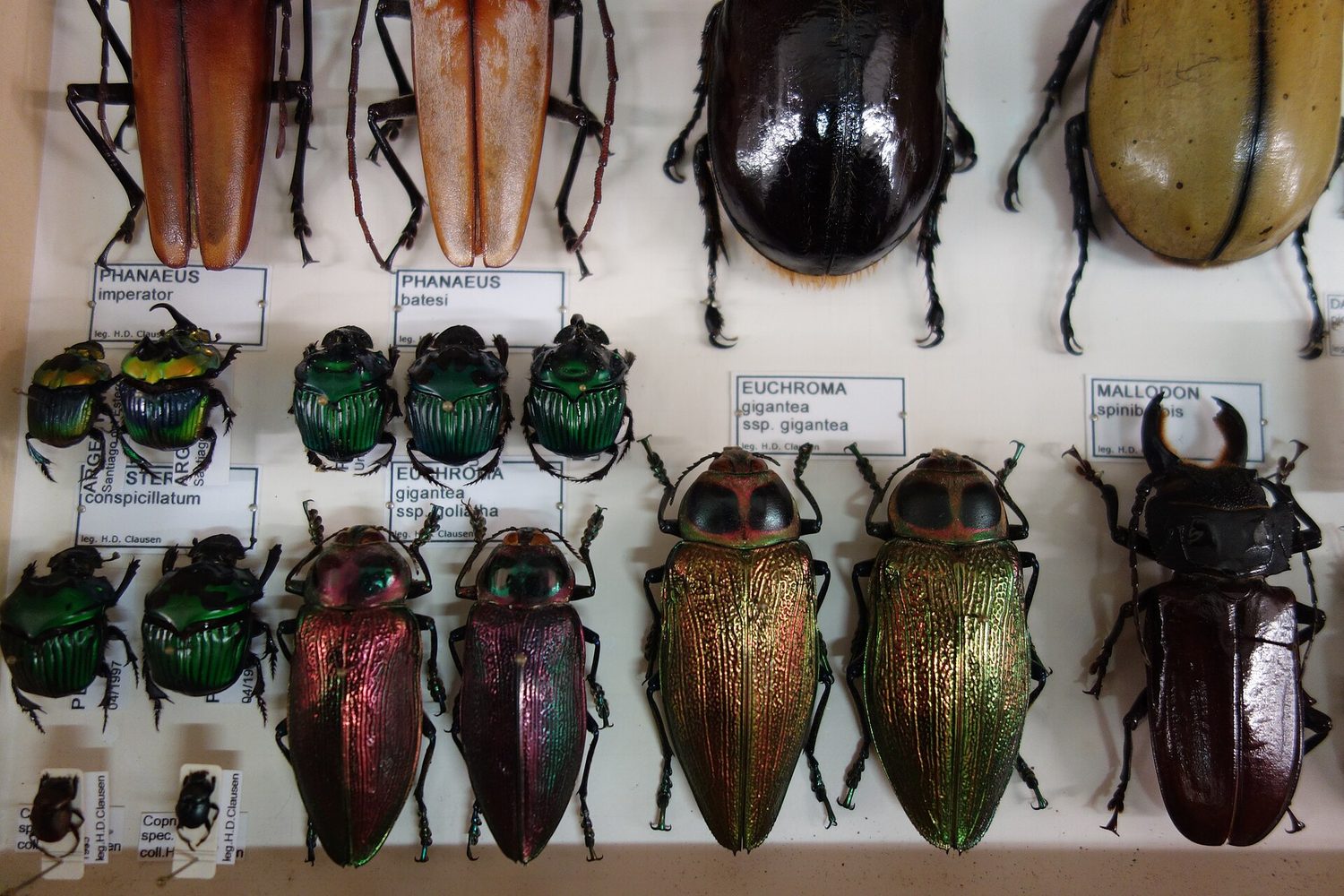

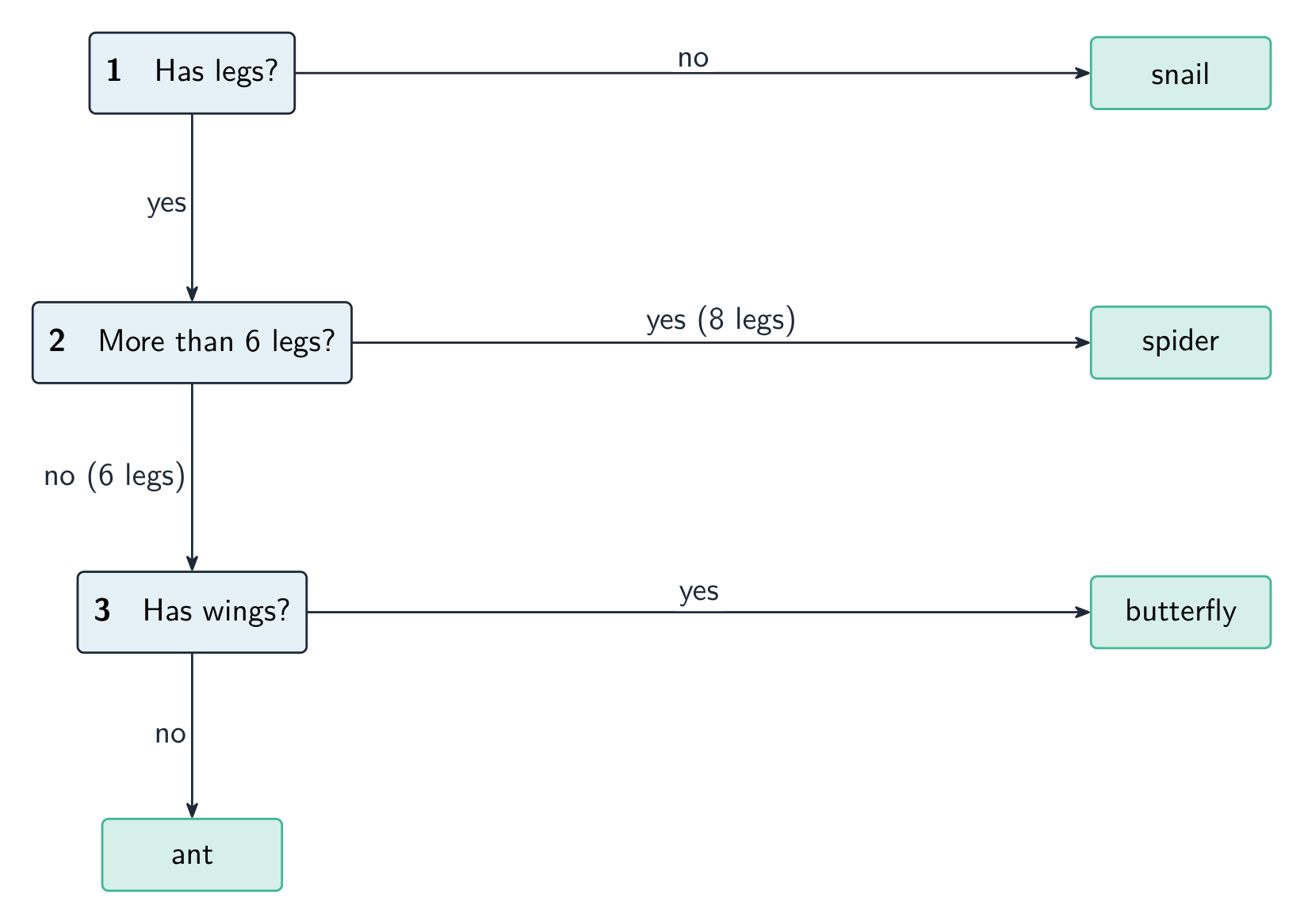
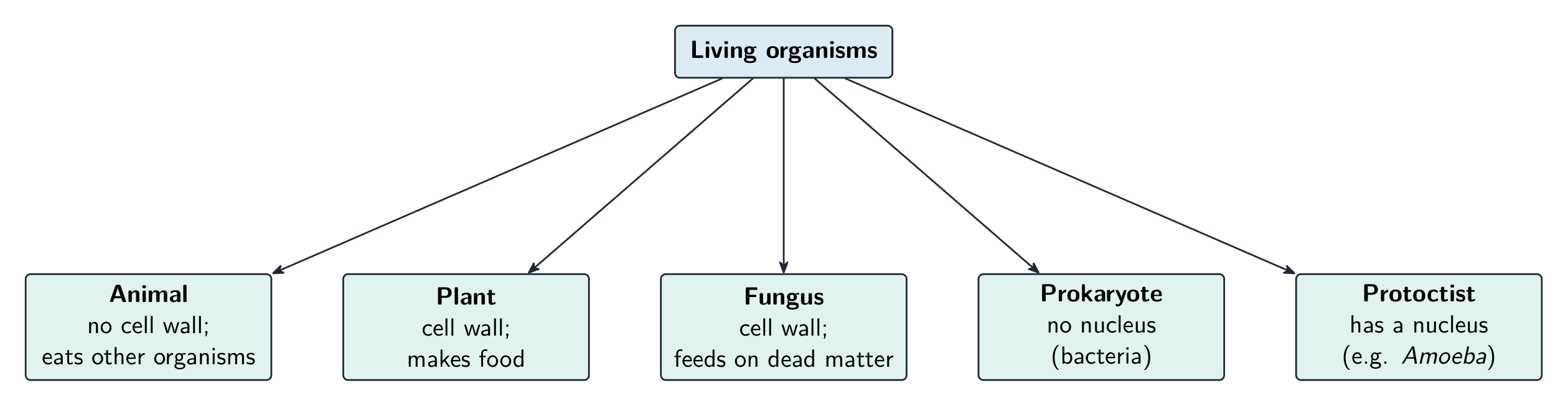


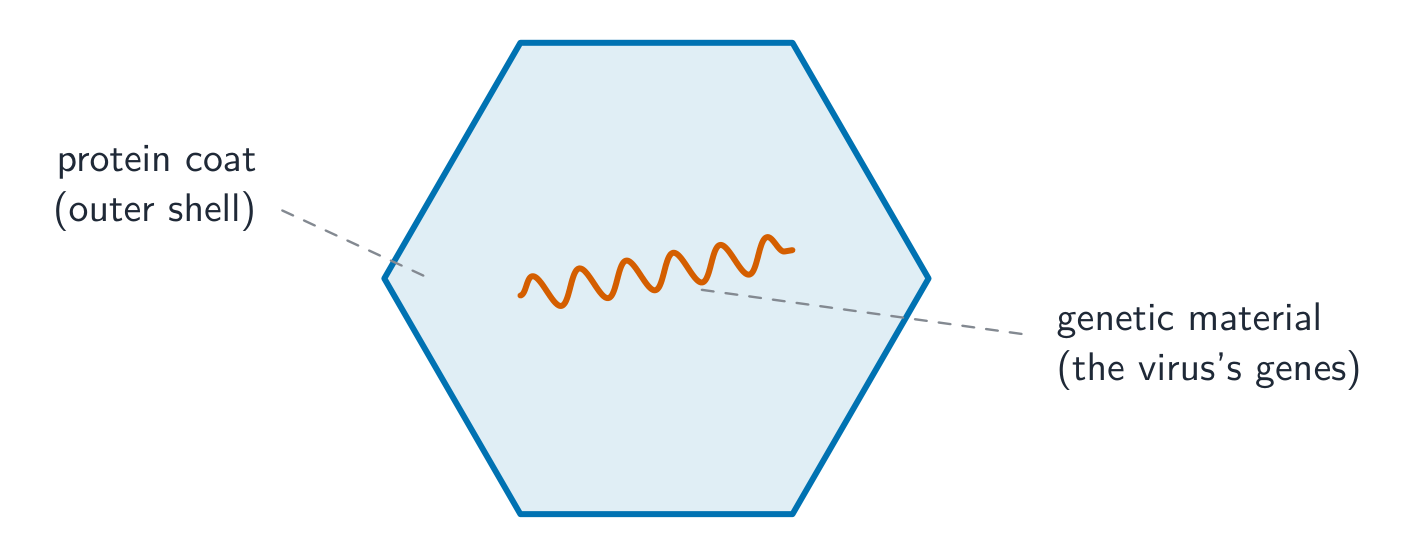


 *
*


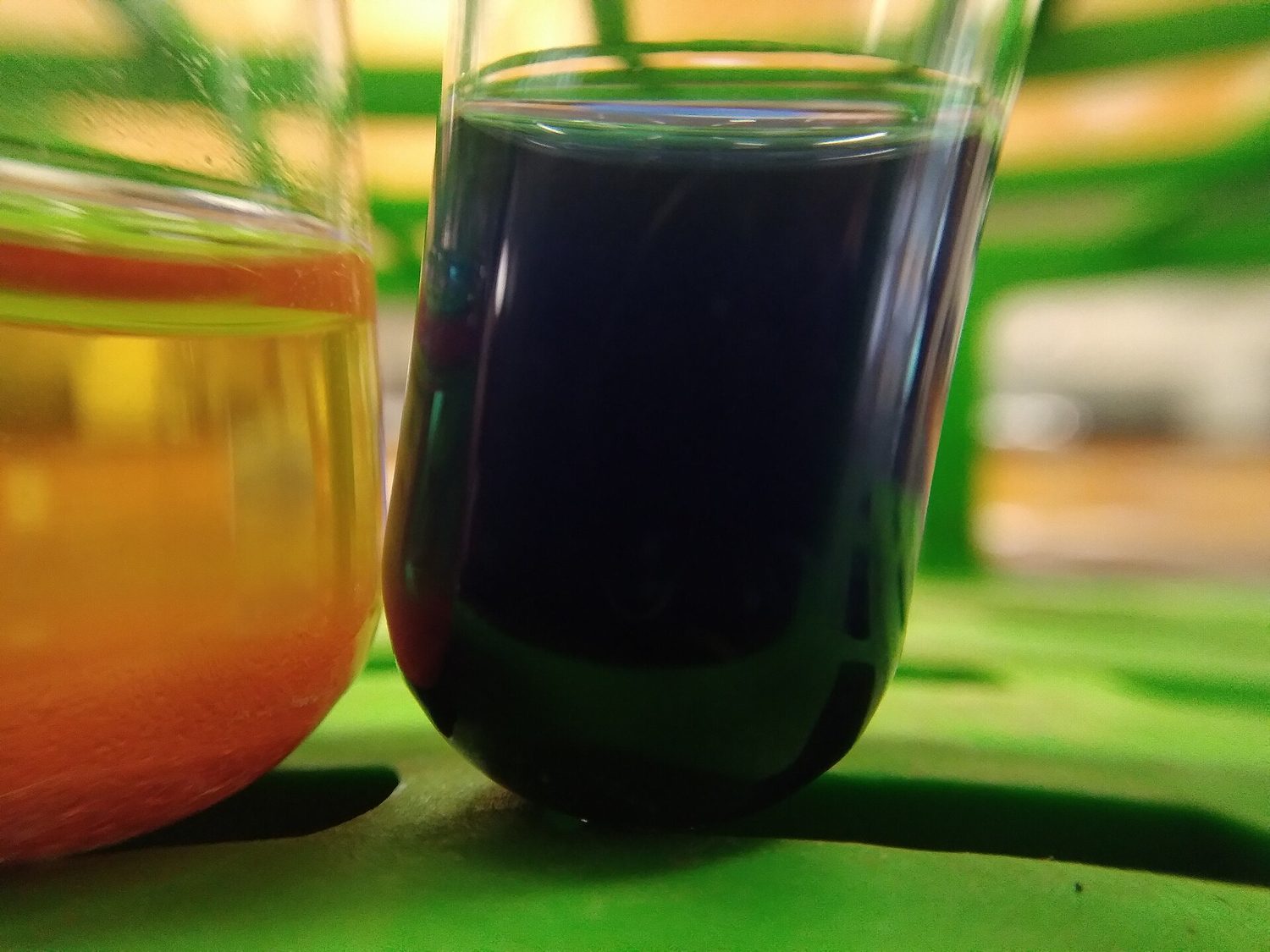


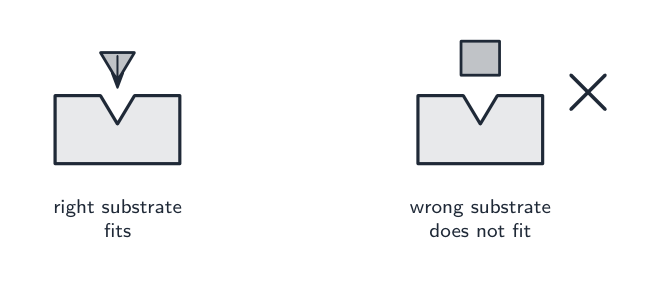
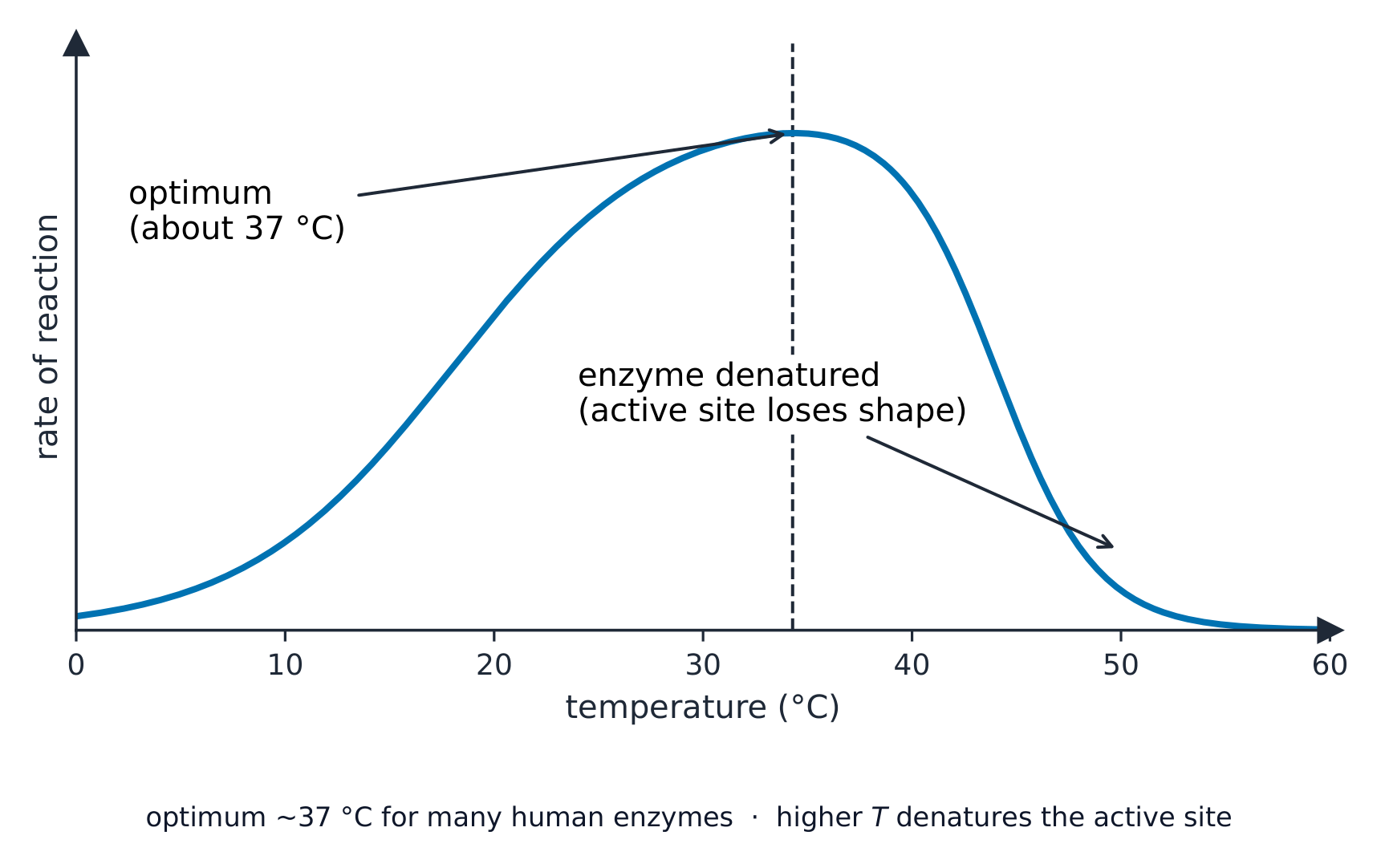
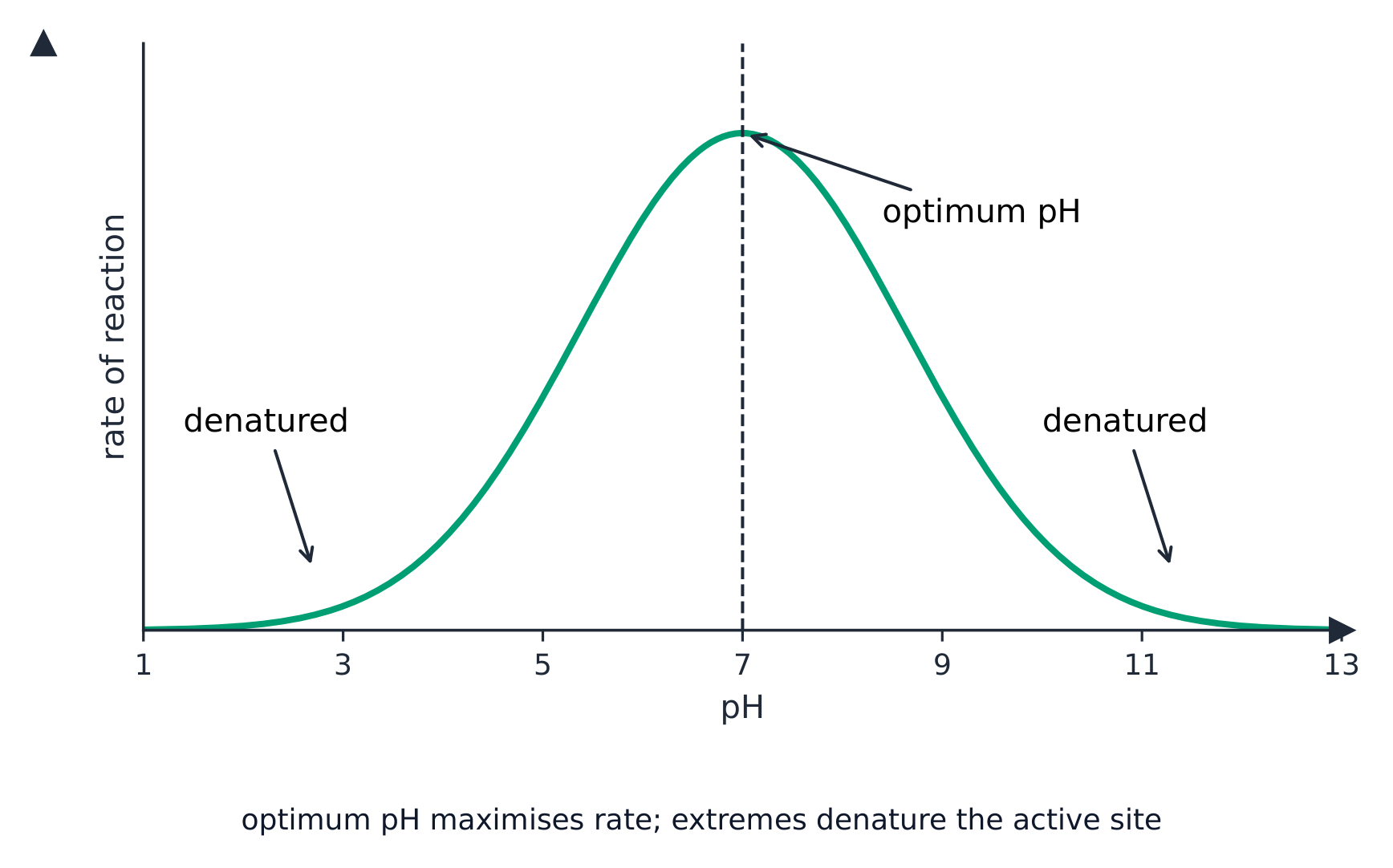

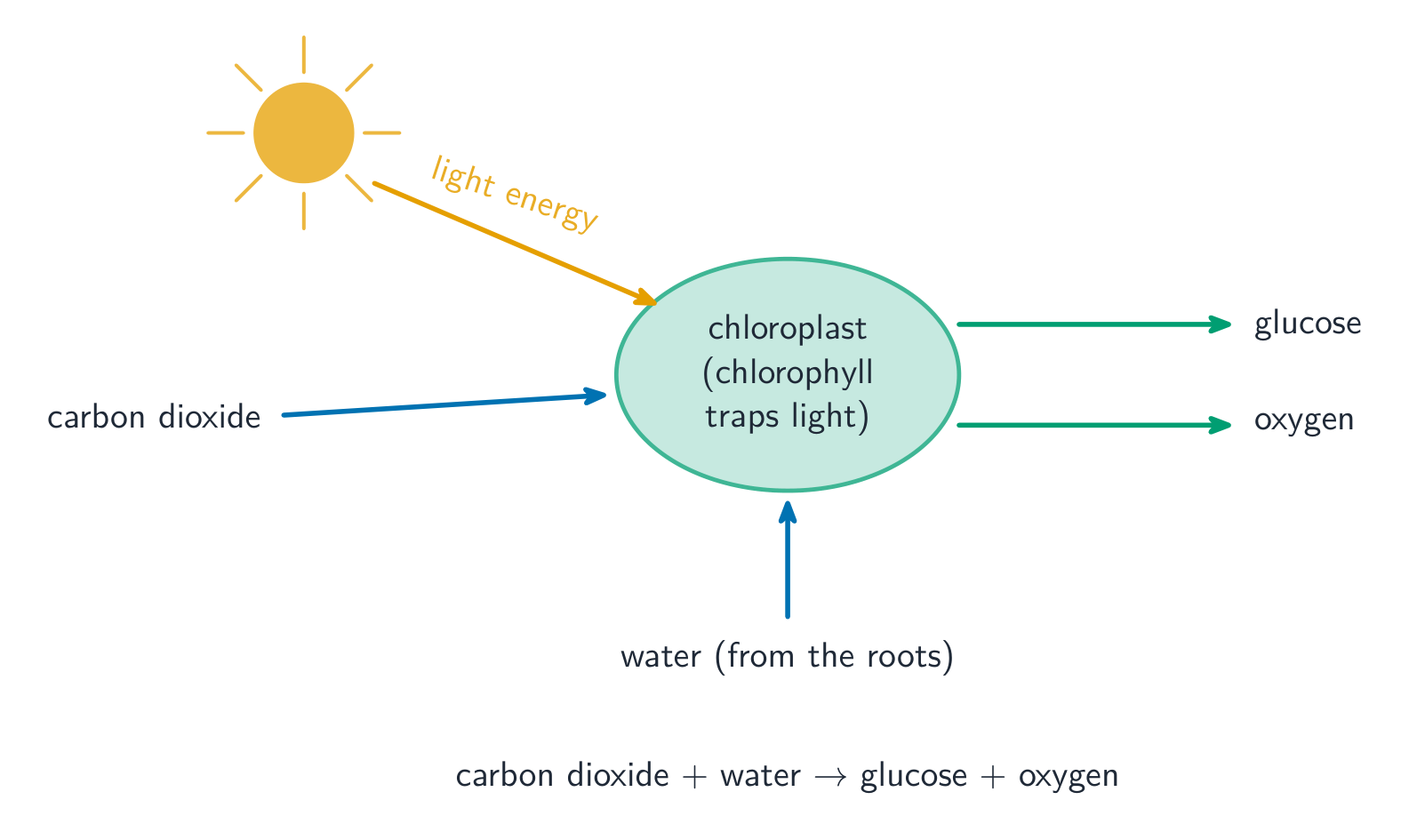
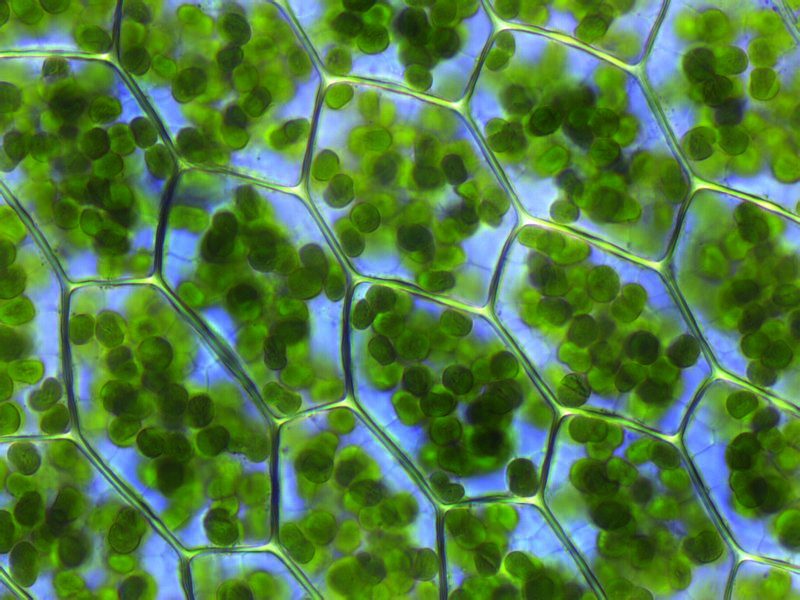


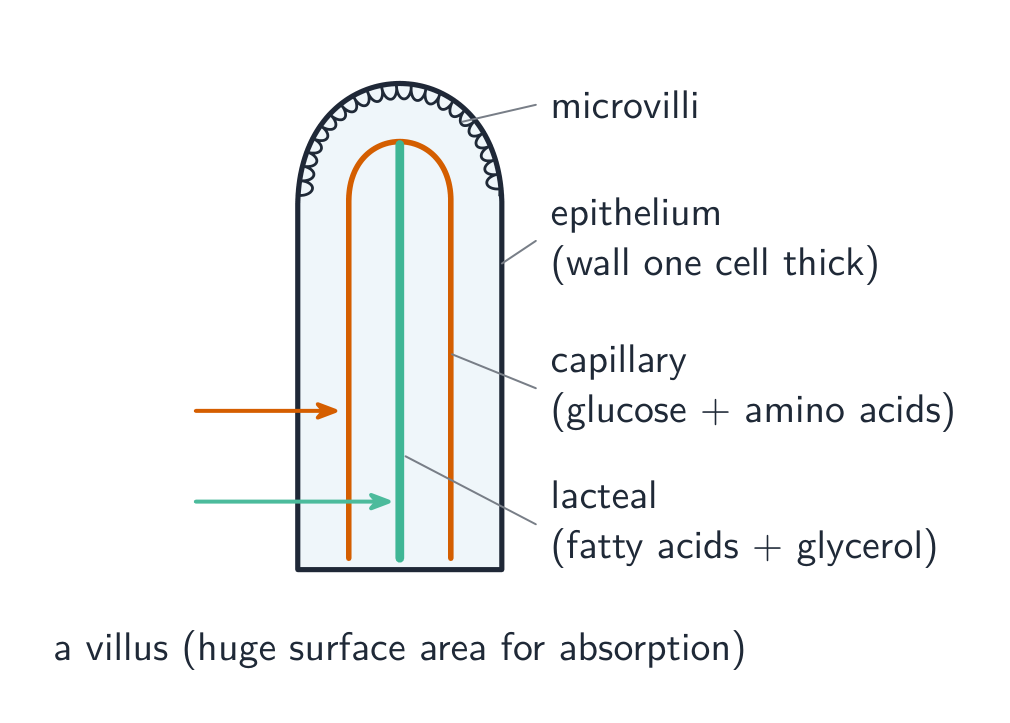


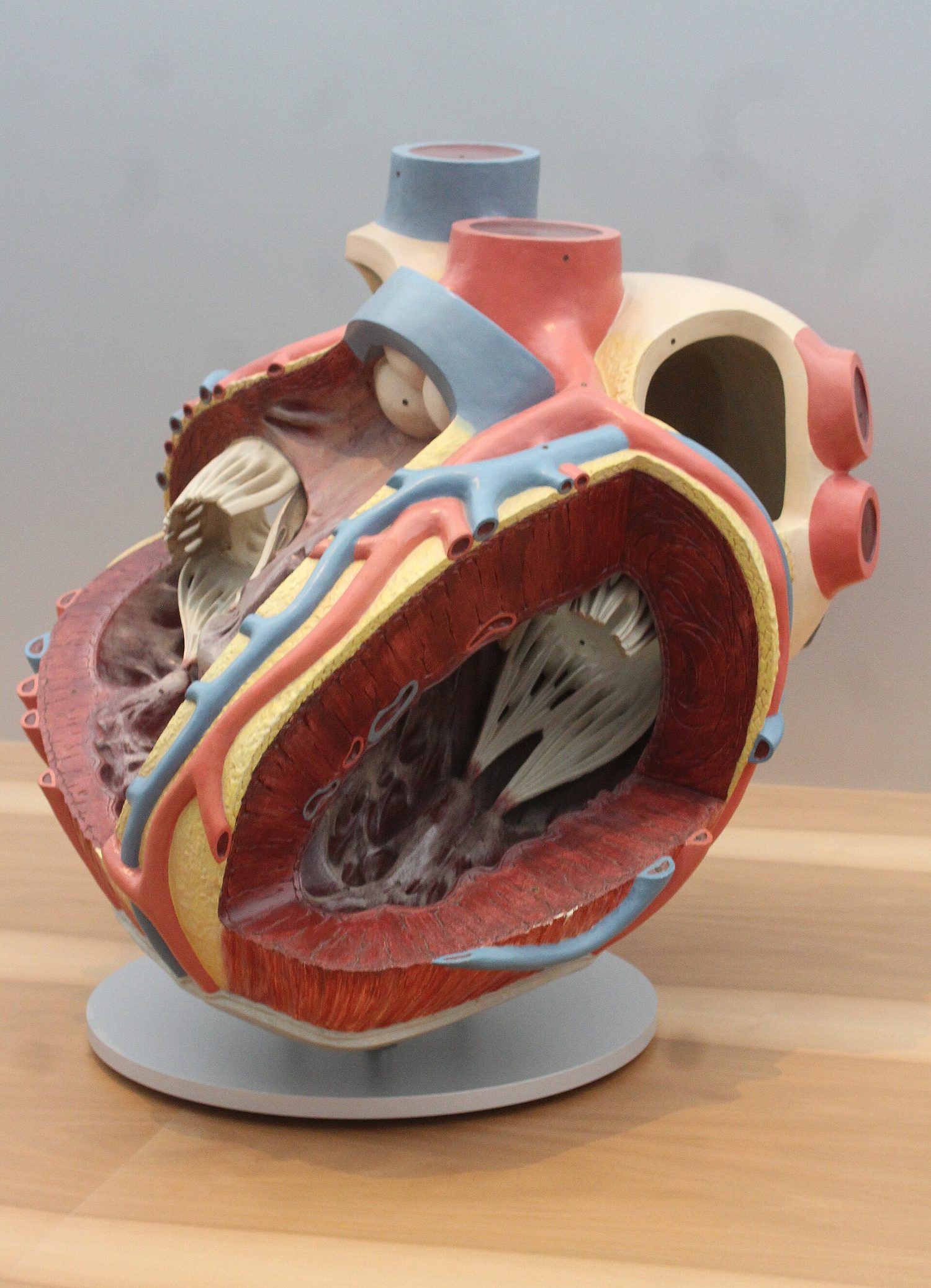
 *أثناء الرياضة يرتفع معدل ضربات القلب ليصل الدم إلى العضلات بشكل أسرع
 *أمراض القلب التاجية تضيق الشريان؛ عدة عوامل خطر ترفع هذا الخطر ونمط الحياة الصحي يقلله

 *خلايا دم حقيقية تحت المجهر الإلكتروني: خلايا حمراء (أقراص)، خلايا بيضاء وصفائح