| Enduring Understanding | Learning Objective | Essential Knowledge |
|---|---|---|
PSO-3 | PSO-3.A |
|
文化的格局与过程
AP 人文地理 · 第 3 主题
 7:50
7:50
Cultural Patterns and Processes
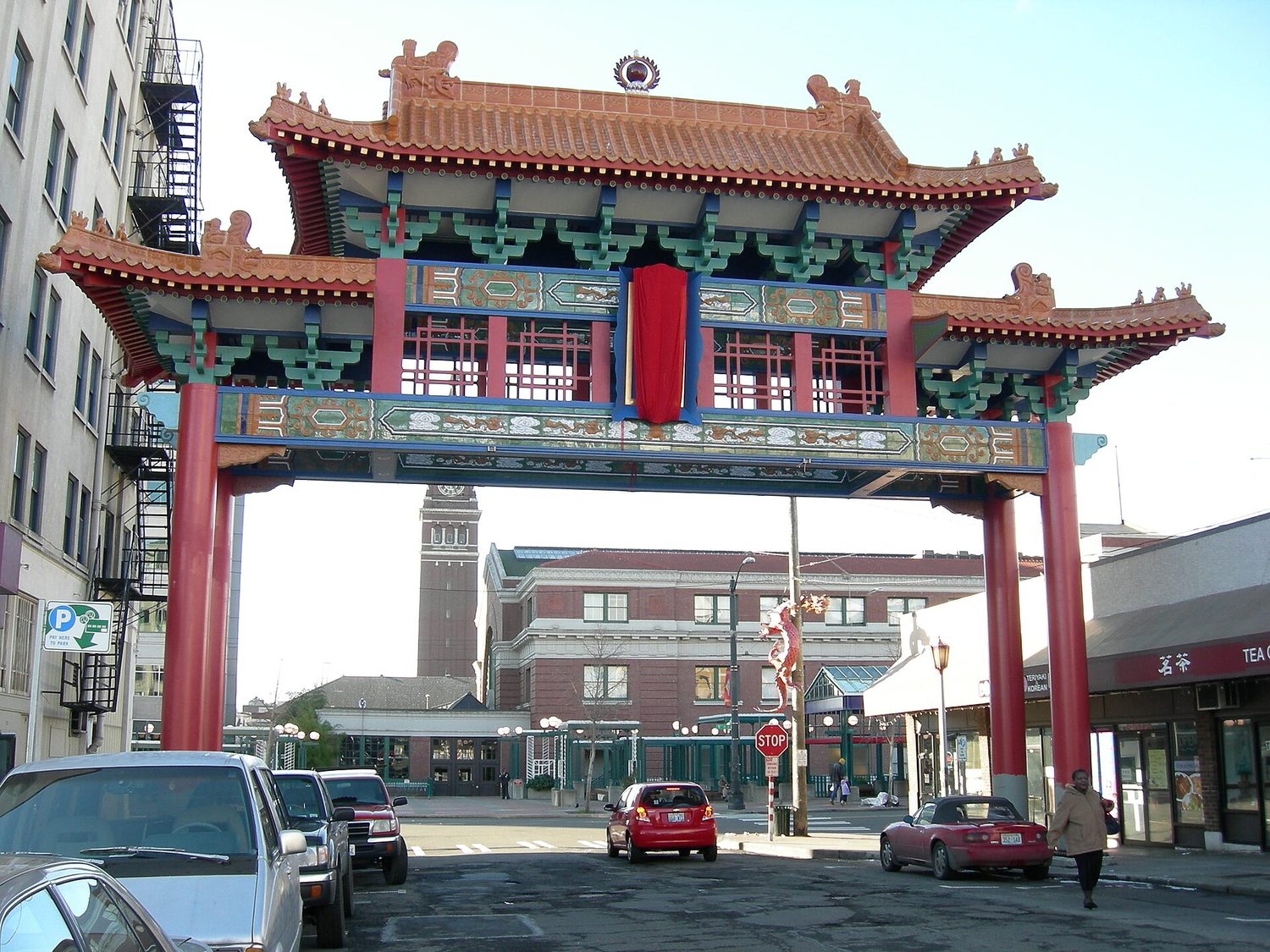
This gate stands over a street in Seattle, in the United States. But the roof, the colours and the writing all come from China, nearly ten thousand kilometres…
英文讲解 · 内嵌中英文字幕
3.1
文化导论
大纲
来源:美国大学理事会 AP 课程与考试说明
文化(culture)是一群人共享的一套信念、价值、实践和物品。地理学家把它分成两部分:
- 物质文化(material culture)——人们制造和使用的东西(衣服、工具、食物、建筑、艺术)。
- 非物质文化(nonmaterial culture)——人们持有的思想(语言、宗教、价值、规则)。
一个文化特征(cultural trait)是文化的一个单一元素(用筷子);一组相连的特征是一个文化丛(cultural complex)。文化相对论(cultural relativism)是用一个文化自己的标准而不是你自己的来评判它的做法。
词汇表
训练
| 英文 | 中文 | 拼音 |
|---|---|---|
| Culture/ˈkʌltʃə/ | 文化 | wén huà |
| Material culture/məˈtɪərɪəl ˈkʌltʃə/ | 物质文化 | wù zhì wén huà |
| Nonmaterial culture/ˌnɒnməˈtɪərɪəl ˈkʌltʃə/ | 非物质文化 | fēi wù zhì wén huà |
| cultural trait/ˈkʌltʃərəl treɪt/ | 文化特征 | wén huà tè zhēng |
| Cultural relativism/ˈkʌltʃərəl ˈrelətɪvɪzəm/ | 文化相对论 | wén huà xiāng duì lùn |
3.2
文化景观
大纲
| Enduring Understanding | Learning Objective | Essential Knowledge |
|---|---|---|
PSO-3 | PSO-3.B |
|
PSO-3.C |
|
来源:美国大学理事会 AP 课程与考试说明
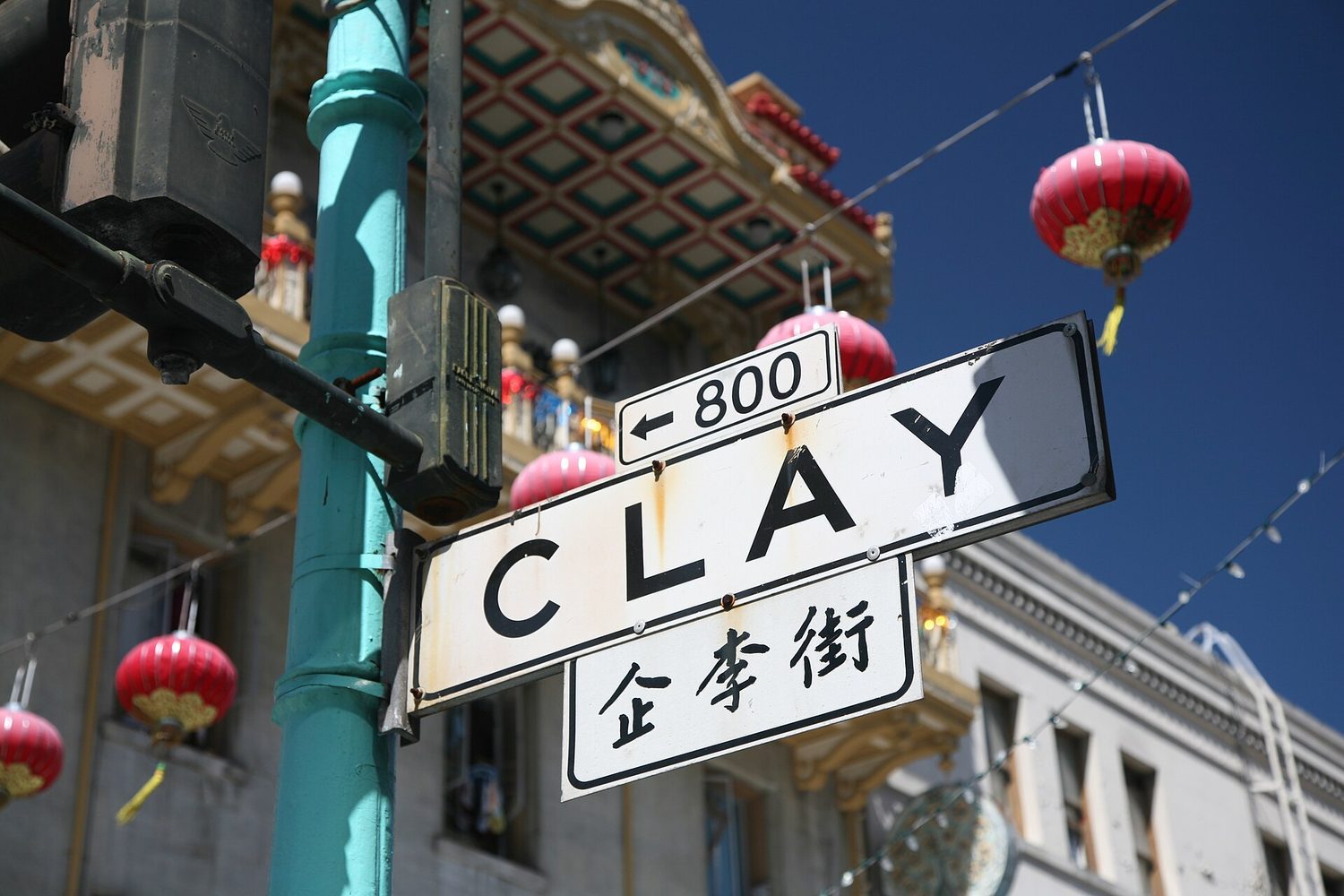
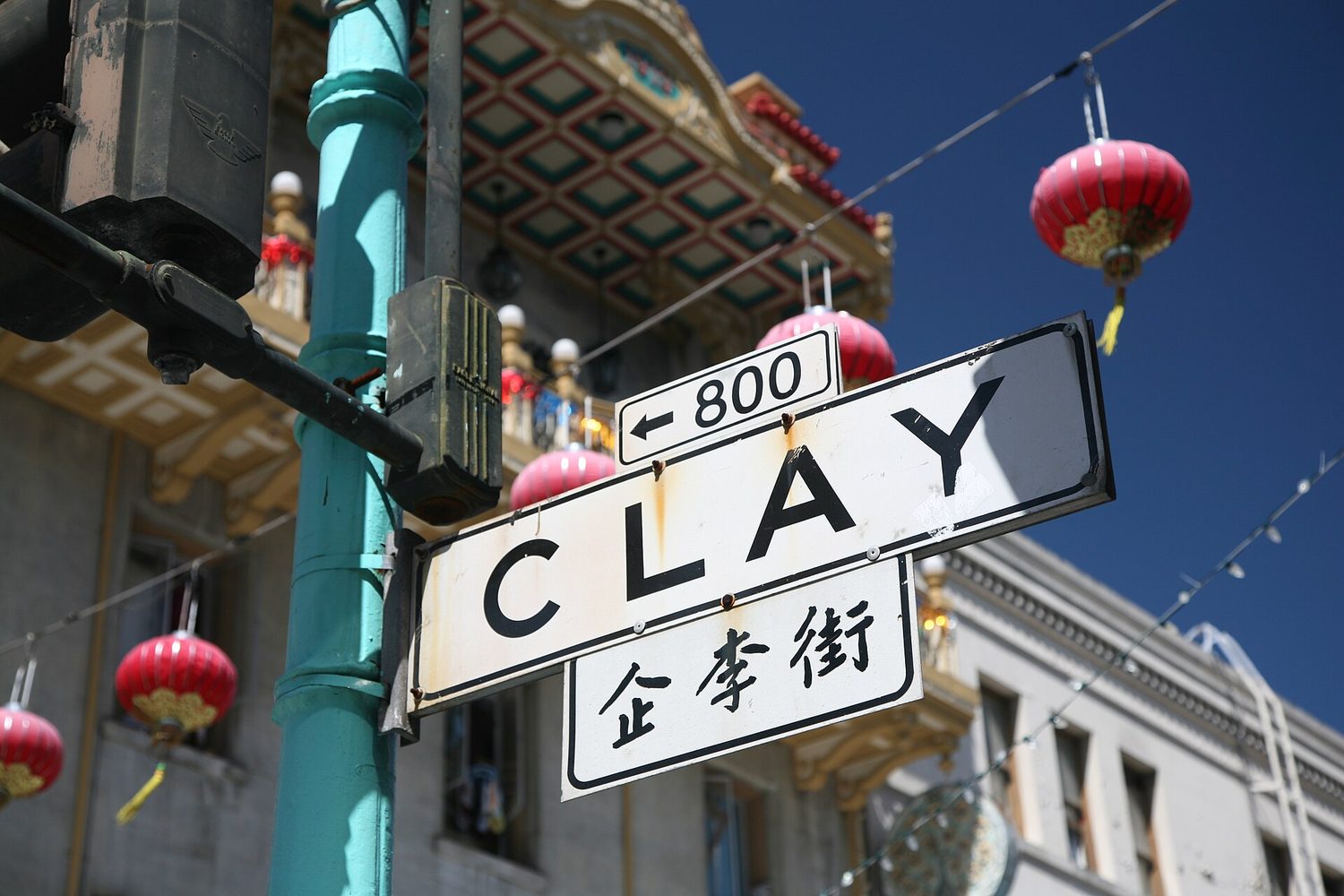
文化景观(cultural landscape)是人类活动在土地上可见的印记——建筑、农场、道路、标志和纪念碑。它记录制造它的人们的价值。
- 承继占用(sequent occupance)是每个住在一个地方的群体在景观上留下一层的思想,所以景观显示它的整个历史。
- 族裔聚居区(ethnic enclaves)、宗教建筑,和标志上的语言都是谁住在那里以及他们珍视什么的可读线索。
词汇表
训练
| 英文 | 中文 | 拼音 |
|---|---|---|
| cultural landscape/ˈkʌltʃərəl ˈlændskeɪp/ | 文化景观 | wén huà jǐng guān |
| Sequent occupance/ˈsiːkwənt ˈɒkjʊpəns/ | 承继占用 | chéng jì zhàn yòng |
| Ethnic enclaves/ˈeθnɪk ˈeŋkleɪvz/ | 族裔聚居区 | zú yì jù jū qū |
| Diffusion/dɪˈfjuːʒn/ | 扩散 | kuò sàn |
3.3
文化格局
大纲
| Enduring Understanding | Learning Objective | Essential Knowledge |
|---|---|---|
PSO-3 | PSO-3.D |
|
来源:美国大学理事会 AP 课程与考试说明
文化以格局跨空间扩散。关键思想:
- 向心力(centripetal forces)把一个群体拉到一起(一个共享的语言或宗教);离心力(centrifugal forces)把它推开。
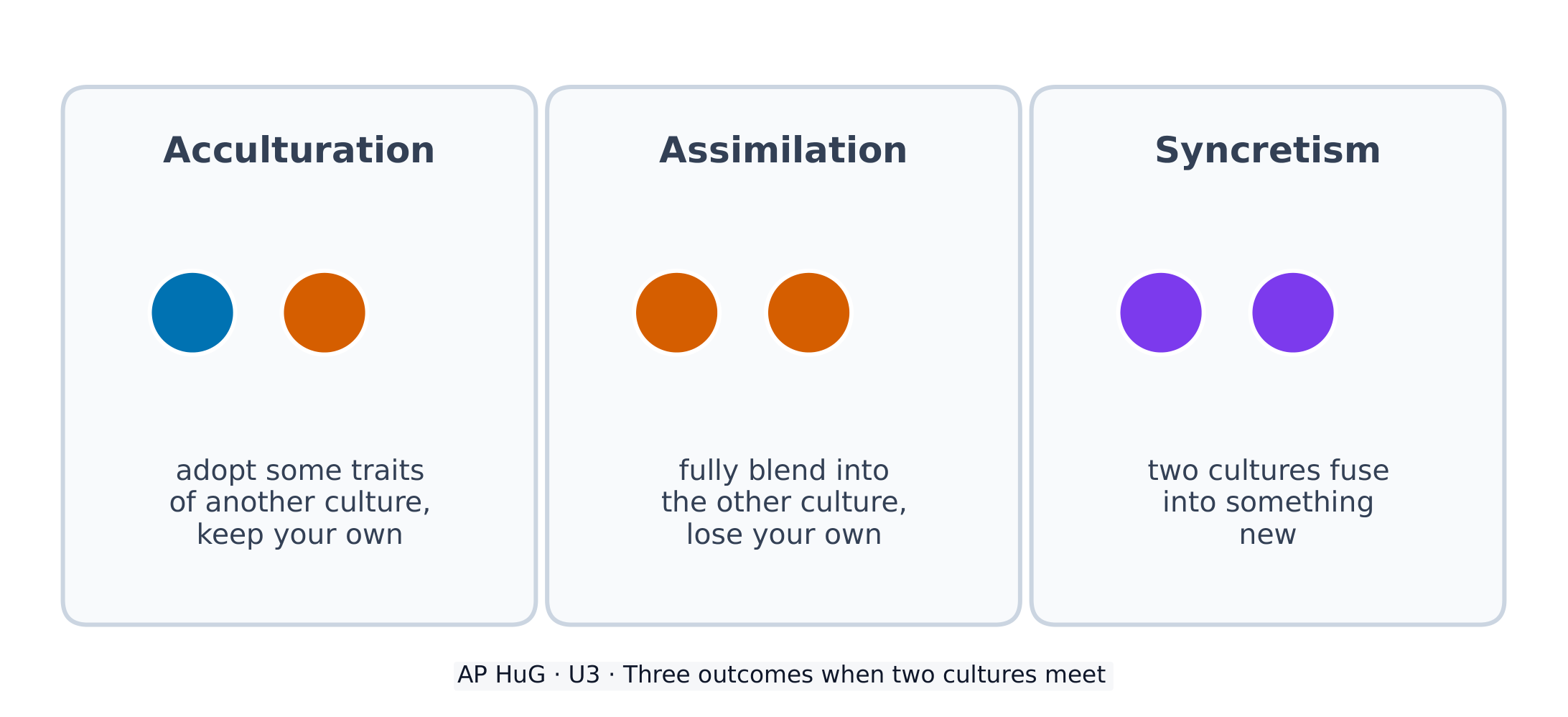
- 文化适应(acculturation)(采用另一个文化的一些特征同时保持你自己的)、同化(assimilation)(完全融入另一个文化),和融合(syncretism)(两个文化融合成某种新的东西)描述文化在接触时如何变化。
- 一门通用语(lingua franca)是说不同第一语言的群体之间使用的一门共同语言。
Worked example(一道真实的 AP 考题)。 "解释食物偏好如何能是一个文化特征。"(2023)满分答案:"许多菜肴使用某一个文化群体独有的配料或烹饪方式——例如一道国菜——所以选择和吃那种食物表达了对该群体的归属,这就是使它成为文化特征的原因。" 命令词 Explain(解释)需要一个联系,而不是一个定义:把食物偏好与共享文化的概念连接起来。只列出食物得零分。
词汇表
训练
| 英文 | 中文 | 拼音 |
|---|---|---|
| Centripetal forces/senˈtrɪpɪtl ˈfɔːsɪz/ | 向心力 | xiàng xīn lì |
| centrifugal forces/ˌsentrɪˈfjuːɡl ˈfɔːsɪz/ | 离心力 | lí xīn lì |
| Acculturation/əˌkʌltʃəˈreɪʃn/ | 文化适应 | wén huà shì yìng |
| assimilation/əˌsɪmɪˈleɪʃn/ | 同化 | tóng huà |
| syncretism/ˈsɪŋkrɪtɪzəm/ | 融合 | róng hé |
| lingua franca/ˈlɪŋɡjuːə ˈfræŋkə/ | 通用语 | tōng yòng yǔ |
3.4
扩散的类型
大纲
| Enduring Understanding | Learning Objective | Essential Knowledge |
|---|---|---|
IMP-3 | IMP-3.A |
|
来源:美国大学理事会 AP 课程与考试说明
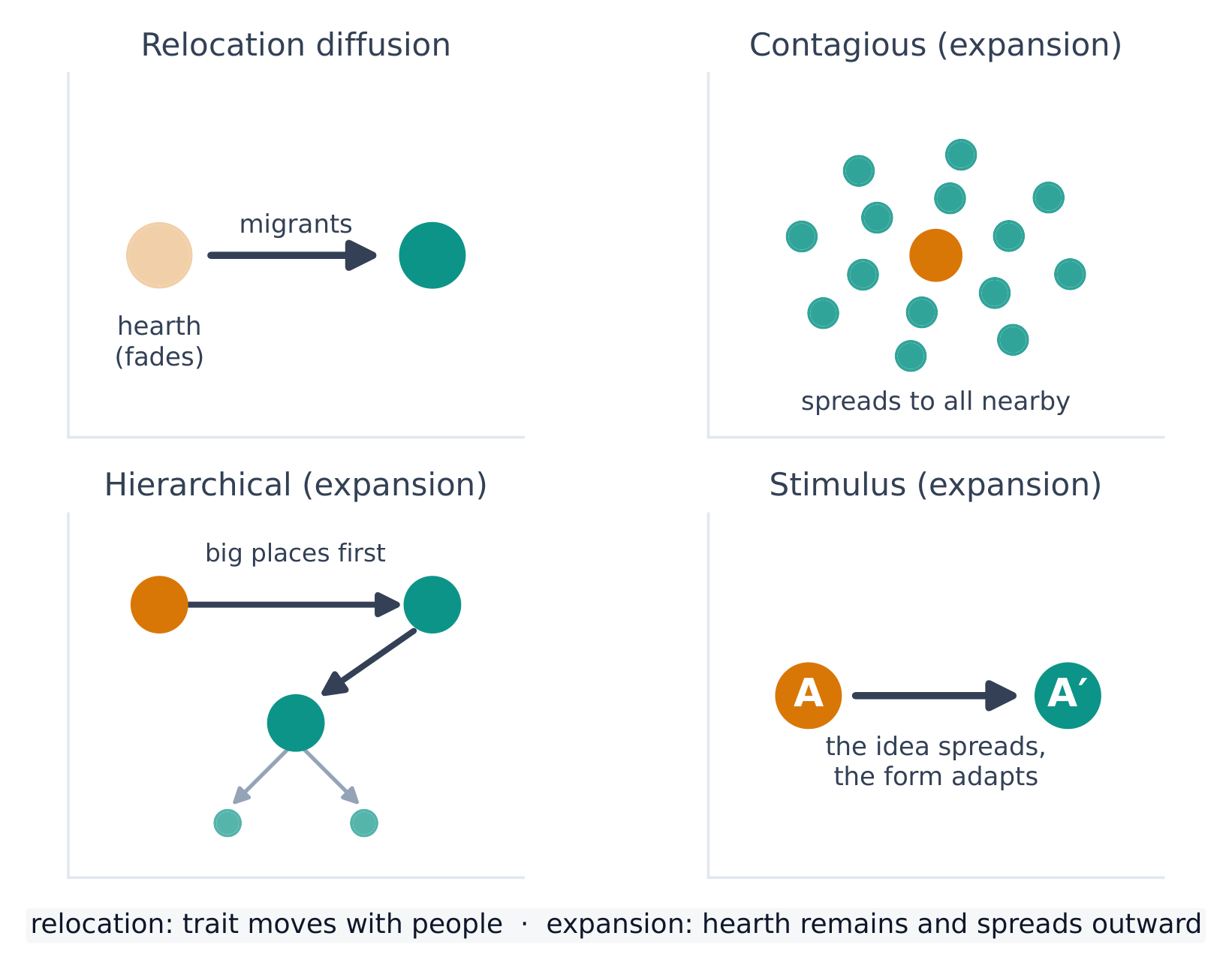
扩散(diffusion)是一个文化特征从它的源地(hearth)(起源地)向新地区的传播。有两个大家族。
- 迁移扩散(relocation diffusion)——特征随着人们迁移而移动,所以它出现在新地方但可能在源头消退。
- 扩展扩散(expansion diffusion)——特征向外传播同时在源头保持强。它有三种类型:
- 传染扩散(contagious)——人对人地传播给附近的人(像一个病毒视频)。
- 等级扩散(hierarchical)——先从大的、重要的地方跳到其他大的地方(来自大城市的一个时尚)。
- 刺激扩散(stimulus)——即使确切的特征改变,底层的思想也传播(一个全球品牌本地地调整它的菜单)。
探索
Which type of diffusion is it?
Relocation diffusion moves with migrants; contagious spreads to everyone nearby; hierarchical jumps between big places; stimulus spreads the idea while the form changes.
词汇表
训练
| 英文 | 中文 | 拼音 |
|---|---|---|
| hearth/hɑːθ/ | 源地 | yuán dì |
| Relocation diffusion/rɪləʊˈkeɪʃn dɪˈfjuːʒn/ | 迁移扩散 | qiān yí kuò sàn |
| Expansion diffusion/ekˈspænʃn dɪˈfjuːʒn/ | 扩展扩散 | kuò zhǎn kuò sàn |
| Contagious/kənˈteɪdʒəs/ | 传染扩散 | chuán rǎn kuò sàn |
| Hierarchical/haɪəˈrɑːkɪkl/ | 等级扩散 | děng jí kuò sàn |
| Stimulus/ˈstɪmjʊləs/ | 刺激扩散 | cì jī kuò sàn |
3.5 3.6
扩散的历史原因
大纲
| Enduring Understanding | Learning Objective | Essential Knowledge |
|---|---|---|
SPS-3 | SPS-3.A |
|
| Enduring Understanding | Learning Objective | Essential Knowledge |
|---|---|---|
SPS-3 | SPS-3.A |
|
来源:美国大学理事会 AP 课程与考试说明
扩散有历史和当代的原因。
- 历史:殖民主义(colonialism)、帝国主义(imperialism)、贸易,和宗教的传播几个世纪以来把文化带到世界各地。
- 当代:全球化(globalisation)、互联网、交通,和时空压缩巨大地加速扩散——一个趋势现在能在几小时内传遍全世界。
这些力量能传播文化但也威胁本地传统,引发关于一个全球文化与本地身份的辩论。
词汇表
训练
| 英文 | 中文 | 拼音 |
|---|---|---|
| colonialism/ˈkɒləʊnɪəlɪzəm/ | 殖民主义 | zhí mín zhǔ yì |
| imperialism/ɪmˈpɪərɪəlɪzəm/ | 帝国主义 | dì guó zhǔ yì |
| globalisation/ˌɡləʊbəlaɪˈzeɪʃn/ | 全球化 | quán qiú huà |
3.7
宗教与语言的扩散
大纲
| Enduring Understanding | Learning Objective | Essential Knowledge |
|---|---|---|
IMP-3 | IMP-3.B |
|
来源:美国大学理事会 AP 课程与考试说明
宗教和语言是文化扩散最清晰的两个例子。
- 普世宗教(universalising religions)(基督教、伊斯兰教、佛教)主动寻求皈依者并通过扩展和迁移扩散广泛传播。民族宗教(ethnic religions)(印度教、犹太教)与一个群体绑定,主要通过迁移传播。
- 语言属于语系(language families);它们随着迁移和贸易传播,并能分裂成方言(dialects)或随着说话者转向一门主导语言而消亡。
词汇表
训练
| 英文 | 中文 | 拼音 |
|---|---|---|
| Universalising religions/ˌjuːnɪˈvɜːsəlaɪzɪŋ rɪˈlɪdʒnz/ | 普世宗教 | pǔ shì zōng jiào |
| Ethnic religions/ˈeθnɪk rɪˈlɪdʒnz/ | 民族宗教 | mín zú zōng jiào |
| language families/ˈlæŋɡwɪdʒ ˈfæmɪliz/ | 语系 | yǔ xì |
| dialects/ˈdaɪəlekts/ | 方言 | fāng yán |
3.8
扩散的影响
大纲
| Enduring Understanding | Learning Objective | Essential Knowledge |
|---|---|---|
SPS-3 | SPS-3.B |
|
来源:美国大学理事会 AP 课程与考试说明
当文化传播并相遇时,几个结果随之而来:
- 文化趋同(cultural convergence)——文化随着它们共享特征而变得更相似(全球品牌、网上的英语)。
- 文化分化(cultural divergence)——一个文化变得更独特,常常为了抵抗外部影响。
- 扩散能用新的食物、音乐和思想丰富一个地方,但也能侵蚀本地语言和传统——一个全球化世界的一个核心张力。
词汇表
训练
| 英文 | 中文 | 拼音 |
|---|---|---|
| Cultural convergence/ˈkʌltʃərəl kənˈvɜːdʒəns/ | 文化趋同 | wén huà qū tóng |
| Cultural divergence/ˈkʌltʃərəl daɪˈvɜːdʒəns/ | 文化分化 | wén huà fēn huà |
3.8
考试技巧
- 把迁移扩散(人移动)与扩展扩散(思想传播并留在它的源头)区分开。
- 精确地命名扩展的子类型:传染、等级或刺激。
- 把普世宗教(寻求皈依者)与民族宗教(主要通过出生传播)分开。
- 用文化景观——建筑、地名(toponyms)、承继占用——作为过去群体的证据。
- 对于效应,把文化适应、同化和融合保持分明;它们不相同。
本主题的互动课程
逐步学习,并即时检测练习。