跳到主要内容

农业与乡村土地利用的格局与过程

AP 人文地理 · 第 5 主题

训练
讲义 词汇表
5.1

农业导论

大纲
Enduring UnderstandingLearning ObjectiveEssential Knowledge

PSO-5
Availability of resources and cultural practices influence agricultural practices and land-use patterns.

PSO-5.A
Explain the connection between physical geography and agricultural practices.

  • PSO-5.A.1 Agricultural practices are influenced by the physical environment and climatic conditions, such as the Mediterranean climate and tropical climates.
  • PSO-5.A.2 Intensive farming practices include market gardening, plantation agriculture, and mixed crop/livestock systems.
  • PSO-5.A.3 Extensive farming practices include shifting cultivation, nomadic herding, and ranching.

来源:美国大学理事会 AP 课程与考试说明

农业(agriculture)是为食物和其他产品而有意地种植作物和饲养动物。第一个大分割:

  • 自给农业(subsistence agriculture)——为养活农民自己的家庭而务农,在欠发达地区常见。
  • 商业农业(commercial agriculture)——为出售获利而务农,在发达地区常见并常常大规模和机械化。

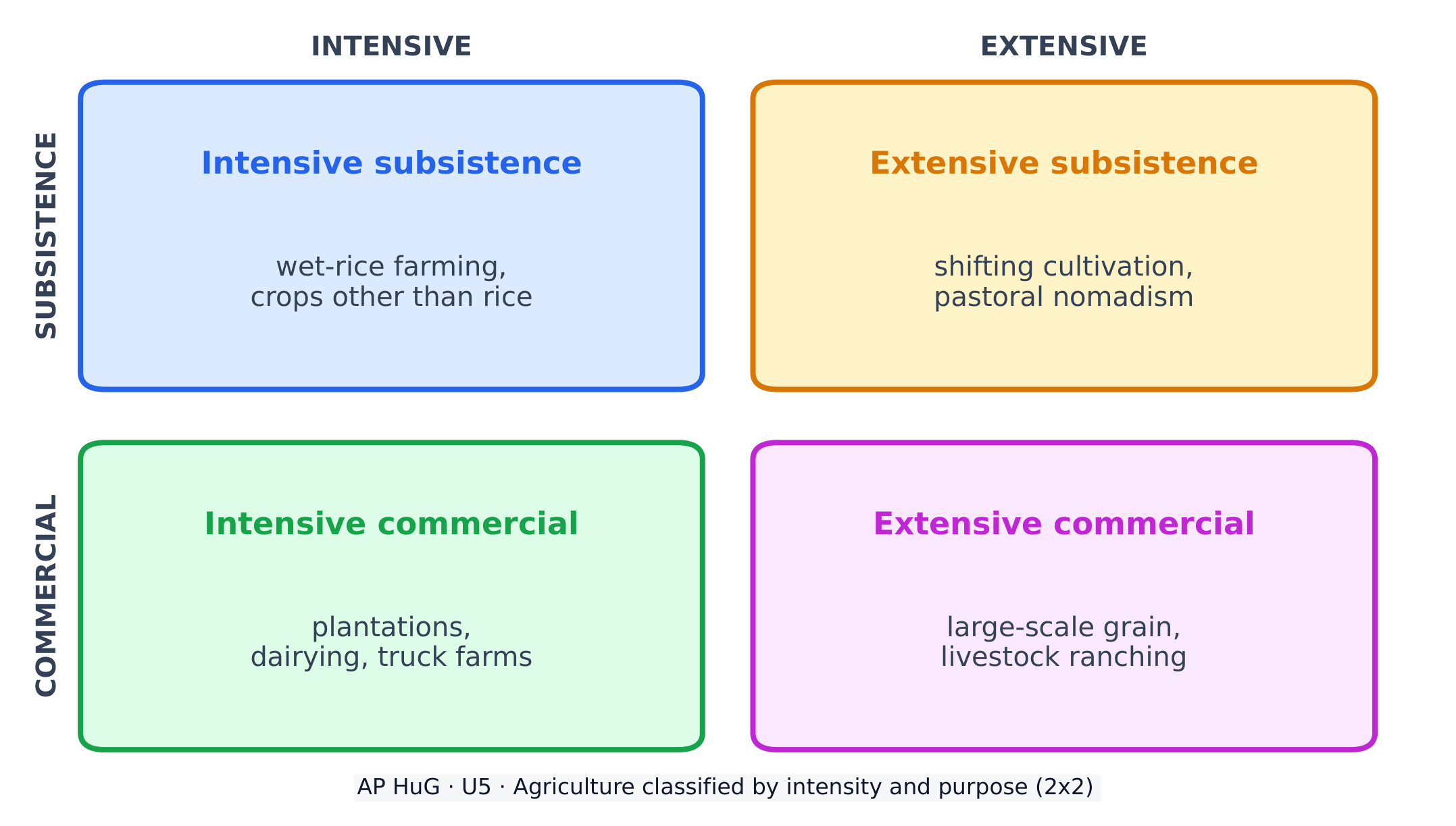
农业也按强度变化:集约(intensive)农业在一个小地区上使用大量的劳动或金钱(稻田、市场园艺);粗放(extensive)农业在一个大地区上使用很少的投入(牧场、迁移耕作)。

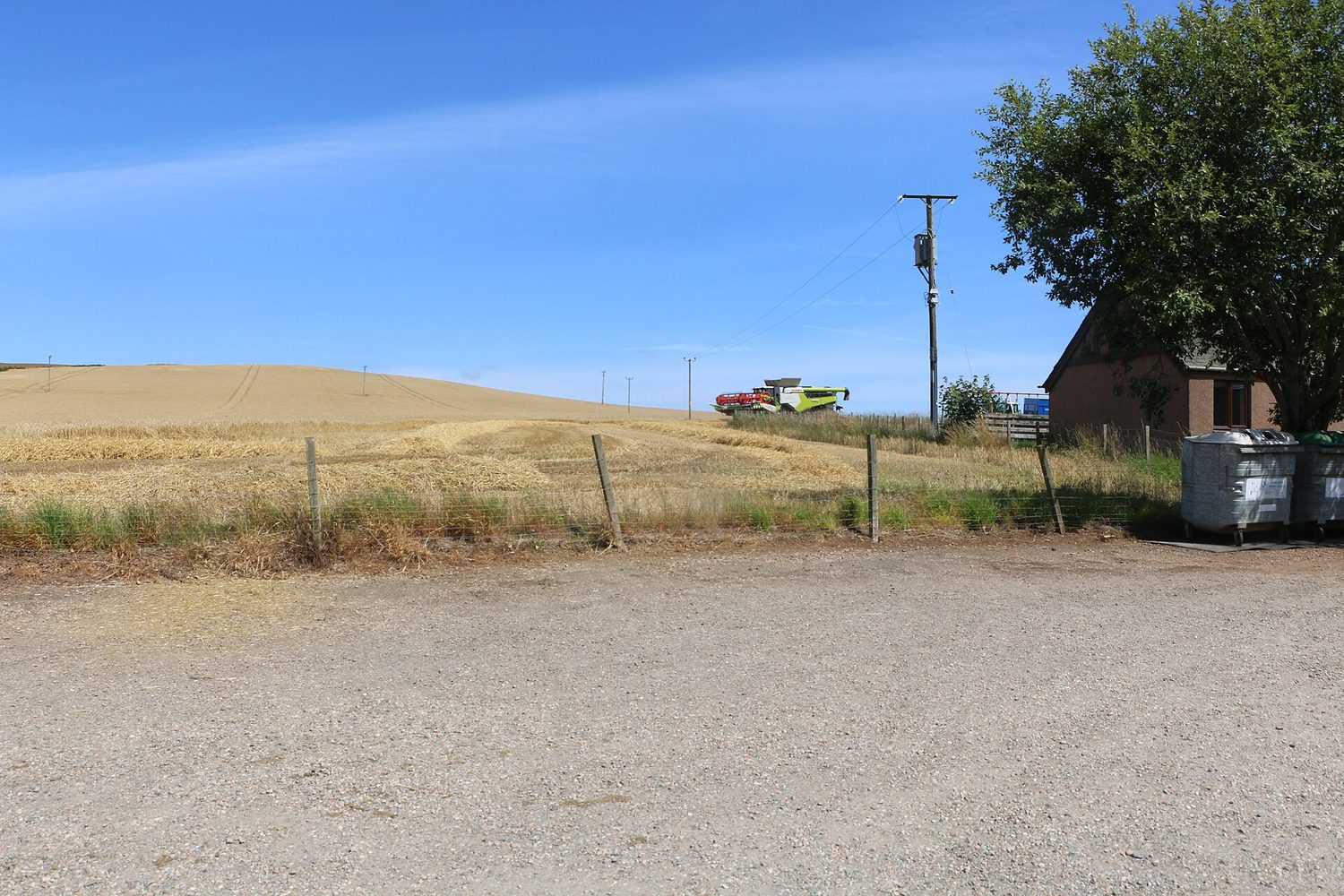
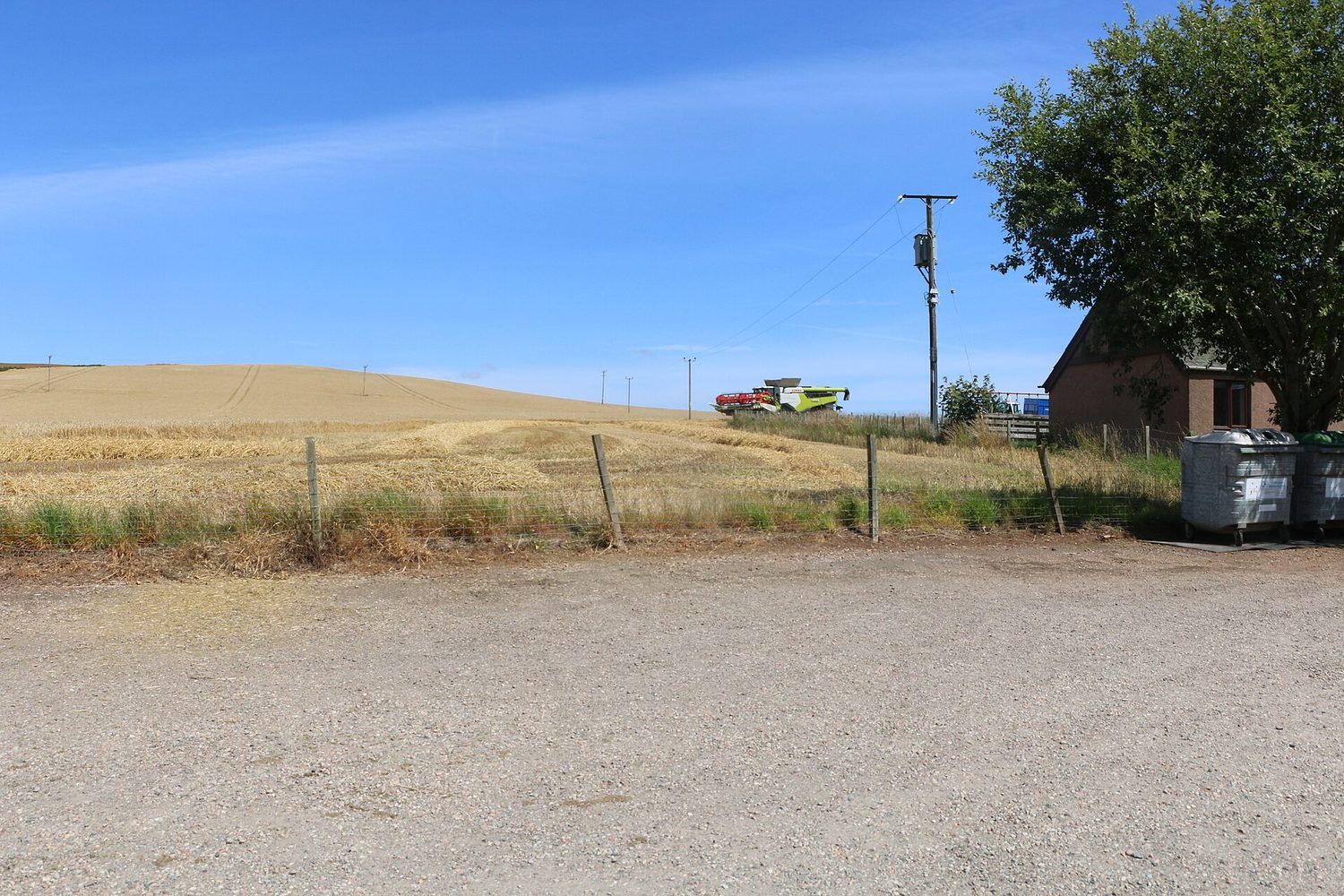
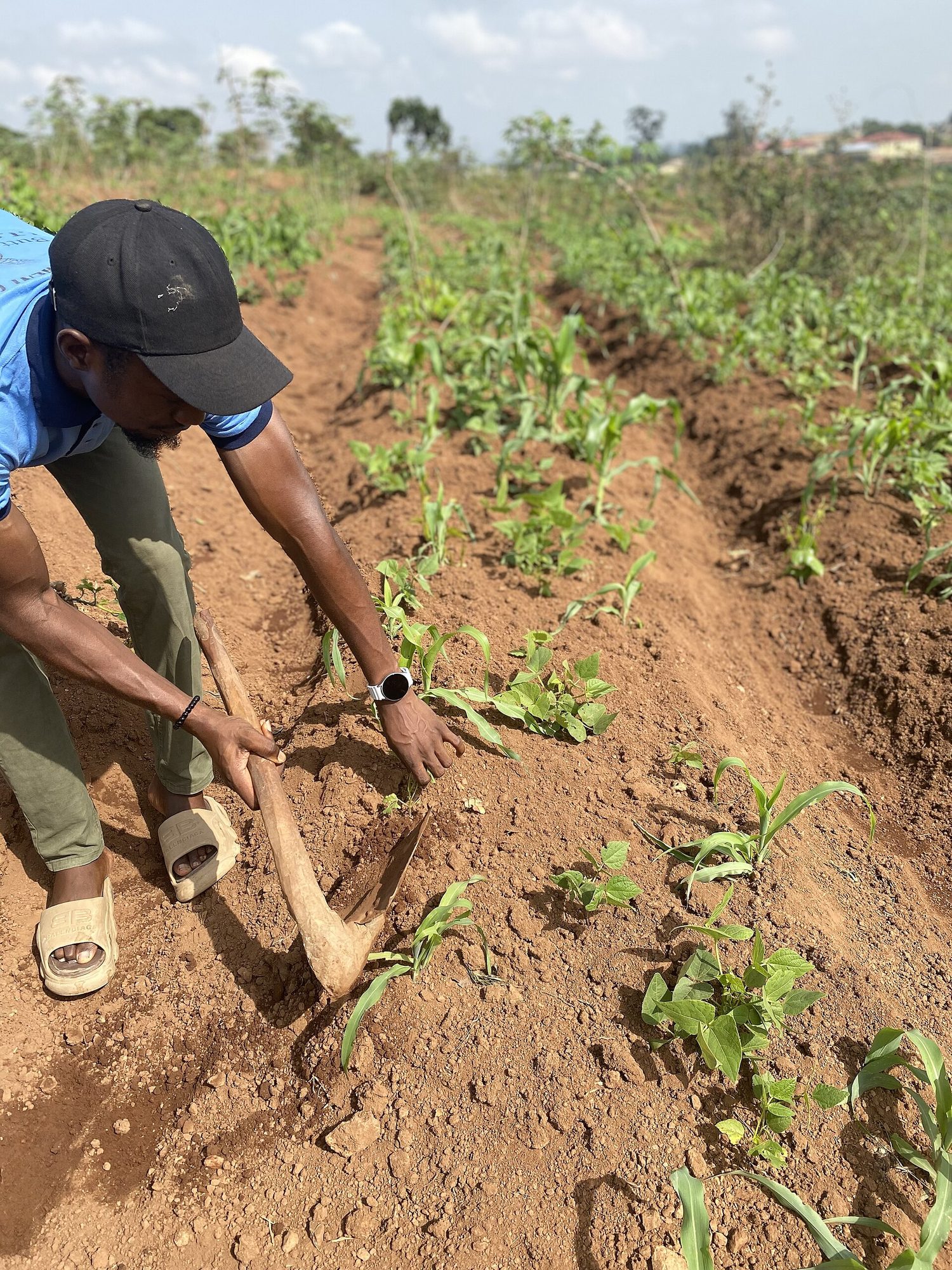
下面两张照片是第一种划分的两个极端——一台机器供应市场,对比一个人养活一家:
一台红绿相间的大型联合收割机正在收割一片金黄的麦田
商业农业:一台联合收割机几乎不用人力就收割一大片麦田,种粮食来卖
一个农民弯腰用手锄在一小块玉米地里劳作
自给农业:一个农民用锄头手工耕作一小块地,主要是为了养活家人
探索

Intensive or extensive farming?

Intensive farming puts a lot of labour or money into a small area; extensive farming spreads little input over a large area.

词汇表 训练
英文 中文 拼音
Agriculture 农业 nóng yè
Subsistence agriculture 自给农业 zì jǐ nóng yè
Commercial agriculture 商业农业 shāng yè nóng yè
intensive 集约 jí yuē
extensive 粗放 cū fàng
5.2

聚落格局与测量方法

大纲
Enduring UnderstandingLearning ObjectiveEssential Knowledge

PSO-5
Availability of resources and cultural practices influence agricultural practices and land-use patterns.

PSO-5.B
Identify different rural settlement patterns and methods of surveying rural settlements.

  • PSO-5.B.1 Specific agricultural practices shape different rural land-use patterns.
  • PSO-5.B.2 Rural settlement patterns are classified as clustered, dispersed, or linear.
  • PSO-5.B.3 Rural survey methods include metes and bounds, township and range, and long lot.

来源:美国大学理事会 AP 课程与考试说明

农民如何在土地上定居留下一个持久的格局。

  • 集聚(核状)(clustered (nucleated))定居点把住房聚在一起;分散(dispersed)定居点把它们散开;线性(linear)定居点跟随一条道路或河流。
  • 测量方法(survey methods)划分土地:边界描述法(metes-and-bounds)系统使用自然特征;镇区-区段制(township-and-range)系统使用一个正方形的网格;长条地(long-lot)系统给每个农场一个到达一条河或道路的细条。
词汇表 训练
英文 中文 拼音
Clustered (nucleated) 集聚式 jí jù shì
dispersed 分散 fēn sàn
5.3 5.4 5.5

农业的起源与扩散

大纲
Enduring UnderstandingLearning ObjectiveEssential Knowledge

SPS-5
Agriculture has changed over time because of cultural diffusion and advances in technology.

SPS-5.A
Identify major centers of domestication of plants and animals.

  • SPS-5.A.1 Early hearths of domestication of plants and animals arose in the Fertile Crescent and several other regions of the world, including the Indus River Valley, Southeast Asia, and Central America.

SPS-5.B
Explain how plants and animals diffused globally.

  • SPS-5.B.1 Patterns of diffusion, such as the Columbian Exchange and the agricultural revolutions, resulted in the global spread of various plants and animals.
Enduring UnderstandingLearning ObjectiveEssential Knowledge

SPS-5
Agriculture has changed over time because of cultural diffusion and advances in technology.

SPS-5.C
Explain the advances and impacts of the second agricultural revolution.

  • SPS-5.C.1 New technology and increased food production in the second agricultural revolution led to better diets, longer life expectancies, and more people available for work in factories.
Enduring UnderstandingLearning ObjectiveEssential Knowledge

SPS-5
Agriculture has changed over time because of cultural diffusion and advances in technology.

SPS-5.D
Explain the consequences of the Green Revolution on food supply and the environment in the developing world.

  • SPS-5.D.1 The Green Revolution was characterized in agriculture by the use of high-yield seeds, increased use of chemicals, and mechanized farming.
  • SPS-5.D.2 The Green Revolution had positive and negative consequences for both human populations and the environment.

来源:美国大学理事会 AP 课程与考试说明

农业在少数源地开始并通过扩散传播,然后被三次革命改造。

  • 第一次(新石器)农业革命(First (Neolithic) Agricultural Revolution)是植物和动物的最初驯化,让人们能在一个地方定居。
  • 第二次农业革命(Second Agricultural Revolution)使用工业革命的工具(机器、更好的交通、轮作)来提高产出并养活增长的城市。
  • 绿色革命(Green Revolution)(1900 年代中期)引入高产种子、肥料、农药和灌溉——巨大地增加食物产出,尽管以一个环境和社会成本。

Worked example(一道真实的 AP 考题)。 "描述早期驯化中心的概念。"(2023)满分答案:"一个人们首次把野生植物或动物驯化成农养品种的地方,并且那种农业实践从那里传播到其他区域。" 命令词 Describe(描述)要求的比一个单词的定义更多——给出关键特征(驯化在哪里开始并且它传播了)——但它不要求"Explain"所要求的因果推理。

词汇表 训练
英文 中文 拼音
First (Neolithic) Agricultural Revolution 新石器农业革命 xīn shí qì nóng yè gé mìng
Second Agricultural Revolution 第二次农业革命 dì èr cì nóng yè gé mìng
Green Revolution 绿色革命 lǜ sè gé mìng
5.6

农业生产区域

大纲
Enduring UnderstandingLearning ObjectiveEssential Knowledge

PSO-5
Availability of resources and cultural practices influence agricultural practices and land-use patterns.

PSO-5.C
Explain how economic forces influence agricultural practices.

  • PSO-5.C.1 Agricultural production regions are defined by the extent to which they reflect subsistence or commercial practices (monocropping or monoculture).
  • PSO-5.C.2 Intensive and extensive farming practices are determined in part by land costs (bid-rent theory).

来源:美国大学理事会 AP 课程与考试说明

一个地方的农业类型取决于气候发展水平

  • 热带地区偏好迁移耕作(shifting cultivation)(刀耕火种)和种植园作物;干旱地区偏好游牧(pastoral nomadism)(放牧)。
  • 发达地区有混合作物和牲畜乳制品业,和大型商业谷物农场。
  • 竞租理论(bid-rent theory)解释为什么靠近一个市场的土地被更集约地使用:它更贵,所以它必须每公顷赚更多。
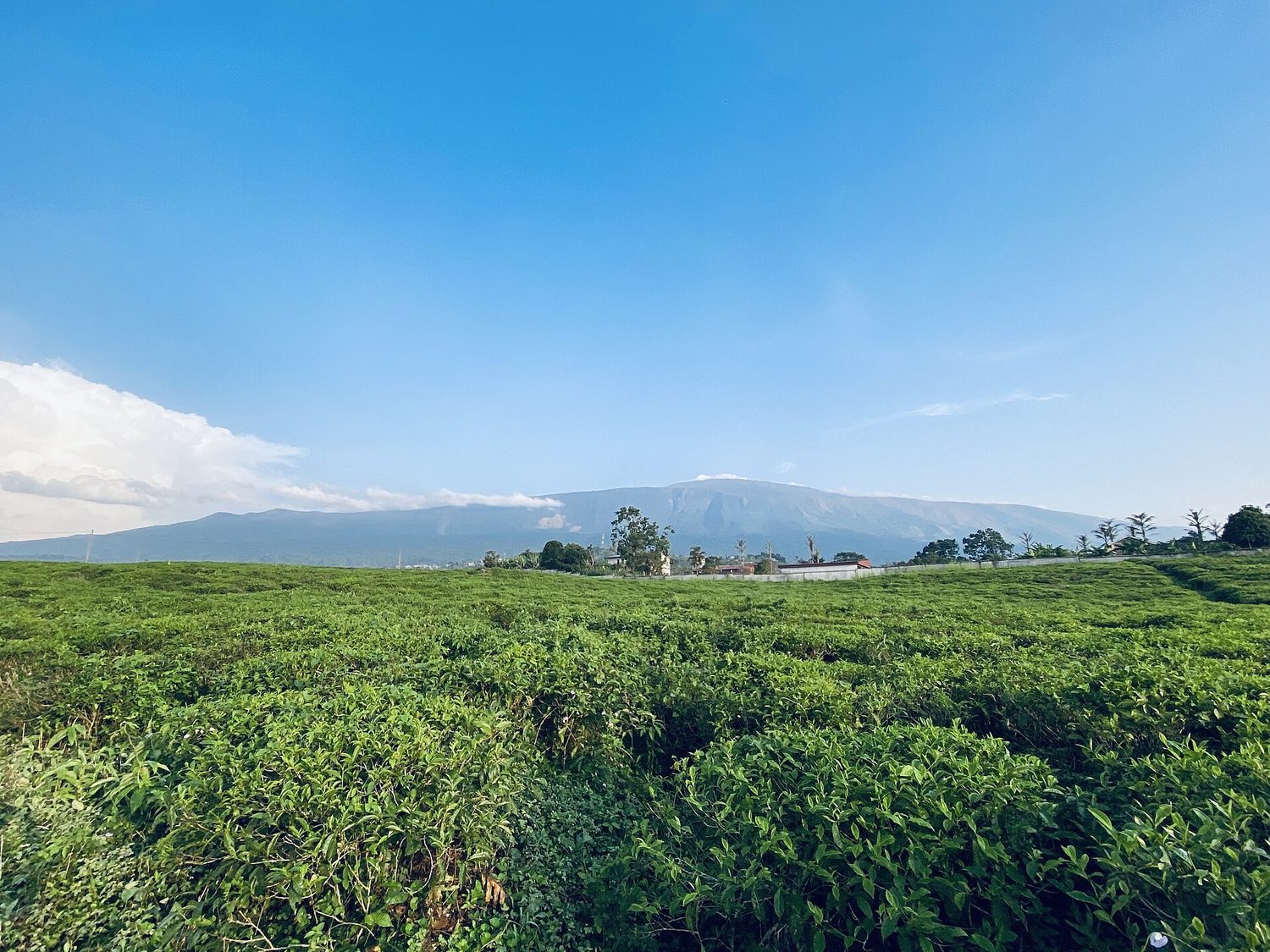
整齐平行的一排排低矮绿色茶树覆盖着一片山坡
一个茶叶种植园(plantation):一种经济作物成排地种在一大片土地上,是热带商业农业的典型
Agriculture classified by intensity and by purpose
两个轴——每单位土地投入多少劳动和资本(集约与粗放),以及食物为谁而产(自给与商业)
词汇表 训练
英文 中文 拼音
shifting cultivation 迁移农业 qiān yí nóng yè
pastoral nomadism 游牧 yóu mù
Bid-rent theory 竞租理论 jìng zū lǐ lùn
plantation 种植园 zhòng zhí yuán
5.7 5.8

农业的空间组织

大纲
Enduring UnderstandingLearning ObjectiveEssential Knowledge

PSO-5
Availability of resources and cultural practices influence agricultural practices and land-use patterns.

PSO-5.C
Explain how economic forces influence agricultural practices.

  • PSO-5.C.3 Large-scale commercial agricultural operations are replacing small family farms.
  • PSO-5.C.4 Complex commodity chains link production and consumption of agricultural products.
  • PSO-5.C.5 Technology has increased economies of scale in the agricultural sector and the carrying capacity of the land.
Enduring UnderstandingLearning ObjectiveEssential Knowledge

PSO-5
Availability of resources and cultural practices influence agricultural practices and land-use patterns.

PSO-5.D
Describe how the von Thünen model is used to explain patterns of agricultural production at various scales.

  • PSO-5.D.1 Von Thünen’s model helps to explain rural land use by emphasizing the importance of transportation costs associated with distance from the market; however, regions of specialty farming do not always conform to von Thünen’s concentric rings.

来源:美国大学理事会 AP 课程与考试说明

冯·杜能模型

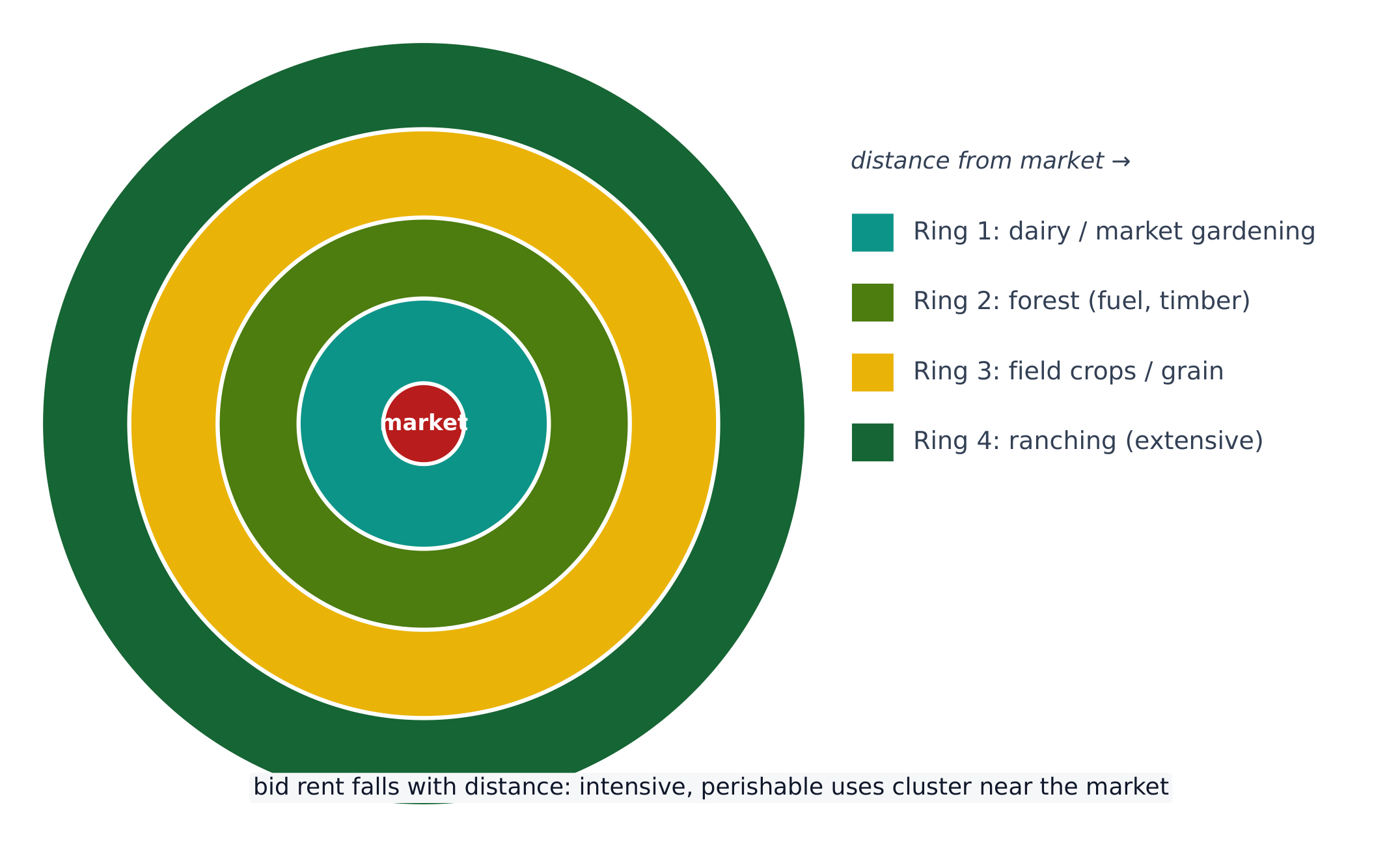
冯·杜能模型(von Thünen model)(1826)基于运输成本到市场的距离解释农民在哪里种植什么。

冯·杜能模型:土地使用围绕一个中央市场形成环
易腐、重,或集约的产品位于市场附近;粗放的用途位于更远处
  • 中心是市场(一座城市)。围绕它,土地使用形成同心环
  • 环 1 ——市场园艺和乳制品业(易腐,必须靠近市场)。
  • 环 2 ——森林(在他那个时代,重的柴火,移动昂贵)。
  • 环 3 ——大田作物和谷物(不那么易腐)。
  • 环 4 ——牧场(粗放,每公顷价值低,能在很远)。

模型假设一个平坦、均质的平原,带一个市场。真实的地区因为道路、河流、地形和冷藏而弯曲这些环——但核心思想,即运输成本塑造土地使用,仍然成立。

词汇表 训练
英文 中文 拼音
von Thünen model 冯·杜能模型 féng · dù néng mó xíng
5.9

全球农业系统

大纲
Enduring UnderstandingLearning ObjectiveEssential Knowledge

PSO-5
Availability of resources and cultural practices influence agricultural practices and land use patterns.

PSO-5.E
Explain the interdependence among regions of agricultural production and consumption.

  • PSO-5.E.1 Food and other agricultural products are part of a global supply chain.
  • PSO-5.E.2 Some countries have become highly dependent on one or more export commodities.
  • PSO-5.E.3 The main elements of global food distribution networks are affected by political relationships, infrastructure, and patterns of world trade.

来源:美国大学理事会 AP 课程与考试说明

现代农业是一个全球供应链(global supply chain)。

  • 农业综合企业(agribusiness)把农场与种子、机械、加工和零售公司联系起来。
  • 许多国家专门于少数出口商品(export commodities)(咖啡、可可、大豆),这能使它们依赖世界价格。
  • 公平贸易(fair trade)和本地食物运动是对这个全球系统不平等的回应。
词汇表 训练
英文 中文 拼音
global supply chain 全球供应链 quán qiú gōng yìng liàn
Agribusiness 农业综合企业 nóng yè zōng hé qǐ yè
export commodities 出口商品 chū kǒu shāng pǐn
Fair trade 公平贸易 gōng píng mào yì
5.10 5.11

农业实践的影响

大纲
Enduring UnderstandingLearning ObjectiveEssential Knowledge

IMP-5
Agricultural production and consumption patterns vary in different locations, presenting different environmental, social, economic, and cultural opportunities and challenges.

IMP-5.A
Explain how agricultural practices have environmental and societal consequences.

  • IMP-5.A.1 Environmental effects of agricultural land use include pollution, land cover change, desertification, soil salinization, and conservation efforts.
  • IMP-5.A.2 Agricultural practices—including slash and burn, terraces, irrigation, deforestation, draining wetlands, shifting cultivation, and pastoral nomadism—alter the landscape.
  • IMP-5.A.3 Societal effects of agricultural practices include changing diets, role of women in agricultural production, and economic purpose.
Enduring UnderstandingLearning ObjectiveEssential Knowledge

IMP-5
Agricultural production and consumption patterns vary in different locations, presenting different environmental, social, economic, and cultural opportunities and challenges.

IMP-5.B
Explain challenges and debates related to the changing nature of contemporary agriculture and food-production practices.

  • IMP-5.B.1 Agricultural innovations such as biotechnology, genetically modified organisms, and aquaculture have been accompanied by debates over sustainability, soil and water usage, reductions in biodiversity, and extensive fertilizer and pesticide use.
  • IMP-5.B.2 Patterns of food production and consumption are influenced by movements relating to individual food choice, such as urban farming, community-supported agriculture (CSA), organic farming, value-added specialty crops, fair trade, local-food movements, and dietary shifts.
  • IMP-5.B.3 Challenges of feeding a global population include lack of food access, as in cases of food insecurity and food deserts; problems with distribution systems; adverse weather; and land use lost to suburbanization.
  • IMP-5.B.4 The location of food-processing facilities and markets, economies of scale, distribution systems, and government policies all have economic effects on food-production practices.

来源:美国大学理事会 AP 课程与考试说明

现代农业养活数十亿人但造成问题:

  • 环境:土壤侵蚀、来自肥料的水污染、生物多样性丧失、荒漠化(desertification),和温室气体排放。
  • 经济和社会:小家庭农场的丧失、农村人口减少,和关于粮食安全(food security)和转基因生物(GMOs)的问题。
  • 土地利用变化:郊区化(suburbanisation)和城市增长侵蚀城市边缘的农田。
Intensive commercial farming: monocultures raise yields but can degrade soil and biodiversity
词汇表 训练
英文 中文 拼音
desertification 荒漠化 huāng mò huà
food security 粮食安全 liáng shí ān quán
GMOs 转基因生物 zhuǎn jī yīn shēng wù
5.12

农业中的妇女

大纲
Enduring UnderstandingLearning ObjectiveEssential Knowledge

IMP-5
Agricultural production and consumption patterns vary in different locations, presenting different environmental, social, economic, and cultural opportunities and challenges.

IMP-5.C
Explain geographic variations in female roles in food production and consumption.

  • IMP-5.C.1 The role of females in food production, distribution, and consumption varies in many places depending on the type of production involved.

来源:美国大学理事会 AP 课程与考试说明

在发展中世界的大部分地区,女性做大部分的农活,尤其是在自给农业里,却常常只拥有很少的土地。她们的角色对家庭食物供应至关重要。改善女性对土地、信贷和教育的获取提高农场产出,并且通过降低生育率,与人口转变联系回去。

5.12

考试技巧

  • 一次在两个轴上给农业分类:自给商业,以及集约粗放
  • 运输成本和产品的易腐性驱动每个冯·杜能答案。
  • 权衡绿色革命:更高的产量对昂贵的投入、环境伤害,和不均匀的触及。
  • 从田地形状命名测量系统(长条地镇区-区段制边界描述法)。
  • 把农业与它的后果联系起来:土壤退化、水污染,和森林砍伐

本主题的互动课程

逐步学习,并即时检测练习。

AP 人文地理的更多主题

登录或创建账号

IGCSE, A-Level & AP