ביולוגיה ברמת A-Level (9700) מתחילה בתא ומתפתחת החוצה: ממברנות והובלה, מחזור המיטוזה, חומצות גנטיות וסינתזת חלבונים, ולאחר מכן הובלה בצמחים וביונקים, חילוף גזים, מחלות זיהומיות וחיסון. ברמת A2 נוספים נשימה, פוטוסינתזה, בית-סגולה, ירישה, בחירה ואבולוציה.
לעיתים קרובות מכונה ביולוגיה "מדע השינון", והדבר הוא בדיוק מה שהופך אותה לקשה. המילה המנחה מבצעת את רוב העבודה: "הסבר" דורש מנגנון, בעוד ש"תיאר" אינו כן. תיאור מושלם לא יניב נקודות אם השאלה ביקשה הסבר.
התשובות מוערכות לפי נקודות סכמה ספציפיות. משפט אחד מטושטש שמכסה שלוש רעיונות לרוב מניב נקודה אחת, ולא שלוש.
make temporary preparations of cellular material suitable for viewing with a light microscope
draw cells from microscope slides and photomicrographs
calculate magnifications of images and actual sizes of specimens from drawings, photomicrographs and electron micrographs (scanning and transmission)
use an eyepiece graticule and stage micrometer scale to make measurements and use the appropriate units, millimetre (mm), micrometre (µm) and nanometre (nm)
define resolution and magnification and explain the differences between these terms, with reference to light microscopy and electron microscopy
עברית
הכנת הדגמים זמניים של חומר תאי המתאים לצפייה עם מיקרוסקופ אורכי
ציור תאים ממיקרוסקופיות ומ-פוטומיקרוגרפות
חישוב הגדלות של תמונות וגדלים אמיתיים של דגימות מתוך ציורים, פוטומיקרוגרפות ו-אלקטרומיקרוגרפות (סריקה והעברה)
הגדרת רזולוציה ו-הגדלה והסבר ההבדלים בין מושגים אלו, בהתייחס למיקרוסקופיה אורכית ומיקרוסקופיה אלקטרונית
Source: Cambridge International syllabus · מקור: הסיילבוס הבינלאומי של קמבריד'ג'
English
Cells 细胞 are very small, so you cannot see them with your eyes alone. You use a microscope 显微镜 to make a bigger picture of them. The first kind you meet is the light microscope 光学显微镜. It shines light through a thin specimen 标本 (the material you look at) and uses glass lenses to enlarge the view.
Making a slide and drawing what you see
To look at living material, you make a temporary preparation 临时装片. You put a small, thin piece of material on a glass slide 载玻片, add a drop of stain 染色剂 (a coloured liquid that makes parts easier to see), then lower a thin cover slip 盖玻片 on top to flatten it and keep out air.
When you draw cells from a slide or a photograph, follow simple rules:
use a sharp pencil and clear, single lines (no shading).
draw only what you can really see, with the parts in the correct sizes.
label the parts with straight lines that do not cross.
Magnification and actual size
Magnification 放大倍数 tells you how many times bigger the image is than the real object. It has no unit. You find it with one equation:
$$\text{magnification} = \frac{\text{size of image}}{\text{actual size of object}}$$
You can rearrange this to find any one value from the other two:
$$\text{actual size} = \frac{\text{size of image}}{\text{magnification}}$$
The top and the bottom of the fraction must use the same unit. Cells are tiny, so you work in small units:
$1\ \text{mm} = 1000\ \text{micrometre}$ 微米 (µm)
$1\ \text{µm} = 1000\ \text{nanometre}$ 纳米 (nm)
so $1\ \text{mm} = 1\,000\,000\ \text{nm}$.
Worked example. In a photomicrograph at magnification $5000$, a chloroplast 叶绿体 measures $25\ \text{mm}$ across. Its actual size is
The same equation works for drawings, photomicrographs 显微照片 (photos taken through a light microscope) and electron micrographs 电子显微照片 (the most detailed photos, explained below). Always convert to the same unit first, then divide.
Eyepiece graticule and stage micrometer
To measure a real cell under the microscope, you use an eyepiece graticule 目镜测微尺 — a tiny scale inside the eyepiece. Its divisions have no fixed size, so first you must calibrate 校准 them (work out what one division is worth).
You calibrate using a stage micrometer 载物台测微尺 — a special slide with an accurate scale on it (often $1\ \text{mm}$ split into $100$ parts, so each part is $10\ \text{µm}$). You line up the two scales, count how many graticule divisions fit a known length, and divide. Once calibrated, you can swap in your specimen and measure it with the graticule.
Resolution and magnification
These two words are easy to mix up. The examiner gives marks for the difference.
Magnification is how many times bigger the image is than the object.
Resolution 分辨率 is the smallest distance between two points that still lets you see them as two separate points.
Making an image bigger does not always show more detail. Past a certain point you just get a bigger, blurry image. Resolution sets the real limit on detail.
A light microscope has lower resolution because light has a fairly long wavelength 波长. An electron microscope 电子显微镜 uses beams of electrons 电子 instead of light. Electrons have a much shorter wavelength, so the resolution is far higher and you can see very small structures inside the cell. There are two kinds: scanning 扫描 (shows the surface in 3D) and transmission 透射 (passes electrons through a thin slice to show inside detail).
עברית
תאים הם קטנים מאוד, כך שלא ניתן לראות אותם באמצעות העיניים בלבד. משתמשים ב-מיקרוסקופ כדי לקבל תמונה גדולה יותר שלהם. סוג ראשון שתפגוש הוא המיקרוסקופ האופטי. הוא מקרין אור דרך דגימה דקה (החומר שמסתכלים עליו) ומשתמש בעדשות זכוכית להגדלת המראה.
מיקרוסקופ אופטי: אור עובר למעלה דרך הדגימה, ואז שתי עדשות (האובייקטיב והעינית) מגדילות אותו
הכנת סלייד ושרטוט מה שנראה
כדי לבדוק חומר חי, מבצעים הכנה זמנית. מניחים חתיכה קטנה ודקה של החומר על סלייד זכוכית, מוסיפים טיפת צבע (נוזל צבוע שמקל על ראיית חלקים מסוימים), ולאחר מכן מורידים כיסוי דק בעזרת ציפוי כדי להחליק את החומר ולהרחיק אוויר.
הכנת תמיסה לחה זמנית – נוריד את הציפוי בזווית כדי למנוע כליאת בועות אוויר
כאשר משרטטים תאים מתוך סלייד או מתמונה, יש לפעול לפי כללים פשוטים:
השתמש בעפרון חד ובקווים ברורים וחדים (ללא הצללות).
שרטט רק מה שאתה באמת יכול לראות, כאשר הגדלים יחסי בין החלקים מדויקים.
סימן את החלקים בקווים ישרים שאינם נחתכים.
הגדלה וגודל אמיתי
הגדלה מראה כמה פעמים התמונה גדולה מהאובייקט האמיתי. אין לה יחידת מידה. מחשבים אותה באמצעות משוואה אחת:
הגדלה = גודל התמונה ÷ גודל אמיתי
$$\text{magnification} = \frac{\text{size of image}}{\text{actual size of object}}$$
ניתן לסדר מחדש את המשוואה זו כדי למצוא כל ערך אחד מתוך שניים אחרים:
$$\text{actual size} = \frac{\text{size of image}}{\text{magnification}}$$
העליון והתחתון בשבר חייבים להשתמש באותה יחידת מידה. תאים הם זעירים, ולכן עובדים ביחידות קטנות:
$1\ \text{mm} = 1000\ \text{micrometre}$ (µm)
$1\ \text{µm} = 1000\ \text{nanometre}$ (ננומטר)
כלומר $1\ \text{mm} = 1\,000\,000\ \text{nm}$.
דוגמה פותרת. בתמונת מיקרוסקופ בגודל הגדלה של $5000$, כלורופלט נמדד בגובה של $25\ \text{mm}$. הגודל האמיתי שלו הוא
אותה משוואה מתאימה גם לשרטומים, לתמונות מיקרוסקופיות (צילומים שנעשו דרך מיקרוסקופ אור) ולתמונות מיקרוסקופיות אלקטרוניות (הצילומים המפורטים ביותר, מוסברים להלן). תמיד יש להמיר ליחידה אחידה לפני החלוקה.
גריקול עינית ומיקרומטר במצע
כדי למדול תא אמיתי במיקרוסקופ, משתמשים בסרגל עיני — סקאלה קטנה בתוך העין. החלוקות שלה אינן בעלות גודל קבוע, ולכן יש לקליברציה אותן תחילה (לקבוע מהו ערך כל חלוקה).
הקליברציה מתבצעת באמצעות מיקרומטר במצעדת — זריק מיוחד עם סקאלה מדויקת עליו (לרוב $1\ \text{mm}$ מחולק ל$100$ חלקים, כך שכל חלק הוא $10\ \text{µm}$). ממיישרים את שתי הסקאלות, סופרים כמה חלוקות בסרגל העיני נכנסות לאורך ידוע ומחלקים. לאחר הקליברציה ניתן להחליף את הדגימה ולמדוד אותה באמצעות סרגל העיני.
קליברצית סרגל העיני על ידי הישרוי שלו עם הסקאלה הידועה של מיקרומטר במצעדת
רזולוציה והגדלה
מילים אלו קלות לערבוב. בוחן נותן נקודות להבחנה ביניהן.
הגדלה היא כמות הפעמים שהתמונה גדולה יותר מהתא.
רזולוציה היא המרחק הקטן ביותר בין שתי נקודות שמאפשר עדיין לראות אותן כשתי נקודות נפרדות.
הגדלת תמונה אינה מביאה תמיד לפרטים נוספים. אחרי נקודה מסוימת מקבלים רק תמונה גדולה ומוטשת. הרזולוציה קובעת את הגבול האמיתי לפרטים.
מיקרוסקופ אופטי בעל רזולוציה נמוכה יותר מכיוון שיש לאור אורך גל ארוך יחסית. מיקרוסקופ אלקטרוני משתמש בקרנות של אלקטרונים במקום באור. לאלקטרונים אורך גל קצר הרבה יותר, ולכן הרזולוציה גבוהה מאוד וניתן לראות מבנים קטנים מאוד בתוך התא. ישנם שני סוגים: סריקה (מציג את המשטח ב-3D) והעברה (מעביר אלקטרונים דרך פרוסה דקה כדי להציג פרטים פנימיים).
רזולוציה: מיקרוסקופ אורטיקי מטשטש שתי נקודות קרובות מאוד לתמונה אחת; מיקרוסקופ אלקטרוני, עם אורך הגל הקצר יותר שלו, מפרק אותן לשתי נקודות
Explore · חקור
Microscope decision lab · מעבדת החלטות מיקרוסקופיות
Choose the right microscopy idea from what the student wants to see. · בחר את הרעיון המיקרוסקופי הנכון בהתאם למה שהתלמיד רוצה לראות.
Eukaryotic cells and their organelles · תאי אוקאריוטים ואבריהם
Syllabus · סיילבוס
English
recognise organelles and other cell structures found in eukaryotic cells and outline their structures and functions, limited to: • cell surface membrane • nucleus, nuclear envelope and nucleolus • rough endoplasmic reticulum • smooth endoplasmic reticulum • Golgi body (Golgi apparatus or Golgi complex) • mitochondria (including the presence of small circular DNA) • ribosomes (80S in the cytoplasm and 70S in chloroplasts and mitochondria) • lysosomes • centrioles and microtubules • cilia • microvilli • chloroplasts (including the presence of small circular DNA) • cell wall • plasmodesmata • large permanent vacuole and tonoplast of plant cells
describe and interpret photomicrographs, electron micrographs and drawings of typical plant and animal cells
compare the structure of typical plant and animal cells
state that cells use ATP from respiration for energy-requiring processes
outline key structural features of a prokaryotic cell as found in a typical bacterium, including: • unicellular • generally 1–5 μm diameter • peptidoglycan cell walls • circular DNA • 70S ribosomes • absence of organelles surrounded by double membranes
compare the structure of a prokaryotic cell as found in a typical bacterium with the structures of typical eukaryotic cells in plants and animals
state that all viruses are non-cellular structures with a nucleic acid core (either DNA or RNA) and a capsid made of protein, and that some viruses have an outer envelope made of phospholipids
עברית
זיהוי אורגנלים ומבנים תאי אחרים הנמצאים בתאי אי-מטרי ותיאור מבניהם ותפקיהם, במגבלות הבאות: • ממברנה תאית • גרעין, מעטפת גרעין ונוקאולוס • רטיקולום אנדופלזמי מחוספס • רטיקולום אנדופלזמי חלק • גוף גולג'י (מכשיר גולג'י או קומפלקס גולג'י) • מיטוכונדריות (כולל נוכחות DNA מעגלי קטן) • ריבוסומים (80S בציטופלזמה ו-70S בכלורופלסטות ומיטוכונדריות) • ליזוסומים • צנטריוולים ומיקרוטובולים • סיבים דמויי-צילינדרים (ציליה) • מיקרווילי • כלורופלסטות (כולל נוכחות DNA מעגלי קטן) • קירית תא • פלזמודסמטה • וקואולה גדולה וקבועה ותונופלט בתאי צמח
תיאור ופרשנות של צילומי מיקרוסקופיית אור, צילומי מיקרוסקופיית אלקטרונים ושרטוטים של תאי צמח ובעלי חיים טיפוסיים
השוואת המבנה של תאי צמח ובעלי חיים טיפוסיים
הצהרה כי תאים משתמשים ב-ATP מהנשימה לתהליכים הדורשים אנרגיה
תיאור מאפייני המבנה העיקריים של תאי פרוקאריוטי כפי שנמצאים בחיידק טיפוסי, כולל: • חד-תאי • לרוב בקוטר 1–5 מיקרומטר • קירות תא מפeptidoglycan • DNA מעגלי • ריבוסומים 70S • העדר אורגנלים המוקפים בממברנות כפולות
השוואת המבנה של תא פרוקאריוטי כפי שנמצא בחיידק טיפוסי עם מבני תאי אי-מטרי טיפוסיים בצמחים ובבעלי חיים
הצהרה כי כל ה-וירוסים הם מבנים לא-תאיים עם ליבת חומצה גנטית (או DNA או RNA) ו-קפסיד עשוי חלבון, וכי לחלק מהוירוסים יש מעטפת חיצונית עשויה פוספוליפידים
Source: Cambridge International syllabus · מקור: הסיילבוס הבינלאומי של קמבריד'ג'
English
Plant and animal cells are eukaryotic cells 真核细胞: their DNA is kept inside a nucleus 细胞核. Inside the cell are many small parts called organelles 细胞器, each with its own job. The jelly-like fluid around them is the cytoplasm 细胞质.
In a photomicrograph or electron micrograph you identify organelles by their shape, size and position; in a drawing you show their outlines and label them.
Organelle
Structure
Function
cell surface membrane 细胞膜
thin layer around the cell
controls what enters and leaves the cell
nucleus
large, surrounded by a nuclear envelope 核膜 (a double membrane with holes); contains a nucleolus 核仁
holds the DNA; controls the cell; the nucleolus makes ribosomes
rough endoplasmic reticulum 粗面内质网 (rough ER)
sheets of membrane with ribosomes on the surface
makes and transports proteins 蛋白质 (for example antibodies 抗体)
smooth endoplasmic reticulum 滑面内质网 (smooth ER)
sheets of membrane, no ribosomes
makes lipids 脂质
Golgi body 高尔基体
stack of flat membrane sacs
changes and packs proteins and lipids into vesicles 囊泡 for secretion 分泌
mitochondria 线粒体
oval, with a folded inner membrane; has small circular DNA
site of respiration 呼吸作用 — releases energy 能量 as ATP
ribosomes 核糖体
very small; $80\text{S}$ in the cytoplasm, $70\text{S}$ in chloroplasts and mitochondria
join amino acids 氨基酸 to synthesise 合成 proteins
lysosomes 溶酶体
small sacs of enzymes 酶
break down old organelles and waste
centrioles 中心粒 and microtubules 微管
small tubes made of protein
help move chromosomes and form the cell's "skeleton"
cilia 纤毛
tiny hairs on the cell surface that beat
move fluid or move the cell
microvilli 微绒毛
tiny folds of the cell surface membrane
increase surface area for absorption 吸收
chloroplasts (plants)
green, with stacked membranes; has small circular DNA
site of photosynthesis 光合作用
cell wall 细胞壁 (plants)
strong outer layer of cellulose 纤维素
supports and protects the cell; stops it bursting
plasmodesmata 胞间连丝 (plants)
tiny channels through the cell walls
link the cytoplasm of neighbouring cells
large permanent vacuole 液泡 (plants)
big sac of watery fluid, with a membrane called the tonoplast 液泡膜
stores water and keeps the cell firm
Cells use ATP made in respiration as their energy supply for every job that needs energy, such as making proteins, moving things and dividing.
Comparing plant and animal cells
Feature
Plant cell
Animal cell
cell wall
present (cellulose)
absent
chloroplasts
present
absent
large permanent vacuole
present
absent (only small, temporary ones)
centrioles
absent in most
present
shape
fixed and regular
rounder and more flexible
Both have a cell surface membrane, cytoplasm, a nucleus, mitochondria, ribosomes, ER and a Golgi body.
עברית
תאי צמח ותאי בעלי חיים הם תאי אוקאריוטים: ה-DNA שלהם מוחזר בתוך גרעין. בתוך התא ישנם חלקים קטנים רבים הנקראים אבריות, כל אחת עם משימה משלה. הנוזל החלומי סביבן הוא הציטופלזמה.
תא בעלי חיים כללי ואברוניותא צמח כולל גם קיר תא, כלורופלסטים ווואקואולה גדולה
בתצלום מיקרוסקופי או במיקרוגרף מזהים אבריות לפי צורתן, גודלן ומיקומן; בשרטוט מציגים את הקווים החיצוניים שלהם ומסמנים אותם.
אבריה
מבנה
פונקציה
ממברנת פני שטח של תא
שכבה דקה סביב התא
שולטת על מה שנכנס ויוצא מהתא
גרעין
גדול, מוקף במעטפת גרעינית (דו-שכבתית עם נקבוביות); מכיל גרנול
מחזיק את ה-DNA; שולט בתא; הגרנול יוצר ריבוסומים
רשת אנדופלסמית מחוספסת (ER מחוספסת)
פרוסות ממברנה עם ריבוסומים על פני השטח
מייצר ומעביר חלבונים (למשל אנטיבודים)
רשת אנדופלסמית חלקה (ER חלקה)
פרוסות ממברנה, ללא ריבוסומים
מייצר ליפידים
גוף גולג'י
ערימה של שקיות ממברנה שטוחות
משנה ואורז חלבונים וליפידים לתוך וניקלים עבור שחרור
מיטוכונדריות
אליפטיות, עם ממברנה פנימית מקופלת; מכילות DNA מעגלי קטן
מקום הנשימה — משחרר אנרגיה בצורת ATP
ריבוסומים
קטנים מאוד; $80\text{S}$ בציטופלזמה, $70\text{S}$ בקלורופlasits ובמיטוכונדריות
מחברים חומצות אמינו כדי לסינתז חלבונים
ליזוזומים
שקיות קטנות של אנזימים
מפרקים אורגנלות ישנים ושאריות
סנטריוולים ומיკרוטובולים
צינורות קטנים העשויים מתחלבון
עוזרים להזיז כרומוזומים ולבנות את "השלד" של התא
ציליה
שיערות זעירות על פני התא שהן מתנדדות
מזיזות נוזלים או מזיזות את התא עצמו
מיקרווילי
קמטים זעירים של ממברנת פני השטח של התא
מגדילים את שטח הפנים עבור ספיגה
כלורופלאסטים (צמחים)
ירוקים, עם ממברנות ערומות; מכילות DNA מעגלי קטן
מקום הפוטוסינתזה
קירית תא (צמחים)
שכבה חיצונית חזקה של תאיתולין
תומך ומגן על התא; מונע מהתא להתפוצץ
פלזמודסטמה (צמחים)
ערוצים זעירים דרך קירות התא
מקשרים את הציטופלזמה של תאים סמוכים
וואקואולה קבועה וגדולה (צמחים)
שקית גדולה של נוזל מימי, עם ממברנה הנקראת טונופلاст
מאחסנת מים ושומרת על התא מוצק
תאים משתמשים ב-ATP המיוצר בנשימה כאספקת האנרגיה שלהם לכל משימה הדורשת אנרגיה, כמו יצירת חלבונים, הזזת חומרים וחלוקה.
השוואת תאי צמח ותא בעלי חיים
תכונה
תא צמח
תא בעלי חיים
קירית תא
קיימת (תאיתולין)
אינה קיימת
כלורופלאסטים
קיימים
אינם קיימים
וואקואולה קבועה וגדולה
קיימת
אינה קיימת (רק קטנות, זמניות)
צנטריוולים
חסרים ברובם
נוכחים
צורה
קבועה ומסודרת
עגולה וגמישה יותר
לשניהם ישנן ממברנת פניית תא, ציטופלזמה, גרעין, מיטוכונדריה, ריבוזומים, רשת אנדופלזמטית וגוף גולג'י.
Explore · חקור
Explore an animal cell · חקירת תא בעלי חיים
Tap each numbered part to check you know its job — the same organelles as the table above. · לחץ על כל חלק מסומן כדי לוודא שהידעת את תפקידו — אותם אברונים כמו בטבלה למעלה.
אין איברים מוקפים בממברנה כפולה — כלומר אין גרעין, אין מיטוכונדריה ואין כלורופלסטים.
תא פרוקאריוטי: ה-DNA המעגלי (הנוכלייד) חופשי, ללא גרעין וללא איברים עם ממברנה כפולה
השוואה בין תאים פרוקאריוטיים לאוקאריוטיים
מאפיין
תא פרוקאריוטי
תא אוקאריוטי
גודל
כ-$1$–$5\ \text{µm}$
כ-$10$–$100\ \text{µm}$
DNA
מעגלי, חופשי בציטופלזמה
לינארי, בתוך גרעין
גרעין
אין
קיים
איברים בעלי ממברנה כפולה
אין
מיטוכונדריה (וכלורופלסטים בצמחים)
ריבוזומים
$70\text{S}$
$80\text{S}$ (עם $70\text{S}$ בתוך המיטוכונדריה והכלורופלסטים)
דופן תא
פפטידוגליקן
תאית (צמחים) או אין (בעלי חיים)
Explore · חקור
Explore a bacterial cell · חקירת תא חיידקי
A prokaryote is smaller and simpler. Tap each part — notice there is no nucleus and no double-membrane organelles. · פרוקאריוטה קטנה ופשוטה יותר. לחץ על כל חלק — שים לב שאין גרעין ואין אורגנלים בעלי דו-שכבה.
1.2
Viruses · וירוסים
English
All viruses 病毒 are non-cellular 非细胞 — they are not made of cells at all. Each virus is built from just two or three parts:
a core of nucleic acid 核酸, which is either DNA or RNA (never both).
a protein coat around the core called a capsid 衣壳.
in some viruses, an outer envelope 包膜 made of phospholipids 磷脂.
A virus has no cytoplasm, no organelles and no ribosomes. It cannot respire or make its own proteins. It can only copy itself inside a living host 宿主 cell, so it sits at the edge of what we call "living".
עברית
כל הוירוסים הם לא תאיים — הם אינם מורכבים מתאים כלל. כל וירוס בנוי משני או שלושה חלקים:
ליבה של חומר גנטי, שהוא או DNA או RNA (מעולם לא שניהם יחד).
וירוס אמיתי, במגדול גדול. הראש העגול הוא הקפסיד החלבוני העוטף את ליבת החומר הגנטי; הזנב מזריק את החומר הגנטי לתוך חיידק. שימו לב לקו הסקאלה — הוירוס כולו בגודל של כ-100 ננומטר, קטן משמעותית מכל תא.וירוס כללי: חומר גנטי בתוך קפסיד חלבוני, עם מעטפת ליפידית בוירוסים מסוימים.
לוירוס אין ציטופלזמה, אין אורגנלות ואין ריבוזומים. הוא אינו יכול לבצע נשימה או לייצר חלבונים בעצמו. הוא יכול רק לשכפל את עצמו בתוך תא מארח חי, ולכן הוא ניצב על השפה של מה שאנו מכנים "חי".
Explore · חקור
Explore a virus · חקור וירוס
A virus is non-cellular — just a few parts. Tap each one: there is no cytoplasm, no organelles and no ribosomes. · וירוס הוא לא תאי — רק מספר חלקים. לחץ על כל אחד: אין ציטופלזמה, אין אורגנלים ואין ריבוזומים.
Magnification $=$ image size $\div$ actual size — convert units first ($\text{mm} \leftrightarrow \mu\text{m} \leftrightarrow \text{nm}$), then rearrange for whichever is unknown.
Distinguish magnification (how many times larger) from resolution (smallest distance still seen as two points); electron microscopes resolve more because electrons have a shorter wavelength.
Give each organelle a structure + function pair (e.g. mitochondrion: folded inner membrane → aerobic respiration).
State the prokaryote vs eukaryote differences exactly: no nucleus, smaller (70S) ribosomes, no membrane-bound organelles, circular DNA.
Viruses are non-living — describe them only by capsid, genetic material and (sometimes) an envelope.
עברית
מגדול $=$ גודל התמונה $\div$ גודל האמת — המירו יחידות תחילה ($\text{mm} \leftrightarrow \mu\text{m} \leftrightarrow \text{nm}$), ולאחר מכן ארגנו מחדש לפי מה שנדרש למצוא.
הבדילו בין מגדול (כמה פעמים גדול יותר) לבין רזולוציה (המרחק הקטן ביותר שעדיין נתפרש כשתי נקודות); מיקרוסקופים אלקטרוניים מציעים רזולוציה טובה יותר כי לאלקטרונים יש אורך גל קצר יותר.
לכל אורגנלה תנו זוג מבנה + פונקציה (למשל: מיטוכונדריה: ממברנה פנימית מקופלת → נשימה תאית אווירית).
ציינו את ההבדלים בין פרוקאריוטים לאוקאריוטים בדיוק: אין גרעין, ריבוזומים קטנים יותר (70S), אין אורגנלות בעלות ממברנה, DNA מעגלי.
וירוסים הם לא חיים — תארו אותם אך ורק באמצעות קפסיד, חומר גנטי ו(לעיתים) מעטפת.
Testing for biological molecules · בדיקה לחומרים ביולוגיים
Syllabus · סיילבוס
English
describe and carry out the Benedict’s test for reducing sugars, the iodine test for starch, the emulsion test for lipids and the biuret test for proteins
describe and carry out a semi-quantitative Benedict’s test on a reducing sugar solution by standardising the test and using the results (time to first colour change or comparison to colour standards) to estimate the concentration
describe and carry out a test to identify the presence of non-reducing sugars, using acid hydrolysis and Benedict’s solution
עברית
תאר ובצע את בדיקת בנדיקט לסוכרים מחלצים, את בדיקת יוד לעמילן, את בדיקת האמולסיה לליפידים ואת בדיקת ביורט לחלבונים
תאר ובצע בדיקת בנדיקט סמי-כמותית על תמיסת סוכר מחלץ על ידי סטנדרטיזציה של הבדיקה ושימוש בתוצאות (זמן לעריכת שינוי צבע ראשונה או השוואה לסטנדרטים) כדי להעריך את הריכוז
Source: Cambridge International syllabus · מקור: הסיילבוס הבינלאומי של קמבריד'ג'
English
Living things are built from four main kinds of large molecule 分子: carbohydrates 碳水化合物, lipids 脂质, proteins 蛋白质 and nucleic acids 核酸. You can use simple chemical tests to find out which kinds are present in a sample.
Test
What it finds
Method
Positive result
Benedict's test
reducing sugar 还原糖
add Benedict's solution and heat in a water bath
blue changes to green, yellow, orange, then brick-red precipitate 沉淀
iodine test
starch 淀粉
add orange-brown iodine 碘 solution
colour changes to blue-black
emulsion test
lipid
mix sample with ethanol, then pour into water
a white, cloudy emulsion 乳浊液 forms
biuret 双缩脲 test
protein
add biuret solution at room temperature
blue changes to purple
Semi-quantitative Benedict's test
The normal Benedict's test only tells you "yes or no". A semi-quantitative 半定量 test gives a rough amount. First you standardise 标准化 the test: you run it on solutions of known concentration 浓度 and record the result for each. Then you can estimate an unknown by either:
the time to the first colour change (more sugar changes colour faster), or
comparing the final colour to your set of colour standards.
Testing for non-reducing sugars
Some sugars, such as sucrose, are non-reducing sugar 非还原糖: they give a negative Benedict's test. To detect them:
Do a normal Benedict's test first. It stays blue (no reducing sugar).
Take a fresh sample and add dilute hydrochloric acid 盐酸, then heat. This acid hydrolysis breaks the sugar into smaller reducing sugars.
Cool, then neutralise 中和 the acid with sodium hydrogencarbonate.
Now do the Benedict's test again. A brick-red colour shows a non-reducing sugar was present.
Worked example. A solution gives a negative Benedict's test. It is then boiled with dilute hydrochloric acid, neutralised with sodium hydrogencarbonate, and re-tested with Benedict's - now it turns brick-red. What was present, and why is each step needed? The first negative result rules out a reducing sugar. Boiling with acid hydrolyses the glycosidic bond, splitting a non-reducing sugar such as sucrose into its reducing monosaccharides. The neutralising step is essential because Benedict's only works in alkaline conditions - skip it and the test fails even when sugar is present. The positive re-test therefore shows a non-reducing sugar was there all along. Quote the first, negative test as part of the answer: without it, the final red colour cannot tell a non-reducing sugar from a reducing one.
עברית
בעלי חיים בנויים מארבעה סוגים עיקריים של מולקולות גדולות: פחמימות, ליפידים, חלבונים וחומרים גנטיים. ניתן להשתמש בבדיקות כימיות פשוטות כדי לקבוע אילו סוגים נמצאים בדגימה.
בדיקת בנדיקט: הכחול הופך לירוק, לאחר מכן כתום, ולאחר מכן אדום לבנים כאשר כמות הסוכר המפחית גדולה יותר.
מבחן
מה הוא מזהה
שיטה
תוצאה חיובית
מבחן בנדיקט
סוכר מחלץ
הוספת תמיסת בנדיקט וחימום במי אמבט
השינוי מצבע כחול לירוק, צהוב, כתום, ולאחר מכן משקע אדום-אדמדם
מבחן יוד
עמילן
הוספת תמיסת יוד כתומה-חומה
שינוי צבע לכחול-שחור
מבחן אמולסיה
ליפידים
ערבוב הדוגמה עם אתנול, ולאז ריקון לתוך מים
נוצרת אמולסיה לבנה ועכורה
מבחן ביורט
חלבונים
הוספת תמיסת ביורט בטמפרטורת החדר
שינוי צבע מכחול לסגול
מבחן בנדיקט סמי-כמותי
המבחן הרגיל של בנדיקט מספק רק תשובה "כן או לא". מבחן סמי-כמותי מעניק הערכה לגודל המופיע. קודם יש לתקן את המבחן: לבצע אותו על פתרונות בעלי ריכוז ידוע ולרשום את התוצאה עבור כל אחד. לאחר מכן ניתן להעריך דוגמה לא ידועה באמצעות אחת משתי הדרכים הבאות:
הזמן עד לשינוי הצבע הראשון (כמות סוכר גבוהה יותר משנה צבע מהר יותר), או
השוואת הצבע הסופי לערכת תקני הצבע שלך.
בדיקת נוכחות סוכרים לא-מחלצים
חלק מהסוכרים, כמו סוכרוז, הם סוכר לא-מחלץ: הם נותנים תוצאה שלילית במבחן בנדיקט. כדי לזהות אותם:
בצע מבחן בנדיקט רגיל תחילה. הצבע נותר כחול (אין סוכר מחלץ).
קח דוגמה טריות והוסף חומצה הידרוכלורית מעודנת, ולאחר מכן חמם. ההידרוליזה החומצית זו שוברת את הסוכר לסוכרים מחלצים קטנים יותר.
קרר, ולאחר מכן נטרל את החומצה עם נתרן הידרוגנפוספט.
כעת בצע את מבחן בנדיקט שוב. צבע אדום-אדמדם מצביע על כך שהיו נוכחים סוכרים לא-מחלצים.
בדיקת נוכחות סוכר לא-מחלץ: להידרוליז אותו עם חומצה תחילה, ולאחר מכן מבחן בנדיקט השני הופך לאדום
דוגמה מופת. פתרון נותן תוצאה שלילית במבחן בנדיקט. הוא מוזר עם חומצה הידרוכלורית מעודנת, מוטראל עם נתרן הידרוגנפוספט, ומובדק שוב עם בנדיקט - הפעם הוא הופך לאדום-אדמדם. מה היה נוכח, ולמה נדרשת כל שלב? התוצאה השלילית הראשונה שוללת סוכר מחלץ. הזרחה עם חומצה מבצעת הידרוליזה לקשר הגליקוזידי, ומפרדת סוכר לא-מחלץ כמו סוכרוז למonosaccharides מחלצים שלו. שלב הניטרול הכרחי כי בנדיקט עובד רק בתנאים בסיסיים - אם מתעברים עליו, המבחן נכשל גם כאשר סוכר נוכח. לכן, תוצאת המבחן החיובית מאשרת שסוכר לא-מחלץ היה נוכח לאורך כל הדרך. ציין את המבחן הראשון, השלילי, כחלק מתשובה: ללא זאת, צבע האדום הסופי אינו יכול להבדיל בין סוכר לא-מחלץ לסוכר מחלץ.
Explore · חקור
Testing for a non-reducing sugar · מבחן לסוכר לא-מחזיר
Step through the trick: a non-reducing sugar stays blue, so you hydrolyse it with acid, neutralise, then re-test. · צעד אחר צעד בשיטה: סוכר לא-מחזיר נשאר כחול, לכן מתפרקים אותו בחומצה, ממליחים, ואז בודקים שוב.
2.2
Carbohydrates · פחמימות
Syllabus · סיילבוס
English
describe and draw the ring forms of α-glucose and β-glucose
define the terms monomer, polymer, macromolecule, monosaccharide, disaccharide and polysaccharide
state the role of covalent bonds in joining smaller molecules together to form polymers
state that glucose, fructose and maltose are reducing sugars and that sucrose is a non-reducing sugar
describe the formation of a glycosidic bond by condensation, with reference to disaccharides, including sucrose, and polysaccharides
describe the breakage of a glycosidic bond in polysaccharides and disaccharides by hydrolysis, with reference to the non-reducing sugar test
describe the molecular structure of the polysaccharides starch (amylose and amylopectin) and glycogen and relate their structures to their functions in living organisms
describe the molecular structure of the polysaccharide cellulose and outline how the arrangement of cellulose molecules contributes to the function of plant cell walls
state that triglycerides are non-polar hydrophobic molecules and describe the molecular structure of triglycerides with reference to fatty acids (saturated and unsaturated), glycerol and the formation of ester bonds
relate the molecular structure of triglycerides to their functions in living organisms
describe the molecular structure of phospholipids with reference to their hydrophilic (polar) phosphate heads and hydrophobic (non-polar) fatty acid tails
עברית
תאר ושרטט את צורות הטבעת של אלפא-גלוקוז וביטא-גלוקוז
הגדר את המונחים מונומר, פולימר, מקרומולקולה, מונוסכריד, דיסכריד ופוליסכריד
ציין את תפקודם של קשרים קוולנטיים בחיבור מולקולות קטנות יחד ליצירת פולימרים
ציין כי גלוקוז, פרוקטוז ומלטוז הם סוכרים מחלצים וכי סוכרוז הוא סוכר לא-מחלץ
תאר את יצירת קשר גליקוזידי באמצעות התכנסות, בהתייחס לדיסכרידים, כולל סוכרוז, ולפוליסכרידים
תאר שבירת קשר גליקוזידי בפוליסכרידים ובדיסכרידים באמצעות הידרוליזה, בהתייחס לבדיקת הסוכר הלא-מחלץ
תאר את המבנה המולקולרי של הפוליסכרידים עמילן (אמילוז ואמילופקטין) וגליקוגן וקשר בין המבנים שלהם לתפקידם באורגניזמים חיים
תאר את המבנה המולקולרי של הפוליסכריד צלולוז וסקור כיצד סידור מולקולות הצלולוז תורם לתפקיד קירות התא בצמחים
ציין כי טריגליצרידים הם מולקולות הידרופוביות לא-קוטביות ותאר את המבנה המולקולרי שלהן בהתייחס לחומצות שומן (רווי ובלתי-רווי), גליצרול ויצירת קשרי אסטר
קשר בין המבנה המולקולרי של טריגליצרידים לתפקידם באורגניזמים חיים
תאר את המבנה המולקולרי של פוספוליפידים בהתייחס לראשי פוספטהידרופיליים (קוטביים) וזנבות חומצות שומןהידרופוביים (לא-קוטביים)
Source: Cambridge International syllabus · מקור: הסיילבוס הבינלאומי של קמבריד'ג'
English
Monomers, polymers and macromolecules
a monomer 单体 is a small molecule that is a single unit.
a polymer 聚合物 is a long molecule made of many monomers joined together.
a macromolecule 大分子 is any very large molecule.
Sugars come in three sizes:
a monosaccharide 单糖 is a single sugar unit, such as glucose 葡萄糖 and fructose.
a disaccharide 二糖 is two units joined, such as maltose and sucrose.
a polysaccharide 多糖 is many units joined into a polymer.
Glucose, fructose 果糖 and maltose 麦芽糖 are reducing sugars. Sucrose 蔗糖 is a non-reducing sugar.
Two ring forms of glucose
Glucose has six carbon atoms and forms a ring. There are two ring forms. They differ only at carbon 1:
in α-glucose, the –OH group on carbon 1 points down, below the ring.
in β-glucose, the –OH group on carbon 1 points up, above the ring.
This small difference decides which polysaccharide the glucose can build.
Joining and breaking sugars
Monomers are joined by strong covalent bonds 共价键. When two sugars join, a glycosidic bond 糖苷键 forms between them. This happens by condensation 缩合: a molecule of water is removed each time a bond forms.
The reverse is hydrolysis 水解: a water molecule is added to break a glycosidic bond. This is why the non-reducing sugar test needs acid and heat — they hydrolyse sucrose into glucose and fructose.
Storage polysaccharides: starch and glycogen
Starch is the energy 能量 store in plants. It is made of two polymers of α-glucose:
amylose 直链淀粉 — a long, unbranched chain that coils into a spiral.
amylopectin 支链淀粉 — a chain with many side branches.
Glycogen 糖原 is the energy store in animals. It is like amylopectin but has even more branches, so it can be broken down quickly when energy is needed.
These stores suit their job well: they are compact, they are insoluble 不溶 (so they do not leave the cell), and they do not change the water potential 水势 of the cell (so they do not pull water in by osmosis 渗透). The many branches give many ends, so glucose can be added or removed fast.
Cellulose
Cellulose 纤维素 is made of β-glucose. Because of the β form, every other glucose is flipped over, so the chains are long and straight. Many straight chains lie side by side and are held together by hydrogen bonds 氢键 into strong bundles called microfibrils 微纤丝. These give the plant cell wall 细胞壁 its strength and stop the cell bursting.
עברית
מונומרים, פולימרים ומקרומולקולות
מונומר הוא מולקולה קטנה המהווה יחידה בודדת.
פולימר הוא מולקולה ארוכה הנוצרת מכמה מונומרים המחוברים זה לזה.
מקרומולקולה היא כל מולקולה גדולה מאוד.
סוכרים מגיעים בשלושה גדלים:
מונו-סכריד הוא יחידת סוכר בודדת, כמו גלוקוז ופרוקטוז.
די-סכריד שתי יחידות המחוברות זו לזו, כמו maltose (מלטוז) וsucrose (סוכרוז).
פולי-סכריד הוא הרבה יחידות המחוברות לפולימר.
גלוקוז, פרוקטוז ו-מלטוז הם סוכרים מיישרים. סוכרוז הוא סוכר לא-מייצר.
שתי צורות טבעת של גלוקוז
לגלוקוז יש שישה אטומי פחמן והוא יוצר טבעת. ישנן שתי צורות טבעת. הן נבדקות רק באטום הפחמן 1:
ב-α-גלוקוז, קבוצת ה–OH על הפחמן 1 מצביעה למטה, מתחת לטבעת.
ב-β-גלוקוז, קבוצת ה–OH על הפחמן 1 מצביעה למעלה, מעל הטבעת.
ההבדל הקטן הזה קובע איזה פולי-סכריד הגלוקוז יכול לבנות.
שתי צורות הטבעת נבדקות רק באטום הפחמן 1: ה–OH מצביע למטה ב-α, למעלה ב-β
חיבור ושבירת סוכרים
מונומרים מחוברים על ידי קשרים קוולנטיים חזקים. כאשר שני סוכרים נמצאים ביחד, נוצר ביניהם קשר גליקוזידי. תהליך זה מתרחש באמצעות התכווצות: כל פעם שנוצר קשר, מולקולת מים נשלפת.
התהליך ההפוך הוא הידרוליזה: מולקולת מים מוסיפה כדי לשבור קשר גליקוזידי. סיבה זו היא מדוע מבחן הסוכר הלא-מייצר דורש חומצה וחום — הם מבצעים הידרוליזה של סוכרוז לגלוקוז ולפרוקטוז.
התכווצות משלפת מים לחיבור מונומרים; הידרוליזה מוסיפה מים לשבירתם
פוליסכרידים לאגירה: עמילן וגליקוגן
עמילן הוא מאגר האנרגיה בצמחים. הוא מורכב משני פולימרים של α-גלוקוז:
אמילוז — שרשרת ארוכה וללא ветвление (בלתי מעורעת) המתגלגלת לספירלה.
אמילופקטין — שרשרת עם הרבה ענפים צדדיים.
גליקוגן הוא מאגר האנרגיה בבעלי חיים. הוא דומה לאמילופקטין אך בעל עוד יותר ענפים, כך שהוא ניתן לפירוק מהיר כאשר נדרש אנרגיה.
מאגרים אלו מתאימים היטב למשימתם: הם קומפקטיים, הם בלתי מסיסים (וכך אינם עוברים החוצה מהתא), והם אינם משנים את ה-פוטנציאל המים בתא (וכך אינם גורמים לכניסת מים על ידי אוסמוזה). הענפים הרבים מספקים סוף רב, כך שגלוקוז יכול להיוסף או להיפטר ממנו במהירות.
גרגרי עמילן אמיתיים בתוך תפוח אדמה, מצופים על ידי יוד. כל גרעין הוא אריזת צפופה ובלתי מסיסה של אמילוז ואמילופקטין — שימו לב לקנה מידה: הגדולים ביותר הם בקוטר של כ-0.1 מ"מ בלבד
תאית
תאית מורכבת מ-β-גלוקוז. בשל הצורה ה-β, כל גלוקוז שני מתהפך, כך שהשרשראות הן ארוכות וישרות. שרשראות ישרות רבות נמצאות ליד אחת את השנייה ומחוברות על ידי קשרי מימן לחבילות חזקות הנקראות מיקרופיבריליות. אלו מעניקות לקיר התא צמחי את חוזקו ומונעות מהתא להתפוצץ.
Condensation and hydrolysis · התכנסות והידרוליזה
Step through how two sugars join. Condensation removes one water to make the bond; hydrolysis is the reverse — adding water splits it again. · צעד אחר צעד איך שני סוכרים מתחברים. התכנסות מסירה מולקולת מים אחת ליצירת הקשר; הידרוליזה היא ההפך — הוספת מים מפצלת אותו שוב.
A triglyceride 甘油三酯 is the main fat or oil. It is non-polar 非极性 and hydrophobic 疏水 (it does not mix with water). It is made from one glycerol 甘油 molecule joined to three fatty acids 脂肪酸 by ester bonds 酯键. Each ester bond forms by condensation, so three water molecules are removed.
Fatty acids are of two kinds:
saturated 饱和 — no carbon–carbon double bonds 双键; these fats are usually solid.
unsaturated 不饱和 — one or more double bonds; these oils are usually liquid.
Triglycerides make a good long-term energy store: they release about twice as much energy per gram as carbohydrates, they are insoluble, and they store little extra mass because they hold no water. Under the skin they also give insulation 隔热 and protect the organs.
Phospholipids
A phospholipid 磷脂 is like a triglyceride, but one fatty acid is replaced by a phosphate 磷酸 group. This gives the molecule two ends with different behaviour:
a hydrophilic 亲水 ("water-loving") polar 极性 phosphate head.
two hydrophobic ("water-fearing") fatty acid tails.
This split personality is why phospholipids form the membranes around cells.
עברית
טריגליצרידים
טריגליצריד הוא השמן או השומן העיקרי. הוא לא מקוטב והידרופובי (אינו מתערבב עם מים). הוא מורכב ממולקולה אחת של גליצרול מחוברת לשלושה חומצות שומן באמצעות קשרי אסטר. כל קשר אסטר נוצר באמצעות תגובת התייבשות, כך שנשלפים שלושה מולקולות מים.
גליצרול אחד ועם שלוש זנבי חומצות שומן; זנב ישר הוא רווי, זנב מכופף הוא לא רווי
חומצות שומן הן משני סוגים:
רוויות — אין להן קשרים כפולים פחמן-פחמן; שומנים אלו הם בדרך כלל מוצקים.
לא רוויות — יש להן קשר כפול אחד או יותר; שמנים אלו הם בדרך כלל נוזליים.
טריגליצרידים מהווים מאגר אנרגיה ארוך טווח טוב: הם משחררים פי שתי אנרגיה לערך בכל גרם בהשוואה לפחמימות, הם בלתי מסיסים במים, ואינם מעמיסים מסה נוספת רבה משום שהם אינם מכילים מים. מתחת לעור הם גם מספקים בידוד תרמי ומגנים על האיברים.
פוספוליפידים
פוספוליפיד דומה לטריגליצריד, אך חומצה שומנית אחת מחולפת על ידי קבוצת פוספט. הדבר נותן למולקולה שני קצוות עם התנהגות שונה:
ראש קוטבי (פולארי) של פוספטהידרופילי ("אהוב מים").
שני זנבות חומצות שומן הידרופוביים ("חושדי מים").
המאפיין הכפול הזה הוא הסיבה לכך שפוספוליפידים יוצרים את הממברנות סביב התאים.
Watch one glycerol join three fatty acids. Each ester bond forms by condensation, removing one water — three bonds, three waters. · צפו איך גליצרול אחד מצטרף לשלושה חומצות שומן. כל קשר אסטרי מתעשה על ידי תגובת התייבשות, הנפרדת ממנו מולקולת מים אחת – שלושה קשרים, שלושה מולקולות מים.
describe and draw the general structure of an amino acid and the formation and breakage of a peptide bond
explain the meaning of the terms primary structure, secondary structure, tertiary structure and quaternary structure of proteins
describe the types of interaction that hold protein molecules in shape: • hydrophobic interactions • hydrogen bonding • ionic bonding • covalent bonding, including disulfide bonds
state that globular proteins are generally soluble and have physiological roles and fibrous proteins are generally insoluble and have structural roles
describe the structure of a molecule of haemoglobin as an example of a globular protein, including the formation of its quaternary structure from two alpha (α) chains (α–globin), two beta (β) chains (β–globin) and a haem group
relate the structure of haemoglobin to its function, including the importance of iron in the haem group
describe the structure of a molecule of collagen as an example of a fibrous protein, and the arrangement of collagen molecules to form collagen fibres
relate the structures of collagen molecules and collagen fibres to their function
עברית
תאר ושרטט את המבנה הכללי של חומצה אמינו ואת יצירת ושבירת קשר פפטידי
הסבר את המשמעות של המונחים מבנה ראשוני, מבנה משני, מבנה טרטי ומבנה רביעי של חלבונים
תאר את סוגי האינטראקציה המחזיקים את מולקולות החלבון בצורתן: • אינטראקציות הידrofוביות • קישור מימן • קישור יוני • קישור קוולנטי, כולל קשרי דיסולפיד
ציין שחלבונים גלובולריים הם לרוב מסיסים ומשמש תפקידים פזיולוגיים, ואילו חלבונים סיביים הם לרוב לא מסיסים ומשמש תפקידים מבניים
תאר את מבנה מולקולת המוגלובין כדוגמה לחלבון גלובולרי, כולל היווצרות המבנה הרביעי שלו משתי שרשראות אלפא (α) (אלפא-גלובין), שתי שרשראות בטה (β) (בטה-גלובין) וקבוצת האם
הקשר בין המבנה של המוגלובין לבין הפונקציה שלו, כולל החשיבות של ברזל בקבוצת האם
תאר את מבנה מולקולת קולגן כדוגמה לחלבון סיבי, והסדר המולקולות של קולגן ליצירת סיבי קולגן
הקשר בין מבני מולקולות הקולגן וסיבי הקולגן לפונקציה שלהם
Source: Cambridge International syllabus · מקור: הסיילבוס הבינלאומי של קמבריד'ג'
English
Amino acids and the peptide bond
Proteins are polymers of amino acids 氨基酸. Every amino acid has the same general structure around a central carbon atom: an amino group 氨基 (–NH₂), a carboxyl group 羧基 (–COOH), a hydrogen atom, and a variable side chain 侧链 (the R group). The R group is different in each amino acid.
Two amino acids join by condensation. The bond formed between the amino group of one and the carboxyl group of the next is a peptide bond 肽键, and a water molecule is removed. Many amino acids joined this way make a polypeptide 多肽. Adding water (hydrolysis) breaks a peptide bond.
Four levels of protein structure
Level
What it means
primary structure 一级结构
the order of amino acids in the chain
secondary structure 二级结构
local shapes — the α-helix 螺旋 and the β-pleated sheet 折叠片 — held by hydrogen bonds
tertiary structure 三级结构
the whole chain folded into a precise 3-D shape
quaternary structure 四级结构
two or more polypeptide chains joined into one protein
The folded shape is held together by four kinds of interaction between R groups:
hydrophobic interactions 疏水作用 (non-polar R groups cluster away from water).
hydrogen bonding.
ionic bonds 离子键 (between charged R groups).
covalent bonding, including strong disulfide bonds 二硫键.
Globular and fibrous proteins
globular proteins 球状蛋白质 fold into a rounded shape, are usually soluble 可溶, and do jobs in the body (for example enzymes and haemoglobin).
fibrous proteins 纤维状蛋白质 form long strands, are usually insoluble, and give structure and support (for example collagen).
Haemoglobin — a globular protein
Haemoglobin 血红蛋白 carries oxygen 氧气 in red blood cells. It has a quaternary structure made of four polypeptide chains: two alpha (α-globin) chains and two beta (β-globin) chains. Each chain holds a haem group 血红素. At the centre of each haem group is an iron 铁 atom, and this is where one oxygen molecule binds. Four chains mean one haemoglobin molecule can carry four oxygen molecules.
Collagen — a fibrous protein
Collagen 胶原蛋白 gives strength to skin, tendons 肌腱, bone and blood vessel walls. One collagen molecule is three polypeptide chains wound tightly around each other in a triple strand, held by hydrogen bonds. Many of these molecules lie side by side, slightly staggered, and are cross-linked into thick fibres 纤维. The staggered, cross-linked arrangement makes collagen very strong when pulled.
עברית
חומצות אמינו וקשר הפפטידי
חלבונים הם פולימרים של חומצות אמינו. לכל חומצה אמינו אותה מבנה כללי סביב אטום פחמן מרכזי: קבוצת אמינו (–NH₂), קבוצת קרבוקסיל (–COOH), אטום מימן, ושרשרת צד משתנה (להקראת R). ה-R שונה בכל חומצה אמינו.
שתי חומצות אמינו מתחברות באמצעות תגובת עיבוי. הקשר שנוצר בין קבוצת האמינו של אחת לקבוצת הקרבוקסיל של הבאה הוא קשר פפטידי, ומולקולת מים משתחררת. חיבור של הרבה חומצות אמינו בצורה זו יוצר פוליפפטיד. הוספת מים (הידרוליזה) שוברת קשר פפטידי.
לכל חומצה אמינו יש קבוצת אמינו, קבוצת קרבוקסיל וקבוצת R; שתי חומצות אמינו מתחברות בקשר פפטידי
ארבע רמות של מבנה החלבון
רמה
משמעות
מבנה ראשוני
הסדר של חומצות האמינו בשרשרת
מבנה משני
צורות מקומיות — ה-אלפא-הליקס וה-גיליון המקופל בטא — הנשמרות על ידי קשרי מימן
מבנה משולש
כל השרשרת מתקפלת לצורה מדויקת בת 3-מימדית
מבנה רביעי
שתי או יותר שרשראות פוליפפטיד המתחברות לחלבון אחד
הארבע רמות: מבנה ראשוני → משני → תרצי → רביעי
הצורה המתקפלת מושתמרת על ידי ארבעה סוגי אינטראקציות בין קבוצות R:
אינטראקציות הידרופוביות (קבוצות R לא-קוטביות מצטברות הרחק מהמים).
קישור מימן.
קשרים יוניים (בין קבוצות R טעונות).
קישור קוולנטי, כולל קשרי דיסולפידי חזקים.
חלבונים גלובולריים וסיביים
חלבונים גלובולריים מתקפלים לצורה עגולה, הם בדרך כלל מתמוסים, ומבצעים פונקציות בגוף (למשל אנזימים והמוגלובין).
חלבונים סיביים יוצרים סיבים ארוכים, הם בדרך כלל לא מתמוסים, ומספקים מבנה ותמיכה (למשל קולגן).
המוגלובין — חלבון גלובולי
המוגלובין מעביר חמצן בתוך תאי הדם האדומים. יש לו מבנה רביעי המורכב מארבע שרשראות פוליפפטידיות: שתי שרשראות אלפא (אלפא-גלובין) ושתי שרשראות בטא (בטא-גלובין). כל שרשרת מכילה קבוצת הלם. במרכז כל קבוצת הלם נמצא אטום ברזל, ובמקום זה נקשרת מולקולת חמצן אחת. ארבע שרשראות פירושו שמולקולת המוגלובין אחת יכולה לשאת ארבע מולקולות חמצן.
מולקולת המוגלובין האמיתית, שנוקבה מתוך נתוני קרינת ایکס. ספרו אותם: שתי שרשראות אלפא (אדומות), שתי שרשראות בטא (כחולות), ואחת קבוצת הלם ירוקה בשליטה בכל אחת — כלומר ארבע מולקולות חמצן בסך הכל
קולגן — חלבון סיבי
קולגן מעניק חוזק לעור, ** guest tendons**, עצם ולחליפת כלי הדם. מולקולת קולגן אחת היא שלושה שרשראות פוליפפטידיות הנעטפות בחוזקה זו על זו בשרשרת משולשת, המושתמרות על ידי קשרים מימניים. מספר רב של מולקולות אלו מונחות זה לצד זה, מעט זזות, ומקושרות בצורה צולבת לסיבים עבים. הסידור הזז והמקושר בצורה צולבת גורם לקולגן להיות חזק מאוד כאשר נמשך.
Explore · חקור
The four levels of protein structure · ארבע רמות המבנה של חלבון
Build a protein up one level at a time: sequence → local shapes → a folded 3-D shape → several chains joined. · בנה חלבון שלב אחר שלב: רצף → צורות מקומיות → צורה מתקפלת ⟨3⟩-D → מספר שרשראות מחוברות.
explain how hydrogen bonding occurs between water molecules and relate the properties of water to its roles in living organisms, limited to solvent action, high specific heat capacity and latent heat of vaporisation
עברית
הסבר כיצד מתרחש קישור מימן בין מולקולות מים והקשר בין תכונות המים לתפקידיהם באורגניזמים חיים, בהגבלה של פעולת ממס, קיבוע חום ספציפי גבוה וחום אידוי נסתר
Source: Cambridge International syllabus · מקור: הסיילבוס הבינלאומי של קמבריד'ג'
English
Water is a small molecule, but its two O–H bonds are polar: the oxygen end is slightly negative and the hydrogen ends are slightly positive. So one water molecule attracts its neighbours, forming weak hydrogen bonds between them. These hydrogen bonds explain water's useful properties:
solvent action — water is a good solvent 溶剂, so many substances dissolve in it. This lets reactions happen and lets substances be carried around the body.
high specific heat capacity 比热容 — water needs a lot of energy to warm up, so its temperature stays steady. This protects living things from quick temperature changes.
latent heat of vaporisation 汽化潜热 — water needs a lot of energy to evaporate 蒸发. So when water evaporates (for example as sweat dries), it carries away a lot of heat and cools the body.
עברית
מים הם מולקולה קטנה, אך שני הקשרים O–H שלה הם קוטביים: הצד של החמצן הוא מעט שלילי וצדדי ההידרוגן הם מעט חיוביים. כך שמולקולת מים אחת מושכת את שכנותיה, ויוצרת ביניהן קשרים מימניים חלשים. קשרים מימניים אלו מסבירים את התכונות המועילות של המים:
פעולת ממס — מים הם ממס טוב, ולכן חומses רבות מתמוסים בהם. זאת מאפשרת תגובות להתרחש ומאפשרת לחומses להעברת בגוף.
קיבולת חום ספציפית גבוהה — מים דורשים הרבה אנרגיה להתחמם, ולכן הטמפרטורה שלהם נשארת יציבה. זה מגן על בעלי חיים מפני שינויי טמפרטורה מהירים.
חום אידוי — למים נדרשת כמות רבה של אנרגיה כדי להתאדות. לכן, כאשר מים מתאדים (למשל כשזיעה מתייבשת), הם נושאים עמם כמות גדולה של חום ומקררים את הגוף.
*מים הם קוטביים (חמצן δ−, הידרוגנים δ+), ולכן המולקולות שלהן נמשכות זו לזו באמצעות קשרי מימן — זהו הסיבה לכל התכונות הנ"ל
Explore · חקור
Why water is polar · למה המים מקוטבים
Tap each part. Oxygen pulls the shared electrons closer, so it is slightly negative and the hydrogens slightly positive — and these opposite charges form hydrogen bonds. · לחץ על כל חלק. החמצן מושך את האלקטרונים המשותפים קרוב יותר, ולכן הוא מעט שלילי והמימן מעט חיובי — ומטענים מנוגדים אלו יוצרים קשרי מימן.
state that enzymes are globular proteins that catalyse reactions inside cells (intracellular enzymes) or are secreted to catalyse reactions outside cells (extracellular enzymes)
explain the mode of action of enzymes in terms of an active site, enzyme–substrate complex, lowering of activation energy and enzyme specificity, including the lock-and-key hypothesis and the induced-fit hypothesis
investigate the progress of enzyme-catalysed reactions by measuring rates of formation of products using catalase and rates of disappearance of substrate using amylase
outline the use of a colorimeter for measuring the progress of enzyme-catalysed reactions that involve colour changes
עברית
ציין שאנזימים הם חלבונים גלובולריים המקטליזים תגובות בתוך תאים (אנזימים אינטרצלולריים) או מופרשים כדי לקטליז תגובות מחוץ לתאים (אנזימים אקסטרצלולריים)
הסבר את מנגנון פעולת האנזימים על בסיס אתר פעיל, קומפלקס אנזים-מצטרת, הורדת אנרגיית השעור וספציפיות אנזימית, כולל הנחתת המנעול והמפתח והנחתת ההתאמה המיוצרת
חקור את התקדמות תגובות מקטליזות אנזימיות על ידי מדידת קצבי היווצרות של מוצרים באמצעות קטאלז וקצבי היעלמות של מצטרת באמצעות אמילאז
ערך סקירה של השימוש בקולורימטר למדידת התקדמות תגובות מקטליזות אנזימיות הכוללות שינויי צבע
Source: Cambridge International syllabus · מקור: הסיילבוס הבינלאומי של קמבריד'ג'
English
Enzyme action: lock and key
Enzymes 酶 are globular proteins 球状蛋白质 — a type of protein 蛋白质 with a rounded, soluble shape. They are biological catalysts: they catalyse 催化 (speed up) the chemical reactions in living things, and they are not used up, so each enzyme works again and again.
Enzymes work in two places:
intracellular 细胞内 enzymes work inside the cell 细胞 that made them. An example is catalase 过氧化氢酶, which breaks down harmful hydrogen peroxide.
extracellular 细胞外 enzymes are secreted 分泌 (sent out) to work outside the cell. An example is amylase 淀粉酶, which is released into the gut to digest 消化starch 淀粉.
עברית
פעולת אנזים: מנעול ומפתח
אנזימים הם חלבונים כדוריים — סוג של חלבון בעל צורה עגולה ומומסת. הם קטליזטים ביולוגיים: הם מזרזים (מאיצים) את התגובות הכימיות באורגניזמים חיים, ואינם נצרכים, ולכן כל אנזים פועל שוב ושוב.
אנזימים פועלים בשני מקומות:
אנזימים תוך-תאיים פועלים בתוך התא שהפיק אותם. לדוגמה קטאלז, שמפרק חומר רע כמו מי חמצן.
אנזימים חוץ-תאיים הם מופרקים (נשלחים החוצה) כדי לפעול מחוץ לתא. לדוגמה אמילז, שנשחרר למערכת העיכול כדי להעריךעמילן.
אנזימי שמרים ממתיקים סוכר ומפליטים בועות של פחמן דו-חמצני
Each enzyme has a special pocket called the active site 活性位点. The molecule it acts on is its substrate 底物. The substrate fits into the active site to form an enzyme–substrate complex 酶底物复合物. The reaction then happens, and the products 产物 leave, freeing the active site for the next substrate.
Specificity
An enzyme is specific: it usually works on only one substrate. This is because the shape of the active site is complementary 互补 to (fits) the shape of that substrate and no other. We call this specificity 专一性.
Two ideas explain how the substrate fits:
the lock-and-key hypothesis 锁钥学说 — the active site is a fixed shape, and only a substrate with the matching shape fits, like a key in a lock.
the induced-fit hypothesis 诱导契合学说 — the active site is not quite the right shape at first. When the substrate binds, the active site changes shape a little to wrap around it tightly. This idea fits the evidence better.
Lowering activation energy
Every reaction needs a small "push" of energy to start, called the activation energy 活化能. An enzyme lowers the activation energy. This lets the reaction go quickly at the cell's normal temperature 温度, instead of needing high heat.
עברית
לכל אנזים יש כיס מיוחד הנקרא אתר פעיל. המולקולה שעליו הוא פועל היא המצע. המצע מתאים לאתר הפעיל ליצירת מתחם אנזים–מצע. לאחר מכן מתרחשת התגובה, והמוצרים עוברים, ומשחררים את האתר הפעיל עבור מצע נוסף.
ספציפיות
אנזימה היא ספציפית: היא בדרך כלל פועלת רק על מצע אחד. הדבר נובע מכך שצורת האתר הפעיל היא משלימה (מתאימה) לצורת המצע הזה ולא לאחר. אנו קוראים לתכונה זו ספציפיות.
שתי רעיונות מסבירים כיצד המצע מתאים לאנזימה:
ההשערה של מנעול ומפתח — האתר הפעיל בעל צורה קבועה, ורק מצע עם הצורה המתאימה לו יתאים אליו, בדומה למפתח שנכנס למנעול.
ההשערה של התאמה מופעלת — האתר הפעיל אינו בצורה הנכונה לחלוטין בהתחלה. כאשר המצע נקשר, האתר הפעיל משנה את צורתו מעט כדי לעטוף אותו בחוזקה. רעיון זה תואם את העדויות טוב יותר.
מנעול ומפתח: אתר פעיל קבוע. התאמה מופעלת: האתר הפעיל משנה את צורתו כדי להחזיק במצע
הורדת אנרגיית השפעול
כל תגובה דורשת "דחיפה" קטנה של אנרגיה כדי להתחיל, המכונה אנרגיית השפעול. אנזימה מורידה את אנרגיית השפעול. כך התגובה יכולה להתרחש מהר בטמפרטורה הרגילה של התא, במקום לדורש חום גבוה.
המסלול באמצעות אנזימה בעל אנרגיית שפעול נמוכה ($E_A$), ולכן יותר מולקולות יכולות להגיב
Explore · חקור
The catalytic cycle · המחזור הקטליטי
Step through the cycle. The enzyme binds its substrate, the reaction happens, the products leave — and the same enzyme is free to go again. · הליכת המחזור: האנזים קושר את הסובסטראט, התגובה מתרחשת, המוצרים עוזבים — והאותו אנזים נשאר חופשי לביצוע מחזור חדש.
Measuring the rate of a reaction · מדידת קצב התגובה
English
You can follow an enzyme reaction in two ways:
measure how fast product is made. With catalase, oxygen gas is a product, so you collect the gas and measure its volume over time.
measure how fast substrate disappears. With amylase, you remove samples and use the iodine test; the blue-black colour fades as the starch is used up.
A colorimeter 比色计 makes this exact. It shines light through the tube and measures how much light is absorbed, so a colour change becomes a number you can plot.
The rate of reaction 反应速率 is steepest at the start (most substrate present), so the initial rate (the slope at time zero) is the fairest value to compare.
Worked example. In the first $20$ seconds of a catalase reaction, $16\ \text{cm}^3$ of oxygen is collected. Estimate the rate of reaction.
$$\text{rate} = \frac{\text{volume of product}}{\text{time}} = \frac{16}{20} = 0.8\ \text{cm}^3\,\text{s}^{-1}.$$
Because the reaction is fastest at the start, measuring over this short early interval gives a value close to the initial rate; averaging over a longer time would include the slower later stages and underestimate it.
עברית
ניתן לעקוב אחרי תגובה אנזימטית בשתי דרכים:
למדוד כמה מהר מוצר נוצר. בקטליזאז, גז חמצן הוא מוצר, ולכן ניתן לאסוף את הגז ולמדוד את נפחו לאורך זמן.
למדוד כמה מהר המצע נעלם. באמילאז, ניתן להוציא דגימות ולהשתמש במבחן היודין; צבע כחול-שחור נעלם ככל שהעמלק נגמר.
קולורימטר מבצע מדידה מדויקת זו. הוא מאיר אור דרך הבקבוק ומודד כמה אור ספוג, כך שינוי צבע הופך למספר שניתן לשרטט.
קצב התגובה הוא הכי תלול בהתחלה (כי יש ביותר מצע), ולכן הקצב ההתחלתי (השיפוע בזמן אפס) הוא הערך הנכון ביותר להשוואה.
המוצר נבנה מהר ביותר בהתחלה; הקצב ההתחלתי הוא השיפוע של המשיק בזמן אפס — הערך הנכון ביותר להשוואה
דוגמה מפורטת. בתוך $20$ השניות הראשונות של תגובת קטליזאז, אוסף $16\ \text{cm}^3$ של גז חמצן. העריך את קצב התגובה.
$$\text{rate} = \frac{\text{volume of product}}{\text{time}} = \frac{16}{20} = 0.8\ \text{cm}^3\,\text{s}^{-1}.$$
מכיוון שתגובה מהירה ביותר בהתחלה, מדידה בתחום הזמן הקצר הזה נותנת ערך קרוב לקצב ההתחלתי; ממוצע לאורך זמן ארוך יותר יכלול גם את השלב האיטי在后 וייערך אותו.
Factors that affect enzyme activity · גורמים המשפיעים על פעילות האנזימה
Syllabus · סיילבוס
English
investigate and explain the effects of the following factors on the rate of enzyme-catalysed reactions: • temperature • pH (using buffer solutions) • enzyme concentration • substrate concentration • inhibitor concentration
explain that the maximum rate of reaction ($V_{\text{max}}$) is used to derive the Michaelis–Menten constant ($K_{\text{m}}$), which is used to compare the affinity of different enzymes for their substrates
explain the effects of reversible inhibitors, both competitive and non-competitive, on enzyme activity
investigate the difference in activity between an enzyme immobilised in alginate and the same enzyme free in solution, and state the advantages of using immobilised enzymes
עברית
חקור והסבר את השפעת הגורמים הבאים על קצב תגובות מקטליזות אנזימיות: • טמפרטורה • pH (בשימוש בפתרונות בופר) • ריכוז אנזים • ריכוז מצטרת • ריכוז מעכבים
הסבר שהקצב המקסימלי של התגובה ($V_{\text{max}}$) משמש להסקת קבוע Michaelis–Menten ($K_{\text{m}}$), המשמש להשוואת אפניזה של אנזימים שונים למצטורות שלהם
הסבר את השפעת מעכבים הפיכים, גם תחרותיים וגם לא-תחרותיים, על פעילות האנזים
חקור את ההבדל בפעילות בין אנזים מוגבש באלגינת לבין אותו אנזים חופשי בתמיסה, וציין את היתרונות בשימוש באנזימים מוגבשים
Source: Cambridge International syllabus · מקור: הסיילבוס הבינלאומי של קמבריד'ג'
English
Temperature
As temperature rises, molecules gain more kinetic energy 动能 and collide 碰撞 more often, so the rate rises. But above the optimum temperature 最适温度 the enzyme begins to denature 变性: the heat breaks the bonds holding its shape, so the active site changes and no longer fits the substrate. The rate then falls quickly.
pH
Each enzyme has an optimum pH. If the pH moves too far from it, the enzyme denatures and the rate drops. To study pH fairly, you keep it steady with a buffer solution 缓冲液.
Enzyme concentration
With plenty of substrate, more enzyme means more active sites, so the rate goes up in proportion to enzyme concentration.
Substrate concentration
At first, adding more substrate speeds the reaction. But once every active site is busy, adding more makes no difference — the rate levels off at a maximum.
Inhibitor concentration
An inhibitor 抑制剂 is a molecule that slows an enzyme. The more inhibitor present, the lower the rate.
עברית
טמפרטורה
ככל שהטמפרטורה עולה, המולקלות נוספות אנרגיה קינטית ומתנגשות תדירות יותר, ולכן הקצב עולה. אך מעבר ל-טמפרטורת האופטימום, האנזימה מתחילה ב-התנתקות: החום שובר את הקשרים המחזיקים את צורתה, כך שמקום הפעיל משתנה ואינו מתאים לסובסטראט. הקצב יורך אז במהירות.
הקצב עולה עד לשיא, ולאחר מכן יורך במהירות כאשר האנזימה מתנתקת
pH
לכל אנזימה יש pH אופטימלי. אם ה-pH מתרחק מדי ממנו, האנזימה מתנתקת והקצב יורך. כדי לבחון את ה-pH בצורה הוגנת, יש לשמור עליו יציב באמצעות פתרונות בופר.
הקצב מגיע לשיא בטמפרטורת האופטימום ויורך בשני הצדדים
ריכוז האנזימה
בנוכחות סובסטראט בשפע, ריכוז אנזימה גדול יותר מספק מקומות פעילים יותר, ולכן הקצב עולה ביחס ישר לריכוז האנזימה.
ריכוז הסובסטראט
בהתחלה, הוספת סובסטראט נוספת מאיצה את התגובה. אך ברגע שכל המקום הפעיל תפוס, הוספת נוספת אינה משנה דבר — הקצב מתיישב בשיאו המקסימלי.
ריכוז המעכב
מעכב הוא מולקולה המאיטה אנזימה. ככל שרובע המעכבים גדול יותר, כך הקצב נמוך יותר.
Explore · חקור
How temperature changes enzyme activity · כיצד שינויי טמפרטורה משפיעים על פעילות האנזימה
Drag the temperature slider. Activity rises to an optimum, then crashes as the enzyme denatures and its active site loses shape. · גרור את מקדמת הטמפרטורה. הפעילות עולה עד ל-מיטב, ואז קורסת כאשר האנזימה מתעוותת ואזור הפעיל שלה מאבד את צורתו.
V_max and the Michaelis–Menten constant · V_max וקבוע מיכאליס-מנטן
English
The levelling-off rate, when all active sites are full, is the maximum rate, written $V_{\text{max}}$.
The Michaelis–Menten constant 米氏常数 ($K_{\text{m}}$) is the substrate concentration that gives half of $V_{\text{max}}$. It tells you about the enzyme's affinity 亲和力 (pulling power) for its substrate:
a low$K_{\text{m}}$ means the enzyme reaches half-speed at a low substrate concentration, so it has a high affinity.
a high$K_{\text{m}}$ means a low affinity.
So $K_{\text{m}}$ lets you compare how strongly different enzymes hold their substrates.
עברית
הקצב המתיישב, כאשר כל המקומות הפעילים מלאים, הוא הקצב המקסימלי, המסומן $V_{\text{max}}$.
ה-קבוע מיכאליס-מנטן ($K_{\text{m}}$) הוא ריכוז הסובסטראט המניב חצי מ-$V_{\text{max}}$. הוא מספק מידע על האפיניות (כוח המשיכה) של האנזימה לסובסטראט שלה:
ריכוז נמוך של $K_{\text{m}}$ מצביע על כך שהאנזימה מגיעה לחצי מהמהירות בריכוז סובסטראט נמוך, ולכן לה יש אפיניות גבוהה.
ריכוז גבוה של $K_{\text{m}}$ מצביע על אפיניות נמוכה.
לכן $K_{\text{m}}$ מאפשר לך להשוות את חוזק הקשר בין אנזימים שונים לבסיסים שלהם.
הקצב עולה ל$V_{\text{max}}$ כאשר כל האתרים הפעילים מלאים; $K_{\text{m}}$ הוא ריכוז הבסיס הנותן מחצית מ$V_{\text{max}}$
Explore · חקור
Substrate concentration and Vmax · ריכוז מצע ו-Vmax
Add more substrate: the rate climbs, then plateaus at $V_{max}$ once every active site is busy. $K_m$ is the substrate concentration that gives half of $V_{max}$. · הוספת יותר מצע: הקצב עולה, ואז מתפס ב$V_{max}$ ברגע שכל אתר פעיל תפוס. $K_m$ הוא ריכוז המצע שמניב חצי מ$V_{max}$.
3.2
Reversible inhibitors · מעכבים הפיכים
English
Some inhibitors are reversible 可逆: they can leave the enzyme again. There are two types.
Type
Where it binds
Effect of adding more substrate
Effect on $V_{\text{max}}$ and $K_{\text{m}}$
competitive inhibitor 竞争性抑制剂
in the active site (it has a similar shape to the substrate)
more substrate out-competes it, so its effect is reduced
$V_{\text{max}}$ unchanged; $K_{\text{m}}$ rises
non-competitive inhibitor 非竞争性抑制剂
at another site, changing the active site's shape
adding more substrate does not help
$V_{\text{max}}$ falls; $K_{\text{m}}$ unchanged
עברית
חלק מהמעכבים הם הפיכים: הם יכולים להתנתק מהאנזים שוב. ישנם שני סוגים.
סוג
מקום הקישור
השפעת הוספת בסיס נוסף
השפעה על $V_{\text{max}}$ ועל $K_{\text{m}}$
מעכב תחרותי
באתר הפעיל (יש לו צורה דומה לבסיס)
יותר בסיס יוצא מולו בתחרות, ולכן השפעתו פוחתת
$V_{\text{max}}$ אינו משתנה; $K_{\text{m}}$ עולה
מעכב לא-תחרותי
באתר אחר, המשנה את צורת האתר הפעיל
הוספת בסיס נוסף אינה מועילה
$V_{\text{max}}$ יורדת; $K_{\text{m}}$ אינה משתנה
מעכב תחרותי מרים את $K_{\text{m}}$ (יותר בסיס גובר עליו); מעכב לא-תחרותי מפחית את $V_{\text{max}}$
3.2
Immobilised enzymes · אנזימים מופקים
English
An immobilised enzyme 固定化酶 is fixed in place — for example, trapped inside small beads of alginate 海藻酸盐 — instead of floating free in solution. The substrate solution flows past the beads.
A free enzyme usually works a little faster, because the substrate can reach it easily. But immobilised enzymes have big practical advantages:
the enzyme is not washed away, so it can be used again and again.
the product is pure — it is not mixed with enzyme.
the enzyme is more stable, so it survives changes in temperature and pH better.
the process can run continuously, with substrate flowing in and product flowing out.
עברית
אנזים מופק הוא קבוע במקומו — לדוגמה, כלוא בתוך חרוזים קטנים של אלגינאט — במקום לצוף בחופשיות בתמיסה. תמיסת הבסיס זורמת ליד החרוזים.
האנזימים נשארים כלואים בחרוז בזמן שהבסיס זורם לתוך והתוצר זורם החוצה — כך שהאנזים לעולם אינו נשטף away
אנזים חופשי עובד בדרך כלל מעט מהר יותר, כי הבסיס יכול להגיע אליו בקלות. אך לאנזימים מופקים יש יתרונות מעשיים גדולים:
האנזים אינו נשטף, ולכן ניתן להשתמש בו שוב ושוב.
התוצר טהור — הוא אינו מעורבב עם אנזים.
האנזים יציב יותר, ולכן עמיד טוב יותר לשינויים בטמפרטורה וב-pH.
התהליך יכול להתנהל ברציפות, עם כניסת בסיס ויציאת תוצר.
Explain enzyme action with the induced-fit model (the active site moulds around the substrate) — now preferred to lock-and-key.
Above the optimum the enzyme denatures (hydrogen bonds and tertiary structure break) — write "denatures", never "dies" or "is killed".
Distinguish inhibitors: competitive binds the active site (overcome by more substrate, same $V_{max}$); non-competitive binds elsewhere (lower $V_{max}$).
Compare rates using the initial rate (tangent at time zero) — the fairest measure, before substrate becomes limiting.
עברית
הסבר פעולת האנזים לפי דגם ההתאמה המושרית (האתר הפעיל מתעצב סביב התרכובת) — הדגם המועדף כיום על פני דגם המנעול והמפתח.
מעל הטמפרטורה האופטימלית, האנזים מתפרק (נשברים קשרי מימן ומבנה משולש) — יש לכתוב "מתפרק", לעולם לא "מת" או "הורג".
הבדלה בין מעכבים: מתחרה נקשר לאתר הפעיל (ניתן להתגבר עליו בעודפת תרכובת, אותו $V_{max}$); לא-מתחרה נקשר למיקום אחר (מפחית את $V_{max}$).
השוואת קצבים באמצעות הקצב ההתחלתי (משיק בזמן אפס) — המדידה הנכונה ביותר, לפני שהתרכובת הופכת למגבלתית.
4
Cell membranes and transport · ממברנות תאיות והובלה
The cell surface membrane · ממברנת פני שטח של התא
Syllabus · סיילבוס
English
describe the fluid mosaic model of membrane structure with reference to the hydrophobic and hydrophilic interactions that account for the formation of the phospholipid bilayer and the arrangement of proteins
describe the arrangement of cholesterol, glycolipids and glycoproteins in cell surface membranes
describe the roles of phospholipids, cholesterol, glycolipids, proteins and glycoproteins in cell surface membranes, with reference to stability, fluidity, permeability, transport (carrier proteins and channel proteins), cell signalling (cell surface receptors) and cell recognition (cell surface antigens – see 11.1.2)
outline the main stages in the process of cell signalling leading to specific responses: • secretion of specific chemicals (ligands) from cells • transport of ligands to target cells • binding of ligands to cell surface receptors on target cells
עברית
תאר את המודל המזגמי-נוזלי של מבנה הממברנה בהתייחס לאינטראקציות הידרופוביות והידרופיליות שמוסדות את יצירת ה-דו-שכבתת הפוספוליפידים ואת סידור החלבונים
תאר את הסידור של כולסטרול, גליקוליפידים ו-גליקופרוטאינים ב-ממברנות פני שטח של תאים
תאר את התפקידים של פוספוליפידים, כולסטרול, גליקוליפידים, חלבונים וגליקופרוטאינים בממברנות פני שטח של תאים, בהתייחס ליציבות, זרימות, נבילות, הובלה (חלבוני נשיאה ו-חלבוני ערוץ), אותות תאיים (קולטני פני שטח) וזיהוי תאי (אנטיגנים בפני השטח – ראו 11.1.2)
סקר את השלבים העיקריים בתהליך אותות תאי המובילים לתגובות ספציפיות: • שחרור כימיקלים ספציפיים (ליגנדים) מתאים • הובלת ליגנדים ל-תאי יעד • קישור ליגנדים לקולטני פני שטח בתאי יעד
Source: Cambridge International syllabus · מקור: הסיילבוס הבינלאומי של קמבריד'ג'
English
Every cell is wrapped in a cell surface membrane 细胞膜. We describe its structure with the fluid mosaic model 流动镶嵌模型.
The phospholipid bilayer
The membrane is built mainly from phospholipids 磷脂. Each phospholipid has a hydrophilic 亲水 ("water-loving") head and two hydrophobic 疏水 ("water-fearing") tails. There is water on both sides of the membrane, so the phospholipids line up in two layers — a bilayer 双层 — with the heads facing the water outside and inside, and the tails hidden in the middle, away from water. This arrangement forms by itself because of those hydrophilic and hydrophobic interactions.
The model is called "fluid" because the phospholipids are not fixed: they slide past each other, so the membrane can move and bend. It is called a "mosaic" because many proteins 蛋白质 are dotted through it, like tiles in a picture.
What floats in the membrane
Part
Where it sits
Main roles
phospholipids
the two layers
form the basic barrier
proteins
through the membrane or on its surface
transport, support and signalling
carrier proteins 载体蛋白
span the membrane
carry specific molecules across
channel proteins 通道蛋白
span the membrane
form water-filled pores for ions to pass
cholesterol 胆固醇
between the phospholipid tails
controls fluidity 流动性 and adds strength
glycolipids 糖脂 and glycoproteins 糖蛋白
carbohydrate chains on the outer surface
cell recognition; some act as antigens 抗原
So the membrane molecules together give the membrane its stability 稳定性, its fluidity, its permeability 通透性 (control over what gets through), its transport jobs, its signalling jobs, and its cell recognition.
The membrane is partially permeable 半透膜: it lets some substances through easily but blocks others.
עברית
כל תא עטוף בממברנת פני שטח. אנו מתארים את מבנהה באמצעות דגם המosaic הזורם.
תאי דם אדומים במיקרוסקופ אלקטרונים סורק — כל אחד מהם עטוף בממברנת פני שטח
דו-שכבת הפוספוליפידים
הממברנה בנויה בעיקר מפוספוליפידים. לכל פוספוליפיד יש ראש הידרופילי ("אהבן מים") ושני זנבות הידרופוביים ("יראי מים"). יש מים משני צדי הממברנה, ולכן הפוספוליפידים מסתדרים בשתי שכבות — דו-שכבה — כאשר הראשים פונים למים מחוץ לתוך התא, והזנבות מוסתרים במרכז, הרחק מהמים. סידור זה נוצר באופן עצמאי בשל האינטראקציות ההידרופיליות וההידרופוביות.
הדגם נקרא "זורם" כי הפוספוליפידים אינם קבועים: הם מחליקים זה על גבי זה, כך שהממברנה יכולה לנוע ולהתכופף. היא נקראת "מוזאיק" כי רבים חלבונים מפוזרים בה, כמו אריחים בתמונה.
מה צף בתוך הממברנה
חלק
מיקום
תפקידים עיקריים
פוספוליפידים
השתי שכבות
יוצרות את החוסם הבסיסי
חלבונים
דרך הממברנה או על פני השטח שלה
הובלה, תמיכה ואותות
חלבוני נשיאה
חוצים את הממברנה
מובילים מולקולות ספציפיות דרכה
חלבוני ערוצים
חוצים את הממברנה
יוצרים נקבוביות מלאות במים עבור יונים למעבר
כולסטרול
בין זנבות הפוספוליפידים
שולט בזרימות ומוסיף חוזק
גליקוליפידים וגליקופרוטאים
שרשראות פחמימתיות על פני השטח החיצוני
זיהוי תאים; חלקם פועלים כאנטיגנים
מודל המוזאיקה הנוזלית: חלבונים, כולסטרול ושרשראות קרבوهידרטי ממוקמים בתוך דו-שכבה פוספוליפידית נוזלית
לכן המולקלות בשכבת הממברנה יחד נותנות לממברנה את היציבות שלה, את הנוזליות, את המעבריות (הבקרה על מה עובר), את תפקידי ההובלה שלה, את תפקידי האותות שלה, והזיהוי התאי שלה.
הממברנה היא מעברית חלקית: היא מאפשרת מעבר מסוימים בקלות אך חוסמת אחרים.
Explore · חקור
Explore the cell membrane · חקור את ממברנת התא
Tap each part of the fluid mosaic model — the bilayer plus the proteins and other molecules dotted through it. · לחצו על כל חלק במודל המוזאיק הנוזלי — הדבל-שכבה יחד עם החלבונים והמולקלות השונות המפוזרות בה.
4.1
Cell signalling · אותות תאים
English
Cells talk to each other by cell signalling 细胞信号传递. The main stages are:
a cell secretes a signal chemical called a ligand 配体 (for example a hormone 激素).
the ligand is carried (often in the blood) to a target cell 靶细胞.
the ligand binds to a specific receptor 受体 on the target cell's surface membrane. The shape of the receptor matches that ligand only. Binding then triggers a particular response inside the target cell.
עברית
תאים מתקשרים זה עם זה באמצעות אותות תאים. שלבים עיקריים הם:
תא פרוק חומר אות הנקרא ליגנד (למשל הורמון).
הליגנד מועבר (לרוב בזרם הדם) לתא מטרה.
הליגנד נקשר לקולט ספציפי על ממברנת משטח תא המטרה. צורת הקולט תואמת רק ליגנד זה. הקישור גורם לתגובה ספציפית בתוך תא המטרה.
הליגנד מתאים רק לצורת קולט אחת, ולכן רק תאים עם קולט זה מגיבים לאות
Moving substances across the membrane · העברת חומרים דרך הממברנה
Syllabus · סיילבוס
English
describe and explain the processes of simple diffusion, facilitated diffusion, osmosis, active transport, endocytosis and exocytosis
investigate simple diffusion and osmosis using plant tissue and non-living materials, including dialysis (Visking) tubing and agar
illustrate the principle that surface area to volume ratios decrease with increasing size by calculating surface areas and volumes of simple 3-D shapes (as shown in the Mathematical requirements)
investigate the effect of changing surface area to volume ratio on diffusion using agar blocks of different sizes
investigate the effects of immersing plant tissues in solutions of different water potentials, using the results to estimate the water potential of the tissues
explain the movement of water between cells and solutions in terms of water potential and explain the different effects of the movement of water on plant cells and animal cells (knowledge of solute potential and pressure potential is not expected)
עברית
תאר והסבר תהליכים של דיפרוזיה פשוטה, דיפרוזיה מועזרת, אוסמוזה, הובלה אקטיבית, אנציוטוז ו-אקזוציטוז
חקור דיפרוזיה פשוטה ואוסמוזה באמצעות רקמת צמחים וחומרים לא-חיים, כולל צינורות דיאלזה (Visking) ואגר
מדגים את העיקרון לפיו יחס השטח הכולל לנפח מצטמצם עם הגדלת המידות, על ידי חישוב שטחים ונפחים של צורות פשוטות 3-ממדיות (כפי שמוצג בדרושים המתמטיים).
חקור את ההשפעה של שינוי ביחס שטח לפיחוס על דיפרוזיה באמצעות בלוקי אגר בגדלים שונים
חקור את השפעת הטבילה של רקמות צמחים בתמיסות בעלות פוטנציאל מים שונה, ושתמש בתוצאות להערכת פוטנציאל המים של הרקמות
הסבר את תנועת המים בין תאים ותמיסות במונחי פוטנציאל מים, והסבר את ההשפעות השונות של תנועת המים על תאי צמחים ותאי בעלי חיים (ידע לגבי פוטנציאל מומסים ופוטנציאל לחץ אינו מצופה)
Source: Cambridge International syllabus · מקור: הסיילבוס הבינלאומי של קמבריד'ג'
English
Active transport vs diffusionOsmosis: water crosses the membraneDiffusion: random motion, one-way flow
There are six processes. Some are passive 被动 (they need no energy 能量), and some are active (they use energy from ATP).
Simple diffusion
Diffusion 扩散 is the net movement of particles from where they are at a high concentration 浓度 to where they are at a low concentration, until they are spread evenly. Simple diffusion 简单扩散 is when particles pass straight through the bilayer, down the concentration gradient 浓度梯度. Only small or non-polar molecules can do this — such as oxygen 氧气 and carbon dioxide 二氧化碳. It is passive.
Facilitated diffusion
Charged ions 离子 and large polar molecules (such as glucose 葡萄糖) cannot cross the oily bilayer by themselves. In facilitated diffusion 易化扩散 they cross through channel proteins or carrier proteins, still moving down the concentration gradient. It is also passive.
Osmosis
Osmosis 渗透 is the diffusion of water across a partially permeable membrane, from a higher water potential 水势 to a lower water potential. It is passive.
Active transport
Active transport 主动运输 moves a substance against its concentration gradient — from low to high concentration. This needs carrier proteins and energy from ATP.
Endocytosis and exocytosis
These move large amounts of material in bulk, using ATP.
in endocytosis 胞吞作用, the membrane folds inwards around material and pinches off a vesicle 囊泡 to bring it into the cell.
in exocytosis 胞吐作用, a vesicle fuses with the membrane and releases its contents outside the cell.
עברית
הובלה פעילה לעומת דיפוזיהאוסמוזה: מים חוצים את הממברנהדיפוזיה: תנועה אקראית, זרימה חד-כיוונית
ישנם שישה תהליכים. חלקם פסיביים (אינם דורשים אנרגיה), וחלקם פעילים (משתמשים באנרגיה מ-ATP).
דיפוזיה פשוטה
התפשטות היא תנועה נטו של חלקיקים מאזור בעל ריכוז גבוה לאזור בעל ריכוז נמוך, עד שהם מתפזרים באופן אחיד. התפשטות פשוטה מתרחשת כאשר חלקיקים עוברים ישירות דרך הלייביד (שכבת הדו-שכבית), מטה את שיפוע הריכוז. רק מולקולות קטנות או לא מקוטבות יכולות לעשות זאת — כמו חמצן ופחמן דו-חמצני. התהליך הוא פסיבי.
התפשטות מופעלת
יונים טעונים ומולקולות מקוטבות גדולות (כגון גלוקוז) אינן יכולות לחצות את השכבה השמנתית לבדן. בהתפשטות מופעלת הן עוברות דרך חלבוני ערוץ או חלבוני נשיאה, תוך שיהיה להן עדיין תנועה מטה שיפוע הריכוז. גם תהליך זה הוא פסיבי.
אוסמוזה
אוסמוזה היא התפשטות של מים דרך ממברנה למחצה חדירה, מאזור עם פוטנציאל מים גבוה לאזור עם פוטנציאל מים נמוך. התהליך הוא פסיבי.
אוסמוטר תפוח אדמה: תמיסת הסוכר עולה בצינור כשהמים נכנסים לתפוח האדמה באמצעות אוסמוזהמים חוצים לפוטנציאל מים נמוך; החומר המומס גדול מדי כדי לחצות את הממברנה למחצה חדירה
הובלה פעילה
הובלה פעילה מזיזה חומר נגד שיפוע הריכוז — מריכוז נמוך לריכוז גבוה. תהליך זה דורש חלבוני נשיאה ואנרגיה מ-ATP.
התפשטות והתפשטות מופעלת הן פסיביות (מטה השיפוע); ההובלה הפעילה נגד השיפוע ודורשת ATP
אנדוציטוז ואקזוציטוז
תהליכים אלו מזיזים כמות גדולה של חומר בכמות כוללת, תוך שימוש ב-ATP.
ב-אנדוציטוז, הממברנה מתקפלת פנימה סביב חומר ונפרדת ליצירת וסיקול כדי להכניס אותו לתוך התא.
ב-אקזוציטוז, וסיקול מתמזג עם הממברנה ומשחרר את תוכניו מחוץ לתא.
אנדוציטוז מכניס חומר על ידי יצירת וסיקול; אקזוציטוז מתמזג עם וסיקול לשחרור תוכניו
Explore · חקור
Diffusion across a membrane · דיפרוזיה דרך ממברנה
Set the concentration on each side. Particles spread from high to low concentration until both sides are equal. · הגדר את הריכוז בשתי הצדדים. חלקיקים מתפזרים מריכוז גבוה לנמוך עד שהשני צדדים שווים.
Surface area to volume ratio · יחס שטח פנימי למסה
English
A cell takes in and removes substances across its surface. As an object gets bigger, its volume 体积 grows faster than its surface area 表面积. So the surface area to volume ratio gets smaller as size increases.
A large $L$ gives a small ratio. This is why small cells (and thin, flat shapes) exchange materials quickly, while large cells cannot rely on diffusion alone.
Worked example. Compare the surface area : volume ratio of a cube-shaped cell of side $4$ with one of side $10$.
For side $4$: surface area $= 6 \times 4^2 = 96$ and volume $= 4^3 = 64$, so the ratio is $96 : 64 = 1.5 : 1$. For side $10$: surface area $= 6 \times 10^2 = 600$ and volume $= 10^3 = 1000$, so the ratio is $600 : 1000 = 0.6 : 1$. The larger cell has the smaller ratio, so it exchanges materials across its surface more slowly for its size — which is why large organisms need specialised exchange surfaces such as lungs and gills.
You can show this with agar 琼脂 blocks of different sizes soaked in dye or acid: the smallest block, with the largest surface area to volume ratio, changes colour all the way through fastest. Diffusion across non-living materials can also be studied with dialysis tubing 透析袋 (Visking tubing).
עברית
תא סופג ומסיר חומרים דרך משטחו. ככל שאובייקט גדל, נפחו עולה מהר יותר משטח פניו. לכן, היחס בין שטח פנים לנפח הופך לקטןer ככל שהגודל גדל.
גודל גדול $L$ נותן יחס קטן. זוהי הסיבה לכך שתאים קטנים (וחלקים דקים ושטוחים) מתחלפים חומרים במהירות, בעוד שתאים גדולים אינם יכולים להסתמך רק על דיפוזיה.
ככל שקובייה (או תא) גדלה, היחס בין שטח פנים לנפח שלה הופך לקטןer
דוגמה מפורטת. השוו את היחס בין שטח פנים לנפח של תא בצורת קובייה עם צלע $4$ לתא עם צלע $10$.
עבור צלע $4$: שטח פנים $= 6 \times 4^2 = 96$ ונפח $= 4^3 = 64$, ולכן היחס הוא $96 : 64 = 1.5 : 1$. עבור צלע $10$: שטח פנים $= 6 \times 10^2 = 600$ ונפח $= 10^3 = 1000$, ולכן היחס הוא $600 : 1000 = 0.6 : 1$. התא הגדול יש לו את היחס הקטןer, ולכן הוא מתחלף חומרים דרך משטחו באיט יותר בהתאם לגודלו — והסיבה לכך היא שמאורגנים גדולים זקוקים למשטחי החלפה מיוחדים כמו ריאות וזימים.
ניתן להראות זאת עם בלוקי אגאר בגדלים שונים שטבולים בצבע או בחומצה: הבלוק הקטן ביותר, בעל היחס הגבוה ביותר בין שטח פנים לנפח, משנה צבע לכל אורכו הכי מהר. דיפוזיה דרך חומרים לא-חיים ניתן גם לחקור באמצעות צינורות דיאליזה (Visking tubing).
Explore · חקור
Surface area : volume · שטח פנים : נפח
Make the cube bigger: its volume grows faster than its surface, so the SA:V ratio falls — which is why exchange surfaces and cells stay small. · להגדיל את הקוביה: הנפח שלה גדל מהר יותר מאשר השטח, ולכן יחס ה-SP:V יורד — והסיבה לכך שהמשטחים להחלפה ולתאים נשארים קטנים.
Explore · חקור
Diffusion across the surface · התפשטות דרך המשטח
Particles spread on their own from crowded to sparse. A small cell has a large surface-area-to-volume ratio, so substances diffuse in and out fast enough. · חלקיקים מתפזרים לבדם מאזור צפוף לאזור דליל. לתא קטן יש יחס שטח פנים לנפח גבוה, ולכן חומרים מתפשטים פנימה וחוץ במהירות מספקת.
Water potential and living cells · פוטנציאל מים ותאים חיים
English
Water potential measures how likely water is to leave a solution. Pure water has the highest water potential. Adding a solute 溶质 (a dissolved substance) lowers it. Water always moves by osmosis from a higher to a lower water potential.
To estimate the water potential of plant tissue, you place pieces in sucrose solutions of different water potentials. The solution that causes no change in mass or length has about the same water potential as the tissue.
Effect on plant cells
in a solution of higher water potential (for example distilled water 蒸馏水), water enters the cell. The cell swells and becomes turgid 膨胀, but the strong cell wall stops it bursting.
in a solution of lower water potential, water leaves. The cell contents shrink and the membrane pulls away from the cell wall — this is plasmolysis 质壁分离.
Effect on animal cells
Animal cells have no cell wall to protect them.
in a solution of higher water potential, water enters and the cell may burst. In a red blood cell this bursting is called haemolysis 溶血.
in a solution of lower water potential, water leaves and the cell shrinks.
עברית
פוטנציאל מים מדד את הסבירות שהמים יצאו ממערבן. למים טהורים יש את פוטנציאל המים הגבוה ביותר. הוספת ממס (חומר מומס) מפחיתה אותו. מים תמיד זזים באמצעות אוסמוזה ממקום עם פוטנציאל מים גבוה למקום עם פוטנציאל נמוך.
כדי להעריך את פוטנציאל המים של רקמת צמח, מכניסים חתיכות לתמיסות סוכרוז בעלות פוטנציאל מים שונה. התמיסה שגורמת לשינוי כלשהו במסה או באורך היא בעלת פוטנציאל מים דומה מאוד לזה של הרקמה.
השפעה על תאי צמח
בתמיסה עם פוטנציאל מים גבוה (למשל מים מעוכים), מים נכנסים לתא. התא מתנפח והופך לתתוח, אך הדופן התא החזקה מונעת מפיו להתפוצץ.
בתמיסה עם פוטנציאל מים נמוך, מים יוצאים. תכולת התא מתכווצת והממברנה נרתחת מהדופן התא — תהליך זה נקרא פלזמוליזה.
השפעה על תאי בעלי חיים
תאי בעלי חיים אין להם דופן תא להגנה עליהם.
בתמיסה עם פוטנציאל מים גבוה, מים נכנסים והתא עשוי להתפוצץ. בדם אדום, תהליך הפיצוץ הזה נקרא המוליזה.
בתמיסה עם פוטנציאל מים נמוך, מים יוצאים והתא מתכווץ.
תא צמח הופך לתתוח או לפלזמוליזה; תא בעל חיים עשוי להתפוצץ (המוליזה) או להתכווץ
Explore · חקור
Water potential · פוטנציאל מים
water follows the gradient · מים עוקבים אחרי הגרדינט
Drag the concentrations. A water-potential gradient drives net movement — it stops only when the two sides match. · גרור את הריכוזים. גרדיאנט פוטנציאל מים מניע תנועה נטו — היא עוצרת רק כאשר שני הצדדים זהים.
4.2
Exam tips · טיפים לבחינות
English
Describe the membrane as a fluid mosaic: a phospholipid bilayer with proteins, cholesterol and glycoproteins.
Sort each process: diffusion, facilitated diffusion and osmosis are passive (down a gradient); active transport and endo/exocytosis need ATP and can go against it.
For osmosis always use water potential ($\Psi$): water moves from high (less negative) to low (more negative)$\Psi$; pure water is $0$, the highest.
State the outcome by cell type: plant cell turgid/plasmolysed; animal cell lyses/crenates — link it to the water-potential gradient.
עברית
תאר את הממברנה כ-מוזאיק נוזלי: דו-שכבה של פוספוליפידים עם חלבונים, כולסטרול וגליקופרוטאינים.
סווג כל תהליך: דיפוזיה, דיפוזיה מופעלת ואוזמוזה הם פעילים (לפי הדרגה); הובלה אקטיבית ואנדו/אקסוציטוז נדרשת להם ATP ויכולות ללכת נגד הדרגה.
באוזמוזה השתמש תמיד בפוטנציאל מים ($\Psi$): מים זורמים מגבוה (פחות שלילי) לנמוך (יותר שלילי)$\Psi$; מים טהורים הם $0$, הגבוה ביותר.
ציין את התוצאה לפי סוג התא: תא צמחי מתנפח/פלוסמוליזה; תא בעלי חיים מתפרק/מתכווץ — קשר זאת לדרגת הפוטנציאל המים.
describe the structure of a chromosome, limited to: • DNA • histone proteins • sister chromatids • centromere • telomeres
explain the importance of mitosis in the production of genetically identical daughter cells during: • growth of multicellular organisms • replacement of damaged or dead cells • repair of tissues by cell replacement • asexual reproduction
outline the mitotic cell cycle, including: • interphase (growth in G_1 and G_2 phases and DNA replication in S phase) • mitosis • cytokinesis
outline the role of telomeres in preventing the loss of genes from the ends of chromosomes during DNA replication
outline the role of stem cells in cell replacement and tissue repair by mitosis
explain how uncontrolled cell division can result in the formation of a tumour
עברית
תאר את מבנה כרומוזום, מוגבל ל: • DNA • חלבונים היסטונים • כרומטידים אחייניות • צ'נטרומר • טלומרים
הסבר את החשיבות של מיוזה בייצור תאי בת זהים גנטית במהלך: • גידול של אורגניזמים רב-תאיים • החלפת תאים פגועים או מתים • תיקון רקמות באמצעות החלפת תאים • רבימה אלסקואלית
סקר את מחזור התא המיוטי, כולל: • אינטרפזה (גידול בשלבי G_1 ו-G_2 ורפליקציית DNA בשלב S) • מיוזה • ציטוקינזיס
סקר את תפקוד הטלומרים במניעת אובדן גנים מקצוות הכרומוזומים במהלך רפליקציית DNA
סקר את תפקוד תאי גזע בהחלפת תאים ותיקון רקמות באמצעות מיוזה
הסבר כיצד חלוקת תאים בלתי-מבוקרת יכולה להוביל ליצירת גוש סרטני
Source: Cambridge International syllabus · מקור: הסיילבוס הבינלאומי של קמבריד'ג'
English
Mitosis: one cell into two
A chromosome 染色体 is one very long molecule of DNA wound tightly around special proteins 蛋白质 called histones 组蛋白. Winding the DNA like this lets a huge length fit inside the nucleus and keeps it tidy.
Before a cell divides, its DNA is copied (this copying is called replication 复制). After copying, each chromosome is made of two identical copies joined together. These two copies are the sister chromatids 姐妹染色单体, and they are held together at a point called the centromere 着丝粒. The tips of each chromosome are capped by telomeres 端粒, which protect the ends.
עברית
מיטוזה: תא אחד לשניים
כרומוזום הוא מולקולת DNA אחת ארוכה מאוד העטופה בחוזקה סביב חלבונים מיוחדים הנקראים היסטים. עיטוף ה-DNA כך מאפשר לאורך עצום להיכנס לתוך הגרעין ומשמר אותו מסודר.
לפני חלוקת תא, ה-DNA שלו משוכפל (תהליך זה נקרא ריפליקציה). לאחר ההעתקה, כל כרומוזום מורכב משתי העתקים זהים המחוברים יחד. שני העתקים אלו הם הכרומטידים האחים, והם מחוברים ביניהם בנקודה הנקראת צנטרומר. קצוות כל כרומוזום מכוסים על ידי טלומרים, המגנים על הקצוות.
לאחר ריפליקציה כרומוזום הוא שני כרומטידים אחים המחוברים בצנטרמר, עם טלומרים בקצוות
Mitosis 有丝分裂 is a type of nuclear division that makes two daughter cells 子细胞 that are genetically identical — they carry exactly the same genes 基因 as the parent cell and as each other.
This matters for:
growth of multicellular 多细胞organisms 生物体 (making more cells).
replacement of damaged or dead cells.
repair of tissues 组织 by making new cells.
asexual reproduction 无性生殖 (one parent makes identical offspring).
עברית
מיטוזה היא סוג של חלוקת גרעין המייצרת שני תאי בת שהם זהים גנטית — הם נושאים בדיוק אותם גנים כמו התא ההורה וכמוהם.
דבר זה חשוב עבור:
גידול של אורגניזמיםרב-תאיים (יצירת יותר תאים).
החלפה של תאים פגומים או מתים.
שיקום של רקמות על ידי יצירת תאים חדשים.
התרבות אלסקסואלית (הורה אחד מייצר צאצאים זהים).
קצה שורש בצל במטאפאזה: מיטוזה מייצרת תאי גוף זהים לגידול ושיקום
Explore · חקור
Why mitosis matters · מדוע מיטוזה חשובה
Classify real cases by the role mitosis is playing. · סווג מקרים אמיתיים לפי התפקיד שמילתוזה.
5.1
The mitotic cell cycle · המחזור המיטוטי
English
The cell cycle 细胞周期 is the full life of a cell from one division to the next. It has three parts:
interphase 间期 — the longest part. The cell grows in the G₁ phase, copies its DNA in the S phase (replication), and grows again and prepares to divide in the G₂ phase.
mitosis — the nucleus divides into two identical nuclei.
cytokinesis 胞质分裂 — the rest of the cell splits, giving two separate daughter cells.
The mitotic index
The mitotic index is the fraction of cells in a sample that are in mitosis. You find it by counting cells under a microscope:
$$\text{mitotic index} = \frac{\text{number of cells in mitosis}}{\text{total number of cells}}.$$
Worked example. In a root-tip sample, $8$ of the $50$ cells seen are in mitosis. Find the mitotic index.
$$\text{mitotic index} = \frac{8}{50} = 0.16.$$
A high mitotic index means many cells are dividing quickly — normal in a growing root tip, but in adult animal tissue it can be a warning sign of uncontrolled growth.
עברית
המחזור התאי הוא חיי תא מלידה ועד החלוקה הבאה. הוא כולל שלושה שלבים:
פזת אינטרפאזה — השלב הארוך ביותר. התא גדל בשלב G₁, מעתיק את ה-DNA שלו בשלב S (ריפליקציה), וגם שוב בשלב G₂ ומתכונן לחלוקה.
מיטוזיס — הגרעין מתחלק לשני גרעינים זהים.
ציטוקינזיס שארית התא מתפצלת, ונובע מכך שני תאי בת נפרדים.
רוב המחזור הוא אינטרפאזה (G₁, S, G₂); מיטוזיס (M) וציטוקינזיס הם חלק קצר
מדד המיטוזיס
מדד המיטוזיס הוא השבר של התאים בדגימה הנמצאים במיטוזיס. ניתן למצוא אותו על ידי ספירת תאים תחת מיקרוסקופ:
$$\text{mitotic index} = \frac{\text{number of cells in mitosis}}{\text{total number of cells}}.$$
דוגמה מפורטת. בדגימת קצה שורש, $8$ מתוך $50$ התאים שנראו היו במיטוזיס. מצאו את מדד המיטוזיס.
$$\text{mitotic index} = \frac{8}{50} = 0.16.$$
מדד מיטוזיס גבוה משמעותו שתאים רבים מחלקים מהר — זה נורמלי בקצה שורש הצומח, אך ברקמות בעלי חיים מבוגרות זה יכול להיות סימן אזהרה לגדילה לא מבוקרת.
Explore · חקור
The cell cycle · מחזור התא
Step around the cycle. Most of it is interphase (grow, copy DNA, grow); mitosis and cytokinesis are short, then it repeats. · הליכה במחזור. רוב הזמן נעשה באינטרפאזה (גידול, העתקת DNA, גידול); המיטוזה והציטוקינזה הן קצרות, ולאחר מכן המחזור חוזר על עצמו.
Explore · חקור
The cell cycle · מחזור התא
Step through the cycle. Most of a cell's life is interphase (G1, S, G2); mitosis and cytokinesis are the short dividing phase. · מעבר שלבים במחזור. רוב זמן החיים של תא הוא אינטרפזה (G1, S, G2); מיטוזה וציטוקינזה הן הפאזת החלוקה הקצרה.
Telomeres and the ends of chromosomes · טלומרים וקצוות הכרומוזומים
English
When DNA is replicated, the copying cannot reach the very end of the molecule, so a little is lost each time. Telomeres are short, repeated lengths of DNA at the ends that carry no genes. Because the telomeres are shortened instead, no important genes are lost during replication.
עברית
כאשר DNA מתרפה, העתקה לא מגיעה לקצה המולקולה, ולכן חלק קטן מאבד בכל פעם. טלומרים הם קטעים קצרים ומוכפלים של DNA בקצוות שאינם מכילים גנים. מכיוון שהטלומרים מתקצרים במקום זאת, אין אובדן של גנים חשובים במהלך ההעתקה.
הטלומרים (שאינם מכילים גנים) מתקצרים מעט בכל חלוקה, כך שהגנים באמצע לעולם לא אובדנים
A stem cell 干细胞 is an unspecialised cell that can keep dividing by mitosis and can differentiate 分化 (change) into different specialised cell types. Stem cells are the source of new cells for replacing lost cells and repairing tissues.
עברית
תא גזע הוא תא לא-מיוחד שיכול להמשיך להתחלק במיטוזיס ויכול להתמחות (שתמש) לסוגי תאים מיוחדים שונים. תאי גזע הם המקור לתאים חדשים להחלפת תאים אבודים ולתיקון רקמות.
תא גזע אחד לא-מיוחד יכול להתמחות לסוגים רבים של תאים מיוחדים
Uncontrolled division and tumours · חלוקה לא-מבוקרת וגידולים
English
The cell cycle is normally tightly controlled, so cells divide only when needed. If this control is lost, a cell may divide again and again without stopping. This uncontrolled division produces a lump of cells called a tumour 肿瘤.
עברית
מחזור התא נשלט באופן קפדני, ולכן תאים מתחלקים רק כאשר יש צורך. אם שלטון זה מאבד את כוחו, תא עשוי להתחלק שוב ושוב ללא הפסקה. חלוקה בלתי-נשקפת זו מייצרת גוש תאים הנקרא גידול.
בדרך כלל תאים מפסיקים להתחלק בזמן שהמתאים; אם השלטון על כך מאבד את כוחו, הם ממשיכים להתחלק לגידול
describe the behaviour of chromosomes in plant and animal cells during the mitotic cell cycle and the associated behaviour of the nuclear envelope, the cell surface membrane and the spindle (names of the main stages of mitosis are expected: prophase, metaphase, anaphase and telophase)
interpret photomicrographs, diagrams and microscope slides of cells in different stages of the mitotic cell cycle and identify the main stages of mitosis
עברית
תאר את התנהגות הכרומוזומים בתאי צמחים ובתאי בעלי חיים במהלך מחזור התא המיוטי ואת התנהגות הקשורה של מעטפת הגרעין, ממברנת פני השטח והסיבי האקסון (שמות השלבים העיקריים של המיוזה מצופים: פרופזה, מטופזה, אנאפזה ו-טלופזה)
לפרש תמונות מיקרוסקופיות, דיאגרמות וזרמי מיקרוסקופ של תאים בשלבים שונים של מחזור המיטוזה ולזהות את השלבים העיקריים של המיטוזה
Source: Cambridge International syllabus · מקור: הסיילבוס הבינלאומי של קמבריד'ג'
English
Mitosis runs through four stages. You should be able to recognise them in photomicrographs and slides.
Stage
What happens
prophase 前期
chromosomes coil up and become visible as two sister chromatids; the nuclear envelope 核膜 breaks down; a spindle 纺锤体 of fibres forms across the cell
metaphase 中期
chromosomes line up along the middle (the equator 赤道); spindle fibres attach to each centromere
anaphase 后期
the centromeres split; the sister chromatids are pulled to opposite ends (poles) of the cell
telophase 末期
a set of chromosomes reaches each pole; a new nuclear envelope forms around each set, making two nuclei
Cytokinesis then follows. In an animal cell the cell surface membrane pinches inwards to split the cell; in a plant cell a new wall forms across the middle. The result is two genetically identical daughter cells.
עברית
מיטוזה עוברת ארבעה שלבים. עליך לזהות אותם במיקרוגרפות ובסליידים.
שלב
מה קורה
פרופאזה
הכרומוזומים מתכווצים והופכים לנראים כשתי כרומטידות אחיות; המעטפת הגרעין מתפוררת; סיבי הארגן (spindle) נוצרים רוחבית בתוך התא
מטאפאזה
הכרומוזומים סודרים לאורך אמצע התא (המשווה); סיבי הארגן נקשרים לכל צ'נטרומר
אנאפאזה
הצ'נטרומרים נפתחים; הכרומטידות האחיות נמשכות לקצוות הנגדיים (קוטבים) של התא
טלופאזה
ערכת כרומוזומים מגיעה לכל קוטב; מעטפת גרעין חדשה נוצרת סביב כל ערכה, ונוצרים שני גרעינים
ארבעת השלבים: פרופאזה, מטאפאזה, אנאפאזה, טלופאזהקצה שורש בצל אמיתי: בקצה הגדל תאים רבים נתפסים בחלוקה
לאחר מכן מתרחשת ציטוקינזה. בתא בעלי-חיים, ממברנת פני שטח התא נכנסת פנימה כדי לחלק את התא; בתא צמחי נוצרת דופן חדשה רוחבית באמצע. התוצאה היא שני תאי בת זהים גנטית.
Explore · חקור
The stages of mitosis · שלבי המיטוזיס
Drag through prophase, metaphase, anaphase and telophase to watch the chromosomes line up and then separate into two identical cells. · גרור דרך פרופאזה, מטאפאזה, אנאפאזה וטלופאזה כדי לצפות בכרומוזומים המתארגנים ולאחר מכן מתפרקים לשני תאים זהים.
Explore · חקור
The stages of mitosis · שלבי המיטוזיס
Step through PMAT. Watch the chromosomes condense, line up, split to the poles, then reform two nuclei. · עבור שלב אחר שלב ב-PMAT. צפה בכרומוזומים הצתמים, מתארגנים, מתפרקים לקוטבים, ולאחר מכן מתאחדים מחדש ליצירת שני גרעינים.
Nucleotides — the building blocks · נאוטיוטידים — בסיסי הבנייה
Syllabus · סיילבוס
English
describe the structure of nucleotides, including the phosphorylated nucleotide ATP (structural formulae are not expected)
state that the bases adenine and guanine are purines with a double ring structure, and that the bases cytosine, thymine and uracil are pyrimidines with a single ring structure (structural formulae for bases are not expected)
describe the structure of a DNA molecule as a double helix, including: • the importance of complementary base pairing between the 5′ to 3′ strand and the 3′ to 5′ strand (antiparallel strands) • differences in hydrogen bonding between C–G and A–T base pairs • linking of nucleotides by phosphodiester bonds
describe the semi-conservative replication of DNA during the S phase of the cell cycle, including: • the roles of DNA polymerase and DNA ligase (knowledge of other enzymes in DNA replication in cells and different types of DNA polymerase is not expected) • the differences between leading strand and lagging strand replication as a consequence of DNA polymerase adding nucleotides only in a 5′ to 3′ direction
describe the structure of an RNA molecule, using the example of messenger RNA (mRNA)
עברית
לתאר את מבנה הנוקלאוטידים, כולל הנוקלאוטיד המפוספיל ATP (אי-מצופים נוסחאות מבנית)
לציין כי הבסיסים אדנין ו-גואנין הם פיורין בעל מבנה דו-טבעתי, ובסיסים ציטוזין, תיומין ו-אוראציל הם פירימידין בעל מבנה טבעתי יחיד (אי-מצופים נוסחאות מבנית לבסיסים)
לתאר את מבנה מולקולת DNA כ-סליל כפול, כולל: • החשיבות של התאמת בסיסים משלימה בין הרצועה 5′ ל-3′ לרצועה 3′ ל-5′ (רצועות אנטי-פראלל) • הבדלים בקישור מימן בין זוגות בסיסים C–G ל-A–T • קישור נוקלאוטידים על ידי קשרים פוספודיאסטריים
לתאר את ההעתקה הסמי-שמרנית של DNA במהלך שלב S במחזור התא, כולל: • תפקידם של פולימראז DNA ו-ליגאז DNA (אי-מצופים ידע על שאר האנזימים בהעתקת DNA בתאים ועל סוגים שונים של פולימראז DNA) • ההבדלים בין העתקת רצועה מובילה לרצועה מעוכבת כתוצאה מכך שהפולימראז מוסיף נוקלאוטידים רק בכיוון 5′ ל-3′
לתאר את מבנה מולקולת RNA, באמצעות הדוגמה של RNA מסר (mRNA)
Source: Cambridge International syllabus · מקור: הסיילבוס הבינלאומי של קמבריד'ג'
English
DNA replication: unzip and copy
Nucleic acids 核酸 (DNA and RNA) are polymers of small units called nucleotides 核苷酸. Each nucleotide is made of three parts joined together:
a phosphate 磷酸 group,
a sugar (a 5-carbon sugar),
a nitrogen-containing base 碱基.
ATP is a special nucleotide. It has the base adenine 腺嘌呤, the sugar ribose 核糖, and three phosphate groups. Breaking off the last phosphate releases energy 能量 for the cell.
There are five bases, in two groups:
purines 嘌呤 have a double ring (two rings): adenine and guanine 鸟嘌呤.
pyrimidines 嘧啶 have a single ring (one ring): cytosine 胞嘧啶, thymine 胸腺嘧啶 and uracil 尿嘧啶.
עברית
ריפואציה של DNA: פתיחה והעתקה
חומצה גרעינית (DNA ו-RNA) הן פולימרים של יחידות קטנות הנקראות נוקאוטידים. כל נוקאוטיד מורכב משלושה חלקים המחוברים זה לזה:
קבוצת פיספט,
סוכר (סוכר בעל 5 פחמנים),
בסיס המכיל חנקן.
ATP הוא נוקאוטיד מיוחד. יש לו את הבסיס אדנין, הסוכר ריבוז, ושלוש קבוצות פיספט. שחרורו של הפיספט האחרון משחרר אנרגיה לתא.
נוקאוטיד הוא פיספט, סוכר ובסיס; ATP הוא נוקאוטיד עם שלושה פיספטיםDNA שהופק מתאים נראה כסיבים בהירים וסיביים של פולימרים אלו של נוקאוטידים
ישנם חמישה בסיסים, בשני קבוצות:
פרין יש להם טבעת כפולה (שתי טבעות): אדנין וגואנין.
פירימידין יש להם טבעת אחת (טבעת אחת): ציטוסין, תיומין ואוראציל.
שתי הקבוצות שונות בצורתן: פרין הוא טבעת כפולה, פירימידין הוא טבעת אחת — ולכן פרין תמיד זוגי עם פירימידין
A DNA molecule is two strands twisted together into a double helix 双螺旋.
Each strand 链 has a backbone of alternating sugar (here the sugar is deoxyribose 脱氧核糖) and phosphate. The sugar of one nucleotide is joined to the phosphate of the next by a phosphodiester bond 磷酸二酯键.
The two strands are held together by their bases, which meet in the middle. The pairing is exact — this is complementary base pairing 碱基互补配对:
A always pairs with T, held by twohydrogen bonds 氢键.
C always pairs with G, held by three hydrogen bonds (so a C–G base pair 碱基对 is harder to separate).
The two strands run in opposite directions: one goes 5′ to 3′ while the other goes 3′ to 5′. We say they are antiparallel 反平行.
The flat ladder above is twisted into a spiral. This space-filling model, where every atom is a ball, shows the real shape of the double helix:
עברית
מולקולת DNA היא שני סיבים שזורמים זה עם זה ליצירת ספירלה כפולה.
לכל סיב יש עמוד שדרה של סוכר (כאן הסוכר הוא דאוקסיריבוז) ופיספט לסירוגין. הסוכר של נוקאוטיד אחד מחובר לפיספט של הנוקאוטיד הבא באמצעות קשר פוספודיאסטר.
שני הסיבים מחוברים זה לזה על ידי הבסיסים שלהם, שנפגשים במרכז. הזיווג מדויק — זהו זיווג בסיסים משלים:
A תמיד זוגי עם T, הקשורים על ידי שניקשרי מימן.
C תמיד זוגי עם G, הקשורים על ידי שלושה קשרי מימן (לכן זוג בסיסים C–G קשה יותר להפרדה).
השתי רצועות נעות בכיוונים מנוגדים: אחת הולכת מ-5′ ל-3′ בעוד השנייה הולכת מ-3′ ל-5′. אומרים שהן אנטי-פראלל.
הזדווגות בסיסים משלימה: A זוגי עם T (2 קשרי מימן), C עם G (3); הרצועות הן אנטי-פראלליות
הסולם השטוח למעלה מעוקל לספירלה. דגם מילוי החלל זה, שבו כל אטום הוא כדור, מראה את הצורה האמיתית של ההליקס הכפול:
דגם מילוי חלל של DNA: שתי הרצועות מסתובבות זו סביב זו לתוך ההליקס הכפול — הסולם בתרשים, מגולגל
Explore · חקור
Explore the DNA ladder · חקור את סולם ה-DNA
Tap each part of the double helix — two antiparallel backbones with complementary base pairs as the rungs. · לחצו על כל חלק מהדבל-הלוקס — שני גבולות אנטי-פראללים עם זוגות בסיסים משלימים כמדרגות.
DNA replication 复制 (copying) happens during the S phase of the cell cycle. It is semi-conservative 半保留复制: each new molecule keeps one old strand and one new strand. The steps are:
the double helix unwinds and the hydrogen bonds break, so the two strands separate.
each old strand acts as a template. Free nucleotides pair with the exposed bases by complementary base pairing.
the enzyme 酶DNA polymerase 聚合酶 joins the new nucleotides into a strand. It can only add nucleotides in the 5′ to 3′ direction.
Because of that 5′ to 3′ rule, the two new strands are made differently:
the leading strand 前导链 is built continuously, following the unwinding.
the lagging strand 后随链 is built in short pieces, working away from the unwinding point. The enzyme DNA ligase 连接酶 then joins these pieces together.
עברית
רפליקציה (העתקה) של DNA מתרחשת במהלך פאזת ה-S במחזור התא. היא שמית-שימור: כל מולקולה חדשה שומרת על רצועה ישנה אחת ורצועה חדשה אחת. השלבים הם:
ההליקס הכפול מתפתל וחלק קשרי המימן, כך ששתי הרצועות נפרדות.
כל רצועה ישנה משמשת כתבנית. נאוכלוטידים חופשיים זוגיים עם הבסיסים החשופים באמצעות הזדווגות בסיסים משלימה.
האנזיםDNA פולימראזה מחבר את הנאוכלוטידים החדשים לרצועה. היא יכולה להוסיף נאוכלוטידים רק בכיוון מ-5′ ל-3′.
בשל כלל זה מ-5′ ל-3′, שתי הרצועות החדשות נבנות בצורה שונה:
ה-רצועה המובילה נבנת ברציפות, בעקבות הפתחה.
ה-רצועה המאחורת נבנת בחתיכות קצרות, עובדת הרחק מכיוון הפתחה. לאחר מכן האנזים DNA ליגאז מחבר חתיכות אלו יחד.
הרפליקציה היא שמית-שימור: כל מולקולה חדשה שומרת על רצועה ישנה אחת (כחול) ורצועה חדשה אחת (כתום)
Step through copying DNA. The helix unwinds, each old strand templates a new one, and you end with two identical molecules. · שלב אחר של העתקת DNA. ההליקס מתפרק, כל רצועה ישנה משמשת כתבנית לרצועה חדשה, וסופיים עם שני מולקולות זהות.
6.1
RNA
English
RNA is also made of nucleotides, but it is a single strand, its sugar is ribose, and it uses uracil in place of thymine. The most important type here is messenger RNA (mRNA), which carries a copy of a gene's instructions out of the nucleus to be used.
עברית
RNA גם הוא עשוי מנאוכלוטידים, אך הוא רצועה אחת, הסוכר בו הוא ריבוז, והוא משתמש באוראציל במקום תימינים. סוג החשוב ביותר כאן הוא RNA מסייע (mRNA), הנושא העתק של הוראות הגן החוצה מהגרעין כדי לשמש.
DNA כפול-סליל: RNA הוא חומצה גנטי קרוב המשאיר מידע גנטי לתוך סינתזת חלבונים
6.2
The genetic code · הקוד הגנטי
Syllabus · סיילבוס
English
state that a polypeptide is coded for by a gene and that a gene is a sequence of nucleotides that forms part of a DNA molecule
describe the principle of the universal genetic code in which different triplets of DNA bases either code for specific amino acids or correspond to start and stop codons
describe how the information in DNA is used during transcription and translation to construct polypeptides, including the roles of: • RNA polymerase • messenger RNA (mRNA) • codons • transfer RNA (tRNA) • anticodons • ribosomes
state that the strand of a DNA molecule that is used in transcription is called the transcribed or template strand and that the other strand is called the non-transcribed strand
explain that, in eukaryotes, the RNA molecule formed following transcription (primary transcript) is modified by the removal of non-coding sequences (introns) and the joining together of coding sequences (exons) to form mRNA
state that a gene mutation is a change in the sequence of base pairs in a DNA molecule that may result in an altered polypeptide
explain that a gene mutation is a result of substitution or deletion or insertion of nucleotides in DNA and outline how each of these types of mutation may affect the polypeptide produced
עברית
לציין כי פוליפפטיד מופק על ידי גן וכי הגן הוא רצף נוקלאוטידים המהווה חלק ממולקולת DNA
לתאר את עקרון הקוד הגנטי האוניברסלי לפיו משולשים שונים של בסיסי DNA או מקודדים לחומצות אמינו ספציפיות או מתאימים ל-קודונים התחלה ועצירה
לתאר כיצד המידע ב-DNA משמש במהלך העתקה ו-תרגום לבניית פוליפפטידים, כולל תפקידי: • פולימראז RNA • mRNA • קודונים • tRNA • אנטי-קודונים • ריבוזומים
לציין כי הרצועה במולקולת DNA המשמשת בהעתקה נקראת רצועה תבנית או העתקית, והרצועה האחרת נקראת רצועה לא-העתקית
להסביר כי באי-מיהליות, מולקולת ה-RNA הנוצרת לאחר ההעתקה (התרגום הראשוני) עוברת שינוי על ידי הסרת רצפים לא-קודיים (אנטרונים) וחבורה של רצפים קודיים (אקסונים) ליצירת mRNA
לציין כי מוטציה בגן היא שינוי ברצף זוגות הבסיסים במולקולת DNA שעלול לגרום לפוליפפטיד משונה
להסביר כי מוטציה בגן נובעת מ-החלפה או מחיקה או הכנסה של נוקלאוטידים ב-DNA ולערוך את השפעתם של כל סוג מוטציה זה על הפוליפפטיד המופק
Source: Cambridge International syllabus · מקור: הסיילבוס הבינלאומי של קמבריד'ג'
English
Protein synthesis: DNA to protein
A gene 基因 is a sequence of DNA nucleotides that codes for one polypeptide 多肽.
The code is read in triplets 三联体 — groups of three bases. Each triplet either codes for one specific amino acid 氨基酸, or acts as a start or stop signal. The code is universal: nearly all living things use the same triplets for the same amino acids.
There are 64 possible triplets but only 20 common amino acids, so most amino acids are coded by more than one triplet.
עברית
סינתזת חלבונים: DNA לחלבון
גן הוא רצף של נוקלאוטידי DNA המכודד לפוליפפטיד אחד.
הקוד נקרא במשולשים — קבוצות של שלושה בסיסים. כל משולש מכודד לאחד חומצה אמינית ספציפי או משמש כאות התחלה או עצירה. הקוד הוא אוניברסלי: כמעט כל היצורים החיים משתמשים באותם משולשים עבור אותם חומצות אמינו.
ישנם 64 משולשים אפשריים אך רק 20 חומצות אמינו נפוצות, ולכן רוב חומצות האמינו מכודדות על ידי יותר ממשולש אחד.
Protein synthesis: transcription and translation · סינתזת חלבונים: תרגום וטרנסקריפציה
English
Transcription (in the nucleus)
The DNA gene is copied into mRNA. This is transcription 转录.
the strand of DNA that is copied is the template strand 模板链; the partner strand is the non-transcribed strand 非转录链.
the enzyme RNA polymerase joins RNA nucleotides that pair with the template bases (with uracil pairing to adenine).
in eukaryotes the first RNA made (the primary transcript 初级转录本) contains coding parts called exons 外显子 and non-coding parts called introns 内含子. The introns are cut out and the exons joined together to form the finished mRNA.
Translation (at the ribosome)
The mRNA leaves the nucleus and attaches to a ribosome 核糖体. Building the polypeptide from the mRNA code is translation 翻译.
the mRNA is read in codons 密码子 (each codon is one triplet of mRNA bases).
molecules of transfer RNA (tRNA) bring amino acids to the ribosome. Each tRNA has an anticodon 反密码子 that pairs with a matching codon.
as the codons are read in order, the ribosome joins the amino acids with peptide bonds 肽键, building the polypeptide.
Worked example. A DNA template strand reads TAC GGA CTT. Give the mRNA codons, and say how long the polypeptide is. Transcribe by complementary base pairing, remembering that RNA uses uracil in place of thymine: TAC gives AUG, GGA gives CCU, CTT gives GAA. So the mRNA reads AUG CCU GAA. AUG is the start codon (methionine), so the polypeptide is three amino acids long - two once the start methionine is removed. Two errors cost most of the marks here: pairing A with T instead of U when writing mRNA, and transcribing the coding strand instead of the template strand. The mRNA is complementary to the template, and identical to the coding strand apart from U replacing T.
עברית
טרנסקריפציה (בתוך הגרעין)
גן ה-DNA מעתק ל-mRNA. תהליך זה הוא טרנסקריפציה.
הרצועה של DNA שמעתיקה היא רצועת התבנית; הרצועה השותפת היא הרצועה שאינה מתורגמת.
האנזים RNA פולימראז מחבר נוקלאוטידי RNA שזוגיים עם הבסיסים בתבנית (עם יורציל זוגי לאדנין).
באיקאריוטים ה-RNA הראשון שנוצר (המעתק הראשוני) מכיל חלקים מכודדים הנקראים אקסונים וחלקים לא-מכודדים הנקראים אינטרונים. האינטרונים נחתכים והאקסונים מחוברים יחד ליצירת ה-mRNA המוגמר.
ספלינג: האינטרונים הלא-מכודדים נחתכים והאקסונים המכודדים מחוברים ליצירת ה-mRNA המוגמר
טרנסליציה (על הריבוזום)
ה-mRNA עוזב את הגרעין ומתחבר לריבוזום. בניית הפוליפפטיד מהקוד ה-mRNA היא טרנסליציה.
ה-mRNA נקרא בקודונים (כל קודון הוא משולש אחד של בסיסי mRNA).
מולקולות של tRNA (רנ
כאשר הקודונים נקראים בסדר, הריבוזום מחבר את חומצות האמינו עם קשרי פפטיד, ובונה את הפוליפפטיד.
המסרה העתקה של DNA ל-mRNA בגרעין; תרגום בריבוזום בונה את הפוליפפטיד
דוגמה פתורה. שרשרת תבנית DNA קוראת TAC GGA CTT. נתן את קודוני ה-mRNA, ואמור כמה ארוך הפוליפפטיד הוא. תמסר באמצעות זיווג בסיסים משלים, תוך זיכרון ש-RNA משתמש באוראציל במקום תימין: TAC נותן AUG, GGA נותן CCU, CTT נותן GAA. לכן ה-mRNA קורא AUG CCU GAA. AUG הוא קודון התחלה (מתיונין), ולכן הפוליפפטיד הוא שלוש חומצות אמינו ארוך - שתיים לאחר הסרת המתיונין ההתחלתי. שני שגיאות עולות על רוב הנקודות כאן: זיווג A עם T במקום U כתיבת ה-mRNA, ותמסור השרשרת הקוד במקום שרשרת התבנית. ה-mRNA הוא משלים לתבנית, ומ זהה לשרשרת הקוד למעט U שמחליף T.
Explore · חקור
From gene to protein · מגן לחלבון
Step through the central dogma: the DNA template is transcribed into mRNA by base pairing (A→U, T→A, G→C, C→G), then read in codons and translated into a chain of amino acids. · מעבר שלב אחר שלב דרך האישות המרכזית: תבנית ה-DNA מועתקת ל-mRNA על ידי זיווג בסיסים (A→U, T→A, G→C, C→G), ואז נקראת בקודונים ומתורגמת לשרשרת של חומצות אמינו.
Explore · חקור
From gene to protein · מגן לחלבון
Step through how a gene becomes a protein. Transcription copies DNA into mRNA; translation reads the mRNA to build the polypeptide. · מעבר שלבים כיצד גן הופך לחלבון. תמסוך מעתיקה DNA ל-mRNA; תרגום קורא את ה-mRNA לבניית הפוליפפטיד.
A gene mutation 突变 is a change in the base sequence of a DNA molecule. It may change the polypeptide made. There are three types:
substitution 替换 — one base is swapped for a different base. This changes at most one amino acid, and sometimes none (because most amino acids have more than one triplet).
deletion 缺失 — a base is removed.
insertion 插入 — an extra base is added.
A deletion or insertion shifts how every later triplet is read, so it usually changes many amino acids after that point and has a large effect on the polypeptide.
עברית
מוטציה בגן היא שינוי ברצף הבסיסים של מולקולת DNA. היא עשויה לשנות את הפוליפפטיד המיוצר. ישנם שלושה סוגים:
החלפה — בסיס אחד מחולף בבסיס שונה. זה משנה מקסימום אמינו חומצה אחת, ולעיתים אף אחת (כי לרוב לאמינו חומצות יש יותר ממערך אחד).
מחיקה — בסיס נשלף.
הכנסה — נוסף בסיס נוסף.
מחיקה או הכנסה מזיזות את הקריאה של כל מערך שאחר כך, ולכן הן משנות לרוב הרבה אמינו חומצות לאחר נקודה זו ויש להן השפעה גדולה על הפוליפפטיד.
החלפה משנה מערך אחד; מחיקה או הכנסה מזיזות כל מערך שאחר כך (שינוי מסגרת)
Explore · חקור
Mutation type lab · מעבדת סוגי מוטציה
Compare substitution, insertion and deletion using their effect on the code. · השוו בין החלפה, הכנסה וחיבור באמצעות השפעתם על הקוד הגנטי.
draw plan diagrams of transverse sections of stems, roots and leaves of herbaceous dicotyledonous plants from microscope slides and photomicrographs
describe the distribution of xylem and phloem in transverse sections of stems, roots and leaves of herbaceous dicotyledonous plants
draw and label xylem vessel elements, phloem sieve tube elements and companion cells from microscope slides, photomicrographs and electron micrographs
relate the structure of xylem vessel elements, phloem sieve tube elements and companion cells to their functions
עברית
לשרטט דיאגרמות מפתח של חתכים רוחביים של גבעולים, שורשים ועלים של צמחים דו-עליים עשירים מזרמי מיקרוסקופ ותמונות מיקרוסקופיות
לתאר את חלוקת העץ ו-האגב בחתכים רוחביים של גבעולים, שורשים ועלים של צמחים דו-עליים עשירים
לשרטט ולסמן אלמנטים של כלי עץ, אלמנטים של צינורות מסננת אגב ו-תאים伴隨 מזרמי מיקרוסקופ, תמונות מיקרוסקופיות ומיקרוסקופי אלקטרונים
לקשר את מבנה אלמנטים של כלי עץ, אלמנטים של צינורות מסננת אגב ותאים伴隨 לתפקדיהם
Source: Cambridge International syllabus · מקור: הסיילבוס הבינלאומי של קמבריד'ג'
English
Plants move substances through two transport tissues 组织:
xylem 木质部 carries water and dissolved mineral ions 矿物离子 up from the roots.
phloem 韧皮部 carries dissolved foods (called assimilates 同化物, mainly sugars) to wherever they are needed.
In a transverse section 横切面 (a cut straight across) of a dicotyledonous plant 双子叶植物:
in the stem, xylem and phloem sit together in bundles near the outside, with xylem on the inside of each bundle.
in the root, the xylem is in the centre, often in a star shape, with phloem between the arms.
in the leaf, both are found in the veins.
When you draw a plan diagram, you draw only the outlines of the tissues, not the single cells.
Xylem vessels
Xylem water-carrying tubes are called vessels 导管. They are made of dead, empty cells joined end to end, with the end walls gone, so they form one long open pipe. Their walls are thickened and waterproofed with lignin 木质素. So the structure suits the job: the hollow, open tube with no contents lets water flow fast, and the lignin gives strength and support.
Phloem sieve tubes and companion cells
Phloem food-carrying tubes are called sieve tubes 筛管. They are living cells joined end to end, but their end walls are not gone — they become sieve plates 筛板 with many holes that sap flows through. To leave room for flow, a sieve tube cell loses most of its contents and has no nucleus.
Beside each sieve tube is a companion cell 伴胞. It keeps its nucleus 细胞核 and has many mitochondria 线粒体. It does the living work for the sieve tube and loads sugars into it.
This is what a real vascular bundle 维管束 looks like under the microscope, in a stained section of a young sunflower stem:
עברית
צמחים מובילים חומרים דרך שתי רקמות הובלה:
אקסלם מוביל מים ויוני מינרלים מומסים למעלה מהשורשים.
פלואם מוביל מזון מומס (הנקרא אסימילטים, בעיקר סוכרים) לכל מקום שבו הם נדרשים.
בחציצה רוחבית (חתך ישר) של צמח דו-עלי:
בגבעול, האקלמה והפלוהם ממוקמים יחד באשכולות בקרבת החוץ, כאשר האקלמה נמצאת בתוך כל אשכול.
בשורש, האקלמה נמצאת במרכז, לעיתים בצורת כוכב, עם הפלוהם בין הזרועות.
בעלה, שניהם נמצאים בעורקים.
כאשר אתה מאייר תרשים תוכנית, אתה מצייר רק את הקווים החיצוניים של הרקמות, לא תאי יחידים.
מיקום הרקמות: אשכולות הגבעול יוצרים טבעת בקרבת השוליים (אקלמה בפנים); בשורש האקלמה יוצרת כוכב מרכזיהעץ בגזע העץ הוא אקלמה; כל טבעה היא שנת צמיחה אחת
מיכלי אקלמה
צינורות הובלת המים באקלמה נקראים מיכלים. הם עשויים מתאים מתים וחלולים המחוברים קצה לקצה, כאשר קירות הסיום נעלמו, כך שהם יוצרים צינור פתוח וארוך. קירותיהם מעובים ומטופלים בליגנין כדי להיות עמידים למים. לכן המבנה מתאים למשימה: הצינור החלול והפתוח ללא תכולה מאפשר זרימת מים מהירה, והליגנין מספק חוזק ותמיכה.
צינורות מסנן פלוהם ותאי ליווי
צינורות הובלת המזון בפלוהם נקראים צינורות מסנן. הם תאים חיים המחוברים קצה לקצה, אך קירות הסיום שלהם אינם נעלמים — הם הופכים לצלחות מסנן עם许多 חורים דרכיהם זורם ה sap. כדי להשאיר מקום לזרימה, תא צינור מסנן מאבד את רוב תוכנו ואינו מכיל גרעין.
לצד כל צינור מסנן יש תא ליווי. הוא שומר על הגרעין שלו ויש לו מיטוכונדריות רבות. הוא מבצע את העבודה התאית עבור צינור המסנן ומטעין אותו בסוכרים.
האקלמה היא צינור מת ופתוח; הפלוהם הוא צינורות מסנן חיים עם צלחות מסנן ותאי ליווי
זהו המראה של אשכול וסקולרי אמיתי תחת מיקרוסקופ, בחציצה צבועה של גבעול סביבני צעיר:
אשכול וסקולרי אמיתי בחציצה: התאים האדומים הגדולים הם מיכלי אקלמה (קירות ליגניניים עבים); התאים הקטנים מעליהם הם פלוהם
Explore · חקור
Xylem and phloem side by side · קסלם ופלואם זה לצד זה
Tap each part. Xylem is a dead, hollow pipe for water; phloem is a living tube for sugars, helped by its companion cell. · לחץ בכל חלק. קסלם הוא צינור מת, חלול למים; פלואם הוא צינור חי לסוכרים, בעזרת תא השכן שלו.
Water from the soil to the xylem · מים מהקרקע אל האקלמה
Syllabus · סיילבוס
English
state that some mineral ions and organic compounds can be transported within plants dissolved in water
describe the transport of water from the soil to the xylem through the: • apoplast pathway, including reference to lignin and cellulose • symplast pathway, including reference to the endodermis, Casparian strip and suberin
explain that transpiration involves the evaporation of water from the internal surfaces of leaves followed by diffusion of water vapour to the atmosphere
explain how hydrogen bonding of water molecules is involved with movement of water in the xylem by cohesion-tension in transpiration pull and by adhesion to cellulose in cell walls
make annotated drawings of transverse sections of leaves from xerophytic plants to explain how they are adapted to reduce water loss by transpiration
state that assimilates dissolved in water, such as sucrose and amino acids, move from sources to sinks in phloem sieve tubes
explain how companion cells transfer assimilates to phloem sieve tubes, with reference to proton pumps and cotransporter proteins
explain mass flow in phloem sieve tubes down a hydrostatic pressure gradient from source to sink
עברית
ציין כי חלק מיונים מינרליים ותרכובות אורגניות יכולים להיות מובילים בתוך הצמחים, מומסים במים.
תאר את הובלת המים מהקרקע לשיפון דרך: • שביל האפופלסט, כולל הפניה לליגנין ולצלולוז • שביל הסימפלסט, כולל הפניה לאנדודרמיס, רצועת קזפרית ולסוברין.
הסבר כי התאדות מעורבת בהתאדות מים מפני השטח הפנימיים של העלים, שאחריה מתרחשת התפשטות של קיטור מים לאטמוספירה.
הסבר כיצד קשרי מימן של מולקולות מים מעורבים בתנועת מים בשיפון על ידי קוהזיה-מתח במשיכת התאדות ועל ידי הדבקה לצלולוז בדפנות התאים.
עשה איורים מוסברים של חתכים רוחביים בעלים מצמחי יבשה כדי להסביר כיצד הם מותאמים להפחתת איבוד מים באמצעות התאדות.
ציין כיאסימילטים המומסים במים, כמו סוכרוז וחומצות אמינו, זזים ממקורות ליעדים בצינורות מסננת פלואם.
הסבר כיצד תאי ליווי מעבירים אסימילטים לצינורות מסננת פלואם, בהפניה למשאבות פרוטונים ולחלבוני קוטרנספורטר.
הסבר אתהזרימה המונית בצינורות מסננת פלואם לאורך גרדינט לחץ הידרוסטטי ממקור ליעד.
Source: Cambridge International syllabus · מקור: הסיילבוס הבינלאומי של קמבריד'ג'
English
Water enters a root hair cell 根毛细胞 by osmosis 渗透, because the root hair has a lower water potential than the soil water. Water then crosses the root to the xylem by two pathways:
the apoplast pathway 质外体途径 — water moves through the cell walls 细胞壁 (made of cellulose 纤维素) and the spaces between cells, without entering the cytoplasm. This is fast.
the symplast pathway 共质体途径 — water moves through the cytoplasm of cells, passing from cell to cell through the plasmodesmata 胞间连丝.
At a ring of cells called the endodermis 内皮层, the apoplast pathway is blocked by the Casparian strip 凯氏带, a waterproof band of suberin 木栓质. This forces all the water through the cell membranes, which lets the plant control what enters the xylem.
עברית
מים נכנסים לתוך תא שיער השורש באמצעות אוסמוזה, מכיוון שפוטנציאל המים בשורש נמוך מאשר במי הקרקע. לאחר מכן, המים חוצים את השורש ללובידה דרך שני מסלולים:
מסלול האפופלט — המים עוברים דרך קירות התאים (העשויים צלולוז) והרווחים בין התאים, מבלי להיכנס לקיטופלזמה. תהליך זה מהיר.
מסלול הסיפלסט — המים עוברים דרך הקיטופלזמה של התאים, ועוברים מתא אחד לאחר על ידי פלזמודוסמותא.
במעגל תאים הנקרא אנדודרמיס, מסלול האפופלט חסום על ידי רצועת קספרי, רצועה עמידה למים העשויה סוברין. זאת מחייבת את כל המים לעבור דרך ממברנות התאים, מה שמאפשר לצמח לשלוט במה שנכנס ללובידה.
האפופלט עובר דרך הקירות, הסיפלסט דרך הקיטופלזמה; רצועת קספרי חוסמת את האפופלט באנדודרמיס
Explore · חקור
Water from soil to xylem · מים מהקרקע לערישה
Follow water in from the soil. It crosses the root two ways, is forced through a membrane at the endodermis, then enters the xylem. · עוקב אחר כניסת המים מקרקע. הוא חוצה את השורש בשתי דרכים, נדחק דרך ממברנה באנדודרמיס, ולאחר מכן נכנס לערישה.
7.2
Transpiration and the movement of water up the xylem · אידוי-דילול ותנועת המים כלפי מעלה בלובידה
English
Transpiration 蒸腾作用 is the loss of water vapour from a plant. Water evaporates (turns to vapour) from the wet cell surfaces inside the leaf — this is evaporation 蒸发. The water vapour 水蒸气 then diffuses 扩散 out through the stomata 气孔 into the atmosphere 大气.
This loss at the top pulls water up the xylem in a continuous column. It works because of hydrogen bonding between water molecules:
water molecules attract each other through hydrogen bonds 氢键, so they stick together. This sticking is cohesion 内聚力, and it lets the whole column be pulled up under tension 张力 (the cohesion–tension idea).
water molecules also stick to the cellulose of the cell walls. This is adhesion 附着力, which helps hold the column in place.
Worked example. A plant cell with a water potential of $-800\ \text{kPa}$ is placed in a solution of water potential $-400\ \text{kPa}$. Which way does water move, and what happens to the cell? Water always moves down a water potential gradient - from the less negative (higher) value to the more negative (lower) one. The solution at $-400$ is higher than the cell at $-800$, so water moves into the cell. The cell swells, the protoplast presses on the cell wall, the pressure potential rises, and the cell becomes turgid. Two traps: $-400$ is greater than $-800$, which is the sign error that reverses half of all answers; and pure water is the maximum at 0, so every solution is negative and a water potential can never rise above zero.
עברית
אידוי-דילול הוא איבוד קרבי מים מצמח. מים מתאדים (ופונים לקרבי) משטחים רטיבים בתאי העלה — זהו אידוי. קרבי המים随后מתפשטים החוצה דרך הנקביות אל האטמוספרה.
איבוד זה בחלק העליון מושך מים כלפי מעלה בלובידה בעמודה רציפה. התהליך פועל בזכות קשרי מימן בין מולקולות המים:
מולקולות מים נמשכות זו לזו דרך קשרי מימן, ולכן הן נדבקות אחת לשנייה. הדבקה זו היא קוהזיה, והיא מאפשרת למשיכת העמודה כולה כלפי מעלה תחת מתח (עיקרון הקוהזיה-מתח).
מולקולות מים נדבקות גם לצלולוז שבקירות התאים. זהו אדהזיה, שתורם להחזקת העמודה במקומה.
אידוי-דילול בעלה מושך את כל עמודת המים כלפי מעלה בלובידה; קוהזיה (קשרי מימן) שומרת עליה together
דוגמה מוצגת. תא צמחי עם פוטנציאל מים של $-800\ \text{kPa}$ מונח בתמיסה בעלת פוטנציאל מים של $-400\ \text{kPa}$. לאילו כיוון זורמים המים, ומה קורה לתא? מים זורמים תמיד כלפי מטה לאורך גרדינט פוטנציאל מים - מערך פחות שלילי (גבוה יותר) ל-יותר שלילי (נמוך יותר). התמיסה ב$-400$ היא גבוהה מאשר התא ב$-800$, ולכן המים זורמים לתוך התא. התא מתנפח, הפרוטופלאסט לוחץ על קיר התא, פוטנציאל הלחץ עולה, והתא הופך ל-תתוח. שתי תחבשות: $-400$ הוא גדול מ$-800$, שהיא טעות סימן הפוכה לחצי מהתשובות; ומים טהורים הם המקסימום ב-0, לכל תמיסה יש ערך שלילי ופוטנציאל מים לעולם לא יכול לעלות מעל אפס.
Explore · חקור
The transpiration stream · זרם האיידור
Step through how water is pulled up a tree — evaporation at the top creates a tension that drags the whole cohesive column upward. · הסבר כיצד מים מושכים כלפי מעלה בעץ — איידור בחלק העליון יוצר מתח שמשיך את עמודת ההיצמדמות כולה כלפי מעלה.
A xerophyte 旱生植物 is a plant adapted 适应 to live where water is scarce. Its leaves reduce water loss by transpiration in several ways: a thick waxy cuticle 角质层, stomata sunk in pits, hairs that trap moist air, and leaves that can roll up. You should be able to draw a labelled leaf section showing these features.
עברית
צמח יבשתי הוא צמח מותאם לחיים במקום בו מים נדירים. עלותיו מפחיתות איבוד מים באמצעות אידוי-דילול בדרכים שונות: קטינה שעווית עבה, נקביות שקועות בחריצים, שיער שואג אוויר לח, ועלים שיכולים להתגלגל. עליך להיות מסוגל לצייר חתך אורך בעלה עם תווית המראה תכונות אלו.
עלי צמחי יבשתי מקטרים איבוד מים: קטינה עבה, נקביות שקועות, אוויר לח שואג והתגלגלות
Translocation: moving assimilates in the phloem · הובלה: העברת תוצרי תעלול בפתוליה
English
Assimilates such as sucrose 蔗糖 and amino acids 氨基酸 are carried in the phloem from a source 源 to a sink 库.
a source is where the assimilate is made or released (for example a photosynthesising leaf).
a sink is where it is used or stored (for example a growing root).
Loading at the source
Companion cells load sucrose into the sieve tubes against its concentration gradient. They use proton pumps 质子泵 to pump hydrogen ions out, then cotransporter proteins 协同运输蛋白 bring sucrose back in together with those ions. This is a form of active transport 主动运输.
Loading sucrose lowers the water potential 水势 inside the sieve tube, so water follows by osmosis. This raises the hydrostatic pressure 静水压 there.
Mass flow
At the sink, sucrose is removed, so the water potential rises, water leaves, and the pressure falls. The result is a pressure difference between source (high) and sink (low). Sap flows from high to low pressure down this gradient. This pressure-driven flow is called mass flow 集流.
עברית
תוצרי תעלול כמו סוכרוז וחומצות אמינו מובילים בפתוליה ממקור לקצה.
מקור הוא המקום שבו התוצר המטבולי מיוצר או משוחרר (למשל, עלה מבצע פוטוסינתזה).
שקע הוא המקום שבו הוא משמש או מאוחסן (למשל, שורש גדל).
טעינה במקור
תאי ליווי מטענים סוכרוז לתוך הצינורות המכחליים נגד ריכוזו. הם משתמשים במשאבות פרוטונים כדי לשאוב יוני מימן החוצה, ולאחר מכן חלבונים קוטרנספורטיביים מביאים את הסוכרוז חזרה פנימה יחד עם היונים הללו. זהו סוג של הובלה פעילה.
הטענת סוכרוז מפחיתה את הפוטנציאל המים בתוך הצינור המכחלי, ולכן מים נכנסים אליו באמצעות אוסמוזה. הדבר מעלה את הלחץ ההידרוסטטי שם.
זרימת מסה
בשקע, הסוכרוז מוסר, ולכן הפוטנציאל המים עולה, מים יוצאים והלחץ יורד. התוצאה היא הפרש לחץ בין המקור (גבוה) לשקע (נמוך). הקוואר זורם מגבוה לנמוך לאורך גרדינט זה. זרימה זו המופעלת על ידי לחץ נקראת זרימת מסה.
הטענת סוכרוז במקור מעלה את הלחץ; לאחר מכן הקוואר זורם בזרימת מסה לשקע
Explore · חקור
Translocation by mass flow · הובלה על ידי זרימת מסה
Step through how sugar moves. Loading at the source pulls water in and raises the pressure, pushing sap to the sink. · התהליך של תנועת הסוכר: טעינה במוצר גוררת כניסת מים ומעלה את הלחץ, ודוחפת את השרף אל המקור.
State the tissue for each direction: xylem carries water up (dead, lignified), phloem carries assimilates both ways (living sieve tubes + companion cells).
Explain water movement by cohesion-tension: transpiration pulls a continuous water column held by cohesion (H-bonds) and adhesion.
List the factors affecting transpiration rate (light, temperature, humidity, air movement) and how a potometer measures uptake.
For xerophytes, link each adaptation (thick cuticle, sunken stomata, rolled leaves, hairs) to reduced water loss.
עברית
ציין את הרקמה לכל כיוון: עץ מוביל מים כלפי מעלה (מת, ליגניפיציה), פלואם מוביל תוצרים מטבוליים בשני הכיוונים (צינורות מכחליים חיים + תאי ליווי).
הסבר את תנועת המים באמצעות קוהזיה-מתח: הנשימה מושכת עמודת מים רציפה המוחזקת על ידי קוהזיה (קשרי H) ואדוזיה.
ספר את הגורמים המשפיעים על קצב הנשימה (אור, טמפרטורה, לחות, תנועת אוויר) וכיצד פוטומטר מדוד ספיגה.
עבור צמחים צמחי-מדבר, קשר כל הסתגלות (קוטיקה עבה, אובדנים שקועים, עליים גלולים, שערות) להפחתת איבוד מים.
state that the mammalian circulatory system is a closed double circulation consisting of a heart, blood and blood vessels including arteries, arterioles, capillaries, venules and veins
describe the functions of the main blood vessels of the pulmonary and systemic circulations, limited to pulmonary artery, pulmonary vein, aorta and vena cava
recognise arteries, veins and capillaries from microscope slides, photomicrographs and electron micrographs and make plan diagrams showing the structure of arteries and veins in transverse section (TS) and longitudinal section (LS)
explain how the structure of muscular arteries, elastic arteries, veins and capillaries are each related to their functions
recognise and draw red blood cells, monocytes, neutrophils and lymphocytes from microscope slides, photomicrographs and electron micrographs
state that water is the main component of blood and tissue fluid and relate the properties of water to its role in transport in mammals, limited to solvent action and high specific heat capacity
state the functions of tissue fluid and describe the formation of tissue fluid in a capillary network
עברית
ציין שמערכת המחזור של יונקים היא מחזור כפול סגור המורכב מלב, דם וכלי דם כוללarteries, arterioles, capillaries, venules וveins.
תאר את הפונקציות של כלי הדם הראשיים במערכות המחזור הפולמונליות והמערכתיות, מוגבלות לarteria pulmonalis, vena pulmonalis, aorta וvena cava.
זיהה arteries, veins ו capillaries מתוך סליידים למיקרוסקופ, פוטומיקרוגרפים ואלקטרון מיקרוגרפים ועשה דיאגרמות תוכנית המראות את מבנה arteries ו veins בחתך רוחבי (TS) ובחתך ארוכי (LS).
הסבר כיצד מבנה הערמוניות, הערמוניות האלסטיים, הוורידים והקפילריים קשור לפונקציותיהם
זיהוי וציור תאי דם אדומים, מונוציטים, ניטרופילים ו-לימפוציטים מתוך זריקי מיקרוסקופ, תצלומי מיקרוסקופ ותצלומי מיקרוסקופ אלקטרוני
ציון העובדה שמים הם המרכיב העיקרי בדם ובנוזל הרקיעי, והתייחסות לתכונות המים בתפקידם בהובלה בממליאות, מוגבל לפעולת הממס ולקיבוע החום הסגולי הגבוה
ציון הפונקציות של נוזל רקיעי ותיאור יצירת נוזל רקיעי ברשת קפילרית
Source: Cambridge International syllabus · מקור: הסיילבוס הבינלאומי של קמבריד'ג'
English
Mammals have a closed double circulation. "Closed" means the blood stays inside blood vessels 血管 the whole time. "Double" means the blood passes through the heart 心脏 twice for each full trip around the body. This gives two linked loops, so we call it a double circulation 双循环 and the whole thing a circulatory system 循环系统:
the pulmonary circulation 肺循环 carries blood from the heart to the lungs and back.
the systemic circulation 体循环 carries blood from the heart to the rest of the body and back.
Blood travels in this order: arteries 动脉 → arterioles 小动脉 → capillaries 毛细血管 → venules 小静脉 → veins 静脉.
The main vessels are:
the pulmonary artery 肺动脉 — carries blood low in oxygen 氧气 from the heart to the lungs.
the pulmonary vein 肺静脉 — carries oxygen-rich blood from the lungs back to the heart.
the aorta 主动脉 — the big artery that carries oxygen-rich blood from the heart to the body.
the vena cava 腔静脉 — the big vein that returns oxygen-poor blood from the body to the heart.
How the vessels suit their jobs
Vessel
Structure
Function
artery
thick wall of muscle 肌肉 and elastic 弹性 fibres; narrow lumen 管腔 (the space inside)
carries blood at high pressure away from the heart; elastic walls stretch and recoil to smooth the flow; muscle controls the flow
capillary
wall just one cell thick; very narrow
short distance for exchange of substances between blood and cells
vein
thin wall; wide lumen; has valves 瓣膜
returns blood at low pressure to the heart; valves stop blood flowing backwards
Blood cells
You should recognise: red blood cells 红细胞 (which carry oxygen), and three white blood cells — monocytes 单核细胞, neutrophils 中性粒细胞 and lymphocytes 淋巴细胞.
Water, plasma and tissue fluid
Water is the main part of blood. It is a good solvent 溶剂, so it carries dissolved substances, and it has a high specific heat capacity 比热容, so the blood's temperature stays steady.
At the start of a capillary, the high blood pressure pushes liquid (but not the cells or large proteins) out of the plasma 血浆 and through the capillary wall. This liquid around the cells is tissue fluid 组织液. It supplies the cells with oxygen and glucose and carries waste away. Most of it returns to the capillary at the far end, where the pressure is lower.
עברית
יונקים יש להם מחזור כפול סגור. "סגור" אומר שהדם נשאר בתוך כלי דם בכל הזמן. "כפול" אומר שהדם עובר דרך הלב פעמיים לכל סיבוב מלא בגוף. הדבר יוצר שתי לולאות מקושרות, ולכן אנו קוראים לו מחזור כפול ואת הכל מערכת מחזור דם:
המחזור הריאתי מוביל דם מהלב לריאות וחזרה.
המחזור הגופני מוביל דם מהלב לשאר הגוף וחזרה.
הדם זורם בסדר זה: עורקים → עורקיות → נימי דם → ורידיות → ורידים.
מחזור כפול: הלולאה הריאתית הולכת לריאות, הלולאה הגופנית לגוף; הדם עובר דרך הלב פעמיים
הכלי הדם העיקריים הם:
עורק ריאתי — מעביר דם עניין בחמצן מהלב לריאות.
וריד ריאתי — מעביר דם עשיר בחמצן מהריאות חזרה ללב.
האורטה — העורק הגדול שמעביר דם עשיר בחמצן מהלב לגוף.
הוורה הצרועה — הוריד הגדול שמחזיר דם עניין בחמצן מהגוף ללב.
כיצד הכלים מותאמים לתפקידיהם
כלי דם
מבנה
פונקציה
עורק
קיר עבה של שריר וסיבים אלסטיים; לומנה צרה (המרחב הפנימי)
מעביר דם בלחץ גבוה הרחק מהלב; קירות אלסטיים נמתחים וחוזרים למצבם כדי לחלק את הזרימה; שריר מבקר את הזרימה
נימוק
קיר בעובי תאי בודד; צר מאוד
מרחק קצר להחלפת חומרים בין הדם לתאים
וריד
קיר דק; לומנה רחבה; מכיל שסתומים
מחזיר דם בלחץ נמוך ללב; שסתומים מונעים זרימת דם אחורית
עורק בעל קיר עבה ולומנה צרה; וריד בעל קיר דק, לומנה רחבה ושסתומים; נימוק הוא בעובי תאי בודד
תאי דם
עליך לזהות: תאי דם אדומים (שהם מעבירים חמצן), ושלושה סוגי תאי דם לבנים — מונוציטים, ניטרופילים ולימפוציטים.
מריחת דם צבועה: תאי דם אדומים קטנים רבים, בנוסף ללימפוציט (במרכז) וניטרופילים (גרעין חלוק) — תאי הדם הלבנים גדולים יותר ומכילים גרעין
מים, פלזמה נוזל רקמות
מים הם החלק העיקרי בדם. הם ממיס טוב, ולכן הם מעבירים חומרים מומסים, והם בעלי קיבולת חום סגולית גבוהה, ולכן טמפרטורת הדם נשארת יציבה.
בתחילת הנימוק, הלחץ הגבוה בדוחה נוזל (אבל לא תאים או חלבונים גדולים) מתוך הפלזמה ודרכי קיר הנימוק. נוזל זה סביב התאים הוא נוזל רקמות. הוא מספק לתאים חמצן וגלוקוז ומסיר פסולת. רובו חוזר לנימוק בקצה הרחוק, שם הלחץ נמוך יותר.
לחץ גבוה בקצה העורקי דוחה נוזל החוצה ליצירת נוזל רקמות; רובו חוזר בקצה הורידי
Explore · חקור
Double circulation · מחזור כפול
Follow one red blood cell around the loop. It passes through the heart twice each circuit — once to the lungs, once to the body. · עקבו אחרי תא דם אדום אחד לאורך המסלול. הוא עובר דרך הלב פעמיים בכל מחזור—פעם לפסוגת ופעם לגוף.
Transport of oxygen and carbon dioxide · הובלת חמצן ודioxidת פחמן
Syllabus · סיילבוס
English
describe the role of red blood cells in transporting oxygen and carbon dioxide with reference to the roles of: • haemoglobin • carbonic anhydrase • the formation of haemoglobinic acid • the formation of carbaminohaemoglobin
describe the chloride shift and explain the importance of the chloride shift
describe the role of plasma in the transport of carbon dioxide
describe and explain the oxygen dissociation curve of adult haemoglobin
explain the importance of the oxygen dissociation curve at partial pressures of oxygen in the lungs and in respiring tissues
describe the Bohr shift and explain the importance of the Bohr shift
עברית
תיאור תפקודם של תאי הדם האדומים בהובלת חמצן ו-דיóxide של פחמן בהתייחס לתפקדים: • המוגلوبין • קרबון אנדראז • יצירת חומצה הימוגלובינית • יצירת קרבמינוהימוגلوبין
תיאור הזזת כלור והסבר על חשיבות ההזזה
תאר את תפקוד הפלזמה בהובלת דו-חמצן
תאר והסבר את עקומת הדיסוציאציה של חמצן של המוגלובין במבוגר
הסבר את החשיבות של עקומת הדיסוציאציה של חמצן בלחצים חלקיים של חמצן באיברים ולבעלות נשימה
תאר את הזזת בואר והסבר את חשיבות הזזת בואר
Source: Cambridge International syllabus · מקור: הסיילבוס הבינלאומי של קמבריד'ג'
English
Carrying oxygen
Oxygen is carried by haemoglobin 血红蛋白 in the red blood cells. We show how well haemoglobin holds oxygen with the oxygen dissociation curve 氧解离曲线. This S-shaped graph plots the saturation 饱和度 (how full of oxygen the haemoglobin is) against the partial pressure 分压 of oxygen:
where the partial pressure of oxygen is high (in the lungs), haemoglobin loads up and becomes almost fully saturated.
where it is low (in respiring tissues), haemoglobin unloads its oxygen for the cells to use.
The Bohr shift
When tissues are very active, they release more carbon dioxide 二氧化碳, which lowers the pH. This makes haemoglobin release oxygen more easily, so the curve moves to the right. This helpful change is the Bohr shift 波尔位移: oxygen is given up exactly where it is most needed.
Carrying carbon dioxide
A little carbon dioxide dissolves straight into the plasma, but most is carried after a reaction inside the red blood cells:
the enzyme 酶carbonic anhydrase 碳酸酐酶 speeds up the reaction of carbon dioxide with water to make carbonic acid.
the carbonic acid splits into hydrogen ions and hydrogencarbonate ions 碳酸氢根离子.
the hydrogencarbonate ions move out into the plasma. This is the main way carbon dioxide is carried.
to keep the charge balanced, chloride ions 氯离子 move into the red blood cells. This movement is the chloride shift 氯转移.
the hydrogen ions join haemoglobin to form haemoglobinic acid 血红蛋白酸; this mops up the hydrogen ions and keeps the pH steady.
Some carbon dioxide also joins haemoglobin directly to form carbaminohaemoglobin 氨甲酰血红蛋白.
Worked example. At the lungs the partial pressure of oxygen is about $12\ \text{kPa}$ and haemoglobin is about 98% saturated; in an exercising muscle it is about $3\ \text{kPa}$ and saturation falls to about 40%. How much oxygen is unloaded, and why is the curve S-shaped? Subtract the saturations: $98 - 40 =$58% of the haemoglobin's oxygen is released in the muscle. The S shape comes from cooperative binding - the first oxygen to bind changes haemoglobin's shape so the next ones bind more easily, which is why the middle of the curve is so steep. That steepness is the point: a small fall in partial pressure in a respiring tissue causes a large release of oxygen. The extra carbon dioxide in an exercising muscle lowers the pH and shifts the curve right, so even more is unloaded at the same partial pressure - that is the Bohr shift doing its job.
עברית
נשיאת חמצן
חמצן מועבר על ידי המוגלובין בתוך תאי הדם האדומים. אנו מראים כמה טוב המוגלובין מחזיק את החמצן באמצעות עקומת ההפרדה של חמצן. הגרף בצורת S מציג את רוויה (כמה המוגלובין מלא בחמצן) כנגד לחץ חלקי של חמצן:
כאשר הלחץ החלקי של חמצן הוא גבוה (במעיפת), המוגלובין טוען את עצמו והופך לרווי כמעט לחלוטין.
כאשר הוא נמוך (ברקמות נושמות), המוגלובין משחרר את החמצן כדי שהתאים יוכלו להשתמש בו.
הסטיית בואר
כאשר רקמות פעילות מאוד, הן משחררות יותר דioxidת פחמן, מה שמוריד את ה-pH. דבר זה גורם למוגלובין לשחרר חמצן בקלות רבה יותר, ולכן העקומה זזה ימינה. שינוי עוזר זה הוא הסטיית בואר: חמצן משוחרר בדיוק שם שהוא הכי נדרש.
*המוגלובין טוען חמצן במעיפות ומשחרר אותו ברקמות; הסטיית בואר מזיזה את העקומה ימינה כך שיותר משוחרר
נשיאת דioxidת פחמן
כמות קטנה של דioxidת פחמן מתפרקת ישירות בפלזמה, אך הרוב מועבר לאחר תגובה בתוך תאי הדם האדומים:
האנזיםקרבוניק אנhydrase מאיץ את התגובה של דioxidת פחמן עם מים ליצירת חומצה קרבונית.
יוני ההידרוקרבונט יוצאים החוצה לפלזמה. זוהי הדרך הראשית בה דioxidת פחמן מועברת.
כדי לשמור על איזון מטענים, יוני כלור נכנסים לתוך תאי הדם האדומים. תנועה זו נקראת הסטיית כלור.
תוצרי המימן מצטרפים למוגלובין ויוצרים חומצה המוגלובינית; דבר זה סופג את תוצרי המימן ושומר על יציבות ה-pH.
כמות מסוימת של דioxidת פחמן מצטרפת גם ישירות למוגלובין ויוצרת קרבמינו-המוגלובין.
*רוב ה-CO₂ נעבור כיוני הידרוקרבונט; הסטיית כלור שומרת על איזון מטענים והמוגלובין סופג את ה-H⁺
דוגמה מפורטת. בריאות לחץ חלקי של חמצן הוא כ-$12\ \text{kPa}$ והמוגלובין הוא כ-98% רווי; בשריר בפעילות הוא כ-$3\ \text{kPa}$ והרוויה יורדת לכ-40%. כמה חמצן משוחרר, ולמה העקומה היא בצורת S? נחסר את הרוויות: $98 - 40 =$58% מהחמצן של המוגלובין משוחרר בשריר. הצורה ה-S נובעת מקשר קואופרטיבי — החמצן הראשון שנקשר משנה את צורת המוגלובין כך שהבאים יקשרו בקלות רבה יותר, ולכן האמצע של העקומה כזה תלול. התלילות הזו היא הנקודה: ירידה קטנה בלחץ חלקי ברקמה נושמת גורמת לשחרור גדול של חמצן. פחות הדו-חמצן הנוסף בשריר בפעילות מוריד את ה-pH ומזיז את העקומה ימינה, כך שמשתחרר אף יותר באותו לחץ חלקי — זהו הזזת בוהר שעושה את עבודתו.
Explore · חקור
How blood carries oxygen · כיצד הדם מעביר חמצן
Haemoglobin picks up oxygen where there is lots of it (the lungs) and releases it where there is little (the tissues). · המוגלובין לוכד חמצן במקום שיש בו הרבה (בRI肺) ומשחרר אותו במקום שיש בו מעט (ברקמות).
describe the external and internal structure of the mammalian heart
explain the differences in the thickness of the walls of the: • atria and ventricles • left ventricle and right ventricle
describe the cardiac cycle, with reference to the relationship between blood pressure changes during systole and diastole and the opening and closing of valves
explain the roles of the sinoatrial node, the atrioventricular node and the Purkyne tissue in the cardiac cycle (knowledge of nervous and hormonal control is not expected)
עברית
תאר את המבנה החיצוני והפנימי של הלב בעלי החוליות, מוגבל ל: • אוזניות וחדרים • חדר שמאל וחדר ימין
הסבר את ההבדלים בעובי הקירות של: • אוזניות וחדרים • חדר שמאל וחדר ימין
תאר את המחזור הקרדיאלי, תוך התייחסות לקשר בין שינויי לחץ הדם במהלך סיסטולה ודיאסטולה לפתיחה וסגירה של שסתומים
הסבר את תפקודם של הצמת הסינוטרלית, הצמת האטריאוונטריקולרית והאריס קורקינה במחזור הקרדיאלי (ידע על בקרה עצבית והורמונלית אינו נדרש)
Source: Cambridge International syllabus · מקור: הסיילבוס הבינלאומי של קמבריד'ג'
English
Structure
The heart has four chambers. The two upper chambers are the atria 心房 (singular: atrium); they have thin walls because they only push blood down into the chambers below. The two lower chambers are the ventricles 心室; they have thick muscular walls because they pump blood out of the heart.
The left ventricle wall is thicker than the right ventricle wall, because the left side must pump blood all the way round the body, while the right side only pumps to the nearby lungs.
The cardiac cycle
One heartbeat is the cardiac cycle 心动周期. It has two parts: systole 收缩期 (when heart muscle contracts) and diastole 舒张期 (when it relaxes and fills). When a chamber contracts, the pressure inside rises; this pressure change opens and closes the valves so that blood flows one way only.
Controlling the heartbeat
The heart sets its own rhythm:
the sinoatrial node 窦房结 in the right atrium is the pacemaker. It sends out a wave of electrical excitation that spreads across the atria and makes them contract.
the atrioventricular node 房室结 picks up the wave, holds it back for a moment (so the atria empty first), then passes it on.
the Purkyne tissue 浦肯野组织 carries the wave down and through the ventricle walls, so the ventricles contract from the bottom upwards and push blood out.
עברית
מבנה
ללב ארבע חלונות. שני החלונות העליונים הם האtrium (יחיד: atrium); יש להם דופן דקה משום שהם רק דוחפים את הדם כלפי מטה אל החלונות התחתונים. שני החלונות התחתונים הם המפרצות; יש להן דופן עבה ושרירית משום שהן מדחפות את הדם החוצה מהלב.
דופן המפרצה השמאלית עבה יותר מאשר דופן המפרצה הימנית, משום צד שמאל חייב לדחוף את הדם לכל אורך הגוף, בעוד צד ימין מדחף אותו רק לריאות הסמוכות.
ארבעת החלונות, השסתומים והכלי הדם העיקריים; דופן המפרצה השמאלית היא העבה ביותר
מחזור לבבי
פעימה אחת היא המחזור הלבבי. יש לו שני חלקים: סיסטולה (כששרירי הלב מתכווצים) ו-דיאסטולה (כשהם נרגעים ומתמלאים). כאשר חלון מתכווץ, הלחץ בתוכו עולה; שינוי זה בלחץ פותח וסוגר את השסתומים כך שזרימת הדם תהיה באחד הכיוונים בלבד.
שיא הלחץ במפרצה נוצר בזמן סיסטולה ודוחף את הדם לאורטה; שסתום נפתח או נסגר בכל פעם ששני קווי הלחץ נמצאים במעבר אחד על השני
שליטה בפעימות הלב
הלב קובע את הקצב שלו:
הקודקוד הסינו-אtrium (SAN) הנמצא באtrium הימני הוא המקצב. הוא שולח גל גירוי חשמלי הנפשט על פני האtrium וגורם להם להתכווצות.
הקודקוד האtrio-ventricular (AVN) תופס את הגל, מעכב אותו לרגע (כך שהאtrium יתרוקנו תחילה), ואז מעביר אותו הלאה.
רקמת פרקינה נושאת את הגל כלפי מטה ועוברת דרך דפנות המפרצות, כך שמפרצות מתכווצות מהתחתית כלפי מעלה ודוחפות את הדם החוצה.
ה-SAN קובע את הקצב; הגל עובר ל-AVN, ולאחר מכן רקמת פרקינה גורמת למפרצות להתכווצות מהתחתית כלפי מעלה
Explore · חקור
Explore the heart · חקור את הלב
Tap each part. The right side pumps blood to the lungs; the thicker-walled left side pumps it round the whole body. · לחץ על כל חלק. הצד הימני שואב דם לריאות; הצד שמאלי בעל דפוק עבה יותר ושואב אותו לכל הגוף.
Explore · חקור
The cardiac cycle · המחזור הקרדיאלי
Step through one heartbeat — atria contract, then ventricles contract, then everything relaxes and refills. · שלב אחר של פעימה אחת — הפריון מתכווץ, לאחר מכן החדר מתכווץ, ולאחר מכן הכל רופף ומתמלא מחדש.
Explore · חקור
The cardiac cycle · המחזור הקרדיאלי
Step through one heartbeat. Pressure changes open and close the valves so blood always flows one way. · מעבר שלבים בבעיטה אחת. שינויי לחץ פותחים וסוגרים את השערים כך שהדם תמיד זורם בכיוון אחד.
describe the structure of the human gas exchange system, limited to: • lungs • trachea • bronchi • bronchioles • alveoli • capillary network
describe the distribution in the gas exchange system of cartilage, ciliated epithelium, goblet cells, squamous epithelium of alveoli, smooth muscle and capillaries
recognise cartilage, ciliated epithelium, goblet cells, squamous epithelium of alveoli, smooth muscle and capillaries in microscope slides, photomicrographs and electron micrographs
recognise trachea, bronchi, bronchioles and alveoli in microscope slides, photomicrographs and electron micrographs and make plan diagrams of transverse sections of the walls of the trachea and bronchus
describe the functions of ciliated epithelial cells, goblet cells and mucous glands in maintaining the health of the gas exchange system
describe the functions in the gas exchange system of cartilage, smooth muscle, elastic fibres and squamous epithelium
describe gas exchange between air in the alveoli and blood in the capillaries
עברית
תאר את מבנה מערכת החילופים הגזיים האנושית, מוגבל ל: • RI lungs • RI trachea • RI bronchi • RI bronchioles • RI alveoli • RI capillary network
תאר את ההתפלגות במערכת החילופים הגזיים של RI cartilage, RI ciliated epithelium, RI goblet cells, RI squamous epithelium of alveoli, RI smooth muscle וRI capillaries
זיהוי RI cartilage, RI ciliated epithelium, RI goblet cells, RI squamous epithelium of alveoli, RI smooth muscle וRI capillaries בשקפי מיקרוסקופ, פוטומיקרוגרפות ומיקרוגרפות אלקטרונים
זיהוי RI trachea, RI bronchi, RI bronchioles וRI alveoli בשקפי מיקרוסקופ, פוטומיקרוגרפות ומיקרוגרפות אלקטרונים ויצירת דיאגרמות תוכנית של חתכים רוחביים בקירי RI trachea וRI bronchus
תאר את התפקודים של RI ciliated epithelial cells, RI goblet cells וRI mucous glands בתחזוקת בריאות מערכת החילופים הגזיים
תאר את התפקודים במערכת החילופים הגזיים של RI cartilage, RI smooth muscle, RI elastic fibres וRI squamous epithelium
תאר את חילופי הגזים בין אוויר ב-RI alveoli לבין דם ב-RI capillaries
Source: Cambridge International syllabus · מקור: הסיילבוס הבינלאומי של קמבריד'ג'
English
Your body needs to take in oxygen and get rid of carbon dioxide. This swap happens in the gas exchange 气体交换 system. Air follows this path into the body:
down the trachea 气管 (the windpipe),
into two bronchi 支气管 (one to each lung),
into many smaller bronchioles 细支气管,
and finally into tiny air sacs called alveoli 肺泡, deep in the lungs 肺.
Each alveolus is wrapped in a network of capillaries 毛细血管, so air and blood are brought very close together.
עברית
גופך זקוק לספיגת חמצן והוצאת פחמן דו-חמצני. חילוף זה מתרחש במערכת החילוף הגזי. האוויר עובר בדרך הבאה לתוך הגוף:
למטה דרך קנה הנשימה (הקרקפת),
לשני ברונכיים (אחד לכל רئة),
לתוך מספר רב של ברונכיולים קטנים יותר,
ולסוף לתוך שקיות אוויר זעירות הנקראות אלvéoli, עמוק בתוך הריאות. הערה: המילה 'alveoli' מוכרת בישראל, אך נהוג להשתמש גם ב'אלvéoli'. -> ולסוף לתוך שקיות אוויר זעירות הנקראות אלvéoli, עמוק בתוך הריאות.
כל אלvéolus עטוף ברשת של מכסי כפית (קפילריות), כך שאוויר ודם מובאים זה לזה בקרבה רבה.
ריאות האדם, שבהן מתרחש החילוף הגזי לאורך מיליוני אלvéoliהאוויר עובר למטה דרך קנה הנשימה, אל הברונכיים והברונכיולים, אל האלvéoli
Explore · חקור
Explore the airways · חקור את הדרכים האוויריות
Tap each part. Air branches from the trachea down to the tiny alveoli, where gas exchange happens. · לחץ על כל חלק. האוויר מתפצל מהקנה הצדדי ועד לאלבולות הקטנות, שם מתרחש החילוף הגזי.
The tissues of the airways and what they do · רקמות מערכות הנשימה ותפקידיהן
English
Tissue
Where it is
Function
cartilage 软骨
C-shaped rings in the trachea and bronchi
holds the airway open so it cannot collapse when you breathe in
ciliated epithelium 纤毛上皮
lining the trachea and bronchi
tiny hairs called cilia 纤毛 beat to sweep mucus 黏液 up towards the throat, away from the lungs
goblet cells 杯状细胞 and mucous glands 黏液腺
in the lining of the airways
make the mucus, which traps dust and microbes 微生物 that you breathe in
smooth muscle 平滑肌
in the walls of bronchi and bronchioles
contracts to make the airway narrower
elastic fibres 弹性纤维
in the airway and alveolus walls
stretch when you breathe in, then spring back to help push air out
squamous epithelium 扁平上皮
the very thin, flat lining of the alveoli
gives a very short distance for gases to cross
The cilia, goblet cells and mucous glands work together to keep the lungs clean and healthy: the mucus traps dirt and microbes, and the cilia carry it away to be swallowed.
עברית
רקמה
מיקום
תפקיד
סחוס
טבעות בצורת C בקנה הנשימה ובברונכיים
משמר את מערכת הנשימה פתוחה כדי שלא תתמוטט כאשר נושמים פנימה
אפיתליום מצויף
מבטיל את קנה הנשימה ואת הברונכיים
שיערות זעירות הנקראות ציציות מקצות כדי לגרש מucous כלפי מעלה לעבר הגרון, הרחק מהריאות
תאי גביעי ובלוטי mucous
בתוך מבטיל מערכות הנשימה
יוצרים את ה-mucous, שיודע לכبس אבק ומיקרובים שנשמים
שריר חלק
בדופן הברונכיים והברונכיוולים
מתכווץ כדי להצמצם את מערכת הנשימה
סיבי אלסטיות
בדופן מערכת הנשימה ובדופן האלvéoli
נמתחים כאשר נושמים פנימה, ואז קופצים אחורה כדי לעזור לדחוס את האוויר החוצה
אפיתל שטוח
השכבה הדקה והשטוחה ביותר של האלבאולות
מספקת מרחק קצר מאוד עבור גזים לחצות
הציליות, תאי הכוס והבלוטות הריר עובדות יחד כדי לשמור על הריאות נקיות ובריאיות: הריר לוכד לכלוך ומיקרואורגניזמים, והציליות מרחיקות אותו כדי ליבוע.
חתך דרך קיר הערוף: ציליות ותאי כוס מצפים את הפתח, עם שריר חלק וסחוס תומך מאחור
*תאי כוס מייצרים ריר הלוכד אבק ומיקרואורגניזמים; הציליות דוחפות אותו כלפי הגרון
Gas exchange in the alveoli · החלפת גזים בשטח האלВЕולי
English
The alveoli are excellent surfaces for exchanging gases, because they have:
a very large total surface area (millions of tiny sacs),
very thin walls — the squamous epithelium of the alveolus and the capillary wall are each only one cell thick, so the distance to cross is tiny,
a rich blood supply from the capillary network,
a moist lining, so gases dissolve before crossing.
Gases move by diffusion 扩散 down their concentration gradients 浓度梯度:
oxygen 氧气 is at a high concentration in the alveolar air and a low concentration in the blood, so it diffuses from the air into the blood.
carbon dioxide 二氧化碳 is at a high concentration in the blood and a low concentration in the alveolar air, so it diffuses from the blood into the air to be breathed out.
Under the microscope, real lung tissue looks like a fine pink lace. The many open spaces are the alveoli, and the thin pink lines between them are the walls where gas exchange happens:
Breathing keeps fresh air in the alveoli, and the flowing blood keeps carrying gases away. Both of these keep the concentration gradients steep, so gas exchange stays fast.
Worked example. Use Fick's law to explain why the alveoli allow such rapid gas exchange. Fick's law makes the rate of diffusion proportional to
so a fast rate needs all three terms working for it. Surface area: millions of alveoli give a huge total area, roughly $70\ \text{m}^2$. Diffusion distance: the alveolar epithelium and the capillary endothelium are each one flattened cell thick, so oxygen crosses in under $1\ \mu\text{m}$. Concentration difference: ventilation constantly refreshes the air while the circulation constantly carries oxygenated blood away, so a steep gradient is maintained. Tie each adaptation to the term of the equation it serves - listing "big surface area, thin walls, good blood supply" without linking them to Fick's law is the weaker answer.
עברית
לאלВЕולים יש משטחים מצוינים להחלפת גזים, מכיוון שיש להם:
פני שטח כוללים גדולים מאוד (מיליוני שקיות זעירות),
קירות דקים מאוד — האפיתליום השטוח של האלВЕול והקיר הווקארי הם בעובי תא אחד בלבד, כך שהמרחק לחצייה הוא זעיר,
אספקת דם עשירה מהרשת הווקארית,
ריכוב לח, כך שגזים מתמוססים לפני החצייה.
גזים נעים באמצעות דיפוזיה לאורך שיפולי ריכוזם:
חמצן נמצא בריכוז גבוה באוויר האלВЕולי ונמוך בדם, ולכן הוא דופז מאוויר לתוך הדם.
פחמן די-אוקסיד נמצא בריכוז גבוה בדם ונמוך באוויר האלVEולי, ולכן הוא דופז מהדם לתוך האוויר כדי להתנשף.
*דרך הקיר הדק והלח, חמצן דופז לתוך הדם ופחמן די-אוקסיד דופז החוצה
תחת המיקרוסקופ, רקמת ריאה אמיתית נראית כמו תחרת ורודה עדינה. החללים הפתוחים הרבים הם האלVEולים, והקווים הוורודים הדקים ביניהם הם הקירות שבהם מתרחשת החלפת הגזים:
*רקמת ריאה אמיתית צבועה למיקרוסקופ: החללים הפתוחים הם אלVEולים והקווים הוורודים הדקים הם מקום מעבר הגזים; ערוף אוויר קטן יושב במרכז
נשימה שומרת על אוויר טרי באלVEולים, והזרימה הדרומית ממשיכה להרחיק גזים. שתי פעולות אלו שומרות על שיפולי הריכוז תלולים, כך שהחלפת הגזים נשארת מהירה.
דוגמה מפורטת. השתמש בחוק פיק כדי להסביר מדוע האלvéoli מאפשרים חילוף גזים מהיר כל כך. חוק פיק קובע שהקצב של התפשטות פרופורציונלי ל
ולכן קצב מהיר דורש שכל שלושת האיברים יפעלו לעדפתו. שטח פני: מיליוני אלvéoli מספקים שטח כולל עצום, בקרבת $70\ \text{m}^2$. מרחק התפשטות: האפיתליום האלvéולי והאנדותריום הקפילרי הם בעובי תא שטוח אחד כל אחד, ולכן החמצן עובר בתוך $1\ \mu\text{m}$. הפרש ריכוז: הנהיגה (Ventilation) מחודשת את האוויר באופן מתמיד, בעוד שהמערכת הדם נשאת את הדם המעושר בחמצן למרחקים, ולכן שיפוע תלול נשמר. קשר כל התאמה לאיבר במשוואה שהיא שומרת עליו – סדרת "שטח פני גדול, דפנות דקות, אספקת דם טובה" ללא קישור לחוק פיק היא תשובה חלשה יותר.
Explore · חקור
At the alveolus · ברמת האלבולה
Tap each part. Oxygen and carbon dioxide swap across a wall just one cell thick, between the air and the blood. · לחץ על כל חלק. חמצן ודו-תחמוצת פחמן מתחלפים דרך קיר בעובי תא בודד, בין האוויר לבין הדם.
9.1
Exam tips · טיפים לבחינות
English
Link each alveolar feature to fast diffusion: large surface area, thin (one-cell) walls, moist surface, good blood supply — a "surface area, short distance, steep gradient" answer.
Match airway tissue to function: cartilage (holds airways open), ciliated + goblet cells (trap and sweep mucus), smooth muscle and elastic fibres.
Frame answers with Fick's law ideas: rate $\propto$ surface area $\times$ concentration difference $\div$ distance.
עברית
קשר כל תכונה אלvéolית לקצב התפשטות מהיר: שטח פני גדול, דפנות דקות (תא בודד), משטח לח, אספקת דם טובה – תשובה בסגנון "שטח פני, מרחק קצר, שיפוע תלול".
התאם רקמות דרכי נשימה לפונקציה: סחוס (שומר על פתיחות דרכי הנשימה), תאים מעוטרים + כוסיתיים (תופסים ומשטפים ריר), שרירים חלקים וסיבי אלסטיות.
צג תשובות בהקשר של חוק פיק: קצב $\propto$ שטח פני $\times$ הפרש ריכוז $\div$ מרחק.
What causes infectious disease · מה גורם למחלות מידות
Syllabus · סיילבוס
English
state that infectious diseases are caused by pathogens and are transmissible
state the name and type of pathogen that causes each of the following diseases: • cholera – caused by the bacterium Vibrio cholerae • malaria – caused by the protoctists Plasmodium falciparum, Plasmodium malariae, Plasmodium ovale and Plasmodium vivax • tuberculosis (TB) – caused by the bacteria Mycobacterium tuberculosis and Mycobacterium bovis • HIV/AIDS – caused by the human immunodeficiency virus (HIV)
explain how cholera, malaria, TB and HIV are transmitted
discuss the biological, social and economic factors that need to be considered in the prevention and control of cholera, malaria, TB and HIV (details of the life cycle of the malarial parasite are not expected)
עברית
הצהרה כי מחלות מידות נגרמות על ידי מחוללי מחלה והן ניתנות להעברה
ציון שם וסוג המחולל הגורם לכל אחת מהמחלות הבאות: • כלירה – נגרמת על ידי החיידק Vibrio cholerae • מלריה – נגרמת על ידי הפרוטוזוארים Plasmodium falciparum, Plasmodium malariae, Plasmodium ovale ו-Plasmodium vivax • שחפת (TB) – נגרמת על ידי החיידקים Mycobacterium tuberculosis ו-Mycobacterium bovis • HIV/AIDS – נגרמת על ידי וירוס החיסון החסר האנושי (HIV)
הסבר כיצד מתרחשת העברת כלירה, מלריה, שחפת ו-HIV
דיון לגבי הגורמים הביולוגיים, החברתיים והכלכליים שעליהם לקחת בחשבון במניעה ובבקרה של כלירה, מלריה, שחפת ו-HIV (לא נדרש ידע בפרטי מחזור החיים של הפרזיט המלריאלי)
Source: Cambridge International syllabus · מקור: הסיילבוס הבינלאומי של קמבריד'ג'
English
An infectious disease 传染病 is caused by a pathogen 病原体 — an organism that lives in or on a host and causes harm. Infectious diseases are transmissible: the pathogen can be transmitted 传播 (passed) from one person to another.
You need to know four diseases, the pathogen that causes each, and how each spreads.
Disease
Pathogen and type
How it spreads
cholera 霍乱
the bacterium 细菌Vibrio cholerae
drinking water or food contaminated 污染 with faeces 粪便 (human waste)
malaria 疟疾
the protoctist 原生生物Plasmodium
the bite of an infected mosquito 蚊子, which acts as a vector 媒介 (a carrier of the pathogen); also through infected blood
tuberculosis (TB) 结核病
the bacterium Mycobacterium
tiny airborne droplets 飞沫 from coughs and sneezes; spreads fast where people are crowded
HIV/AIDS
the virus 病毒 HIV (which leads to AIDS 艾滋病)
unprotected sex, infected blood (for example shared needles), and from mother to baby
HIV infects and destroys certain white blood cells, so it slowly weakens the body's immune system 免疫系统.
עברית
מחלה מידה נגרמת על ידי מחולל מחלות – אורגניזם הנמצא בתוך או על גוף מארח וגורם לנזק. מחלות מידות הן עבריות: המחולל יכול להיות מועבר (מועבר) מאדם לאחר.
עליך לדעת ארבע מחלות, את המחולל הגורם לכל אחת, וכיצד כל אחת נפוצה.
מחלה
מחולל וסוג
כיצד נפוצה
כולרה
ה-בקטריוןVibrio cholerae
שתיית מים או מזון מזוהמים עם פסולת (פסולת אנושית)
מלריה
ה-פרוטוקיסטיPlasmodium
נשיכת יתוש מזוהם, הפועל כווקטור (נושא של המחולל); גם דרך דם מזוהם
חזה (TB)
הבקטריון Mycobacterium
טיפות אוויר זעירות משיכה ועטף; נפוצה מהר במקומות עמוסים
HIV/AIDS
ה-וירוס HIV (המוביל ל-AIDS)
מגע מיני ללא הגנה, דם מזוהם (למשל מחטים משותפות), ומאם לבת
HIV חולש והורג תאי דם לבנים מסוימים, ולכן הוא מחליש לאט את מערכת החיסון של הגוף.
הבקטריון Mycobacterium (מקטבים אדומים) הגורם לחזה, צבוע בדגימת פלגםהפרוטוקיסטי Plasmodium (טבעות כהות קטנות) הגורם למלריה, חי בתוך תאי הדם האדומיםהמלריה זקוקה לווקטור יתוש: הפרזיט עובר מאדם ליטוש ולאדם עם כל נשיכה – ולכן ההתמודדות ממוקדת ביתוש
Explore · חקור
Infectious disease route lab · מעבדת מסלולי מחלות מזהמות
Classify disease cases by pathogen and route of transmission. · סווג מקרי מחלה לפי חוליה ומסלול העברה.
Explore · חקור
Disease control chain · שרשרת בקרת מחלות
Follow how prevention breaks the chain of infection. · עקבו אחר כך שהמניעה שוברת את שרשרת ההדבקה.
Preventing and controlling these diseases · מניעה ושליטה במחלות אלו
English
Control has biological, social and economic sides — the science of the pathogen, people's behaviour and education, and the money and resources available. Examples:
cholera: provide clean water and proper sewage treatment; good hygiene; vaccines 疫苗 in some areas.
malaria: sleep under nets; remove pools of still water where mosquitoes breed; spray insecticides 杀虫剂; take anti-malarial drugs.
TB: find and treat infected people with a long course of antibiotics; give the BCG vaccine; reduce overcrowding; trace contacts of patients.
HIV: use condoms; use clean needles; test donated blood; educate people. There is no cure and no vaccine yet, but drugs can slow the virus down.
In every case, cost (economic), people's willingness to change behaviour (social) and the supply of drugs or vaccines (biological) all affect how well a disease can be controlled.
עברית
לשליטה יש ביולוגיות, חברתיות וכלכליות — מדע החיידק, התנהגות האנשים והחינוך, והכסף והמשאבים הזמינים. דוגמאות:
כולרה: לספק מים נקיים ולטפל בשפכים בצורה מתאימה; היגיינה טובה; חיסונים באזורים מסוימים.
מלריה: לישון תחת רשתות; להסיר בריכות מים עומדים בהם יתושים מתרבות; לתזות מדבירים; לקחת תרופות אנטי-מלריה.
חיסת שחפת: למצוא ולטפל באנשים המודבקים עם טווח ארוך של אנטיביוטיקה; לחסן ב-BCG; להפחית צפיפות; לעקוב אחרי קשרים של חולים.
VIH: להשתמש בקונדום; להשתמש במחטים נקיים; לבצע בדיקות לדם תורם; לחנך אנשים. אין עדיין ריפוי או חיסון, אך תרופות יכולות להאט את התפשטות הווירוס.
בכל מקרה, העלות (כלכלית), הנכונות של האנשים לשנות התנהגות (חברתית) ואספקת התרופות או החיסונים (ביולוגית) משפיעים כולם על כך עד כמה מחלה ניתנת לשליטה.
10.2
Antibiotics · אנטיביוטיקה
Syllabus · סיילבוס
English
outline how penicillin acts on bacteria and why antibiotics do not affect viruses
discuss the consequences of antibiotic resistance and the steps that can be taken to reduce its impact
עברית
תיאור אופן פעולת פניצילין על חיידקים והסבר מדוע אנטיביוטיקות אינן משפיעות על וירוסים
דיון לגבי ההשלכות של עמידות לאנטיביוטיקה ולצעדים שאפשר לבצע כדי להפחית את השפעתה
Source: Cambridge International syllabus · מקור: הסיילבוס הבינלאומי של קמבריד'ג'
English
An antibiotic 抗生素 is a drug that kills bacteria or stops them growing. For example, penicillin 青霉素 stops bacteria from building their cell walls 细胞壁. As the bacterium grows, its weak wall cannot hold it, so the cell takes in water and bursts.
Antibiotics do not work against viruses. A virus has no cell wall and no chemical reactions of its own to attack — it simply uses the machinery of the host cell. So there is no antibiotic target in a virus.
עברית
אנטיביוטיקה היא תרופה המשמידה חיידקים או מעצרת את גידולם. לדוגמה, פניצילין מונע מהחיידקים לבנות את קירות התאים שלהם. כאשר החיידק גדל, הקיר החלש שלו אינו יכול להחזיק אותו, כך שהתא סופג מים וקורע.
פניצילין מונע היווצרות קיר תא חדש, ולכן החיידק סופג מים ומתפוצץכיצא אנו בודקים איזה אנטיביוטיקה עובדת. כל דיסק נייר מכיל אנטיביוטיקה שונה. טבעת שקופה מציינת שהאנטיביוטיקה הרסה את החיידקים סביבה – ככל שהטבעת גדולה יותר, כך התרופה יעילה יותר. דיסקים ללא טבעת הם אלו שהחיידקים עמידים אליהם
אנטיביוטיקות אינן עובדות נגד וירוסים. לוירוס אין קיר תא ואין תגובות כימיות משלו להתקף – הוא פשוט משתמש במנגנון של תא המארח. לכן אין בווירוס מטרה לאנטיביוטיקה.
Sometimes a mutation 突变 makes a bacterium resistant to an antibiotic, which means the antibiotic no longer kills it. This resistance 耐药性 is a serious problem:
when an antibiotic is used, the non-resistant bacteria die, but any resistant ones survive and multiply. Over time, more and more bacteria carry the resistance.
some infections then become very hard, or impossible, to treat.
Steps to slow resistance down:
only use antibiotics when they are really needed (not for viral illnesses such as colds).
always finish the full course, so no bacteria are left alive.
use the correct antibiotic for the infection.
reduce the heavy use of antibiotics in farming.
Worked example. A patient with influenza is prescribed an antibiotic. Explain why it will not help, and why it is actively harmful. Antibiotics work by attacking structures or processes that bacteria have and human cells do not - penicillin, for instance, blocks cell wall synthesis, so the growing bacterium bursts under osmotic pressure. A virus has no cell wall, no ribosomes of its own and no metabolism: it replicates inside the host's cells using the host's machinery, so there is simply no bacterial target for the drug to attack. Taking it anyway exposes the patient's harmless resident bacteria to the antibiotic, killing the susceptible ones and selecting for resistant ones - which is how resistance spreads through a population. Name the target that is missing: "viruses are not alive" is not the reason and earns nothing.
עברית
לעיתים מוטציה הופכת חיידק לעמיד בפני אנטיביוטיקה, מה שמעניין שהאנטיביוטיקה אינה משמידה אותו עוד. עמידות זו היא בעיה חמורה:
כאשר משתמשים באנטיביוטיקה, החיידקים שאינם עמידים נהרגים, אך כל אלו שיש להם עמידות נשארים בחיים ומתרבים. לאורך זמן,越来越多的细菌携带这种耐药性。
חלק מהמחלות הופכים לקשה מאוד, או בלתי אפשרי, לטיפול.
עמידות לאנטיביוטיקה מתפשטת באמצעות ברירה טבעית: האנטיביוטיקה משמידה את שאר החיידקים, ולכן הנשארים העמידים לוקחים את השלטון
שלבים להאטת התנגדות לאנטיביוטיקה:
להשתמש באנטיביוטיקות רק כשהן נדרשות באמת (לא למחלות ויראליות כמו שפעת).
לסיים תמיד את המלמול המלא, כך שלא יישארו חיידקים חיים.
להשתמש באנטיביוטיקה הנכונה עבור הזיהום.
להפחית את השימוש הכבד באנטיביוטיקות בחקלאות.
דוגמה מפורטת. לחולה עם שפעת הומלץ אנטיביוטיקה. הסבר מדוע היא לא תעזור ומדוע היא מזיקה בפועל. אנטיביוטיקות פועלות על ידי התקפה על מבנים או תהליכים שחיידקים ישנם והם אינם קיימים בתאי האדם - לדוגמה, פניצילין חוסר את סינתוז הקיר תאי, ולכן החיידק הגובר מתפוצץ תחת לחץ אוסמוטי. וירוס אין לו קיר תאי, אין לו ריבוזומים משלו ואין לו מטבוליזם: הוא רופל בתוך תאי המארח באמצעות מכונתו, ולכן אין פשוט יעד חיידקי שהתרופה יכולה לתקוף. לקיחתה בכל זאת חושפת את חיידקי המגורים החסרי הסיכון של החולה לאנטיביוטיקה, הורגת את הרגישים ובוחרת עמידים - והוא אופן התפשטות ההתנגדות דרך אוכלוסייה. ציין את היעד החסר: "וירוסים אינם חיים" אינו הסיבה ואינו מעניין נקודות.
Explore · חקור
How resistance evolves · כיצד עמידות מתפתחת
Step through natural selection in fast-forward. The antibiotic kills the rest, so only the resistant bacteria are left to breed. · עברו שלב אחר של ברירה טבעית מהר. האנטיביוטיקה הורגת את שאר החיידקים, כך שנותרו רק חיידקים עמידים לריבה.
Phagocytes — the first defence · פגוציטים — ההגנה הראשונה
Syllabus · סיילבוס
English
describe the mode of action of phagocytes (macrophages and neutrophils)
explain what is meant by an antigen (see 4.1.3) and state the difference between self antigens and non-self antigens
describe the sequence of events that occurs during a primary immune response with reference to the roles of: • macrophages • B-lymphocytes, including plasma cells • T-lymphocytes, limited to T-helper cells and T-killer cells
explain the role of memory cells in the secondary immune response and in long-term immunity
עברית
תיאור אופן הפעולה של פאגוציטים (מקרופאגים וניטרופילים)
הסבר מה משמעו אנטיגן (ראו 4.1.3) והצהרת ההבדל בין אנטיגנים עצמיים לאנטיגנים זרים
תיאור הרצף האירועים המתרחש במהלך תגובה חיסונית ראשונית בהתייחס לתפקדי: • מקרופאגים • B-לימפוציטים, כולל תאי פלזמה • T-לימפוציטים, במגבלות של T-תאי עוזר ו-T-תאי הרג
הסבר תפקידם של תאי זיכרון בתגובה חיסונית משנייה ובחיסון לטווח ארוך
Source: Cambridge International syllabus · מקור: הסיילבוס הבינלאומי של קמבריד'ג'
English
Your immune system 免疫系统 is the set of cells that defends the body against pathogens 病原体. The first cells to act are phagocytes 吞噬细胞, a group of white blood cells that includes macrophages 巨噬细胞 and neutrophils 中性粒细胞.
A phagocyte destroys a pathogen by phagocytosis 吞噬作用: it surrounds the pathogen, takes it inside in a vesicle, and digests it with enzymes. After this, a macrophage displays parts of the pathogen on its own surface, ready to alert other immune cells.
This false-coloured electron micrograph captures the moment in real life: a phagocyte reaching out to grab and engulf rod-shaped bacteria.
עברית
ה-מערכת החיסון שלך היא קבוצת התאים שמגנה על הגוף מפני מחוללים. התאים הראשונים לפעול הם פגוציטים, קבוצת תאי דם לבנים הכוללת מקרופאגים ו**-נוטרופילים**.
מריחת דם: התאים הגדולים הצבועים הם תאי דם לבנים, מפוזרים בין תאי האדומים הרבים
פגוציט הורג מחולל באמצעות פגוציטוזיס: הוא מקיף את המחולל, לוקח אותו לתוך וק्यूמה, ועיכולו באנזימים. לאחר מכן, מקרופאג מציג חלקים מהמחולל על פני השטח שלו, מוכן להתריע לתאי חיסון אחרים.
פגוציטוזיס: הפגוציט בולע את המחולל, מעיכולו, ולאחר מכן מציג את האנטיגן שלו
תצלום מיקרוסקופ אלקטרונים בצבעים מזויפים זה לוכד את הרגע במציאות: פגוציט המ伸 reaching out לתפוס ולבלוע חיידקים בצורת מוט.
נוטרופיל אמיתי (צהוב), אחד מסוגי הפגוציטים, המ伸 reaching out לבלוע חיידקים בצורת מוט (כתומים) באמצעות פגוציטוזיס
Explore · חקור
Phagocytosis · פגוציטוזיס
Step through how a phagocyte deals with a pathogen — engulf it, digest it, then display its antigen to call in the rest of the immune system. · לצעוד בשלבים כיצד פגוציט מטפל במחולל מחלות – לספוג אותו, לעכל אותו, ולאחר מכן להציג את הantigen שלו כדי לקרוא לשאר מערכת החיסון.
The primary immune response · התגובה החיסונית הראשונית
English
The first time a new pathogen enters, the body makes a slow immune response 免疫反应. The main steps are:
a macrophage engulfs the pathogen and displays its antigen.
T-helper cells 辅助性T细胞 recognise that antigen and become active. They release chemicals that switch on other cells.
B-lymphocytes 淋巴细胞 with a matching shape are selected. They divide to form plasma cells 浆细胞, which pour out antibodies 抗体, and memory cells 记忆细胞.
T-killer cells 杀伤性T细胞 destroy the body's own cells that have been infected.
עברית
פעם ראשונה שפתוגן חדש נכנס, הגוף יוצר תגובה חיסונית איטית. השלבים העיקריים הם:
מקרופאג סופג את הפתוגן ומציג את האנטיגן שלו.
תאי T עוזריםT מזהים את האנטיגן הזה והופכים לפעילים. הם משחררים חומרים המדליקים תאים אחרים.
B-לימפוציות בעלות צורה מתאימה נבחרות. הן מתחלקות ליצירת תאי פלזמה, המפרשות נוגדנים, ותאי זיכרון.
תאי T הרגT מחסלים את תאי הגוף שהודבקו.
רק ה-B-לימפוציה שהצורה שלה תואמת לאנטיגן נבחרת ומועתקת — לתאי פלזמה המייצרים נוגדנים ולתאי זיכרון בעלי חיים ארוכים
Explore · חקור
The primary immune response · התגובה החיסונית הראשונית
Step through the first time the body meets a pathogen — slow at first, but it leaves memory cells behind. · צעדו את השלב הראשון שבו הגוף פוגש פתוגן – איטי בהתחלה, אך הוא משאיר אחריו תאי זיכרון.
11.1
Memory cells and long-term immunity · תאי זיכרון וחיסון לטווח ארוך
English
Memory cells stay in the body for years after the infection is over. If the same pathogen enters again, the memory cells start a secondary immune response that is much faster and larger than the first. The pathogen is destroyed before it can make you ill. This is what we mean by long-term immunity.
עברית
תאי זיכרון נשארים בגוף לשנים רבות לאחר שהזיהום הסתיים. אם אותו פתוגן נכנס שוב, תאי הזיכרון מתחילים תגובה חיסונית משנייה שהיא הרבה מהירה וגדולה יותר מהראשונה. הפתוגן מחוסל לפני שהוא יכול לגרום למחלה. זהו המשמעות שלנו בחיסון לטווח ארוך.
*התגובה השנייה היא מהירה וגדולה יותר, כי תאי הזיכרון מוכנים already
relate the molecular structure of antibodies to their functions
outline the hybridoma method for the production of monoclonal antibodies
outline the principles of using monoclonal antibodies in the diagnosis of disease and in the treatment of disease
describe the differences between active immunity and passive immunity and between natural immunity and artificial immunity
explain that vaccines contain antigens that stimulate immune responses to provide long-term immunity
explain how vaccination programmes can help to control the spread of infectious diseases
עברית
קשר את המבנה המולקולרי של נוגדנים לתפקודיהם
סקר את שיטת ההיברידימה לייצור נוגדנים מונוקלונליים
סקר עקרונות השימוש בנוגדנים מונוקלונליים באבחון מחלות ובטיפול בהן
מתאר את ההבדלים בין חיסון פעיל לבין חיסון פסיבי, ובין חיסון טבעי לבין חיסון מלאכותי
הסבר כי חיסונים מכילים אנטיגנים המופעלים על ידי מערכת החיסון כדי לספק חיסון לטווח ארוך
הסבר כיצד תוכניות החיסון יכולות לסייע בשליטה בהתפשטות מחלות מידבקות
Source: Cambridge International syllabus · מקור: הסיילבוס הבינלאומי של קמבריד'ג'
English
An antibody is a Y-shaped protein made by plasma cells. The two tips of the Y are antigen-binding sites 抗原结合位点. Each site has a special shape, called the variable region 可变区, that fits one antigen only, like a lock and key.
Antibodies help in several ways: they stick to antigens, clump pathogens together so they are easier to deal with, mark pathogens so phagocytes find them, and block harmful toxins.
עברית
נוגדן הוא חלבון בצורת Y המיוצר על ידי תאי פלזמה. שתי קצה ה-Y הם אתרי קישור לאנטיגן. לכל אתר יש צורה מיוחדת הנקראת אזור משתנה, המתאימה לאנטיגן בודד, כמו מנעול ומפתח.
נוגדן הוא בצורת Y; שתי הקצוות הן האזורים המשתנים הנקשרים לאנטיגן ספציפי אחד
נוגדנים מסייעים במספר דרכים: הם נדבקים לאנטיגנים, מגלמים פתוגנים יחד כך שיהיה קל יותר להתמודד איתם, מסמנים פתוגנים כדי שתאי פגוציטות ימצאו אותם, וחוסמים רעלים מזיקים.
Explore · חקור
Inside an antibody · בתוך אנטיבודה
Tap each part. The variable tips bind one specific antigen; the constant stem is the same in every antibody. · לחץ על כל חלק. הקצוות המשתנים נקשרים לאנטיגן ספציפי אחד; הגבעול הקבוע זהה בכל אנטיבודה.
A monoclonal antibody 单克隆抗体 is a single type of antibody, all identical. They are made by the hybridoma 杂交瘤 method:
an animal is given an antigen, so it makes B-lymphocytes that produce the wanted antibody.
these B-lymphocytes are fused with tumour cells, which divide endlessly.
the fused cell (the hybridoma) both makes the antibody and divides without stopping, producing large amounts of one identical antibody.
Monoclonal antibodies are used in the diagnosis 诊断 of disease (to detect a specific molecule, as in a pregnancy test) and in treatment (to carry drugs to specific target cells, such as cancer cells).
עברית
נוגדן מונוקלונלי הוא סוג יחיד של נוגדן, כולם זהים. הם מיוצרים באמצעות שיטת ה-היברידומא:
לחיות מוזרק אנטיגן, כך שהיא מייצרת תאי B-לימפוציטים המייצרים את הנוגדן הרצוי.
תאי B-לימפוציטים אלו משולבים עם תאי גידול, המתחלקים ללא הפסקה.
התא המשולב (ההיברידומא) גם מייצר את הנוגדן וגם מתחלק ללא הפסקה, ומייצר כמות גדולה של נוגדן זהה אחד.
שילוב של תאי B-לימפוציט עם תאי גידול יוצר היברידומא שמוציא נוגדן זהה (מונוקלונלי) אחד
נוגדנים מונוקלונליים משמשים באבחון מחלות (לזיהוי מולקולה ספציפית, כמו במבחן הריון) ובטיפול (להעברת תרופות לתאי יעד ספציפיים, כמו תאי סרטן).
מבחן הריון הוא ניסוך לעבודה של נוגדנים מונוקלונליים. הנוגדנים קבועים בקו T ונקשרים רק למולקולה אחת — הורמון ההריון hCG. קו T הופך לאדום רק אם יש hCG בשתן; קו C תמיד מופיע כדי להראות שהמבחן פעל כראוי
Immunity can be active or passive, and natural or artificial.
active immunity 主动免疫 — your own body meets an antigen and makes its own antibodies and memory cells. It is slow to start but long-lasting.
passive immunity 被动免疫 — ready-made antibodies are given to you from outside. It works at once but does not last, because there are no memory cells.
natural immunity 天然免疫 — gained in a natural way (active: after an infection; passive: antibodies passed from mother to baby).
artificial immunity 人工免疫 — gained on purpose (active: your body is made to respond to a safe dose of antigen; passive: you are injected with ready-made antibodies).
עברית
חיסון יכול להיות פעיל או פסיבי, טבעי או מלאכותי.
חיסון פעיל — הגוף שלך פוגש אנטיגן ומייצר את הנוגדנים והתאים הזכרניים שלו. הוא איטי בהתחלה אך מתמשך לאורך זמן.
חיסון פסיבי — נוגדנים מוכנים מראש ניתנים לך ממקור חיצוני. הוא פועל מיד אך אינו מתמשך, מכיוון שאין תאי זיכרון.
חיסון טבעי — נרכש בדרך טבעית (פעיל: לאחר זיהום; פסיבי: מעבר נוגדנים מהאם לעובר).
חיסון מלאכותי — נרכש בכוונה (פעיל: הגוף שלך עושה תגובה לכמות בטוחה של אנטיגן; פסיבי: מוזרק לך נוגדנים מוכנים מראש).
חיסון פעיל (תגובת הגוף) מתמשך; חיסון פסיבי (נוגדנים מוכנים מראש) הוא מהיר אך קצר
11.2
Vaccination · חיסון
English
A vaccine 疫苗 contains antigens — often a dead or weakened pathogen, or part of one. The antigens trigger a primary immune response and make memory cells, so you gain long-term immunity without becoming ill.
Vaccination 疫苗接种 programmes can control the spread of a disease across a population. If enough people are vaccinated, the pathogen cannot pass easily from person to person. This protects even the people who are not vaccinated, an effect called herd immunity 群体免疫.
Worked example. Classify each as active or passive, natural or artificial: (a) a baby receives antibodies in breast milk; (b) a child is vaccinated against measles; (c) someone recovers from chickenpox; (d) a patient bitten by a snake is given antivenom. Ask two questions each time. Did the person make the antibodies themselves? If yes it is active; if they were handed ready-made ones, it is passive. Did it happen by chance or deliberately? Naturally, or artificially. So (a) is natural passive - ready-made antibodies by a natural route; (b) is artificial active - the vaccine's antigens make the child produce their own; (c) is natural active - the infection made them produce their own; (d) is artificial passive - ready-made antibodies given deliberately. Only active immunity makes memory cells, which is exactly why passive immunity acts immediately but is short-lived.
עברית
חיסן מכיל אנטיגנים — לעיתים קרובות פתוגן מת או מוחלש, או חלק ממנו. האנטיגנים מגרים תגובה חיסונית ראשונית ומייצרים תאי זיכרון, כך שמתקבלת חסינות ארוכת טווח בלי לחלות.
תוכניות חיסון יכולות לשלוט בהתפשטות מחלה באוכלוסייה. אם מספיק אנחנו מחוסנים, הפתוגן אינו עובר בקלות מאדם לאדם. הדבר מגן גם על אנשים שאינם מחוסנים, אפקט הנקרא חסינות להקה.
חסינות להקה: כשהספיק אנחנו מחוסנים, הפתוגן אינו מצליח להגיע לאלו שאינם מחוסנים
דוגמה מודגמת. סווגו כל אחד מהבאים כפעיל או פסיבי, טבעי או מלאכותי: (א) תינוק מקבל אנטיבודים בחלב אם; (ב) ילד מחוסן נגד אדמה; (ג) מישהו התאושש מפגעי רוח; (ד) מטופל שנעקץ על ידי נחש קיבל נוגדם. שאלו שתי שאלות בכל פעם. האם האדם יצר את האנטיבודים בעצמו? אם כן זה פעיל; אם קיבל אותם מוכנים, זה פסיבי. האם זה קרה בלתי צפוי או במתכונת? בטבעי או במלאכותי. אז (א) הוא פסיבי טבעי - אנטיבודים מוכנים בדרך טבעית; (ב) הוא פעיל מלאכותי - אנטיגני החיסן גורמים לילד לייצר את משלו; (ג) זה פעיל טבעי - הזיהום גרם לייצור משלו; (ד) זה פסיבי מלאכותי - אנטיבודים מוכנים הוענקו במתכונת. רק חסינות פעילה מייצרת תאי זיכרון, ולכן בדיוק זו הסיבה שהחסינות הפסיבית פועלת מיד אך היא קצרה טווח.
Explore · חקור
How a vaccine works · כיצד חיסון פועל
Step through it. A vaccine triggers a primary response and memory cells, so the real pathogen meets a fast, strong defence. · שלב אחר שלב. חיסון מגרה תגובה ראשונית ותאי זיכרון, כך שהמחלה האמיתית נפגשת עם הגנה מהירה וחזקה.
Why living things need energy · מדוע ישने חיים זקוקים לאנרגיה
Syllabus · סיילבוס
English
outline the need for energy in living organisms, as illustrated by active transport, movement and anabolic reactions, such as those occurring in DNA replication and protein synthesis
describe the features of ATP that make it suitable as the universal energy currency
state that ATP is synthesised by: • transfer of phosphate in substrate-linked reactions • chemiosmosis in membranes of mitochondria and chloroplasts
explain the relative energy values of carbohydrates, lipids and proteins as respiratory substrates
state that the respiratory quotient (RQ) is the ratio of the number of molecules of carbon dioxide produced to the number of molecules of oxygen taken in, as a result of respiration
calculate RQ values of different respiratory substrates from equations for respiration
describe and carry out investigations, using simple respirometers, to determine the RQ of germinating seeds or small invertebrates (e.g. blowfly larvae)
עברית
סקר את הצורך באנרגיה באורגניזמים חיים, כפי שממחיש הובלה פעילה, תנועה ותגובות אנאבוליות, כמו אלו המתרחשות בריפוי DNA ובסינתזת חלבונים
מתאר את מאפייני ATP המעניקים לו התאמה כמטבע האנרגיה הגלובלי
ציין כי ATP מוסת על ידי: • העברת פוספט בתגובות קשורות-לתת-מוצר • כימיוסמוזה בממברנות של מיטוכונדריות וכלורופלטות
הסבר את ערכי האנרגיה היחסיים של פחמימות, ליפידים וחלבונים כתת-מוצרים נשימתיים
ציין כי המקדם הנשימתי (RQ) הוא היחס בין מספר מולקולות דו-חמצן הפקוט להסתלקות מספר מולקולות חמצן כתוצאה מהנשימה
חשב ערכי RQ עבור תת-מוצרים נשימתיים שונים מהמשוואות לנשימה
מתאר ומבצע בדיקות, באמצעות רספירומטרים פשוטים, כדי לקבוע את ה-RQ של זרעים מזרזים או בעלי חיים ללא עמוד שדרה קטנים (למשל, זחלים של זבוב הבית)
Source: Cambridge International syllabus · מקור: הסיילבוס הבינלאומי של קמבריד'ג'
English
Cells need a steady supply of energy 能量, which they get from respiration 呼吸作用. Energy is needed for:
active transport 主动运输 (moving substances against a gradient),
movement (for example muscle contraction),
anabolic 合成代谢 reactions — the building of large molecules, such as in DNA replication and protein synthesis.
עברית
תאים זקוקים לספק אנרגיה מתמיד, שהם מקבלים מנשימה. אנרגיה נדרשת עבור:
הובלה פעילה (הזזת חומרים נגד גרדינט),
תנועה (למשל כיווץ שרירים),
תגובות אנבוליות — בניית מולקולות גדולות, כמו בשכפול DNA ובסינתוז חלבונים.
*במהלך פעילות גופנית, שרירים זקוקים לספק אנרגיה מתמיד המשתחרר מהנשימה
12.1
ATP — the energy currency · ATP — מטבע האנרגיה
English
ATP is the molecule that carries energy to where it is needed. It is made from ADP and a phosphate group; when it loses that phosphate again, it releases a small, usable burst of energy. ATP suits this job well, so we call it the universal energy currency:
it releases energy quickly, in small amounts that match a cell's needs.
it is easily made and re-made, again and again.
it is small and soluble, so it moves easily around the cell.
ATP is made in two ways: by direct transfer of a phosphate group in phosphorylation 磷酸化 reactions, and by chemiosmosis 化学渗透 across the membranes of mitochondria 线粒体 and chloroplasts.
עברית
ATP הוא המולקולה שמעבירה אנרגיה למקום שבו היא נדרשת. היא מיוצרת מ-ADP ומקבוצת פוספט; כאשר מאבדת את הפוספט הזה שוב, היא משחררת זרם אנרגיה קטן ושימושי. ל-ATP יש תכונה זו היטב, ולכן אנו מכנים אותו את מטבע האנרגיה הכללי:
הוא משחרר אנרגיה במהירות, בכמויות קטנות המתאימות לצרכי תא.
הוא נוצר מחדש בקלות, שוב ושוב.
הוא קטן ונתמס, ולכן הוא זז בקלות בתוך התא.
*הנשימה מוסיפה פוספט ליצירת ATP; התא מפרק אותו חזרה כדי לשחרר אנרגיה
ATP נוצר בשתי דרכים: על ידי העברה ישירה של קבוצת פוספט בתגובות פוספורילציה, ובאמצעות כימיוסמוזה על פני ממברנות מיטוכונדריות וכלורופלאסטים.
Explore · חקור
The ATP cycle · מחזור ה-ATP
Step around the loop. ATP is split to release a small burst of energy, then rebuilt by respiration — over and over. · צעד סביב המחזור. ה-ATP מתפרק כדי לשחרר זרימת אנרגיה קטנה, ולאחר מכן מוקם מחדש על ידי נשימה – וזה חוזר ונחזור.
12.1
Respiratory substrates and RQ · מצע נשימתי ומדד נשימה (RQ)
English
A respiratory substrate 呼吸底物 is a molecule that is broken down to release energy. Per gram, lipids release the most energy (they have the most hydrogen), proteins are next, and carbohydrates the least.
The respiratory quotient 呼吸商 (RQ) compares the gases exchanged:
$$\text{RQ} = \frac{\text{molecules of carbon dioxide produced}}{\text{molecules of oxygen taken in}}$$
You can work out the RQ from a respiration equation. Carbohydrates give an RQ of about 1.0, lipids about 0.7 and proteins about 0.9.
Worked example. Find the RQ for the aerobic respiration of glucose: $\text{C}_6\text{H}_{12}\text{O}_6 + 6\text{O}_2 \rightarrow 6\text{CO}_2 + 6\text{H}_2\text{O}$.
This is why an RQ near $1.0$ suggests the organism is respiring carbohydrate; a lower RQ (about $0.7$) suggests it is using lipid, which needs more oxygen per molecule of $\text{CO}_2$.
A respirometer 呼吸计 measures the oxygen 氧气 taken in by living things, such as germinating 萌发 seeds or small invertebrates 无脊椎动物, and is used to find their RQ.
עברית
מצע נשימתי הוא מולקולה שנשברת כדי לשחרר אנרגיה. לכל גרם, ליפידים משחררים הכי הרבה אנרגיה (יש להם הכי הרבה מימן), חלבונים הם השני בדרגתם, ופחמימות הן הפחותות ביותר.
ליפידים משחררים את הכמות הגדולה ביותר של אנרגיה לגרם, אחר כך חלבונים, ואחרי כן פחמימות
המדד הנשימתי (RQ) משווה בין הגזים המוחלפים:
$$\text{RQ} = \frac{\text{molecules of carbon dioxide produced}}{\text{molecules of oxygen taken in}}$$
ניתן לחשב את RQ מתוך משוואת נשימה. פחמימות נותנות RQ של כ-1.0, ליפידים כ-0.7 וחלבונים כ-0.9.
דוגמה מודגמת. מצאו את RQ לנשימה אווירית של גלוקוז: $\text{C}_6\text{H}_{12}\text{O}_6 + 6\text{O}_2 \rightarrow 6\text{CO}_2 + 6\text{H}_2\text{O}$.
מכאן שאם RQ קרוב ל$1.0$, זה מעיד שהאורגניזם נושם פחמימות; אם RQ נמוך יותר (כ-$0.7$), זה מעיד שהוא משתמש בליפיד, שדורש יותר חמצן לכל מולקולה של $\text{CO}_2$.
נשימטר מדוד את החמצן הנבלע על ידי בעלי חיים, כמו זרעים מנבבים או בעלי חוליות קטנים, ונועד למצוא את RQ שלהם.
*הסודה לאמה סופחת את ה-CO₂ שמשתחרר, ולכן נפח הגז יורד רק בגלל החמצן שנצרך — והחרוז נע פנימה במרחק זה
Explore · חקור
Respiratory quotient lab · מעבדת מדד נשימה
RQ = CO2 produced / O2 used · RQ = CO2 שיוצר / O2 שנצרך
Change oxygen use and see how RQ compares fuels. · שנוי צריכת החמצן ובדיקת השוואת RQ בין חומרי גלם.
electron transport chain/ɪˈlektrɒn ˈtrænspɔːt tʃeɪn/
שרשרת הובלת אלקטרונים
proton/ˈprəʊtɒn/
פרוטון
ATP synthase/ˌeɪ tiː ˈpiː ˈsɪnθeɪs/
ATP סינתאזה
cristae/ˈkrɪstiː/
כרסות
fermentation/fɜːmənˈteɪʃn/
תסיסה
lactate/ˈlækteɪt/
לקטט
yeast/jiːst/
שמרים
ethanol/ˈeθənɒl/
אתנול
12.2
Aerobic respiration: the four stages · נשימה אווירית: ארבעת השלבים
Syllabus · סיילבוס
English
State where each of the four stages in aerobic respiration occurs in eukaryotic cells: • glycolysis in the cytoplasm • link reaction in the mitochondrial matrix • Krebs cycle in the mitochondrial matrix • oxidative phosphorylation on the inner membrane of mitochondria
outline glycolysis as phosphorylation of glucose and the subsequent splitting of fructose 1,6-bisphosphate (6C) into two triose phosphate molecules (3C), which are then further oxidised to pyruvate (3C), with the production of ATP and reduced NAD
explain that, when oxygen is available, pyruvate enters mitochondria to take part in the link reaction
describe the link reaction, including the role of coenzyme A in the transfer of acetyl (2C) groups
outline the Krebs cycle, explaining that oxaloacetate (4C) acts as an acceptor of the 2C fragment from acetyl coenzyme A to form citrate (6C), which is converted back to oxaloacetate in a series of small steps
explain that reactions in the Krebs cycle involve decarboxylation and dehydrogenation and the reduction of the coenzymes NAD and FAD
describe the role of NAD and FAD in transferring hydrogen to carriers in the inner mitochondrial membrane
explain that during oxidative phosphorylation: • hydrogen atoms split into protons and energetic electrons • energetic electrons release energy as they pass through the electron transport chain (details of carriers are not expected) • the released energy is used to transfer protons across the inner mitochondrial membrane • protons return to the mitochondrial matrix by facilitated diffusion through ATP synthase, providing energy for ATP synthesis (details of ATP synthase are not expected) • oxygen acts as the final electron acceptor to form water
describe the relationship between the structure and function of mitochondria using diagrams and electron micrographs
outline respiration in anaerobic conditions in mammals (lactate fermentation) and in yeast cells (ethanol fermentation)
explain why the energy yield from respiration in aerobic conditions is much greater than the energy yield from respiration in anaerobic conditions (a detailed account of the total yield of ATP from the aerobic respiration of glucose is not expected)
explain how rice is adapted to grow with its roots submerged in water, limited to the development of aerenchyma in roots, ethanol fermentation in roots and faster growth of stems
describe and carry out investigations using redox indicators, including DCPIP and methylene blue, to determine the effects of temperature and substrate concentration on the rate of respiration of yeast
describe and carry out investigations using simple respirometers to determine the effect of temperature on the rate of respiration
עברית
ציין היכן מתרחשת כל אחת מארבעת השלבים בנשימה אווירית בתאים איקאריאטיים: • גליקוליזה בציטופלזמה • תגובת הקישור במטריקס המיטוכונדרי • מחזור קרבס במטריקס המיטוכונדרי • פוספורילציה אוקסידטיבית על הממברנה הפנימית של המיטוכונדריה
סקר גליקוליזה כפוספורילציה של גלוקוז והפרדה subsequent של פרוקטוז 1,6-ביספוספט (6C) לשתי מולקולות טריוז פוספט (3C), שנאוצבות לאחר מכן לפירובט (3C), עם ייצור של ATP ו-NAD מופחת
הסבר כי כאשר חמצן זמין, פירובט נכנס למיטוכונדריה כדי להשתתף בתגובת הקישור
תאר את תהליך הקישור, כולל התפקיד של קואנזימה A בהעברת קבוצות אצטיל (2C)
סקר מחזור קרbs, והסבר כי וקסלו-אצטט (4C) פועל כמקבל של הקטע ה-2C מקואנזימה אצטיל כדי ליצור ציטרט (6C), המיוצר חזרה לוקסלו-אצטט בסדרה של צעדים קטנים
הסבר כי תגובות במחזור קרbs כוללות דקרבוקסילציה ו-דטהידרוגנציה והפחתה של הקואנזימים NAD ו-FAD
תאר את תפקידם של NAD ו-FAD בהעברת מימן למשארים בממברנה הפנימית של המיטוכונדריות
הסבר כי במהלך פוספורילציה אוקסידטיבית: • אטומי מימן מתפרקים לפרוטונים ואלקטרונים אנרגטיים • אלקטרונים אנרגטיים משחררים אנרגיה כאשר הם עוברים דרך שרשרת העברת האלקטרונים (פרטי המשארים אינם נדרשים) • האנרגיה השחררת משמשת להעברת פרוטונים אל מעבר לממברנה הפנימית של המיטוכונדריות • פרוטונים חוזרים למטריקס המיטוכונדריאלי באמצעות דיפוזציה מוּקלת דרך ATP סינתאזה, ומספקים אנרגיה לקבלת ה-ATP (פרטי ה-ATP סינתאזה אינם נדרשים) • חמצן פועל כמקבל אלקטרונים אחרון כדי ליצור מים
תאר את הקשר בין מבנה לתפקוד של המיטוכונדריות על ידי שימוש בתרשימים ותמונות מיקרוסקופ אלקטרונים
סקר נשימה בתנאי חסר חמצן בגבי ממישתיים (תפיח לקטטי) ובתאים של שמרים (תפיח אתנולי)
הסבר מדוע התפוקת האנרגיה מנשימה בתנאי אוויר היא הרבה גבוהה יותר מאשר התפוקת האנרגיה מנשימה בתנאי חסר חמצן (תיאור מפורט של התפוקה הכוללת של ATP מנשימת גלוקוז אווירית אינו נדרש)
הסבר כיצד אורז מותאם לגדילה עם שורשיו טבולים במים, בעיקר באמצעות פיתוח של אארונימה בשורשים, תפיח אתנולי בשורשים וגידול מהיר יותר של הגבעולים
תאר ונצל בחקירות באמצעות אינדicators אדוקס, כולל DCPIP ו-מתילן בלו, כדי לקבוע את השפעת הטמפרטורה והריכוז של החומר המזין על קצב הנשימה של שמרים
תאר ונצל בחקירות באמצעות רספירומטרים פשוטים כדי לקבוע את השפעת הטמפרטורה על קצב הנשימה
Source: Cambridge International syllabus · מקור: הסיילבוס הבינלאומי של קמבריד'ג'
English
Aerobic 有氧 respiration (with oxygen) has four stages, each in a set place in the cell:
Stage
Where it happens
glycolysis 糖酵解
the cytoplasm 细胞质
link reaction 连接反应
the matrix 基质 of the mitochondria
Krebs cycle 克雷布斯循环
the matrix of the mitochondria
oxidative phosphorylation 氧化磷酸化
the inner membrane of the mitochondria
Glycolysis
Glucose 葡萄糖 (6 carbons) is first phosphorylated, using 2 ATP, to form fructose bisphosphate (6C). This 6C molecule is split into two triose phosphate molecules (3C each). These are then oxidised 氧化 to pyruvate 丙酮酸 (3C). Glycolysis makes a net gain of 2 ATP and some reduced 还原 NAD (NAD is a coenzyme 辅酶, a helper molecule).
The link reaction
When oxygen is available, pyruvate enters the mitochondria. There each pyruvate loses a carbon dioxide 二氧化碳 and is turned into a 2-carbon acetyl 乙酰基 group. This group is carried by coenzyme A 辅酶A to form acetyl coenzyme A. Some carbon dioxide is released and NAD is reduced.
The Krebs cycle
The 2C acetyl group joins a 4-carbon molecule, oxaloacetate 草酰乙酸, to make a 6-carbon molecule, citrate 柠檬酸. Citrate is then changed back to oxaloacetate in a series of small steps, ready to accept the next acetyl group. During these steps:
decarboxylation 脱羧 removes carbon as carbon dioxide.
dehydrogenation 脱氢 removes hydrogen, which reduces the coenzymes NAD and FAD.
The reduced NAD and FAD then carry the hydrogen to the carriers in the inner mitochondrial membrane.
Oxidative phosphorylation
This stage makes most of the ATP:
the hydrogen atoms split into protons 质子 and energetic electrons 电子.
the electrons pass along the electron transport chain 电子传递链, releasing energy as they go.
this energy is used to pump protons across the inner membrane.
the protons flow back into the matrix through a channel called ATP synthase ATP合酶. This flow provides the energy to make ATP (this is chemiosmosis).
oxygen is the final electron acceptor: it joins with electrons and protons to form water.
The structure of mitochondria
The inner membrane is folded into cristae 嵴, giving a large surface for the electron transport chain and ATP synthase. The matrix inside holds the substances and helpers for the link reaction and the Krebs cycle.
עברית
נשימה אווירית (עם חמצן) כוללת ארבעה שלבים, כל אחד במקום ספציפי בתוך התא:
שלב
מקום发生的
גליקוליזה
הציטופלזמה
תגובת קישור
המטריצה של המיטוכונדריה
מחזור קרbs
המטריקס של המיטוכונדריה
פוספורילציה אוקסידטיבית
הממברנה הפנימית של המיטוכונדריה
ארבעת השלבונים ואתר כל אחד מהם; NAD ומFAD מצומצמים מובילים מימן לממברנה הפנימית שבה מיוצר רוב ה-ATP
גליקוליזה
גלוקוז (6 פחמנים) מופזפטול ראשית באמצעות שימוש ב-2 ATP ליצירת פרוקטוז ביספוספט (6C). מולקולה זו בעלת 6C מתפצלת לשני מולקולות טריוז פוספט (3C כל אחת). אלו בהמשך מועכשות ל-פרוביווט (3C). הגליקוליזה מייצרת יתרון נקי של 2 ATP וכמות מסוימת של NAD מצומצם (NAD הוא קואנזים, מולקולה עוזרת).
הגליקוליזה משקיעה 2 ATP כדי להתחיל אך מייצרת 4, ולכן היתרון הנקי הוא 2 ATP (עוד NAD מצומצם) — והיא אינה דורשת חמצן
תגובת הקישור
כאשר חמצן זמין, הפרוביווט נכנס למיטוכונדריה. ש там כל פרוביווט מאבד דיออกسيد הפחמן ומתמ化为 2-פחמנים אצטיל קבוצה. קבוצה זו מובילה על ידי קואנזים AA ליצירת אצטיל קואנזים A. כמות מסוימת של דיאוקסיד פחמן משוחררת ו-NAD מצומצם.
מחזור קרbs
ה-2C אצטיל קבוצה מתחברת עם 4-פחמנים מולקולה, אוקסאלואצטט, ליצירת 6-פחמנים מולקולה, ציטרט. ציטרט בהמשך משתנה חזרה לאוקסאלואצטט בסדרה של צעדים קטנים, מוכן לקבל את האצטיל הבא. במהלך צעדים אלו:
דקרבוקסילציה מסירה פחמן כדיאוקסיד פחמן.
דהידרוגנציה מסירה מימן, שמצמצם את הקואנזים NAD ו-FAD.
ה-NAD וה-FAD המצומצמים בהמשך מובילים את המימן למשאבים בממברנה הפנימית של המיטוכונדריה.
כל סיב משחרר דיאוקסיד פחמן (דקרבוקסילציה) ו-NAD ו-FAD מצומצמים (דהידרוגנציה)
האלקטרונים עוברים לאורך שרשרת העברת האלקטרונים, משחררים אנרגיה בזמן מעברם.
אנרגיה זו משמשת למשוך פרוטונים אל מעבר לממברנה הפנימית.
הפרוטונים זורמים חזרה לתוך המטריקס דרך ערוץ הנקרא ATP סינתאז. זרימה זו מספקת את האנרגיה ליצירת ATP (תהליך זה נקרא כימיוסמוזה).
חמצן הוא מקבל האלקטרונים הסופי: הוא מצטרף לאלקטרונים ופרוטונים כדי ליצור מים.
אלקטרונים משלחים פרוטונים (H⁺) לחלל בין-ממברנלי; הם זורמים חזרה דרך ATP סינתאז כדי לייצר ATP (כימיוסמוזה)
מבנה המיטוכונדריה
הממברנה הפנימית מתקפלת ל-קריסטות, מה שמעניק שטח גדול לאמצע ההובלה של אלקטרונים ול-ATP סינתאז. המטריקס הפנימי מכיל את החומרים והמסייעים לתגובת הקישור ולמחזור קרבס.
שני מיטוכונדריה אמיתיים, מצולמים במיקרוסקופ אלקטרוני. הפסים הכהים החוצים את הפנים הן הקריסטות — כל התקפלות זו היא מה שמייצר את השטח הגדול למערכת הובלת האלקטרונים.
Explore · חקור
Glycolysis · גליקוליזה
Step through it. Glucose is split in the cytoplasm into two pyruvate, for a small net gain of ATP and reduced NAD. · עבורו שלב אחר. גלוקוז מתפרק בציטופלזמה לשני מולקולות פירוביט, תוך רכישת נטו קטנה של ATP ו-NAD מופחת.
Explore · חקור
The four stages of respiration · ארבעת שלבי הנשימה
Step through where ATP comes from. Glucose is broken down in stages; most ATP is made at the last stage. · צעדו את המקור של ATP. גלוקוז מתפרק בשלבים; רוב ה-ATP מיוצר ב-שלב האחרון.
When there is no oxygen, only glycolysis can run. To keep glycolysis going, the cell must use up the reduced NAD. This happens by fermentation 发酵:
in mammals, pyruvate is turned into lactate 乳酸 (lactate fermentation). The lactate is later broken down when oxygen returns.
in yeast 酵母, pyruvate is turned into ethanol 乙醇 and carbon dioxide (ethanol fermentation).
Anaerobic 无氧 respiration gives far less energy than aerobic respiration. Aerobic respiration also runs the Krebs cycle and oxidative phosphorylation, which release a lot more ATP, while anaerobic respiration gains only the small amount from glycolysis.
עברית
כאשר אין חמצן, רק גליקוליזה יכולה להתרחש. כדי לשמור על המשך הגליקוליזה, התא צריך להשתמש ב-NAD המופחת. תהליך זה מתרחש דרך תסיסה:
בעכבריים, פירובט הופך ל-לקטט (תסיסת לקטט). הלקטט נשבר מאוחר יותר כאשר חמצן חוזר.
בשמרים, פירובט הופך לאתנול ובדי оксיד פחמן (תסיסת אתנול).
ללא חמצן, פירובט הופך ללקטט (בעכבריים) או אתנול (בשמרים); תהליך זה מחדש את ה-NAD לגליקוליזה.
נשימה אל-חמצנית מייצרת הרבה פחות אנרגיה מאשר נשימה אווירית. נשימה אווירית גם מפעילה את מחזור קרבס והפוספורילציה האוקסידטיבית, המשוחררים כמות הרבה יותר גדולה של ATP, בעוד שנשימה אל-חמצנית מייצרת רק את הכמות הקטנה מגליקוליזה.
Explore · חקור
Why fermentation matters · למה תחליבה חשובה
Step through it. Without oxygen, fermentation regenerates NAD so glycolysis can keep making a little ATP. · עברו על זה. ללא חמצן, תחליבה מחודשת את ה-NAD כדי שגליקוליזה תוכל להמשיך לייצר מעט ATP.
Rice and waterlogged roots · אורז ושורשים טבועים במים
English
Rice can grow with its roots under water, where there is little oxygen. It is adapted in three ways: it develops aerenchyma 通气组织 (air-filled spaces) in the roots to carry air down; the roots use ethanol fermentation to keep making some ATP; and the stems grow faster to reach the air above the water.
עברית
אורז יכול לגדול עם שורשים מתחת למים, שם יש מעט חמצן. הוא מותאם בשלושה דרכים: הוא מפתח אראנכימה (חללים מלאי אוויר) בשורשים כדי להוביל אוויר למטה; השורשים משתמשים בתסיסת אתנול כדי להמשיך לייצר מעט ATP; וגבעולים גדלים מהר יותר כדי להגיע לאוויר מעל פני המים.
שורש של צמח הגדל במים, הנראה בחצי-חיתוך. החללים הלבנים הגדולים הם האראנכימה — תעלות אוויר מקושרות המאפשרות לחמצן לדפוף עד לשורשים הישבים במשקע עניין בחמצן.
Investigating the rate of respiration · חקירת קצב הנשימה
English
A redox indicator 指示剂 such as DCPIP or methylene blue loses its colour when it gains hydrogen from respiring cells. The faster the colour is lost, the faster the yeast is respiring, so you can test the effect of temperature or substrate concentration. A respirometer can also be used to measure how temperature changes the rate of oxygen uptake.
עברית
אינדיקטור רדוקס-אוקסידציה כמו DCPIP או כחול מתילן מאבד את צבעו כאשר הוא מקבל מימן מהתאים הנשמים. ככל שהצבע נעלם מהר יותר, כך התפיחה נושמת מהר יותר, ולכן ניתן לבדוק את השפעת הטמפרטורה או ריכוז החומר המזין. ניתן להשתמש גם ברספירומטר למדוד כיצד שינויי טמפרטורה משפיעים על קצב ספיגת החמצן.
12.2
Exam tips · טיפים לבחינות
English
State where each stage happens and its ATP yield: glycolysis (cytoplasm), link reaction + Krebs (matrix), oxidative phosphorylation (inner membrane, most ATP).
Explain the roles of NAD/FAD (carry hydrogen to the electron transport chain) and of oxygen (the final electron acceptor).
RQ$=$ CO2 produced $\div$ O2 used ($\approx 1.0$ carbohydrate, $0.7$ lipid); know how a respirometer measures it.
Anaerobic respiration gives lactate (animals) or ethanol + CO2 (yeast/plants) and far less ATP (glycolysis only).
עברית
ציין היכן מתרחש כל שלב ומהי תפוקת ה-ATP שלו: גליקוליזה (ציטופלזמה), תגובת חיבור + מחזור קרbs (מטריקס), פוספורילציה אוקסידטיבית (ממברנה פנימית, הכי הרבה ATP).
הסבר את תפקידי NAD/FAD (מכילים מימן לשלוח שרשרת העברת האלקטרונים) ותפקיד החמצן (קולט האלקטרונים הסופי).
RQ$=$ CO2 מיוצר $\div$ O2 בוצע ($\approx 1.0$ פחמימות, $0.7$ ליפידים); לדעת איך רספירומטר מודד זאת.
נשימה אנאירובית מייצרת לקטט (בעלי חיים) או אתנול + CO2 (תפיחה/צמחים) ומייצרת הרבה פחות ATP (רק גליקוליזה).
describe the relationship between the structure of chloroplasts, as shown in diagrams and electron micrographs, and their function
explain that energy transferred as ATP and reduced NADP from the light-dependent stage is used during the light-independent stage (Calvin cycle) of photosynthesis to produce complex organic molecules
state that within a chloroplast, the thylakoids (thylakoid membranes and thylakoid spaces), which occur in stacks called grana, are the site of the light-dependent stage and the stroma is the site of the light-independent stage
describe the role of chloroplast pigments (chlorophyll a, chlorophyll b, carotene and xanthophyll) in light absorption in thylakoids
interpret absorption spectra of chloroplast pigments and action spectra for photosynthesis
describe and use chromatography to separate and identify chloroplast pigments (reference should be made to $R_f$ values in identification of chloroplast pigments)
state that cyclic photophosphorylation and non-cyclic photophosphorylation occur during the light-dependent stage of photosynthesis
explain that in cyclic photophosphorylation: • only photosystem I (PSI) is involved • photoactivation of chlorophyll occurs • ATP is synthesised
explain that in non-cyclic photophosphorylation: • photosystem I (PSI) and photosystem II (PSII) are both involved • photoactivation of chlorophyll occurs • the oxygen-evolving complex catalyses the photolysis of water • ATP and reduced NADP are synthesised
explain that during photophosphorylation: • energetic electrons release energy as they pass through the electron transport chain (details of carriers are not expected) • the released energy is used to transfer protons across the thylakoid membrane • protons return to the stroma from the thylakoid space by facilitated diffusion through ATP synthase, providing energy for ATP synthesis (details of ATP synthase are not expected)
outline the three main stages of the Calvin cycle: • rubisco catalyses the fixation of carbon dioxide by combination with a molecule of ribulose bisphosphate (RuBP), a 5C compound, to yield two molecules of glycerate 3-phosphate (GP), a 3C compound • GP is reduced to triose phosphate (TP) in reactions involving reduced NADP and ATP • RuBP is regenerated from TP in reactions that use ATP
state that Calvin cycle intermediates are used to produce other molecules, limited to GP to produce some amino acids and TP to produce carbohydrates, lipids and amino acids
עברית
תאר את הקשר בין מבנה כלורופלאסטים, כפי שמוצג בתרשימים ובתמונות מיקרוסקופ אלקטרונים, לתפקודם
הסבר כי האנרגיה המועברת כ-ATP ו-NADP מופחת מהשלב התלוי באור משמשת במהלך השלב הבלתי תלוי באור (מחזור קלבין) בפוטוסינתזה ליצירת מולקולות אורגניות מורכבות
ציין כי בתוך כלורופלאסט, ה-תילאקואידים (ממברנות תילאקואיד וחללי תילאקואיד), הנמצאים בערימות הנקראות גרנות, הם המקום של השלב התלוי באור וה-סטרמה היא המקום של השלב הבלתי תלוי באור
תאר את תפקיד הפיגמנטים בכלורופלאסט (כלורופיל a, כלורופיל b, קרוטן ו-קסנטופיל) בקליטת אור בתילאקואידים
פרש ספקטרומי ספיגה של פיגמנטים בכלורופלאסט וספקטרומי פעולה לפוטוסינתזה
ציין כי פוספורילציה פוטונית מחזורית ופוספורילציה פוטונית לא-מחזורית מתרחשות במהלך השלב התלוי באור בפוטוסינתזה
הסבר כי בפוספורילציה פוטונית מחזורית: • רק פוטוסיסטמה I (PSI) מעורבת • מתרחשת פוטואקטיבציה של כלורופיל • ATP מיוצר
הסביר כי בפוספורילציה פוטו-לא-סיקלית: • פוטוסיסטמה I (PSI) ופוטוסיסטמה II (PSII) מעורבות בשתייה • מתרחשת פוטואקטיבציה של כלורופיל • הקומפלקס המייצר חמצן ממריץ את הפוטוליזה של מים • ATP ו-NADP מצומצם מסונתזות
הסביר כי במהלך הפוספורילציה הפוטו-אנרגטית: • אלקטרונים אנרגטיים משחררים אנרגיה כאשר הם עוברים לאורך שרשרת הובלת האלקטרונים (פרטי הנשאים אינם נדרשים) • האנרגיה המשוחררת משמשת להעברת פרוטונים דרך ממברנת התילקואיד • פרוטונים חוזרים לסטרומה מהחלל התילקואידי באמצעות דיפוזיה מופעלת דרך ATP סינתאזה, ומספקים אנרגיה לסינתזת ATP (פרטי ה-ATP סינתאזה אינם נדרשים)
סקור את שלושת השלבים העיקריים של מחזור קלווין: • רוביסקו ממריץ את קיבוע פחמן dioxide על ידי התחברות עם מולקולה של ריבוזול bisphosphate (RuBP), תרכובת בעלת 5C, כדי לייצר שני מולקולות של גליצראט 3-פוספט (GP), תרכובת בעלת 3C • GP מוצמצם לתריוז פוספט (TP) בתגובות המעורבות ב-NADP מצומצם וב-ATP • RuBP מוחזר מאת TP בתגובות המשתמשות ב-ATP
ציין שאמצעי מחזור קלווין משמשים ליצירת מולקולות אחרות, מוגבלים ל-GP ליצירת מספר חומצות אמינו ול-TP ליצירת פחמימות, ליפידים וחומצות אמינו
Source: Cambridge International syllabus · מקור: הסיילבוס הבינלאומי של קמבריד'ג'
English
Photosynthesis 光合作用 happens inside the chloroplast 叶绿体. Its structure suits its two stages:
inside are stacks of flat sacs called thylakoids 类囊体. A stack of thylakoids is a granum (plural grana 基粒). The thylakoid membranes hold the light-trapping pigments and are the site of the first stage.
the fluid around the thylakoids is the stroma 基质, the site of the second stage.
עברית
פוטוסינתזה מתרחשת בתוך הקלורופלסט. מבנה זה מתאים לשני השלבים שלו:
בתוכו נמצאות ערימות של שקיות שטוחות הנקראות תילאקואידים. ערימה של תילאקואידים היא גרנה (רבים גרנות). ממברנות התیلاקואידים מכילות את הפיגמנטים הקולטים אור והן המקום בו מתרחש השלב הראשון.
הנוזל סביב התیلاקואידים הוא סטרומה, המקום בו מתרחש השלב השני.
עלים ירוקים משום שהקלורופלסטים שלהם מלאים בפיגמנט הכלורופילתילאקואידים מצטברים לגרנות (השלב הראשון מתרחש כאן); הסטרומה סביבן היא המקום בו מתרחש השלב השניקלורופלסטים (הדיסקים הירוקים הקטנים) בתוך תאי עלי אלודה (עשב בריכה), הנראים תחת מיקרוסקופ
Explore · חקור
Explore the chloroplast · חקור את הכלורופיל
Tap each part. The light-dependent stage runs on the thylakoid membranes (grana); the Calvin cycle runs in the stroma around them. · לחץ על כל חלק. השלב התלוי באור מתרחש על ממברנות התילקואיד (גרנה); מחזור קלווין מתרחש בסטרומה סביבן.
The two stages of photosynthesis · שני השלבים של הפוטוסינתזה
English
Photosynthesis has two linked stages:
the light-dependent stage 光反应阶段 happens in the thylakoids. It uses light energy to make ATP and reduced 还原 NADP.
the light-independent stage 暗反应阶段, also called the Calvin cycle 卡尔文循环, happens in the stroma. It uses the ATP and reduced NADP from the first stage to build complex organic molecules from carbon dioxide 二氧化碳.
עברית
לפוטוסינתזה ישנם שני שלבים מקושרים:
השלב התלוי באור מתרחש בתילאקואידים. הוא משתמש באנרגיית אור כדי לייצר ATP ו-NADP מופחת.
השלב שאינו תלוי באור, הנקרא גם מחזור קלווין, מתרחש בסטרומה. הוא משתמש ב-ATP וב-NADP המופחת מהשלב הראשון כדי לבנות מולקולות אורגניות מורכבות מ-פחמן דו-חמצני.
שתי השלבים קשורים: הראשון מייצר ATP ו-NADP מצומצם, שהשני משתמש בהם להפוך CO₂ לסוכרים
13.1
Chloroplast pigments · פיגמנטים בקלורופלסט
English
A pigment 色素 is a coloured substance that absorbs light. The thylakoids hold several pigments that work together to trap as much light as possible:
chlorophyll 叶绿素 a and chlorophyll b (which absorb mainly red and blue light),
carotene 胡萝卜素 and xanthophyll 叶黄素 (which absorb other colours and pass the energy on).
We study them with two graphs. An absorption spectrum 吸收光谱 shows how much light each pigment absorbs at each wavelength. An action spectrum 作用光谱 shows how fast photosynthesis goes at each wavelength. The two graphs match closely, which shows the pigments drive photosynthesis.
You can separate the pigments by chromatography 色谱法: the pigments travel different distances up the paper. Each pigment is identified by its Rf value 比移值 (the distance the pigment moved divided by the distance the solvent moved).
עברית
פיגמנט הוא חומר צבוע שסופג אור. בתילקואידים נמצאים מספר פיגמנטים הפועלים יחד כדי לתפוס ככל האור האפשרי:
כלורופיל a וכלורופיל b (הסופגים בעיקר אור אדום וכחול),
קרוטן ו-קסנתופיל (הסופגים צבעים אחרים ומעבירים את האנרגיה).
אנו לומדים אותם באמצעות שני גרפים. ספקטרום ספיגה מראה כמה אור כל פיגמנט סופג בכל אורך גל. ספקטרום פעולה מראה במהירות פוטוסינתזה מתרחשת בכל אורך גל. שני הגרפים תואמים זה לזה בצורה דקה, מה שמראה שהפיגמנטים מניעים את הפוטוסינתזה.
ספקטרום הספיגה וספקטרום הפעולה תואמים: אור כחול ואדום משמשים ביותר, אור ירוק משמש פחות ביותר
ניתן להפריד בין הפיגמנטים באמצעות כרומטוגרפיה: הפיגמנטים עוברים מרחקים שונים למעלה על הנייר. כל פיגמזט מזוהה על ידי ערך Rf (המרחק שעבר הפיגמנט מחולק במרחק שעבר הממס).
כל פיגמנט עובר את המרחק שלו למעלה על הנייר; ערך ה-Rf הוא מרחק הכתם מחולק במרחק הממס
אלקטרונים אנרגטיים עוברים לאורך שרשרת הובלת אלקטרונים, ומשחררים אנרגיה במהלך מעברם.
אנרגיה זו משמשת למשאבת פרוטונים דרך ממברנת התילקואיד.
הפרוטונים חוזרים לסטרומה דרך ATP סינתאז, והזרימה הזו מספקת את האנרגיה להרכבת ATP.
Explore · חקור
The light-dependent stage · שלב תלוי באור
Step through it. Light excites electrons and splits water; the result is ATP, reduced NADP and oxygen. · לך דרך השלב הזה: אור מגרה אלקטרונים ומפרק מים; התוצאה היא ATP, NADP מצומצם וחמצן.
13.1
The Calvin cycle · מחזור קלווין
English
The light-independent stage builds sugars in three main steps:
fixation 固定 — the enzyme 酶 rubisco joins carbon dioxide to a 5-carbon molecule, RuBP (ribulose bisphosphate). This makes two molecules of a 3-carbon compound, GP (glycerate 3-phosphate).
reduction — GP is reduced to TP (triose phosphate) using reduced NADP and ATP from the light-dependent stage.
regeneration — most of the TP is used to regenerate 再生 the RuBP (using more ATP), so the cycle can keep running.
Some TP leaves the cycle to make useful molecules. GP can be used to make some amino acids 氨基酸, and TP can be used to make carbohydrates 碳水化合物, lipids 脂质 and amino acids.
עברית
השלב הלא תלוי באור בונה סוכרים בשלושה שלבים עיקריים:
קיבוע — האנזימה רוביסקו מחברת פחמן די-אוקסיד למולקולה בעלת 5 פחמנים, RuBP (ריבולוז ביספוספט). זה יוצר שני מולקולות של תרכובת בעלת 3 פחמנים, GP (גליצרנט 3-פוספט).
הצמכה — GP מצומצם ל-TP (טריוז פוספט) באמצעות NADP מצומצם ו-ATP משלב התלוי באור.
חידוש — רוב ה-TP משמש לחידוש ה-RuBP (באמצעות יותר ATP), כדי שהמחזור יוכל להמשיך לפעול.
קיבוע מוסיף CO₂ ל-RuBP; הצמכה מייצרת TP באמצעות ATP ו-NADP מצומצם; חידוש מייצר מחדש את ה-RuBP; חלק מ-TP הופך לסוכרים
חלק מ-TP יוצא מהמחזור כדי לייצר מולקולות שימוניות. GP יכול לשמש לייצור מספר חומצות אמינו, ו-TP יכול לשמש לייצור פחמימות, ליפידים וחומצות אמינו.
Explore · חקור
The Calvin cycle · מחזור קלווין
Step around the cycle. CO₂ is fixed onto RuBP, reduced to sugar using the light-stage's ATP and NADP, and RuBP is regenerated. · שלב סביב המחזור. CO₂ נקבע ל-RuBP, מוצמצם לסוכר באמצעות ATP ו-NADP מהשלב התלוי באור, ו-RuBP מתחדש.
state that light intensity, carbon dioxide concentration and temperature are examples of limiting factors of photosynthesis
explain the effects of changes in light intensity, carbon dioxide concentration and temperature on the rate of photosynthesis
describe and carry out investigations using redox indicators, including DCPIP and methylene blue, and a suspension of chloroplasts to determine the effects of light intensity and light wavelength on the rate of photosynthesis
describe and carry out investigations using whole plants, including aquatic plants, to determine the effects of light intensity, carbon dioxide concentration and temperature on the rate of photosynthesis
עברית
ציין כי עוצמת אור, ריכוז פחמן dioxide וטמפרטורה הם דוגמאות לגורמים מגבילים של פוטוסינתזה
הסביר את ההשפעות של שינויים בעוצמת אור, ריכוז פחמן dioxide וטמפרטורה על קצב הפוטוסינתזה
תאר ונהל בדיקות באמצעות אינדicators אדוקס, כולל DCPIP וmetilן בלו, ותלולית כלורופלסטים כדי לקבוע את ההשפעות של עוצמת אור ואורך גל אור על קצב הפוטוסינתזה
תאר ונהל בדיקות באמצעות צמחים שלמים, כולל צמחי מים, כדי לקבוע את ההשפעות של עוצמת אור, ריכוז פחמן dioxide וטמפרטורה על קצב הפוטוסינתזה
Source: Cambridge International syllabus · מקור: הסיילבוס הבינלאומי של קמבריד'ג'
English
A limiting factor 限制因素 is the one in shortest supply that holds back the rate of photosynthesis. The three main ones are light intensity 光照强度, carbon dioxideconcentration 浓度, and temperature 温度.
raising light intensity speeds up photosynthesis, until some other factor becomes limiting.
raising carbon dioxide concentration speeds it up, until some other factor becomes limiting.
raising temperature speeds it up, but only to an optimum; too high and the enzymes denature.
You can measure the rate of the light-dependent stage with a redox indicator 指示剂 such as DCPIP or methylene blue and a suspension of chloroplasts: the dye loses its colour as the chloroplasts work, and you can test different light intensities or light wavelengths 波长. With a whole aquatic plant 水生植物 you can count the bubbles of oxygen given off to compare rates under different conditions.
Worked example. A plant photosynthesising steadily is suddenly deprived of carbon dioxide. What happens to the levels of GP and RuBP? Follow the cycle one step at a time. Carbon dioxide is fixed when RuBP combines with it, catalysed by rubisco, to make GP. Remove the carbon dioxide and that reaction stops, so GP is no longer being made - yet GP continues to be used up, reduced to TP using ATP and reduced NADP. So GP falls. Meanwhile RuBP is still being regenerated from TP but is no longer being consumed, so RuBP rises. The method never changes: find the reaction that stops, then ask of each substance whether it is still being made and still being used. Removing the light instead gives the mirror image: with no ATP or reduced NADP, GP cannot be reduced, so GP rises and RuBP falls.
עברית
גורם מגביל הוא הגורם בזמינות הקטנה ביותר המעכב את קצב הפוטוסינתזה. שלושת העיקריים הם עוצמת האור, ריכוז פחמן די-אוקסיד, וטמפרטורה.
העלאת עוצמת האור מאיצה את הפוטוסינתזה, עד שגורם אחר יהפוך לגורם מגביל.
העלאת ריכוז פחמן די-אוקסיד מאיצה אותו, עד שגורם אחר יהפוך לגורם מגביל.
העלאת הטמפרטורה מאיצה את התהליך, אך רק עד לנקודת האופטימום; גבוה מדי והאנזימים מתעוותים.
בעוד הקצב עולה, האור הוא הגורם המגביל; במקום שבו העקום נשחק, גורם אחר (CO₂ או טמפרטורה) מגביל אותו
ניתן למדוד את קצב השלב התלוי באור באמצעות אינדיקטור אוקסידציה-רידוקציה כמו DCPIP או תוכן כחול וסוספנציה של כלורופילס: הצבע מאבד את צבעו כאשר הכלורופילס פעילים, וניתן לבדוק עוצמות אור או אורכי גל שונים. עם צמח ימי שלם ניתן לספור בועות החמצן המשחררות כדי להשוות בין קצבים בתנאים שונים.
דוגמה מופרשת. צמח המבצע פוטוסינתזה בצורה יציבה מחוסר פתאום מפחמן דו-חמצני. מה קורה לרמות ה-GP וה-RuBP? עקוב את המחזור צעד אחר צעד. פחמן דו-חמצני נקבע כאשר RuBP מצטרף אליו, בתפקוד אנזים רוביסקו, ליצירת GP. הסרת פחמן דו-חמצני גורמת לתגובה זו להפסיק, ולכן GP אינו מיוצר עוד - אולם GP ממשיך להיות נצרך, מופחת ל-TP באמצעות ATP ו-NADP מופחת. לכן GP יורד. בו זמנית RuBP עדיין מתחדש מ-TP אך אינו מצורך עוד, ולכן RuBP עולה. השיטה נשארת זהה: מציאים את התגובה שנעצרה, ואז שואלים בכל חומר אם הוא עדיין מיוצר ועדיין מנצרך. הסרת האור במקום זאת נותנת תמונה הפוכה: ללא ATP או NADP מופחת, GP לא יכול להתפחת, ולכן GP עולה ו-RuBP יורד.
Explore · חקור
What limits photosynthesis · מה מגביל פוטוסינתזה
Change light and CO₂. The rate is set by whichever factor is in shortest supply — raising the others won't help. · שנוי אור ו-CO₂. הקצב נקבע על ידי הגורם שהוא באספקה הקצרה ביותר – העלאת שאר הגורמים לא תועיל.
Separate the two stages: light-dependent (thylakoid — photolysis, ATP, reduced NADP, O2) and the Calvin cycle (stroma — CO2 fixed by rubisco, GP → TP).
Read limiting-factor graphs: the plateau is where a different factor (light, CO2 or temperature) limits the rate.
Interpret chromatography with the $R_f$ value to identify pigments.
Link chloroplast structure to function (thylakoid stacks for the light reactions; stroma for the Calvin cycle).
עברית
הפרדה בין שני השלבים: תלוי באור (תילאקואיד – פוטוליזה, ATP, NADP מופחת, O2) ומחזור קלווין (סטרומה – CO2 נקבע על ידי רוביסקו, GP → TP).
קריאת גרפים של גורמים מגבילים: ההשטחה היא המקום שבו גורם אחר (אור, CO2 או טמפרטורה) מגביל את הקצב.
פרשנות כרומטוגרפיה עם ערך $R_f$ כדי לזהות פיגמנטים.
explain what is meant by homeostasis and the importance of homeostasis in mammals
explain the principles of homeostasis in terms of internal and external stimuli, receptors, coordination systems (nervous system and endocrine system), effectors (muscles and glands) and negative feedback
state that urea is produced in the liver from the deamination of excess amino acids
describe the structure of the human kidney, limited to: • fibrous capsule • cortex • medulla • renal pelvis • ureter • branches of the renal artery and renal vein
Identify, in diagrams, photomicrographs and electron micrographs, the parts of a nephron and its associated blood vessels and structures, limited to: • glomerulus • Bowman’s capsule • proximal convoluted tubule • loop of Henle • distal convoluted tubule • collecting duct
describe and explain the formation of urine in the nephron, limited to: • the formation of glomerular filtrate by ultrafiltration in the Bowman’s capsule • selective reabsorption in the proximal convoluted tubule
relate the detailed structure of the Bowman’s capsule and proximal convoluted tubule to their functions in the formation of urine
describe the roles of the hypothalamus, posterior pituitary gland, antidiuretic hormone (ADH), aquaporins and collecting ducts in osmoregulation
describe the principles of cell signalling using the example of the control of blood glucose concentration by glucagon, limited to: • binding of hormone to cell surface receptor causing conformational change • activation of G-protein leading to stimulation of adenylyl cyclase • formation of the second messenger, cyclic AMP (cAMP) • activation of protein kinase A by cAMP leading to initiation of an enzyme cascade • amplification of the signal through the enzyme cascade as a result of activation of more and more enzymes by phosphorylation • cellular response in which the final enzyme in the pathway is activated, catalysing the breakdown of glycogen
explain how negative feedback control mechanisms regulate blood glucose concentration, with reference to the effects of insulin on muscle cells and liver cells and the effect of glucagon on liver cells
explain the principles of operation of test strips and biosensors for measuring the concentration of glucose in blood and urine, with reference to glucose oxidase and peroxidase enzymes
עברית
הסבר מה מכוון בהיסטוזיס והחשיבות שלה בממליקים
הסביר את עקרונות ההיסטוזיס בהתאם לגירויים פנימיים וחיצוניים, קולטים, מערכות קואורדינציה (מערכת העצבים ומערכת הגרמים) , אפקטורים (שרירים בלוטות) ו**משוב שלילי
ציין כי אוראה מיוצרת בכבד מתוך דמינציה של יתר חומצות אמינו
תאר את מבנה הכליה האנושי, מוגבל ל: • cápsule סיבי • קורטקס • מדולה • אגן כליתי • שערות • ענפים של הר动脉 כליתי והוריד הכליתי
זיהה, בתרשימים, פוטומיקרוגרפות ומיקרוגרפות אלקטרוניות, את חלקי נפרון וכלי הדם והמבנים הקשורים לו, מוגבל ל: • גלומרולוס • כוס בומן • צינורית קונבולוציה קדמית • לולאת הנלה • צינורית קונבולוציה אחורית • צינור איסוף
תאר והסבר את יצירת השתן בנפרון, מוגבל ל: • יצירת מסנן גלומרולרי על ידי אולטרפילטרציה בכוס בומן • ספיגה נבחרת בצינורית הקונבולוציה הקדמית
קשר את המבנה המפורט של כוס בומן וצינורית הקונבולוציה הקדמית לפונקציותיהם ביצירת השתן
תאר את עקרונות הודעה תאית באמצעות הדוגמה לשליטה בריכוז גלוקוז בדם על ידי גלוקגון, מוגבל ל: • קישור הורמון לקולט על פני התא וגורם לשינוי קונפורמציה • הפעלת חלבון G המובילה לגירוי adenylyl cyclase • יצירת המסר השני, cAMP מעגלי • הפעלת protein kinase A על ידי cAMP המובילה להתחלת קסקדת אנזימטית • הרחבת האות על ידי קסקדת האנזימים כתוצאה מפעלת אנזימים increasingly יותר על ידי פוספורימציה • תגובה תאית שבה האנזים הסופי במסלול מופעל, ממריץ פירוק גליקוגן
הסביר כיצד מכניזמי בקרה במשוב שלילי ויסתים את ריכוז הגלוקוז בדם, בהתייחס להשפעות האינסולין על תאי שריר ותאי כבד והשפעת הגלוקגון על תאי כבד
הסבר את עקרונות הפעולה של פסי בדיקה וביוסנסורים למדידת ריכוז הגלוקוז בדם ובשתינה, בהתייחס לגלוקוז אוקסידאז ולפרוקסידאז
Source: Cambridge International syllabus · מקור: הסיילבוס הבינלאומי של קמבריד'ג'
English
Negative feedback: blood glucose
Homeostasis 稳态 means keeping the conditions inside the body steady, even when the outside changes. Keeping things like temperature, water and blood glucose steady lets enzymes and cells work properly all the time.
The principles of homeostasis
Most homeostasis follows the same plan:
a change (an internal or external stimulus 刺激) is detected by a receptor 受体.
a coordination system carries the message — either the nervous system 神经系统 (using nerve signals) or the endocrine system 内分泌系统 (using hormones 激素).
an effector 效应器 (a muscle or a gland 腺体) makes a response that corrects the change.
This works by negative feedback 负反馈: a change away from the normal level triggers a response that pushes it back towards normal.
עברית
משוב שלילי: גלוקוז בדם
הומיאוסטאזיס משמעו שמירה על תנאים יציבים בתוך הגוף, גם כאשר החוץ משתנה. שמירה על דברים כמו טמפרטורה, מים וגלוקוז בדם יציבים מאפשרת לאנזימים ולתאים לעבוד כראוי לאורך זמן.
מדוד גלוקוז בדם: הומיאוסטאזיס שומר על גלוקוז בדם בטווח צר
עקרונות ההומיאוסטאזיס
רוב ההומיאוסטאזיס עוקבת אחרי אותה תוכנית:
שינוי (גירוי פנימי או חיצוני) מתגלה על ידי קולט.
מערכת סינון מובילה את המסר –eventually either the nervous system (באמצעות אותות עצביים) או ה-מערכת הרטית (באמצעות הורמונים).
מפעיל (שריר או בלטה) ביצע תגובה מתקנת את השינוי.
*הזעה מקררת את הגוף — חלק מהוומיאוסטזיה של הטמפרטורה, כאשר העור משמש כשליטה
תהליך זה פועל באמצעות משוב שלילי: שינוי הרחוק מהרמה הנורמלית מגרה תגובה המניעה אותו חזרה לכיוון התקין.
*משוב שלילי: קולט מאתר שינוי ושליטה מתקן אותו, ומשיב למצב תקין
Explore · חקור
Homeostasis · ביתוסטזיה
negative feedback to a set point · משוב שלילי לנקודת הייחוס
Drag the disturbance. A change is corrected back to the set point — the basis of all homeostasis. · גרור את ההפרעה. שינוי מתואף חזרה לנקודת הייחוס — הבסיס לכל ההומיאוסטזיס.
The body cannot store extra amino acids. In the liver 肝脏, the process of deamination 脱氨基作用 removes the amino group from excess amino acids 氨基酸, and this is turned into urea 尿素. The urea is carried in the blood to the kidneys to be removed.
עברית
לגוף אין יכולת לאחסן חומצות אמינו עודפות. בכבד, תהליך הסרת האמין מסיר את הקבוצה האמינית מחומצות האמינו העודפות, והוא הופך לאוריאה. האוריאה מובאת בדם לכליות כדי להיות נשלפת.
14.1
The kidney · הכליה
English
The kidney 肾脏 cleans the blood and controls its water content. Its parts are:
an outer fibrous capsule,
an outer region, the cortex 皮质,
an inner region, the medulla 髓质,
a central space, the renal pelvis 肾盂, which collects urine,
the ureter 输尿管, which carries urine to the bladder,
branches of the renal artery (bringing blood in) and renal vein (taking blood out).
The nephron
Each kidney holds about a million tiny tubes called nephrons 肾单位. Along a nephron are: the glomerulus 肾小球 (a knot of capillaries), the Bowman's capsule 鲍曼囊 around it, the proximal convoluted tubule 近曲小管, the loop of Henle 亨利环, the distal convoluted tubule 远曲小管, and the collecting duct 集合管.
Making urine
Ultrafiltration 超滤 happens in the Bowman's capsule. The blood in the glomerulus is under high pressure, so water and small molecules (glucose 葡萄糖, ions 离子, urea) are pushed out into the capsule, forming the filtrate 滤液. Blood cells and large proteins are too big to pass, so they stay in the blood.
Selective reabsorption 选择性重吸收 happens in the proximal convoluted tubule. Useful substances are taken back into the blood. All the glucose and much of the water and ions are reabsorbed here. The tubule wall is well suited to this: its cells have microvilli 微绒毛 to give a large surface area, and many mitochondria 线粒体 to power active transport 主动运输.
עברית
הכליה מנקה את הדם ושולטת בתוכן המים שלה. חלקיה הם:
מעטפת סיבית חיצונית,
אזור חיצוני, הקורטיקס,
אזור פנימי, המדולה,
מרחב מרכזי, הגביע הכלייתי, שאוסף שתן,
הצינור השתן, שמוביל שתן לעכבה,
ערוצים של הערמונית הכליתית (מביאים דם) ושל הווריד הכליתית (מוציאים דם).
*חתך בכליה: הדם מונקה בקורטיקס ובמדולה, והשתן נאסף בגביע הכליתית לפני יציאה דרך הצינור השתן
הנפרון
לכל כליה ישנם כמיליון צינורות זעירים הנקראים נפרונים. לאורך נפרון נמצאים: הגלומרולוס (קשר של נימי דם), ** cápsule Bowman** המקיפה אותו, הצינור הספירלי הקרוב, לולאת הנל, הצינור הספירלי הרחוק, והצינור האוסף.
הסננה אולטרית מתרחשת ב cápsule Bowman; ספיגה חלקית מתרחשת בצינור הסיבובי הקדמי
יצירת שתן
הסננה אולטרית מתרחשת ב cápsule Bowman. הדם בגלומרול נמצא בלחץ גבוה, ולכן מים ומולקורות קטנות (גלוקוז, יונים, אוריאה) נדחפים החוצה לתוך ה cápsule, ויוצרים את המסננת. תאי דם וחלבונים גדולים אינם יכולים לעבור, ולכן נשארים בדם.
ספיגה חלקית מתרחשת בצינור הסיבובי הקדמי. חומרים מועילים נשבים לדם. כל הגלוקוז וכמות רבה של מים ויונים נספגים כאן. קיר הצינור מתאים לכך: התאים שלו בעלי מיקרווילי כדי לספק שטח פני גדול, והרבה מיטוכונדריות כדי להפעיל העברה פעילה.
אולטרפילטרציה שומרת על תאי דם וחלבונים בזרם הדם
Explore · חקור
Explore the nephron · חקור את הניפרון
Tap each part. Filtration happens at the top; the long tubule then reabsorbs what the body needs, leaving urine. · לחץ בכל חלק. סינון מתרחש בחלק העליון; הצינור הארוך סופג אחרי כך מה שהגוף זקוק לו, ומשאיר שתן.
Osmoregulation 渗透调节 controls the water content of the blood. It is run by the brain:
the hypothalamus 下丘脑 detects the water potential 水势 of the blood.
when the blood is too concentrated, the pituitary gland 垂体 releases antidiuretic hormone 抗利尿激素 (ADH).
ADH makes the collecting ducts more permeable to water by adding water channels called aquaporins 水通道蛋白.
more water is then reabsorbed back into the blood, so less, more concentrated urine is made. This is negative feedback.
עברית
ויסות אוסמוטי שולט בתכולת המים בדם. הוא מופעל על ידי המוח:
ההיפوتалаמוס מזהה את הפוטנציאל המיימי של הדם.
כאשר הדם מרוכז מדי, הבלוטת היפופיזה משחררת הורמון אנטי-דיורטי (ADH).
ADH הופך את צינורות האיסוף לחדירים יותר למים על ידי הוספת ערוצי מים הנקראים אקוואפורינים.
כמות מים נוספת נספגה חזרה לדם, ולכן נוצר שתן פחות, אך מרוכז יותר. זהו משוב שלילי.
ADH גורם לצינורות האיסוף לספוג יותר מים, ומחזיר את תכולת המים בדם באמצעות משוב שלילי
Explore · חקור
The ADH pathway · דרך ה-ADH
Step through it. When the blood gets too concentrated, ADH makes the kidney save water — classic negative feedback. · עבורו שלב אחר שלב. כאשר הדם הופך למרוכז מדי, ה-ADH גורם לכיפה לשמור על מים – משוב שלילי קלאסי.
14.1
Controlling blood glucose by cell signalling · שליטה ברמת הגלוקוז בדם באמצעות אותות תאי
English
When blood glucose falls, the hormone glucagon 胰高血糖素 is released. It shows how a hormone passes its message into a cell — cell signalling 细胞信号传递:
glucagon binds to a receptor on the liver cell surface, causing a conformational change 构象变化 (a change in the receptor's shape).
this activates a G-protein G蛋白, which switches on the enzyme adenylyl cyclase 腺苷酸环化酶.
adenylyl cyclase makes a second messenger 第二信使 inside the cell, called cyclic AMP 环腺苷酸 (cAMP).
cAMP activates protein kinase A 蛋白激酶A, which starts an enzyme cascade 酶级联反应 — one enzyme 酶 switches on the next, by phosphorylation 磷酸化.
because each enzyme switches on many of the next, the signal is greatly amplified 放大.
the final enzyme breaks down glycogen 糖原 into glucose, which raises the blood glucose level.
Negative feedback and blood glucose
Blood glucose is held steady by two hormones working against each other:
when glucose is high, insulin 胰岛素 makes muscle and liver cells take in glucose and store it as glycogen, lowering the level.
when glucose is low, glucagon makes liver cells break glycogen back into glucose, raising the level.
Measuring glucose
Test strips 试纸 and biosensors 生物传感器 measure glucose in blood or urine. They use the enzymes glucose oxidase 葡萄糖氧化酶 and peroxidase 过氧化物酶, which react with glucose to give a colour change (or an electric signal in a biosensor) that shows how much glucose is present.
Worked example. A person drinks a large volume of water. Trace the homeostatic response. The blood's water potential rises (becomes less negative). Osmoreceptors in the hypothalamus detect this, so the posterior pituitary releases less ADH. With less ADH, fewer aquaporins are inserted into the collecting duct's membranes, so the duct becomes less permeable to water. Less water is reabsorbed, so a large volume of dilute urine is produced and the blood's water potential falls back towards normal. That return to the set point is what makes it negative feedback - the response reverses the original change. Name the receptor, the hormone, the effector and the correction: an answer that jumps from "drinks water" straight to "more urine" skips every marking point in between.
עברית
כשרמת הגלוקוז בדם יורדת, הגלוקאגון משתחרר. הדבר מדגים כיצד הורמון מעביר מסר לתוך תא — אותות תאי:
הגלוקאגון נקשר לקולט על פני תא הכבד, וגורם לשינוי קונפורמציה (שינוי בצורת הקולט).
זה מפעיל חלבון G, שמדליק את האנזים אדניליל ציקלאז.
אדניליל ציקלאז מייצר מסר שני בתוך התא, הנקרא cAMP (אדנילין ציקלי).
cAMP מפעיל פרוקינז A, שמתחיל קסקדה אנזימטית — אנזים אחד מדליק את הבא באמצעות פוספורילציה.
מכיוון שכל אנזים מדליק מספר רב של הבאים, האות מתגבר מאוד.
האנזים הסופי מפרק גליקוגן לגלוקוז, מה שמעלה את רמת הגלוקוז בדם.
האות עובר דרך שליח משני (cAMP) וקסקד אנזימי – כל שלב מפעיל מספר רב של תוצרים, ולכן האות מתגבר
משוב שלילי ורמת גלוקוז בדם
רמת הגלוקוז בדם נשמעת יציבה על ידי שני הורמונים הפועלים זה נגד זה:
כאשר הגלוקוז גבוה, אינסולין גורם לתאי שריר וכבד לספוג גלוקוז לאחסנו כגליקוגן, ובכך להוריד את הרמה.
כאשר הגלוקוז נמוך, גלוקגון גורם לתאי הכבד לפרק את הגליקוגן חזרה לגלוקוז, ובכך להעלות את הרמה.
אינסולין וגלוקגון פועלים זה נגד זה כדי לשמור על יציבות רמת הגלוקוז בדם
מדידת גלוקוז
רצועות בדיקה וביוסנסורים מדדים גלוקוז בדם או בשתית. הם משתמשים באנזימים גלוקוז אוקסידאז ופרוקסידאז, המגיבים עם הגלוקוז ויוצרים שינוי בצבע (או אות חשמלי בביוסנסור) המראה כמה גלוקוז נוכח.
דוגמה פותרת. אדם שותה כמות גדולה של מים. עקוב את התגובה הבית-חומורית. הפוטנציאל המיימי של הדם עולה (הוא פחות שלילי). אוסמו-רקפטורים בהיפوتלמום מגלים זאת, ולכן הפיהוליה האחורית משחררת פחות ADH. עם פחות ADH, פחות אקוואפורינים מוחדרים לממברנות של הצינור האסוף, ולכן הצינור הופך לפחות חדיר למים. פחות מים נספגים מחדש, ולכן נוצרת כמות גדולה של שתית מעודנת, והפוטנציאל המיימי של הדם חוזר לרמות תקניות. החזרה לנקודת ההגדרה הזו היא מה שהופכת את התהליך למשוב שלילי - התגובה הופכת את השינוי המקורי. נסה לזהות את הרקפטר, ההורמון, האפקטור ואת התיקון: תשובה שעוברת ישירות מ"שותה מים" ל"יותר שתית" מחמיצה כל נקודת הערכה ביניהן.
Explore · חקור
Controlling blood glucose · בקרת רמת גלוקוז בדם
Push blood glucose away from its set point, then watch negative feedback bring it back: insulin lowers a high level, glucagon raises a low one. · הזזו את סוכר הדם הרחוק מנקודת ההגדרה שלו, ולאחר מכן צפו במשוב שלילי שמחזיר אותו: אינסולין מוריד רמה גבוהה, גלוקגון מרימה נמוכה.
Homeostasis in plants: the stomata · בית-חום בצמחים: הקמרות
Syllabus · סיילבוס
English
explain that stomata respond to changes in environmental conditions by opening and closing and that regulation of stomatal aperture balances the need for carbon dioxide uptake by diffusion with the need to minimise water loss by transpiration
explain that stomata have daily rhythms of opening and closing
describe the structure and function of guard cells and explain the mechanism by which they open and close stomata
describe the role of abscisic acid in the closure of stomata during times of water stress, including the role of calcium ions as a second messenger
עברית
הסבר כי נקבוביות מגיבות לשינויים בתנאי הסביבה על ידי פתיחה וסגירה, וכי ויסות פתח הנקבוביות מאזן בין הצורך בספיגת דו-חמצן קרबון באמצעות דיפוזיה לבין הצורך להפחתת איבוד מים באמצעות התנדפות
הסבר כי לנקבוביות ישנם מחזוריות יומית לפתיחה וסגירה
תאר את המבנה והתפקוד של תאי שמירה והסבר את המנגנון שבו הם פותחים וסוגרים נקבוביות
תאר את התפקוד של חומצה אבציסית בסגירת נקבוביות בזמן מצוקת מים, כולל תפקודם של יוני סידן כמסר שני
Source: Cambridge International syllabus · מקור: הסיילבוס הבינלאומי של קמבריד'ג'
English
Stomata 气孔 are pores in a leaf. The plant opens and closes them to balance two needs: letting in carbon dioxide 二氧化碳 for photosynthesis 光合作用, and limiting water loss by transpiration 蒸腾作用. Stomata usually open by day and close at night, following a daily rhythm.
Each stoma is opened and closed by two guard cells 保卫细胞 around it:
to open: the guard cells pump in ions, so their water potential falls and water enters by osmosis 渗透. They swell and bend apart, opening the pore.
to close: ions leave, water follows out, the guard cells go floppy, and the pore closes.
When the plant is short of water (water stress 水分胁迫), the hormone abscisic acid 脱落酸 is released. It makes the guard cells lose ions and water so the stomata close, saving water. In this signalling, calcium ions 钙离子 act as a second messenger inside the guard cells.
עברית
קמרות הן נקביות בעלה. הצמח פותח וסוגר אותן כדי לאזן בין שתי צרכים: כניסת פחמן די-אוקסיד לפוטוסינתזה, והגבלת איבוד מים דרך התאדות. הקמרות בדרך כלל נפתחות ביום ונסגרות בלילה, לפי קצב יומי.
כל קמרה נפתחת ונסגרת על ידי שני תאי שמירה המקיפים אותה:
לפתיחה: תאי השמירה משאבים יונים פנימה, ולכן הפוטנציאל המיימי שלהם יורד ומים נכנסים דרך אוסמוזה. הם מתנפחים ומתכופפים זה מהזה, ופותחים את הנקבה.
לסגירה: יונים יוצאים, מים עוקבים אחריהם החוצה, תאי השמירה הופכים לרופפים, והנקבה נסגרת.
תאי השמירה פותחים את הקמרה על ידי כניסת מים והתנפחות; הם סוגרים אותה על ידי איבוד מים והפיכתם לרופפים
כאשר הצמח סובל ממחסור במים (לחץ מים), משתחרר הורמון חומצה אבסיסית. היא גורמת לתאי השמירה לאבד יונים ומים כך שהקמרות נסגרות, וחוסכות מים. בתהליך signaling זה, יוני סידן פועלים כשליח משני בתוך תאי השמירה.
Explore · חקור
How a stoma opens · כיצד נפתח נקבובית (סטומה)
Step through it. Guard cells pump in ions, draw in water by osmosis, swell turgid and bend apart — opening the pore. · שלב אחר שלב. תאי השמירה משאבים יונים לתוך התא, סופחים מים באמצעות אוסמוזה, מתנפחים ונמצאים במצב טורגור, ומתכופפים זה מהזה — מה שמפתח את הפורמיה.
describe the features of the endocrine system with reference to the hormones ADH, glucagon and insulin (see 14.1.8, 14.1.9 and 14.1.10)
compare the features of the nervous system and the endocrine system
describe the structure and function of a sensory neurone and a motor neurone and state that intermediate neurones connect sensory neurones and motor neurones
outline the role of sensory receptor cells in detecting stimuli and stimulating the transmission of impulses in sensory neurones
describe the sequence of events that results in an action potential in a sensory neurone, using a chemoreceptor cell in a human taste bud as an example
describe and explain changes to the membrane potential of neurones, including: • how the resting potential is maintained • the events that occur during an action potential • how the resting potential is restored during the refractory period
describe and explain the rapid transmission of an impulse in a myelinated neurone with reference to saltatory conduction
explain the importance of the refractory period in determining the frequency of impulses
describe the structure of a cholinergic synapse and explain how it functions, including the role of calcium ions
describe the roles of neuromuscular junctions, the T-tubule system and sarcoplasmic reticulum in stimulating contraction in striated muscle
describe the ultrastructure of striated muscle with reference to sarcomere structure using electron micrographs and diagrams
explain the sliding filament model of muscular contraction including the roles of troponin, tropomyosin, calcium ions and ATP
עברית
תאר את מאפייני מערכת הקשרים בהתייחס לחורמונים ADH, גלוקגון ואינסולין (ראו 14.1.8, 14.1.9 ו-14.1.10)
השווה בין מאפייני מערכת העצבים ומערכת הקשרים
תאר את המבנה והתפקוד של נוירון חושי ונוירון מוטורי, וציין כי נוירונים ביניים מקשרים בין נוירונים חושים לנוירונים מוטוריים
ציין את התפקוד של תאי קולטים חושיים בזיהוי גירויים וגירוי העברת אימפולסים בנוירונים חושיים
תאר את הרצף האירועים המוביל לאימפולס פעולה בנוירון חושי, תוך שימוש בתא כימורקפטור בגביש טעם אנושי כדוגמה
תאר והסבר שינויים בפוטנציאל הממברנה של נוירונים, כולל: • כיצד פוטנציאל המנוחה נתחזק • האירועים המתרחשים במהלך אימפולס פעולה • כיצד פוטנציאל המנוחה משוחזר במהלך תקופת ההתאוששות
תאר והסבר את העברת האימפולס המהירה בנוירון מיוולינט בהתייחס להולכה Saltatory
הסבר את חשיבות תקופת ההתאוששות בקביעת תדירות האימפולסים
תאר את מבנה סינפסה כולינרגית והסבר כיצד היא פועלת, כולל את תפקודם של יוני סידן
תאר את תפקודם של מפגשי עצב-שריר, מערכת T-tubule ורטיקולום סרקופלזמי בגירוי התכווצות בשריר פסולתי
תאר את האולטרה-מבנה של שריר פסולתי בהתייחס למבנה הסרומר, תוך שימוש בתמונות מיקרוסקופ אלקטרונים ותרשימים
הסבר את מודל החוט השחול להתכווצות שרירים, כולל תפקודם של טרופונין, טרופומיוזין, יוני סידן וATP
Source: Cambridge International syllabus · מקור: הסיילבוס הבינלאומי של קמבריד'ג'
English
The body has two coordination systems. The endocrine system 内分泌系统 sends chemical hormones 激素 (such as ADH, glucagon and insulin) in the blood. The nervous system 神经系统 sends fast electrical signals along nerve cells.
Feature
Nervous system
Endocrine system
signal
electrical impulse 冲动
chemical hormone
transport
along nerve cells
in the blood
speed
very fast
slower
how long it lasts
short
longer
עברית
לגוף יש שתי מערכות קואורדינציה. מערכת האנדוקרינה שולחת הורמונים כימיים (כמו ADH, גלוקגון ואינסולין) דרך הדם. מערכת העצבים שולחת אותות חשמליים מהירים לאורך תאי עצב.
בקרה עצבית היא מהירה וחשמלית; בקרה הורמונלית היא איטית וכימיתסריקה של המוח האנושי, מרכז השליטה במערכת העצבים
מאפיין
מערכת עצבים
מערכת אנדוקרינה
אות
דחימה חשמלי **
הורמון כימי
הובלה
לאורך תאי עצב
בדם
מהירות
מאוד מהירה
איטית יותר
משך זמן
קצר
ארוך יותר
15.1
Neurones · נוירונים
English
A neurone 神经元 is a nerve cell. There are three kinds:
a sensory neurone 感觉神经元 carries impulses from a receptor towards the brain or spinal cord.
a motor neurone 运动神经元 carries impulses out to an effector, such as a muscle 肌肉.
intermediate neurones 中间神经元 connect sensory neurones to motor neurones.
A neurone has a long fibre (the axon) along which the impulse travels.
This is what real neurones look like in a stained slice of brain tissue:
עברית
נוירון הוא תא עצבי. ישנם שלושה סוגים:
נוירון חושי ממשיך דחימות מקולט לעבר המוח או לשדרת הגב.
נוירון מוטורי ממשיך דחימות החוצה לאפקטור, כמו שריר.
לנוירון יש סיב ארוך (האקסון) לאורךיו עוברת הדחימה.
נוירון מוטורי: הדחימה עוברת לאורך האקסון, וקופצת בין הפערות (נקודות ראנבייר) בשחמת המיאלין
הנה המראה האמיתי של נירונים באיזור מנוגד במרקם מוח:
*נירונים אמיתיים מנוגדים בחום: ניתן לראות את גופי התאים ואת השיאים הדקים שמובילים אותות לתוך התא וממנו
Explore · חקור
Explore a motor neurone · חקור נוירון מוטורי
Tap each part. The impulse travels from the cell body down the long axon to the terminals, jumping between the myelin gaps. · לחץ בכל חלק. הדחייה נעה מהגוף התאי לאורך האקסון הארוך אל הקצוות, בקפיצות בין הפערי המיאלין.
A sensory receptor 感受器 cell detects a stimulus 刺激 and starts an impulse in a sensory neurone. For example, a chemoreceptor 化学感受器 cell in a taste bud 味蕾 detects chemicals in food, and this triggers an action potential 动作电位 in the sensory neurone.
עברית
תא קולט חושי מזדהה עם גירוי ומפעיל פעולה (אימפולס) בנירון חושי. לדוגמה, תא קולט כימי בנימית טעם מזדהה עם חומרים במזון, ודבר זה מגרה פוטנציאל פעולה בנירון החושי.
The impulse is a change in the voltage across the neurone's membrane.
resting potential 静息电位 — when no impulse passes, the inside is negative compared to the outside. This is maintained by a pump that moves sodium ions out and potassium ions in, and by the membrane being more permeable to potassium.
action potential — a stimulus makes sodium channels open, so sodium ions rush in and the inside briefly becomes positive (depolarisation). Then potassium channels open, potassium ions leave, and the membrane potential 膜电位 returns to negative (repolarisation).
refractory period 不应期 — just after an action potential, the sodium channels cannot open again for a short time. This restores the resting potential and sets a limit on how often impulses can be sent (their frequency).
Faster impulses: myelin
Some neurones are wrapped in a fatty myelin sheath 髓鞘. The impulse cannot cross the sheath, so it jumps from one gap to the next. This jumping, called saltatory conduction 跳跃式传导, makes the impulse travel much faster.
עברית
הפעולה היא שינוי במתח החשמלי על פני ממברנת הנירון.
מתח רגיעה — כאשר אין פעולה עוברת, הפנים של התא שלילי ביחס לחוץ. מצב זה מתוחזק על ידי משאבה המוציאה יוני נתרן והכניסה יוני אשלגן, ובגלל שהממברה חדירה יותר לאשלגן.
פוטנציאל פעולה — גירוי גורם לפתיחת ערוצי נתרן, כך שיוני נתרן נ rushing לתוך התא והפנים הופך לזמני חיובי (דפולריזציה). לאחר מכן נפתחים ערוצי אשלגן, יוני אשלגן יוצאים, ומתח הממברה חוזר להיות שלילי (רפולריזציה).
תקופת רפרקטריות — מיד לאחר פוטנציאל פעולה, ערוצי הנתרן אינם יכולים להיפתח שוב למשך זמן קצר. תהליך זה מחזיר את מתח הרגיעה ומקבע גבול לכך כמה פעמים בפועל ניתן לשדר פעולות (תדירותן).
*פוטנציאל פעולה: כניסת נתרן גורמת לדפולריזציה; יציאת אשלגן גורמת לרפולריזציה; ולאחר מכן תקופת רפרקטריות
פעולות מהירות יותר: מיelin
חלק מנירונים עטופים בשכבת מיelin שומנית. הפעולה אינה יכולה לעבור דרך השכבה, ולכן היא "קופצת" מקרווח אחד למשנהו. קפיצה זו, הנקראת הולכה קופצנית, גורמת לפעולה לנוע במהירות הרבה גדולה יותר.
*הפעולה קופצת מקושר לקושר — הולכה קופצנית — כך שנירון מעטף במיelin מוליך הרבה מהר יותר
Explore · חקור
The action potential · פוטנציאל פעולה
Step through one nerve impulse: a rapid depolarisation as Na⁺ enters, then repolarisation as K⁺ leaves, then recovery. · שלב אחר שלב בחריקת עצב: דפולרציה מהירה כפי שה-Na⁺ נכנס, לאחר מכן ריפולרציה כפי שה-K⁺ יוצא, ולאחר מכן התאוששות.
A synapse 突触 is a tiny gap between two neurones. A cholinergic synapse 胆碱能突触 passes the signal like this:
the impulse arrives and makes calcium ions 钙离子 enter the first neurone.
this makes vesicles release a neurotransmitter 神经递质 called acetylcholine 乙酰胆碱.
the acetylcholine diffuses across the gap and binds to receptors on the next neurone.
this starts a new impulse in the next neurone.
עברית
סינפסה היא חריץ זעיר בין שני נירונים. סינפסה אכולינרגית מעבירה את האות如此:
הדחייה מגיעה וגורמת ליוני סידן להיכנס לנוירון הראשון.
דבר זה גורם לכיסיות לשחרר נוירוטרנסמיטר הנקרא אצטילכולין.
האצטילכולין מתפשט על פני החריח ומתחבר לקולטים בנוירון הבא.
תהליך זה מייצר פעולה חדשה בנוירון הבא.
בסינפסה, האצטילכולין מתפשט על פני החריח ומתחבר לקולטים כדי לייצר פעולה חדשה בנוירון הבא
Explore · חקור
Across a synapse · מעבר סינאפטי
Step through it. The electrical impulse becomes a chemical one — neurotransmitter carries the signal across the gap. · עבורו עליו. הפולס החשמלי הופך לפולס כימי — המוליך העצבי ממשיך את האות דרך החץ.
Muscles and how they contract · שרירים וכיצד הם מתכווצים
English
A neuromuscular junction 神经肌肉接头 is like a synapse, but between a motor neurone and a muscle.
Striated muscle 横纹肌 is made of long fibres. Each fibre is divided into repeating units called sarcomeres 肌节. Inside are two kinds of filament 肌丝: thick ones (myosin) and thin ones (actin). The T-tubule T小管 system carries the impulse deep into the fibre, and the sarcoplasmic reticulum 肌质网 stores and releases calcium ions.
The sliding filament model 肌丝滑动模型 explains contraction:
an impulse causes the sarcoplasmic reticulum to release calcium ions.
the calcium ions bind to troponin 肌钙蛋白, which makes tropomyosin 原肌球蛋白 move and uncover the binding sites on the actin.
the myosin heads attach to the actin and pull it inwards, using energy from ATP.
the thin filaments slide over the thick ones, so each sarcomere gets shorter and the muscle contracts.
עברית
מחבר נוירומישרי הוא כמו סינפסה, אך בין נוירון מנוע לבין שריר.
שריר פסולתי מורכב מסיבים ארוכים. כל סיב מחולק ליחידות חוזרות הנקראות סרקומרים. בתוכם קיימים שני סוגים של סיבים: עבים (מיוסין) ודקים (אקטין). מערכת ה-T-tubule (צינורות T) מובילה את הפעולה לעומק הסיב, וה-רeticulum סרקופלזמי מאחסן ומשחרר יוני סידן.
מכאן נגזר השם "פסולתי". כל בלוק כהה-אורי חוזר הוא סרקומר אחד; הפסים הם הסיבים העבים והדקים המשתלבים באופן שונה. כאשר השריר מתכווץ, הסיבים מחליקים זה על גבי זה והסרקומר מתקצר.
מודל הסיבים החלקים מסביר את ההתכווצות:
פעולה גורמת לרeticulum הסרקופלזמי לשחרר יוני סידן.
יוני הסידן מתחברים ל-טרופונין, מה שמגרה תנועת טרופומיוסין וחושף את אתרי הקישור באקטין.
ראשי המיוסין נצמדים לאקטין ומשיכים אותו פנימה, תוך שימוש באנרגיה מ-ATP.
הסיבים הדקים מחליקים על פני העבים, כך שהסרקומר מתקצר והשריר מתכווץ.
מודל הסיבים החלקים: אקטין דק מחליק על פני מיוסין עבה, ולכן הסרקומר מתקצר
Explore · חקור
How a muscle contracts · כיצד שריר מתכווץ
Step through the sliding filament model — calcium uncovers the binding sites, then myosin pulls the actin inwards. · מעבר דרך המודל של החלקיקים הזוחים – הסידן חושף את אתרי הקישור, ולאחר מכן המיוזין מושך את האקטין פנימה.
Control and coordination in plants · בקרה וקואורדינציה בצמחים
Syllabus · סיילבוס
English
describe the rapid response of the Venus fly trap to stimulation of hairs on the lobes of modified leaves and explain how the closure of the trap is achieved
explain the role of auxin in elongation growth by stimulating proton pumping to acidify cell walls
describe the role of gibberellin in the germination of barley (see 16.3.4)
עברית
תאר את התגובה המהירה של טורף הזנב לגירוי שערות על חלקי העלים השנויים והסבר כיצד מתבצע סגירת הטורף
הסבר את תפקידו של אוקסינין בהתארכות הגדילה באמצעות גירוי משאבות פרוטון לחומצת קירות תאי
תאר את תפקידו של גיברלין בהנדסת שיפוד (ראו 16.3.4)
Source: Cambridge International syllabus · מקור: הסיילבוס הבינלאומי של קמבריד'ג'
English
The Venus fly trap
The Venus fly trap 捕蝇草 has tiny hairs on its trap-like leaves. When an insect touches the hairs, a fast electrical signal spreads, the cells quickly lose water and change shape, and the trap snaps shut to catch the insect.
Auxin and growth
Auxin 生长素 is a plant hormone that makes cells grow longer (elongation 伸长 growth). It does this by making the cell pump protons 质子 (hydrogen ions) into the cell wall 细胞壁. This acidifies 酸化 the wall, which loosens it, so the cell can stretch as water enters.
Gibberellin and germination
Gibberellin 赤霉素 controls the germination 萌发 of barley 大麦 seeds. It switches on the genes that make amylase, which then breaks down stored starch into sugars to feed the growing seedling.
Worked example. Explain why a nerve impulse crosses a synapse in one direction only, and why myelination speeds it up along an axon. At a synapse the vesicles of neurotransmitter are found only in the presynaptic neurone, and the receptors only on the postsynaptic membrane - so transmitter can only ever cross one way, which makes the synapse a one-way valve. Along a myelinated axon the myelin sheath insulates the membrane, so ions can only cross at the nodes of Ranvier; the impulse therefore jumps from node to node (saltatory conduction) instead of depolarising every part of the membrane in turn, which is far faster and uses less ATP. Locate the structure responsible for each effect: vesicles and receptors give the direction, insulation and nodes give the speed.
עברית
צמח הצדעה (Venus fly trap)
לצמח הצדעה יש שעוות זעירות על עליו דמויי המלכודת. כאשר חרק מגיע למגע עם השערות, אות חשמלי מהיר מתפשט, התאים מאבדים במהירות מים ומשתנים בצורתם, והמלכודת נסגרת בחזקה כדי לתפוס את החרק.
*לכוכבנית פתוחה. הקוצים הארוכים סביב השוליים רק חוסמים את החרק — אלא שעוות הגירוי הקצרות והקשיחות העומדות על פני השטח האדום הן שהגירעון צריך לגעת בהן כדי להפעיל את האות.
אוקסין וגידול
אוקסין הוא הורמון צמחי המגדיל תאים לאורך (גידול באריכות). הוא עושה זאת על ידי הפעלת משאבת התא להפליא פרוטונים (יוני מימן) לתוך קיר התא. כך נחמצם הקיר, מה שמרפה אותו, ולכן התא יכול להימתח כשמים נכנסים אליו.
*"הגידול החומצי" של אוקסין: H⁺ המופליא לקיר מרפה אותו, ולכן התא נמתח לאורך יותר כשמים נכנסים.
גיברללין והנבילה
גיברללין שולט בהנבילה של זרעי שיעורה. הוא מפעיל גנים המייצרים אמילז, אשר מפרק אחרי כן עמילן מאוחסן לסוכרים למזון הזרוע הנבל.
דוגמה פתורה. הסבר מדוע דחייה עצבית חוצה סינפסה בכיוון אחד בלבד, ומדוע מילוי מהירה אותה לאורך אקסון. בסינפסה נמצאות וסיקלות נושאות נוירוטרנסמיטר רק בנוירון הפריסינופטי, וקולטים רק עלהממברנה הפוסטסינופטית – ולכן הנוירוטרנסמיטר יכול לחצות רק בכיוון אחד, מה שהופך את הסינפסה לשסתום חד-כיווני. לאורך אקסון מעוכל שכבת המילוי מובודדת את הממברנה, ולכן יונים יכולים לחצות רק בנקודות רנבי; הדחייה therefore קופצת מנקודה לנקודה (הולכה סולטארית) במקום לעורר דיפולריזציה בכל חלק מהממברנה בתורו, מה שמהיר יותר וצורך פחות ATP. מיקם את המבנה האחראי לכל אפקט: וסיקלות וקולטים נותנים את הכיוון, בידוד ונקודות נותנים את המהירות.
Explore · חקור
Phototropism: bending to the light · פוטוטרופיזם: כיפוף לכיוון האור
Step through it. Auxin gathers on the shaded side, makes those cells grow longer, and the shoot bends towards the light. · עבור על התהליך צעד אחר צעד. האוקסין מצטבר בצד המצל, גורם לתאים בצד זה לגדול יותר, והגובה מתכופף לכיוון האור.
Meiosis and how it creates variation · אי-חילוק ואופן יצירת מגוון
Syllabus · סיילבוס
English
explain the meanings of the terms haploid (n) and diploid (2n)
explain what is meant by homologous pairs of chromosomes
explain the need for a reduction division during meiosis in the production of gametes
describe the behaviour of chromosomes in plant and animal cells during meiosis and the associated behaviour of the nuclear envelope, the cell surface membrane and the spindle (names of the main stages of meiosis, but not the sub-divisions of prophase I, are expected: prophase I, metaphase I, anaphase I, telophase I, prophase II, metaphase II, anaphase II and telophase II)
interpret photomicrographs and diagrams of cells in different stages of meiosis and identify the main stages of meiosis
explain that crossing over and random orientation (independent assortment) of pairs of homologous chromosomes and sister chromatids during meiosis produces genetically different gametes
explain that the random fusion of gametes at fertilisation produces genetically different individuals
עברית
הסבר את המשמעות של המונחים הפלואיד (n) ו-דיפלואיד (2n)
הסבר את המשמעות של זוגות כרומוזומים הומולוגיים
הסבר את הצורך בחלוקה מצטמצמת במהלך מיוזה בייצור גמטות
תאר את התנהגות הכרומוזומים בתאי צמחים ובתאי בעלי חיים במהלך מיוזה, ואת ההתנהגות הקשורה של מעטפת הגרעין, ממברנת הפנייה לתא והספינדל (נדרשים שמות של שלבי המיוזה הראשיים, אך לא החלוקות התת-שלבים של פרופאז I: פרופאז I, מטאפאז I, אנאפאז I, טלופאז I, פרופאז II, מטאפאז II, אנאפאז II וטלופאז II)
פרש תצלומי מיקרוסקופ ותרשימים של תאים בשלבים שונים של מיוזה וזהה את שלבי המיוזה הראשיים
הסבר כי מעבר חוצה וכיוון אקראי (אסורטמנט עצמאי) של זוגות כרומוזומים הומולוגיים וקרוטימות אחיות במהלך מיוזה מייצר גמטות עם רכיבים גנטיים שונים
הסבר כי האיחוד האקראי של גמטות בהחוטמה מייצר פרטים עם רכיבים גנטיים שונים
Source: Cambridge International syllabus · מקור: הסיילבוס הבינלאומי של קמבריד'ג'
English
A diploid 二倍体 cell (2n) has two full sets of chromosomes 染色体 — one set from each parent. A haploid 单倍体 cell (n) has just one set.
Chromosomes come in homologous chromosomes 同源染色体 pairs: the two chromosomes in a pair are the same length and carry the same genes 基因 (though they may carry different versions of them).
Gametes 配子 (sex cells) must be haploid. If they were diploid, the chromosome number would double at every generation. So gametes are made by a special division, meiosis 减数分裂, which halves the chromosome number.
Meiosis has two divisions, one after the other, so there are eight named stages: prophase I, metaphase I, anaphase I and telophase I, then prophase II, metaphase II, anaphase II and telophase II. As in mitosis, the nuclear envelope 核膜 breaks down, a spindle 纺锤体 forms, and the chromosomes are moved by the spindle.
Meiosis makes the gametes genetically different from each other in two ways:
crossing over 交叉互换 — homologous chromosomes swap matching pieces, mixing the alleles.
independent assortment 自由组合 — the pairs line up in a random order, so each gamete gets a random mix of the parent's chromosomes.
Then at fertilisation 受精, any gamete can fuse with any other. This random fusion makes every new individual genetically different.
עברית
תא דיפלואידי (2n) ישנם לו שני סט完整的 של כרומוזומים — סט אחד מכל הורה. תא הפלואידי (n) יש לו רק סט אחד.
*תא ביצה אנושי (אוובה) — גמטה הפלוידית המיוצרת על ידי אי-חילוק.
כרומוזומים מגיעים בזוגות כרומוזומים הומולוגיים: שני הכרומוזומים בזוג הם באותו אורך ונושאים את אותם גנים (אולם ייתכן שהם נושאים גרסאות שונות שלהם).
קריוטיפ אנושי: ה-46 כרומוזומים מסודרים ב-23 זוגות הומולוגיים (הזוג האחרון, X ו-Y, מראה שזהו זכר).
*זוג הומולוגי נושא את אותם גנים באותם לוקוסים, אך האללים (הגרסאות) עשויים להיות שונים
גמטות (תאי מין) חייבות להיות haploid. אם היו diploid, מספר הכרומוזומים יכפיל עצמו בכל דור. לכן הגמטות נוצרות על ידי חלוקה מיוחדת, מיזוזיס, המחצית את מספר הכרומוזומים.
למיזוזיס יש שתי חלוקות, אחת לאחר השנייה, ולכן ישנם שמונה שלבים ממונים: פרופאזה I, מטאפאזה I, אנאפאזה I וטלופאזה I, ולאחר מכן פרופאזה II, מטאפאזה II, אנאפאזה II וטלופאזה II. כמו במיטוזיס, המעטפת הגרעין מתפרקת, הסיבי תא נוצרים, והכרומוזומים מוזזים על ידי הסיב.
*שתי החלוקות מחציות את מספר הכרומוזומים: מיזוזיס I מפרידה את הזוג ההומולוגי, מיזוזיס II מפרידה את הכרומטידים — ומניבה ארבע גמטות haploid
המיזוזיס מייצרת גמטות גנטיות שונות זו מזו בשתי דרכים:
מעבר חומרי גנטי — כרומוזומים הומולוגיים מחליפים חלקים תואמים, מערבבים את האללים.
*מעבר חומרי גנטי: כרומוזומים זוגיים מחליפים מקטעים תואמים בנקודת קרוסאובר, ויוצרים שילובי אללים חדשים
התפלגות עצמאית — הזוגות נסדרים בסדר אקראי, כך שכל גמטה מקבלת ערבול אקראי של כרומוזומי ההורים.
*התפלגות עצמאית: זוגות כרומוזומים נסדרים בסדר אקראי, כך שהגמטות מקבלות ערבול רב משתנה
לאחר מכן ב-הפריה, כל גמטה יכולה להשתלב עם כל גמטה אחרת. שילוב אקראי זה גורם לכך שכל פרט חדש יהיה גנטית שונה.
Explore · חקור
Meiosis · מיוזה
Step through it. Two divisions halve the chromosome number and shuffle the alleles, giving four unique gametes. · התקדמו צעד אחר צעד. שני חלוקות מחציות את מספר הכרומוזומים ומעורבבות את האללים, מה שמוביל ליוצרת ארבע גמטות ייחודיות.
a gene is a length of DNA that codes for a protein 蛋白质. Its position on a chromosome is its locus 基因座.
an allele 等位基因 is one version of a gene.
a dominant 显性 allele shows its effect even when only one copy is present; a recessive 隐性 allele only shows when two copies are present.
codominant 共显性 alleles both show their effect together.
the genotype 基因型 is the alleles an organism has; the phenotype 表现型 is the features you can see.
homozygous 纯合 means the two alleles are the same; heterozygous 杂合 means they are different.
a test cross 测交 crosses an organism with the recessive homozygote to find its unknown genotype.
עברית
עליכם לדעת מושגים אלה בדיוק:
גן הוא מקטע DNA המקודד ל-חלבון. המיקום שלו על כרומוזום הוא ה-לוקוס שלו.
אלל הוא גרסה אחת לגן.
אלל דומיננטי מבטא את השפעתו גם כאשר קיים רק העתק אחד; אלל רסיסיבי מבטא את עצמו רק כאשר קיימים שני העתקים.
אללים קודומיננטיים מבטאים את השפעתם יחד.
הגנוטיפ הוא האללים שיש לאורגניזם; הפנוטיפ הוא המאפיינים הניתנים לצפייה.
הומוזיגוטי פירושו שהשני אללים זהים; הרטרוזיגוטי פירושו שהם שונים.
צלב בדיקה מציב אורגניזם עם ההומוזיגוט הרצסיבי כדי לקבוע את הגנוטיפ שלו שאינו ידוע.
Explore · חקור
Genetics vocabulary lab · מעבדת מושגי גנטיקה
Link each genetics word to the real feature it names. · קשר כל מילה בגנטיקה לתכונה האמיתית שישמה.
16.1
Genetic diagrams and crosses · תרשימים גנטיים וצלבים
English
You show a cross with a genetic diagram, often using a Punnett square 庞纳特方格 — a grid that shows all the ways the gametes can combine.
a monohybrid cross 单基因杂交 follows one gene; a dihybrid cross 双基因杂交 follows two genes at once.
some genes have multiple alleles 复等位基因 (more than two versions in the population), such as the alleles for human blood groups.
in sex linkage 伴性遗传, the gene is on the X chromosome, so the result is different for males and females.
in linkage 连锁, genes on the same autosome 常染色体 (a non-sex chromosome) tend to be inherited together.
in epistasis 上位性, one gene affects how another gene is shown.
עברית
מציגים צלב באמצעות תרשים גנטי, לעיתים קרובות בעזרת ריבוע פאנט — טבלה המראה את כל הדרכים בהן הגמטות יכולות להשתלב.
ריבוע פאנט לצלב Tt × Tt: הצאצאים הם 3 גבוהים : 1 נמוך (T הוא דומיננטי)
צלב מונוהיברידי עוקב אחרי גן אחד; צלב די-היברידי עוקב אחרי שני גנים בו-זמנית.
לחלק מהגנים יש אללים מרובים (יותר משתי גרסאות באוכלוסייה), כגון האללים לקבוצות הדם האנושיות.
בקישור מיני, הגן נמצא על הכרומוזום X, ולכן התוצאה שונה בין זכרים לבין נקבות.
בקישור גנטי, גנים הנמצאים אותו אוטוזום (כרומוזום לא-מיני) נוטים להיות נחלקים יחד.
באפיסטאזה, גן אחד משפיע על הביטוי של גן אחר.
מכיוון שהגן נמצא על הכרומוזום X, ייתכן שבני אמא נשאת יהיו חיוורי-עין בעוד הבנות שלה יהיו רק נשאות — תוצאה שונה לפי המין
Explore · חקור
A monohybrid cross · צלבה מונוהיברידי
Set each parent's genotype and read off the offspring. Crossing two heterozygotes (Aa × Aa) gives the classic 3 : 1 ratio. · הגדר גנוטיפ לכל הורה וקרא את הצאצאים. הצלבה של שני הטרוזיגוטים (Aa × Aa) נותנת את הפרופורציה הקלאסית 3 : 1.
The chi-squared test 卡方检验 compares the results you actually counted (the observed numbers, $O$) with the results you expected from the genetic diagram (the expected numbers, $E$). It tells you whether the difference is small enough to be due to chance, or large enough to mean something else is going on.
You add up, for every group, the squared difference between observed and expected, divided by the expected:
$$\chi^2 = \sum \frac{(O - E)^2}{E}$$
Then you compare this $\chi^2$ value with a critical value from a table. The row you use is set by the degrees of freedom (the number of groups minus 1). If $\chi^2$ is less than the critical value, the difference is not significant — the results fit the expected ratio, and any difference is just chance. If $\chi^2$ is greater than the critical value, the difference is significant, so some other factor is involved.
Worked example. A $\text{Tt} \times \text{Tt}$ cross gives $160$ offspring: $114$ tall and $46$ short. Test whether this fits the expected $3:1$ ratio.
The expected numbers are $\tfrac{3}{4} \times 160 = 120$ tall and $\tfrac{1}{4} \times 160 = 40$ short. Then:
There are $2$ groups, so degrees of freedom $= 2 - 1 = 1$. The critical value at $p = 0.05$ is $3.84$. Because $1.20 < 3.84$, the difference is not significant: the results fit a $3:1$ ratio, and the small difference is due to chance.
עברית
מבחן קו-ריבוע משווה את התוצאות שמנינו בפועל (המספרים הצופים, $O$) עם התוצאות שצפינו מהתרשים הגנטי (המספרים המצופים, $E$). הוא קובע האם ההבדל קטן מספיק כדי להיות נובע מקרנה, או גדול מספיק כדי להעיד על השפעה אחרת.
מסכמים, עבור כל קבוצה, את ההפרש הריבועי בין הצופים למצופים, מחולק במצופים:
$$\chi^2 = \sum \frac{(O - E)^2}{E}$$
לאחר מכן משווים ערך זה $\chi^2$ עם ערך קריטי מטבלה. השורה שמשתמשים בה נקבעת לפי דרגות החירות (מספר הקבוצות פחות 1). אם $\chi^2$ הוא קטן מהערך הקריטי, ההבדל אינו משמעותי — התוצאות תואמות את היחס המצופה, וההבדל הוא פשוט מקרי. אם $\chi^2$ הוא גדול מהערך הקריטי, ההבדל משמעותי, ולכן מעורב גורם נוסף.
דוגמה פתורה. צלב $\text{Tt} \times \text{Tt}$ נתן $160$ צאצאים: $114$ גבוהים ו$46$ נמוכים. בדוק האם זה תואם את היחס המצופה $3:1$.
המספרים המצופים הם $\tfrac{3}{4} \times 160 = 120$ גבוהים ו$\tfrac{1}{4} \times 160 = 40$ נמוכים. אז:
קיימות $2$ קבוצות, ולכן דרגות החירות הן $= 2 - 1 = 1$. הערך הקריטי ב-$p = 0.05$ הוא $3.84$. מכיוון ש-$1.20 < 3.84$, ההבדל אינו משמעותי: התוצאות תואמות יחס $3:1$, וההבדל הקטן נובע מאקראיות.
Explore · חקור
Test a genetic ratio with chi-squared · מבחן פרופורציה גנטית עם קו-ריבוע (chi-squared)
This is the worked example on the page. The cross gives $\chi^2 = 1.20$ with $1$ degree of freedom, and the widget shows the critical value $3.84$ — set the statistic to $1.20$ and it falls well short of the shaded region, so the results fit the $3:1$ ratio. Drag it past $3.84$ to see what a significant departure would look like. · זהו הדוגמה המפורטת בדף. הצלב נותן $\chi^2 = 1.20$ עם $1$ דרגות חירות, והוויז''ט מראה את הערך הקריטי $3.84$ — הגדר את הסטטיסטיקה ל$1.20$ והיא נופלת הרחק מחוץ לאזור המוצל, אז התוצאות מתאימות ליחס $3:1$. גרור אותו מעבר ל$3.84$ כדי לראות איך ייראה סטייה משמעותית.
16.2
From genes to proteins to phenotype · מגנים לחלבונים לפנוטיפ
Syllabus · סיילבוס
English
explain the terms gene, locus, allele, dominant, recessive, codominant, linkage, test cross, F1, F2, phenotype, genotype, homozygous and heterozygous
interpret and construct genetic diagrams, including Punnett squares, to explain and predict the results of monohybrid crosses and dihybrid crosses that involve dominance, codominance, multiple alleles and sex linkage
interpret and construct genetic diagrams, including Punnett squares, to explain and predict the results of dihybrid crosses that involve autosomal linkage and epistasis (knowledge of the expected ratios for different types of epistasis is not expected)
interpret and construct genetic diagrams, including Punnett squares, to explain and predict the results of test crosses
use the chi-squared test to test the significance of differences between observed and expected results (the formula for the chi-squared test will be provided, as shown in the Mathematical requirements)
explain the relationship between genes, proteins and phenotype with respect to the: • TYR gene, tyrosinase and albinism • HBB gene, haemoglobin and sickle cell anaemia • F8 gene, factor VIII and haemophilia • HTT gene, huntingtin and Huntington’s disease
explain the role of gibberellin in stem elongation including the role of the dominant allele, Le, that codes for a functional enzyme in the gibberellin synthesis pathway, and the recessive allele, le, that codes for a non-functional enzyme
עברית
הסבר את המונחים גן, לוקוס, אלל, דומיננטי, ריצסיבי, קודומיננטי, קישור, מבחן צלב, F1, F2, פנוטיפ, גנוטיפ, הומוזיגוטי ו-הטרוזיגוטי
פרש ובנה תרשימים גנטיים, כולל טבלאות פאנאט, כדי להסביר ולחזות תוצאות של צלבים מונוגמריים וצלבים דיגמריים הכוללים דומיננטיות, קודומיננטיות, אללים מרובים וקישור למין
פרש ובנה תרשימים גנטיים, כולל טבלאות פאנאט, כדי להסביר ולחזות תוצאות של צלבים דיגמריים הכוללים קישור אוטוזומלי ואפיסטאז (ידע ביחסים הצפויים לסוגים שונים של אפיסטאז אינו נדרש)
פרש ובנה תרשימים גנטיים, כולל טבלאות פאנאט, כדי להסביר ולחזות תוצאות של מבחני צלב
השתמש במבחן קאי-ריבוע לבדיקת משמעות ההבדלים בין תוצאות שנצפו לתוצאות שנצפות (הנוסחה למבחן קאי-ריבוע תסופק, כפי שמוצג בדרישות המתמטיות)
הסבר את הקשר בין גנים, חלבונים ופנוטיפ בהתייחס ל: • גן TYR, טירוזינאז ואלביניזם • גן HBB, המוגלובין ואנמיה קוצבת • גן F8, גורם VIII והמופיליה • גן HTT, האנטנגטין ומחלת Huntington
הסבר את תפקידו של גיברלין בהתארכות הגבעול, כולל תפקידו של האלל הדומיננטי, Le, המקודד לחלבון פעיל במסלול סינתזת הגיברלין, והאלל הריצסיבי, le, המקודד לחלבון לא פעיל
Source: Cambridge International syllabus · מקור: הסיילבוס הבינלאומי של קמבריד'ג'
English
A gene codes for a protein, and that protein affects the phenotype. If the gene is faulty, the protein is faulty, and the phenotype changes:
Gene
Protein
Effect of a faulty allele
TYR
the enzyme 酶 tyrosinase
albinism 白化病 (no pigment made)
HBB
haemoglobin 血红蛋白
sickle cell anaemia 镰状细胞贫血
F8
factor VIII (helps blood clot)
haemophilia 血友病
HTT
huntingtin
Huntington's disease 亨廷顿病
Gibberellin and stem height
In pea plants, the dominant allele Le codes for a working enzyme that makes gibberellin 赤霉素, so the plant grows tall by stem elongation 伸长. The recessive allele le codes for a broken enzyme, so little gibberellin is made and the plant is short.
עברית
גן מקודד לחלבון, וחלבון זה משפיע על הפנוטיפ. אם הגן פגום, החלבון פגום, והפנוטיפ משתנה:
גן
חלבון
השפעת אלל פגום
TYR
אנזים טירוזינאזה
אלביניזם (אין ייצור פיגמנט)
HBB
המוגלובין
אנמיית תא צרחתנית
F8
גורם VIII (עוזר לקרישת דם)
המوفיליה
HTT
האנטנגטין
מחלת הנטינגטון
גיברלין וגובה הגבעול
צמחי אפונה, האלל הדומיננטי Le מקודד לאנזים פעיל המייצר גיברלין, ולכן הצמח גדול בגובה בזכות הארכה של הגבעול. האלל הרצסיבי le מקודד לאנזים שבור, ולכן מיוצר מעט גיברלין והצמח קצר.
Explore · חקור
From gene to phenotype · מגן לפנוטיפ
Step through it. A gene makes a protein that does a job — so a faulty allele makes a faulty protein and a changed feature. · עבורו על התהליך. גן מייצר חלבון שמבצע תפקיד — ולכן אלל פגום מייצר חלבון פגום ותכונה משתנה.
describe the differences between structural genes and regulatory genes and the differences between repressible enzymes and inducible enzymes
explain genetic control of protein production in a prokaryote using the lac operon (knowledge of the role of cAMP is not expected)
state that transcription factors are proteins that bind to DNA and are involved in the control of gene expression in eukaryotes by decreasing or increasing the rate of transcription
explain how gibberellin activates genes by causing the breakdown of DELLA protein repressors, which normally inhibit factors that promote transcription
עברית
תאר את ההבדלים בין גנים מבניים לבין גנים ויסתריים, וההבדלים בין אנזימים מדכאים לבין אנזימים מופעלים
הסבר את הבקרה הגנטית על יצירת חלבונים בפרוקריוט באמצעות אופרון לקטוז (ידע בתפקיד cAMP אינו נדרש)
ציין כי גורמי העתקה הם חלבונים הנקשרים ל-DNA ומשתתפים בבקרה על ביטוי גנים באי-סלוליות על ידי הפחתה או הגדלת קצב העתקה
הסבר כיצד גיברלין מפעיל גנים על ידי גרימת פירוק של מדכאי חלבון DELLA, המדכאים לרוב גורמים המעודדים עתקה
Source: Cambridge International syllabus · מקור: הסיילבוס הבינלאומי של קמבריד'ג'
English
Not all genes are switched on all the time. Cells control which proteins they make.
structural genes 结构基因 code for useful proteins such as enzymes; regulatory genes 调节基因 control whether other genes are switched on.
an inducible enzyme 可诱导酶 is made only when it is needed; a repressible enzyme 可抑制酶 is normally made but can be switched off.
The lac operon
In a prokaryote 原核生物 such as a bacterium, a group of genes called the lac operon 乳糖操纵子 controls the digestion of lactose:
when there is no lactose, a repressor 阻遏物 protein binds to the operator (a short control sequence within the operon) and blocks transcription 转录, so the lactose-digesting enzymes are not made.
when lactose is present, it binds to the repressor and pulls it off. Transcription can now happen, and the enzymes are made. The enzymes are therefore inducible.
Control in eukaryotes
In eukaryotes, transcription factors 转录因子 are proteins that bind to DNA and control gene expression 基因表达, by increasing or decreasing the rate of transcription.
Gibberellin switches genes on in this way: it causes the breakdown of DELLA protein repressors. These DELLA proteins normally block the factors that turn on transcription, so removing them lets those genes be expressed.
עברית
לא כל הגנים מופעלים בכל עת. תאים מבקרים אילו חלבונים הם מייצרים.
גנים מבניים מקודדים לחלבונים שימושיים כגון אנזימים; גנים ויסתוניים מבקרים האם גנים אחרים מופעלים.
אנזים אינדוקציבלי מיוצר רק כאשר הוא נדרש; אנזים רפרסבל מיוצר לרוב אך ניתן לכבותו.
אופרון lac
ב-פרוקאריוט כמו חיידק, קבוצת גנים הנקראת אופרון lac מבקרת את עיכול הלקטוז:
כאשר אין לקטוז, חלבון רפרסור נקשר ל-אופרטור (רצף בקרה קצר בתוך האופרון) וחוסם טרנסקריפציה, ולכן אנזימי עיכול הלקטוז לא מיוצרים.
כאשר לקטוז קיים, הוא נקשר לרפרסור ומרחיק אותו. כעת יכולה להתרחש טרנסקריפציה, והאנזימים מיוצרים. לכן האנזימים הם אינדוקציבליים.
אופרון lac: רפרסור חוסם את הגנים עד שהלקטוז מרחיק אותו, ולכן האנזימים הם אינדוקציבליים
בקרה באוקאריוטים
באוקריוטים, גורמי תעתיק הם חלבונים הנקשרים ל-DNA ומבקרים את ביטוי הגנים, על ידי הגדלה או הקטנת קצב התעתיק.
ג'יברלין מפעיל גנים בדרך זו: הוא גורם לפירוק מדכאי החלבון DELLA. חלבונים אלו מנטעים באופן רגיל את גורמי ההפעלת התעתיק, ולכן הסרתם מאפשרת ביטוי גנים אלו.
Explore · חקור
The lac operon · אופרון lac
Step through the switch. With no lactose the genes are blocked; lactose pulls the repressor off and switches them on. · עבור על המתג צעד אחר צעד. ללא לקטוז הגנים חסומים; לקטוז מוריד את המדכא ומפעיל אותם.
explain, with examples, that phenotypic variation is due to genetic factors or environmental factors or a combination of genetic and environmental factors
explain what is meant by discontinuous variation and continuous variation
explain the genetic basis of discontinuous variation and continuous variation
use the t-test to compare the means of two different samples (the formula for the t-test will be provided, as shown in the Mathematical requirements)
עברית
הסבר, עם דוגמאות, כי מגוון פנוטיפי נובע מגורמים גנטיים או מגורמים סביבתיים או משילוב של גורמים גנטיים וסביבתיים
הסבר מה מתכוונים למגוון לא רציף ולמגוון רציף
הסבר את הבסיס הגנטי של מגוון לא רציף ומגוון רציף
השתמש במבחן t להשוואת ממוצעים של שני דגימות שונות (הנוסחה למבחן t תסופק, כפי שמוצג בדרישות המתמטיות)
Source: Cambridge International syllabus · מקור: הסיילבוס הבינלאומי של קמבריד'ג'
English
Variation 变异 means the differences between individuals. It has three possible causes:
genetic factors only — set by the alleles 等位基因 you inherit (for example human blood group).
environmental factors 环境因素 only — set by your surroundings (for example a scar, or the language you speak).
a combination of both — most features, such as height and body mass, depend on genes and on diet and lifestyle.
There are two patterns of variation:
discontinuous variation 不连续变异 — clear, separate groups with nothing in between (for example blood group A, B, AB or O). It is usually controlled by one or a few genes 基因, with little effect from the environment.
continuous variation 连续变异 — a smooth range from one extreme to the other (for example height). It is controlled by many genes together, plus the environment.
To compare the means of two samples (for example the heights of plants in sun and in shade), you use the t-test, which tells you whether the difference is large enough to be real, or just due to chance.
עברית
מגוון מתאר את ההבדלים בין פרטים. ישנם שלושה סיבות אפשריות לכך:
רק גורמים גנטיים – נקבעים על ידי אללים שקיבלת (למשל, קבוצת הדם האנושית).
רק גורמים סביבתיים – נקבעים על ידי הסביבה שלך (למשל, צלקת, או השפה שאתה דובר).
שילוב של שניהם – רוב תכונות, כגון גובה ומשקל גוף, תלויות גם בגנים וגם בתזונה ובסגנון חיים.
חילזונים מצולעים (Cepaea nemoralis) מראים מגוון מרשים בצבע המעטפת ובפסים
ישנם שני סוגי מגוון:
מגוון לא רציף – קבוצות נפרדות וברורות ללא דבר באמצע (למשל, קבוצת דם A, B, AB או O). היא נשלטת בדרך כלל על ידי גן אחד או מעט גנים, עם השפעה מינימלית מהסביבה.
מגוון רציף – טווח חלק ממקצה אחד לאחר (למשל, גובה). היא נשלטת על ידי הרבה גנים יחד, בנוסף לסביבה.
מגוון לא רציף מתחלק לקבוצות נפרדות; מגוון רציף הוא טווח חלק
כדי להשוות ממוצעים של דגימות שתיים (למשל, גובה הצמחים בשמש ובצל), משתמשים ב-bדיקת t, שמספקת מידע אם ההבדל גדול מספיק להיות אמיתי, או שהוא פשוט תוצאה של מקרה.
Explore · חקור
The t-distribution behind the t-test · התפלגות t המעומדת מאחורי מבחן t
The t-test compares two sample means against a critical value you look up in a t-table. This is that table made live: the value depends on the degrees of freedom (here $n_1+n_2-2$). Drag df and watch the critical value change — small samples have heavier tails, so they need a larger difference to count as real. · מבחן t משווה שני ממוצעים מדגימה נגד ערך קריטי שמחפש בטבלת t. זהו הטבלה הזו שהפכה לחיה: הערך תלוי בדרגות החירות (כאן $n_1+n_2-2$). גרור df וצפה בערך הקריטי משתנה — דגימות קטנות יש להן זנבות כבדים יותר, אז הן זקוקות להפרש גדול יותר כדי להיחשב אמיתי.
Explore · חקור
Variation type lab · מעבדת סוגי השונות
Classify examples by the source and pattern of variation. · מיון דוגמאות לפי המקור והתבנית של השונות.
explain that natural selection occurs because populations have the capacity to produce many offspring that compete for resources; in the ‘struggle for existence’, individuals that are best adapted are most likely to survive to reproduce and pass on their alleles to the next generation
explain how environmental factors can act as stabilising, disruptive and directional forces of natural selection
explain how selection, the founder effect and genetic drift, including the bottleneck effect, may affect allele frequencies in populations
outline how bacteria become resistant to antibiotics as an example of natural selection
use the Hardy–Weinberg principle to calculate allele and genotype frequencies in populations and state the conditions when this principle can be applied (the two equations for the Hardy–Weinberg principle will be provided, as shown in the Mathematical requirements)
describe the principles of selective breeding (artificial selection)
outline the following examples of selective breeding: • the introduction of disease resistance to varieties of wheat and rice • inbreeding and hybridisation to produce vigorous, uniform varieties of maize • improving the milk yield of dairy cattle
עברית
הסבר כי בחירה טבעית מתרחשת מכיוון שמ populations יש יכולת לייצר צאצאים רבים המתחרים על משאבים; במאבק הקיום, פרטים המותאמים ביותר הם האפשרויות הגבוהות ביותר לשרוד ולהתרבות ולהעביר את אלליהם לדור הבא
הסבר כיצד גורמים סביבתיים יכולים לפעול ככוחות ייצוב, פירוק וכיווני של בחירה טבעית
הסבר כיצד בחירה, אפקט מייסדים ושינוי גנטי אקראי, כולל אפקט הצוואר, עשויים להשפיע על תדירות אללים באוכלוסיות
תאר כיצד חיידקים הופכים לעמידים בפני אנטיביוטיקות כדוגמה לבחירה טבעית
השתמש בעקרון הרדי–וווינברג לחישוב תדירות אללים וגנוטיפים באוכלוסיות וציין את התנאים שבהם עקרון זה ניתן ליישום (שתי המשוואות לעקרון הרדי–וווינברג יסופקו, כפי שמוצג בדרישות המתמטיות)
תאר את עקרונותההתרבה הבחירה (הבחירה האומנותית)"
תאר את הדוגמאות הבאות להתרבה בחירה: • הכנסת עמידות למחלות לגני חיטה ואורז • זיווג עצמי והיברידיזציה ליצירת גני תירס חזקים ואחידים • שיפור תפוקת החלב בקר חלבי
Source: Cambridge International syllabus · מקור: הסיילבוס הבינלאומי של קמבריד'ג'
English
Natural selection: the peppered moth
A population 种群 produces far more offspring 后代 than can survive, so the offspring must compete 竞争 for resources such as food and space. This is the "struggle for existence". The individuals that are best adapted 适应 are most likely to survive, reproduce 繁殖, and pass on their alleles to the next generation. Over many generations, the helpful alleles become more common in the population. This is natural selection 自然选择.
Environmental conditions can push selection in three ways:
stabilising selection 稳定选择 favours the average and removes the extremes (the population stays the same).
directional selection 定向选择 favours one extreme, so the mean shifts that way.
disruptive selection 分裂选择 favours both extremes and removes the average.
Allele frequencies can also change in other ways:
the founder effect 奠基者效应 — a few individuals start a new population, so they carry only some of the alleles of the original group.
genetic drift 遗传漂变 — in a small population, allele frequencies change by chance from generation to generation.
the bottleneck effect 瓶颈效应 — a sudden fall in population size leaves few survivors, reducing the variety of alleles.
Antibiotic resistance as natural selection
A chance mutation 突变 makes a few bacteria resistant to an antibiotic 抗生素. When the antibiotic is used, the non-resistant bacteria die, but the resistant ones survive and reproduce. Over time the resistance 耐药性 spreads through the population. This is natural selection in action.
עברית
בחירה טבעית: פרפר המזמורה
אוכלוסייה מייצרת צאצאים רבים יותר מאשר יכולים לשרוד, ולכן הצאצאים חייבים להתחרות על משאבים כמו מזון ומרחב. זהו ה"קרב למען הקיום". הפרטים שמתאימים ביותר הם הסבירים ביותר לשרוד, להתרבות ולהעביר את האללים שלהם לדור הבא. לאורך דורות רבים, האללים המועילים נפוצים יותר באוכלוסייה. זהו בחירה טבעית.
פרפר המזמורה מדגים בחירה טבעית: הגוף הכהה מסתתר על קליפה כהה ושחומה, בעוד שהגוף בהיר עם כתמים מסתתר על שיחורים בהירים — ציפורים אוכלות כל אחד מהם שעומד בולט
תנאי הסביבה יכולים להפעיל בחירה בשלושה כיוונים:
בחירה יציבה מעדיפה את הממוצע ומסירה את הקיצוניות (האוכלוסייה נשארת כפי שהייתה).
בחירה כוונית מעדיפה קצה אחד, ולכן הממוצע זז לכיוון זה.
בחירה מפרידה מעדיפה את שני הקצוות ומסירה את הממוצע.
בחירה יציבה מצמצמת את הטווח, כוונית מזיזה את הממוצע, הפרידה מחלקת אותו לשניים
תדירות אללים יכולה להשתנות גם בדרכים אחרות:
אפקט המייסדים — מספר מועט של פרטים מתחילים אוכלוסייה חדשה, ולכן הם נושאים רק חלק מהאללים של הקבוצה המקורית.
אפקט הבקבוק — ירידה פתאומית בגודל האוכלוסייה משאירה מעט ניצולים, ומצמצמת את מגוון האללים.
בקבוק צוואר: רק מעטים שורדים אסון, ולכן האוכלוסייה שנמשחת תהיה בעלת מגוון גנטי פחות
עמידות לאנטיביוטיקה כבחירה טבעית
מוטציה אקראית גורמת לחלק מהחיידקים להיות עמידים לאנטיביוטיק. כאשר משתמשים באנטיביוטיק, החיידכים שאינם עמידים מתים, אך העמידים שורדים ומתרבים. לאורך הזמן העמידות נפוצה בכל האוכלוסייה. זוהי בחירה טבעית בפעולה.
Explore · חקור
Natural selection · בחירה טבעית
Step through Darwin's idea: variation + a selection pressure means the best-adapted survive and pass on their alleles. · שלב אחר שלב ברעיון של דארווין: מגוון + לחץ בחירה פירושו שהפרטים המותאמים ביותר נשארים בחיים ומעבירים את האללים שלהם.
The Hardy–Weinberg principle · עקרון הרדי-ויינברג
English
The Hardy–Weinberg principle 哈迪-温伯格原理 lets you calculate the allele frequencies 等位基因频率 and genotype 基因型 frequencies in a population. It only holds true when there is a large population, mating is random, and there is no mutation, no migration and no natural selection.
Call the frequency of the dominant allele $p$ and the frequency of the recessive allele $q$. There are only two alleles, so:
$$p + q = 1.$$
The genotype frequencies then add up to 1, where $p^2$ is homozygous dominant, $2pq$ is heterozygous (the carriers), and $q^2$ is homozygous recessive:
$$p^2 + 2pq + q^2 = 1.$$
Worked example. A recessive condition affects $1$ in every $100$ people. Find the frequency of carriers.
Only the homozygous recessive genotype ($q^2$) shows the condition, so $q^2 = \tfrac{1}{100} = 0.01$, giving $q = \sqrt{0.01} = 0.1$. Then $p = 1 - q = 0.9$. The carriers are the heterozygotes:
$$2pq = 2 \times 0.9 \times 0.1 = 0.18.$$
So about $18\%$ of the population are carriers — far more than the $1\%$ who show the condition.
עברית
עקרון הרדי-ווינברג מאפשר לחשב את תדירות האללים ותדירות הגנוטיפים באוכלוסייה. הוא תקף רק כאשר האוכלוסייה גדולה, הזיווג אקראי ואין מוטציות, הגירה או בחירה טבעית.
נסמן את תדירות האלל הדומיננטי ב$p$ ואת תדירות האלל הרצסיבי ב$q$. ישנם רק שני אללים, לכן:
$$p + q = 1.$$
תדירויות הגנוטיפים סוכמות לסך של 1, כאשר $p^2$ הוא הומוזיגוט דומיננטי, $2pq$ הוא הטרוזיגוט (נשאים), ו$q^2$ הוא הומוזיגוט רצסיבי:
$$p^2 + 2pq + q^2 = 1.$$
דוגמה פתורה. מצב רצסיבי פוגע ב$1$ מכל $100$ אנשים. מצאו את תדירות הנשאים.
רק גנוטיפ ההומוזיגוט הרצסיבי ($q^2$) מבטא את המצב, ולכן $q^2 = \tfrac{1}{100} = 0.01$, מה שמוביל ל$q = \sqrt{0.01} = 0.1$. לאחר מכן $p = 1 - q = 0.9$. הנשאים הם ההטרוזיגוטים:
$$2pq = 2 \times 0.9 \times 0.1 = 0.18.$$
לכן כ-$18\%$ מאוכלוסיית האנשים הם נשאים — הרבה יותר מהמספר $1\%$ שמבטא את המצב.
עקרון הרדי-ווינברג: תדירות אללים p ו-q נותנות תדירות גנוטיפים p², 2pq, q²
17.2
Selective breeding (artificial selection) · גידול נבחר (בחירה מלאכותית)
English
In selective breeding 选择育种, also called artificial selection 人工选择, humans (not nature) choose which organisms breed, so that useful features are passed on. Examples:
breeding disease resistance 抗病性 into varieties of wheat and rice.
using inbreeding 近交 and hybridisation 杂交 (crossing different lines) to make vigorous, uniform maize.
breeding dairy cattle to improve their milk yield 产量.
עברית
בגידול נבחר, הנקרא גם בחירה מלאכותית, בני אדם (ולא הטבע) בוחרים אילו אורגניזמים יתרבו, כדי שהמאפיינים המועילים יועברו לדור הבא. דוגמאות:
הבראת עמידות למחלות בזני חיטה ואורז.
שימוש באינברידינג ובהיברידיזציה (חציבה בין קווים שונים) ליצירת תירס חזק ואחיד.
הבראת בקר חלבי כדי לשפר את התפוקה של החלב שלהם.
*גידול נבחר: בחירה רק בטובים ביותר להתרבות בכל דור הופכת את המאפיין הרצוי לתכונה נפוצה越来越
Explore · חקור
Selective breeding · הבראה מובחרת
Step through it. Humans take the role of the environment — choosing the breeders, generation after generation. · צעדו תהליך זה. בני האדם לוקחים על עצמם את תפקיד הסביבה — בוחרים את המכפילים, דור אחר דור.
outline the theory of evolution as a process leading to the formation of new species from pre-existing species over time, as a result of changes to gene pools from generation to generation
discuss how DNA sequence data can show evolutionary relationships between species
explain how speciation may occur as a result of genetic isolation by: • geographical separation (allopatric speciation) • ecological and behavioural separation (sympatric speciation)
עברית
תאר את תורת האבולוציה כתהליך המוביל ליצירת מינים חדשים ממינים קיימים לאורך זמן, כתוצאה משינויים במאגרי הגנים מדור לדור
דן כיצבנתוני רצף DNA יכולים להציג קשרים אבולוציוניים בין מינים
הסבר כיצד סוגינה עשויה להתרחש כתוצאה מבידוד גנטי על ידי: • הפרדה גיאוגרפית (סוגינה אלופטרית) • הפרדה אקולוגית והתנהגותית (סוגינה סימטרית)
Source: Cambridge International syllabus · מקור: הסיילבוס הבינלאומי של קמבריד'ג'
English
Evolution 进化 is the slow formation of new species 物种 from earlier ones, as the gene pool 基因库 (all the alleles in a population) changes from generation to generation.
DNA sequence 序列 data can show how closely related two species are: the more similar their DNA sequences, the more recently they shared a common ancestor.
Speciation 物种形成 happens when two populations become genetically separated, so they can no longer breed together. This genetic isolation 隔离 can come about in two ways:
allopatric speciation 异域物种形成 — the populations are kept apart by a geographical separation 地理隔离, such as a sea or a mountain range.
sympatric speciation 同域物种形成 — the populations live in the same area but are separated by differences in behaviour or way of life.
עברית
התפתחות היא יצירה איטית של מינים חדשים ממינים קודמים, כאשר בנק האללים (כל האללים באוכלוסייה) משתנה מדור לדור.
נתוני רצף DNA יכולים להראות כמה שני מינים קרובים זה לזה: ככל שהרצפים שלהם דומים יותר, כך שיתפו אב קדמון משותף לפני זמן קצר יותר.
ספציאציה מתרחשת כאשר שתי אוכלוסיות הופכות מבודדות גנטית, כך שהן לא יכולות עוד להתרבות זו עם זו. בידוד גנטי זה יכול לקרות בשתי דרכים:
ספציאציה אלופטרית — האוכלוסיות מופרדות על ידי הפרדה גיאוגרפית, כמו ים או רכס הרים.
ספציאציה סימטרית — האוכלוסיות חיות באזור אחד אך מופרדות על ידי הבדלים בהתנהגות או בסגנון חיים.
המיון אלו-פטרי דורש מחסום פיזי; המיון סימפטרי מתרחש באותו אזור
Explore · חקור
Allopatric speciation · ספיציאציה אלופטרית
Step through it. A barrier splits one population; the two halves diverge until they can no longer interbreed. · צעדו דרכה. מכשול מפצל אוכלוסייה אחת; השתיים מתפצלים עד שאין יכולות להשתמש בביטוי 'interbreed' יותר.
discuss the meaning of the term species, limited to the biological species concept, morphological species concept and ecological species concept
describe the classification of organisms into three domains: Archaea, Bacteria and Eukarya
state that Archaea and Bacteria are prokaryotes and that there are differences between them, limited to differences in membrane lipids, ribosomal RNA and composition of cell walls
describe the classification of organisms in the Eukarya domain into the taxonomic hierarchy of kingdom, phylum, class, order, family, genus and species
outline the characteristic features of the kingdoms Protoctista, Fungi, Plantae and Animalia
outline how viruses are classified, limited to the type of nucleic acid (RNA or DNA) and whether this is single stranded or double stranded
עברית
דן במשמעות של המונח מין, מוגבל להקונספט הביולוגי של מין, הקונספט המורפולוגי של מין והקונספט האקולוגי של מין
תאר את הסיווג של אורגניזמים לשלושה דומיינים: ארכאה, בקטריה ואוקריוטה
ציין שארכאה ובקטריה הן פרוקaryotes (פרוקריות) ושישנם ביניהם הבדלים, מוגבלים להבדלים בליפידים ממברנה, RNA ריבוזומלי והרכב קירורי התא
תאר את הסיווג של אורגניזמים בדומיין האוקריוטה להיררכיה הטקסונומית של מלכה, מערכת, מחלקה, סדרה, משפחה, סוג ומין
סקר את המאפיינים האופייניים למלכות פרוטוקטיס, פטריות, צמחים ובעלי חיים
סקר כיצד וירוסים מסווגים, מוגבל לסוג החומצה הגנטית (RNA או DNA) ולעובדה האם היא חד-שרטית או דו-שרטית
Source: Cambridge International syllabus · מקור: הסיילבוס הבינלאומי של קמבריד'ג'
English
A species 物种 can be defined in more than one way:
the biological species concept — a group whose members can breed together to produce fertile offspring.
the morphological species concept — a group whose members look alike.
the ecological species concept — a group that fills the same role in its surroundings.
The three domains
The largest groups in classification 分类 are three domains 域:
Archaea 古菌 and Bacteria 细菌 — both are prokaryotes 原核生物 (no nucleus). They look similar but differ in their membrane lipids, their ribosomal RNA, and the make-up of their cell walls 细胞壁.
Eukarya 真核生物 — all organisms whose cells have a nucleus.
The taxonomic hierarchy
Inside the Eukarya domain, organisms are sorted into a taxonomic hierarchy 分类层级 — a set of smaller and smaller groups: kingdom 界, phylum 门, class 纲, order 目, family 科, genus 属 and species.
The Eukarya are split into four kingdoms:
Protoctista 原生生物界 — mostly single-celled (such as Amoeba).
Fungi 真菌界 — feed by absorbing food; have cell walls of chitin.
Plantae 植物界 — make their own food by photosynthesis.
Animalia 动物界 — feed on other organisms.
Viruses are not placed in these groups. They are classified by the type of nucleic acid 核酸 they contain (DNA or RNA) and whether it is single-stranded 单链 or double-stranded 双链.
עברית
מין יכול להיות מוגדר בדרכים שונות:
הקונספט הביולוגי של המין — קבוצה שחבריה יכולים להשתקע יחד ולהפיק צאצאים פוריים.
הקונספט המורפולוגי של המין — קבוצה שחבריה נראים זה לזה.
הקונספט האקולוגי של המין — קבוצה שממלאה אותה תפקיד בסביבתה.
אוסף חרקים במוזיאון: סיווג מקבץ אורגניזמים לפי מאפייניהם המשותפים
שלושת הדומיינים
הקבוצות הגדולות ביותר בסיווג הן שלושה דומיינים:
ארכאופיטה ו-חיידקים — שניהם פרוקaryotes (ללא גרעין). הם נראים דומים אך שונים בשומני הממברנות, ב-RNA הריבוזומלי ובמבנה הקיריות התאיים שלהם.
אוקאריוטה — כל האורגניזמים שבתאיהם יש גרעין.
כל טבעת צבעונית סביב מעיין חם זה היא קהילה מיקרוביאלית שונה החיה בטמפרטורה שונה. ארכאופיטה כמו אלו — ששגשגים במקומות שבהם כמעט אין דבר אחר — היו העקרה שהובילה להבנתם כי הם יוצרים דומיין משלהם, נפרד מהחיידקים הרגילים
ההיררכיה הטקסונומית
בתוך דומיין האוקאריוטה, אורגניזמים מסווגים לתוך היררכיה טקסונומית — סט של קבוצות קטנות וקטנות יותר: ממלכה, פילום, מחלקה, סדרה, משפחה, סוג ומין.
כל רמה בהיררכיה הטקסונומית היא קבוצה קטנה יותר וקרובה יותר בקשרים, המסתיימת במין יחיד
האוקריטה מחולקת לארבע ממלכות:
פרוטוקטיסטה — בעיקר חד-תאיים (כמו אמיבה).
פטריות — ניזונות על ידי ספיגת מזון; יש להן דפאות תאים מבני כיטין.
צמחים — מייצרים את מזונם עצמם באמצעות פוטוסינתזה.
בעלי חיים — ניזונים מאורגניזמים אחרים.
השלושה דומיינים: ארכאואה וחידקים הם פרוקאריוטים; האוקריטה מתפצלת לארבע ממלכות
ויירוסים אינם ממוקמים בקבוצות אלו. הם מסווגים לפי סוג ה-חומצה הגנטית שהם מכילים (DNA או RNA) ובמידה והיא חד-שרידית או דו-שרידית.
Explore · חקור
Species and domains lab · מעבדה: מינים ודומיינים
Classify organisms and definitions by the level they describe. · סיווג אורגניזמים והגדרות לפי הרמה שהן מתארות.
Explore · חקור
The taxonomic hierarchy · ההיררכיה הטקסונומית
Step down the levels for one species — humans — from the broadest domain to the most specific species. · ירד ברמות המיון עבור מין אחד – האדם – מהדומיין הרחב ביותר ועד למין הספציפי ביותר.
explain that biodiversity can be assessed at different levels, including: the number and range of different ecosystems and habitats, the number of species and their relative abundance, the genetic variation within each species
explain the importance of random sampling in determining the biodiversity of an area
describe and use suitable methods to assess the distribution and abundance of organisms in an area, limited to frame quadrats, line transects, belt transects and mark-release-recapture using the Lincoln index (the formula for the Lincoln index will be provided, as shown in the Mathematical requirements)
use Spearman’s rank correlation and Pearson’s linear correlation to analyse the relationships between two variables, including how biotic and abiotic factors affect the distribution and abundance of species (the formulae for these correlations will be provided, as shown in the Mathematical requirements)
use Simpson’s index of diversity (D) to calculate the biodiversity of an area, and state the significance of different values of D (the formula for Simpson’s index of diversity will be provided, as shown in the Mathematical requirements)
עברית
הגדר את המונחים מערכת אקולוגית ונישה
הסבר שמגוון ביולוגי ניתן להערכה ברמות שונות, כולל: מספר וטווח של מערכות אקולוגיות ואזורי מחיה שונים, מספר המינים ותדירותם היחסית, והמגוון הגנתי בתוך כל מין
הסבר את חשיבות הדגימה האקראית בקביעת המגוון הביולוגי באזור נתון
תאר ושתמש בשיטות מתאימות להערכת ההתפלגות והתדירות של אורגניזמים באזור נתון, מוגבל למלבנות דגימה (quadrats), מסילות קויות (line transects), מסילות פס (belt transects) וסימון-שחרור-תפיסה בעזרת מדד לינקולן (הנוסחה למדד לינקולן תסופק, כפי שמוצג בדרישות המתמטיות)
השתמש בקורלציית דרגות של ספירמן ובקורלציה ליניארית של פירסון כדי לנתח קשרים בין משתנים שניים, כולל כיצד גורמים ביולוגיים וגורמים לא-ביולוגיים משפיעים על ההתפלגות והתדירות של מינים (הנוסחאות לקורלציות אלו יסופקו, כפי שמוצג בדרישות המתמטיות)
השתמש במדד סימפסון למגוון (D) כדי לחשב את המגוון הביולוגי באזור נתון, וציין את חשיבות הערכים השונים של D (הנוסחה למדד סימפסון למגוון תסופק, כפי שמוצג בדרישות המתמטיות)
Source: Cambridge International syllabus · מקור: הסיילבוס הבינלאומי של קמבריד'ג'
English
An ecosystem 生态系统 is all the living things in an area together with their non-living surroundings. A niche 生态位 is the particular role and place of a species within it.
A coral reef is a good picture of high biodiversity — many different corals, fish and other species living together:
Biodiversity 生物多样性 can be measured at three levels:
the number and range of different ecosystems and habitats 栖息地.
the number of species and their relative abundance 丰度 (how common each one is).
the genetic variation within each species.
Sampling an area
You cannot count every organism, so you take samples. Random sampling 随机取样 (choosing positions by chance) avoids bias and gives a fair picture. Useful methods are:
quadrats 样方 — square frames placed to count or estimate the species inside them.
transects 样带 — counting along a line across the area (a line transect records what touches the line; a belt transect counts within a strip).
mark-release-recapture 标志重捕法 — for moving animals: catch, mark and release some, then later see what fraction of a new catch is marked (the Lincoln index).
To link the spread of a species to biotic factors 生物因素 (living) or abiotic factors 非生物因素 (non-living), you can use Spearman's rank or Pearson's correlation 相关性. To measure the diversity of an area as a single number, you use Simpson's index of diversity 辛普森多样性指数: a higher value means more diverse and usually more stable.
Worked example. 60 snails are caught, marked and released. Later, 80 snails are caught, of which 15 are marked. Estimate the population. The Lincoln index assumes the marked animals have mixed back in evenly, so the fraction marked in the second sample equals the fraction marked in the whole population:
$$N = \frac{\text{first sample} \times \text{second sample}}{\text{number marked in the second}} = \frac{60 \times 80}{15} = 320$$
So there are about 320 snails. The estimate is only as good as its assumptions, so state them: no births, deaths or migration between the two catches; the marks neither rub off nor make the animal easier for a predator to spot; and enough time is allowed for mixing. Break one and the estimate breaks with it - a mark that attracts predators lowers the recapture count and therefore overestimates the population.
עברית
מערכת אקולוגית כוללת את כל היצורים החיים באזור יחד עם הסביבה הבלתי-חיה שלהם. נישה היא התפקיד והמיקום הספציפי של מין בתוכה.
שבר אלמוגים הוא תמונה טובה של מגוון ביולוגי גבוה — הרבה מיני אלמוגים, דגים ומינים אחרים החיים יחד:
*שבר אלמוגים הוא אחד מבתי הגידול הביומגוונים ביותר כדור הארץ: מינים רבים של אלמוגים ודגים חיים בשטח קטן
מגוון ביולוגי ניתן למדידה בשלוש רמות:
המספר והטווח של מערכות אקולוגיות וביטות שונות.
מספר המינים וה-נפילות היחסית שלהם (כמה נפוץ כל אחד מהם).
השונות הגנטית בתוך כל מין.
המגוון הביולוגי נמדד בשלושה רמות: מגוון האקוסטמטים, מספר המינים וההתבדרות הגנטית בתוך מין
דגימה באזור
לא ניתן לספור כל אורגניזם, ולכן לוקחים דגימות. דגימה אקראית (בחירת מיקומים באופן מקרי) מונעת טיהור ומספקת תמונה הוגנת. שיטות שימושיות הן:
רביעונים — מסגרות מרובעות המוצבות כדי לספור או להעריך את המינים הנמצאים בתוכן.
צירי דגימה — ספירה לאורך קו חוצה את האזור (ציר אופקי מקליט מה שנוגע בקו; ציר פס סופר בתוך רצועה).
לכידה-סימון-שחרור-לכידה — עבור בעלי חיים זזים: לכוד, סמן ושחרר חלק מהם, ולאחר מכן בדוק מהו החלק של הכידה החדשה שמסומן (מדד לינקולן).
רביעונים וצירי דגימה מדגמים צמחים קבועים; לכידה-סימון-שחרור-לכידה מעריכה מספרים של בעלי חיים זזים
כדי לקשר את התפשטות המין לגורמים ביוטיים (חיים) או גורמים לא-ביוטיים (בלתי חיים), ניתן להשתמש במדד ריכוז של ספירמן או במדד מתאם של פירסון. למדוד את המגוון באזור כמספר יחיד, משתמשים במדד סימפסון למגוון: ערך גבוה יותר מצביע על מגוון גדול יותר ובדרך כלל יציבות גבוהה יותר.
דוגמה פותרת. נלכדו 60 חילזונים, סומנו ושוחררו. לאחר מכן נלכדו 80 חילזונים, מתוכם 15 מסומנים. העריך את האוכלוסייה. מדד לינקולן מניח שהבעלים החיים התערבבו באופן אחיד, ולכן החלק המסומן בדגימה השנייה שווה לחלק המסומן בכל האוכלוסייה:
$$N = \frac{\text{first sample} \times \text{second sample}}{\text{number marked in the second}} = \frac{60 \times 80}{15} = 320$$
לכן ישנם כ-320 חילזונים. הדיוק בהערכה תלוי רק בהנחות הבסיס שלה, ולכן יש לפרט אותן: אין לידות, מוות או הגירה בין שתי הכידות; הסימנים אינם נשחקים ואינם הופכים את בעל החיים לקל יותר לגילוי על ידי טורף; וניתן מספיק זמן לערבוב. שבירה אחת וההערכה תתפרק יחד איתה – סימון שמושך טורפים מפחית את מספר הלכידות החוזרות ולכן מעריך יתר על האוכלוסייה.
Explore · חקור
Biodiversity sampling lab · מעבדת דגימת ביוגוון
Choose the sampling method or index that matches the field question. · בחר את שיטת הדגימה או האינדקס המתאים לשאלת השדה.
explain why populations and species can become extinct as a result of: • climate change • competition • hunting by humans • degradation and loss of habitats
outline reasons for the need to maintain biodiversity
outline the roles of zoos, botanic gardens, conserved areas (including national parks and marine parks), ‘frozen zoos’ and seed banks, in the conservation of endangered species
describe methods of assisted reproduction used in the conservation of endangered mammals, limited to IVF, embryo transfer and surrogacy
explain reasons for controlling invasive alien species
outline the role in conservation of the International Union for Conservation of Nature (IUCN) and the Convention on International Trade in Endangered Species of Wild Fauna and Flora (CITES)
עברית
הסבר מדעם אוכלוסיות ומינים עשויים להיכחד כתוצאה מ: • שינויי אקלים • תחרות • ציד על ידי בני אדם • דגרדציה ואובדן של אזורים
סקר סיבות לצורך שמירה על מגוון ביולוגי
סקר את תפקידי גניזות חיות, גניזות צמחים, אזורים מוגנים (כולל פארקים לאומיים ופארקי ים), 'גניזות חיות מקופאות' ובנקי זרעים, בשימור של מינים בסכנת הכחדה
תאר שיטות של רבייה מואצת המשמשות בשימור של יונקים בסכנת הכחדה, מוגלות ל-IVF, העברת עוברים והריון חלופי
הסביר את הסיבות לשליטה במינים פולשים פוגעניים
סקר את התפקיד בשמירה על טבע של האיחוד הבינלאומי לשמירת הטבע (IUCN) ושל האמנה העולמית לסחר במינים בסכנת הכחדה של בעלי חיים וצמחים בר (CITES)
Source: Cambridge International syllabus · מקור: הסיילבוס הבינלאומי של קמבריד'ג'
English
A species can become extinct 灭绝 (die out completely) because of climate change 气候变化, competition (often from new species), hunting by humans, or the damage and loss of its habitats.
We try to protect biodiversity because other species give us food, medicines and materials, help keep ecosystems stable, and have value in themselves.
Ways to conserve species
zoos 动物园 and botanic gardens 植物园 keep and breed endangered species 濒危物种.
protected conservation 保护 areas, such as national parks and marine parks, keep habitats safe.
'frozen zoos' store frozen cells, eggs and sperm, and seed banks 种子库 store seeds for the future.
For rare mammals, assisted reproduction can boost numbers: in vitro fertilisation 体外受精 (IVF), embryo transfer 胚胎移植, and surrogacy 代孕 (another female carries the young).
Conservationists also control invasive species 入侵物种, which are brought in from elsewhere and out-compete native species.
Two organisations help worldwide: the IUCN, which lists how threatened each species is, and CITES, which controls the international trade in endangered animals and plants.
עברית
מין יכול להיות נכחד (להיעלם לחלוטין) בגלל שינויי אקלים, תחרות (רוב ממינים חדשים), ציד בידי בני אדם, או פגיעה ואובדן בתי הגידול שלו.
אנו מנסים לשמר על המגוון הביולוגי כי מינים אחרים מספקים לנו מזון, תרופות וחומרים, עוזרים לשמור על יציבות אקוסטמטים, ולכל מינים יש ערך עצמאי.
דרכים לשמור על מינים
גני חיות וגני צמחים שומרים ומכפילים מינים בסכנת הכחדה.
אזורים מוגנים לשימור, כמו פארקים לאומיים ופארקי ים, שומרים על בתי הגידול בטוחים.
Principles of genetic technology · עקרונות טכנולוגיה גנטית
Syllabus · סיילבוס
English
define the term recombinant DNA
explain that genetic engineering is the deliberate manipulation of genetic material to modify specific characteristics of an organism and that this may involve transferring a gene into an organism so that the gene is expressed
explain that genes to be transferred into an organism may be: • extracted from the DNA of a donor organism • synthesised from the mRNA of a donor organism • synthesised chemically from nucleotides
explain the roles of restriction endonucleases, DNA ligase, plasmids, DNA polymerase and reverse transcriptase in the transfer of a gene into an organism
explain why a promoter may have to be transferred into an organism as well as the desired gene
explain how gene expression may be confirmed by the use of marker genes coding for fluorescent products
explain that gene editing is a form of genetic engineering involving the insertion, deletion or replacement of DNA at specific sites in the genome
describe and explain the steps involved in the polymerase chain reaction (PCR) to clone and amplify DNA, including the role of Taq polymerase
describe and explain how gel electrophoresis is used to separate DNA fragments of different lengths
outline how microarrays are used in the analysis of genomes and in detecting mRNA in studies of gene expression
outline the benefits of using databases that provide information about nucleotide sequences of genes and genomes, and amino acid sequences of proteins and protein structures
עברית
הגדר את המונח DNA רקומביננטי
הסבר כי הנדסה גנטית היא עיבוד מכוון של חומר גנטי כדי לשנות מאפיינים ספציפיים באורגניזם, ועלול לכלול העברת גן לאורגניזם כך שהגן יבטא
הסבר כי גנים שיש להעביר לאורגניזם עשויים להיות: • מופקים מה-DNA של אורגניזם תורם • מסונתזים מתוך ה-mRNA של אורגניזם תורם • מסונתזים כימית מגרעינים
הסבר תפקדי אנדוניוקליאזות מגבלה, DNA ליגאזה, פלסמידים, פולימראזת DNA וטרנסקריפטאזה הפוכה בהעברת גן לאורגניזם
הסבר מדוע יש צורך להעביר לאורגניזם גם מפעיל לצד הגן הרצוי
הסבר כיצד ניתן לאמת ביטוי גנטי באמצעות שימוש בגני סימון המקודדים לתוצרים זוהרים
הסבר כי עריכת גנים היא סוג של הנדסה גנטית המעורבת בהכנסה, מחיקה או החלפת DNA באתרים ספציפיים בגנום
תאר והסבר את השלבים המעורבים בתגובת שרשרת הפולימראז (PCR) להעתקה ולהגברת DNA, כולל תפקד ה-Taq פולימראז
תאר והסבר כיצד משתמשים באלקטרופורזה בסול-ג'ל להפרדת מקטעי DNA באורכים שונים
סקר כיצד משתמשים במיקרו-אריי בניתוח גנומים ובזיהוי mRNA במחקרים על ביטוי גנים
סקר את היתרונות בשימוש בנתבסי מידע המספקים מידע על רצפי נוקלאוטידים של גנים וגנומים, ועל רצפי חומצות אמינו ומבני חלבונים
Source: Cambridge International syllabus · מקור: הסיילבוס הבינלאומי של קמבריד'ג'
English
Recombinant 重组 DNA is DNA that has been made by joining together DNA from two different sources. Genetic engineering 基因工程 is the deliberate changing of an organism's genetic material — often by transferring a gene 基因 into an organism so that the gene is expressed (switched on to make its protein 蛋白质).
The gene to be transferred can be obtained in three ways:
cut out of the DNA of a donor 供体 organism,
made from the donor's mRNA, using the enzyme reverse transcriptase 逆转录酶,
built chemically from nucleotides 核苷酸.
The tools
Tool
Role
restriction endonuclease 限制性内切酶
cuts DNA at a specific base sequence, leaving "sticky ends"
DNA ligase 连接酶
joins pieces of DNA together
plasmid 质粒
a small ring of bacterial DNA used as a cloning vector 载体 to carry the gene into a cell
DNA polymerase 聚合酶
copies DNA
reverse transcriptase
makes DNA from an mRNA template
A promoter 启动子 often has to be transferred along with the gene. The promoter is the "switch" that lets the gene be transcribed in its new organism, so without it the gene would stay silent.
To check the gene has gone in and is working, scientists add a marker gene 标记基因 next to it — for example one that codes for a fluorescent 荧光 (glowing) product. If the cells glow, the transfer worked.
Gene editing
Gene editing 基因编辑 is a precise form of genetic engineering. It inserts, deletes or replaces DNA at an exact site in the genome 基因组.
Copying and sorting DNA
the polymerase chain reaction 聚合酶链式反应 (PCR) is used to clone 克隆 and amplify 扩增 DNA — to make millions of copies. It repeats cycles of heating and cooling, using a heat-stable enzyme called Taq polymerase.
gel electrophoresis 凝胶电泳 separates DNA fragments 片段 by length. The fragments move through a gel in an electric field, and shorter fragments move further, so the lengths spread out into bands.
microarrays 微阵列 are used to study whole genomes and to detect which genes are switched on, by picking up their mRNA.
databases 数据库 store the nucleotide sequences of genes and the amino acid 氨基酸 sequences of proteins, so scientists anywhere can compare them.
עברית
DNA רקומבინנטי הוא DNA שנבנה על ידי חיבור של DNA משני מקורות שונים. הנדסה גנטית היא שינוי מכוון בחומר הגנטי של אורגניזם – לעיתים קרובות על ידי העברת גן לאורגניזם כך שהגן יהיה בביטוי (מופע כדי לייצר את ה-חלבון שלו).
מחזור תרמי (מכונת PCR) יוצר הרבה עותקים של דגימת DNA
את הגן שיש להעביר ניתן לקבל בשלושה דרכים:
לחתוך מה-DNA של אורגניזם נותן,
לבנות מה-mRNA של הנותן, באמצעות האנזים ריטרנסקריפטאזה,
לבנות כימית מ-נוקלאוטידים.
הכלים
כלי
תפקיד
אנדוניוקלאזת הגבלה
חותכת DNA ברצף בסיסים ספציפי, משאירה "קצוות דביקים"
DNA ליגאז
מחברת חתיכות DNA יחד
פלזמיד
טבעת קטנה של DNA בקטריאלי המשמשת כווקטור הדברה לנשיאת הגן לתוך תא
DNA פולימראז
מעתיק DNA
ריטרנסקריפטאזה
יוצרת DNA מתבנית mRNA
אנזים אנדונוקלאזה מצטמצמת משאירה קצוות דביקים תואמים; ליגאזת DNA מחברת גן ל-DNA חתוך
עלול להיות צורך להעביר גם מקדם יחד עם הגן. המקדם הוא ה"מתג" שמאפשר לגן להיות מועתף באורגניזם החדש, ולכן בליו הגן ישאר שקט.
כדי לוודא שהגן נכנס ועובד, מדענים מוסיפים גן סימון לצידו — לדוגמה גן המכוון למוצר פלואורסנטי (זוהר). אם התאים זוהרים, ההעברה הצליחה.
פלמיד משמש כווקטור לשכפול: הגן מחובר אליו, והפלמיד הרקומביננטי נלקח על ידי חיידק
עריכת גנים
עריכת גנים היא סוג מדויק של הנדסה גנטית. היא מזריקה, מוחקת או מחליפה DNA באתר מדויק ב-גנום.
העתקה וסינון של DNA
תגובה שרשרתית בפולימראז (PCR) משמשת לשכפול והגברה של DNA — ליצירת מיליוני עותקים. היא מבצעת מחזוריות של חימום וקירור, תוך שימוש באנזים עמיד בחום הנקרא פולימראז Taq.
PCR חוזרת על מחזורי חימום וקירור; כל מחזור מכפיל את ה-DNA ומייצר מיליוני עותקים
אלקטרופורזה בסולל'ה מבודדת קטעי DNA לפי אורכם. הקטעים זזים דרך הסולל'ה בשדה חשמלי, וקטעים קצרים יותר זזים רחוק יותר, כך שאורכים מתפוצצים למסילות.
אלקטרופורזה בסולל'ה: DNA נע לעבר הקצה +, וקטעים קצרים יותר נוסעים רחוק יותר, מסננים אותם לפי אורךסולל'ה אמיתית תחת אור UV: עמודה שמאלית היא סולם DNA, והמסילות הזוהרות מראות כיצד הקטעים התפרדו לפי אורך
מיקרואראיזים משמשים ללמוד גנומים שלמים ולזיהוי אילו גנים מופעלים, על ידי לוכידת ה-mRNA שלהם.
מאגרי מידע מאחסנים את רצפי הנוקאוטידים של גנים ואת רצפי החומצות האמינו של חלבונים, כך שמדענים מכל מקום יכולים להשוות ביניהם.
Explore · חקור
The tools of genetic technology · כלי הטכנולוגיה הגנטית
Genetic engineering moves a useful gene into another organism so it makes a desired protein. · הנדסה גנטית מעבירה גן מועיל לתוך אורגניזם אחר כדי שיייצר חלבון רצוי.
Genetic technology in medicine · טכנולוגיה גנטית ברפואה
Syllabus · סיילבוס
English
explain the advantages of using recombinant human proteins to treat disease, using the examples insulin, factor VIII and adenosine deaminase
outline the advantages of genetic screening, using the examples of breast cancer (BRCA1 and BRCA2), Huntington’s disease and cystic fibrosis
outline how genetic diseases can be treated with gene therapy, using the examples severe combined immunodeficiency (SCID) and inherited eye diseases
discuss the social and ethical considerations of using genetic screening and gene therapy in medicine
עברית
הסבר את היתרונות בשימוש בחלבונים אנושיים רקומביננטיים לטיפול במחלות, בתוך דוגמאות כמו אינסולין, גורם VIII ואדנוזין דיאמינאז
סקר את היתרונות בבדיקות מסננות גנטיות, בתוך דוגמאות של סרטן שד (BRCA1 ו-BRCA2), מחלת האنטינגטון וסיסטית פיברוזיס
סקר כיצד ניתן לטפל במחלות גנטיות באמצעות תרפיה גנטית, בתוך דוגמאות כמו חוסר חיסון משולב קשה (SCID) ומחלות עיניים תורשתיות
דן בנושאים חברתיים ואתיים הקשורים לשימוש בבדיקות מסננות גנטיות ותרפיה גנטית ברפואה
Source: Cambridge International syllabus · מקור: הסיילבוס הבינלאומי של קמבריד'ג'
English
Recombinant human proteins
A human gene can be put into bacteria or other cells so that they make a recombinant human protein — an exact copy of the human one. This is safer and never in short supply, and it avoids using proteins taken from animals or donors. Examples are insulin 胰岛素 (for diabetes 糖尿病), factor VIII (for haemophilia) and adenosine deaminase (for a faulty immune system).
Genetic screening
Genetic screening 基因筛查 tests a person's DNA for disease alleles before symptoms appear. Examples are the BRCA1 and BRCA2 alleles (which raise the risk of breast cancer 乳腺癌), Huntington's disease 亨廷顿病, and cystic fibrosis 囊性纤维化. Knowing the result helps people make informed choices about treatment and family.
Gene therapy
Gene therapy 基因治疗 treats a genetic disease by putting a working copy of a gene into the patient's cells. It has been used for SCID (a disease in which the immune system fails) and for some inherited eye diseases.
Social and ethical questions
Genetic screening and gene therapy raise concerns: who should see your genetic results, whether insurers or employers could misuse them, whether changes are safe and permanent, and who decides. These ethical 伦理 and social questions must be weighed against the benefits.
עברית
חלבונים אנושיים רקומביננטיים
גן אנושי ניתן להכניס לתוך חיידקים או תאים אחרים כך שיפיקו חלבון אנושי רקומביננטי—העתק מדויק של החלבון האנושי. דרך זו בטוחה יותר, לעולם אינה מוגבלת באספקה, ומונעת השימוש בחלבונים המופקים מאנשים או מבעלי חיים. הדוגמאות הן: אינסולין (עבור סוכרת), גורם VIII (עבור hemophilia) ואדנוזין דהאמינאז (עבור מערכת חיסון פגועה).
כלים אלו מאפשרים ייצור חלבון אנושי: גן האינסולין מוכנס לחיידקים, שהופכים למפעלים ביולוגיים—כך שהאינסולין הוא העתק מדויק של האדם ולעולם אינו נמצא במחסור
בדיקות גנטיות מסוננת
בדיקות גנטיות מסוננת בודקות את ה-DNA של אדם לגילוי אללים של מחלות לפני הופעת התסמינים. הדוגמאות כוללות את האללים BRCA1 ו-BRCA2 (המגדילים את הסיכון לסרטן שד), מחלת הנטינגטון, ופיברוזיס כיסתי. היכרות עם התוצאה עוז לאנשים לקבל החלטות מודעות בנוגע לטיפול ולמשפחה.
טיפול גנטי
טיפול גנטי מטפל במחלה גנטית על ידי הכנסת העתק פעיל של הגן לתאים של המטופל. הוא השתמש במחלת SCID (מחלה בה מערכת החיסון מתפרקעת) ובחלק ממחלות העיניים המורשתות.
שאלות חברתיות ואתיות
בדיקות גנטיות וטיפול גנטי מעוררים דאגות: מי אמור לראות את התוצאות הגנטיות שלך, האם ביטוחים או מעסיקים עלולים לה误将它们 misuse them, האם השינויים הם בטוחים וצמיתיים, ומי קובע זאת. שאלות אלו אתיות וחברתיות חייבות להיות מושקלות מול היתרונות.
Explore · חקור
Making human insulin with GM bacteria · ייצור אינסולין אנושי עם חיידקים מהוונד
Step through it. The human insulin gene goes into bacteria, which then churn out exact human insulin in fermenters. · צעד אחר צעד. גן האינסולין האנושי נכנס לחיידקים, שמפיקים אינסולין אנושי מדויק במרתפים.
Genetically modified organisms in agriculture · אורגניזמים מהנדסים גנטית בחקלאות
Syllabus · סיילבוס
English
explain that genetic engineering may help to solve the global demand for food by improving the quality and productivity of farmed animals and crop plants, using the examples of GM salmon, herbicide resistance in soybean and insect resistance in cotton
discuss the ethical and social implications of using genetically modified organisms (GMOs) in food production
עברית
הסבר כי הנדסה גנטית עשויה לסייע בפתרון הביקוש העולמי למזון על ידי שיפור האיכות והתפוקה של בעלי חיים מבויתים וצמחי גידול, תוך שימוש בדוגמאות כמו סלמון מהודרן גנטית, עמידות לגלופסאת בבוץ ובעמידות להשחית בגזע
דן בהשלכות האתיות והחברתיות של השימוש באורגניזמים מהודרנים גנטית (GMOs) בייצור מזון
Source: Cambridge International syllabus · מקור: הסיילבוס הבינלאומי של קמבריד'ג'
English
Genetic engineering can help feed a growing world by improving farmed animals and crops. Examples of genetically modified organisms 转基因生物 (GMOs) are:
GM salmon 鲑鱼 that grow to size faster.
soybean 大豆 made resistant to a herbicide 除草剂, so weeds can be sprayed without harming the crop.
cotton 棉花 made resistant to insect pests 害虫, because it makes a protein that kills the insects.
GMOs also raise ethical and social questions: whether they are safe to eat, what effect they have on the environment and wild species, whether the engineered genes might spread, and whether a few large companies should control the food supply.
Worked example. A tiny DNA sample from a crime scene must be amplified and then compared with a suspect's. Outline the two techniques and what each achieves. PCR copies the DNA in repeated cycles: denaturation at about $95\ °\text{C}$ separates the strands, annealing at about $55\ °\text{C}$ lets primers bind at each end of the target, and extension at about $72\ °\text{C}$ has Taq polymerase build the new strands. Each cycle doubles the amount, so $n$ cycles give $2^n$ copies - 30 cycles turn one molecule into roughly a billion. Gel electrophoresis then separates the fragments: DNA is negatively charged because of its phosphate groups, so it moves towards the anode, and shorter fragments travel further through the gel. Matching band patterns point to the same source. Taq polymerase is used because it is thermostable - an ordinary polymerase would denature at $95\ °\text{C}$ in the very first cycle.
עברית
הנדסה גנטית יכולה לעזור להאכיל עולם צומח על ידי שיפור בעלי חיים ובצמחים בגידול. דוגמאות לאורגניזמים מהנדסים גנטית (GMOs) הן:
סלמון מהנדס גנטית הגדלים לגודל מהיר יותר.
בוץ שהופך לעמיד בפני ריסוס, כך שניתן לרסס עשבים רעים מבלי לפגוע במוצר.
כותנה שהפכה עמידה בפני מזיקים (חרקים), משום שהיא מייצרת חלבון הרג את החרקים.
שני הצמחים הופגשו באותם חרקים. הכותנה המהנדסת גנטית (GM) העמידה לחרקים בצד שמאל נותרה כמעט ללא פגיעה; הכותנה הרגילה בצד ימין הועבת — משום שהצמח המהנדס גנטית מפיק חלבון הרג את המזיקים בזמן ההזנה שלהם
GMOs מעוררים גם שאלות אתיות וחברתיות: האם הן בטוחות לאכילה, מה השפעתן על הסביבה ועל מינים בריים, האם הגנים המהונדסים עלולים להתפשט, והאם מספר רב של חברות גדולות צריך לשלוט באספקת המזון.
דוגמה מודגמת. דגימת DNA קטנה מאוד מאתר פשע חייבת להיות מועברת (amplified) ולאחר מכן להשוות לדנא של חשוד. סקר את שתי הטכניקות ומה שכל אחת מביניהן מצליחה להשיג. PCR מכפיל את ה-DNA במחזוריות חוזרת: denaturation בטמפרטורה של כ-$95\ °\text{C}$ מפרידה בין השרירים, annealing בטמפרטורה של כ-$55\ °\text{C}$ מאפשר לקדדים (primers) להיקשר בקצה כל יעד, וextension בטמפרטורה של כ-$72\ °\text{C}$ מבצע Taq polymerase את בניית השרירים החדשים. כל מחזור מכפיל את הכמות, ולכן $n$ מחזורים נותנים $2^n$ העתקים - 30 מחזורים הופכים מולקולה אחת לכמעט מיליארד. Gel electrophoresis לבסוף מפרדת את המקטעים: ה-DNA טעון במטען שלילי בשל קבוצות הפוספט שלו, ולכן הוא זז לעבר האנודה, ומקטעים קצרים נעים רחוק יותר בתוך הג'ל. תבניות פס תואמות מצביעות על אותה מקור. Taq polymerase משמש משום שהוא thermostable - פולימראז רגיל היה מתפרק בטמפרטורה של $95\ °\text{C}$ במחזור הראשון בלבד.
Explore · חקור
How a GMO is made · כיצד נוצר GMO
Step through it — the same recombinant-DNA toolkit, now used to give a crop or microbe a brand-new useful gene. · לעבור על התהליך – אותו ערכת הכלים של DNA רקומביננטי, המשמשת כעת כדי לתת לצמח או למיקרוב גן חדש ושימושי.
Pick one and the site follows you — notes, papers, videos and practice all open on it. · בחרו נושא אחד והאתר יעקוב אחריו — הערות, מסמכים, וידאו ותרגולים פתוחים בו.
Type to search notes, lessons, code, vocabulary and past-paper questions across every subject. · הקלד כדי לחפש הערות, שיעורים, קוד, אוצר מילים ושאלות מבחנים בכל הנושאים.


 *הצורה מתאימה למשימה: אמילוז מתגלגל ואמילופקטין/גליקוגן מעורעים (למערכות אגירה קומפקטיות), בעוד ששרשראות תאית ישרות נעטפות סיבים חזקים


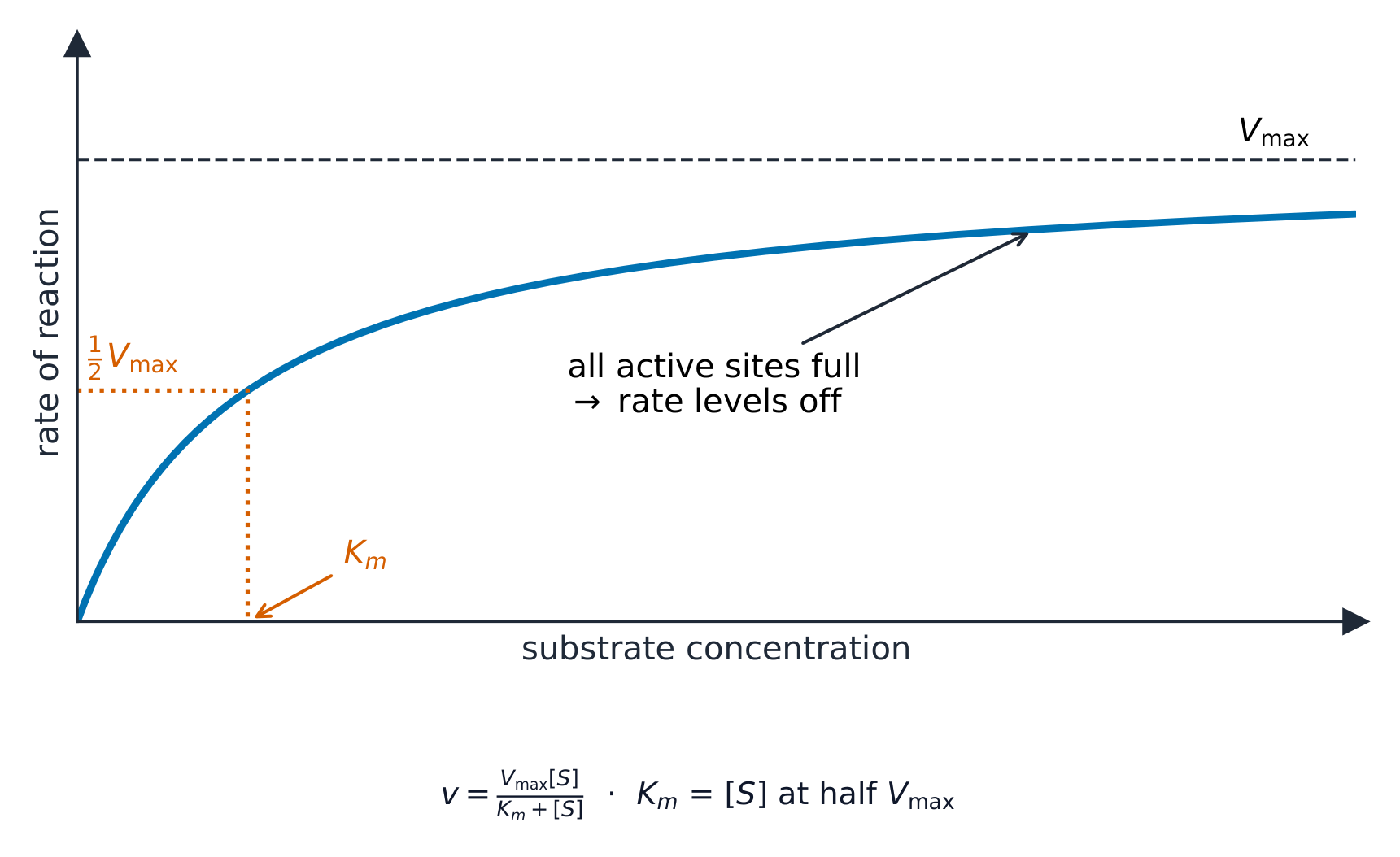
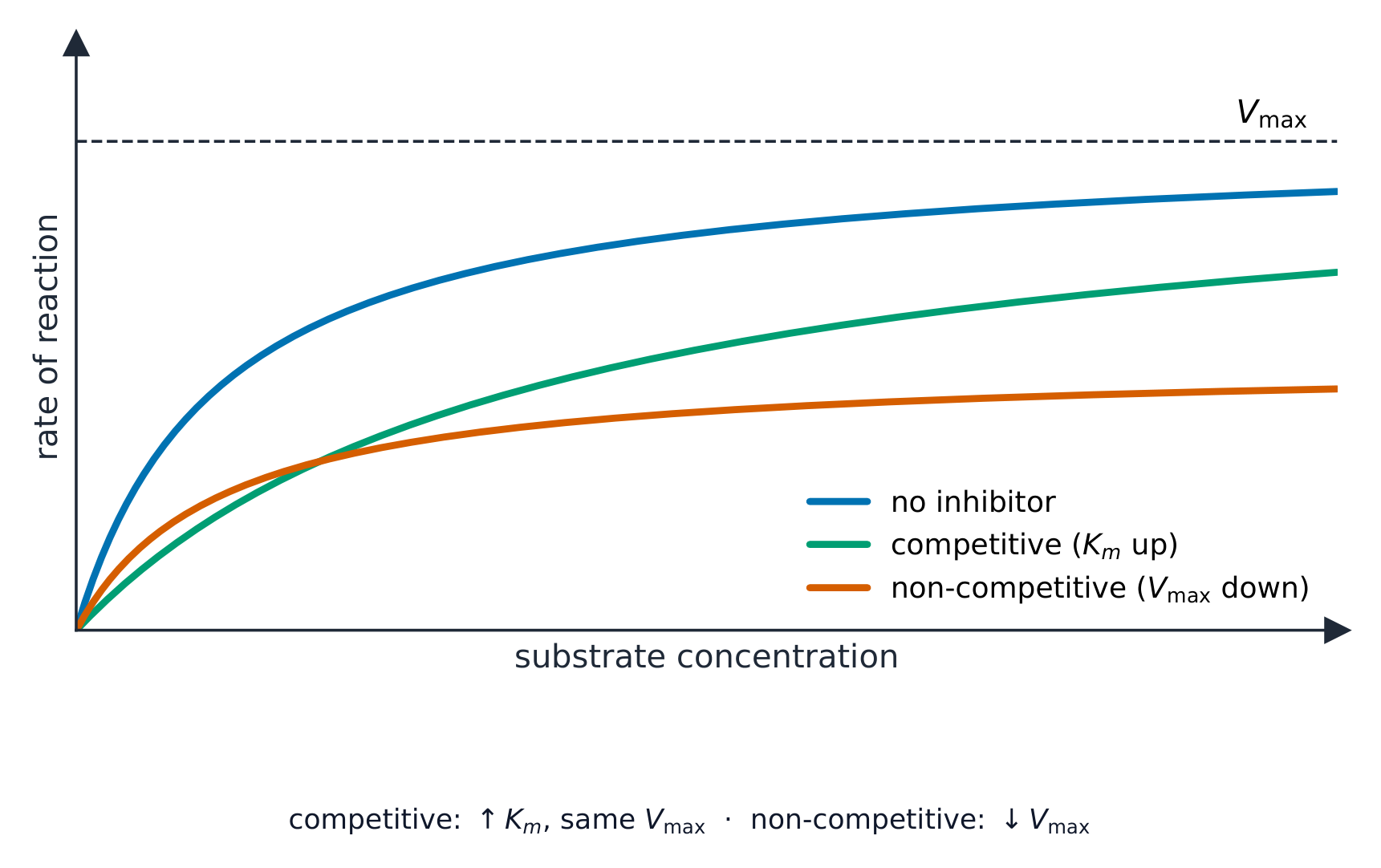


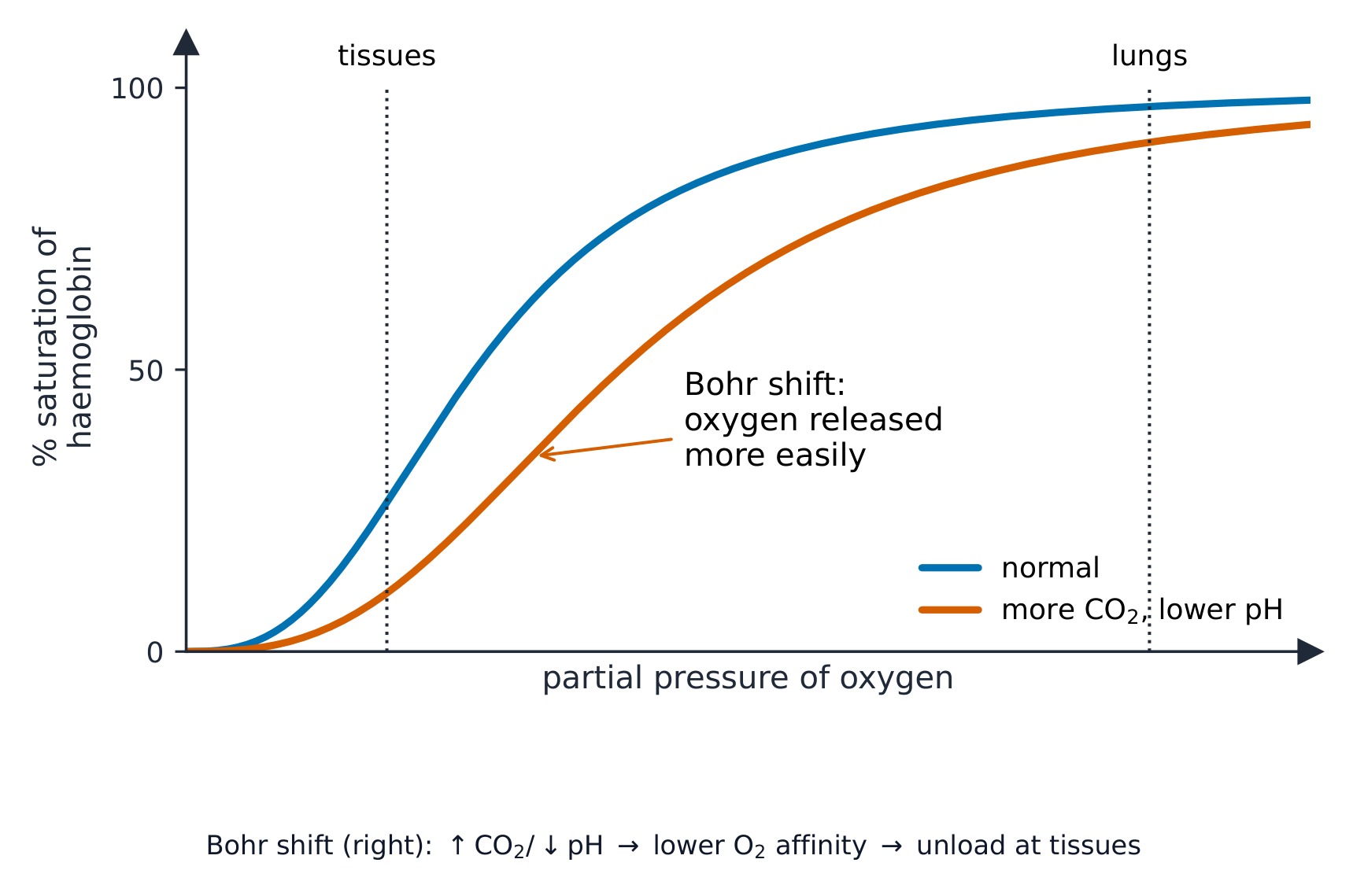
 *רוב ה-CO₂ נעבור כיוני הידרוקרבונט; הסטיית כלור שומרת על איזון מטענים והמוגלובין סופג את ה-H⁺
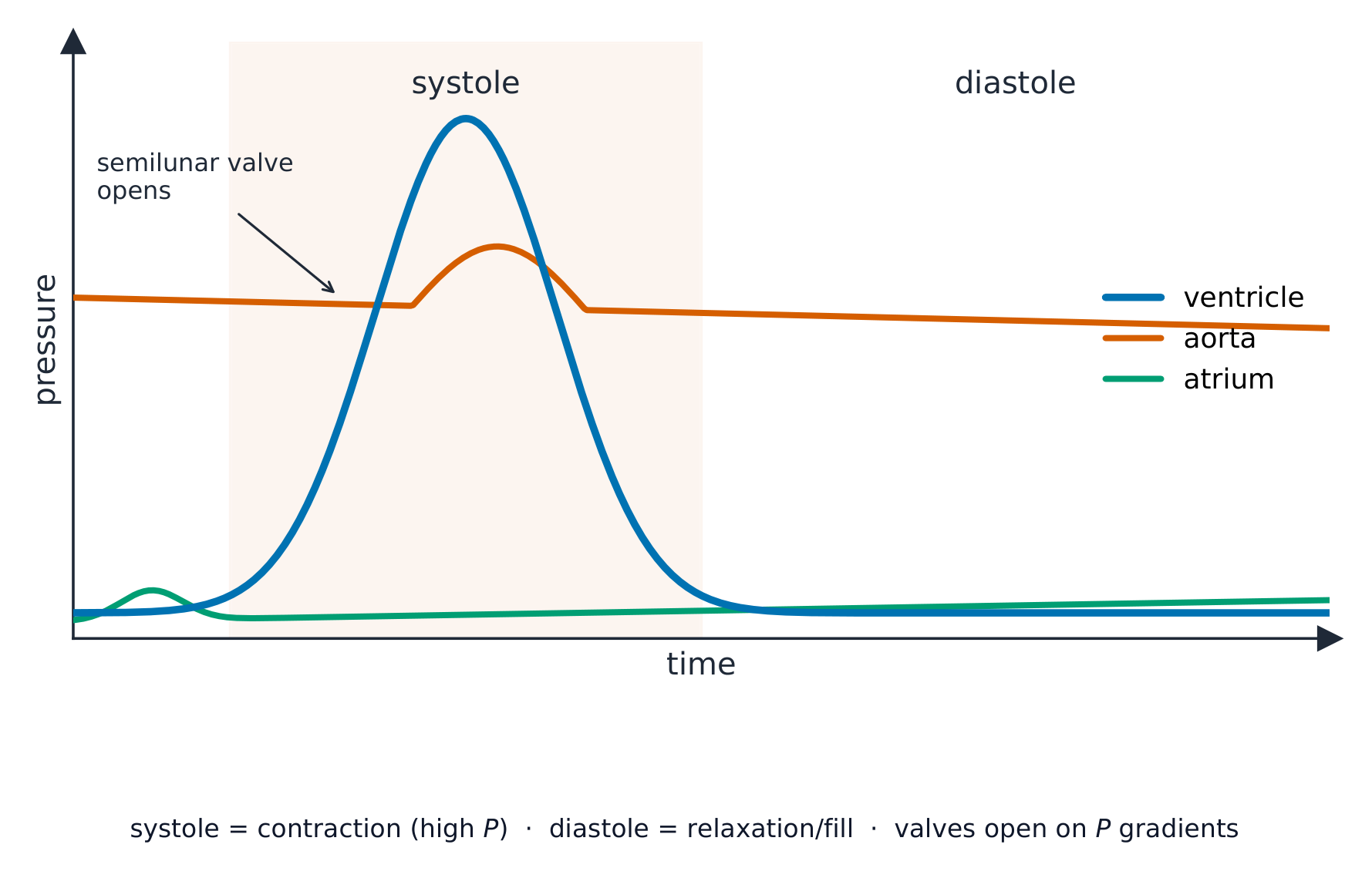


 *תאי כוס מייצרים ריר הלוכד אבק ומיקרואורגניזמים; הציליות דוחפות אותו כלפי הגרון
 *רקמת ריאה אמיתית צבועה למיקרוסקופ: החללים הפתוחים הם אלVEולים והקווים הוורודים הדקים הם מקום מעבר הגזים; ערוף אוויר קטן יושב במרכז


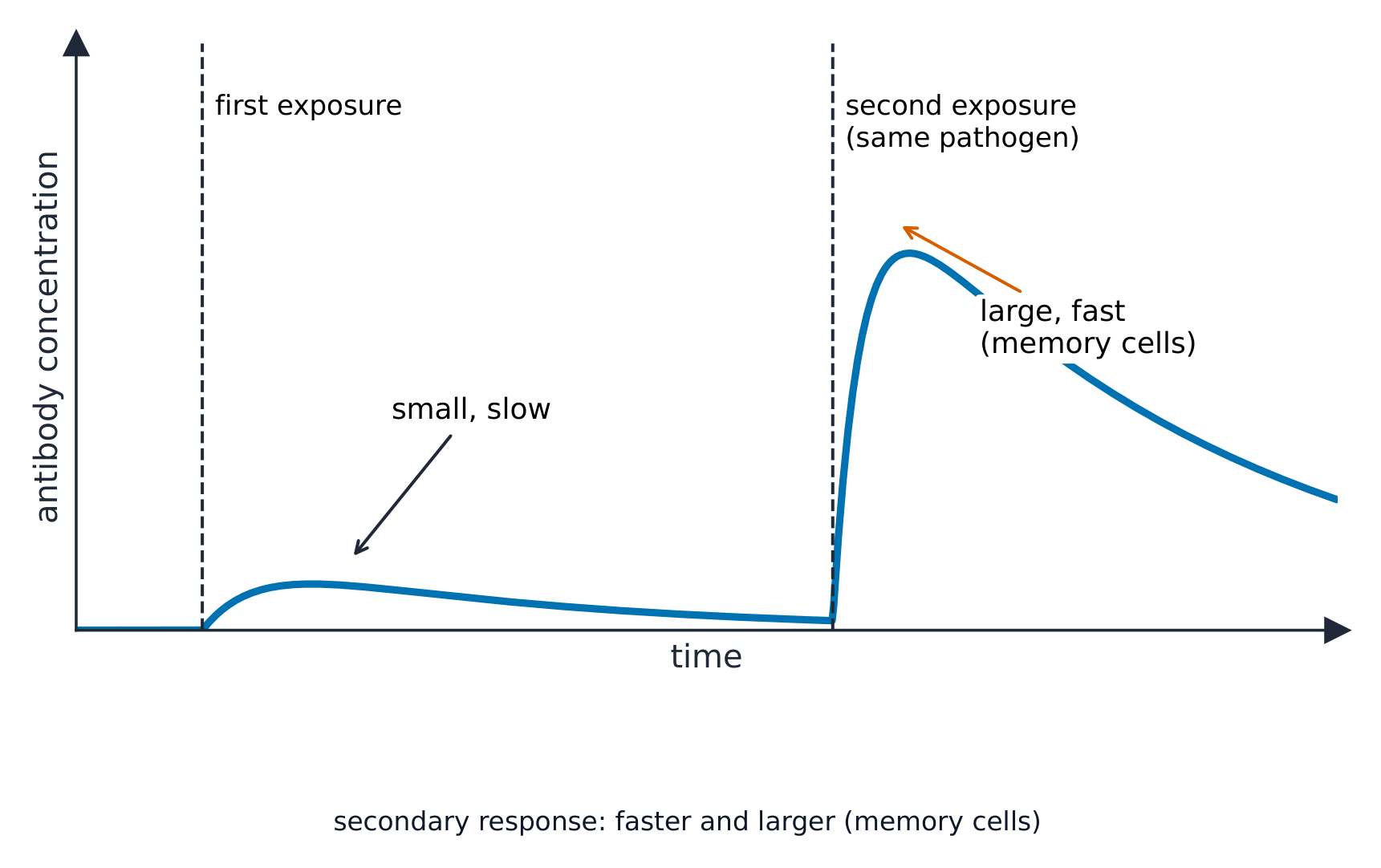


 *הסודה לאמה סופחת את ה-CO₂ שמשתחרר, ולכן נפח הגז יורד רק בגלל החמצן שנצרך — והחרוז נע פנימה במרחק זה
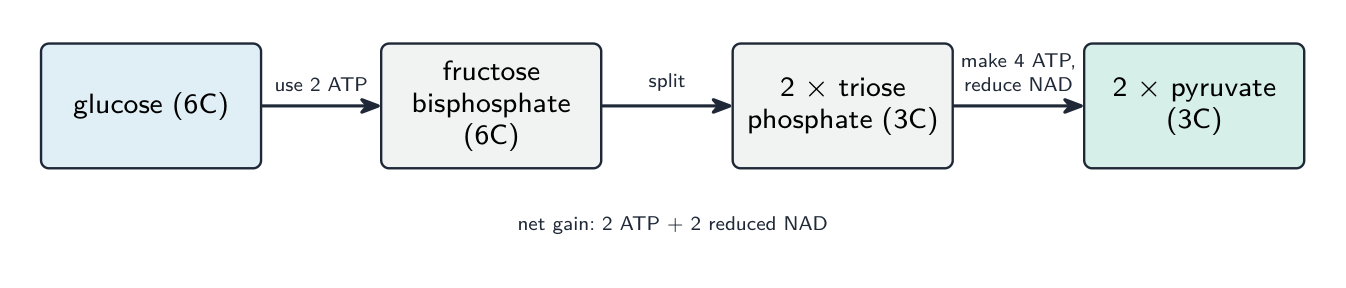


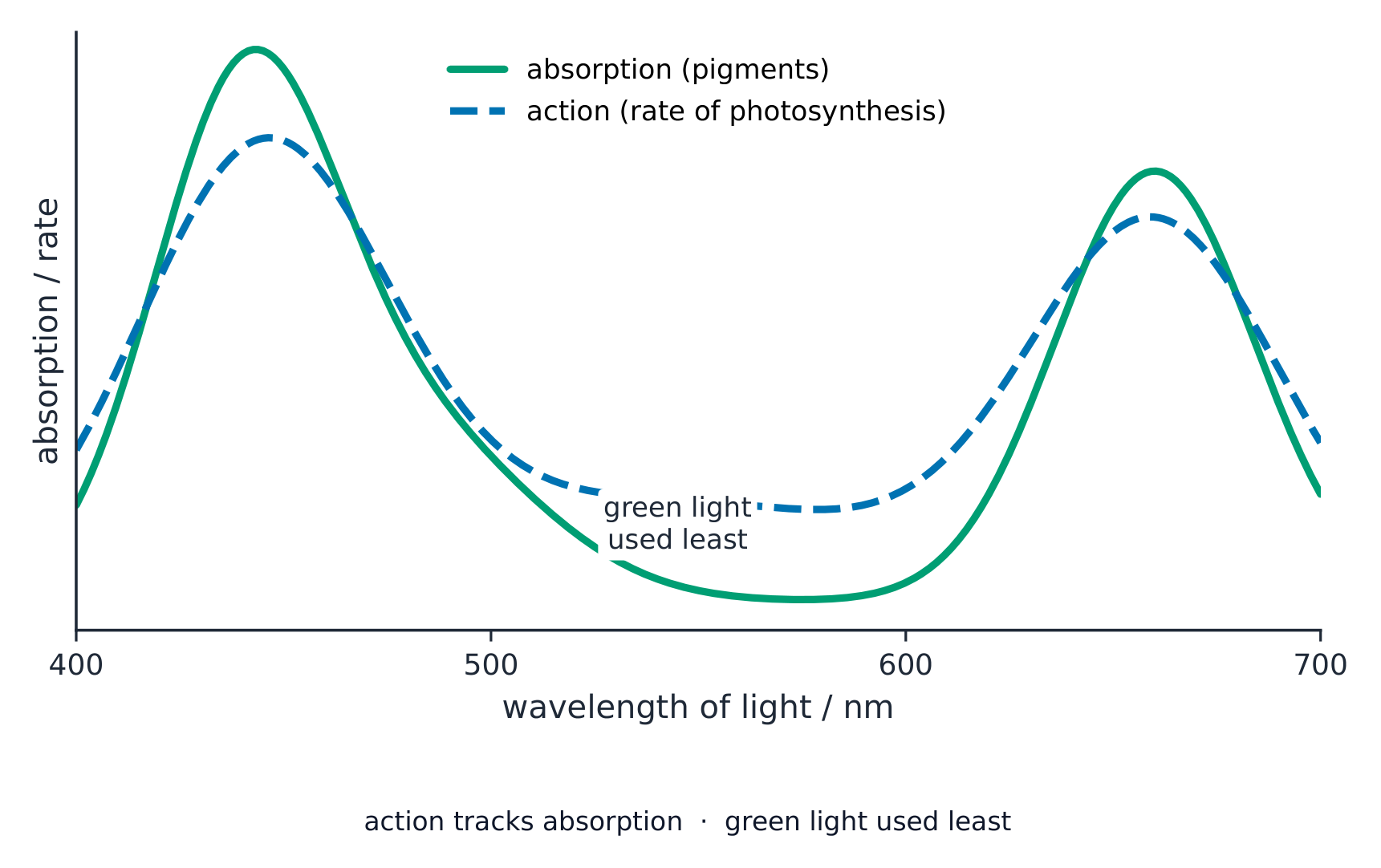


 *הזעה מקררת את הגוף — חלק מהוומיאוסטזיה של הטמפרטורה, כאשר העור משמש כשליטה
 *משוב שלילי: קולט מאתר שינוי ושליטה מתקן אותו, ומשיב למצב תקין


 *נירונים אמיתיים מנוגדים בחום: ניתן לראות את גופי התאים ואת השיאים הדקים שמובילים אותות לתוך התא וממנו
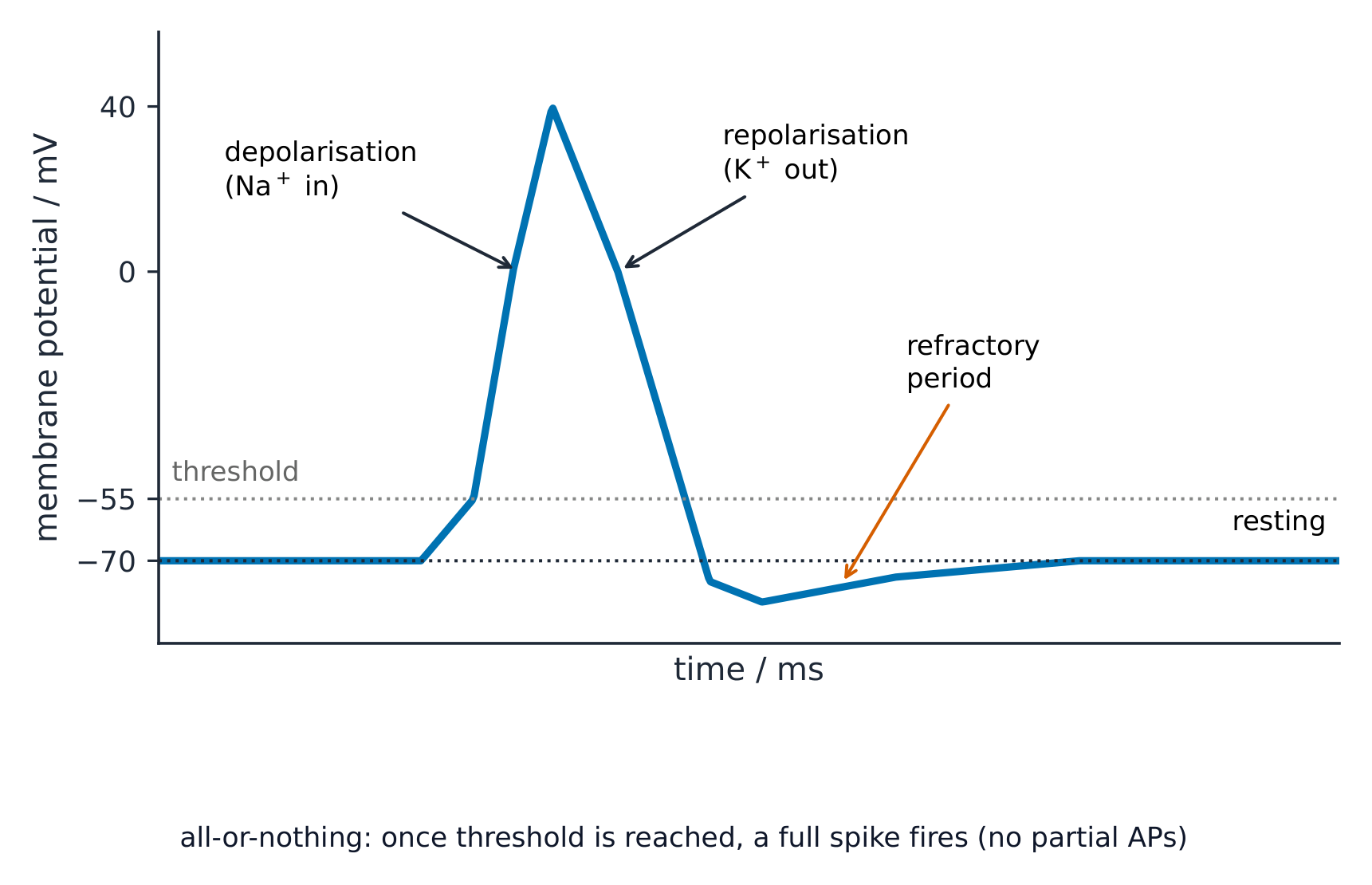
 *הפעולה קופצת מקושר לקושר — הולכה קופצנית — כך שנירון מעטף במיelin מוליך הרבה מהר יותר


 *"הגידול החומצי" של אוקסין: H⁺ המופליא לקיר מרפה אותו, ולכן התא נמתח לאורך יותר כשמים נכנסים.

 *זוג הומולוגי נושא את אותם גנים באותם לוקוסים, אך האללים (הגרסאות) עשויים להיות שונים
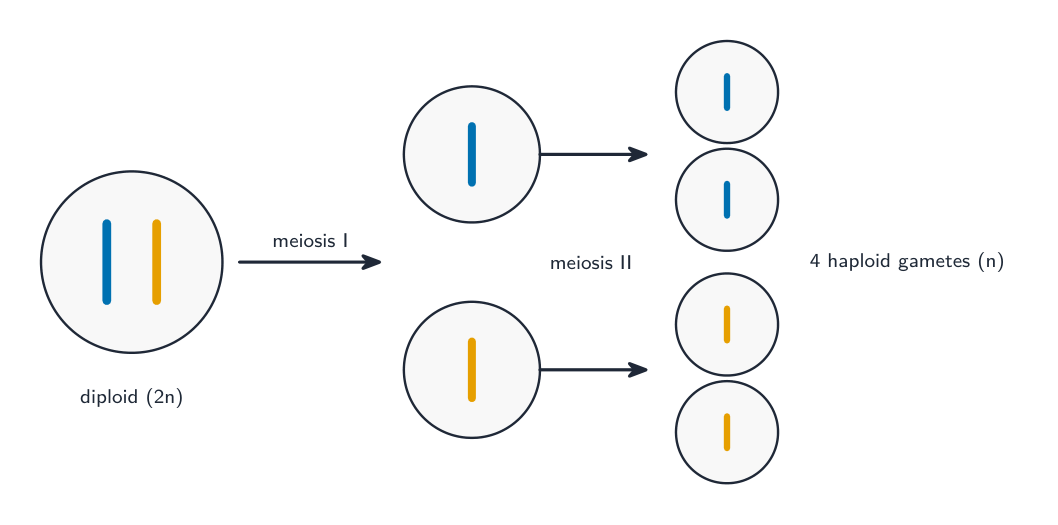 *שתי החלוקות מחציות את מספר הכרומוזומים: מיזוזיס I מפרידה את הזוג ההומולוגי, מיזוזיס II מפרידה את הכרומטידים — ומניבה ארבע גמטות haploid
 *מעבר חומרי גנטי: כרומוזומים זוגיים מחליפים מקטעים תואמים בנקודת קרוסאובר, ויוצרים שילובי אללים חדשים
 *התפלגות עצמאית: זוגות כרומוזומים נסדרים בסדר אקראי, כך שהגמטות מקבלות ערבול רב משתנה