Skip to content · ⁨본문 바로가기⁩

Reading skills · ⁨독해 기술⁩

IGCSE English · ⁨IGCSE 영어⁩ · Topic 1 · ⁨주제 1⁩

Video lesson for this topic · ⁨이 주제용 영상 수업⁩ Open the video page · ⁨영상 페이지 열기⁩
7:55

리딩 스킬

리딩 시험지를 니다. 긴 텍스트—one, 600단어 정도, 혹은 더 많음—와 한 페이지 분량의 질문들을 봅니다. 시계는 45분을 가리킵니다. 많은 학생들이…

English narration · English + 中文 subtitles burned in · ⁨영어 내레이션 · 영어 + 중국어 자막 burned-in⁩

1.1

Reading for specific information · ⁨특정 정보에 대한 읽기⁩

Syllabus
English
  1. skim a text quickly to get the general idea, then scan to locate specific facts, names, numbers, times and places
  2. answer short questions with a single word or short phrase, using the exact detail from the text
  3. predict what kind of information a question is asking for before reading the text closely
한국어
  1. 텍스트의 전반적인 내용을 파악하기 위해 빠르게 스킴을 읽은 후, 특정 사실, 이름, 숫자, 시간, 장소를 찾기 위해 스캔한다.
  2. 텍스트에 있는 정확한 세부 사항을 사용하여 한 단어 또는 짧은 구로 단답 questions에 답한다.
  3. 텍스트를 심독하기 전에 질문이 어떤 종류의 정보를 요구하고 있는지 예측한다.
Source: Cambridge International syllabus · ⁨출처: Cambridge International syllabus⁩

English

In the exam you do not read every word slowly. You change your speed to fit your goal.

Skim first, then scan

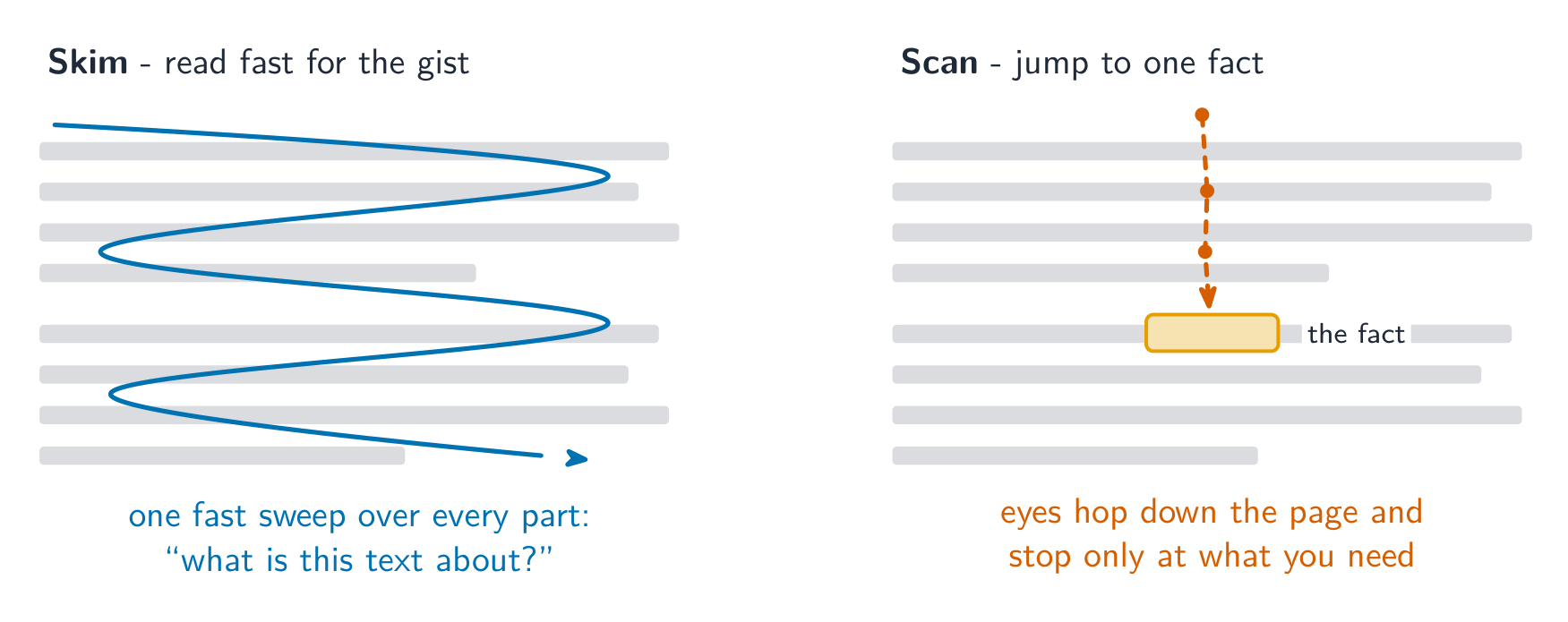
  • First skim 略读 the text. Read it fast to get the gist 大意 — the general idea. Look at the title, the first line of each paragraph 段落, and any pictures.
  • Then scan 扫读 to find one piece of information. Move your eyes quickly down the page. Do not read every word. Stop when you see what you need.
  • Use scanning for facts like names, numbers, dates, times and places.

Match the question to the text

  • Read the question first. Decide what kind of answer it wants: a name? a number? a reason?
  • Predict 预测 the answer before you look. This helps your eyes find it faster.
  • Find the part of the text that talks about the same idea. The answer is usually there.

Write short, exact answers

  • Here you write a single word or a short phrase 短语, not a full sentence.
  • Copy the exact word from the text when you can.
  • Answer only what the question asks. Extra words can lose the mark.
한국어

시험에서는 모든 단어를 천천히 읽지 않는다. 목표에 맞춰 속도를 조절한다.

먼저 스킴한 후 스캔

  • 먼저 스킴 texts의 대략적인 내용을快速获取한다. 빠르게 읽어 대략적 내용 — 전반적인 아이디어를 파악한다. 제목, 각 문단 첫 줄, 그리고 그림을 본다.
  • 그런 다음 스캔하여 한 가지 정보를 찾는다. 눈을 빠르게 아래로 움직인다. 모든 단어를 읽지 마라. 필요한 것을 볼 때까지 멈춘다.
  • 이름, 숫자, 날짜, 시간, 장소와 같은 사실에 대해 스캔을 사용하라.
두 텍스트 블록 비교: 스킴은 대략적 내용을 위해 모든 줄을 빠르게 훑는 것, 스캔은 페이지를 빠르게 내려가서 강조된 한 사실에 멈춤
스킴은 요지를 위해 모든内容进行 빠르게 넘기고, 스캔은 바로 특정 사실으로 점프합니다
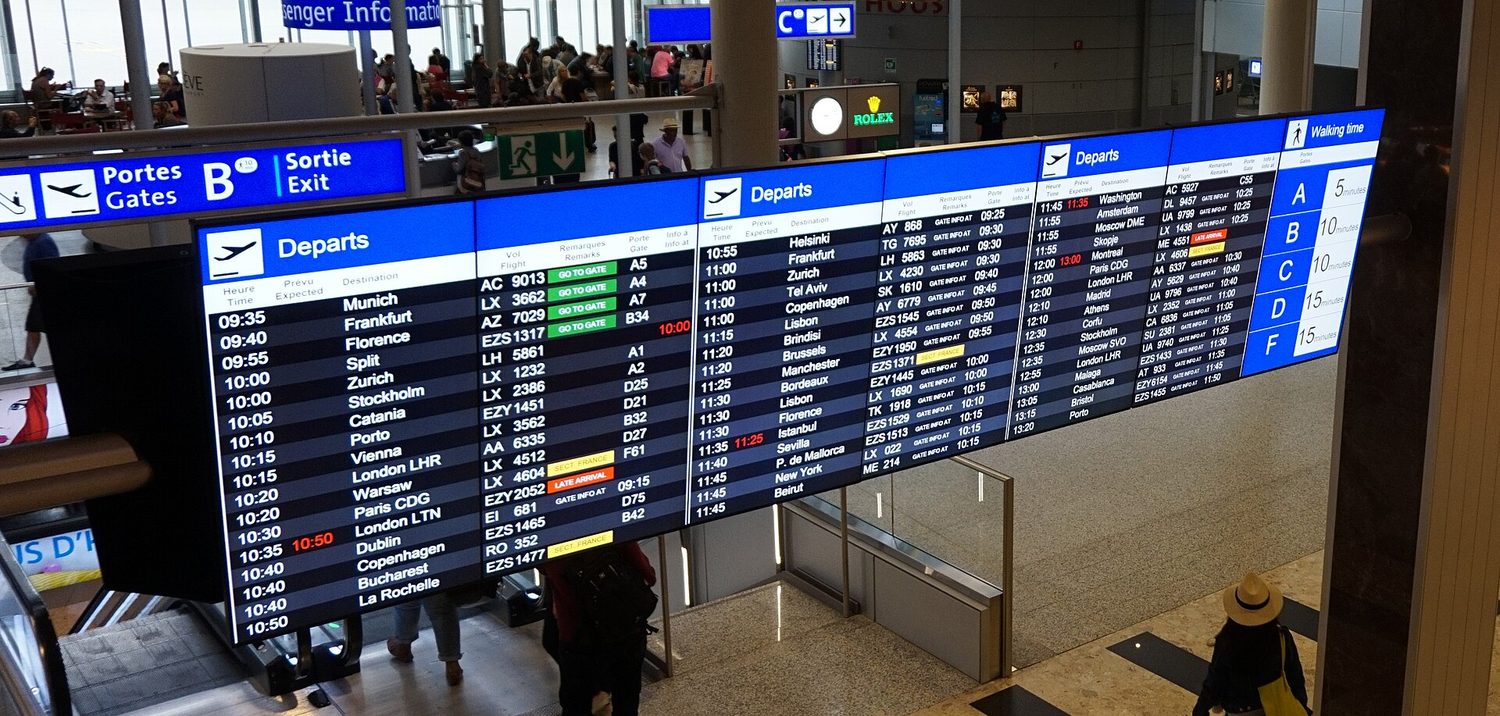
여러 비행 시간, 목적지, 탑승 게이트를 나열한 대형 공항 출발 안내판
출발 안내판은 당신이 스캔하는 실제 텍스트다: 모든 줄을 읽지 않고 필요한 한 번의 비행 시간이나 탑승 게이트로 바로 이동한다

질문과 텍스트 매칭

  • 질문을 먼저 읽는다. 어떤 종류의 답변을 원하는지 결정하라: 이름? 숫자? 이유?
  • 보기 전에 예측 the answer to look. 눈이 더 빠르게 찾을 수 있도록 돕는다.
  • 동일한 아이디어에 대해 언급하는 텍스트 부분을 찾으라. 답은 보통 거기에 있다.

짧고 정확한 답변 쓰기

  • 여기서는 전체 문장이 아닌 단일 단어 또는 짧은 구를 쓴다.
  • 가능한 경우 텍스트에서 정확한 단어를 복사하라.
  • 질문에서 요구하는 것만 답하라. 불필요한 단어가 점수를 잃게 할 수 있다.
Vocabulary · ⁨어휘⁩ Train · ⁨연습하기⁩
English 한국어
skim/skɪm/ 스킴
gist/dʒɪst/ 핵심 내용
paragraph/ˈpærəɡræf/ paragraph(문단)
scan/skæn/ 스캔
predict/prɪˈdɪkt/ 예측
phrase/freɪz/ 구절
multiple matching/ˈmʌltɪpl ˈmætʃɪŋ/ 다중 매칭
paraphrase/ˈpærəfreɪz/ 의역
1.2

Connecting ideas across a text · ⁨텍스트를 가로막아 아이디어 연결하기⁩

Syllabus
English
  1. follow how ideas, opinions and attitudes in a text connect to one another
  2. match each question to the section or short text that contains the relevant idea (multiple matching)
  3. recognise words and phrases that signal time, cause and effect, addition and contrast
한국어
  1. 텍스트 내의 아이디어, 의견 및 태도가 서로 어떻게 연결되는지 파악하기
  2. 각 질문을 해당 relevant 개념을 포함하는 섹션 또는 짧은 텍스트와 매칭한다(다중 매칭).
  3. 시간, 인과관계, 추가 및 대비를 나타내는 단어와 구를 식별한다.

Source: Cambridge International syllabus · ⁨출처: Cambridge International syllabus⁩

English

A long text is not just a list of facts. The ideas link to each other, and you must follow how.

Multiple matching

  • In a multiple matching 多项匹配 task you read several short texts, or several parts of one text.
  • Each question describes an idea. You choose the text or part that matches it.
  • The words in the question are usually different from the words in the text. Look for the same meaning, not the same words. This is called a paraphrase 改写.

Signal words

  • Writers use small words to show how ideas connect. These are signal words 信号词.
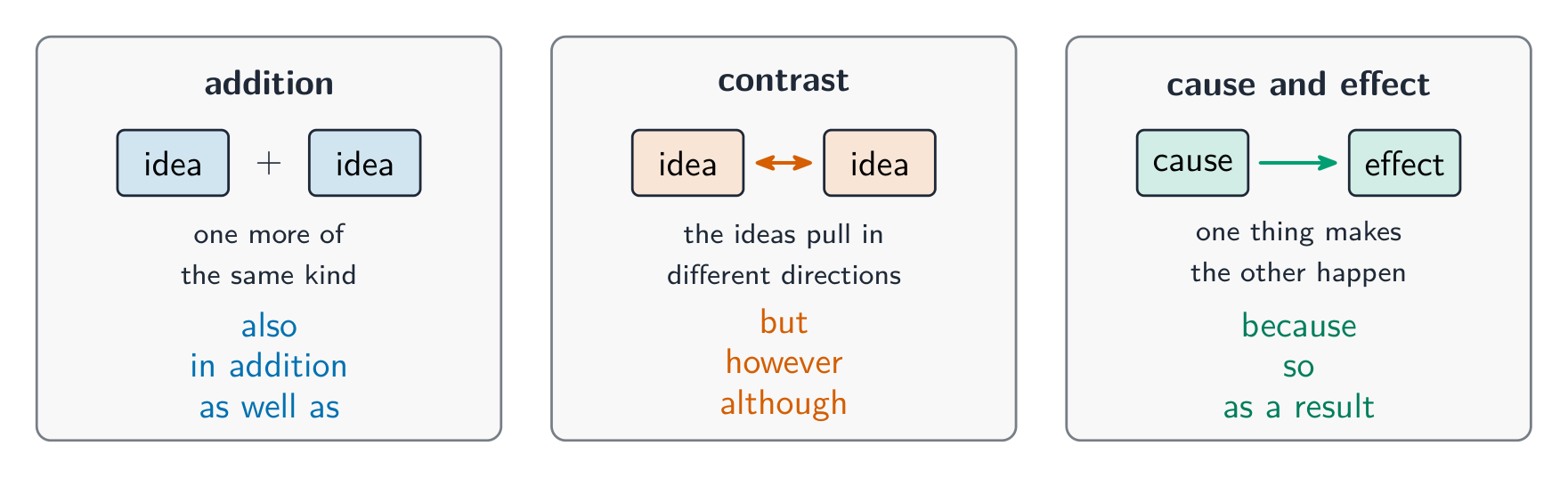
  • Some show addition 递进 (also, in addition, as well as). Some show contrast 对比 (but, however, although). Some show cause and effect 因果 (because, so, as a result).
  • When you notice these words, you can see how the writer's ideas fit together.
한국어

긴 텍스트는 단순히 사실의 나열이 아니다. 아이디어들이 서로 연결되어 있으며, 그 연결 방식을 따라가야 한다.

다중 매칭

  • 다중 매칭 task에서 여러 개의 짧은 텍스트, 또는 하나의 텍스트의 여러 부분을 읽는다.
  • 각 질문은 하나의 아이디어를 설명한다. 그에 해당하는 텍스트나 부분을 선택하라.
  • 질문의 단어들은 보통 텍스트의 단어들과 다르다. 같은 단어를 찾기보다 같은 의미를 찾아라. 이를 의역이라고 한다.

신호어

  • 작가들은 아이디어가 어떻게 연결되는지를 보여주는 작은 단어를 사용한다. 이들은 신호어이다.
  • 일부는 추가 (also, in addition, as well as)를 나타낸다. 일부는 반대 (but, however, although)를 나타낸다. 일부는 인과 관계 (because, so, as a result)를 나타낸다.
  • 이 단어들을 발견하면 작가가 아이디어들을 어떻게 결합했는지 알 수 있다.
세 장의 카드: 추가 단어는 같은 종류의 아이디어 하나를 더함, 반대 단어는 두 아이디어를 다른 방향으로 당김, 인과관계 단어는 원인을 결과와 연결함
세 가지 신호어(signal-word) 패밀리와它们在ideas에 미치는 영향
Vocabulary · ⁨어휘⁩ Train · ⁨연습하기⁩
English 한국어
signal words/ˈsɪɡnl wɜːdz/ 신호어
addition/əˈdɪʃn/ 첨가(addition)
contrast/ˈkɒntræst/ 대조
cause and effect/kɔːz ænd ɪˈfekt/ 인과 관계
note-making/nəʊt ˈmeɪkɪŋ/ 요약하기
1.3

Making notes and summaries · ⁨메모 및 요약 작성⁩

Syllabus
English
  1. select only the relevant points from a text for a given purpose
  2. complete a set of brief notes under headings, using short phrases rather than full sentences
  3. leave out examples and repetition, keeping just the key information
한국어
  1. 주어진 목적을 위해 텍스트에서 필요한 점만 선별한다.
  2. 제목 아래에 전체 문장 대신 짧은 구를 사용하여 요약 메모를 완성한다.
  3. 예시와 반복을 생략하고 핵심 정보만을 남긴다.

Source: Cambridge International syllabus · ⁨출처: Cambridge International syllabus⁩

English

Sometimes you must take the main points out of a text and write them in a short form.

Note-making

  • In a note-making 做笔记 task you complete notes under headings.
  • Write short notes, not full sentences. A word or a short phrase is enough.
  • Choose only the points that fit the heading. Leave out examples and extra detail.

Summary skills

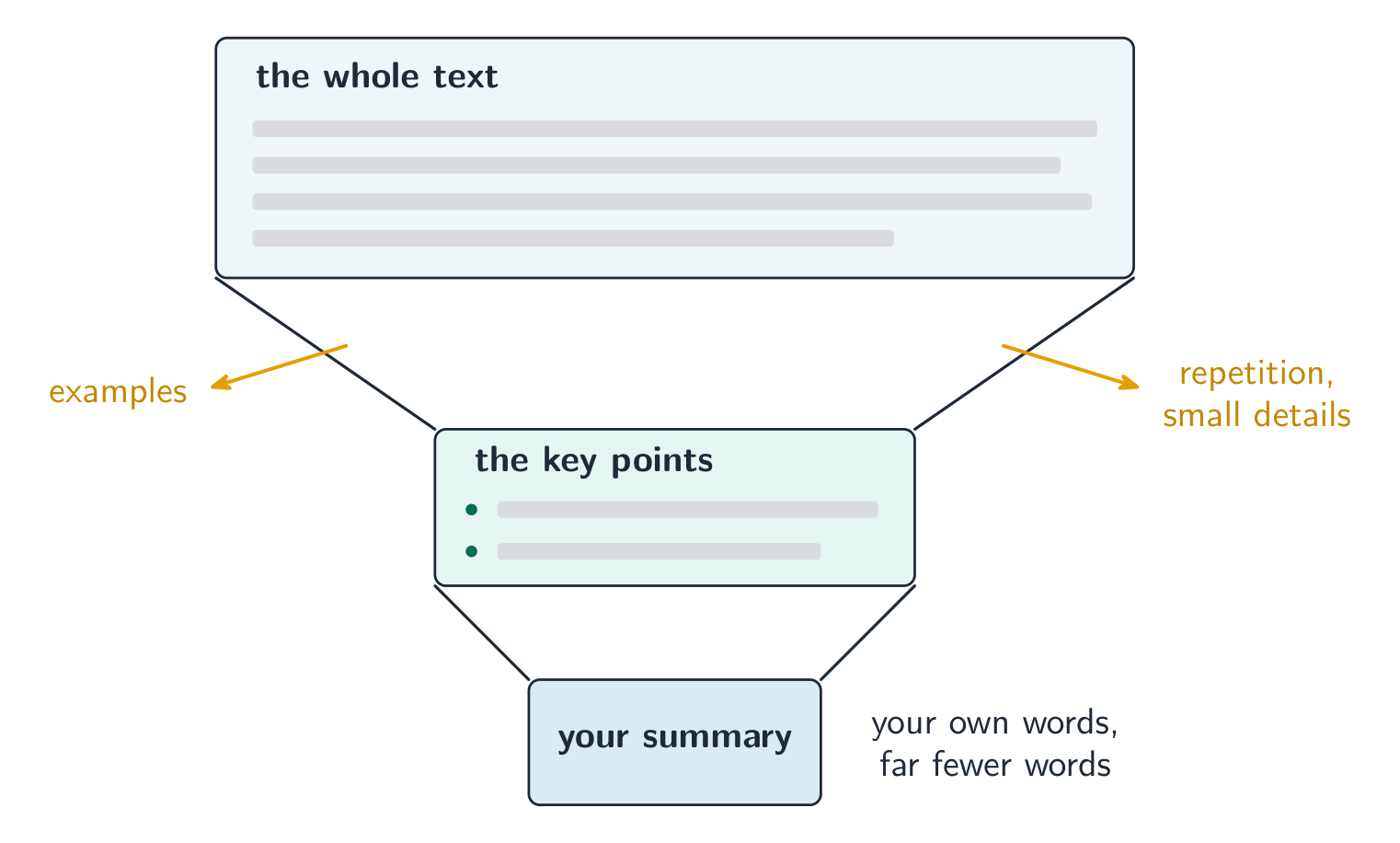
  • A summary 概括 gives only the most important ideas, in fewer words.
  • Find the key points. Ignore examples, repetition 重复 and small details.
  • Use your own words where you can. Do not copy whole sentences.
한국어

때로는 텍스트의 핵심 요지를 추출하여 짧은 형태로 써야 한다.

메모 작성

  • 메모 작성 task에서 항목 아래에 메모를 완성한다.
  • 전체 문장이 아닌 짧은 메모를 쓰라. 한 단어 또는 짧은 구면 충분하다.
  • 항목에 맞는 점만 선택하라. 예시와 부연 설명은 빼라.

요약 기술

  • 요약은 더 적은 글자로 가장 중요한 아이디어만을 제공한다.
  • 핵심 포인트를 찾아라. 예시, 반복 및 세부 사항들은 무시하라.
  • 가능한 경우 자신의 언어를 사용하라. 전체 문장을 복사하지 마라.
 Funnel: 전체 텍스트가 상단에 들어가고, 예시와 반복은 측면에서 짜내지며, 핵심 포인트는 남고, 자신의 언어로 된 짧은 요약이 하단에서 나옴
요약은 본인의 말로 핵심 포인트만을 남깁니다
Vocabulary · ⁨어휘⁩ Train · ⁨연습하기⁩
English 한국어
summary/ˈsʌməri/ 요약
repetition/ˌrepəˈtɪʃn/ 반복
inference/ˈɪnfərəns/ 추론
implies/ɪmˈplaɪz/ 함유하다
attitude/ˈætɪtjuːd/ 태도
word choice/wɜːd tʃɔɪs/ 단어 선택
multiple-choice/ˈmʌltɪpl tʃɔɪs/ 선다형
context/ˈkɒntekst/ 맥락
1.4

Reading between the lines · ⁨줄간 읽기⁩

Syllabus
English
  1. understand meaning that is implied but not directly stated
  2. work out a writer's opinion, attitude or feelings from the words and phrases they choose
  3. deduce the meaning of an unfamiliar word from the information around it
  4. answer multiple-choice questions about main ideas, details and attitudes
한국어
  1. 직접적으로 명시되지는 않았으나 함축된 의미를 이해한다.
  2. 작가가 선택한 단어와 구를 통해 그의 의견, 태도 또는 감정을 파악한다.
  3. 주변 정보를 바탕으로 낯선 단어의 의미를 유추한다.
  4. 주된 내용, 세부 사항 및 태도에 대한 다지선형 질문 답하기

Source: Cambridge International syllabus · ⁨출처: Cambridge International syllabus⁩

English

Some answers are not written directly in the text. You must work them out. This is called inference 推断.

Implied meaning

  • Sometimes the writer implies 暗示 something without saying it openly. The meaning is there, but it is hidden.
  • Read the words around the idea. Ask: what does the writer want me to understand here?

The writer's attitude

  • The writer's attitude 态度 is how they feel about the topic — for example, excited, worried, or unsure.
  • You find the attitude in the writer's word choice 用词. Strong or emotional words show feelings.
  • In a multiple-choice 选择题 question about attitude, read all the options. Choose the one that fits the whole text, not just one line.

Unfamiliar words

  • You will meet words you do not know. Do not stop.
  • Use the context 语境 — the words around it — to guess the meaning of the new word.
한국어
낡은 책 뭉치를 들고其中一个을 가까이서 읽는 여성
밀독: 추론 답변은 복사할 수 있는 문장이 아니라 작가가 선택한 단어에서 나온다

어떤 답변은 텍스트에 직접 쓰여 있지 않다. 스스로 도출해야 한다. 이를 추론이라고 한다.

암묵적 의미

  • 때때로 작가는公开하지 않고 암시 something. 의미는 있지만 숨겨져 있다.
  • 아이디어 주변의 단어를 읽어라. 물어봐라: 작가는 여기서 내가 무엇을 이해하기를 바라는가?

작가의 태도

  • 작가의 태도는 주제에 대한 그들의 감정 — 예를 들면,兴奋地,忧虑地,或者不确定地 —이다.
  • 작가의 용어 선택에서 태도를 finds. 강하거나 감성적인 단어들은 감정을 보여준다}
  • 태도 관련 다지선형 문제에서는 모든 보기를 읽어보세요. 한 줄뿐만 아니라 전체 텍스트에 맞는 보기를 선택해야 합니다.

낱말 이해하기

  • 모르는 단어를 마주할 수 있습니다. 멈추지 마세요.
  • 맥락 — 그 단어 주변에 있는 문장 —을 활용하여 새로운 단어의 의미를 유추해 보세요.
1.4

Exam tips · ⁨시험 팁⁩

English
  • Read the question before the text. Underline the key word: a name? a number? a reason?
  • Answers usually come in the same order as the text, so do not hunt backwards for question 1.
  • Copy the exact word from the text when you can; a changed word can lose the mark.
  • Check how many answers the question wants: "Give TWO reasons" needs two, not one.
  • In multiple matching, the text usually does not repeat the question's words. Hunt for the same idea said differently.
  • Never leave an empty line. A guess can win a mark; a blank never can.
한국어
  • 본문 전에 있는 문제를 먼저 읽고, 핵심 단어를 선으로 그리세요:人名? 숫자? 이유?
  • 정답은 보통 본문과 같은 순서로 나오므로, 문제 1번을 위해 뒤를 찾아 헤매지 마세요.
  • 가능한 경우 본문에서 정확한 단어를 그대로 복사하세요. 단어를 바꾸면 점수를 잃을 수 있습니다.
  • 문제가 몇 개의 답을 원하는지 확인하세요: "TWO reasons(두 가지 이유)"라고 했다면 두 개를 써야 하지 하나가 아닙니다.
  • 다중 매칭 문제에서는 본문이 문제의 단어를 반복하지 않는 경우가 많습니다. 같은 아이디어를 다른 표현으로 바꾼 부분을 찾으세요.
  • 빈칸을 두지 마세요. 추측한 답은 점수를 얻을 수 있지만, 빈칸은 절대 점수를 주지 못합니다.

Interactive lessons on this topic · ⁨이 주제에 대한 인터랙티브 수업⁩

Work through it step by step, with instant-check exercises. · ⁨즉시 체크 기능 exercises를 통해 단계별로 진행하세요.⁩

Past Papers · ⁨과거 시험지⁩

More topics in IGCSE English · ⁨IGCSE 영어⁩ · ⁨IGCSE English · ⁨IGCSE 영어⁩ 내 추가 주제⁩

Log in or create account · ⁨로그인 또는 계정 만들기⁩

IGCSE, A-Level & AP