English
This topic pulls the macroeconomics together: the goals a government has, how they clash, and how well its tools work.
한국어
이 주제는 거시경제학의 목표,它们在 충돌하는 방식, 그리고 정책 도구의 효용성을 종합적으로 다룹니다.
A-Level Economics · A-Level 경제학 · Topic 10 · 주제 10
 7:13
7:13
정부의 거시경제 간섭 (A Level)
이러한 건물 내부에서 작은 위원회가 모여 단일 숫자를 변경합니다: 이자율입니다. 무엇이 건설되지 않습니다. 무엇이 구매되지 않습니다. 그러나 몇 일 내에…
English narration · English + 中文 subtitles burned in · 영어 내레이션 · 영어 + 중국어 자막 burned-in
This topic pulls the macroeconomics together: the goals a government has, how they clash, and how well its tools work.
이 주제는 거시경제학의 목표,它们在 충돌하는 방식, 그리고 정책 도구의 효용성을 종합적으로 다룹니다.
Source: Cambridge International syllabus · 출처: Cambridge International syllabus
Governments aim at several macroeconomic objectives 宏观经济目标 at once:
| Objective | How it is measured |
|---|---|
| economic growth 经济增长 | the % change in real GDP |
| price stability 物价稳定 (low inflation 通货膨胀) | the % change in the consumer price index |
| full employment 充分就业 | the unemployment rate |
| balance of payments 国际收支 stability | the current account balance |
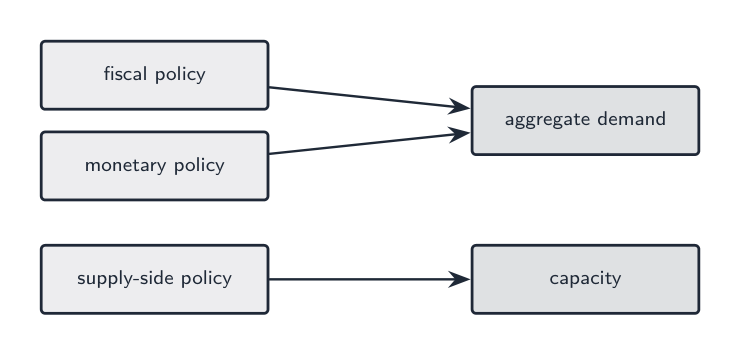
To reach these goals, the government uses three sets of tools:
Fiscal and monetary policy mainly work on aggregate demand 总需求, so they are quick but can cause inflation. Supply-side policy works on capacity, so it is slow but lasting.
정부는 여러 거시경제 목표를 동시에 추구합니다:

| 목표 | 측정 방법 |
|---|---|
| 경제 성장 | 실질 GDP의 % 변화 |
| 가격 안정 (저인플레이션) | 소비자 물가지수(CPI)의 % 변화 |
| 완전 고용 | 실업률 |
| 대외거래 균형 안정성 | 경상(/current) account 차액 |
이러한 목표를 달성하기 위해 정부는 세 가지 유형의 도구를 사용합니다:
재정정책과 통화정책은 주로 총수요에 작용하므로 빠르지만 인플레이션을 유발할 수 있습니다. 공급stm 정책은 생산 능력에 작용하므로 느리지만 지속적입니다.

Classify policy examples by the macroeconomic objective they target. · 거시경제 목표에 대응하는 정책 예시를 분류하시오.

Source: Cambridge International syllabus · 출처: Cambridge International syllabus
The objectives are interrelated — reaching one can move another. Often there is a trade-off 取舍, a conflict 冲突 where gaining on one goal costs you on another.
Because the goals are linked, a government must often accept "second best" on one aim to protect another. A clever policy mix tries to ease the trade-offs — for example, supply-side policy can raise growth and lower inflation, easing the usual clash.
목표들은 상호 관련되어 있어 하나의 목표를 달성하면 다른 목표에도 영향을 미칩니다. 일반적으로 트레이드오프, 즉 한 목표를 달성하는 데 비용이 드는 갈등이 존재합니다.
목표들이 연관되어 있으므로 정부는 한 목표를 보호하기 위해 다른 목표에서 '최선'以外的('second best') 결과를 수용해야 합니다.巧妙的(policy mix) 정책 조합은 트레이드오프를 완화하려 합니다—예를 들어, 공급stm 정책은 성장을 높이고 동시에 인플레이션을 낮출 수 있어 일반적인 갈등을 완화합니다.
Classify policy examples by the macroeconomic objective they target. · 거시경제 목표에 대응하는 정책 예시를 분류하시오.
| English | 한국어 |
|---|---|
| conflict/ˈkɒnflɪkt/ | 갈등 |
| Phillips curve/ˈfɪlɪps kɜːv/ | 필립스 곡선 |

Source: Cambridge International syllabus · 출처: Cambridge International syllabus
Each tool has strengths and weaknesses.
It can act directly and powerfully on demand, and it can target particular groups or regions. But:
The Laffer curve 拉弗曲线 is a useful warning. It shows that as the tax rate rises, tax revenue 税收收入 first rises but then falls: very high rates discourage work and encourage tax avoidance, so revenue drops. There is a tax rate that raises the most revenue, and going above it is self-defeating.
It is flexible — the interest rate can be changed at any time. But it also works with a long time lag, and in a deep slump even very low rates may fail to make worried firms and households borrow.
It is the only tool that can raise growth and lower inflation together, with no trade-off. But it is slow (education and training take years), it is costly, and some measures (like cutting benefits) can widen inequality.
No single policy can hit every target. The objectives conflict, the effects come with delays, and the future is uncertain. So governments usually combine demand-side policies 需求侧政策 (fiscal and monetary) for the short term with supply-side policy for the long term, and accept that some goals must be traded against others.
Worked example. A government cuts interest rates to reduce unemployment. Which other objective is put at risk, and why? Lower rates make borrowing cheaper and saving less attractive, so consumption and investment rise: aggregate demand rises, output rises, and unemployment falls. But that same rise in demand pulls prices up, especially as the economy nears full capacity - so the objective at risk is low inflation. This is the classic Phillips curve trade-off: lower unemployment bought at the price of higher inflation. It also tends to worsen the current account, because richer consumers buy more imports. Name the objective at risk and the mechanism joining the two - and remember that a supply-side policy is the one tool that can improve both objectives at once, which is usually the evaluation the question is fishing for.
각 도구에는 강점과 약점이 있습니다.
수요에 직접적이고 강력하게 작용할 수 있으며, 특정 집단을 표적으로 할 수 있습니다. 하지만:
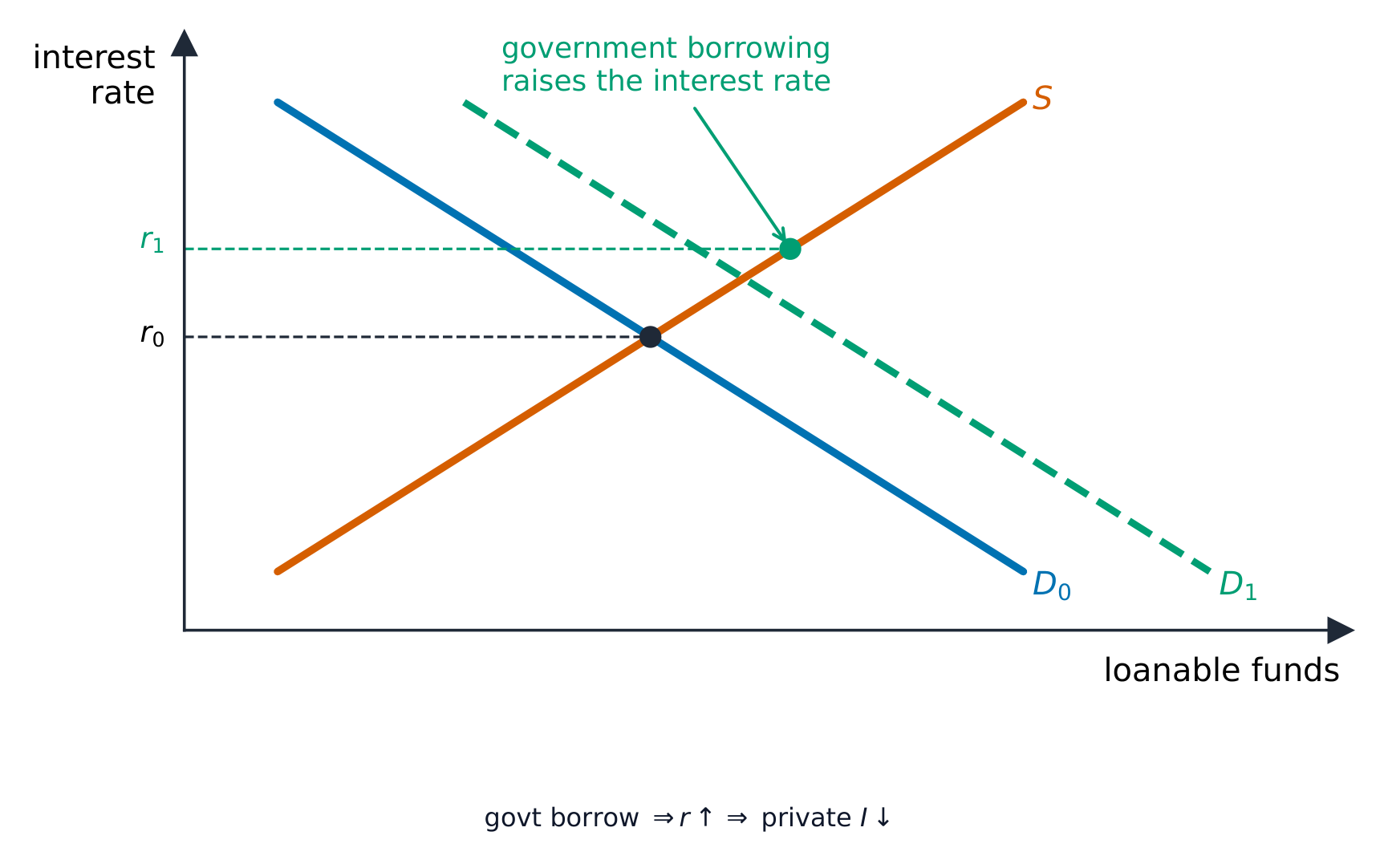
라퍼 곡선(Laffer curve) 은 유용한 경고입니다. 이는 세금율이 오르면서 세수(tax revenue) 가 처음엔 증가하다가 감소함을 보여줍니다: 매우 높은税率은 노동을 discouraged하고 탈세를 장려하여 세수를 떨어뜨립니다. 가장 많은 세수를 창출하는税率이 있으며, 그 이상으로 올리면 역효과가 납니다.
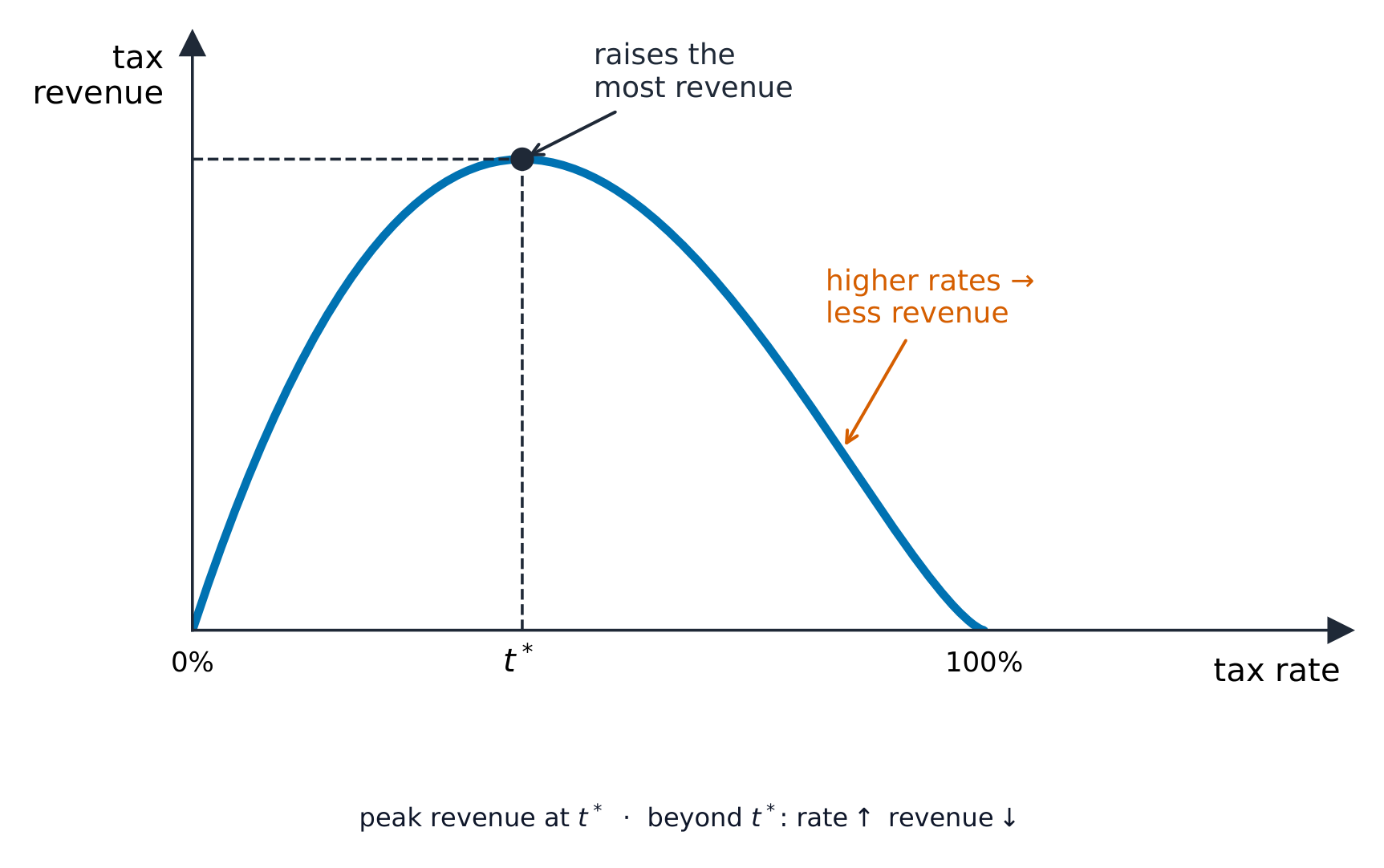
유연합니다 — 이자율은 언제든지 변경할 수 있습니다. 그러나 또한 긴 시간지체를 통해 작동하며, 깊은 침체기에는 매우 낮은 이자율조차 걱정되는 기업과 가구가 차입하도록 만들지 못할 수 있습니다.
성장同时在(in同时) 인플레이션을 낮출 수 있는 유일한 도구이며, 트레이드오프가 없습니다. 그러나 느립니다(교육과 훈련에 수년 소요), 비용이 많이 들며, 일부 조치(예: 복지削减)는 불평등을扩大할 수 있습니다.
단일 정책으로 모든 타겟을 맞출 수는 없습니다. 목표는 상충하고, 효과는 지연되며, 미래는 불확실합니다. 따라서 정부는 일반적으로 단기에는 수요stm 정책(재정 및 통화)과 장기에는 공급stm 정책을 결합하고, 일부 목표는 트레이드오프해야 함을 수용합니다.
해설 예시. 정부가 실업률을 낮추기 위해 금리를 인하합니다. 이 경우 다른 어떤목표가 위협받는지, 그리고 그 이유는 무엇인지 설명하십시오. 금리 인하는 차입을 저렴하게 만들고 저축의 유인을 줄이므로 소비와 투자 증가로 이어집니다: 총수요가 증가하고, 산출량도 늘며 실업은 감소합니다. 그러나 같은 수요 증가는 특히 경제가 완전 고용에 가까워질 때 물가를 상승시키는데, 따라서 위협받는 목표는 저인플레이션입니다. 이는 고전적인 필립스 곡선의 trade-off(Trade-off)입니다: 높은 인플레이션을 치르고 낮은 실업을 얻어내는 것입니다. 또한 부유해진 소비자가 수입품을 더 많이 구매하므로 경상계정 악화로 이어지는 경향이 있습니다. 위협받는 목표와 두 것을 연결하는 메커니즘을 명명하시되, 공급-side 정책만이 두 목표를 동시에 개선할 수 있는 유일한 도구임을 기억하십시오. 보통 문제에서 요구하는 평가(evaluation)의 핵심이 바로 여기에 있습니다.
Classify real examples by the economic idea they show. · 경제적 개념을 보여주는 실제 사례를 분류하십시오.
| English | 한국어 |
|---|---|
| macroeconomic objectives/ˌmækrəˌriːkəˈnɒmɪk ɒbˈdʒektɪvz/ | 거시경제 목표(macroeconomic objectives) |
| economic growth/ˌiːkəˈnɒmɪk ɡrəʊθ/ | 경제성장을 나타냄 |
| price stability/praɪs stəˈbɪlɪti/ | 물가 안정 |
| inflation/ɪnˈfleɪʃn/ | 인플레이션 |
| full employment/fʊl emˈplɔɪmənt/ | 완전 고용 |
| balance of payments/ˈbæləns ɒv ˈpeɪmənts/ | 대외 거래 기록 |
| fiscal policy/ˈfɪskl ˈpɒlɪsi/ | 재정 정책 |
| monetary policy/ˈmʌnɪtəri ˈpɒlɪsi/ | 통화 정책 |
| interest rate/ˈɪntrest reɪt/ | 금리 |
| supply-side policy/səˈplaɪ saɪd ˈpɒlɪsi/ | 공급stm 정책 |
| aggregate demand/ˈæɡrɪɡeɪt dɪˈmænd/ | 총수요 |
| trade-off/treɪd ɒf/ | 타협(trade-off) |
| time lags/taɪm læɡz/ | 시차 |
| national debt/ˈnæʃənl det/ | 국채를 기록한다. |
| crowding out/ˈkraʊdɪŋ aʊt/ | crowding out |
| Laffer curve/ˈlæfə kɜːv/ | 라퍼 곡선(Laffer curve) |
| tax revenue/tæks ˈrevənjuː/ | 세수(tax revenue) |
| demand-side policies/dɪˈmænd saɪd ˈpɒlɪsiz/ | 수요stm policies(demand-side policies) |
Work through it step by step, with instant-check exercises. · 즉시 체크 기능 exercises를 통해 단계별로 진행하세요.
Loading subjects… · 과목 로드 중…