English
This topic pulls the macroeconomics together: the goals a government has, how they clash, and how well its tools work.
עברית
נושא זה מקבל את המקרו-כלכלה יחד: המטרות שהממשלה שואפת אליהן, כיצד הן מתנגשות, וכיצד כלים שלה עובדים.
A-Level Economics · כלכלה A-Level · Topic 10 · נושא 10
 7:13
7:13
התערבות ממשלתית במאקרוכלכליות (A-Level)
בתוך מבנה כמו זה, ועדה קטנה פוגשת ומשנה מספר אחד: שיעור הריבית. לא נבנה דבר. לא נקנה דבר. עם זאת, בתוך ימים…
English narration · English + 中文 subtitles burned in · קריאת קול באנגלית · תרגום אנגלי + סינית שרוף בתוך הסרטון
This topic pulls the macroeconomics together: the goals a government has, how they clash, and how well its tools work.
נושא זה מקבל את המקרו-כלכלה יחד: המטרות שהממשלה שואפת אליהן, כיצד הן מתנגשות, וכיצד כלים שלה עובדים.
Source: Cambridge International syllabus · מקור: הסיילבוס הבינלאומי של קמבריד'ג'
Governments aim at several macroeconomic objectives 宏观经济目标 at once:
| Objective | How it is measured |
|---|---|
| economic growth 经济增长 | the % change in real GDP |
| price stability 物价稳定 (low inflation 通货膨胀) | the % change in the consumer price index |
| full employment 充分就业 | the unemployment rate |
| balance of payments 国际收支 stability | the current account balance |
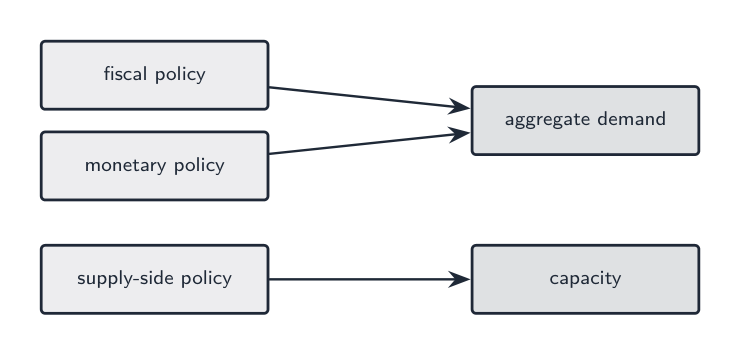
To reach these goals, the government uses three sets of tools:
Fiscal and monetary policy mainly work on aggregate demand 总需求, so they are quick but can cause inflation. Supply-side policy works on capacity, so it is slow but lasting.
ממשלות שואפות למספר מטרות מקרו-כלכליות בו-זמנית:

| מטרה | כיצד היא נמדדת |
|---|---|
| צמיחה כלכלית | השינוי באחוזים ב-MPIP אמיתי |
| יציבות מחירים (אינפלציה נמוכה) | השינוי באחוזים במדד מחירי הצרכן |
| תעסוקה מלאה | שיעור האבטלה |
| יציבות איזון התשלומים | מאזן החשבון הזורם |
כדי להגיע למטרות אלו, הממשלה משתמשת בשלושה סוגי כלים:
מדיניות פיסקלית ומונוטארית פועלות בעיקר על ביקוש כולל, ולכן הן מהירות אך עשויות לגרום לאינפלציה. מדיניות צד האספקה פועלת על יכולת, ולכן היא איטית אך מתמשכת.

Classify policy examples by the macroeconomic objective they target. · סווגו דוגמאות למדיניות לפי המטרה המקרו-כלכלית שהיא שואפת להשיג.

Source: Cambridge International syllabus · מקור: הסיילבוס הבינלאומי של קמבריד'ג'
The objectives are interrelated — reaching one can move another. Often there is a trade-off 取舍, a conflict 冲突 where gaining on one goal costs you on another.
Because the goals are linked, a government must often accept "second best" on one aim to protect another. A clever policy mix tries to ease the trade-offs — for example, supply-side policy can raise growth and lower inflation, easing the usual clash.
המטרות קשורות זו לזו — השגחת אחת עשויה להניע את השנייה. לעיתים קיימת מעורבות, סכסוך שבו הצלחה במטרה אחת גורמת לפספוס במטרה אחרת.
מכיוון שהמטרות קשורות, על הממשלה לעיתים לקבל "השני הטוב ביותר" במטרה אחת כדי להגן על אחרת. ערכה חכמה של מדיניות מנסה להקל על המעורבות – לדוגמה, מדיניות צד האספקה יכולה להגדיל צמיחה וגם להפחית אינפלציה, ולהקל על הסכסוך המקובל.
Classify policy examples by the macroeconomic objective they target. · סווגו דוגמאות למדיניות לפי המטרה המקרו-כלכלית שהיא שואפת להשיג.
| English | עברית |
|---|---|
| macroeconomic objectives/ˌmækrəˌriːkəˈnɒmɪk ɒbˈdʒektɪvz/ | מטרות מקרו-כלכליות |
| economic growth/ˌiːkəˈnɒmɪk ɡrəʊθ/ | צמיחה כלכלית |
| price stability/praɪs stəˈbɪlɪti/ | יציבות מחירים |
| inflation/ɪnˈfleɪʃn/ | אינפלציה |
| full employment/fʊl emˈplɔɪmənt/ | עיסוק מלא |
| balance of payments/ˈbæləns ɒv ˈpeɪmənts/ | מאזן התשלומים |
| fiscal policy/ˈfɪskl ˈpɒlɪsi/ | מדיניות פיסקלית |
| monetary policy/ˈmʌnɪtəri ˈpɒlɪsi/ | מדיניות מטבעית |
| interest rate/ˈɪntrest reɪt/ | שיעור ריבית |
| supply-side policy/səˈplaɪ saɪd ˈpɒlɪsi/ | מדיניות צד האספקה |
| aggregate demand/ˈæɡrɪɡeɪt dɪˈmænd/ | ביקוש אגרגטי |
| trade-off/treɪd ɒf/ | מסחר בין איכות לגודל |
| conflict/ˈkɒnflɪkt/ | מחלוקת |
| Phillips curve/ˈfɪlɪps kɜːv/ | עקום פיליפס |
| time lags/taɪm læɡz/ | שינויי זמן |
| national debt/ˈnæʃənl det/ | חוב לאומי |

Source: Cambridge International syllabus · מקור: הסיילבוס הבינלאומי של קמבריד'ג'
Each tool has strengths and weaknesses.
It can act directly and powerfully on demand, and it can target particular groups or regions. But:
The Laffer curve 拉弗曲线 is a useful warning. It shows that as the tax rate rises, tax revenue 税收收入 first rises but then falls: very high rates discourage work and encourage tax avoidance, so revenue drops. There is a tax rate that raises the most revenue, and going above it is self-defeating.
It is flexible — the interest rate can be changed at any time. But it also works with a long time lag, and in a deep slump even very low rates may fail to make worried firms and households borrow.
It is the only tool that can raise growth and lower inflation together, with no trade-off. But it is slow (education and training take years), it is costly, and some measures (like cutting benefits) can widen inequality.
No single policy can hit every target. The objectives conflict, the effects come with delays, and the future is uncertain. So governments usually combine demand-side policies 需求侧政策 (fiscal and monetary) for the short term with supply-side policy for the long term, and accept that some goals must be traded against others.
Worked example. A government cuts interest rates to reduce unemployment. Which other objective is put at risk, and why? Lower rates make borrowing cheaper and saving less attractive, so consumption and investment rise: aggregate demand rises, output rises, and unemployment falls. But that same rise in demand pulls prices up, especially as the economy nears full capacity - so the objective at risk is low inflation. This is the classic Phillips curve trade-off: lower unemployment bought at the price of higher inflation. It also tends to worsen the current account, because richer consumers buy more imports. Name the objective at risk and the mechanism joining the two - and remember that a supply-side policy is the one tool that can improve both objectives at once, which is usually the evaluation the question is fishing for.
לכל כלי יש יתרונות וחסרונות.
יכולה לפעול ישירות וחזק על הביקוש, ויכולה להתמקד בקבוצות או אזורות ספציפיים. אך:
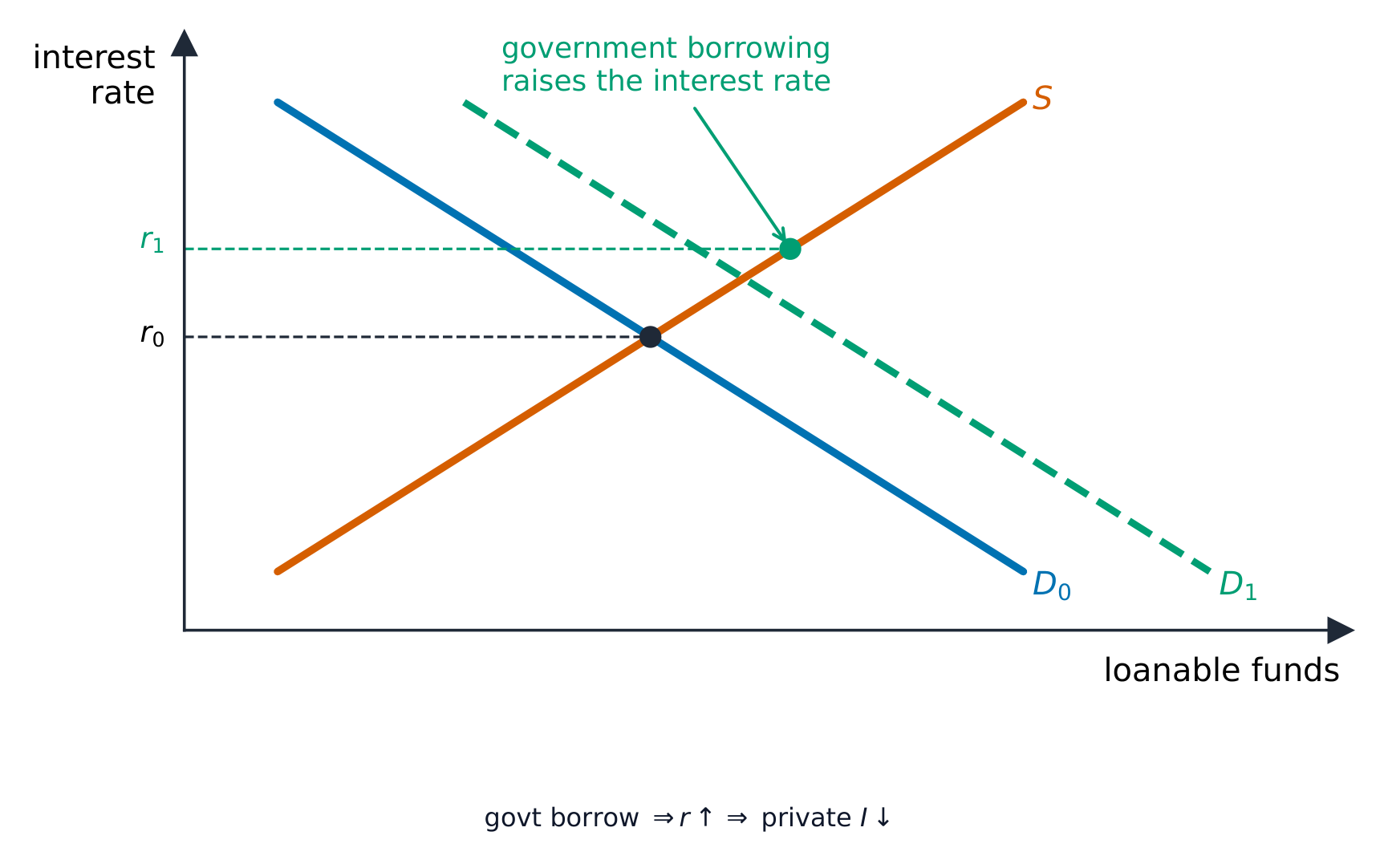
עקום לפר הוא אזהרה שימושה. הוא מראה כי ככל שהשורה עולה, ההכנסות המיסיות עולות תחילה אך לאחר מכן יורדות: שורות גבוהות מאוד מניעות עבודה ומעודדות הימנעות ממיסים, ולכן ההכנסות יורדות. קיימת שורה שמניבה את ההכנסות המקסימליות, ועלייה מעבר אליה פוגעת ביעילות עצמה.
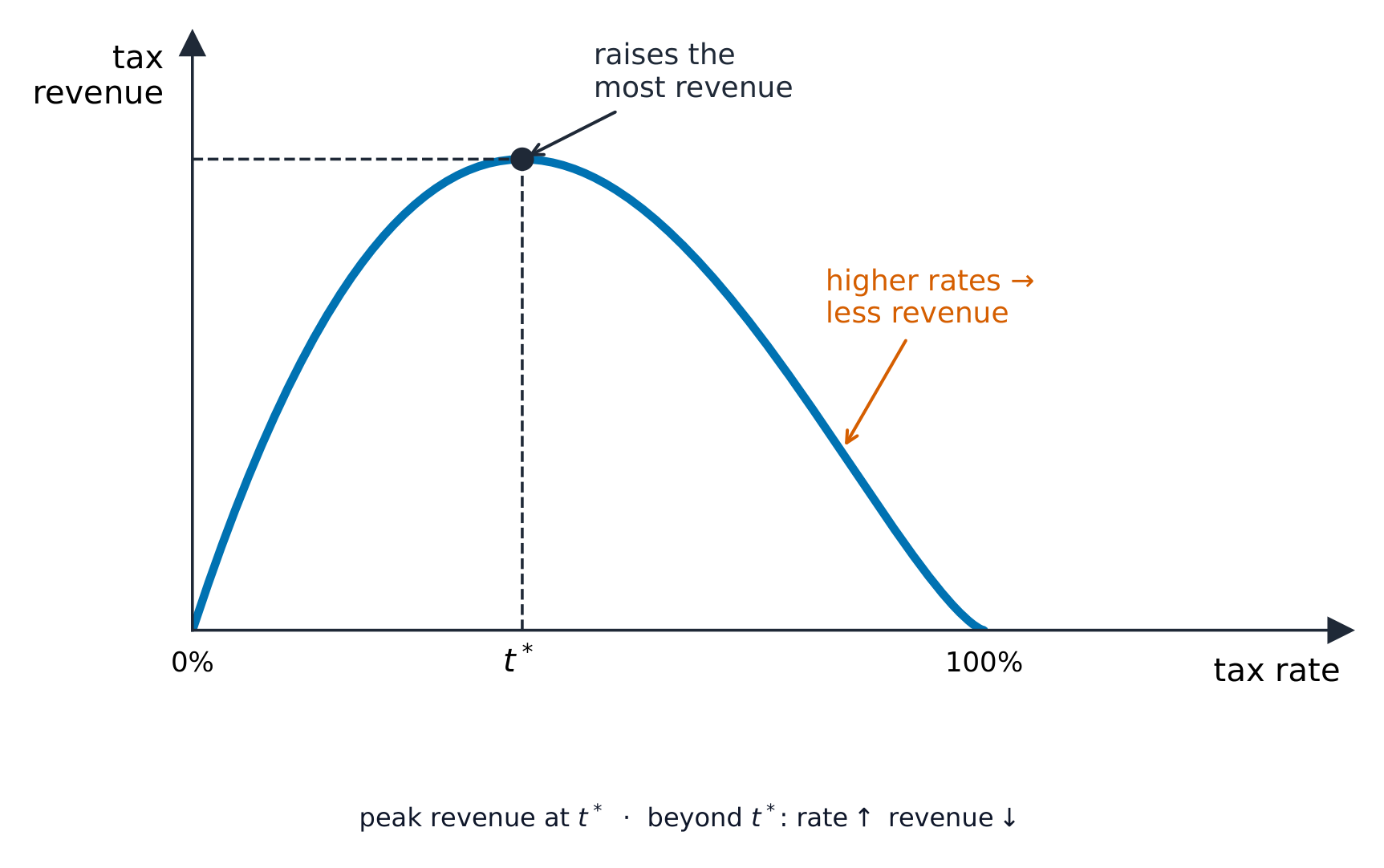
היא גמישה — ניתן לשנות את שיעור הריבית בכל עת. אך היא also פועלת עם עיכוב זמנים ארוך, ובשפל עמוק אף שיעורי ריבית נמוכים מאוד עשויים לכשל בהרגעת חברות ומשקים חיוטיים לקחת הלוואות.
היא הכלי היחיד שיכול להגדיל את הגידול ולהנמיא את האינפלציה בו-זמנית, ללא תמורה. אך היא איטית (חינוך ואימון לוקחים שנים), היא יקרה, וחלק מהצעדים (כמו קיצוץ הטבות) יכולים להרחיק את אי-השוויון.
אין מדינית אחת שיכולה לפגוע בכל המטרות. המטרות נמצאות בסתירה, האפקטים באים בעיכובים, והעתיד הוא לא ודאי. לכן ממשלות בדרך כלל משלבות מדיניות צד הביקוש (פיסקלית ומוניטארית) לטווח הקצר עם מדינית צד האספקה לטווח הארוך, ומקבלות בחשבון שחלק מהמטרות יצטרכו להיות מופקעות זו מול הזו.
דוגמה מפורטת. ממשלה מקצצת את שיעורי הריבית כדי להפחית את האבטלה. איזו מטרה אחרת מסוכנת, ולמה? שיעורי ריבית נמוכים הופכים הלוואה זולה יותר וחיסכון פחות משתלם, ולכן הצריכה וההשקעה עולות: הביקוש הכולל עולה, התוצר עולה, והאבטלה יורדת. אך אותה עלייה בביקוש מושכת אתהמחירים למעלה, במיוחד כאשר הכלכלה מתקרבת ליכולת מלאה - ולכן המטרה הסוכנת היא אינפלציה נמוכה. זוהי תמורה קלאסית שלעקום פיליפס: אבטלה נמוכה שנרכשת במחיר אינפלציה גבוהה. זה גם נוטה להחמיר אתחשבון הזרמים הנוכח, כי צרכנים עשירים קונים יותר יבוא. נסו לזהות אתהמטרה הסוכנת ואתהמנגנון המקשר בין השתיים - וזכרו שמדיניתצד האספקה היא הכלי היחיד שיכול לשפר את שתי המטרות בו-זמנית, וזה בדרך כלל ההערכה שהשאלה מחפש.
Classify real examples by the economic idea they show. · סווג דוגמאות אמיתיות לפי הרעיון הכלכלי שהן מדגישות.
| English | עברית |
|---|---|
| crowding out/ˈkraʊdɪŋ aʊt/ | החלפה (Crowding Out) |
| Laffer curve/ˈlæfə kɜːv/ | עקומת לפר |
| tax revenue/tæks ˈrevənjuː/ | הכנסות ממיסים |
| demand-side policies/dɪˈmænd saɪd ˈpɒlɪsiz/ | מדיניות דרישה-צדדית |
Work through it step by step, with instant-check exercises. · לעבור על הדברים צעד אחר צעד, עם תרגילים לבדיקה מיידית.
Loading subjects… · טוען נושאים…