Skip to content · ⁨الانتقال إلى المحتوى⁩

Industrialization and Its Effects, c. 1815 to c. 1914 · ⁨ال industrialization وآثارها، حوالي 1815 إلى حوالي 1914⁩

AP European History · ⁨تاريخ أوروبا (AP)⁩ · Topic 6 · ⁨الموضوع 6⁩

Video lesson for this topic · ⁨درس فيديو لهذا الموضوع⁩ Open the video page · ⁨افتح صفحة الفيديو⁩
9:15

الوحدة 6: التصنيع وآثاره

ادعاء واحد هو عمود فقري لهذه الوحدة. أدّت الثورات السياسية وتعقيدات التصنيع إلى مجموعة متنوعة من الأيديولوجيات والحكومة و…

English narration · English + 中文 subtitles burned in · ⁨سرد باللغة الإنجليزية · ترجمة مدمجة بالإنجليزية + الصينية⁩

6.1

Contextualizing Industrialization · ⁨وضع التصنيع في سياقه⁩

Syllabus · ⁨المنهج⁩
English

6.1 Contextualizing Industrialization and Its Origins and Effects

Learning Objective Unit 6.A: Explain the context in which industrialization originated, developed, and spread in Europe.

  • KC-3.1 The Industrial Revolution spread from Great Britain to the continent, where the state played a greater role in promoting industry.
    • KC-3.1.I Great Britain established its industrial dominance through the mechanization of textile production, iron and steel production, and new transportation systems in conjunction with uniquely favorable political and social climates.
    • KC-3.1.II Following the British example, industrialization took root in continental Europe, sometimes with state sponsorship.
  • KC-3.2 The experiences of everyday life were shaped by industrialization, depending on the level of industrial development in a particular location.
    • KC-3.2.I Industrialization promoted the development of new classes in the industrial regions of Europe.
    • KC-3.2.II Europe experienced rapid population growth and urbanization, leading to social dislocations.
    • KC-3.2.III Over time, the Industrial Revolution altered the family structure and relations for bourgeois and working-class families.
  • KC-3.3 Political revolutions and the complications resulting from industrialization triggered a range of ideological, governmental, and collective responses.
    • KC-3.3.I Ideologies developed and took root throughout society as a response to industrial and political revolutions.
    • KC-3.3.II Governments, at times based on the pressure of political or social organizations, responded to problems created or exacerbated by industrialization.
العربية

6.1 السياق التاريخي للصناعة وأصولها وآثارها

هدف التعلم الوحدة 6.A: اشرح السياق الذي نشأت فيه الصناعة وتطورت وانتشرت في أوروبا.

  • KC-3.1 انتشرت الثورة الصناعية من بريطانيا العظمى إلى القارة، حيث لعبت الدولة دوراً أكبر في تعزيز الصناعة.
    • KC-3.1.I أسست بريطانيا العظمى هيمنتها الصناعية من خلال ميكانيكية إنتاج المنسوجات وإنتاج الحديد والصلب وأنظمة النقل الجديدة بالتزامن مع أوضاع سياسية واجتماعية فريدة ومواتية.
    • KC-3.1.II following the British example، ترسخت الصناعة في أوروبا القارية، أحياناً برعاية الدولة.
  • KC-3.2 شكلت تجارب الحياة اليومية بسبب الصناعة، اعتماداً على مستوى التطور الصناعي في موقع معين.
    • KC-3.2.I عززت الصناعة تطوير طبقات جديدة في المناطق الصناعية لأوروبا.
    • KC-3.2.II شهدت أوروبا نمواً سريعاً للسكان والتحضر، مما أدى إلى اضطرابات اجتماعية.
    • KC-3.2.III مع مرور الوقت، غيّرت الثورة الصناعية البنية العائلية والعلاقات الأسرية للعائلات البرجوازية وعائلات طبقة العمال.
  • KC-3.3 أدّت الثورات السياسية والتعقبات الناجمة عن التحضر إلى ظهور مجموعة متنوعة من الاستجابات الأيدولوجية والحكومية والجماعية.
    • KC-3.3.I تطورت الأيدولوجيات وتبنت جذورها في جميع أنحاء المجتمع استجابة للثورة الصناعية والثورة السياسية.
    • KC-3.3.II استجابت الحكومات، أحياناً بناءً على ضغط من المنظمات السياسية أو الاجتماعية، إلى المشكلات التي سببتها التحضر أو زادت حدة.
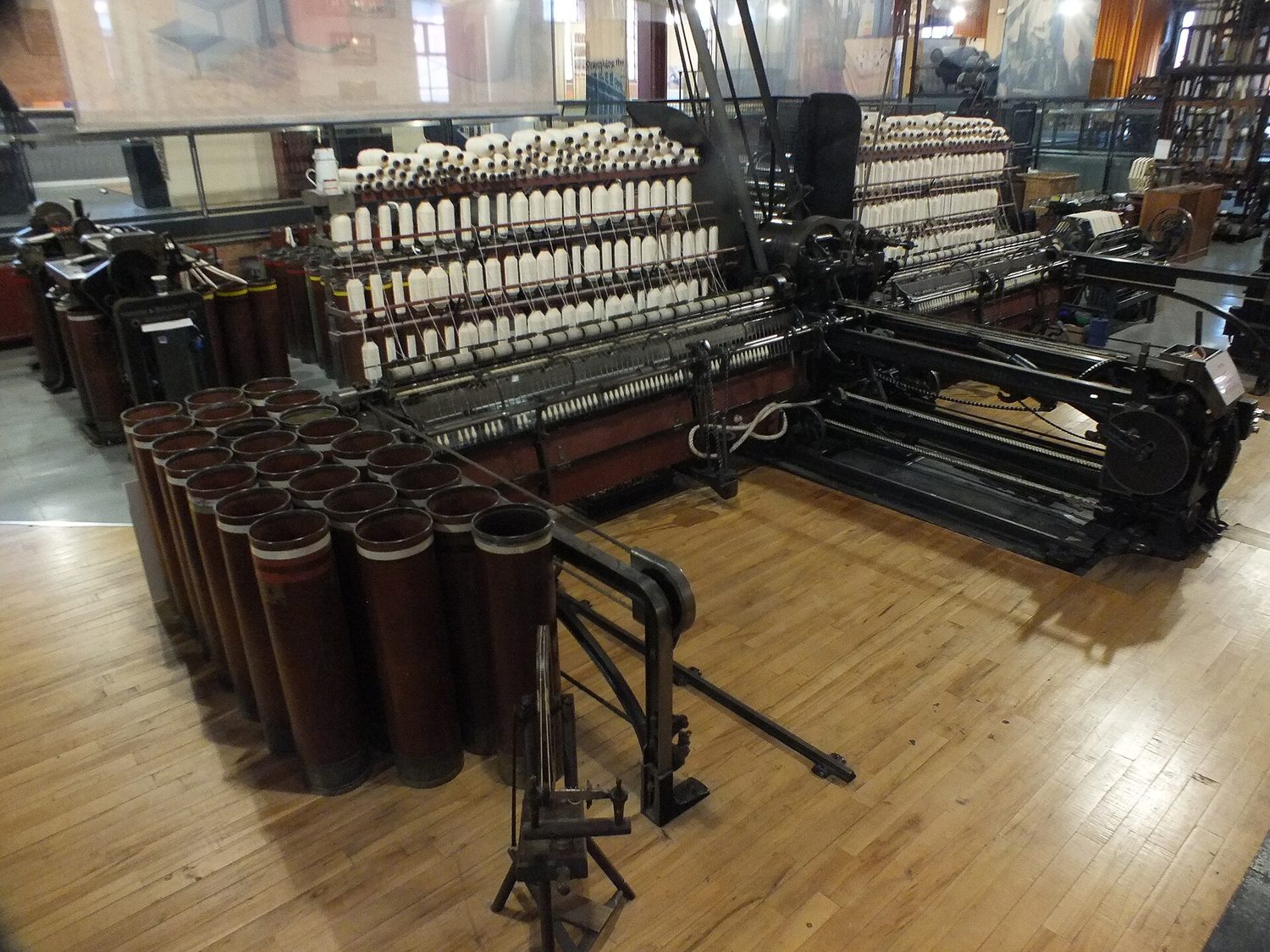
Source: College Board AP Course and Exam Description · ⁨المصدر: وصف دورة وامتحان College Board AP⁩

English

Unit 6 covers c. 1815 to c. 1914 and rests on three claims the CED states as key concepts:

  • The Industrial Revolution spread from Great Britain to the continent, where the state played a greater role in promoting industry.
  • Everyday experience was shaped by industrialisation depending on the level of industrial development in a particular location - so the answer to "what was life like" is always where, and how far along.
  • Political revolutions and the complications of industrialisation triggered a range of ideological, governmental, and collective responses.

That third claim is the unit's spine. Industrialisation created problems; the ideologies and reforms of the nineteenth century are the answers people proposed to them.

العربية

تغطي الوحدة 6 حوالي 1815 إلى حوالي 1914 وتستند إلى ثلاثة ادعاءات يدرجها CED كمفاهيم رئيسية:

  • انتشرت الثورة الصناعية من بريطانيا إلى القارة، حيث لعب الدولة دوراً أكبر في تعزيز الصناعة.
  • انتشرت الثورة الصناعية من بريطانيا إلى القارة، حيث لعب الدولة دوراً أكبر في تعزيز الصناعة.
  • شكلت التجربة اليومية التأثير Industrialisation اعتماداً على مستوى التطور الصناعي في موقع معين - لذا فإن إجابة "ما كانت عليه الحياة" دائماً أين، وكم وصلت.

هذا الادعاء الثالث هو عمود الفقري للوحدة. خلق التصنيع مشاكل؛ فالأيديولوجيات والإصلاحات في القرن التاسع عشر كانت الإجابات التي اقترحها الناس عليها.

Vocabulary · ⁨مفردات⁩ Train · ⁨تدريب⁩
English العربية
less social dislocation/les ˈsəʊʃl dɪsləʊˈkeɪʃn/ اضطراب اجتماعي أقل
second industrial revolution/ˈsekənd ɪnˈdʌstrɪəl ˌrevəˈluːʃn/ الثورة الصناعية الثانية
railroads/ˈreɪlrəʊdz/ السكك الحديدية
promoted population growth/prəˈməʊtɪd ˌpɒpjʊˈleɪʃn ɡrəʊθ/ شجعت النمو السكاني
heightened consumerism/ˈhaɪtnd kənˈsuːmərɪzəm/ استهلاك متزايد
Class identity/klæs aɪˈdentɪti/ الهوية الطبقية
urban overcrowding/ˈɜːbən ˌəʊvəˈkraʊdɪŋ/ الاكتظاظ الحضري
cult of domesticity/kʌlt ɒv dəmɪˈstɪsɪti/ عبادة المنزل
companionate marriage/kəmˈpænɪəneɪt ˈmærɪdʒ/ الزواج التوافقي
Concert of Europe/ˈkɒnsət ɒv ˈjʊərəp/ توافق أوروبا
Conservatism/kənˈsɜːvətɪzəm/ ال консерватизм
revolutions of 1848/ˌrevəˈluːʃnz ɒv wɒn ˈθaʊznd ˈeɪthʌndrɪdn ˈfɔːti eɪt/ ثوريات 1848
emancipation of the serfs/ɪˌmænsɪˈpeɪʃn ɒvðə sɜːfs/ إعفاء الفلاحين
Liberals/ˈlɪbərəlz/ الليبراليون
universal male suffrage/ˌjuːnɪˈvɜːsl meɪl ˈsʌfrɪdʒ/ حق الاقتراع العام للرجال
Socialists/ˈsəʊʃəlɪsts/ الاشتراكيون
Marx's scientific socialism/ˈmɑːksɪz saɪənˈtɪfɪk ˈsəʊʃəlɪzəm/ الاشتراكية العلمية لماركس
Anarchists/ˈænɑːkɪsts/ أناركيون
compulsory public education/kəmˈpʌlsəri ˈpʌblɪk ˌedʒuːˈkeɪʃn/ التعليم العام الإجباري
6.2

The Spread of Industry Throughout Europe · ⁨انتشار الصناعة في جميع أنحاء أوروبا⁩

Syllabus · ⁨المنهج⁩
English

6.2 The Spread of Industry Throughout Europe

Thematic Focus (ECD): Economic and Commercial Developments — Economic development, especially the development of capitalism, played an important role in Europe’s history, often having significant social, political, and cultural effects.

Learning Objective Unit 6.B: Explain the factors that influenced the development of industrialization in Europe from 1815 to 1914.

  • KC-3.1.I.A Britain’s ready supplies of coal, iron ore, and other essential raw materials promoted industrial growth.
  • KC-3.1.I Great Britain established its industrial dominance through the mechanization of textile production, iron and steel production, and new transportation systems in conjunction with uniquely favorable political and social climates.
  • KC-3.1.I.B Economic institutions and human capital such as engineers, inventors, and capitalists helped Britain lead the process of industrialization, largely through private initiative.
  • KC-3.1.I.C Britain’s parliamentary government promoted commercial and industrial interests because those interests were represented in Parliament.
  • KC-3.1.II.A France moved toward industrialization at a more gradual pace than Great Britain, with government support and with less dislocation of traditional methods of production.
  • KC-3.1.II.C A combination of factors, including geography, lack of resources, the dominance of traditional landed elites, the persistence of serfdom in some areas, and inadequate government sponsorship, accounted for eastern and southern Europe’s lag in industrial development.
  • KC-3.2.V Because of the continued existence of more primitive agricultural practices and land-owning patterns, some areas of Europe lagged in industrialization while facing famine, debt, and land shortages.

Illustrative examples:

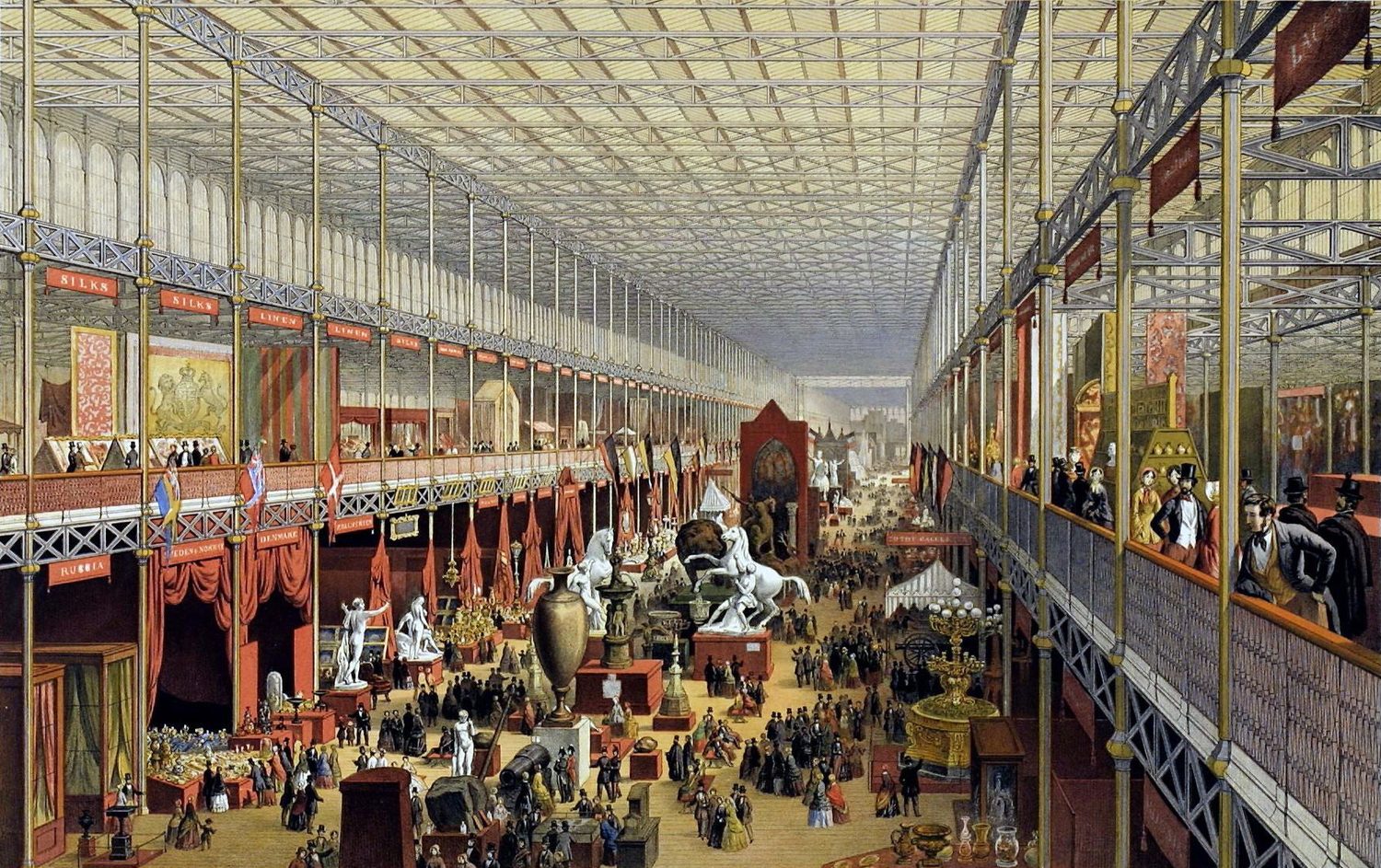
  • Britain’s leadership: §Bullet The Crystal Palace at the Great Exhibition of 1851 §Bullet Banks §Bullet Government financial awards to inventors Commercial interest in government: §Bullet Repeal of the Corn Laws Government support of industrialization: §Bullet Canals §Bullet Railroads §Bullet Trade agreements Geographic factors in eastern and southern Europe: §Bullet Lack of resources §Bullet Lack of adequate transportation Primitive agricultural practices and famines: §Bullet The “Hungry ’40s” §Bullet Irish potato famine §Bullet Russian serfdom
العربية

6.2 انتشار الصناعة في جميع أنحاء أوروبا

التركيز الموضوعي (ECD): التطورات الاقتصادية والتجارية — لعب التطور الاقتصادي، لا سيما تطور الرأسمالية، دورًا مهمًا في تاريخ أوروبا، وغالبًا ما كان له تأثيرات اجتماعية وسياسية وثقافية كبيرة.

هدف التعلم الوحدة 6.B: اشرح العوامل التي أثرت على تطور التحضر في أوروبا من عام 1815 إلى 1914.

  • KC-3.1.I.A ساهمت الإمدادات الوفيرة لبريطانيا من الفحم وخام الحديد ومواد خام أساسية أخرى في تعزيز النمو الصناعي.
  • KC-3.1.I أرست بريطانيا هيمنتها الصناعية من خلال ميكانيكية إنتاج المنسوجات وإنتاج الحديد والصلب وأنظمة النقل الجديدة، جنبا إلى جنب مع بيئات سياسية واجتماعية فريدة ومواتية.
  • KC-3.1.I.B ساعدت المؤسسات الاقتصادية ورأس المال البشري مثل المهندسين والمخترعين والرأسماليين بريطانيا على قيادة عملية التحضر، وذلك بشكل رئيسي من خلال المبادرة الخاصة.
  • KC-3.1.I.C عزّزت الحكومة البرلمانية البريطانية المصالح التجارية والصناعية لأن تلك المصالح كانت ممثلة في البرلمان.
  • KC-3.1.II.A اتجهت فرنسا نحو التحضر بوتيرة أكثر تدريجية من بريطانيا، مدعومة بالحكومة وأقل اضطراباً للطرق التقليدية للإنتاج.
  • KC-3.1.II.C ترجع أسباب تأخر أوروبا الشرقية والجنوبية في التنمية الصناعية إلى مزيج من العوامل بما في ذلك الجغرافيا، ونقص الموارد، وسيادة النخب الزراعية التقليدية، واستمرار القنانة في بعض المناطق، وضعف الدعم الحكومي.
  • KC-3.2.V بسبب استمرار ممارسات زراعية بدائية وأنماط ملكية الأراضي، تأخرت بعض مناطق أوروبا في التحضر بينما واجهت المجاعة والديون ونقص الأراضي.

أمثلة توضيحية:

  • قيادة بريطانيا: §Bullet القصر البلوري في المعرض الكبير لـ 1851 §Bullet البنوك §Bullet المكافآت المالية الحكومية للمخترعين الاهتمام التجاري في الحكومة: §Bullet إلغاء قوانين الحبوب دعم الحكومة للصناعة: §Bullet القنوات الملاحية §Bullet السكك الحديدية §Bullet اتفاقيات التجارة العوامل الجغرافية في أوروبا الشرقية والجنوبية: §Bullet نقص الموارد §Bullet عدم وجود وسائل نقل كافية الممارسات الزراعية البدائية والمجاعات: §Bullet "سنوات الجوع '40" §Bullet مجاعة البطاطس الأيرلندية §Bullet عبودية الفلاحين الروس

Source: College Board AP Course and Exam Description · ⁨المصدر: وصف دورة وامتحان College Board AP⁩

English

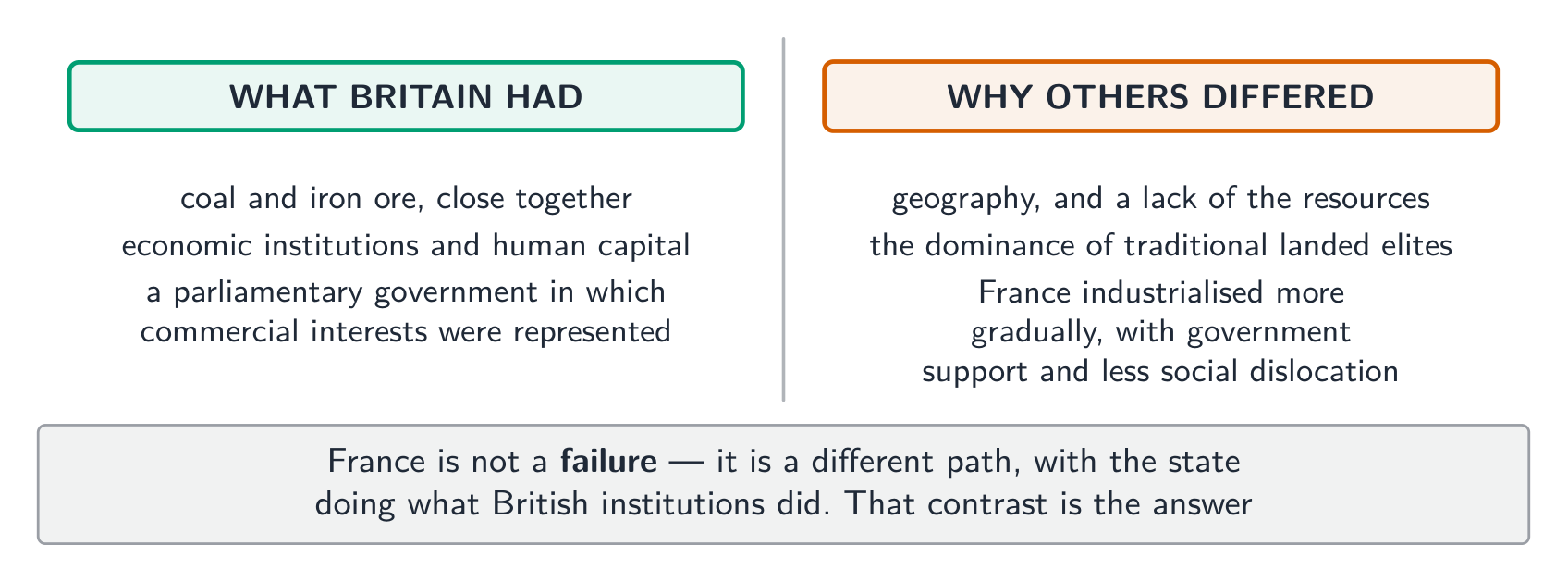
Britain led, and the CED gives the reasons as a set:

  • Ready supplies of coal, iron ore, and other raw materials.
  • Mechanisation of textile production, iron and steel, and the development of machine tools.
  • Economic institutions and human capital - engineers, inventors, and capitalists.
  • A parliamentary government that promoted commercial and industrial interests because those interests were represented in Parliament - the political condition, and the one students leave out.

The continent then diverged, which is the examinable comparison:

  • France industrialised more gradually, with government support and with less social dislocation 社会失序 than Britain.
  • Elsewhere, a combination of geography, lack of resources, the dominance of traditional landed elites, and the persistence of serf-like labour relations slowed industrialisation.
  • Because more primitive agricultural practices and landholding patterns persisted, some areas of Europe lagged behind entirely.
العربية

بريطانيا كانت الرائدة، وتقدمCED الأسباب ك مجموعة:

  • إمدادات جاهزة من الفحم وحديد الخام والمواد الخام الأخرى.
  • إمدادات جاهزة من الفحم، خام الحديد، والمواد الخام الأخرى.
  • آليات إنتاج النسيج، الحديد والفولاذ، وتطوير آلات الأدوات.
  • المؤسسات الاقتصادية ورأس المال البشري - المهندسون، المخترعون، والرأسماليون.

ثم انقسمت القارة، وهو ما يمثل المقارنة القابلة للاختبار:

  • فرنسا صنعت بشكل أكثر تدريجياً، مدعومة بالحكومة وبتعرضها لاضطراب اجتماعي أقل مقارنة ببريطانيا.
  • فرنسا industrialised بشكل أكثر تدريجياً، مع دعم الحكومة وتقليل التشتت الاجتماعي مقارنة ببريطانيا.
  • في مكان آخر، مزيج من الجغرافيا، نقص الموارد، هيمنة النخب الأرضية التقليدية، واستمرار علاقات العمل الشبيهة بالعبيدية أبطأت Industrialisation.
كلا نصفَي السؤال: ما تملكته بريطانيا وما الذي عرقل الآخرين
كلا جانبين للسؤال: ما كانت تمتلكه بريطانيا، وما أبطأ الآخرين
Explore · ⁨استكشف⁩

Sort each factor: British advantage or continental obstacle · ⁨صنّف كل عامل: ميزة بريطانية أو عائق قاري⁩

'Why Britain first' needs both halves. France is a different path, not a failure. · ⁨'لماذا بريطانيا أولاً' تحتاج إلى كلا الجزأين. فرنسا تمثل مساراً مختلفاً، وليس فشلاً.⁩

6.3

Second Wave Industrialization · ⁨موجة التصنيع الثانية⁩

Syllabus · ⁨المنهج⁩
English

6.3 Second Wave Industrialization and Its Effects

Thematic Focus (TSI): Technological and Scientific Innovation — Scientific and technological innovations have increased efficiency, improved daily life, and shaped human development and interactions, having both intended and unintended consequences.

Thematic Focus (ECD): Economic and Commercial Developments — Economic development, especially the development of capitalism, played an important role in Europe’s history, often having significant social, political, and cultural effects.

Learning Objective Unit 6.C: Explain how innovations and advances in technology during the Industrial Revolutions led to economic and social change.

  • KC-3.1.III.A Mechanization and the factory system became the predominant modes of production by 1914.
  • KC-3.1.III.B New technologies and means of communication and transportation—including railroads— resulted in more fully integrated national economies, a higher level of urbanization, and a truly global economic network.
  • KC-3.2.IV.B New, efficient methods of transportation and other innovations created new industries, improved the distribution of goods, increased consumerism, and enhanced quality of life.

Learning Objective Unit 6.D: Explain how industrialization influenced economic and political development throughout the period from 1815 to 1914.

  • KC-3.1.III During the second industrial revolution (c. 1870–1914), more areas of Europe experienced industrial activity, and industrial processes increased in scale and complexity.
    • KC-3.1.III.C Volatile business cycles in the last quarter of the 19th century led corporations and governments to try to manage the market through a variety of methods, including monopolies, banking practices, and tariffs.
  • KC-3.2.II.A Along with better harvests caused in part by the commercialization of agriculture, industrialization promoted population growth, longer life expectancy, and lowered infant mortality.
  • KC-3.2.IV A heightened consumerism developed as a result of the second industrial revolution.
    • KC-3.2.IV.A Industrialization and mass marketing increased both the production and demand for a new range of consumer goods— including clothing, processed foods, and labor-saving devices—and created more leisure opportunities.
    • KC-3.2.IV.A Industrialization in Prussia allowed that state to become the leader of a unified Germany, which subsequently underwent rapid industrialization under government sponsorship.

Illustrative examples:

  • Factory production: §Bullet Manchester, England §Bullet The Krupp family (Essen, Germany) New technologies: §Bullet Bessemer process §Bullet Mass production §Bullet Electricity §Bullet Chemicals Developments in communication and transportation: §Bullet Telegraph §Bullet Steamship §Bullet Streetcars or trolley cars §Bullet Telephones §Bullet Internal combustion engine §Bullet Airplane §Bullet Radio New, efficient methods of transportation and other innovations: §Bullet Steamships §Bullet Railroads §Bullet Refrigerated rail cars §Bullet Ice boxes §Bullet Streetcars §Bullet Bicycles New industries: §Bullet Chemical industry §Bullet Electricity and utilities §Bullet Automobile §Bullet Leisure travel §Bullet Professional and leisure sport (CONT’D) Mass marketing: §Bullet Advertising §Bullet Department stores §Bullet Catalogs Industrialization in Prussia: §Bullet Zollverein §Bullet Investment in transportation network §Bullet Adoption of improved methods of manufacturing §Bullet Friedrich List’s National System
العربية

6.3 موجة التحضر الثانية وتأثيراتها

التركيز الموضوعي (TSI): الابتكار التكنولوجي والعلمي — أدت الابتكارات العلمية والتكنولوجية إلى زيادة الكفاءة، وتحسين الحياة اليومية، وتشكيل التطور البشري والتفاعلات البشرية، ولها عواقب مقصودة وغير مقصودة.

التركيز الموضوعي (ECD): التطورات الاقتصادية والتجارية — لعب التطور الاقتصادي، لا سيما تطور الرأسمالية، دورًا مهمًا في تاريخ أوروبا، وغالبًا ما كان له تأثيرات اجتماعية وسياسية وثقافية كبيرة.

هدف التعلم الوحدة 6.C: اشرح كيف أدّت الابتكارات والتقدم التكنولوجي خلال ثورتي التحضر إلى تغيير اقتصادي واجتماعي.

  • KC-3.1.III.A أصبحت الميكانيكية والنظام المصنع هي الطرق السائدة للإنتاج بحلول عام 1914.
  • KC-3.1.III.B أدّت التقنيات الجديدة ووسائل الاتصال والنقل—including السكك الحديدية- إلى اقتصادات وطنية أكثر تكاملاً، ومستوى أعلى من التحضر، وشبكة اقتصادية عالمية حقاً.
  • KC-3.2.IV.B خلقت طرق نقل جديدة وكفاءة وابتكارات أخرى صناعات جديدة، وحسّنت توزيع السلع، وزادت الاستهلاك، وعززت جودة الحياة.

هدف التعلم الوحدة 6.D: اشرح كيف أثر التحضر على التطور الاقتصادي والسياسي طوال الفترة من 1815 إلى 1914.

  • KC-3.1.III خلال الثورة الصناعية الثانية (حوالي 1870–1914)، شهدت المزيد من مناطق أوروبا نشاطاً صناعياً، وتزايدت规模和 وتعقيد العمليات الصناعية.
    • KC-3.1.III.C أدّت دورات الأعمال المتقلبة في الربع الأخير من القرن 19 إلى محاولة الشركات والحكومات إدارة السوق عبر طرق متنوعة، منها الاحتكارات، والممارسات المصرفية، والحصون الجمركية.
  • KC-3.2.II.A جنبا إلى جنب مع تحسن المحاصيل الذي ساهم فيه جزء منه تجارة الزراعة، عزز التحضر النمو السكاني، وطول العمر المتوقع، وانخفاض معدل وفيات الرضع.
  • KC-3.2.IV نشأ استهلاك متزايد نتيجة للثورة الصناعية الثانية.
    • KC-3.2.IV.A زاد التحضر والتسويق الجماعي من كل من الإنتاج والطلب على طيف جديد من سلع المستهلك—بما في ذلك الملابس والأطعمة المصنعة والأجهزة الموفرة للعمل—وخلق فرص أكثر للترفيه.
    • KC-3.2.IV.A سمح التحضر في بروسيا لذلك الدولة بأن تصبح قائدًا لألمانيا الموحدة، والتي خضعت لاحقًا لتحضر سريع بدعم حكومي.

أمثلة توضيحية:

  • الإنتاج في المصانع: §Bullet مانشستر، إنجلترا §Bullet عائلة كروب (إسن، ألمانيا) تقنيات جديدة: §Bullet عملية بيسيمر §Bullet الإنتاج الضخم §Bullet الكهرباء §Bullet المواد الكيميائية تطورات في الاتصالات والنقل: §Bullet التلغراف §Bullet السفن البخارية §Bullet عربات الشارع أو الترام §Bullet الهواتف §Bullet المحرك الاحتراق الداخلي §Bullet الطائرة §Bullet الراديو طرق نقل جديدة وفعالة وابتكارات أخرى: §Bullet السفن البخارية §Bullet السكك الحديدية §Bullet عربات السكك الحديدية المبردة §Bullet صناديق الثلج §Bullet عربات الشارع §Bullet الدراجات الصناعات الجديدة: §Bullet الصناعة الكيميائية §Bullet الكهرباء والمرافق §Bullet السيارات §Bullet السياحة الترفيهية §Bullet الرياضة المهنية والترفيهية (تكملة) التسويق الجماعي: §Bullet الإعلانات §Bullet المتاجر الكبيرة §Bullet الكتالوجات التصنيع في بروسيا: §Bullet زولفيرين §Bullet الاستثمار في شبكة النقل §Bullet اعتماد طرق تصنيع محسنة §Bullet النظام الوطني لفريدريش ليست

Source: College Board AP Course and Exam Description · ⁨المصدر: وصف دورة وامتحان College Board AP⁩

English

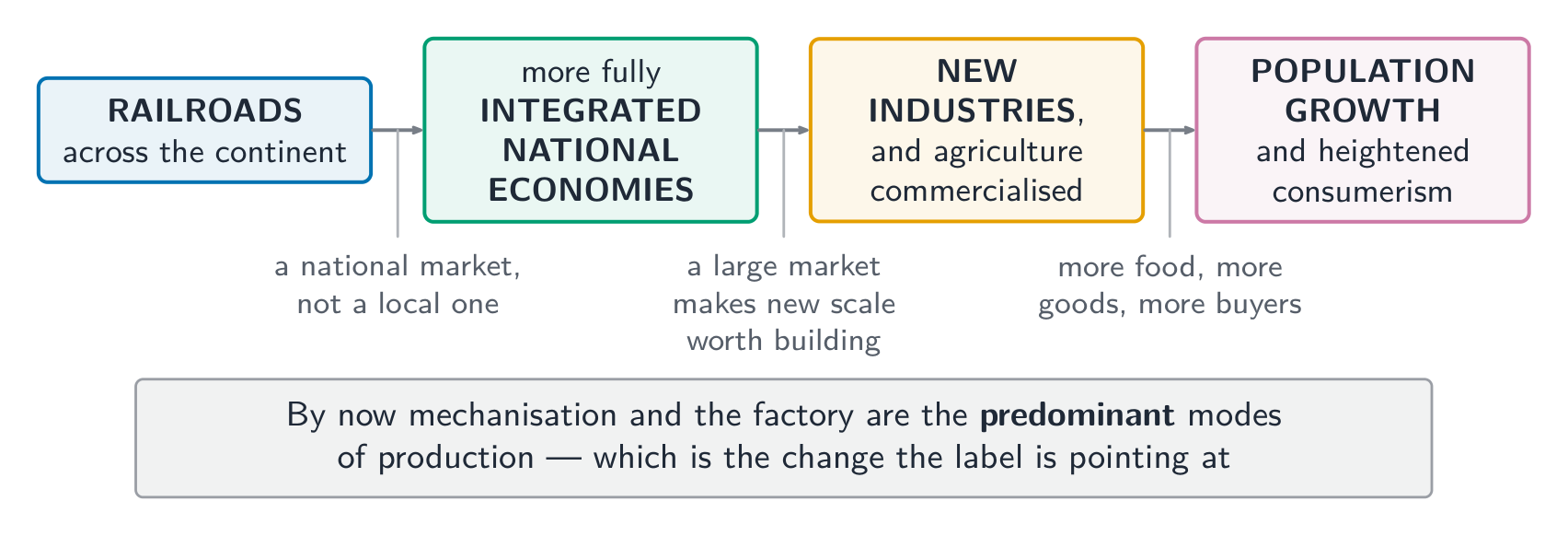
By 1914 mechanisation and the factory system had become the predominant modes of production. During the second industrial revolution 第二次工业革命 (c. 1870-1914) industrial activity spread across more of Europe, and:

  • New technologies and means of communication and transport - notably railroads 铁路 - produced more fully integrated national economies.
  • Efficient transport and other innovations created new industries and improved the distribution of goods.
  • Together with better harvests from the commercialisation of agriculture, industrialisation promoted population growth 人口增长.
  • A heightened consumerism 消费主义 developed.
العربية

بحلول 1914 أصبحت الميكانيكا ونظام المصنع هما الواسطان المهيمنان للإنتاج. وخلال الثورة الصناعية الثانية (حوالي 1870-1914) انتشرت الأنشطة الصناعية في أجزاء أكثر من أوروبا، و:

  • أدّت التقنيات الجديدة ووسائل الاتصال والنقل - لا سيما السكك الحديدية - إلى اقتصادات وطنية متكاملة بشكل أكبر.
  • تقنيات جديدة ووسائل التواصل والنقل - لا سيما السكك الحديدية - أنتجت اقتصادات وطنية أكثر تكاملاً.
  • النقل الفعال والابتكارات الأخرى أنشأت صناعات جديدة وتحسنت توزيع السلع.
  • مع المحاصيل أفضل من التجارية الزراعة، Industrialisation يعزز النمو السكاني.
الموجة الثانية كسلسلة: السكك الحديدية تربط الأسواق، ويتبع ذلك الباقي
قصر الكريستال، 1851 - الحديد والزجاج بمقياس لم يكن ممكناً إلا الإنتاج الصناعي
6.4

Social Effects of Industrialization · ⁨الآثار الاجتماعية للصناعة⁩

Syllabus · ⁨المنهج⁩
English

6.4 Social Effects of Industrialization

Thematic Focus (SCD): Social Organization and Development — Economic, political, and cultural factors have influenced the form and status of family, class, and social groups in European history, which has, in turn, affected both the individual and society.

Learning Objective Unit 6.E: Explain the causes and consequences of social developments resulting from industrialization.

  • KC-3.2.I.A In industrialized areas of Europe (i.e., western and northern Europe), socioeconomic changes created divisions of labor that led to the development of self-conscious classes, including the proletariat and the bourgeoisie.
  • KC-3.2.I.B In some of the less industrialized areas of Europe, the dominance of agricultural elites continued into the 20th century.
  • KC-3.2.I.C Class identity developed and was reinforced through participation in philanthropic, political, and social associations among the middle classes, and in mutual aid societies and trade unions among the working classes.
  • KC-3.2.II.B With migration from rural to urban areas in industrialized regions, cities experienced overcrowding, while affected rural areas suffered declines in available labor as well as weakened communities.
  • KC-3.2.III.A Bourgeois families became focused on the nuclear family and the cult of domesticity, with distinct gender roles for men and women.
  • KC-3.2.III.B By the end of the century, higher wages, laws restricting the labor of children and women, social welfare programs, improved diet, and increased access to birth control affected the quality of life for the working class.
  • KC-3.2.III.C Economic motivations for marriage, while still important for all classes, diminished as the middle-class notion of companionate marriage began to be adopted by the working classes.
  • KC-3.2.III.D Leisure time centered increasingly on the family or small groups, concurrent with the development of activities and spaces to use that time.

Illustrative examples:

  • Laws restricting the labor of children and women: §Bullet Factory Act of 1833 §Bullet Mines Act of 1842 §Bullet Ten Hours Act of 1847 Leisure time activities and spaces: §Bullet Parks §Bullet Sports clubs and arenas §Bullet Beaches §Bullet Department stores §Bullet Museums §Bullet Theaters §Bullet Opera houses
العربية

6.4 الآثار الاجتماعية للصناعة

التركيز الموضوعي (SCD): التنظيم الاجتماعي والتنمية — أثرت العوامل الاقتصادية والسياسية والثقافية على شكل ومكانة الأسرة والطبقة والمجموعات الاجتماعية في تاريخ أوروبا، مما أثر بدوره على الفرد والمجتمع.

هدف التعلم الوحدة 6.E: اشرح أسباب وعواقب التطورات الاجتماعية الناجمة عن الصناعة.

  • KC-3.2.I.A في المناطق الصناعية من أوروبا (أي غرب وشمال أوروبا)، أدت التغييرات socioeconomic إلى انقسام العمل مما أدى إلى ظهور طبقات واعية ذاتيًا، بما في ذلك البروليتاريا والبرجوازية.
  • KC-3.2.I.B في بعض المناطق الأوروبية الأقل صناعية، استمر هيمنة النخب الزراعية حتى القرن 20.
  • KC-3.2.I.C تطورت الهوية الطبقية وتعززت من خلال المشاركة في الجمعيات الخيرية والسياسية والاجتماعية بين الطبقة الوسطى، وفي جمعيات المساعدة المتبادلة والنقابات العمالية بين طبقة العمال.
  • KC-3.2.II.B مع الهجرة من الريف إلى المدن في المناطق الصناعية، عانت المدن من الاكتظاظ، بينما عانت المناطق الريفية المتأثرة من انخفاض القوى العاملة المتاحة وضعف المجتمعات.
  • KC-3.2.III.A أصبحت العائلات البرجوازية مركزة على الأسرة النووية وعبادة المنزل، مع أدوار جندرية مميزة للرجال والنساء.
  • KC-3.2.III.B بحلول نهاية القرن، أثرت الأجور الأعلى والقوانين التي تقيد عمل الأطفال والنساء وبرامج الرفاه الاجتماعي وتحسين التغذية وزيادة الوصول إلى وسائل منع الحمل على جودة حياة طبقة العمال.
  • KC-3.2.III.C قلّت الدوافع الاقتصادية للزواج، رغم أنها لا تزال مهمة لجميع الطبقات، حيث بدأت مفاهيم الزوجة الشريكة لدى الطبقة الوسطى تُتبنى من قبل طبقة العمال.
  • KC-3.2.III.D تركز وقت الفراغ بشكل متزايد على العائلة أو المجموعات الصغيرة، بالتزامن مع تطوير الأنشطة والمساحات لاستخدام هذا الوقت.

أمثلة توضيحية:

  • قوانين تقيد عمل الأطفال والنساء: §Bullet قانون المصنعين لعام 1833 §Bullet قانون المناجم لعام 1842 §Bullet قانون عشر ساعات لعام 1847 أنشطة وفضاءات وقت الفراغ: §Bullet الحدائق §Bullet أندية الرياضات وأصلياتها §Bullet الشواطئ §Bullet المتاجر الكبيرة §Bullet المتاحف §Bullet المسارح §Bullet بيوت الأوبرا

Source: College Board AP Course and Exam Description · ⁨المصدر: وصف دورة وامتحان College Board AP⁩

English
  • In industrialised western and northern Europe, socioeconomic change created divisions of labour leading to an entrepreneurial and professional middle class and an industrial working class.
  • In less industrialised areas, the dominance of agricultural elites continued into the twentieth century.
  • Class identity 阶级认同 developed and was reinforced through participation in philanthropic, political, and social associations.
  • Rural-to-urban migration produced urban overcrowding 城市拥挤 while affected rural areas suffered population loss.
  • Bourgeois families focused on the nuclear family and the cult of domesticity 家庭崇拜, with distinct gender roles.
  • By the century's end, higher wages, laws restricting the labour of children and women, social welfare programmes, and improved diet raised living standards.
  • Economic motives for marriage diminished as the middle-class notion of companionate marriage 伴侣式婚姻 spread.
  • Leisure time centred increasingly on the family or small groups, with new activities and spaces built for it.
العربية
  • في غرب وشمال أوروبا المصنعة، خلق التغيير الاجتماعي والاقتصادي تقسيم العمل مما أدى إلى ظهور طبقة وسطى ريادة ومهنية وطبقة عاملة صناعية.
  • في المناطق الأقل تصنيعاً، استمر هيمنة النخب الزراعية حتى القرن العشرين.
  • تطورت الهوية الطبقية وتعززت من خلال المشاركة في جمعيات خيرية وسياسية واجتماعية.
  • أدانت الهجرة من الريف إلى المدينة إلى الاكتظاظ الحضري، بينما عانت المناطق الريفية المتأثرة من فقدان السكان.
  • ركزت العائلات البرجوازية على النواة العائلية وثقافة المنزل، مع أدوار جندرية متميزة.
  • بحلول نهاية القرن، أديرت الأجور الأعلى، والقوانين التي تقيد عمل الأطفال والنساء، وبرامج الرعاية الاجتماعية، وتحسن النظام الغذائي إلى رفع مستوى المعيشة.
  • تراجعت الدوافع الاقتصادية للزواج مع انتشار مفهوم الطبقة الوسطى لـ الزواج الشريكي.
  • تركزت وقت الفراغ بشكل متزايد على العائلة أو المجموعات الصغيرة، مع أنشطة ومساحات جديدة بُنيت لهذا الغرض.
6.5

The Concert of Europe and European Conservatism · ⁨الكونسيرت الأوروبي والليبرالية الأوروبية⁩

Syllabus · ⁨المنهج⁩
English

6.5 The Concert of Europe and European Conservatism

Thematic Focus (SOP): States and Other Institutions of Power — European states and nations developed governmental and civil institutions from 1450 to the present to organize society and consolidate political power, with a variety of social, cultural, and economic effects.

Learning Objective Unit 6.F: Explain how the European political order was maintained and challenged from 1815 to 1914.

  • KC-3.3.I.C Conservatives developed a new ideology in support of traditional political and religious authorities, which was based on the idea that human nature was not perfectible.
  • KC-3.4.I The Concert of Europe (or Congress System) sought to maintain the status quo through collective action and adherence to conservatism.
    • KC-3.4.I.A Metternich, architect of the Concert of Europe, used it to suppress nationalist and liberal revolutions.
    • KC-3.4.I.B Conservatives reestablished control in many European states and attempted to suppress movements for change and, in some areas, to strengthen adherence to religious authorities.

Illustrative examples:

  • Influential conservative influences: §Bullet Edmund Burke §Bullet Joseph de Maistre §Bullet Klemens von Metternich
العربية

6.5 مؤتمر أوروبا والحفظ الأوروبي

التركيز الموضوعي (SOP): الدول والمؤسسات الأخرى للسلطة — طورت الدول الأوروبية والأمم مؤسسات حكومية ومدنية من عام 1450 إلى الوقت الحاضر لتنظيم المجتمع وتجميع السلطة السياسية، مع تأثيرات اجتماعية وثقافية واقتصادية متنوعة.

هدف التعلم الوحدة 6.F: اشرح كيف تم الحفاظ على الترتيب السياسي الأوروبي ومواجهته من عام 1815 إلى 1914.

  • KC-3.3.I.C طور المحافظون أيديولوجية جديدة تدعم السلطات السياسية والدينية التقليدية، والتي كانت مبنية على فكرة أن الطبيعة البشرية غير قابلة للتطوير.
  • KC-3.4.I سعى مؤتمر أوروبا (أو نظام الكونغرس) إلى الحفاظ على الوضع الراهن من خلال العمل الجماعي والالتزام بالحفظ.
    • KC-3.4.I.A استخدم ميترنش، مصمم مؤتمر أوروبا، هذه الآلية لقمع الثورات القومية الليبرالية.
    • KC-3.4.I.B أعاد المحافظون تأسيس السيطرة في العديد من الدول الأوروبية وحاولوا قمع حركات التغيير، وفي بعض المناطق، تعزيز الالتزام بالسلطات الدينية.

أمثلة توضيحية:

  • تأثيرات محافظة مؤثرة: §Bullet إدموند بيرك §Bullet جوزيف دي ماستر §Bullet كليمنس فون ميترنش

Source: College Board AP Course and Exam Description · ⁨المصدر: وصف دورة وامتحان College Board AP⁩

English

The Concert of Europe 欧洲协调, or Congress System, sought to maintain the status quo through collective action and adherence to conservative principles.

Conservatism 保守主义 in this period is a genuine ideology, not merely resistance: it supported traditional political and religious authorities on the ground that society is an organic whole with a natural hierarchy, which cannot be redesigned by abstract reason without harm.

العربية

سعى الكوتير الأوروبي، أو نظام المؤتمرات، إلى الحفاظ على الوضع الراهن من خلال الإجراء الجماعي والالتزام بالمبادئ الليبرالية.

الليبرالية في هذه الفترة هي أيديولوجية حقيقية، وليست مجرد مقاومة: فقد دعمت السلطات السياسية والدينية التقليدية على أساس أن المجتمع كيان عضوي ذاتي التسلسل الهرمي الطبيعي، لا يمكن إعادة تصميمه بالعقل المجرد دون ضرر.

6.6

Reactions and Revolutions · ⁨ردود الأفعال والثورات⁩

Syllabus · ⁨المنهج⁩
English

6.6 Reactions and Revolutions

Thematic Focus (SOP): States and Other Institutions of Power — European states and nations developed governmental and civil institutions from 1450 to the present to organize society and consolidate political power, with a variety of social, cultural, and economic effects.

Learning Objective Unit 6.G: Explain how and why various groups reacted against the existing order from 1815 to 1914.

  • KC-3.4.I.C In the first half of the 19th century, revolutionaries attempted to destroy the status quo.
  • KC-3.4.I.D The revolutions of 1848, triggered by economic hardship and discontent with the political status quo, challenged conservative politicians and governments and led to the breakdown of the Concert of Europe.
  • KC-3.4.II.D In Russia, autocratic leaders pushed through a program of reform and modernization, including the emancipation of the serfs, which gave rise to revolutionary movements and eventually the Russian Revolution of 1905.

Illustrative examples:

  • Early 19th-century political revolts: §Bullet War of Greek Independence §Bullet Decembrist revolt in Russia §Bullet Polish rebellion §Bullet July Revolution in France Reformers in Russia: §Bullet Alexander II §Bullet Sergei Witte §Bullet Peter Stolypin
العربية

6.6 ردود الفعل والثورات

التركيز الموضوعي (SOP): الدول والمؤسسات الأخرى للسلطة — طورت الدول الأوروبية والأمم مؤسسات حكومية ومدنية من عام 1450 إلى الوقت الحاضر لتنظيم المجتمع وتجميع السلطة السياسية، مع تأثيرات اجتماعية وثقافية واقتصادية متنوعة.

هدف التعلم الوحدة 6.G: اشرح كيف ولماذا رد مختلف المجموعات ضد الترتيب القائم من عام 1815 إلى 1914.

  • KC-3.4.I.C في النصف الأول من القرن 19، حاول الثوار هدم الوضع الراهن.
  • KC-3.4.I.D تحدى ثورات 1848، التي أثارها الشقاء الاقتصادي والاستياء من الوضع السياسي الراهن، السياسيين المحافظين والحكومات وأدت إلى انهيار مؤتمر أوروبا.
  • KC-3.4.II.D في روسيا، دفع قادة استبداديون عبر برنامج للإصلاح والحداثة، بما في ذلك تحرير الفلاحين، مما أدى إلى ظهور حركات ثورية وأدى في النهاية إلى الثورة الروسية عام 1905.

أمثلة توضيحية:

  • الثورات السياسية المبكرة في 19th: §Bullet حرب استقلال اليونان §Bullet تمرد الديسمبريين في روسيا §Bullet التمرد البولندي §Bullet ثورة يوليو في فرنسا المصلحون في روسيا: §Bullet ألكسندر الثاني §Bullet سيرجي ويتي §Bullet بيتر ستوليبين

Source: College Board AP Course and Exam Description · ⁨المصدر: وصف دورة وامتحان College Board AP⁩

English

In the first half of the nineteenth century, revolutionaries attempted to destroy the status quo. The revolutions of 1848 1848年革命, triggered by economic hardship and discontent with the political order, challenged conservative power across Europe - and largely failed, which is itself examinable.

In Russia, autocratic leaders pushed through reform and modernisation from above, including the emancipation of the serfs 农奴解放 - reform used as an alternative to revolution rather than a concession to it.

العربية

في النصف الأول من القرن التاسع عشر، حاول الثوريون هدم الوضع الراهن. ثورات 1848 1848، التي دُفعت بـ الصعوبات الاقتصادية والاستياء من النظام السياسي، تحدى السلطة الليبرالية عبر أوروبا - وفشل largely، وهو ما هو قابل للفحص بنفسه.

في روسيا، دفع القادة الاستبداديون نحو الإصلاح والحداثة من الأعلى، بما في ذلك إعفاء الفلاحين من العبودية - الإصلاح الذي استخدم كبديل للثورة بدلاً من تنازل عنها.

6.7

Ideologies of Change and Reform Movements · ⁨أيديولوجيات التغيير وحركات الإصلاح⁩

Syllabus · ⁨المنهج⁩
English

6.7 Ideologies of Change and Reform Movements

Thematic Focus (CID): Cultural and Intellectual Developments — The creation and transmission of knowledge, including the relationship between traditional sources of authority and the development of differing world views, had significant political, intellectual, economic, cultural, and social effects on European and world societies.

Learning Objective Unit 6.H: Explain how and why different intellectual developments challenged the political and social order from 1815 to 1914.

  • KC-3.3.I.A Liberals emphasized popular sovereignty, individual rights, and enlightened self-interest but debated the extent to which all groups in society should actively participate in its governance.
  • KC-3.3.I.B Radicals in Britain and republicans on the continent demanded universal male suffrage and full citizenship without regard to wealth and property ownership; some argued that such rights should be extended to women.
  • KC-3.3.I.D Socialists called for the redistribution of society’s resources and wealth and evolved from a utopian to a Marxist scientific critique of capitalism.
  • KC-3.6.II.C Marx’s scientific socialism provided a systematic critique of capitalism and a deterministic analysis of society and historical evolution.
  • KC-3.3.I.E Anarchists asserted that all forms of governmental authority were unnecessary and should be overthrown and replaced with a society based on voluntary cooperation.

Illustrative examples:

  • Liberals: §Bullet Jeremy Bentham §Bullet Anti-Corn Law League §Bullet John Stuart Mill Advocates of suffrage: §Bullet Chartists §Bullet Flora Tristan Utopian socialists: §Bullet Henri de Saint-Simon §Bullet Charles Fourier §Bullet Robert Owen Marxists: §Bullet Friedrich Engels §Bullet Clara Zetkin §Bullet Rosa Luxemburg Anarchists: §Bullet Mikhail Bakunin §Bullet Georges Sorel
العربية

6.7 أيديولوجيات التغيير وحركات الإصلاح

تركيز موضوعي (CID): التطورات الثقافية والفكرية — كان خلق المعرفة ونشرها، بما في ذلك العلاقة بين مصادر السلطة التقليدية وتطوير آلهة نظر مختلفة، له تأثيرات سياسية وفكرية واقتصادية وثقافية واجتماعية كبيرة على المجتمعات الأوروبية والعالمية.

هدف التعلم الوحدة 6.H: اشرح كيف ولماذا تحدت التطورات الفكرية المختلفة الترتيب السياسي والاجتماعي من عام 1815 إلى 1914.

  • KC-3.3.I.A ركز الليبراليون على سيادة الشعب وحقوق الفرد والمصلحة الذاتية المنيرة، لكنهم ناقشوا مدى مشاركة جميع جماعات المجتمع في حكمه.
  • KC-3.3.I.B طالب الراديكاليون في بريطانيا والجمهوريون في القارة بالإقتراع العام للرجال والمواطنة الكاملة دون النظر إلى الثروة وامتلاك الممتلكات؛جادل البعض بأن هذه الحقوق يجب أن تمتد إلى النساء.
  • KC-3.3.I.D دعت الاشتراكيون إلى إعادة توزيع موارد المجتمع وثروته وتطوروا من انتقاد يوتوبي (مثالي) إلى نقد ماركسي علمي للرأسمالية.
  • KC-3.6.II.C وفّر الماركسية العلمية للماركس تحليلًا منهجيًا للرأسمالية وتحليلًا حتميًا للمجتمع والتطور التاريخي.
  • KC-3.3.I.E أكد الأناركيون أن جميع أشكال السلطة الحكومية غير ضرورية ويجب الإطاحة بها واستبدالها بمجتمع مبني على التعاون الطوعي.

أمثلة توضيحية:

  • الليبراليون: §Bullet جيريمي بينثام §Bullet رابطة مكافحة قانون الحبوب §Bullet جون ستيوارت ميل دعاة حق الاقتراع: §Bullet الشارتيون §Bullet فلورا تريسان الاشتراويون المثاليون: §Bullet هنري دي سان-سيمون §bullet شارل فورييه §Bullet روبرت أوين الماركسيون: §Bullet فريدريك إنجلز §Bullet كلارا زتكين §Bullet روزا لوكسمبورغ الأناركيون: §Bullet ميخائيل باكوتنين §bullet جيورج سوريل

Source: College Board AP Course and Exam Description · ⁨المصدر: وصف دورة وامتحان College Board AP⁩

English

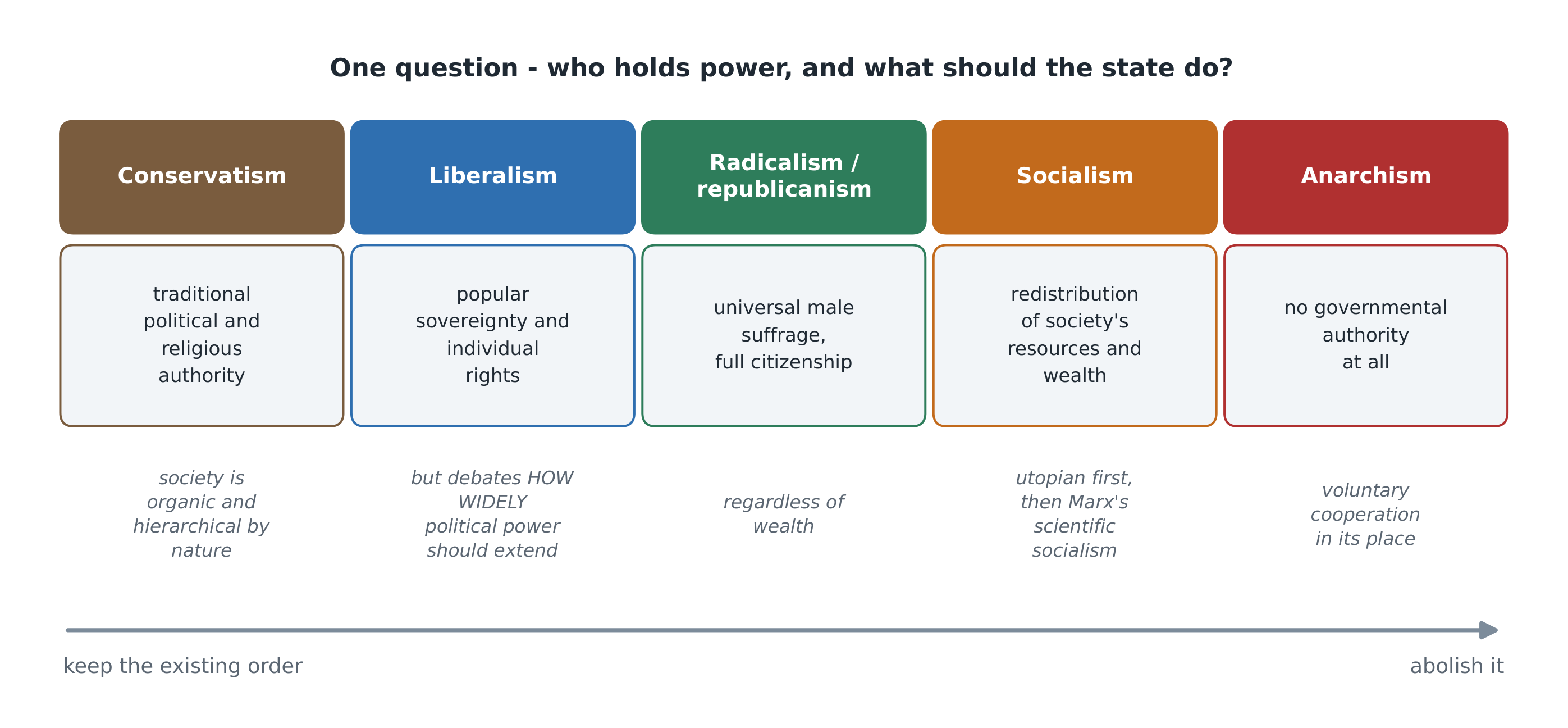
The CED names five positions, and they are best learned as answers to one question: who should hold power, and what should the state do?

  • Liberals 自由主义者 emphasised popular sovereignty, individual rights, and enlightened self-interest, but debated how far all groups should share political power.
  • Radicals in Britain and republicans on the continent demanded universal male suffrage 男性普选权 and full citizenship without regard to wealth.
  • Socialists 社会主义者 called for the redistribution of society's resources and wealth, evolving from utopian to Marxist scientific socialism.
  • Marx's scientific socialism 科学社会主义 provided a systematic critique of capitalism and a deterministic analysis of society and historical change.
  • Anarchists 无政府主义者 asserted that all forms of governmental authority were unnecessary and should be replaced by a society based on voluntary cooperation.
العربية
جدل القرن، موضح - كل أيديولوجية تجيب على نفس السؤال بطرق مختلفة
تطلب الأسئلة التمييز بين هذه، لذا تعلموها كمجموعة وليس واحداً تلو الآخر

يحدد CED خمس مواقف، وهي الأفضل للتعلم كإجابات على سؤال واحد: من يجب أن يمسك السلطة، وماذا يجب أن تفعل الدولة؟

  • ركز الليبراليون على سيادة الشعب، وحقوق الفرد، والمصلحة الذاتية المنيرة، لكنهم ناقشوا مدى مشاركة جميع المجموعات في السلطة السياسية.
  • طالب المتطرفون في بريطانيا والجمهوريةيون في القارة بـ الامتداد العام للتصويت الذكوري والمواطنة الكاملة بغض النظر عن الثروة.
  • دعا الاشتراكيون إلى إعادة توزيع موارد المجتمع وثروته، وتطوروا من الاشتراكية المثالية إلى الاشتراكية العلمية الماركسية.
  • قدم الاشتراكية العلمية لماركس نقداً منظماً للرأسمالية وتحليلاً حتمياً للمجتمع والتغير التاريخي.
  • أكد الأناركيون أن جميع أشكال السلطة الحكومية غير ضرورية ويجب استبدالها بمجتمع قائم على التعاون الطوعي.
6.8 6.9

19th-Century Social Reform and Institutional Responses · ⁨الإصلاح الاجتماعي استجابة 19th-المؤسسية⁩

Syllabus · ⁨المنهج⁩
English

6.8 19th-Century Social Reform

Thematic Focus (SCD): Social Organization and Development — Economic, political, and cultural factors have influenced the form and status of family, class, and social groups in European history, which has, in turn, affected both the individual and society.

Learning Objective Unit 6.I: Explain the various movements and calls for social reform that resulted from intellectual developments from 1815 to 1914.

  • KC-3.3.III Political movements and social organizations responded to problems of industrialization.
    • KC-3.3.III.A Mass-based political parties emerged as sophisticated vehicles for social, economic, and political reform.
    • KC-3.3.III.B Workers established labor unions and movements promoting social and economic reforms that also developed into political parties.
    • KC-3.3.III.C Feminists pressed for legal, economic, and political rights for women as well as improved working conditions.
    • KC-3.3.III.D Various nongovernmental reform movements, many of them religious, assisted the poor and worked to end serfdom and slavery.

Illustrative examples:

  • Mass-based political parties: §Bullet Conservatives and Liberals in Great Britain §Bullet Conservatives and Socialists in France §Bullet Social Democratic Party in Germany Political parties representing workers: §Bullet German Social Democratic Party §Bullet British Labour Party §Bullet Russian Social Democratic Party Feminists and feminist movements: §Bullet Flora Tristan §Bullet British Women’s Social and Political Union §Bullet Pankhurst family §Bullet Barbara Smith Bodichon Reform movements and social reformers: §Bullet The Sunday School movement §Bullet The temperance movement §Bullet British abolitionist movement §Bullet Josephine Butler
العربية

6.8 إصلاح اجتماعي في القرن 19

التركيز الموضوعي (SCD): التنظيم الاجتماعي والتنمية — أثرت العوامل الاقتصادية والسياسية والثقافية على شكل ومكانة الأسرة والطبقة والمجموعات الاجتماعية في تاريخ أوروبا، مما أثر بدوره على الفرد والمجتمع.

هدف التعلم الوحدة 6.I: اشرح الحركات المختلفة والدعوات للإصلاح الاجتماعي التي نتجت عن التطورات الفكرية من عام 1815 إلى 1914.

  • KC-3.3.III استجابت الحركات السياسية والمنظمات الاجتماعية لمشاكل الصناعة.
    • KC-3.3.III.A ظهرت أحزاب سياسية قائمة على الجماهير كوسائط متطورة للإصلاح الاجتماعي والاقتصادي والسياسي.
    • KC-3.3.III.B أسس العمال نقابات عمالية وحركات تعزز الإصلاحات الاجتماعية والاقتصادية والتي تطورت أيضًا إلى أحزاب سياسية.
    • KC-3.3.III.C ضغطت النسويات للحصول على حقوق قانونية واقتصادية وسياسية للنساء بالإضافة إلى تحسين ظروف العمل.
    • KC-3.3.III.D ساعدت حركات إصلاحية متنوعة غير حكومية، الكثير منها ديني، الفقراء وعملت لإنهاء العبودية والرقيقية.

أمثلة توضيحية:

  • الأحزاب السياسية القائمة على قاعدة جماهيرية: §Bullet المحافظون والليبراليون في بريطانيا §Bullet المحافظون والاشتراكيون في فرنسا §Bullet الحزب الديمقراطي الاجتماعي في ألمانيا أحزاب تمثل العمال: §Bullet الحزب الديمقراطي الاجتماعي الألماني §Bullet حزب العمل البريطاني §Bullet الحزب الديمقراطي الاجتماعي الروسي النسويات وحركات النسوية: §Bullet فلورا تريسان §Bullet الاتحاد الاجتماعي والسياسي للنساء البريطاني §Bullet عائلة بانكرهست §bullet باربرا سميث بوديشون حركات الإصلاح والحكام الاجتماعيين: §Bullet حركة المدارس الأحدية §Bullet حركة الامتناع عن الكحول §Bullet حركة إلغاء العبودية البريطانية §Bullet جوزفين باتلر
English

6.9 Institutional Responses and Reform

Thematic Focus (SOP): States and Other Institutions of Power — European states and nations developed governmental and civil institutions from 1450 to the present to organize society and consolidate political power, with a variety of social, cultural, and economic effects.

Learning Objective Unit 6.J: Explain how and why governments and other institutions responded to challenges resulting from industrialization.

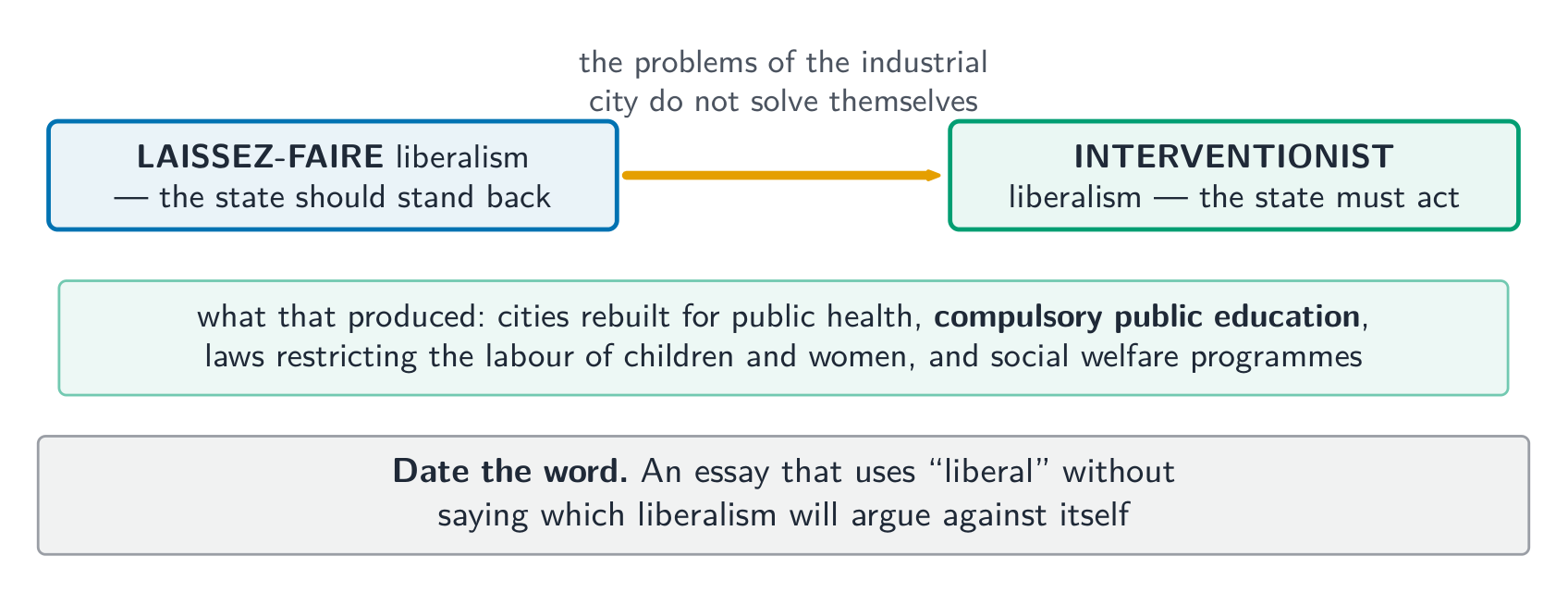
  • KC-3.3.II.A Liberalism shifted from laissez-faire to interventionist economic and social policies in response to the challenges of industrialization.
  • KC-3.3.II.B Reforms transformed unhealthy and overcrowded cities by modernizing infrastructure, regulating public health, reforming prisons, and establishing modern police forces. The reforms were enacted by governments motivated by such forces as public opinion, prominent individuals, and charity organizations.
  • KC-3.3.II.C Reformers promoted compulsory public education to advance the goals of public order, nationalism, and economic growth.

Illustrative examples:

  • Modernizing infrastructure: §Bullet Sewage and water systems §Bullet Public lighting §Bullet Public housing §Bullet Urban redesign §Bullet Parks §Bullet Public transportation §Bullet Edwin Chadwick §Bullet Georges Haussmann
العربية

6.9 الاستجابات المؤسسية والإصلاح

التركيز الموضوعي (SOP): الدول والمؤسسات الأخرى للسلطة — طورت الدول الأوروبية والأمم مؤسسات حكومية ومدنية من عام 1450 إلى الوقت الحاضر لتنظيم المجتمع وتجميع السلطة السياسية، مع تأثيرات اجتماعية وثقافية واقتصادية متنوعة.

هدف التعلم الوحدة 6.J: اشرح كيف ولماذا استجابت الحكومات والمؤسسات الأخرى للتحديات الناتجة عن الصناعة.

  • KC-3.3.II.A تحول الليبرالية من سياسة laissez-faire إلى سياسات اقتصادية واجتماعية تدخلية استجابة لتحديات الصناعة.
  • KC-3.3.II.B حولت الإصلاحات المدن غير الصحية والمزدحمة عن طريق تحديث البنية التحتية، وتنظيم الصحة العامة، وإصلاح السجون، وإنشاء قوات شرطة حديثة. تم سن هذه الإصلاحات من قبل حكومات تحركتها قوى مثل الرأي العام، والأفراد البارزين، ومنظمات الخيرية.
  • KC-3.3.II.C روج المصلحون للتعليم العام الإلزامي لتعزيز أهداف النظام العام، والوطني، والنمو الاقتصادي.

أمثلة توضيحية:

  • تحديث البنية التحتية: §بوند أنظمة الصرف الصحي ومياه الشرب §بوند الإضاءة العامة §بوند السكن العام §بوند إعادة تصميم المدن §بوند الحدائق §بوند النقل العام §بوند Edwin Chadwick §بوند Georges Haussmann

Source: College Board AP Course and Exam Description · ⁨المصدر: وصف دورة وامتحان College Board AP⁩

English

Political movements and social organisations responded to the problems of industrialisation. The institutional side is equally examinable:

  • Liberalism shifted from laissez-faire to interventionist economic and social policies in response to industrialisation's challenges. This is the unit's most important intellectual change - the ideology that began by wanting the state out ended by using it.
  • Reforms transformed unhealthy and overcrowded cities by modernising infrastructure, regulating public health, and reforming prisons.
  • Reformers promoted compulsory public education 义务教育 to advance public order, nationalism, and economic growth. Note all three motives - the CED lists them, and none is purely benevolent.
العربية

استجابت الحركات السياسية والمنظمات الاجتماعية لمشاكل الصناعة. الجانب المؤسسي قابل للفحص أيضاً:

  • تحول الليبرالية من عدم التدخل إلى سياسات اقتصادية واجتماعية تدخلية استجابة لتحديات الصناعة. هذا هو أهم تغيير فكري في الوحدة - الأيديولوجية التي بدأت برغبة الدولة في الخروج انتهت باستخدامها.
  • حولت الإصلاحات المدن غير الصحية والمكتظة بالسكان من خلال تحديث البنية التحتية، وتنظيم الصحة العامة، وإصلاح السجون.
  • دعّم المصلحون التعليم العام الإلزامي لتعزيز النظام العام، والوطنية، والنمو الاقتصادي. لاحظ الدوافع الثلاثة - CED يسردها، ولا يوجد منها ما هو خيري بحت.
الكلمة نفسها، سياستان متعاكستان - تاريخ المصطلح أو المقال يتناقض مع نفسه
Explore · ⁨استكشف⁩

Watch liberalism change sides · ⁨شاهد الليبرالية تغير أطرافها⁩

'Liberal' in 1830 and in 1900 recommend contradictory things. Date the word or the essay will argue against itself. · ⁨'ليبرالي' في 1830 وفي 1900 يوصيان بأشياء متناقضة. تحديد تاريخ الكلمة أو ستجادل المقالة ضد نفسها.⁩

6.10

Causation in the Age of Industrialization · ⁨الأسباب في عصر الصناعة⁩

Syllabus · ⁨المنهج⁩
English

6.10 Causation in the Age of Industrialization

Learning Objective Unit 6.K: Explain the influence of innovations and technological developments in Europe from 1815 to 1914.

  • KC-3.1 The Industrial Revolution spread from Great Britain to the continent, where the state played a greater role in promoting industry.
    • KC-3.1.I Great Britain established its industrial dominance through the mechanization of textile production, iron and steel production, and new transportation systems in conjunction with uniquely favorable political and social climates.
    • KC-3.1.II Following the British example, industrialization took root in continental Europe, sometimes with state sponsorship.
  • KC-3.2 The experiences of everyday life were shaped by industrialization, depending on the level of industrial development in a particular location.
    • KC-3.2.I Industrialization promoted the development of new classes in the industrial regions of Europe.
    • KC-3.2.II Europe experienced rapid population growth and urbanization, leading to social dislocations.
    • KC-3.2.III Over time, the Industrial Revolution altered the family structure and relations for bourgeois and working-class families.
  • KC-3.3 Political revolutions and the complications resulting from industrialization triggered a range of ideological, governmental, and collective responses.
    • KC-3.3.I Ideologies developed and took root throughout society as a response to industrial and political revolutions.
    • KC-3.3.II Governments, at times based on the pressure of political or social organizations, responded to problems created or exacerbated by industrialization.
العربية

6.10 التسبب في عصر التحضر

هدف التعلم الوحدة 6.K: اشرح تأثير الابتكارات والتطورات التكنولوجية في أوروبا من عام 1815 إلى 1914.

  • KC-3.1 انتشرت الثورة الصناعية من بريطانيا العظمى إلى القارة، حيث لعبت الدولة دوراً أكبر في تعزيز الصناعة.
    • KC-3.1.I أسست بريطانيا العظمى هيمنتها الصناعية من خلال ميكانيكية إنتاج المنسوجات وإنتاج الحديد والصلب وأنظمة النقل الجديدة بالتزامن مع أوضاع سياسية واجتماعية فريدة ومواتية.
    • KC-3.1.II following the British example، ترسخت الصناعة في أوروبا القارية، أحياناً برعاية الدولة.
  • KC-3.2 شكلت تجارب الحياة اليومية بسبب الصناعة، اعتماداً على مستوى التطور الصناعي في موقع معين.
    • KC-3.2.I عززت الصناعة تطوير طبقات جديدة في المناطق الصناعية لأوروبا.
    • KC-3.2.II شهدت أوروبا نمواً سريعاً للسكان والتحضر، مما أدى إلى اضطرابات اجتماعية.
    • KC-3.2.III مع مرور الوقت، غيّرت الثورة الصناعية البنية العائلية والعلاقات الأسرية للعائلات البرجوازية وعائلات طبقة العمال.
  • KC-3.3 أدّت الثورات السياسية والتعقبات الناجمة عن التحضر إلى ظهور مجموعة متنوعة من الاستجابات الأيدولوجية والحكومية والجماعية.
    • KC-3.3.I تطورت الأيدولوجيات وتبنت جذورها في جميع أنحاء المجتمع استجابة للثورة الصناعية والثورة السياسية.
    • KC-3.3.II استجابت الحكومات، أحياناً بناءً على ضغط من المنظمات السياسية أو الاجتماعية، إلى المشكلات التي سببتها التحضر أو زادت حدة.
Source: College Board AP Course and Exam Description · ⁨المصدر: وصف دورة وامتحان College Board AP⁩

English

The unit's reasoning skill is causation.

Worked example (a real AP exam question). AP European History short-answer questions here ask, for example, to "Explain one way in which industrialisation contributed to the development of new political ideologies in the nineteenth century." A full-mark answer traces the link: "Industrialisation created a large urban working class with common conditions and no political representation, which gave socialists a constituency and an argument: that the wealth produced by industry was distributed by ownership rather than by labour. Marx's scientific socialism turned that observation into a systematic critique of capitalism, and the concentration of workers in factories and cities made organising around it possible." Notice that the answer explains why the idea found an audience, not only that it existed.

العربية

مهارة التفكير في هذه الوحدة هي السببية.

مثال محلول (سؤال حقيقي من امتحان AP). أسئلة الإجابة القصيرة في تاريخ أوروبا AP هنا تطلب، على سبيل المثال، "اشرح طريقة واحدة ساهمت بها الصناعة في تطوير أيديولوجيات سياسية جديدة في القرن التاسع عشر." إجابة كاملة الدرجة تتبع الرابط: "أدت الصناعة إلى إنشاء طبقة عاملة حضرية كبيرة بظروف مشتركة وتمثيل سياسي معدوم، مما منح الاشتراكيين قاعدة منتخبة وحجة: أن الثروة الناتجة عن الصناعة يتم توزيعها عبر الملكية بدلاً من العمل. حولت الاشتراكية العلمية لماركس تلك الملاحظة إلى نقد منظما للرأسمالية، وجعل تركيز العمال في المصانع والمدن تنظيمها أمراً ممكناً." لاحظ أن الإجابة تشرح لماذا وجدت الفكرة جمهوراً، ليس فقط أنها كانت موجودة.

6.10

Exam tips · ⁨نصائح للامتحان⁩

English
  • Britain's advantages include a political one - industrial interests were represented in Parliament. Most answers list only resources.
  • France industrialised gradually with state support and less dislocation. That contrast answers many comparison questions.
  • Learn the five ideologies as a set, distinguished by who holds power and what the state does.
  • Liberalism's shift from laissez-faire to intervention is the century's key ideological change. Name it.
  • Compulsory education had three motives - order, nationalism, growth. Give all three.
  • Living standards rose by the end of the century, after decades of hardship. Timing is the mark.
العربية
  • تشمل مزايا بريطانيا ميزة سياسية - تم تمثيل المصالح الصناعية في البرلمان. معظم الإجابات تذكر الموارد فقط.
  • فرنسا صنعت تدريجياً بدعم دولي وأقل اضطراباً. هذا التناقض يجيب على العديد من أسئلة المقارنة.
  • احفظ الأيديولوجيات الخمسة كمجموعة، مميزة حسب من يمسك السلطة وما تفعله الدولة.
  • تحول الليبرالية من عدم التدخل إلى التدخل هو التغيير الأيديولوجي الرئيسي في هذا القرن. سمّه.
  • كان للتعليم الإلزامي ثلاثة دوافع - النظام، القومية، النمو. اذكر الثلاثة جميعاً.
  • ارتفعت مستويات المعيشة بحلول نهاية القرن، بعد عقود من الشقاء. التوقيت هو العلامة.

Interactive lessons on this topic · ⁨دروس تفاعلية حول هذا الموضوع⁩

Work through it step by step, with instant-check exercises. · ⁨ا-working عليه خطوة بخطوة، مع تمارين تحقق فوري.⁩

Past Papers · ⁨أوراق الامتحانات السابقة⁩

More topics in AP European History · ⁨تاريخ أوروبا (AP)⁩ · ⁨المزيد من المواضيع في AP European History · ⁨تاريخ أوروبا (AP)⁩⁩

Log in or create account · ⁨تسجيل الدخول أو إنشاء حساب⁩

IGCSE, A-Level & AP