A-Level Economics (9708) splits in two. Microeconomics: scarcity, the price system, elasticity, market failure, government intervention. Macroeconomics: national income, the multiplier, inflation, unemployment, growth, policy and trade. A2 goes deeper into the same ground rather than adding new ground.
The skill being tested is not recall. It is draw the diagram, then evaluate. An answer that describes a policy scores badly. An answer that says what the policy does, draws the diagram, then says when it would not work scores well.
"It depends on" is not hedging here — the conditions are exactly where the evaluation marks live.
ميز بين العبارات الإيجابية والمعيارية في سياق الاختيار
Source: Cambridge International syllabus · المصدر: منهج كامبريدج الدولي
English
Economics starts with one big idea: scarcity 稀缺性. We never have enough to give everyone everything they want.
resources 资源 are the things we use to make goods and services. They are finite 有限的 — there is only a limited amount, so they are scarce 稀缺.
goods 物品 (things you can touch, like food) and services 服务 (work done for you, like a haircut) are what we make from resources.
human wants 欲望 are unlimited. People always want more.
Because wants are bigger than resources, this is called the economic problem 经济问题. Every society must answer three questions:
What to produce?
How to produce it?
For whom to produce it?
Choice and opportunity cost
Because resources are scarce, you must choose. Every choice means you give up something else.
opportunity cost 机会成本 — the next best alternative 替代选择 you give up when you make a decision.
Opportunity cost is faced by everyone:
consumers 消费者 (people who buy and use goods): buy a phone, and you give up the holiday that money could have paid for.
producers 生产者 and firms 企业 (the businesses that make goods): use a factory to make cars, and you give up the trucks it could have made.
governments 政府: spend tax money on hospitals, and you give up the schools that money could have built.
العربية
تبدأ الاقتصاد بفكرة كبيرة واحدة: الندرة. لن نملك أبدًا ما يكفي ليعطي الجميع كل ما يرغبون فيه.
الموارد هي الأشياء التي نستخدمها لصنع السلع والخدمات. وهي محدودة — يوجد منها كمية محدودة فقط، لذا فهي نادرة.
السلع (أشياء يمكنك لمسها، مثل الطعام) والخدمات (عمل يُؤدى من أجلك، مثل قص الشعر) هي ما نصنعه من الموارد.
الرغبات البشرية غير محدودة. الناس يرغبون دائمًا في المزيد.
بسبب أن الرغبات أكبر من الموارد، يسمى هذا المشكلة الاقتصادية. يجب على كل مجتمع الإجابة على ثلاث أسئلة:
ماذا ننتج؟
كيف ننتجه؟
لمن ننتجه؟
الاختيار والتكلفة البديلة
بسبب ندرة الموارد، يجب عليك الاختيار. كل اختيار يعني أنك تتنازل عن شيء آخر.
التكلفة البديلة — أفضل بديل تتنازل عنه عندما تتخذ قرارًا.
التكلفة البديلة تواجه الجميع:
المستهلكون (الأشخاص الذين يشترون ويستخدمون السلع): اشتري هاتفاً، وتتنازل عن العطلة التي كان يمكن للمال أن تدفع ثمنها.
المنتجون والشركات (الأعمال التي تصنع السلع): استخدم مصنعًا لصنع سيارات، وتتنازل عن الشاحنات التي كان يمكن أن تصنعها.
الحكومات: تنفق أموال الضرائب على المستشفيات، وتتنازل عن المدارس التي كان يمكن للمال أن تبنيها.
1.2
Thinking like an economist · التفكير كمختص اقتصادي
Syllabus · المنهج
English
explain economics as a social science and the use of the ceteris paribus assumption
distinguish positive and normative statements and the role of value judgements
distinguish microeconomics and macroeconomics
العربية
شرح الاقتصاد كـ علم اجتماعي واستخدام افتراض كيتريس باريبوس (مع بقاء العوامل الأخرى ثابتة)
التمييز بين العبارات الإيجابية والتوجيهية ودور الأحكام القيمية
التمييز بين الاقتصاد الجزئي والاقتصاد الكلي
Source: Cambridge International syllabus · المصدر: منهج كامبريدج الدولي
English
Economics as a social science
Economics is a social science 社会科学. It studies how people behave when they make choices. Like other sciences, it builds models 模型 (simple pictures of the real world) and tests them with data.
The real world is complex, so economists change one thing at a time and keep everything else fixed. This is the idea of ceteris paribus 其他条件不变 — a Latin phrase meaning "all other things stay the same". For example: "if the price of coffee rises, people buy less coffee, ceteris paribus".
Positive and normative statements
a positive statement 实证表述 is about fact. It can be tested as true or false. Example: "a higher price of petrol reduces the amount people buy."
a normative statement 规范表述 is about opinion. It says what should happen, and it cannot be tested as true or false. Example: "the government should make petrol cheaper."
Normative statements rest on a value judgement 价值判断 — a personal view about what is good or fair. Two people can agree on the facts and still disagree about what should be done.
Microeconomics and macroeconomics
microeconomics 微观经济学 studies single parts of the economy: one market, one firm, one consumer.
macroeconomics 宏观经济学 studies the whole economy together: total output 产出, jobs, and rising prices.
العربية
الاقتصاد كعلم اجتماعي
الاقتصاد هو علم اجتماعي. يدرس كيف يتصرف الناس عند اتخاذهم للاختيارات. مثل العلوم الأخرى، يبني نماذج (صور مبسطة للواقع الحقيقي) ويختبرها بالبيانات.
العالم الحقيقي معقد، لذا يغير الاقتصاديون شيئًا واحدًا في كل مرة ويبقون كل شيء آخر ثابتًا. هذه فكرة ceteris paribus — عبارة لاتينية تعني "كل چیز أخرى تبقى كما هي". على سبيل المثال: "إذا ارتفعت أسعار القهوة، سيشتري الناس قهوة أقل، ceteris paribus".
العبارات الإيجابية والمعاييرية
عبارة إيجابية تتعلق بالحقيقة. يمكن اختبارها لتكون صحيحة أو خاطئة. مثال: "ارتفاع سعر البنزين يقلل من الكمية التي يشتريها الناس."
عبارة معيارية تتعلق بالرأي. تقول ما يجب أن يحدث، ولا يمكن اختبارها لتكون صحيحة أو خاطئة. مثال: "يجب على الحكومة جعل البنزين أرخص."
تعتمد العبارات المعيارية على حكم قيمة — وجهة نظر شخصية حول ما هو جيد أو عادل. يمكن لشخصين الاتفاق على الحقائق ولا يزالان يختلفان حول ما يجب فعله.
عبارة إيجابية يمكن اختبارها؛ عبارة معيارية هي حكم قيمة
الاقتصاد الجزئي والاقتصاد الكلي
الاقتصاد الجزئي يدرس أجزاء فردية من الاقتصاد: سوق واحد، شركة واحدة، مستهلك واحد.
الاقتصاد الكلي يدرس الاقتصاد بأكمله معًا: إجمالي الإنتاج، والوظائف، وارتفاع الأسعار.
Explore · استكشف
Economic method lab · معمل المنهج الاقتصادي.
Classify statements by the role they play in economic reasoning. · صنّف العبارات حسب الدور الذي تلعبه في الاستدلال الاقتصادي.
define land, labour, capital and enterprise and their rewards (rent, wages, interest, profit)
explain division of labour and specialisation and their advantages and disadvantages
explain the mobility of factors of production
العربية
تعريف الأرض، العمل، رأس المال والمبادرة وعوائد كل منها (إيجار، أجور، فائدة، ربح)
شرح تقسيم العمل والتخصص ومزايا وعيوبهما
شرح حركية عوامل الإنتاج
Source: Cambridge International syllabus · المصدر: منهج كامبريدج الدولي
English
The factors of production 生产要素 are the four kinds of resource used to make goods and services. Each one earns a reward 报酬.
Factor
What it is
Its reward
land 土地
natural resources (fields, water, oil, minerals)
rent 地租
labour 劳动
human work, both physical and mental
wages 工资
capital 资本
man-made things used to produce, like machines, tools and factories
interest 利息
enterprise 企业家才能
the skill of bringing the other three together and taking the risk
profit 利润
Land includes some non-renewable resources 不可再生资源 (like oil and coal) that can run out. Enterprise is supplied by the entrepreneur 企业家, the person who has the business idea and risks their own money.
Specialisation and division of labour
specialisation 专业化 is when a worker, firm or country makes only the things it is best at, then trades for the rest.
Inside a workplace, specialisation leads to the division of labour 劳动分工: a big job is split into small tasks, and each worker 工人 does one task again and again.
Advantages
Disadvantages
workers get faster and better at one task
doing one task is boring, so workers may quit
less time wasted moving between jobs
if one worker is absent, the whole line can stop
output per worker rises, so costs fall
workers learn only one narrow skill
Mobility of factors
mobility 流动性 means how easily a factor can move to a new use.
occupational mobility 职业流动性 — how easily a factor moves from one job or use to another. A teacher who retrains as a nurse is occupationally mobile.
geographical mobility 地理流动性 — how easily a factor moves from one place to another. Land cannot move at all, so it has no geographical mobility.
Labour is often not very mobile. Family ties, the cost of housing, and missing skills all make it hard for workers to move.
العربية
عوامل الإنتاج هي الأنواع الأربعة للموارد المستخدمة في إنتاج السلع والخدمات. كل عامل يحقق له عائد.
عوامل الإنتاج الأربعة والعائد الذي يكسبه كل منها
العامل
ما هو
عائدته
الأرض
الموارد الطبيعية (المزارع، الماء، النفط، المعادن)
الإيجار
العمل
العمل البشري، سواء الجسدي أو العقلي
الأجور
رأس المال
الأشياء المصنوعة يدويًا المستخدمة في الإنتاج، مثل الآلات والأدوات والمصانع
الفائدة
المبادرة
مهارة دمج العوامل الثلاثة الأخرى وتحمل المخاطرة
الربح
تشمل الأرض بعض الموارد غير المتجددة (مثل النفط والفحم) التي قد تنفد. وتوفر المبادرة من قبل رائد الأعمال، وهو الشخص الذي يحمل الفكرة التجارية ويخاطر بأمواله الخاصة.
منجم نحاس مفتوح: تشمل الأرض الموارد الطبيعية (المعادن، النفط، الماء) التي تستخرجها الشركات.
التخصص وتقسيم العمل
التخصص هو عندما يقوم العامل أو الشركة أو البلد بإنتاج فقط ما يتقنون فيه، ثم يتبادلون باقي المنتجات.
داخل مكان العمل، يؤدي التخصص إلى تقسيم العمل: حيث يتم تقسيم مهمة كبيرة إلى مهام صغيرة، ويقوم كل عامل بتنفيذ مهمة واحدة مرارًا وتكرارًا.
مميزات
عيوب
يصبح العمال أسرع وأفضل في مهمة واحدة
تنفيذ مهمة واحدة مملة، لذا قد يترك العمال العمل
وقت أقل ضائع في التنقل بين المهام
إذا غاب عامل واحد، قد تتوقف خط الإنتاج بالكامل
يرتفع الإنتاج لكل عامل، مما يقلل التكاليف
يتعلم العمال مهارة واحدة ضيقة فقط
خط تجميع السيارات: رأس المال (الآلات والروبوتات) بالإضافة إلى تقسيم العمل، حيث يعيد كل عامل تنفيذ مهمة واحدة.
مرونة العوامل
المرونة تعني مدى سهولة قدرة العامل على الانتقال لاستخدام جديد.
المرونة المهنية — مدى سهولة انتقال العامل من وظيفة أو استخدام إلى آخر. المعلم الذي يعيد تدريب نفسه كممرض يعتبر مرناً مهنياً.
المرونة الجغرافية — مدى سهولة انتقال العامل من مكان إلى آخر. لا يمكن نقل الأرض على الإطلاق، لذا فهي لا تملك مرونة جغرافية.
غالباً ما لا يكون العمل مرناً جداً. الروابط العائلية، وتكلفة السكن، ونقص المهارات جميعها تجعل حركة العمال صعبة.
Explore · استكشف
Factors of production lab · معمل عوامل الإنتاج
Sort real resources by the factor of production they represent. · رتب الموارد الحقيقية حسب عامل الإنتاج الذي تمثلها.
explain how resources are allocated in market, planned and mixed economic systems
explain the role of the price mechanism (signalling, incentive, rationing) in allocating resources
evaluate the advantages and disadvantages of each system
العربية
شرح كيفية تخصيص الموارد في الأنظمة السوقية، المخططة والمختلطة
شرح دور آلية السعر (الإشارة، الحافز، التخصيص) في تخصيص الموارد
تقييم مزايا وعيوب كل نظام
Source: Cambridge International syllabus · المصدر: منهج كامبريدج الدولي
English
An economic system is the way a country decides how to allocate 配置 (share out) its scarce resources. There are three types.
a market economy 市场经济 — firms and people own resources, and prices decide what is made. The government does little.
a planned economy 计划经济 (also called a command economy 指令经济) — the government owns resources and decides what is made, how, and for whom.
a mixed economy 混合经济 — a blend of the two. The private sector 私营部门 (firms and households) and the public sector 公共部门 (the government) both make decisions. Almost every real country is mixed.
The price mechanism
In a market economy, resources are guided by the price mechanism 价格机制. Prices do three jobs:
signalling 信号传递 — a price tells buyers and sellers where resources are wanted. A rising price says "this is wanted — make more".
incentive 激励 — a higher price rewards producers, so they want to supply more of that good.
rationing 配给 — when a good is scarce, a higher price shares it out to those who are willing and able to pay.
Comparing the systems
System
Strengths
Weaknesses
market
choice, low prices, strong incentive to work and invent
large gap between rich and poor; some goods not supplied
planned
smaller gap between rich and poor; key goods provided for all
weak incentive; shortages and surpluses; slow to change
mixed
tries to keep the good points of both
the right balance is hard to find
In practice no country sits at a pure extreme. China's economy, for instance, is officially a socialist market economy, where markets set most prices while the government guides key sectors and owns major enterprises. Every real system mixes the two and sits somewhere on the spectrum below.
العربية
النظام الاقتصادي هو الطريقة التي يقرر بها الدولة كيفية تخصيص (توزيع) مواردها النادرة. هناك ثلاثة أنواع.
اقتصاد السوق — تملك الشركات والأفراد الموارد، والأسعار تحدد ما يتم إنتاجه. الحكومة تتدخل قليلاً.
اقتصاد مخطط (يُسمى أيضاً اقتصاد أوامر) — تملك الحكومة الموارد وتحدد ما يتم إنتاجه، وكيفية الإنتاج، ولأين.
اقتصاد مختلط — مزيج من الاثنين. القطاع الخاص (الشركات والأسر) والقطاع العام (الحكومة) كلاهما يتخذان القرارات. كل بلد فعلي تقريباً هو اقتصاد مختلط.
آلية السعر
في اقتصاد السوق، تُوجه الموارد بواسطة آلية السعر. يقوم السعر بثلاث وظائف:
الإشارة — السعر يخبر المشترين والبائعين أين تكون الموارد مطلوبة. ارتفاع السعر يعني "هذا مطلوب — أنتجوا المزيد".
الحافز — السعر الأعلى يكافئ المنتجين، sehingga يرغبون في تزويد المزيد من تلك السلعة.
الترشيد — عندما تكون السلعة نادرة، يقوم السعر الأعلى بتوزيعها على أولئك الذين يرغبون وقادرون على دفع ثمنها.
في السوق، يقوم السعر بثلاث وظائف في آن واحد — يشير، ويعطي حافزاً، ويرشد السلعة النادرة
مقارنة النظم
النظام
نقاط القوة
نقاط الضعف
السوق
حرية الاختيار، أسعار منخفضة، حافز قوي للعمل والابتكار
فجوة كبيرة بين الغني والفقير؛ عدم تزويد بعض السلع
المخطط
فجوة أصغر بين الغني والفقير؛ توفير سلع أساسية للجميع
ضعف الحافز؛ نقص وفوائض؛ بطء في التغيير
المختلط
يحاول الاحتفاظ بالنقاط الإيجابية لكلا النظامين
من الصعب إيجاد التوازن الصحيح
في الواقع، لا يوجد بلد يقف عند حد نقائي تام. فمثلاً، economy الصين تُعتبر رسمياً اقتصاداً سوقياً اشتراكياً، حيث تحدد الأسواق معظم الأسعار بينما توجه الحكومة القطاعات الرئيسية وتملك الشركات الكبرى. كل نظام فعلي يجمع بين الاثنين ويقع في مكان ما على الطيف أدناه.
تتشكل النظم الاقتصادية في طيف: سوق نقائي في أحد الطرفين، وتخطيط حكومي كامل في الطرف الآخر، واقتصادات مختلطة في المنتصف.
Production possibility curves · منحنيات إمكانية الإنتاج
Syllabus · المنهج
English
draw and interpret PPCs to show opportunity cost, scarcity, choice and efficiency
explain movements along and shifts of the PPC and constant versus increasing opportunity cost
relate the PPC to economic growth and the allocation between capital and consumer goods
العربية
رسم وتفسير منحنيات إمكانية الإنتاج (PPCs) لإظهار تكلفة الفرصة البديلة، الندرة، الاختيار والكفاءة
شرح الحركات على طول منحنى إمكانية الإنتاج وانزياحاته، وتكلفة الفرصة الثابتة مقابل المتزايدة
ربط منحنى إمكانية الإنتاج بـالنمو الاقتصادي والتخصيص بين سلع رأس المال وسلع الاستهلاك
Source: Cambridge International syllabus · المصدر: منهج كامبريدج الدولي
English
The PPF and opportunity cost
A production possibility curve 生产可能性曲线 (PPC) is a line showing the largest combinations of two goods an economy can make when all its resources are fully and well used.
Imagine an economy that makes only food and machines. The PPC is drawn with food on one axis and machines on the other.
a point on the curve: all resources are used with full efficiency 效率.
a point inside the curve: resources are wasted (for example, unemployment 失业 of workers). The economy could do better.
a point outside the curve: impossible today, because there are not enough resources. This shows scarcity.
Moving along the curve shows opportunity cost: to make more food, you must move resources away from machines, so you make fewer machines. This is the trade-off 取舍 between the two goods.
The shape of the curve shows how opportunity cost behaves:
a straight-line PPC means constant opportunity cost — each extra unit of food costs the same number of machines.
a curve that bows outwards means increasing opportunity cost — each extra unit of food costs more and more machines, because resources are not equally good at making both goods.
Shifts and growth
When the PPC moves outward (to the right), the economy can make more of both goods. This is economic growth 经济增长. It happens when there are more resources, or better ones (new technology 技术, a bigger or more skilled workforce). War or disaster can move the PPC inward — this is economic decline 经济衰退.
A country must also choose between two kinds of good now:
capital goods 资本品 — goods used to make other goods (machines, factories).
consumer goods 消费品 — goods people use directly (food, clothes).
Making more capital goods today means fewer consumer goods today. But more capital goods help the economy grow faster, so the PPC shifts out by more in the future.
Worked example. Why is a production possibility curve usually drawn concave (bowed outwards) rather than as a straight line? A straight line would mean the opportunity cost of each extra unit stays constant. The curve bows out because factors of production are not perfectly substitutable - they are specialised. Starting from all-food production, the first factors moved into making cars are the ones least suited to farming, so very little food is given up for a lot of cars. Keep going and you must move factors that are increasingly good at farming and increasingly bad at making cars, so each extra car costs more and more food. That rising cost is increasing opportunity cost, and the bowed shape is simply its picture. A straight-line PPC is not wrong - it just assumes factors are perfectly substitutable, and naming that assumption is what earns the mark.
العربية
منحنى إمكانية الإنتاج والتكلفة البديلة
منحنى إمكانية الإنتاج (PPC) هو خط يظهر أكبر تركيبات من سلعتين يمكن للاقتصاد إنتاجهما عندما تكون جميع موارد مستخدمة بكفاءة تامة.
تخيل اقتصاداً ينتج الغذاء والآلات فقط. يُرسم منحنى إمكانية الإنتاج بحيث يكون الغذاء على محور واحد والآلات على المحور الآخر.
نقطة على المنحنى: يتم استخدام جميع الموارد بكفاءة كاملة.
نقطة داخل المنحنى: إهدار الموارد (على سبيل المثال، بطالة العمال). كان بإمكان الاقتصاد أن يفعل أفضل.
نقطة خارج المنحنى: مستحيلة اليوم، لأن الموارد غير كافية. وهذا يدل على الندرة.
النقطة على المنحنى تستخدم جميع الموارد (كفاءة)؛ والنقطة داخله تعني إهدارًا، مثل البطالة؛ والخارجية ليست ممكنة بعد.
التحرك على طول المنحنى يظهر تكلفة الفرصة البديلة: لإنتاج المزيد من الغذاء، يجب تحويل الموارد من الآلات، مما يعني إنتاج fewer machines. هذا هو المفاضلة بين السلعتين.
شكل المنحنى يظهر سلوك تكلفة الفرصة البديلة:
خط مستقيم لـ PPC يعني ثبات تكلفة الفرصة البديلة — كل وحدة إضافية من الغذاء تكلف نفس عدد الآلات.
منحنى مقعر للخارج يعني تزايد تكلفة الفرصة البديلة — كل وحدة إضافية من الغذاء تكلف المزيد من الآلات، لأن الموارد ليست متساوية الكفاءة في إنتاج كلا السلعتين.
PPC خط مستقيم يعني أن كل وحدة إضافية من الغذاء تكلف نفس القدر؛ والـ PPC المقعر يعني أن كل وحدة إضافية تكلف المزيد من الآلات.
التحولات والنمو
عندما يتحرك الـ PPC إلى الخارج (يمين)، يمكن للاقتصاد إنتاج المزيد من كلتا السلعتين. هذا هو النمو الاقتصادي. يحدث عندما تكون هناك موارد أكثر أو أفضل (تكنولوجيا جديدة، أو قوة عاملة أكبر أو أكثر مهارة). الحرب أو الكوارث قد تحرك الـ PPC للداخل — هذا هو التراجع الاقتصادي.
المزيد أو تحسين الموارد يحرك الـ PPC بالكامل للخارج (نمو)؛ والحرب أو الكارثة تحركه للداخل (تراجع).
يجب على الدولة أيضًا الاختيار بين نوعين من السلع الآن:
سلع رأس المال — سلع تُستخدم لإنتاج سلع أخرى (آلات، مصانع).
سلع استهلاكية — سلع يستخدمها الناس مباشرة (طعام، ملابس).
إنتاج المزيد من سلع رأس المال اليوم يعني سلع استهلاكية أقل اليوم. لكن سلع رأس المال تساعد الاقتصاد على النمو بسرعة أكبر، لذا يتحرك الـ PPC للخارج بمقدار أكبر في المستقبل.
اختيار المزيد من سلع رأس المال اليوم يعني سلع استهلاكية أقل الآن، لكن الـ PPC المستقبلي يتحرك للخارج أكثر.
مثال محلل. لماذا يُرسم منحنى إمكانية الإنتاج عادةً بشكل مقعر (مقعر للخارج) بدلاً من كونه خطًا مستقيمًا؟ الخط المستقيم يعني أن تكلفة الفرصة البديلة لكل وحدة إضافية تظل ثابتة. المنحنى ينحني للخارج لأن عوامل الإنتاج ليست قابلة للاستبدال تمامًا - بل هي متخصصة. بدءًا من الإنتاج الغذائي الكامل، فإن العوامل الأولى التي تُحوّل لإنتاج السيارات هي تلك الأقل ملاءمة للزراعة، لذلك يتم التضحية بكمية قليلة جدًا من الغذاء مقابل الكثير من السيارات. استمر في ذلك، ويجب نقل عوامل تصبح بشكل متزايد جيدة في الزراعة وسيئة في صناعة السيارات، لذا كل سيارة إضافية تكلف المزيد والمزيد من الغذاء. هذا التكلفة المتصاعدة هي تكلفة فرصة متزايدة، وشكل الانحناء هو مجرد تمثيل مرئي لها. الـ PPC الخط المستقيم ليس خاطئًا - إنه فقط يفترض أن العوامل قابلة للاستبدال تمامًا، وذكر هذا الافتراض هو ما يكسب الدرجة.
Explore · استكشف
The production possibility frontier · حد الإمكانات الإنتاجية.
Producing more of one good means giving up some of the other — that trade-off is the opportunity cost, shown by the slope of the frontier. · إنتاج المزيد من سلعة واحدة يعني التضحية ببعض الأخرى — هذا التبادل هو التكلفة البديلة، الموضح بميل الحد.
Explore · استكشف
Allocating scarce resources · تخصيص الموارد النادرة
An economy can't have more of everything: making more of one good means giving up some of another — the frontier's slope is that opportunity cost. · لا يمكن للاقتصاد أن يمتلك المزيد من كل شيء: زيادة إنتاج سلعة معينة تعني التخلي عن جزء من سلعة أخرى — ميل الحد هو هذا التكلفة الفرصة.
Explore · استكشف
The production possibility curve · منحنى إمكانيات الإنتاج
Move along the curve. Producing more of one good means producing less of the other — the curve shows opportunity cost and scarcity. · تحرّك على المنحنى. إنتاج المزيد من سلعة ما يعني إنتاج أقل من الأخرى — يُظهر المنحنى تكلفة الفرصة البديلة والندرة.
Types of goods and services · أنواع السلع والخدمات
Syllabus · المنهج
English
distinguish free goods and economic (private) goods
explain the characteristics of public goods (non-rivalry, non-excludability) and the free-rider problem
explain merit and demerit goods and the role of information and value judgements
العربية
التمييز بين السلع الحرة والسلع الاقتصادية (الخاصة)
شرح خصائص السلع العامة (عدم التنافس، عدم الاستبعاد) ومشكلة المتسكعين
شرح السلع ذات الفوائد والسلع ذات الأضرار ودور المعلومات والأحكام القيمية
Source: Cambridge International syllabus · المصدر: منهج كامبريدج الدولي
English
Free goods and economic goods
a free good 免费物品 has no opportunity cost. Its supply is unlimited, so it has no price (for example, air or sunlight).
an economic good 经济物品 (also called a private good 私人物品) is scarce. Making it has an opportunity cost, so it has a price.
A private good has two features. It has rivalry 竞争性 (if I eat the apple, you cannot) and excludability 排他性 (the seller can stop you using it unless you pay).
Public goods
A public good 公共物品 is the opposite of a private good. It has two features:
non-rivalry 非竞争性 — one person using it does not reduce the amount left for others.
non-excludability 非排他性 — you cannot stop people who do not pay from using it.
Because of non-excludability, public goods suffer from the free-rider problem 搭便车问题: people enjoy the good without paying for it. So private firms cannot make a profit and will not supply it. The government must provide public goods instead — for example, street lighting and national defence 国防.
Merit and demerit goods
a merit good 优值品 is better for you (and for society) than you realise, so people buy too little of it. Examples: education and health care.
a demerit good 劣值品 is worse for you than you realise, so people buy too much of it. Examples: cigarettes and alcohol.
People misjudge these goods because of information failure 信息失灵 — they do not have, or do not use, the full facts about the benefit or harm.
Deciding what counts as a merit or demerit good is partly a value judgement, so people may disagree about which goods belong on each list.
العربية
السلع الحرة والسلع الاقتصادية
السلعة الحرة ليس لها تكلفة فرصة بديلة. عرضها لا محدود، لذا ليس لها سعر (مثل الهواء أو ضوء الشمس).
السلعة الاقتصادية (تسمى أيضًا السلعة الخاصة) نادرة. إنتاجها له تكلفة فرصة بديلة، لذا له سعر.
للسلعة الخاصة ميزتان. لديها المنافسة (إذا أكلت التفاحة، لا يمكنك أنت آخر) والإقصاء (يمكن للبائع منعك من استخدامها إلا إذا دفعت).
السلعة الحرة ليس لها تكلفة فرصة بديلة ولا سعر؛ والسلعة الاقتصادية نادرة، ومنافسة وقابلة للإقصاء
السلع العامة
الـ سلعة العامة هي عكس السلعة الخاصة. لديها ميزتان:
عدم المنافسة — استخدام شخص واحد لها لا يقلل الكمية المتبقية للآخرين.
عدم الإقصاء — لا يمكنك منع الأشخاص الذين لا يدفعون من استخدامها.
بسبب عدم الإقصاء، تعاني السلع العامة من مشكلة الركاب المجانيين: يستمتع الناس بالسلعة دون دفع ثمنها. لذا لا تستطيع الشركات الخاصة تحقيق ربح ولن تزودها. يجب على الحكومة توفير السلع العامة بدلاً من ذلك — على سبيل المثال، إنارة الشوارع والدفاع الوطني.
المنافسة والإقصاء يعطي أربعة أنواع من السلع: خاصة، نادي، مورد مشترك، وعامة.
السلع المفضلة وغير المفضلة
السلعة المفضلة أفضل لك (وللمجتمع) مما تدركه، لذلك يشتري الناس القليل منها. أمثلة: التعليم والرعاية الصحية.
السلعة غير المفضلة أسوأ لك مما تدركه، لذلك يشتري الناس الكثير منها. أمثلة: السجائر والكحول.
التعليم سلعة مفضلة كلاسيكية. قيمته الكاملة — وظائف أفضل، ومجتمع أكثر مهارة — من السهل underestimate، لذا عند تركهم لأمرهم، يشتري الناس القليل منها مقارنة بما هو مفيد لهم أو للبلد. لهذا السبب توفر الحكومات الدعم وتقدمه.
يقيّم الناس هذه السلع بشكل خاطئ بسبب فشل المعلومات — فهم لا يمتلكون، أو لا يستخدمون، المعلومات الكاملة حول الفائدة أو الضرر.
تحديد ما إذا كانت السلعة مفضلة أو غير مفضلة هو جزئيًا حكم قيمي، لذا قد يختلف الناس حول أي السلع تنتمي إلى كل قائمة.
Explore · استكشف
Goods and services lab · معمل السلع والخدمات
Classify examples by rivalry, excludability or whether they are services. · صنف الأمثلة حسب التنافسية، الاستبعاد أو كونها خدمات.
Frame answers around scarcity and choice: every choice has an opportunity cost — the next best alternative given up.
Read a PPC: a point inside means unused resources, on the curve is efficient, outside is unattainable; the slope shows opportunity cost.
Distinguish positive (a testable fact) from normative ("should", a value judgement) statements.
Classify goods: free versus economic, and public / merit / demerit goods (non-excludable, non-rival, and so on).
العربية
أطر الإجابات حول الندرة والاختيار: كل قرار له تكلفة بديلة — وهي أفضل بديل تم التخلي عنه.
اقرأ منحنى إمكانات الإنتاج (PPC): النقطة التي تقع داخل المنحنى تعني موارد غير مستغلة، وعلى المنحنى تعني كفاءة، وخارجه أمر مستحيل؛ ويوضح الميل تكلفة الفرصة البديلة.
ميز بين العبارات الإيجابية (حقائق قابلة للاختبار) والعبارات المعيارية (تحتوي على "يجب" أو تقييم للقيم).
صنف السلع: السلع المجانية مقابل الاقتصادية، والسلع العامة / الصالحة / الضارة (غير القابلة للاستبعاد، وغير التنافسية، وما إلى ذلك).
2
The price system and the microeconomy · نظام الأسعار والاقتصاد الجزئي
explain the determinants of demand and supply and distinguish movements along from shifts of the curves
derive individual and market demand and supply
explain the relationship between marginal utility and the demand curve
العربية
شرح محددات الطلب والعرض والتمييز بين الحركات على طول المنحنيات وانزياحاتها
اشتقاق طلب وعرض الفرد والسوق
شرح العلاقة بين المنفعة الحدية ومنحنى الطلب
Source: Cambridge International syllabus · المصدر: منهج كامبريدج الدولي
English
Demand shifts right: P and Q rise
demand 需求 is the quantity of a good that buyers are willing and able to buy at each price 价格 in a period of time. It is not just a wish — buyers must also be able to pay.
The law of demand says: when the price rises, the quantity demanded 需求量 falls; when the price falls, the quantity demanded rises. Price and quantity move in opposite directions.
So the demand curve 需求曲线 slopes downward, from top-left to bottom-right.
What shifts the demand curve
A change in the good's own price is shown as a movement along the demand curve. A change in any other cause shifts the whole curve to a new position — this is a shift 移动 of demand. The main causes (the determinants 决定因素) are:
income 收入 — for most goods, higher income raises demand.
the price of a substitute 替代品 — a good you can use instead (tea for coffee). If the substitute's price rises, demand for this good rises.
the price of a complement 互补品 — a good used together with this one (cars and petrol). If the complement's price rises, demand for this good falls.
tastes and fashion, the size of the population, and advertising.
Individual and market demand
One consumer 消费者 has an individual demand. The market demand 市场需求 is found by adding up the quantity that all consumers want at each price (adding the curves sideways).
Marginal utility and demand
utility 效用 is the satisfaction you get from consuming a good. marginal utility 边际效用 is the extra utility from one more unit.
The law of diminishing marginal utility 边际效用递减 says each extra unit gives less extra satisfaction than the one before. Because later units are worth less to you, you will only buy them at a lower price. This is why the demand curve slopes downward.
العربية
انتقال الطلب لليمين: السعر K quantity يرتفعان
الطلب هو الكمية من سلعة ما يرغب المشترون في شراؤها ويستطيعون دفع ثمنها عند كل سعر خلال فترة زمنية. إنه ليس مجرد رغبة — بل يجب أن يكون المشترون قادرين أيضًا على الدفع.
تنص قانون الطلب على: عندما يرتفع السعر، تنخفض الكمية المطلوبة؛ وعندما ينخفض السعر، تزداد الكمية المطلوبة. يتحرك السعر والكمية في اتجاهين متعاكسين.
لذلك يكون منحنى الطلب مائلًا نحو الأسفل، من أعلى اليسار إلى أسفل اليمين.
ما الذي يحرك منحنى الطلب
التغير في سعر السلعة نفسها يظهر كـ حركة على طول منحنى الطلب. أما التغير في أي سبب آخر فيزيح المنحنى بأكمله إلى موضع جديد — وهذا هو إزاحة الطلب. الأسباب الرئيسية (أو المحددات) هي:
الدخل — لمعظم السلع، يؤدي ارتفاع الدخل إلى زيادة الطلب.
سعر سلعة بديلة — وهي سلعة يمكنك استخدامها بدلاً منها (الشاي بدلاً من القهوة). إذا ارتفع سعر السلعة البديلة، يزداد الطلب على هذه السلعة.
سعر سلعة متممة — وهي سلعة تُستخدم مع هذه السلعة (السيارات والبنزين). إذا ارتفع سعر السلعة المتممة، ينخفض الطلب على هذه السلعة.
الأذواق والموضة، وحجم السكان، والإعلانات.
يؤدي التغير في الدخل أو الأذواق أو الأسعار ذات الصلة إلى إزاحة المنحنى بأكمله (إلى $D_1$ يميناً، أو $D_2$ يساراً)؛ بينما التغير في سعر السلعة نفسها يمثل حركة على طول المنحنى.
الطلب الفردي وطلب السوق
لكل مستهلك طلب فردي. يُحسب طلب السوق عن طريق جمع الكميات التي يرغب فيها جميع المستهلكين عند كل سعر (بتجميع المنحنيات أفقيًا).
المنفعة الحدية والطلب
المنفعة هي الرضا الذي تحصل عليه من استهلاك سلعة ما. المنفعة الحدية هي المنفعة الإضافية الناتجة عن وحدة إضافية واحدة.
تنص قانون تناقص المنفعة الحدية على أن كل وحدة إضافية توفر رضا إضافيًا أقل من الوحدة التي سبقتها. وبما أن الوحدات اللاحقة تكون أقل قيمة بالنسبة لك، فإنك لن تشتريها إلا بسعر أقل. ولهذا السبب يكون منحنى الطلب مائلًا نحو الأسفل.
كل وحدة إضافية تضيف رضا أقل من السابقة لها — لذا سيدفع المشترون أسعارًا أقل للوحدات اللاحقة، وهو ما يفسر ميلان منحنى الطلب نحو الأسفل
Explore · استكشف
Demand & supply · الطلب والعرض
Demand slopes down — a lower price, more is wanted. · الطلب ينحدر للأسفل — كلما انخفض السعر، زاد الكمية المطلوبة.
supply 供给 is the quantity of a good that producers 生产者 are willing and able to sell at each price in a period of time.
The law of supply says: when the price rises, the quantity supplied 供给量 rises. Higher prices mean more profit 利润, so firms make more. So the supply curve 供给曲线 slopes upward.
What shifts the supply curve
A change in the good's own price is a movement along the supply curve. Other causes shift the whole curve:
costs of production 生产成本 — if wages, raw materials or rent get dearer, supply falls.
technology — better machines raise supply.
a subsidy 补贴 (government payment to producers) raises supply; an indirect tax lowers it.
the number of firms 企业 in the market, and weather (for farm goods).
Individual and market supply
The market supply 市场供给 is found by adding up the quantity all firms will sell at each price.
العربية
العرض هو الكمية من سلعة ما يرغب المنتجون في بيعها ويستطيعون تقديمها عند كل سعر خلال فترة زمنية.
تنص قانون العرض على: عندما يرتفع السعر، تزداد الكمية المعروضة. تؤدي الأسعار الأعلى إلى مزيد من الربح، مما يدفع الشركات لإنتاج المزيد. وبالتالي يكون منحنى العرض مائلًا نحو الأعلى.
ما الذي يحرك منحنى العرض
التغير في سعر السلعة نفسها هو حركة على طول منحنى العرض. أما الأسباب الأخرى فتزيح المنحنى بأكمله:
تكاليف الإنتاج — إذا أصبحت الأجور أو المواد الخام أو الإيجارات أغلى، ينخفض العرض.
التكنولوجيا — تحسين الآلات يزيد العرض.
البدالة (دفع الحكومة للمنتجين) تزيد العرض؛ بينما تخفيض الضرائب غير المباشرة يقلله.
عدد الشركات في السوق، والطقس (بالنسبة للسلع الزراعية).
انخفاض التكاليف، أو تحسين التكنولوجيا، أو البدالة يُزيح العرض إلى اليمين ($S_1$)؛ بينما ارتفاع التكاليف أو فرض ضريبة يُزيحه إلى اليسار ($S_2$).
العرض الفردي وعرض السوق
يُحسب عرض السوق عن طريق جمع الكميات التي ستبيعها جميع الشركات عند كل سعر.
Explore · استكشف
Demand & supply · الطلب والعرض
Supply slopes up — a higher price, more is produced. · العرض يصعد للأعلى — كلما ارتفع السعر، زاد الإنتاج.
2.2
Price elasticity of demand · مرونة الطلب السعرية
Syllabus · المنهج
English
define, calculate and interpret price elasticity of demand (PED), income elasticity (YED) and cross elasticity (XED)
explain the determinants of each and the relationship between PED and total revenue/expenditure
explain the usefulness of elasticities to firms and government
العربية
تعريف وحساب وتفسير مرونة سعر الطلب (PED)، مرونة الدخل (YED) والمرونة المتقاطعة (XED)
شرح محددات كل منها والعلاقة بين مرونة سعر الطلب والإجمالي الإيرادات/الإنفاق
شرح فائدة المرونة للشركات والحكومة
Source: Cambridge International syllabus · المصدر: منهج كامبريدج الدولي
English
Supply shifts right: P falls, Q rises
price elasticity of demand 需求价格弹性 (PED) measures how much the quantity demanded responds when the price changes.
$$\text{PED} = \frac{\%\ \text{change in quantity demanded}}{\%\ \text{change in price}}$$
PED is normally negative (because of the law of demand), but we usually look at the size and drop the minus sign.
Worked example. The price of a good rises by 10% and the quantity demanded falls by 25%. Find the PED and classify the demand.
$$\text{PED} = \frac{-25}{10} = -2.5$$
Ignoring the minus sign, $2.5 > 1$, so demand is elastic — quantity responded much more than the price did.
Value
Name
Meaning
more than 1
elastic 富有弹性
quantity responds a lot
less than 1
inelastic 缺乏弹性
quantity responds a little
equal to 1
unit elastic 单位弹性
quantity changes by the same % as price
0
perfectly inelastic 完全无弹性
quantity does not change at all
infinity
perfectly elastic 完全有弹性
any price rise sends demand to zero
What makes demand elastic or inelastic
the number and closeness of substitutes (more substitutes → more elastic).
whether the good is a necessity 必需品 (inelastic) or a luxury 奢侈品 (elastic).
the share of income spent on the good (a large share → more elastic).
time — demand is more elastic in the long run, when buyers can find other options.
habit or addiction makes demand inelastic.
PED and total revenue
total revenue 总收益 is the money a firm earns: $\text{TR} = \text{price} \times \text{quantity}$. PED tells a firm what happens to revenue when it changes the price:
If demand is…
price rises
price falls
inelastic
total revenue rises
total revenue falls
elastic
total revenue falls
total revenue rises
unit elastic
total revenue stays the same
total revenue stays the same
This is useful to firms (how to price for more revenue) and to governments 政府 (a tax on an inelastic good, like petrol, raises a lot of revenue without cutting sales much).
العربية
انزياح العرض لليمين: انخفاض P، ارتفاع Q
مرونة الطلب السعرية (PED) تقيس مدى استجابة الكمية المطلوبة للتغير في السعر.
$$\text{PED} = \frac{\%\ \text{change in quantity demanded}}{\%\ \text{change in price}}$$
عادةً ما تكون PED سالبة (بسبب قانون الطلب)، لكننا ننظر عادةً إلى القيمة المطلقة ونستبعد الإشارة السالبة.
مثال محلول. ارتفع سعر سلعة بنسبة 10% وانخفضت الكمية المطلوبة بنسبة 25%. أوجد PED وصنف الطلب.
$$\text{PED} = \frac{-25}{10} = -2.5$$
بغض النظر عن الإشارة السالبة، $2.5 > 1$، لذا فإن الطلب مرِن — إذ كانت استجابة الكمية أكبر بكثير من استجابة السعر.
البنزين له طلب غير مرن سعريًا: السائقون مضطرون لشراءه، لذا فإن ارتفاع السعر يقلل الكمية المشتراة قليلاً فقط.
القيمة
الاسم
المعنى
أكثر من 1
مرِن
الكمية تستجيب بشكل كبير
أقل من 1
غير مرِن
الكمية تستجيب بشكل طفيف
تساوي 1
مرِن بوحدة واحدة
تتغير الكمية بنفس النسبة المئوية للسعر
0
غير مرِن تمامًا
لا تتغير الكمية على الإطلاق
ما لا نهاية
مرِن تمامًا
أي ارتفاع في السعر يجعل الطلب صفراً
عندما يكون الطلب غير مرِن (حاد)، فإن التغير في السعر لا يؤثر تقريبًا على الكمية؛ وعندما يكون مرِنًا (مسطحًا)، فإن نفس التغير في السعر يُحدث تغييرًا كبيرًا في الكمية.
ما الذي يجعل الطلب مرِنًا أو غير مرِن
عدد وقرب السلع البديلة (زيادة البديلات → زيادة المرونة).
ما إذا كانت السلعة ضرورية (غير مرِن) أم فاخرة (مرِن).
حصة الدخل المنفقة على السلعة (حصة كبيرة → مرونة أعلى).
الوقت — الطلب يكون أكثر مرونة على المدى الطويل، عندما يستطيع المشترين إيجاد بدائل أخرى.
العادة أو الإدمان تجعل الطلب غير مرن.
مرونة الطلب السعرية والإجمالي للدخل
الإجمالي للدخل هو المال الذي يكسبه المنشأة: $\text{TR} = \text{price} \times \text{quantity}$. tells a firm what happens to revenue when it changes the price: tells a firm what happens to revenue when it changes the price:
إذا كان الطلب…
يرتفع السعر
ينخفض السعر
غير مرن
يرتفع الإجمالي للدخل
ينخفض الإجمالي للدخل
مرن
ينخفض الإجمالي للدخل
يرتفع الإجمالي للدخل
وحدة المرونة
يبقى الإجمالي للدخل ثابتاً
يبقى الإجمالي للدخل ثابتاً
هذا مفيد للمنشآت (كيفية تسعيرها لزيادة الإيرادات) ولـ الحكومات (فرض ضريبة على سلعة غير مرنة مثل البنزين يرفع إيرادات كبيرة دون خفض المبيعات كثيراً).
The interaction of demand and supply · تفاعل الطلب والعرض
Syllabus · المنهج
English
explain equilibrium price and quantity and how shifts in demand and supply change equilibrium
explain disequilibrium (excess demand and excess supply) and the functions of the price mechanism
apply demand and supply analysis to product, factor and foreign exchange markets
العربية
شرح سعر الكمية التوازنية وكيف أن انزياحات الطلب والعرض تغير التوازن
شرح عدم التوازن (الطلب الفائض والعرض الفائض) ووظائف آلية السعر
تطبيق تحليل الطلب والعرض على أسواق المنتجات، وعوامل الإنتاج، وأموال الصرف الأجنبية
Source: Cambridge International syllabus · المصدر: منهج كامبريدج الدولي
English
Equilibrium
The market is in equilibrium 均衡 where the demand curve crosses the supply curve. Here demand equals supply. This gives the equilibrium price 均衡价格 and the equilibrium quantity 均衡数量. There is no pressure for the price to change.
Disequilibrium
When the price is not at equilibrium, the market is in disequilibrium 非均衡:
if the price is too low, there is excess demand 超额需求 (a shortage 短缺). Buyers compete, so the price is pushed up.
if the price is too high, there is excess supply 超额供给. Sellers cannot sell everything, so the price is pushed down.
In both cases the price moves back to equilibrium. This shows the price mechanism doing its jobs of signalling, rationing and giving an incentive.
How shifts change the equilibrium
Change
Effect on price
Effect on quantity
demand rises (shifts right)
rises
rises
demand falls (shifts left)
falls
falls
supply rises (shifts right)
falls
rises
supply falls (shifts left)
rises
falls
Demand and supply in different markets
The same analysis works in many markets:
in product markets 产品市场, demand and supply set the price of goods and services.
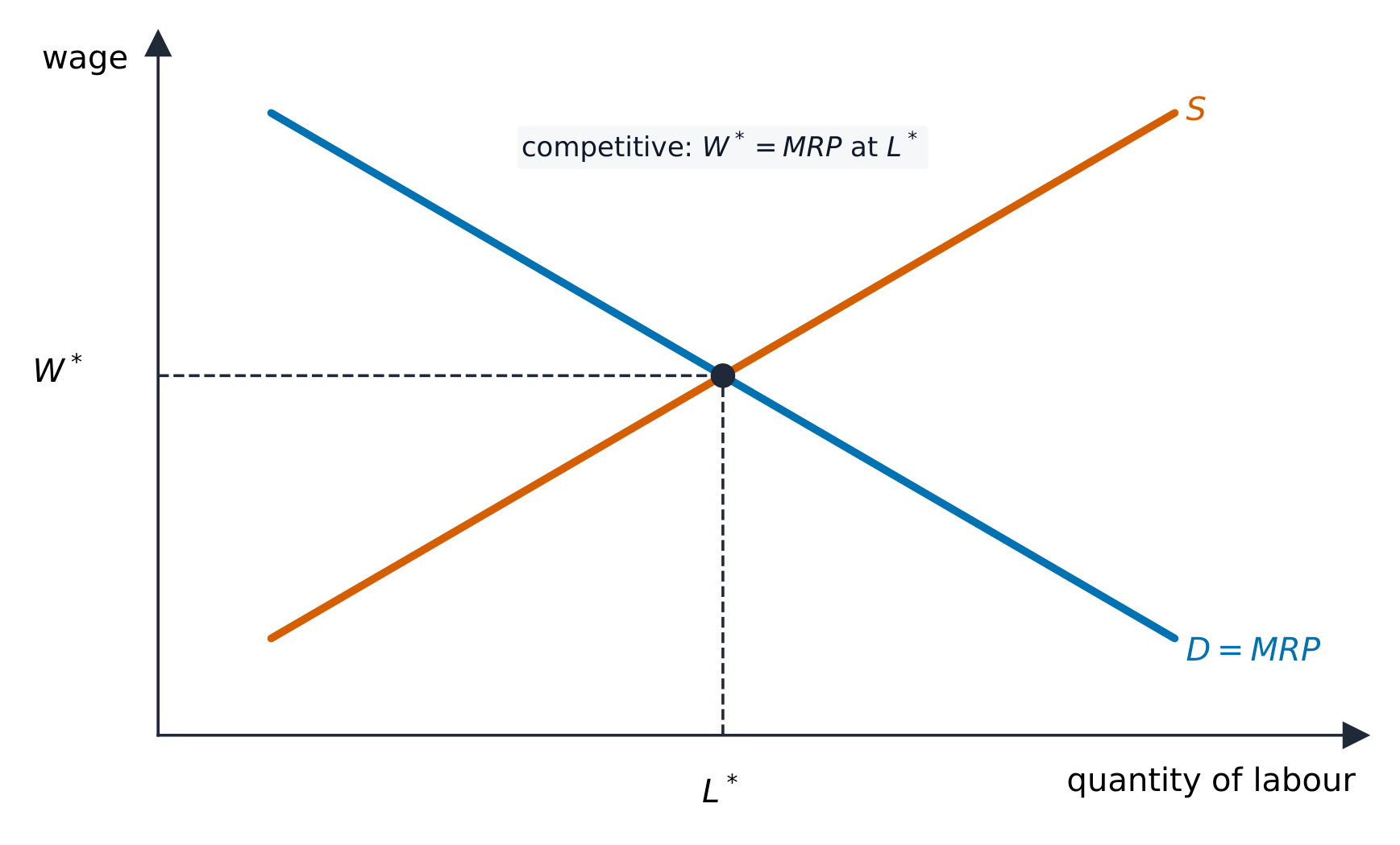
in factor markets 要素市场, they set the price of factors — for example, the demand for and supply of labour set the wage 工资.
in the foreign exchange market 外汇市场, the demand for and supply of a currency set the exchange rate 汇率 (the price of one currency in terms of another).
العربية
في سوق، يلتقي المشترون والبائعون ويستقر السعر حيث يتساوى الطلب والعرض
التوازن
يكون السوق في توازن حيث يتقاطع منحنى الطلب مع منحنى العرض. هنا الطلب يساوي العرض. هذا يعطي سعر التوازن وكمية التوازن. لا يوجد ضغط لتغير السعر.
عند سعر التوازن $P^*$ وكمية $Q^*$ يتقاطع المنحنيان، لذا الكمية المطلوبة تساوي الكمية المعروضة.
عدم التوازن
عندما لا يكون السعر عند مستوى التوازن، يكون السوق في عدم توازن:
إذا كان السعر منخفضاً جداً، يكون هناك طلب زائد (نقص). يتنافس المشترون، مما يدفع السعر للأعلى.
إذا كان السعر مرتفعاً جداً، يكون هناك عرض زائد. لا يستطيع البائعون بيع كل شيء، مما يدفع السعر للأسفل.
في الحالتين يعود السعر إلى التوازن. وهذا يظهر آلية السعر وهي تقوم بوظائفها في الإشارة، والتوزيع، وتقديم الحافز.
فوق سعر التوازن يكون هناك عرض زائد؛ وتحتَه يكون هناك طلب زائد (نقص). وفي كلتا الحالتين يُدفع السعر مجدداً نحو التوازن.
كيف تُغيّر التحولات التوازن
التغيير
التأثير على السعر
التأثير على الكمية
زيادة الطلب (تحرك لليمين)
يرتفع
ترتفع
انخفاض الطلب (تحرك لليسار)
ينخفض
تنخفض
زيادة العرض (تحرك لليمين)
ينخفض
ترتفع
انخفاض العرض (تحرك لليسار)
يرتفع
تنخفض
مع ثبات العرض، يؤدي ارتفاع الطلب ($D \to D_1$) إلى زيادة كل من سعر التوازن والكمية المتوازنة.
الطلب والعرض في أسواق مختلفة
ينطبق نفس التحليل على العديد من الأسواق:
في أسواق المنتجات، يحدد الطلب والعرض أسعار السلع والخدمات.
في أسواق عوامل الإنتاج، يحددان أسعار العوامل — على سبيل المثال، يحدد طلب وعرض العمل الأجر.
في سوق العملات الأجنبية، يحدد طلب وعرض عملة معينة سعر الصرف (سعر عملة واحدة بدلالة أخرى).
Explore · استكشف
Demand & supply · الطلب والعرض
Where demand meets supply sets the equilibrium price and quantity. · حيث يتقاطع الطلب مع العرض يحدد سعر التوازن والكمية.
Explore · استكشف
Finding the equilibrium price · إيجاد سعر التوازن
Shift demand or supply and watch the equilibrium price and quantity move to where the two lines cross. · غيّر الطلب أو العرض وراقب حركة سعر التوازن والكمية نحو نقطة تقاطع الخطين.
Consumer and producer surplus · فائض المستهلك وفائض المنتج
Syllabus · المنهج
English
define and identify consumer surplus and producer surplus on a diagram
explain how changes in demand, supply and price affect consumer and producer surplus
العربية
تعريف وتحديد فائض المستهلك وفائض المنتج في الرسم البياني
اشرح كيف تؤثر التغيرات في الطلب والعرض والسعر على فائض المستهلك وفائض المنتج
Source: Cambridge International syllabus · المصدر: منهج كامبريدج الدولي
English
consumer surplus 消费者剩余 is the gain to buyers. It is the difference between the most a consumer was willing to pay and the price actually paid. On a diagram it is the area below the demand curve and above the price line.
producer surplus 生产者剩余 is the gain to sellers. It is the difference between the price a producer receives and the lowest price the producer would have accepted. On a diagram it is the area above the supply curve and below the price line.
How they change:
if demand rises, the price and quantity rise, so producer surplus rises and consumer surplus usually rises too.
if supply rises, the price falls and quantity rises, so consumer surplus rises.
a higher price (with the curves fixed) raises producer surplus but lowers consumer surplus.
Together, consumer surplus plus producer surplus is the total welfare 福利 (gain to society) from the market. It is largest at the free-market equilibrium.
العربية
فائض المستهلك هو الربح الذي يحققه المشترون. وهو الفرق بين أعلى مبلغ كان مستعداً لدفعه والمبلغ الفعلي المدفوع. على الرسم البياني، هو المنطقة أسفل منحنى الطلب وأعلى من خط السعر.
فائض المنتج هو الربح الذي يحققه البائعون. وهو الفرق بين السعر الذي يتلقاه المنتج وأدنى سعر كان مستعداً لقبوله. على الرسم البياني، هو المنطقة أعلى منحنى العرض وأسفل من خط السعر.
فائض المستهلك هو المنطقة أسفل الطلب وأعلى السعر؛ فائض المنتج هو المنطقة أعلى العرض وأسفل السعر.
كيف تتغير:
إذا ارتفع الطلب، يرتفع السعر والكمية، لذا يرتفع فائض المنتج ويزيد فائض المستهلك عادةً أيضاً.
إذا ارتفع العرض، ينخفض السعر وترتفع الكمية، لذا يرتفع فائض المستهلك.
ارتفاع السعر (مع بقاء المنحنيات ثابتة) يرفع فائض المنتج لكن يقلل فائض المستهلك.
مجتمعةً، فائض المستهلك زائد فائض المنتج يمثل إجمالي الرفاهية (ربح المجتمع) الناتج عن السوق. تكون أكبر ما يمكن عند نقطة توازن السوق الحر.
Explore · استكشف
Demand & supply · الطلب والعرض
Surplus sits between the curves and the going price. · الفائض يقع بين المنحنيين والسعر الجاري.
explain market failure as the failure to achieve an efficient allocation of resources
explain the reasons for intervention: externalities, public goods, merit/demerit goods, monopoly power, inequality, asymmetric information
العربية
اشرح فشل السوق باعتباره الفشل في تحقيق توزيع فعال للموارد
اشرح أسباب التدخل: الآثار الخارجية، السلع العامة، السلع الصالحة/غير الصالحة، قوة الاحتكار، التفاوت، معلومات غير متماثلة
Source: Cambridge International syllabus · المصدر: منهج كامبريدج الدولي
English
A free market often gives a good result, but not always. market failure 市场失灵 is when the market does not allocate 配置 (share out) resources efficiently — too much or too little of a good is made. Then the government may step in.
There are several reasons for market failure.
Externalities
An externality 外部性 is a cost or a benefit that falls on a third party 第三方 — someone who is not the buyer or the seller.
a negative externality 负外部性 is an external cost 外部成本 paid by others, like the pollution from a factory. The social cost 社会成本 (the cost to all of society) is bigger than the private cost 私人成本 (the cost to the producer). When people ignore the external cost, the market makes too much of the good.
a positive externality 正外部性 is an external benefit 外部收益 enjoyed by others, like the protection that vaccination gives to everyone. Here the market makes too little, because buyers ignore the benefit to others.
Public goods
A public good 公共物品 (like street lighting or national defence) has non-rivalry 非竞争性 and non-excludability 非排他性. Because non-payers cannot be shut out, there is a free-rider problem 搭便车问题, so private firms make no profit and supply none. The market fails completely.
Merit and demerit goods
A merit good 优值品 (like education) is under-consumed; a demerit good 劣值品 (like cigarettes) is over-consumed. People misjudge them because of information failure 信息失灵 — they do not know, or do not use, the true benefit or harm.
Monopoly power
monopoly 垄断 means one firm dominates a market. A firm with monopoly power 垄断势力 can cut output and raise the price above the competitive level. This wastes resources and harms consumers.
Inequality and asymmetric information
the market rewards people who own resources, so it can produce great inequality 不平等 — some people are left with too little to live on.
asymmetric information 信息不对称 is when one side of a deal knows more than the other (a used-car seller knows the faults; the buyer does not). This leads to poor decisions and unfair deals.
العربية
السوق الحر يعطي غالبًا نتائج جيدة، لكن ليس دائمًا. فشل السوق يحدث عندما لا يقوم السوق بـ تخصيص (توزيع) الموارد بكفاءة — حيث يتم إنتاج الكثير أو القليل جدًا من سلعة ما. حينها قد تتدخل الحكومة.
هناك عدة أسباب لفشل السوق.
محطة توليد كهرباء بالفحم: إنتاج الكهرباء قد يفرض سلبية خارجية مثل التلوث على أشخاص ليسوا طرفًا في الصفقة.
السلبية الإيجابية الخارجية
السلبية الإيجابية الخارجية هي تكلفة أو منفعة تقع على طرف ثالث — شخص ليس هو المشتري ولا البائع.
السلبية الخارجية هي تكلفة خارجية يتحملها آخرون، مثل تلوث المصنع. التكلفة الاجتماعية (تكلفة الجميع) أكبر من التكلفة الخاصة (تكلفة المنتج). عندما يتجاهل الناس التكلفة الخارجية، ينتج السوق الكثير من السلعة.
الإيجابية الخارجية هي منفعة خارجية يستفيد منها آخرون، مثل الحماية التي يوفرها اللقاح للجميع. هنا ينتج السوق القليل، لأن المشترين يتجاهلون المنفعة التي تطر على الآخرين.
مع وجود سلبية خارجية، تكون التكلفة الاجتماعية (MSC) فوق التكلفة الخاصة (MPC)، لذا ينتج السوق أكثر من اللازم عند $Q_m$ بدلاً من الأمثل اجتماعيًا $Q^*$؛ المثلث المظلل يمثل خسارة الرفاهية.مع وجود إيجابية خارجية، تكون المنفعة الاجتماعية (MSB) فوق المنفعة الخاصة (MPB)، لذا ينتج السوق أقل من اللازم عند $Q_m$ بدلاً من الأمثل اجتماعيًا $Q^*$.
السلع العامة
السلعة العامة (مثل إنارة الشوارع أو الدفاع الوطني) تتميز بـ عدم التنافسية وعدم الاستبعاد. وبما أنه لا يمكن استبعاد غير الدافعين، يوجد مشكلة ركوب الأمتعة، لذلك لا تحقق الشركات الخاصة أرباحًا ولا توفر أي شيء. يفشل السوق تمامًا.
السلع المفضلة وغير المفضلة
السلعة المفضلة (مثل التعليم) تُستهلك بشكل ناقص؛ والسلعة المذمومة (مثل السجائر) تُستهلك بكثرة. يُقيّم الناس هذه السلع بشكل خاطئ بسبب فشل المعلومات — فهم لا يعرفون، أو لا يستخدمون، الفائدة الحقيقية أو الضرر.
قوة الاحتكار
الاحتكار يعني هيمنة شركة واحدة في السوق. الشركة ذات قوة الاحتكار يمكنها خفض الإنتاج ورفع السعر فوق المستوى التنافسي. هذا يهدر الموارد ويضر بالمستهلكين.
عدم المساواة والمعلومات غير المتماثلة
تكافئ السوق أولئك الذين يمتلكون الموارد، لذا قد تنتج عدم مساواة كبيرة — يتبقى البعض بقليل جدًا للعيش.
المعلومات غير المتماثلة تحدث عندما يكون أحد طرفي الصفقة على دراية أكثر من الآخر (بائع سيارة مستعمرة يعرف العيوب؛ المشتري لا يعرف). هذا يؤدي إلى قرارات سيئة وصفقات غير عادلة.
Explore · استكشف
The market and where it fails · السوق وأين يفشل
Supply and demand set the market price and quantity at their intersection. Market failure is when this free-market outcome is not the best one for society. · يحدد العرض والطلب سعر السوق وكميته عند نقطة تقاطعهما. فشل السوق هو عندما لا يكون هذا الناتج لسوق حرة هو الأفضل للمجتمع.
Methods of government intervention · طرق تدخل الحكومة
Syllabus · المنهج
English
explain methods of intervention: indirect taxes, subsidies, maximum and minimum prices, buffer stocks, regulation, provision, tradable permits
analyse the effects of intervention, including the incidence of indirect taxes and the concept of government failure
العربية
اشرح أساليب التدخل: الضرائب غير المباشرة، الإعانات، الحد الأقصى والأدنى للأسعار، المخزون الاحتياطي، التنظيم، التقديم، الأذون القابلة للتداول
حلل تأثيرات التدخل، بما في ذلك توزيع عبء الضرائب غير المباشرة ومفهوم فشل الحكومة
Source: Cambridge International syllabus · المصدر: منهج كامبريدج الدولي
English
A maximum price creates a shortage
Indirect taxes
An indirect tax 间接税 is a tax on spending. It raises a firm's costs, shifts the supply curve to the left, and so raises the price and cuts the quantity. Governments tax demerit goods (like tobacco) and goods with negative externalities to make people use less.
The incidence of a tax 税收归宿 is who really pays it. This depends on elasticity:
if demand is inelastic 缺乏弹性, consumers pay most of the tax (the price rises by nearly the full tax).
if demand is elastic 富有弹性, producers pay most of the tax (they cannot pass it on).
Subsidies
A subsidy 补贴 is a government payment to producers. It lowers their costs, shifts the supply curve to the right, and so lowers the price and raises the quantity. Subsidies are used for merit goods and goods with positive externalities.
Maximum and minimum prices
a maximum price 最高限价 is a legal top price, set below equilibrium (for example, rent control). Because the price is held down, quantity demanded is greater than quantity supplied, so there is a shortage 短缺.
a minimum price 最低限价 is a legal bottom price, set above equilibrium (for example, a minimum wage, or a floor for farm prices). Because the price is held up, quantity supplied is greater than quantity demanded, so there is excess supply 超额供给.
Buffer stocks
A buffer stock 缓冲库存 is used to steady the price of farm goods. The government buys and stores the good when the price is low, and sells from the store when the price is high. This keeps the price inside a target band.
Regulation, provision and permits
regulation 管制 means rules and laws — bans, age limits, safety standards, or pollution limits.
state provision 政府提供 means the government 政府 supplies a good directly, often free at the point of use (public goods and merit goods like schools and hospitals).
tradable permits 可交易许可证 set a total cap on pollution and give firms permits to pollute. Firms that pollute less can sell spare permits to firms that pollute more. This caps total pollution at the lowest cost.
Government failure
Intervention does not always help. government failure 政府失灵 is when the government's action makes the use of resources worse, not better. Common causes:
poor information, so the government sets the wrong tax or subsidy.
high cost of running the policy.
unintended results — for example, a maximum price can create an illegal black market 黑市.
decisions made for political reasons rather than for efficiency.
Worked example. A government puts a £2 per-packet tax on cigarettes, whose demand is very price-inelastic. Who really pays it, and what does that mean for the policy's two aims? The incidence falls mainly on whichever side is less able to respond - the more inelastic one. Because smokers keep buying almost the same quantity as the price rises, producers can pass most of the tax on, so consumers bear most of the incidence: the price might rise by about £1.80, with producers absorbing only about £0.20. That creates the tension the question is really testing. As a revenue raiser the tax succeeds: quantity barely falls, so revenue is large and steady. As a way of cutting consumption it largely fails - for exactly the same reason. And because poorer smokers spend a larger share of their income on it, the tax is regressive. Argue from elasticity to incidence, then judge each aim separately.
العربية
السعر الأقصى يسبب نقصًا
الضرائب غير المباشرة
الضريبة غير المباشرة هي ضريبة على الإنفاق. ترفع تكاليف الشركة، وتحرك منحنى العرض لليسار، وبالتالي ترفع السعر وتقلل الكمية. تفرض الحكومات ضرائب على السلع المذمومة (مثل التبغ) والسلع ذات السلبية الخارجية لجعل الناس يستخدمونها أقل.
السجائر سلعة مذمومة — تُستهلك بكثرة لأن الناس يقيسون الضرر بشكل خاطئ — لذا تفرض عليها الحكومات ضرائب عالية.
تأثير الضريبة هو من يدفعها حقًا. ويعتمد ذلك على المرونة:
إذا كان الطلب غير مرن، فإن المستهلكين يتحملون معظم الضريبة (يرتفع السعر بحوالي مقدار الضريبة الكامل).
إذا كان الطلب مرنًا، فإن المنتجين يتحملون معظم الضريبة (لا يستطيعون تحويلها).
تُزاح ضريبة غير مباشرة العرض إلى $S+\text{tax}$، مما يرفع السعر ويقلل الكمية؛ وتُقسم العبء بين المستهلكين والمنتجين.
الإعانات
الإعانة هي دفع حكومي للمنتجين. فهي تُخفض تكاليفهم، وتحرك منحنى العرض لليمين، وبالتالي تُخفض السعر وتزيد الكمية. تُستخدم الإعانات للسلع ذات القيمة المعرفية والسلع ذات الآثار الإيجابية الخارجية.
تُزاح الإعانة العرض إلى $S+\text{subsidy}$، مما يُخفض السعر ويزيد الكمية المتداولة.
الحد الأقصى والأدنى للأسعار
الحد الأقصى للسعر هو حد قانوني أعلى للسعر، يُحدد أسفل نقطة التوازن (مثل التحكم في الإيجار). نظرًا لأن السعر يُثبّت عند مستوى منخفض، تكون الكمية المطلوبة أكبر من الكمية المعروضة، لذلك يحدث نقص.
الحد الأدنى للسعر هو حد قانوني أدنى للسعر، يُحدد أعلى نقطة التوازن (مثل الحد الأدنى للأجور، أو السقف لأسعار المحاصيل الزراعية). نظرًا لأن السعر يُثبّت عند مستوى مرتفع، تكون الكمية المعروضة أكبر من الكمية المطلوبة، لذلك يوجد فائض عرض.
يُترك الحد الأقصى للسعر المُحدد أسفل نقطة التوازن بنقص؛ ويُترك الحد الأدنى للسعر المُحدد أعلى نقطة التوازن بفائض عرض.
المخزون الاحتياطي
المخزون الاحتياطي يُستخدم لتثبيت سعر السلع الزراعية. تشتري الحكومة وتخزن السلعة عندما يكون السعر منخفضًا، وتبيع من المخزن عندما يكون السعر مرتفعًا. وهذا يحافظ على السعر ضمن نطاق مستهدف.
يحافظ المخزون الاحتياطي على السعر ضمن نطاق: تشتري الحكومة عندما يصل إلى الأرضية وتبيع عندما يصل إلى السقف.
التنظيم والتقديم والإجازات
التنظيم يعني القواعد والقوانين — الحواجز، حدود العمر، معايير السلامة، أو حدود التلوث.
التقديم الحكومي يعني أن الحكومة تزود سلعةً مباشرة، غالبًا مجانًا عند نقطة الاستخدام (السلع العامة والسلع ذات القيمة المعرفية كالمدارس والمستشفيات).
إجازات التلوث القابلة للتداول تحدد حدًا إجماليًا للتلوت وتمنح الشركات إجازات للتلوث. الشركات التي تلوث أقل يمكنها بيع الإجازات الزائدة للشركات التي تلوث أكثر. هذا يحدّ من إجمالي التلوث بأقل تكلفة.
فشل الحكومة
التدخل لا يساعد دائمًا. فشل الحكومة يحدث عندما تجعل إجراء الحكومة استخدام الموارد أسوأ، وليس أفضل. الأسباب الشائعة:
معلومات سيئة، بحيث تضع الحكومة ضريبة أو إعانة خاطئة.
تكلفة عالية لتشغيل السياسة.
نتائج غير مقصودة — على سبيل المثال، قد يؤدي الحد الأقصى للسعر إلى إنشاء سوق سوداء غير قانونية.
قرارات تتخذ لأسباب سياسية بدلاً من الكفاءة.
مثال محلول. تفرض الحكومة ضريبة قدرها £2 على كل عبوة من السجائر، وهي ذات مرونة سعرية منخفضة جداً. من يتحمل العبء الحقيقي، وماذا يعني ذلك لأهداف السياسة المزدوجة؟ يقع التحمل الضريبي بشكل رئيسي على الجانب الذي يكون أقل قدرة على الاستجابة - وهو الجانب الأقل مرونة. وبما أن المدخنين يستمرون في الشراء بنفس الكمية تقريباً مع ارتفاع السعر، يمكن للمنتجين تحويل معظم الضريبة إلى المستهلكين، لذا يتحمل المستهلكون معظم التحمل: قد يرتفع السعر بحوالي £1.80، بينما يمتص المنتجون فقط حوالي £0.20. هذا يخلق التوتر الذي تختبره السؤال حقاً. كـ مولد للإيرادات، تنجح الضريبة: حيث لا ينخفض الإنتاج بشكل كبير، فتكون الإيرادات كبيرة ومستقرة. أما كوسيلة لـ تقليل الاستهلاك، فهي تفشل إلى حد كبير - لنفس السبب بالضبط. ولأن المدخنين الأقل ثراءً يخصصون جزءاً أكبر من دخلهم لذلك، تكون الضريبة غير عادلة (تنقص من الدخل). جادل بناءً على المرونة نحو التحمل الضريبي، ثم قيّم كل هدف على حدة.
Explore · استكشف
Reasons for intervention · أسباب التدخل
Governments step into markets when the free-market equilibrium isn't the best outcome for society. · تتدخل الحكومات في الأسواق عندما لا يكون توازن السوق الحر هو أفضل نتيجة للمجتمع.
Income and wealth inequality · عدم المساواة في الدخل والثروة
Syllabus · المنهج
English
distinguish income and wealth and explain the causes of inequality
explain policies to redistribute income and wealth (progressive taxation, benefits, provision of services) and their effects
العربية
اميز بين الدخل والثروة واشرح أسباب التفاوت
اشرح السياسات لإعادة توزيع الدخل والثروة (الضرائب التدريجية، المزايا الاجتماعية، تقديم الخدمات) وتأثيراتها
Source: Cambridge International syllabus · المصدر: منهج كامبريدج الدولي
English
It helps to separate two ideas:
income 收入 is a flow 流量 — money received over a period, such as wages, rent and interest.
wealth 财富 is a stock 存量 — the value of assets owned at a point in time, such as houses, shares and savings.
Wealth produces income (savings earn interest), and income can be saved to build wealth, so the two are linked. Inequality has many causes: differences in skills and wages, the ownership of wealth, inheritance, and unemployment.
Policies to reduce inequality
a progressive tax 累进税 takes a larger percentage 百分比 from higher incomes than from lower incomes. This narrows the gap after tax.
benefits 福利金 (also called transfer payments 转移支付) are money paid by the government to the poor, the old, and the unemployed.
state provision of free services, like education and health care, raises the real living standards of poorer people.
Together these policies bring about redistribution 再分配 — moving income and wealth from richer to poorer people. But there is a trade-off 取舍: very high taxes and large benefits may weaken the incentive 激励 to work and to invest.
العربية
من المفيد الفصل بين مفهومين:
الدخل هو تدفق — الأموال المستلمة خلال فترة زمنية، مثل الأجور والإيجارات والفوائد.
الثروة هي مخزون — قيمة الأصول المملوكة في نقطة زمنية معينة، مثل المنازل والأسهم والادخارات.
تنتج الثروة دخلاً (تدر الأرباح المدخونات)، ويمكن ادخار الدخل لبناء الثروة، لذا فهما مرتبطان. ولعدم المساواة أسباب عديدة: اختلافات المهارات والأجور، امتلاك الثروة، الوصايا، والبطالة.
سياسات تقليل عدم المساواة
**الضريبة+'. Progressive' takes a larger percentage from higher incomes than from lower incomes. This narrows the gap after tax.
المزايا (تسمى أيضًا المدفوعات الانتقالية) هي أموال تدفعها الحكومة للفقراء وكبار السن والعمال العاطلين.
التقديم الحكومي للخدمات المجانية، كتعليم ورعاية صحية، يرفع مستويات المعيشة الفعلية للأشخاص الأكثر فقرًا.
معًا هذه السياسات تحقق إعادة التوزيع — نقل الدخل والثروة من الأغنياء إلى الفقراء. ولكن هناك مفاضلة: الضرائب المرتفعة جدًا والمزايا الكبيرة قد تُضعف الحافز للعمل والاستثمار.
الثروة والفقر جنبًا إلى جنب: الأسواق وحدها قد تترك عدم مساواة كبيرة في الدخل دون معالجة
Explore · استكشف
Inequality policy route · مسار سياسة عدم المساواة
Follow how policy can change disposable income and opportunity. · تابع كيف يمكن للسياسة تغيير الدخل القابل للإنفاق والفرص.
Macroeconomics 宏观经济学 looks at the whole economy at once: its total output, its jobs, and its prices. This handout covers how we measure the economy and the main problems it can face.
العربية
اقتصاد كلي ينظر إلى الاقتصاد بأكمله في آنٍ واحد: إجمالي إنتاجه، فرص العمل، وأسعاره. يغطي هذا الملف كيفية قياس الاقتصاد والمشاكل الرئيسية التي قد يواجهها.
4.1
National income statistics · إحصاءات الدخل القومي
Syllabus · المنهج
English
define GDP, GNI and national income and distinguish nominal and real, and total and per capita values
explain the uses and limitations of national income statistics for measuring living standards and making comparisons
العربية
عرّف الناتج المحلي الإجمالي، إجمالي الدخل القومي والدخل القومي وفرّق بين الاسمي والحقيقي، والقيم الكلية والقيمة للفرد
اشرح استخدامات وإحصائيات الدخل القومي للقياس بمعايير المعيشة وإجراء المقارنات
Source: Cambridge International syllabus · المصدر: منهج كامبريدج الدولي
English
To judge how an economy is doing, we measure its national income 国民收入 — the total value of everything it produces in a year.
gross domestic product 国内生产总值 (GDP) is the value of all goods and services made inside a country in a year.
gross national income 国民总收入 (GNI) is GDP plus the income a country's people and firms earn abroad, minus income foreigners earn inside it.
Two important differences:
nominal 名义 values are measured at current prices. real 实际 values are adjusted to remove the effect of rising prices, so they show the true change in output. Always compare real values over time.
total values cover the whole country. per capita 人均 values are divided by the population, so they show the average per person.
Uses and limitations
National income is used to measure the standard of living 生活水平 and to compare countries. But it has limits:
it ignores the distribution 分配 of income — a high average can hide great inequality.
it leaves out unpaid work (housework) and the informal economy 非正规经济 (hidden, untaxed activity).
it says nothing about pollution, leisure time, or health.
So a higher GDP per capita usually means a better life, but not always.
العربية
لتقييم أداء اقتصاد ما، نقيس دخله القومي — القيمة الإجمالية لكل ما ينتجه في سنة.
الدخل القومي (الناتج المحلي الإجمالي) هو قيمة جميع السلع والخدمات التي ينتجها بلد في سنة.
الناتج المحلي الإجمالي (GDP) هو قيمة جميع السلع والخدمات المنتجة داخل بلد ما في سنة.
إجمالي الدخل القومي (GNI) هو الناتج المحلي الإجمالي زائد الدخل الذي يكسبه مواطنو البلاد وشركاتهم في الخارج، ناقصاً الدخل الذي يكسبه الأجانب داخل البلاد.
فرقانان مهمان:
القيم الاسمية تُقاس بالأسعار الجارية. أما القيم الحقيقية فتُعدّل لاستبعاد تأثير ارتفاع الأسعار، لتُظهر التغيير الحقيقي في الإنتاج. قارن دائماً القيم الحقيقية عبر الزمن.
القيم الإجمالية تشمل البلد بأكمله. أما القيم للشخص الواحد فتُقسم على عدد السكان، لتُظهر المتوسط للشخص.
الاستخدامات والقيود
يُستخدم الدخل القومي لقياس مستوى المعيشة ومقارنة الدول. لكن له قيوداً:
يتجاهل توزيع الدخل — حيث يمكن أن يخفي المتوسط المرتفع تفاوتاً كبيراً.
يستثني العمل غير المدفوع الأجر (الأعمال المنزلية) والاقتصاد غير الرسمي (النشاط المخفي وغير taxed).
لا يقول شيئاً عن التلوث، وقت الراحة، أو الصحة.
لذا فإن ارتفاع الناتج المحلي الإجمالي للشخص عادةً يعني حياة أفضل، ولكن ليس دائماً.
الناتج المحلي الإجمالي للشخص يُظهر متوسط الدخل والإنتاج، لكنه يفوت التوزيع، والعمل غير المدفوع، والتلوث
Explore · استكشف
National income flow · تدفق الدخل القومي
Watch spending become income, output and expenditure in the circular flow. · راقب تحول الإنفاق إلى دخل وإنتاج وإنفاق في التدفق الدائري.
4.2
The circular flow of income · التدفق الدائري للدخل
Syllabus · المنهج
English
explain the circular flow of income with injections (investment, government spending, exports) and leakages (saving, taxation, imports)
explain equilibrium in the circular flow and the distinction between a closed and open economy
العربية
اشرح تدفق الدخل الدائري مع الحقن (الاستثمار، الإنفاق الحكومي، الصادرات) والتسربات (الادخار، الضرائب، الواردات)
اشرح التوازن في تدفق الدخل والتمييز بين الاقتصاد المغلق والاقتصاد المفتوح
Source: Cambridge International syllabus · المصدر: منهج كامبريدج الدولي
English
The circular flow of income
The circular flow of income 收入循环流 shows money moving around the economy. Households 家庭 supply factors of production to firms 企业 and receive income (wages, rent, interest, profit). They spend that income on goods and services, and the money flows back to firms.
Money also leaves and enters this flow:
leakages 漏出 take money out of the flow: saving 储蓄, taxation 税收, and spending on imports 进口.
injections 注入 put money into the flow: investment 投资, government spending 政府支出, and exports 出口.
The flow is in equilibrium 均衡 when total injections equal total leakages. If injections are greater, the economy grows; if leakages are greater, it shrinks.
A closed economy 封闭经济 has no trade with other countries. An open economy 开放经济 trades, so it has exports and imports.
العربية
التدفق الدائري للدخل
يُظهر التدفق الدائري للدخل حركة الأموال في الاقتصاد. تزوّد الأسرالشركات بعوامل الإنتاج وت مقابل ذلك دخلاً (أجوراً، إيجارات، فوائد، أرباحاً). تنفق الأسر هذا الدخل على سلع وخدمات، وتعود الأموال إلى الشركات.
المال يغادر ويدخل هذا التدفق أيضاً:
التسربات تأخذ المال خارج التدفق: الادخار، الفرض الضريبي، والإنفاق على الاستيراد.
الحقن تضع مالاً داخل التدفق: الاستثمار، الإنفاق الحكومي، والتصدير.
يكون التدفق في توازن عندما تتساوى الحقن الكلية مع التسربات الكلية. إذا كانت الحقن أكبر، ينمو الاقتصاد؛ وإذا كانت التسربات أكبر، ينكمش.
المال يدور بين الأسر والشركات؛ تسرباته (الادخار، الفرض الضريبي، الاستيراد) تُضعفه، بينما حقنه (الاستثمار، الإنفاق الحكومي، التصدير) تزيد منه.
الـاقتصاد المغلق ليس لديه تجارة مع دول أخرى. أما الـاقتصاد المفتوح فهو يتاجر، لذا يحتوي على تصديرات واستيرادات.
Explore · استكشف
Injections & leakages · الإدخالات والتسريبات
Money loops between households and firms. Injections grow national income, leakages shrink it; they are equal at equilibrium. · يدور المال بين الأسر والشركات. الإدخالات تزيد من الدخل القومي، والتسريبات تقلله؛ وهما متساويان عند نقطة التوازن.
Explore · استكشف
The circular flow of income · التدفق الدائري للدخل
Money flows in a loop: households earn income from firms, then spend it back on the firms' goods. Step round the cycle. · يتدفق المال في حلقة: تكسب الأسر دخلاً من الشركات، ثم تنفقه مرة أخرى على سلع الشركات. مشِ حول الدورة.
4.3
Aggregate demand and aggregate supply · الطلب الكلي والعرض الكلي
Syllabus · المنهج
English
define the components of aggregate demand (C + I + G + (X−M)) and explain the shape of the AD curve
explain short-run and long-run aggregate supply and the determinants of AD and AS
use AD/AS analysis to determine macroeconomic equilibrium and the price level and real output
العربية
عرّف مكونات الطلب الكلي (C + I + G + (X−M)) واشرح شكل منحنى الطلب الكلي
استخدم تحليل AD/AS لتحديد التوازن الكلي ومستوى الأسعار والإنتاج الحقيقي
Source: Cambridge International syllabus · المصدر: منهج كامبريدج الدولي
English
Aggregate demand and supply
Aggregate demand
aggregate demand 总需求 (AD) is the total spending on a country's goods and services at each price level. It has four parts:
$$AD = C + I + G + (X - M)$$
C is consumption 消费 — spending by households.
I is investment — spending by firms on capital.
G is government spending.
(X − M) is net exports 净出口 — exports minus imports.
The AD curve slopes downward: a lower price level means higher real spending, so a greater real output is demanded. AD shifts when any of its four parts changes (for example, a tax cut raises C).
Aggregate supply
aggregate supply 总供给 (AS) is the total output firms are willing to make at each price level.
short-run aggregate supply 短期总供给 (SRAS) slopes upward. In the short run, higher prices make production more profitable, so firms supply more. SRAS shifts when costs change (wages, raw materials, taxes).
long-run aggregate supply 长期总供给 (LRAS) shows the economy's full productive capacity 生产能力. It shifts only when the quantity or quality of factors changes.
Macroeconomic equilibrium
macroeconomic equilibrium 宏观经济均衡 is where AD crosses AS. It sets the price level 价格水平 and the real output 实际产出 of the economy. A shift in AD or AS changes both.
العربية
الطلب الكلي والعرض الكلي
الطلب الكلي
الطلب الكلي (AD) هو الإنفاق الإجمالي على سلع وخدمات بلد ما عند كل مستوى أسعار. يتكون من أربعة أجزاء:
$$AD = C + I + G + (X - M)$$
C هي الاستهلاك — إنفاق الأسر.
I هي الاستثمار — إنفاق الشركات على رأس المال.
G هو الإنفاق الحكومي.
(X − M) هي التصدير الصافي — التصدير ناقص الاستيراد.
منحنى AD ينحدر لأسفل: انخفاض مستوى الأسعار يعني زيادة الإنفاق الحقيقي، مما يؤدي إلى طلب على إنتاج حقيقي أكبر. يتحرك AD عندما يتغير أي من أجزائه الأربعة (مثلاً، تخفيض الضرائب يزيد C).
العرض الكلي
العرض الكلي (AS) هو الإنتاج الإجمالي الذي تستعد الشركات لإنتاجه عند كل مستوى أسعار.
عرض Aggregate Supply القصير الأجل (SRAS) ينحدر لأعلى. في المدى القصير، تجعل الأسعار الأعلى الإنتاج أكثر ربحية، فتزيد الشركات عرضها. يتحرك SRAS عندما تتغير التكاليف (الأجور، المواد الخام، الضرائب).
عرض Aggregate Supply الطويل الأجل (LRAS) يُظهر القدرة الإنتاجية الكاملة للاقتصاد. يتحرك فقط عندما تتغير كمية أو جودة عوامل الإنتاج.
التوازن الكلي
التوازن الكلي هو نقطة تقاطع AD مع AS. يحدد مستوى الأسعار والإنتاج الحقيقي للاقتصاد. أي تحرك في AD أو AS يغير كليهما.
يُحدد التوازن مستوى الأسعار $P$ والإنتاج الحقيقي $Y$ حيث يلتقي AD مع العرض الكلي القصير الأجل؛ ويُمثل LRAS الرأسي القدرة الكاملة.
distinguish actual and potential growth and explain the causes of economic growth
explain the costs and benefits of economic growth and the business (trade) cycle
العربية
اميز بين النمو الفعلي والنمو المحتمل واشرح أسباب النمو الاقتصادي
اشرح تكاليف وفوائد النمو الاقتصادي والدورة الاقتصادية (التجارية)
Source: Cambridge International syllabus · المصدر: منهج كامبريدج الدولي
English
economic growth 经济增长 is a rise in a country's real output (real GDP) over time.
actual growth 实际增长 is the rise in output that really happens (a movement to a point further out, or from inside the LRAS towards it).
potential growth 潜在增长 is the rise in the economy's capacity (the LRAS shifting outward).
Growth is caused by more or better factors of production: a bigger or more skilled workforce, more investment in capital, new technology, and higher productivity 生产率 (output per worker).
The business cycle
Real output does not grow smoothly. The business cycle 经济周期 (also called the trade cycle) is the up-and-down pattern of output over the years. It has four phases: boom 繁荣 (fast growth), recession 衰退 (falling output), slump 萧条 (the low point), and recovery 复苏.
Costs and benefits of growth
Benefits
Costs
higher incomes and living standards
can cause inflation if AD grows too fast
more jobs
pollution and use of resources
less poverty; more tax for public services
the gap between rich and poor may widen
العربية
النمو الاقتصادي هو ارتفاع الإنتاج الحقيقي لبلد ما (الناتج المحلي الإجمالي الحقيقي) عبر الزمن.
النمو الفعلي هو ارتفاع الإنتاج الذي يحدث فعلياً (حركة لنقطة أبعد، أو من داخل LRAS نحوه).
النمو المحتمل هو ارتفاع قدرة الاقتصاد (تحرك LRAS للخارج).
النمو ناتج عن زيادة أو تحسين عوامل الإنتاج: قوة عاملة أكبر أو أكثر مهارة، واستثمارات أكثر في رأس المال، وتكنولوجيا جديدة، وإنتاجية أعلى (الإنتاج لكل عامل).
دورة الأعمال
لا ينمو الناتج الحقيقي بسلاسة. دورة الأعمال (المعروفة أيضًا بدورة التجارة) هي نمط التذبذب الصاعد والهابط للإنتاج على مدى السنوات. وتتكون من أربع مراحل: الازدهار (نمو سريع)، الكساد (انخفاض الإنتاج)، التراجع (الذروة المنخفضة)، والانتعاش.
يتأرجح الناتج المحلي الإجمالي الحقيقي بين الازدهار والكساد والتراجع والانتعاش حول اتجاهه الطويل الأجل المتصاعد.
تكاليف وفوائد النمو
الفوائد
التكاليف
دخل أعلى ومستوى معيشي أفضل
قد يسبب تضخمًا إذا نما الطلب الكلي بسرعة كبيرة
وظائف أكثر
تلوث واستهلاك الموارد
فقر أقل؛ ضرائب أكثر للخدمات العامة
قد يتسع الفجوة بين الأغنياء والفقراء
يجلب النمو الاقتصادي دخلًا أعلى ووظائف، ولكنه قد يسبب التضخم والتلوث وعدم المساواة
Explore · استكشف
Economic growth shifts the frontier out · ينزاح النموذج البياني للأعلى الإنتاجية نحو الخارج
Growth means the economy can produce more of BOTH goods — the whole frontier moves outward as resources or technology improve. · يعني النمو أن الاقتصاد يمكنه إنتاج المزيد من كلا السلعتين — فيتحرك النموذج البياني بالكامل نحو الخارج مع تحسن الموارد أو التكنولوجيا.
define and measure unemployment (claimant count and labour force survey)
explain the types and causes of unemployment (frictional, structural, cyclical, seasonal) and its consequences
العربية
عرّف وقيس البطالة (عدد المتقدمين بالمساعدات ومسح القوى العاملة)،
اشرح أنواع وأسباب البطالة (احتراقية، هيكلية، دورية، موسمية) وعواقبها
Source: Cambridge International syllabus · المصدر: منهج كامبريدج الدولي
English
unemployment 失业 means people who are able and willing to work, and are looking for a job, but cannot find one.
Measuring unemployment
the claimant count 申领救济人数 counts only people claiming unemployment benefits. It is cheap but misses those who do not claim.
the labour force survey 劳动力调查 asks a large sample whether they are working or seeking work. It follows an international standard, so it is better for comparing countries. The labour force 劳动力 is everyone working or looking for work.
Types and causes
frictional unemployment 摩擦性失业 — short-term, while people move between jobs.
structural unemployment 结构性失业 — when an industry declines and workers' skills no longer match the jobs available.
cyclical unemployment 周期性失业 — caused by low AD in a recession. This is usually the largest type.
seasonal unemployment 季节性失业 — when work is only available at certain times of the year (such as farming or tourism).
Consequences
Unemployment wastes output (the economy produces inside its PPC), lowers incomes, and costs the government (more benefits, less tax). It also harms families and can raise crime and ill health.
العربية
البطالة تعني الأشخاص القادرين والمؤهلين للعمل والمتاحين للبحث عن وظيفة، لكنهم لا يجدونها.
قياس البطالة
عددة المطالبين تحسب فقط الأشخاص الذين يتلقون إعانات بطالة. وهي رخيصة لكنها تفوت أولئك الذين لا يطالبون بها.
مسح القوى العاملة يسأل عينة كبيرة عما إذا كانوا يعملون أو يبحثون عن عمل. يتبع معيارًا دوليًا، لذا فهو أفضل لمقارنة الدول. القوة العاملة تشمل كل من يعملون أو يبحثون عن عمل.
طريقتان لعدّ العاطلين - وما يفوته كل منهما
الأنواع والأسباب
البطالة الاحتكائية — قصيرة المدى، بينما ينتقل الناس بين الوظائف.
البطالة الهيكلية — عندما يندفع قطاع ما ولا تطابق مهارات العمال الوظائف المتاحة.
البطالة الدورية — ناتجة عن انخفاض الطلب الكلي في الكساد. وعادةً ما تكون هذا النوع هو الأكبر.
البطالة الموسمية — عندما يكون العمل متاحًا فقط في أوقات معينة من السنة (مثل الزراعة أو السياحة).
ثلاثة أنواع من البطالة: الاحتكاكية، الهيكلية، والدورية
العواقب
تهدر البطالة الإنتاج (تنتج الاقتصادات داخل منحنى إمكانياتها الإنتاجية)، وتخفض الدخل، وتكلف الحكومة (مزيد من الإعانات، أقل من الضرائب). كما تضر بالعائلات وقد ترفع معدلات الجريمة والأمراض.
Explore · استكشف
Unemployment in the labour market · البطالة في سوق العمل
If the wage is stuck ABOVE the equilibrium, more workers want jobs than firms will hire — that gap is unemployment. · إذا بقيت الأجور مرتفعة فوق نقطة التوازن، رغب عدد أكبر من العمال في العمل مما ستوظفه الشركات — هذا الفارق هو البطالة.
define inflation, deflation and disinflation and explain how the price level is measured
explain the causes (demand-pull and cost-push) and consequences of inflation and deflation
العربية
عرّف التضخم، التراجع وانخفاض معدل التضخم واشرح كيفية قياس مستوى الأسعار
اشرح أسباب (السحب من الطلب والدفع من التكلفة) وعواقب التضخم والتراجع
Source: Cambridge International syllabus · المصدر: منهج كامبريدج الدولي
English
Inflation, deflation and disinflation
inflation 通货膨胀 is a sustained rise in the general price level. Money then buys less, so its purchasing power 购买力 falls.
deflation 通货紧缩 is a sustained fall in the general price level.
disinflation 反通货膨胀 is when inflation is still positive but is slowing down (prices rise, but more slowly).
The price level is measured with the consumer price index 消费者价格指数 (CPI). A typical household's spending is used to build a "basket" of goods. Each good is given a weight 权重 for how much is spent on it, and the change in the basket's cost from year to year is the inflation rate:
$$\text{inflation rate} = \frac{\text{change in index}}{\text{starting index}} \times 100\%.$$
Worked example. A country's CPI rises from $100$ to $104$ over one year, then to $107$ the year after. Find the inflation rate in each year.
Year 1: $\dfrac{104 - 100}{100} \times 100\% = 4\%$. Year 2: $\dfrac{107 - 104}{104} \times 100\% = 2.9\%$.
Notice that prices are still rising in year 2, just more slowly — this fall in the inflation rate (from $4\%$ to $2.9\%$) is disinflation, not deflation.
Worked example. A worker's wage rises from $\text{\pounds} 500$ to $\text{\pounds} 520$ a week (a $4\%$ rise) while the CPI rises by $4\%$. What happens to the real wage?
Money (nominal) pay is up $4\%$, but prices are also up $4\%$, so the real wage — what the pay can actually buy — is unchanged. A pay rise only raises living standards if it beats inflation.
Causes of inflation
demand-pull inflation 需求拉动型通货膨胀 — AD rises faster than AS, so "too much money chases too few goods".
cost-push inflation 成本推动型通货膨胀 — firms' costs rise (wages or raw materials), so they raise prices, shifting SRAS to the left.
Consequences
Inflation lowers purchasing power, especially for people on fixed incomes. It creates uncertainty, can make a country's exports dearer, and helps borrowers but harms savers. Deflation sounds good but can be harmful: people delay buying (waiting for lower prices), so AD falls, firms cut output, and unemployment rises.
العربية
التضخم، الانكماش، والتخفيف التضخمي
التضخم هو ارتفاع مستمر في المستوى العام للأسعار. وبالتالي يشتري المال كميات أقل، فتقل القوة الشرائية له.
الانكماش هو انخفاض مستمر في المستوى العام للأسعار.
التخفيف التضخمي هو عندما يبقى التضخم إيجابيًا لكنه يتباطأ (ترتفع الأسعار، ولكن بوتيرة أبطأ).
يُقاس التضخم من سعر سلة من البضائع اليومية مثل هذه.
يُقاس المستوى السعري باستخدام مؤشر أسعار المستهلكين (CPI). تُستخدم نفقات الأسرة النموذجية لتكوين "سلة" من البضائع. يُعطى كل سلعة وزنًا بناءً على مقدار الإنفاق عليها، والتغير في تكلفة السلة من سنة لأخرى هو معدل التضخم:
$$\text{inflation rate} = \frac{\text{change in index}}{\text{starting index}} \times 100\%.$$
مثال محلول. ارتفع مؤشر أسعار المستهلكين لدولة من $100$ إلى $104$ خلال عام واحد، ثم إلى $107$ في العام التالي. أوجد معدل التضخم في كل عام.
السنة 1: $\dfrac{104 - 100}{100} \times 100\% = 4\%$. السنة 2: $\dfrac{107 - 104}{104} \times 100\% = 2.9\%$.
لاحظ أن الأسعار لا تزال ترتفع في السنة 2، ولكن بوتيرة أبطأ — إن انخفاض معدل التضخم (من $4\%$ إلى $2.9\%$) هو تخفيف تضخمي، وليس انكماشًا.
مثال محلول. ارتفع أجر العامل من $\text{\pounds} 500$ إلى $\text{\pounds} 520$ أسبوعياً (أي بزيادة $4\%$) بينما ارتفع مؤشر أسعار المستهلكين بنسبة $4\%$. ماذا يحدث للأجر الحقيقي؟
الراتب النقدي (الاسمي) زاد $4\%$، لكن الأسعار زادت أيضًا $4\%$، لذا فإن الأجر الحقيقي — ما يمكن للشراء منه فعليًا — بقي دون تغيير. لا يرفع الراتب المعيشة إلا إذا تجاوز التضخم.
أسباب التضخم
التضخم المسحوب بالطلب — يرتفع الطلب الكلي أسرع من العرض الكلي، فـ "يلاحق الكثير من المال بضائع قليلة جدًا".
التضخم المدفوع بالتكلفة — ترتفع تكاليف الشركات (الأجور أو المواد الخام)، فترفع أسعارها، مما يحرك عرض السلع والخدمات القصير الأمد إلى اليسار.
يأتي التضخم المسحوب بالطلب من انتقال الطلب الكلي لليمين؛ والتضخم المدفوع بالتكلفة من انتقال عرض السلع والخدمات القصير الأمد لليسار. وكلاهما يرفع المستوى السعري.
العواقب
يقلل التضخم القوة الشرائية، خاصة للأشخاص ذوي الدخول الثابتة. ويخلق عدم اليقين، وقد يجعل الصادرات أغلى، ويساعد المقترضين لكن يضر المودعين. يبدو الانكماش جيدًا لكنه قد يكون ضارًا: يؤجل الناس الشراء (انتظارًا لأسعار أقل)، فيقل الطلب الكلي، وتقطع الشركات الإنتاج، وترتفع البطالة.
Explore · استكشف
Aggregate demand and supply · الطلب الكلي والعرض الكلي
The overall price level sits where aggregate demand meets aggregate supply — a shock to either moves prices and output. · يتمثل المستوى العام للأسعار عند تقاطع الطلب الكلي والعرض الكلي — وأي صدمة لأحدهما تحرك الأسعار والإنتاج.
Governments try to steer the whole economy. This handout covers what they aim for and the three sets of tools they use.
العربية
تحاول الحكومات توجيه الاقتصاد الكلي. يغطي هذا الملف ما نسعون إليه والأدوات الثلاث التي نستخدمها.
5.1
Macroeconomic policy objectives · أهداف السياسة الكلية
Syllabus · المنهج
English
state the macroeconomic policy objectives: stable low inflation, full employment, economic growth, balance of payments stability, redistribution of income
explain potential conflicts between objectives
العربية
اذكر أهداف السياسة الاقتصادية الكلية: تضخم منخفض مستقر، توظيف كامل، النمو الاقتصادي، استقرار الميزان التجاري، إعادة توزيع الدخل
اشرح التعارضات المحتملة بين الأهداف
Source: Cambridge International syllabus · المصدر: منهج كامبريدج الدولي
English
A government usually has five main aims:
price stability 物价稳定 — low and steady inflation 通货膨胀 (often a target of about 2% a year).
full employment 充分就业 — jobs for almost everyone who wants to work.
economic growth 经济增长 — a rising real output over time.
balance of payments 国际收支 stability — not importing far more than the country exports for years on end.
redistribution of income 收入再分配 — narrowing the gap between rich and poor.
Conflicts between objectives
The aims can conflict 冲突 — reaching one can hurt another:
growth versus inflation: fast growth raises aggregate demand 总需求, which can pull prices up.
growth versus the balance of payments: as incomes rise, people buy more imports, worsening the trade balance.
unemployment versus inflation: cutting unemployment by raising demand can cause more inflation.
growth versus the environment: more output often means more pollution.
The government has three sets of tools. Fiscal and monetary policy are demand-side policies 需求侧政策 (they work on AD). Supply-side policy works on aggregate supply 总供给.
العربية
عادةً ما يكون للحكومة خمسة أهداف رئيسية:
استقرار الأسعار — انخفاض وتثبات التضخم (غالبًا ما يكون الهدف حوالي 2% سنويًا).
العمل الكامل — توفير وظائف لكل من يرغب في العمل تقريبًا.
النمو الاقتصادي — ارتفاع الإنتاج الحقيقي مع مرور الوقت.
استقرار الميزان المدفوع — عدم استيراد كميات أكبر بكثير مما تصدره البلاد لسنوات متتالية.
إعادة توزيع الدخل — تقليص الفجوة بين الأغنياء والفقراء.
تضارب الأهداف
قد تتعارض الأهداف — حيث تحقيق هدف واحد قد يضر بآخر:
النمو مقابل التضخم: النمو السريع يرفع الطلب الكلي، مما قد يدفع الأسعار للارتفاع.
النمو مقابل الميزان المدفوع: مع ارتفاع incomes، يشتري الناس واردات أكثر، مما يفاقم عجز الميزان التجاري.
البطالة مقابل التضخم: خفض البطالة عن طريق رفع الطلب يمكن أن يسبب مزيدًا من التضخم.
النمو مقابل البيئة: زيادة الإنتاج تعني غالبًا زيادة التلوث.
السعي وراء النمو السريع قد يسحب ضد استقرار الأسعار، والميزان المدفوع، والبيئة
يملك الحكومة ثلاث مجموعات من الأدوات. السياسة المالية والسياسة النقدية هما سياسات جانب الطلب (تعمل على AD). سياسة جانب العرض تعمل على العرض الكلي.
تعمل السياسة المالية والنقدية على الطلب الكلي؛ بينما تعمل سياسة جانب العرض على العرض الكلي
Explore · استكشف
Macro objective lab · معمل الأهداف الكلية
Classify policy examples by the macroeconomic objective they target. · صنّف أمثلة السياسات حسب الهدف الاقتصادي الكلي الذي تستهدفه.
explain fiscal policy (government spending and taxation) and the budget balance
distinguish direct and indirect taxes and progressive, proportional and regressive taxes
explain the use and effectiveness of fiscal policy
العربية
اشرح السياسة المالية (الإنفاق الحكومي والضرائب) والتوازن في الميزانية
اميز بين الضرائب المباشرة وغير المباشرة والضرائب التدريجية والنسبية والرجعية
اشرح استخدام وفعالية السياسة المالية
Source: Cambridge International syllabus · المصدر: منهج كامبريدج الدولي
English
fiscal policy 财政政策 is the use of government spending and taxation to influence the economy.
The budget 预算 compares the two:
a budget deficit 预算赤字 is when spending is greater than tax revenue. The government must borrow, adding to the national debt 国债.
a budget surplus 预算盈余 is when tax revenue is greater than spending.
Types of tax
a direct tax 直接税 is paid straight to the government on income or profit (income tax, corporation tax).
an indirect tax 间接税 is a tax on spending (added to the price of goods).
Taxes are also grouped by how the rate changes with income:
Type
How it works
progressive tax 累进税
the rate rises as income rises (the rich pay a larger share)
proportional tax 比例税
the rate stays the same at every income
regressive tax 累退税
the rate falls as income rises (the poor pay a larger share)
Using fiscal policy
expansionary 扩张性 fiscal policy raises government spending or cuts taxes. This raises AD, to fight a recession and unemployment.
contractionary 紧缩性 fiscal policy cuts spending or raises taxes. This lowers AD, to fight inflation.
Effectiveness. Fiscal policy can act fast on AD, but it has problems: time lags (a budget is set once a year), large deficits and debt, and crowding out 挤出效应 — when heavy government borrowing pushes up interest rates and reduces private investment.
العربية
السياسة المالية هي استخدام إنفاق الحكومة والضرائب للتأثير على الاقتصاد.
تستخدم الحكومات السياسة المالية — إنفاق الحكومة والضرائب، المحددة من قبل التشريع — لتوجيه الاقتصاد.
يقارن الميزانية بين الاثنين:
عجز الميزانية هو عندما يكون الإنفاق أكبر من إيرادات الضرائب. يجب على الحكومة الاقتراض، مما يزيد من الديون العامة.
فائض الميزانية هو عندما تكون إيرادات الضرائب أكبر من الإنفاق.
أنواع الضرائب
الضريبة المباشرة تُدفع مباشرة للحكومة على الدخل أو الربح (ضريبة الدخل، ضريبة الشركات).
الضريبة غير المباشرة هي ضريبة على الإنفاق (تضاف إلى سعر البضائع).
تُصنف الضرائب أيضًا حسب كيفية تغير المعدل مع الدخل:
النوع
كيفية عملها
ضريبة تقدمية
يرتفع المعدل مع ارتفاع الدخل (يدفع الأغنياء حصة أكبر)
ضريبة متناسبة
يبقى المعدل ثابتًا عند كل مستوى دخل
ضريبة رجعية
ينخفض المعدل مع ارتفاع الدخل (يدفع الفقراء حصة أكبر)
تحت نظام الضريبة التقدمية يرتفع المعدل المتوسط مع الدخل؛ تحت النظام المتناسب يبقى مسطحًا؛ تحت النظام الرجعي ينخفض.
استخدام السياسة المالية
السياسة المالية التوسعية ترفع إنفاق الحكومة أو تخفف الضرائب. هذا يرفع AD، لمكافحة الركود والبطالة.
السياسة المالية الانكماشية تقلل الإنفاق أو ترفع الضرائب. هذا يخفض AD، لمكافحة التضخم.
تزيح السياسة المالية أو النقدية التوسعية AD لليمين، رافعة الإنتاج ومستوى الأسعار؛ تقوم السياسة الانكماشية بالعكس.
الفعالية. يمكن للسياسة المالية أن تؤثر بسرعة على AD، لكنها تواجه مشاكل: تأخر زمني (يتم إعداد ميزانية مرة واحدة سنويًا)، وعجز كبير وديون، والإزاحة — عندما يؤدي الاقتراض الحكومي الثقيل إلى رفع أسعار الفائدة وتقليل الاستثمار الخاص.
Explore · استكشف
Fiscal policy shifts AD · السياسة المالية تحرك الطلب الكلي
Government spending and taxes move aggregate demand (AD). Drag AD to see real output and the price level change. · ينقل إنفاق الحكومة والضرائب الطلب الكلي (AD). اسحب AD لرؤية تغيرات الإنتاج الحقيقي ومستوى الأسعار.
explain monetary policy (interest rates, money supply, exchange rate) and the role of the central bank
explain the transmission mechanism and the effectiveness of monetary policy
العربية
اشرح السياسة النقدية (أسعار الفائدة، كمية النقود، سعر الصرف) ودور البنك المركزي
اشرح آلية النقل وفعالية السياسة النقدية
Source: Cambridge International syllabus · المصدر: منهج كامبريدج الدولي
English
monetary policy 货币政策 is run by the central bank 中央银行. Its main tool is the interest rate 利率, but it can also change the money supply 货币供给 or influence the exchange rate 汇率.
The transmission mechanism
The transmission mechanism 传导机制 is how a change in the interest rate reaches the wider economy. If the central bank raises the interest rate:
borrowing becomes dearer, so households and firms spend and invest less.
saving is rewarded, so people spend less.
the currency tends to rise, so exports fall.
All of these lower AD, which slows inflation. A cut in the interest rate does the opposite, raising AD.
Effectiveness. Monetary policy is flexible (the rate can change at any time), but it works with a time lag of a year or more. In a deep slump, even very low rates may not make worried firms and households borrow.
العربية
السياسة النقدية تُدار بواسطة البنك المركزي. أداة رئيسية له هي سعر الفائدة، لكنه يمكنه أيضًا تغيير كمية النقود أو التأثير على سعر الصرف.
البنك المركزي، مثل بنك إنجلترا، يحدد سعر الفائدة — الأداة الرئيسية للسياسة النقدية.
آلية النقل
آلية النقل هي كيف يصل التغيير في سعر الفائدة إلى الاقتصاد الواسع. إذا قام البنك المركزي بـ رفع سعر الفائدة:
يصبح الاقتراض أغلى، لذلك تنفق الأسر والشركات وتستثمر أقل.
يتم مكافأة الادخار، لذلك ينفق الناس أقل.
تميل العملة للارتفاع، لذلك تنخفض الصادرات.
كل هذه العوامل تخفض AD، مما يبطئ التضخم. خفض سعر الفائدة يفعل العكس، رافعًا AD.
يعمل سعر الفائدة الأعلى عبر ثلاث قنوات لخفض الإنفاق والاستثمار والصادرات، مخفضًا AD ومبطئًا التضخم.
الفعالية. السياسة النقدية مرنة (يمكن تغيير السعر في أي وقت)، لكنها تعمل بتأخير زمني يبلغ سنة أو أكثر. في حالة ركود عميق، قد لا تجعل حتى الأسعار المنخفضة جدًا للشركات والأسر القلقين الاقتراض.
Explore · استكشف
Monetary policy shifts AD · السياسة النقدية تحرك الطلب الكلي
Changing interest rates moves aggregate demand. Lower rates → more borrowing and spending → AD shifts right. · تغيير أسعار الفائدة يحرك الطلب الكلي. انخفاض rates → زيادة الاقتراض والإنفاق → يتحرك AD لليمين.
explain supply-side policies (market-based and interventionist: education and training, incentives, privatisation, deregulation, infrastructure)
explain the use and effectiveness of supply-side policy
العربية
اشرح السياسات الجانبية (قائمة بالسوق وتدخلية: التعليم والتدريب، الحوافز، الخصخصة، إزالة القيود التنظيمية، البنية التحتية)
اشرح استخدام وفعالية السياسة الجانبية
Source: Cambridge International syllabus · المصدر: منهج كامبريدج الدولي
English
supply-side policy 供给侧政策 tries to raise the economy's productive capacity 生产能力 — to shift long-run aggregate supply to the right. It aims to make markets work better and raise productivity 生产率.
There are two kinds.
Market-based policies let markets work more freely:
cutting income tax and benefits to strengthen the incentive 激励 to work.
privatisation 私有化 — selling state firms to private owners, who run them for profit.
deregulation 放松管制 — removing rules that block competition.
Interventionist policies use the government directly:
spending on education and training 培训 to raise workers' skills.
spending on infrastructure 基础设施 — roads, ports and broadband.
support for research and new technology.
Effectiveness. Supply-side policy is powerful because it can raise growth and lower inflation at the same time, with no trade-off. But it is slow (education takes years to pay off), costly, and some measures, like cutting benefits, can widen inequality.
Worked example. An economy is in a deep recession with a large output gap, and interest rates are already near zero. Which policy should the government use, and why is the other one weak here? Monetary policy is weak: with the base rate already near zero there is almost no room to cut further, and even cheap credit will not make firms invest when they expect no demand. Fiscal policy is stronger: government spending raises aggregate demand directly, without waiting for anyone to choose to borrow, and the multiplier means each pound spent raises national income by more than a pound as it is re-spent. Weigh the costs against it - a bigger budget deficit and rising debt, plus time lags on large projects. Match the policy to the constraint named in the question: here it is the zero lower bound, and that is precisely what makes fiscal policy the answer.
العربية
سياسة جانب العرض تحاول رفع الطاقة الإنتاجية للاقتصاد — لتحريك العرض الكلي طويل الأجل لليمين. تهدف إلى جعل الأسواق تعمل بشكل أفضل ورفع الإنتاجية.
ترفع سياسة جانب العرض الطاقة، محركةً LRAS لليمين: يرتفع الإنتاج الحقيقي وينخفض مستوى الأسعار — نمو مع تضخم أقل.
هناك نوعان.
سياسات قائمة على السوق تتيح للسوق العمل بحرية أكبر:
خفض ضريبة الدخل والمزايا لتعزيز الحافز للعمل.
الخصخصة — بيع الشركات الحكومية لملاك خاصين، الذين يديروها لتحقيق الربح.
إزالة القيود التنظيمية — إزالة القواعد التي تعيق المنافسة.
السياسات الت interventionist تستخدم الحكومة مباشرةً:
الإنفاق على التعليم والتدريب لرفع مهارات العمال.
الإنفاق على البنية التحتية — الطرق والموانئ والإنترنت عالي السرعة.
دعم البحث والتكنولوجيا الجديدة.
الفعالية. سياسة جانب العرض قوية لأنها يمكن أن ترفع النمو وتخفض التضخم في نفس الوقت، دون مضاربة. لكنها بطيئة (فإن التعليم يأخذ سنوات ليحقق عائد)، ومكلفة، وبعض التدابير مثل削减 المزايا قد توسع الفجوة بين الأغنياء والفقراء.
مثال محلول. اقتصاد في ركود عميق مع فجوة ناتج كبيرة، وأسعار الفائدة قريبة من الصفر بالفعل. أي سياسة يجب أن تستخدمها الحكومة، ولماذا الأخرى ضعيفة هنا؟ سياسة نقدية ضعيفة: بما أن سعر الفائدة الأساسي قريب من الصفر بالفعل فلا يوجد تقريباً مجال للخفض أكثر، وحتى الائتمان الرخيص لن يجعل الشركات تستثمر عندما تتوقع عدم وجود طلب. سياسة مالية أقوى: إنفاق الحكومة يرفع الطلب الكلي مباشرة، دون انتظار شخص ما للاختيار الاقتراض، والمضاعف يعني أن كل جنيه يُنفق يرفع الدخل الوطني بأكثر من جنيه واحد حيث يتم إعادة إنفاقه. قارن التكاليف مقابل ذلك - عجز ميزانية أكبر وديون متزايدة، بالإضافة إلى فترات تأخير في المشاريع الكبيرة. طابق السياسة مع القيد المذكور في السؤال: هنا هو الحد الأدنى للصفر، وهو بالضبط ما يجعل السياسة المالية هي الإجابة.
Explore · استكشف
Supply-side policy shifts AS · السياسة الجانبية العرضية تحرك العرض الكلي
Supply-side policies raise the economy's productive capacity — aggregate supply (AS) shifts right, lowering the price level at higher output. · ترفع السياسات الجانبية العرضية القدرة الإنتاجية للاقتصاد — يتحرك العرض الكلي (AS) لليمين، مما يخفض مستوى الأسعار عند إنتاج أعلى.
explain absolute and comparative advantage and the gains from specialisation and trade
explain the terms of trade and the benefits and limitations of trade theory
العربية
اشرح الميزة المطلقة والميزة النسبية والمكاسب من التخصص والتجارة
اشرح شروط التجارة وفوائد وقيود نظرية التجارة
Source: Cambridge International syllabus · المصدر: منهج كامبريدج الدولي
English
international trade 国际贸易 lets countries buy and sell with each other. Trade lets each country specialise 专业化 in what it makes best, so the world makes more in total.
Absolute and comparative advantage
a country has an absolute advantage 绝对优势 in a good if it can make more of it with the same resources than another country.
a country has a comparative advantage 比较优势 in a good if it can make it at a lower opportunity cost 机会成本 than another country.
Comparative advantage is the key idea: a country should make the goods it gives up least to produce, and trade for the rest. Look at this example, where each country uses the same resources:
Country
Wine (units)
Cloth (units)
Country A
20
10
Country B
5
5
Country A is better at both (absolute advantage in both). But think about opportunity cost:
in A, making 1 cloth means giving up 2 wine.
in B, making 1 cloth means giving up 1 wine.
So B gives up less to make cloth — B has the comparative advantage in cloth. A has it in wine. If A makes only wine and B makes only cloth, and they trade, both can end up with more than before.
Terms of trade
The terms of trade 贸易条件 measure the price of a country's exports compared with the price of its imports. It is worked out as an index:
$$\text{terms of trade} = \frac{\text{index of export prices}}{\text{index of import prices}} \times 100.$$
If export prices rise faster than import prices, the terms of trade "improve" — the country can buy more imports for the same exports.
Worked example. Over a year, a country's export price index rises from $100$ to $110$, while its import price index rises from $100$ to $105$. Find the new terms of trade.
$$\text{terms of trade} = \frac{110}{105} \times 100 = 104.8.$$
The figure is above $100$, so the terms of trade have improved: each unit of exports now buys about $4.8\%$ more imports than before.
Limits of the theory
The gains are real, but the simple theory assumes no transport costs, no trade barriers, and that costs do not change with output. In the real world these do not fully hold, and specialising in one good is risky if its price falls.
العربية
التجارة الدولية تسمح للدول بالشراء والبيع مع بعضها البعض. التجارة تسمح لكل دولة بـ التخصص في ما تصنعه بشكل أفضل، بحيث ينتج العالم أكثر إجمالاً.
ميناء حاويات: التجارة الدولية تنقل البضائع بين الدول بحجم هائل
الميزة المطلقة والميزة النسبية
تمتلك الدولة ميزة مطلقة في سلعة معينة إذا كانت قادرة على إنتاج كمية أكبر منها بنفس الموارد مقارنة بدولة أخرى.
تمتلك الدولة ميزة نسبية في سلعة معينة إذا كانت_details ability to produce it at a lower opportunity cost than another country.
الميزة النسبية هي الفكرة الرئيسية: يجب على الدولة إنتاج السلع التي تتخلى عنها أقل لإنتاجها، والتداول مقابل البقية. انظر إلى هذا المثال، حيث تستخدم كل دولة نفس الموارد:
الدولة
النبيذ (وحدات)
القماش (وحدات)
الدولة أ
20
10
الدولة ب
5
5
الدولة أ أفضل في كلا السلعتين (ميزة مطلقة في كليهما). لكن فكر في تكلفة الفرصة البديلة:
في أ، إنتاج 1 قماش يعني التخلي عن 2 نبيذ.
في ب، إنتاج 1 قماش يعني التخلي عن 1 نبيذ.
لذا فإن ب تتخلى عن أقل لإنتاج القماش — ب لديها الميزة النسبية في القماش. أ لديهاها في النبيذ. إذا أنتجت أ النبيذ فقط وأنتجت ب القماش فقط، وتبادلت، كلاهما يمكن أن ينتهي بمزيد مما كان عليه سابقاً.
الدولة أ تستطيع إنتاج المزيد من كلا السلعتين، ولكن منحناها PPC أكثر انحداراً: فهي تتخلى عن 2 نبيذ لكل قماش، بينما تتخلى ب عن 1 فقط، لذا فإن ب لديها الميزة النسبية في القماش.
شروط التجارة
تقيس شروط التجارة سعر صادرات الدولة مقارنة بسعر وارداتها. يتم حسابها كمؤشر:
$$\text{terms of trade} = \frac{\text{index of export prices}}{\text{index of import prices}} \times 100.$$
إذا ارتفعت أسعار الصادرات أسرع من أسعار الواردات، فإن شروط التجارة "تحسن" — يمكن للدولة شراء واردات أكثر مقابل نفس حجم الصادرات.
مثال محلول. خلال عام واحد، ارتفع مؤشر أسعار الصادرات لدولة ما من $100$ إلى $110$، بينما ارتفع مؤشر أسعار الواردات من $100$ إلى $105$. أوجد شروط التبادل الجديدة.
$$\text{terms of trade} = \frac{110}{105} \times 100 = 104.8.$$
الرقم أعلى من $100$، لذا فإن شروط التجارة قد تحسنت: كل وحدة من الصادرات تشتري الآن حوالي $4.8\%$ وحدة واردات إضافية مقارنة بالسابق.
حدود النظرية
الفوائد حقيقية، لكن النظرية البسيطة تفترض عدم وجود تكاليف نقل، ولا حواجز تجارية، وأن التكاليف لا تتغير مع الإنتاج. في الواقع هذه الافتراضات لا تنطبق بالكامل، والتخصص في سلعة واحدة خطير إذا انخفض سعرها.
Explore · استكشف
Why countries trade · لماذا تتبادل الدول التجارة
Each country specialises where its opportunity cost is lowest, then trades — both can consume beyond their own frontier. · تتخصص كل دولة حيث تكلفة الفرصة الأقل لديها، ثم تتداول — يمكن لكلا البلدين استهلاك ما يفوق حدودهما الخاصة.
اشرح الحجج المؤيدة والمعارضة لـالحماية التجارية وتأثيرها على أصحاب المصالح
Source: Cambridge International syllabus · المصدر: منهج كامبريدج الدولي
English
protectionism 贸易保护主义 means a government protecting home producers from foreign competition. The main tools:
a tariff 关税 — a tax on imports, which raises their price.
a quota 配额 — a legal limit on the quantity of a good that may be imported.
a subsidy 补贴 to home producers, so they can sell more cheaply than foreign rivals.
an embargo 禁运 — a complete ban on trade with a country or in a good.
administrative barriers 行政壁垒 — extra paperwork and tough standards that make importing hard.
For and against
Arguments for protection include protecting an infant industry 幼稚产业 (a young industry that needs time to grow), saving jobs, and stopping dumping 倾销 (foreign firms selling below cost to destroy local rivals).
Arguments against are strong: protection raises prices for consumers, protects weak firms so they stay inefficient, and can lead to retaliation 报复 — other countries hitting back with their own barriers.
Effects on stakeholders
A tariff affects each stakeholder 利益相关者 differently: home producers gain, the government gains tariff revenue, but consumers lose (higher prices, less choice) and foreign producers lose sales.
العربية
الحماية التجارية تعني حماية الحكومة للمنتجين المحليين من المنافسة الأجنبية. الأدوات الرئيسية:
ثلاثة أدوات للحماية: الجمركية، الحصص والإعانات
جمرك — ضريبة على الواردات، مما يرفع سعرها.
حصص — حد قانوني على كمية سلعة معينة يمكن استيرادها.
إعانة للمنتجين المحليين، حتى يتمكنوا من البيع بأسعار أرخص من المنافسين الأجانب.
حظر تجاري — منع كامل للتجارة مع دولة ما أو في سلعة معينة.
يرفع الجمرك السعر من السعر العالمي إلى "السعر العالمي + الجمرك": يرتفع العرض المحلي، ويقل الطلب، وتتقلص الواردات؛ الصندوق المظلل يمثل إيرادات جمرك الحكومة.
الحجج المؤيدة والمعارضة
تشمل الحجج الداعية إلى الحماية حماية الصناعة الرشيقة (صناعة ناشئة تحتاج وقتًا للنمو)، وحفظ الوظائف، ومنع التسريب (بيع الشركات الأجنبية بأسعار أقل من التكلفة لإزالة المنافسين المحليين).
الحجج المعارضة قوية: فإن الحماية ترفع أسعار المستهلكين، وتحمي الشركات الضعيفة لتبقى غير فعالة، وقد تؤدي إلى الردود الفعلية — حيث تضرب دول أخرى بردود فعلها الخاصة بوضع حواجزها الخاصة.
الآثار على أصحاب المصلحة
يتأثر كل صاحب مصلحة بالتعريف الجمركي بشكل مختلف: فالفائدة تتحقق للمنتجين المحليين، وتحصل الحكومة على إيرادات التعريفات، لكن المستهلكين يخسرون (أسعار أعلى، وخيارات أقل) ويخسر المنتجون الأجانب مبيعاتهم.
Explore · استكشف
Protectionism in the market · الحماية في السوق
A tariff or quota shifts effective supply and raises the domestic price, protecting home producers but costing consumers. Shift the lines to see it. · يُزيح التعريف الجمركي أو الكمية الحدّية العرضية ويرفع السعر المحلي، مما يحمي المنتجين المحليين لكنه يكلف المستهلكين. حوّر الخطوط لترى ذلك.
describe the structure of the balance of payments and the components of the current account (trade in goods and services, primary and secondary income)
explain the causes and consequences of current account deficits and surpluses
العربية
صف هيكل ميزان المدفوعات ومكونات الحساب الجاري (التجارة في السلع والخدمات، الدخل الأولي والثانوي)،
اشرح أسباب وعواقب العجز والفائض في الحساب الجاري
Source: Cambridge International syllabus · المصدر: منهج كامبريدج الدولي
English
The balance of payments 国际收支 is a record of all money flows between one country and the rest of the world. Its most-studied part is the current account 经常账户, which has four parts:
trade in goods 货物贸易 — exports and imports of physical goods.
trade in services 服务贸易 — exports and imports of services (tourism, banking).
primary income 初次收入 — income from work and investment abroad (wages, profit, interest).
secondary income 二次收入 — transfers with nothing given back, like foreign aid.
A current account deficit 经常账户赤字 means a country buys more from abroad than it sells. A current account surplus 经常账户盈余 is the opposite. A long deficit can mean rising debt to other countries; a large surplus can mean the country saves a lot but consumes little.
العربية
الميزانية الجارية هي سجل لجميع تدفقات الأموال بين بلد واحد وبقية العالم. الجزء الأكثر دراسة هو الحساب الجاري، والذي يتكون من أربعة أجزاء:
تجارة الخدمات — الصادرات والواردات للخدمات (السياحة، البنوك).
الدخل الأولي — الدخل من العمل والاستثمار في الخارج (الأجور، الأرباح، الفوائد).
الدخل الثانوي — التحويلات دون مقابل، مثل المساعدات الخارجية.
يجمع الحساب الجاري أربعة تدفقات: تجارة البضائع والخدمات، بالإضافة إلى الدخل الأولي (من العمل والاستثمار) والدخل الثانوي (التحويلات)
يعني عجز الحساب الجاري أن البلد يشتري أكثر من الخارج مما يبيعه. أما فائض الحساب الجاري فهو العكس. قد يعني العجز الطويل ارتفاع الديون للدول الأخرى؛ بينما قد يعني الفائض الكبير أن该国 يوفر كثيرًا لكنه يستهلك قليلًا.
Explore · استكشف
Current account flow · تدفق الحساب الجاري
Track exports, imports and income flows into the current account. · تتبع تصدير، واردات وتدفقات الدخل في الحساب الجاري.
explain the determination of floating exchange rates by demand and supply of currency, and fixed and managed systems
explain the causes and effects of appreciation and depreciation on the economy
العربية
اشرح تحديد أسعار الصرف العائمة عبر العرض والطلب على العملة، وأنظمة الثابتة والمدارة
اشرح أسباب وآثار التعزيز والتخفيض على الاقتصاد
Source: Cambridge International syllabus · المصدر: منهج كامبريدج الدولي
English
Exchange rates: appreciation
An exchange rate 汇率 is the price of one currency in terms of another. There are three main systems.
a floating exchange rate 浮动汇率 is set freely by the demand for and supply of the currency. If more people want a currency (to buy its exports), its value rises.
a fixed exchange rate 固定汇率 is held at a set value by the central bank, which buys and sells the currency to keep it there.
a managed exchange rate 管理浮动汇率 mostly floats, but the central bank steps in now and then to steady it.
Appreciation and depreciation
Under floating rates:
appreciation 升值 is a rise in the currency's value. Exports become dearer for foreigners, and imports become cheaper.
depreciation 贬值 is a fall in the currency's value. Exports become cheaper, and imports become dearer.
A depreciation can therefore raise export sales and cut imports, helping the current account — but it can also raise inflation, because imports cost more.
Worked example. Suppose the exchange rate is $\text{\pounds} 1 = \$1.40$.
A UK exporter's $\text{\pounds} 200$ machine costs an American buyer $\text{\pounds} 200 \times 1.40 = \$280$. If the pound then appreciates to $\text{\pounds} 1 = \$1.60$, the same machine costs $\text{\pounds} 200 \times 1.60 = \$320$ — dearer for the American, so fewer are sold. Going the other way, a $\$700$ invoice from a US supplier costs a UK firm $\$700 \div 1.40 = \text{\pounds} 500$.
العربية
أسعار الصرف: الارتفاع
سعر الصرف هو سعر عملة واحدة بدلالة أخرى. توجد ثلاثة أنظمة رئيسية.
شباك صرف عملات: سعر الصرف هو سعر عملة واحدة بدلالة أخرى.
سعر الصرف العائم يُحدد بحرية بناءً على الطلب والعرض على العملة. إذا أراد المزيد من الناس عملة معينة (لشراء صادراتها)، يرتفع قيمتها.
سعر الصرف الثابت يُحافظ على قيمة محددة من قبل البنك المركزي، الذي يقوم بشراء وبيع العملة للحفاظ عليها عند هذا المستوى.
سعر الصرف المُدار يطبع عليه طابع العوم的大部分، لكن يتدخل البنك المركزي أحيانًا لاستقراره.
يُحدد سعر الصرف العائم عند نقطة تقاطع الطلب على العملة مع العرض. زيادة الطلب على الجنيهات ($D \to D_1$) ترفع السعر — وهو ارتفاع.
الارتفاع والانخفاض
تحت أسعار الصرف العائمة:
الارتفاع هو زيادة في قيمة العملة. تصبح الصادرات أغلى للأجانب، وتصبح الواردات أرخص.
الانخفاض هو انخفاض في قيمة العملة. تصبح الصادرات أرخص، وتصبح الواردات أغلى.
وبالتالي يمكن لـ الانخفاض أن يزيد مبيعات الصادرات ويقلل الواردات، مما يساعد الحساب الجاري — ولكنه قد يؤدي أيضًا إلى ارتفاع التضخم، لأن الواردات تكلف أكثر.
مثال محلول. لنفترض أن سعر الصرف هو $\text{\pounds} 1 = \$1.40$.
آلة costing $\text{\pounds} 200$ لصادر بريطاني تكلف المشتري الأمريكي $\text{\pounds} 200 \times 1.40 = \$280$. If the pound then appreciates to $\text{\pounds} 1 = \$1.60$، نفس الآلة تكلف $\text{\pounds} 200 \times 1.60 = \$320$ — dearer for the American, so fewer are sold. Going the other way, a $\$700$ فاتورة من مورد أمريكي تكلف الشركة البريطانية $\$700 ÷ 1.40 = \text{\pounds} 500$.
Explore · استكشف
The foreign-exchange market · سوق العملات الأجنبية
A currency has its own market. More demand for £ (or less supply) pushes the exchange rate up — it appreciates. · للعملة سوق خاص بها. زيادة الطلب على الجنيه (أو نقص العرض) تدفع سعر الصرف للأعلى — فت appreciation (ترتقي).
Correcting a current account deficit · تصحيح عجز الحساب الجاري
Syllabus · المنهج
English
explain expenditure-switching and expenditure-reducing policies and supply-side measures to correct a deficit
evaluate the effectiveness of these policies
العربية
اشرح سياسات تحويل الإنفاق وتقليل الإنفاق والتدابير الجانبية لتصحيح العجز
قيّم فعالية هذه السياسات
Source: Cambridge International syllabus · المصدر: منهج كامبريدج الدولي
English
A government can use three kinds of policy to cut a deficit:
expenditure-reducing 支出减少 policies lower total demand (higher taxes or interest rates), so people buy fewer imports. But they also slow growth and raise unemployment.
expenditure-switching 支出转换 policies move spending away from imports towards home goods (a tariff, or a lower exchange rate). But they can cause retaliation or inflation.
supply-side policies raise the competitiveness 竞争力 of home firms (better skills and technology), so exports rise. These work best in the long run but are slow.
العربية
يمكن للحكومة استخدام ثلاثة أنواع من السياسات لتقليص العجز:
سياسات تقليل الإنفاق تخفض الطلب الكلي (زيادة الضرائب أو أسعار الفائدة)، sehingga people buys fewer imports. But they also slow growth and raise unemployment.
سياسات تحويل الإنفاق تحرك الإنفاق بعيدًا عن الواردات نحو السلع المحلية (تعريف جمركي، أو انخفاض سعر الصرف). But they can cause retaliation or inflation.
السياسات الجانبية للعرض ترفع القدرة التنافسية للشركات المحلية (مهارات وتكنولوجيا أفضل)، مما يؤدي إلى زيادة الصادرات. تعمل هذه السياسات بشكل أفضل على المدى الطويل لكنها بطيئة.
تدفقات التجارة في ميناء حاويات: عجز الحساب الجاري يعني أن واردات البضائع والخدمات تفوق الصادرات
Explore · استكشف
Current account flow · تدفق الحساب الجاري
Track exports, imports and income flows into the current account. · تتبع تصدير، واردات وتدفقات الدخل في الحساب الجاري.
This topic looks more deeply at consumers, costs and firms.
العربية
ينظر هذا الموضوع بعمق أكبر إلى المستهلكين والتكاليف والشركات.
7.1
Utility and consumer choice · المنفعة واختيار المستهلك
Syllabus · المنهج
English
explain total and marginal utility and the law of diminishing marginal utility
derive the equi-marginal principle and explain how it relates to the demand curve, including the limitations of the marginal utility approach
العربية
اشرح المنفعة الكلية والمنفعة الحدية وقانون تناقص المنفعة الحدية
استنتج مبدأ المساواة الحدية واشرح علاقته بمنحنى الطلب، بما في ذلك قيود نهج المنفعة الحدية
Source: Cambridge International syllabus · المصدر: منهج كامبريدج الدولي
English
utility 效用 is the satisfaction a consumer gets from a good.
total utility 总效用 is the satisfaction from all the units consumed.
marginal utility 边际效用 is the extra satisfaction from one more unit.
The law of diminishing marginal utility 边际效用递减 says each extra unit gives less extra satisfaction. Total utility still rises, but more and more slowly.
The equi-marginal principle
A consumer with a fixed budget gets the most total utility when the last dollar spent on each good gives the same extra utility. This is the equi-marginal principle 等边际原则:
$$\frac{MU_A}{P_A} = \frac{MU_B}{P_B}$$
Because marginal utility falls as you buy more, you only buy extra units when the price falls. This is why the demand curve 需求曲线 slopes downward.
Limitations
The approach is hard to use in practice: utility cannot really be measured in numbers, and people do not calculate like this. It also ignores habit and advertising.
العربية
المنفعة هي الرضا الذي يحصل عليه المستهلك من سلعة ما.
يستهلك المستهلكون دخلاً محدوداً للحصول على أقصى قدر ممكن من المنفعة (الرضا).
المنفعة الكلية هي الرضا من جميع الوحدات المستهلكة.
المنفعة الحدية هي الرضا الإضافي من وحدة إضافية واحدة.
تنص قانون تناقص المنفعة الحدية على أن كل وحدة إضافية تعطي رضا إضافياً أقل. لا تزال المنفعة الكلية ترتفع، ولكن بوتيرة متزايدة البطء.
مع زيادة الاستهلاك، يرتفع إجمالي المنفعة لكن يبطئ وتيرة ارتفاعه، لأن المنفعة الحدية تتناقص — فكل وحدة إضافية تضيف قدرًا أقل من الرضا.
مبدأ التساوي الحدي
يصل المستهلك الذي يمتلك ميزانية ثابتة إلى أقصى منفعة كلية عندما تكون المنفعة الحدية الأخيرة لكل دولار يُنفق على كل سلعة متساوية. هذا هو مبدأ التساوي الحدي:
$$\frac{MU_A}{P_A} = \frac{MU_B}{P_B}$$
بما أن المنفعة الحدية تتناقص مع زيادة الشراء، فإنك لا تشتري وحدات إضافية إلا إذا انخفض السعر. ولهذا السبب منحنى الطلب ينحدر نحو الأسفل.
تُستغل المنفعة عندما تعطي الوحدة الأخيرة من الدولار على كل سلعة نفس المنفعة الحدية
القيود
صعب تطبيق هذه الطريقة عمليًا: لا يمكن قياس المنفعة حقًا بأرقام، والناس لا يحسبون بهذه الطريقة. كما أنها تتجاهل العادات والإعلانات.
اشرح تأثير الدخل وتأثير الاستبدال لـالسلع العادية، غير العادية وسلع جيفن
Source: Cambridge International syllabus · المصدر: منهج كامبريدج الدولي
English
An indifference curve 无差异曲线 shows all the combinations of two goods that give a consumer the same total utility. It slopes downward (more of one good means less of the other) and bows in towards the origin.
A budget line 预算线 shows all the combinations the consumer can just afford with their income, at the current prices.
consumer equilibrium 消费者均衡 is the best the consumer can do: the point where the budget line just touches the highest possible indifference curve.
Income and substitution effects
When the price of a good falls, the consumer buys more for two reasons:
the substitution effect 替代效应 — the good is now cheaper than others, so the consumer switches towards it.
the income effect 收入效应 — the consumer's money now buys more, so real income has risen.
These effects work differently for different goods:
for a normal good 正常品, both effects raise the quantity bought.
for an inferior good 低档品, the income effect works the other way (higher real income lowers demand), but it is usually weaker, so demand still rises when price falls.
a Giffen good 吉芬品 is a rare, very inferior good where the income effect is so strong that demand actually falls when the price falls. Its demand curve slopes upward.
العربية
منحنى التعادل يُظهر جميع التوليفات الممكنة لسلعتين تمنح المستهلك نفس المنفعة الكلية. ينحدر هذا المنحنى نحو الأسفل (زيادة السلعة الأولى تعني نقص السلعة الأخرى) وينحني نحو نقطة الأصل.
خط الميزانية يُظهر جميع التوليفات التي يستطيع المستهلك تحملها بالضبط بدخله، عند الأسعار الحالية.
توازن المستهلك هو أفضل ما يمكن للمستهلك تحقيقه: النقطة التي يلمس فيها خط الميزانية أعلى منحنى تعادل ممكن.
الخيار الأمثل للمستهلك يكون عند مماسية خط الميزانية لأعلى منحنى تعادل يمكن الوصول إليه؛ المنحنيات الأعلى غير ميسورة التكلفة.
تأثير الدخل والتأثير البديل
عند انخفاض سعر سلعة معينة، يشتري المستهلك المزيد لسببين:
التأثير البديل — أصبحت السلعة أرخص الآن مقارنة بالسلع الأخرى، فينتقل المستهلك نحوها.
تأثير الدخل — شراء المال يصبح أكثر قدرةً الآن، أي أن الدخل الحقيقي قد ارتفع.
تعمل هذه التأثيرات بشكل مختلف حسب نوع السلعة:
بالنسبة للسلعة العادية، كلا التأثيرين يزيدان الكمية المشتراة.
بالنسبة للسلعة المنخفضة الجودة، يعمل تأثير الدخل بالاتجاه المعاكس (ارتفاع الدخل الحقيقي يقلل الطلب)، لكنه عادة ما يكون أضعف، لذا يظل الطلب مرتفعًا عند انخفاض السعر.
سلعة جيفن هي سلعة منخفضة الجودة نادرة جدًا يكون فيها تأثير الدخل قويًا لدرجة أن الطلب ينخفض فعليًا عند انخفاض السعر. منحنى الطلب لها يتجه صعودًا.
Explore · استكشف
Budget line lab · مختبر الخط الميزانية
good B = income / priceB - slope x good A
Move quantity of one good and see the trade-off with the other good. · حرك كمية سلعة واحدة وشاهد المقايضة مع السلعة الأخرى.
اشرح فشل السوق، بما في ذلك الناتج عن الاحتكار، والأثر الخارجي، والسلع العامة، وفشل المعلومات وعدم مرونة عوامل الإنتاج
Source: Cambridge International syllabus · المصدر: منهج كامبريدج الدولي
English
Economists judge how well resources are used.
productive efficiency 生产效率 — making goods at the lowest possible cost (using the fewest resources).
allocative efficiency 配置效率 — making the goods people most want, where price equals marginal cost.
Pareto optimality 帕累托最优 — a point where no one can be made better off without making someone else worse off.
dynamic efficiency 动态效率 — improving over time through new technology and better products.
market failure 市场失灵 happens when the free market does not reach an efficient result. The main causes are monopoly power, externalities 外部性, public goods 公共物品, information failure 信息失灵, and factor immobility 要素不流动性 (factors cannot move quickly to where they are needed).
العربية
يحكم الاقتصاديون على مدى كفاءة استخدام الموارد.
الكفاءة الإنتاجية هي أقل تكلفة؛ والتوزيعية هي صنع ما يريده الناس
الكفاءة الإنتاجية — إنتاج السلع بأقل تكلفة ممكنة (باستخدام أقل عدد من الموارد).
الكفاءة التخصيصية — إنتاج السلع التي يرغب الناس فيها أكثر، حيث يساوي السعر التكلفة الحدية.
مثالية باريتو — نقطة لا يمكن فيها تحسين وضع أحد دون إساءة وضع شخص آخر.
الكفاءة الديناميكية — التحسن بمرور الوقت عبر التكنولوجيا الجديدة والمنتجات الأفضل.
فشل السوق يحدث عندما لا يحقق السوق الحر نتيجة كفءة. الأسباب الرئيسية هي قوة الاحتكار، الآثار الخارجية، السلع العامة، فشل المعلومات، وعدم حركة عوامل الإنتاج (لا تستطيع العوامل التحرك بسرعة إلى الأماكن التي تحتاجها).
Explore · استكشف
Allocative efficiency · الكفاءة التخصيصية
The market is allocatively efficient where supply meets demand — price equals marginal cost. Market failure pushes it away from that point. · يكون السوق كفاءً تخصيصياً حيث يلتقي العرض بالطلب — السعر يساوي التكلفة الحدية. يدفع فشل السوق عنه.
Externalities and social costs and benefits · الآثار الخارجية والتكاليف والمنافع الاجتماعية
Syllabus · المنهج
English
distinguish private, external and social costs and benefits
analyse positive and negative externalities of production and consumption using marginal analysis and explain deadweight welfare loss
العربية
ميّز بين التكاليف والفوائد الخاصة والأثر الخارجي والتكاليف والفوائد الاجتماعية
حلل الأثر الخارجي الإيجابي والسالب للإنتاج والاستهلاك باستخدام التحليل الهامشي واشرح خسارة الرفاهية المفقودة
Source: Cambridge International syllabus · المصدر: منهج كامبريدج الدولي
English
Some costs and benefits fall on people outside the deal. We separate three levels:
a private cost 私人成本 or private benefit 私人收益 falls on the buyer or seller.
an external cost 外部成本 or external benefit 外部收益 falls on a third party.
the social cost 社会成本 is private cost plus external cost; the social benefit 社会收益 is private benefit plus external benefit.
Marginal analysis
We study externalities with marginal analysis 边际分析, using these curves:
marginal private cost 边际私人成本 (MPC) and marginal social cost 边际社会成本 (MSC).
marginal private benefit 边际私人收益 (MPB) and marginal social benefit 边际社会收益 (MSB).
The best outcome for society is where MSC = MSB. But the market produces where MPC = MPB. The gap between these creates lost welfare.
a negative externality 负外部性 (like pollution) means MSC is above MPC. The market makes too much.
a positive externality 正外部性 (like education) means MSB is above MPB. The market makes too little.
The lost welfare from making too much or too little is the deadweight welfare loss 无谓损失 — the triangle on the diagram between the social and private curves.
العربية
بعض التكاليف والمنافع تقع على أشخاص خارج الصفقة. نفصل ثلاثة مستويات:
تكلفة خاصة أو منفعة خاصة تقع على المشتري أو البائع.
تكلفة خارجية أو منفعة خارجية تقع على طرف ثالث.
التكلفة الاجتماعية هي التكلفة الخاصة زائد التكلفة الخارجية؛ والمنفعة الاجتماعية هي المنفعة الخاصة زائد المنفعة الخارجية.
التحليل الحدي
ندرس الآثار الخارجية باستخدام التحليل الحدي، عبر هذه المنحنيات:
التكلفة الحدية الخاصة (MPC) والتكلفة الحدية الاجتماعية (MSC).
المنفعة الحدية الخاصة (MPB) والمنفعة الحدية الاجتماعية (MSB).
النتيجة المثلى للمجتمع تكون عندما MSC = MSB. لكن السوق ينتج حيث MPC = MPB. الفجوة بين هذين المستويين تُحدث خسارة في الرفاهية.
الأثر الخارجي السلبي (مثل التلوث) يعني أن MSC أعلى من MPC. ينتج السوق كمية كبيرة جدًا.
الأثر الخارجي الإيجابي (مثل التعليم) يعني أن MSB أعلى من MPB. ينتج السوق كمية قليلة جدًا.
خسارة الرفاهية الناتجة عن الإنتاج الكبير أو الصغير جدًا تُسمى خسارة الرفاهية الزائدة — وهي المثلث الموجود في الرسم البياني بين المنحنيات الاجتماعية والخاصة.
تلوث صناعي: أثر خارجي سلبي تكون فيه التكلفة الاجتماعية أكبر من التكلفة الخاصة
Explore · استكشف
Externalities shift the social curve · تزيح الآثار الخارجية المنحنى الاجتماعي
A negative externality means the social cost is above the private supply curve; the free-market quantity is then too high. · الآثار السلبية تعني أن التكلفة الاجتماعية فوق منحنى العرض الخاص؛ فتكون الكمية في السوق الحر مرتفعة جداً.
اشرح الإيرادات الإجمالية والمتوسطة والهامشية والربح الطبيعي والفائض (غير الطبيعي) والقليل من الربح
Source: Cambridge International syllabus · المصدر: منهج كامبريدج الدولي
English
Economies of scale: average cost falls
Costs
In the short run 短期, at least one factor is fixed; in the long run 长期, all factors can change.
Cost
Meaning
fixed cost 固定成本
does not change with output (rent on a factory)
variable cost 可变成本
changes with output (raw materials)
total cost 总成本
fixed cost plus variable cost
average cost 平均成本
total cost per unit: $AC = TC / Q$
marginal cost 边际成本
the cost of one more unit: $MC = \Delta TC / \Delta Q$
Worked example. Making $10$ units costs £500 in total; making $11$ units costs £540. Find the average cost at $10$ units and the marginal cost of the 11th unit.
Here $MC$ ($\text{\pounds} 40$) is below $AC$ ($\text{\pounds} 50$), so making the 11th unit pulls the average cost down — whenever marginal cost is below average cost, average cost falls.
In the short run, output is limited by the law of diminishing returns 边际报酬递减: as you add more of a variable factor (workers) to a fixed factor (machines), each extra worker eventually adds less output. This makes marginal cost rise.
In the long run, all factors vary, so we look at returns to scale 规模报酬. As a firm grows, it can gain economies of scale 规模经济 (lower average cost from buying in bulk, using big machines, and specialising). If it grows too big, it may suffer diseconomies of scale 规模不经济 (poor communication and control), and average cost rises.
Revenue
Revenue
Meaning
total revenue 总收益
all money from sales: $TR = P \times Q$
average revenue 平均收益
revenue per unit, which equals the price
marginal revenue 边际收益
the revenue from one more unit: $MR = \Delta TR / \Delta Q$
Worked example. A firm sells $10$ units at £50 each. To sell an 11th unit it must lower the price to £48 on every unit. Find the total revenue at each output and the marginal revenue of the 11th unit.
The marginal revenue ($\text{\pounds} 28$) is well below the £48 price, because the lower price applies to all $11$ units, not just the extra one.
Profit
Profit is total revenue minus total cost. Economists include the opportunity cost of the owner's resources in cost, so:
normal profit 正常利润 is just enough profit to keep the firm in the industry. It counts as a cost.
supernormal profit 超常利润 (also called abnormal profit) is profit above normal.
subnormal profit 次正常利润 is profit below normal — the firm may leave in the long run.
A firm makes the most profit at the output where $MR = MC$.
Worked example. At its best output a firm makes $100$ units, sells each for £12 (its average revenue), and has an average cost of £9. Find the supernormal profit.
Because average revenue (£12) is above average cost (£9), the firm earns supernormal profit. If instead $AR = AC$, it would make only normal profit; if $AR < AC$, it would make a loss.
العربية
وفورات الحجم: انخفاض التكلفة المتوسطة
التكاليف
في المدى القصير، يكون عامل واحد على الأقل ثابتًا؛ أما في المدى الطويل، فتتغير جميع العوامل.
مصنع فولاذ كبير: الشركات الكبيرة تستفيد من اقتصاديات الحجم،因此 متوسط التكلفة ينخفض مع زيادة الإنتاج.
هنا $MC$ ($\text{\pounds} 40$) أقل من $AC$ ($\text{\pounds} 50$)، لذا فإن إنتاج الوحدة الـ 11 يسحب بتكلفة Average cost للأسفل — whenever marginal cost is below average cost, average cost falls.
في المدى القصير، يكون الإنتاج محدوداً بقانون العود المتناقص: مع إضافة المزيد من عامل متغير (عمال) إلى عامل ثابت (آلات)، يضيف كل عامل إضافي في النهاية إنتاجاً أقل. هذا يؤدي إلى ارتفاع التكلفة الحدية.
التكلفة الحدية والمتوسطة الإجمالية والمتغيرة جميعها على شكل حرف U؛ حيث تقطع التكلفة الحدية المنحنيين المتوسطين عند أدنى نقطتين لهما.
في المدى الطويل، تتغير جميع العوامل، لذا ننظر إلى عوائد الحجم. مع نمو الشركة، يمكنها تحقيق مزايا الحجم (انخفاض متوسط التكلفة من الشراء بالجملة، استخدام آلات كبيرة، والتخصص). إذا نمت بشكل كبير جداً، قد تعاني من متاعب الحجم (سوء التواصل والسيطرة)، ويرتفع متوسط التكلفة.
ينخفض متوسط التكلفة في المدى الطويل مع مزايا الحجم، ويصل إلى حد أدنى، ثم يرتفع مع متاعب الحجم.
الإيرادات
الإيراد
المعنى
الإيراد الكلي
جميع الأموال الناتجة عن المبيعات: $TR = P \times Q$
الإيراد المتوسط
الإيراد لكل وحدة، وهو يساوي السعر
الإيراد الحدي
الإيراد الناتج عن وحدة إضافية واحدة: $MR = \Delta TR / \Delta Q$
مثال محلول. تبيع شركة $10$ وحدة بسعر £50 لكل منها. لبيع الوحدة الـ 11، يجب خفض السعر إلى £48 على جميع الوحدات. أوجد إجمالي الإيرادات عند كل مستوى إنتاج وإجمالي الإيرادات الحدية للوحدة الـ 11.
الإيراد الحدي ($\text{\pounds} 28$) أقل بكثير من سعر £48، لأن السعر المنخفض يطبق على جميع $11$ وحدات، وليس فقط الوحدة الإضافية.
الربح
الربح هو الإيراد الكلي مطروحاً منه التكلفة الكلية. يشمل الاقتصاديون تكلفة الفرصة البديلة لموارد المالك في التكلفة، لذا:
الربح العادي هو الحد الأدنى من الربح اللازم لإبقاء الشركة في الصناعة. يُحسب كتكلفة.
الربح غير العادي (المسمى أيضاً بالربح الفائق) هو الربح الذي يتجاوز الربح العادي.
الربح دون العادي هو ربح أقل من الطبيعي — وقد تغادر الشركة في المدى الطويل.
تحقق الشركة أقصى ربح عند المستوى الذي يكون عنده $MR = MC$.
مثال محلول. عند أفضل مستوى إنتاج لها، تنتج شركة $100$ وحدة، وتبيع كل منها بـ £12 (وهو إيرادها المتوسط)، ولديها متوسط تكلفة قدره £9. أوجد الربح غير العادي.
بما أن الإيراد المتوسط (£12) أعلى من متوسط التكلفة (£9)، فتكسب الشركة ربحاً غير عادي. أما لو كان $AR = AC$، فستحقق ربحاً عادياً فقط؛ وإذا كان $AR < AC$، فستتحمل خسارة.
Explore · استكشف
Revenue & profit · الإيرادات & الربح
y = ax² + bx + c
Total revenue rises then falls as price changes. · تزداد الإيرادات الكلية ثم تنخفض مع تغير السعر.
Explore · استكشف
Costs and the firm · التكاليف والشركة
Average cost is U-shaped; marginal cost cuts it at the minimum. Different market structures price relative to these curves. · التكلفة المتوسطة على شكل حرف U؛ تقطعها التكلفة الحدية عند أدنى نقطة. تحدد الهياكل السوقية الأسعار بالنسبة لمنحنيات التكلفة هذه.
Explore · استكشف
Average and marginal cost · متوسط التكلفة والتكلفة الحدية
Change output. Marginal cost cuts average cost at its lowest point — the heart of the theory of the firm. · غيّر الإنتاج. التكلفة الحدية تتقاطع مع متوسط التكلفة عند أدنى نقطة لها — وهو جوهر نظرية الشركة.
اشرح المنافسة السعرية وغير السعرية والتآمر والتمييز السعري وكفاءة كل هيكل من هياكل السوق
Source: Cambridge International syllabus · المصدر: منهج كامبريدج الدولي
English
A market structure 市场结构 describes a market by the number of firms, the barriers to entry, and the type of product.
Structure
Firms
Barriers
Product
Long-run profit
perfect competition 完全竞争
very many
none
identical
normal only
monopolistic competition 垄断竞争
many
low
slightly different
normal
oligopoly 寡头垄断
a few
high
varies
often supernormal
monopoly 垄断
one
very high
unique
supernormal
in perfect competition, each firm is a tiny price taker 价格接受者 — it must accept the market price. Firms make only normal profit in the long run, and the market is both productively and allocatively efficient.
in monopolistic competition, many firms sell slightly different products (product differentiation 产品差异化), so each has a little price-setting power, but free entry competes profit away.
in an oligopoly, a few large firms dominate. They watch each other closely. They may compete hard on price, or they may agree to fix prices — this is collusion 合谋, and a group that does so is a cartel 卡特尔.
a monopoly is a single seller protected by high barriers to entry 进入壁垒. It can earn supernormal profit for a long time but is usually inefficient.
Price and non-price competition
price competition 价格竞争 means cutting prices to win customers.
non-price competition 非价格竞争 means competing in other ways — advertising, quality, branding and service.
Price discrimination
price discrimination 价格歧视 is charging different consumers different prices for the same good (for example, cheaper train tickets for students). It needs price-setting power, groups with different elasticities, and a way to stop resale between groups. It raises the firm's profit.
العربية
هيكل السوق يصف السوق بعدد الشركات، وحواجز الدخول، ونوع المنتج.
الهيكل
الشركات
حواجز الدخول
المنتج
الربح في المدى الطويل
المنافسة الكاملة
عدد كبير جداً
لا يوجد
متطابق
عادي فقط
المنافسة الاحتكارية
عدد كبير
منخفضة
مختلفة قليلاً
عادي
الاحتكار الثنائي/العشوائي
عدد قليل
عالية
متنوع
غالباً غير عادي
الاحتكار
واحدة
عالية جداً
فريد
غير عادي
تقع الهياكل الأربعة على طيف من المنافسة: عدد كبير من الشركات في أحد الطرفين (المنافسة الكاملة)، وشركة واحدة في الطرف الآخر (الاحتكار).
في المنافسة الكاملة، تكون كل شركة مقبلة للسعر صغيرة جداً — يجب عليها قبول سعر السوق. تحقق الشركات ربحاً عادياً فقط في المدى الطويل، ويكون السوق فعالاً من الناحيتين الإنتاجية والتخصيصية.
في المنافسة الاحتكارية، تبيع العديد من الشركات منتجات مختلفة قليلاً (التمايز produk)، لذا تمتلك كل منها بعض السلطة في تحديد السعر، لكن الدخول الحر يتنافس على الربح حتى يختفي.
في الاحتكار العشوائي، تسيطر عدد قليل من الشركات الكبيرة. تراقب بعضها البعض بعناية. قد تنافس بشدة على السعر، أو قد تتفق على تثبيت الأسعار — وهذا يسمى التواطؤ، والمجموعة التي تفعل ذلك تسمى اتحاد احتكاري.
الاحتكار هو بائع واحد محمي بحوازل دخول عالية. يمكنه تحقيق ربح غير عادي لفترة طويلة ولكنه عادة ما يكون غير فعال.
في التوازن طويل الأمد، تنتج الشركة في منافسة كاملة حيث MC = MR عند أسفل ATC، وتحقق ربحاً عادياً فقط.الشركة الاحتكارية تنتج حيث MC = MR، ثم تفرض السعر الأعلى الذي يدفعه المشترون (يُقرأ من منحنى AR)، مما يحافظ على ربح غير عادي.
المنافسة السعرية وغير السعرية
المنافسة السعرية تعني خفض الأسعار لجذب العملاء.
المنافسة غير السعرية تعني التنافس بطرق أخرى — الإعلان، الجودة، العلامة التجارية، والخدمات.
التمييز السعري
التمييز السعري هو فرض أسعار مختلفة للمستهلكين المختلفين على نفس السلعة (على سبيل المثال، تذاكر قطار أرخص للطلاب). يتطلب ذلك سلطة في تحديد الأسعار، ومجموعات ذات مرونة مختلفة، وطريقة لمنع إعادة البيع بين المجموعات. وهو يزيد من ربح الشركة.
Explore · استكشف
Pricing and competition · تحديد الأسعار والمنافسة
How a firm prices depends on demand and supply; with market power it can charge above the competitive level. · يعتمد تسعير الشركة على العرض والطلب؛ ومع امتلاكها قوة سوقية يمكنها فرض أسعار أعلى من المستوى التنافسي.
The growth and survival of firms · نمو الشركات وبقائها
Syllabus · المنهج
English
explain why firms grow (internal and external — horizontal, vertical, conglomerate integration) and why some remain small
explain barriers to entry and exit and the survival of small firms
العربية
اشرح لماذا تنمو الشركات (داخلياً وخارجياً — التكامل الأفقي والرأسي والتكتلي) ولماذا تبقى بعض الشركات صغيرة
اشرح حواجز الدخول والخروج وبقاء الشركات الصغيرة
Source: Cambridge International syllabus · المصدر: منهج كامبريدج الدولي
English
Firms grow in two ways:
internal growth 内部增长 (organic) — growing bigger by selling more.
external growth 外部增长 — joining with another firm through a merger 合并 or takeover. Types:
horizontal integration 横向一体化 — joining a firm at the same stage of the same industry (two car makers).
vertical integration 纵向一体化 — joining a firm at a different stage (a car maker buys a tyre maker).
conglomerate integration 混合一体化 — joining a firm in a different industry, to spread risk.
Why some firms stay small
Many firms stay small because the market is small (local services), the owner wants to keep control, or there are few economies of scale. They survive by offering personal service or filling a niche 利基市场.
Firms also face barriers to entry and barriers to exit 退出壁垒 (such as costly machines that cannot be sold). High exit barriers can trap a firm in a loss-making market.
العربية
تنمو الشركات بطريقتين:
النمو الداخلي (الأصلي) — التوسع من خلال بيع المزيد.
النمو الخارجي — الانضمام إلى شركة أخرى عبر اندماج أو استحواذ. الأنواع:
الدمج الأفقي — الانضمام إلى شركة في نفس مرحلة نفس الصناعة (شركتان لصناعة السيارات).
الدمج العمودي — الانضمام إلى شركة في مرحلة مختلفة (شركة سيارات تشتري شركة إطارات).
الدمج المختلط — الانضمام إلى شركة في صناعة مختلفة، لتوزيع المخاطر.
النمو الخارجي على خط الإنتاج: الاندماج الأفقي، العمودي والمختلط
لماذا تظل بعض الشركات صغيرة
تبقى العديد من الشركات صغيرة لأن السوق صغير (الخدمات المحلية)، أو يود المالك الحفاظ على السيطرة، أو بسبب قلة اقتصاديات الحجم. وتنجو عن طريق تقديم خدمة شخصية أو شغل ثغرة في السوق.
تواجه الشركات أيضًا حواجز الدخول وحواجز الخروج (مثل الآلات باهظة الثمن التي لا يمكن بيعها). ويمكن أن تحبس حواجز الخروج المرتفعة الشركة في سوق خاسر.
Explore · استكشف
Firm objective lab · مختبر هدف الشركة
Classify real firm decisions by the objective they reveal. · صنف قرارات الشركات الحقيقية بناءً على الهدف الذي تكشف عنه.
اشرح انفصال الملكية عن التحكم (مشكلة الوكيل والمُوكِّل) وعواقبه
Source: Cambridge International syllabus · المصدر: منهج كامبريدج الدولي
English
Not every firm simply chases the most profit.
profit maximisation 利润最大化 — producing where MR = MC. The traditional aim.
revenue maximisation 收益最大化 — producing where MR = 0, perhaps to grow market share.
sales maximisation 销售最大化 — selling as much as possible while still making normal profit.
satisficing 满意化 — aiming for "good enough" results that keep owners, workers and customers all reasonably happy.
Divorce of ownership from control
In large companies the owners (shareholders) are not the managers. This divorce of ownership from control 所有权与控制权分离 creates the principal-agent problem 委托代理问题: managers (the agents) may pursue their own aims — bigger salaries or an easier life — instead of the owners' aim of maximum profit.
العربية
ليس كل شركة تطارد الربح الأعلى فقط.
تعظيم الربح — الإنتاج عند نقطة MR = MC. وهو الهدف التقليدي.
تعظيم الإيرادات — الإنتاج عند نقطة MR = 0، ربما لتوسيع الحصة السوقية.
تعظيم المبيعات — بيع أكبر قدر ممكن مع تحقيق ربح طبيعي.
إرضاء المعايير — السعي وراء نتائج "كافية" تجعل المالكين والعاملين والعملاء سعداء إلى حد معقول.
انفصال الملكية عن السيطرة
في الشركات الكبيرة، ليس الملاك (المساهمون) هم المدراء. يخلق هذا انفصال الملكية عن السيطرةمشكلة الوكيل: قد يسعى المدراء (الوكلاء) لتحقيق أهدافهم الخاصة — مثل زيادة الرواتب أو العيش بسهولة — بدلاً من هدف الملاك المتمثل في تعظيم الربح.
Explore · استكشف
Firm objective lab · مختبر هدف الشركة
Classify real firm decisions by the objective they reveal. · صنف قرارات الشركات الحقيقية بناءً على الهدف الذي تكشف عنه.
Calculate AC, MC, TR and MR, and remember a firm maximises profit where $MR = MC$.
Distinguish the market structures (perfect competition, monopolistic competition, oligopoly, monopoly) by number of firms, barriers and price-setting power.
Distinguish normal from supernormal profit and link long-run entry and exit to it.
On a cost diagram, note that MC cuts AC at the minimum of AC.
العربية
احسب AC, MC, TR و MR، وتذكر أن الشركة تعظم أرباحها عندما $MR = MC$.
اميز بين الهياكل السوقية (المنافسة المثالية، المنافسة التمييزية، القلعية، الاحتكار) بعدد الشركات والحواجز وقوة تحديد الأسعار.
اميز بين الربح الطبيعي والربح فوق الطبيعي وارتبط بدخول وخروج السوق طويل الأمد به.
في مخطط التكلفة، لاحظ أن MC يقطع AC عند الحد الأدنى لـ AC.
8
Government microeconomic intervention (A Level) · التدخل الحكومي في الاقتصاد الجزئي (مستوى A)
This topic looks at how governments correct market failure 市场失灵, make incomes fairer, and act in the labour market.
العربية
يتناول هذا الموضوع كيف تصحح الحكومات الفشل السوقي، وتجعل الدخل أكثر عدلاً، وتتصرف في سوق العمل.
8.1
Correcting market failure · تصحيح الفشل السوقي
Syllabus · المنهج
English
explain policies to correct market failure: taxes, subsidies, price controls, tradable permits, regulation, provision, nationalisation and privatisation
explain competition policy and the concept of government failure
العربية
اشرح السياسات لتصحيح فشل السوق: الضرائب والإعانات والتحكم في الأسعار والتراخيص القابلة للتداول واللوائح التنظيمية والتقديم والوطنيّة والخصخصة
اشرح سياسة المنافسة ومفهوم فشل الحكومة
Source: Cambridge International syllabus · المصدر: منهج كامبريدج الدولي
English
A government has many tools to push a market towards a better use of resources.
an indirect tax 间接税 on a good with a negative externality (like fuel) raises its price and cuts the quantity used.
a subsidy 补贴 for a good with a positive externality (like solar panels) lowers its price and raises the quantity.
a price control 价格管制 sets a legal maximum or minimum price.
tradable permits 可交易许可证 cap total pollution and let firms buy and sell the right to pollute.
regulation 管制 uses rules and laws, such as bans, safety standards and pollution limits.
state provision 政府提供 means the government supplies a good directly, often free (schools, hospitals, defence).
nationalisation 国有化 is taking an industry into government ownership; privatisation 私有化 is selling a state industry to private owners.
Competition policy
A firm with monopoly power 垄断势力 can raise prices and cut output. competition policy 竞争政策 is the set of laws used to protect competition — for example, blocking mergers that create too much power, banning price-fixing, and fining firms that abuse their position.
Government failure
Intervention can backfire. government failure 政府失灵 is when the government's action leads to a worse use of resources than before — through poor information, high costs, long time lags, or unintended effects (such as a black market caused by a price control).
العربية
تملك الحكومة أدوات عديدة لدفع السوق نحو استخدام أفضل للموارد.
ضريبة غير مباشرة على سلعة ذات تأثير خارجي سلبي (مثل الوقود) ترفع سعرها وتقلل الكمية المستخدمة.
دعم لسلعة ذات تأثير خارجي إيجابي (مثل الألواح الشمسية) يخفض سعرها ويرفع الكمية.
تحكم في الأسعار يحدد حدًا قانونيًا أقصى أو أدنى للسعر.
التنظيم يستخدم قواعد وقوانين، مثل المنع، ومعايير السلامة وحدود التلوث.
تقديم الدولة يعني تزويد الحكومة بسلعة مباشرة، غالبًا مجانًا (مدارس، مستشفيات، دفاع).
الوطنيّة هي أخذ صناعة تحت ملكية الحكومة؛ الخصخصة هي بيع صناعة حكومية لملاك خاصين.
سياسة المنافسة
يمكن لشركة تمتلك قوة احتكارية رفع الأسعار وتقليل الإنتاج. سياسة المنافسة هي مجموعة القوانين المستخدمة لحماية المنافسة — على سبيل المثال، منع عمليات الدمج التي تخلق قوة كبيرة جدًا، وحظر تثبيت الأسعار، وفرض غرامات على الشركات التي تسيء استخدام وضعها.
فشل الحكومة
قد تتراجع التدخلات. الفشل الحكومي يحدث عندما يؤدي إجراء الحكومة إلى استخدام أسوأ للموارد مما كان عليه سابقًا — بسبب معلومات سيئة، أو تكاليف عالية، أو تأخر زمني كبير، أو آثار غير مقصودة (مثل السوق السوداء الناجمة عن التحكم في الأسعار).
سلع مشوهة مثل السجائر يتم استهلاكها بشكل مفرط عند تجاهل التكاليف الخارجية — فشل سوقي كلاسيكي
Explore · استكشف
When a market fails · عندما يفشل السوق
An externality (like pollution) means the market price ignores a real cost — output ends up above the efficient level. Add the external cost to see the gap. · الخارجية (مثل التلوث) تعني أن سعر السوق يتجاهل تكلفة حقيقية — مما يؤدي إلى إنتاج فائض عن المستوى الأمثل. أضف التكلفة الخارجية لرؤية الفجوة.
Equity and redistribution · العدالة وإعادة التوزيع
Syllabus · المنهج
English
distinguish equity, equality, and the difference between income and wealth
explain the Lorenz curve and Gini coefficient and policies to redistribute income and wealth (taxation, benefits, the difficulty of redistributing wealth)
العربية
ميّز بين العدالة والمساواة، والفرق بين الدخل والثروة
اشرح منحنى لورينز ومعامل جيني والسياسات لإعادة توزيع الدخل والثروة (الضرائب، المعونات، وصعوبة إعادة توزيع الثروة)
Source: Cambridge International syllabus · المصدر: منهج كامبريدج الدولي
English
It is important to separate two words that sound alike:
equity 公平 means fairness — people getting what is fair, which may not be an equal share.
equality 平等 means everyone getting the same.
A fair (equitable) outcome is not always an equal one. Most governments worry about too much inequality 不平等.
Remember the difference between the two things being shared:
income 收入 is a flow received over time (wages, rent, interest).
wealth 财富 is a stock of assets owned (houses, shares, savings).
Measuring inequality
the Lorenz curve 洛伦兹曲线 is a graph. It plots the share of total income against the share of the population, from poorest to richest. A straight diagonal line would mean perfect equality. The further the curve bends below the line, the more unequal the country.
the Gini coefficient 基尼系数 turns this into one number between 0 and 1. Zero means perfect equality; one means one person has everything. A higher number means more inequality.
Policies to redistribute
a progressive tax 累进税 takes a larger share from higher incomes.
benefits 福利金 (also called transfer payments 转移支付) give money to the poor, the old and the unemployed.
free state services (education, health care) raise the real living standards of the poor.
These bring about redistribution 再分配 — moving income from richer to poorer people. Wealth is harder to redistribute than income, because the rich can hide assets or move them abroad, and wealth taxes are hard to collect.
Worked example. Country X has a Gini coefficient of 0.25 and country Y one of 0.48. What does that mean, and what does each Lorenz curve look like? The Gini runs from 0 (perfect equality) to 1 (one person has everything), so a higher number means more unequal: country Y at 0.48 is markedly more unequal than X at 0.25. On the graph, Y's Lorenz curve sags further below the 45° line of equality, while X's hugs it more closely. The Gini is exactly the area between the line of equality and the Lorenz curve, as a fraction of the whole triangle beneath that line - which is why a bigger sag gives a bigger number. One caution is worth stating: the Gini measures relative inequality only. It says nothing about absolute living standards, so a poor country and a rich one can share the same Gini.
العربية
من المهم الفصل بين كلمتين تبدوان متطابقتين:
العدالة تعني الإنصاف — حصول الناس على ما يستحقونه، والذي قد لا يكون نصيبًا متساويًا.
التساوي يعني حصول الجميع على نفس الشيء.
التساوي يمنح الجميع نفس الشيء؛ العدالة تمنح الجميع ما هو عادل — لذا فإن النتيجة العادلة ليست بالضرورة مساويةعدم المساواة في الدخل: المستوطنات غير الرسمية غالبًا ما تقع بالقرب من مناطق أغنى بكثير.
النتيجة العادلة (العادلة) ليست دائمًا مساوية. تقلق معظم الحكومات من عدم المساواة المفرطة.
تذكر الفرق بين شيئين يتم مشاركتهما:
الدخل هو تدفق يُستقبل عبر الزمن (رواتب، إيجار، فوائد).
الثروة هي رصيد من الأصول المملوكة (منازل، أسهم، مدخرات).
قياس عدم المساواة
منحنى لورنز هو رسم بياني. يرسم نسبة نصيب الدخل الكلي مقابل نسبة عدد السكان، من الأقل ثراءً إلى الأكثر ثراءً. الخط القطري المستقيم يعني تساوي مثالي. كلما ابتعد المنحنى أكثر عن الخط، زادت عدم المساواة في البلاد.
معامل جيني يحول ذلك إلى رقم واحد بين 0 و1. الصفر يعني تساوي مثالي؛ واحد يعني شخص واحد يمتلك كل شيء. الرقم الأعلى يعني عدم مساواة أكبر.
*يرسم منحنى لورنز نسبة تراكمية للدخل مقابل نسبة تراكمية للسكان؛ كلما انحنى أكثر أسفل خط التساوي، ارتفع معامل جيني.
سياسات إعادة التوزيع
ضريبة متدرجة تأخذ نسبة أكبر من incomes العالية.
المنح (تُسمى أيضًا المدفوعات التحويلية) تمنح المال للفقراء وكبار السن والبطالة.
ترفع الخدمات الحكومية المجانية (التعليم، الرعاية الصحية) المعيشية الحقيقية للفقراء.
يأخذ الضريبة التقدمية نسبة أعلى من الدخل الأعلى
تؤدي هذه إلى إعادة التوزيع — بنقل الدخل من الأغنياء إلى الفقراء. من الصعب إعادة توزيع الثروة مقارنة بالدخل، لأن الأغنياء يمكنهم إخفاء الأصول أو نقلها للخارج، وضرائب الثروة يصعب تحصيلها.
مثال محلول. بلد X له معامل جيني قدره 0.25 وبلد Y له معامل 0.48. ماذا يعني ذلك، وكيف يبدو منحنى لورينز لكل منهما؟ يتراوح معامل جيني من 0 (مساواة مثالية) إلى 1 (شخص واحد يمتلك كل شيء)، لذا فإن الرقم الأعلى يعني عدم مساواة أكبر: بلد Y عند 0.48 أكثر عدم مساواة بوضوح من X عند 0.25. على الرسم البياني، ينحني منحنى لورينز لـ Y بشكل أكبر للأسفل تحت خط المساواة 45°، بينما يلتصق منحنى X به عن كثب. يمثل معامل جيني بالضبط المساحة بين خط المساواة ومنحنى لورينز، كنسبة من المثلث الكامل أسفل هذا الخط — ولهذا السبب تعطي الانحدار الأكبر رقماً أكبر. تنبيه واحد يستحق الذكر: يقيس معامل جيني عدم المساواة النسبية فقط. ولا يقول شيئاً عن المعايير المعيشية المطلقة، لذا يمكن لبلد فقير وبلد غني أن يشتركا في نفس معامل جيني.
Explore · استكشف
Inequality policy route · مسار سياسة عدم المساواة
Follow how policy can change disposable income and opportunity. · تابع كيف يمكن للسياسة تغيير الدخل القابل للإنفاق والفرص.
Explore · استكشف
Bend the Lorenz curve · انحنى منحنى لورنز
Drag each economy's top-20% income share — the curve that hugs the line of equality has the lower Gini, and the quintile chips give the exam-table numbers. · اسحب حصة الدخل للـ 20% الأعلى لكل اقتصاد — المنحنى الأقرب إلى خط المساواة له معامل جيني أقل، وتوفر رقائق الفئات الخمسية الأرقام اللازمة لجدول الامتحان.
explain the demand for and supply of labour, marginal revenue product (MRP) and wage determination in competitive labour markets
explain monopsony, trade unions, the national minimum wage, wage differentials and discrimination, and government intervention
العربية
اشرح طلب وعرض العمل والمنتج الهامشي للإيرادات (MRP) وتحديد الأجور في أسواق العمل التنافسية
اشرح ال monopsony والنقابات العمالية والحد الأدنى للأجور الوطني وفوارق الأجور والتمييز، وتدخل الحكومة
Source: Cambridge International syllabus · المصدر: منهج كامبريدج الدولي
English
A wage is just a price — the price of labour — so we use demand and supply to study the labour market 劳动力市场.
The demand for labour
The demand for labour 劳动力需求 is a derived demand 派生需求: firms want workers not for their own sake, but to make goods that sell. So labour demand depends on the marginal revenue product 边际收益产品 (MRP) — the extra revenue one more worker brings in. A worker is worth hiring while the MRP is at least as big as the wage.
The supply of labour
The supply of labour 劳动力供给 to a job rises when the wage 工资 rises, and also depends on training needed, working conditions, and how many people have the right skills.
In a competitive labour market, the wage settles where the demand for labour equals the supply of labour.
When the market is not competitive
a monopsony 买方垄断 is a single, dominant buyer of labour (for example, the only large employer in a town). It can pay a wage below the competitive level and hire fewer workers.
a trade union 工会 is an organised group of workers that bargains for higher pay. A union can push the wage above the competitive level, but this may reduce the number of jobs.
a national minimum wage 全国最低工资 is a legal lowest wage. Set above the market wage, it raises low pay but may cause some unemployment. Interestingly, in a monopsony it can raise both the wage and employment.
Wage differentials and discrimination
Wages differ between jobs — this is a wage differential 工资差异. The main reasons are differences in MRP (skilled work is more productive), the training and qualifications needed, and the risk or unpleasantness of the work.
Some wage gaps come from discrimination 歧视 — paying people differently because of gender, race or age rather than their productivity. Governments use equal-pay laws and anti-discrimination laws to reduce this.
العربية
الراتب هو مجرد سعر — سعر العمل — لذلك نستخدم العرض والطلب لدراسة سوق العمل.
في سوق العمل، تطلب الشركات العمال، والراتب هو سعر العمل.
طلب العمل
طلب العمل هو طلب مشتق: لا تريد الشركات العمال لأجل ذاتها، بل لإنتاج سلع تُباع. لذا يعتمد طلب العمل على الإيراد الحدي للمنتج (MRP) — وهو الإيراد الإضافي الذي يجنيه عامل إضافي. يكون العامل مستحقاً للتوظيف طالما كان الإيراد الحدي للمنتج أكبر أو يساوي الراتب.
عرض العمل
عرض العمل تجاه وظيفة معينة يرتفع مع ارتفاع الراتب، كما يعتمد على التدريب المطلوب، وظروف العمل، وعدد الأشخاص الذين يمتلكون المهارات المناسبة.
في سوق عمل تنافسي، يستقر الراتب عند نقطة تتساوى فيها طلب العمل مع عرض العمل.
في سوق عمل تنافسي، يُحدد الراتب $W^*$ والتوظيف $L^*$ عند تقاطع طلب العمل (MRP) مع عرض العمل.
عندما لا يكون السوق تنافسياً
الشراء الأحادي هو مشترٍ واحد مهيمن على العمل (على سبيل المثال، صاحب العمل الوحيد الكبير في بلدة). يمكنه دفع راتب أقل من المستوى التنافسي وتوظيف عدد أقل من العمال.
النقابة العمالية هي مجموعة منظمة من العمال تتفاوض للحصول على أجور أعلى. يمكن للنقابة رفع الراتب فوق المستوى التنافسي، لكن قد يؤدي ذلك إلى تقليل عدد الوظائف.
الحد الأدنى للأجر الوطني هو أدنى راتب قانوني. إذا تم تحديده فوق راتب السوق، فإنه يرفع الأجور المنخفضة ولكنه قد يسبب بعض البطالة. ومن المثير للاهتمام أنه في حالة الشراء الأحادي يمكن أن يرفع كلا من الراتب والتوظيف.
حد أدنى للأجر محدد فوق الراتب المتوازن يعني أن عدداً أكبر من العمال يرغبون في الحصول على وظائف مما ستقوم به الشركات بتوظيفه، مما يترك بطالة.
فروق الأجور والتمييز
تختلف الأجور بين الوظائف — وهذا فارق أجر. الأسباب الرئيسية هي الفروقات في الإيراد الحدي للمنتج (العمل المهاري أكثر إنتاجية)، والتدريب والمؤهلات المطلوبة، ومخاطر العمل أو كراهيته.
بعض الفوارق في الأجور ناتجة عن التمييز — دفع أشخاص differently بسبب الجنس أو العرق أو العمر بدلاً من إنتاجيتهم. تستخدم الحكومات قوانين المساواة في الأجر وقوانين مكافحة التمييز لتقليل ذلك.
Explore · استكشف
The labour market · سوق العمل
Wages are a price. The demand for labour (from firms) and the supply of labour (from workers) set the equilibrium wage. · الأجر هو سعر. تحدد طلب العمل (من الشركات) وعرض العمل (من العمال) الأجر المتوازن.
Source: Cambridge International syllabus · المصدر: منهج كامبريدج الدولي
English
The multiplier effect
The circular flow of income 收入循环流 shows money passing between households and firms. injections 注入 add money to the flow (investment, government spending, exports); leakages 漏出 take it out (saving, taxation, imports).
The multiplier
An injection raises income by more than the first amount. This is the multiplier 乘数. When a firm builds a factory, the builders earn income, and they spend part of it, which becomes someone else's income, and so on.
How much is spent again depends on the marginal propensity to consume 边际消费倾向 (MPC) — the fraction of extra income that people spend on home goods. The rest leaks out. In a simple model:
$$\text{multiplier} = \frac{1}{1 - MPC}$$
A bigger MPC (smaller leakages) gives a bigger multiplier. The main leakages are measured by the marginal propensity to save 边际储蓄倾向 (MPS) and the marginal propensity to import 边际进口倾向 (MPM).
Worked example. In an economy the MPC is $0.8$. Find the multiplier, then the effect of a $\text{\pounds} 10$ billion rise in investment.
National income therefore rises by $5 \times \text{\pounds} 10\text{ billion} = \text{\pounds} 50\text{ billion}$ — five times the original injection. (Because all income is either spent or saved, $\text{MPC} + \text{MPS} = 1$, so here $\text{MPS} = 0.2$ and the multiplier is also $1/\text{MPS}$.)
The accelerator
The accelerator 加速数 says that investment 投资 depends on the rate of change of output. When demand is rising quickly, firms need lots of new capital, so investment jumps. When demand merely stays high, investment falls back.
What drives consumption, saving and investment
consumption 消费 and saving 储蓄 depend on disposable income 可支配收入 (income after tax), wealth, interest rates, and confidence.
investment depends on interest rates, expected profit, technology, and business confidence.
العربية
تأثير المضاعف
يُظهر التدفق الدائري للدخل مرور المال بين الأسر والشركات. الإدخالات تضيف مالاً للتدفق (الاستثمار، الإنفاق الحكومي، الصادرات)؛ التسربات تأخذ منه (الادخار، الضرائب، الواردات).
يدور الدخل بين البيوت الأسرية والشركات، مع الحقن والنزيف
المضاعف
الإدخال يرفع الدخل بمقدار أكبر من المبلغ الأول. هذا هو المضاعف. عندما تبني شركة مصنعًا، يكسب البنّون دخلاً، وينفقون جزءاً منه، مما يصبح دخلاً لشخص آخر، وهكذا.
كمية الإنفاق مرة أخرى تعتمد على الميل الهامشي للاستهلاك (MPC) — وهو الكسر من الدخل الإضافي الذي ينفق الناسه على سلع منزلية. الباقي يتسرب. في نموذج بسيط:
$$\text{multiplier} = \frac{1}{1 - MPC}$$
الميل الهامشي للاستهلاك الأكبر (التسربات الأصغر) يعطي مضاعفاً أكبر. يتم قياس التسربات الرئيسية بواسطة الميل الهامشي للادخار (MPS) والميل الهامشي للاستيراد (MPM).
مثال محلول. في اقتصاد ما الميل الهامشي للاستهلاك هو $0.8$. أوجد المضاعف، ثم تأثير ارتفاع الاستثمار بمقدار $\text{\pounds} 10$ مليار.
يرتفع الدخل القومي بالتالي بمقدار $5 \times \text{\pounds} 10\text{ billion} = \text{\pounds} 50\text{ billion}$ — خمسة أضعاف الإدخال الأصلي. (لأن جميع الدخل إما يُنفق أو يُوفر، $\text{MPC} + \text{MPS} = 1$، لذا هنا $\text{MPS} = 0.2$ والمضاعف هو أيضاً $1/\text{MPS}$.)
يتم إنفاق الإدخال جولة تلو الأخرى (كل منها أصغر بنسبة MPC)، مما يؤدي إلى ارتفاع الدخل الكلي بمضاعف من الإدخال الأول.
المبدل
ينص المبدل على أن الاستثمار يعتمد على معدل التغير في الإنتاج. عندما يرتفع الطلب بسرعة، تحتاج الشركات إلى الكثير من رأس المال الجديد، فيرتفع الاستثمار. أما عندما يبقى الطلب مرتفعاً فقط دون زيادة، فإن الاستثمار يتراجع.
ما يحرك الاستهلاك والادخار والاستثمار
يعتمد الاستهلاك والادخار على الدخل القابل للإنفاق (الدخل بعد الضرائب)، والثروة، وأسعار الفائدة، والثقة.
يعتمد الاستثمار على أسعار الفائدة، والأرباح المتوقعة، والتكنولوجيا، وثقة رواد الأعمال.
Explore · استكشف
The circular flow and the multiplier · الدورة الجارية والمضاعف
Income circles between households and firms. An injection (e.g. investment) is re-spent again and again — the multiplier effect. · يدور الدخل بين الأسر والشركات. الإدراج (مثل الاستثمار) يُعاد إنفاقه مراراً وتكراراً — تأثير المضاعف.
Explore · استكشف
The multiplier, round by round · المضاعف، جولة تلو الأخرى
Drag the injection and the MPC, then press Play — each spending round is MPC times the last, and the total settles at k × the injection. · اسحب الحقنة وMPC ثم اضغط التشغيل — كل دورة إنفاق هي حاصل ضرب MPC في الدورة السابقة، ويستقر الإجمالي عند k × الحقنة.
marginal propensity to consume/ˈmɑːdʒɪnl prəˈpensɪti tə kənˈsjuːm/
الميل الهامشي للاستهلاك
marginal propensity to save/ˈmɑːdʒɪnl prəˈpensɪti tə seɪv/
الميل الحدي للادخار
marginal propensity to import/ˈmɑːdʒɪnl prəˈpensɪti tʊ ɪmˈpɔːt/
الميل الحدي للاستيراد
accelerator/əkˈseləreɪtə/
المُسرِّع
9.2
Economic growth and sustainability · النمو الاقتصادي والاستدامة
Syllabus · المنهج
English
distinguish actual and potential growth, output gaps and sustainable growth
explain the costs and benefits of growth and the relationship between growth and sustainability
العربية
ميّز بين النمو الفعلي والجوهري وفجوات الإنتاج والنمو المستدام
اشرح تكاليف وفوائد النمو والعلاقة بين النمو والاستدامة
Source: Cambridge International syllabus · المصدر: منهج كامبريدج الدولي
English
economic growth 经济增长 is a rise in real output.
actual growth 实际增长 is the real rise in output that happens.
potential growth 潜在增长 is the rise in the economy's capacity.
The output gap 产出缺口 is the difference between actual output and potential output. A positive gap (actual above potential) tends to cause inflation; a negative gap (actual below potential) means spare capacity and unemployment.
Sustainability
sustainable growth 可持续增长 is growth that meets today's needs without harming the ability of future generations to meet theirs. Fast growth can use up non-renewable resources and cause pollution, which threatens sustainability 可持续性. So a country must weigh growth today against the environment and resources of tomorrow.
العربية
النمو الاقتصادي هو ارتفاع في الناتج الحقيقي.
الاستثمار في المباني الجديدة ورأس المال هو دافع رئيسي للنمو الاقتصادي.
النمو الفعلي هو الارتفاع الحقيقي في الناتج الذي يحدث فعلياً.
النمو المحتمل هو زيادة قدرة الاقتصاد.
فجوة الناتج هي الفرق بين الناتج الفعلي والناتج المحتمل. الفجوة الإيجابية (الفعلية أعلى من المحتملة) تميل إلى التسبب في تضخم؛ أما الفجوة السلبية (الفعلية أقل من المحتملة) فتعني وجود طاقة احتياطية وبطالة.
يتذبذب الناتج الفعلي حول الناتج المحتمل؛ فوقه يمثل فجوة إيجابية (تضخمية)، وتحته يمثل فجوة سلبية مع طاقة احتياطية.
الاستدامة
النمو المستدام هو نمو يلبي احتياجات اليوم دون الإضرار بقدرة الأجيال القادمة على تلبية احتياجاتها. يمكن أن يستهلك النمو السريع الموارد غير المتجددة ويسبب التلوث، مما يهدد الاستدامة. لذلك يجب على الدولة الموازنة بين النمو اليوم والبيئة وموارد الغد.
الرياح التي تستخدمها هذه التوربينات لا تنضب أبداً، ولا تحرق أي وقود. تحويل الإنتاج من الفحم والنفط إلى مصادر متجددة مثل هذا يسمح للاقتصاد بالاستمرار في النمو دون استنزاف الموارد — أو ملء الهواء بالتلوث — الذي سيحرمان الأجيال القادمة منه.
Explore · استكشف
Economics case lab · مختبر حالات الاقتصاد
Classify real examples by the economic idea they show. · صنف الأمثلة الحقيقية حسب الفكرة الاقتصادية التي تمثلها.
explain the measurement, types and causes of unemployment and the natural rate of unemployment
explain the relationship between unemployment and inflation (the Phillips curve, short run and long run)
العربية
اشرح قياس وأنواع وأسباب البطالة ومعدل البطالة الطبيعي
اشرح العلاقة بين البطالة والتضخم (منحنى فيليبس، قصير الأجل وطويل الأجل)
Source: Cambridge International syllabus · المصدر: منهج كامبريدج الدولي
English
unemployment 失业 is measured in two ways: the claimant count 申领救济人数 (people claiming benefits) and the wider labour force survey 劳动力调查 (a sample asked about work).
Types
frictional unemployment 摩擦性失业 — short spells between jobs.
structural unemployment 结构性失业 — skills no longer match the jobs, as industries decline.
cyclical unemployment 周期性失业 — caused by low demand in a recession.
seasonal unemployment 季节性失业 — work only at certain times of year.
The natural rate and the Phillips curve
The natural rate of unemployment 自然失业率 is the unemployment left when the labour market is in balance (mainly frictional and structural). It cannot be removed just by raising demand.
The Phillips curve 菲利普斯曲线 shows the link between unemployment and inflation:
in the short run, there is a trade-off: lower unemployment comes with higher inflation, because strong demand pushes up wages and prices.
in the long run, the curve is vertical at the natural rate. Once people expect inflation, there is no lasting trade-off — pushing unemployment below the natural rate only speeds up inflation.
العربية
البطالة تقاس بطريقتين: عدد المطالبين (الأشخاص الذين يتلقون المساعدات) ومسح القوى العاملة الأوسع (عينة تسأل عن العمل).
أنواع البطالة الأربعة: الاحتكاكية، والهيكلية، والدورية، والموسمية
الأنواع
البطالة الاحتكارية — فترات قصيرة بين الوظائف.
البطالة الهيكلية — المهارات لم تعد تتناسب مع الوظائف، حيث تتراجع الصناعات.
البطالة الدورية — ناتجة عن انخفاض الطلب في فترة الركود.
البطالة الموسمية — العمل يكون فقط في أوقات معينة من السنة.
المعدل الطبيعي ومنحنى فيليبس
المعدل الطبيعي للبطالة هو البطالة المتبقية عندما يكون سوق العمل في حالة توازن (معظمها احتكاري وهيكلي). لا يمكن القضاء عليها فقط بزيادة الطلب.
يعرض منحنى فيليبس العلاقة بين البطالة والتضخم:
في القصير، يوجد مقايضة: انخفاض البطالة يصاحبه ارتفاع التضخم، لأن الطلب القوي يدفع الأجور والأسعار للأعلى.
في الطويل، يكون المنحنى عمودياً عند المعدل الطبيعي. بمجرد أن يتوقع الناس التضخم، لا توجد مقايضة دائمة — ودفع البطالة أسفل المعدل الطبيعي يسرع فقط من التضخم.
يُظهر منحنى فيليبس قصير الأمد مقايضة بين البطالة والتضخم؛ والمنحنى طويل الأمد عمودي عند المعدل الطبيعي.
Explore · استكشف
Development chain lab · مختبار سلسلة التطوير
Follow how policy and resources can change living standards. · تابع كيف يمكن للسياسة والموارد أن تغير مستويات المعيشة.
natural rate of unemployment/ˈnætʃərəl reɪt ɒv ʌnemˈplɔɪmənt/
معدل البطالة الطبيعي
Phillips curve/ˈfɪlɪps kɜːv/
منحنى فيليبس
9.4
Money and banking · المال والبنوك
Syllabus · المنهج
English
explain the functions and characteristics of money and the role of the central bank and commercial banks
explain the demand for money (liquidity preference), the money supply, and the determination of interest rates, including moral hazard
العربية
اشرح وظائف ومميزات المال ودور البنك المركزي والبنوك التجارية
اشرح طلب المال (تفضيل السيولة) وإمداد النقود وتحديد أسعار الفائدة، بما في ذلك المخاطر الأخلاقية
Source: Cambridge International syllabus · المصدر: منهج كامبريدج الدولي
English
What money does
money 货币 is anything widely accepted in payment. It has four jobs:
a medium of exchange 交换媒介 — used to buy and sell, avoiding barter.
a store of value 价值储藏 — it keeps its worth over time, so you can save it.
a unit of account 记账单位 — a common way to measure and compare prices.
a standard of deferred payment 延期支付标准 — it lets people borrow and repay later.
Good money is durable, easy to carry, easy to divide, hard to fake, and limited in supply.
Banks
the central bank 中央银行 issues notes, runs monetary policy, holds the country's reserves, and acts as lender of last resort 最后贷款人 to banks in trouble.
commercial banks 商业银行 take deposits and make loans. By lending out most of what is deposited, the banking system creates money.
The demand for money and interest rates
People hold money rather than other assets for its liquidity 流动性 (it can be spent at once). The demand for money 货币需求 — also called liquidity preference 流动性偏好 — comes from the need to make everyday payments, to keep a safety buffer, and to be ready to buy assets.
The interest rate 利率 is the price of borrowing money. It is set where the demand for money meets the money supply 货币供给. A larger money supply tends to lower the interest rate.
Moral hazard
moral hazard 道德风险 is the danger that banks take bigger risks because they expect to be rescued if things go wrong. If a bank believes the government will bail it out, it may lend recklessly — knowing it keeps the gains but passes losses to others.
العربية
ما يقوم به المال
المال هو أي شيء يُقبل على نطاق واسع في الدفع. له أربع وظائف:
وسيط للتبادل — يُستخدم للشراء والبيع، مما يتجنب المقايضة.
مخزن للقيمة — يحافظ على قيمته عبر الوقت، لذا يمكنك ادخاره.
يقوم المال بأربع وظائف في وقت واحد — وبدونه، ستعود التجارة إلى المقايضة البطيء والمتعرج
المال الجيد متين، سهل الحمل، سهل التقسيم، صعب التزوير، ومحدود العرض.
البنوك
البنك المركزي يصدر الأوراق النقدية، ويدير السياسة النقدية، ويحتفظ باحتياطيات البلاد، ويعمل كـقرض أخير للبنوك المتعثرة.
البنوك التجارية تأخذ الودائع وتمنح القروض. من خلال اقتراض معظم ما يتم إيداعه، يخلق النظام البنكي المال.
تأخذ البنوك التجارية الودائع وتمنح القروض — ومن خلال الاقتراض، يخلق النظام البنكري معظم المال في الاقتصاد.
طلب المال وأسعار الفائدة
يحتفظ الناس بالمال بدلاً من الأصول الأخرى بسبب سيولته (يمكن إنفاقه فوراً). طلب المال — المعروف أيضاً باسم تفضيل السيولة — ينبع من الحاجة لإجراء مدفوعات يومية، والحفاظ على وسادة أمان، والاستعداد لشراء الأصول.
سعر الفائدة هو سعر اقتراض المال. يُحدد عند نقطة التقاء طلب المال مع عرض المال. زيادة عرض المال تميل إلى خفض سعر الفائدة.
يُحدد سعر الفائدة عند نقطة التقاء طلب المال وعرض المال؛ وزيادة عرض المال تخفضه.
المخاطر الأخلاقية
الخطر الأخلاقي هو الخطر الذي تتخاطره البنوك بأخذ مخاطر أكبر لأنها تتوقع أن يتم إنقاذها إذا سارت الأمور على نحو خاطئ. إذا اعتقدت بنك أن الحكومة ستقوم بإنقذه، فقد يقترض بتهور — علمًا بأنه يحافظ على الأرباح ويحمل الخسائر للآخرين.
Explore · استكشف
Economics case lab · مختبر حالات الاقتصاد
Classify real examples by the economic idea they show. · صنف الأمثلة الحقيقية حسب الفكرة الاقتصادية التي تمثلها.
This topic pulls the macroeconomics together: the goals a government has, how they clash, and how well its tools work.
العربية
يجمع هذا الموضوع بين مبادئ الاقتصاد الكلي: الأهداف التي تسعى إليها الحكومة، وكيفية تعارضها، وفعالية أدواتها.
10.1
Objectives and the tools to reach them · الأهداف والأدوات لتحقيقها
Syllabus · المنهج
English
state and explain the macroeconomic policy objectives and how they are measured
explain the use of fiscal, monetary and supply-side policy to achieve the objectives
العربية
ذكر وشرح أهداف السياسة الاقتصادية الكلية وكيفية قياسها
شرح استخدام السياسة المالية، السياسة النقدية وسياسة جانب العرض لتحقيق الأهداف
Source: Cambridge International syllabus · المصدر: منهج كامبريدج الدولي
English
Governments aim at several macroeconomic objectives 宏观经济目标 at once:
Objective
How it is measured
economic growth 经济增长
the % change in real GDP
price stability 物价稳定 (low inflation 通货膨胀)
the % change in the consumer price index
full employment 充分就业
the unemployment rate
balance of payments 国际收支 stability
the current account balance
To reach these goals, the government uses three sets of tools:
fiscal policy 财政政策 — changing government spending and taxes.
monetary policy 货币政策 — changing the interest rate 利率 and the money supply.
supply-side policy 供给侧政策 — raising the economy's capacity and productivity.
Fiscal and monetary policy mainly work on aggregate demand 总需求, so they are quick but can cause inflation. Supply-side policy works on capacity, so it is slow but lasting.
العربية
تطمح الحكومات إلى عدة أهداف اقتصادية كلية في آن واحد:
تؤثر السياسة المالية والنقدية على الطلب؛ بينما تؤثر سياسات الجانب المعروض على الطاقة الإنتاجيةالأهداف الكلية الأربعة
الهدف
كيفية القياس
النمو الاقتصادي
نسبة التغير في الناتج المحلي الإجمالي الحقيقي
استقرار الأسعار (انخفاض التضخم)
نسبة التغير في مؤشر أسعار المستهلكين
العمالة الكاملة
معدل البطالة
استقرار توازن المدفوعات
رصيد الحساب الجاري
لتحقيق هذه الأهداف، تستخدم الحكومة ثلاث مجموعات من الأدوات:
السياسة المالية — تغيير الإنفاق الحكومي والضرائب.
السياسة النقدية — تغيير معدل الفائدة وعرض النقود.
سياسة جانب العرض — رفع الطاقة الإنتاجية وإنتاجية الاقتصاد.
تعمل السياسة المالية والسياسة النقدية بشكل رئيسي على الطلب الإجمالي، لذا فهي سريعة ولكن يمكن أن تسبب التضخم. أما سياسة جانب العرض فتعمل على الطاقة الإنتاجية، لذا فهي بطيئة لكنها دائمة.
البنوك المركزية، مثل البنك المركزي الأوروبي، تُعدّ أداة رئيسية للسياسة الاقتصادية الكلية.
Explore · استكشف
Macro objective lab · معمل الأهداف الكلية
Classify policy examples by the macroeconomic objective they target. · صنّف أمثلة السياسات حسب الهدف الاقتصادي الكلي الذي تستهدفه.
10.2
Links and trade-offs between objectives · الروابط والمقايضات بين الأهداف
Syllabus · المنهج
English
explain the links and trade-offs between macroeconomic problems (e.g. growth and inflation, unemployment and inflation, growth and the balance of payments)
analyse the interrelatedness of macroeconomic objectives
العربية
شرح الروابط والتنازلات بين المشاكل الاقتصادية الكلية (مثل: النمو والتضخم، البطالة والتضخم، والنمو وميزان المدفوعات)
تحليل ترابط أهداف الاقتصاد الكلي
Source: Cambridge International syllabus · المصدر: منهج كامبريدج الدولي
English
The objectives are interrelated — reaching one can move another. Often there is a trade-off 取舍, a conflict 冲突 where gaining on one goal costs you on another.
unemployment versus inflation. Raising demand to cut unemployment tends to push prices up. The Phillips curve 菲利普斯曲线 shows this short-run trade-off. (In the long run it may disappear.)
growth versus inflation. Fast demand-led growth can overheat the economy and cause inflation.
growth versus the balance of payments. As incomes rise, people buy more imports, so the current account can worsen.
growth versus the environment. More output often means more pollution and use of resources.
growth versus equality. Growth does not always reach everyone, so the income gap can widen.
Because the goals are linked, a government must often accept "second best" on one aim to protect another. A clever policy mix tries to ease the trade-offs — for example, supply-side policy can raise growth and lower inflation, easing the usual clash.
العربية
الأهداف متداخلة — تحقيق هدف واحد قد يؤثر على هدف آخر. غالبًا ما تكون هناك مقايضة، وهي صراع حيث يؤدي تحقيق مكاسب في هدف واحد إلى خسارة في هدف آخر.
البطالة مقابل التضخم. زيادة الطلب لخفض البطالة تميل إلى دفع الأسعار للأعلى. يُظهر منحنى فيليبس هذه المقايضة قصيرة الأمد. (قد تختفي على المدى الطويل.)
النمو مقابل التضخم. النمو السريع القائم على الطلب يمكن أن يسخّن الاقتصاد بشكل مفرط ويسبب التضخم.
النمو مقابل توازن المدفوعات. مع ارتفاع الدخل، يشتري الناس استيرادات أكثر، مما قد يجعل الحساب الجاري أسوأ.
النمو مقابل البيئة. زيادة الإنتاج تعني غالبًا زيادة التلوث واستخدام الموارد.
النمو مقابل المساواة. لا يصل النمو دائمًا للجميع، لذا قد يتسع فجوة الدخل.
تتنافس الأهداف مع بعضها البعض، لذا يجب على الحكومة أن تتنازل عن هدف مقابل آخر — نادرًا ما يكون هناك طريقة للفوز بجميعها في آن واحد.
بما أن الأهداف مترابطة، يجب على الحكومة غالبًا قبول "الحل الثاني الأفضل" في هدف واحد لحماية آخر. تحاول مزيج السياسات الذكي تخفيف المقايضات — على سبيل المثال، يمكن لسياسة جانب العرض رفع النمو وخفض التضخم، مما يخفف الصراع المعتاد.
Explore · استكشف
Macro objective lab · معمل الأهداف الكلية
Classify policy examples by the macroeconomic objective they target. · صنّف أمثلة السياسات حسب الهدف الاقتصادي الكلي الذي تستهدفه.
evaluate the effectiveness of fiscal, monetary and supply-side policies in achieving the macroeconomic objectives
explain the limitations of policies (time lags, conflicts, crowding out, the Laffer curve)
العربية
تقييم فعالية السياسات المالية والنقدية وسياسة جانب العرض في تحقيق الأهداف الاقتصادية الكلية
شرح قيود السياسات (الفترات الزمنية التأخيرية، التعارضات، الإزاحة، منحنى لافر)
Source: Cambridge International syllabus · المصدر: منهج كامبريدج الدولي
English
Each tool has strengths and weaknesses.
Fiscal policy
It can act directly and powerfully on demand, and it can target particular groups or regions. But:
it suffers time lags 时滞 — a budget is set once a year, and the effects take time.
large deficits add to the national debt 国债.
it can cause crowding out 挤出效应 — heavy government borrowing raises interest rates and reduces private investment.
The Laffer curve 拉弗曲线 is a useful warning. It shows that as the tax rate rises, tax revenue 税收收入 first rises but then falls: very high rates discourage work and encourage tax avoidance, so revenue drops. There is a tax rate that raises the most revenue, and going above it is self-defeating.
Monetary policy
It is flexible — the interest rate can be changed at any time. But it also works with a long time lag, and in a deep slump even very low rates may fail to make worried firms and households borrow.
Supply-side policy
It is the only tool that can raise growth and lower inflation together, with no trade-off. But it is slow (education and training take years), it is costly, and some measures (like cutting benefits) can widen inequality.
Putting it together
No single policy can hit every target. The objectives conflict, the effects come with delays, and the future is uncertain. So governments usually combine demand-side policies 需求侧政策 (fiscal and monetary) for the short term with supply-side policy for the long term, and accept that some goals must be traded against others.
Worked example. A government cuts interest rates to reduce unemployment. Which other objective is put at risk, and why? Lower rates make borrowing cheaper and saving less attractive, so consumption and investment rise: aggregate demand rises, output rises, and unemployment falls. But that same rise in demand pulls prices up, especially as the economy nears full capacity - so the objective at risk is low inflation. This is the classic Phillips curve trade-off: lower unemployment bought at the price of higher inflation. It also tends to worsen the current account, because richer consumers buy more imports. Name the objective at risk and the mechanism joining the two - and remember that a supply-side policy is the one tool that can improve both objectives at once, which is usually the evaluation the question is fishing for.
العربية
لكل أداة نقاط قوة وضعف.
تستجيب الأسواق المالية بسرعة للسياسات، مما يؤثر على مدى فعالية السياسة.
السياسة المالية
يمكنها التأثير مباشرة وقوية على الطلب، ويمكنها استهداف مجموعات أو مناطق معينة. لكن:
تعاني من تأخر زمني — يتم إعداد الميزانية مرة واحدة سنويًا، وتأخذ الآثار وقتًا.
العجز الكبير يضيف إلى الديون العامة.
يمكن أن يسبب إزاحة خاصة — الازدهار الحكومي الثقيل يرفع معدلات الفائدة ويقلل الاستثمار الخاص.
الازدهار الحكومي الثقيل يحرك طلب الأموال القابلة للإقراض نحو اليمين، رافعًا معدل الفائدة ($r_0 \to r_1$) ومُزيحًا الاستثمار الخاص.
منحنى لافر أداة تحذيرية مفيدة. يُظهر أنه مع ارتفاع معدل الضريبة، ترتفع الإيرادات الضريبية أولاً ثم تنخفض: المعدلات العالية جدًا تثبت العمل وتشجع على تفادي الضرائب، sehingga تنخفض الإيرادات. يوجد معدل ضريبي يرفع أعلى قدر من الإيرادات، والتجاوز فوقه يكون ضد المصلحة.
تكون إيرادات الضرائب صفرًا عند معدل ضريبة 0% و100%؛ وتصل إلى ذروتها عند المعدل $t^*$، ودفع المعدلات فوق $t^*$ يقلل الإيرادات فعليًا.
السياسة النقدية
إنها مرنة — يمكن تغيير معدل الفائدة في أي وقت. لكنها تعمل أيضًا بتأخر زمني طويل، وفي كساد عميق حتى معدلات الفائدة المنخفضة جدًا قد تفشل في جعل الشركات والأسر القلقين الاقتراض.
سياسة جانب العرض
هي الأداة الوحيدة التي يمكنها رفع النمو وخفض التضخم معًا، بدون مقايضة. لكنها بطيئة (تأخذ التعليم والتدريب سنوات)، وهي مكلفة، وبعض التدابير (مثل削减 Benefits) قد توسع عدم المساواة.
دمج العناصر معاً
لا يمكن لأي سياسة واحدة تحقيق كل الأهداف. الأهداف تتعارض، والآثار تأتي بتأخير، والمستقبل غير مؤكد. لذلك عادةً ما تجمع الحكومات بين السياسات الجانبية للطلب (المالية والنقدية) للمدى القصير مع سياسة جانب العرض للمدى الطويل، وتقبل أن بعض الأهداف يجب أن تتنازل عنها.
مثال محلول. تقوم الحكومة بخفض أسعار الفائدة لتقليل البطالة. ما هو الهدف الآخر الذي يعرض للخطر، ولماذا؟ تجعل الأسعار المنخفضة الاقتراض أرخص وتوفر أقل جاذبية، مما يرفع الاستهلاك والاستثمار: يرتفع الإجمالي الكلي للطلب، ويزيد الإنتاج، وتنخفض البطالة. لكن نفس الزيادة في الطلب تدفع الأسعار للصعود، خاصةً مع اقتراب الاقتصاد من السعة الكاملة - لذا فإن الهدف المعرض للخطر هو انخفاض التضخم. هذه هي المقايضة الكلاسيكية لـ منحنى فيليبس: انخفاض البطالة مقابل تضخم أعلى. تميل أيضًا إلى تدهور الحساب الجاري، لأن المستهلكين الأثرياء يشترون المزيد من الواردات. سمّ الهدف المعرض للخطر والآلية التي تربط بينهما - وتذكر أن سياسة جانب العرض هي الأداة الوحيدة القادرة على تحسين كلا الهدفين معًا، وهو عادةً التقييم الذي تسعى إليه السؤال.
Explore · استكشف
Economics case lab · مختبر حالات الاقتصاد
Classify real examples by the economic idea they show. · صنف الأمثلة الحقيقية حسب الفكرة الاقتصادية التي تمثلها.
This final topic covers trade imbalances, exchange rates in depth, and how countries develop and connect.
العربية
يغطي هذا الموضوع الأخير عدم التوازن في الميزانية، وسعر الصرف بعمق، وكيفية تطور الدول واتصالها.
11.1
Correcting a balance of payments imbalance · تصحيح عدم توازن ميزان المدفوعات
Syllabus · المنهج
English
explain expenditure-switching and expenditure-reducing policies and the Marshall–Lerner condition and J-curve effect
evaluate policies to correct a current account imbalance
العربية
شرح سياسات تحويل الإنفاق وتقليل الإنفاق وشرط مارشال-ليرنر وتأثير الجذر
تقييم السياسات لتصحيح عدم توازن الحساب الجاري
Source: Cambridge International syllabus · المصدر: منهج كامبريدج الدولي
English
A country with a large balance of payments 国际收支 problem — usually a deficit on the current account 经常账户 — can use two kinds of policy.
expenditure-reducing 支出减少 policies cut total demand (higher taxes or interest rates). With less spending, people buy fewer imports. But growth slows and unemployment may rise.
expenditure-switching 支出转换 policies move spending away from imports towards home goods. The main tool is a lower exchange rate 汇率 — a depreciation 贬值 under floating rates, or a devaluation 法定贬值 under a fixed system — which makes exports cheaper and imports dearer.
The Marshall–Lerner condition and the J-curve
A lower exchange rate only improves the current account if buyers respond enough. The Marshall-Lerner condition 马歇尔勒纳条件 says the sum of the price elasticities of demand for exports and imports must be greater than one:
Worked example. After a depreciation, the demand for a country's exports has $PED = 0.6$ and its demand for imports has $PED = 0.7$. Will the current account improve?
$$0.6 + 0.7 = 1.3 > 1,$$
so the Marshall-Lerner condition is met, and the depreciation should improve the current account in the long run. (If the two elasticities had summed to less than $1$ — for example $0.3 + 0.4 = 0.7$ — a depreciation would make the deficit worse.)
Even when this holds, the gain takes time. The J-curve effect J曲线效应 describes what happens: just after a depreciation, the current account first gets worse (imports cost more straight away, but trade volumes are slow to change), then later improves as buyers adjust — tracing the shape of a letter J.
العربية
يمكن لدولة تعاني من مشكلة كبيرة في ميزان المدفوعات — عادة عجز في الحساب الجاري — استخدام نوعين من السياسات.
سياسات خفض الإنفاق تقلل الطلب الكلي (زيادة الضرائب أو أسعار الفائدة). مع قلة الإنفاق، يشتري الناس واردات أقل. لكن يتباطأ النمو وقد ترتفع البطالة.
سياسات تحويل الإنفاق تحرك الإنفاق بعيدًا عن الواردات نحو السلع المحلية. الأداة الرئيسية هي انخفاض سعر الصرف — التخفيض تحت النظام العائم، أو إعادة القيمة تحت النظام الثابت — مما يجعل الصادرات أرخص والواردات أغلى.
طريقان للخروج من العجز: إنفاق أقل بشكل عام، أو تحويل الإنفاق نحو السلع المحلية
شرط مارشال-ليرن ومنحنى J
لا يحسن انخفاض سعر الصرف الحساب الجاري إلا إذا استجاب المشترون بشكل كافٍ. ينص شرط مارشال-ليرن على أن مجموع مرونة الطلب على الصادرات والواردات يجب أن يكون أكبر من واحد:
مثال محلول. بعد التخفيض، كان الطلب على صادرات الدولة $PED = 0.6$ وكان الطلب على وارداته $PED = 0.7$. هل سيتحسن الحساب الجاري؟
$$0.6 + 0.7 = 1.3 > 1,$$
لذا فإن شرط مارشال-ليرن متحقق، ويجب أن يحسن التخفيض الحساب الجاري على المدى الطويل. (لو كان مجموع المرونتين أقل من $1$ — على سبيل المثال $0.3 + 0.4 = 0.7$ — لأصبح العجز أسوأ بسبب التخفيض.)
حتى عندما يتحقق هذا الشرط، يستغرق تحقيق الفائدة بعض الوقت. يصف تأثير منحنى J ما يحدث: مباشرة بعد التخفيض، يتدهور الحساب الجاري أولًا (تزداد تكلفة الواردات فورًا، لكن أحجام التجارة تتغير ببطء)، ثم يتحسن لاحقًا مع تعديل المشترين — مرسومًا شكل حرف J.
بعد التخفيض يتدهور الحساب الجاري أولًا (تزداد تكلفة الواردات فورًا)، ثم يتحسن مع ضبط أحجام التجارة — مرسومًا حرف J.
Explore · استكشف
Economics case lab · مختبر حالات الاقتصاد
Classify real examples by the economic idea they show. · صنف الأمثلة الحقيقية حسب الفكرة الاقتصادية التي تمثلها.
11.2
Exchange rates · أسعار الصرف
Syllabus · المنهج
English
explain nominal, real and trade-weighted (effective) exchange rates and how they are determined
explain fixed, floating and managed exchange rate systems, devaluation/revaluation and the effects of exchange rate changes
العربية
شرح أسعار الصرف الاسمية، الحقيقية وموزونة بالتجارة (الفعالة) وكيفية تحديدها
شرح أنظمة أسعار الصرف الثابتة، العائمة والمدارة، والترخيص/إعادة التقييم وآثار تغير أسعار الصرف
Source: Cambridge International syllabus · المصدر: منهج كامبريدج الدولي
English
Exchange rates: appreciation
An exchange rate is the price of one currency in terms of another. There is more than one way to measure it:
the nominal exchange rate 名义汇率 is the everyday market rate between two currencies.
the real exchange rate 实际汇率 adjusts the nominal rate for differences in prices between the countries, so it shows true competitiveness.
the trade-weighted exchange rate 贸易加权汇率, also called the effective exchange rate 有效汇率, is an average of a currency's value against all its trading partners, weighted by how much trade is done with each.
The three systems
a floating exchange rate 浮动汇率 is set by the demand for and supply of the currency.
a fixed exchange rate 固定汇率 is held at a set value by the central bank.
a managed exchange rate 管理浮动汇率 mostly floats, with the central bank stepping in at times.
Under floating rates, a rise in value is an appreciation 升值 and a fall is a depreciation. Under a fixed system, a deliberate rise is a revaluation 法定升值 and a deliberate fall is a devaluation. A weaker currency tends to raise exports and inflation; a stronger currency does the opposite.
العربية
أسعار الصرف: الارتفاع
سعر الصرف هو سعر عملة واحدة بدلالة أخرى. توجد أكثر من طريقة لقياسه:
سعر الصرف الاسمي هو معدل السوق اليومي بين عملتين.
سعر الصرف الحقيقي يعدل السعر الاسمي بناءً على فروقات الأسعار بين الدول، ليظهر القدرة التنافسية الحقيقية.
سعر الصرف المرجح بالتجارة، المسمى أيضًا سعر الصرف الفعال، هو متوسط قيمة عملة ما مقابل جميع شركائها التجاريين، مرجحًا حسب حجم التجارة مع كل منهم.
الأنظمة الثلاثة
سعر الصرف العائم يُحدد بواسطة طلب وعرض العملة.
سعر الصرف الثابت يُحتفظ به عند قيمة محددة من قبل البنك المركزي.
سعر الصرف المُدار يطفو معظم الوقت، مع تدخل البنك المركزي أحيانًا.
تحت نظام العوم، الارتفاع في القيمة هو الارتشاء والانخفاض هو التخفيض. تحت النظام الثابت، الارتفاع المتعمد هو إعادة القيمة والانخفاض المتعمد هو إعادة التقييم. تميل العملة الأضعف إلى رفع الصادرات والتضخم؛ والعملة الأقوى تفعل العكس.
الأنظمة الثلاثة لسعر الصرف، والمصطلحات الخاصة بالارتفاع أو الانخفاض في كل منها
Explore · استكشف
Exchange rates in the FX market · أسعار الصرف في سوق الفوركس
The exchange rate is set by the demand for and supply of the currency. Shift either to see the rate appreciate or depreciate. · يتم تحديد سعر الصرف بواسطة الطلب والعرض على العملة. غير أحدهما لرؤية appreciation أو depreciation السعر.
Human Development Index/ˈhjuːmən dɪˈveləpmənt ˈɪndeks/
مؤشر التنمية البشرية
life expectancy/laɪf ekˈspektənsi/
المتوقّع للحياة
years of schooling/jɪəz ɒv ˈskuːlɪŋ/
سنوات الدراسة
developed country/dɪˈveləpt ˈkʌntri/
بلد متطور
developing country/dɪˈveləpɪŋ ˈkʌntri/
بلد نامٍ
birth rate/bɜːθ reɪt/
معدل المواليد
11.3
Economic development · التنمية الاقتصادية
Syllabus · المنهج
English
distinguish economic growth and economic development and explain the characteristics of development
explain indicators of development including the Human Development Index (HDI) and other measures
العربية
التمييز بين النمو الاقتصادي والتنمية الاقتصادية وشرح خصائص التنمية
شرح مؤشرات التنمية بما في ذلك مؤشر التنمية البشرية (HDI) وقياسات أخرى
Source: Cambridge International syllabus · المصدر: منهج كامبريدج الدولي
English
It is important not to confuse two ideas:
economic growth 经济增长 is simply a rise in real output.
economic development 经济发展 is wider. It is about people's standard of living 生活水平 — their health, education, and freedom of choice, not just their income.
A country can grow without developing much (if the extra income goes to a few people). Development usually means rising incomes plus better health, more schooling, and less poverty.
Measuring development
The best-known measure is the Human Development Index 人类发展指数 (HDI). It combines three things into one number between 0 and 1:
income (GNI per person),
health (life expectancy 预期寿命 at birth),
education (mean and expected years of schooling 受教育年限).
Other useful signs of development include access to clean water, the number of doctors per person, and mobile-phone and internet use.
العربية
من المهم ألا نخلط بين فكرتين:
النمو يعني مزيداً من الدخل؛ والتنمية تعني رفاهية أوسع أيضاً
النمو الاقتصادي هو ببساطة زيادة في الإنتاج الحقيقي.
التنمية الاقتصادية أشمل. تتعلق بـ مستوى معيشة الناس — صحتهم، تعليمهم، وحرية الاختيار، ليس فقط دخلهم.
التنمية اقتصادية أشمل من النمو: إنها تتعلق بمستويات المعيشة في اقتصاد نامٍ سريع النمو.
يمكن لدولة أن تنمو دون تنمية كبيرة (إذا ذهبت الزيادة في الدخل إلى عدد قليل من الناس). تعني التنمية عادة ارتفاع الدخل زائد تحسين الصحة، ومزيد من التعليم، وقلة الفقر.
قياس التنمية
أكثر المقياسات شهرة هو مؤشر التنمية البشرية (HDI). يجمع ثلاثة عناصر في رقم واحد بين 0 و1:
الدخل (صافي الدخل القومي للفرد)،
الصحة (متوسط العمر المتوقع عند الولادة)،
التعليم (متوسط ومعدل سنوات الدراسة المتوقعة).
يُدمج مؤشر التنمية البشرية الدخل والصحة والتعليم في رقم واحد — مما يجعله يعكس معايير المعيشة بشكل أفضل بكثير من الدخل وحده
تشمل المؤشرات المفيدة الأخرى للتنمية الوصول إلى المياه النظيفة، وعدد الأطباء لكل فرد، واستخدام الهواتف المحمولة والإنترنت.
Explore · استكشف
Development chain lab · مختبار سلسلة التطوير
Follow how policy and resources can change living standards. · تابع كيف يمكن للسياسة والموارد أن تغير مستويات المعيشة.
11.4
Comparing countries at different levels of development · مقارنة الدول على مستويات مختلفة من التنمية
Syllabus · المنهج
English
compare the economic and demographic characteristics of countries at different levels of development (income, population, employment structure, education, health)
explain the factors that influence the level of development
العربية
مقارنة الخصائص الاقتصادية والديموغرافية للدول عند مستويات مختلفة من التنمية (الدخل، السكان، هيكل التوظيف، التعليم، الصحة)
شرح العوامل التي تؤثر على مستوى التنمية
Source: Cambridge International syllabus · المصدر: منهج كامبريدج الدولي
English
We often compare a developed country 发达国家 (high income, like Germany) with a developing country 发展中国家 (lower income, like Kenya). They differ in clear ways:
Feature
Developed
Developing
income per person
high
low
birth rate 出生率 and population growth
low
often high
life expectancy
high
lower
share of workers in farming
small
large
The employment structure 就业结构 also differs. As a country develops, workers move out of the primary sector 第一产业 (farming and mining), into the secondary sector 第二产业 (making goods), and later into the tertiary sector 第三产业 (services).
Many things shape development: savings and investment, the quality of education and health, infrastructure, stable government and law, and access to world markets.
العربية
نقارن غالباً دولة متقدمة (ذات دخل مرتفع، مثل ألمانيا) بـدول نامية (ذات دخل أقل، مثل كينيا). تتفاوت بوضوح في عدة جوانب:
السمة
متقدمة
نامية
الدخل للفرد
مرتفع
منخفض
معدل المواليد ونمو السكان
منخفض
مرتفع غالباً
متوسط العمر المتوقع
مرتفع
أقل
نصيب العمال في الزراعة
صغير
كبير
تختلف أيضاً الهيكل الوظيفي. مع تطور الدولة، ينتقل العمال من القطاع الأولي (الزراعة والتعدين) إلى القطاع الثانوي (صناعة البضائع)، وفي وقت لاحق إلى القطاع الثالثي (الخدمات).
مع تطور الدولة، ينتقل العمال من القطاع الأولي إلى القطاع الثانوي ثم القطاع الثالثي (الخدمات).
تشكل العديد من العوامل التنمية: المدخرات والاستثمار، وجودة التعليم والصحة، والبنية التحتية، والحكومة المستقرة والقانون، والوصول إلى الأسواق العالمية.
Explore · استكشف
Economics case lab · مختبر حالات الاقتصاد
Classify real examples by the economic idea they show. · صنف الأمثلة الحقيقية حسب الفكرة الاقتصادية التي تمثلها.
Relationships between countries · العلاقات بين الدول
Syllabus · المنهج
English
explain the relationship between developed and developing countries through trade, aid, debt, foreign direct investment and multinationals, and migration/remittances
evaluate the impact of these relationships on development
العربية
شرح العلاقة بين الدول المتقدمة والنامية من خلال التجارة، المساعدات، الديون، الاستثمار الأجنبي المباشر والشركات متعددة الجنسيات، والهجرة/التحويلات
تقييم تأثير هذه العلاقات على التنمية
Source: Cambridge International syllabus · المصدر: منهج كامبريدج الدولي
English
Richer and poorer countries are linked in several ways, each with good and bad sides.
trade can raise incomes, but many developing countries rely on a few primary exports whose prices swing sharply.
foreign aid 援助 can fund schools and roads, but it may create dependency or be wasted.
debt 债务 owed to other countries can pay for development, but repaying it can drain a poor country's budget.
foreign direct investment 外国直接投资 (FDI) by a multinational corporation 跨国公司 brings money, jobs and technology, but profits may flow back abroad and workers may be poorly treated.
migration 移民 of workers can ease unemployment and bring in remittances 侨汇 (money sent home), but it can also drain a country of its most skilled people.
العربية
ترتبط الدول الغنية والأكثر فقراً بعدة طرق، ولكل منها جوانب إيجابية وسلبية.
يمكن أن يؤدي التجارة إلى زيادة الدخل، لكن许多 الدول النامية تعتمد على تصدير عدد قليل من السلع الأوليةwhose أسعار تتذبذب بحدة.
يمكن أن تموّل المساعدات الخارجية المدارس والطرق، لكنها قد تخلق الاعتماد أو تُهدر.
يمكن أن يُدفع الديون المديونة للدول الأخرى لتمويل التنمية، لكن سدادها قد يستنزف ميزانية الدولة الفقيرة.
يجلب الاستثمار الأجنبي المباشر (FDI) من قبل شركات متعددة الجنسيات الأموال والوظائف والتكنولوجيا، لكن قد تتدفق الأرباح للخارج وقد يُعامل العمال بشكل سيء.
يمكن أن يخفف الهجرة العاملة من البطالة ويجلب التحويلات المالية (الأموال المرسلة إلى الوطن)، لكنه قد يحرم الدولة من أكثر الكفاءات مهارة.
Explore · استكشف
Economics case lab · مختبر حالات الاقتصاد
Classify real examples by the economic idea they show. · صنف الأمثلة الحقيقية حسب الفكرة الاقتصادية التي تمثلها.
11.6
Globalisation · العولمة
Syllabus · المنهج
English
explain globalisation and its causes and the role of multinational corporations and trade blocs
evaluate the benefits and costs of globalisation for developed and developing economies
العربية
شرح العولمة وأسبابها ودور الشركات متعددة الجنسيات وكتل التجارة
Source: Cambridge International syllabus · المصدر: منهج كامبريدج الدولي
English
globalisation 全球化 is the growing links between countries — in trade, money, technology and people — so that the world acts more like one market. Its causes include cheaper transport and communication, free trade 自由贸易 agreements, and the spread of multinational firms.
Countries often join a trade bloc 贸易集团 — a group that trades freely among themselves (like the European Union).
Benefits and costs
Benefits
Costs
lower prices and more choice
some industries and jobs are lost to cheaper countries
faster growth and technology transfer
the gap between rich and poor can widen
larger markets for firms
more pollution and use of resources
poorer countries can industrialise
powerful multinationals may avoid tax and dodge protectionism 贸易保护主义 rules
Globalisation helps developed and developing economies in different ways, but the gains are not shared evenly, which is why it remains so argued about.
العربية
العولمة هي الروابط المتزايدة بين الدول — في التجارة، والمال، والتكنولوجيا والناس — بحيث يعمل العالم أكثر كسوق واحد. تشمل أسبابها انخفاض تكاليف النقل والاتصالات، واتفاقيات التجارة الحرة، وانتشار الشركات متعددة الجنسيات.
غالباً ما تنضم الدول إلى كتلة تجارية — وهي مجموعة تتبادل تجارة حرة فيما بينها (مثل الاتحاد الأوروبي).
العولمة: انخفاض تكاليف التجارة والنقل يربط الاقتصادات الوطنية معاً.
الفوائد والتكاليف
الفوائد
التكاليف
انخفاض الأسعار المزيد من الخيارات
فقدان بعض الصناعات والوظائف لصالح دول أرخص
نمو أسرع ونقل التكنولوجيا
اتساع الفجوة بين الأغنياء والفقراء
أسواق أكبر للشركات
تلوث أكبر واستهلاك الموارد
يمكن للدول الفقيرة التصنيع
قد تتجنب الشركات متعددة القوت力强 ضرائب وتتجاوز قواعد الحماية التجارية
تساعد العولمة الاقتصادات المتقدمة والنامية بطرق مختلفة، لكن المنافع لا تُوزع بالتساوي، ولهذا السبب لا تزال موضوع جدال مستمر.
Explore · استكشف
Open economy lab · مختبر الاقتصاد المفتوح
See how trade or exchange-rate pressure changes domestic outcomes. · شاهد كيف يغير الضغط التجاري أو سعر الصرف النتائج المحلية.
Pick one and the site follows you — notes, papers, videos and practice all open on it. · اختر واحدًا وسيتبعك الموقع — الملاحظات، الأوراق، الفيديوهات والتدريب جميعها تفتح عليه.
Type to search notes, lessons, code, vocabulary and past-paper questions across every subject. · اكتب للبحث عن ملاحظات، دروس، أكواد، مفردات وأسئلة امتحانات سابقة عبر جميع المواد.

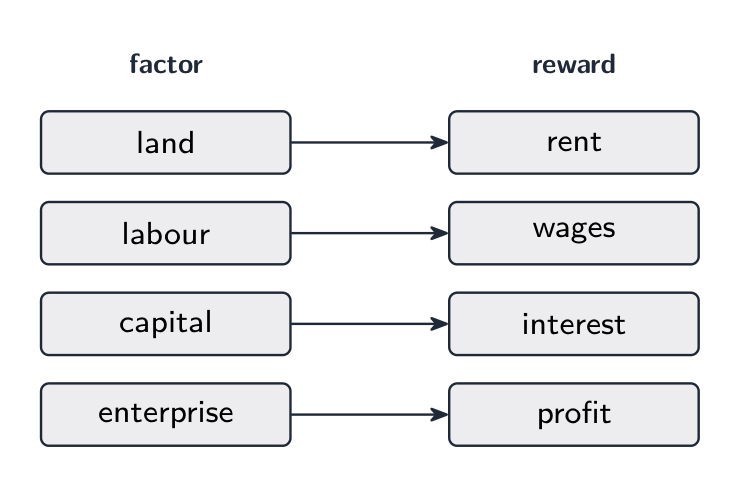


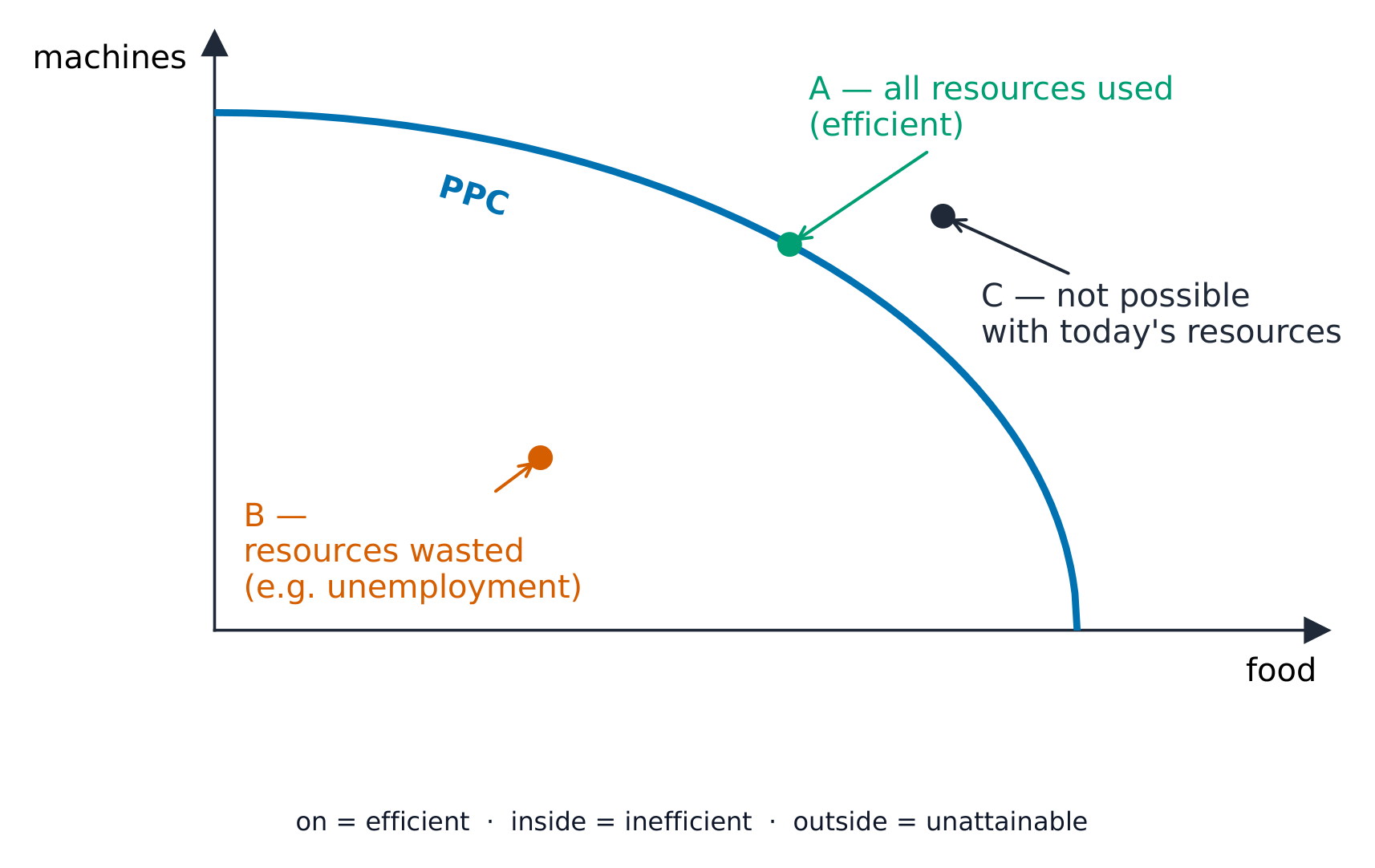


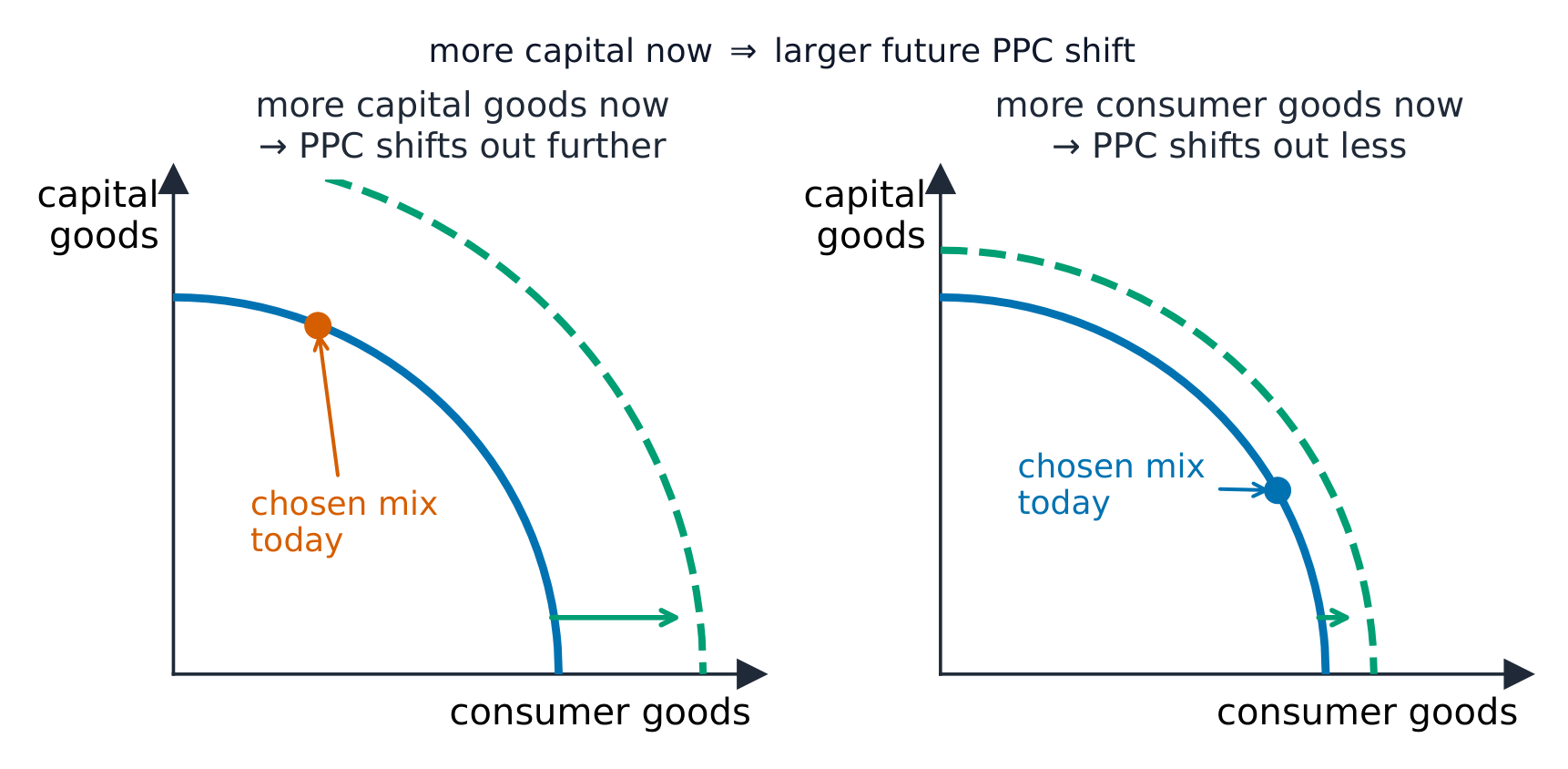

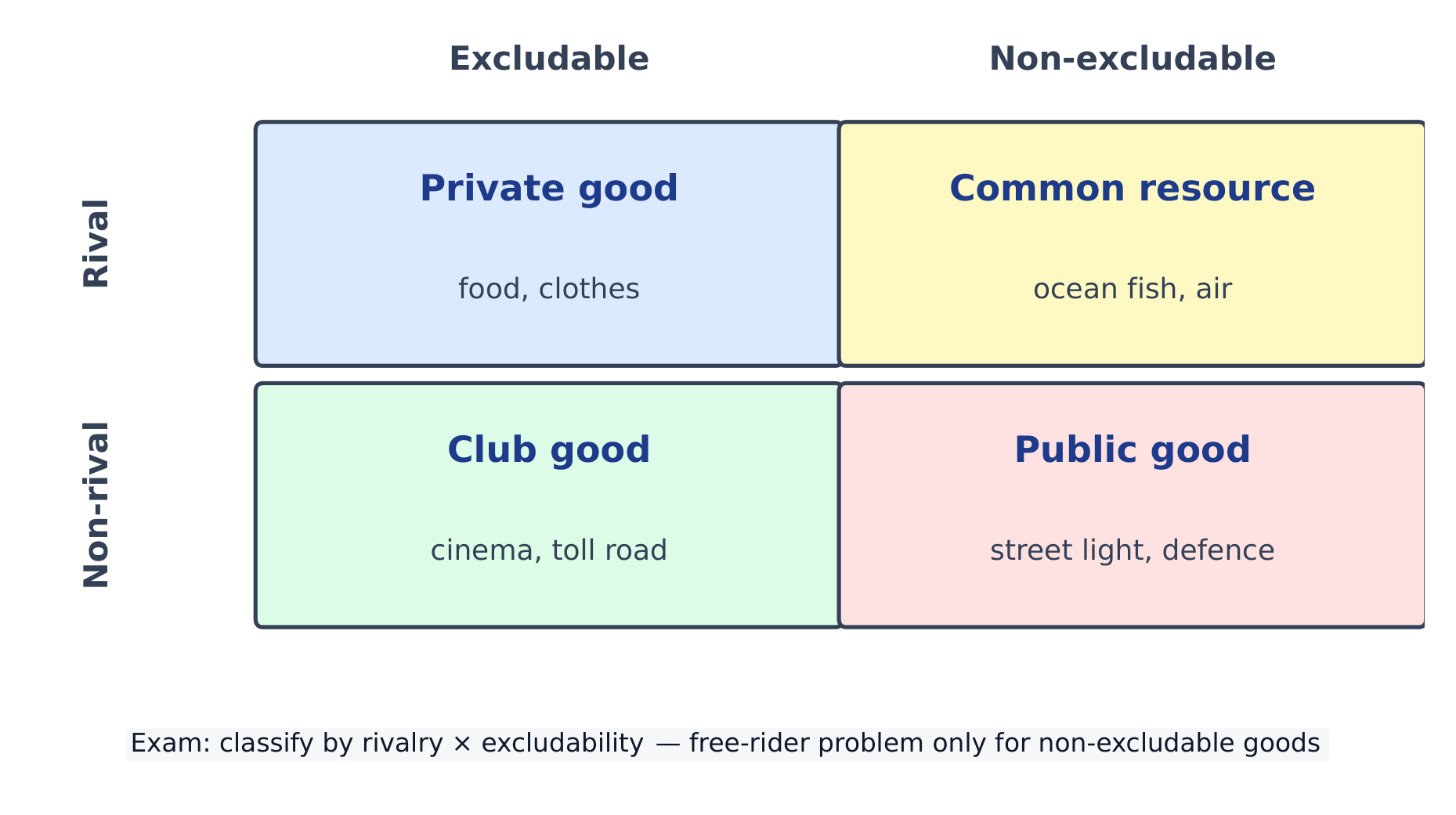


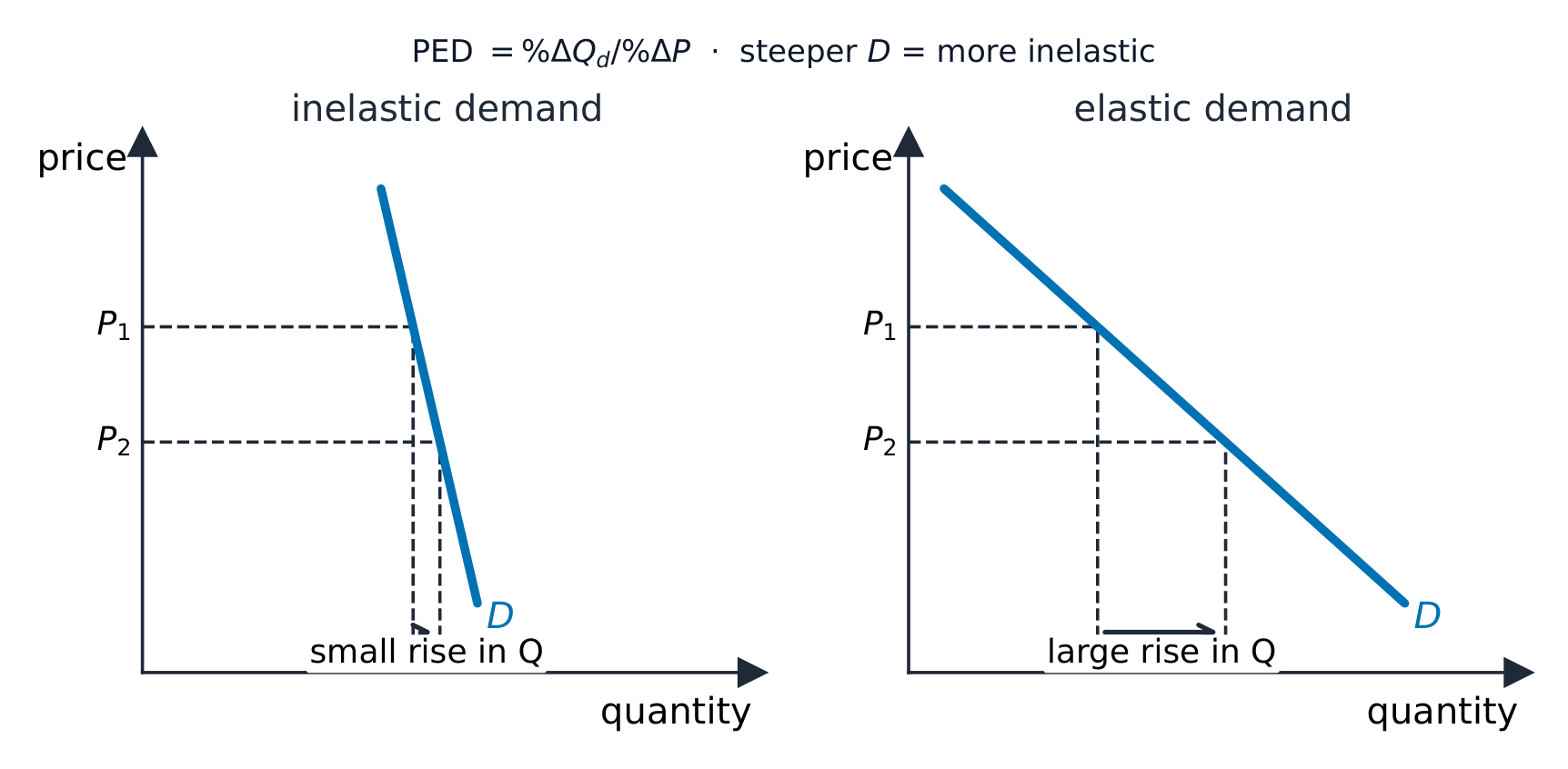


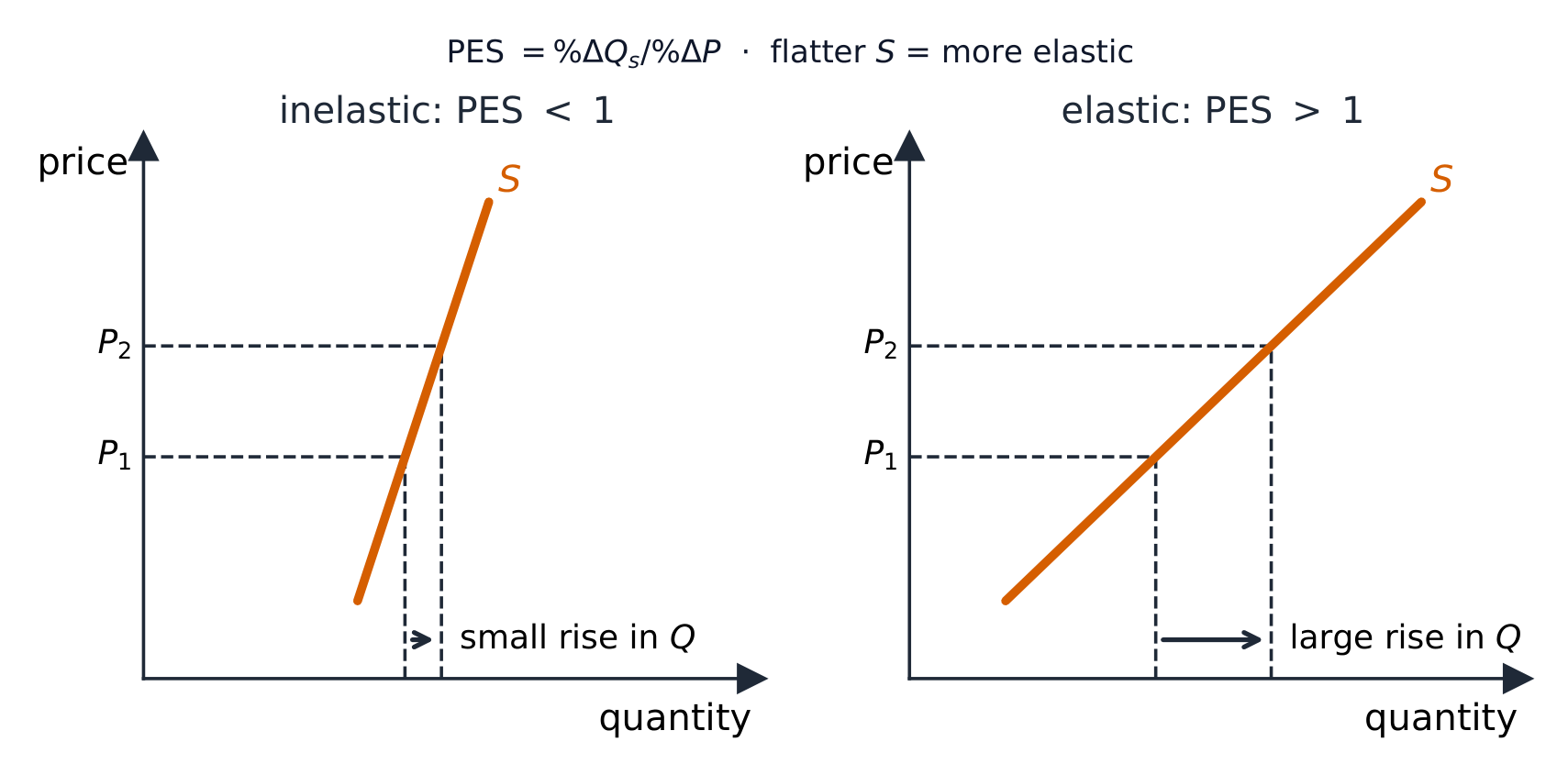

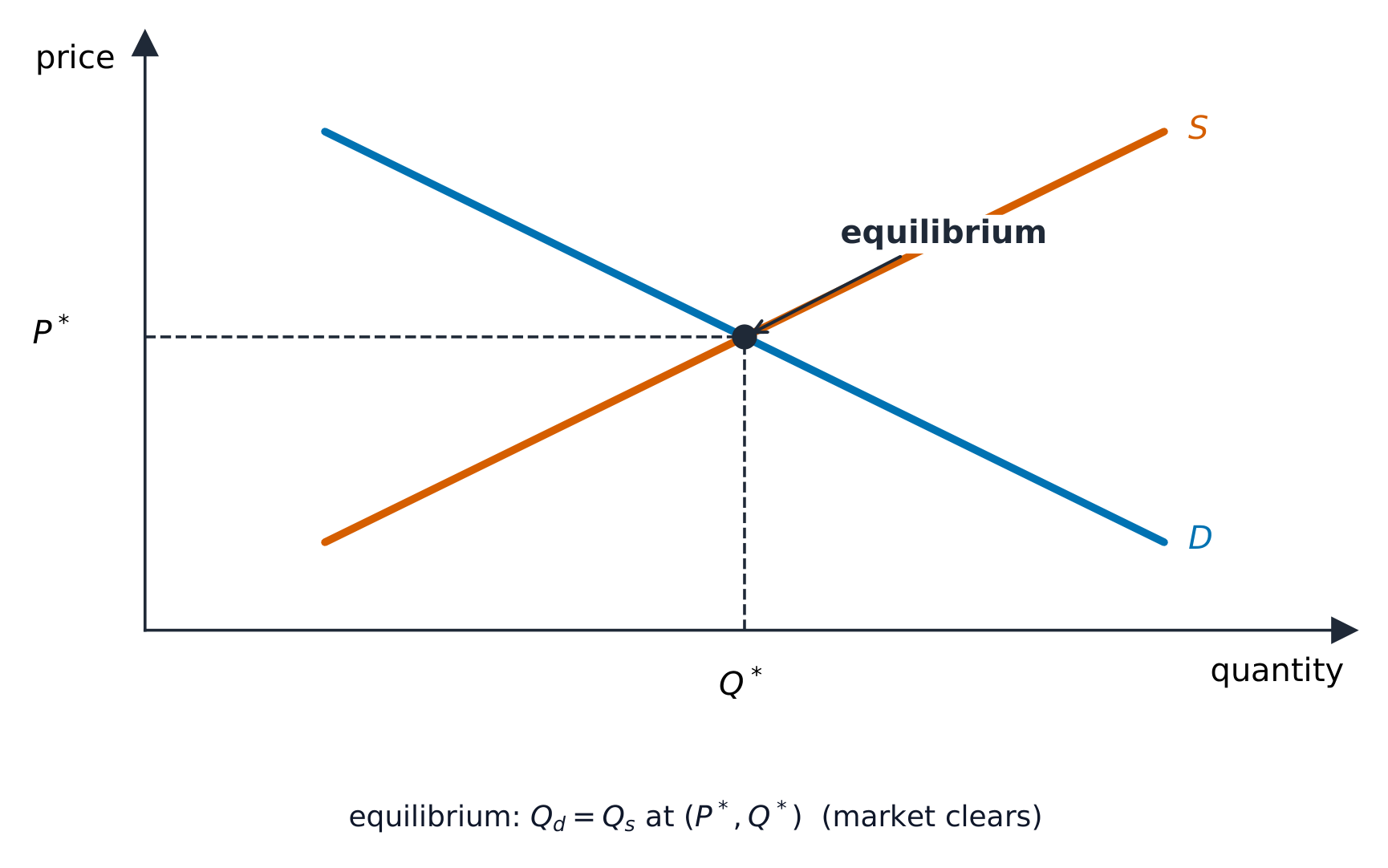
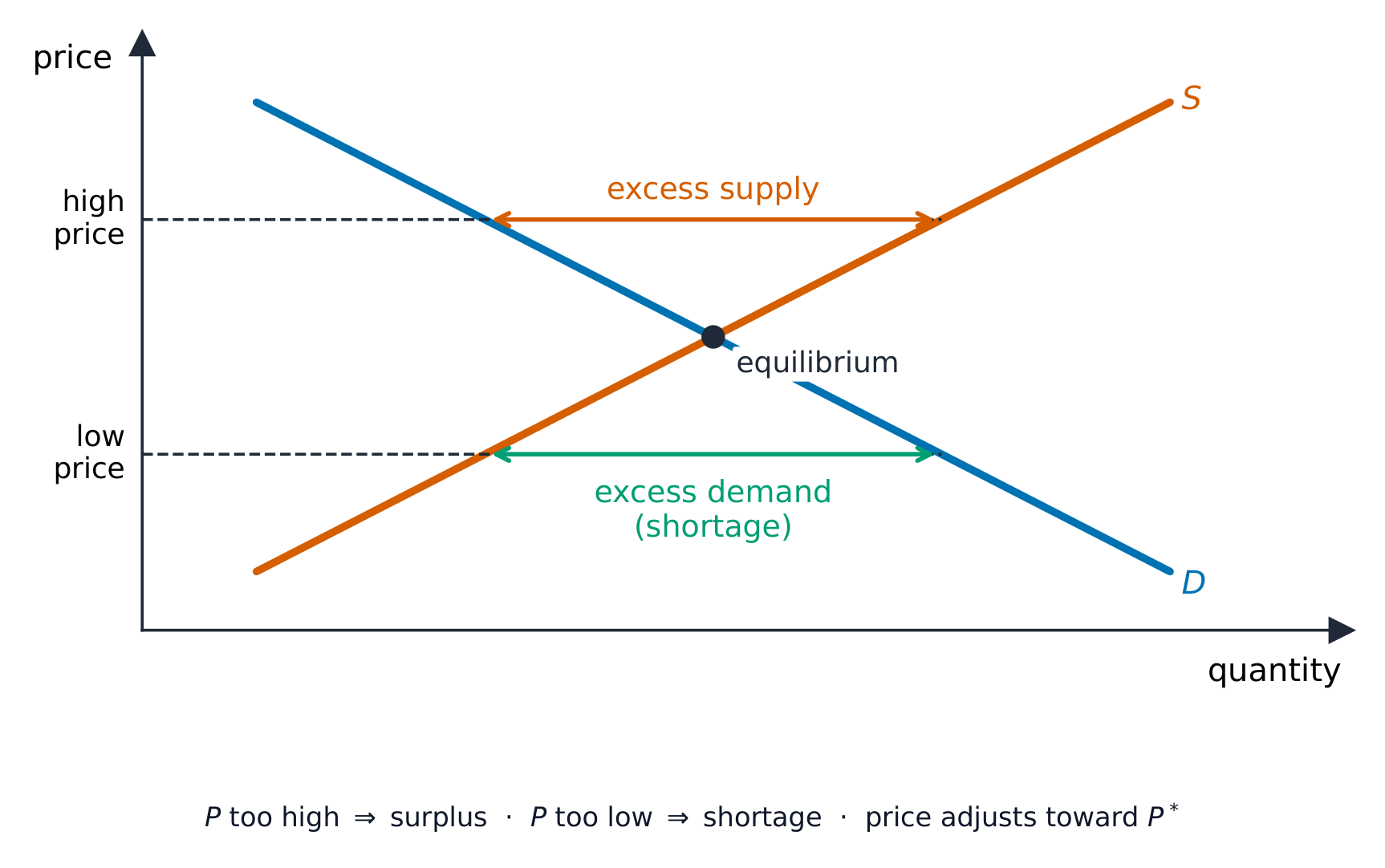
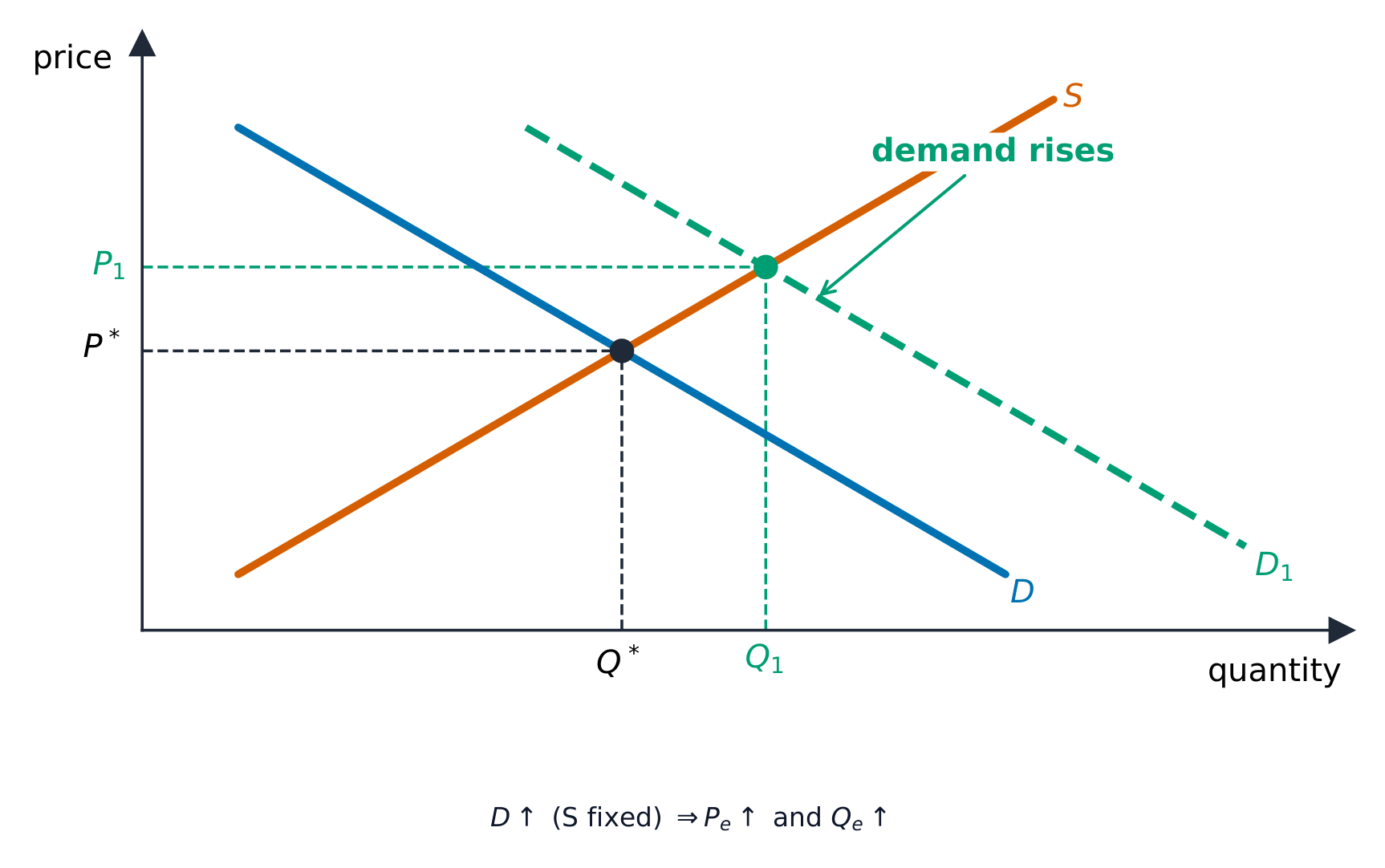
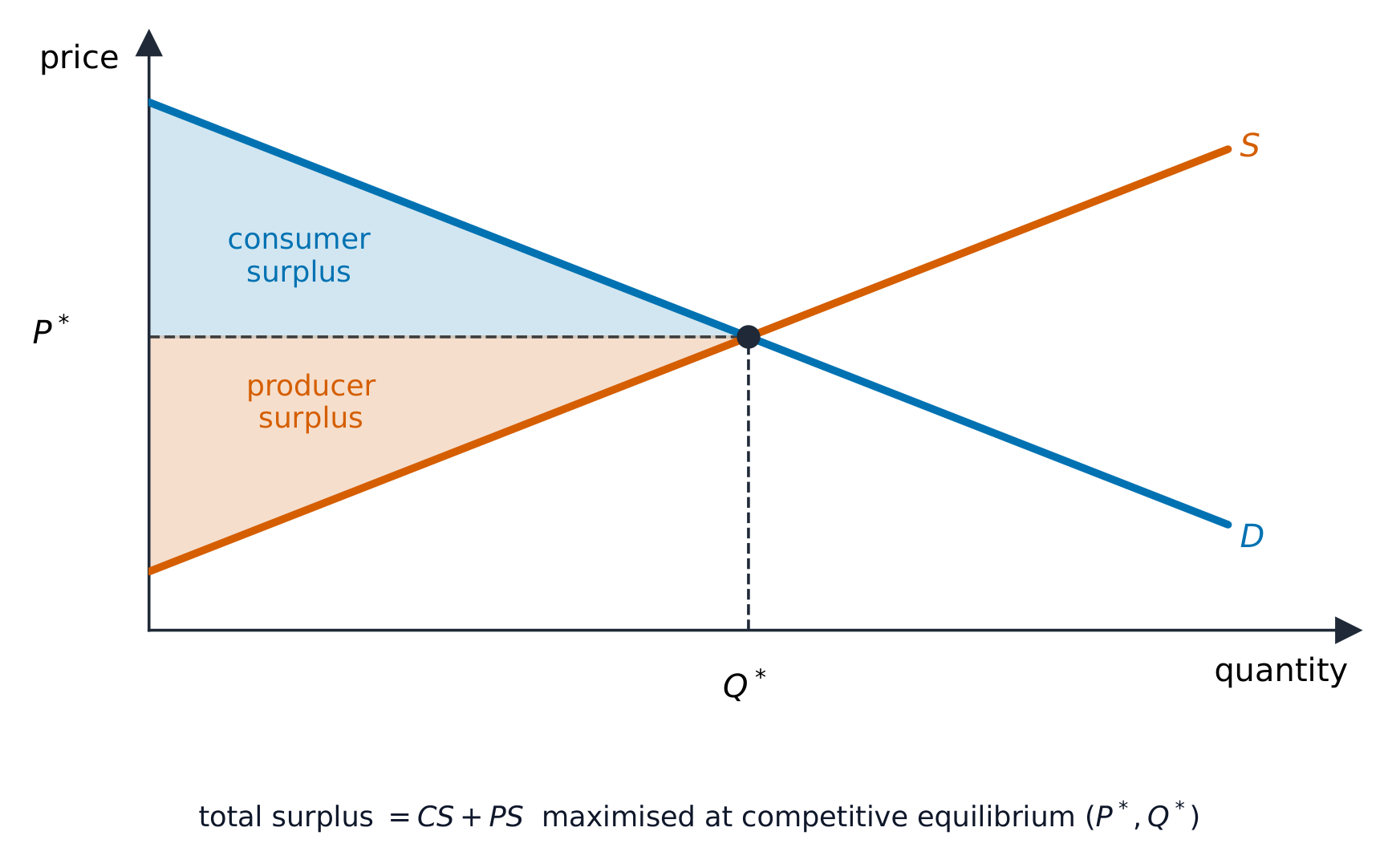

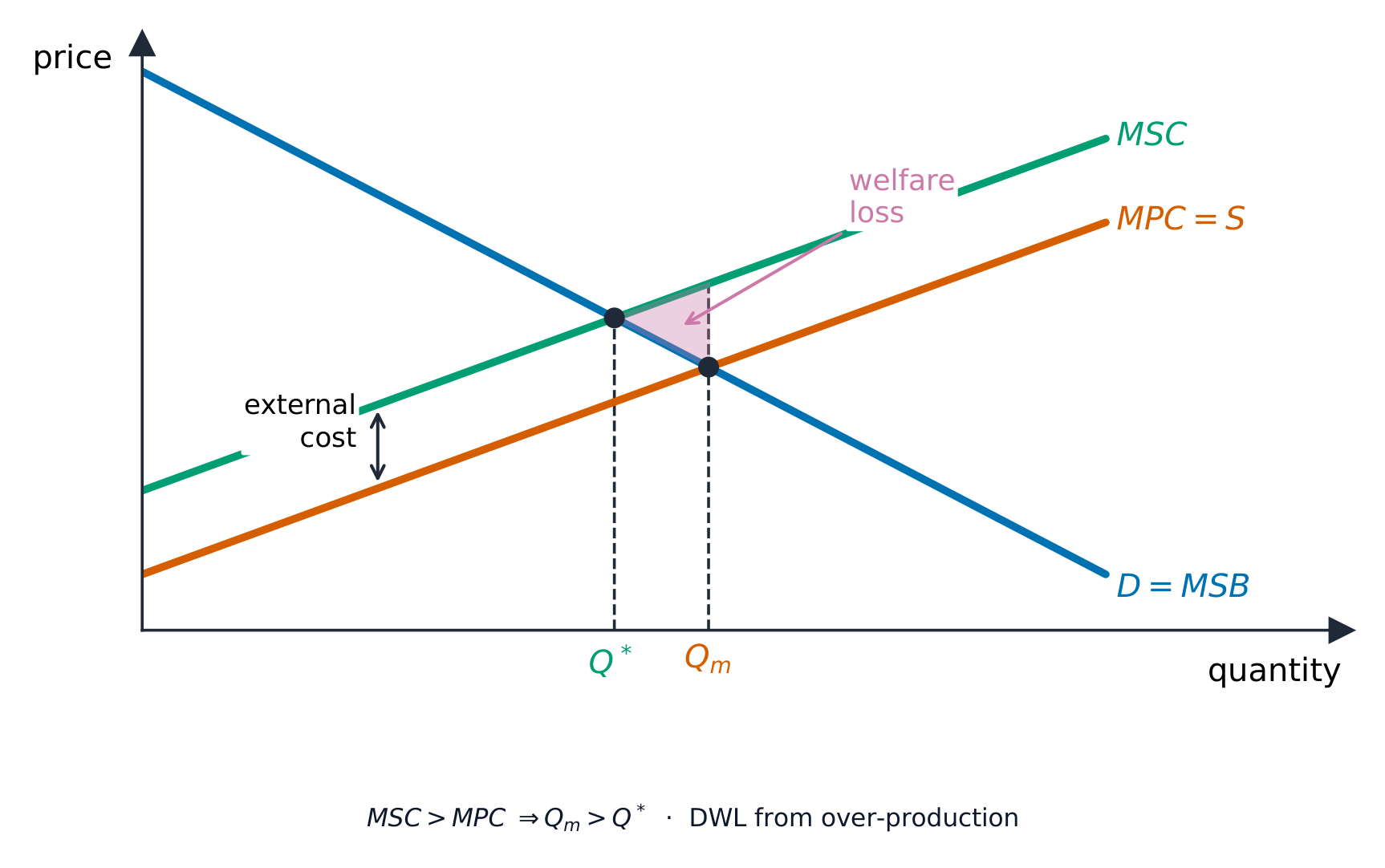


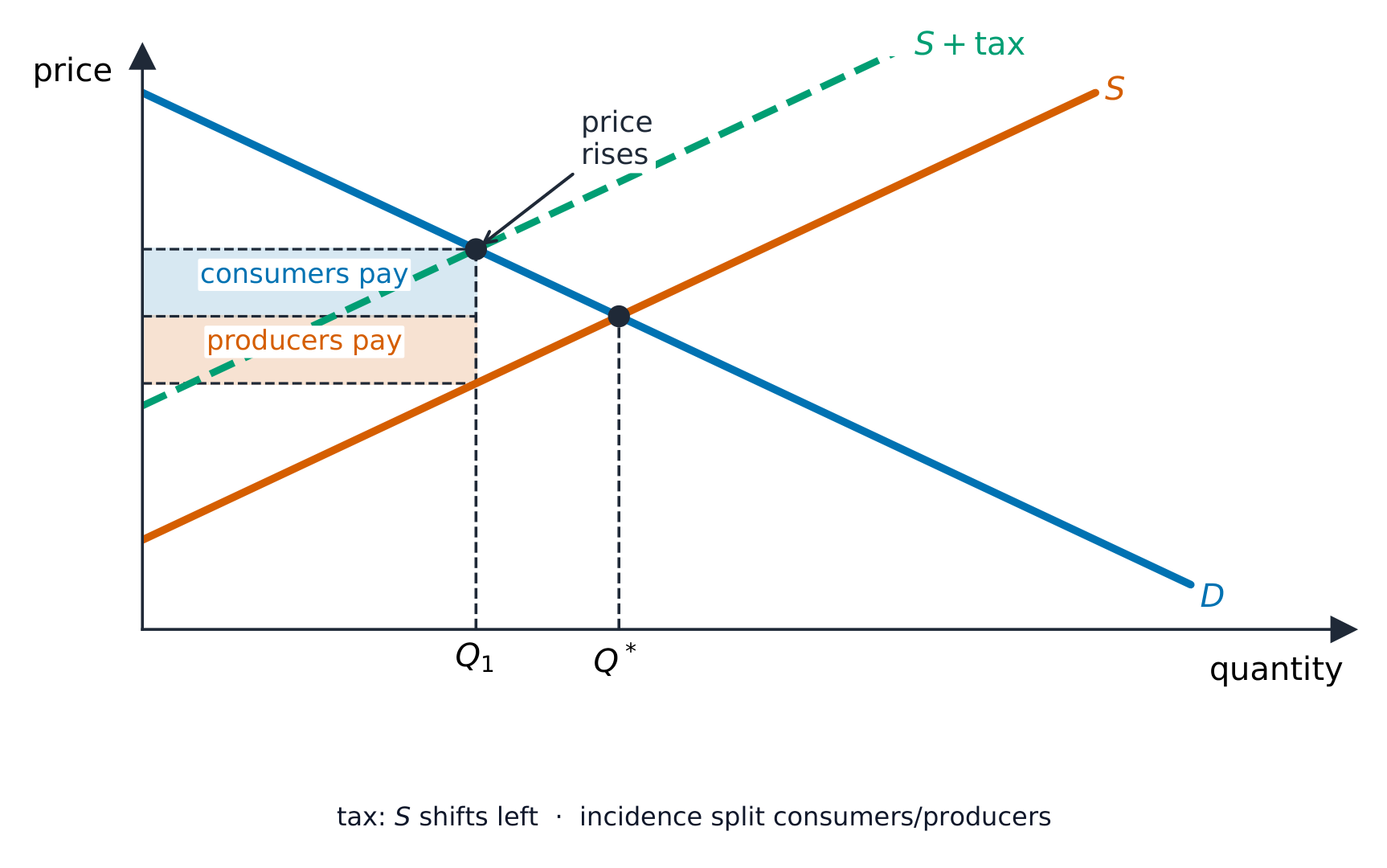

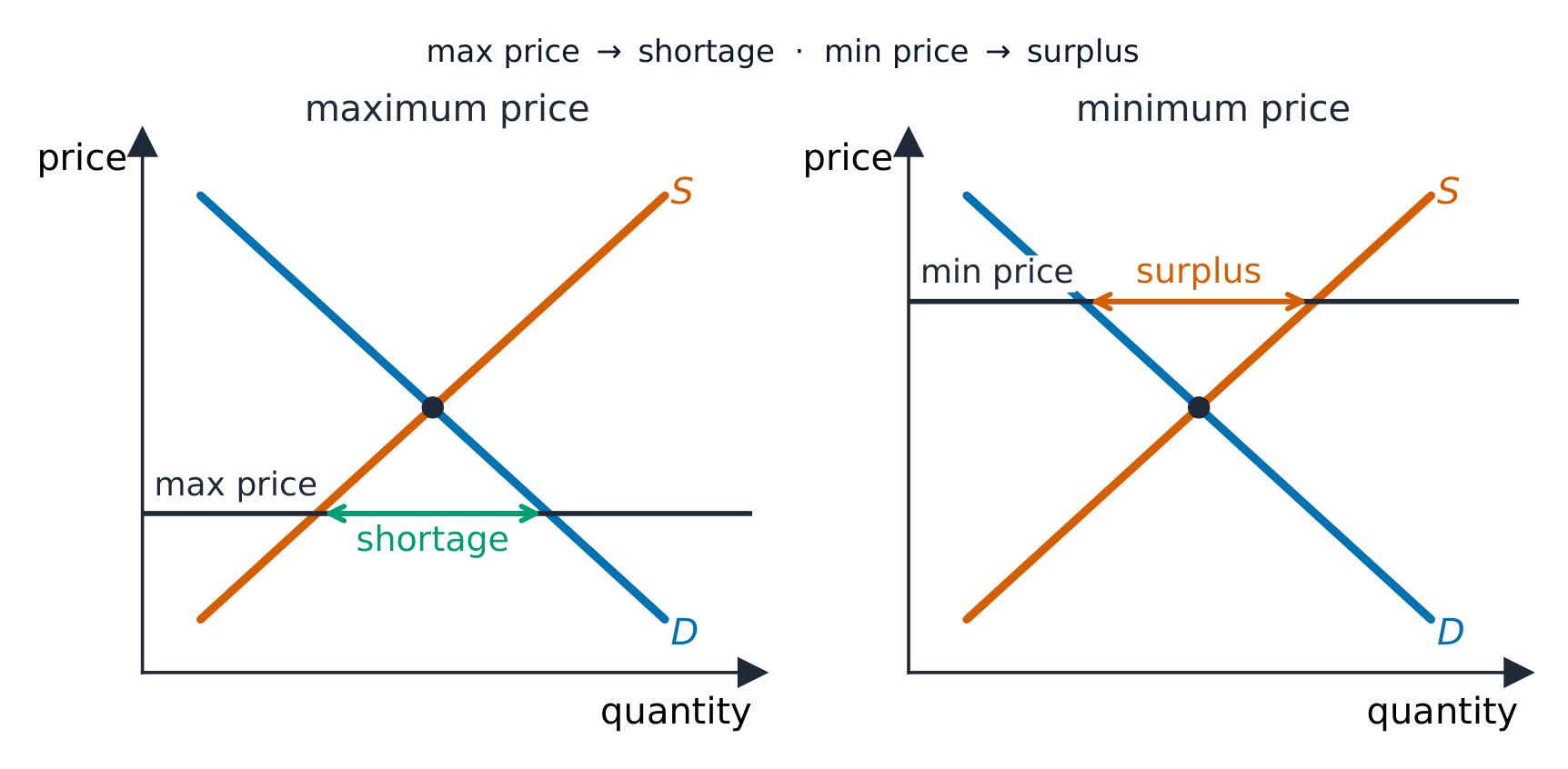


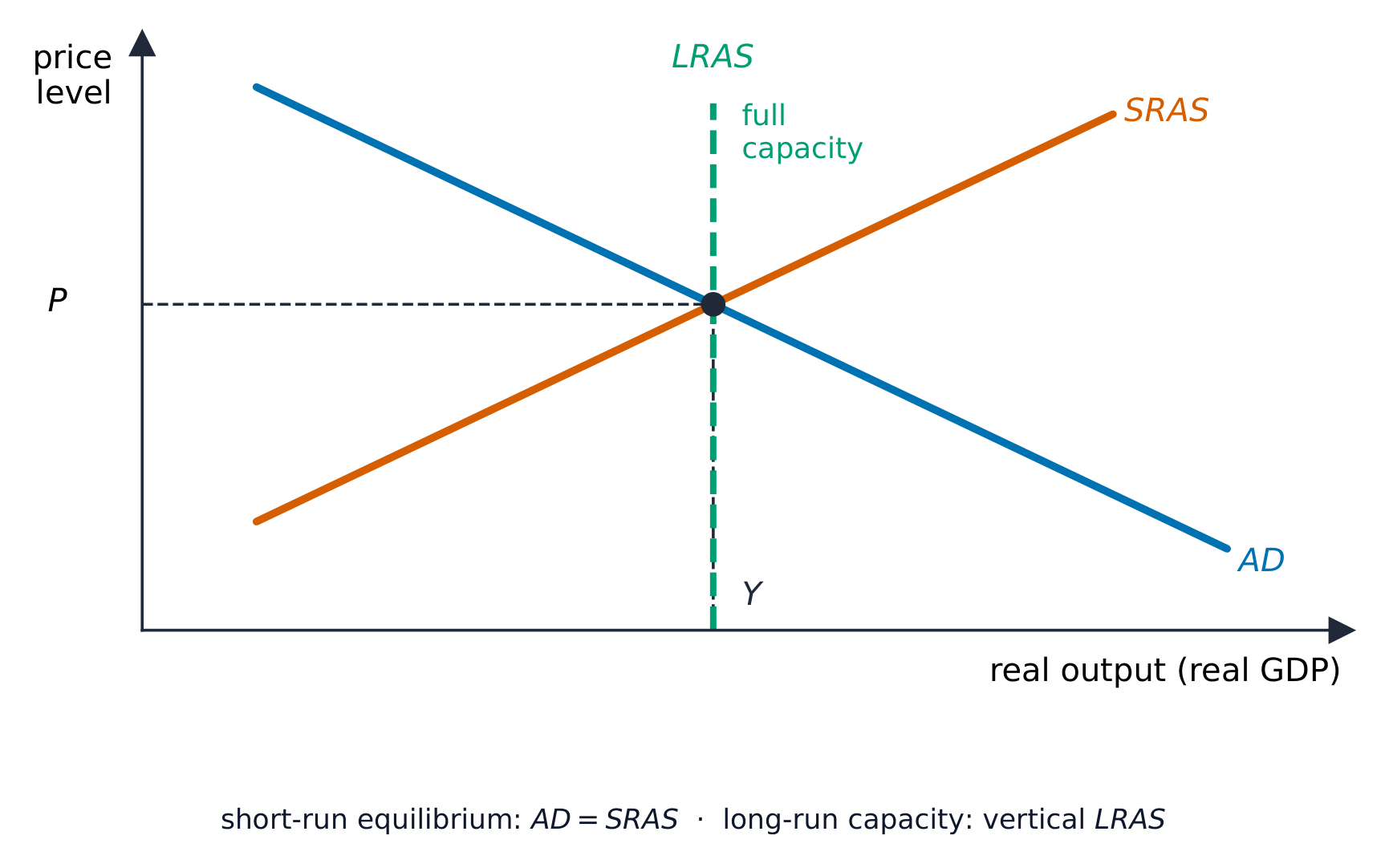
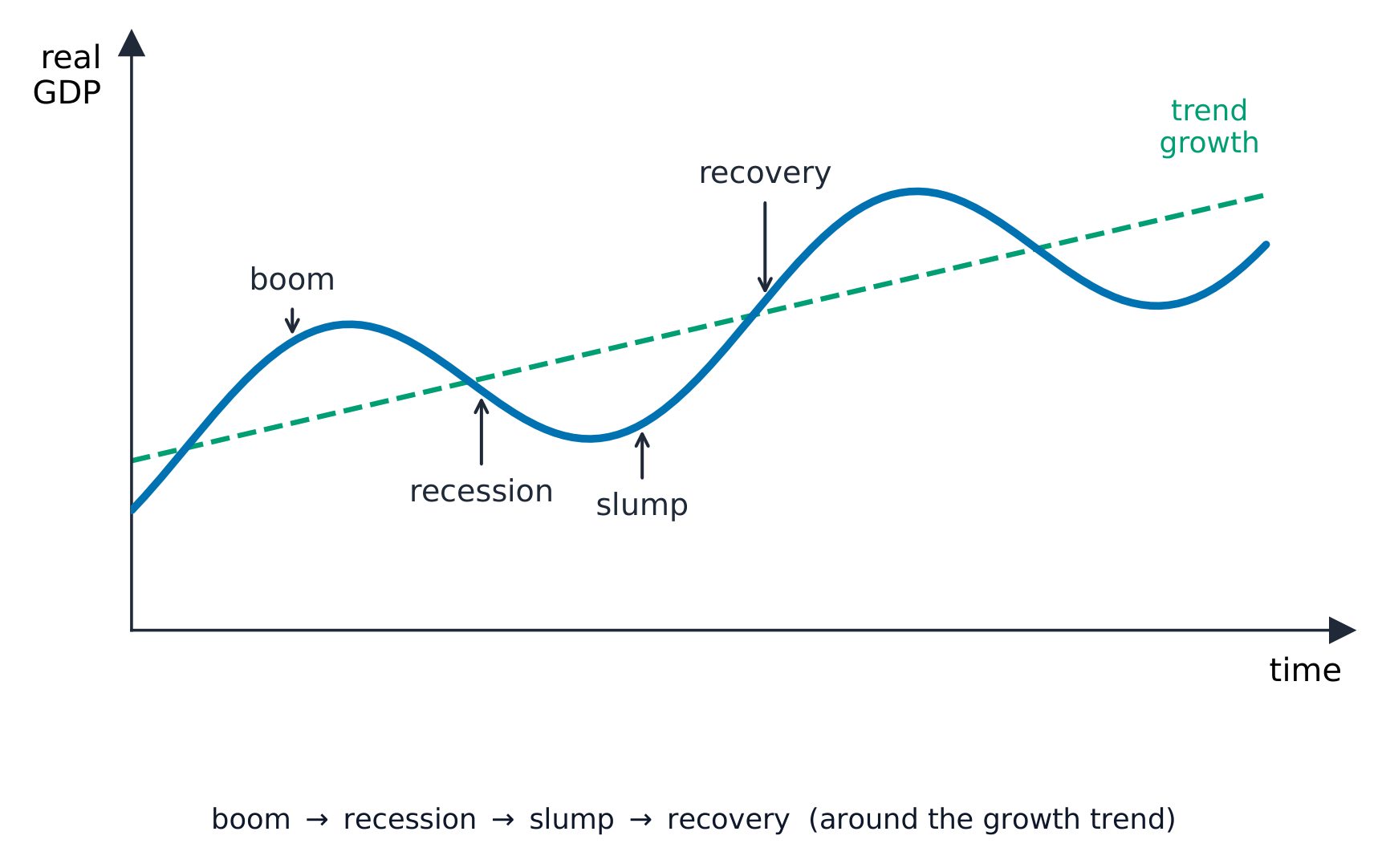
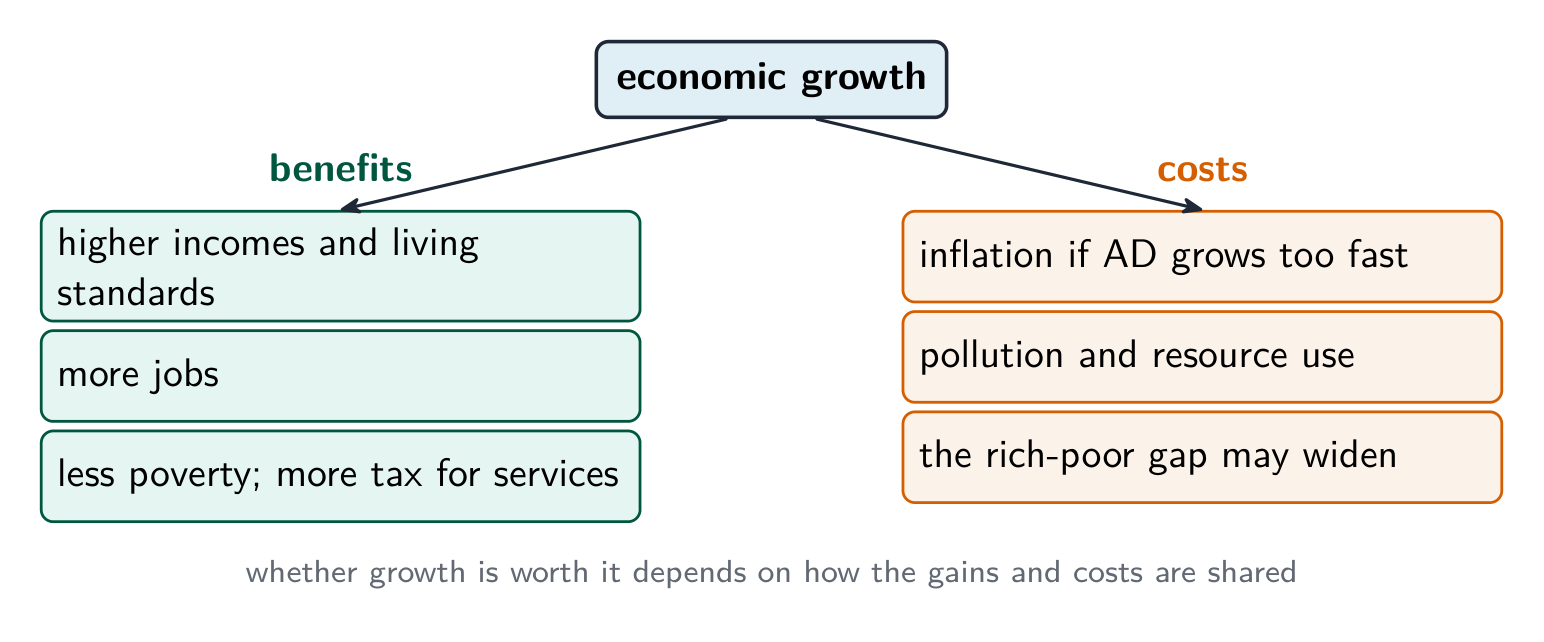
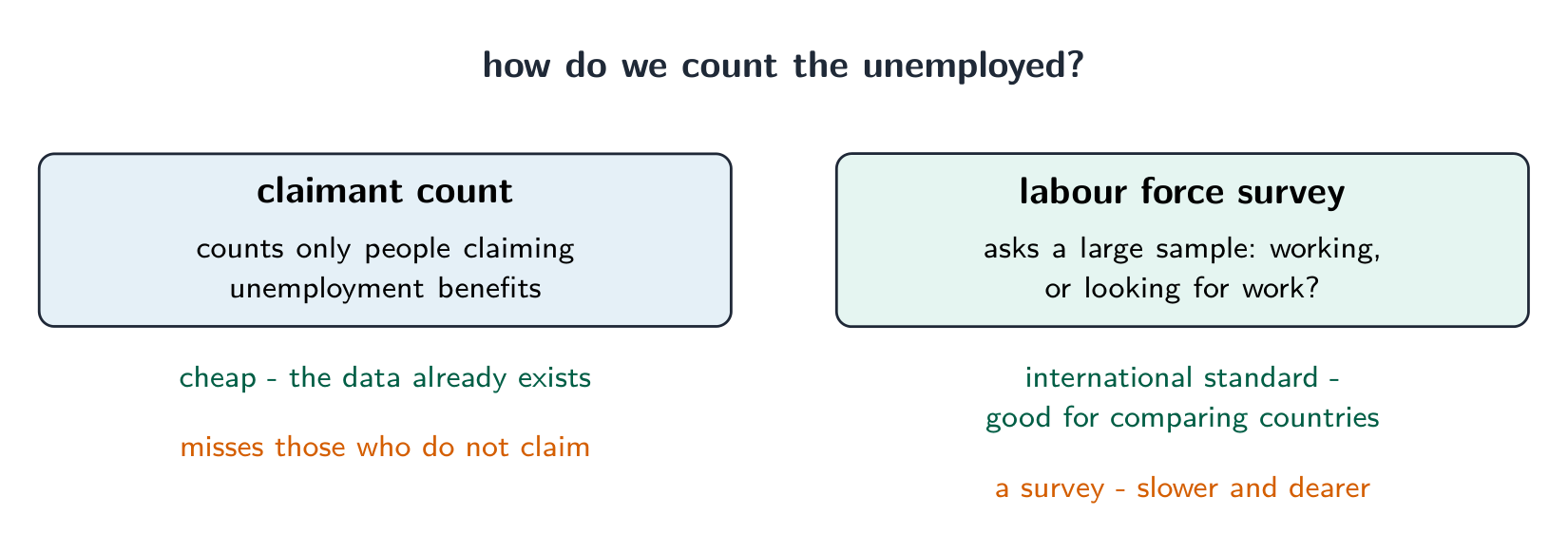


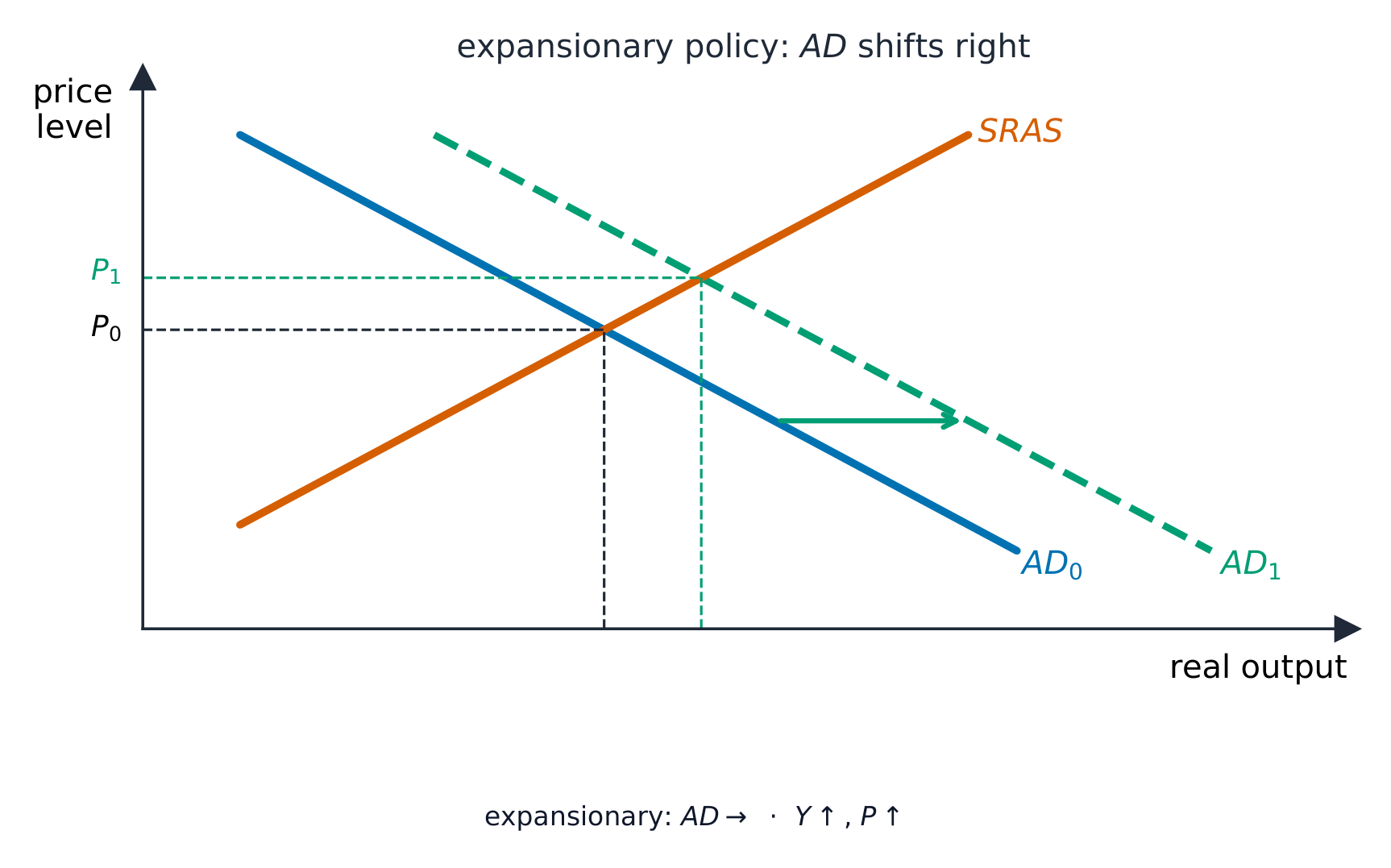


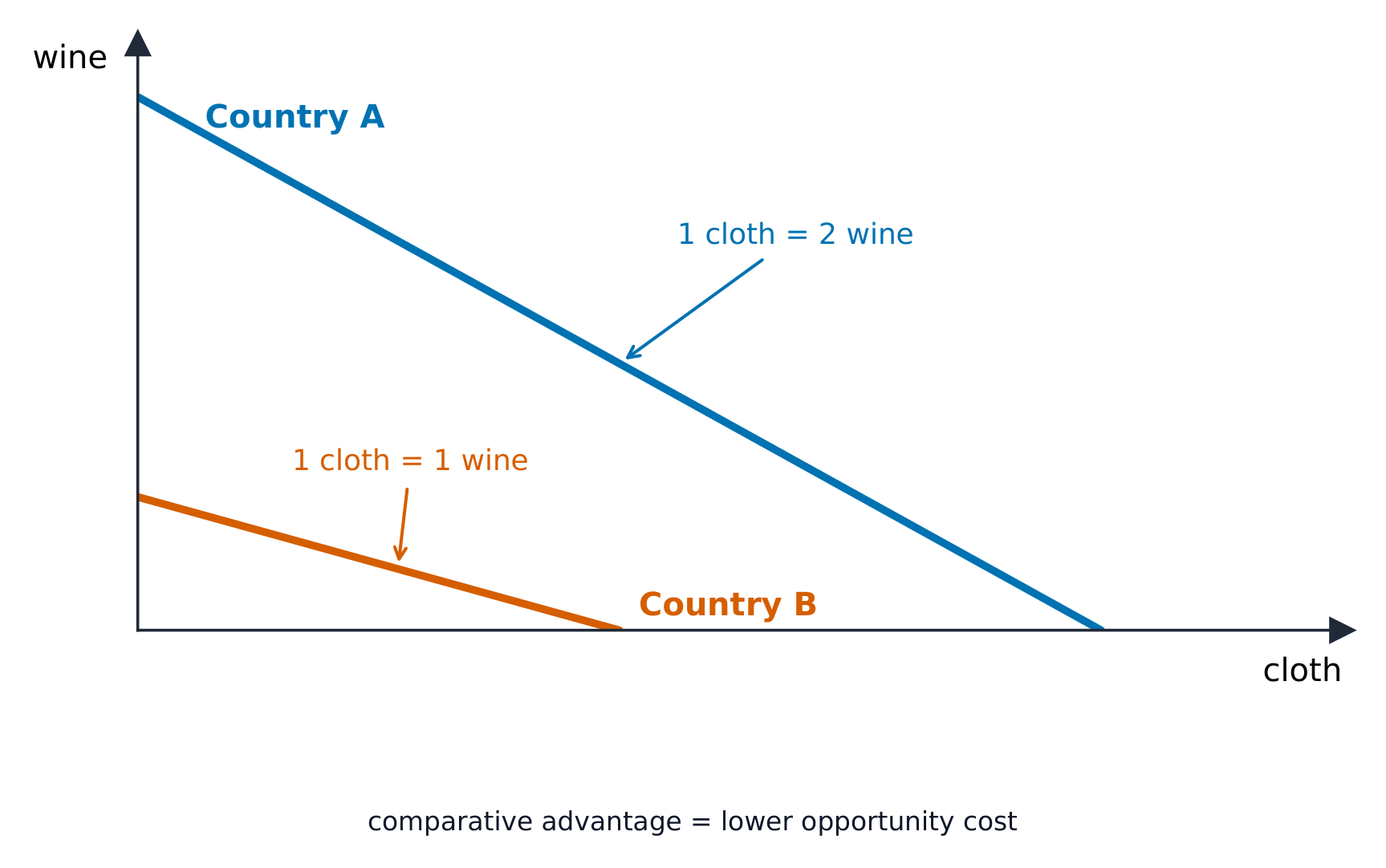


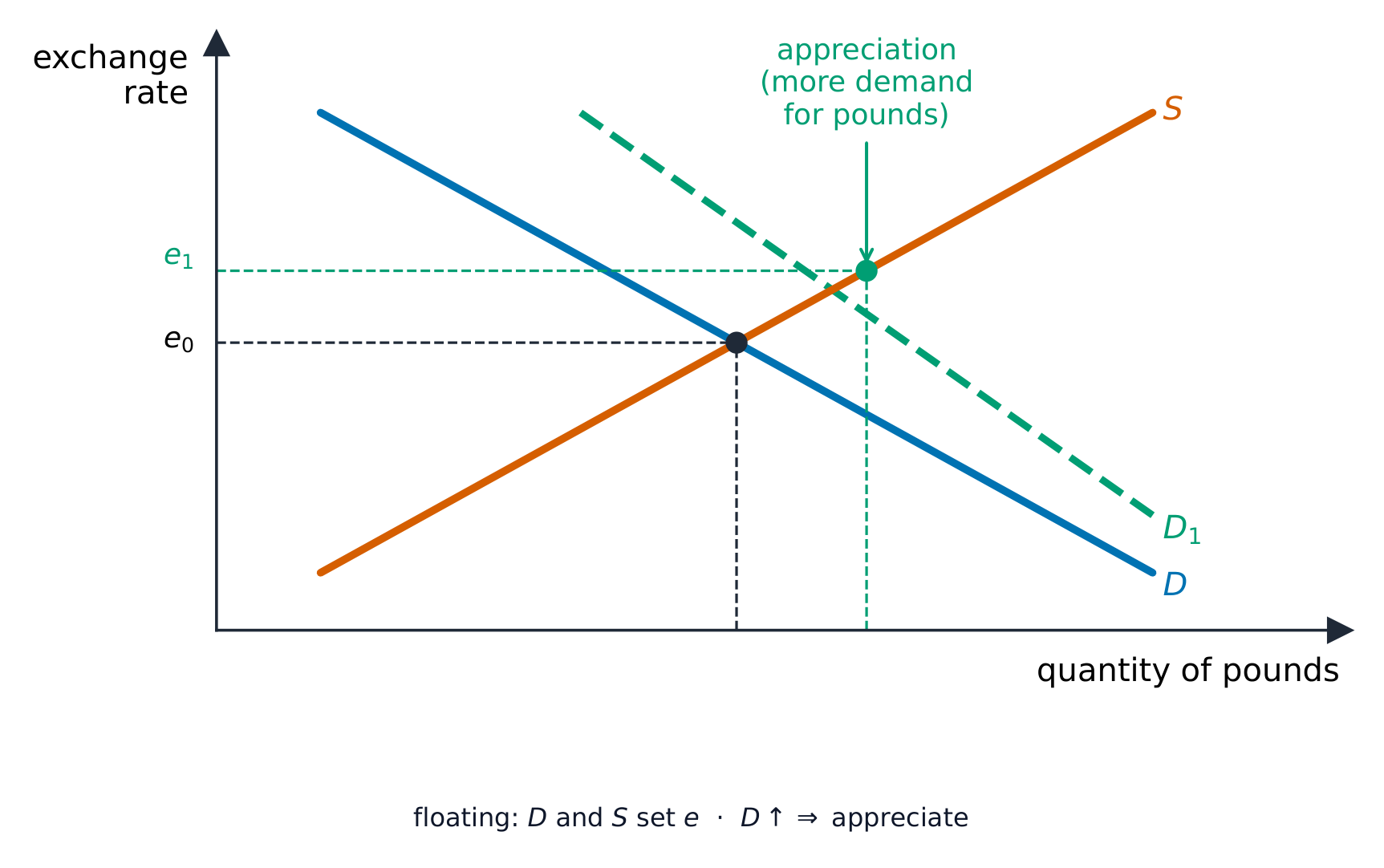


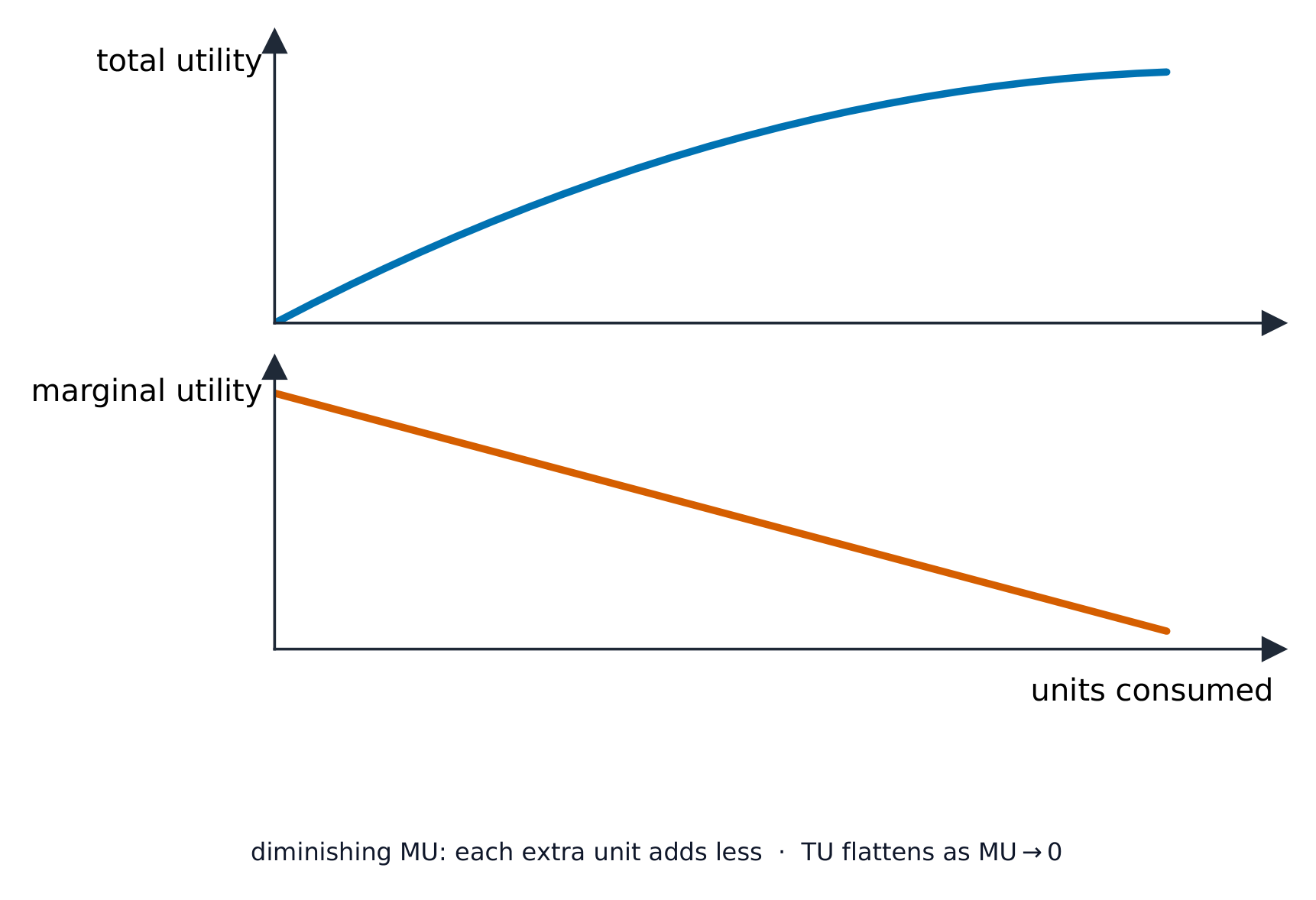
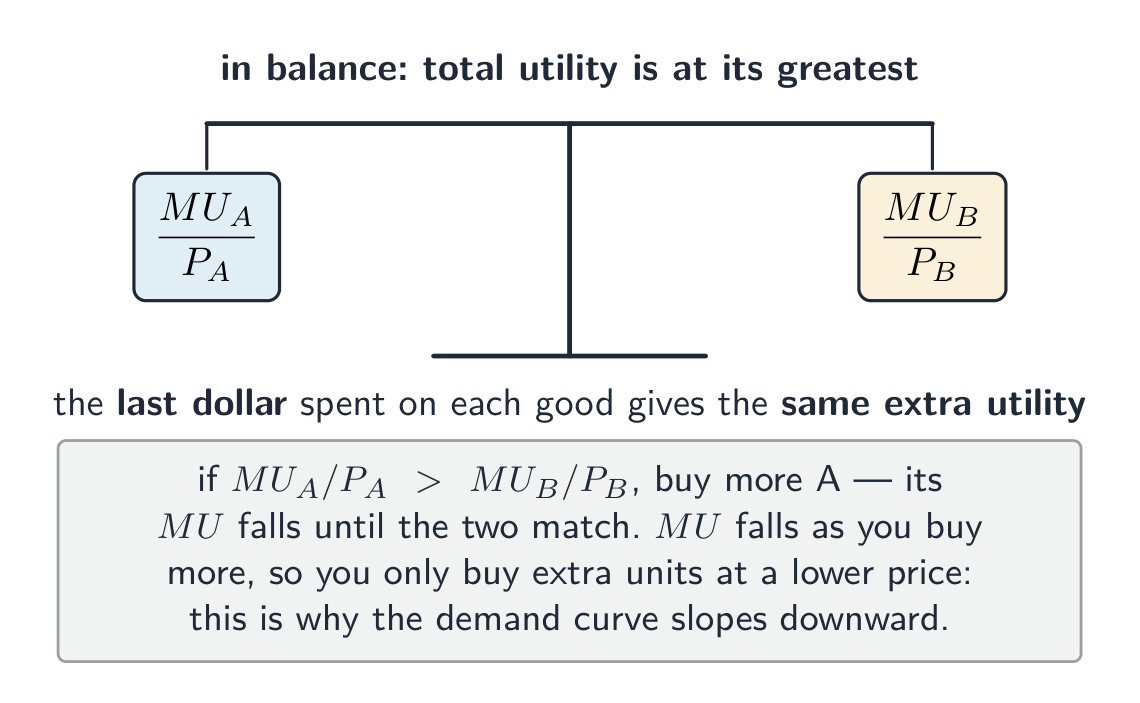


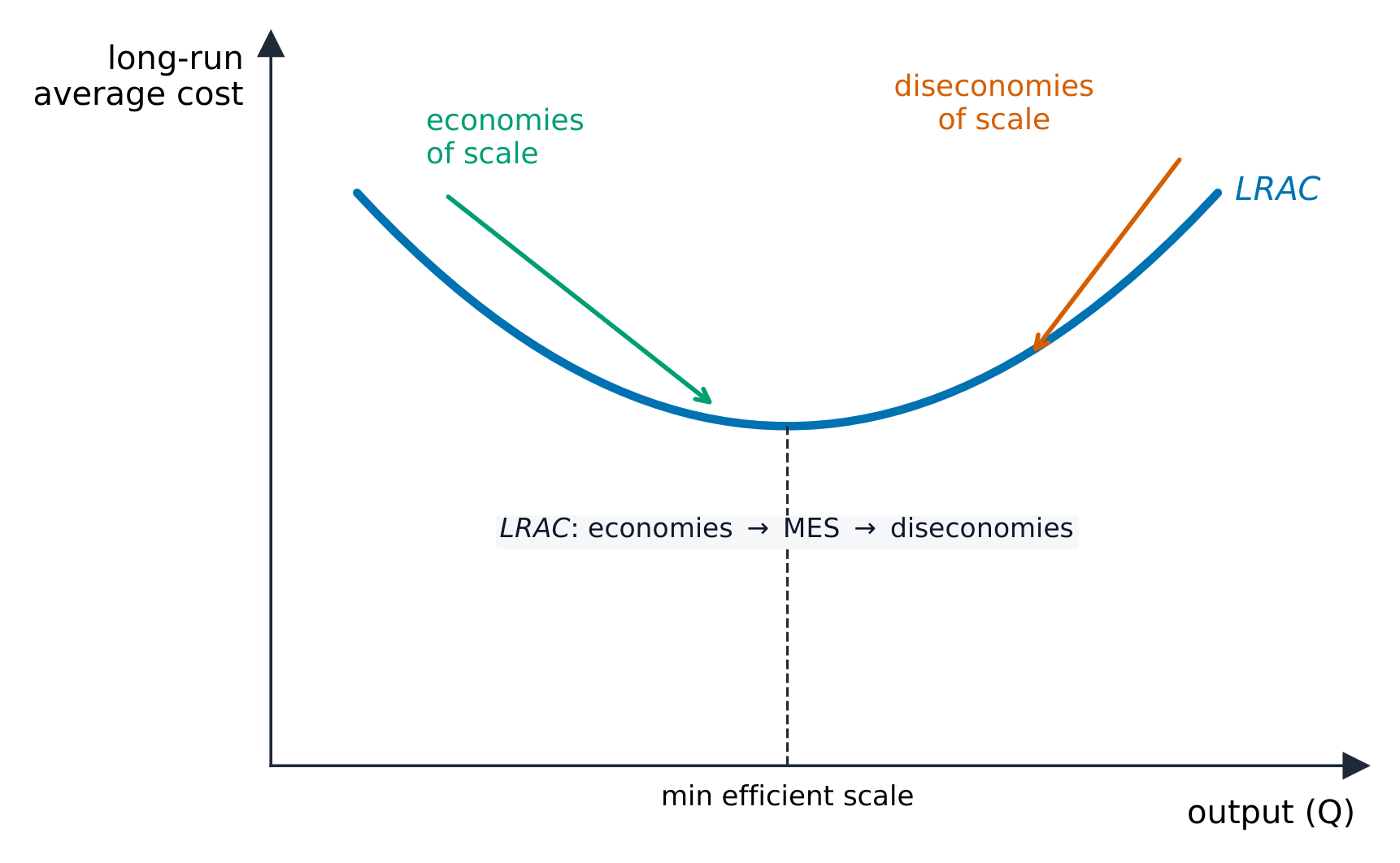

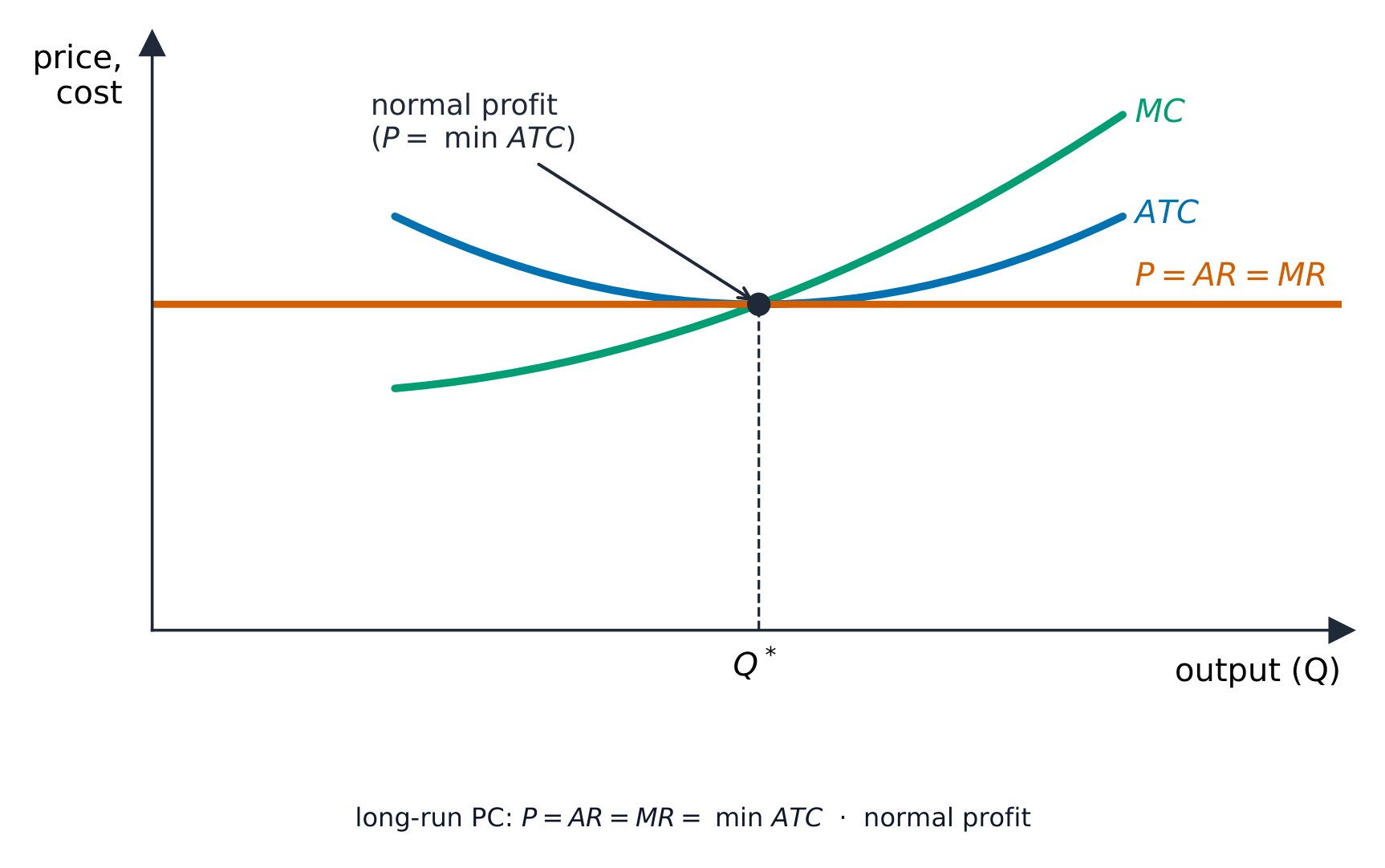


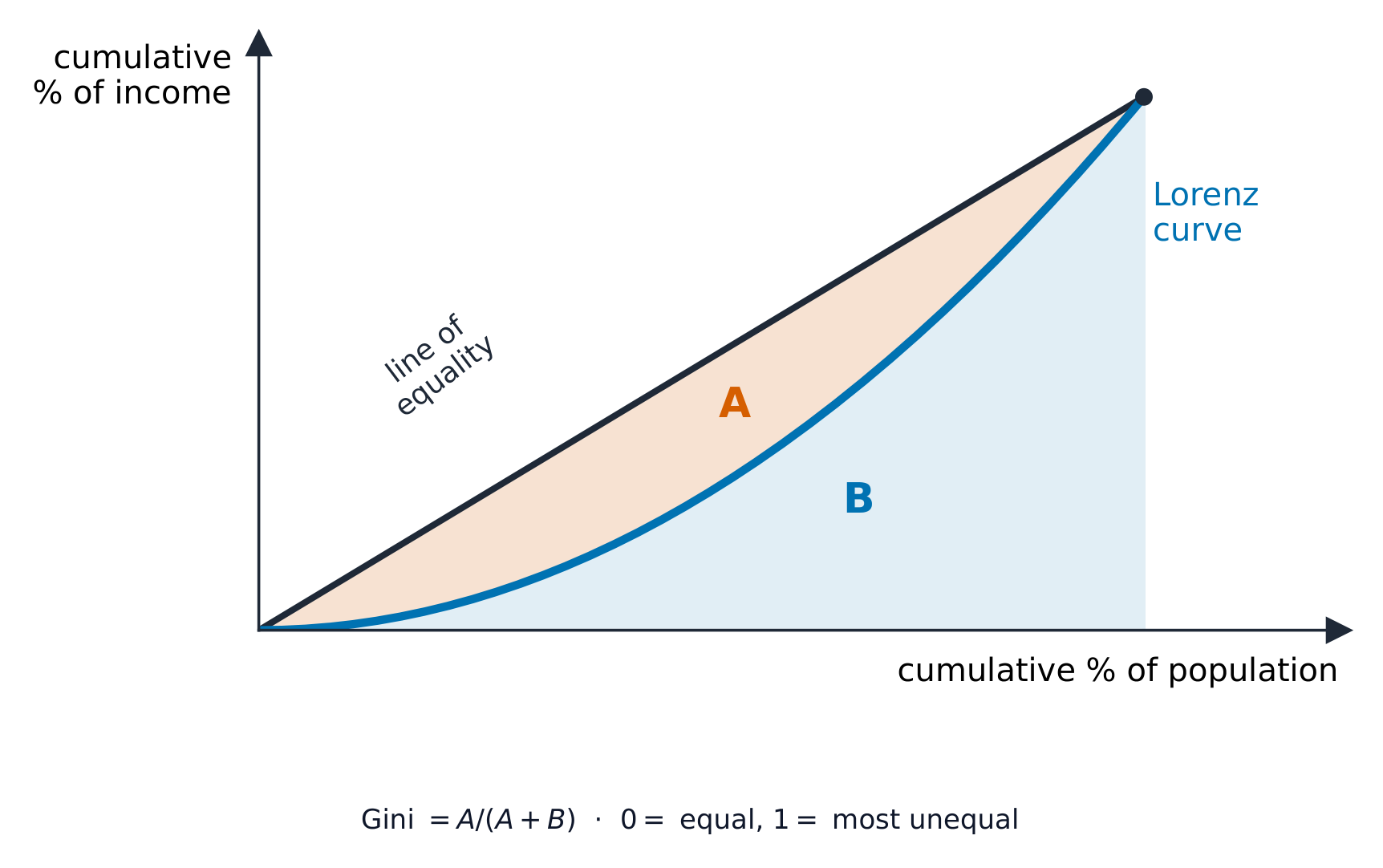 *يرسم منحنى لورنز نسبة تراكمية للدخل مقابل نسبة تراكمية للسكان؛ كلما انحنى أكثر أسفل خط التساوي، ارتفع معامل جيني.