Here is the puzzle at the centre of this period. An American farmer in 1890 grew more wheat than his father ever had, with better machines, on more land…
English narration · English + 中文 subtitles burned in
6.1 6.2 6.3
Westward Expansion after the Civil War
Syllabus
6.1 Contextualizing Period 6
Learning Objective
Preview: Unit 6 Key Concepts
Unit 6.A
Explain the historical context for the rise of industrial capitalism in the United States.
KC-6.1 Technological advances, large-scale production methods, and the opening of new markets encouraged the rise of industrial capitalism in the United States.
KC-6.1.I Large-scale industrial production— accompanied by massive technological change, expanding international communication networks, and pro-growth government policies—generated rapid economic development and business consolidation.
KC-6.1.II A variety of perspectives on the economy and labor developed during a time of financial panics and downturns.
KC-6.1.III New systems of production and transportation enabled consolidation within agriculture, which, along with periods of instability, spurred a variety of responses from farmers.
KC-6.2 The migrations that accompanied industrialization transformed both urban and rural areas of the United States and caused dramatic social and cultural change.
KC-6.2.I International and internal migration increased urban populations and fostered the growth of a new urban culture.
KC-6.2.II Larger numbers of migrants moved to the West in search of land and economic opportunity, frequently provoking competition and violent conflict.
KC-6.3 The Gilded Age produced new cultural and intellectual movements, public reform efforts, and political debates over economic and social policies.
KC-6.3.I New cultural and intellectual movements both buttressed and challenged the social order of the Gilded Age.
KC-6.3.II Dramatic social changes in the period inspired political debates over citizenship, corruption, and the proper relationship between business and government.
6.2 Westward Expansion: Economic Development
Thematic Focus
Learning Objective
Historical Developments
MIG Migration and Settlement — Push and pull factors shape immigration to and migration within America, and the demographic change as a result of these moves shapes the migrants, society, and the environment.
Unit 6.B
Explain the causes and effects of the settlement of the West from 1877 to 1898.
KC-6.1.III.A Improvements in mechanization helped agricultural production increase substantially and contributed to declines in food prices.
KC-6.1.III.B Many farmers responded to the increasing consolidation in agricultural markets and their dependence on the evolving railroad system by creating local and regional cooperative organizations.
KC-6.1.I.A Following the Civil War, government subsidies for transportation and communication systems helped open new markets in North America.
KC-6.2.II.A The building of transcontinental railroads, the discovery of mineral resources, and government policies promoted economic growth and created new communities and centers of commercial activity.
6.3 Westward Expansion: Social and Cultural Development
Thematic Focus
Learning Objective
Historical Developments
MIG Migration and Settlement — Push and pull factors shape immigration to and migration within America, and the demographic change as a result of these moves shapes the migrants, society, and the environment.
Unit 6.B
Explain the causes and effects of the settlement of the West from 1877 to 1898.
KC-6.2.II.B In hopes of achieving ideals of self-sufficiency and independence, migrants moved to both rural and boomtown areas of the West for opportunities, such as building the railroads, mining, farming, and ranching.
KC-6.2.II.C As migrant populations increased in number and the American bison population was decimated, competition for land and resources in the West among white settlers, American Indians, and Mexican Americans led to an increase in violent conflict.
KC-6.2.II.D The U.S. government violated treaties with American Indians and responded to resistance with military force, eventually confining American Indians to reservations and denying tribal sovereignty.
KC-6.2.II.E Many American Indians preserved their cultures and tribal identities despite government policies promoting assimilation, and they attempted to develop self-sustaining economic practices.
Source: College Board AP Course and Exam Description
Period 6 runs from 1865 to 1898 - the Gilded Age 镀金时代. Industry, migration, and the West transform the country, and every transformation produces a political argument about who benefits.
Improvements in mechanization 机械化 raised agricultural production substantially, while railroads carried crops to national and world markets. But the same forces squeezed farmers: consolidation in agricultural markets 农产品市场集中化 left them facing high freight rates, expensive credit, and falling crop prices.
Westward settlement also meant the final dispossession of American Indians. Federal policy moved from treaties to reservations 保留地 and then to assimilation 同化 through the Dawes Act 道斯法, which divided communal land into individual plots and transferred the surplus to settlers.
consolidation in agricultural markets/kənˌsɒlɪˈdeɪʃn ɪn ˌæɡrɪˈkʌltʃərəl ˈmɑːkɪts/
reservations/ˌrezəˈveɪʃnz/
assimilation/əˌsɪmɪˈleɪʃn/
Dawes Act/dɔːz ækt/
6.4 6.5 6.6
The Rise of Industrial Capitalism
Syllabus
6.4 The “New South”
Thematic Focus
Learning Objective
Historical Developments
NAT American and National Identity — The development of and debates about democracy, freedom, citizenship, diversity, and individualism shape American national identity, cultural values, and beliefs about American exceptionalism, and in turn, these ideas shape political institutions and society. Throughout American history, notions of national identity and culture have coexisted with varying degrees of regional and group identities.
Unit 6.C
Explain how various factors contributed to continuity and change in the “New South” from 1877 to 1898.
KC-6.1.II.D Despite the industrialization of some segments of the Southern economy—a change promoted by Southern leaders who called for a “New South”—agriculture based on sharecropping and tenant farming continued to be the primary economic activity in the South.
KC-6.3.II.C The Supreme Court decision in Plessy v. Ferguson that upheld racial segregation (known as Jim Crow) helped to mark the end of most of the political gains African Americans made during Reconstruction. Facing increased violence, discrimination, and scientific theories of race, African American reformers continued to fight for political and social equality.
6.5 Technological Innovation
Thematic Focus
Learning Objective
Historical Developments
WXT Work, Exchange, and Technology — The interplay between markets, private enterprise, labor, technology, and government policy shape the American economy. In turn, economic activity shapes society and government policy and drives technological innovation.
Unit 6.D
Explain the effects of technological advances in the development of the United States over time.
KC-6.1.I.B.i Businesses made use of technological innovations and greater access to natural resources to dramatically increase the production of goods.
6.6 The Rise of Industrial Capitalism
Thematic Focus
Learning Objective
Historical Developments
WXT Work, Exchange, and Technology — The interplay between markets, private enterprise, labor, technology, and government policy shape the American economy. In turn, economic activity shapes society and government policy and drives technological innovation.
Unit 6.E
Explain the socioeconomic continuities and changes associated with the growth of industrial capitalism from 1865 to 1898.
KC-6.1.I Large-scale industrial production— accompanied by massive technological change, expanding international communication networks, pro-growth government policies—generated rapid economic development and business consolidation.
KC-6.1.I.B.ii Businesses made use of redesigned financial and management structures, advances in marketing, and a growing labor force to dramatically increase the production of goods.
KC-6.1.I.D Many business leaders sought increased profits by consolidating corporations into large trusts and holding companies, which further concentrated wealth.
KC-6.1.I.E.i Businesses increasingly looked outside U.S. borders in an effort to gain greater influence and control over markets and natural resources in the Pacific Rim, Asia, and Latin America.
Source: College Board AP Course and Exam Description
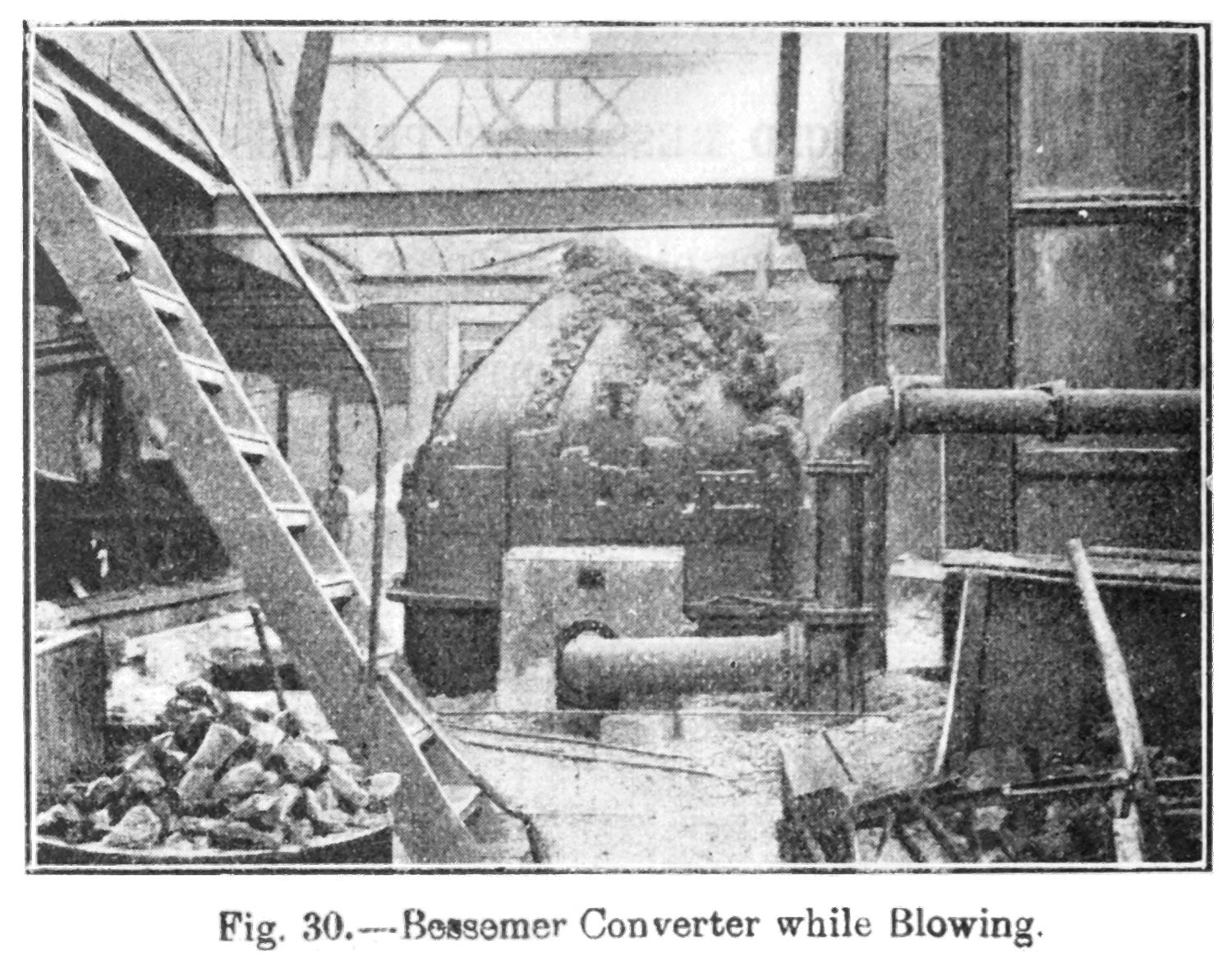
Industrial growth involved technology, management, a growing workforce, wider markets and pro-growth government policies. Businesses used new corporate structures 公司组织形式, including trusts and holding companies, for consolidation 合并: bringing firms under concentrated control.
Try it — distinguish mechanisms. Teacher-written cases: A business adopts new machinery and management methods to produce more goods. Several firms are brought under a large trust or holding company. Better transport and communication connect producers with more distant markets. Explain which changes production, which changes ownership, and which changes market access. Which most directly shows consolidation?
Worked mechanisms. New technology and management could raise output; more goods alone do not prove that fewer owners control an industry. Trusts and holding companies concentrated control over businesses and wealth. Transport and communication connected producers with wider markets. Businesses also sought markets and natural resources outside the United States. These mechanisms could interact; they are not interchangeable labels for growth.
Try it — assess two claims. Teaching evidence paraphrased from CED Topics 6.6–6.7: many goods became cheaper, workers' real wages increased, and many Americans could afford more goods and services. At the same time the gap between rich and poor grew, and consolidation concentrated wealth. Claim A says that if workers could buy more, inequality must have fallen. Claim B says that if inequality grew, no worker's living standard could improve. Assess both, distinguishing purchasing power from the distribution of wealth.
Worked judgment. Lower prices could let wages buy more goods and services. Living standards could improve without workers becoming as wealthy as business owners. Wealth could become more concentrated while many workers' purchasing power improved, so neither claim follows. Improved affordability also did not end disputes over wages and working conditions.
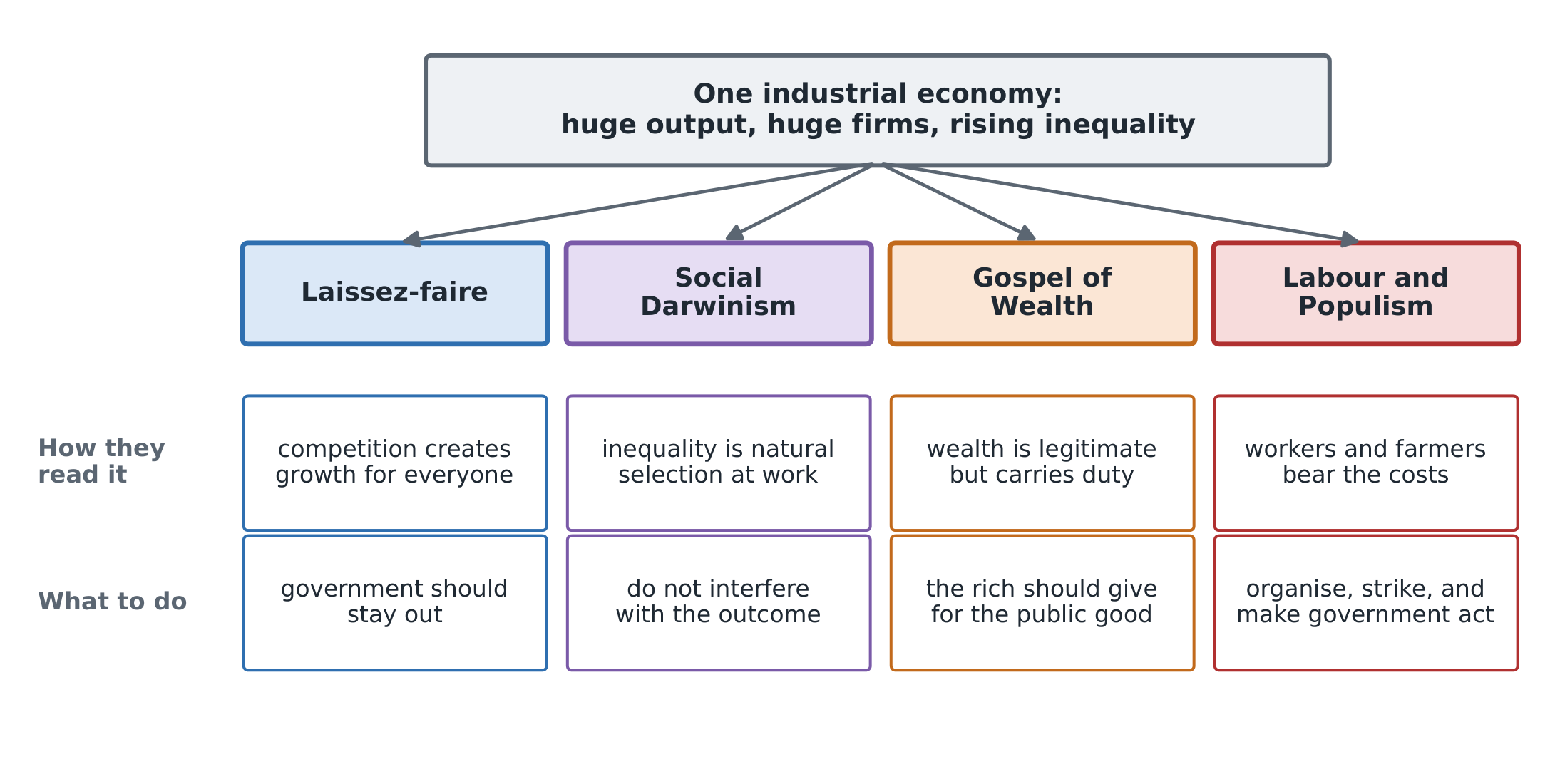
Some defended laissez-faire 自由放任, arguing that competition promoted long-term growth and opposing government intervention during economic downturns. This was a policy argument; it does not mean government was absent from industrial development. Pro-growth government policies also helped industrial growth. Many living standards improved alongside rising inequality 不平等加剧; downturns and labour conflicts prompted debates over policy.
WXT Work, Exchange, and Technology — The interplay between markets, private enterprise, labor, technology, and government policy shape the American economy. In turn, economic activity shapes society and government policy and drives technological innovation.
Unit 6.E
Explain the socioeconomic continuities and changes associated with the growth of industrial capitalism from 1865 to 1898.
KC-6.1.I.C As the price of many goods decreased, workers’ real wages increased, providing new access to a variety of goods and services; many Americans’ standards of living improved, while the gap between rich and poor grew.
KC-6.1.II.C Labor and management battled over wages and working conditions, with workers organizing local and national unions and/or directly confronting business leaders.
KC-6.1.II.B.i The industrial workforce expanded and child labor increased.
Source: College Board AP Course and Exam Description
One economy, four responses: each group diagnosed a different problem and proposed a different remedy
A variety of perspectives 各种不同的立场 on the economy and labour developed. Workers faced long hours, dangerous conditions, and wages that fell during downturns.
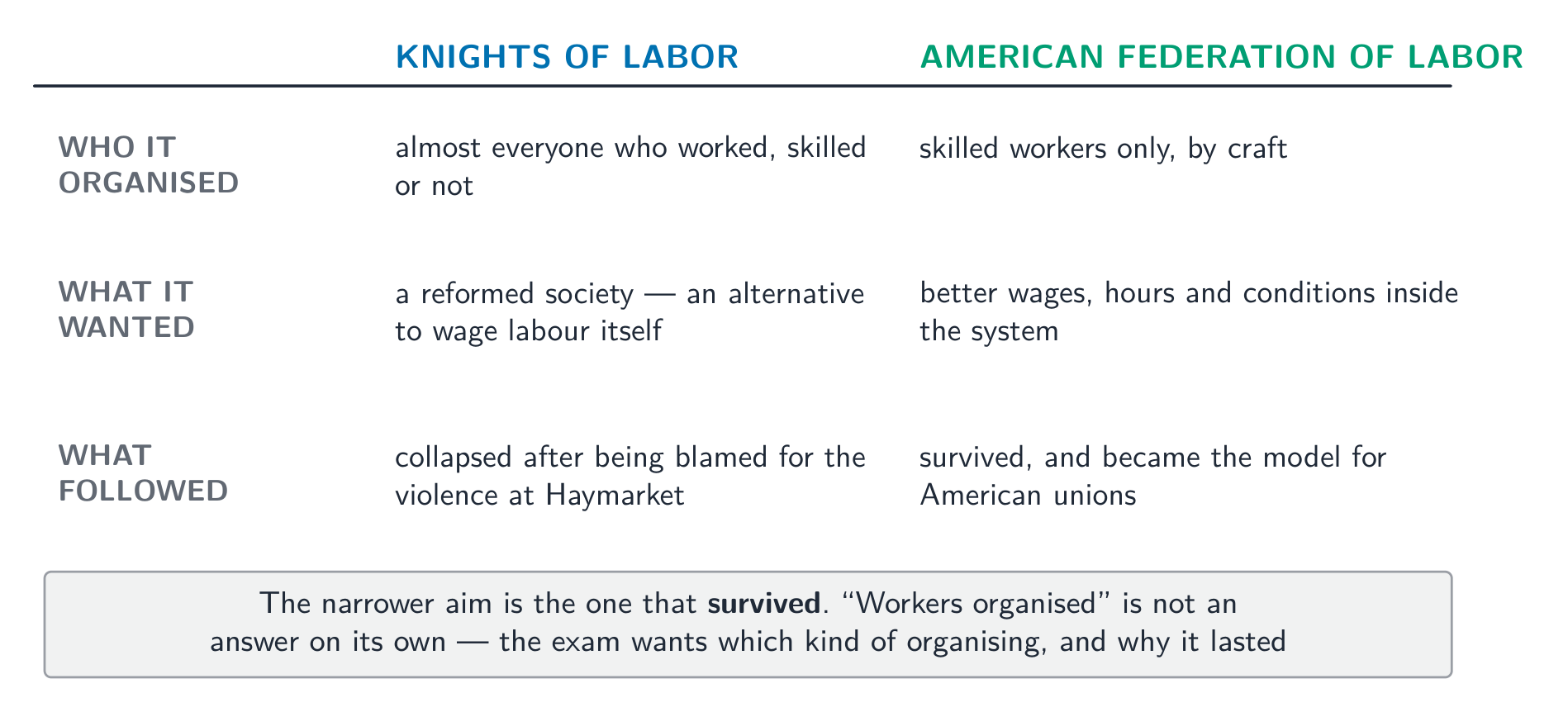
They organised. Unions such as the Knights of Labor 劳工骑士团 and the American Federation of Labor 美国劳工联合会 differed over who to admit and what to demand - the AFL concentrating on skilled workers and practical gains in wages and hours. Strikes 罢工 were frequent, often large, and frequently broken by state or federal force, which itself became an argument about the role of government.
Explore
Sort each feature to the Knights of Labor or the AFL
The two organisations differ strategically, not by degree — and the narrower aim is the one that survived.
American Federation of Labor/əˈmerɪkən ˌfedəˈreɪʃn ɒv ˈleɪbə/
Strikes/straɪks/
6.8 6.9
Migration and the Cities
Syllabus
6.8 Immigration and Migration in the Gilded Age
Thematic Focus
Learning Objective
Historical Developments
MIG Migration and Settlement — Push and pull factors shape immigration to and migration within America, and the demographic change as a result of these moves shapes the migrants, society, and the environment.
Unit 6.F
Explain how cultural and economic factors affected migration patterns over time.
KC-6.1.II.B.ii The industrial workforce expanded and became more diverse through internal and international migration.
KC-6.2.I.A As cities became areas of economic growth featuring new factories and businesses, they attracted immigrants from Asia and southern and eastern Europe, as well as African American migrants within and out of the South. Many migrants moved to escape poverty, religious persecution, and limited opportunities for social mobility in their home countries or regions.
KC-6.2.I.B Urban neighborhoods based on particular ethnicities, races, and classes provided new cultural opportunities for city dwellers.
6.9 Responses to Immigration in the Gilded Age
Thematic Focus
Learning Objective
Historical Developments
MIG Migration and Settlement — Push and pull factors shape immigration to and migration within America, and the demographic change as a result of these moves shapes the migrants, society, and the environment.
Unit 6.G
Explain the various responses to immigration in the period over time.
KC-6.2.I.C Increasing public debates over assimilation and Americanization accompanied the growth of international migration. Many immigrants negotiated compromises between the cultures they brought and the culture they found in the United States.
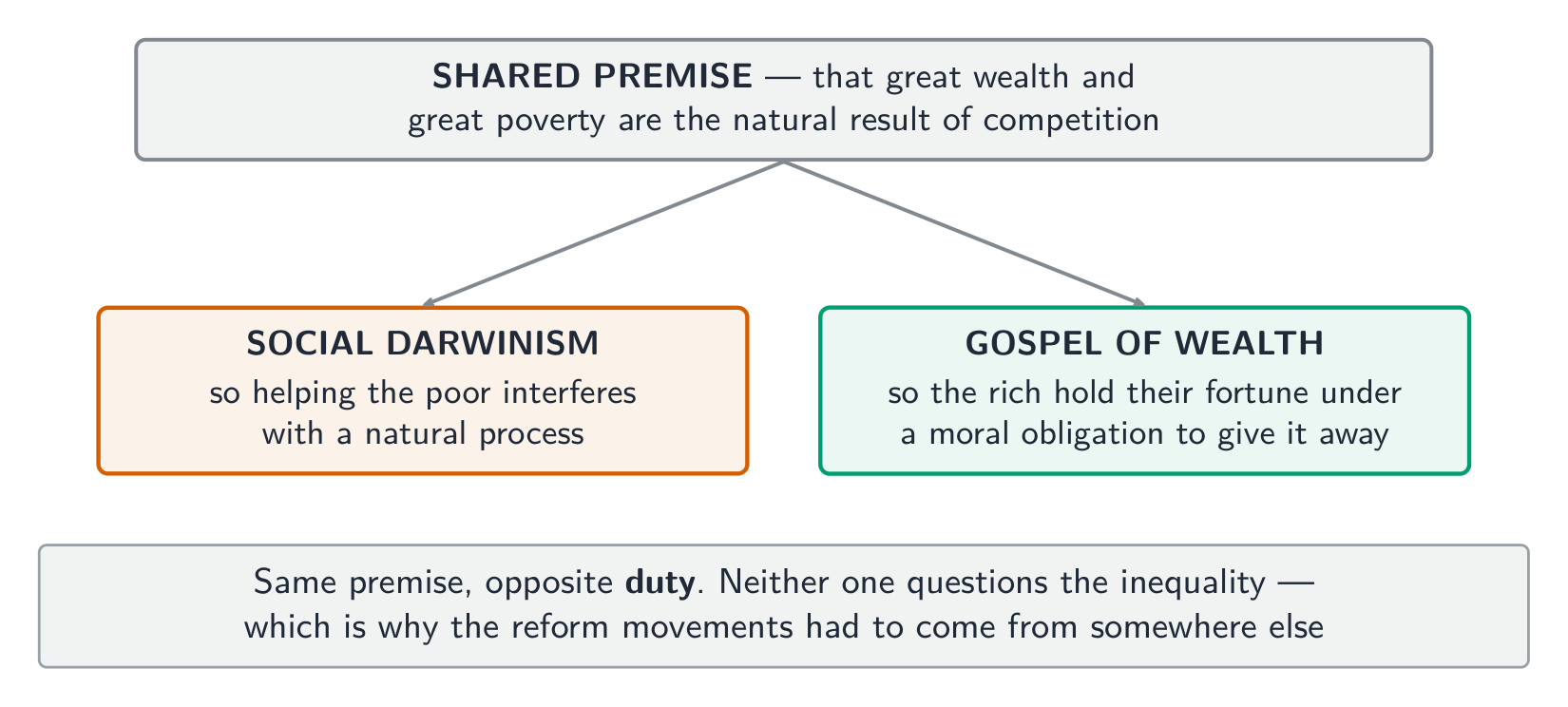
KC-6.3.I.A Social commentators advocated theories later described as Social Darwinism to justify the success of those at the top of the socioeconomic structure as both appropriate and inevitable.
KC-6.3.II.B.i Many women, like Jane Addams, worked in settlement houses to help immigrants adapt to U.S. language and customs.
Source: College Board AP Course and Exam Description
International and internal migration increased urban populations and fostered the growth of cities 城市.
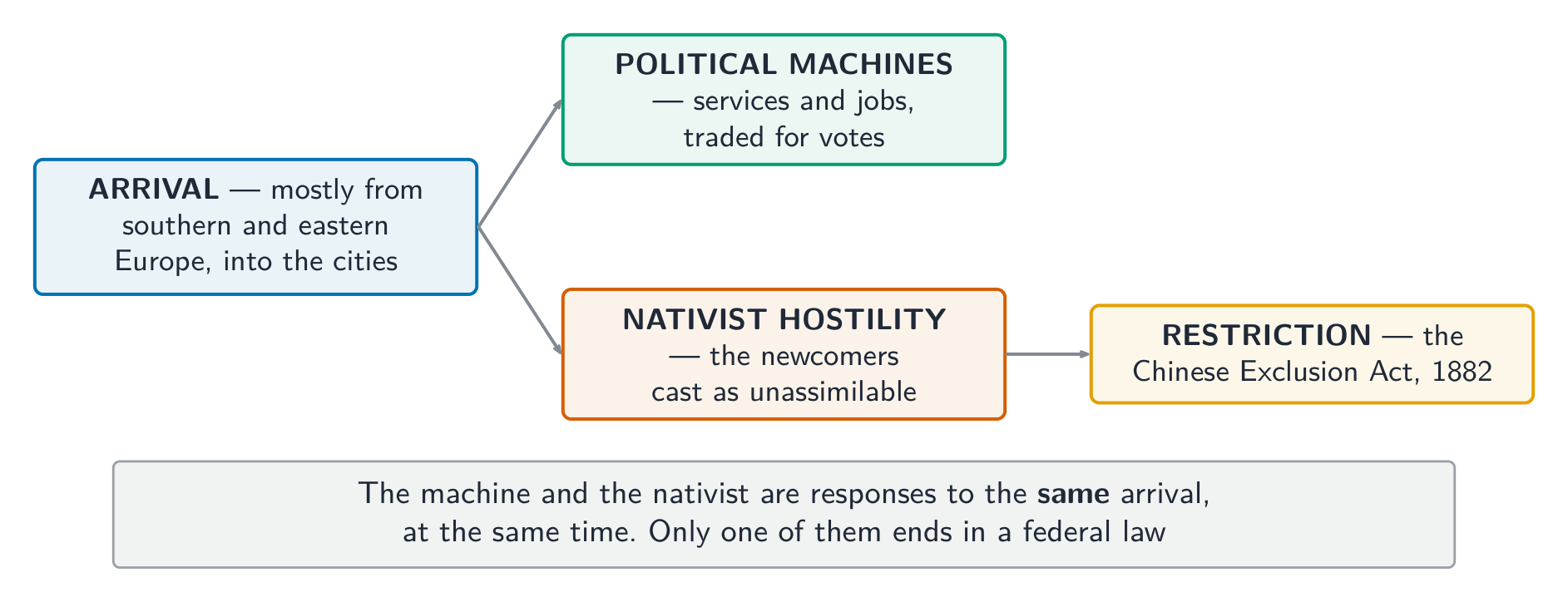
New arrivals came increasingly from southern and eastern Europe 南欧与东欧, alongside Chinese migration to the West - which met the Chinese Exclusion Act 排华法案, the first significant federal restriction on immigration by nationality.
In cities where access to power was unequally distributed, political machines 政治机器 provided jobs, housing help, and services in exchange for votes - corrupt by later standards, and for many migrants the only functioning source of support.
Migration also produced organised hostility. Nativist movements argued that new arrivals threatened wages, culture, or self-government.
Explore
Trace arrival to federal restriction
The political machine and the nativist are simultaneous responses to the same arrival. Only one of them ends in a law.
southern and eastern Europe/ˈsʌðən ænd ˈiːstn ˈjʊərəp/
Chinese Exclusion Act/tʃaɪˈniːz eksˈkluːʒn ækt/
political machines/pəˈlɪtɪkl məˈʃiːnz/
6.10 6.11
The New Middle Class and Reform
Syllabus
6.10 Development of the Middle Class
Thematic Focus
Learning Objective
Historical Developments
SOC Social Structures — Social categories, roles, and practices are created, maintained, challenged, and transformed throughout American history, shaping government policy, economic systems, culture, and the lives of citizens.
Unit 6.H
Explain the causes of increased economic opportunity and its effects on society.
KC-6.2.I.E Corporations’ need for managers and for male and female clerical workers, as well as increased access to educational institutions, fostered the growth of a distinctive middle class. A growing amount of leisure time also helped expand consumer culture.
KC-6.3.I.B Some business leaders argued that the wealthy had a moral obligation to help the less fortunate and improve society, as articulated in the idea known as the Gospel of Wealth, and they made philanthropic contributions that enhanced educational opportunities and urban environments.
6.11 Reform in the Gilded Age
Thematic Focus
Learning Objective
Historical Developments
SOC Social Structures — Social categories, roles, and practices are created, maintained, challenged, and transformed throughout American history, shaping government policy, economic systems, culture, and the lives of citizens.
Unit 6.I
Explain how different reform movements responded to the rise of industrial capitalism in the Gilded Age.
KC-6.3.I.C A number of artists and critics, including agrarians, utopians, socialists, and advocates of the Social Gospel, championed alternative visions for the economy and U.S. society.
KC-6.3.II.B.ii Many women sought greater equality with men, often joining voluntary organizations, going to college, and promoting social and political reform.
Source: College Board AP Course and Exam Description
Corporations' need for managers 管理人员 and for male and female clerical workers 文职人员 expanded a new middle class 中产阶级, with new patterns of consumption and leisure.
Cultural and intellectual movements both buttressed and challenged 既支持又挑战 the social order:
Social Darwinism 社会达尔文主义 used evolutionary language to justify inequality as natural.
The Gospel of Wealth 财富福音 argued that the wealthy had a moral obligation 道德义务 to use their fortunes for the public good.
Agrarians, utopians, socialists, and artists criticised industrial society from the other direction.
Many women sought greater equality, often through voluntary organizations 自愿团体 - temperance, settlement houses, and suffrage work.
6.12 Controversies over the Role of Government in the Gilded Age
Thematic Focus
Learning Objective
Historical Developments
PCE Politics and Power — Debates fostered by social and political groups about the role of government in American social, political, and economic life shape government policy, institutions, political parties, and the rights of citizens.
Unit 6.J
Explain continuities and changes in the role of the government in the U.S. economy.
KC-6.1.II.A Some argued that laissez-faire policies and competition promoted economic growth in the long run, and they opposed government intervention during economic downturns.
KC-6.1.I.E.ii Foreign policymakers increasingly looked outside U.S. borders in an effort to gain greater influence and control over markets and natural resources in the Pacific Rim, Asia, and Latin America.
6.13 Politics in the Gilded Age
Thematic Focus
Learning Objective
Historical Developments
PCE Politics and Power — Debates fostered by social and political groups about the role of government in American social, political, and economic life shape government policy, institutions, political parties, and the rights of citizens.
Unit 6.K
Explain the similarities and differences between the political parties during the Gilded Age.
KC-6.1.III.C Economic instability inspired agrarian activists to create the People’s (Populist) Party, which called for a stronger governmental role in regulating the American economic system.
KC-6.3.II.A The major political parties appealed to lingering divisions from the Civil War and contended over tariffs and currency issues, even as reformers argued that economic greed and self-interest had corrupted all levels of government.
KC-6.2.I.D In an urban atmosphere where the access to power was unequally distributed, political machines thrived, in part by providing immigrants and the poor with social services.
Source: College Board AP Course and Exam Description
The major parties appealed to lingering divisions from the Civil War and competed over patronage 政治分肥 more than policy, producing close elections and limited legislation.
Economic instability drove agrarian activists to build the People's (Populist) Party 人民党, demanding government action: regulation of railroads, currency reform, and a graduated income tax. Populism failed as a party but placed on the agenda the idea that government should intervene in the economy - the argument Period 7 takes up.
Debates over citizenship 公民身份, race, and the role of government ran through all of this, as the rights promised during Reconstruction continued to be narrowed.
Unit 6.L
Explain the extent to which industrialization brought change from 1865 to 1898.
KC-6.1 Technological advances, large-scale production methods, and the opening of new markets encouraged the rise of industrial capitalism in the United States.
KC-6.1.I Large-scale industrial production— accompanied by massive technological change, expanding international communication networks, and pro-growth government policies—generated rapid economic development and business consolidation.
KC-6.1.II A variety of perspectives on the economy and labor developed during a time of financial panics and downturns.
KC-6.1.III New systems of production and transportation enabled consolidation within agriculture, which, along with periods of instability, spurred a variety of responses from farmers.
KC-6.2 The migrations that accompanied industrialization transformed both urban and rural areas of the United States and caused dramatic social and cultural change.
KC-6.2.I International and internal migration increased urban populations and fostered the growth of a new urban culture.
KC-6.2.II Larger numbers of migrants moved to the West in search of land and economic opportunity, frequently provoking competition and violent conflict.
KC-6.3 The Gilded Age produced new cultural and intellectual movements, public reform efforts, and political debates over economic and social policies.
KC-6.3.I New cultural and intellectual movements both buttressed and challenged the social order of the Gilded Age.
KC-6.3.II Dramatic social changes in the period inspired political debates over citizenship, corruption, and the proper relationship between business and government.
Source: College Board AP Course and Exam Description
Continuity and change is one useful reasoning skill for this period. Industrialisation changed where people lived and what they did, while inequality, sectional political loyalties, and racial exclusion persisted.
Exam transfer — 2024 AP US History, Set 2, short-answer Q4(a–b), paraphrased. A asks for one economic development from 1865 to 1900. B asks for one similarity or difference in how two groups responded to economic change in those dates. Try A using corporate consolidation, and B comparing supporters of laissez-faire with Populist advocates of railroad regulation. Give relevant characteristics and explain the relationship rather than only naming a term or two groups.
Teacher-written model for A. Corporate trusts emerged as a business structure that brought multiple firms under concentrated control, helping owners consolidate businesses.
Teacher-written model for B. Some business supporters of laissez-faire opposed government intervention, trusting competition to promote growth. Populists called for government regulation of railroads to address farmers' grievances. They differed over whether government should regulate economic activity.
Why these fit. The official scheme accepts corporate trusts for A and contrasting laissez-faire with demands for regulation for B. The models describe a development and explain a difference within the dates. These are our models, not official samples or guarantees of credit. Only parts (a–b) are addressed here; part (c) asks about 1900–1940.
6.14
Exam tips
Explain farmers' anger with mechanisms: freight rates, credit, and falling crop prices - not "farmers struggled".
Keep the four Gilded Age responses distinct: laissez-faire, Social Darwinism, the Gospel of Wealth, and organised labour and Populism.
For immigration, name the shift to southern and eastern Europe and the Chinese Exclusion Act as the first nationality-based federal restriction.
Political machines are examinable as both corruption and social provision. Relate both to the question; this alone does not guarantee a complexity point.
Populism matters less for winning than for putting government intervention on the agenda.
On continuity-and-change prompts, name a specific continuity. Explain how it persisted within the dates in the question.
Interactive lessons on this topic
Work through it step by step, with instant-check exercises.