6.1 Contextualizing Period 6
Learning Objective Unit 6.A: Explain the historical context for the rise of industrial capitalism in the United States.
- KC-6.1 Technological advances, large-scale production methods, and the opening of new markets encouraged the rise of industrial capitalism in the United States.
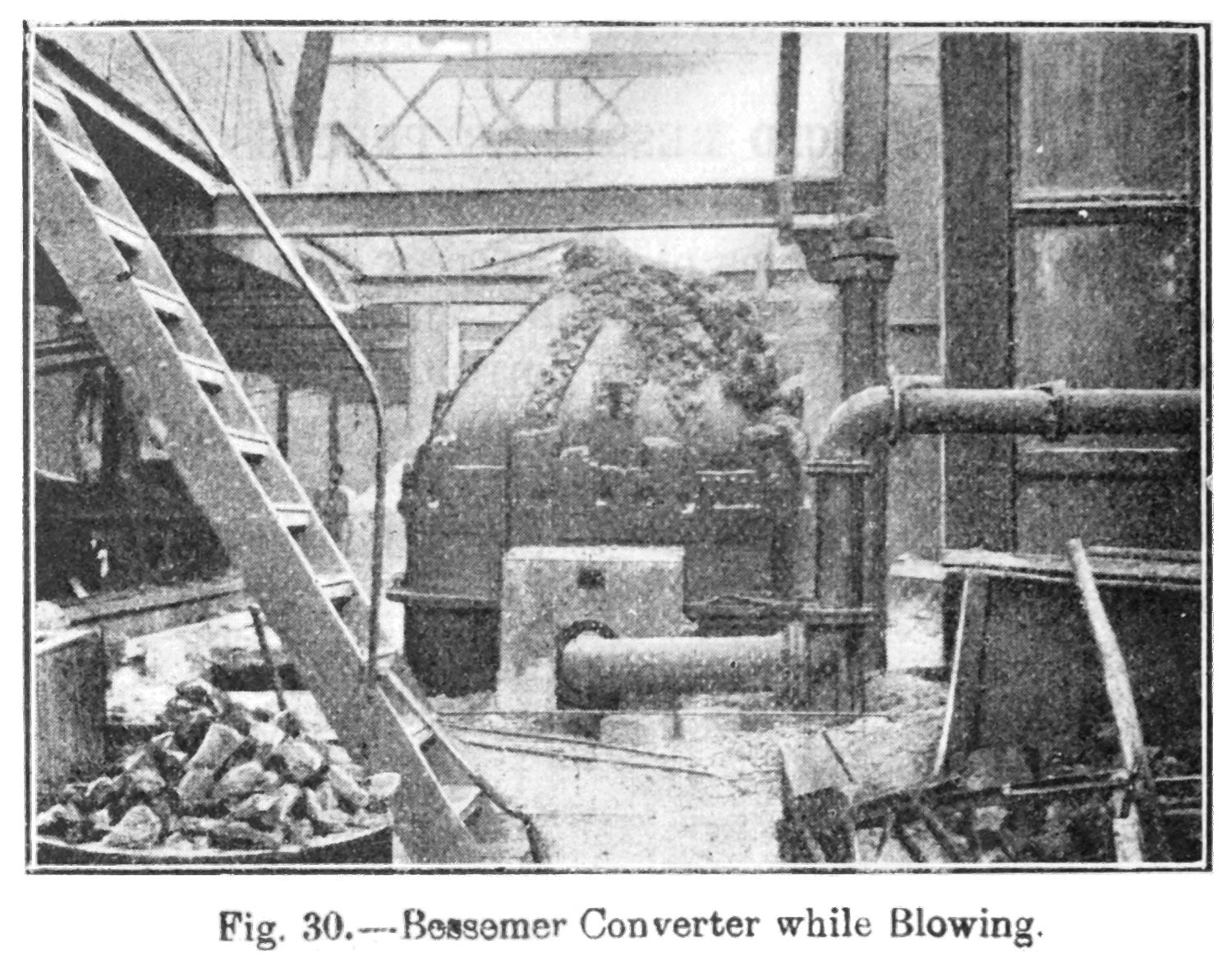
- KC-6.1.I Large-scale industrial production— accompanied by massive technological change, expanding international communication networks, and pro-growth government policies—generated rapid economic development and business consolidation.
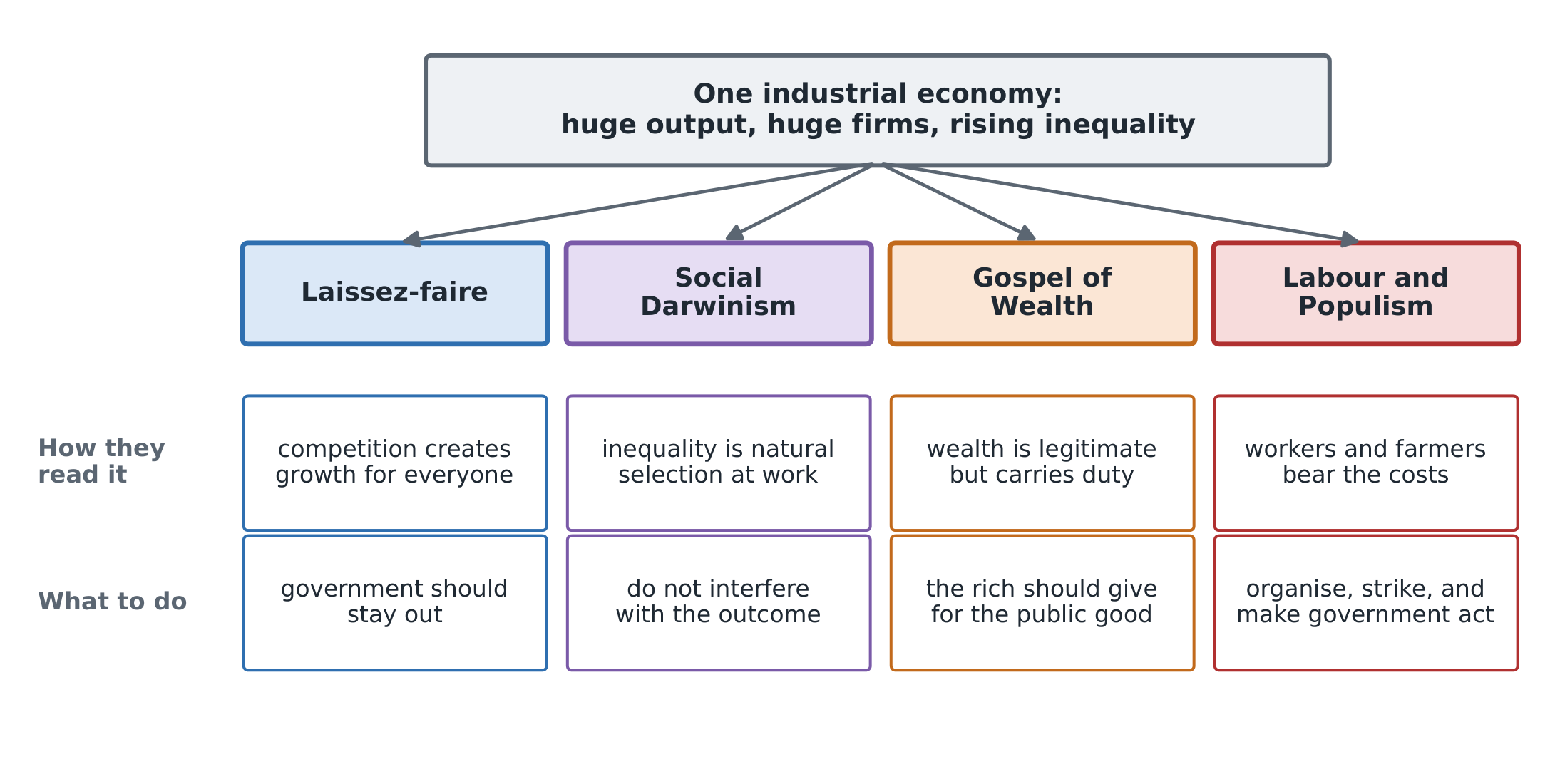
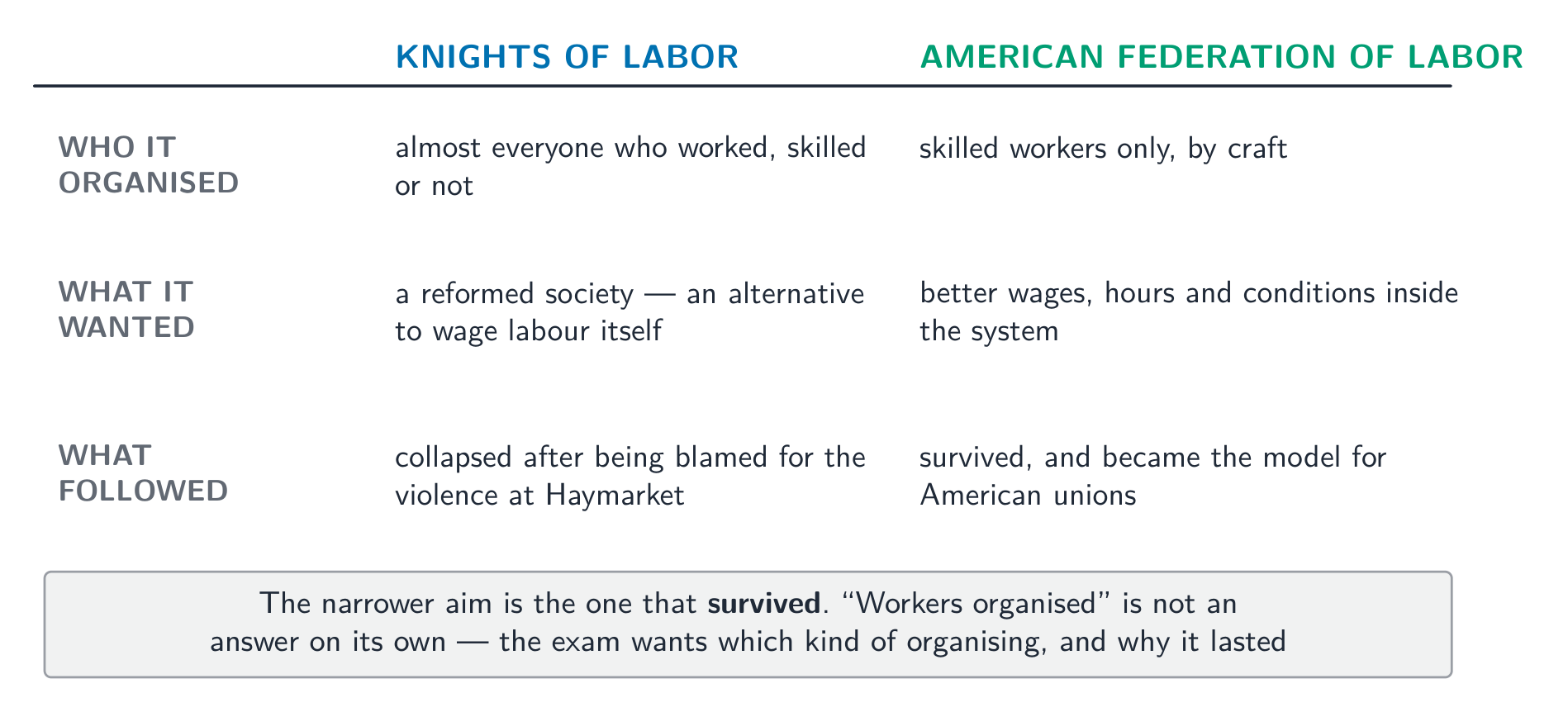
- KC-6.1.II A variety of perspectives on the economy and labor developed during a time of financial panics and downturns.
- KC-6.1.III New systems of production and transportation enabled consolidation within agriculture, which, along with periods of instability, spurred a variety of responses from farmers.
- KC-6.2 The migrations that accompanied industrialization transformed both urban and rural areas of the United States and caused dramatic social and cultural change.
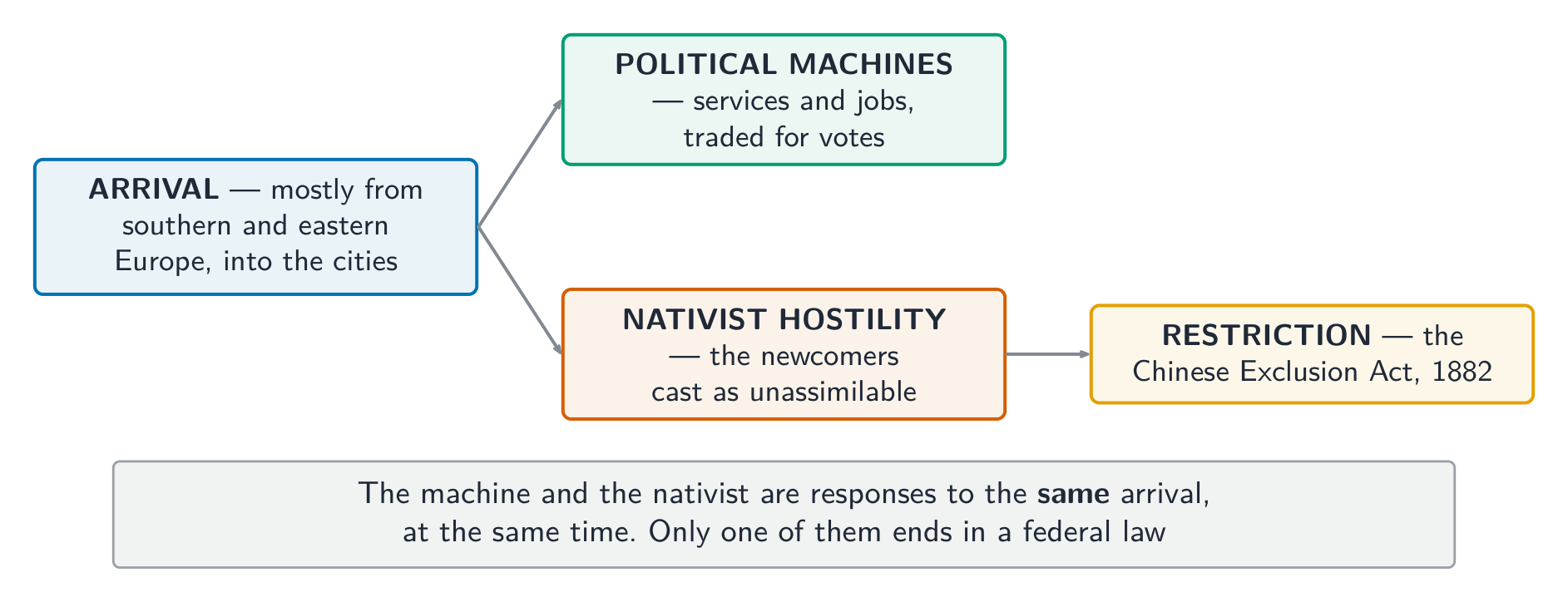
- KC-6.2.I International and internal migration increased urban populations and fostered the growth of a new urban culture.
- KC-6.2.II Larger numbers of migrants moved to the West in search of land and economic opportunity, frequently provoking competition and violent conflict.
- KC-6.3 The Gilded Age produced new cultural and intellectual movements, public reform efforts, and political debates over economic and social policies.
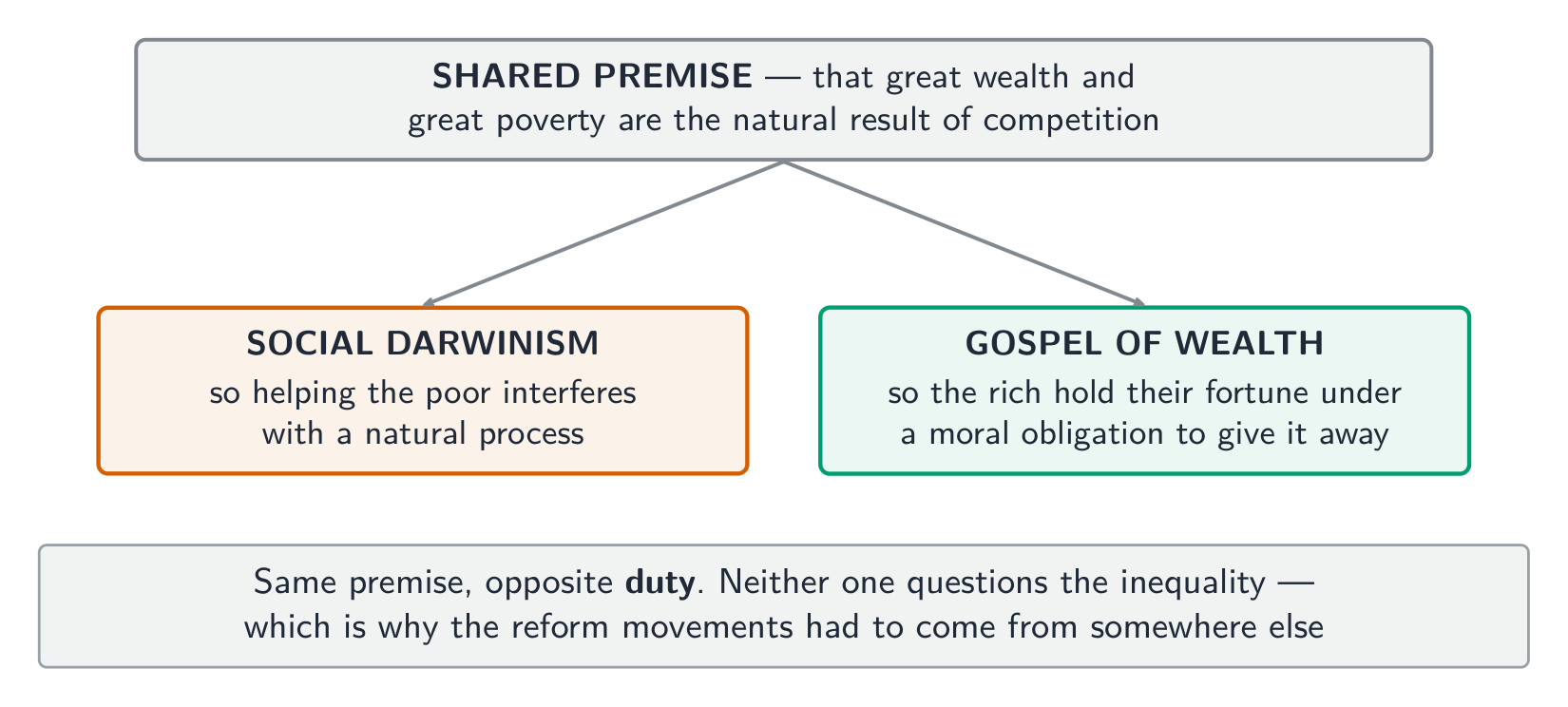
- KC-6.3.I New cultural and intellectual movements both buttressed and challenged the social order of the Gilded Age.
- KC-6.3.II Dramatic social changes in the period inspired political debates over citizenship, corruption, and the proper relationship between business and government.
6.1 パーリオッド6の文脈
学習目標 Unit 6.A: アメリカ合衆国における産業資本主義の台頭年的历史的背景を説明する。
- KC-6.1 技術的進歩、量産方式、新市場の開拓は、アメリカ合衆国における産業資本主義の台頭を促進した。
- KC-6.1.I 大量の技術的変化、国際通信網の拡張、成長志向の政府政策を伴う大規模な工業生産は、急速な経済発展と企業の統合を生み出した。
- KC-6.1.II 金融恐慌と不況の時代において、経済や労働に対する多様な視点が形成された。
- KC-6.1.III 新たな生産システムと輸送手段は農業内の統合を可能にし、不安定期間とともに、農家たちから多様な反応を促した。
- KC-6.2 工業化に伴う移住は、アメリカ合衆国の都市部と農村部の両方を変貌させ、劇的な社会的・文化的変化をもたらした。
- KC-6.2.I 国際的・国内的な移住は都市人口を増やし、新たな都市文化の成長を促した。
- KC-6.2.II より多くの移住者が土地と経済的机会を求めて西部へ向かい、頻繁に競争や暴力的な衝突を引き起こした。
- KC-6.3 ルドード・エージは、新たな文化的・知的運動、公共改革の取り組み、経済・社会政策に関する政治的議論を生んだ。
- KC-6.3.I 新たな文化的・知的運動は、ギルドード・エージの社会秩序を支える一方で、それにも挑戦した。
- KC-6.3.II この時期の劇的な社会変化は、市民権、腐敗、ビジネスと政府の適切な関係について政治的議論を誘発した。
6.2 Westward Expansion: Economic Development
Thematic Focus (MIG): Migration and Settlement — Push and pull factors shape immigration to and migration within America, and the demographic change as a result of these moves shapes the migrants, society, and the environment.
Learning Objective Unit 6.B: Explain the causes and effects of the settlement of the West from 1877 to 1898.
- KC-6.1.III.A Improvements in mechanization helped agricultural production increase substantially and contributed to declines in food prices.
- KC-6.1.III.B Many farmers responded to the increasing consolidation in agricultural markets and their dependence on the evolving railroad system by creating local and regional cooperative organizations.
- KC-6.1.I.A Following the Civil War, government subsidies for transportation and communication systems helped open new markets in North America.
- KC-6.2.II.A The building of transcontinental railroads, the discovery of mineral resources, and government policies promoted economic growth and created new communities and centers of commercial activity.
6.2 西側への進出:経済発展
テーマ別焦点(MIG): 移民と入植 — 押し出し要因および引き寄せ要因がアメリカへの移民および移動を形作り、これらの移動による人口動態の変化は、移民、社会、環境に影響を与える。
学習目標 Unit 6.B: 1877年から1898年にかけての西部開拓の原因と結果を説明せよ。
- KC-6.1.III.A 機械化の向上は農業生産を大幅に増大させ、食料価格の低下にも寄与した。
- KC-6.1.III.B 多くの農家は、農業市場における統合の進行や変化する鉄道網への依存に反応して、地元の協同組合や地域協同組合を結成した。
- KC-6.1.I.A 内戦後、輸送および通信システムに対する政府の補助金は北米での新市場の開拓に貢献した。
- KC-6.2.II.A 横断鉄道の建設、鉱物資源の発見、および政府政策は経済成長を促進し、新しいコミュニティおよび商業活動の中心地を生み出した。
6.3 Westward Expansion: Social and Cultural Development
Thematic Focus (MIG): Migration and Settlement — Push and pull factors shape immigration to and migration within America, and the demographic change as a result of these moves shapes the migrants, society, and the environment.
Learning Objective Unit 6.B: Explain the causes and effects of the settlement of the West from 1877 to 1898.
- KC-6.2.II.B In hopes of achieving ideals of self-sufficiency and independence, migrants moved to both rural and boomtown areas of the West for opportunities, such as building the railroads, mining, farming, and ranching.
- KC-6.2.II.C As migrant populations increased in number and the American bison population was decimated, competition for land and resources in the West among white settlers, American Indians, and Mexican Americans led to an increase in violent conflict.
- KC-6.2.II.D The U.S. government violated treaties with American Indians and responded to resistance with military force, eventually confining American Indians to reservations and denying tribal sovereignty.
- KC-6.2.II.E Many American Indians preserved their cultures and tribal identities despite government policies promoting assimilation, and they attempted to develop self-sustaining economic practices.
6.3 西側への進出:社会的・文化的発展
テーマ別焦点(MIG): 移民と入植 — 押し出し要因および引き寄せ要因がアメリカへの移民および移動を形作り、これらの移動による人口動態の変化は、移民、社会、環境に影響を与える。
学習目標 Unit 6.B: 1877年から1898年にかけての西部開拓の原因と結果を説明せよ。
- KC-6.2.II.B 自立と独立の理想を実現するために、移民は鉄道建設、採掘、農耕、牧畜などの機会を求めて西部の農村部およびブームタウンの両方に移住した。
- KC-6.2.II.C 移民人口が増加し、アメリカン・ビソンの個体数が激減する中、白人入植者、インディアン、メキシコ系アメリカ人の間で土地や資源をめぐる競合が激化し、暴力衝突が増加した。
- KC-6.2.II.D 米国政府はインディアンとの条約を破棄し、抵抗に対して軍事力を行使した。最終的にインディアンを留置地に閉じ込め、部族主権を否定した。
- KC-6.2.II.E 许多インディアンは政府による同化政策にもかかわらず、自らの文化や部族のアイデンティティを維持し、持続可能な経済実践の確立を試みた。