English
Learning Objective 6.1.A: Explain the relationship between experimental observations and energy changes associated with a chemical or physical transformation.
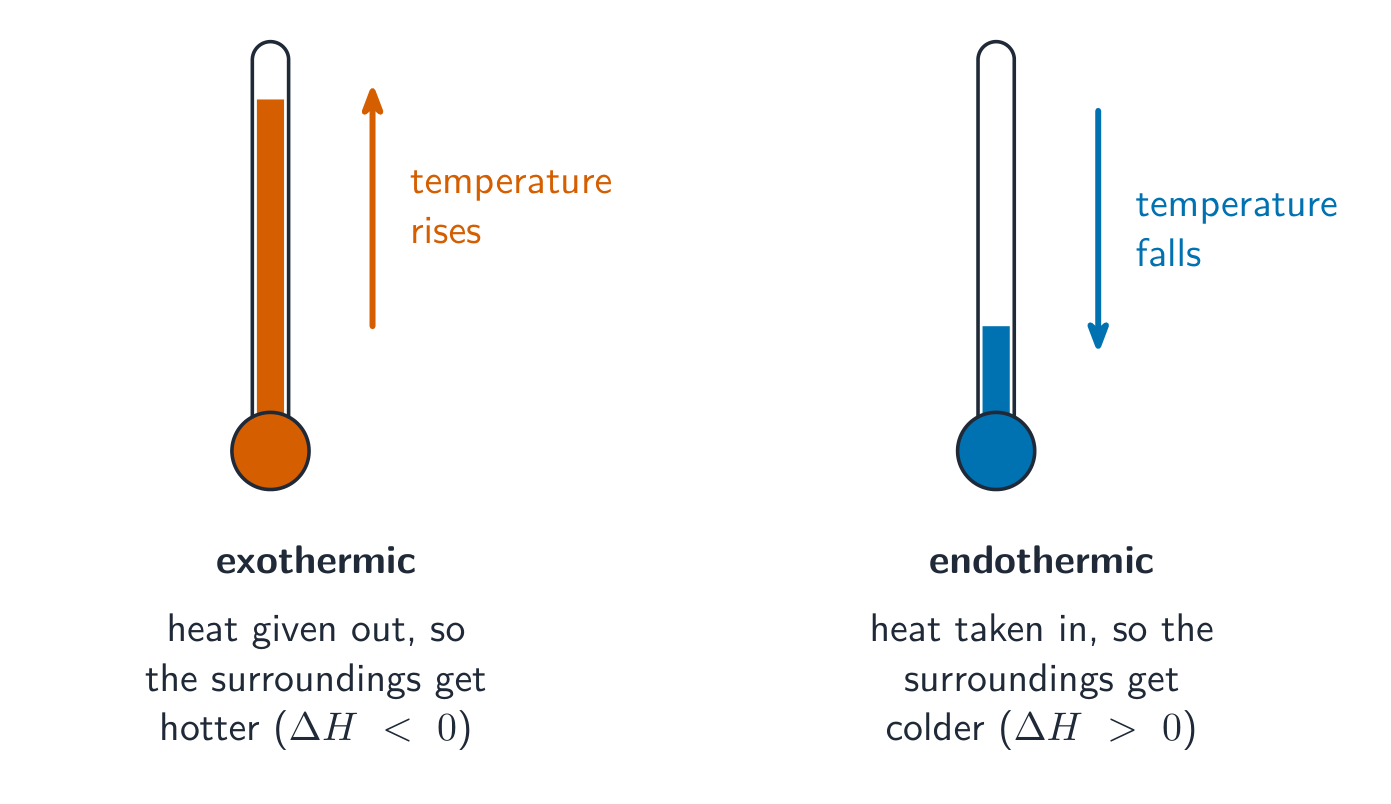
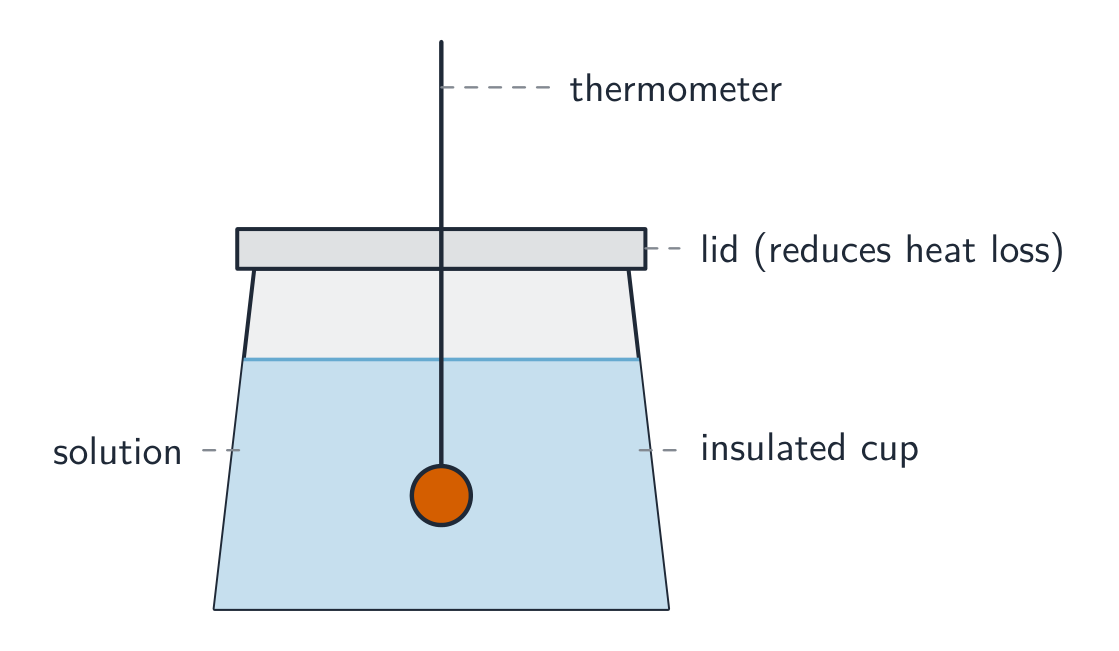
- 6.1.A.1 Temperature changes in a system indicate energy changes.
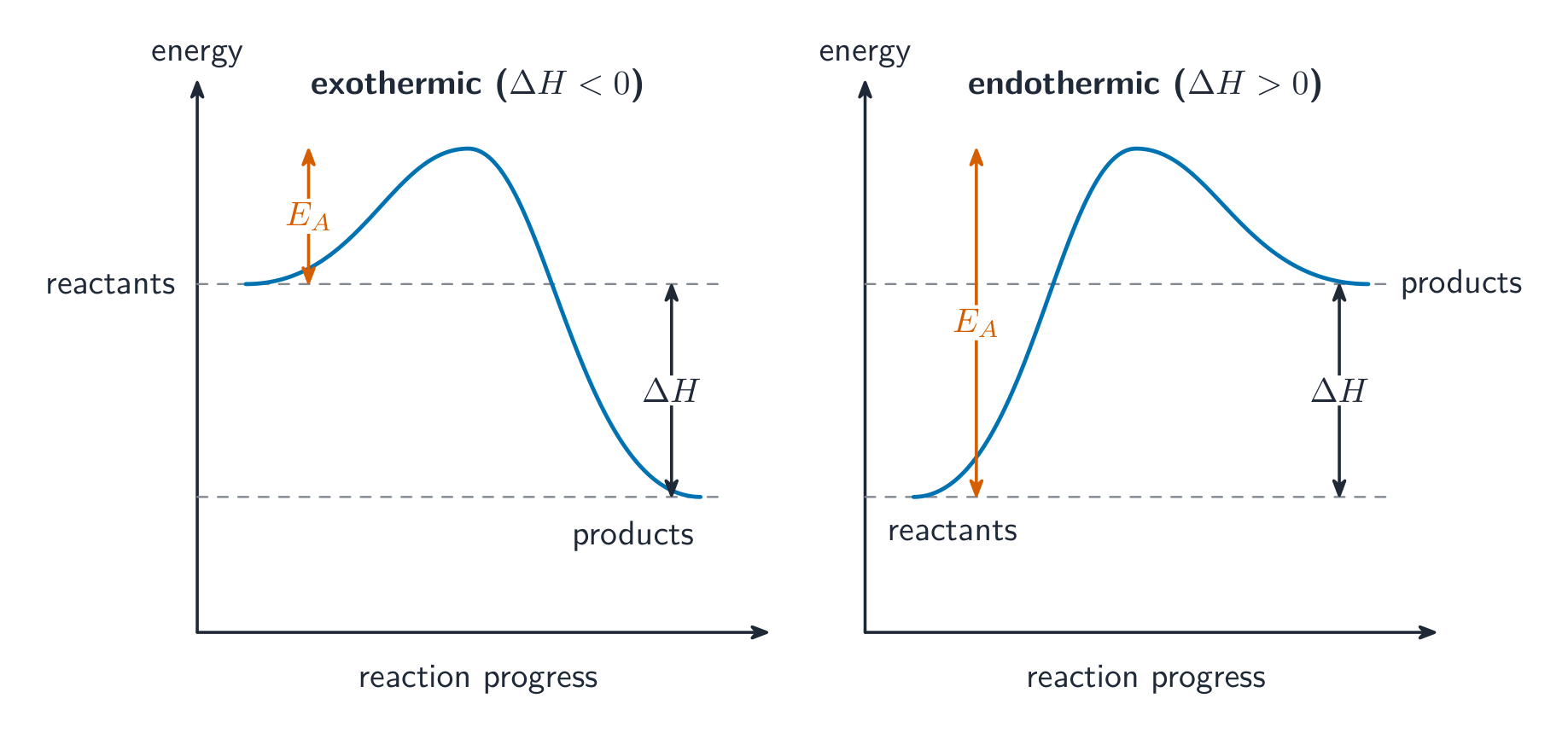
- 6.1.A.2 Energy changes in a system can be described as endothermic and exothermic processes such as the heating or cooling of a substance, phase changes, or chemical transformations.
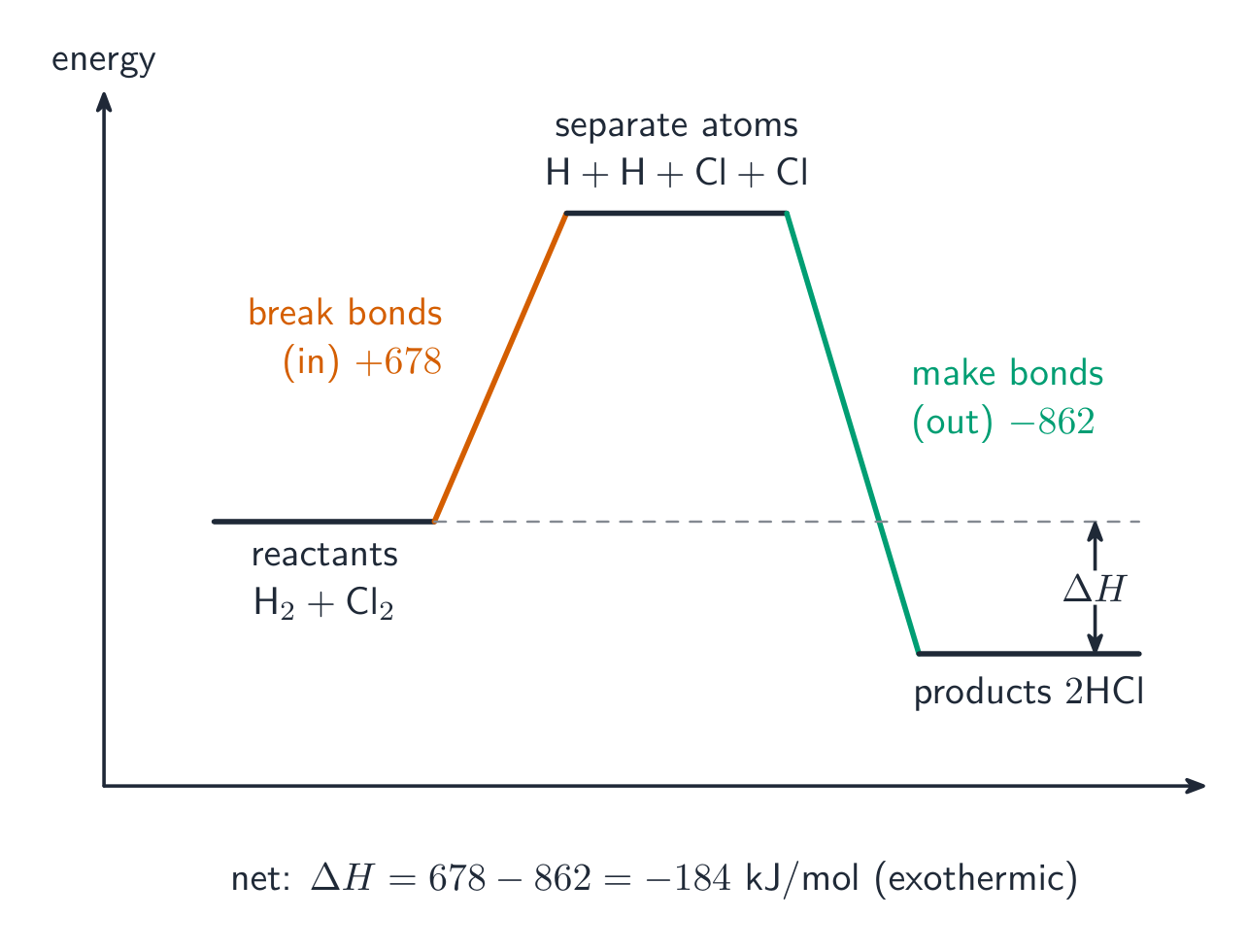
- 6.1.A.3 When a chemical reaction occurs, the energy of the system either decreases (exothermic reaction), increases (endothermic reaction), or remains the same. For exothermic reactions, the energy lost by the reacting species (system) is gained by the surroundings, as heat transfer from or work done by the system. Likewise, for endothermic reactions, the system gains energy from the surroundings by heat transfer to or work done on the system.
- 6.1.A.4 The formation of a solution may be an exothermic or endothermic process, depending on the relative strengths of intermolecular/interparticle interactions before and after the dissolution process.
עברית
מטרה לימודית 6.1.A: הסבר על הקשר בין תצפיות ניסיוניות לשינויים באנרגיה הקשורים למעבר כימי או פיזיקלי.
- 6.1.A.1 שינויי טמפרטורה במערכת מצביעים על שינויים באנרגיה.
- 6.1.A.2 שינויים באנרגיה במערכת ניתן לתאר כתהליכים אנדותרמיים ואקסותרמיים, כגון חימום או קירור חומר, שינויי פאזה או מעברים כימיים.
- 6.1.A.3 כאשר מתרחשת תגובה כימית, אנרגיית המערכת עשויה להיפחת (תגובה אקסותרמית), לעלות (תגובה אנדותרמית), או להישאר זהה. בתגובות אקסותרמיות, האנרגיה שאבדה מהמינים המגיבים (המערכת) מתקבלת על ידי הסביבה, כחלק מהעברת חום או עבודה שנעשה על ידי המערכת. באופן דומה, בתגובות אנדותרמיות, המערכת מקבלת אנרגיה מהסביבה כחלק מהעברת חום אליה או עבודה שנעשה עליה.
- 6.1.A.4 היווצרות תמיסה עשויה להיות תהליך אקסותרמי או אנדותרמי, בהתאם לעוצמתם היחסית של האינטראקציות בין-מולקולריות/בין-חלקיקיות לפני ואחרי תהליך ההמסה.