| Learning Objective | Essential Knowledge |
|---|---|
2.1.A |
|
Compound Structure and Properties
AP Chemistry · Topic 2
 8:45
8:45
Compound Structure and Properties
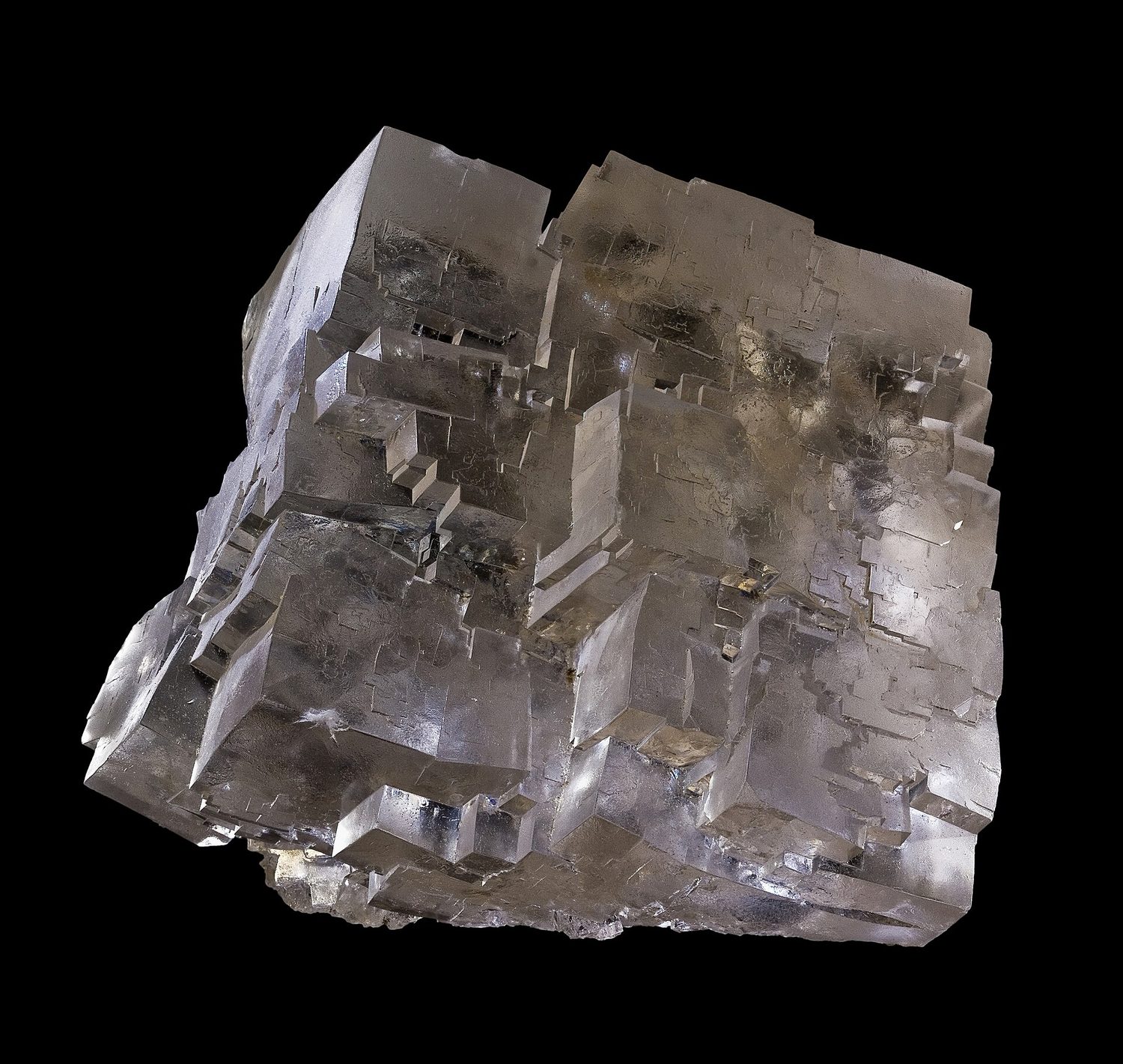
Three solids on a bench. Table salt. A diamond. A piece of copper. Hit the salt with a hammer and it shatters. The diamond scratches almost anything. The…
English narration · English + 中文 subtitles burned in
2.1
Types of Chemical Bonds
Syllabus
Source: College Board AP Course and Exam Description
A chemical bond 化学键 is an attraction that holds atoms together. Which type forms depends on the atoms' electronegativities:
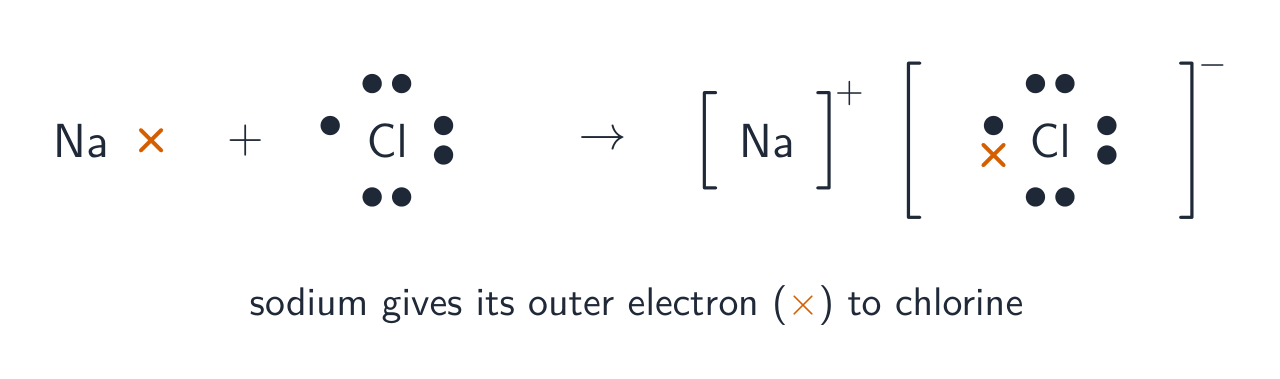
- Ionic bond 离子键: electrons transfer from a metal to a nonmetal (large electronegativity difference).
- Covalent bond 共价键: nonmetals share electrons (small difference). A big-but-not-huge difference gives a polar covalent 极性共价 bond.
- Metallic bond 金属键: metal atoms share a "sea" of mobile electrons.
Explore
Form an ionic bond by electron transfer
An ionic bond forms when a metal gives electrons to a non-metal, making oppositely charged ions that attract; a covalent bond shares electrons instead.
Vocabulary
Train
| English |
|---|
| chemical bond/ˈkemɪkl bɒnd/ |
| Ionic bond/aɪˈɒnɪk bɒnd/ |
| Covalent bond/ˈkəʊvələnt bɒnd/ |
| polar covalent/ˈpəʊlə ˈkəʊvələnt/ |
| Metallic bond/məˈtælɪk bɒnd/ |
2.2
Intramolecular Force and Potential Energy
Syllabus
| Learning Objective | Essential Knowledge |
|---|---|
2.2.A |
|
Source: College Board AP Course and Exam Description
As two atoms approach, a potential energy 势能 curve captures the balance of attraction and repulsion. It dips to a minimum at the bond length 键长 (the stable separation) whose depth is the bond energy 键能. Shorter, stronger bonds sit in deeper, tighter wells; more shared pairs (double, triple bonds) give shorter, stronger bonds.
Vocabulary
Train
| English |
|---|
| potential energy/pəˈtenʃl ˈenədʒi/ |
| bond length/bɒnd leŋθ/ |
| bond energy/bɒnd ˈenədʒi/ |
2.3
Structure of Ionic Solids
Syllabus
| Learning Objective | Essential Knowledge |
|---|---|
2.3.A |
|
Source: College Board AP Course and Exam Description
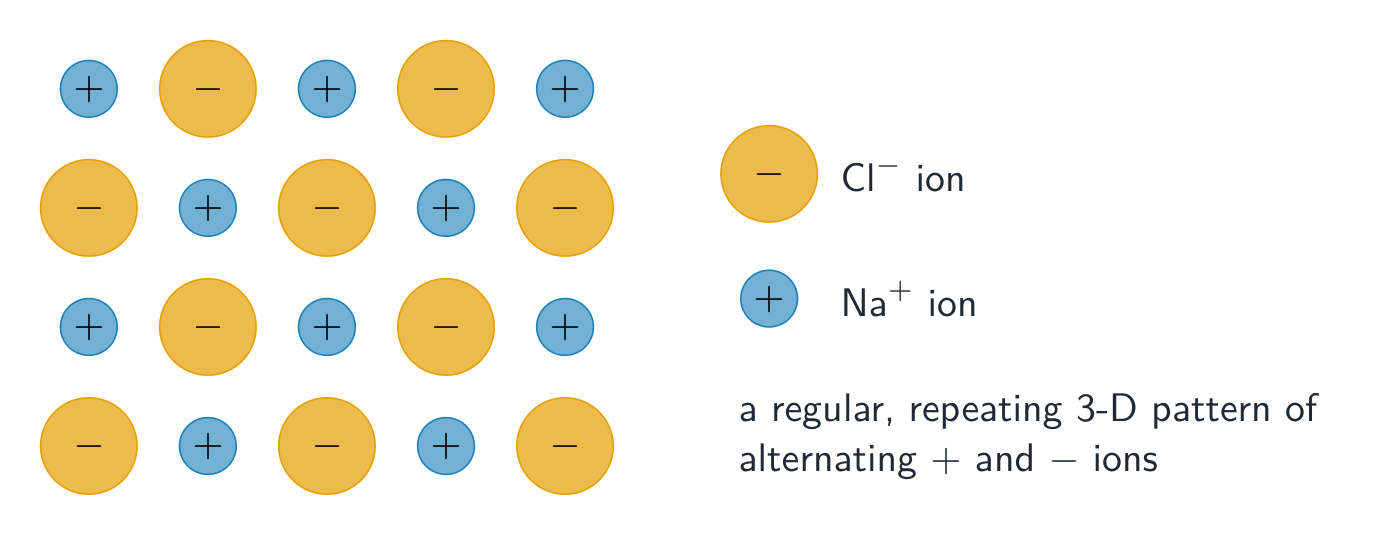
An ionic solid 离子固体 is a repeating 3-D lattice 晶格 of alternating cations and anions, held by strong electrostatic attraction. This explains their high melting points, brittleness, and why they conduct only when molten or dissolved (ions freed to move). The lattice energy rises with larger ion charges and smaller ions, so MgO (both $2+/2-$) melts far higher than NaCl (both $1+/1-$).
Vocabulary
Train
| English |
|---|
| ionic solid/aɪˈɒnɪk ˈsɒlɪd/ |
| lattice/ˈlætɪs/ |
2.4
Structure of Metals and Alloys
Syllabus
| Learning Objective | Essential Knowledge |
|---|---|
2.4.A |
|
Source: College Board AP Course and Exam Description
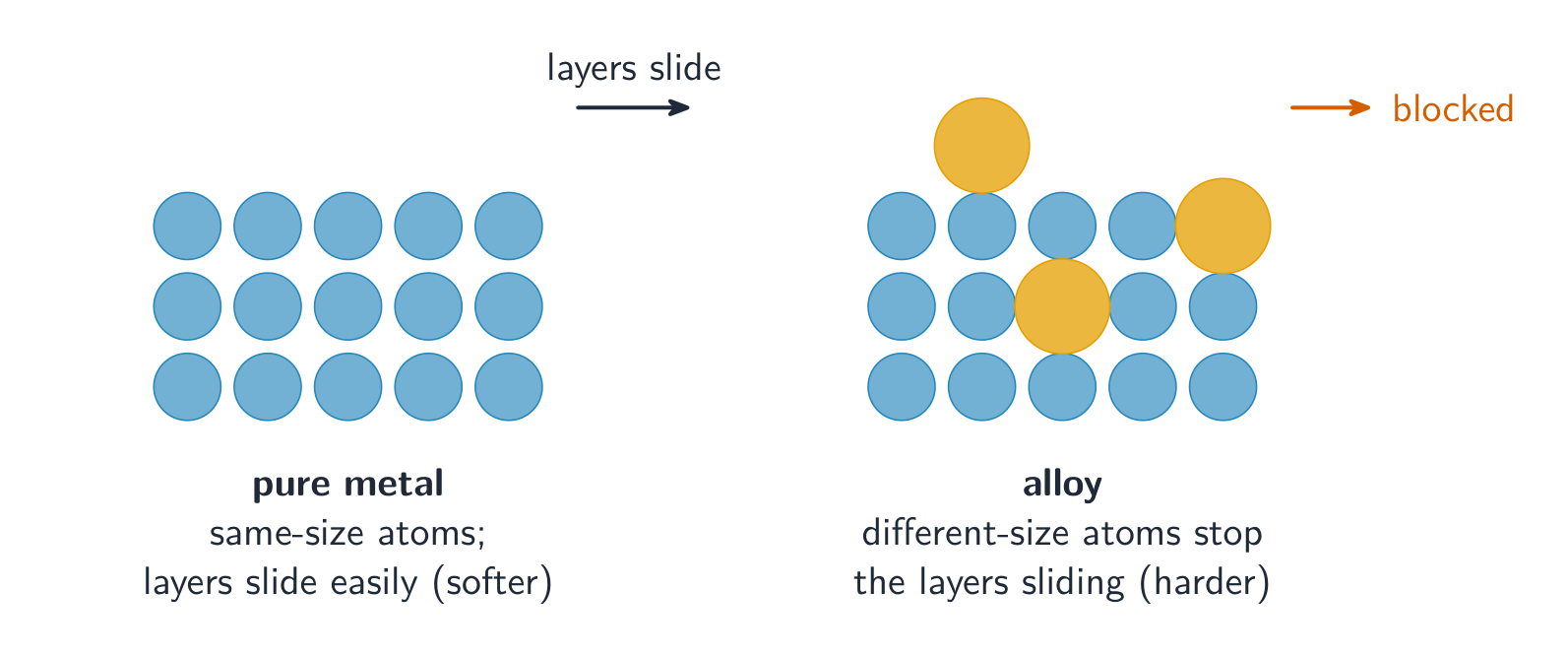
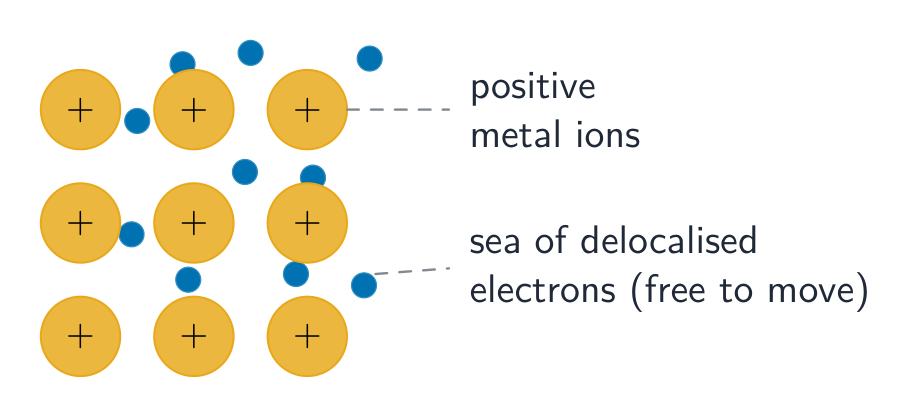
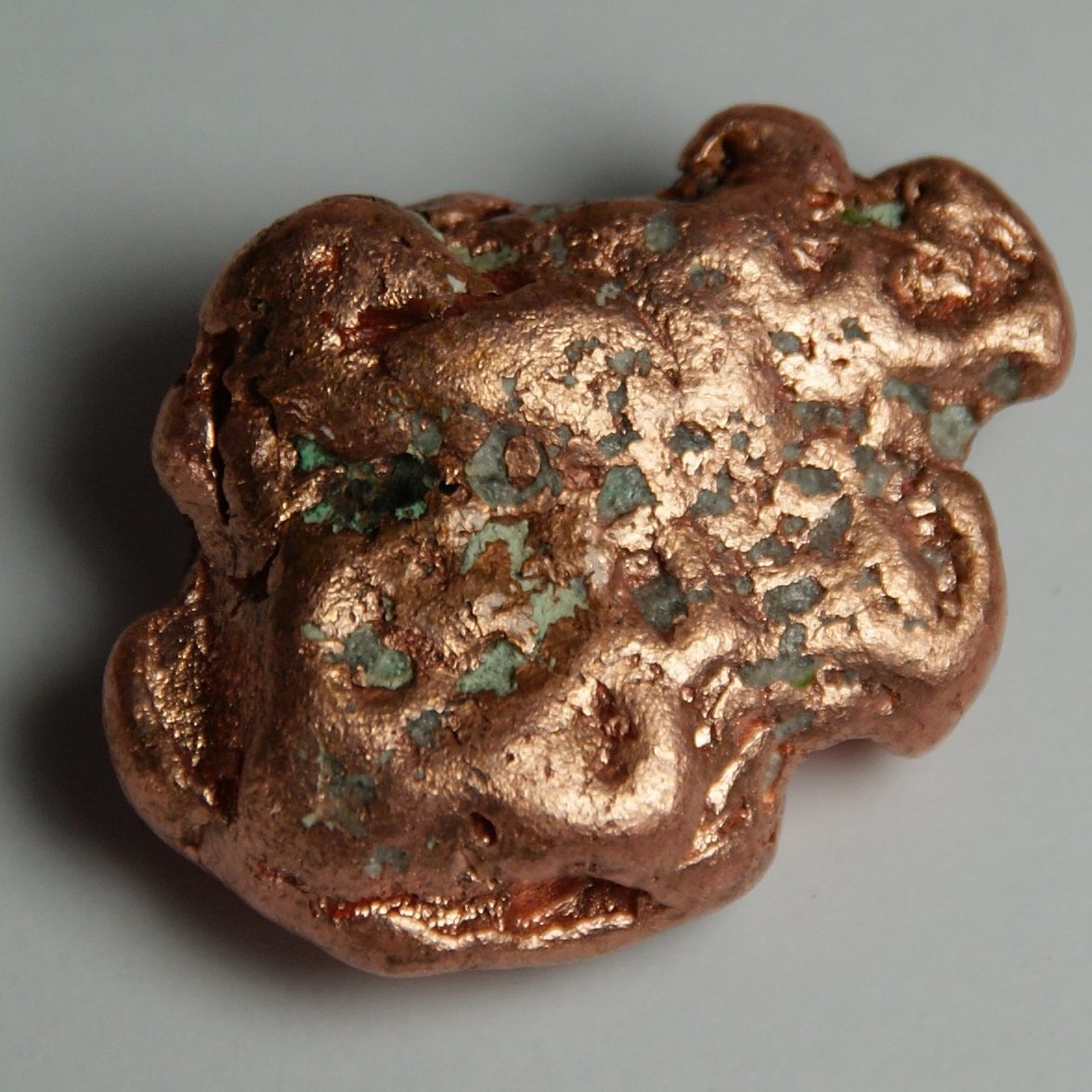
In a metal, cations sit in a lattice bathed in delocalized 离域 electrons, which explains conductivity, malleability, and luster. An alloy 合金 mixes metals: a substitutional alloy swaps in similar-sized atoms; an interstitial alloy (like steel) fits small atoms into the gaps, making it harder.
Explore
Slide layers in a metallic lattice
A metal is positive ions in a sea of delocalised electrons. The layers can slide without breaking the bond, so metals are malleable and conduct.
Vocabulary
Train
| English |
|---|
| delocalized/dɪˈlɒkəlaɪzd/ |
| alloy/ˈælɔɪ/ |
2.5
Lewis Diagrams
Syllabus
| Learning Objective | Essential Knowledge |
|---|---|
2.5.A |
|
Source: College Board AP Course and Exam Description
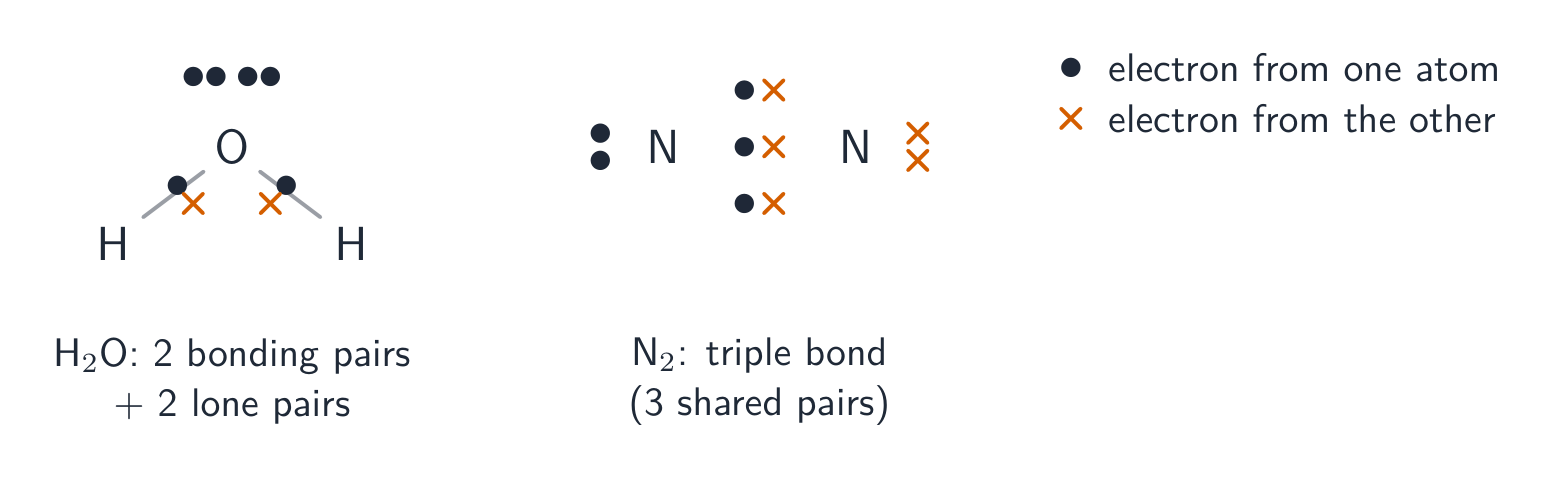
A Lewis diagram 路易斯结构 shows valence electrons as bonding pairs and lone pairs 孤对电子, giving most atoms an octet 八隅体 (8 valence electrons; H wants 2). Steps: count total valence electrons, connect atoms with single bonds, complete octets on outer atoms, then form multiple bonds if the central atom is short.
Worked example. Draw carbon dioxide, $\text{CO}_2$. Total valence electrons $=4+2(6)=16$. Put C in the centre; single bonds to each O use $4$ electrons and leave the outer O atoms short. Completing octets forces two double bonds, $\text{O}=\text{C}=\text{O}$: each O then has two lone pairs, C has none, and all $16$ electrons are placed with every atom at an octet.
Vocabulary
Train
| English |
|---|
| Lewis diagram/ˈluːɪs ˈdaɪəɡræm/ |
| lone pairs/ləʊn peəz/ |
| octet/ɒkˈtet/ |
2.6
Resonance and Formal Charge
Syllabus
| Learning Objective | Essential Knowledge |
|---|---|
2.6.A |
|
Source: College Board AP Course and Exam Description
When two or more valid Lewis diagrams differ only in electron placement, the true structure is an average – resonance 共振. Formal charge 形式电荷 (valence electrons minus lone-pair electrons minus half the bonding electrons) picks the best structure: the one with formal charges closest to zero, and any negative charge on the most electronegative atom.
Worked example. Assign formal charges in the nitrate ion, $\text{NO}_3^{-}$ (one double bond, two single bonds). For N (4 bonds, no lone pairs): $5-0-4=+1$. For the double-bonded O (2 lone pairs): $6-4-2=0$. For each single-bonded O (3 lone pairs): $6-6-1=-1$. The total is $+1+0+(-1)+(-1)=-1$, matching the ion's overall charge – a good check that the structure is drawn correctly. Because the three O atoms are equivalent by resonance, the real ion has three identical bonds.
Vocabulary
Train
| English |
|---|
| resonance/ˈrezənəns/ |
| Formal charge/ˈfɔːml tʃɑːdʒ/ |
2.7
VSEPR and Bond Hybridization
Syllabus
| Learning Objective | Essential Knowledge |
|---|---|
2.7.A
|
|
Source: College Board AP Course and Exam Description
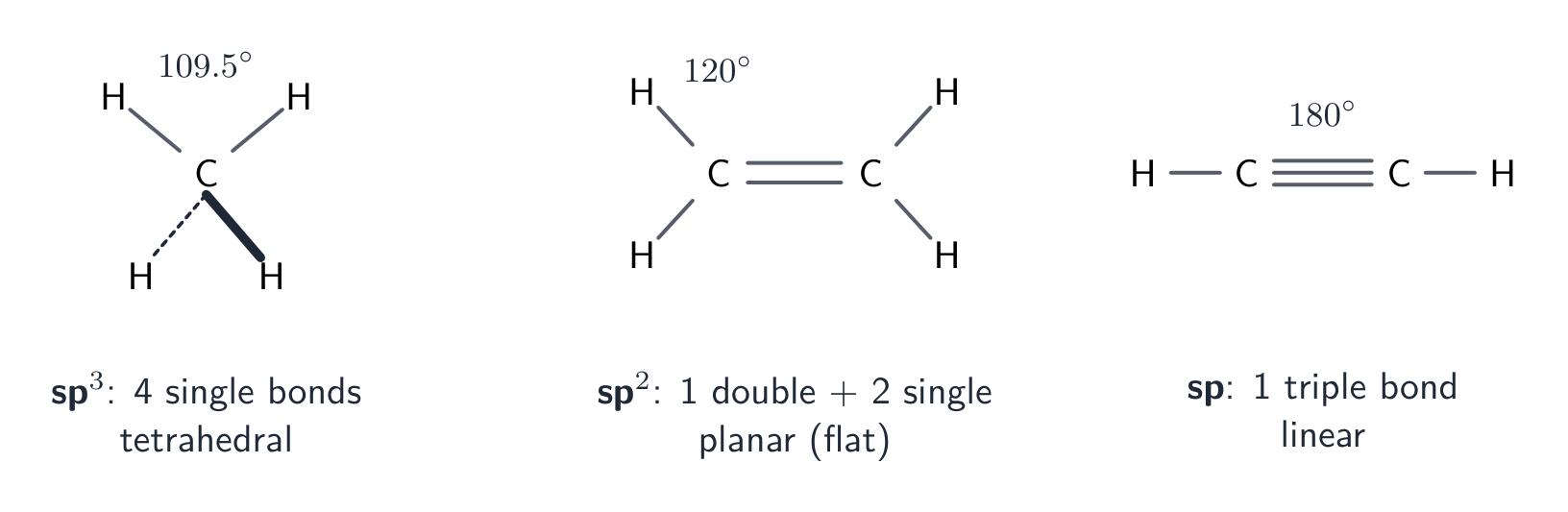
VSEPR 价层电子对互斥 theory predicts shape: electron pairs (bonds and lone pairs) around a central atom spread out as far apart as possible. Counting electron domains gives the geometry (linear, trigonal planar, tetrahedral, …); lone pairs push bonds closer, bending the shape. Hybridization 杂化 ($sp$, $sp^2$, $sp^3$) describes the mixed orbitals matching that geometry. Molecular shape and bond polarity together decide whether the whole molecule is polar.
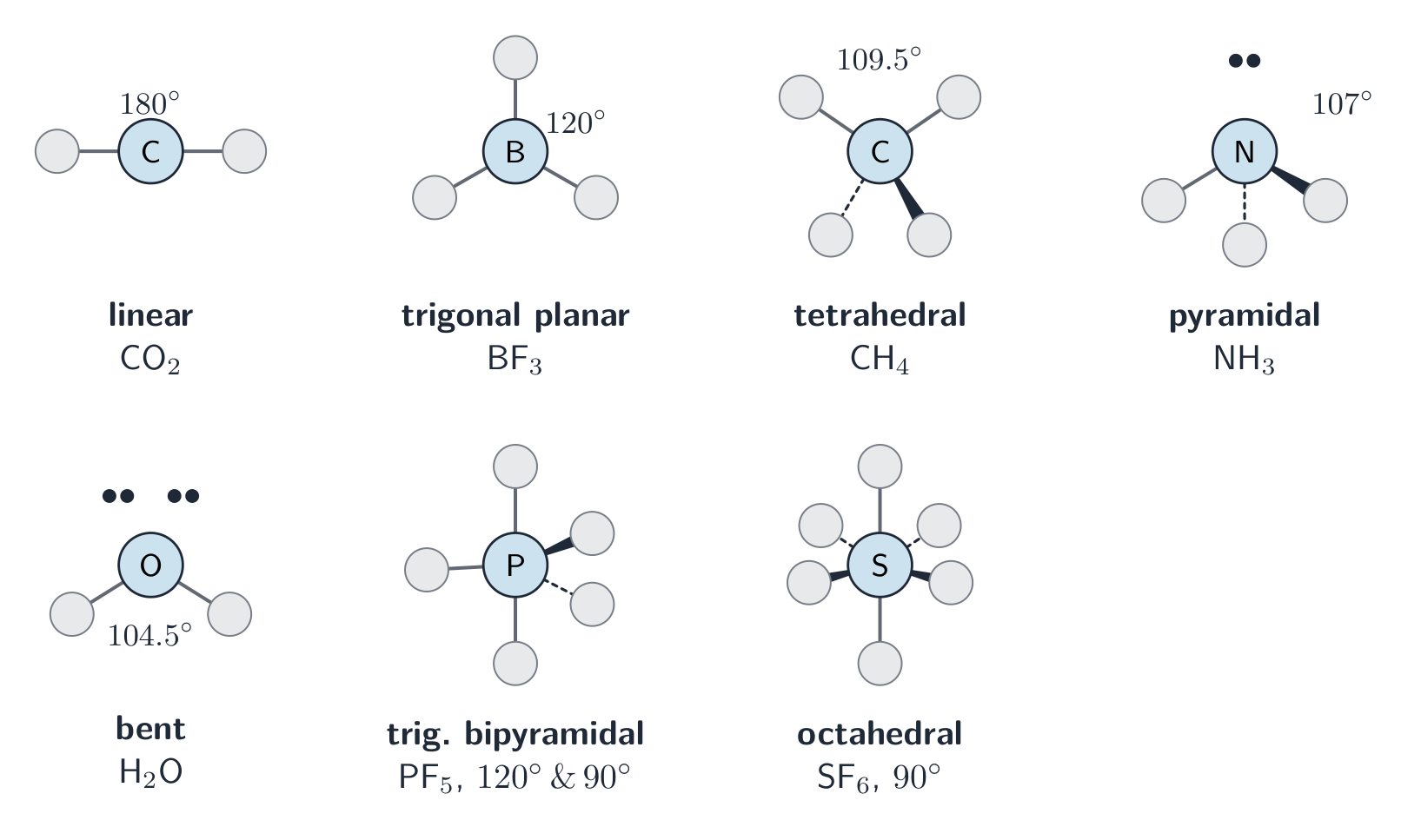
Worked example. Predict the shape of ammonia, $\text{NH}_3$. Nitrogen has $3$ bonding pairs and $1$ lone pair – four electron domains, so the electron geometry is tetrahedral and the hybridization is $sp^3$. The lone pair is invisible in the shape but still pushes the bonds together, so the molecular shape is trigonal pyramidal with a bond angle of about $107^{\circ}$ (a little less than the ideal $109.5^{\circ}$). The three N–H dipoles do not cancel, so the molecule is polar.
Bonds form when atomic orbitals overlap. Every single bond is one sigma bond σ键 – orbitals overlapping head-on along the line joining the two atoms. A multiple bond adds a pi bond π键, made by $p$ orbitals overlapping sideways above and below that line: a double bond is one sigma + one pi, a triple bond one sigma + two pi. Head-on overlap is more effective, so a sigma bond is stronger (higher bond energy) than a pi bond – which is why a double bond is stronger than a single bond but not twice as strong. A pi bond also locks the two atoms so they cannot rotate about the bond; a C=C double bond therefore has fixed cis and trans forms – geometric isomers 几何异构体 that a freely-rotating single bond could never show.
Worked example. Count the bonds in ethene, $\text{H}_2\text{C}=\text{CH}_2$. The four C–H bonds are single bonds (one sigma each); the C=C is one sigma plus one pi. So ethene has 5 sigma and 1 pi bond, and that single pi bond is exactly what stops the two $\text{CH}_2$ ends from twisting relative to each other.
Explore
Predict molecular shape with VSEPR
VSEPR: electron pairs repel and spread as far apart as possible, setting the molecule's shape. Add bonding and lone pairs and watch the geometry change.
Vocabulary
Train
| English |
|---|
| VSEPR/ˈvespə/ |
| Hybridization/ˌhaɪbrɪdaɪˈzeɪʃn/ |
| sigma bond/ˈsɪɡmə bɒnd/ |
| pi bond/paɪ bɒnd/ |
| geometric isomers/ˌdʒiːəʊˈmetrɪk ˈaɪsəməz/ |
2.7
Exam tips
- Decide the bond type from the atoms: ionic (metal + non-metal, electron transfer), covalent (non-metals, sharing), metallic (sea of delocalised electrons).
- An ionic solid conducts only when molten or dissolved (ions free to move), never as a solid.
- Draw Lewis structures to satisfy the octet (H wants 2), then use VSEPR — electron pairs spread as far apart as possible — to predict the shape.
- Lone pairs take up space and push bonds closer, bending the shape (water is bent, ammonia pyramidal).
- A molecule can have polar bonds yet be non-polar overall if its symmetry makes the dipoles cancel ($\text{CO}_2$).
- A single bond is 1 sigma bond; a double bond is 1 sigma + 1 pi, a triple bond 1 sigma + 2 pi. Sigma is stronger than pi, and a pi bond blocks rotation, giving cis/trans geometric isomers.
Interactive lessons on this topic
Work through it step by step, with instant-check exercises.