6.1 Contextualizing Period 6
Learning Objective Unit 6.A: Explain the historical context for the rise of industrial capitalism in the United States.
- KC-6.1 Technological advances, large-scale production methods, and the opening of new markets encouraged the rise of industrial capitalism in the United States.
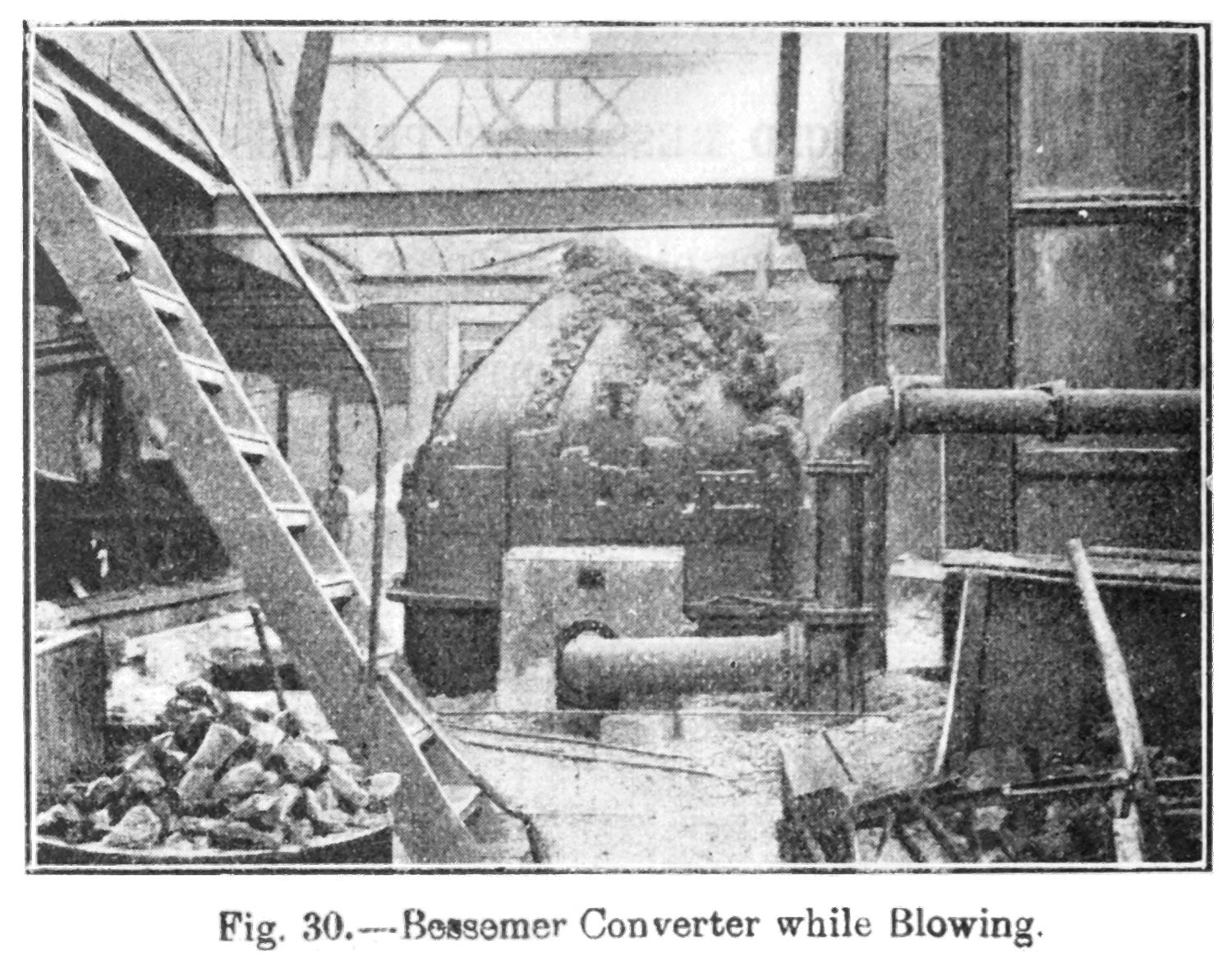
- KC-6.1.I Large-scale industrial production— accompanied by massive technological change, expanding international communication networks, and pro-growth government policies—generated rapid economic development and business consolidation.
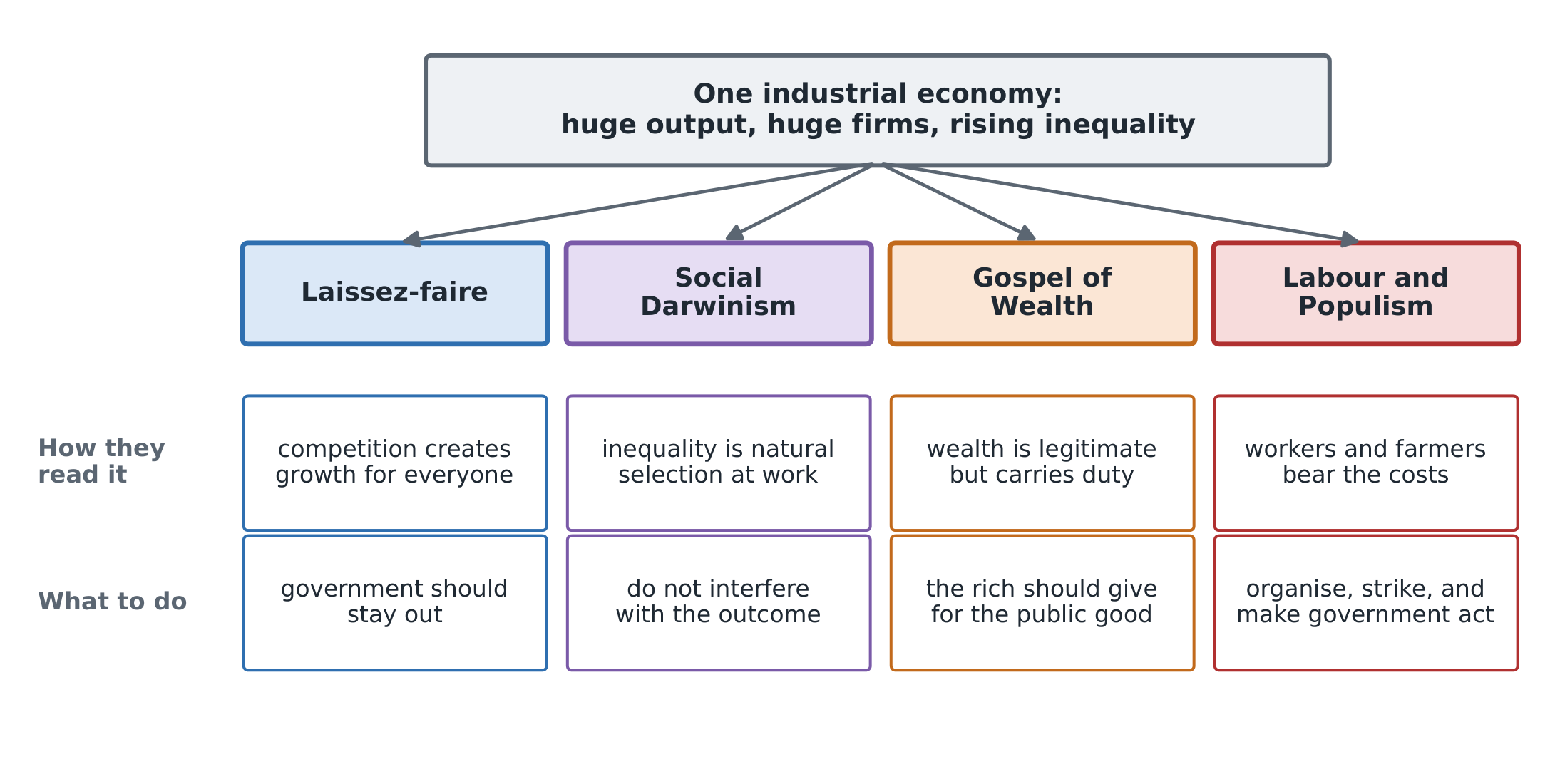
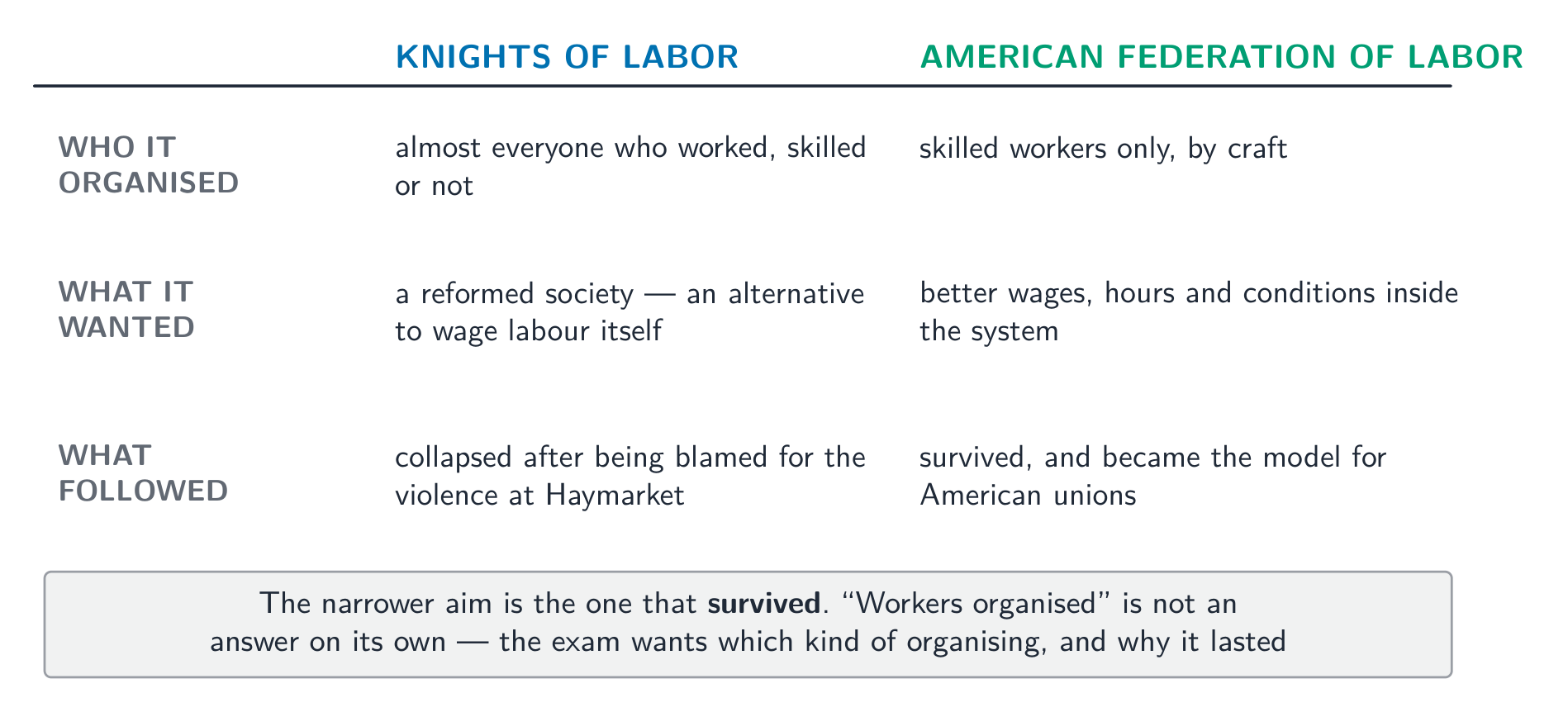
- KC-6.1.II A variety of perspectives on the economy and labor developed during a time of financial panics and downturns.
- KC-6.1.III New systems of production and transportation enabled consolidation within agriculture, which, along with periods of instability, spurred a variety of responses from farmers.
- KC-6.2 The migrations that accompanied industrialization transformed both urban and rural areas of the United States and caused dramatic social and cultural change.
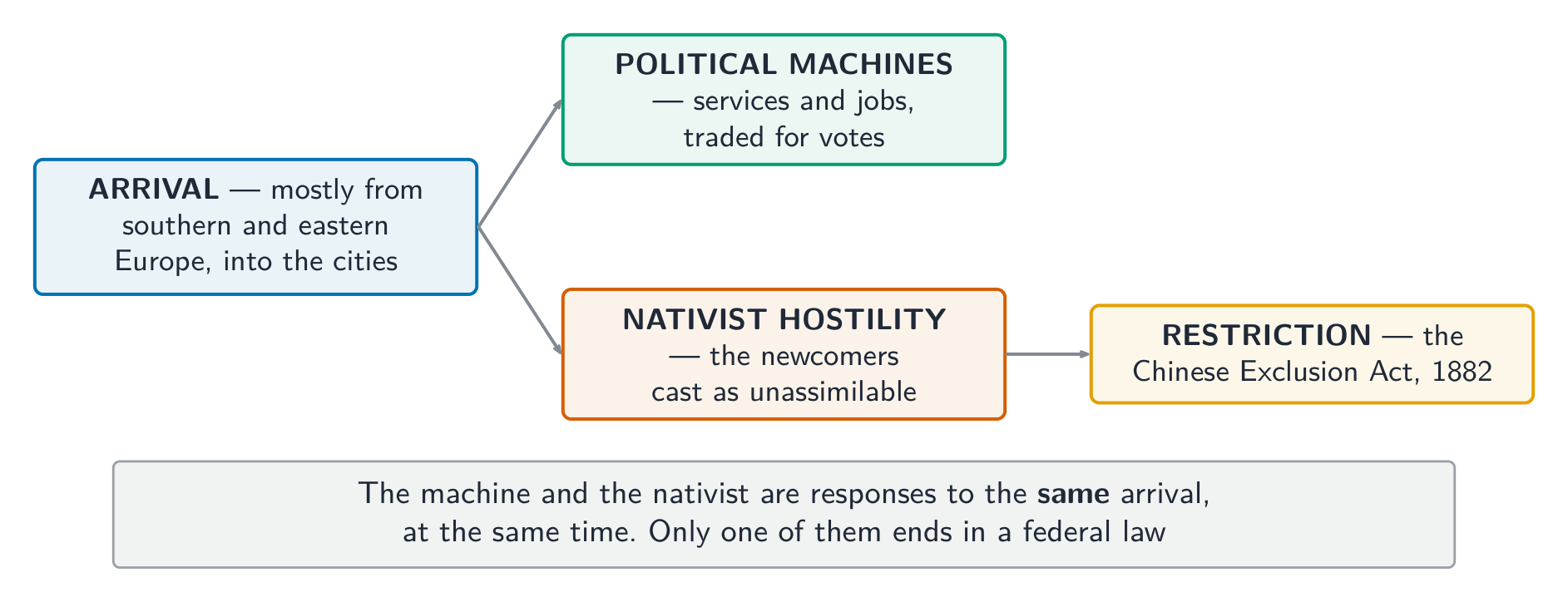
- KC-6.2.I International and internal migration increased urban populations and fostered the growth of a new urban culture.
- KC-6.2.II Larger numbers of migrants moved to the West in search of land and economic opportunity, frequently provoking competition and violent conflict.
- KC-6.3 The Gilded Age produced new cultural and intellectual movements, public reform efforts, and political debates over economic and social policies.
- KC-6.3.I New cultural and intellectual movements both buttressed and challenged the social order of the Gilded Age.
- KC-6.3.II Dramatic social changes in the period inspired political debates over citizenship, corruption, and the proper relationship between business and government.
6.1 سياق الفترة 6
هدف التعلم الوحدة 6.A: اشرح السياق التاريخي لصعود الرأسمالية الصناعية في الولايات المتحدة.
- KC-6.1 شجعت التقدم التكنولوجي، وطرق الإنتاج الضخم، وفتح أسواق جديدة صعود الرأسمالية الصناعية في الولايات المتحدة.
- KC-6.1.I أنتج الإنتاج الصناعي الضخم – المصاحبه للتغير التكنولوجي الهائل، وتمدد شبكات الاتصال الدولية، والسياسات الحكومية الداعمة للنمو – تنمية اقتصادية سريعة وتكامل أعمال.
- KC-6.1.II تطورت منظورات متنوعة للاقتصاد والعمل خلال فترة من الذعر المالي والكساد.
- KC-6.1.III مكّنت أنظمة الإنتاج والنقل الجديدة التكامل داخل الزراعة، والذي، بالإضافة إلى فترات عدم الاستقرار، حفز مجموعة متنوعة من الاستجابات من المزارعين.
- KC-6.2 حولت الهجرات المصاحبة للصناعة كلاً من المناطق الحضرية والريفية في الولايات المتحدة وتسببت في تغييرات اجتماعية وثقافية جذرية.
- KC-6.2.I زادت الهجرة الدولية والداخلية من السكان الحضريين وعززت نمو ثقافة حضرية جديدة.
- KC-6.2.II انتقلت أعداد أكبر من المهاجرين إلى الغرب بحثاً عن الأراضي والفرص الاقتصادية، مما أثار غالباً المنافسة والصراع العنيف.
- KC-6.3 أنتجت حقبة الطلاء الذهبي حركات ثقافية وفكرية جديدة، وجهود إصلاح عام، ونقاشات سياسية حول السياسات الاقتصادية والاجتماعية.
- KC-6.3.I عززت الحركات الثقافية والفكرية الجديدة، وفي الوقت نفسه تحدى النظام الاجتماعي لحقبة الطلاء الذهبي.
- KC-6.3.II ألهمت التغييرات الاجتماعية الجذرية في تلك الفترة نقاشات سياسية حول المواطنة، والفساد، والعلاقة المناسبة بين الأعمال والحكومة.
6.2 Westward Expansion: Economic Development
Thematic Focus (MIG): Migration and Settlement — Push and pull factors shape immigration to and migration within America, and the demographic change as a result of these moves shapes the migrants, society, and the environment.
Learning Objective Unit 6.B: Explain the causes and effects of the settlement of the West from 1877 to 1898.
- KC-6.1.III.A Improvements in mechanization helped agricultural production increase substantially and contributed to declines in food prices.
- KC-6.1.III.B Many farmers responded to the increasing consolidation in agricultural markets and their dependence on the evolving railroad system by creating local and regional cooperative organizations.
- KC-6.1.I.A Following the Civil War, government subsidies for transportation and communication systems helped open new markets in North America.
- KC-6.2.II.A The building of transcontinental railroads, the discovery of mineral resources, and government policies promoted economic growth and created new communities and centers of commercial activity.
6.2 التوسع الغربي: التنمية الاقتصادية
التركيز الموضوعي (MIG): الهجرة والاستيطان — تحدد عوامل الدفع والسحب الهجرة إلى داخل أمريكا والهجرة بداخلها، ويشكّل التغير الديموغرافي الناتج عن هذه الحركات المهاجرين والمجتمع والبيئة.
هدف التعلم الوحدة 6.B: اشرح أسباب ونتائج استيطان الغرب من عام 1877 إلى عام 1898.
- KC-6.1.III.A ساعدت التحسينات في الآلية على زيادة الإنتاج الزراعي بشكل كبير وساهمت في انخفاض أسعار الغذاء.
- KC-6.1.III.B رد العديد من المزارعين على التركز المتزايد في الأسواق الزراعية واعتمادهم على نظام السكك الحديدية المتطور من خلال إنشاء منظمات تعاون محلية وإقليمية.
- KC-6.1.I.A بعد الحرب الأهلية، ساعدت الإعانات الحكومية لأنظمة النقل والاتصالات في فتح أسواق جديدة في أمريكا الشمالية.
- KC-6.2.II.A أدى بناء السكك الحديدية عبر القارات واكتشاف الموارد المعدنية وسياسات الحكومة إلى تعزيز النمو الاقتصادي وخلق مجتمعات ومراكز تجارية جديدة.
6.3 Westward Expansion: Social and Cultural Development
Thematic Focus (MIG): Migration and Settlement — Push and pull factors shape immigration to and migration within America, and the demographic change as a result of these moves shapes the migrants, society, and the environment.
Learning Objective Unit 6.B: Explain the causes and effects of the settlement of the West from 1877 to 1898.
- KC-6.2.II.B In hopes of achieving ideals of self-sufficiency and independence, migrants moved to both rural and boomtown areas of the West for opportunities, such as building the railroads, mining, farming, and ranching.
- KC-6.2.II.C As migrant populations increased in number and the American bison population was decimated, competition for land and resources in the West among white settlers, American Indians, and Mexican Americans led to an increase in violent conflict.
- KC-6.2.II.D The U.S. government violated treaties with American Indians and responded to resistance with military force, eventually confining American Indians to reservations and denying tribal sovereignty.
- KC-6.2.II.E Many American Indians preserved their cultures and tribal identities despite government policies promoting assimilation, and they attempted to develop self-sustaining economic practices.
6.3 التوسع الغربي: التنمية الاجتماعية والثقافية
التركيز الموضوعي (MIG): الهجرة والاستيطان — تحدد عوامل الدفع والسحب الهجرة إلى داخل أمريكا والهجرة بداخلها، ويشكّل التغير الديموغرافي الناتج عن هذه الحركات المهاجرين والمجتمع والبيئة.
هدف التعلم الوحدة 6.B: اشرح أسباب ونتائج استيطان الغرب من عام 1877 إلى عام 1898.
- KC-6.2.II.B طموحًا لتحقيق مبادئ الاكتفاء الذاتي والاستقلال، انتقلت populations المهاجرين إلى المناطق الريفية والمدن الزهرانية في الغرب للحصول على فرص مثل بناء السكك الحديدية، والتعدين، والزراعة، والرعي.
- KC-6.2.II.C مع زيادة أعداد سكان المهاجرين وتدمر أعداد البفALO الأمريكي، أدت المنافسة على الأراضي والموارد في الغرب بين المستوطنين البيض والهنود الحمر والمكسيكيين الأمريكيين إلى زيادة الصراعات العنيفة.
- KC-6.2.II.D خالفت الحكومة الأمريكية المعاهدات مع الهنود الحرد واستجابت للمقاومة بالقوة العسكرية، وفي النهاية حصرت الهنود الحرد في المحميات وحرمتهم من سيادة القبائل.
- KC-6.2.II.E حافظت العديد من الهنود الحرد على ثقافاتهم وهوياتهم القبلية رغم سياسات الحكومة التي تعزز الاندماج، وحاولوا تطوير ممارسات اقتصادية ذاتية الاستدامة.