- skim a text quickly to get the general idea, then scan to locate specific facts, names, numbers, times and places
- answer short questions with a single word or short phrase, using the exact detail from the text
- predict what kind of information a question is asking for before reading the text closely
IGCSE 英语
学习建议
IGCSE 英语作为第二语言(0510)考查四项技能:阅读、写作、听力、口语。本站的写作主题按考试要求的文体组织——非正式邮件、正式信函、报告、文章、评论、议论文——因为每种都有自己的规范,并据此评分。
对第二语言考生来说,失分很少是因为没有想法。失分在语域(把非正式邮件写成正式的)、结构(文章没有标题或分段),以及少数反复出现的准确性问题——冠词、时态、介词。
改掉自己反复出现的五个错误,比学新单词更有价值。
-
1
阅读技能
1.1
阅读获取具体信息
大纲
来源:剑桥国际大纲
在考试中你不慢慢地读每个词。你改变你的速度以适合你的目标。
Skim first, then scan
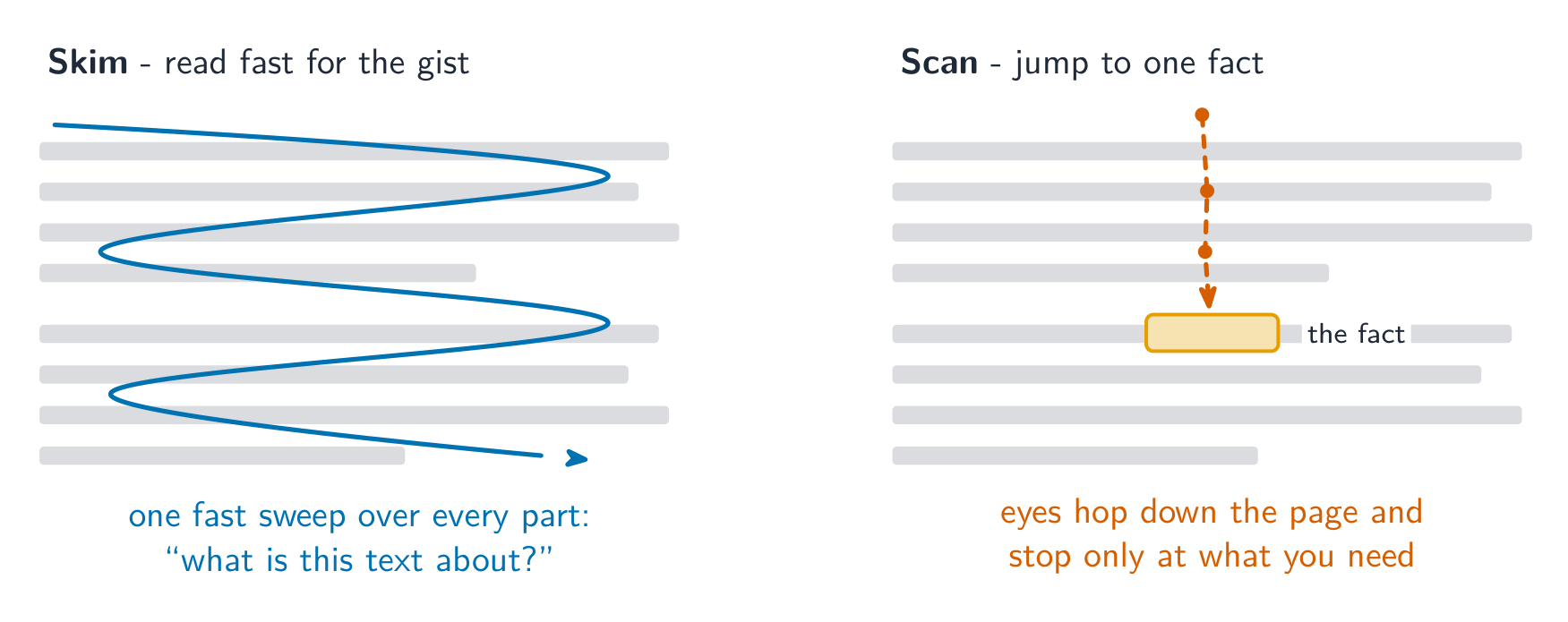
- 首先略读(skim)文本。快速地读它以得到大意(gist)——总体的思想。看标题、每个段落(paragraph)的第一行,以及任何图片。
- 然后扫读(scan)以找到一份信息。快速地把你的眼睛往页下移。不要读每个词。当你看到你需要的时停下。
- 对名字、数字、日期、时间和地点等事实用扫读。
略读扫视一切以得大意;扫读直接跳到一个事实 Match the question to the text
- 先读问题。决定它想要什么种类的答案:一个名字?一个数字?一个原因?
- 在你看之前预测(predict)答案。这帮助你的眼睛更快地找到它。
- 找到文本中谈同一个思想的部分。答案通常在那里。
Write short, exact answers
- 这里你写一个单一的词或一个短的短语(phrase),不是一个完整的句子。
- 能的时候从文本复制确切的词。
- 只回答问题所问的。额外的词能失去分数。
词汇表 训练英文 中文 拼音 skim/skɪm/ 略读 lüè dú gist/dʒɪst/ 大意 dà yì paragraph/ˈpærəɡræf/ 段落 duàn luò scan/skæn/ 扫读 sǎo dú predict/prɪˈdɪkt/ 预测 yù cè phrase/freɪz/ 短语 duǎn yǔ 1.2
理解观点之间的联系
大纲
- follow how ideas, opinions and attitudes in a text connect to one another
- match each question to the section or short text that contains the relevant idea (multiple matching)
- recognise words and phrases that signal time, cause and effect, addition and contrast
来源:剑桥国际大纲
一个长文本不只是一个事实的列表。思想互相联系,而你必须跟随如何联系。
Multiple matching
- 在一个多项匹配(multiple matching)任务中,你读几个短文本,或一个文本的几个部分。
- 每个问题描述一个思想。你选择匹配它的文本或部分。
- 问题中的词通常与文本中的词不同。寻找同样的意思,而不是同样的词。这叫一个改写(paraphrase)。
Signal words
- 作者用小词来显示思想如何联系。这些是信号词(signal words)。
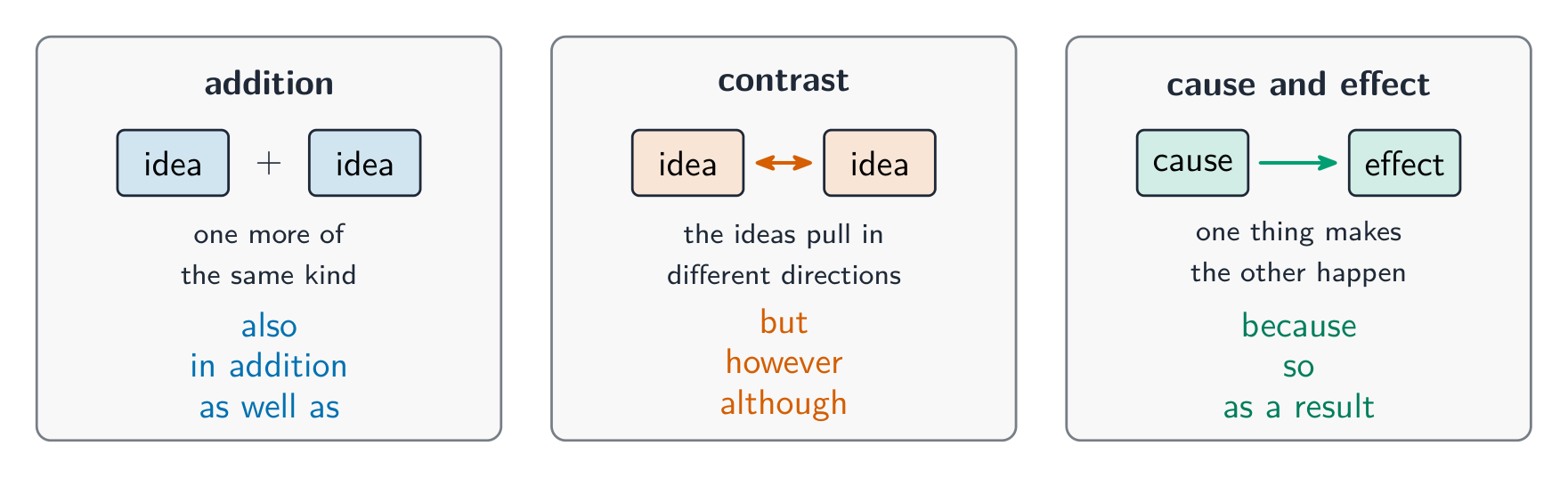
- 一些显示递进(addition,also、in addition、as well as)。一些显示对比(contrast,but、however、although)。一些显示因果(cause and effect,because、so、as a result)。
- 当你注意到这些词时,你能看到作者的思想如何组合在一起。
三个信号词家族以及它们对思想做什么 词汇表 训练英文 中文 拼音 multiple matching/ˈmʌltɪpl ˈmætʃɪŋ/ 多项匹配 duō xiàng pǐ pèi paraphrase/ˈpærəfreɪz/ 改写 gǎi xiě signal words/ˈsɪɡnl wɜːdz/ 信号词 xìn hào cí addition/əˈdɪʃn/ 递进 dì jìn contrast/ˈkɒntræst/ 对比 duì bǐ cause and effect/kɔːz ænd ɪˈfekt/ 因果 yīn guǒ 1.3
做笔记与总结
大纲
- select only the relevant points from a text for a given purpose
- complete a set of brief notes under headings, using short phrases rather than full sentences
- leave out examples and repetition, keeping just the key information
来源:剑桥国际大纲
有时你必须从一个文本取出主要点并以一个短的形式写它们。
Note-making
- 在一个做笔记(note-making)任务中,你在标题下完成笔记。
- 写短笔记,不是完整的句子。一个词或一个短短语就足够了。
- 只选择适合标题的点。省去例子和额外的细节。
Summary skills
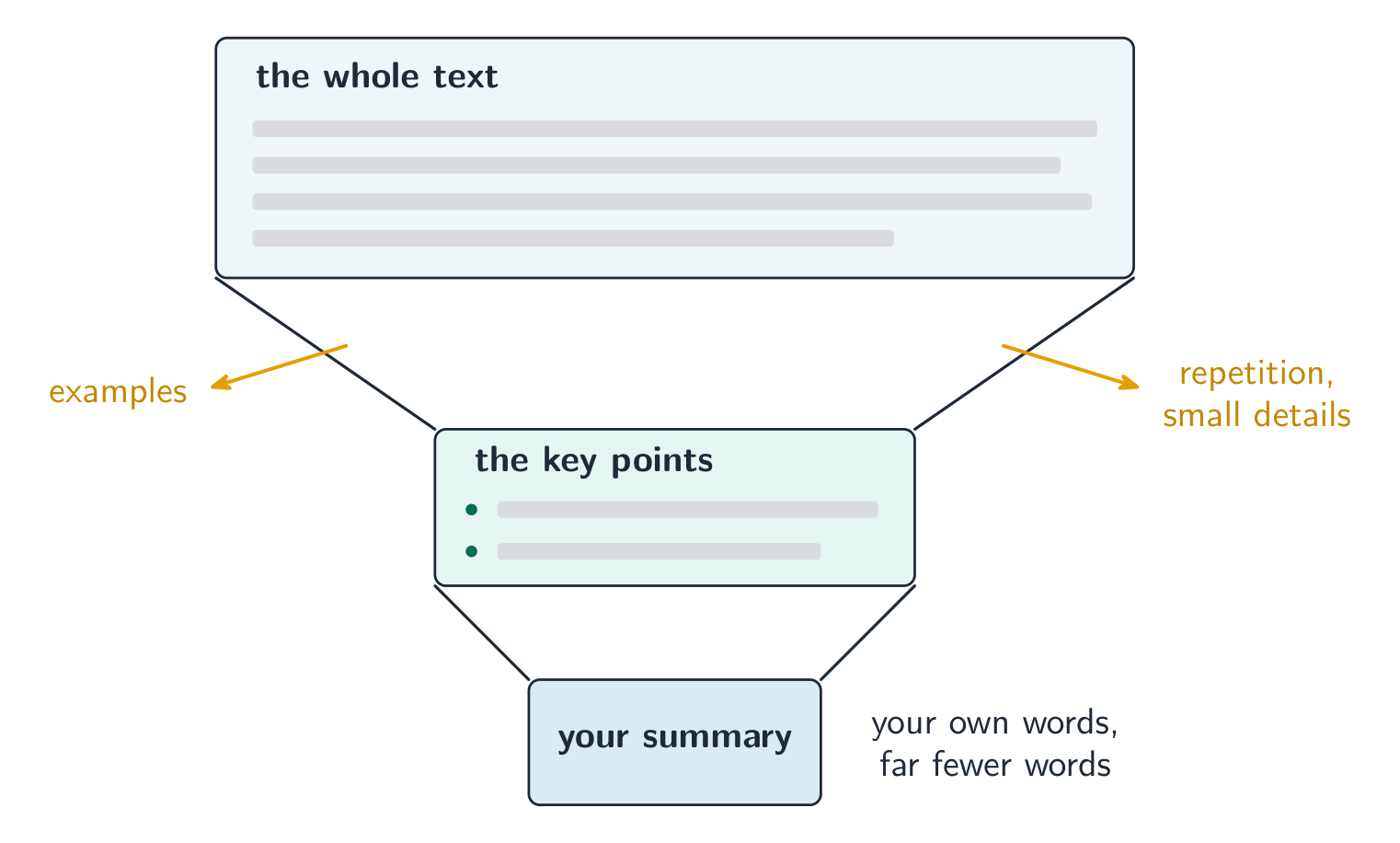
- 一个概括(summary)只给最重要的思想,用更少的词。
- 找到关键点。忽略例子、重复(repetition)和小细节。
- 能的地方用你自己的话。不要复制整个句子。
一个概括只保留关键点,用你自己的话 词汇表 训练英文 中文 拼音 note-making/nəʊt ˈmeɪkɪŋ/ 做笔记 zuò bǐ jì summary/ˈsʌməri/ 概括 gài kuò repetition/ˌrepəˈtɪʃn/ 重复 chóng fù 1.4
推断与作者的态度

大纲
- understand meaning that is implied but not directly stated
- work out a writer's opinion, attitude or feelings from the words and phrases they choose
- deduce the meaning of an unfamiliar word from the information around it
- answer multiple-choice questions about main ideas, details and attitudes
来源:剑桥国际大纲
细读:推断题的答案来自作者选用的词语,而不是某个可以照抄的句子 一些答案不直接写在文本中。你必须算出它们。这叫推断(inference)。
Implied meaning
- 有时作者暗示(implies)某样东西而不公开地说。意思在那里,但它被隐藏。
- 读思想周围的词。问:作者想让我在这里理解什么?
The writer's attitude
- 作者的态度(attitude)是他们对主题的感受——例如,兴奋、担忧或不确定。
- 你在作者的用词(word choice)中找到态度。强或情感的词显示感受。
- 在一个关于态度的选择题(multiple-choice)问题中,读所有的选项。选择适合整个文本、而不只是一行的那个。
Unfamiliar words
- 你会遇到你不知道的词。不要停。
- 用语境(context)——它周围的词——来猜新词的意思。
词汇表 训练英文 中文 拼音 inference/ˈɪnfərəns/ 推断 tuī duàn implies/ɪmˈplaɪz/ 暗示 àn shì attitude/ˈætɪtjuːd/ 态度 tài dù word choice/wɜːd tʃɔɪs/ 用词 yòng cí multiple-choice/ˈmʌltɪpl tʃɔɪs/ 选择题 xuǎn zé tí context/ˈkɒntekst/ 语境 yǔ jìng 1.4
考试技巧
- 在文本之前读问题。划出关键词:一个名字?一个数字?一个原因?
- 答案通常以与文本相同的顺序出现,所以不要往回找第 1 题。
- 能的时候从文本复制确切的词;一个改变的词能失去分数。
- 检查问题想要多少个答案:"给出两个原因"需要两个,不是一个。
- 在多项匹配中,文本通常不重复问题的词。找同样的思想以不同的方式说出。
- 绝不留一个空行。一个猜测能赢得一分;一个空白从不能。
-
2
写作:目的、读者与准确性
2.1
目的、读者与语域

大纲
- identify the purpose of a piece of writing: to inform, to argue or to discuss
- think about the audience and how formal or informal the language should be
- choose a register and style that suit the purpose and the reader
来源:剑桥国际大纲
在你写之前,问两个问题:我为什么写,以及谁会读它?
Know your purpose
- 每个写作任务有一个目的(purpose):告知(inform)、论证(argue)或讨论(discuss)。
- 目的决定你写什么以及你如何写它。
- 任务告诉你目的。仔细地读它并划出它。
Know your audience
- 读者(audience)是会读你写作的人——一个朋友、一位老师,或一个活动组织者。
- 以一种适合他们的方式写。你给一个朋友写与给一位老师不同的方式。
Choose the right register
- 语域(register)意味着你的语言有多正式(formal)或非正式(informal)。
- 对一个朋友用非正式的语言:缩写形式(I'm、don't)和友好的词。
- 对一位老师或一份报告用正式的语言:完整形式(I am、do not)和礼貌的词。没有俚语(slang)。
目的和读者一起决定你的写作应当有多正式 
Writing at a desk: decide purpose and audience before you organise ideas on the page 词汇表 训练英文 中文 拼音 purpose/ˈpɜːpəs/ 目的 mù dì inform/ɪnˈfɔːm/ 告知 gào zhī argue/ˈɑːɡjuː/ 论证 lùn zhèng discuss/dɪˈskʌs/ 讨论 tǎo lùn audience/ˈɔːdɪəns/ 读者 dú zhě register/ˈredʒɪstə/ 语域 yǔ yù formal/ˈfɔːml/ 正式 zhèng shì informal/ɪnˈfɔːml/ 非正式 fēi zhèng shì slang/slæŋ/ 俚语 lǐ yǔ 2.2
组织观点与衔接手段
大纲
- plan what to include and the order in which to present it
- organise writing into clear paragraphs with a logical structure
- link ideas using devices for addition (in addition, moreover), contrast (however, although) and cause/effect (therefore, as a result)
来源:剑桥国际大纲
好的写作不只是正确的。它也容易跟随。
Plan before you write
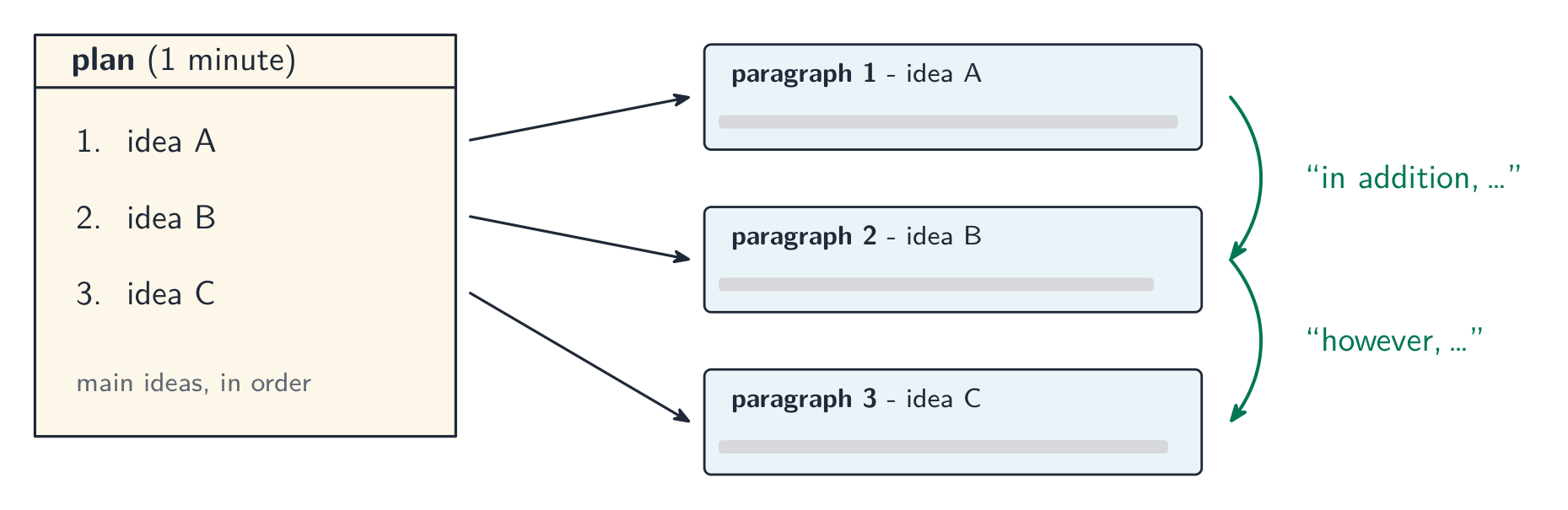
- 在一个计划(plan)上花一分钟。写下你的主要思想并把它们排序。
- 一个计划阻止你忘记一个点或重复你自己。
一个一分钟计划变成你的段落:每个一个思想,由衔接词连接 Use paragraphs
- 把每个主要思想放在它自己的段落(paragraph)里。
- 为一个新思想开始一个新段落。这使你的写作清晰。
Link your ideas
- 用衔接词(linking words)把你的思想平滑地连接。
- 对于递进:in addition、also、as well as。对于对比:however、but、although。对于结果:so、therefore、as a result。
词汇表 训练英文 中文 拼音 plan/plæn/ 计划 jì huà paragraph/ˈpærəɡræf/ 段落 duàn luò linking words/ˈlɪŋkɪŋ wɜːdz/ 衔接词 xián jiē cí 2.3
语法、词汇与检查
大纲
- use a range of grammatical structures: different verb forms and tenses, conditionals and varied sentence types
- use a range of vocabulary, including set phrases, collocations and synonyms to avoid repetition
- check your writing for accuracy in grammar, spelling and punctuation
来源:剑桥国际大纲
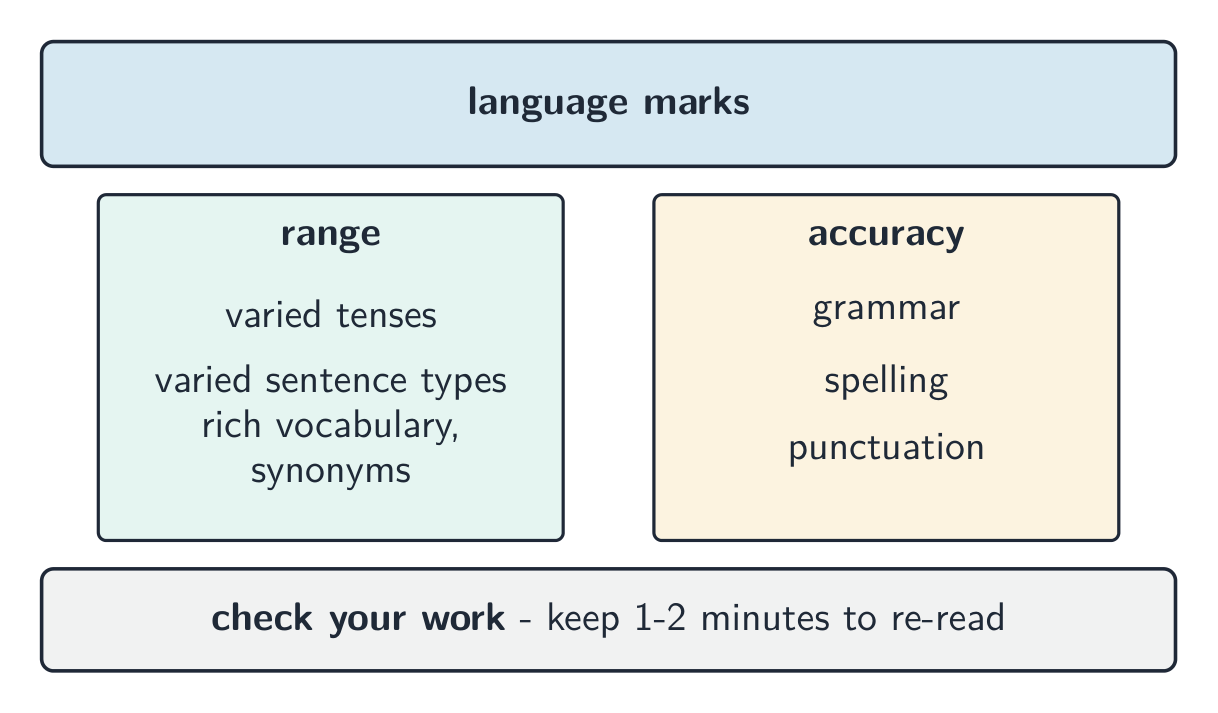
语言分数来自多样性(range)和准确性(accuracy)。
语言分数依靠两根柱子:多样性和准确性 Show a range
- 用不同的时态(tenses)和句子类型。不要以同样的方式写每个句子。
- 用一系列的词汇(vocabulary)。选择一个比容易的更好的词,并用同义词(synonyms)以避免重复你自己。
Be accurate
- 检查你的语法(grammar)、拼写(spelling)和标点(punctuation)。
- 常见的错误是主谓一致、动词时态,和缺失的大写字母。
Check your work
- 留一两分钟再读你的作业。
- 寻找你能快速修复的小错误。检查能节省几分。
词汇表 训练英文 中文 拼音 range/reɪndʒ/ 多样性 duō yàng xìng accuracy/ˈækjʊrəsi/ 准确性 zhǔn què xìng tenses/ˈtensɪz/ 时态 shí tài vocabulary/vəʊˈkæbjʊləri/ 词汇 cí huì synonyms/ˈsɪnənɪmz/ 同义词 tóng yì cí grammar/ˈɡræmə/ 语法 yǔ fǎ spelling/ˈspelɪŋ/ 拼写 pīn xiě punctuation/ˌpʌŋktʃuːˈeɪʃn/ 标点 biāo diǎn 2.3
考试技巧
- 在你写之前,用一行说出你的工作:"一封给一个朋友的非正式电子邮件,邀请他去野餐"。
- 涵盖任务中的每个内容点。考官勾选每个点;一个缺失的立即花费分数。
- 学习你手写的 120 到 160 个词看起来是什么样,所以你在考试中从不数。
- 留最后五分钟检查你惯常的错误:动词 -s、过去形式、a / an / the。
- 一个短的正确句子每次都胜过一个长的破碎的。
-
3
写非正式电子邮件
3.1
目的与读者

大纲
- recognise that an informal email is written to a friend or relative
- respond to all of the prompts given in the task
- use a friendly, personal tone that suits the reader
来源:剑桥国际大纲
第一个写作任务要求你给一个朋友或一个家庭成员写一封非正式电子邮件(informal email)。
Cover every prompt
- 任务给你一些提示(prompts)——你必须写的短的点。
- 你必须涵盖每个提示。若你错过一个,你失去内容分数。
- 在你写它时勾选每个提示,所以你不忘记一个。
Use a friendly tone
- 给一个朋友的一封电子邮件是非正式(informal)的。用一种温暖、友好的语气(tone)。
- 就像你在和那个人说话一样写。也问他们问题。
这封邮件就是写给这样的人的:一个本来就认识你的人,所以像跟他说话那样写 
Writing on a laptop: informal emails still need a clear purpose, order and friendly tone 词汇表 训练英文 中文 拼音 informal email/ɪnˈfɔːml ˈiːmeɪl/ 非正式电子邮件 fēi zhèng shì diàn zi yóu jiàn prompts/prɒmpts/ 提示 tí shì informal/ɪnˈfɔːml/ 非正式 fēi zhèng shì tone/təʊn/ 语气 yǔ qì 3.2
结构与常用语言
大纲
- open and close an informal email appropriately (for example: Hi … / Write back soon …)
- organise the email into short paragraphs, with one main idea per paragraph
- use informal language: contractions, friendly phrases and questions to the reader
来源:剑桥国际大纲
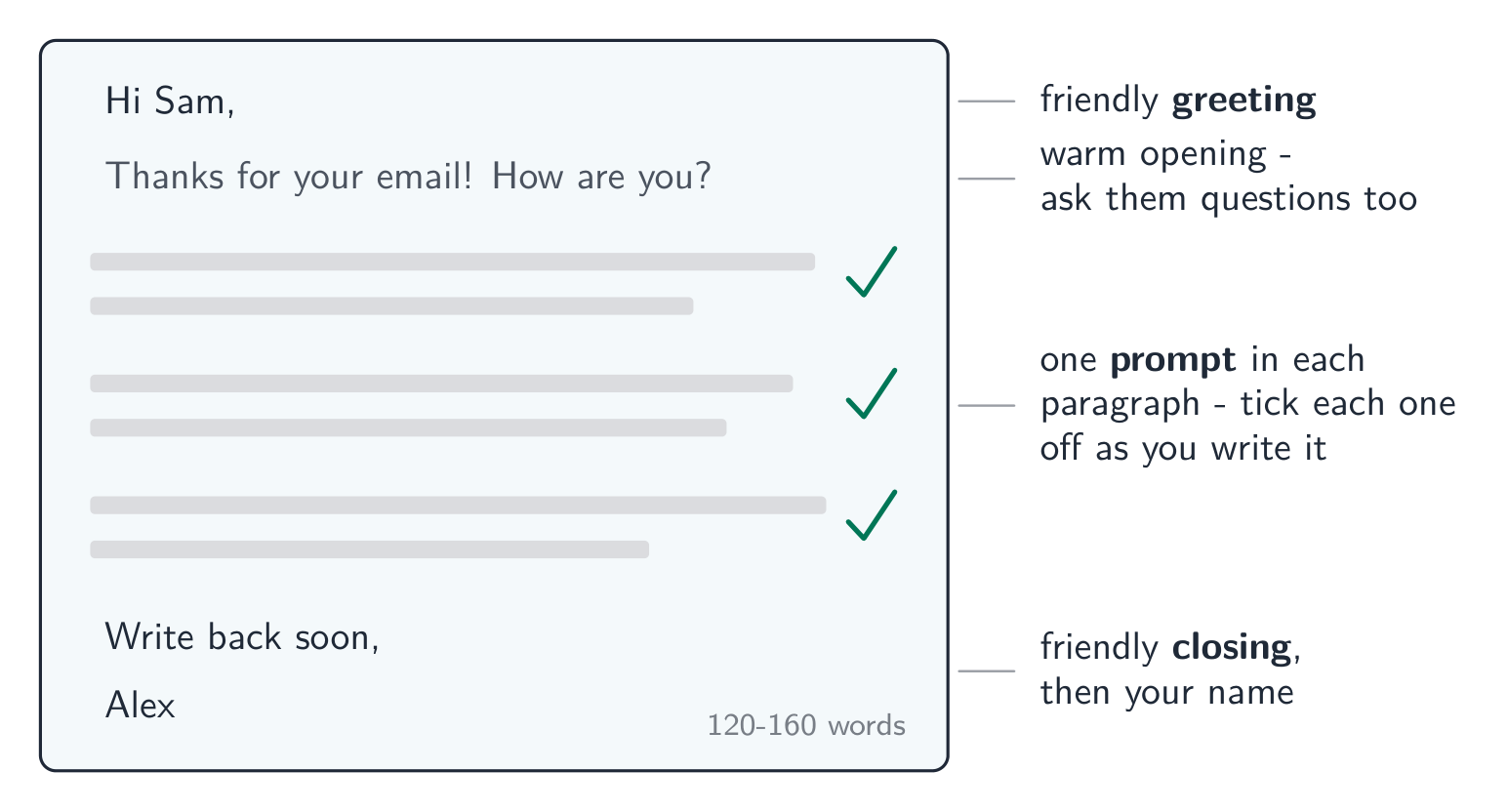
一封好的电子邮件有一个清晰的形状。
一封好的非正式电子邮件的形状 Greeting and ending
- 以一个问候语(greeting)开始:Hi Sam, 或 Dear Anna,
- 以一个友好的结束语(closing)结束:Write back soon, 或 See you soon, 然后你的名字。
Paragraphs
- 用短的段落(paragraphs)。在每个里放一个主要思想。
- 不要写一大块长文本。
Useful language
- 非正式的语言用缩略形式(short forms):I'm、don't、can't。
- 友好的短语有帮助:Guess what! / How are you? / I can't wait to…
词汇表 训练英文 中文 拼音 greeting/ˈɡriːtɪŋ/ 问候语 wèn hòu yǔ closing/ˈkləʊzɪŋ/ 结束语 jié shù yǔ paragraphs/ˈpærəɡræfz/ 段落 duàn luò short forms/ʃɔːt fɔːmz/ 缩略形式 suō lüè xíng shì 3.3
改进你的邮件
大纲
- develop each idea with a reason, example or detail rather than just listing points
- vary your sentence openings and link ideas smoothly
- check the length (120–160 words), the tone and the accuracy before finishing
来源:剑桥国际大纲
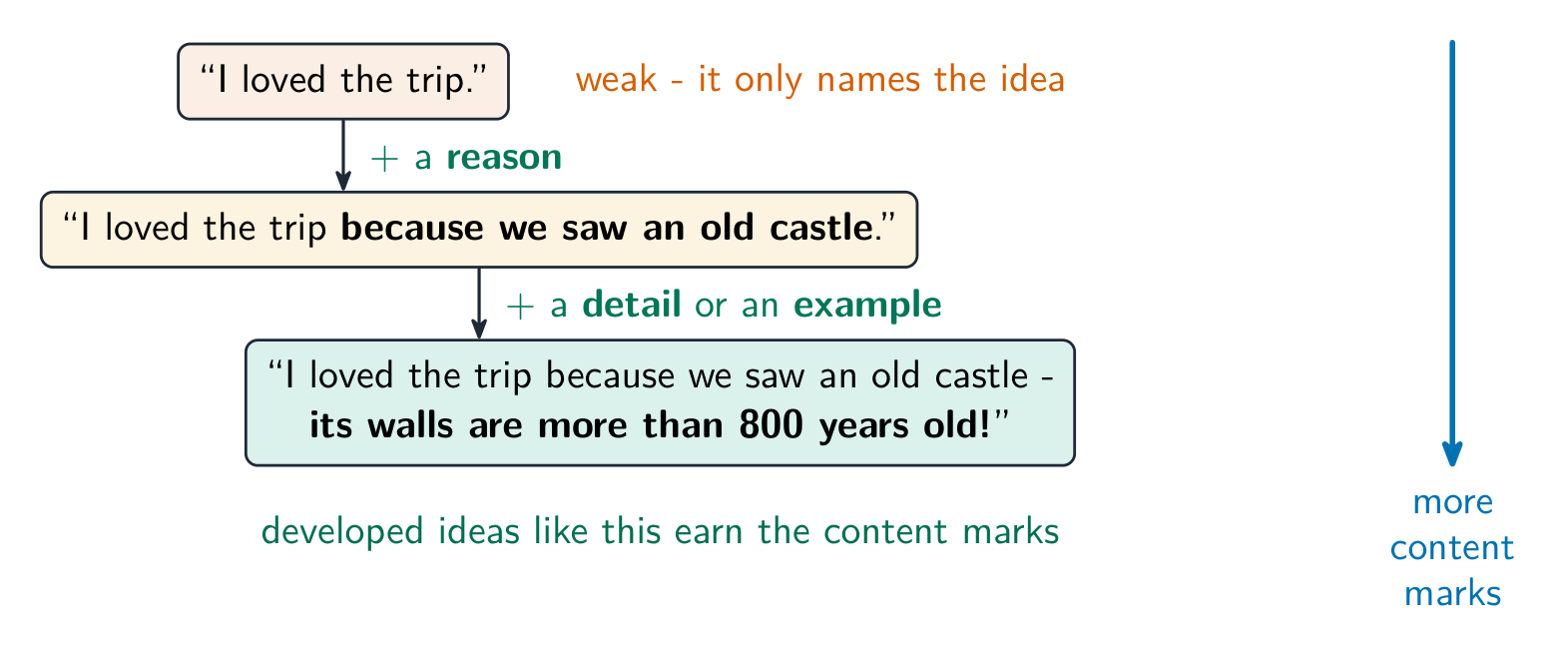
内容分数奖励展开的(developed)思想,而不是一个列表。
Develop your ideas
- 不要只命名一个思想。加一个原因(reason)、一个例子(example),或一个细节(detail)。
- "I loved the trip" 是弱的。"I loved the trip because we saw an old castle" 好得多。
每个额外的原因或细节使思想更强 Check before you finish
- 数你的词:瞄准 120 到 160 个词。
- 检查语气是友好的,然后修复小的语法和拼写错误。
A model email
看友好的语气和展开的思想如何一起工作。
Hi Sam,
Guess what — I finally visited the new science museum you told me about! I loved it, especially the space room, because you can sit in a real rocket seat and feel it shake. I went with my cousin, and we stayed until it closed.
How about you? Have you been yet? We really should go together in the summer.
Write back soon, Lin
注意温暖的问候、一个带一个原因的展开的思想、一个回给 Sam 的问题,和一个友好的结束。它读起来像一个给一个朋友的真实消息——而且它涵盖每个提示。
词汇表 训练英文 中文 拼音 developed/dɪˈveləpt/ 展开的 zhǎn kāi de reason/ˈriːzn/ 原因 yuán yīn example/eɡˈzæmpl/ 例子 lì zi detail/ˈdiːteɪl/ 细节 xì jié 3.3
考试技巧
- 温暖地开场:"Thanks for your email!" 或 "Great to hear from you!" 立即设定非正式的语气。
- 用缩略形式(I'm、don't、can't)。它们在这里是正确的,并使你听起来像一个朋友。
- 给任务中的每个提示它自己的短段落,并给每个加一个细节或原因。
- 像一个朋友一样结束:"Write back soon," 加上你的名字,绝不用全名。
- 从第一行到最后一行保持风格非正式;中间一个 "Dear Sir" 打破整封电子邮件。
-
4
写正式信函或电子邮件
4.1
正式的目的与读者

大纲
- recognise when a task needs a formal or semi-formal response (for example, to a teacher or an event organiser)
- cover the purpose, format and audience information given in the task
- keep a polite, formal tone throughout
来源:剑桥国际大纲
第二个写作任务有时要求一封正式(formal)或半正式(semi-formal)的信或电子邮件。
Spot a formal task
- 一个正式任务写给一个你不很了解的人——一位校长(head teacher)、一位经理(manager),或一位活动组织者(event organiser)。
- 任务告诉你格式(format)、目的(purpose)和读者。用全部三个。
正式信件是在这样一张桌子上被读的——读它的人并不认识你,而且很忙 Keep a polite tone
- 要礼貌(polite)和恭敬。不要用俚语(slang)或笑话。
- 不要用缩略形式。写 "I am",而不是 "I'm"。
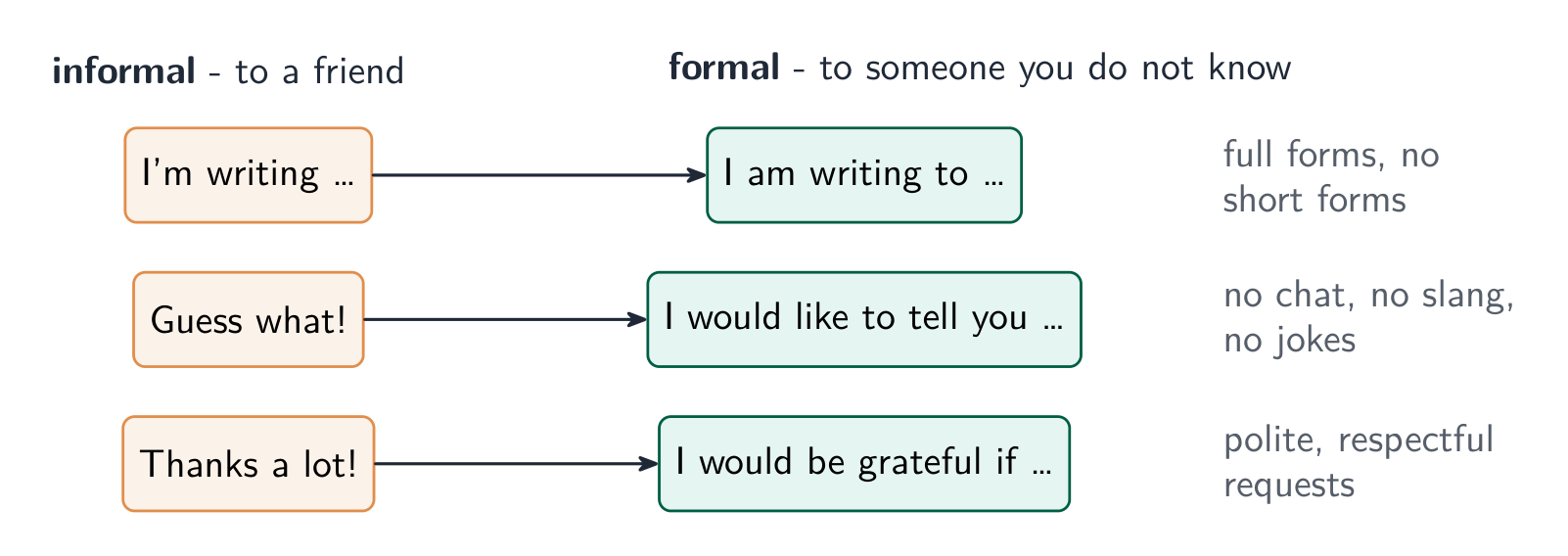
把友好的短语变成正式的 
A formal letter: careful structure, polite register and a clear reason for writing 词汇表 训练英文 中文 拼音 formal/ˈfɔːml/ 正式 zhèng shì semi-formal/ˈsemi ˈfɔːml/ 半正式 bàn zhèng shì head teacher/hed ˈtiːtʃə/ 校长 xiào zhǎng manager/ˈmænɪdʒə/ 经理 jīng lǐ event organiser/ɪˈvent ˈɔːɡənaɪzə/ 活动组织者 huó dòng zǔ zhī zhě format/ˈfɔːmæt/ 格式 gé shì purpose/ˈpɜːpəs/ 目的 mù dì polite/pəˈlaɪt/ 礼貌 lǐ mào slang/slæŋ/ 俚语 lǐ yǔ 4.2
结构与正式语言
大纲
- open and close a formal letter or email appropriately (for example: Dear … / Yours sincerely …)
- organise your points into clear paragraphs with a beginning, middle and end
- use formal language and avoid contractions and slang
来源:剑桥国际大纲
一封正式信遵循一个清晰的顺序。
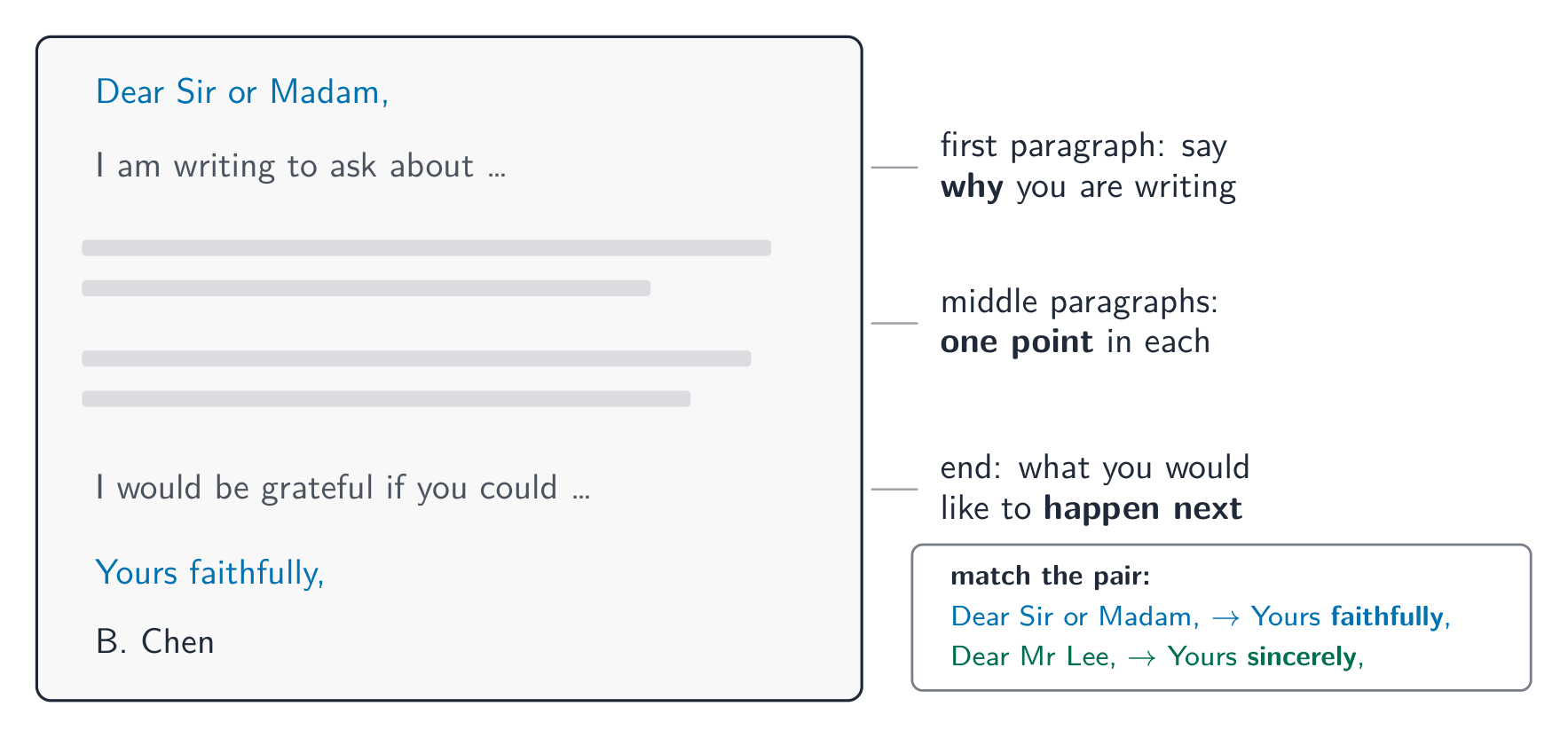
一封正式信的形状——而问候语决定署名 Opening and closing
- 以 Dear Sir/Madam, 或 Dear Mr Lee, 开场
- 若你以一个名字开始,以 Yours sincerely, 结束。若你以 Sir/Madam 开始,以 Yours faithfully, 结束。
Clear paragraphs
- 第一段:说你为什么写。
- 中间段落:给你的点,每个里一个思想。
- 最后一段:说你想接下来发生什么。
Formal language
- 用正式的短语:I would like to…、I am writing to…、I would be grateful 感激 if…
- 保持句子清晰而完整。检查你的语法和拼写。
A model formal letter
看一个礼貌、完整的开场如何设定正确的语气。
Dear Sir or Madam,
I am writing to suggest an improvement to the town library. At present it closes at five o'clock, which is too early for students who finish school at four. I would be grateful if the council could consider opening it until seven in the evening on weekdays.
Thank you for taking the time to read my letter.
Yours faithfully, J. Chen
注意 Dear Sir or Madam / Yours faithfully 的配对、陈述目的的清晰第一行、礼貌的请求,和没有缩略形式的完整句子。
词汇表 训练英文 中文 拼音 grateful/ˈɡreɪtfl/ 感激 gǎn jī 4.2
考试技巧
- 把问候语匹配到结尾:Dear Mr Lee → Yours sincerely;Dear Sir or Madam → Yours faithfully。
- 在第一行说你为什么写:"I am writing to apply for…" 节省词并听起来正式。
- 不要用缩略形式:写 "I am" 和 "do not",绝不用 "I'm" 或 "don't"。
- 每个点一个段落,并以命名你希望的行动结束:"I would be grateful if…"。
- 即使在一个投诉中也保持礼貌:"I was disappointed to find…" 赢得分数;"This is terrible!" 失去语气。
-
5
写报告
5.1
目的、读者与格式

大纲
- recognise that a report is written for a superior or a group about an event, experience or situation
- give factual information clearly and add suggestions or recommendations
- use a neutral, factual tone
来源:剑桥国际大纲
一份报告(report)给一个负责的人——一位老师、一位经理,或一个俱乐部领导——信息。他们会对你写的行动(act),所以清晰而诚实。
Purpose and reader
- 一份报告描述一个事件(event)、一次经历,或一个情况(situation)。
- 它清晰地给出事实(facts),然后加建议。
- 读者想要有用的信息,而不是一个故事。保持语气事实性的(factual)而清晰。
一份报告给读者能用的事实,而不是一个故事 Format
- 一份报告通常是半正式或正式的。
- 顶部一个标题告诉读者报告是关于什么的。
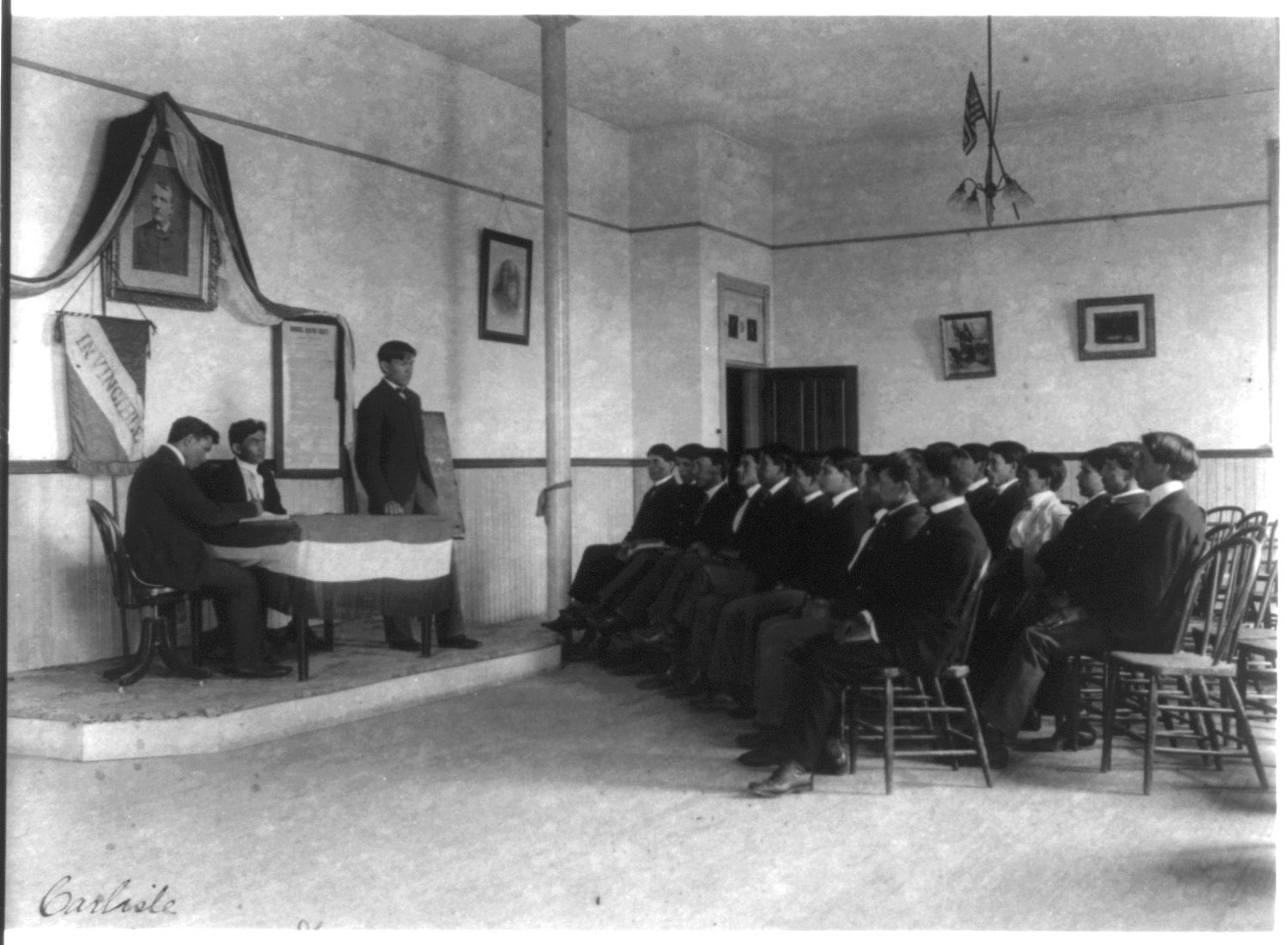
A formal discussion: reports give clear facts so decision-makers can act on them 
A report organises facts for a clear purpose and a defined reader 词汇表 训练英文 中文 拼音 report/rɪˈpɔːt/ 报告 bào gào event/ɪˈvent/ 事件 shì jiàn situation/ˌsɪtʃuːˈeɪʃn/ 情况 qíng kuàng facts/fækts/ 事实 shì shí factual/ˈfæktʃuːəl/ 事实性的 shì shí xìng de 5.2
小标题、事实与建议
大纲
- organise a report using short headings or clearly separated sections
- separate facts from your own opinions and recommendations
- end with a clear recommendation or conclusion
来源:剑桥国际大纲
一个清晰的形状帮助读者快速找到信息。
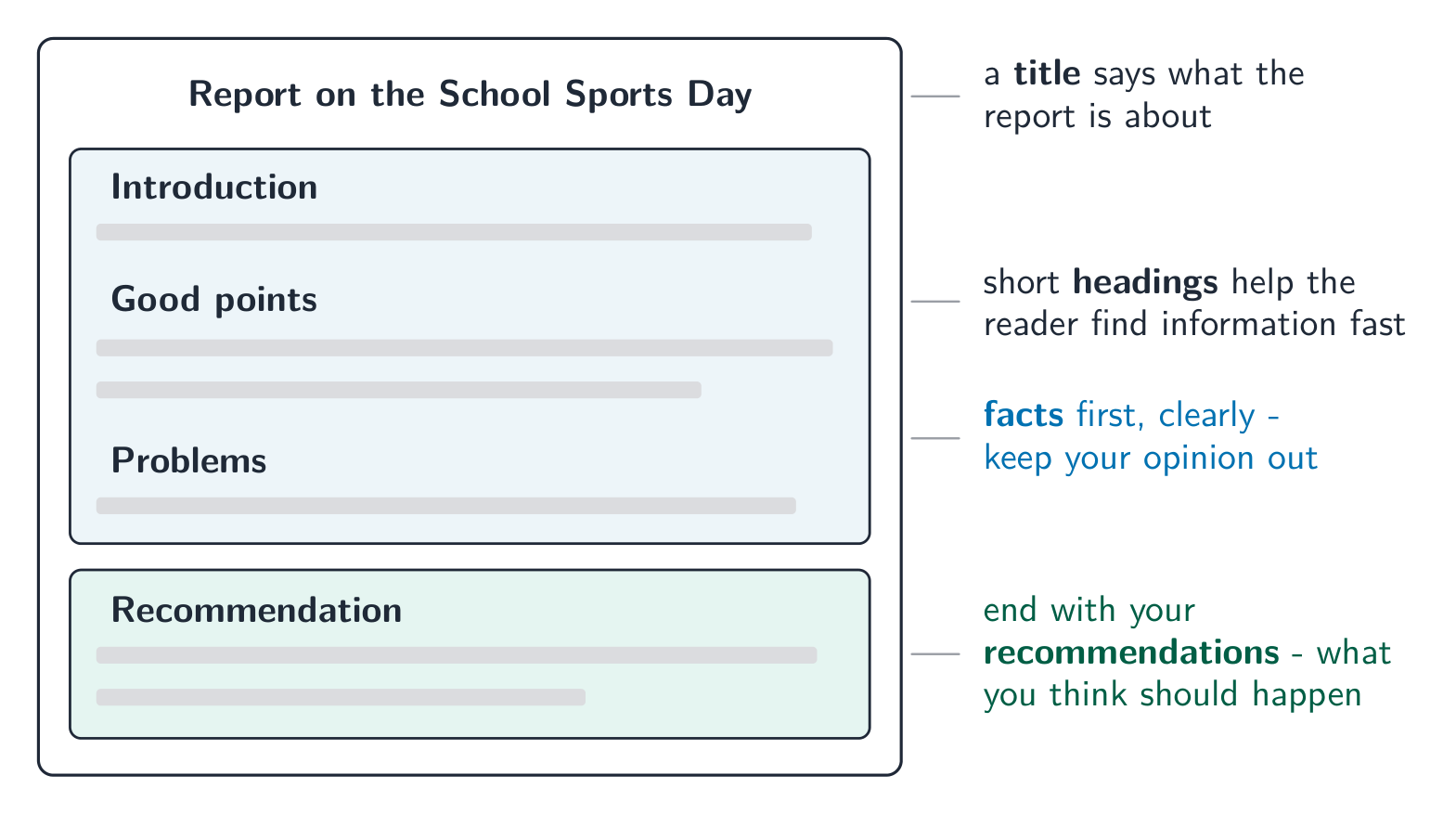
一份报告的形状:清晰标题下的事实,结尾的建议 Use headings
- 用短的小标题(headings)把报告分成部分。
- 例如:Introduction、Good points、Problems、Recommendation。
Facts, then recommendations
- 首先给事实。把你的观点(opinion)排除在这部分之外。
- 然后给你的建议(recommendations)——你认为应当发生什么。
End clearly
- 以一个清晰的建议或结论(conclusion)结束。
- 使你的建议容易跟随。
Useful language
准备好几个报告短语(phrases)。它们使你的写作听起来有组织而成熟。
- 要引入: The aim 目的 of this report is to… / This report looks at…
- 要给事实: At present… / The main problem is… / Many students felt that…
- 要建议: I recommend that… / It would help if… / The best solution 解决办法 is to…
注意这些是平静而客观的。一份报告避免像 "amazing" 或 "terrible" 的强词。
A model report extract
读事实和一个建议如何坐在清晰的标题下。
Introduction This report looks at the school library and suggests ways to improve it.
Good points The library is quiet, and it has a wide range of science books. It opens every day after school.
Problems There are only two computers, and every table is full by four o'clock.
Recommendation The school should add five computers and open a second study room in the evening.
每个部分是短的。前三个只给事实;最后一个给建议。那个分开是使它成为一份报告、而不是一个故事的东西。
词汇表 训练英文 中文 拼音 act/ækt/ 行动 xíng dòng headings/ˈhedɪŋz/ 小标题 xiǎo biāo tí opinion/əˈpɪnɪən/ 观点 guān diǎn recommendations/ˌrekəmenˈdeɪʃnz/ 建议 jiàn yì conclusion/kənˈkluːʒn/ 结论 jié lùn phrases/ˈfreɪzɪz/ 短语 duǎn yǔ aim/eɪm/ 目的 mù dì solution/səˈluːʃn/ 解决办法 jiě jué bàn fǎ 5.2
考试技巧
- 以 To / From / Subject 或一个清晰的标题开始。一份报告从不以 "Dear…" 开场。
- 用引言用一两行说报告涵盖什么以及为什么。
- 把事实分组在短标题下,并把你的观点排除在发现之外。
- 把观点留给结尾:一个清晰的建议,"I recommend…" 加上一个行动。
- 保持风格中立而平静:没有感叹号、没有笑话、没有闲聊。
-
6
写文章
6.1
目的与吸引读者

大纲
- recognise that an article is written for a general audience to inform or entertain
- choose a title and an opening that catch the reader's interest
- keep the reader engaged with questions, examples and a clear point of view
来源:剑桥国际大纲
报摊:这里每一份都在争夺同一个读者,所以一篇文章必须用一个抓人的开头 一篇文章(article)为一本杂志、一份报纸或一个网站写。许多人读它。
Purpose
- 一篇文章告知(informs)或娱乐(entertains)一个普通读者。
- 你通常带原因给出你自己对一个主题的看法。
Engage the reader
- 你必须吸引(engage)读者——使他们想继续读。
- 一个好的标题(title)和一个强的第一行抓住他们的兴趣(interest)。
- 问读者一个问题,或以一个惊人的事实开始。
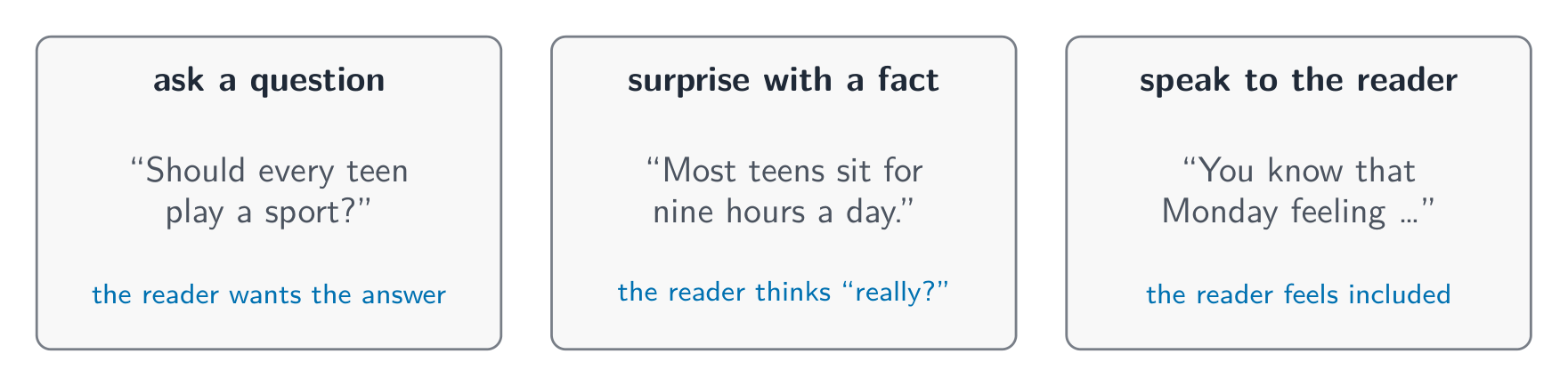
在你的第一行抓住读者兴趣的三种方式 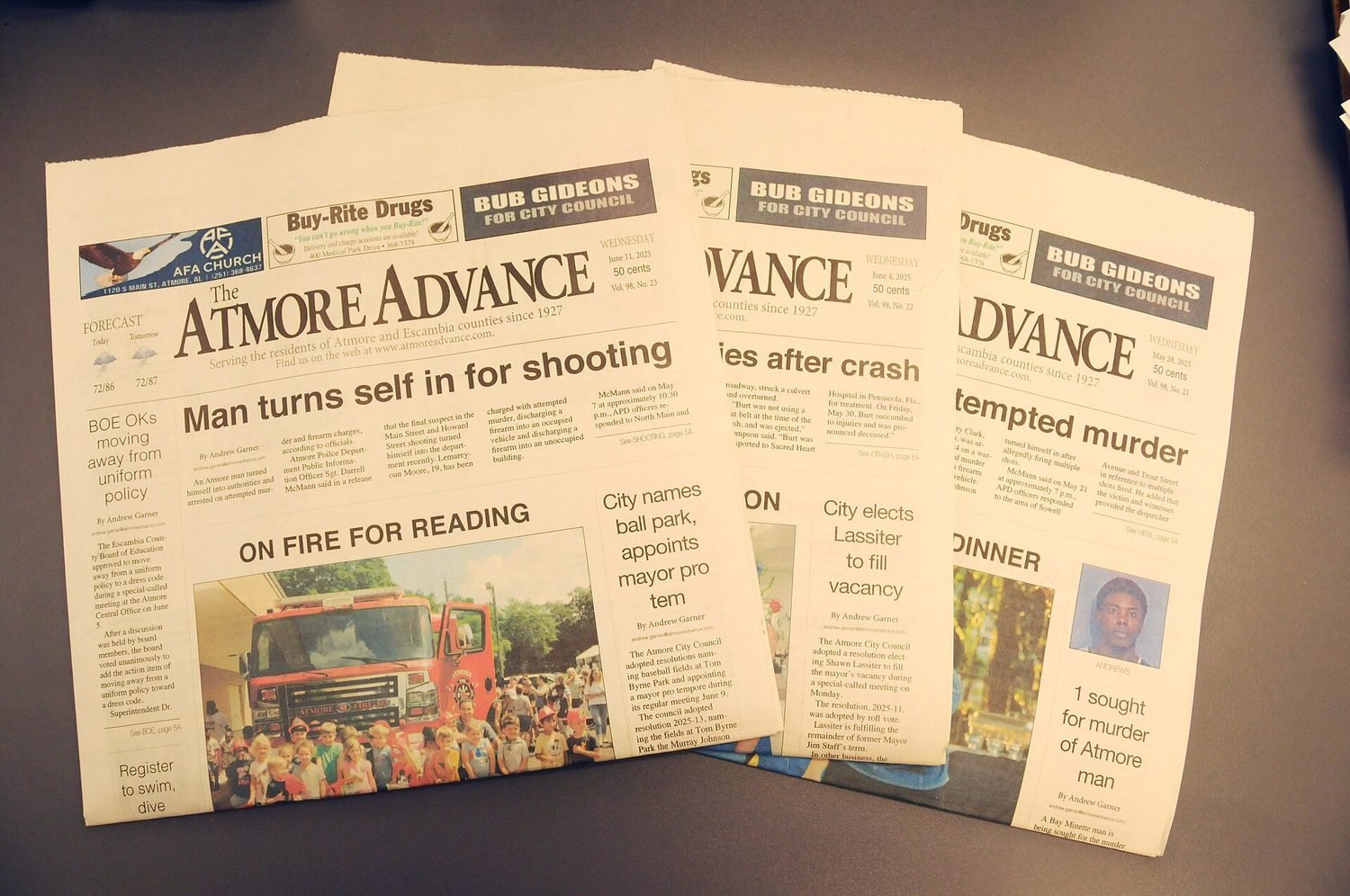
A newspaper front page: articles hook the reader, then inform and entertain with a clear angle 词汇表 训练英文 中文 拼音 article/ˈɑːtɪkl/ 文章 wén zhāng informs/ɪnˈfɔːmz/ 告知 gào zhī entertains/ˌentəˈteɪnz/ 娱乐 yú lè engage/enˈɡeɪdʒ/ 吸引 xī yǐn title/ˈtaɪtl/ 标题 biāo tí interest/ˈɪntrest/ 兴趣 xìng qù 6.2
结构与生动的语言
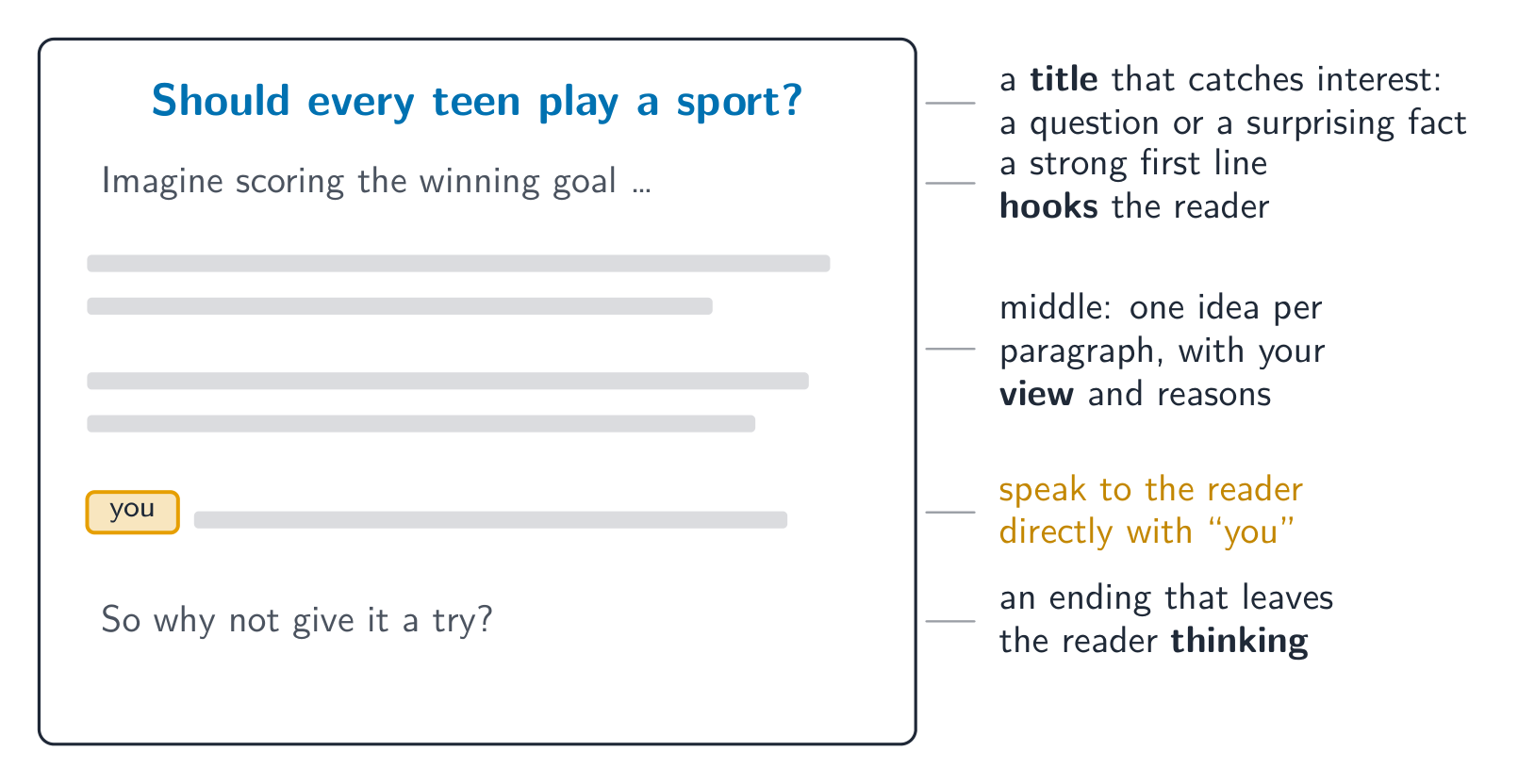
大纲
- organise the article into an introduction, development and conclusion
- use lively, varied language and a consistent tone
- address the reader directly where it suits the topic
来源:剑桥国际大纲
一篇文章应当听起来有趣,而不是平淡。
一篇生动文章的形状:吸引读者、留住他们、让他们思考 Structure
- 以一个命名主题的引言(introduction)开始。
- 在中间展开你的点,每个段落一个思想。
- 以一个让读者思考的短结论(conclusion)结束。
Lively language
- 用多样的(varied)词和句子长度以保持活力。
- 你可以用 "you" 直接对读者说。
- 保持语气友好,但不太随意。
Useful language
几个灵活的短语(phrases)让你吸引读者并在思想之间滑动。
- 要有活力地开场: Have you ever…? / Imagine you… / Last week, something odd happened to me.
- 要在思想之间移动: What's more… / On the other hand… / The truth is…
- 要对读者说: You might think… / We all know that… / Be honest —…
- 要令人难忘地结束: So next time you… / Perhaps the real question is…
变化你如何开场句子。十个都以 "I think" 开始的句子感觉平淡(flat);混合你的开场使读者清醒。
A model opening
看一个开场如何吸引读者,然后向前指。
Have you ever tried to sleep with a phone glowing beside your pillow? Most of us have — and most of us wake up tired. This article asks a simple question: could a good night's sleep be the cheapest way to feel happier?
这个问题把读者拉进来、诚实的细节留住他们,而最后一行承诺文章要去哪里。那对三个句子来说是很多工作。
词汇表 训练英文 中文 拼音 introduction/ˌɪntrəˈdʌkʃn/ 引言 yǐn yán conclusion/kənˈkluːʒn/ 结论 jié lùn varied/ˈveərid/ 多样的 duō yàng de phrases/ˈfreɪzɪz/ 短语 duǎn yǔ flat/flæt/ 平淡 píng dàn 6.2
考试技巧
- 给文章一个短的、吸引人的标题,然后在第一行用一个问题或惊讶吸引读者。
- 对读者说:"Have you ever…?" 一篇文章是个性赢得分数的那一个正式任务。
- 每个段落一个思想,并用一个短例子或一个小故事使它真实。
- 数字和小事实使一篇文章感觉真实:"three out of five students…"。
- 以一个读者记住的行结束:一个妙语、一个问题,或一个行动号召。
-
7
写评论
7.1
目的:描述与表达观点

大纲
- recognise that a review describes something you have experienced (a film, place or product) and gives your opinion
- balance description with personal opinion and reasons
- write for a general audience, for example of a magazine or website
来源:剑桥国际大纲
一篇评论(review)告诉读者关于你尝试过的东西——一部电影、一本书、一家餐厅,或一个地方。一篇好的评论帮助读者决定(decide)是否也尝试它。
Describe and judge
- 一篇评论做两件事:它描述(describes)那个东西,而它给出你对它的观点(opinion)。
- 平衡这两个。不要只描述,也不要只给观点。
- 描述回答 "What is it like?" 判断回答 "Is it any good?" 在这两者之间移动,一句一句。
一个观点站在一个原因和一个例子上 Support your opinions
- 为你想的给出原因。说它为什么好或坏。
- 用来自你经验的例子(examples)使你的看法可信(believable)。
- 一篇弱的评论说 "The food was nice." 一篇强的评论说 "The soup was rich and warming, though the rice arrived cold." 细节是说服读者的东西。
Useful language
为每个工作学习几个短语(phrases)。然后你从不盯着一张空白页。
- 要描述: It is set in… / The story follows… / The dish combines… / What stands out is…
- 要赞扬: The best part is… / I was impressed by… / It really succeeds in…
- 要(温和地)批评(criticise): The one weakness is… / It could have been better if… / At times it feels slow.
- 要建议: I would recommend it to… / It is well worth… / Don't miss…
混合赞扬和批评,使评论听起来公正(fair)。一篇全是赞扬、或全是抱怨的评论难以信任。

A theatre audience: reviews describe what you saw, give a clear opinion and support it with evidence 词汇表 训练英文 中文 拼音 decide/dɪˈsaɪd/ 决定 jué dìng describes/dɪˈskraɪbz/ 描述 miáo shù opinion/əˈpɪnɪən/ 观点 guān diǎn examples/eɡˈzæmplz/ 例子 lì zi believable/bɪˈliːvəbl/ 可信 kě xìn phrases/ˈfreɪzɪz/ 短语 duǎn yǔ criticise/ˈkrɪtɪsaɪz/ 批评 pī píng fair/feə/ 公正 gōng zhèng 7.2
结构与推荐
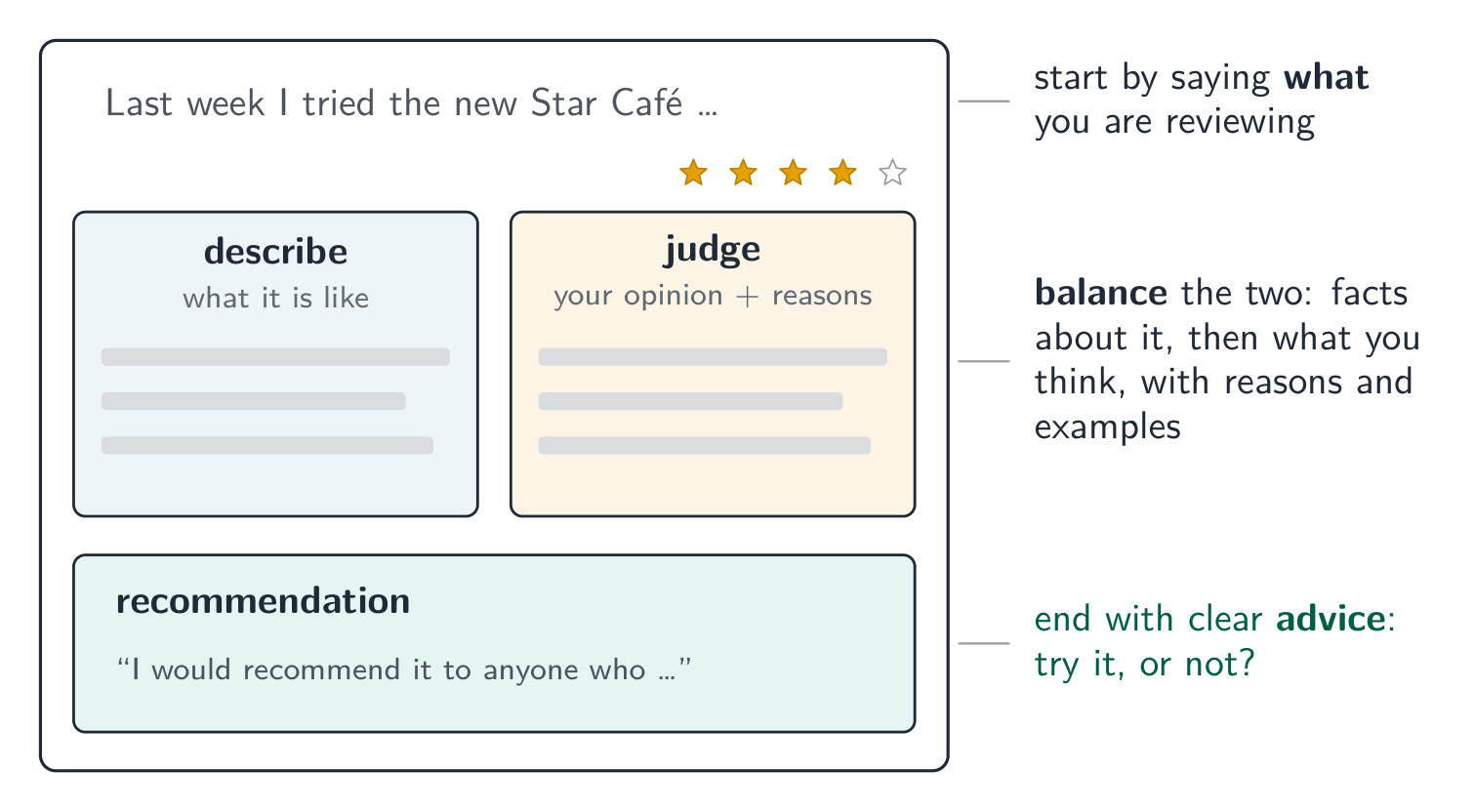
大纲
- introduce what is being reviewed, then describe and evaluate it
- support your opinions with specific details and examples
- end with a clear recommendation to the reader
来源:剑桥国际大纲
读者想要一篇清晰、有帮助的评论。
一篇评论描述并判断,然后以清晰的建议结束 Structure
- 以说你在评论什么开始,并给读者基本的事实。
- 在中间,描述它并评价(evaluate)它——好的点和弱的点。
- 为一个普通读者写,用一种友好但清晰的语气(tone)。
End with a recommendation
- 以一个建议(recommendation)结束:你建议读者尝试它还是不?
- 使你的建议清晰,例如:"I would recommend this film to anyone who likes adventure."
- 你可以加一个条件:"…as long as you don't mind a slow start." 这听起来诚实而成熟。
A model review
读这篇一部电影的短评论。注意每个句子如何要么描述要么判断。
Skyward is an adventure film about a girl who builds her own aircraft. The story is simple, but the flying scenes are breathtaking 惊人 and the young lead acts with real warmth. The middle drags a little, and a few jokes fall flat. Even so, it left the whole cinema smiling. I would recommend Skyward to any family looking for a bright, hopeful evening — just be ready for a slow first ten minutes.
数这些动作:它命名电影、描述它、赞扬它、承认两个缺点,并以一个清晰、诚实的建议结束。那是五个句子里一篇完整的评论。

餐厅内部:先说明它是什么,再描述,再评价好与不足,最后给出建议 词汇表 训练英文 中文 拼音 review/rɪˈvjuː/ 评论 píng lùn evaluate/ɪˈvæljuːeɪt/ 评价 píng jià tone/təʊn/ 语气 yǔ qì recommendation/ˌrekəmenˈdeɪʃn/ 建议 jiàn yì breathtaking/ˈbreθteɪkɪŋ/ 惊人 jīng rén 7.2
考试技巧
- 在第一段命名你在评论什么以及你总体的感受;不要把它保密。
- 做两个工作:描述它(它是什么)并判断它(什么强、什么弱)。
- 强的形容词是一篇评论的燃料:gripping、delicious、disappointing、unforgettable。
- 即使在一篇好的评论中也提到一个弱点;纯粹的赞扬听起来像一个广告。
- 以一个清晰的建议结束:谁应当尝试它、谁不应当,以及为什么。
-
8
写议论文
8.1
论述文与议论文
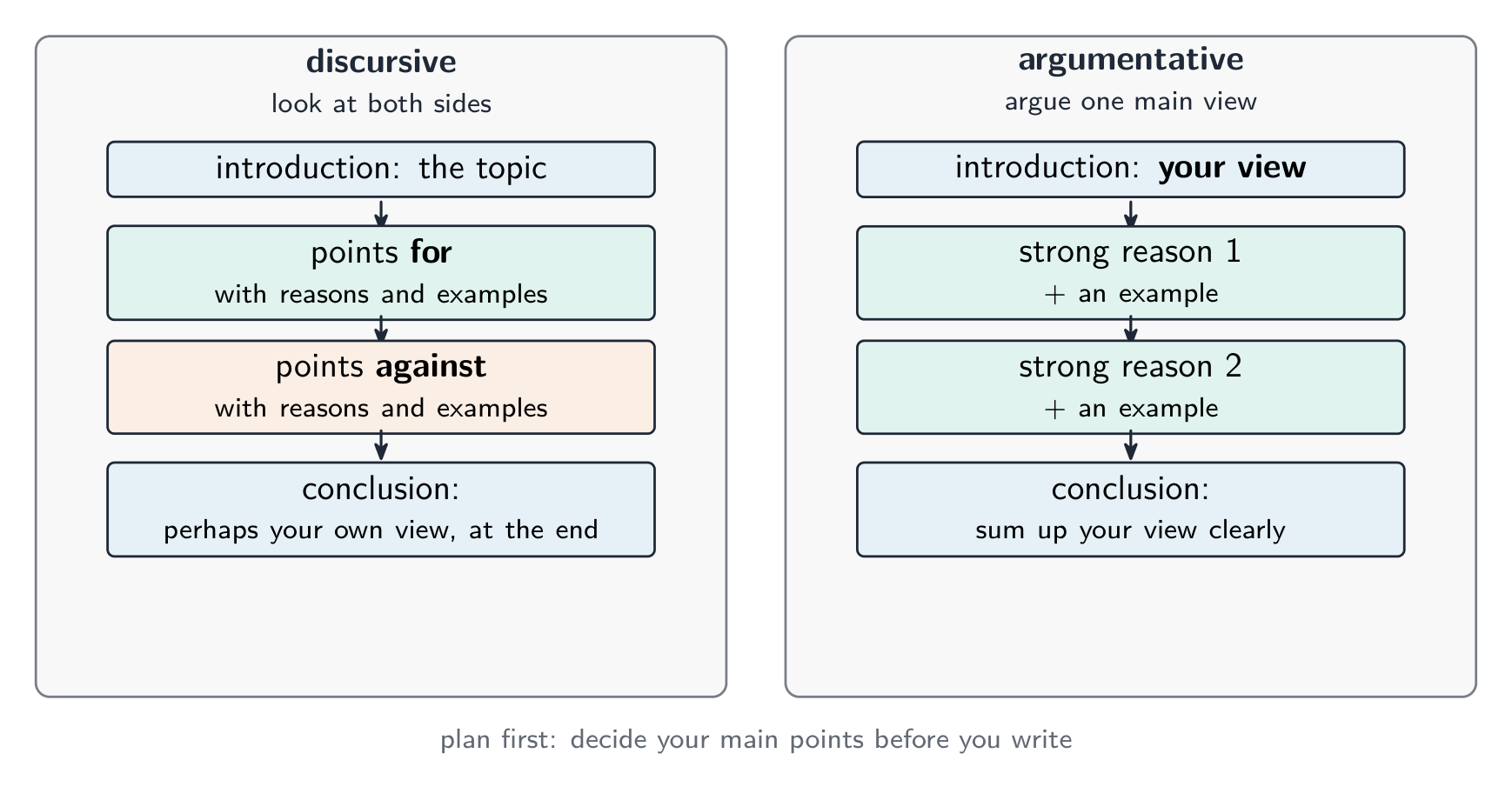
大纲
- tell the difference between a discursive essay (balanced, both sides) and an argumentative essay (one main view)
- plan the main points and the reasons or evidence for each
- keep a formal, organised style
来源:剑桥国际大纲
一篇议论文(essay)以一种有组织的方式给出你关于一个主题的思想。
两个议论文形状:论述文权衡两方;议论文论证一个看法 Discursive essays
- 一篇论述的(discursive)议论文看一个主题的两方。
- 你给出支持和反对的点,或许在结尾给出你自己的看法。
Argumentative essays
- 一篇议论的(argumentative)议论文论证一个主要看法。
- 你给出强的原因和例子以支持你的观点。
Plan first
- 在你写之前决定你的主要点和每个的原因。
- 一个短计划保持你的议论文有组织。
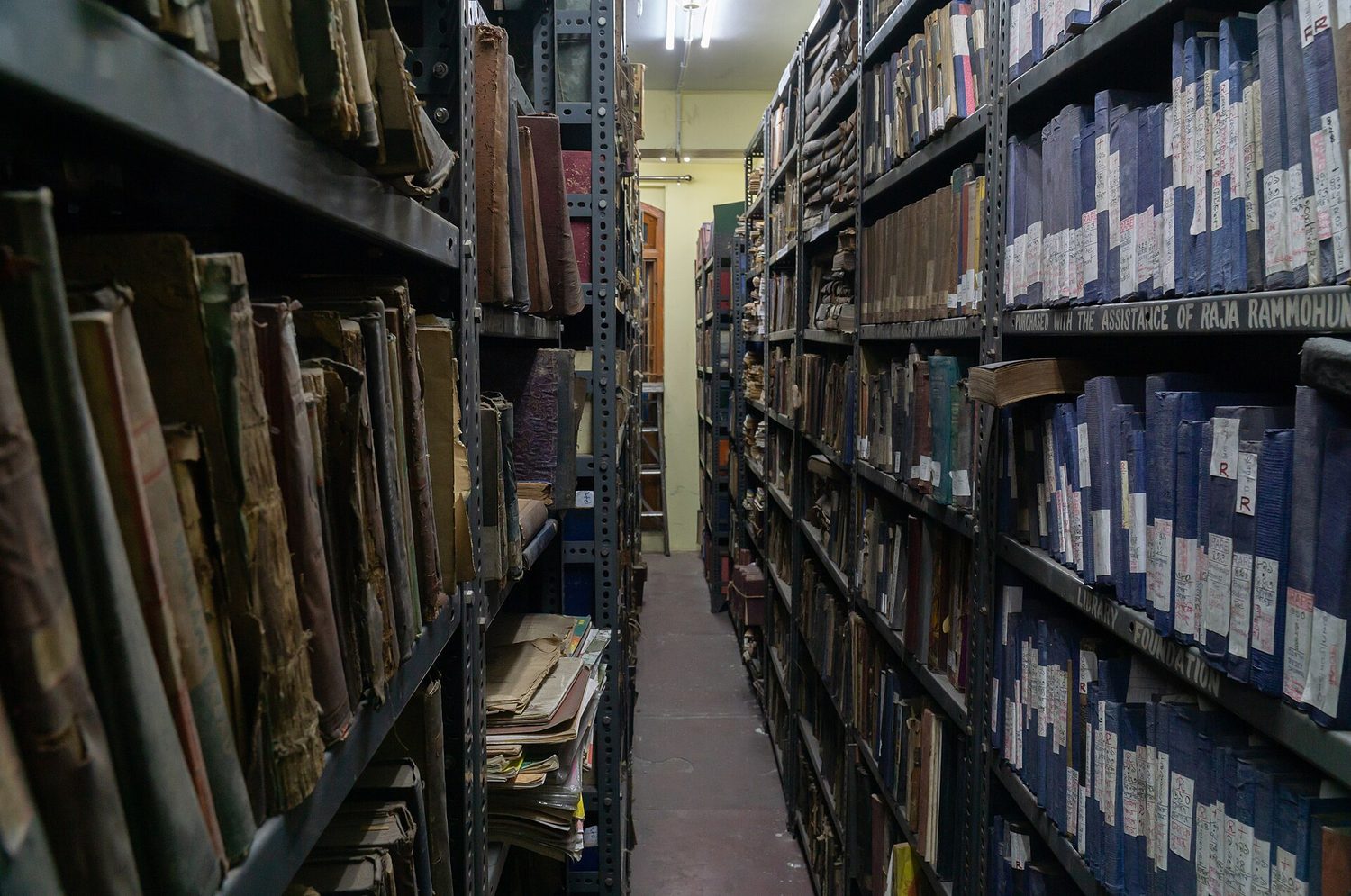
A reading room full of books: essays need careful reading, planning and structured argument 
Plan structure first: clear points, examples, and a firm conclusion 词汇表 训练英文 中文 拼音 essay/ˈeseɪ/ 议论文 yì lùn wén discursive/dɪˈskɜːsɪv/ 论述的 lùn shù de argumentative/ˌɑːɡjuːˈmentətɪv/ 议论的 yì lùn de conclusion/kənˈkluːʒn/ 结论 jié lùn 8.2
结构:引言、主体与结论

大纲
- introduce the topic and your approach in the introduction
- develop one main idea per paragraph in the body, with reasons and examples
- draw the ideas together in a clear conclusion
来源:剑桥国际大纲
一个清晰的形状使你的论证容易跟随。
Introduction
- 引言(introduction)命名主题并说你将如何着手它。
- 保持它短——两三个句子。
Body paragraphs
- 在每个主体(body)段落里放一个主要思想。
- 以思想开始段落,然后加原因和例子。
一个主体段落:思想先、然后原因、然后一个例子 Conclusion
- 结论(conclusion)把你的思想汇集起来。
- 不要在这里加一个新点。清晰地总结你的看法。
Useful language
衔接词(linking words)向你的读者发信号论证在哪里转向。它们是一篇议论文的路标。
- 要加一个点: Firstly… / In addition… / Another reason is…
- 要显示另一方: However… / On the other hand… / Some people argue that…
- 要给一个例子: For example… / For instance… / such as…
- 要总结: In conclusion… / Overall… / Weighing both sides…
在一个句子的开头用它们,而且不要过度使用一个。两三个放置得好的衔接词对一个段落就足够了。
A model body paragraph
观察三个动作:思想、然后原因、然后例子。
Firstly, homework teaches students to work alone. In class, a teacher is always nearby to help. At home, a student must solve the problem by themselves — and that is where real learning happens. For example, a maths question that felt easy in the lesson can teach far more when you meet it again, alone, at your desk.
第一个句子是思想。接下来两个解释为什么。最后一个用一个例子使它真实。每个主体段落都能遵循这个简单的形状。
词汇表 训练英文 中文 拼音 introduction/ˌɪntrəˈdʌkʃn/ 引言 yǐn yán body/ˈbɒdi/ 主体 zhǔ tǐ linking words/ˈlɪŋkɪŋ wɜːdz/ 衔接词 xián jiē cí 8.2
考试技巧
- 在你写之前规划三分钟:你的看法、两个原因、一个相反的看法。
- 第一段引入问题;每个中间段落恰好携带一个论点。
- 用衔接词做路标:First of all、However、On the other hand、In conclusion。
- 给另一方一个公正的段落,然后回应它。平衡显示思考并赢得分数。
- 最后一段清晰地陈述你的观点。不要骑墙。
-
9
听力技能
9.1
听取具体信息

大纲
- listen for specific facts and details: places, names, times, dates and directions
- predict what kind of information you will hear before you listen
- select the correct multiple-choice option based on what the speaker says
来源:剑桥国际大纲
在听力考试中你听每段录音(recording)两次。好好利用两次机会。
Predict before you listen
- 在录音开始前读问题。
- 预测(predict)你需要哪种答案:一个地点、一个名字、一个数字、一个时间?
Catch the detail
- 听具体的(specific)事实:地点、名字、日期、时间和方向(directions)。
- 答案通常以和问题相同的顺序出现。
Use both playings
- 第一次听时,选择你的答案。
- 第二次时,检查它。不要没有一个好理由就改一个正确答案。
不同地使用两次播放:先回答、然后检查 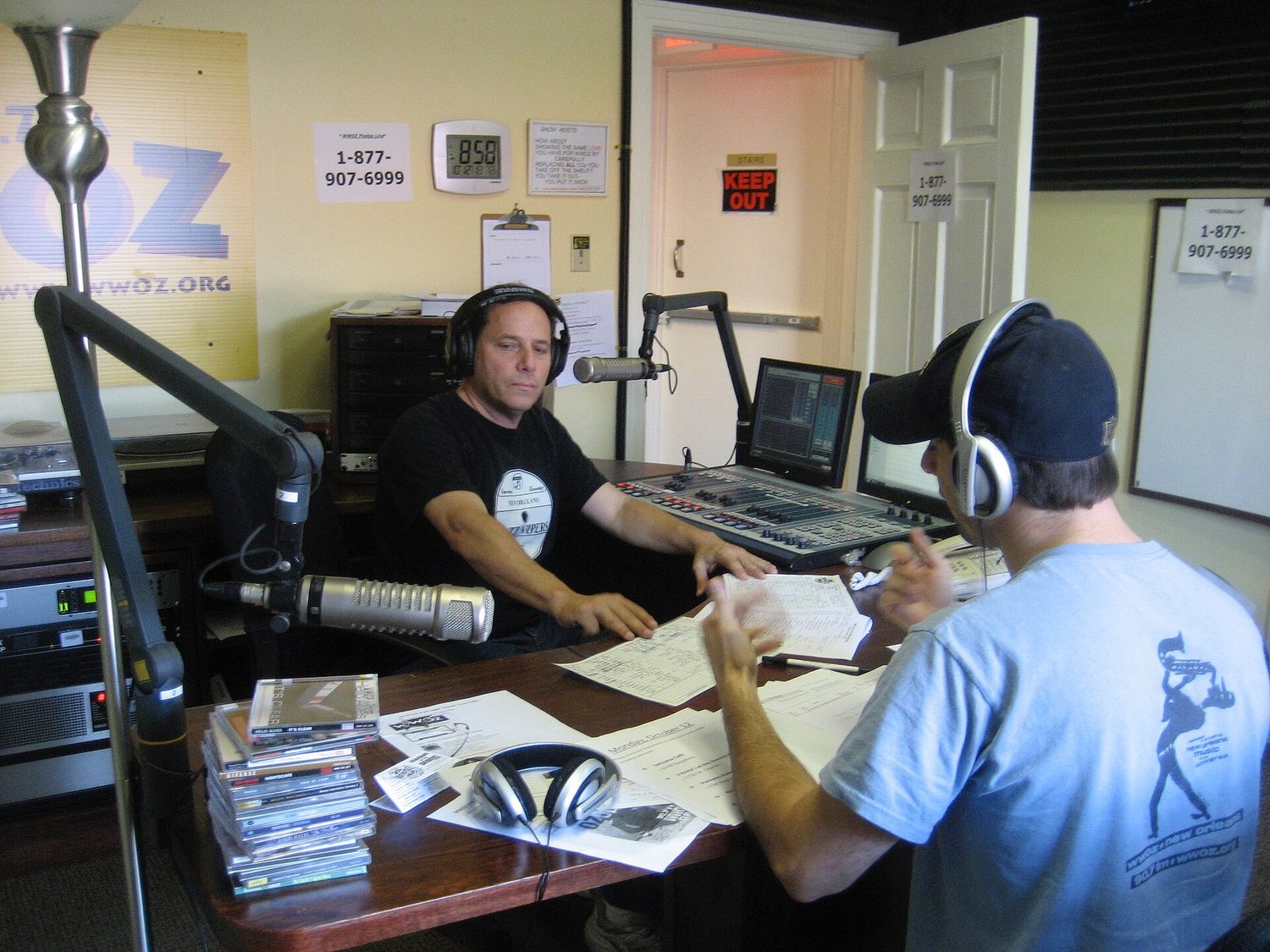
A radio studio: listening exams ask you to catch facts, attitudes and implied meaning across two playings 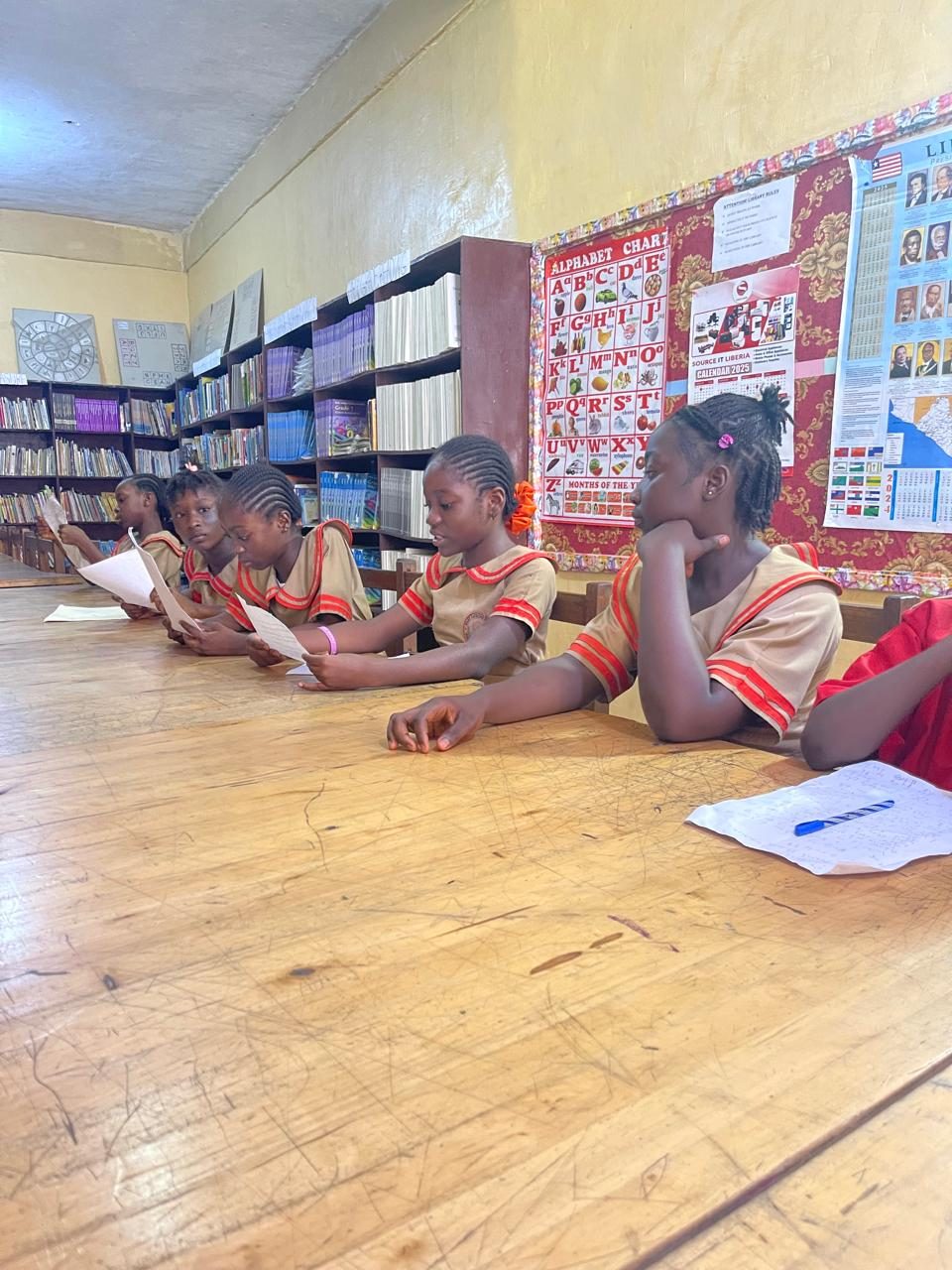
Listening carefully: catch facts, attitudes, and what is only implied 词汇表 训练英文 中文 拼音 recording/rɪˈkɔːdɪŋ/ 录音 lù yīn predict/prɪˈdɪkt/ 预测 yù cè specific/spəˈsɪfɪk/ 具体的 jù tǐ de directions/daɪˈrekʃnz/ 方向 fāng xiàng attitude/ˈætɪtjuːd/ 态度 tài dù 9.2
观点、态度与联系
大纲
- understand speakers' ideas, opinions, feelings and attitudes
- follow how ideas connect across a longer talk or conversation
- notice the language that speakers use to express how they feel
来源:剑桥国际大纲
有些问题问一个说话者如何想或感受,不只是他们说什么。
Opinions and feelings
- 听说话者的观点(opinion)和感受(feelings)。
- 注意他们选择的词。强的词显示强的感受。
Follow the connections
- 在一段较长的谈话里,思想连接(connect)。跟随一个点如何引向下一个。
- 像 "but"、"because" 和 "so" 这样的词显示思想如何连接。
词汇表 训练英文 中文 拼音 opinion/əˈpɪnɪən/ 观点 guān diǎn feelings/ˈfiːlɪŋz/ 感受 gǎn shòu connect/kəˈnekt/ 连接 lián jiē 9.3
听力中的推断
大纲
- understand what is implied but not directly stated
- work out a speaker's overall intention or attitude
- deduce the meaning of an unfamiliar word from the words around it
来源:剑桥国际大纲
不是每个答案都直接说出来。
Implied meaning
- 有时一个说话者暗示(suggests)某事而没有公开说它。
- 想想他们真正的意思,不只是确切的词。
Watch the distractors
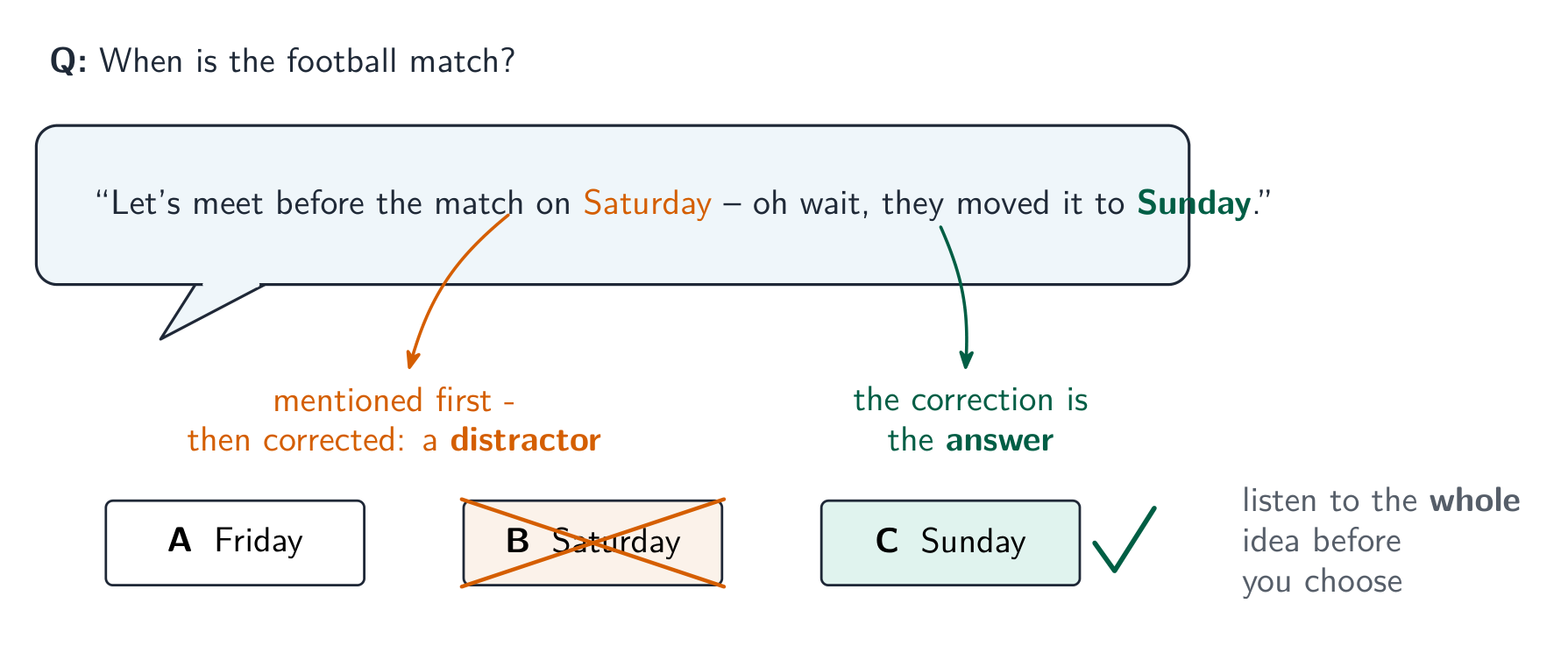
- 在选择题(multiple-choice)中,错误的选项被称为干扰项(distractors)。
- 一个说话者可能提到一个选项,然后改变主意。在你选择前听整个思想。
一个干扰项先被提到、然后被更正——更正是答案 Words that signal the answer
训练过的耳朵听指向答案的小词。
- 一个更正要来了: actually… / sorry, I mean… / on second thought… ——这些之后的词通常持有真正的答案,而不是之前的那些。
- 关键点: the main thing is… / what matters is… / above all…
- 一个感受或态度(attitude): to be honest… / the trouble is… / I'm delighted that…
- 步骤的顺序: first… next… finally… ——这些帮助你跟随一个序列。
抓住一个信号词能为你赢得一分。在你听到它们时把它们记下来。
词汇表 训练英文 中文 拼音 suggests/səˈdʒests/ 暗示 àn shì multiple-choice/ˈmʌltɪpl tʃɔɪs/ 选择题 xuǎn zé tí distractors/dɪˈstræktəz/ 干扰项 gān rǎo xiàng 9.3
考试技巧
- 在音频开始前读问题,并在每个问题里给关键词划线。
- 你把每样东西听两次:在第一轮回答你能回答的,在第二轮检查并填补空缺。
- 说话者常常用数字、日期和拼写更正自己。最后一个版本是答案。
- 错过了一个?放下它并跟随下一个问题;在第二次播放时回到那个空缺。
- 为每个问题写点东西。一个错误的猜测没有惩罚。
-
10
口语技能
10.1
对话与面试
大纲
- take part in a conversation or interview, giving factual information and opinions
- respond to questions and develop your answers with reasons and examples
- use interactive skills: starting, responding, asking for clarification and taking turns
来源:剑桥国际大纲
口语测试是一场友好的对话(conversation),不是一个你因为紧张而不及格的测试。
Take part fully
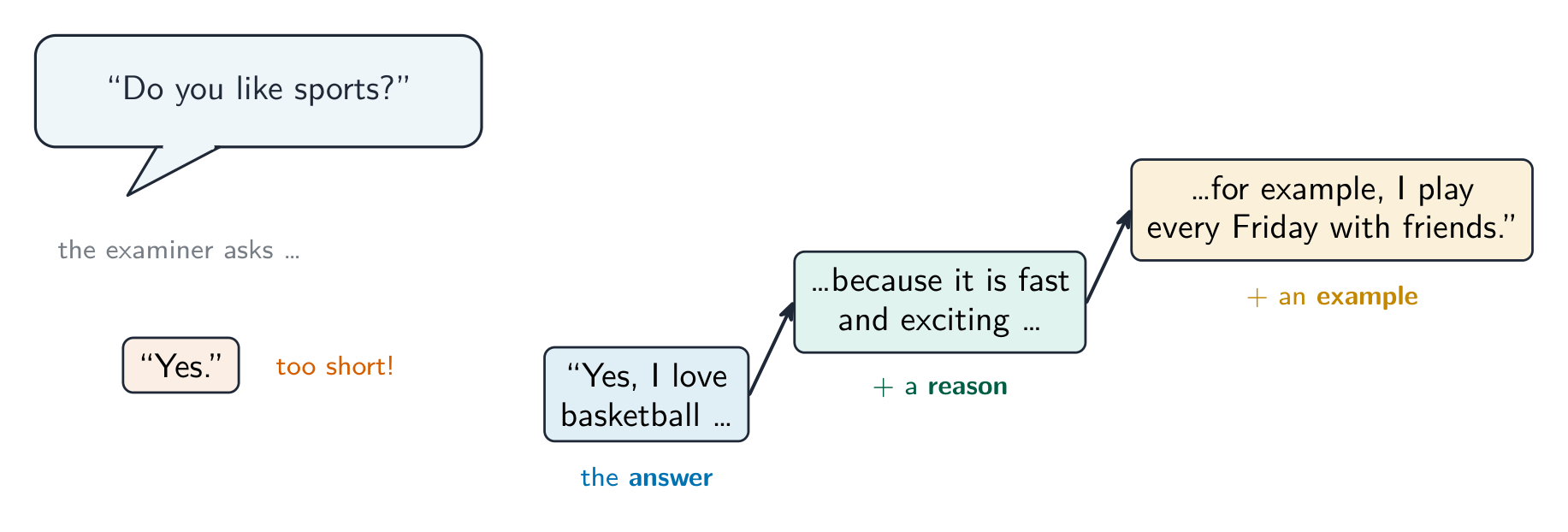
- 回答问题,然后加更多。一个词的答案太短。
- 给出原因和例子。展示你能用英语做什么。
回答、然后加更多:一个原因和一个例子构成一个完整的回合 Interact well
- 听考官并回应(respond)他们所说的。
- 若你不理解,问是可以的:"Sorry, could you repeat that?"
- 自然地轮流(turns),就像在一场真实对话里。
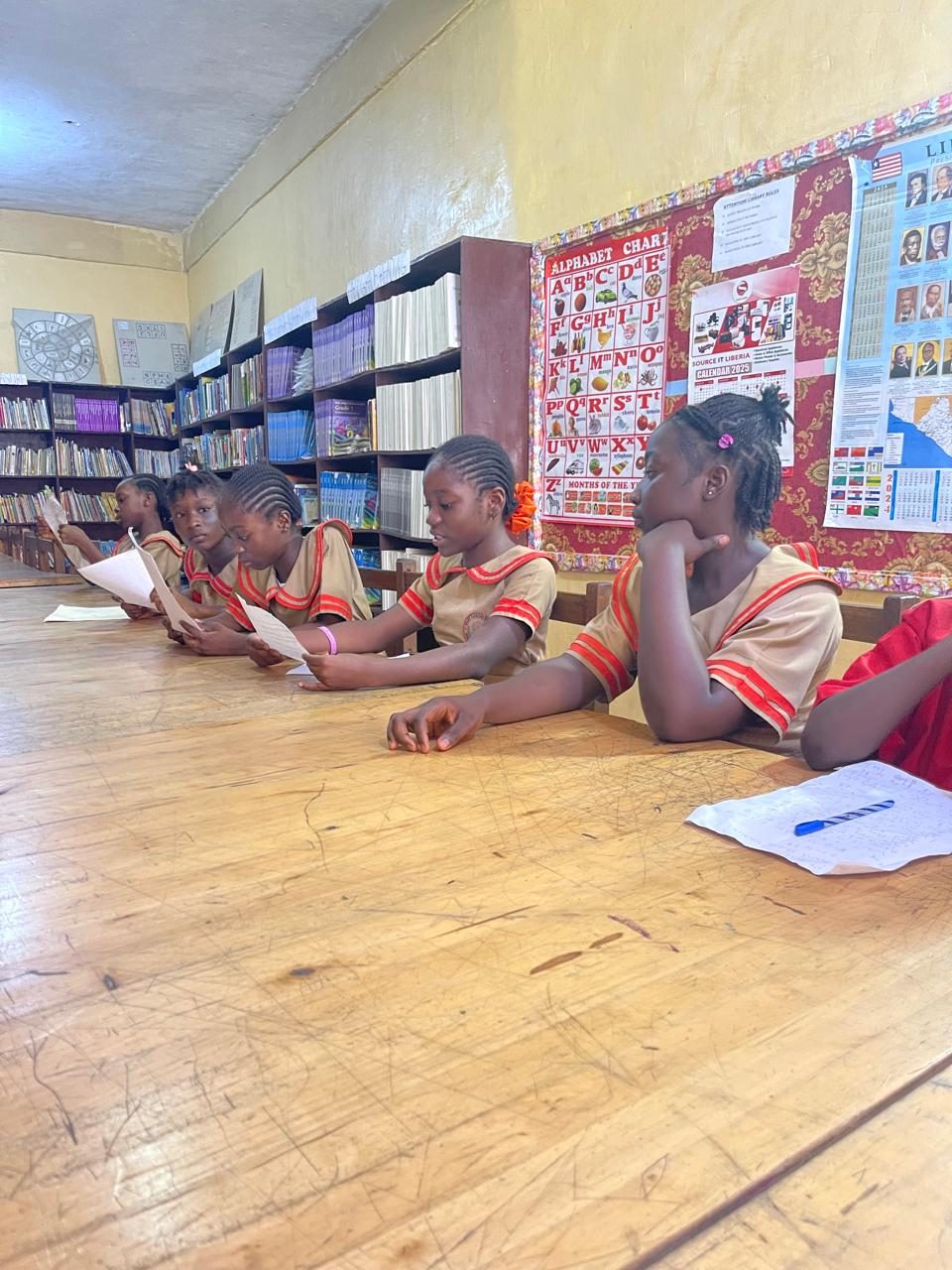
Develop answers in conversation: add reasons, examples, and a short opinion 词汇表 训练英文 中文 拼音 conversation/kɒnvəˈseɪʃn/ 对话 duì huà respond/rɪˈspɒnd/ 回应 huí yìng turns/tɜːnz/ 轮流 lún liú develop/dɪˈveləp/ 展开 zhǎn kāi 10.2
做简短演讲
大纲
- give a short talk that describes an event or explains and justifies an opinion
- expand your answers by giving examples, justifying, comparing and speculating
- speak with control of vocabulary, grammar, pronunciation and intonation
来源:剑桥国际大纲
你可能被要求就一个主题谈一小段时间。
Develop your ideas
- 不要只列点。用一个原因或一个例子展开(develop)每一个。
- 用像 "for example"、"that is why" 和 "I suppose" 这样的短语来延伸你的答案。
Speak clearly
- 用好的发音(pronunciation)和自然的语调(intonation)说话。
- 不要急。清晰地说比快速地说更好。
- 若你忘了一个词,用另一种方式说它。这被称为释义(paraphrasing)。
Useful language
为每个动作背几个短语(phrases)。当你的脑子一片空白时它们让你继续说话。
- 要给一个观点: In my opinion… / I'd say… / For me,…
- 要加细节: for example… / that's why… / what I mean is…
- 要买思考时间: That's a good question… / Well, let me think… / I suppose…
- 要礼貌地(polite)同意或不同意: That's true, but… / I see what you mean, though…
一个带 "Let me think…" 的短暂停顿听起来远好于沉默。它显示控制,而不是恐慌。
A model turn
看一个学生如何把一个平淡的问题变成一个完整、自然的答案。
Examiner: Do you enjoy studying at home?
Student: In my opinion, home is better for some subjects. For example, I revise 复习 maths well at home because it is quiet and nobody interrupts 打断 me. But I suppose group work is easier at school, where I can ask my friends straight away. So really, it depends on the task.
这个学生给出一个观点、用一个例子支持它、承认另一方,并以一个利落的结论收尾。那是一个满分的回合——而任何人都能用这些短语构建它。
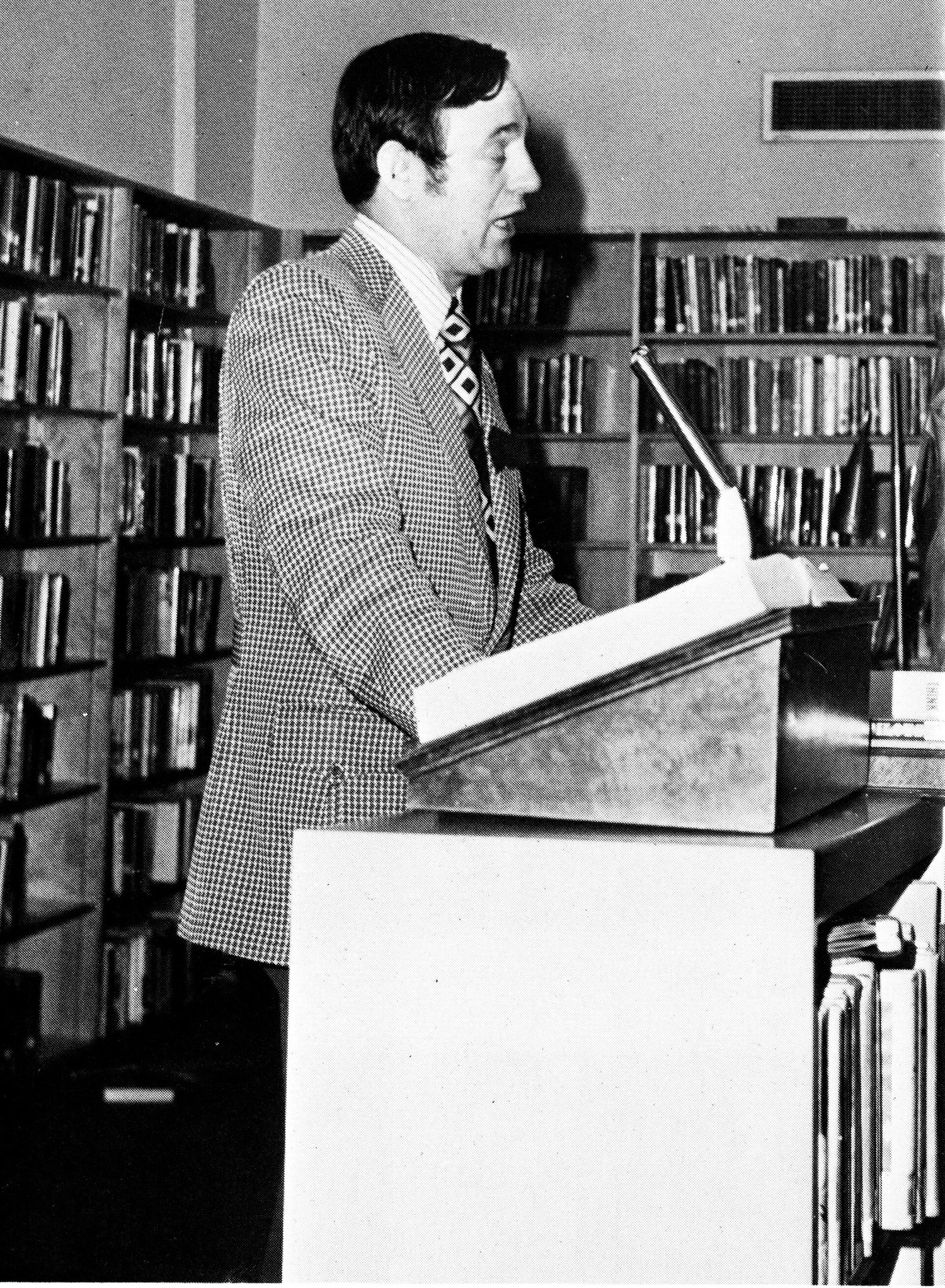
A short talk to a room: plan clear points, speak naturally, and answer follow-up questions 词汇表 训练英文 中文 拼音 pronunciation/prəˌnʌnsɪˈeɪʃn/ 发音 fā yīn intonation/ˌɪntəˈneɪʃn/ 语调 yǔ diào paraphrasing/ˈpærəfreɪzɪŋ/ 释义 shì yì phrases/ˈfreɪzɪz/ 短语 duǎn yǔ politely/pəˈlaɪtli/ 礼貌 lǐ mào revise/rɪˈvaɪz/ 复习 fù xí interrupts/ˈɪntərʌpts/ 打断 dǎ duàn 10.2
考试技巧
- 热身闲聊不评分。用它来放松并开始说话,而不是背诵准备好的台词。
- 绝不说背诵的演讲。考官会打断它们,而真实对话赢得更多。
- 让每个答案生长:点、原因、例子。"I like… because… for example…" 很好地填满一分钟。
- 若你错过一个问题,问:"Could you say that again, please?" 那是好的英语,不是一个过错。
- 按顺序拿卡片上的每个提示;每个提示都能变成它自己的一个小主题。
-
11
词汇与文本类型
11.1
积累词汇

大纲
- learn new words together with their meaning, spelling and how they sound
- group vocabulary by topic and by everyday situation
- use set phrases, phrasal verbs and collocations naturally
来源:剑桥国际大纲
一份广泛的词汇(vocabulary)在考试的每个部分都帮助你。
Learn words well
- 用一个新词的意思、拼写和它如何发音一起学它。
- 保留一个词汇笔记本。按主题给词分组,例如旅行或健康。
好好认识一个词意味着认识所有这些 Use natural phrases
- 学一起出现的词。这些被称为词语搭配(collocations),像 "make a decision" 或 "heavy rain"。
- 学固定短语(set phrases)和常见的短语动词(phrasal verbs),像 "give up" 或 "look after"。
- 使用自然的短语使你的英语听起来流利(fluent)。
Growing vocabulary: notice useful words in every text type and practise them in your own writing 词汇表 训练英文 中文 拼音 vocabulary/vəʊˈkæbjʊləri/ 词汇 cí huì collocations/ˌkɒləʊˈkeɪʃnz/ 词语搭配 cí yǔ dā pèi set phrases/set ˈfreɪzɪz/ 固定短语 gù dìng duǎn yǔ phrasal verbs/ˈfreɪzl vɜːbz/ 短语动词 duǎn yǔ dòng cí fluent/ˈfluːənt/ 流利 liú lì text type/tekst taɪp/ 文本类型 wén běn lèi xíng notice/ˈnəʊtɪs/ 通知 tōng zhī 11.2
常见文本类型

大纲
- recognise common text types: article, blog, email, essay, report, review, notice, leaflet and interview
- know the purpose and audience of each text type
- match the right style and format to each text type
来源:剑桥国际大纲
每个写作任务是一个有它自己规则的文本类型(text type)。
Common text types
- 一封电子邮件是给一个人的消息;一篇文章(article)为许多读者;一份报告(report)给一个负责的人事实。
- 一个博客(blog)是一篇个人的、非正式的在线帖子——像一篇文章但更个人、更随意,所以它位于正式程度标尺的非正式一端。
- 一篇评论(review)给出关于你尝试过的东西的一个观点;一篇议论文(essay)论证一个观点。
- 一份通知(notice)和一张传单(leaflet)给出短的、清晰的信息。
Match style to type
- 每个文本类型有它自己的目的、读者和语气。
- 在你写之前,问:这是什么文本类型,而它需要什么风格?
每个文本类型坐在从非正式到正式的线上的某处 A vocabulary routine
用四个步骤把新词变成你真正拥有的词:
- 遇到它 ——当你找到一个新词时,把它和一个例句一起写下来。
- 归档它 ——把它放进你的笔记本里一个主题组下(旅行、健康、学校)。
- 测试它 ——盖住意思并试着第二天回忆它,然后一周后再一次。这种间隔复习(spaced review)把词固定在你记忆里,远好于把一张列表读一次。
- 使用它 ——在几天内把这个词放进你自己的写作或说话里,在你忘记它之前。
每天这样学的五个词,一年就超过一千个。
词汇表 训练英文 中文 拼音 article/ˈɑːtɪkl/ 文章 wén zhāng report/rɪˈpɔːt/ 报告 bào gào blog/blɒɡ/ 博客 bó kè review/rɪˈvjuː/ 评论 píng lùn essay/ˈeseɪ/ 议论文 yì lùn wén leaflet/ˈliːflɪt/ 传单 chuán dān spaced review/speɪst rɪˈvjuː/ 间隔复习 jiàn gé fù xí 11.2
考试技巧
- 按词族学词,每个文本类型一个词族:电子邮件开场语、报告动词、评论形容词。
- 在写作考试中,先把文本类型的固定部分写下来:问候语、标题或小标题。它们是卷子上最容易的分数。
- 保留一份个人词表。每天五个新词胜过每月一次五十个词。
- 当一个新词在阅读卷里出现时,从上下文猜它并继续前进;绝不在一个词上僵住。