Skip to content · ⁨ข้ามไปยังเนื้อหา⁩

Transoceanic Interconnections

AP World History: Modern · ⁨AP ประวัติศาสตร์โลก: สมัยใหม่⁩ · Topic 4 · ⁨หัวข้อ 4⁩

Video lesson for this topic · ⁨บทเรียนวิดีโอสำหรับหัวข้อนี้⁩ Open the video page · ⁨เปิดหน้าวิดีโอ⁩
6:37

หน่วย 4: ความเชื่อมโยงข้ามมหาสมุทร

ถามนักเรียนส่วนใหญ่ว่าทำไมยุโรปถึงเดินเรือ พวกเขาจะตอบด้วยชื่อ — คอลัมบัส, ดา กามา, แม็กแลน นักสำรวจคือคำตอบที่น้อยที่สุดที่มีอยู่ สิ่งที่ทำให้…

English narration · English + 中文 subtitles burned in · ⁨การบรรยายภาษาอังกฤษ · คำบรรยายภาษาอังกฤษ + 中文 ลอยตัวบนภาพ⁩

4.1 4.2

Why Europeans Sailed · ⁨เหตุผลที่ยุโรปออกทะเล⁩

Syllabus · ⁨หลักสูตร⁩
English

4.1 Technological Innovations from1450 to 1750

Thematic Focus (TEC): Technology and Innovation — Human adaptation and innovation have resulted in increased efficiency, comfort, and security, and technological advances have shaped human development and interactions with both intended and unintended consequences.

Learning Objective Unit 4.A: Explain how cross-cultural interactions resulted in the diffusion of technology and facilitated changes in patterns of trade and travel from 1450 to 1750.

  • KC-4.1.II Knowledge, scientific learning, and technology from the Classical, Islamic, and Asian worlds spread, facilitating European technological developments and innovation.
  • KC-4.1.II.A The developments included the production of new tools, innovations in ship designs, and an improved understanding of regional wind and currents patterns—all of which made transoceanic travel and trade possible.

Illustrative examples:

  • Innovations in ship design:
    • Caravel
    • Carrack
    • Fluyt
  • European technological developments influenced by cross-cultural interactions with the Classical, Islamic, and Asian worlds:
    • Lateen sail
    • Compass
    • Astronomical charts
ไทย

4.1 นวัตกรรมทางเทคโนโลยีจากปี 1450 ถึง 1750

จุดเน้นเชิงหัวข้อ (TEC): เทคโนโลยีและนวัตกรรม — การปรับตัวและนวัตกรรมของมนุษย์ได้ส่งผลให้ประสิทธิภาพ ความสบาย และความปลอดภัยเพิ่มขึ้น และการพัฒนาทางเทคโนโลยีได้กำหนดการพัฒนาของมนุษย์และการมีปฏิสัมพันธ์กับทั้งผลที่คาดหวังและไม่คาดคิด

วัตถุประสงค์การเรียนรู้หน่วย 4.A: อธิบายว่าปฏิสัมพันธ์ข้ามวัฒนธรรมส่งผลให้เกิดการแพร่กระจายของเทคโนโลยีและเอื้อต่อการเปลี่ยนแปลงในรูปแบบการค้าและการเดินทางในช่วงปี 1450 ถึง 1750 อย่างไร

  • KC-4.1.II ความรู้ การเรียนรู้ทางวิทยาศาสตร์และเทคโนโลยีจากโลกคลาสสิก โลกอิสลาม และโลกเอเชียได้แพร่หลาย ช่วยสนับสนุนการพัฒนาและนวัตกรรมทางเทคโนโลยีของยุโรป
  • KC-4.1.II.A นวัตกรรมเหล่านี้รวมถึงการผลิตเครื่องมือใหม่ ๆ การพัฒนาการออกแบบเรือ และความเข้าใจที่ดีขึ้นเกี่ยวกับรูปแบบลมและกระแสน้ำในพื้นที่—all of which made transoceanic travel and trade possible.

ตัวอย่างประกอบ:

  • นวัตกรรมในการออกแบบเรือ:
    • คาราเวล
    • คารรัค
    • ฟลอยต์
  • การพัฒนาทางเทคโนโลยีของยุโรปซึ่งได้รับอิทธิพลจากการปฏิสัมพันธ์ข้ามวัฒนธรรมกับโลกคลาสสิก โลกอิสลาม และโลกเอเชีย:
    • sail ลีเตน
    • เข็มทิศ (Compass)
    • แผนที่ดาราศาสตร์
English

4.2 Exploration: Causes and Events from 1450 to 1750

Thematic Focus (GOV): Governance — A variety of internal and external factors contribute to state formation, expansion, and decline. Governments maintain order through a variety of administrative institutions, policies, and procedures, and governments obtain, retain, and exercise power in different ways and for different purposes.

Learning Objective Unit 4.B: Describe the role of states in the expansion of maritime exploration from 1450 to 1750. THEMATIC FOCUS Economics Systems ECN As societies develop, they affect and are affected by the ways that they produce, exchange, and consume goods and services. LEARNING OBJECTIVE

  • KC-4.1.III New state-supported transoceanic maritime exploration occurred in this period. HISTORICAL DEVELOPMENTS

Learning Objective Unit 4.C: Explain the economic causes and effects of maritime exploration by the various European states.

  • KC-4.1.III.A Portuguese development of maritime technology and navigational skills led to increased travel to and trade with Africa and Asia and resulted in the construction of a global trading-post empire.
  • KC-4.1.III.B Spanish sponsorship of the voyages of Columbus and subsequent voyages across the Atlantic and Pacific dramatically increased European interest in transoceanic travel and trade.
  • KC-4.1.III.C Northern Atlantic crossings were undertaken under English, French, and Dutch sponsorship, often with the goal of finding alternative sailing routes to Asia.
ไทย

4.2 การสำรวจ: สาเหตุและเหตุการณ์จากปี 1450 ถึง 1750

ประเด็นเน้น (GOV): การปกครอง — ปัจจัยภายในและภายนอกหลากหลายชนิดมีส่วนร่วมในการก่อตัว การขยายตัว และการล่มสลายของรัฐ รัฐบาลรักษาความสงบเรียบร้อยผ่านสถาบัน นโยบาย และขั้นตอนการบริหารจัดการที่หลากหลาย และรัฐบาลได้รับ รักษาส Powers และใช้อำนาจในรูปแบบและด้วยวัตถุประสงค์ที่แตกต่างกัน

วัตถุประสงค์การเรียนรู้หน่วย 4.B: อธิบายบทบาทของรัฐในการขยายตัวของการสำรวจทางทะเลจากปี 1450 ถึง 1750. จุดเน้นเชิงประจักษ์ เศรษฐกิจ ระบบ ECN เมื่อสังคมพัฒนาขึ้น จะส่งผลกระทบต่อวิธีการผลิต แลกเปลี่ยน และบริโภคสินค้าและบริการของตนเอง และได้รับผลกระทบ也从这些方式中。 LEARNING OBJECTIVE

  • KC-4.1.III การสำรวจทางทะเลข้ามมหาสมุทรภายใต้การสนับสนุนของรัฐเกิดขึ้นในช่วงนี้ HISTORICAL DEVELOPMENTS

วัตถุประสงค์การเรียนรู้หน่วย 4.C: อธิบายสาเหตุและผลกระทบทางเศรษฐกิจของการสำรวจทางทะเลโดยรัฐยุโรปต่าง ๆ

  • KC-4.1.III.A การพัฒนาเทคโนโลยีทางทะเลและทักษะการนำทางของโปรตุเกสทำให้การเดินทางไปและค้าขายกับแอฟริกาและเอเชียเพิ่มขึ้น ส่งผลให้ก่อสร้างจักรวรรดิฐานการค้าทั่วโลก
  • KC-4.1.III.B การสนับสนุนการ voyages ของคอลลัมบ์และการ voyages ต่อเนื่องผ่านแอตแลนติกและแปซิฟิกของสเปน เพิ่มความสนใจของยุโรปในการเดินทางและค้าขายข้ามมหาสมุทรอย่างมาก
  • KC-4.1.III.C การข้ามมหาสมุทรแอตแลนติกตอนเหนือดำเนินการภายใต้การสนับสนุนของอังกฤษ ฝรั่งเศส และเนเธอร์แลนด์ มักมีเป้าหมายเพื่อค้นหาเส้นทางเดินเรือทางเลือกไปยังเอเชีย
Source: College Board AP Course and Exam Description · ⁨แหล่งที่มา: คำอธิบายหลักสูตรและข้อสอบ College Board AP⁩

English

Unit 4 covers 1450 to 1750 - the period in which the Eastern and Western Hemispheres are permanently joined, and the consequences of that joining.

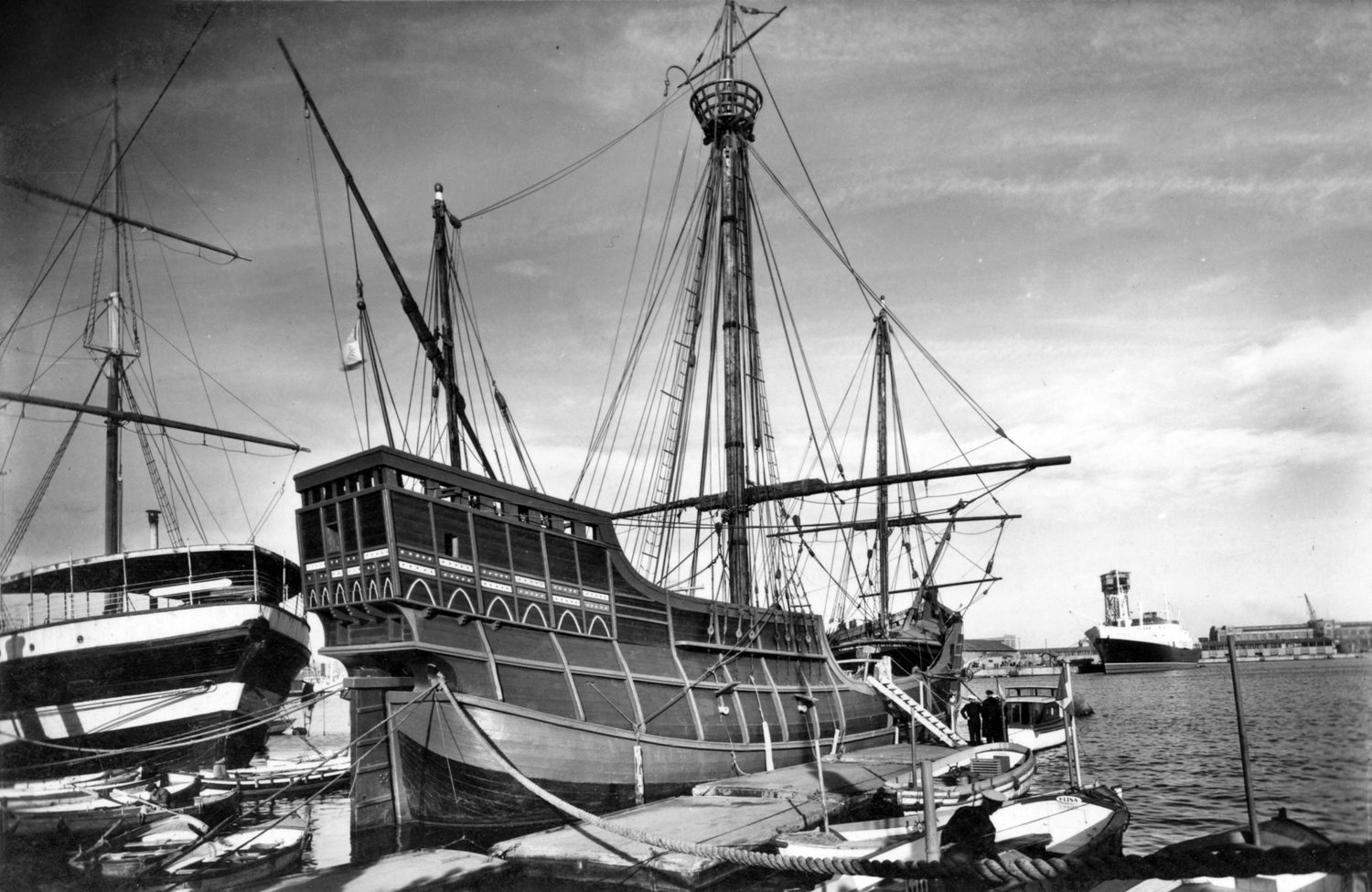
The voyages rested on borrowed knowledge. Learning and technology from the Classical, Islamic, and Asian worlds was gathered and applied in Europe: new tools, innovations in ship design 船舶设计, and better understanding of navigation 航海 - the caravel 卡拉维尔帆船, the astrolabe, the magnetic compass, and knowledge of wind patterns.

State-supported maritime exploration 国家支持的海上探索 then followed:

  • Portuguese development of maritime technology and navigational skill led to the sea route around Africa to the Indian Ocean.
  • Spanish sponsorship of Columbus and subsequent voyages opened the Atlantic to the Americas.
  • English, French, and Dutch crossings of the northern Atlantic followed.

Motives combined the search for wealth, competition between states, and religious mission.

ไทย

หน่วยที่ 4 ครอบคลุม 1450 ถึง 1750 - ช่วงเวลาที่半球ตะวันออกและตะวันตกถูกเชื่อมต่อกันอย่างถาวร และผลกระทบจากการเชื่อมต่อนั้น.

การสำรวจ rests on borrowed knowledge. Learning and technology from the Classical, Islamic, and Asian worlds was gathered and applied in Europe: new tools, innovations in ship design, and better understanding of navigation - the caravel, the astrolabe, the magnetic compass, and knowledge of wind patterns.

State-supported maritime exploration then followed:

  • การพัฒนาเทคโนโลยีทางทะเลและทักษะการนำทางของ โปรตุเกส นำไปสู่เส้นทางทะเลรอบแอฟริกาสู่มหาสมุทรอินเดีย.
  • การสนับสนุนจาก สเปน ต่อ Columbus และการสำรวจครั้งต่อไปเปิดมหาสมุทรแอตแลนติกสู่อเมริกา.
  • การข้ามมหาสมุทรแอตแลนติกตอนเหนือของ อังกฤษ, ฝรั่งเศส, และเนเธอร์แลนด์ ตามมา.

Motives combine the search for wealth, competition between states, and religious mission.

สี่เงื่อนไขจำเป็น ไม่ใช่เพียง Motivation - ความรู้และเครื่องมือยังต้องการ Sponsor
แบบจำลอง caravel - การออกแบบเรือที่ทำให้การสำรวจมหาสมุทรเป็นไปได้
Explore · ⁨สำรวจ⁩

Collect the four conditions for a voyage · ⁨รวบรวมเงื่อนไขสี่ประการสำหรับการเดินทาง⁩

Knowledge, ship design, navigation and a sponsor: any three without the fourth produces no voyage. · ⁨ความรู้ การออกแบบเรือ การนำทาง และผู้สนับสนุน: อย่างใดอย่างหนึ่งขาดไปจากการเลือกสามอย่าง จะไม่มี voyages发生⁩

Vocabulary · ⁨คำศัพท์⁩ Train · ⁨ฝึกฝน⁩
English ไทย
ship design/ʃɪp dɪˈzaɪn/ การออกแบบเรือ
navigation/ˌnævɪˈɡeɪʃn/ การนำทาง
caravel/ˈkærævl/ caravel
State-supported maritime exploration/steɪt səˈpɔːtɪd ˈmærɪtaɪm eksplɔːˈreɪʃn/ การสำรวจทางทะเลที่รัฐสนับสนุน
4.3

The Columbian Exchange · ⁨การแลกเปลี่ยนคูลัมเบีย⁩

Syllabus · ⁨หลักสูตร⁩
English

4.3 Columbian Exchange

Thematic Focus (ENV): Humans and the Environments — The environment shapes human societies, and as populations grow and change, these populations in turn shape their environments.

Learning Objective Unit 4.D: Explain the causes of the Columbian Exchange and its effects on the Eastern and Western Hemispheres.

  • KC-4.1.V The new connections between the Eastern and Western Hemispheres resulted in the exchange of new plants, animals, and diseases, known as the Columbian Exchange.
  • KC-4.1.V.A European colonization of the Americas led to the unintentional transfer of disease vectors, including mosquitoes and rats, and the spread of diseases that were endemic in the Eastern Hemisphere, including smallpox, measles, and malaria. Some of these diseases substantially reduced the indigenous populations, with catastrophic effects in many areas.
  • KC-4.1.V.B American foods became staple crops in various parts of Europe, Asia, and Africa. Cash crops were grown primarily on plantations with coerced labor and were exported mostly to Europe and the Middle East.
  • KC-4.1.V.C Afro-Eurasian fruit trees, grains, sugar, and domesticated animals were brought by Europeans to the Americas, while other foods were brought by African enslaved persons.
  • KC-4.1.V.D Populations in Afro-Eurasia benefitted nutritionally from the increased diversity of American food crops.

Illustrative examples:

  • Domesticated animals:
    • Horses
    • Pigs
    • Cattle
  • Foods brought by African enslaved persons:
    • Okra
    • Rice
ไทย

4.3 การแลกเปลี่ยนคอลลัมเบีย

ประเด็นหลัก (ENV): มนุษย์และสิ่งแวดล้อม — สิ่งแวดล้อมมีผลต่อสังคมของมนุษย์ และเมื่อประชากรเพิ่มขึ้นหรือเปลี่ยนแปลง ประชากรเหล่านั้นก็จะส่งผลกลับไปยังสิ่งแวดล้อมในทางกลับกัน

วัตถุประสงค์การเรียนรู้หน่วย 4.D: อธิบายสาเหตุของการแลกเปลี่ยนคอลลัมเบียและผลกระทบ其对 Eastern and Western Hemispheres.

  • KC-4.1.V การเชื่อมโยงใหม่ระหว่างซีกโลกตะวันออกและตะวันตกส่งผลให้เกิดการแลกเปลี่ยนพืช สัตว์ และโรคใหม่ ๆ ซึ่งเรียกว่า การแลกเปลี่ยนคอลลัมเบีย
  • KC-4.1.V.A การอาณานิคมของยุโรปในอเมริกาทำให้เกิดการถ่ายทอดเชื้อโรคโดยไม่ตั้งใจ รวมถึงยุงและหนู และการแพร่ระบาดของโรคที่เป็นโรคประจำถิ่นในซีกโลกตะวันออก เช่น ไข้ทรุด ไข้สุกเสียด และมาลาเรีย บางส่วนของโรคเหล่านี้ลดจำนวนประชากรพื้นเมืองลงอย่างมีนัยสำคัญ พร้อมผลลัพธ์ที่ร้ายแรง在许多地区。
  • KC-4.1.V.B อาหารจากอเมริกากลายเป็นพืชหลักในหลายส่วนของยุโรป เอเชีย และแอฟริกา พืชเงินสดถูกปลูกบน plantation ด้วยแรงงานที่ถูกบังคับและส่งออกส่วนใหญ่ไปยังยุโรปและตะวันออกกลาง
  • KC-4.1.V.C ต้นไม้ผล ธัญพืช น้ำตาล และสัตว์เลี้ยงในครัวเรือนจากแอฟริกา-ยูเรเซียถูก brought by Europeans to the Americas, while other foods were brought by African enslaved persons.
  • KC-4.1.V.D ประชากรในแอฟริกา-ยูเรเซียได้รับประโยชน์ด้านโภชนาการจากความหลากหลายของพืชอาหารจากอเมริกาที่เพิ่มขึ้น

ตัวอย่างประกอบ:

  • สัตว์เลี้ยงในครัวเรือน:
    • ม้า
    • หมู
    • วัว
  • อาหารที่ brought by African enslaved persons:
    • โอครา
    • ข้าว

Source: College Board AP Course and Exam Description · ⁨แหล่งที่มา: คำอธิบายหลักสูตรและข้อสอบ College Board AP⁩

English

New connections between the hemispheres produced the Columbian Exchange 哥伦布大交换, and the CED spells out four consequences.

  • European colonisation led to the unintentional transfer of disease 疾病的非蓄意传播 to the Americas, causing catastrophic population loss.
  • American foods 美洲作物 - maize, potatoes, cassava - became staple crops in parts of Europe, Asia, and Africa.
  • Afro-Eurasian fruit trees, grains, sugar, and domesticated animals 驯化动物 were brought to the Americas, reshaping its landscapes and economies.
  • Populations in Afro-Eurasia benefited nutritionally 营养状况改善 from a more diverse diet, contributing to population growth.

The asymmetry is the examinable point: the same exchange raised population in Afro-Eurasia and destroyed it in the Americas.

ไทย
Columbian Exchange ทั้งสองทิศทาง พร้อมผลกระทบทางประชากรที่ขับเคลื่อนการค้าทาสใน Atlantic
การแลกเปลี่ยนดำเนินไปทั้งสองทิศทาง แต่ผลกระทบไม่สมมาตร

การเชื่อมโยงใหม่ระหว่าง hemisphere สร้าง Columbian Exchange, และ CED ระบุ four consequences.

  • การอาณานิคมของยุโรปนำไปสู่ การแพร่ระบาดของโรคโดยไม่ตั้งใจ สู่อเมริกา ทำให้เกิด loss of population อย่างน่าสงสาร.
  • อาหารจากอเมริกา - ข้าวโพด, มันฝรั่ง, มันสำปะหลัง - กลายเป็นพืชหลักในบางส่วนของยุโรป, เอเชีย, และแอฟริกา.
  • Afro-Eurasian ต้นผลไม้, ธัญพืช, น้ำตาล, และ สัตว์เลี้ยง ถูกนำเข้าสู่อเมริกา เปลี่ยนแปลงภูมิทัศน์และเศรษฐกิจของมัน.
  • ประชากรใน Afro-Eurasia ได้รับประโยชน์ด้านโภชนาการ จากอาหารที่หลากหลายมากขึ้น ช่วยเพิ่มจำนวนประชากร.

ความไม่สมมาตรคือจุดที่ test: การแลกเปลี่ยนเดียวกันเพิ่มจำนวนประชากรใน Afro-Eurasia แต่ทำลาย它在 America.

Vocabulary · ⁨คำศัพท์⁩ Train · ⁨ฝึกฝน⁩
English ไทย
Columbian Exchange/kəˈlʌmbɪən eksˈtʃeɪndʒ/ การแลกเปลี่ยนคอลัมเบีย
unintentional transfer of disease/ˌʌnɪnˈtenʃənl ˈtrænsfɜː ɒv dɪˈziːz/ การแพร่กระจายของโรคโดยไม่ตั้งใจ
American foods/əˈmerɪkən fuːdz/ อาหารจากอเมริกา
domesticated animals/dəˈmestɪkeɪtɪd ˈænɪmlz/ สัตว์เลี้ยงในครัวเรือน
benefited nutritionally/ˈbenɪfɪtɪd njuːˈtrɪʃənəli/ ได้รับประโยชน์ด้านโภชนาการ
trading posts/ˈtreɪdɪŋ pəʊsts/ สถานีการค้า
4.4

Maritime Empires Established · ⁨จักรวรรดิทางทะเลได้รับการสถาปนา⁩

Syllabus · ⁨หลักสูตร⁩
English

4.4 Maritime Empires Established

Thematic FocusLearning ObjectiveHistorical Developments

ECN
Economics Systems — As societies develop, they affect and are affected by the ways that they produce, exchange, and consume goods and services.

Unit 4.E
Explain the process of state building and expansion among various empires and states in the period from 1450 to 1750.

  • KC-4.3.II.A.i Europeans established new trading posts in Africa and Asia, which proved profitable for the rulers and merchants involved in new global trade networks. Some Asian states sought to limit the disruptive economic and cultural effects of European-dominated long-distance trade by adopting restrictive or isolationist trade policies.
  • KC-4.3.II.C Driven largely by political, religious, and economic rivalries, European states established new maritime empires, including the Portuguese, Spanish, Dutch, French, and British.
  • KC-4.3.II.A.ii The expansion of maritime trading networks fostered the growth of states in Africa, including the Asante and the Kingdom of the Kongo, whose participation in trading networks led to an increase in their influence.

Unit 4.F
Explain the continuities and changes in economic systems and labor systems from 1450 to 1750. THEMATIC FOCUS Social Interactions and Organization SIO The process by which societies group their members and the norms that govern the interactions between these groups and between individuals influence political, economic, and cultural institutions and organization. LEARNING OBJECTIVE

  • KC-4.3.II.A.iii Despite some disruption and restructuring due to the arrival of Portuguese, Spanish, and Dutch merchants, existing trade networks in the Indian Ocean continued to flourish and included intra-Asian trade and Asian merchants.
  • KC-4.2.II.D Newly developed colonial economies in the Americas largely depended on agriculture, utilized existing labor systems, including the Incan mit’a, and introduced new labor systems including chattel slavery, indentured servitude, and encomienda and hacienda systems. HISTORICAL DEVELOPMENTS

Unit 4.G
Explain changes and continuities in systems of slavery in the period from 1450 to 1750.

  • KC-4.2.II.B Enslavement in Africa continued in its traditional forms, including incorporation of enslaved persons into households and the export of enslaved persons to the Mediterranean and the Indian Ocean regions.
  • KC-4.2.II.C The growth of the plantation economy increased the demand for enslaved labor in the Americas, leading to significant demographic, social, and cultural changes.

Illustrative examples:

  • Asian states that adopted restrictive or isolationist trade policies:
    • Ming China
    • Tokugawa Japan
  • (CONT’D) Indian Ocean Asian merchants:
    • Swahili Arabs
    • Omanis
    • Gujaratis
    • Javanese
ไทย

4.4 จักรวรรดิทางทะเลถูกสถาปนาขึ้น

ประเด็นเน้น (GOV): การปกครอง — ปัจจัยภายในและภายนอกหลากหลายชนิดมีส่วนร่วมในการก่อตัว การขยายตัว และการล่มสลายของรัฐ รัฐบาลรักษาความสงบเรียบร้อยผ่านสถาบัน นโยบาย และขั้นตอนการบริหารจัดการที่หลากหลาย และรัฐบาลได้รับ รักษาส Powers และใช้อำนาจในรูปแบบและด้วยวัตถุประสงค์ที่แตกต่างกัน จุดเน้นเชิงประเด็น (ECN): ระบบเศรษฐกิจ — เมื่อสังคมพัฒนาขึ้น จะส่งผลกระทบต่อและได้รับผลกระทบจากวิธีการผลิต แลกเปลี่ยน และบริโภคสินค้าและบริการ วัตถุประสงค์การเรียนรู้หน่วย 4.E: อธิบายกระบวนการสร้างรัฐและการขยายตัวของจักรวรรดิและรัฐต่าง ๆ ในช่วงปี 1450 ถึง 1750

  • KC-4.3.II.A.i ยุโรปตั้งฐานการค้าใหม่ในแอฟริกาและเอเชีย ซึ่งพิสูจน์แล้วว่าให้กำไรต่อผู้ปกครองและพ่อค้าที่เกี่ยวข้องกับเครือข่ายการค้าทั่วโลกใหม่ ๆ รัฐเอเชียบางแห่งพยายามจำกัดผลกระทบทางเศรษฐกิจและวัฒนธรรมที่รบกวนจากการค้าระยะไกลที่ควบคุมโดยยุโรป bằng cách adopting restrictive or isolationist trade policies.
  • KC-4.3.II.C ขับเคลื่อนด้วยการแข่งขันทางการเมือง ศาสนา และเศรษฐกิจ รัฐยุโรปได้สถาปนาจักรวรรดิทางทะเลใหม่ ได้แก่ โปรตุเกส สเปน เนเธอร์แลนด์ ฝรั่งเศส และอังกฤษ
  • KC-4.3.II.A.ii การขยายตัวของเครือข่ายการค้าทางทะเลส่งเสริมการเติบโตของรัฐในแอฟริกา بما包括 Asante และ Kingdom of the Kongo, whose participation in trading networks led to an increase in their influence. วัตถุประสงค์การเรียนรู้หน่วย 4.F: อธิบายความต่อเนื่องและการเปลี่ยนแปลงในระบบเศรษฐกิจและระบบแรงงานจากปี 1450 ถึง 1750. จุดเน้นเชิงประจักษ์ ปฏิสัมพันธ์ทางสังคมและการจัดระเบียบ SIO กระบวนการที่ societies grouping their members and the norms that govern the interactions between these groups and between individuals influence political, economic, and cultural institutions and organization. LEARNING OBJECTIVE
  • KC-4.3.II.A.iii แม้ว่าจะมีการรบกวน和调整เนื่องจาก presence of Portuguese, Spanish, and Dutch merchants, existing trade networks in the Indian Ocean continued to flourish and included intra-Asian trade and Asian merchants.
  • KC-4.2.II.D เศรษฐกิจอาณานิคมที่พัฒนาขึ้นใหม่ในทวีปอเมริกาส่วนใหญ่พึ่งพาการเกษตร ใช้ระบบแรงงานที่มีอยู่เดิม เช่น ระบบมิตาของอินคา และนำระบบแรงงานใหม่เข้ามาใช้ ได้แก่ ทาสแบบมีเจ้าของ, การรับจ้างทำงานตามสัญญา และการจัดตั้งระบบเอนคอมเอนดัมและฮาซึเอนดะ HISTORICAL DEVELOPMENTS
Learning ObjectiveHistorical Developments

Unit 4.G
อธิบายการเปลี่ยนแปลงและความต่อเนื่องในระบบทาสในช่วงปี ค.ศ. 1450 ถึง 1750.

  • KC-4.2.II.B การจับเป็นทาสในแอฟริกายังคงดำเนินต่อไปในรูปแบบดั้งเดิม รวมถึงการรวมทาสเข้าเป็นส่วนหนึ่งของครอบครัวและการส่งออกทาสไปยังภูมิภาคทะเลเมดิเทอเรเนียนและมหาสมุทรอินเดีย
  • KC-4.2.II.C การเติบโตของเศรษฐกิจ plantation เพิ่มความต้องการแรงงานทาสในทวีปอเมริกา นำไปสู่การเปลี่ยนแปลงทางประชากรศาสตร์ สังคม และวัฒนธรรมที่สำคัญ

ตัวอย่างประกอบ:

  • รัฐเอเชียที่ยึดใช้นโยบายการค้าแบบจำกัดหรือแยกตัว:
    • จีนราชวงศ์หมิง
    • ญี่ปุ่นราชวงศ์โทกุงาวะ
  • (CONT’D) พ่อค้าชาวเอเชียในมหาสมุทรอินเดีย:
    • ชาวอาหรับสวาฮิลี
    • ชาวอومان
    • ชาวกุชราต
    • ชาวจาวา

Source: College Board AP Course and Exam Description · ⁨แหล่งที่มา: คำอธิบายหลักสูตรและข้อสอบ College Board AP⁩

English

Europeans established trading posts 商站 in Africa and Asia, which proved profitable, and pursued colonisation in the Americas driven by political, religious, and economic rivalries 对抗.

Where existing states were strong, Europeans traded rather than conquered: despite disruption caused by Portuguese arrival, existing trade networks in the Indian Ocean continued, and Asian states largely dictated the terms.

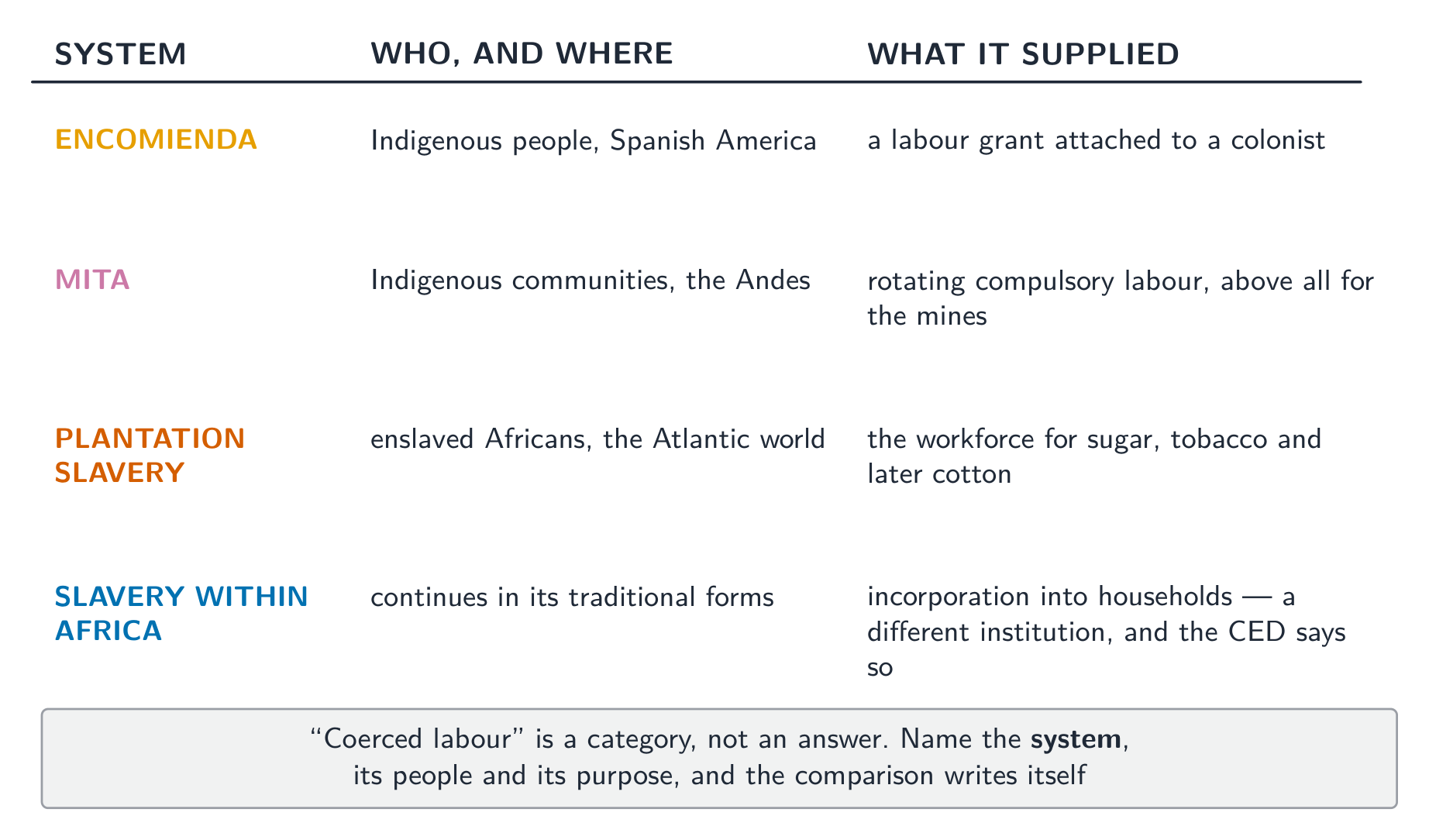
In the Americas the pattern was different. Colonial economies depended on agriculture and on coerced labour 强制劳动:

  • Enslavement in Africa continued in its traditional forms, including incorporation into households.
  • The growth of the plantation economy 种植园经济 increased demand for enslaved labour, and the Atlantic slave trade expanded enormously to supply it.
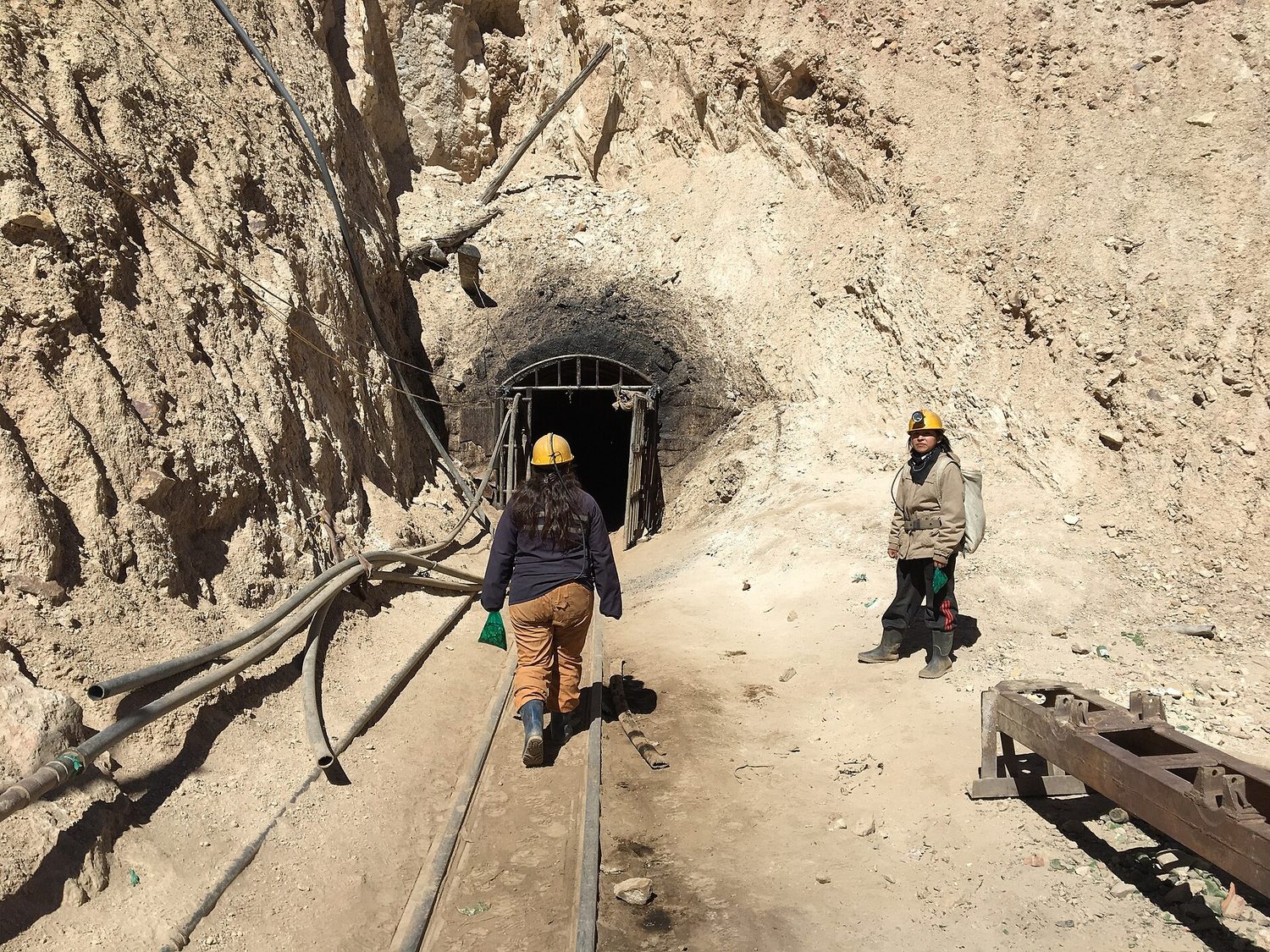
  • Systems such as the encomienda and mita 米塔制 compelled Indigenous labour.
ไทย

ยุโรปได้ตั้ง ฐานการค้า ในแอฟริกาและเอเชีย ซึ่งพิสูจน์แล้วว่าทำกำไรได้ และดำเนินการอาณานิคมในอเมริกา โดยแรงจูงใจจาก rivalries ทางการเมือง, ศาสนา, และเศรษฐกิจ.

เมื่อรัฐเดิมมีอำนาจ kuat, ยุโรป traded มากกว่าจะ conquer: แม้会发生 disruption จาก Portuguese arrival, ** Existing trade networks in the Indian Ocean continued**, และAsian states largely dictate the terms.

ในอเมริการูปแบบ differently. Colonial economies depend on agriculture และ coerced labour:

  • Enslavement ในแอฟริกาดำเนินต่อไปในรูปแบบดั้งเดิม, รวมถึงการ incorporated into households.
  • การเติบโตของ ** plantation economy** เพิ่มความต้องการแรงงาน enslaved, และการ Atlantic slave trade ขยายตัวอย่างมหาศาลเพื่อ supply it.
  • ระบบเช่น encomienda และ mita บังคับให้ Indigenous labor work.
Four coerced-labour systems distinguished by who, where, and what each supplied
Cerro Rico at Potosi - mountain ที่ระบบ labor mita được organised to work
Explore · ⁨สำรวจ⁩

Tell the coerced-labour systems apart · ⁨แยกแยะระบบแรงงานถูกบังคับออกจากกัน⁩

'Coerced labour' is a category, not an answer: name the system, its people and its purpose. · ⁨'แรงงานถูกบังคับ' เป็นหมวดหมู่ ไม่ใช่คำตอบ: ระบุชื่อระบบ คนในนั้น และวัตถุประสงค์⁩

Vocabulary · ⁨คำศัพท์⁩ Train · ⁨ฝึกฝน⁩
English ไทย
rivalries/ˈraɪvəlriz/ การแข่งขัน
coerced labour/ˌkəʊˈɜːst ˈleɪbə/ แรงงานถูกบังคับ
plantation economy/plænˈteɪʃn ɪˈkɒnəmi/ เศรษฐกิจ plantation
mita/ˈmiːtə/ มิตา
Mercantilist/ˈmɜːkæntɪlɪst/ Mercantilist
Atlantic trading system/ətˈlæntɪk ˈtreɪdɪŋ ˈsɪstəm/ ระบบการค้าแอตแลนติก
social hierarchies/ˈsəʊʃl ˈhaɪərɑːkiz/ ลำดับชั้นทางสังคม
rebellion/rɪˈbelɪən/ การกบฏ
maroon communities/məˈruːn kəˈmjuːnɪtiz/ ชุมชนมาร์วูน
4.5 4.7

Maritime Empires Maintained · ⁨จักรวรรดิทางทะเลได้รับการรักษา⁩

Syllabus · ⁨หลักสูตร⁩
English

4.5 Maritime Empires Maintained and Developed

Thematic FocusLearning ObjectiveHistorical Developments

CDI
Cultural Developments and Interactions — The development of ideas, beliefs, and religions illustrates how groups in society view themselves, and the interactions of societies and their beliefs often have political, social, and cultural implications.

Unit 4.H
Explain how rulers employed economic strategies to consolidate and maintain power throughout the period from 1450 to 1750.

  • KC-4.1.IV.C Mercantilist policies and practices were used by European rulers to expand and control their economies and claim overseas territories. Joint-stock companies, influenced by these mercantilist principles, were used by rulers and merchants to finance exploration and were used by rulers to compete against one another in global trade.
  • KC-4.3.III.ii Economic disputes led to rivalries and conflict between states.

Unit 4.I
Explain the continuities and changes in networks of exchange from 1450 to 1750. THEMATIC FOCUS Social Interactions and Organization SIO The process by which societies group their members and the norms that govern the interactions between these groups and between individuals influence political, economic, and cultural institutions and organization. LEARNING OBJECTIVE

  • KC-4.1.IV.D.i The Atlantic trading system involved the movement of goods, wealth, and labor, including enslaved persons.
  • KC-4.1.IV The new global circulation of goods was facilitated by chartered European monopoly companies and the global flow of silver, especially from Spanish colonies in the Americas, which was used to purchase Asian goods for the Atlantic markets and satisfy Chinese demand for silver. Regional markets continued to flourish in Afro-Eurasia by using established commercial practices and new transoceanic and regional shipping services developed by European merchants.
  • KC-4.2.II.A Peasant and artisan labor continued and intensified in many regions as the demand for food and consumer goods increased. HISTORICAL DEVELOPMENTS

Unit 4.J
Explain how political, economic, and cultural factors affected society from 1450 to 1750.

  • KC-4.2.III.C Some notable gender and family restructuring occurred, including demographic changes in Africa that resulted from the trade of enslaved persons.
  • KC-4.1.IV.D.ii The Atlantic trading system involved the movement of labor—including enslaved persons and the mixing of African, American, and European cultures and peoples, with all parties contributing to this cultural synthesis.

Unit 4.K
Explain the similarities and differences in how various belief systems affected societies from 1450 to 1750.

  • KC-4.1.VI In some cases, the increase and intensification of interactions between newly connected hemispheres expanded the reach and furthered development of existing religions, and contributed to religious conflicts and the development of syncretic belief systems and practices.

Illustrative examples:

  • Competition over trade routes:
    • Muslim–European rivalry in the Indian Ocean
    • Moroccan conflict with the Songhai Empire
  • (CONT’D) Increased peasant and artisan labor:
    • Western Europe— wool and linen
    • India—cotton
    • China—silk
ไทย

4.5 จักรวรรดิทางทะเล: รักษามาตรฐานและพัฒนาต่อ

ประเด็นเน้น (GOV): การปกครอง — ปัจจัยภายในและภายนอกหลากหลายชนิดมีส่วนร่วมในการก่อตัว การขยายตัว และการล่มสลายของรัฐ รัฐบาลรักษาความสงบเรียบร้อยผ่านสถาบัน นโยบาย และขั้นตอนการบริหารจัดการที่หลากหลาย และรัฐบาลได้รับ รักษาส Powers และใช้อำนาจในรูปแบบและด้วยวัตถุประสงค์ที่แตกต่างกัน จุดเน้นเชิงประเด็น (ECN): ระบบเศรษฐกิจ — เมื่อสังคมพัฒนาขึ้น จะส่งผลกระทบต่อและได้รับผลกระทบจากวิธีการผลิต แลกเปลี่ยน และบริโภคสินค้าและบริการ ประเด็นเน้น (CDI): การพัฒนาและการปฏิสัมพันธ์ทางวัฒนธรรม — การพัฒนาของแนวคิด ความเชื่อ และศาสนาแสดงให้เห็นว่ากลุ่มคนในสังคมมองเห็นตนเองอย่างไร และการปฏิสัมพันธ์ระหว่างสังคมและความเชื่อของพวกเขา มักจะมีนัยสำคัญทางการเมือง สังคม และวัฒนธรรม

Learning ObjectiveHistorical Developments

Unit 4.H
อธิบายว่าผู้ปกครองใช้กลยุทธ์ทางเศรษฐกิจอย่างไรในการรวมศูนย์และรักษาอำนาจตลอดช่วงปี ค.ศ. 1450 ถึง 1750

  • KC-4.1.IV.C นโยบายและปฏิบัติทางการพาณิชย์นิยมถูกใช้โดยผู้ปกครองยุโรปเพื่อขยายและควบคุมเศรษฐกิจของตน serta claiming อาณาเขตต่างประเทศ บริษัทหุ้นส่วน (Joint-stock companies) ที่ได้รับอิทธิพลจากหลักการพาณิชย์นิยมนี้ ถูกใช้โดยผู้ปกครองและผู้ค้าเพื่อระดมทุนสำหรับการสำรวจ และใช้โดยผู้ปกครองเพื่อแข่งขันกันในทางการค้าระดับโลก
  • KC-4.3.III.ii ข้อพิพาททางเศรษฐกิจนำไปสู่การแข่งขันและความขัดแย้งระหว่างรัฐ

Unit 4.I
อธิบายความต่อเนื่องและการเปลี่ยนแปลงในเครือข่ายการซื้อขายตั้งแต่ปี ค.ศ. 1450 ถึง 1750. THEMATIC FOCUS Social Interactions and Organization SIO กระบวนการที่สังคมจัดกลุ่มสมาชิกของตนเองและบรรทัดฐานที่ควบคุมปฏิสัมพันธ์ระหว่างกลุ่มเหล่านี้และระหว่างบุคคลมีผลต่อสถาบันและการจัดระเบียบทางการเมือง เศรษฐกิจ และวัฒนธรรม LEARNING OBJECTIVE

  • KC-4.1.IV.D.i ระบบการค้าแอตแลนติกเกี่ยวข้องกับการเคลื่อนย้ายสินค้า ทรัพย์สิน และแรงงาน รวมถึงทาสด้วย
  • KC-4.1.IV การหมุนเวียนสินค้าระดับโลกใหม่ถูกเอื้ออำนวยโดยบริษัทผูกขาดของยุโรปที่ได้รับการแต่งตั้ง และกระแสเงินฟอกสีทั่วโลก โดยเฉพาะจากอาณานิคมสเปนในทวีปอเมริกา ซึ่งถูกนำไปซื้อสินค้าเอเชียสำหรับตลาดแอตแลนติกและตอบสนองความต้องการเงินฟอกสีของจีน ตลาดระดับภูมิภาคยังคงเจริญรุ่งเรืองในแอฟโร-ยูเรเซียโดยใช้วิธีการค้า Bye-established และการบริการขนส่งข้ามมหาสมุทรและระดับภูมิภาคใหม่ที่พัฒนาขึ้นโดยพ่อค้ายุโรป
  • KC-4.2.II.A แรงงานชาวนาและช่างฝีมือยังคงมีอยู่และเข้มข้นขึ้นในหลายพื้นที่เมื่อความต้องการอาหารและสินค้าอุปโภคบริโภคเพิ่มขึ้น HISTORICAL DEVELOPMENTS

Unit 4.J
อธิบายว่าปัจจัยทางการเมือง เศรษฐกิจ และวัฒนธรรมมีผลต่อสังคมอย่างไรในช่วงปี ค.ศ. 1450 ถึง 1750

  • KC-4.2.III.C มีการปรับโครงสร้างเพศและครอบครัวที่สำคัญบางประการ รวมถึงการเปลี่ยนแปลงทางประชากรศาสตร์ในแอฟริกาซึ่งเกิดจากการค้าทาส
  • KC-4.1.IV.D.ii ระบบการค้าแอตแลนติกเกี่ยวข้องกับการเคลื่อนย้ายแรงงาน—including ทาส และการผสมผสานของวัฒนธรรมและชนชาติแอฟริกา อเมริกา และยุโรป โดยทุกฝ่ายมีส่วนร่วมในการสังเคราะห์ทางวัฒนธรรมนี้

Unit 4.K
อธิบายความคล้ายคลึงและความแตกต่างในวิธีที่ระบบความเชื่อต่างๆ มีผลต่อสังคมตั้งแต่ปี ค.ศ. 1450 ถึง 1750

  • KC-4.1.VI ในบางกรณี การเพิ่มขึ้นและ intensified ของการปฏิสัมพันธ์ระหว่างครึ่งโลกที่เชื่อมต่อกันใหม่ได้ขยายขอบเขตและส่งเสริมการพัฒนาของศาสนาที่มีอยู่ และนำไปสู่ความขัดแย้งทางศาสนาและการพัฒนาของระบบความเชื่อและการปฏิบัติแบบผสมผสาน

ตัวอย่างประกอบ:

  • การแข่งขันเหนือเส้นทางค้าขาย:
    • ความขัดแย้งระหว่างมุสลิมกับยุโรปในมหาสมุทรอินเดีย
    • ความขัดแย้งของโมร็อกโกกับจักรวรรดิซงไฮ
  • (CONT’D) แรงงานชาวนาและช่างฝีมือที่เพิ่มขึ้น:
    • ยุโรปตะวันตก—ขนแกะและผ้าลินิน
    • อินเดีย—ผ้าฝ้าย
    • จีน—ไหม
English

4.7 Changing Social Hierarchies from1450 to 1750

Thematic FocusLearning ObjectiveHistorical Developments

SIO
Social Interactions and Organization — The process by which societies group their members and the norms that govern the interactions between these groups and between individuals influence political, economic, and cultural institutions and organization.

Unit 4.M
Explain how social categories, roles, and practices have been maintained or have changed over time.

  • KC-4.3.I.B Many states, such as the Mughal and Ottoman empires, adopted practices to accommodate the ethnic and religious diversity of their subjects or to utilize the economic, political, and military contributions of different ethnic or religious groups. In other cases, states suppressed diversity or limited certain groups’ roles in society, politics, or the economy.
  • KC-4.2.III.A Imperial conquests and widening global economic opportunities contributed to the formation of new political and economic elites, including in China with the transition to the Qing Dynasty and in the Americas with the rise of the Casta system.
  • KC-4.2.III.B The power of existing political and economic elites fluctuated as the elites confronted new challenges to their ability to affect the policies of the increasingly powerful monarchs and leaders.

Illustrative examples:

  • Differential treatment of groups in society, politics, and the economy:
    • Expulsion of Jews from Spain and Portugal; the acceptance of Jews in the Ottoman Empire
    • Restrictive policies against Han Chinese in Qing China
    • Varying status of different classes of women within the Ottoman Empire
  • Existing elites:
    • Ottoman timars
    • Russian boyars
    • European nobility
ไทย

4.7 การเปลี่ยนแปลงของลำดับชั้นทางสังคมตั้งแต่ปี ค.ศ. 1450 ถึง 1750

จุดเน้นเชิงประเด็น (SIO): ปฏิสัมพันธ์และการจัดระเบียบทางสังคม — กระบวนการที่สังคมรวมกลุ่มสมาชิกของตนและบรรทัดฐานที่ควบคุมการปฏิสัมพันธ์ระหว่างกลุ่มเหล่านี้และระหว่างบุคคลมีผลต่อสถาบันและการจัดระเบียบทางการเมือง เศรษฐกิจ และวัฒนธรรม

Learning ObjectiveHistorical Developments

Unit 4.M
อธิบายว่าหมวดหมู่ บทบาท และปฏิบัติทางสังคมได้รับการรักษามาหรือมีการเปลี่ยนแปลงไปตามกาลเวลาอย่างไร

  • KC-4.3.I.B รัฐหลายแห่ง เช่น จักรวรรدمุกัลและออตโตมัน ได้ยึดใช้นโยบายเพื่อรองรับความหลากหลายทางชาติพันธุ์และศาสนาของประชาชน หรือเพื่อใช้ประโยชน์จากการมีส่วนร่วมทางเศรษฐกิจ การเมือง และทหารของกลุ่มชาติพันธุ์หรือศาสนาที่แตกต่างกัน ในบางกรณี รัฐก็กดขี่ความหลากหลายหรือจำกัดบทบาทของกลุ่ม tertentuในสังคม การเมือง หรือเศรษฐกิจ
  • KC-4.2.III.A การพิชิตดินแดนและการขยายโอกาสทางเศรษฐกิจระดับโลกได้ส่งผลให้เกิดการก่อตัวของกลุ่มชนชั้นนำทางการเมืองและเศรษฐกิจใหม่ รวมถึงในจีนกับการเปลี่ยนผ่านสู่ราชวงศ์ชิง และในทวีปอเมริกาด้วยการเกิดขึ้นของระบบคาสตา
  • KC-4.2.III.B อำนาจของกลุ่มชนชั้นนำเดิมมีการเปลี่ยนแปลงเมื่อพวกเขาเผชิญกับความท้าทายต่อความสามารถในการกำหนดนโยบายของพระมหากษัตริย์และผู้มีอำนาจที่เพิ่มขึ้น

ตัวอย่างประกอบ:

  • การปฏิบัติต่อกลุ่มคนต่าง ๆ ในสังคม การเมือง และเศรษฐกิจแตกต่างกัน:
    • การเนรเทศชาวยิวออกจากสเปนและโปรตุเกส; การยอมรับชาวยิวในจักรวรรดิออตโตมัน
    • นโยบายจำกัดต่อชาวฮั่นในราชวงศ์ชิง
    • สถานะที่แตกต่างกันของสตรีแต่ละระดับในจักรวรรดิออตโตมัน
  • ชนชั้นนำเดิม:
    • ทิมาร์ของออตโตมัน
    • บอยารัสของรัสเซีย
    • กษัตริย์ราชวงศ์ยุโรป

Source: College Board AP Course and Exam Description · ⁨แหล่งที่มา: คำอธิบายหลักสูตรและข้อสอบ College Board AP⁩

English

Mercantilist 重商主义 policies were used by European rulers to expand and control their economies: colonies existed to supply raw materials and buy finished goods, and trade was directed through the mother country.

The Atlantic trading system 大西洋贸易体系 moved goods, wealth, and people between Europe, Africa, and the Americas - the pattern usually taught as triangular trade, though real routes were more complex.

Economic disputes led to rivalries and conflict between states, and commercial competition became a standing cause of European war.

Colonial societies developed new social hierarchies 社会等级, defined by ancestry and by place of birth - the Spanish casta system being the most formally codified.

ไทย

นโยบายเมอร์แคนติลิสต์ ถูกใช้โดยผู้ปกครองยุโรปเพื่อขยายและควบคุมเศรษฐกิจของพวกเขา: อาณานิคมมีอยู่เพื่อจัดหาน้ำดิบและซื้อสินค้าสำเร็จรูป และการค้าถูกนำผ่านประเทศแม่

ระบบการค้ามหาสมุทรแอตแลนติก เคลื่อนย้ายสินค้า ทรัพย์สิน และผู้คนระหว่างยุโรป แอฟริกา และอเมริกา - รูปแบบนี้มักเรียนการสอนว่าเป็นการค้าสามเหลี่ยม แม้เส้นทางจริงจะซับซ้อนกว่านั้น

ความขัดแย้งทางเศรษฐกิจนำไปสู่การแข่งขันและความขัดแย้ง ระหว่างรัฐ และการแข่งขันทางการค้ากลายเป็นสาเหตุปกติของสงครามในยุโรป

สังคมอาณานิคมพัฒนา ลำดับชั้นทางสังคม ใหม่ ๆ ซึ่งกำหนดโดยบรรพบุรุษและสถานที่เกิด - ระบบ คาสตา ของสเปนเป็นระบบที่เขียนกฎระเบียบไว้อย่างเป็นทางการที่สุด

4.6

Internal and External Challenges · ⁨ความท้าทายภายในและภายนอก⁩

Syllabus · ⁨หลักสูตร⁩
English

4.6 Internal and External Challenges to State Power from 1450 to 1750

Thematic FocusLearning ObjectiveHistorical Developments

GOV
Governance — A variety of internal and external factors contribute to state formation, expansion, and decline. Governments maintain order through a variety of administrative institutions, policies, and procedures, and governments obtain, retain, and exercise power in different ways and for different purposes.

Unit 4.L
Explain the effects of the development of state power from 1450 to 1750.

  • KC-4.3.III.iii State expansion and centralization led to resistance from an array of social, political, and economic groups on a local level.
  • KC-5.3.III.C Enslaved persons challenged existing authorities in the Americas through organized resistance.

Illustrative examples:

  • Local resistance:
    • Pueblo Revolts
    • Fronde
    • Cossack revolts
    • Maratha conflict with Mughals
    • Ana Nzinga’s resistance (as ruler of Ndongo and Matamba)
    • Metacom’s War (King Philip’s War)
  • Resistance of enslaved persons:
    • The establishment of Maroon societies in the Caribbean and Brazil
    • Resistance of enslaved persons in North America
ไทย

4.6 ความท้าทายภายในและภายนอกต่ออำนาจรัฐตั้งแต่ปี ค.ศ. 1450 ถึง 1750

ประเด็นเน้น (GOV): การปกครอง — ปัจจัยภายในและภายนอกหลากหลายชนิดมีส่วนร่วมในการก่อตัว การขยายตัว และการล่มสลายของรัฐ รัฐบาลรักษาความสงบเรียบร้อยผ่านสถาบัน นโยบาย และขั้นตอนการบริหารจัดการที่หลากหลาย และรัฐบาลได้รับ รักษาส Powers และใช้อำนาจในรูปแบบและด้วยวัตถุประสงค์ที่แตกต่างกัน

Learning ObjectiveHistorical Developments

Unit 4.L
อธิบายผลกระทบของการพัฒนาอำนาจรัฐตั้งแต่ปี ค.ศ. 1450 ถึง 1750

  • KC-4.3.III.iii การขยายตัวและการรวมศูนย์ของรัฐนำไปสู่การต่อต้านจากกลุ่มสังคม การเมือง และเศรษฐกิจหลากหลายประเภทในระดับท้องถิ่น
  • KC-5.3.III.C ทาสได้ท้าทายอำนาจที่มีอยู่ในทวีปอเมริกาผ่านการต่อต้านอย่างเป็นรูปธรรม

ตัวอย่างประกอบ:

  • การต่อต้านในระดับท้องถิ่น:
    • การกบฏของปูเอโบล
    • ฟรงด์
    • การกบฏของคอสแซค
    • ความขัดแย้งของมาราธากับมุกัล
    • การต่อต้านของอานา นซิ่งกา (ในฐานะเจ้าหญิงแห่งนดองโกและมาتابา)
    • สงครามเมทาคอม (King Philip’s War)
  • การต่อต้านของทาส:
    • การก่อตั้งชุมชนมารู้นในicast Caribbean และบราซิล
    • การต่อต้านของทาสใน北美America

Source: College Board AP Course and Exam Description · ⁨แหล่งที่มา: คำอธิบายหลักสูตรและข้อสอบ College Board AP⁩

English

Rulers everywhere faced resistance. Enslaved people resisted through rebellion 起义 and maroon communities 逃奴社群; Indigenous peoples resisted colonial demands; peasants and religious groups challenged state power across Eurasia.

ไทย

ผู้ปกครองทุกแห่งเผชิญกับการต่อต้าน ผู้ถูกทาสต่อต้านผ่าน การกบฏ และ ชุมชนมาร์รัน;ชนพื้นเมืองต่อต้านคำขอจากอาณานิคม;ชาวนาและกลุ่มศาสนาท้าทายอำนาจรัฐทั่วทั้งเอเชียและยุโรป

การกบฏและการหลบหนีไปอยู่ในป่าเป็นคำตอบที่แตกต่างกันสองแบบต่อระเบียบที่บังคับ
4.8

Continuity and Change from 1450 to 1750 · ⁨ความต่อเนื่องและการเปลี่ยนแปลงตั้งแต่ปี ค.ศ. 1450 ถึง 1750⁩

Syllabus · ⁨หลักสูตร⁩
English

4.8 Continuity and Change from 1450 to 1750

Learning Objective Unit 4.N: Explain how economic developments from 1450 to 1750 affected social structures over time.

  • KC-4.1 The interconnection of the Eastern and Western Hemispheres, made possible by transoceanic voyaging, transformed trade and had a significant social impact on the world.
    • KC-4.1.II Knowledge, scientific learning, and technology from the Classical, Islamic, and Asian worlds spread, facilitating European technological developments and innovation.
    • KC-4.1.II.A The developments included the production of new tools, innovations in ship designs, and an improved understanding of regional wind and currents patterns—all of which made transoceanic travel and trade possible.
  • KC-4.2 Although the world’s productive systems continued to be heavily centered on agriculture, major changes occurred in agricultural labor, the systems and locations of manufacturing, gender and social structures, and environmental processes.
    • KC-4.2.II The demand for labor intensified as a result of the growing global demand for raw materials and finished products. Traditional peasant agriculture increased and changed in nature, plantations expanded, and the Atlantic slave trade developed and intensified.
  • KC-4.3 Empires achieved increased scope and influence around the world, shaping and being shaped by the diverse populations they incorporated.
    • KC-4.3.III.ii Economic disputes led to rivalries and conflict between states.
ไทย

4.8 ความต่อเนื่องและการเปลี่ยนแปลงระหว่างปี ค.ศ. 1450 ถึง 1750

วัตถุประสงค์การเรียนรู้หน่วยที่ 4.N: อธิบายว่าพัฒนาการทางเศรษฐกิจระหว่างปี ค.ศ. 1450 ถึง 1750 ส่งผลต่อโครงสร้างทางสังคมอย่างไรตามกาลเวลา

  • KC-4.1 การเชื่อมโยงระหว่างครึ่งโลกตะวันออกและตะวันตก ซึ่งเกิดจากการเดินทางข้ามมหาสมุทร ได้เปลี่ยนแปลงการค้าและมีผลกระทบทางสังคมที่สำคัญต่อโลก
    • KC-4.1.II ความรู้ การเรียนรู้ด้านวิทยาศาสตร์และเทคโนโลยีจากโลกคลาสสิก โลกอิสลาม และเอเชีย được spread, ช่วยส่งเสริมการพัฒนาเทคโนโลยีและนวัตกรรมของยุโรป
    • KC-4.1.II.A การพัฒนาเหล่านี้รวมถึงการผลิตเครื่องมือใหม่ นวัตกรรมในการออกแบบเรือ และความเข้าใจที่ดีขึ้นเกี่ยวกับรูปแบบลมและกระแสน้ำในพื้นที่—all of which made transoceanic travel and trade possible.
  • KC-4.2 แม้ว่าระบบการผลิตของโลกจะยังคงพึ่งพาเกษตรกรรมอย่างมาก แต่เกิดการเปลี่ยนแปลงครั้งใหญ่ในการแรงงานทางการเกษตร ระบบและสถานที่ผลิต การแบ่งแยกเพศและโครงสร้างทางสังคม และกระบวนการสิ่งแวดล้อม
    • KC-4.2.II ความต้องการแรงงานเพิ่มขึ้นเนื่องจากความต้องการวัตถุดิบและสินค้าสำเร็จรูปทั่วโลกที่เพิ่มมากขึ้น การเกษตรแบบชาวบ้านดั้งเดิมเพิ่มขึ้นและเปลี่ยนแปลงลักษณะไปSerializeFieldations were expanded, and the Atlantic slave trade developed and intensified.
  • KC-4.3 จักรวรรดิได้เพิ่มขอบเขตและอิทธิพลไปทั่วโลก โดยมีการ塑造和被 diverse populations they incorporated
    • KC-4.3.III.ii ข้อพิพาททางเศรษฐกิจนำไปสู่ความขัดแย้งและความวุ่นวายระหว่างรัฐ

Source: College Board AP Course and Exam Description · ⁨แหล่งที่มา: คำอธิบายหลักสูตรและข้อสอบ College Board AP⁩

English

The unit's reasoning skill is continuity and change. The strongest answers hold both: connection between hemispheres was genuinely new, while the dominance of agriculture, coerced labour, and land empires continued.

Worked example (a real AP exam question). AP World short-answer questions in this unit ask, for example, to "Explain one effect of the Columbian Exchange on the Americas" and "…on Afro-Eurasia." A full-mark pair states the effect and the mechanism for each: "In the Americas, transferred diseases such as smallpox caused a demographic collapse, which created the labour shortage that European colonisers met by expanding the Atlantic slave trade. In Afro-Eurasia, American crops such as the potato and maize improved nutrition and contributed to population growth." Notice the shape: effect questions want the consequence traced, and the two halves must not be the same answer twice.

ไทย

ทักษะการคิดของหน่วยนี้คือ ความต่อเนื่องและการเปลี่ยนแปลง คำตอบที่ดีที่สุดจะครอบคลุมทั้งสองอย่าง: การเชื่อมต่อระหว่างซีกโลกเป็นเรื่องใหม่จริง ๆ ในขณะที่ความเหนือมั่นของการเกษตร แรงงานถูกบังคับ และจักรวรรดิบนแผ่นดินยังคงอยู่

ตัวอย่างวิธีทำ (ข้อสอบ AP จริง) ข้อสอบตอบสั้นของ AP World ในหน่วยนี้ถามว่า ตัวอย่างเช่น "อธิบายผลกระทบหนึ่งของการแลกเปลี่ยนคูลัมเบียต่ออเมริกา" และ "…ต่อแอฟริกา-เอเชีย" คู่คำตอบเต็มคะแนนจะระบุผลกระทบและกลไกสำหรับแต่ละส่วน: "ในอเมริกา โรคที่ถูกส่งต่อเช่นไข้สุกใสทำให้ประชากรลดลงอย่างมาก ซึ่งสร้างภาวะขาดแคลนแรงงานที่นักอาณานิคมยุโรปแก้ไขด้วยการขยายการค้าทาสในมหาสมุทรแอตแลนติก ในแอฟริกา-เอเชีย พืชผลจาก美洲เช่นมันฝรั่งและข้าวโพดช่วยปรับปรุงโภชนาการและส่งเสริมการเติบโตของประชากร" ระวังรูปแบบ:คำถาม ผลกระทบ ต้องการให้ติดตามผลลัพธ์ และสองส่วนไม่ควรเป็นคำตอบเดียวกันซ้ำ

4.8

Exam tips · ⁨ข้อแนะนำสำหรับการสอบ⁩

English
  • Explain the voyages with borrowed technology plus state support, not with individual explorers.
  • Keep the Columbian Exchange two-directional and asymmetrical: population fell in the Americas and rose in Afro-Eurasia.
  • Where Asian states were strong, Europeans traded; where disease had shattered societies, they conquered. That contrast answers many questions.
  • Mercantilism is the policy, the Atlantic system is the flow, and coerced labour is what made the plantation economy work.
  • Always include resistance - rebellion, maroon communities, Indigenous refusal - since it is examinable and often omitted.
  • On effect questions, trace the consequence. A named change with no mechanism is only half the mark.
ไทย
  • อธิบายการสำรวจด้วย เทคโนโลยีที่นำมาใช้ร่วมกับการสนับสนุนของรัฐ ไม่ใช่ด้วยนักสำรวจรายบุคคล
  • รักษาการแลกเปลี่ยนคูลัมเบียให้เป็น สองทิศทางและไม่สมมาตร: ประชากรลดลงในอเมริกาและเพิ่มขึ้นในแอฟริกา-เอเชีย
  • เมื่อรัฐเอเชียแข็งแกร่ง ยุโรป ค้าขาย;เมื่อโรคทำลายสังคมแล้ว พวกเขา พิชิต ความแตกต่างนี้ตอบคำถามได้หลายข้อ
  • เมอร์แคantilิสต์ คือนโยบาย ระบบแอตแลนติก คือการไหลเวียน และ แรงงานถูกบังคับ คือสิ่งที่ทำให้เศรษฐกิจฟาร์มปศุสัตว์ทำงานได้
  • ต้องรวม การต่อต้าน - การกบฏ ชุมชนมาร์รัน การปฏิเสธของชนพื้นเมือง - เนื่องจากเป็นข้อสอบและมักถูกละเลย
  • ในคำถามเกี่ยวกับผลกระทบ ให้ติดตามผลลัพธ์ การเปลี่ยนแปลงที่มีชื่อแต่ไม่มีกลไกได้แค่ครึ่งหนึ่งของคะแนน

Interactive lessons on this topic · ⁨บทเรียนเชิงโต้ตอบสำหรับหัวข้อนี้⁩

Work through it step by step, with instant-check exercises. · ⁨ทำทีละขั้นตอน พร้อมแบบฝึกหัดตรวจสอบผลทันที⁩

Past Papers · ⁨ข้อสอบย้อนหลัง⁩

More topics in AP World History: Modern · ⁨AP ประวัติศาสตร์โลก: สมัยใหม่⁩ · ⁨หัวข้อเพิ่มเติมใน AP World History: Modern · ⁨AP ประวัติศาสตร์โลก: สมัยใหม่⁩⁩

Log in or create account · ⁨เข้าสู่ระบบหรือสร้างบัญชี⁩

IGCSE, A-Level & AP