Skip to content · ⁨ข้ามไปยังเนื้อหา⁩

Poetry I · ⁨บทกวี I⁩

AP English Literature and Composition · ⁨AP วรรณกรรมและบทวิเคราะห์เชิงลึก⁩ · Topic 2 · ⁨หัวข้อ 2⁩

Video lesson for this topic · ⁨บทเรียนวิดีโอสำหรับหัวข้อนี้⁩ Open the video page · ⁨เปิดหน้าวิดีโอ⁩
6:10

หน่วยที่ 2: กวีนิพนธ์ I

หน่วยที่ 2 เป็นหน่วยกวีนิพนธ์แรกของหลักสูตร และเพิ่มสองสิ่งเข้าไปในชุดเครื่องมือของหน่วยที่ 1: โครงสร้างในฐานะวัตถุของการวิเคราะห์ และภาษาเชิงภาพพจน์ที่ถูกจัดการ...

English narration · English + 中文 subtitles burned in · ⁨การบรรยายภาษาอังกฤษ · คำบรรยายภาษาอังกฤษ + 中文 ลอยตัวบนภาพ⁩

2.1

What Textual Details Reveal About a Character · ⁨รายละเอียดทางภาษาเปิดเผยเกี่ยวกับตัวละครอย่างไร⁩

Syllabus · ⁨หลักสูตร⁩
English

Enduring Understanding (CHR-1): Characters in literature allow readers to study and explore a range of values, beliefs, assumptions, biases, and cultural norms represented by those characters.

Learning Objective 1.A: Identify and describe what specific textual details reveal about a character, that character’s perspective, and that character’s motives.

  • CHR-1.E Characters reveal their perspectives and biases through the words they use, the details they provide in the text, the organization of their thinking, the decisions they make, and the actions they take.
ไทย

ความเข้าใจที่ยั่งยืน (CHR-1): ตัวละครในวรรณกรรมช่วยให้ผู้อ่านศึกษาและสำรวจค่าต่างๆ ความเชื่อ สมมติฐาน อคติ และบรรทัดฐานทางวัฒนธรรมที่ตัวละครเหล่านั้นสะท้อนออกมา

วัตถุประสงค์การเรียนรู้ 1.A: ระบุและอธิบายว่ารายละเอียดเฉพาะจากข้อความบอกอะไรเกี่ยวกับตัวละคร มุมมองของตัวละคร และแรงจูงใจของตัวละครนั้น

  • CHR-1.E ตัวละครเปิดเผยมุมมองและอคติของตนผ่านคำที่ใช้ รายละเอียดที่นำเสนอในข้อความ การจัดระเบียบความคิด การตัดสินใจ และพฤติกรรมที่ทำ
Source: College Board AP Course and Exam Description · ⁨แหล่งที่มา: คำอธิบายหลักสูตรและข้อสอบ College Board AP⁩

English

Unit 2 is the course's first poetry unit, and it adds two things to Unit 1's toolkit: structure as an object of analysis, and figurative language 比喻性语言 handled precisely rather than by name-dropping.

One addition on character first: characters reveal their perspectives and biases through the words they use, the details they provide, and the details they omit.

That last item is the analytical opening. What a speaker does not mention, in a poem where everything is chosen, is evidence.

ไทย

Unit 2 เป็นหน่วยกวีครั้งแรกของหลักสูตร และเพิ่มสองสิ่งเข้าไปในชุดเครื่องมือของ Unit 1: โครงสร้าง เป็นวัตถุของการวิเคราะห์, และ ภาษาเชิงสัญลักษณ์ 比喻性语言 ที่จัดการอย่างแม่นยำ แทนที่จะเป็นการแค่กล่าวถึงชื่อบทกวี

การเพิ่มเติมเกี่ยวกับตัวละครเป็นอันดับแรก: ตัวละครแสดงมุมมองและอคติของตน ผ่าน คำศัพท์ที่พวกเขาเลือกใช้, รายละเอียดที่พวกเขานำเสนอ, และรายละเอียดที่ họละเลย

หัวข้อสุดท้ายนี้คือจุดเริ่มต้นของการวิเคราะห์ สิ่งที่ผู้พูด ไม่ได้ กล่าวถึง ในบทกวีที่ทุกสิ่งถูกคัดเลือกมาอย่างพิถีพิถัน คือหลักฐาน

2.2

The Function of Structure in a Text · ⁨หน้าที่ของโครงสร้างในข้อความ⁩

Syllabus · ⁨หลักสูตร⁩
English

Enduring Understanding (STR-1): The arrangement of the parts and sections of a text, the relationship of the parts to each other, and the sequence in which the text reveals information are all structural choices made by a writer that contribute to the reader’s interpretation of a text.

Learning Objective 3.C: Explain the function of structure in a text.

  • STR-1.D Line and stanza breaks contribute to the development and relationship of ideas in a poem.
  • STR-1.E The arrangement of lines and stanzas contributes to the development and relationship of ideas in a poem.
  • STR-1.F A text’s structure affects readers’ reactions and expectations by presenting the relationships among the ideas of the text via their relative positions and their placement within the text as a whole.
ไทย

ความเข้าใจที่ยั่งยืน (STR-1): การจัด arrangement ของส่วนและ section ของข้อความ ความสัมพันธ์ของส่วนต่างๆ ต่อกัน และ sequence ที่ข้อความ revealing ข้อมูล ล้วนเป็น structural choices ที่นักเขียนทำซึ่ง contribute ต่อการ interpretation ของผู้อ่านที่มีต่อข้อความ

จุดประสงค์การเรียนรู้ 3.C: อธิบายหน้าที่ของโครงสร้างในข้อความ

  • STR-1.E การจัดวางบรรทัดและท่อน contribute to the development and relationship of ideas in a poem
  • STR-1.F โครงสร้างของข้อความมีผลต่อการตอบสนองและความคาดหวังของผู้อ่าน通过将 ideas among the text via their relative positions and their placement within the text as a whole
  • STR-1.F โครงสร้างของข้อความมีผลต่อการตอบสนองและความคาดหวังของผู้อ่าน โดยแสดงความสัมพันธ์ระหว่างแนวคิดต่างๆ ผ่านตำแหน่งสัมพัทธ์และการวางภายในข้อความโดยรวม

Source: College Board AP Course and Exam Description · ⁨แหล่งที่มา: คำอธิบายหลักสูตรและข้อสอบ College Board AP⁩

English
  • Line and stanza breaks 行与诗节的断开 contribute to the development and relationship of ideas in a poem.
  • The arrangement of lines and stanzas contributes to that development.
  • A text's structure affects readers' reactions and expectations by presenting the relationships among ideas.

Structure in poetry is not decoration; it is punctuation for thought. Where a line breaks decides which words sit at the ends of lines, and the end of a line is the most emphatic position available. A sentence that runs past a line break asks the reader to hold something unresolved; one that stops at the break closes it.

ไทย
  • การตัดบรรทัดและท่อน 行与诗节的断开 ช่วยในการพัฒนาและความสัมพันธ์ของแนวคิดในบทกวี
  • การจัดเรียงบรรทัดและท่อน ช่วยในการพัฒนาเหล่านั้น
  • โครงสร้างของข้อความ ส่งผลกระทบต่อการตอบสนองและคาดการณ์ของผู้อ่าน โดยนำเสนอความสัมพันธ์ระหว่างแนวคิดต่างๆ

โครงสร้างในบทกวีไม่ใช่เครื่องประดับ; มันคือเครื่องหมายวรรคตอนสำหรับความคิด การที่บรรทัดจบลงกำหนดว่าคำใดจะอยู่ที่ปลายบรรทัด และปลายบรรทัดคือตำแหน่งที่มีน้ำหนักที่สุดที่หาได้ การประโยคที่ไหลข้ามการจบบรรทัดขอให้ผู้อ่านถือบางสิ่งที่ยังไม่สรุป;而如果จบที่那里则ปิดมัน

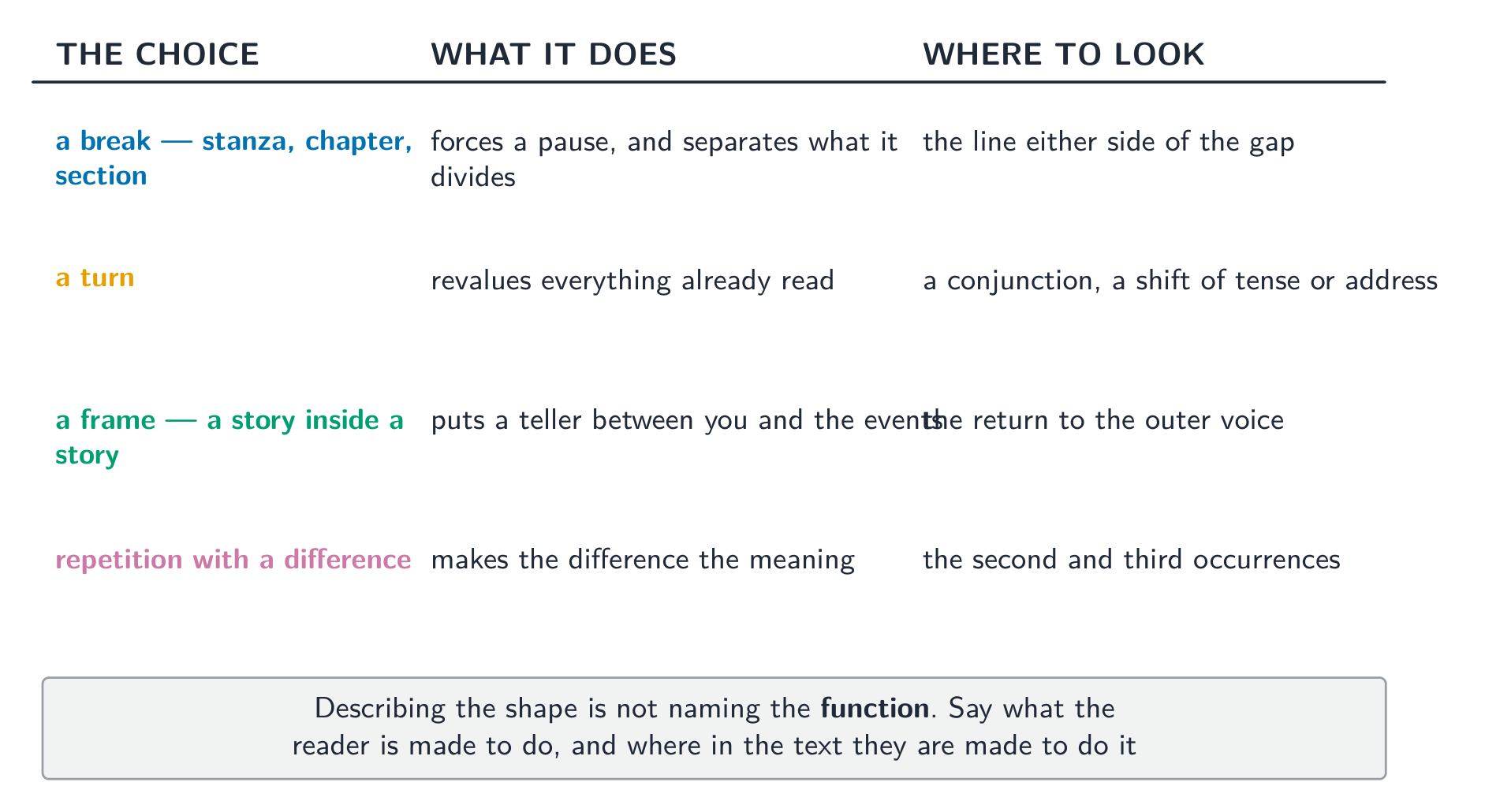
การบรรยายรูปร่างไม่ใช่การระบุหน้าที่ - บอกว่าผู้อ่านถูกให้ทำอะไร
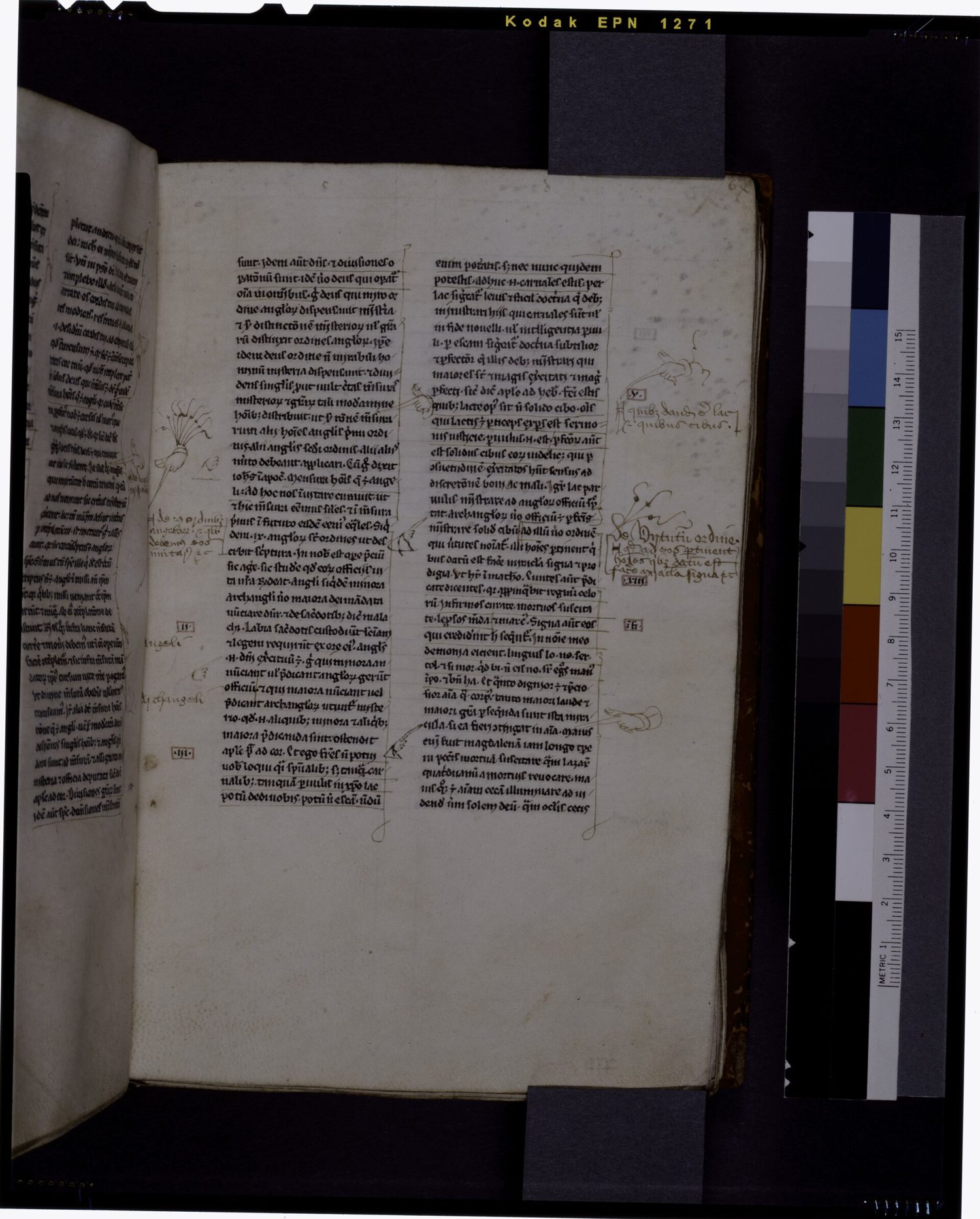
หน้ากระดาษที่นำคำอธิบายของตัวเองไปในส่วน Margin - การอ่านละเอียด ล่วงหน้าหลายศตวรรษ
Explore · ⁨สำรวจ⁩

Match each structural choice to its function · ⁨จับคู่ทางเลือกเชิงโครงสร้างแต่ละอย่างเข้ากับหน้าที่ของมัน⁩

Describing the shape is not naming the function. Say what the reader is made to do, and where. · ⁨การอธิบายรูปร่างไม่ใช่การระบุหน้าที่ บอกว่าผู้อ่านถูกบังคับให้ทำอะไร และที่ไหน⁩

2.3

The Function of Contrasts Within a Text · ⁨หน้าที่ของความแตกต่างภายในข้อความ⁩

Syllabus · ⁨หลักสูตร⁩
English

Enduring Understanding (STR-1): The arrangement of the parts and sections of a text, the relationship of the parts to each other, and the sequence in which the text reveals information are all structural choices made by a writer that contribute to the reader’s interpretation of a text.

Learning Objective 3.D: Explain the function of contrasts within a text.

  • STR-1.G Contrast can be introduced through focus; tone; point of view; character, narrator, or speaker perspective; dramatic situation or moment; settings or time; or imagery.
  • STR-1.H Contrasts are the result of shifts or juxtapositions or both.
  • STR-1.I Shifts may be signaled by a word, a structural convention, or punctuation.
  • STR-1.J Shifts may emphasize contrasts between particular segments of a text.
ไทย

ความเข้าใจที่ยั่งยืน (STR-1): การจัด arrangement ของส่วนและ section ของข้อความ ความสัมพันธ์ของส่วนต่างๆ ต่อกัน และ sequence ที่ข้อความ revealing ข้อมูล ล้วนเป็น structural choices ที่นักเขียนทำซึ่ง contribute ต่อการ interpretation ของผู้อ่านที่มีต่อข้อความ

จุดประสงค์การเรียนรู้ 3.D: อธิบายหน้าที่ของความแตกต่างในข้อความ

  • STR-1.H ความขัดแย้งเป็นผลจากการเปลี่ยนแปลงหรือการจัดวาง juxtapositions หรือทั้งสองอย่าง
  • STR-1.I การเปลี่ยนแปลงอาจถูก signal by a word, a structural convention, or punctuation
  • STR-1.J การเปลี่ยนแปลงอาจ emphasize contrasts between particular segments of a text
  • STR-1.J การเปลี่ยนแปลงอาจเน้นความแตกต่างระหว่างส่วนย่อยเฉพาะของข้อความได้

Source: College Board AP Course and Exam Description · ⁨แหล่งที่มา: คำอธิบายหลักสูตรและข้อสอบ College Board AP⁩

English
  • Contrast 对照 can be introduced through focus, tone, point of view, character or speaker perspective, and dramatic situation.
  • Contrasts are the result of shifts or juxtapositions or both.
  • Shifts may be signalled by a word, a structural convention, or punctuation.
  • Shifts may emphasise contrasts between particular segments of a text.

This is the most reliable route into an unseen poem. Find the shift - a but, a stanza break, a change of tense or address - and the poem divides into a before and an after. What changed, and what the change costs or gains, is very often the poem's argument.

ไทย
  • ความแตกต่าง 对照 สามารถนำไปสู่ผ่าน จุดโฟกัส, โทนเสียง, มุมมอง, ตัวละคร หรือมุมมองของผู้พูด, และสถานการณ์ทางละคร
  • ความแตกต่างเป็นผลลัพธ์จากการ เปลี่ยนแปลงหรือการจัดวาง juxtapositions หรือทั้งสองอย่าง
  • การเปลี่ยนแปลงอาจมีสัญญาณบอกโดยคำ, ข้อตกลงทางโครงสร้าง หรือเครื่องหมายวรรคตอน
  • การเปลี่ยนแปลงอาจ เน้นความแตกต่างระหว่างส่วนเฉพาะ ของข้อความ

นี่คือเส้นทางที่เชื่อถือได้ที่สุดในการเข้าหาคำตอบบทกวีที่ไม่เคยเห็น หาจุดเปลี่ยน - คำว่า แต่, การจบท่อน, การเปลี่ยน tense หรือการเรียกขาน - แล้วบทกวีจะแบ่งออกเป็น ‘ก่อน’ และ ‘หลัง’ สิ่ง πουเปลี่ยนแปลงไป, และสิ่งที่การเปลี่ยนแปลงนั้นเสียสละหรือได้รับ มักจะเป็นข้อโต้แย้งของบทกวี

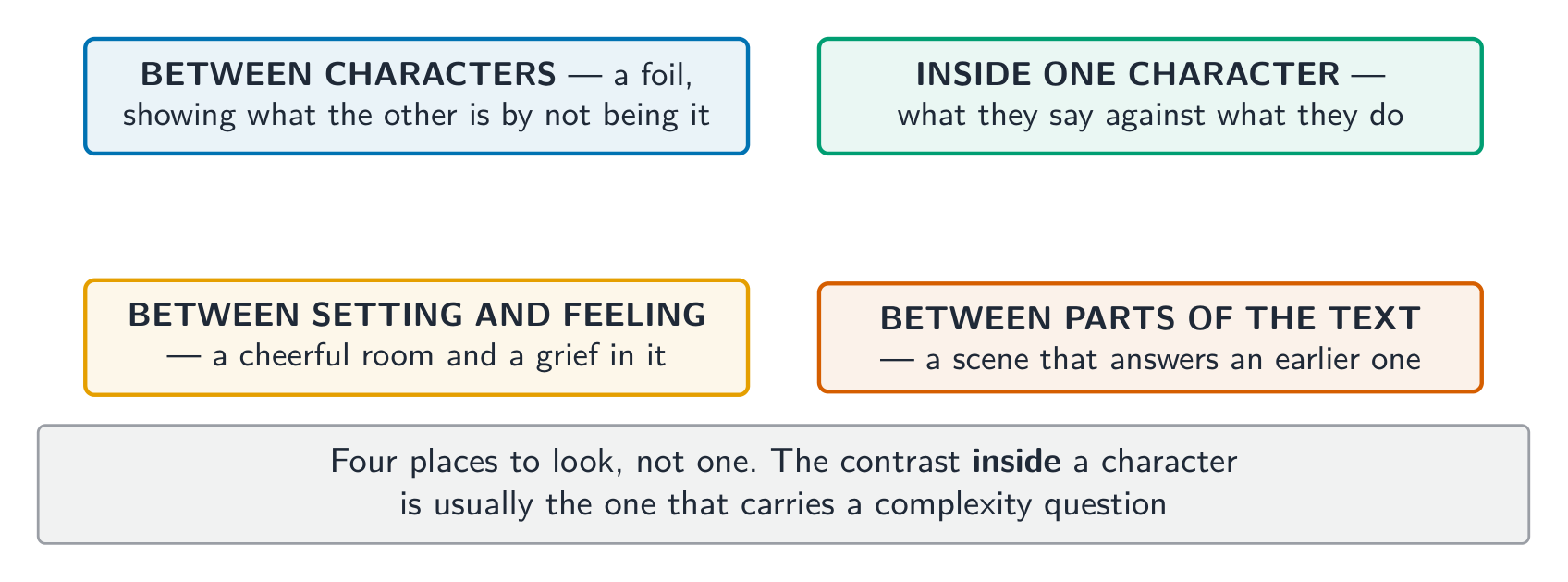
สี่สถานที่เพื่อมองหาความแตกต่าง ไม่ใช่เพียงหนึ่ง
Explore · ⁨สำรวจ⁩

Find the contrast in four places, not one · ⁨หาความขัดแย้งในสี่จุด ไม่ใช่แค่จุดเดียว⁩

Students find the obvious pairing and stop — and the contrast inside a character usually carries the complexity question. · ⁨นักเรียนมักพบคู่ที่เห็นชัดแล้วหยุด — และความขัดแย้งภายในตัวละครมักจะสะท้อน问到ความซับซ้อน⁩

Vocabulary · ⁨คำศัพท์⁩ Train · ⁨ฝึกฝน⁩
English ไทย
figurative language/ˈfɪɡjərətɪv ˈlæŋɡwɪdʒ/ ภาษาเชิงสัญลักษณ์
Line and stanza breaks/laɪn ænd ˈstænzə breɪks/ การจบท่อนและท่อนเพลง
Contrast/ˈkɒntræst/ ความขัดแย้ง
2.4

The Function of Specific Words and Phrases · ⁨หน้าที่ของคำและวลีเฉพาะ⁩

Syllabus · ⁨หลักสูตร⁩
English

Enduring Understanding (FIG-1): Comparisons, representations, and associations shift meaning from the literal to the figurative and invite readers to interpret a text.

Learning Objective 5.B: Explain the function of specific words and phrases in a text.

  • FIG-1.A An antecedent is a word, phrase, or clause that precedes its referent. Referents may include pronouns, nouns, phrases, or clauses.
  • FIG-1.B Referents are ambiguous if they can refer to more than one antecedent, which affects interpretation.
  • FIG-1.C Words or phrases may be repeated to emphasize ideas or associations.
  • FIG-1.D Alliteration is the repetition of the same letter sound at the beginning of adjacent or nearby words to emphasize those words and their associations or representations.
ไทย

ความเข้าใจที่ยั่งยืน (FIG-1): การเปรียบเทียบ การแสดงภาพ และการเชื่อมโยง เปลี่ยนความหมายจากตัวอักษรสู่เชิงสัญลักษณ์และชวนให้ผู้读 mx interpret ข้อความ

จุดประสงค์การเรียนรู้ 5.B: อธิบายหน้าที่ของคำและวลีเฉพาะในข้อความ

  • FIG-1.B Referents are ambiguous if they can refer to more than one antecedent, which affects interpretation
  • FIG-1.C คำหรือวลีอาจถูก repeated to emphasize ideas or associations
  • FIG-1.D Alliteration is the repetition of the same letter sound at the beginning of adjacent or nearby words to emphasize those words and their associations or representations
  • FIG-1.D การออกเสียงซ้ำ (Alliteration) คือการซ้ำเสียงตัวอักษรเดียวกันที่ต้นคำที่ติดกันหรือใกล้เคียงกัน เพื่อเน้นย้ำคำเหล่านั้นและความเชื่อมโยงหรือการแสดงภาพของมัน

Source: College Board AP Course and Exam Description · ⁨แหล่งที่มา: คำอธิบายหลักสูตรและข้อสอบ College Board AP⁩

English
  • An antecedent 先行词 is a word, phrase, or clause that precedes its referent.
  • Referents are ambiguous if they can refer to more than one antecedent, which affects interpretation 影响阐释.
  • Words or phrases may be repeated to emphasise ideas or associations.
  • Alliteration 头韵 is the repetition of the same initial sound in adjacent or nearby words, emphasising those words.

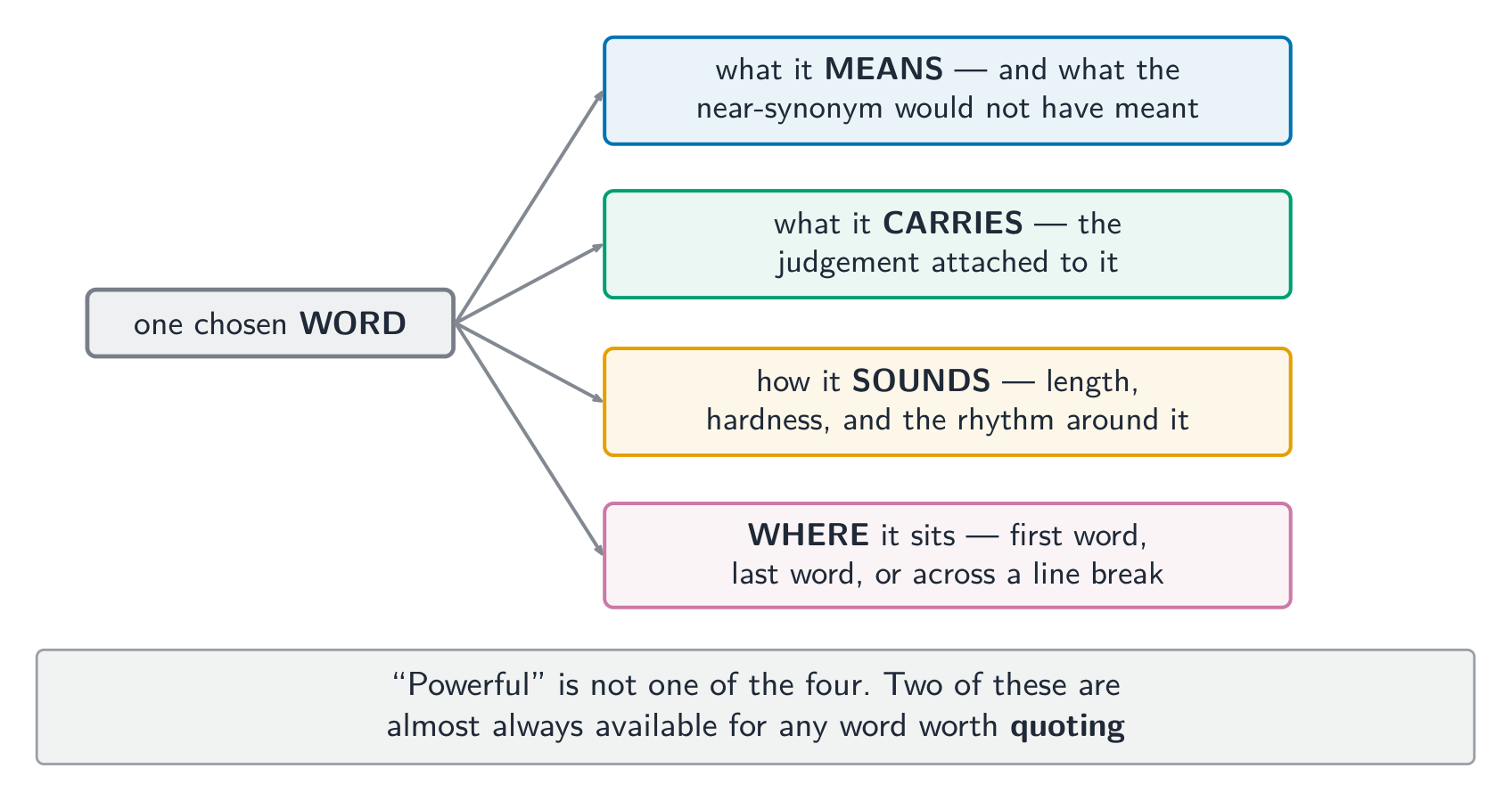
Ambiguous reference is worth special attention. In prose it is usually a fault; in poetry it is often a device, and a pronoun that could point two ways may be holding both meanings deliberately.

ไทย
  • Antecedent 先行词 คือคำ วลี หรือ clause ที่มาก่อน referent ของมัน
  • Referents อาจมีความกำกวมหากสามารถชี้ไปยัง antecedent ได้มากกว่าหนึ่ง, ซึ่ง ส่งผลต่อการตีความ 影响阐释
  • คำหรือวลีอาจถูกซ้ำ เพื่อเน้นแนวคิดหรือความเชื่อมโยง
  • Alliteration 头韵 คือการซ้ำเสียงตัวต้นเดียวกันในคำที่อยู่ติดกันหรือใกล้เคียงกัน เพื่อเน้นคำเหล่านั้น

การอ้างอิงที่กำกวม值得特殊注意。ในเรื่องสั้นมักเป็นข้อบกพร่อง; ในบทกวีมักเป็นอุปกรณ์, และสรรพนามที่ชี้ได้สองทางอาจกำลังถือทั้งสองความหมายไว้อย่างตั้งใจ

คำที่ถูกเลือกมาหนึ่งคำกำลังทำงานถึงสี่อย่าง - 'ทรงพลัง' ไม่รวมถึงหนึ่งในนั้น
Vocabulary · ⁨คำศัพท์⁩ Train · ⁨ฝึกฝน⁩
English ไทย
antecedent/ˌæntɪˈsiːdənt/ antecedent
affects interpretation/əˈfekts ɪnˌtɜːprɪˈteɪʃn/ ส่งผลกระทบต่อการตีความ
Alliteration/əˌlɪtəˈreɪʃn/ Alliteration
2.5

The Function of a Simile · ⁨หน้าที่ของ Simile⁩

Syllabus · ⁨หลักสูตร⁩
English

Enduring Understanding (FIG-1): Comparisons, representations, and associations shift meaning from the literal to the figurative and invite readers to interpret a text.

Learning Objective 6.A: Identify and explain the function of a simile.

  • FIG-1.E A simile uses the words “like” or “as” to liken two objects or concepts to each other.
  • FIG-1.F Similes liken two different things to transfer the traits or qualities of one to the other.
  • FIG-1.G In a simile, the thing being compared is the main subject; the thing to which it is being compared is the comparison subject.
ไทย

ความเข้าใจที่ยั่งยืน (FIG-1): การเปรียบเทียบ การแสดงภาพ และการเชื่อมโยง เปลี่ยนความหมายจากตัวอักษรสู่เชิงสัญลักษณ์และชวนให้ผู้读 mx interpret ข้อความ

จุดประสงค์การเรียนรู้ 6.A: ระบุและอธิบายหน้าที่ของการเปรียบเปรยแบบใช้ 'เหมือน/เช่น' (Simile)

  • FIG-1.F Similes liken two different things to transfer the traits or qualities of one to the other
  • FIG-1.G ใน similes, the thing being compared is the main subject; the thing to which it is being compared is the comparison subject
  • FIG-1.G ในการเปรียบเปรยแบบใช้ 'เหมือน/เช่น' สิ่งที่กำลังถูกเปรียบเทียบคือLECTURE; สิ่งที่นำไปเปรียบเทียบกับสิ่งนั้นคือLECTURE

Source: College Board AP Course and Exam Description · ⁨แหล่งที่มา: คำอธิบายหลักสูตรและข้อสอบ College Board AP⁩

English
  • A simile 明喻 uses "like" or "as" to liken two objects or concepts.
  • Similes liken two different things to transfer the traits or qualities of one to the other.
  • In a simile, the thing being compared is the main subject; the thing to which it is compared is the comparison subject.

Those two terms are the whole method. A scoring answer names the main subject, names the comparison subject, and then says which quality was transferred - because that quality is the claim the poem is making.

ไทย
 terminology ของ CED เอง - และการถ่ายโอนเกิดขึ้นเพียงทิศทางเดียว
ระบุ subject หลัก, ระบุ subject การเปรียบเทียบ, แล้วบอกว่าคุณลักษณะไหนที่ข้าม过来了
  • Simile 明喻 ใช้ “like” หรือ “as” เพื่อเปรียบเทียบสองวัตถุหรือแนวคิด
  • Simile เปรียบเทียบสองสิ่งที่แตกต่างกัน เพื่อถ่ายโอนคุณสมบัติหรือคุณลักษณะของสิ่งหนึ่งไปยังอีกสิ่งหนึ่ง
  • ใน Simile, สิ่ง 正在进行比较 คือ subject หลัก; สิ่ง 被比较的对象 คือ subject การเปรียบเทียบ

สองพจน์นี้คือวิธีการทั้งหมด คำตอบที่ได้คะแนนจะระบุ subject หลัก, ระบุ subject การเปรียบเทียบ, และthen says which quality was transferred - เพราะคุณลักษณะนั้นคือข้อโต้แย้งที่บทกวีกำลังนำเสนอ

Vocabulary · ⁨คำศัพท์⁩ Train · ⁨ฝึกฝน⁩
English ไทย
simile/ˈsɪmɪlɪ/ การเปรียบเปรยแบบมีคำนำหน้า (Simile)
2.6

The Function of a Metaphor · ⁨หน้าที่ของ Metaphor⁩

Syllabus · ⁨หลักสูตร⁩
English

Enduring Understanding (FIG-1): Comparisons, representations, and associations shift meaning from the literal to the figurative and invite readers to interpret a text.

Learning Objective 6.B: Identify and explain the function of a metaphor.

  • FIG-1.H A metaphor implies similarities between two (usually unrelated) concepts or objects in order to reveal or emphasize one or more things about one of them, though the differences between the two may also be revealing.
  • FIG-1.I In a metaphor, as in a simile, the thing being compared is the main subject; the thing to which it is being compared is the comparison subject.
  • FIG-1.J Comparisons between objects or concepts draw on the experiences and associations readers already have with those objects and concepts.
  • FIG-1.K Interpretation of a metaphor may depend on the context of its use; that is, what is happening in a text may determine what is transferred in the comparison.
ไทย

ความเข้าใจที่ยั่งยืน (FIG-1): การเปรียบเทียบ การแสดงภาพ และการเชื่อมโยง เปลี่ยนความหมายจากตัวอักษรสู่เชิงสัญลักษณ์และชวนให้ผู้读 mx interpret ข้อความ

จุดประสงค์การเรียนรู้ 6.B: ระบุและอธิบายหน้าที่ของอุปมา (Metaphor)

  • FIG-1.I ใน metaphors, as in a simile, the thing being compared is the main subject; the thing to which it is being compared is the comparison subject
  • FIG-1.J การเปรียบเทียบระหว่าง objects or concepts draw on the experiences and associations readers already have with those objects and concepts
  • FIG-1.K Interpretation of a metaphor may depend on the context of its use; that is, what is happening in a text may determine what is transferred in the comparison
  • FIG-1.K การตีความอุปมามีความขึ้นอยู่กับบริบทในการใช้งาน นั่นคือสิ่งที่เกิดขึ้นในข้อความอาจกำหนดว่าอะไรถูกถ่ายโอนในการเปรียบเทียบ

Source: College Board AP Course and Exam Description · ⁨แหล่งที่มา: คำอธิบายหลักสูตรและข้อสอบ College Board AP⁩

English
  • A metaphor 隐喻 implies similarities between two usually unrelated concepts to reveal or emphasise qualities of the main subject.
  • The same main-subject and comparison-subject structure applies.
  • Comparisons draw on the experiences and associations readers already have with the comparison subject - which is why a metaphor can fail with an audience that lacks those associations.
  • Interpretation of a metaphor may depend on the context of its use: what is happening in the text may determine which of the comparison subject's qualities is meant.

That last point protects you from the commonest error, which is importing every association a word has. If a poem calls grief a house, the relevant quality might be shelter, or confinement, or the fact that one must live inside it. The text decides which.

ไทย
  • Metaphor 隐喻 สื่อถึงความคล้ายคลึงกันระหว่างสองแนวคิดที่โดยปกติแล้วไม่เกี่ยวข้องกัน เพื่อเผยหรือเน้นคุณสมบัติของ subject หลัก
  • โครงสร้าง subject หลักและ subject การเปรียบเทียบเช่นเดียวกันก็ใช้ได้กับ Metaphor เช่นกัน
  • การเปรียบเทียบ ดึงประสบการณ์และความเชื่อมโยงที่ผู้อ่านมีอยู่แล้ว กับ subject การเปรียบเทียบ - นั่นคือเหตุผลที่ Metaphor อาจล้มเหลวกับกลุ่มผู้ฟังที่ไม่มี those associations นั้น
  • การตีความ Metaphor อาจขึ้นอยู่กับบริบทที่ใช้: สิ่ง happening ในข้อความอาจ determine ว่า quality nàoของ subject การเปรียบเทียบหมายถึง

จุดสุดท้ายนี้ช่วยป้องกันคุณจากความผิดพลาดที่พบบ่อยที่สุด นั่นคือการนำความหมายหรือการเชื่อมโยงทั้งหมดของคำมาใช้ หากบทกวีเปรียบความโศกนาฏกรรมว่า เป็นบ้าน คุณลักษณะที่เกี่ยวข้องอาจเป็นการให้ที่พักพิง, การถูกขังอยู่ภายใน, หรือข้อเท็จจริงที่ว่าต้องอาศัยอยู่ในนั้น ข้อความจะชี้ชัดว่าอันไหนคือสิ่งที่มีนัยสำคัญ

Vocabulary · ⁨คำศัพท์⁩ Train · ⁨ฝึกฝน⁩
English ไทย
metaphor/ˈmetəfɔː/ อุปมา
2.7

Developing a Paragraph with Claim and Evidence · ⁨การพัฒนาย่อหน้าด้วยข้ออ้างและหลักฐาน⁩

Syllabus · ⁨หลักสูตร⁩
English

Enduring Understanding (LAN-1): Readers establish and communicate their interpretations of literature through arguments supported by textual evidence.

Learning Objective 7.A: Develop a paragraph that includes 1) a claim that requires defense with evidence from the text and 2) the evidence itself.

  • LAN-1.A In literary analysis, writers read a text closely to identify details that, in combination, enable them to make and defend a claim about an aspect of the text.
  • LAN-1.B A claim is a statement that requires defense with evidence from the text.
  • LAN-1.C In literary analysis, the initial components of a paragraph are the claim and textual evidence that defends the claim.
ไทย

ความเข้าใจที่ยั่งยืน (LAN-1): ผู้_read者确立并传达对文学作品的解读,通过有文本证据支持的论证。

วัตถุประสงค์การเรียนรู้ 7.A: พัฒนาพารากราฟที่ประกอบด้วย 1) ข้ออ้างที่ต้องการการปกป้องด้วยหลักฐานจากข้อความ และ 2) ตัวหลักฐานเอง

  • LAN-1.B ข้ออ้างคือประโยคที่จำเป็นต้องมีหลักฐานจากข้อความมาสนับสนุน
  • LAN-1.C ในการวิเคราะห์วรรณกรรม ส่วนประกอบเริ่มต้นของย่อหน้าคือข้ออ้างและหลักฐานจากข้อความ用来 defends the claim
  • LAN-1.C ในการวิเคราะห์วรรณกรรม ส่วนประกอบเริ่มต้นของพารากราฟคือข้ออ้างและหลักฐานจากข้อความ用来捍卫该主张。

Source: College Board AP Course and Exam Description · ⁨แหล่งที่มา: คำอธิบายหลักสูตรและข้อสอบ College Board AP⁩

English

Same three components as Unit 1: a claim requiring textual defence, the textual evidence, and details identified in combination.

Worked example (a real AP exam task). A poetry-analysis prompt asks how the speaker's use of comparison conveys their attitude. A weak answer: "The poet uses a metaphor comparing memory to a house, which is effective." A scoring answer uses the CED's terms and the context rule: "The main subject is memory and the comparison subject a house, but the poem withholds warmth from the comparison: the house has 'rooms she no longer enters'. The quality transferred is therefore not shelter but confinement by a structure one built oneself - so the speaker's attitude to her own past is presented as inhabiting something she can neither leave nor fully occupy." Main subject, comparison subject, transferred quality, and the attitude it conveys.

ไทย

ประกอบด้วยองค์ประกอบสามอย่างเดิมกับหน่วยที่ 1: ข้ออ้าง ที่ต้องการการสนับสนุนจากข้อความ, หลักฐานทางข้อความ, และรายละเอียดที่ระบุได้ จากการผสมผสานกัน

ตัวอย่างวิธีทำ (โจทย์จริงจากรายงานผลสอบ AP) คำถามวิเคราะห์บทกวีถามว่าผู้แต่งใช้การเปรียบเทียบเพื่อบอกทัศนคติของตนอย่างไร คำตอบที่ไม่ดี: "กวีใช้ภาพพจน์เปรียบเทียบความทรงจำกับบ้าน ซึ่งมีความน่าเชื่อถือ" คำตอบที่ได้คะแนนสูงจะใช้ศัพท์จาก CED และกฎบริบท: "ประธานหลักคือความทรงจำ และประธานของการเปรียบเทียบคือบ้าน แต่บทกวีไม่ให้ความอบอุ่นแก่การเปรียบเทียบนี้: บ้านมี 'ห้องที่เธอไม่เข้าไปอีกแล้ว' คุณลักษณะที่ถูกถ่ายโอนไปจึงไม่ใช่การให้ที่พักพิง แต่เป็นการถูกจำกัดโดยโครงสร้างที่ตนเองสร้างขึ้น ดังนั้น ทัศนคติของผู้เล่าเรื่องที่มีต่ออดีตของตนเองจึงถูกนำเสนอว่าเป็นการอาศัยอยู่ในสิ่งที่เธอไม่สามารถจากไปหรือครอบครองได้อย่างเต็มที่" ประธานหลัก, ประธานของการเปรียบเทียบ, คุณลักษณะที่ถูกถ่ายโอน, และทัศนคติที่สื่อออกมา

2.7

Exam tips · ⁨ข้อแนะนำสำหรับการสอบ⁩

English
  • What a speaker omits is evidence. In a poem, everything present was chosen.
  • Find the shift first. A but, a stanza break, a change of tense - the poem divides there.
  • Line endings are the emphatic position. Say which words the poet put there.
  • An ambiguous referent in poetry is usually a device, not an error.
  • Always name main subject and comparison subject, then the quality transferred. That quality is the claim.
  • Context decides which quality a metaphor imports. Do not list every association the word has.
ไทย
  • สิ่งที่ผู้เล่าเรื่อง ละเว้น คือหลักฐาน ในบทกวี ทุกสิ่งที่ปรากฏขึ้นล้วนถูกเลือกไว้
  • หาจุดเปลี่ยนก่อน คำว่า แต่, การจบ stanza, การเปลี่ยนกาล - บทกวีมีการแบ่งส่วนตรงนั้น
  • บรรทัดสุดท้ายเป็นตำแหน่งที่เน้นย้ำ ระบุว่ากวีวางคำใดไว้ที่นั่น
  • ตัวอ้างอิงที่มีความกำกวมในบทกวี มักเป็นเครื่องมือทางวรรณศิลป์ ไม่ใช่ความผิดพลาด
  • ต้องระบุ ประธานหลักและประธานของการเปรียบเทียบ เสมอ แล้วตามด้วย คุณลักษณะที่ถูกถ่ายโอน คุณลักษณะนั้นคือข้ออ้างของคุณ
  • บริบทเป็นตัวกำหนดว่าคุณลักษณะใดที่จะถูกนำมาใช้ จากภาพพจน์ อย่า列举ทุกการเชื่อมโยงของคำ

Interactive lessons on this topic · ⁨บทเรียนเชิงโต้ตอบสำหรับหัวข้อนี้⁩

Work through it step by step, with instant-check exercises. · ⁨ทำทีละขั้นตอน พร้อมแบบฝึกหัดตรวจสอบผลทันที⁩

Past Papers · ⁨ข้อสอบย้อนหลัง⁩

More topics in AP English Literature and Composition · ⁨AP วรรณกรรมและบทวิเคราะห์เชิงลึก⁩ · ⁨หัวข้อเพิ่มเติมใน AP English Literature and Composition · ⁨AP วรรณกรรมและบทวิเคราะห์เชิงลึก⁩⁩

Log in or create account · ⁨เข้าสู่ระบบหรือสร้างบัญชี⁩

IGCSE, A-Level & AP