Skip to content · ⁨ข้ามไปยังเนื้อหา⁩

Natural Selection · ⁨การคัดเลือกโดยธรรมชาติ⁩

AP Biology · Topic 7 · ⁨หัวข้อ 7⁩

Video lesson for this topic · ⁨บทเรียนวิดีโอสำหรับหัวข้อนี้⁩ Open the video page · ⁨เปิดหน้าวิดีโอ⁩
8:10

การคัดเลือกโดยธรรมชาติ

นี่คือจานเพาะเลี้ยงแบคทีเรีย แต่ละวงกลมสีขาวมียาปฏิชีวนะที่แตกต่างกัน — ซึ่งเป็นสารเคมีที่ผลิตขึ้นเพื่อฆ่าพวกมัน ดูที่วงแหวนใส วงแหวนกว้างแสดงว่ายา…»

English narration · English + 中文 subtitles burned in · ⁨การบรรยายภาษาอังกฤษ · คำบรรยายภาษาอังกฤษ + 中文 ลอยตัวบนภาพ⁩

7.1

Introduction to Natural Selection · ⁨บทนำเรื่อง Selection โดยธรรมชาติ⁩

Syllabus · ⁨หลักสูตร⁩
English

Enduring Understanding (BIG IDEA 1 — Evolution): The process of evolution drives the diversity and unity of life.

Learning Objective 7.1.A: Describe the causes of natural selection.

  • 7.1.A.1 Natural selection is a major mechanism of evolution.
  • 7.1.A.2 According to Darwin's theory of natural selection, competition for limited resources results in differential survival. Individuals with more favorable phenotypes are more likely to survive and produce more offspring, thus passing on those favorable traits to subsequent generations.

Learning Objective 7.1.B: Explain how natural selection affects populations.

  • 7.1.B.1 Evolutionary fitness is measured by reproductive success.
  • 7.1.B.2 Biotic and abiotic environments can fluctuate, affecting the rate and direction of evolution. Different genetic variations can be selected in each generation.
ไทย

ความเข้าใจที่ยั่งยืน (BIG IDEA 1 — วิวัฒนาการ): กระบวนการวิวัฒนาการขับเคลื่อนความหลากหลายและความสามัคคีของชีวิต

จุดประสงค์การเรียนรู้ 7.1.A: อธิบายสาเหตุของการเลือกตามธรรมชาติ

  • 7.1.A.1 การเลือกตามธรรมชาติเป็นกลไกสำคัญแห่งวิวัฒนาการ
  • 7.1.A.2 ตามทฤษฎีการเลือกตามธรรมชาติของheardwin การแข่งขันเพื่อทรัพยากรที่จำกัดนำไปสู่การอยู่รอดที่แตกต่างกัน Individuals ที่มีฟีโนไทป์ที่เป็นประโยชน์มากกว่ามีแนวโน้มที่จะอยู่รอดและผลิตลูกหลานได้มากขึ้น จึงส่งต่อลักษณะเหล่านั้นไปยังรุ่นถัดไป

จุดประสงค์การเรียนรู้ 7.1.B: อธิบายว่าการเลือกตามธรรมชาติส่งผลต่อประชากรอย่างไร

  • 7.1.B.1 ความเหมาะสมทางวิวัฒนาการ (Evolutionary fitness) วัดจากความสำเร็จในการสืบพันธุ์
  • 7.1.B.2 สภาพแวดล้อมทั้งเชิงชีวภาพและไม่เชิงชีวภาพสามารถเปลี่ยนแปลงได้ ส่งผลต่ออัตราการและทิศทางของวิวัฒนาการ ความหลากหลายทางพันธุกรรมที่แตกต่างกันอาจถูกเลือกในแต่ละรุ่น
Source: College Board AP Course and Exam Description · ⁨แหล่งที่มา: คำอธิบายหลักสูตรและข้อสอบ College Board AP⁩

English

Evolution 进化 is a change in the heritable traits of a population over generations. Natural selection 自然选择 is its main driver: individuals vary, some variations are heritable, more offspring are produced than survive, and those with traits better suited to the environment survive and reproduce more. Over time, helpful traits become more common.

ไทย

Evolution คือการเปลี่ยนแปลงในลักษณะที่สืบทอด下来的ของประชากรตลอดหลายรุ่น Natural selection เป็นแรงขับเคลื่อนหลัก: บุคคลมีความหลากหลาย บางลักษณะสามารถสืบทอด下来的ได้ มีลูกหลานผลิตออกมามากกว่าที่จะรอดชีวิต และ Individuals ที่มีลักษณะที่เหมาะสมกับสิ่งแวดล้อมกว่าจะรอดและสืบพันธุ์มากขึ้น ในระยะยาว ลักษณะที่เป็นประโยชน์จะพบได้บ่อยขึ้น

Natural selection: ผู้ที่ปรับตัวได้ดีที่สุดจะรอด สืบพันธุ์ และส่งต่ออัลลีลของตน
Vocabulary · ⁨คำศัพท์⁩ Train · ⁨ฝึกฝน⁩
English ไทย
Evolution/ɪvəˈluːʃn/ วิวัฒนาการ
Natural selection/ˈnætʃərəl sɪˈlekʃn/ การคัดเลือกโดยธรรมชาติ
7.2

Natural Selection

Syllabus · ⁨หลักสูตร⁩
English

Enduring Understanding (BIG IDEA 1 — Evolution): The process of evolution drives the diversity and unity of life.

Learning Objective 7.2.A: Describe the importance of phenotypic variation in a population.

  • 7.2.A.1 Natural selection acts on phenotypic variations in populations.
  • 7.2.A.2 Environments change and apply selective pressures to populations.
    • Illustrative examples for 7.2.A.2: Flowering time in relation to global climate change
  • 7.2.A.3 Some phenotypic variations can increase or decrease the fitness of an organism in particular environments.
    • Illustrative examples for 7.2.A.3: Sickle cell anemia; DDT resistance in insects

Learning Objective 7.2.B: Explain how variation in molecules within cells connects to the fitness of an organism.

  • 7.2.B.1 Variation in the number and types of molecules within cells can provide populations a greater ability to survive and reproduce in different environments.
ไทย

ความเข้าใจที่ยั่งยืน (BIG IDEA 1 — วิวัฒนาการ): กระบวนการวิวัฒนาการขับเคลื่อนความหลากหลายและความสามัคคีของชีวิต

วัตถุประสงค์การเรียนรู้ 7.2.A: อธิบายความสำคัญของความแปรปรวนของฟีโนไทป์ในประชากร

  • 7.2.A.1 การคัดเลือกโดยธรรมชาติกระทำต่อความแปรปรวนของฟีโนไทป์ในประชากร
  • 7.2.A.2 สิ่งแวดล้อมเปลี่ยนแปลงและ exert selective pressures ต่อประชากร
    • ตัวอย่างประกอบสำหรับ 7.2.A.2: เวลาออกดอกที่เกี่ยวข้องกับการเปลี่ยนแปลงสภาพภูมิอากาศทั่วโลก
  • 7.2.A.3 บางความแปรปรวนของฟีโนไทป์สามารถเพิ่มหรือลด fitness ของสิ่งมีชีวิตในสิ่งแวดล้อมเฉพาะบางชนิด
    • ตัวอย่างประกอบสำหรับ 7.2.A.3: โรคโลหิตจางเซลล์镰刀形; ความต้านทาน DDT ในแมลง

วัตถุประสงค์การเรียนรู้ 7.2.B: อธิบายความเชื่อมโยงระหว่างความแปรปรวนของโมเลกุลภายในเซลล์กับ fitness ของสิ่งมีชีวิต

  • 7.2.B.1 ความแปรปรวนในจำนวนและประเภทของโมเลกุลภายในเซลล์สามารถช่วยให้ประชากรมีความสามารถในการอยู่รอดและสืบพันธุ์ในสิ่งแวดล้อมที่แตกต่างกันมากขึ้น

Source: College Board AP Course and Exam Description · ⁨แหล่งที่มา: คำอธิบายหลักสูตรและข้อสอบ College Board AP⁩

English

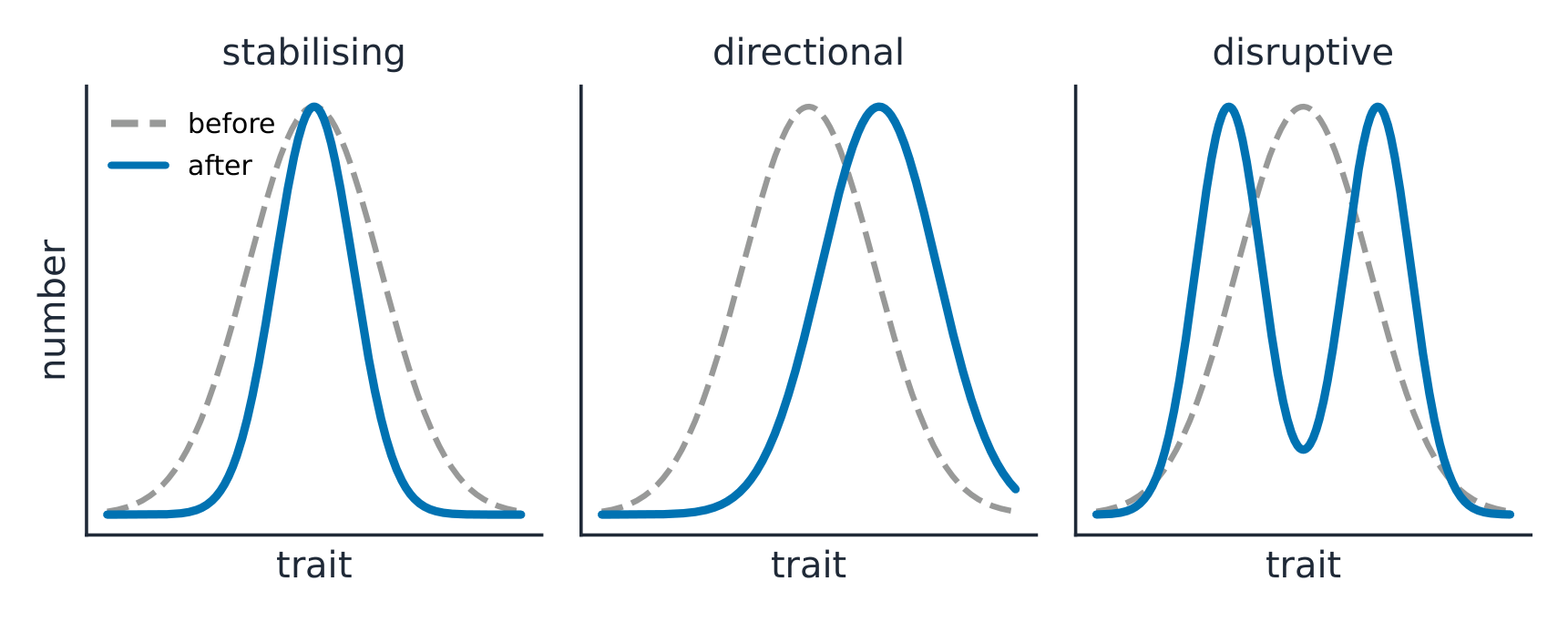
Selection acts on variation 变异. Fitness 适合度 means reproductive success, not strength. Selection comes in modes: directional (favors one extreme), stabilizing (favors the average), and disruptive (favors both extremes). The environment does the "selecting," so a trait that helps in one setting may not in another. Well-suited traits are adaptations 适应.

ไทย
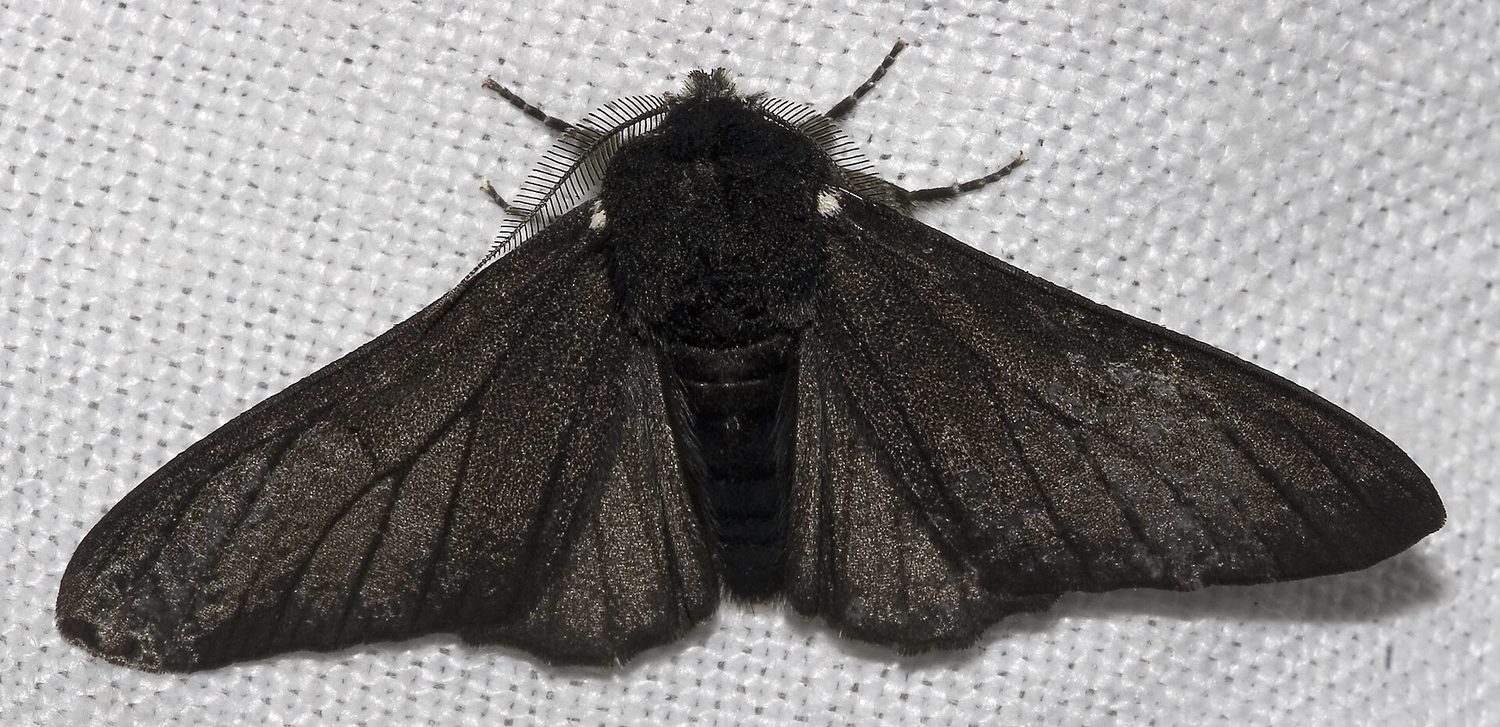
Peppered moth รูปแบบสีเข้ม (carbonaria) — industrial melanism เป็นกรณีศึกษาคลาสสิกของ natural selection

Selection กระทำต่อ variation Fitness หมายถึงความสำเร็จในการสืบพันธุ์ ไม่ใช่ความแข็งแรง Selection มาในรูปแบบต่างๆ: directional (สนับสนุน extreme ฝั่งใดฝั่งหนึ่ง), stabilizing (สนับสนุนค่าเฉลี่ย), และ disruptive (สนับสนุนทั้งสอง extreme) สิ่งแวดล้อมเป็นผู้ "เลือก" ดังนั้นลักษณะที่ช่วยได้ในสภาพหนึ่งอาจไม่ช่วยในอีกสภาพหนึ่ง ลักษณะที่เหมาะสมคือ adaptations

Stabilising, directional, และ disruptive selection
Explore · ⁨สำรวจ⁩

Watch selection shift a population · ⁨观察自然选择如何改变种群⁩

Natural selection: individuals better suited to the environment survive and reproduce more, so helpful traits spread. Change the environment and watch the population adapt. · ⁨自然选择:适应环境的个体生存和繁殖更多,使有益性状扩散。改变环境并观察种群如何适应。⁩

Vocabulary · ⁨คำศัพท์⁩ Train · ⁨ฝึกฝน⁩
English ไทย
variation/ˌveərɪˈeɪʃn/ ความหลากหลาย (Variation)
Fitness/ˈfɪtnəs/ ความเหมาะสม
adaptations/ˌædæpˈteɪʃnz/ การปรับตัว
7.3

Artificial Selection

Syllabus · ⁨หลักสูตร⁩
English

Enduring Understanding (BIG IDEA 1 — Evolution): The process of evolution drives the diversity and unity of life.

Learning Objective 7.3.A: Explain how humans can affect diversity within a population.

  • 7.3.A.1 Through artificial selection, humans affect variation in other species.
ไทย

ความเข้าใจที่ยั่งยืน (BIG IDEA 1 — วิวัฒนาการ): กระบวนการวิวัฒนาการขับเคลื่อนความหลากหลายและความสามัคคีของชีวิต

วัตถุประสงค์การเรียนรู้ 7.3.A: อธิบายว่ามนุษย์มีผลต่อความหลากหลายภายในประชากรได้อย่างไร

  • 7.3.A.1 ผ่านการคัดเลือกโดยมนุษย์ มนุษย์มีผลต่อความแปรปรวนในสปีชีส์อื่น

Source: College Board AP Course and Exam Description · ⁨แหล่งที่มา: คำอธิบายหลักสูตรและข้อสอบ College Board AP⁩

English

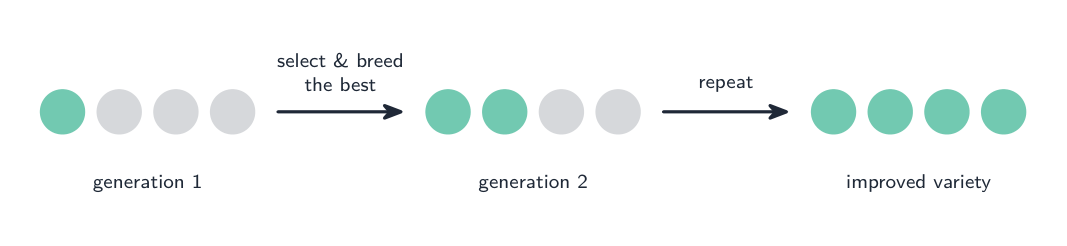
In artificial selection 人工选择, humans – not nature – choose which individuals breed, selecting for desired traits (crops, livestock, dogs). It works the same way as natural selection and, being fast and visible, is strong evidence that selection can reshape populations.

ไทย

ใน artificial selection, มนุษย์ — ไม่ใช่ธรรมชาติ — เลือกว่าใครควรสืบพันธุ์ โดยเลือกเพื่อลักษณะที่ต้องการ (พืชผล, สัตว์เลี้ยง, สุนัข) มันทำงานเหมือน natural selection และเนื่องจากเร็วและมองเห็นได้ชัดเจน จึงเป็นหลักฐานที่แข็งแกร่งว่า selection สามารถ重塑 populations ได้

Selective breeding ทำให้คุณลักษณะที่ต้องการพบบ่อยขึ้นตลอดหลายรุ่น
Vocabulary · ⁨คำศัพท์⁩ Train · ⁨ฝึกฝน⁩
English ไทย
artificial selection/ˌɑːtɪˈfɪʃl sɪˈlekʃn/ artificial selection
7.4

Population Genetics

Syllabus · ⁨หลักสูตร⁩
English

Enduring Understanding (BIG IDEA 1 — Evolution): The process of evolution drives the diversity and unity of life.

Learning Objective 7.4.A: Explain how random occurrences affect the genetic makeup of a population.

  • 7.4.A.1 Evolution is also driven by random occurrences.
    • i. Mutation is a random process that adds new genetic variation to a population.
    • ii. Genetic drift is a change in allele frequencies attributable to a nonselective process occurring in small populations.
    • iii. The bottleneck effect is a type of genetic drift that occurs when a population size is reduced to a small number of individuals for at least one generation.
    • iv. The founder effect is a type of genetic drift that occurs when a population is separated from other members of the population. The frequency of genes and traits will shift based on the genes in this new founder population.
    • v. Migration can result in gene flow (the addition or removal of alleles from a population).

Learning Objective 7.4.B: Describe the role of random processes in the evolution of specific populations.

  • 7.4.B.1 Random processes can lead to changes in allele frequencies in a population.
    • i. Mutations result in genetic variation, which provides phenotypes on which natural selection acts.
    • ii. Genetic drift can allow a small population to diverge from other populations of the same species.
    • iii. Gene flow between two populations prevents them from diverging into separate species.

Learning Objective 7.4.C: Describe the change in the genetic makeup of a population over time.

  • 7.4.C.1 Changes in allele frequencies provide evidence for the occurrence of evolution in a population.
ไทย

ความเข้าใจที่ยั่งยืน (BIG IDEA 1 — วิวัฒนาการ): กระบวนการวิวัฒนาการขับเคลื่อนความหลากหลายและความสามัคคีของชีวิต

วัตถุประสงค์การเรียนรู้ 7.4.A: อธิบายว่าเหตุการณ์สุ่มมีผลต่อองค์ประกอบทางพันธุกรรมของประชากรอย่างไร

  • 7.4.A.1 วิวัฒนาการถูกขับเคลื่อนด้วยเหตุการณ์สุ่มHEADER
    • i. Mutation เป็นกระบวนการสุ่มที่เพิ่ม genetic variation ใหม่เข้าสู่ประชากร
    • ii. Genetic drift คือการเปลี่ยนแปลงใน allele frequencies ที่เกิดจากกระบวนการที่ไม่เลือกซึ่งเกิดขึ้นในประชากรขนาดเล็ก
    • iii. The bottleneck effect เป็นประเภทหนึ่งของ genetic drift ที่เกิดขึ้นเมื่อขนาดประชากรลดลงเหลือจำนวนน้อยเพียงไม่กี่ตัวอย่างน้อยหนึ่งรุ่น
    • iv. The founder effect เป็นประเภทหนึ่งของ genetic drift ที่เกิดขึ้นเมื่อประชากรถูกแยกออกจากสมาชิกของประชากรอื่นๆ ความถี่ของยีนและลักษณะ akan shift ตาม基因ใน-founder population ใหม่นี้
    • v. Migration สามารถนำไปสู่ gene flow (การเพิ่มหรือลบ alleles จากประชากร)

วัตถุประสงค์การเรียนรู้ 7.4.B: อธิบายบทบาทของกระบวนการสุ่มในการวิวัฒนาการของประชากรเฉพาะ

  • 7.4.B.1 กระบวนการสุ่มสามารถนำไปสู่การเปลี่ยนแปลงใน allele frequencies ในประชากร
    • i. Mutations ส่งผลให้เกิด genetic variation ซึ่งให้ phenotypes ที่ natural selection作用于
    • ii. Genetic drift สามารถทำให้ประชากรขนาดเล็ก diverge จากประชากรอื่นของสปีชีส์เดียวกัน
    • iii. Gene flow ระหว่างสองประชากรป้องกันไม่ให้ mereka diverge เป็น species แยกต่างหาก

วัตถุประสงค์การเรียนรู้ 7.4.C: อธิบายการเปลี่ยนแปลงในองค์ประกอบทางพันธุกรรมของประชากรตามเวลา

  • 7.4.C.1 การเปลี่ยนแปลงใน allele frequencies เป็นหลักฐานของการเกิดขึ้นของ evolution ในประชากร

Source: College Board AP Course and Exam Description · ⁨แหล่งที่มา: คำอธิบายหลักสูตรและข้อสอบ College Board AP⁩

English

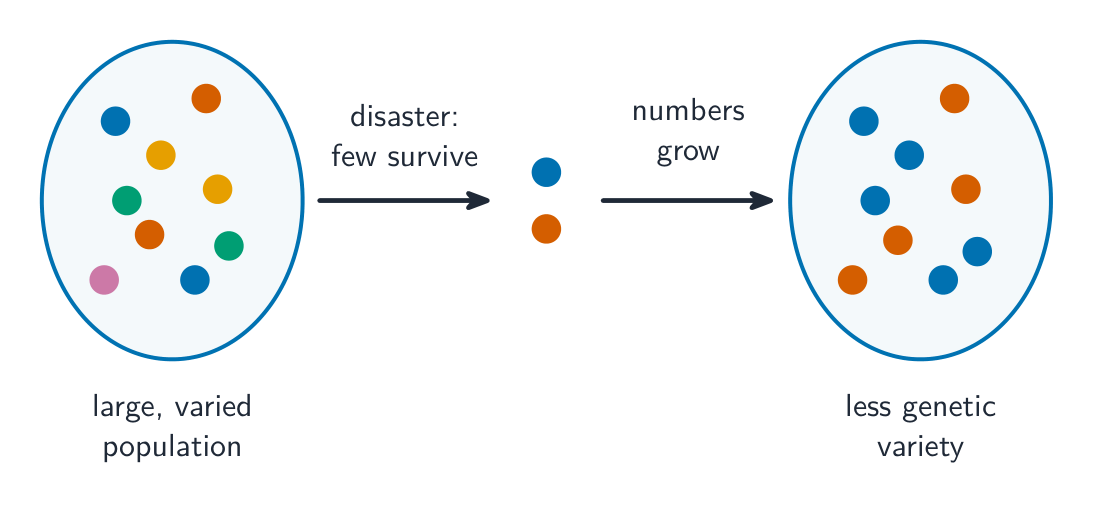
Population genetics 群体遗传学 studies the pool of alleles in a population. Evolution is a change in allele frequencies 等位基因频率 over time. Besides natural selection, allele frequencies change through mutation (new alleles), gene flow 基因流 (migration), and genetic drift 遗传漂变 (random change, strongest in small populations – the bottleneck and founder effects).

ไทย

Population genetics ศึกษา pool ของอัลลีลในประชากร Evolution คือการเปลี่ยนแปลงใน allele frequencies ตลอดเวลา นอกเหนือจาก natural selection, allele frequencies เปลี่ยนผ่าน mutation (อัลลีลใหม่), gene flow (migration), และ genetic drift (การเปลี่ยนแปลงแบบสุ่ม, แรงสุดในประชากรเล็ก — bottleneck และ founder effects)

A population bottleneck ลดความหลากหลายทางพันธุกรรม
Vocabulary · ⁨คำศัพท์⁩ Train · ⁨ฝึกฝน⁩
English ไทย
Population genetics/ˌpɒpjʊˈleɪʃn dʒɪˈnetɪks/ พันธุศาสตร์ประชากร
allele frequencies/əˈliːl ˈfriːkwənsiz/ ความถี่อัลลีล
gene flow/dʒiːn fləʊ/ การไหลของยีน
genetic drift/dʒɪˈnetɪk drɪft/ การเบี่ยงเบนทางพันธุกรรม (Genetic drift)
7.5

Hardy-Weinberg Equilibrium

Syllabus · ⁨หลักสูตร⁩
English

Enduring Understanding (BIG IDEA 1 — Evolution): The process of evolution drives the diversity and unity of life.

Learning Objective 7.5.A: Describe the conditions under which allele and genotype frequencies will change in populations.

  • 7.5.A.1 The Hardy–Weinberg Equilibrium is a model for describing and predicting allele frequencies in a non-evolving population. Conditions for a population or an allele to be in Hardy–Weinberg equilibrium are:

    • i. A large population size
    • ii. No migration
    • iii. No new mutations
    • iv. Random mating
    • v. No natural selection

    These conditions are never met, but they provide a valuable null hypothesis.

  • 7.5.A.2 Allele frequencies in a nonevolving population can be calculated from genotype frequencies.

    • Equation: Hardy–Weinberg Equation— $p^2 + 2pq + q^2 = 1$; $p + q = 1$, where: $p$ = frequency of allele 1 in the population; $q$ = frequency of allele 2 in the population
    • Illustrative examples for 7.5.A.2: Graphic analysis of allele frequencies in a population
ไทย

ความเข้าใจที่ยั่งยืน (BIG IDEA 1 — วิวัฒนาการ): กระบวนการวิวัฒนาการขับเคลื่อนความหลากหลายและความสามัคคีของชีวิต

วัตถุประสงค์การเรียนรู้ 7.5.A: อธิบายเงื่อนไขภายใต้ which allele และ genotype frequencies จะเปลี่ยนในประชากร

  • 7.5.A.1 Hardy–Weinberg Equilibrium เป็น model用于描述和预测non-evolving population中的allele frequencies。Population หรือ allele เพื่ออยู่ในHardy–Weinberg equilibrium条件是:

    • i. ขนาดประชากรใหญ่
    • ii. ไม่มีการ migrate
    • iii. ไม่มีการ mutate ใหม่
    • iv. Mating แบบสุ่ม
    • v. ไม่มีการ natural selection

    เงื่อนไขเหล่านี้ไม่เคยเป็นจริง แต่ให้ null hypothesis ที่มีค่า

  • 7.5.A.2 Allele frequencies ใน nonevolving population สามารถคำนวณได้จาก genotype frequencies

    • สมการ: สมการ Hardy–Weinberg— $p^2 + 2pq + q^2 = 1$; $p + q = 1$, โดยที่: $p$ = frequency of allele 1 ในประชากร; $q$ = frequency of allele 2 ในประชากร
    • ตัวอย่างสำหรับ 7.5.A.2: การวิเคราะห์กราฟของความถี่อัลลีลในประชากร

Source: College Board AP Course and Exam Description · ⁨แหล่งที่มา: คำอธิบายหลักสูตรและข้อสอบ College Board AP⁩

English

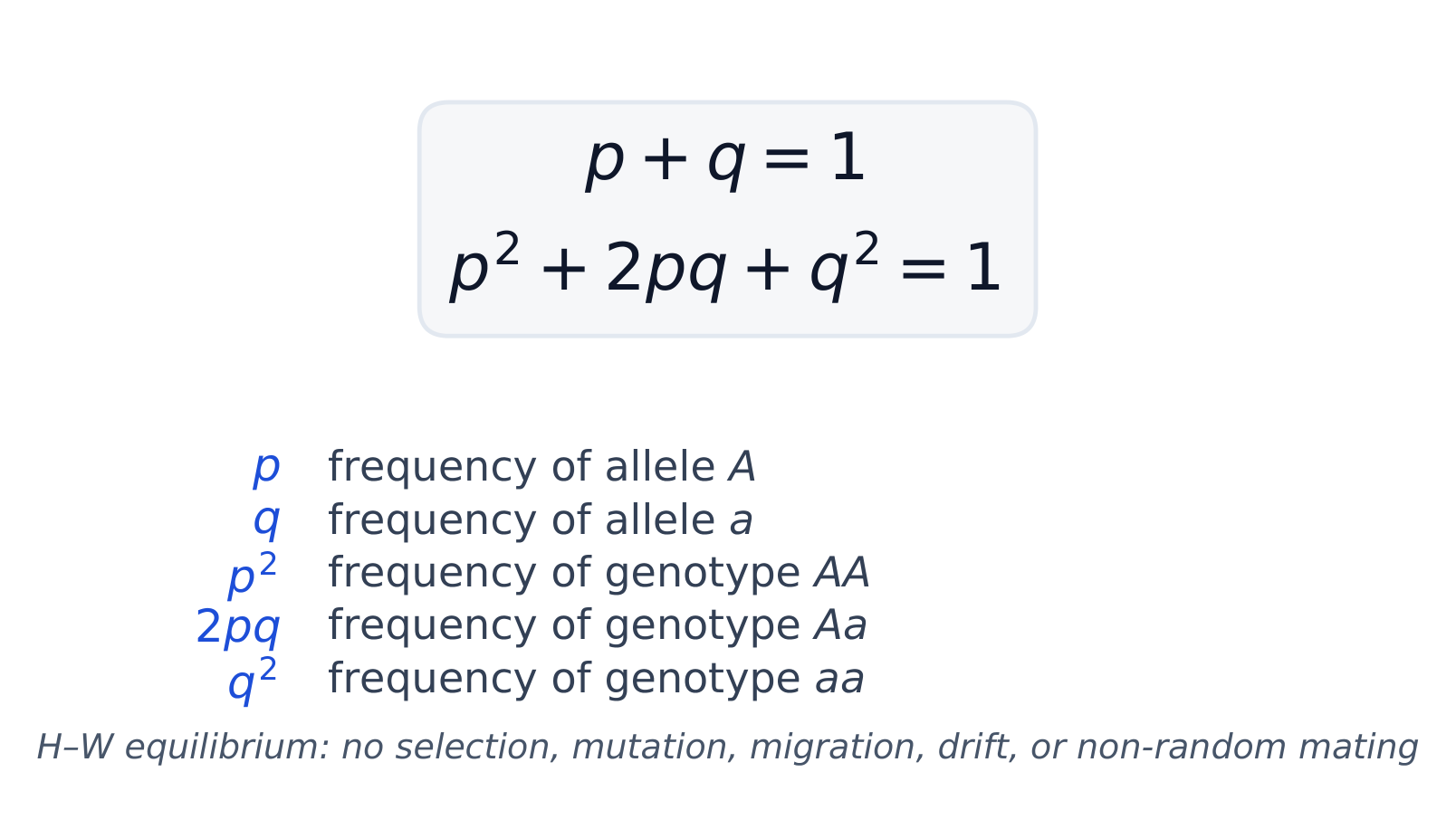
The Hardy–Weinberg 哈迪-温伯格 model gives the allele and genotype frequencies expected when a population is not evolving. With allele frequencies $p$ and $q$ ($p+q=1$):

$$p^2 + 2pq + q^2 = 1,$$
where $p^2$ and $q^2$ are the homozygotes and $2pq$ the heterozygotes. It holds only under five conditions (no selection, no mutation, no migration, random mating, large population); when real data differ from the prediction, the population is evolving.

Worked example. In a population, $16\%$ of individuals show the recessive phenotype, so $q^2=0.16$ and $q=\sqrt{0.16}=0.4$. Then $p=1-q=0.6$. The predicted carrier frequency (heterozygotes) is $2pq=2(0.6)(0.4)=0.48$, i.e. $48\%$, and the homozygous dominants are $p^2=0.6^2=0.36$, i.e. $36\%$. As a check, $0.36+0.48+0.16=1$. This is the standard route: recessive phenotype $\to q^2\to q\to p\to$ everything else.

ไทย

Hardy–Weinberg- model ให้ allele และ genotype frequencies ที่คาดหวังเมื่อประชากร ไม่ได้_fname With allele frequencies $p$ and $q$ ($p+q=1$):

$$p^2 + 2pq + q^2 = 1,$$
โดยที่ $p^2$ และ $q^2$ คือ homozygotes และ $2pq$ คือ heterozygotes มันใช้ได้เฉพาะภายใต้เงื่อนไขห้าประการ (ไม่มี selection, ไม่มี mutation, ไม่มี migration, mating แบบสุ่ม, ประชากรใหญ่); เมื่อข้อมูลจริงแตกต่างจากการคาดการณ์ ประชากร กำลัง evolving

ตัวอย่างวิธีทำ ในประชากร $16\%$ ของบุคคลแสดงฟีโนไทป์แบบด้อย $q^2=0.16$ และ $q=\sqrt{0.16}=0.4$ ดังนั้น $p=1-q=0.6$ ความถี่ของ พาหะ (เฮเทอโรไซกัส) ที่คาดการณ์ไว้คือ $2pq=2(0.6)(0.4)=0.48$ นั่นคือ $48\%$ และโฮโมไซกัสโดมิแนนต์มีค่า $p^2=0.6^2=0.36$ นั่นคือ $36\%$ เพื่อตรวจสอบ $0.36+0.48+0.16=1$ นี่คือขั้นตอนมาตรฐาน: ฟีโนไทป์แบบด้อย $\to q^2\to q\to p\to$ ส่วนที่เหลือทั้งหมด

ฮาร์ดี-ไวน์เบิร์ก: ความถี่ของอัลลีล p และ q ให้ความถี่ของจีโนไทป์ p², 2pq, q²
Explore · ⁨สำรวจ⁩

Allele frequencies across a cross · ⁨杂交中的等位基因频率⁩

Hardy-Weinberg predicts genotype frequencies ($p^2+2pq+q^2$) in a population that isn't evolving. A Punnett square shows the same allele combining at the population scale. · ⁨哈迪-温伯格定律预测未进化种群的基因型频率($p^2+2pq+q^2$)。庞尼特方格在种群尺度上展示了相同的等位基因组合。⁩

Vocabulary · ⁨คำศัพท์⁩ Train · ⁨ฝึกฝน⁩
English ไทย
Hardy–Weinberg/ˈhɑːdi ˈwaɪnbɜːɡ/ ฮาร์ดี-ไวน์เบิร์ก
fossil record/ˈfɒsl ˈrekɔːd/ บันทึกฟอสซิล
7.6

Evidence of Evolution · ⁨หลักฐานของการวิวัฒนาการ⁩

Syllabus · ⁨หลักสูตร⁩
English

Enduring Understanding (BIG IDEA 1 — Evolution): The process of evolution drives the diversity and unity of life.

Learning Objective 7.6.A: Describe the types of data that provide evidence for evolution.

  • 7.6.A.1 Evolution is supported by scientific evidence from many disciplines (geographical, geological, physical, biochemical, and mathematical data).

Learning Objective 7.6.B: Explain how morphological, biochemical, and geological data provide evidence that organisms have changed over time.

  • 7.6.B.1 Molecular, morphological, and genetic evidence from extant and extinct organisms adds to our understanding of evolution.
    • i. Fossils can be dated by a variety of methods. These include 1) the age of the rocks where a fossil is found; 2) the rate of decay of isotopes including carbon-14; and 3) geographical data.
    • ii. Morphological homologies, including vestigial structures, provide evidence of common ancestry.
  • 7.6.B.2 A comparison of DNA nucleotide sequences and protein amino acid sequences provides evidence for evolution and common ancestry.
ไทย

ความเข้าใจที่ยั่งยืน (BIG IDEA 1 — วิวัฒนาการ): กระบวนการวิวัฒนาการขับเคลื่อนความหลากหลายและความสามัคคีของชีวิต

จุดประสงค์การเรียนรู้ 7.6.A: อธิบายประเภทของข้อมูลที่เป็นหลักฐานสนับสนุนการวิวัฒนาการ

  • 7.6.A.1 การวิวัฒนาการได้รับการสนับสนุนด้วยหลักฐานทางวิทยาศาสตร์จากหลายสาขา (ข้อมูลด้านภูมิศาสตร์, จีولوجิ, ฟิสิกส์, ไบโอเคมี และคณิตศาสตร์)

จุดประสงค์การเรียนรู้ 7.6.B: อธิบายว่าข้อมูลด้านสัณฐานวิทยา, ไบโอเคมี และจีولوجิ ให้หลักฐานอย่างไรว่าสิ่งมีชีวิตมีการเปลี่ยนแปลงไปตามเวลา

  • 7.6.B.1 หลักฐานด้านโมเลกุล สัณฐานวิทยา และพันธุกรรมจากสิ่งมีชีวิตทั้งที่มีชีวิตอยู่และสูญพันธุ์ ช่วยเพิ่มความรู้ความเข้าใจเรื่องการวิวัฒนาการ
    • i. ฟอสซิลสามารถกำหนดอายุได้ด้วยวิธีต่างๆ รวมถึง 1) อายุของหินที่พบฟอสซิล; 2) อัตราการสลายตัวของไอโซโทป بماรวมถึงคาร์บอน-14; และ 3) ข้อมูลทางภูมิศาสตร์
    • ii. ความคล้ายคลึงกันทางสัณฐานวิทยา (homologies) รวมถึงอวัยวะลดทอน เป็นหลักฐานของบรรพบุรุษร่วมกัน
  • 7.6.B.2 การเปรียบเทียบลำดับนิวคลีโอไทด์ของ DNA และลำดับกรดอะมิโนของโปรตีน ให้หลักฐานรองรับการวิวัฒนาการและบรรพบุรุษร่วมกัน

Source: College Board AP Course and Exam Description · ⁨แหล่งที่มา: คำอธิบายหลักสูตรและข้อสอบ College Board AP⁩

English

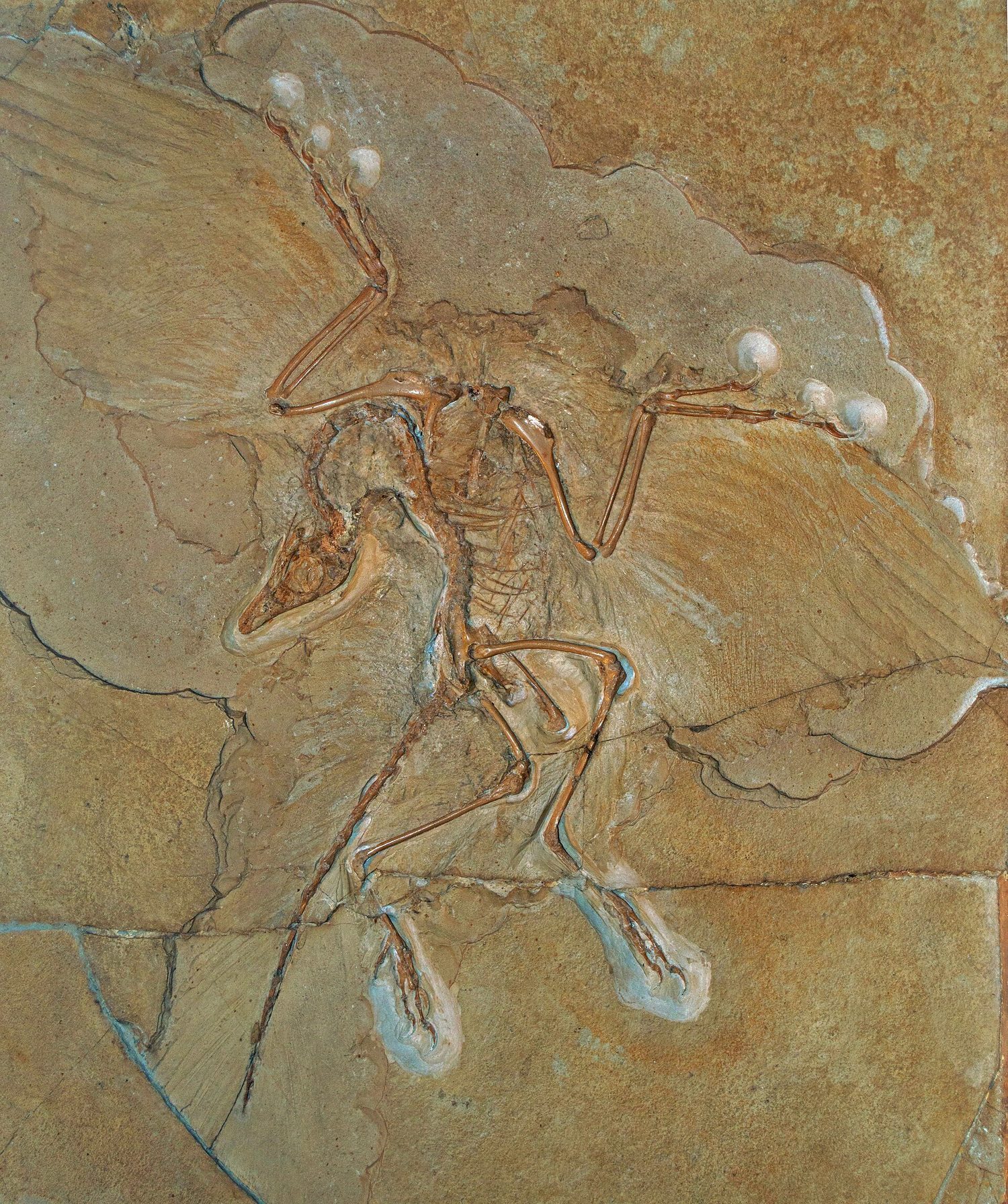
Multiple independent lines support evolution: the fossil record 化石记录, homologous structures 同源结构 (shared anatomy from common ancestry), vestigial structures 痕迹器官, shared embryology, and molecular evidence – the near-universal genetic code and matching DNA/protein sequences.

ไทย
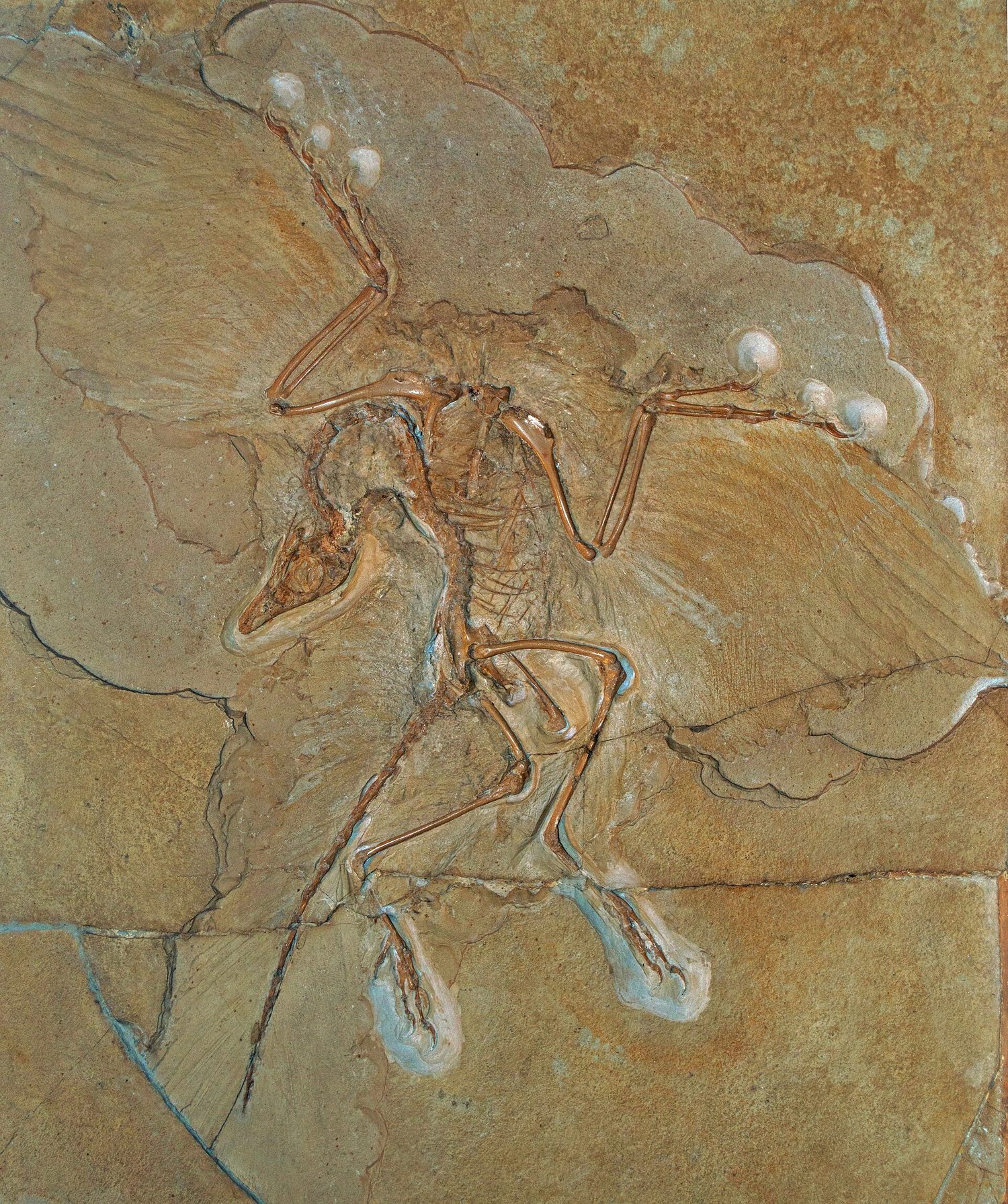
ซากฟอสซิลอาร์คีออพเทริกซ์: ขนรวมกับลักษณะของสัตว์เลื้อยคลาน — หลักฐานแห่งบรรพบุรุษร่วมกัน

หลายเส้นทางการสนับสนุนการวิวัฒนาการอย่างอิสระ: บันทึกฟอสซิล, โครงสร้าง homologous (อณatomy ร่วมกันจากบรรพบุรุษ), โครงสร้าง vestigial, ** embryology** ร่วมกัน และหลักฐานระดับโมเลกุล — รหัสพันธุกรรมที่เกือบสากลและลำดับ DNA/โปรตีนที่ตรงกัน

7.7

Common Ancestry · ⁨บรรพบุรุษร่วมกัน⁩

Syllabus · ⁨หลักสูตร⁩
English

Enduring Understanding (BIG IDEA 1 — Evolution): The process of evolution drives the diversity and unity of life.

Learning Objective 7.7.A: Describe structural and functional evidence on cellular and molecular levels that provides evidence for the common ancestry of all eukaryotes.

  • 7.7.A.1 Structural and functional evidence indicates common ancestry of all eukaryotes. This evidence includes:
    • i. Membrane-bound organelles
    • ii. Linear chromosomes
    • iii. Genes that contain introns
ไทย

ความเข้าใจที่ยั่งยืน (BIG IDEA 1 — วิวัฒนาการ): กระบวนการวิวัฒนาการขับเคลื่อนความหลากหลายและความสามัคคีของชีวิต

จุดประสงค์การเรียนรู้ 7.7.A: อธิบายหลักฐานด้านโครงสร้างและหน้าที่ในระดับเซลล์และโมเลกุล ที่แสดงถึงการมีบรรพบุรุษร่วมกันของยูคาริโอตทั้งหมด

  • 7.7.A.1 หลักฐานด้านโครงสร้างและหน้าที่ชี้ให้เห็นถึงบรรพบุรุษร่วมกันของยูคาริโอตทั้งหมด หลักฐานเหล่านี้ประกอบด้วย:
    • i. ออร์แกเนลล์ที่มีเยื่อหุ้ม
    • ii. โครโมโซมแบบเส้นตรง
    • iii. ยีนที่มีอินตรอน

Source: College Board AP Course and Exam Description · ⁨แหล่งที่มา: คำอธิบายหลักสูตรและข้อสอบ College Board AP⁩

English

All life shares a common ancestor 共同祖先, shown by universal features: the same DNA/RNA machinery, the same genetic code, ribosomes, and core metabolic pathways in all organisms. The more features and sequences two species share, the more recently they diverged.

ไทย

สิ่งมีชีวิตทั้งหมดมี บรรพบุรุษร่วมกัน ซึ่งปรากฏผ่านคุณสมบัติสากล: เครื่องมือ DNA/RNA เดียวกัน, รหัสพันธุกรรมเดียวกัน, ไรโบโซม และเส้นทางเมตาบอลิซึมพื้นฐานในสิ่งมีชีวิตทุกชนิด ยิ่งสองสปีชีส์มีคุณสมบัติและลำดับที่เหมือนกันมากเท่าไร ย่อมแยกสายพันธุ์ออกจากกันเมื่อไม่นานมานี้เท่านั้น

อาร์คีออพเทริกซ์: ฟอสซิลกลางเชื่อมกลุ่มหลักและสนับสนุนบรรพบุรุษร่วมกัน
7.8

Continuing Evolution · ⁨การวิวัฒนาการที่ยังคงดำเนินอยู่⁩

Syllabus · ⁨หลักสูตร⁩
English

Enduring Understanding (BIG IDEA 1 — Evolution): The process of evolution drives the diversity and unity of life.

Learning Objective 7.8.A: Explain how evolution is an ongoing process in all living organisms.

  • 7.8.A.1 All species have evolved and continue to evolve. Examples include:
    • i. Genomic changes over time
    • ii. Continuous change in the fossil record
    • iii. Evolution of resistance to antibiotics, pesticides, herbicides, or chemotherapy drugs
    • iv. Pathogens evolving and causing emergent diseases
ไทย

ความเข้าใจที่ยั่งยืน (BIG IDEA 1 — วิวัฒนาการ): กระบวนการวิวัฒนาการขับเคลื่อนความหลากหลายและความสามัคคีของชีวิต

จุดประสงค์การเรียนรู้ 7.8.A: อธิบายว่าการวิวัฒนาการเป็นกระบวนการที่กำลังดำเนินอยู่ในสิ่งมีชีวิตทุกชนิด

  • 7.8.A.1 ทุกสปีชีส์ได้วิวัฒนาการไปและยังคงวิวัฒนาการต่อไป ตัวอย่างเช่น:
    • i. การเปลี่ยนแปลงของจีโนมตามกาลเวลา
    • ii. การเปลี่ยนแปลงอย่างต่อเนื่องในบันทึกฟอสซิล
    • iii. การวิวัฒนาการของความต้านทานต่อยาปฏิชีวนะ สารกำจัดศัตรูพืช ยาฆ่าหญ้า หรือยาเคมีบำบัด
    • iv. เชื้อโรคที่วิวัฒนาการและก่อให้เกิดโรคอุบัติใหม่

Source: College Board AP Course and Exam Description · ⁨แหล่งที่มา: คำอธิบายหลักสูตรและข้อสอบ College Board AP⁩

English

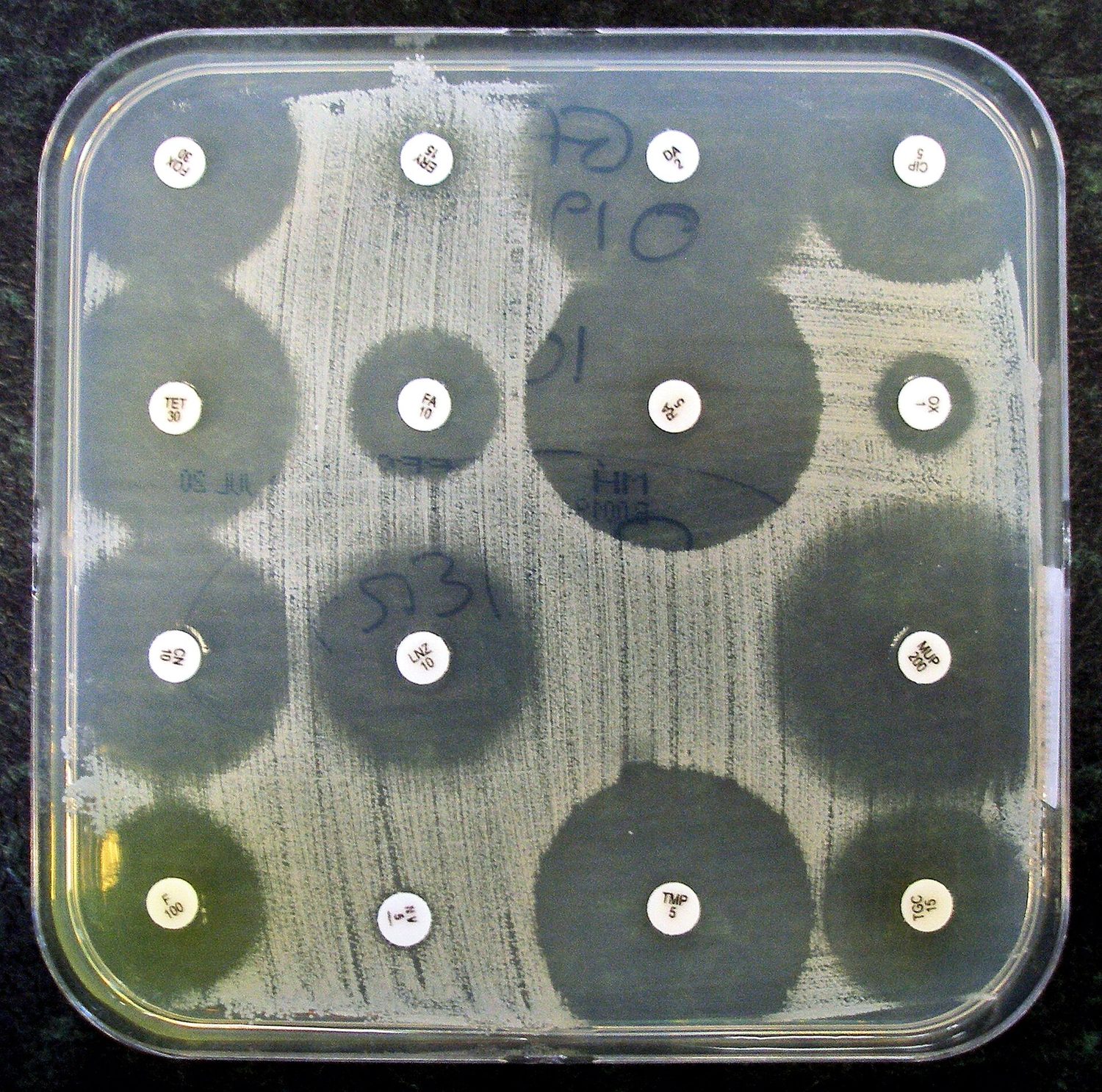
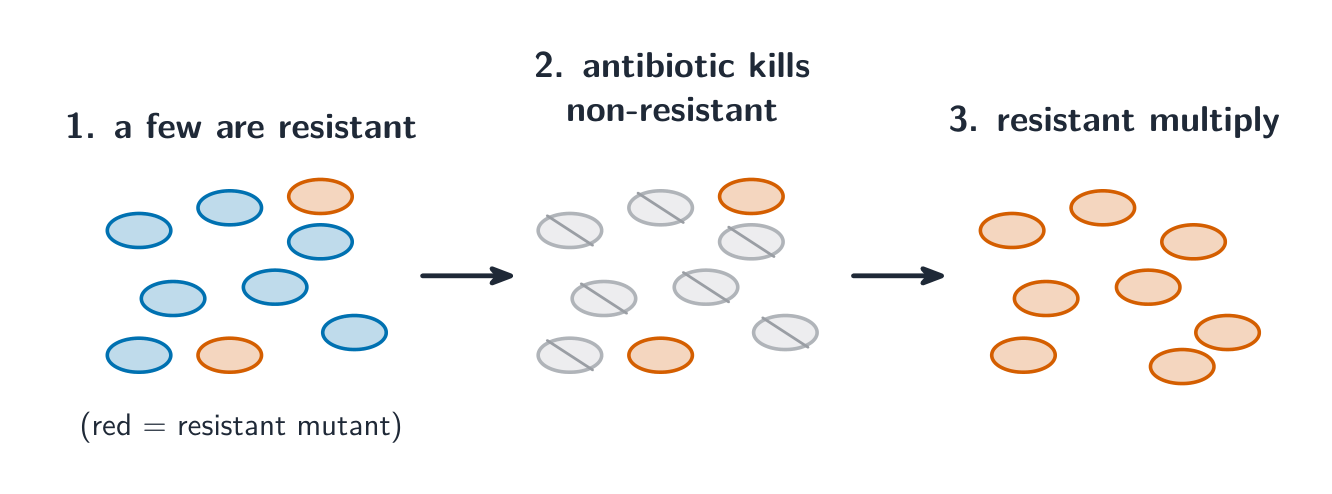
Evolution is ongoing and observable: antibiotic-resistant bacteria, pesticide-resistant insects, and rapid changes in fast-breeding species. Because environments keep changing, selection keeps acting – evolution has no endpoint.

ไทย
จานทดสอบความไวต่อสารต้านจุลชีพ: เขตใสแสดงว่าสารต้านจุลชีพตัวใดฆ่าแบคทีเรียได้

การวิวัฒนาการยังคงดำเนินอยู่และสังเกตได้: แบคทีเรียดื้อยา, แมลงดื้อยาฆ่าแมลง และการเปลี่ยนแปลงรวดเร็วในสปีชีส์ที่มีอัตราการสืบพันธุ์สูง เนื่องจากสิ่งแวดล้อมเปลี่ยนไปอย่างต่อเนื่อง การคัดเลือกโดยธรรมชาติจึงกระทำต่อเนื่อง — การวิวัฒนาการไม่มีจุดสิ้นสุด

วิธีการที่ความดื้อยาแพร่กระจายในประชากรผ่านการคัดเลือกโดยธรรมชาติ
7.9

Phylogeny · ⁨วิวัฒนาการทางพันธุกรรม⁩

Syllabus · ⁨หลักสูตร⁩
English

Enduring Understanding (BIG IDEA 1 — Evolution): The process of evolution drives the diversity and unity of life.

Learning Objective 7.9.A: Describe the types of evidence that can be used to infer an evolutionary relationship.

  • 7.9.A.1 Phylogenetic trees and cladograms show hypothetical evolutionary relationships among lineages that can be tested.
  • 7.9.A.2 Phylogenetic trees show the amount of change over time calibrated by fossils or a molecular clock, whereas cladograms do not show time scale or the evolutionary difference between groups.
  • 7.9.A.3 Traits that are either gained or lost during evolution can be used to construct phylogenetic trees and cladograms. The out-group represents the lineage that is least closely related to the remainder of the organisms in the phylogenetic tree or cladogram.
    • i. Shared derived characters can be present in more than one lineage and indicate common ancestry. These are informative for the construction of phylogenetic trees and cladograms.
    • ii. Molecular data typically provide more accurate and reliable evidence than morphological traits in the construction of phylogenetic trees or cladograms.

Learning Objective 7.9.B: Explain how phylogenetic trees and cladograms can be used to infer evolutionary relatedness.

  • 7.9.B.1 Phylogenetic trees and cladograms can be used to illustrate speciation that has occurred. The nodes on a tree represent the most recent common ancestor of any two groups or lineages.
  • 7.9.B.2 Phylogenetic trees and cladograms can be constructed from morphological similarities of living or fossil species and from DNA and protein sequence similarities.
  • 7.9.B.3 Phylogenetic trees and cladograms represent hypotheses that are constantly being revised based on evidence.
ไทย

ความเข้าใจที่ยั่งยืน (BIG IDEA 1 — วิวัฒนาการ): กระบวนการวิวัฒนาการขับเคลื่อนความหลากหลายและความสามัคคีของชีวิต

จุดประสงค์การเรียนรู้ 7.9.A: อธิบายประเภทของหลักฐานที่สามารถใช้เพื่ออนุมานความสัมพันธ์ทางวิวัฒนาการ

  • 7.9.A.1 ต้นไม้พันธุ演化 (phylogenetic trees) และคลาดโคม (cladograms) แสดงความสัมพันธ์ทางวิวัฒนาการที่เป็นสมมติฐานระหว่างสายพันธุ์ ซึ่งสามารถทดสอบได้
  • 7.9.A.2 ต้นไม้พันธุ演化แสดงปริมาณการเปลี่ยนแปลงตามเวลาที่ปรับเทียบด้วยฟอสซิลหรือนาฬิกาโมเลกุล ในขณะที่คลาดโคมไม่แสดงมาตราส่วนเวลาหรือความแตกต่างทางวิวัฒนาการระหว่างกลุ่ม
  • 7.9.A.3 ลักษณะที่เพิ่มขึ้นหรือลดลงระหว่างการวิวัฒนาการสามารถใช้สร้างต้นไม้พันธุ演化และคลาดโคม กลุ่มภายนอก (out-group) แทนสายพันธุ์ที่มีความสัมพันธ์ใกล้ชิดน้อยที่สุดกับสิ่งมีชีวิตที่เหลืออยู่ในต้นไม้พันธุ演化หรือคลาดโคม
    • i. ลักษณะร่วมที่พัฒนาขึ้น (shared derived characters) สามารถพบได้ในหลายสายพันธุ์และบ่งบอกถึงบรรพบุรุษร่วมกัน ซึ่งเป็นประโยชน์ต่อการสร้างต้นไม้พันธุ演化และคลาดโคม
    • ii. ข้อมูลด้านโมเลกุลมักให้หลักฐานที่แม่นยำและเชื่อถือได้มากกว่าลักษณะทางสัณฐานวิทยาในการสร้างต้นไม้พันธุ演化หรือคลาดโคม

จุดประสงค์การเรียนรู้ 7.9.B: อธิบายการใช้ต้นไม้พันธุ演化และคลาดโคมในการอนุมานความสัมพันธ์ทางวิวัฒนาการ

  • 7.9.B.1 ต้นไม้พันธุ演化และคลาดโคมสามารถใช้แสดงการเกิดสปีชีส์ใหม่ (speciation) ที่เกิดขึ้น จุดยอด (nodes) บนต้นไม้แทนบรรพบุรุษร่วมล่าสุดของสองกลุ่มหรือสายพันธุ์ใด ๆ
  • 7.9.B.2 ต้นไม้พันธุ演化และคลาดโคมสามารถสร้างจากความคล้ายคลึงกันทางสัณฐานวิทยาของสปีชีส์ที่มีชีวิตหรือฟอสซิล และความคล้ายคลึงกันของลำดับ DNA และโปรตีน
  • 7.9.B.3 ต้นไม้พันธุ演化และคลาดโคมเป็นสมมติฐานที่ถูกปรับปรุงอย่างต่อเนื่องตามหลักฐานใหม่

Source: College Board AP Course and Exam Description · ⁨แหล่งที่มา: คำอธิบายหลักสูตรและข้อสอบ College Board AP⁩

English

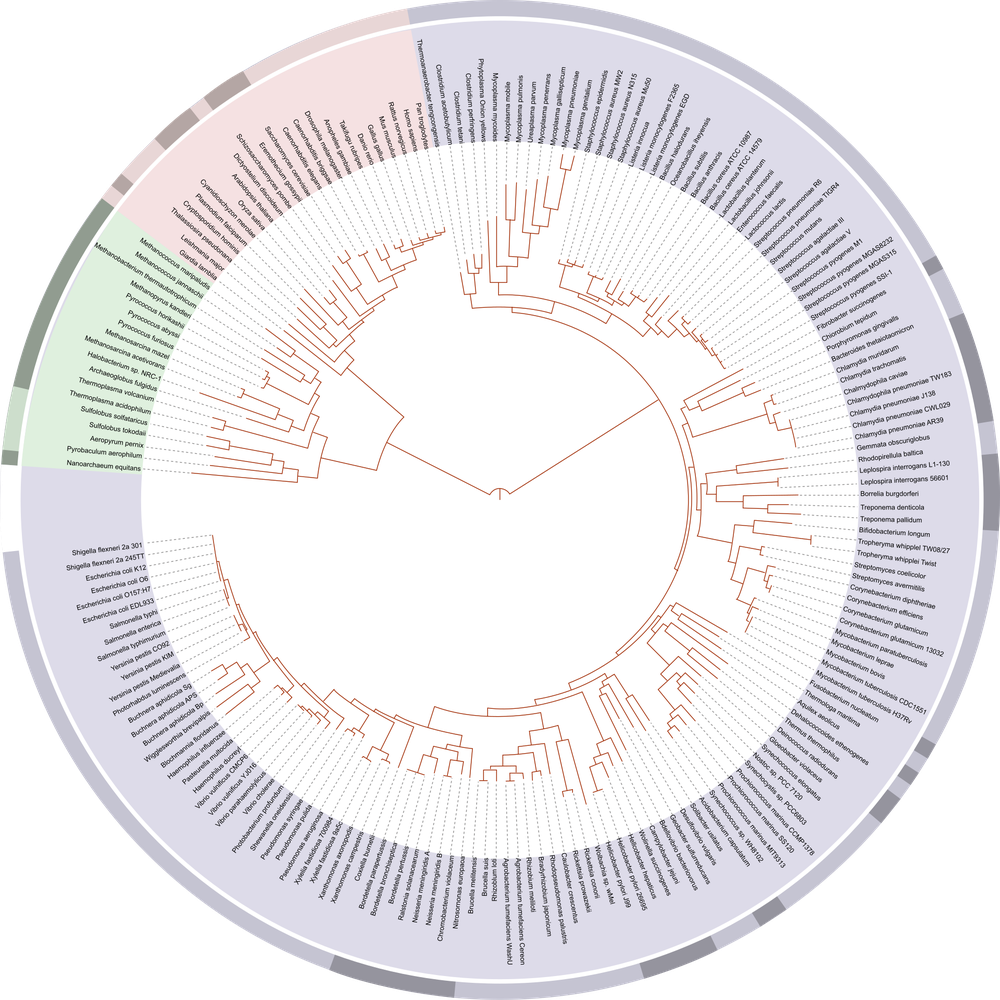
A phylogenetic tree 系统发育树 (cladogram) diagrams evolutionary relationships, with branch points marking common ancestors and shared derived traits grouping related species. Trees are hypotheses, revised as new (especially molecular) data arrive.

ไทย

ต้นไม้วิวัฒนาการ ( cladogram) แสดงความสัมพันธ์เชิงวิวัฒนาการ โดยจุดกิ่งบ่งบอกบรรพบุรุษร่วมและคุณลักษณะที่พัฒนาขึ้นใหม่ร่วมกันจัดกลุ่มสปีชีส์ที่เกี่ยวข้อง ต้นไม้เป็นสมมติฐานที่จะถูกปรับปรุงเมื่อมีข้อมูลใหม่เข้ามา โดยเฉพาะข้อมูลระดับโมเลกุล

ต้นไม้แห่งชีวิต: วิวัฒนาการทางพันธุกรรมจัดกลุ่มสิ่งมีชีวิตตามบรรพบุรุษร่วมกันจากต้นกำเนิดเดียวกัน
7.10

Speciation · ⁨การเกิดสปีชีส์ใหม่⁩

Syllabus · ⁨หลักสูตร⁩
English

Enduring Understanding (BIG IDEA 1 — Evolution): The process of evolution drives the diversity and unity of life.

Learning Objective 7.10.A: Describe the conditions under which new species may arise.

  • 7.10.A.1 Speciation occurs when two populations become reproductively isolated from each other.
  • 7.10.A.2 The biological species concept provides a commonly used definition of a species for sexually reproducing organisms. It states that species can be defined as a group capable of interbreeding and exchanging genetic information to produce viable, fertile offspring.

Learning Objective 7.10.B: Describe the rate of evolution and speciation under different ecological conditions.

  • 7.10.B.1 Punctuated equilibrium is when evolution occurs rapidly after a long period of stasis. Gradualism is when evolution occurs slowly over hundreds of thousands or millions of years.
  • 7.10.B.2 Divergent evolution occurs when adaptation to new habitats results in phenotypic diversification. Speciation rates can be especially rapid during times of adaptive radiation as new habitats become available.
  • 7.10.B.3 Convergent evolution occurs when similar selective pressures result in similar phenotypic adaptations in different populations or species.

Learning Objective 7.10.C: Explain the processes and mechanisms that drive speciation.

  • 7.10.C.1 Sympatric speciation occurs in populations with geographic overlap. Allopatric speciation occurs in populations that are geographically isolated.
  • 7.10.C.2 Various pre-zygotic and post-zygotic mechanisms can maintain reproductive isolation and prevent gene flow between populations.
  • Illustrative examples for 7.10.C: Hawaiian Drosophila; Caribbean Anolis; Apple maggot Rhagoletis
ไทย

ความเข้าใจที่ยั่งยืน (BIG IDEA 1 — วิวัฒนาการ): กระบวนการวิวัฒนาการขับเคลื่อนความหลากหลายและความสามัคคีของชีวิต

จุดประสงค์การเรียนรู้ 7.10.A: อธิบายเงื่อนไขภายใต้ซึ่งชนิดใหม่อาจเกิดขึ้น

  • 7.10.A.1 การก่อตัวของชนิดใหม่ (Speciation) เกิดขึ้นเมื่อสองประชากรเกิดการแยกการสืบพันธุ์ออกจากกัน
  • 7.10.A.2 แนวคิดชนิดทางชีวภาพ (Biological species concept) ให้คำจำกัดความของชนิดที่ใช้กันอย่างแพร่หลายสำหรับสิ่งมีชีวิตที่สืบพันธุ์แบบเพศ它能够กำหนดชนิดว่าเป็นกลุ่มที่มี khả năngผสมพันธุ์และแลกเปลี่ยนข้อมูลทางพันธุกรรมเพื่อผลิตลูกหลานที่มีชีวิตและเจริญเติบโตได้

จุดประสงค์การเรียนรู้ 7.10.B: อธิบายอัตราการวิวัฒนาการและการก่อตัวของชนิดภายใต้สภาวะนิเวศวิทยาที่ต่างกัน

  • 7.10.B.1 สภาวะสมดุลแบบฉับพลัน (Punctuated equilibrium) คือเมื่อวิวัฒนาการเกิดขึ้นอย่างรวดเร็วหลังจากช่วงเวลาหยุดนิ่งยาวนาน Gradualism คือเมื่อวิวัฒนาการเกิดขึ้นช้าๆ ตลอดหลายแสนหรือหลายล้านปี
  • 7.10.B.2 วิวัฒนาการแบบแยกสาย (Divergent evolution) เกิดขึ้นเมื่อการปรับตัวต่อถิ่นที่อยู่ใหม่นำไปสู่การกระจายตัวของฟีโนไทป์ อัตราการก่อชนิดใหม่อาจเกิดขึ้นอย่างรวดเร็วเป็นพิเศษในช่วงของการแผ่กระจายทางปรับตัว (adaptive radiation) เมื่อถิ่นที่อยู่ใหม่เปิดกว้าง
  • 7.10.B.3 วิวัฒนาการแบบรวมสาย (Convergent evolution) เกิดขึ้นเมื่อแรงกดดันการเลือกที่คล้ายกันนำไปสู่การปรับตัวทางฟีโนไทป์ที่คล้ายกันในประชากรหรือชนิดที่ต่างกัน

จุดประสงค์การเรียนรู้ 7.10.C: อธิบายกระบวนการและกลไกที่ขับเคลื่อนการก่อตัวของชนิดใหม่

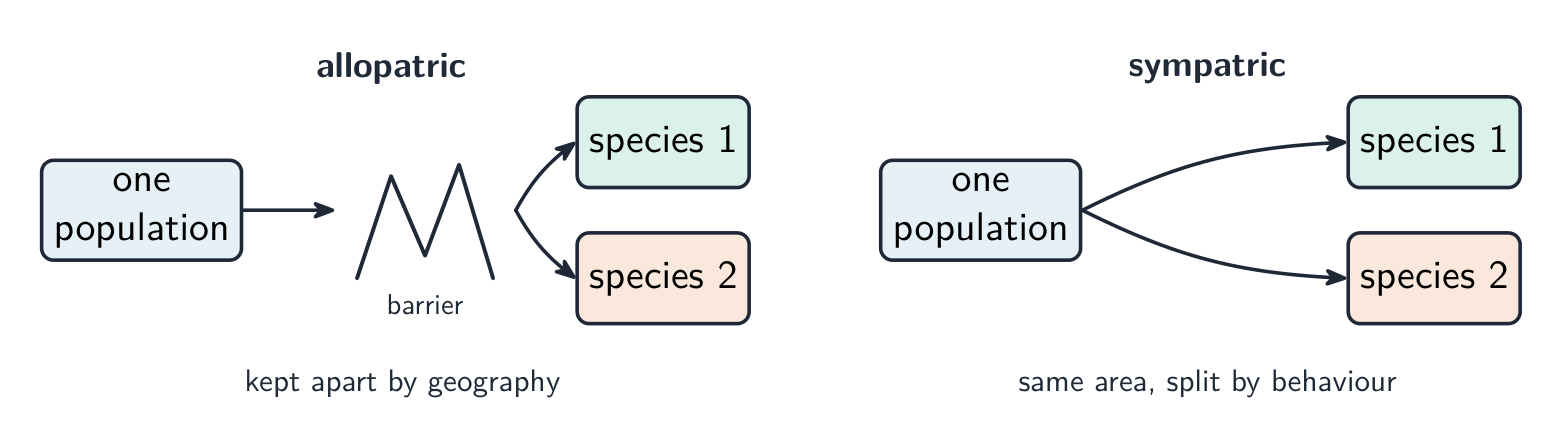
  • 7.10.C.1 การก่อชนิดภายในพื้นที่ (Sympatric speciation) เกิดขึ้นในประชากรที่มีพื้นที่อาศัยทับซ้อนกัน การก่อชนิดต่างพื้นที่ (Allopatric speciation) เกิดขึ้นในประชากรที่ถูกแยกทางภูมิศาสตร์
  • 7.10.C.2 กลไกก่อน合子 (pre-zygotic) และหลัง合子 (post-zygotic) หลากหลายประเภทสามารถรักษาการแยกการสืบพันธุ์และป้องกันกระแส基因ระหว่างประชากรได้
  • ตัวอย่างประกอบสำหรับ 7.10.C: Hawaiian Drosophila; Caribbean Anolis; Apple maggot Rhagoletis

Source: College Board AP Course and Exam Description · ⁨แหล่งที่มา: คำอธิบายหลักสูตรและข้อสอบ College Board AP⁩

English

Speciation 物种形成 is the origin of new species, usually when populations become reproductively isolated 生殖隔离 and diverge. Allopatric speciation follows a geographic split; sympatric speciation happens without one. Once populations can no longer interbreed, they are separate species.

ไทย

การเกิดสปีชีส์ใหม่ คือการกำเนิดของสปีชีส์ใหม่ โดยปกติเกิดขึ้นเมื่อประชากรเกิด การแยกการสืบพันธุ์ และแยกสายพันธุ์ Allopatric เกิดจากการแบ่งแยกทางภูมิศาสตร์; sympatric เกิดขึ้นโดยไม่มีการแบ่งแยก เมื่อประชากรไม่สามารถผสมพันธุ์กันได้อีกต่อไป พวกเขาจะกลายเป็นสปีชีส์ที่แยกออกจากกัน

Allopatric และ sympatric speciation
Vocabulary · ⁨คำศัพท์⁩ Train · ⁨ฝึกฝน⁩
English ไทย
Speciation/ˌspiːʃɪˈeɪʃn/ การเกิดสปีชีส์ใหม่
reproductively isolated/rɪprəˈdʌktɪvli ˈaɪsəleɪtɪd/ reproductively isolated
diversity/daɪˈvɜːsɪti/ ความหลากหลาย
7.11

Variations in Populations · ⁨ความหลากหลายในประชากร⁩

Syllabus · ⁨หลักสูตร⁩
English

Enduring Understanding (BIG IDEA 4 — Systems Interactions): Biological systems interact, and these systems and their interactions exhibit complex properties.

Learning Objective 7.11.A: Explain how the genetic diversity of a species or population affects its ability to withstand environmental pressures.

  • 7.11.A.1 The level of variation in a population affects population dynamics.
    • i. The ability of a population to respond to changes in the environment is influenced by genetic diversity. Species and populations with little genetic diversity are at risk of decline or extinction.
    • ii. Genetically diverse populations are more resilient to environmental perturbation because they are more likely to contain individuals that can withstand the environmental pressure.
    • iii. Alleles that are adaptive in one environmental condition may be deleterious in another because of different selective pressures.
    • Illustrative examples for 7.11.A.1: California condors; Black-footed ferrets; Prairie chickens; Potato blight; Corn rust; Genetic diversity and selective pressures; Antibiotic resistance in bacteria (not all individuals in a diverse population are susceptible to a disease outbreak)
ไทย

ความเข้าใจที่ยั่งยืน (BIG IDEA 4 — การมีปฏิสัมพันธ์ของระบบ): ระบบชีวภาพมีการมีปฏิสัมพันธ์กัน และระบบเหล่านี้พร้อมทั้งการมีปฏิสัมพันธ์将它们展现出复杂的性质。

จุดประสงค์การเรียนรู้ 7.11.A: อธิบายว่าความหลากหลายทางพันธุกรรมของชนิดหรือประชากรส่งผลต่อความสามารถในการทนต่อแรงกดดันทางสิ่งแวดล้อมอย่างไร

  • 7.11.A.1 ระดับความแปรปรวนในประชากรมีผลต่อพลวัตของประชากร
    • i. ความสามารถในการตอบสนองต่อการเปลี่ยนแปลงของสิ่งแวดล้อมของประชากรขึ้นอยู่กับความหลากหลายทางพันธุกรรม สปีชีส์และประชากรที่มีความหลากหลายทางพันธุกรรมต่ำมีความเสี่ยงต่อการลดลงหรือสูญพันธุ์
    • ii. ประชากรที่มีความหลากหลายทางพันธุกรรมสูงจะทนทานต่อการรบกวนจากสิ่งแวดล้อมได้ดีกว่าเนื่องจากมีโอกาสสูงที่จะมีบุคคลที่ทนต่อแรงกดดันจากสิ่งแวดล้อมได้
    • iii. อัลลีลที่เป็นประโยชน์ในสภาวะแวดล้อมหนึ่งอาจเป็นอันตรายในอีกสภาวะหนึ่งเนื่องจากแรงกดดันในการคัดเลือกที่แตกต่างกัน
    • ตัวอย่างประกอบสำหรับ 7.11.A.1: นกอินทรีแคลิฟอร์เนีย; เฟอร์เรต์เท้าดำ; ไก่ปราเรีย; โรคใบไหม้มันฝรั่ง; โรคสนิมข้าวโพด; ความหลากหลายทางพันธุกรรมและแรงกดดันในการคัดเลือก; ความต้านทานยาปฏิชีวนะในแบคทีเรีย (ไม่ใช่นักการทั้งหมดในประชากรที่หลากหลายจะอ่อนแอต่อการระบาดของโรค)

Source: College Board AP Course and Exam Description · ⁨แหล่งที่มา: คำอธิบายหลักสูตรและข้อสอบ College Board AP⁩

English

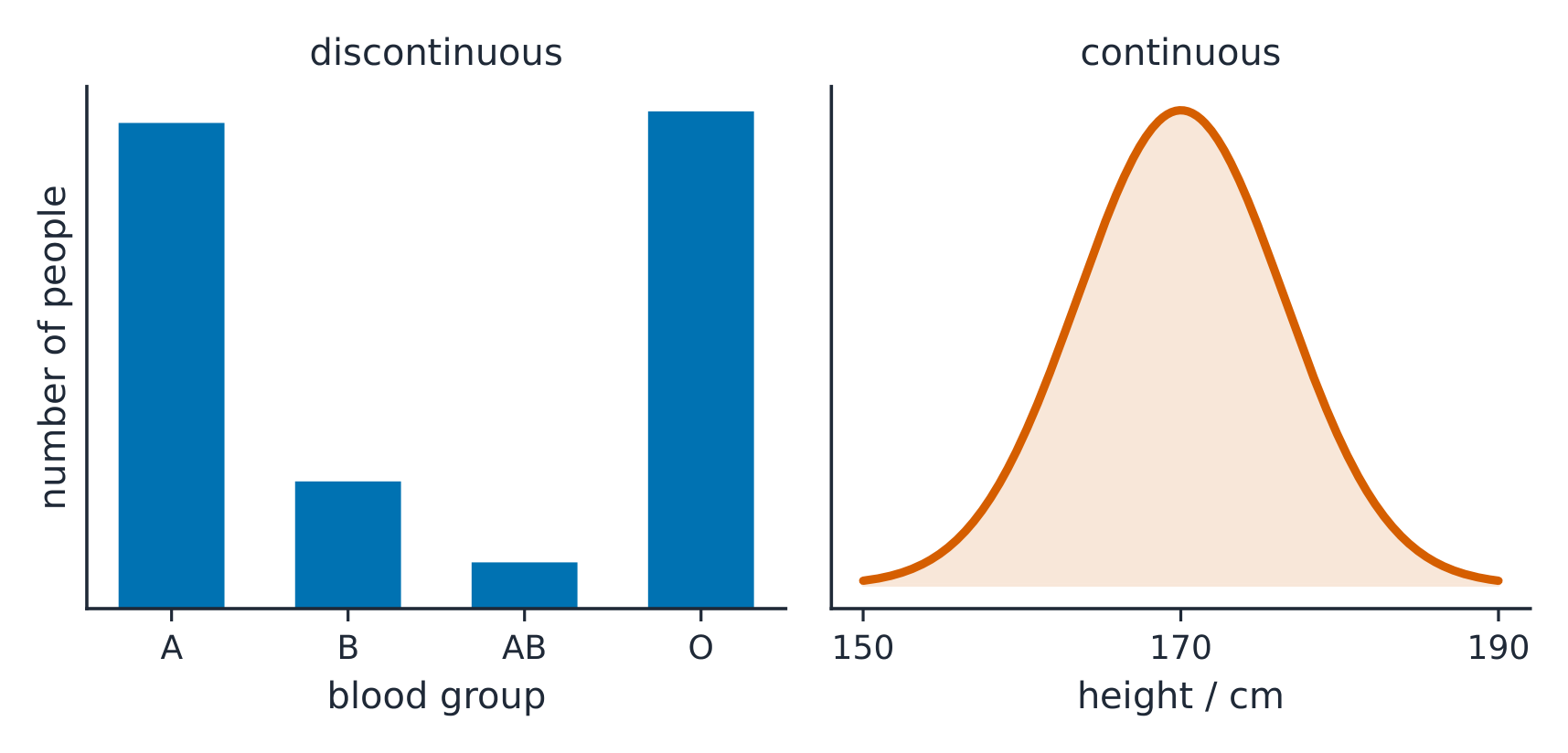
Genetic diversity 多样性 helps a population survive change – if conditions shift, some variants may already be suited to them. Low diversity (as in an endangered species) leaves a population vulnerable. Variation arises from mutation and the reshuffling of meiosis and sexual reproduction.

ไทย

ความหลากหลายทางพันธุกรรมช่วยให้ประชากรรอดจากการเปลี่ยนแปลง — หากสภาพแวดล้อมเปลี่ยนไป บางรูปแบบอาจ适应了与之相适应อยู่แล้ว ความหลากหลายต่ำ (เช่นในสัตว์ใกล้สูญพันธุ์) ทำให้ประชากรเสี่ยงต่อการสูญเสีย ความหลากหลายเกิดขึ้นจากการกลายพันธุ์และการจัดเรียงใหม่ของ meiosis และการสืบพันธุ์แบบอาศัยเพศ

ความแปรปรวนแบบไม่ต่อเนื่องและต่อเนื่อง
7.12

Origins of Life on Earth · ⁨ต้นกำเนิดของชีวิตบนโลก⁩

Syllabus · ⁨หลักสูตร⁩
English

Enduring Understanding (BIG IDEA 4 — Systems Interactions): Biological systems interact, and these systems and their interactions exhibit complex properties.

Learning Objective 7.12.A: Describe the scientific evidence that supports models of the origin of life on Earth.

  • 7.12.A.1 The origin of life on Earth is supported by scientific evidence.
    • i. Geological evidence reinforces models of the origin of life on Earth.
    • ii. Earth formed approximately 4.6 billion years ago (bya). The environment was too hostile for life until about 3.9 bya, and the earliest fossil evidence for life dates to 3.5 bya. Taken together, this evidence provides a plausible range of dates for the origin of life.
  • 7.12.A.2 The RNA world hypothesis proposes that RNA could have been the earliest genetic material. There are three assumptions:
    • i. At some point in time, genetic continuity was assured by the replication of RNA.
    • ii. Base-pairing is necessary for replication.
    • iii. Genetically encoded proteins were not involved as catalysts.
ไทย

ความเข้าใจที่ยั่งยืน (BIG IDEA 4 — การมีปฏิสัมพันธ์ของระบบ): ระบบชีวภาพมีการมีปฏิสัมพันธ์กัน และระบบเหล่านี้พร้อมทั้งการมีปฏิสัมพันธ์将它们展现出复杂的性质。

วัตถุประสงค์การเรียนรู้ 7.12.A: อธิบายหลักฐานทางวิทยาศาสตร์ที่สนับสนุนแบบจำลองการกำเนิดชีวิตบนโลก

  • 7.12.A.1 การกำเนิดชีวิตบนโลกได้รับการสนับสนุนด้วยหลักฐานทางวิทยาศาสตร์
    • i. หลักฐานทางธรณีวิทยาเสริมสร้างแบบจำลองการกำเนิดชีวิตบนโลก
    • ii. โลกก่อตัวขึ้นเมื่อประมาณ 4.6 พันล้านปีก่อน (bp) สภาพแวดล้อมยังรุนแรงเกินไปสำหรับชีวิตจนกระทั่งประมาณ 3.9 bp และหลักฐานฟอสซิล earliest สำหรับชีวิตมีอายุประมาณ 3.5 bp เมื่อรวมกันแล้ว หลักฐานเหล่านี้ให้ช่วงเวลาที่สมเหตุสมผลสำหรับการกำเนิดชีวิต
  • 7.12.A.2 สมมติฐานโลกแห่ง RNA เสนอว่า RNA อาจ曾是最早的遗传物质。有三个假设:
    • i. ในช่วงเวลาหนึ่ง ความต่อเนื่องทางพันธุกรรมได้รับการรับประกันโดยการISTRN复制RNA。
    • ii. การจับคู่เบสจำเป็นสำหรับการISTRN复制。
    • iii. โปรตีนที่ถูกเข้ารหัสทางพันธุกรรมไม่ได้ทำหน้าที่เป็นเอนไซม์ catalysis。

Source: College Board AP Course and Exam Description · ⁨แหล่งที่มา: คำอธิบายหลักสูตรและข้อสอบ College Board AP⁩

English

Evidence suggests early Earth's conditions could form simple organic molecules (the Miller–Urey type experiments), which assembled into polymers, then self-replicating RNA (the "RNA world"), and eventually membrane-bound cells. The first cells were prokaryotes; eukaryotes arose later through endosymbiosis 内共生.

ไทย

หลักฐานชี้ให้เห็นว่าสภาวะของโลกยุคแรกสามารถสร้างโมเลกุลอินทรีย์เรียบง่าย (การทดลองแบบ Miller–Urey) ซึ่งประกอบเป็นโพลิเมอร์ จากนั้นเป็น RNA ที่สามารถทำซ้ำตัวเองได้ ("โลกของ RNA") และในที่สุดก็เกิดเซลล์ที่มีเยื่อหุ้มเซลล์ เซลล์แรกเป็นโปรคาริโอต; ยูคาริโอตเกิดขึ้นภายหลังผ่าน endosymbiosis

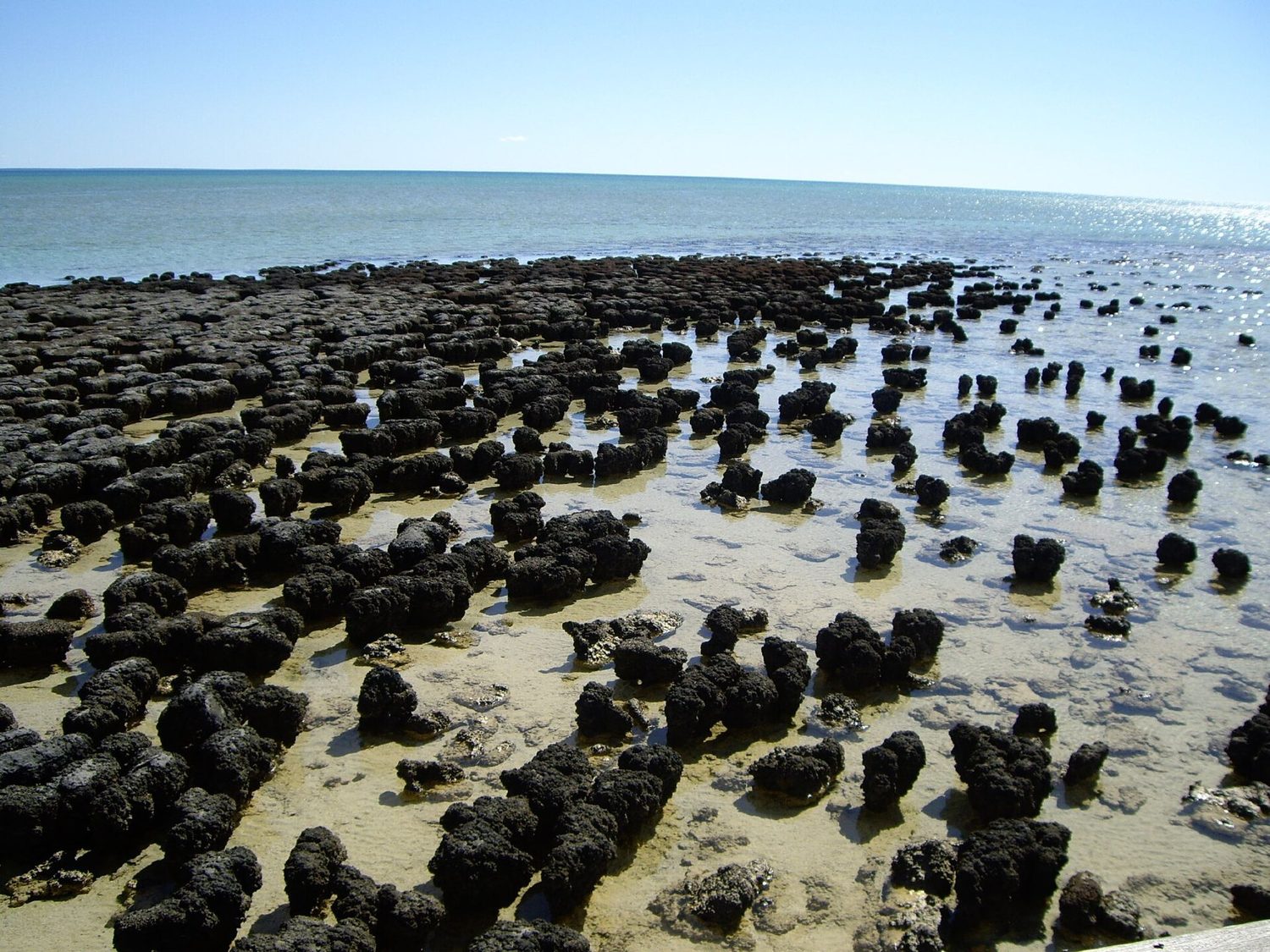
Stromatolites: แผ่นไมโครเบียลชั้นebp เป็นหนึ่งในหลักฐาน oldest ของชีวิตบนโลก
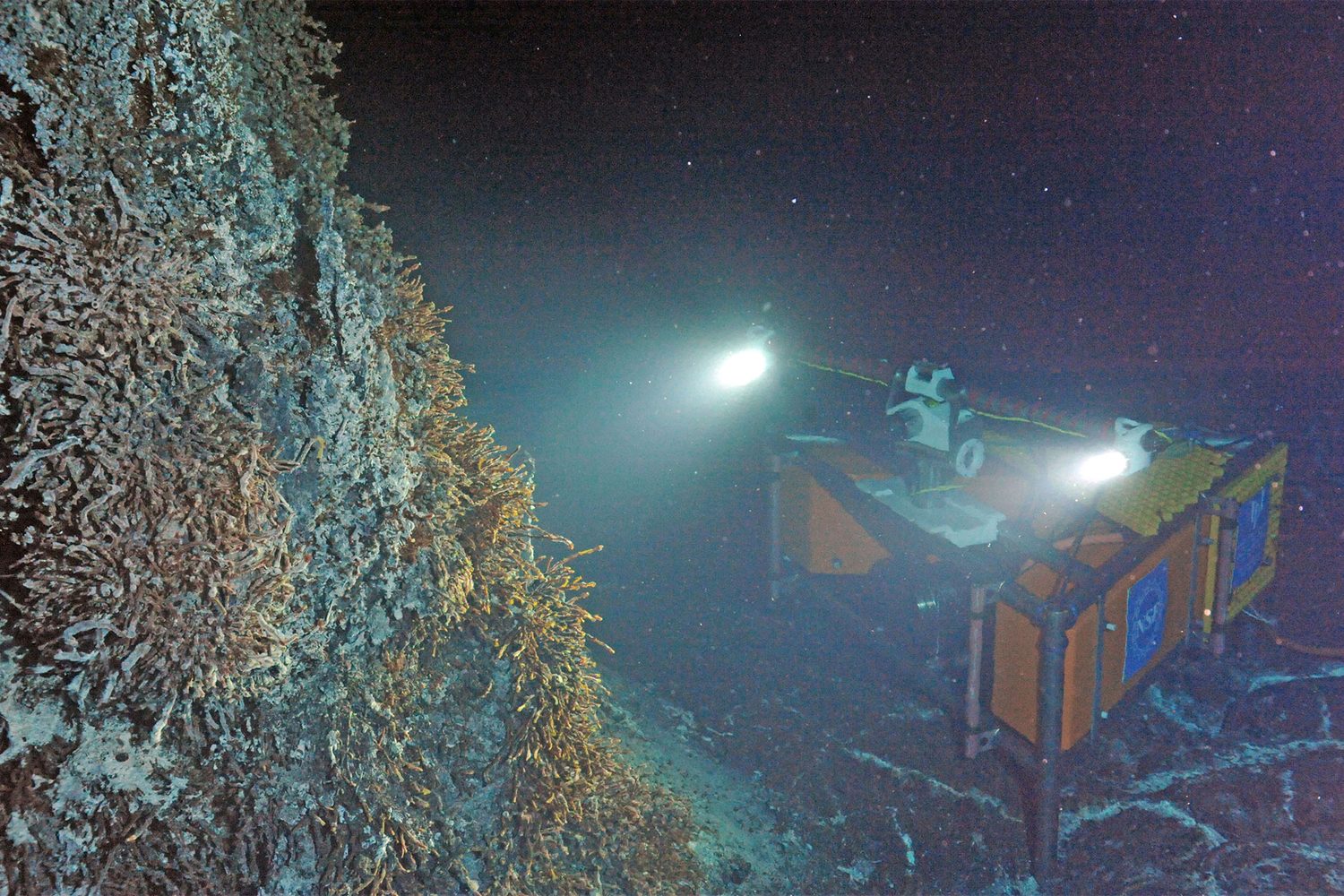
แหล่งน้ำร้อนใต้ดิน: น้ำร้อนที่มีสารเคมีอาจเป็นพลังงานให้ metabolism แรกเริ่มduring origin of life
Vocabulary · ⁨คำศัพท์⁩ Train · ⁨ฝึกฝน⁩
English ไทย
endosymbiosis/ˌendəʊˌsɪmbaɪˈəʊsɪs/ เอนโดซิมไบโอซิส
7.12

Exam tips · ⁨ข้อแนะนำสำหรับการสอบ⁩

English
  • State natural selection cleanly: variation → differential survival and reproduction → helpful traits become common.
  • Fitness = reproductive success, not strength or health.
  • Evolution is a change in allele frequencies in a population — individuals do not evolve.
  • Use Hardy–Weinberg ($p^2+2pq+q^2=1$): start from the recessive phenotype $q^2\to q\to p$.
  • Cite independent evidence (fossils, homologous structures, DNA) and explain speciation via reproductive isolation.
ไทย
  • ระบุการคัดเลือกโดยธรรมชาติอย่างชัดเจน: ความแปรปรวน → การรอดชีวิตและการสืบพันธุ์ที่แตกต่างกัน → ลักษณะที่เป็นประโยชน์กลายเป็นเรื่องปกติ
  • Fitness = ความสำเร็จในการสืบพันธุ์ ไม่ใช่ความแข็งแรงหรือสุขภาพดี
  • การวิวัฒนาการคือการเปลี่ยนแปลงใน ความถี่ของ allele ใน ประชากร — ตัวบุคคลไม่วิวัฒนาการ
  • ใช้ Hardy–Weinberg ($p^2+2pq+q^2=1$): เริ่มจาก phenotype แบบ recessive $q^2\to q\to p$
  • อ้างอิง evidence ที่เป็นอิสระ (fossils, homologous structures, DNA) และอธิบาย speciation ผ่าน reproductive isolation
Vocabulary · ⁨คำศัพท์⁩ Train · ⁨ฝึกฝน⁩
English ไทย
homologous structures/həˈmɒləɡəs ˈstrʌktʃəz/ homologous structures
vestigial structures/ˈvestɪdʒl ˈstrʌktʃəz/ โครงสร้างตกค้าง
common ancestor/ˈkɒmən ˈænsestə/ บรรพบุรุษร่วม
phylogenetic tree/ˌfaɪləʊdʒˈnetɪk triː/ ต้นไม้วิวัฒนาการ

Interactive lessons on this topic · ⁨บทเรียนเชิงโต้ตอบสำหรับหัวข้อนี้⁩

Work through it step by step, with instant-check exercises. · ⁨ทำทีละขั้นตอน พร้อมแบบฝึกหัดตรวจสอบผลทันที⁩

Past Papers · ⁨ข้อสอบย้อนหลัง⁩

More topics in AP Biology · ⁨หัวข้อเพิ่มเติมใน AP Biology⁩

Log in or create account · ⁨เข้าสู่ระบบหรือสร้างบัญชี⁩

IGCSE, A-Level & AP