| Big Idea | Learning Objective | Essential Knowledge |
|---|---|---|
Big Idea 3 — Information Storage and Transmission | 4.1.A |
|
4.1.B |
|
Cell Communication and Cell Cycle
AP Biology · Topic 4
 7:34
7:34
Cell Communication and Cell Cycle
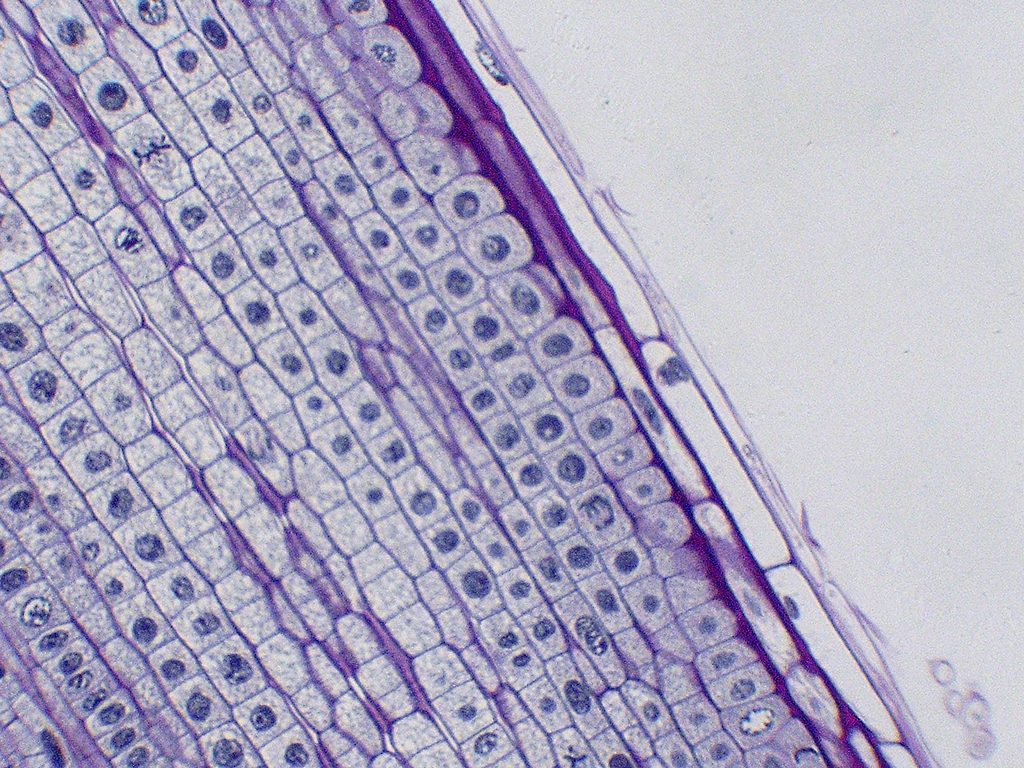
Look closely. These are real cells, photographed in the middle of dividing. Inside your body, millions of new cells are made every second — skin, blood, gut…
English narration · English + 中文 subtitles burned in
4.1
Cell Communication
Syllabus
Source: College Board AP Course and Exam Description
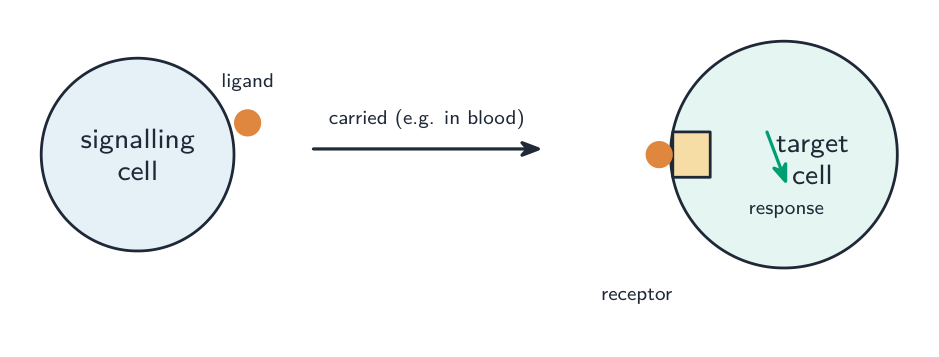
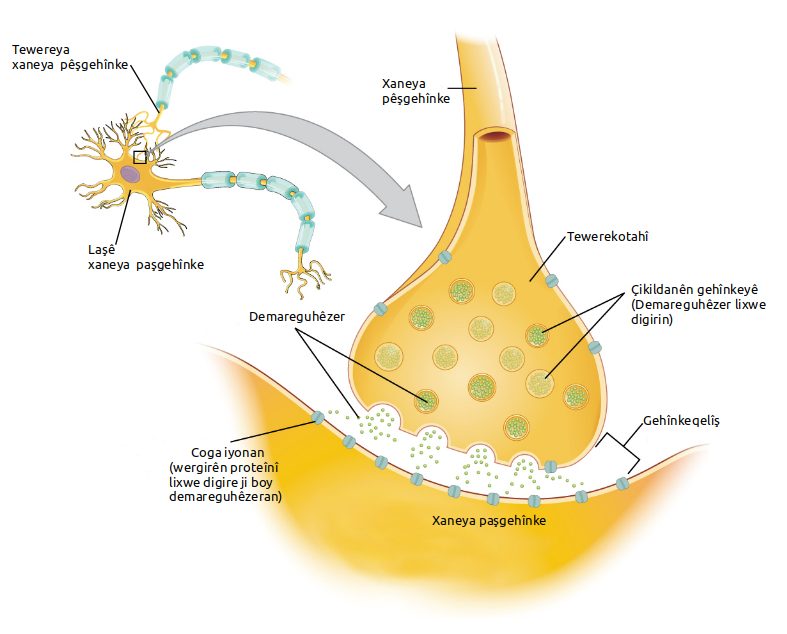
Cells coordinate by sending and receiving chemical signals 信号. A signaling cell releases a ligand 配体 that binds a receptor 受体 on a target cell. Signals travel over different ranges: direct contact (cell junctions), local signaling (nearby cells, like neurotransmitters), and long-distance signaling (hormones 激素 through the blood).
Vocabulary
Train
| English |
|---|
| signals/ˈsɪɡnlz/ |
| ligand/ˈlɪɡænd/ |
| receptor/rɪˈseptə/ |
| hormones/ˈhɔːməʊnz/ |
4.2
Introduction to Signal Transduction
Syllabus
| Big Idea | Learning Objective | Essential Knowledge |
|---|---|---|
Big Idea 3 — Information Storage and Transmission | 4.2.A |
|
4.2.B |
|
Source: College Board AP Course and Exam Description
Signal transduction 信号转导 converts an outside signal into a cellular response in three stages: reception (ligand binds receptor), transduction (a relay of molecules inside the cell), and response (a change in the cell's activity, such as switching on a gene). Receptors are specific, so a cell only responds to signals it can receive.
Vocabulary
Train
| English |
|---|
| Signal transduction/ˈsɪɡnl trænsˈdʌkʃn/ |
4.3
Signal Transduction Pathways
Syllabus
| Big Idea | Learning Objective | Essential Knowledge |
|---|---|---|
Big Idea 3 — Information Storage and Transmission | 4.3.A |
|
4.3.B |
|
Source: College Board AP Course and Exam Description
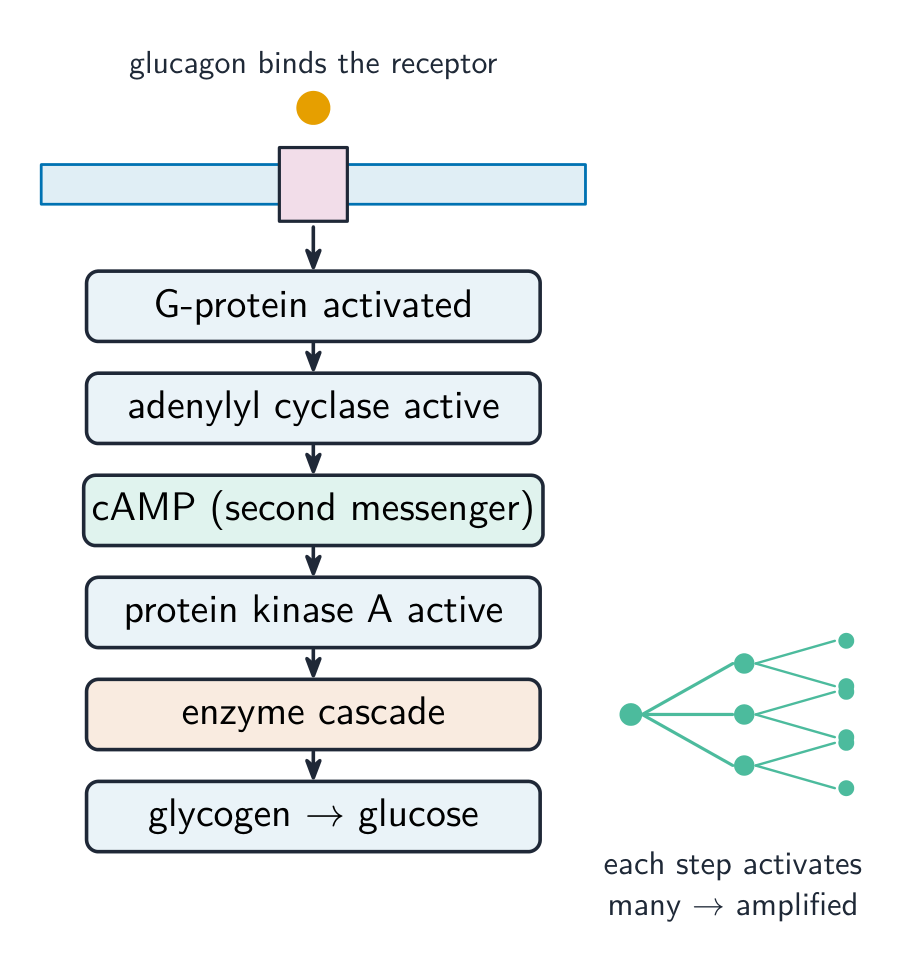
In the transduction stage, the signal passes through a pathway – often a cascade of proteins that activate one another, frequently amplifying the signal so a few ligands trigger a large response. Second messengers (like cyclic AMP or calcium ions) spread the signal quickly through the cell. A change in one step can alter the whole outcome.
4.4
Feedback
Syllabus
| Big Idea | Learning Objective | Essential Knowledge |
|---|---|---|
Big Idea 2 — Energetics | 4.4.A |
|
Source: College Board AP Course and Exam Description
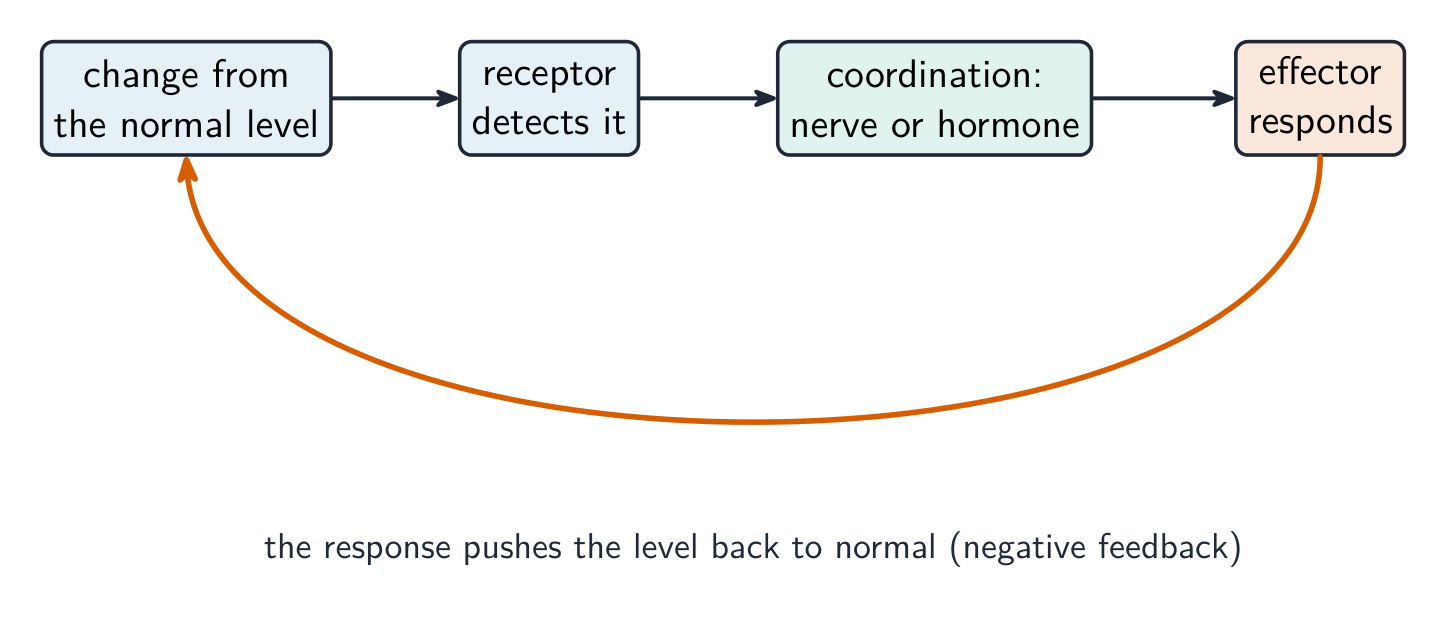
Feedback 反馈 keeps systems balanced:
- Negative feedback 负反馈 counteracts a change to restore a set point (like a thermostat) – it maintains homeostasis 稳态.
- Positive feedback 正反馈 amplifies a change to push a process to completion (like childbirth contractions or blood clotting).
Explore
Negative feedback keeps things steady
Negative feedback senses a change and reverses it, holding a variable (like blood glucose) near a set point. Push it away and watch the system correct.
Vocabulary
Train
| English |
|---|
| Feedback/ˈfiːdbæk/ |
| Negative feedback/ˈneɡətɪv ˈfiːdbæk/ |
| homeostasis/ˌhəʊmiːəˈstɑːsiz/ |
| Positive feedback/ˈpɒzɪtɪv ˈfiːdbæk/ |
4.5
Cell Cycle
Syllabus
| Big Idea | Learning Objective | Essential Knowledge |
|---|---|---|
Big Idea 3 — Information Storage and Transmission | 4.5.A |
|
4.5.B |
|
Source: College Board AP Course and Exam Description
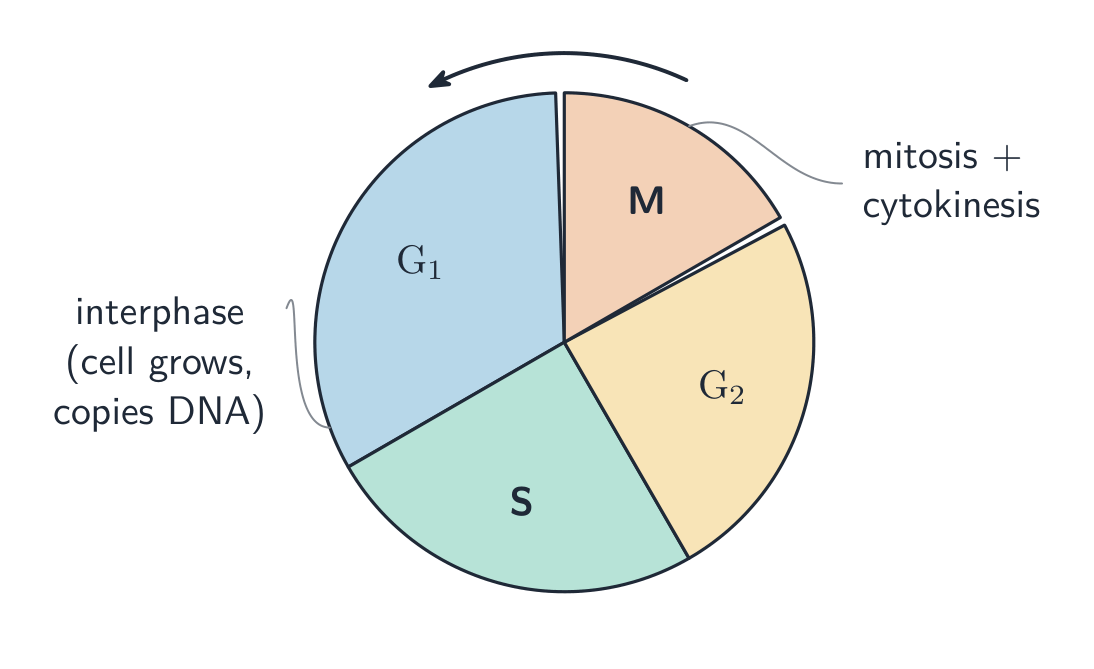
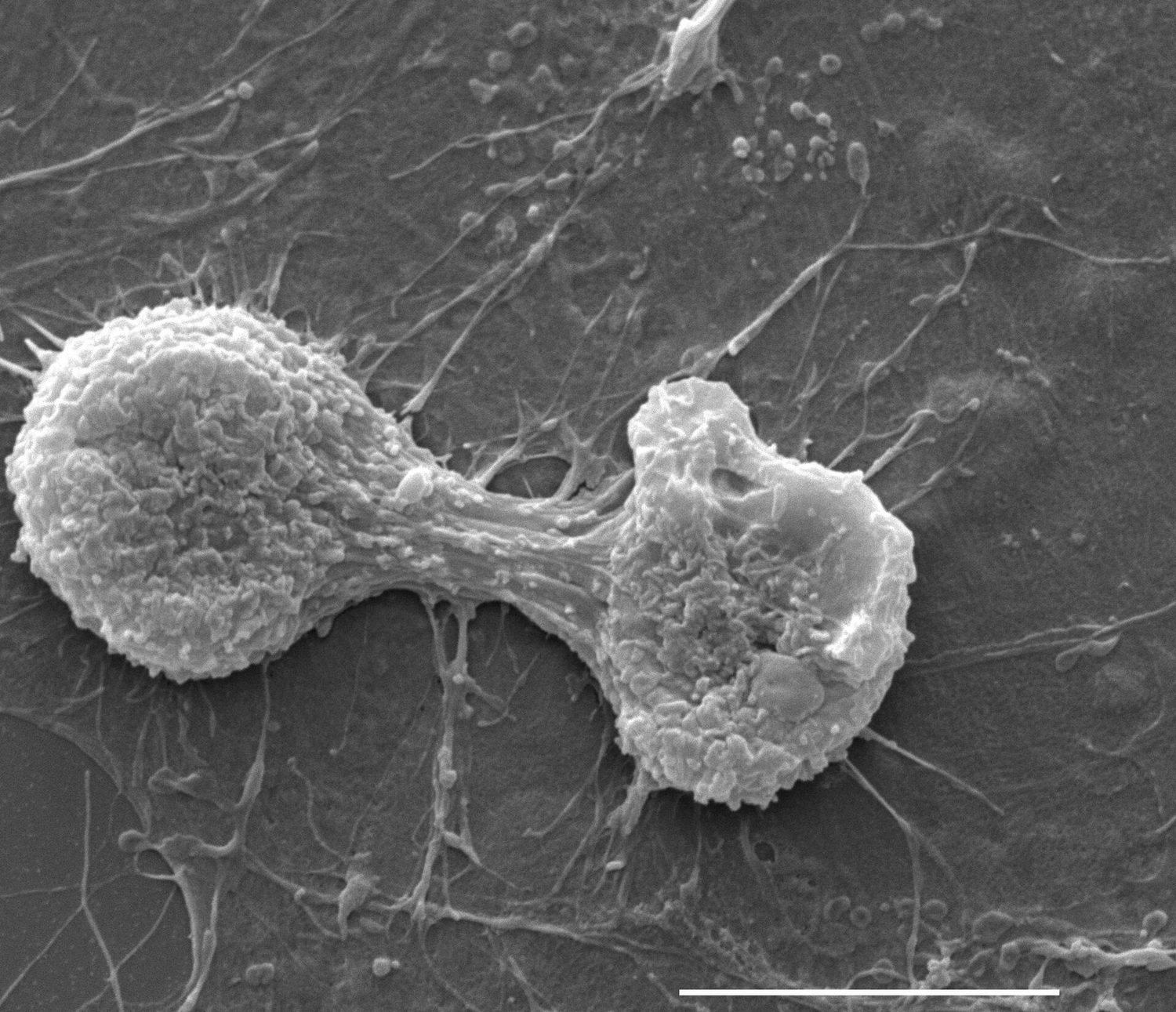
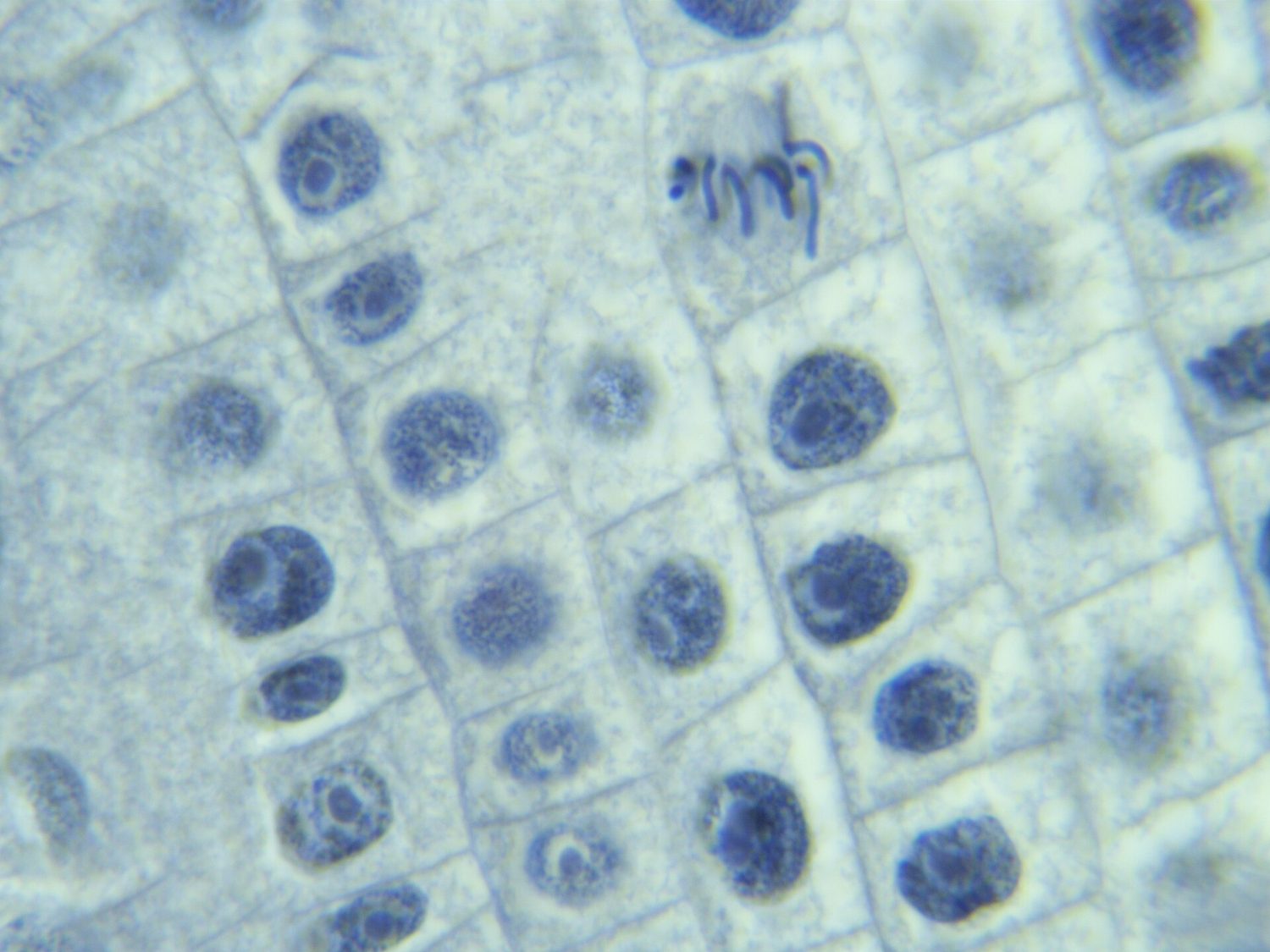
The cell cycle 细胞周期 is the life of a cell from one division to the next: interphase 间期 (G1 growth, S DNA replication, G2 preparation) followed by mitosis 有丝分裂 (M) and cytokinesis, which produce two identical daughter cells. Interphase takes most of the time; DNA is copied only in S phase.
Explore
Step through the cell cycle
The cell cycle copies the DNA (S phase) then splits it evenly in mitosis, producing two identical cells. Step through the stages.
Vocabulary
Train
| English |
|---|
| cell cycle/sel ˈsaɪkl/ |
| interphase/ˌɪntəˈfeɪz/ |
| mitosis/maɪˈtəʊsɪs/ |
4.6
Regulation of Cell Cycle
Syllabus
| Big Idea | Learning Objective | Essential Knowledge |
|---|---|---|
Big Idea 3 — Information Storage and Transmission | 4.6.A |
|
4.6.B |
|
Source: College Board AP Course and Exam Description
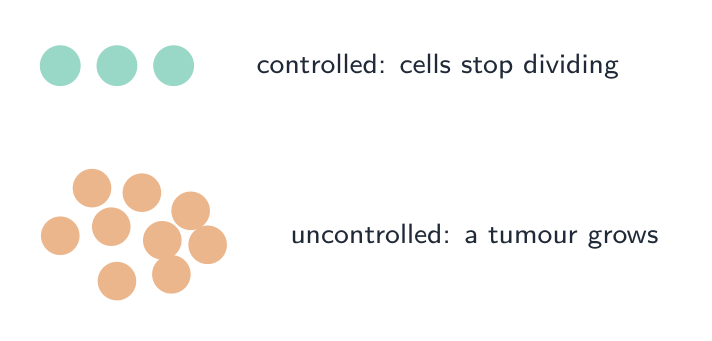
The cycle is controlled at checkpoints 检查点 that verify conditions before proceeding (Is the DNA intact? Are chromosomes attached?). Internal signals (cyclins and their kinases) and external signals drive the cycle forward. When this control fails – for example, a mutation that ignores a checkpoint – cells divide uncontrollably, which underlies cancer 癌症.
Worked example. Signal amplification in a cascade: one hormone activates one receptor, which switches on about 100 relay proteins, and each of those makes about 1,000 second-messenger molecules — so a single signal produces roughly $100 \times 1000 = 10^{5}$ product molecules. This is why a hormone concentration as low as $10^{-9}\,\text{M}$ can trigger a large cellular response.
Vocabulary
Train
| English |
|---|
| checkpoints/ˈtʃekpɔɪnts/ |
| cancer/ˈkænsə/ |
4.6
Exam tips
- In signal transduction name the three stages: reception → transduction → response.
- Negative feedback reverses a change to keep conditions steady (homeostasis); positive feedback amplifies a change to completion (childbirth, clotting).
- Order the cell cycle: interphase (grow, copy DNA in S phase) then mitosis → two identical daughter cells.
- The DNA is copied once, in S phase, so each daughter gets a full copy.
- Failed checkpoints allow uncontrolled division → cancer.
Interactive lessons on this topic
Work through it step by step, with instant-check exercises.