Skip to content · ⁨본문 바로가기⁩

Listening skills · ⁨청취 능력⁩

IGCSE English · ⁨IGCSE 영어⁩ · Topic 9 · ⁨주제 9⁩

Video lesson for this topic · ⁨이 주제용 영상 수업⁩ Open the video page · ⁨영상 페이지 열기⁩
7:00

리스닝 스킬

여기에 리스닝이 다른 모든 시험과 구별되는 특징이 있습니다. 리딩에서는 텍스트가 정지해 있어 당신을 기다립니다. 리스닝에서는 <slow>녹음된 음성이…

English narration · English + 中文 subtitles burned in · ⁨영어 내레이션 · 영어 + 중국어 자막 burned-in⁩

9.1

Listening for facts · ⁨사실 청취하기⁩

Syllabus
English
  1. listen for specific facts and details: places, names, times, dates and directions
  2. predict what kind of information you will hear before you listen
  3. select the correct multiple-choice option based on what the speaker says
한국어
  1. 특정 사실과 세부 정보를 들으며 청취한다: 장소, 이름, 시간, 날짜 및 방향
  2. 듣기 전에 어떤 종류의 정보를 들을 것인지 예측한다
  3. 화자가 말한内容进行 바탕으로 올바른 선지 선택지를 고른다

Source: Cambridge International syllabus · ⁨출처: Cambridge International syllabus⁩

English

In the listening exam you hear each recording 录音 twice. Use both chances well.

Predict before you listen

  • Read the question before the recording starts.
  • Predict 预测 what kind of answer you need: a place, a name, a number, a time?

Catch the detail

  • Listen for specific 具体的 facts: places, names, dates, times and directions 方向.
  • The answers usually come in the same order as the questions.

Use both playings

  • On the first listening, choose your answer.
  • On the second, check it. Do not change a right answer without a good reason.
한국어

청력 시험에서는 각 녹음 录音을 두 번 들으십니다. 두 번의 기회를 모두 잘 활용하십시오.

듣기 전 예측하기

  • 녹음본이 시작되기 전에 문제를 미리 읽으세요.
  • 예측 预测 어떤 종류의 답이 필요한지 확인하십시오: 장소, 이름, 숫자, 시간?

세부 사항 포착하기

  • 구체적인 具体的 사실을 주의 깊게 들으십시오: 장소, 이름, 날짜, 시간 및 방향 方向.
  • 정답은 보통 질문의 순서와 같습니다.

두 번의 재생 활용하기

  • 첫 번째 청취 시 답을 선택하십시오.
  • 두 번째 청취 시 이를 확인하십시오. 충분한 이유 없이 정답을 변경하지 마십시오.
타임라인: 녹음 전 문제를 읽고 답 유형을 예측하며, 첫 번째 재생 시 답을 선택하고, 두 번째 재생 시 확인하고 빈칸을 채우며; 답은 보통 문제 순서에 따라 나옴
두 번 듣는 방법을 다르게 사용하세요: 먼저 답하고, kemudian 확인합니다
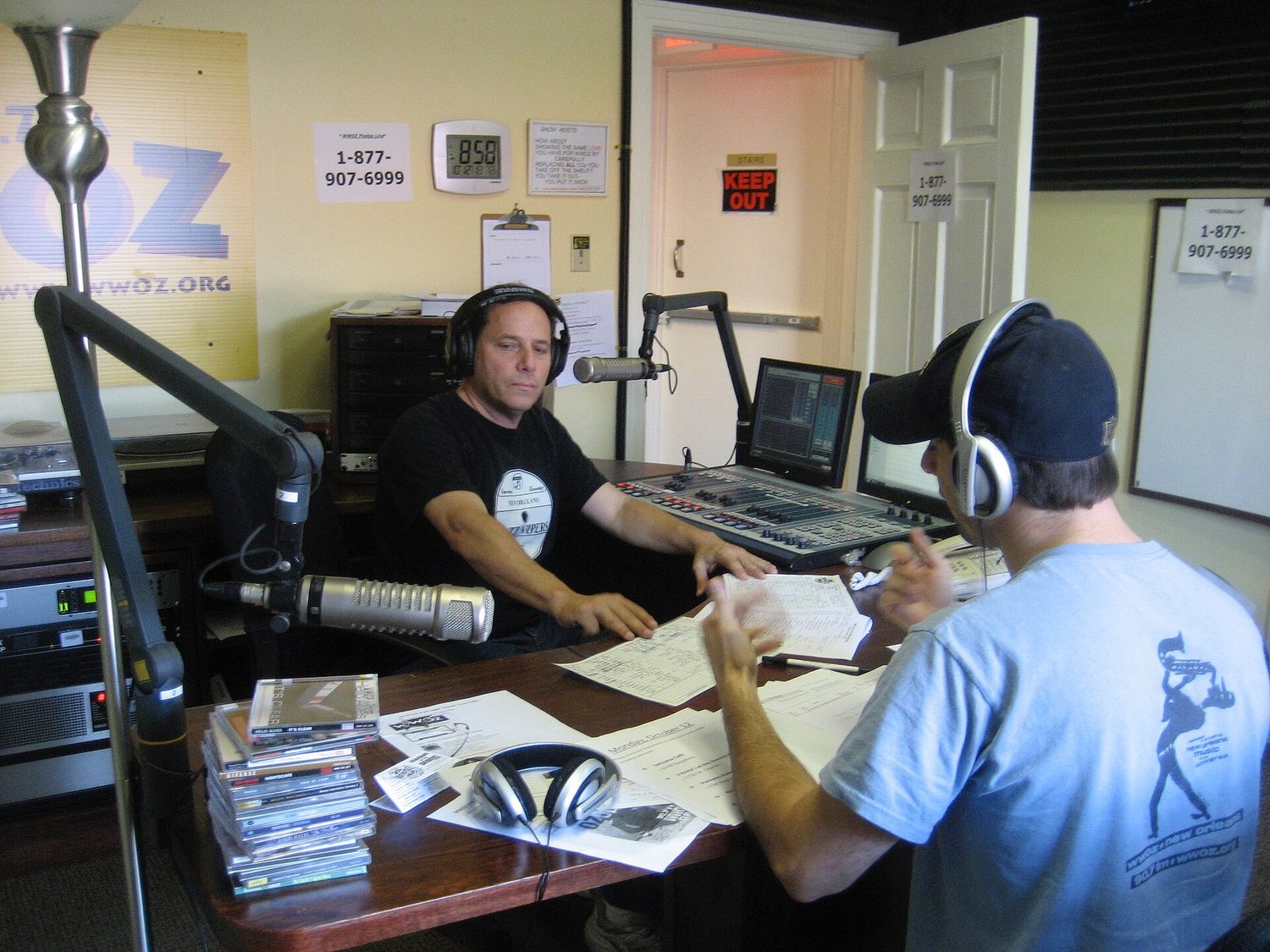
라디오 스튜디오: 청력 시험은 두 번의 재생에 걸쳐 사실, 태도 및 함의를 포착할 것을 요구합니다
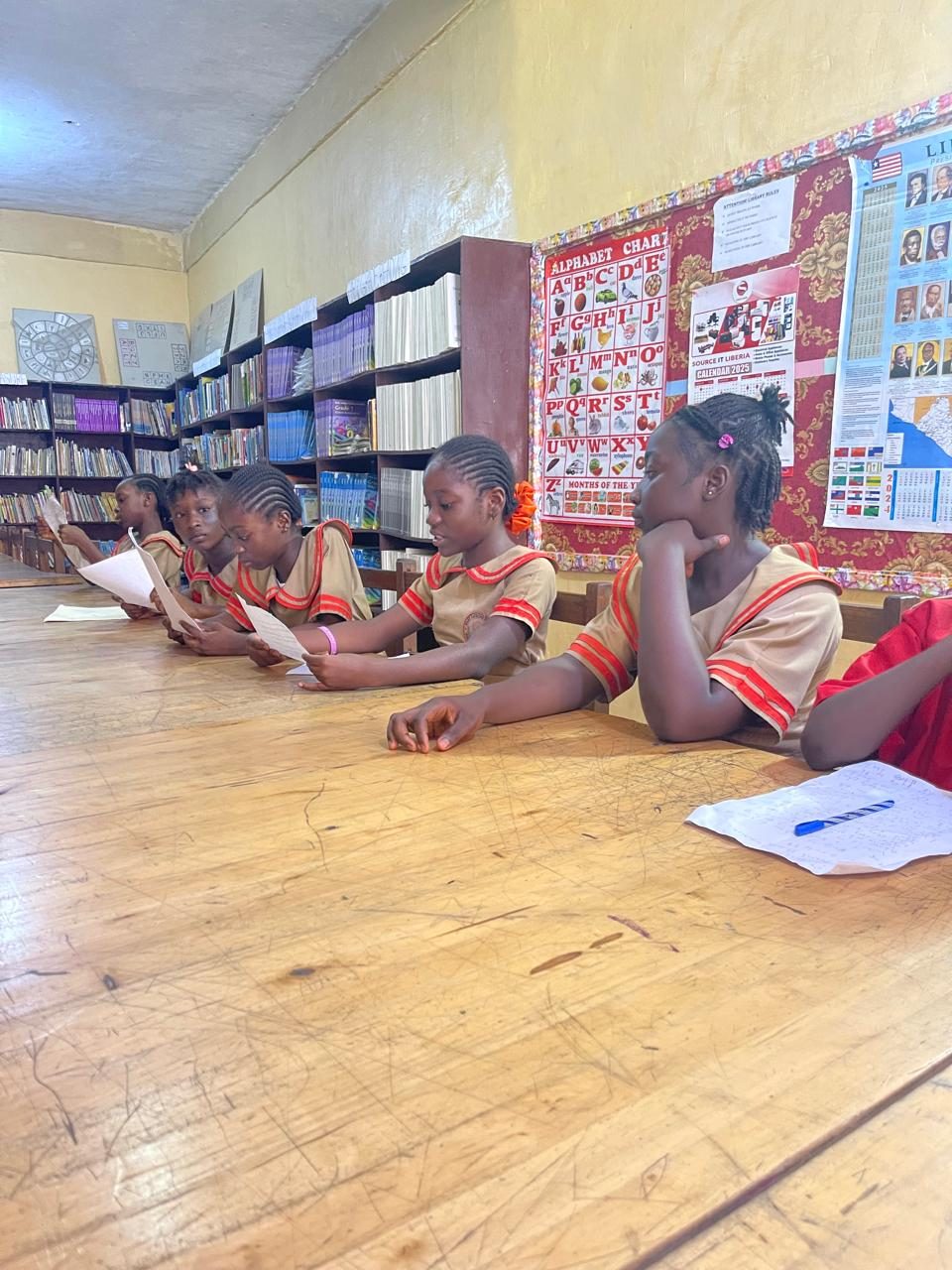
정중히 경청: 사실, 태도 및 암시된内容进行 포착
9.2

Hearing opinions and attitudes · ⁨의견과 태도 청취하기⁩

Syllabus
English
  1. understand speakers' ideas, opinions, feelings and attitudes
  2. follow how ideas connect across a longer talk or conversation
  3. notice the language that speakers use to express how they feel
한국어
  1. 화자의 생각, 의견, 감정 및 태도를 이해한다
  2. 긴 발표나 대화 전반에 걸쳐 아이디어들이 어떻게 연결되는지를 따라간다
  3. 화자가 감정을 표현하는 데 사용하는 어휘를留意한다

Source: Cambridge International syllabus · ⁨출처: Cambridge International syllabus⁩

English

Some questions ask how a speaker thinks or feels, not just what they say.

Opinions and feelings

  • Listen for the speaker's opinion 观点 and feelings 感受.
  • Notice the words they choose. Strong words show strong feelings.

Follow the connections

  • In a longer talk, ideas connect 连接. Follow how one point leads to the next.
  • Words like "but", "because" and "so" show how ideas link.
한국어

일부 문제는 화자가 말한 내용뿐만 아니라 그 생각이나 감정을 묻기도 합니다.

의견과 감정

  • 화자의 의견 观点과 감정 感受를 listen for 하십시오.
  • 그들이 선택한 단어에 주목하십시오. 강한 단어는 강한 감정을 나타냅니다.

연결고리 추적하기

  • 긴 대화에서 아이디어들이 연결 连接됩니다. 한 논점이 다음 논점으로 이어지는 과정을 따르십시오.
  • "but", "because", "so"와 같은 단어는 아이디어 간의 연결方式来 보여줍니다.
9.3

Listening between the lines · ⁨줄임말(암시) 이해하기⁩

Syllabus
English
  1. understand what is implied but not directly stated
  2. work out a speaker's overall intention or attitude
  3. deduce the meaning of an unfamiliar word from the words around it
한국어
  1. 직접적으로 언급되지는 않았으나 함축된 의미를 이해한다
  2. 화자의 전체적인 의도나 태도를 파악한다
  3. 주변 단어를 통해 낯선 단어의 의미를 유추한다

Source: Cambridge International syllabus · ⁨출처: Cambridge International syllabus⁩

English

Not every answer is said directly.

Implied meaning

  • Sometimes a speaker suggests 暗示 something without saying it openly.
  • Think about what they really mean, not only the exact words.

Watch the distractors

  • In multiple-choice 选择题 questions, the wrong options are called distractors 干扰项.
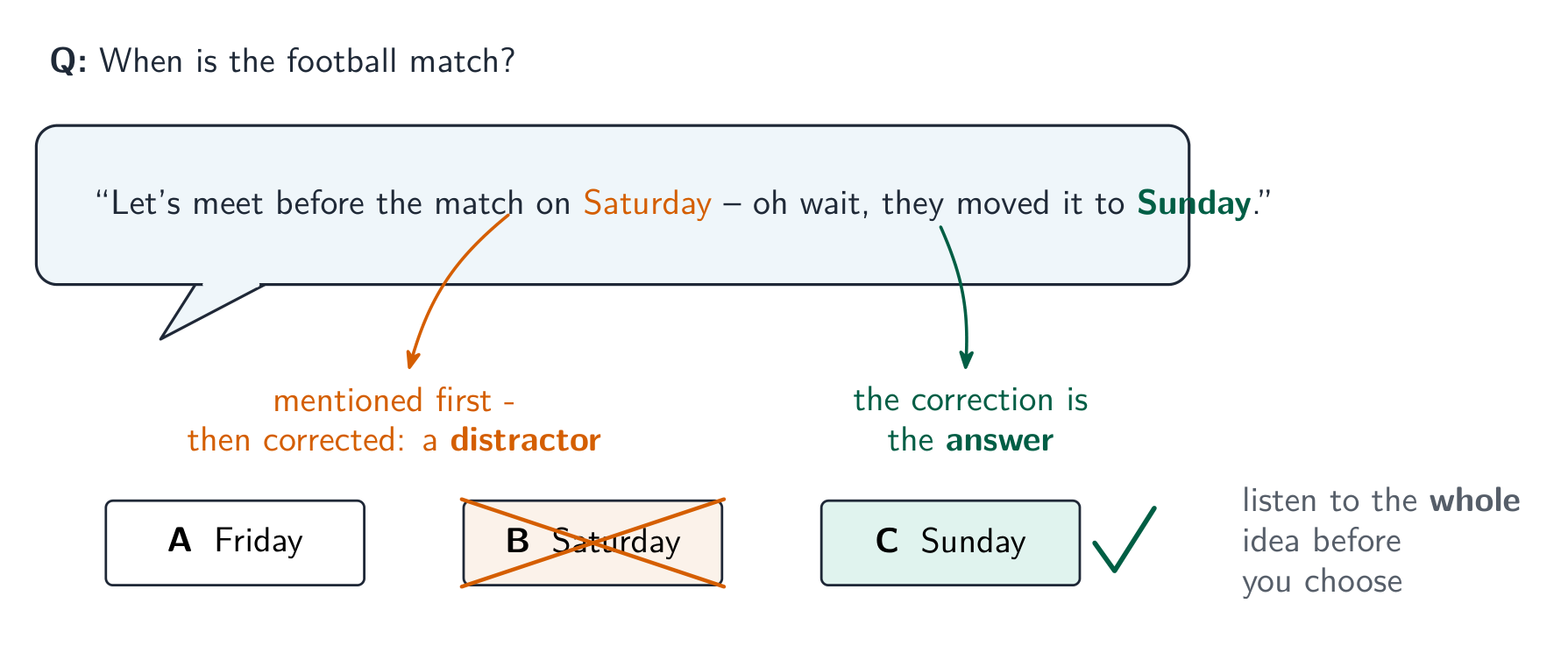
  • A speaker may mention an option, then change their mind. Listen to the whole idea before you choose.

Words that signal the answer

Trained ears listen for small words that point to the answer.

  • A correction is coming: actually… / sorry, I mean… / on second thought… — the words after these usually hold the real answer, not the ones before.
  • The key point: the main thing is… / what matters is… / above all…
  • A feeling or attitude 态度: to be honest… / the trouble is… / I'm delighted that…
  • Order of steps: first… next… finally… — these help you follow a sequence.

Catching one signal word can win you a mark. Note them down as you hear them.

한국어

모든 답이 직접적으로 언급되지는 않습니다.

암묵적 의미

  • 때로 화자는 직접 말하지 않고 암시 暗示某种内容합니다.
  • 정확한 단어뿐만 아니라 그들이 진정으로 의미하는 바를 생각하십시오.

방해 요인(distractors) 주의하기

  • 선択题 选择题 문제에서 오답은 방해 요인 干扰项이라고 합니다.
  • 화자가 특정 선택지를 언급했다가后又 changing their mind may occur. 답을 선택하기 전 전체 내용을 listen carefully 하십시오.
화자가 대회가 토요일임을 말한 후 일요일로 수정합니다; 토요일은 방해 요인으로 취소되고, 수정된 요일이 정답입니다
妨害 요因先被提及,然后被纠正 - 纠正是答案

답을 시사하는 단어

훈련된 귀는 답을 가리키는 작은 단어들을 listen for 합니다.

  • 수정 신호를 놓치지 마세요: actually… / sorry, I mean… / on second thought… — 이 말들 뒤에 나오는 표현이 실제 답을 담고 있습니다. 앞의 말은 주의하세요.
  • 핵심 포인트를 잡으세요: the main thing is… / what matters is… / above all…
  • 감정이나 태도를 나타내는 표현: 态度: to be honest… / the trouble is… / I'm delighted that…
  • 절차 순서: first… next… finally… — 이러한 표현들은 단계별 흐름을 따라가는 데 도움이 됩니다.

신호어 하나를 포착하면 한 점만 얻게 됩니다. 들리는 대로 즉시 메모해 두세요.

Vocabulary · ⁨어휘⁩ Train · ⁨연습하기⁩
English 한국어
recording/rɪˈkɔːdɪŋ/ 녹음
predict/prɪˈdɪkt/ 예측
specific/spəˈsɪfɪk/ 특정(specific)
directions/daɪˈrekʃnz/ 지시
opinion/əˈpɪnɪən/ 의견
feelings/ˈfiːlɪŋz/ 감정
connect/kəˈnekt/ 연결됨
suggests/səˈdʒests/ 제안하다
multiple-choice/ˈmʌltɪpl tʃɔɪs/ 선다형
distractors/dɪˈstræktəz/ 오답 유인
attitude/ˈætɪtjuːd/ 태도
9.3

Exam tips · ⁨시험 팁⁩

English
  • Read the questions before the audio starts and underline the key words in each one.
  • You hear everything twice: answer what you can in round one, check and fill gaps in round two.
  • Speakers often correct themselves with numbers, days and spellings. The last version is the answer.
  • Missed one? Let it go and follow the next question; return to the gap in the second play.
  • Write something for every question. There is no penalty for a wrong guess.
한국어
  • 오디오가 시작되기 전에 문제를 먼저 읽고 각 문제의 핵심 단어를 밑줄로 그으세요.
  • 모든 내용을 두 번 듣습니다: 첫 번째는 알 수 있는 답을 쓰고, 두 번째는 확인하고 빈칸을 채우세요.
  • 화자는 숫자, 요일, 발음 등을 통해 자신을 수정하는 경우가 많습니다. 마지막 버전이 정답입니다.
  • 한 개를 놓쳤다면 포기하고 다음 문제로 넘어가세요. 두 번째 재생 시 빈칸으로 돌아와서 채우면 됩니다.
  • 모든 문제에 무조건 답을 쓰세요. 틀린 추측에는 감점이 없습니다.

Interactive lessons on this topic · ⁨이 주제에 대한 인터랙티브 수업⁩

Work through it step by step, with instant-check exercises. · ⁨즉시 체크 기능 exercises를 통해 단계별로 진행하세요.⁩

Past Papers · ⁨과거 시험지⁩

More topics in IGCSE English · ⁨IGCSE 영어⁩ · ⁨IGCSE English · ⁨IGCSE 영어⁩ 내 추가 주제⁩

Log in or create account · ⁨로그인 또는 계정 만들기⁩

IGCSE, A-Level & AP