Skip to content

Transoceanic Interconnections

AP World History: Modern · Topic 4

Train
4.1 4.2

Why Europeans Sailed

Syllabus

4.1 Technological Innovations from1450 to 1750

Thematic FocusLearning ObjectiveHistorical Developments

TEC
Technology and Innovation — Human adaptation and innovation have resulted in increased efficiency, comfort, and security, and technological advances have shaped human development and interactions with both intended and unintended consequences.

Unit 4.A
Explain how cross-cultural interactions resulted in the diffusion of technology and facilitated changes in patterns of trade and travel from 1450 to 1750.

  • KC-4.1.II Knowledge, scientific learning, and technology from the Classical, Islamic, and Asian worlds spread, facilitating European technological developments and innovation.
  • KC-4.1.II.A The developments included the production of new tools, innovations in ship designs, and an improved understanding of regional wind and currents patterns—all of which made transoceanic travel and trade possible.

Illustrative examples:

  • Innovations in ship design:
    • Caravel
    • Carrack
    • Fluyt
  • European technological developments influenced by cross-cultural interactions with the Classical, Islamic, and Asian worlds:
    • Lateen sail
    • Compass
    • Astronomical charts

4.2 Exploration: Causes and Events from 1450 to 1750

Thematic FocusLearning ObjectiveHistorical Developments

GOV
Governance — A variety of internal and external factors contribute to state formation, expansion, and decline. Governments maintain order through a variety of administrative institutions, policies, and procedures, and governments obtain, retain, and exercise power in different ways and for different purposes.

Unit 4.B
Describe the role of states in the expansion of maritime exploration from 1450 to 1750. THEMATIC FOCUS Economics Systems ECN As societies develop, they affect and are affected by the ways that they produce, exchange, and consume goods and services. LEARNING OBJECTIVE

  • KC-4.1.III New state-supported transoceanic maritime exploration occurred in this period. HISTORICAL DEVELOPMENTS

Unit 4.C
Explain the economic causes and effects of maritime exploration by the various European states.

  • KC-4.1.III.A Portuguese development of maritime technology and navigational skills led to increased travel to and trade with Africa and Asia and resulted in the construction of a global trading-post empire.
  • KC-4.1.III.B Spanish sponsorship of the voyages of Columbus and subsequent voyages across the Atlantic and Pacific dramatically increased European interest in transoceanic travel and trade.
  • KC-4.1.III.C Northern Atlantic crossings were undertaken under English, French, and Dutch sponsorship, often with the goal of finding alternative sailing routes to Asia.

Source: College Board AP Course and Exam Description

Unit 4 covers 1450 to 1750 - the period in which the Eastern and Western Hemispheres are permanently joined, and the consequences of that joining.

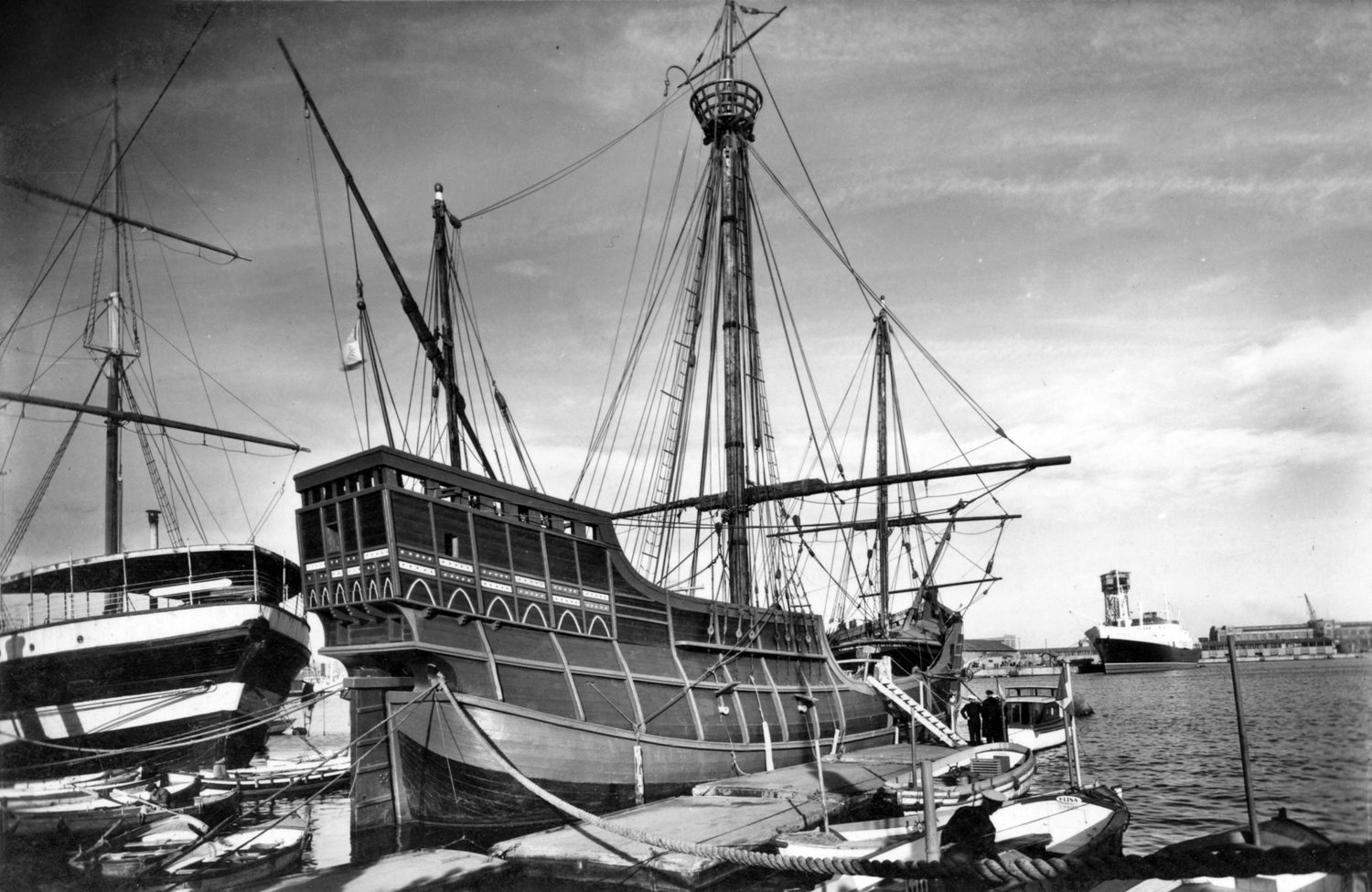
The voyages rested on borrowed knowledge. Learning and technology from the Classical, Islamic, and Asian worlds was gathered and applied in Europe: new tools, innovations in ship design 船舶设计, and better understanding of navigation 航海 - the caravel 卡拉维尔帆船, the astrolabe, the magnetic compass, and knowledge of wind patterns.

State-supported maritime exploration 国家支持的海上探索 then followed:

  • Portuguese development of maritime technology and navigational skill led to the sea route around Africa to the Indian Ocean.
  • Spanish sponsorship of Columbus and subsequent voyages opened the Atlantic to the Americas.
  • English, French, and Dutch crossings of the northern Atlantic followed.

Motives combined the search for wealth, competition between states, and religious mission.

Vocabulary Train
English Chinese Pinyin
ship design 船舶设计 chuán bó shè jì
navigation 航海 háng hǎi
caravel 卡拉维尔帆船 kǎ lā wéi ěr fān chuán
State-supported maritime exploration 国家支持的海上探索 guó jiā zhī chí de hǎi shàng tàn suǒ
4.3

The Columbian Exchange

Syllabus

4.3 Columbian Exchange

Thematic FocusLearning ObjectiveHistorical Developments

ENV
Humans and the Environments — The environment shapes human societies, and as populations grow and change, these populations in turn shape their environments.

Unit 4.D
Explain the causes of the Columbian Exchange and its effects on the Eastern and Western Hemispheres.

  • KC-4.1.V The new connections between the Eastern and Western Hemispheres resulted in the exchange of new plants, animals, and diseases, known as the Columbian Exchange.
  • KC-4.1.V.A European colonization of the Americas led to the unintentional transfer of disease vectors, including mosquitoes and rats, and the spread of diseases that were endemic in the Eastern Hemisphere, including smallpox, measles, and malaria. Some of these diseases substantially reduced the indigenous populations, with catastrophic effects in many areas.
  • KC-4.1.V.B American foods became staple crops in various parts of Europe, Asia, and Africa. Cash crops were grown primarily on plantations with coerced labor and were exported mostly to Europe and the Middle East.
  • KC-4.1.V.C Afro-Eurasian fruit trees, grains, sugar, and domesticated animals were brought by Europeans to the Americas, while other foods were brought by African enslaved persons.
  • KC-4.1.V.D Populations in Afro-Eurasia benefitted nutritionally from the increased diversity of American food crops.

Illustrative examples:

  • Domesticated animals:
    • Horses
    • Pigs
    • Cattle
  • Foods brought by African enslaved persons:
    • Okra
    • Rice

Source: College Board AP Course and Exam Description

The Columbian Exchange in both directions, with the demographic consequence that drove the Atlantic slave trade
The exchange ran both ways, but the consequences were not symmetrical

New connections between the hemispheres produced the Columbian Exchange 哥伦布大交换, and the CED spells out four consequences.

  • European colonisation led to the unintentional transfer of disease 疾病的非蓄意传播 to the Americas, causing catastrophic population loss.
  • American foods 美洲作物 - maize, potatoes, cassava - became staple crops in parts of Europe, Asia, and Africa.
  • Afro-Eurasian fruit trees, grains, sugar, and domesticated animals 驯化动物 were brought to the Americas, reshaping its landscapes and economies.
  • Populations in Afro-Eurasia benefited nutritionally 营养状况改善 from a more diverse diet, contributing to population growth.

The asymmetry is the examinable point: the same exchange raised population in Afro-Eurasia and destroyed it in the Americas.

Vocabulary Train
English Chinese Pinyin
Columbian Exchange 哥伦布大交换 gē lún bù dà jiāo huàn
unintentional transfer of disease 疾病的非蓄意传播 jí bìng de fēi xù yì chuán bō
American foods 美洲作物 měi zhōu zuò wù
domesticated animals 驯化动物 xùn huà dòng wù
benefited nutritionally 营养状况改善 yíng yǎng zhuàng kuàng gǎi shàn
4.4

Maritime Empires Established

Syllabus

4.4 Maritime Empires Established

Thematic FocusLearning ObjectiveHistorical Developments

ECN
Economics Systems — As societies develop, they affect and are affected by the ways that they produce, exchange, and consume goods and services.

Unit 4.E
Explain the process of state building and expansion among various empires and states in the period from 1450 to 1750.

  • KC-4.3.II.A.i Europeans established new trading posts in Africa and Asia, which proved profitable for the rulers and merchants involved in new global trade networks. Some Asian states sought to limit the disruptive economic and cultural effects of European-dominated long-distance trade by adopting restrictive or isolationist trade policies.
  • KC-4.3.II.C Driven largely by political, religious, and economic rivalries, European states established new maritime empires, including the Portuguese, Spanish, Dutch, French, and British.
  • KC-4.3.II.A.ii The expansion of maritime trading networks fostered the growth of states in Africa, including the Asante and the Kingdom of the Kongo, whose participation in trading networks led to an increase in their influence.

Unit 4.F
Explain the continuities and changes in economic systems and labor systems from 1450 to 1750. THEMATIC FOCUS Social Interactions and Organization SIO The process by which societies group their members and the norms that govern the interactions between these groups and between individuals influence political, economic, and cultural institutions and organization. LEARNING OBJECTIVE

  • KC-4.3.II.A.iii Despite some disruption and restructuring due to the arrival of Portuguese, Spanish, and Dutch merchants, existing trade networks in the Indian Ocean continued to flourish and included intra-Asian trade and Asian merchants.
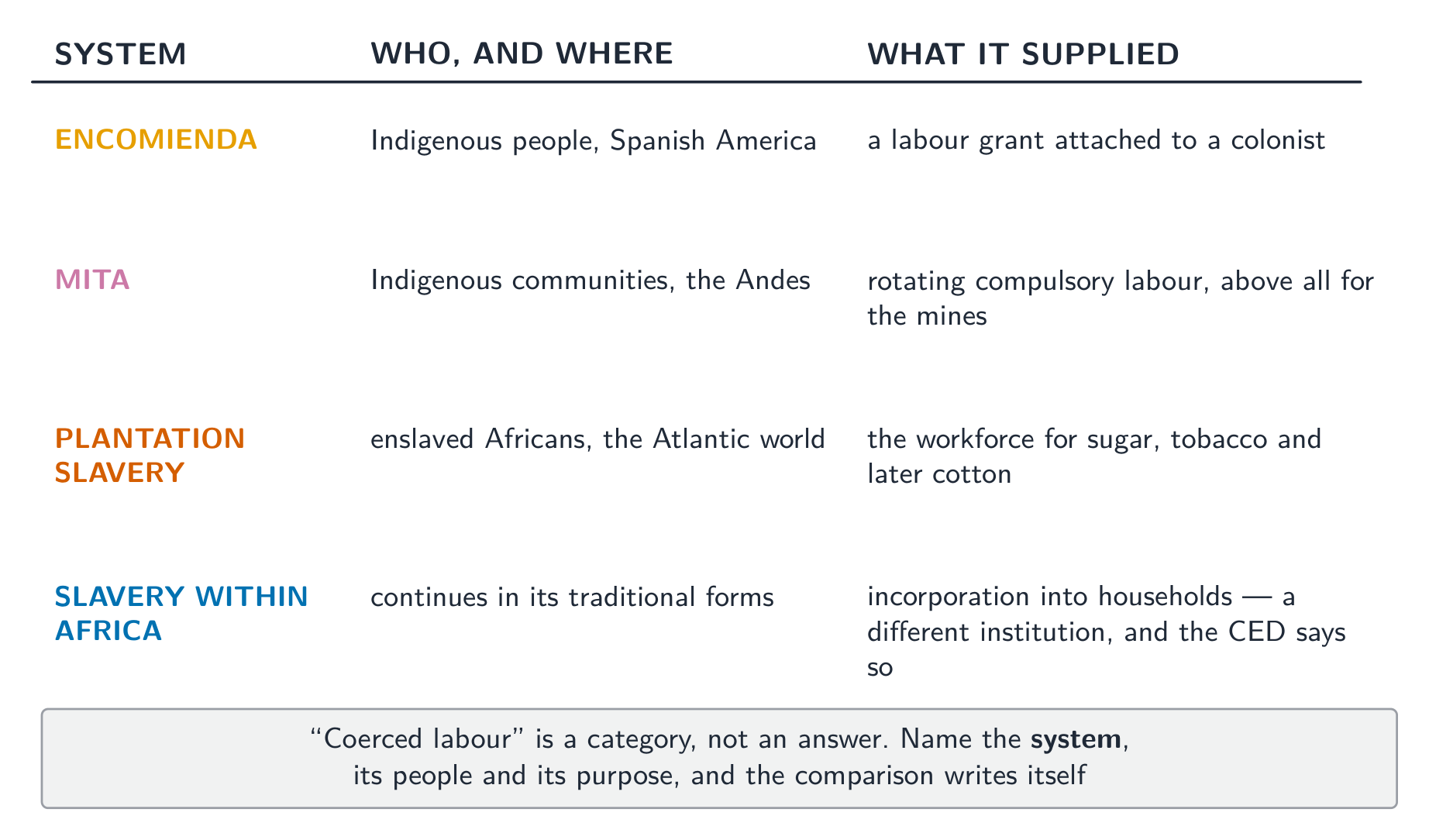
  • KC-4.2.II.D Newly developed colonial economies in the Americas largely depended on agriculture, utilized existing labor systems, including the Incan mit’a, and introduced new labor systems including chattel slavery, indentured servitude, and encomienda and hacienda systems. HISTORICAL DEVELOPMENTS

Unit 4.G
Explain changes and continuities in systems of slavery in the period from 1450 to 1750.

  • KC-4.2.II.B Enslavement in Africa continued in its traditional forms, including incorporation of enslaved persons into households and the export of enslaved persons to the Mediterranean and the Indian Ocean regions.
  • KC-4.2.II.C The growth of the plantation economy increased the demand for enslaved labor in the Americas, leading to significant demographic, social, and cultural changes.

Illustrative examples:

  • Asian states that adopted restrictive or isolationist trade policies:
    • Ming China
    • Tokugawa Japan
  • (CONT’D) Indian Ocean Asian merchants:
    • Swahili Arabs
    • Omanis
    • Gujaratis
    • Javanese

Source: College Board AP Course and Exam Description

Europeans established trading posts 商站 in Africa and Asia, which proved profitable, and pursued colonisation in the Americas driven by political, religious, and economic rivalries 对抗.

Where existing states were strong, Europeans traded rather than conquered: despite disruption caused by Portuguese arrival, existing trade networks in the Indian Ocean continued 印度洋既有贸易网络得以延续, and Asian states largely dictated the terms.

In the Americas the pattern was different. Colonial economies depended on agriculture and on coerced labour 强制劳动:

  • Enslavement in Africa continued in its traditional forms, including incorporation into households.
  • The growth of the plantation economy 种植园经济 increased demand for enslaved labour, and the Atlantic slave trade expanded enormously to supply it.
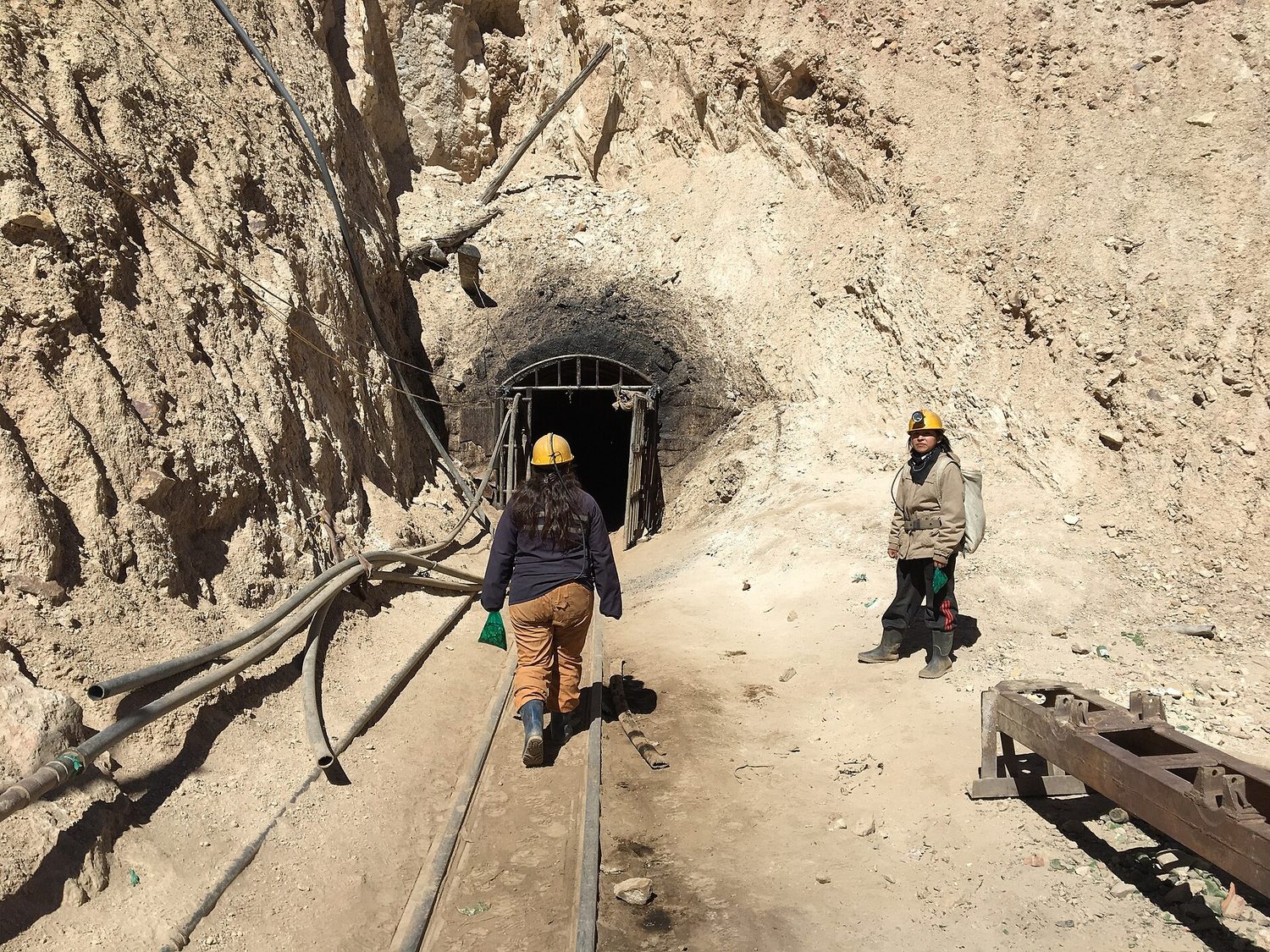
  • Systems such as the encomienda and mita 米塔制 compelled Indigenous labour.
Vocabulary Train
English Chinese Pinyin
trading posts 商站 shāng zhàn
rivalries 对抗 duì kàng
existing trade networks in the Indian Ocean continued 印度洋既有贸易网络得以延续 yìn dù yáng jì yǒu mào yì wǎng luò dé yǐ yán xù
coerced labour 强制劳动 qiáng zhì láo dòng
plantation economy 种植园经济 zhòng zhí yuán jīng jì
mita 米塔制 mǐ tǎ zhì
4.5 4.7

Maritime Empires Maintained

Syllabus

4.5 Maritime Empires Maintained and Developed

Thematic FocusLearning ObjectiveHistorical Developments

CDI
Cultural Developments and Interactions — The development of ideas, beliefs, and religions illustrates how groups in society view themselves, and the interactions of societies and their beliefs often have political, social, and cultural implications.

Unit 4.H
Explain how rulers employed economic strategies to consolidate and maintain power throughout the period from 1450 to 1750.

  • KC-4.1.IV.C Mercantilist policies and practices were used by European rulers to expand and control their economies and claim overseas territories. Joint-stock companies, influenced by these mercantilist principles, were used by rulers and merchants to finance exploration and were used by rulers to compete against one another in global trade.
  • KC-4.3.III.ii Economic disputes led to rivalries and conflict between states.

Unit 4.I
Explain the continuities and changes in networks of exchange from 1450 to 1750. THEMATIC FOCUS Social Interactions and Organization SIO The process by which societies group their members and the norms that govern the interactions between these groups and between individuals influence political, economic, and cultural institutions and organization. LEARNING OBJECTIVE

  • KC-4.1.IV.D.i The Atlantic trading system involved the movement of goods, wealth, and labor, including enslaved persons.
  • KC-4.1.IV The new global circulation of goods was facilitated by chartered European monopoly companies and the global flow of silver, especially from Spanish colonies in the Americas, which was used to purchase Asian goods for the Atlantic markets and satisfy Chinese demand for silver. Regional markets continued to flourish in Afro-Eurasia by using established commercial practices and new transoceanic and regional shipping services developed by European merchants.
  • KC-4.2.II.A Peasant and artisan labor continued and intensified in many regions as the demand for food and consumer goods increased. HISTORICAL DEVELOPMENTS

Unit 4.J
Explain how political, economic, and cultural factors affected society from 1450 to 1750.

  • KC-4.2.III.C Some notable gender and family restructuring occurred, including demographic changes in Africa that resulted from the trade of enslaved persons.
  • KC-4.1.IV.D.ii The Atlantic trading system involved the movement of labor—including enslaved persons and the mixing of African, American, and European cultures and peoples, with all parties contributing to this cultural synthesis.

Unit 4.K
Explain the similarities and differences in how various belief systems affected societies from 1450 to 1750.

  • KC-4.1.VI In some cases, the increase and intensification of interactions between newly connected hemispheres expanded the reach and furthered development of existing religions, and contributed to religious conflicts and the development of syncretic belief systems and practices.

Illustrative examples:

  • Competition over trade routes:
    • Muslim–European rivalry in the Indian Ocean
    • Moroccan conflict with the Songhai Empire
  • (CONT’D) Increased peasant and artisan labor:
    • Western Europe— wool and linen
    • India—cotton
    • China—silk

4.7 Changing Social Hierarchies from1450 to 1750

Thematic FocusLearning ObjectiveHistorical Developments

SIO
Social Interactions and Organization — The process by which societies group their members and the norms that govern the interactions between these groups and between individuals influence political, economic, and cultural institutions and organization.

Unit 4.M
Explain how social categories, roles, and practices have been maintained or have changed over time.

  • KC-4.3.I.B Many states, such as the Mughal and Ottoman empires, adopted practices to accommodate the ethnic and religious diversity of their subjects or to utilize the economic, political, and military contributions of different ethnic or religious groups. In other cases, states suppressed diversity or limited certain groups’ roles in society, politics, or the economy.
  • KC-4.2.III.A Imperial conquests and widening global economic opportunities contributed to the formation of new political and economic elites, including in China with the transition to the Qing Dynasty and in the Americas with the rise of the Casta system.
  • KC-4.2.III.B The power of existing political and economic elites fluctuated as the elites confronted new challenges to their ability to affect the policies of the increasingly powerful monarchs and leaders.

Illustrative examples:

  • Differential treatment of groups in society, politics, and the economy:
    • Expulsion of Jews from Spain and Portugal; the acceptance of Jews in the Ottoman Empire
    • Restrictive policies against Han Chinese in Qing China
    • Varying status of different classes of women within the Ottoman Empire
  • Existing elites:
    • Ottoman timars
    • Russian boyars
    • European nobility

Source: College Board AP Course and Exam Description

Mercantilist 重商主义 policies were used by European rulers to expand and control their economies: colonies existed to supply raw materials and buy finished goods, and trade was directed through the mother country.

The Atlantic trading system 大西洋贸易体系 moved goods, wealth, and people between Europe, Africa, and the Americas - the pattern usually taught as triangular trade, though real routes were more complex.

Economic disputes led to rivalries and conflict between states, and commercial competition became a standing cause of European war.

Colonial societies developed new social hierarchies 社会等级, defined by ancestry and by place of birth - the Spanish casta system being the most formally codified.

Vocabulary Train
English Chinese Pinyin
Mercantilist 重商主义 zhòng shāng zhǔ yì
Atlantic trading system 大西洋贸易体系 dà xī yáng mào yì tǐ xì
social hierarchies 社会等级 shè huì děng jí
4.6

Internal and External Challenges

Syllabus

4.6 Internal and External Challenges to State Power from 1450 to 1750

Thematic FocusLearning ObjectiveHistorical Developments

GOV
Governance — A variety of internal and external factors contribute to state formation, expansion, and decline. Governments maintain order through a variety of administrative institutions, policies, and procedures, and governments obtain, retain, and exercise power in different ways and for different purposes.

Unit 4.L
Explain the effects of the development of state power from 1450 to 1750.

  • KC-4.3.III.iii State expansion and centralization led to resistance from an array of social, political, and economic groups on a local level.
  • KC-5.3.III.C Enslaved persons challenged existing authorities in the Americas through organized resistance.

Illustrative examples:

  • Local resistance:
    • Pueblo Revolts
    • Fronde
    • Cossack revolts
    • Maratha conflict with Mughals
    • Ana Nzinga’s resistance (as ruler of Ndongo and Matamba)
    • Metacom’s War (King Philip’s War)
  • Resistance of enslaved persons:
    • The establishment of Maroon societies in the Caribbean and Brazil
    • Resistance of enslaved persons in North America

Source: College Board AP Course and Exam Description

Rulers everywhere faced resistance. Enslaved people resisted through rebellion 起义 and maroon communities 逃奴社群; Indigenous peoples resisted colonial demands; peasants and religious groups challenged state power across Eurasia.

Vocabulary Train
English Chinese Pinyin
rebellion 起义 qǐ yì
maroon communities 逃奴社群 táo nú shè qún
4.8

Continuity and Change from 1450 to 1750

Syllabus

4.8 Continuity and Change from 1450 to 1750

Learning ObjectiveReview: Unit 4 Key Concepts

Unit 4.N
Explain how economic developments from 1450 to 1750 affected social structures over time.

  • KC-4.1 The interconnection of the Eastern and Western Hemispheres, made possible by transoceanic voyaging, transformed trade and had a significant social impact on the world.
    • KC-4.1.II Knowledge, scientific learning, and technology from the Classical, Islamic, and Asian worlds spread, facilitating European technological developments and innovation.
    • KC-4.1.II.A The developments included the production of new tools, innovations in ship designs, and an improved understanding of regional wind and currents patterns—all of which made transoceanic travel and trade possible.
  • KC-4.2 Although the world’s productive systems continued to be heavily centered on agriculture, major changes occurred in agricultural labor, the systems and locations of manufacturing, gender and social structures, and environmental processes.
    • KC-4.2.II The demand for labor intensified as a result of the growing global demand for raw materials and finished products. Traditional peasant agriculture increased and changed in nature, plantations expanded, and the Atlantic slave trade developed and intensified.
  • KC-4.3 Empires achieved increased scope and influence around the world, shaping and being shaped by the diverse populations they incorporated.
    • KC-4.3.III.ii Economic disputes led to rivalries and conflict between states.

Source: College Board AP Course and Exam Description

The unit's reasoning skill is continuity and change. The strongest answers hold both: connection between hemispheres was genuinely new, while the dominance of agriculture, coerced labour, and land empires continued.

Worked example (a real AP exam question). AP World short-answer questions in this unit ask, for example, to "Explain one effect of the Columbian Exchange on the Americas" and "…on Afro-Eurasia." A full-mark pair states the effect and the mechanism for each: "In the Americas, transferred diseases such as smallpox caused a demographic collapse, which created the labour shortage that European colonisers met by expanding the Atlantic slave trade. In Afro-Eurasia, American crops such as the potato and maize improved nutrition and contributed to population growth." Notice the shape: effect questions want the consequence traced, and the two halves must not be the same answer twice.

4.8

Exam tips

  • Explain the voyages with borrowed technology plus state support, not with individual explorers.
  • Keep the Columbian Exchange two-directional and asymmetrical: population fell in the Americas and rose in Afro-Eurasia.
  • Where Asian states were strong, Europeans traded; where disease had shattered societies, they conquered. That contrast answers many questions.
  • Mercantilism is the policy, the Atlantic system is the flow, and coerced labour is what made the plantation economy work.
  • Always include resistance - rebellion, maroon communities, Indigenous refusal - since it is examinable and often omitted.
  • On effect questions, trace the consequence. A named change with no mechanism is only half the mark.

Interactive lessons on this topic

Work through it step by step, with instant-check exercises.

More topics in AP World History: Modern

Log in or create account

IGCSE, A-Level & AP