7.1 Contextualizing Period 7
Learning Objective Unit 7.A: Explain the context in which America grew into its role as a world power.
- KC-7.1 Growth expanded opportunity, while economic instability led to new efforts to reform U.S. society and its economic system.
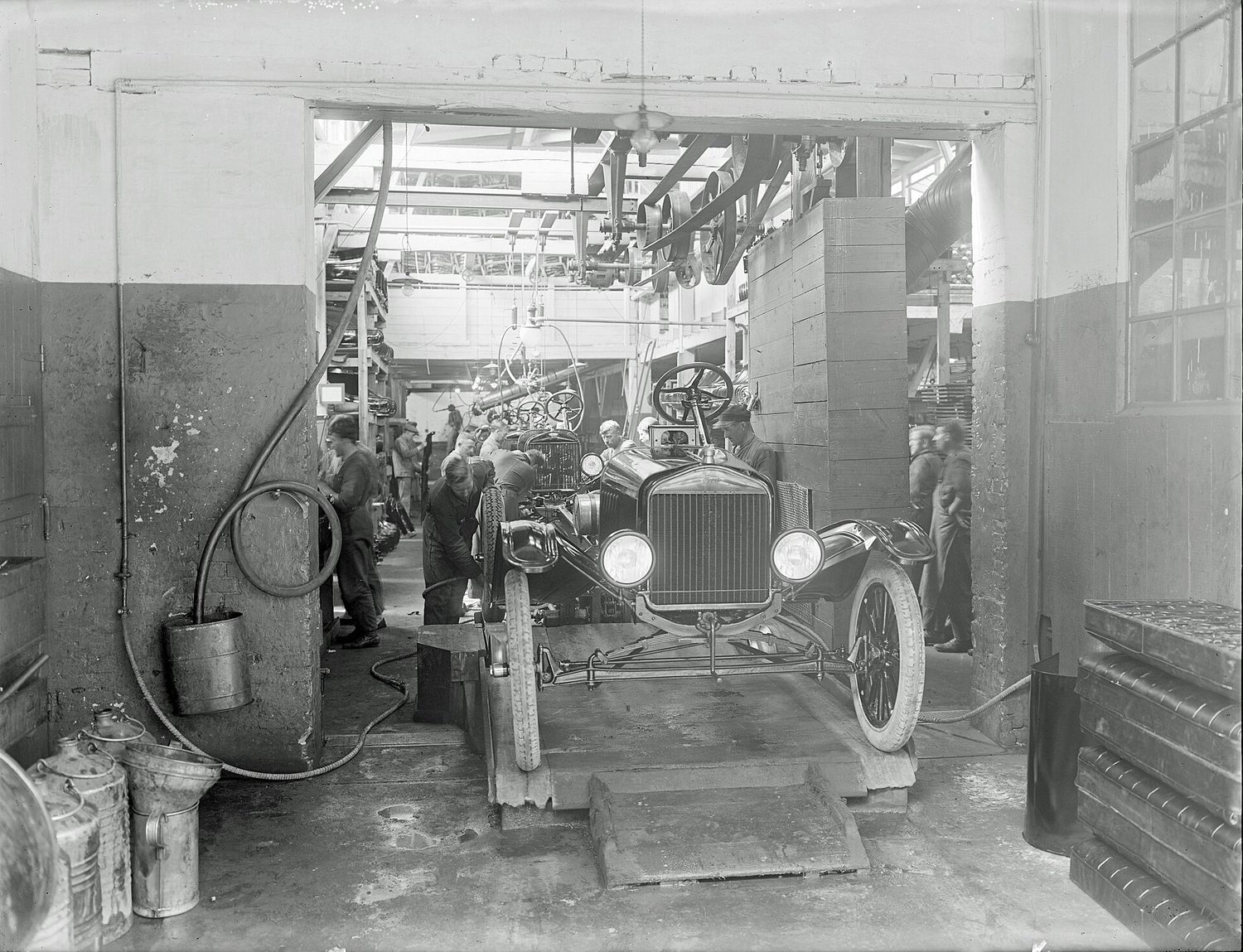
- KC-7.1.I The United States continued its transition from a rural, agricultural economy to an urban, industrial economy led by large companies.
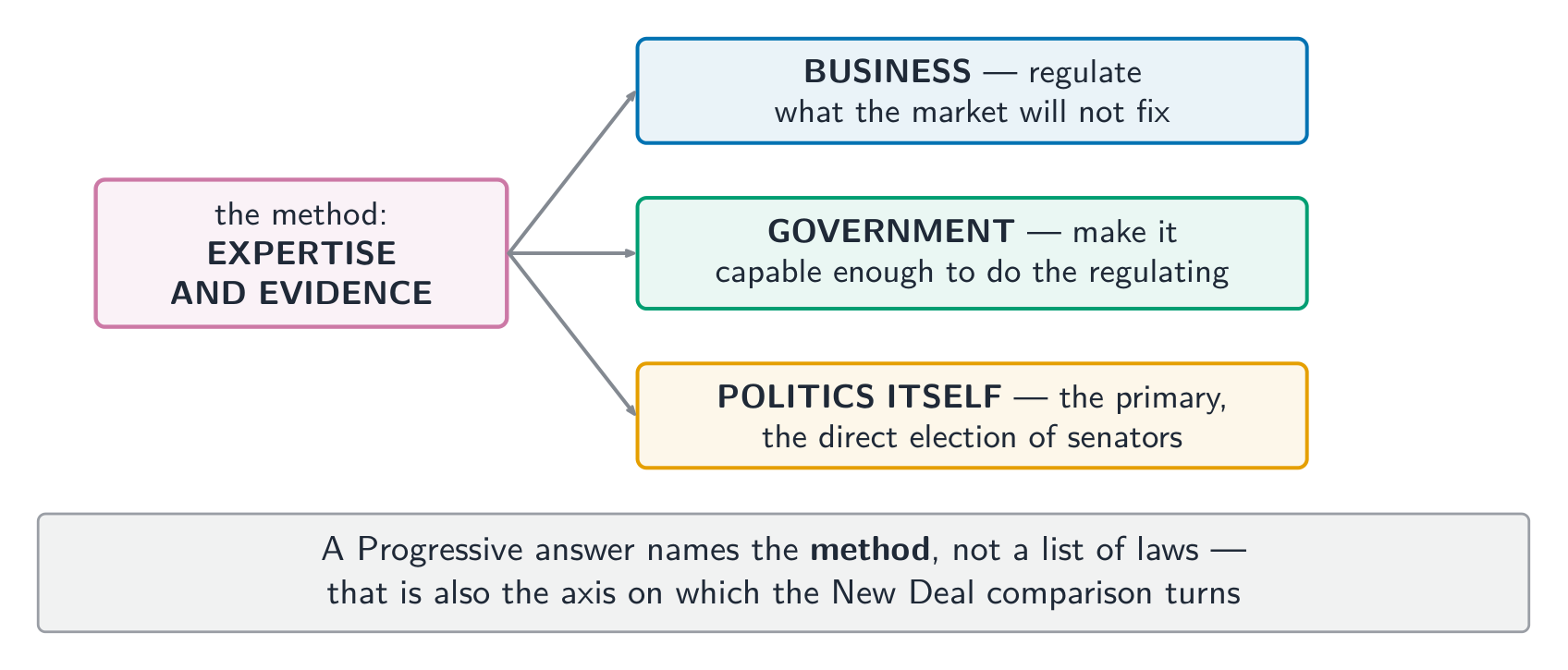
- KC-7.1.II In the Progressive Era of the early 20th century, Progressives responded to political corruption, economic instability, and social concerns by calling for greater government action and other political and social measures.
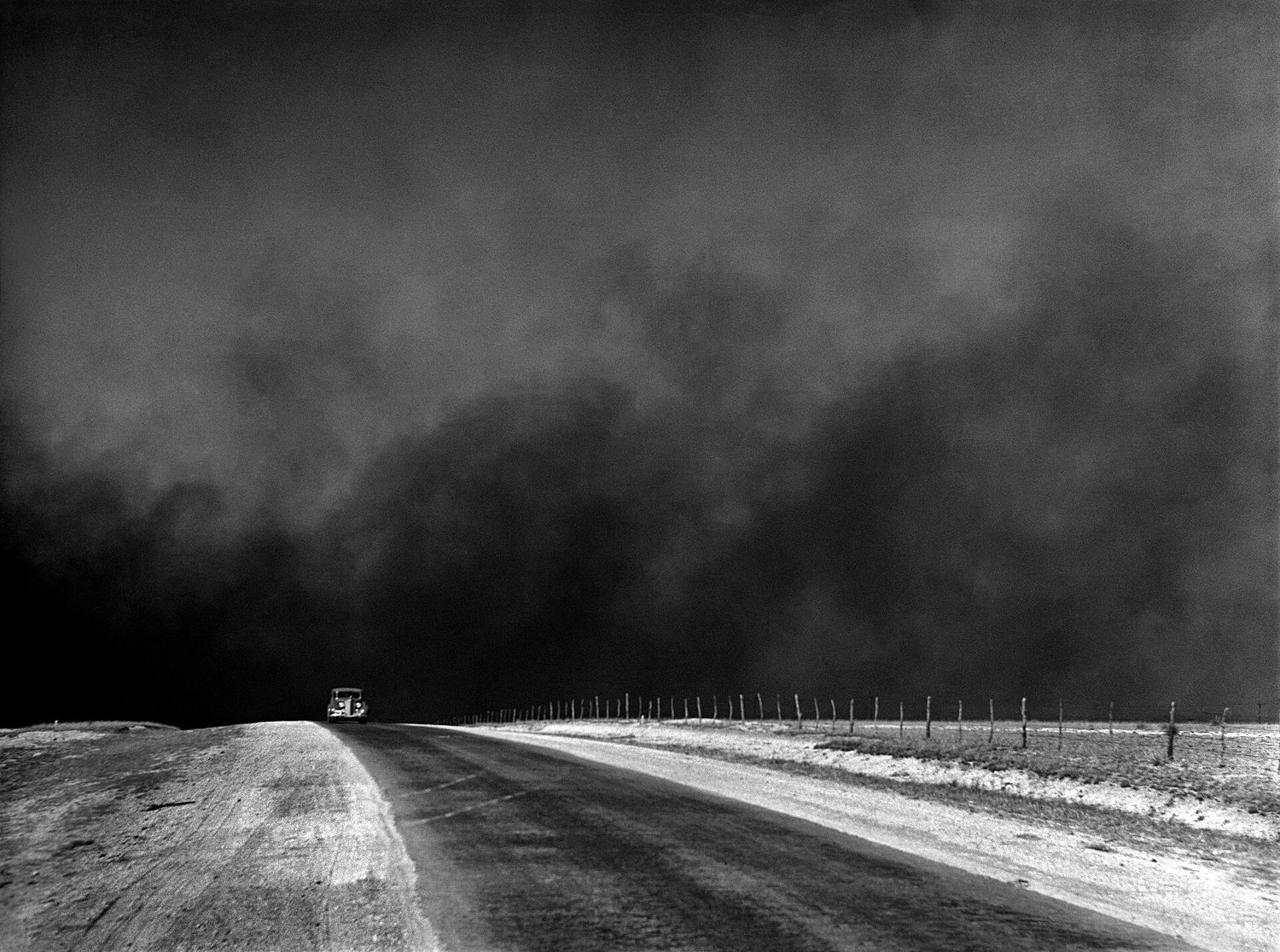
- KC-7.1.III During the 1930s, policymakers responded to the mass unemployment and social upheavals of the Great Depression by transforming the U.S. into a limited welfare state, redefining the goals and ideas of modern American liberalism.
- KC-7.2 Innovations in communications and technology contributed to the growth of mass culture, while significant changes occurred in internal and international migration patterns.
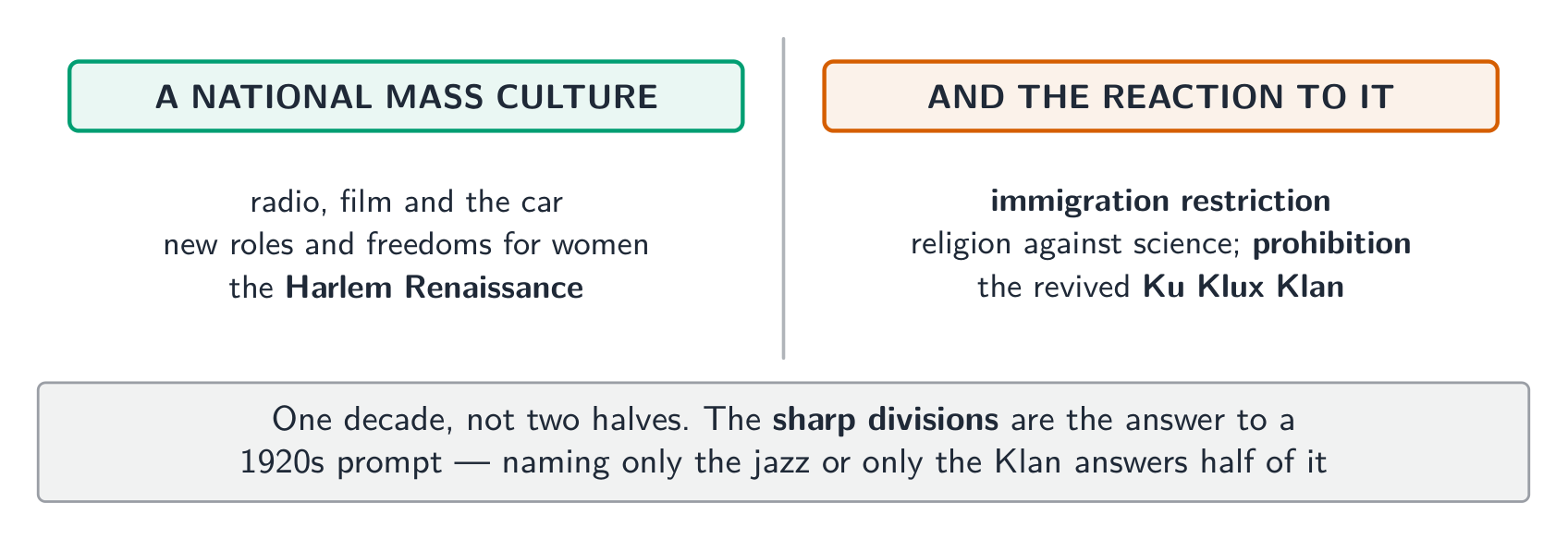
- KC-7.2.I Popular culture grew in influence in U.S. society, even as debates increased over the effects of culture on public values, morals, and American national identity.
- KC-7.2.II Economic pressures, global events, and political developments caused sharp variations in the numbers, sources, and experiences of both international and internal migrants.
- KC-7.3 Participation in a series of global conflicts propelled the United States into a position of international power while renewing domestic debates over the nation’s proper role in the world.
- KC-7.3.I In the late 19th century and early 20th century, new U.S. territorial ambitions and acquisitions in the Western Hemisphere and the Pacific accompanied heightened public debates over America’s role in the world.
- KC-7.3.II World War I and its aftermath intensified ongoing debates about the nation’s role in the world and how best to achieve national security and pursue American interests.
- KC-7.3.III U.S. participation in World War II transformed American society, while the victory of the United States and its allies over the Axis powers vaulted the U.S. into a position of global, political, and military leadership.
7.1 パリオード7の文脈
学習目標 ユニット7.A: アメリカが世界大国としての役割へと成長していく背景を説明すること。
- KC-7.1 成長が機会を広げた一方で、経済的不安定さは、米国の社会および経済制度を改革するための新たな試みを促しました。
- KC-7.1.I 米国は、大企業主導の都市部・工業化経済への移行を続けました。
- KC-7.1.II 20世紀初頭の Progressive Era(プログレッシブ派の時代)において、Progressives(プログレッシブ派)は政治的腐敗、経済的不安定、社会的懸念に対応し、政府によるさらなる行動や他の政治的・社会的措置を求めました。
- KC-7.1.III 1930年代、政策立案者は、大不景況による大量失業と社会的混乱に対応し、米国を限定的な福祉国家へと転換させ、近代的アメリカ自由主義の目標や理念を再定義しました。
- KC-7.2 コミュニケーションと技術の革新はマスメディア文化の成長に寄与しましたが、国内および国際的な移住パターンの大きな変化も生じました。
- KC-7.2.I 文化が公的価値観、道徳、米国の国民アイデンティティに及ぼす効果に関する議論が増加したにもかかわらず、米国社会における Popular Culture(ポピュラーカルチャー)の影響は拡大しました。
- KC-7.2.II 経済的圧力、世界的出来事、政治的発展により、国際移民および国内移民の数、出身地、体験には著しい変動が生じました。
- KC-7.3 一連の世界的紛争への参加は、米国を国際的な権力の立場へ推し上げるとともに、その国が世界において果たすべき適切な役割をめぐる国内の議論を再燃させました。
- KC-7.3.I 19世紀末から20世紀初頭にかけて、西半球および太平洋における米国の新たな領土野心や獲得伴随着して、アメリカの世界における役割をめぐる公共の議論が高まりました。
- KC-7.3.II 第一次世界大戦とその aftermath(余波)は、国の役割をめぐる既存の議論を激化させ、国家安全保障如何实现および米国の利益を追求するために最も良い方法とは何かについて議論されました。
- KC-7.3.III 第二次世界大戦への米国の参加は、アメリカ社会を変革しました。また、米国及其 allies(同盟国)が Axis powers(枢軸国)に勝利したことで、米国は世界的、政治的、軍事的リーダーシップの立場へと躍進しました。
7.2 Imperialism: Debates
Thematic Focus (WOR): America in the World — Diplomatic, economic, cultural, and military interactions between empires, nations, and peoples shape the development of America and America’s increasingly important role in the world.
Learning Objective Unit 7.B: Explain the similarities and differences in attitudes about the nation’s proper role in the world.
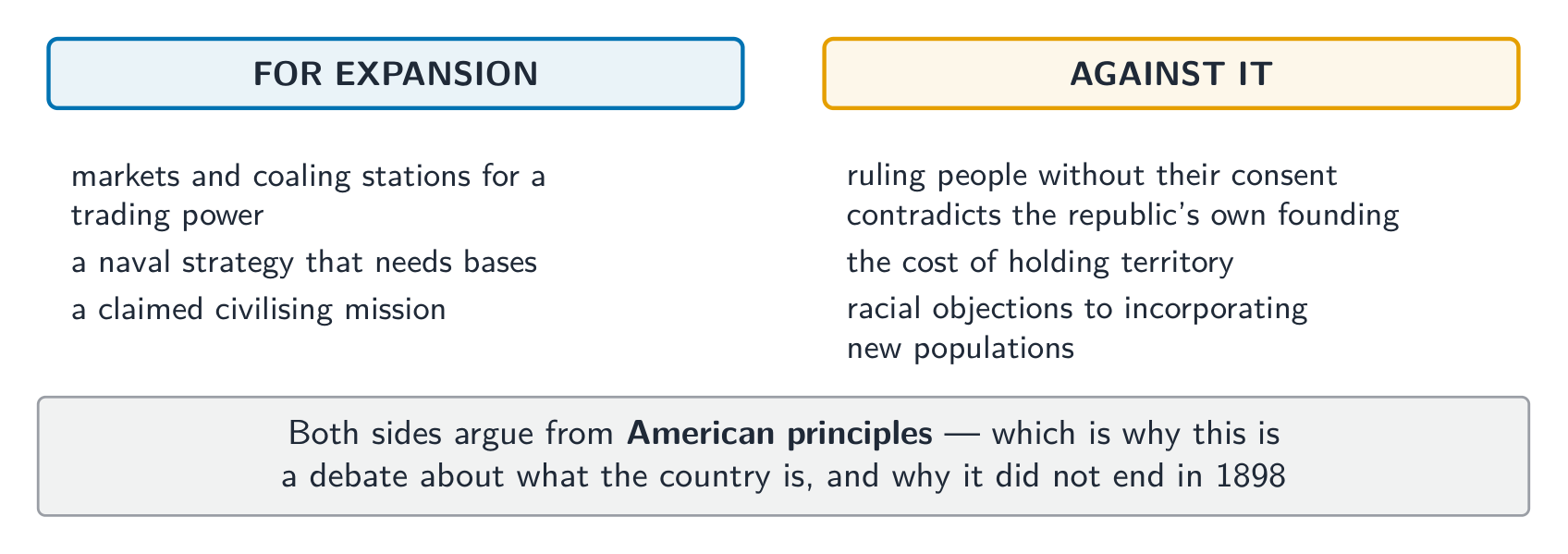
- KC-7.3.I.A Imperialists cited economic opportunities, racial theories, competition with European empires, and the perception in the 1890s that the western frontier was “closed” to argue that Americans were destined to expand their culture and institutions to peoples around the globe.
- KC-7.3.I.B Anti-imperialists cited principles of self-determination and invoked both racial theories and the U.S. foreign policy tradition of isolationism to argue that the United States should not extend its territory overseas.
7.2 帝国主義:議論
テーマ焦点 (WOR): 世界の中のアメリカ — 帝国、国、民族間の外交、経済、文化的、軍事的相互作用は、アメリカの発展を形作り、アメリカの世界におけるより重要な役割を形成する。
学習目標 Unit 7.B: 国家が世界において果たすべき適切な役割に関する態度の類似点と相違点を説明せよ。
- KC-7.3.I.A 帝国主義者は経済的機会、人種理論、 European empires との競争、1890年代に西部開拓地が“閉鎖”されたと認識されていたことを理由に、アメリカ人が世界中の人々に自らの文化と制度を広める運命にあると主張した。
- KC-7.3.I.B 反帝国主義者は自己決定の原則を引用し、人種理論および米国の孤立主義的外交政策の伝統を援用して、アメリカが海外に領土を拡大すべきではないと主張した。
7.3 The Spanish–American War
Thematic Focus (WOR): America in the World — Diplomatic, economic, cultural, and military interactions between empires, nations, and peoples shape the development of America and America’s increasingly important role in the world.
Learning Objective Unit 7.C: Explain the effects of the Spanish–American War.
- KC-7.3.I.C The American victory in the Spanish–American War led to the U.S. acquisition of island territories in the Caribbean and the Pacific, an increase in involvement in Asia, and the suppression of a nationalist movement in the Philippines.
7.3 スペイン=アメリカ戦争
テーマ焦点 (WOR): 世界の中のアメリカ — 帝国、国、民族間の外交、経済、文化的、軍事的相互作用は、アメリカの発展を形作り、アメリカの世界におけるより重要な役割を形成する。
学習目標 Unit 7.C: スペイン=アメリカ戦争の影響を説明せよ。
- KC-7.3.I.C スペイン=アメリカ戦争におけるアメリカの勝利は、カリブ海および太平洋における領土獲得、アジアへの関与の増加、フィリピンにおける民族主義運動の鎮圧につながった。