English
Big Idea 4 — Systems Interactions (SYI): Biological systems interact, and these systems and their interactions exhibit complex properties.
Learning Objective 2.1.A: Explain how the structure and function of subcellular components and organelles contribute to the function of cells.
- 2.1.A.1 Ribosomes are comprised of ribosomal RNA (rRNA) and protein. These non-membrane, subcellular structures are found in cells in all forms of life and reflect the common ancestry in all known life. Ribosomes synthesize proteins according to messenger RNA (mRNA) sequences.
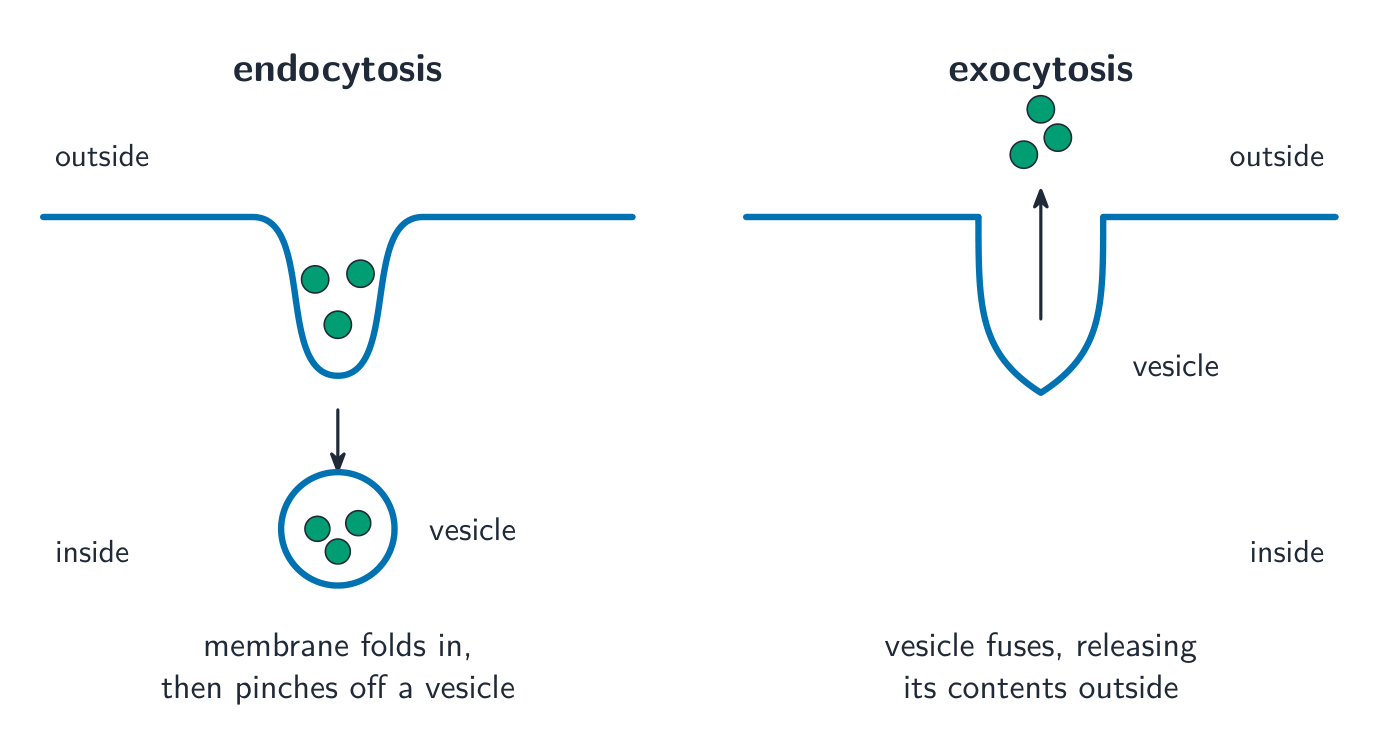
- 2.1.A.2 The endomembrane system consists of a group of membrane-bound organelles and subcellular components (endoplasmic reticulum (ER), Golgi complex, lysosomes, vacuoles and transport vesicles, the nuclear envelope, and the plasma membrane) that work together to modify, package, and transport polysaccharides, lipids, and proteins intercellularly.
- 2.1.A.3 Endoplasmic reticulum provides mechanical support by helping cells maintain shape and plays a role in intracellular transport.
- i. Rough ER is associated with membrane-bound ribosomes, allows for the compartmentalization of cells, and helps carry out protein synthesis.
- ii. Smooth ER functions include the detoxification of cells and lipid synthesis.
- Exclusion statement: Knowledge of the specific functions of smooth ER in specialized cells is beyond the scope of the AP Exam.
- 2.1.A.4 The Golgi complex is a membrane-bound structure that consists of a series of flattened membrane sacs. Functions of the Golgi include:
- i. Correctly folding and chemically modifying newly synthesized cellular products
- ii. Packaging proteins for trafficking
- Exclusion statement: Knowledge of the role of Golgi in the synthesis of specific phospholipids and packaging of specific enzymes for lysosomes, peroxisomes, and secretory vesicles is beyond the scope of the AP Exam.
- Illustrative examples for 2.1.A.4:
- Glycosylation and other chemical modifications of proteins that take place within the Golgi and determine protein function or targeting
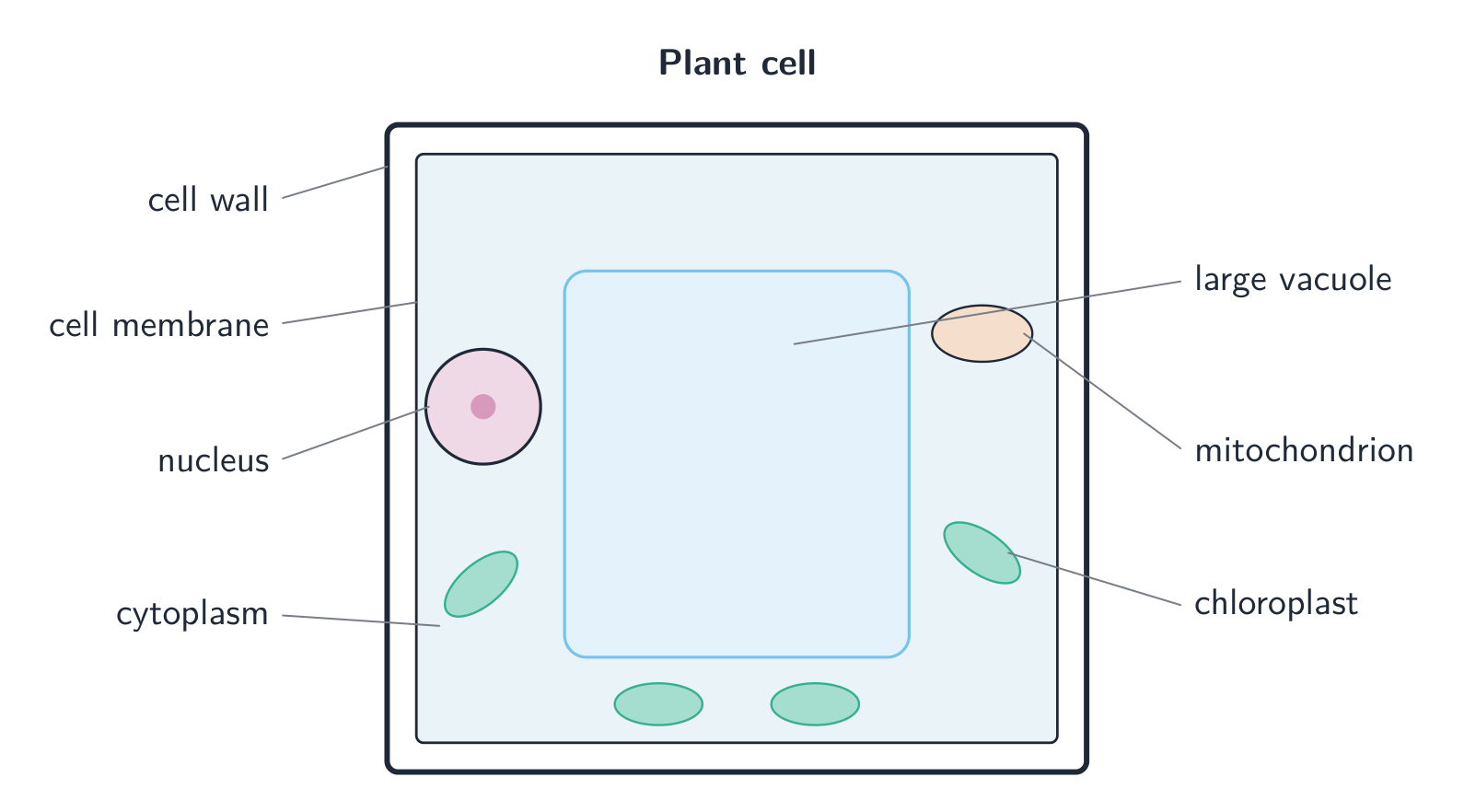
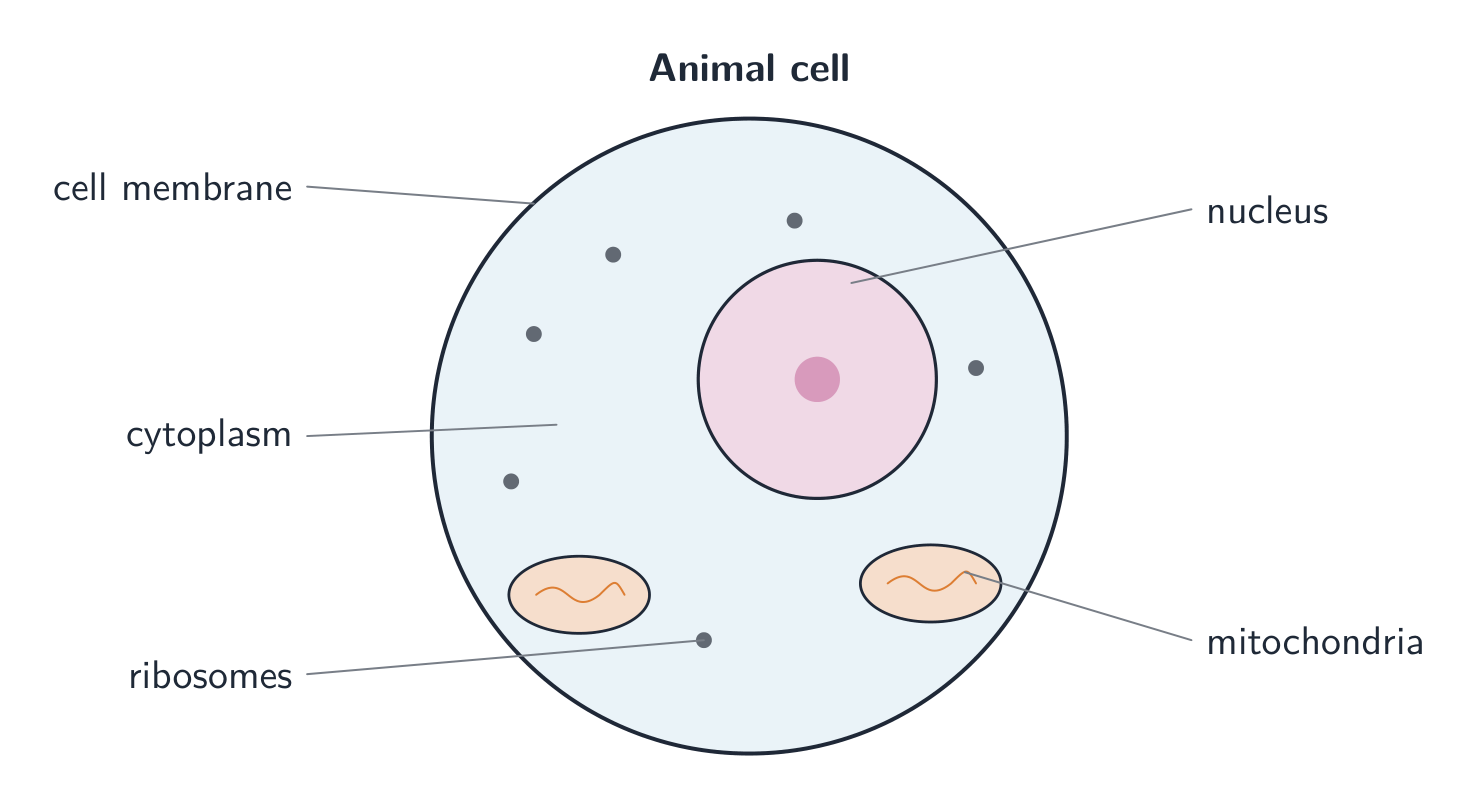
- 2.1.A.5 Mitochondria have a double membrane that provides compartments for different metabolic reactions involved in aerobic cellular respiration. The outer membrane is smooth, while the inner membrane is highly convoluted, forming folds that enable ATP to be synthesized more efficiently.
- 2.1.A.6 Lysosomes are membrane-enclosed sacs that contain hydrolytic enzymes that digest material. Lysosomes also play a role in programmed cell death (apoptosis).
- 2.1.A.7 Vacuoles are membrane-bound sacs that play many different roles.
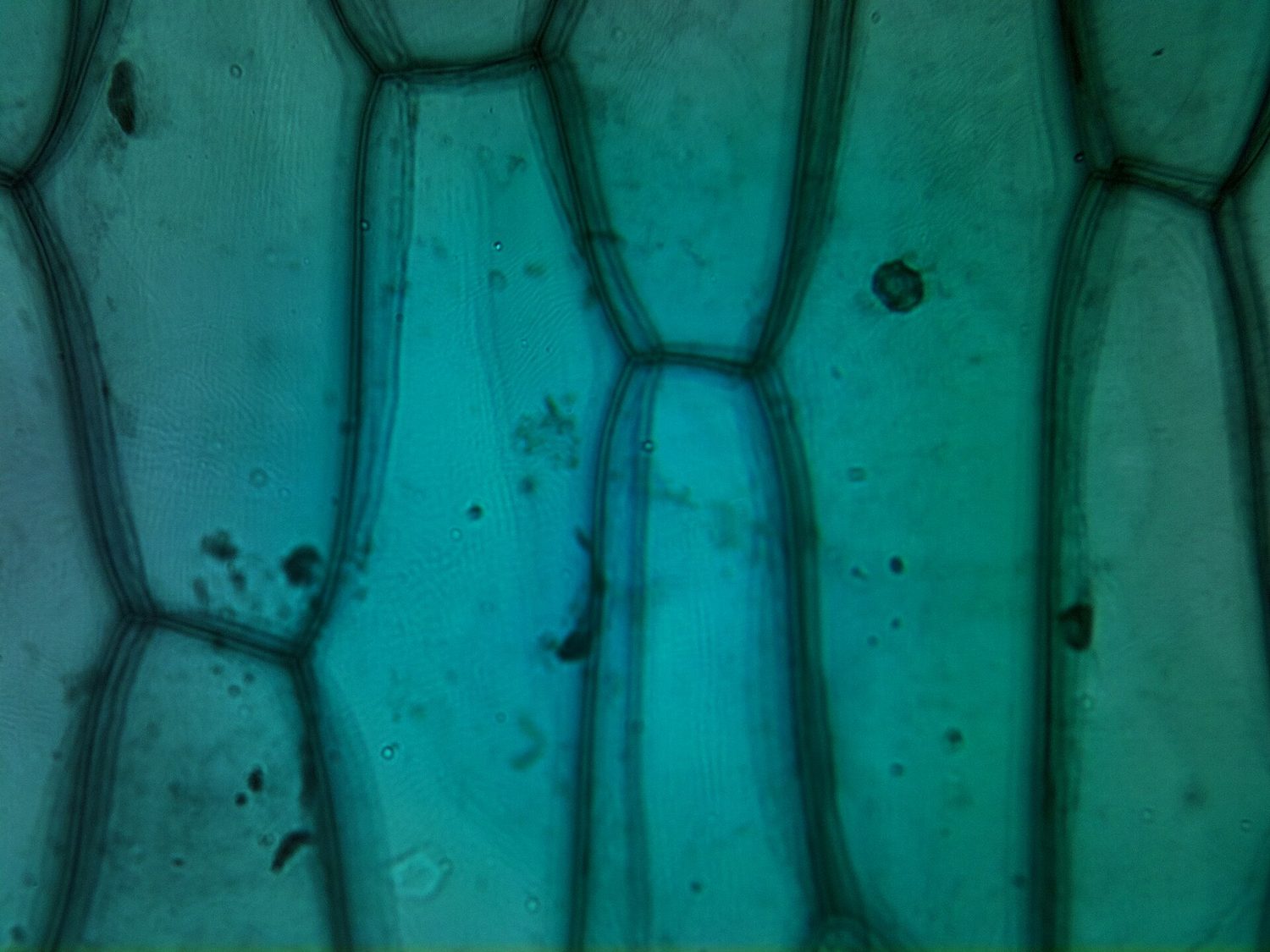
- i. In plant cells, a specialized large vacuole maintains turgor pressure through nutrient and water storage.
- ii. In animal cells, vacuoles are smaller in size, are more plentiful than in plant cells, and store cellular materials.
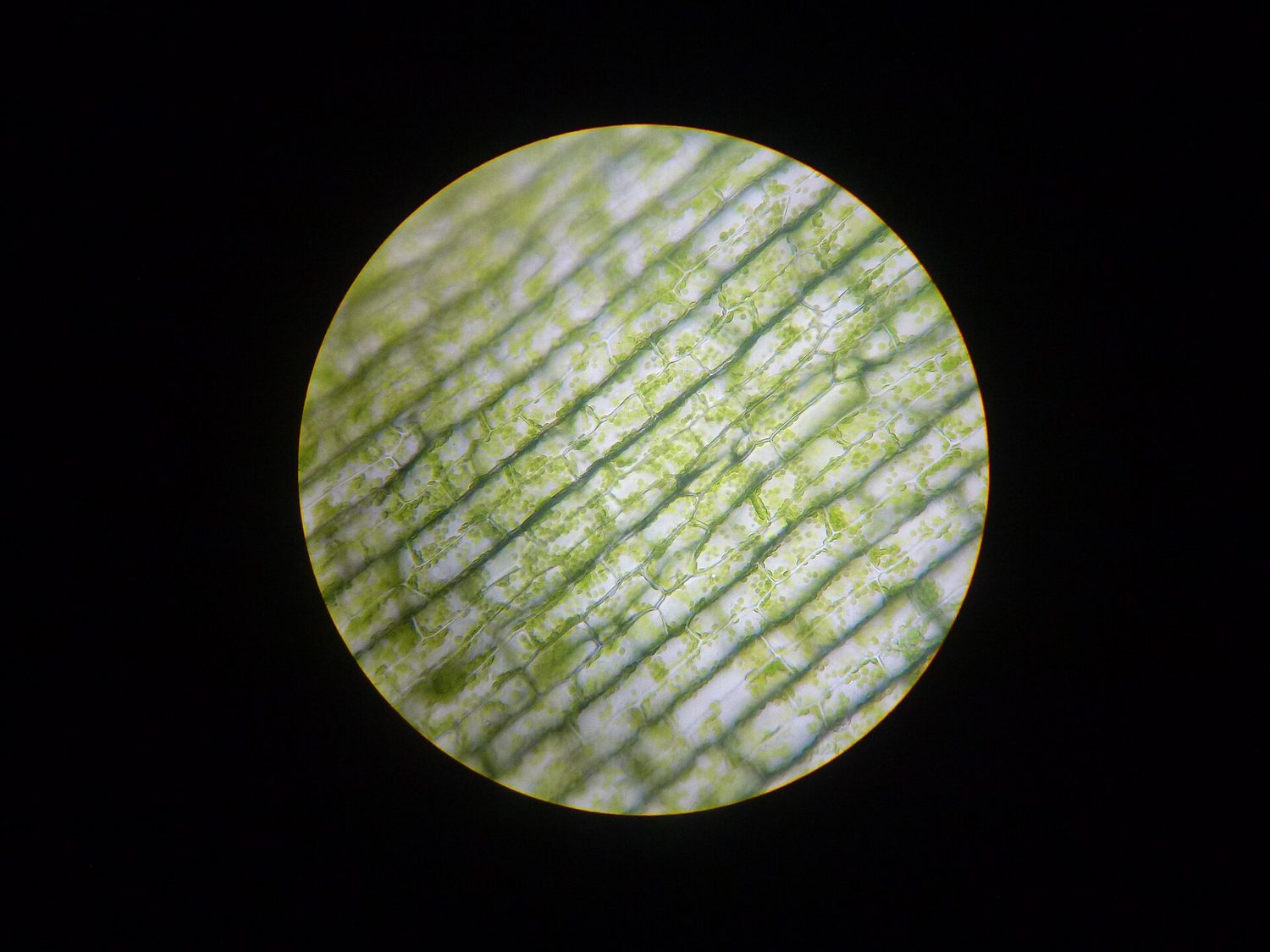
- 2.1.A.8 Chloroplasts are specialized organelles that are found in plants and photosynthetic algae. Chloroplasts contain a double membrane and serve as the location for photosynthesis.
日本語
Big Idea 4 — システム間相互作用 (SYI): 生物学的システムは相互作用し、それらのシステムおよび相互作用は複雑な性質を示す。
学習目標 2.1.A: 細胞小器官の構造と機能、およびサブセルラーコンポーネントが細胞の機能にどのように寄与するかを説明する。
- 2.1.A.1 リボソームはリボソームRNA (rRNA) とタンパク質で構成されている。これらの膜を持たないサブセルラー構造物は、あらゆる生命体の細胞に存在し、既知の全生命体の共通の系統性を反映している。リボソームはメッセンジャーRNA (mRNA) の配列に従ってタンパク質を合成する。
- 2.1.A.2 内膜系は、膜に囲まれた小器官およびサブセルラーコンポーネント(内質網 (ER)、ゴルジ装置、ライソソーム、液胞、輸送小胞体、核膜、細胞膜)のグループからなり、これらは協調して多糖類、脂質、タンパク質を細胞間で修飾、包装、輸送する役割を果たす。
- 2.1.A.3 内質網は、細胞が形を維持するのを助けることで機械的支援を提供し、細胞内輸送にも関与する。
- i. 粗面内質網は膜付着リボソームに関係しており、細胞の区画化を可能にし、タンパク質合成の実行を助ける。
- ii. 滑面内質網の機能には、細胞の解毒作用と脂質の合成が含まれる。
- 除外事項: 特化した細胞における滑面内質網の特定の機能に関する知識はAP試験の範囲外である。
- 2.1.A.4 ゴルジ装置は、一連の扁平な膜嚢からなる膜に囲まれた構造物である。ゴルジの機能には以下が含まれる:
- i. 新しく合成された細胞産物の正しい折りたたみと化学的修飾
- ii. 輸送用タンパク質の包装
- 除外事項: 特定のホスホリピッドの合成や、ライソソーム、ペルオキシソーム、分泌小胞体への特定の酵素の包装におけるゴルジの役割に関する知識はAP試験の範囲外である。
- 2.1.A.4の例示:
- ゴルジ内で起こるタンパク質のグリコシル化や他の化学的修飾であり、これらがタンパク質の機能や標的決定に寄与する
- 2.1.A.5 ミトコンドリアは二重膜を持ち、好気性細胞呼吸に関わる異なる代謝反応のための区画を提供する。外膜は滑らかであるのに対し、内膜は極めて湾曲しており、ATPをより効率的に合成できるような褶(しわ)を形成している。
- 2.1.A.6 ライソソームは加水分解酵素を含み、物質を消化する膜に囲まれた嚢である。ライソソームはプログラム細胞死(アポトーシス)にも関与する。
- 2.1.A.7 液胞は膜に囲まれた嚢であり、多様な役割を果たす。
- i. 植物細胞では、特殊化した大型の液胞が栄養素と水の貯蔵を通じて膨圧を維持する。
- ii. 動物細胞では、液胞はサイズが小さく、植物細胞よりも豊富に存在し、細胞内の物質を貯蔵する。
- 2.1.A.8 クロロプラストは、植物と光合成藻類に存在する特殊化した小器官である。クロロプラストは二重膜を持ち、光合成が行われる場所として機能する。