English
Learning Objective 2.1.A: Explain the relationship between the type of bonding and the properties of the elements participating in the bond.
- 2.1.A.1 Electronegativity values for the representative elements increase going from left to right across a period and decrease going down a group. These trends can be understood qualitatively through the electronic structure of the atoms, the shell model, and Coulomb's law.
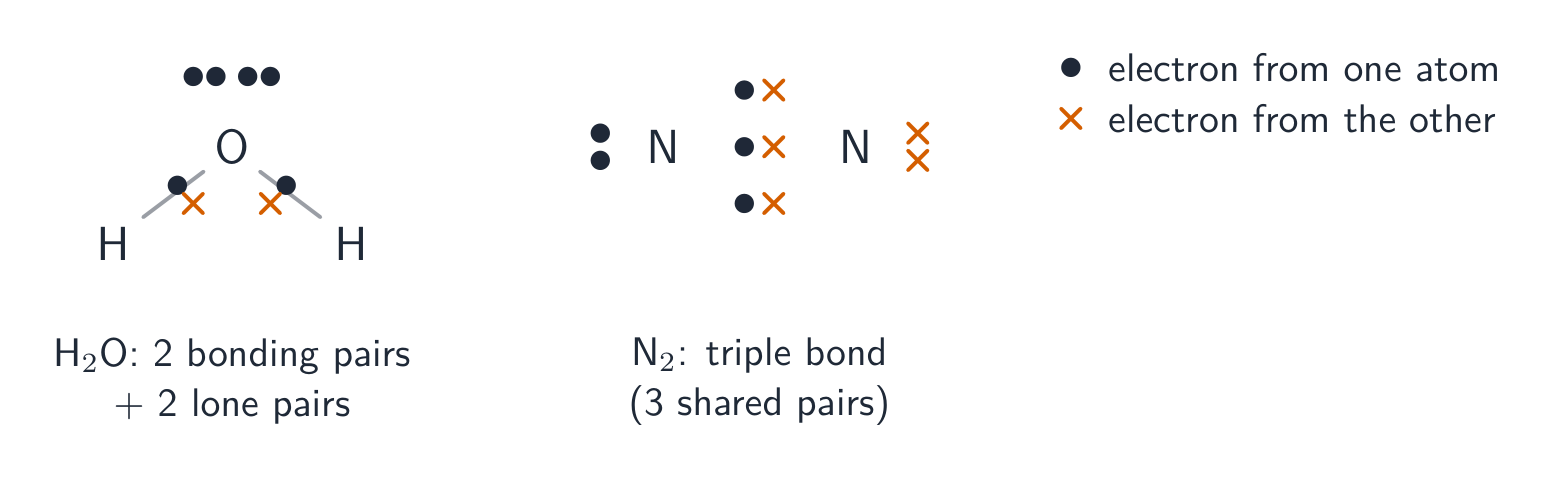
- 2.1.A.2 Valence electrons shared between atoms of similar electronegativity constitute a nonpolar covalent bond. For example, bonds between carbon and hydrogen are effectively nonpolar even though carbon is slightly more electronegative than hydrogen.
- 2.1.A.3 Valence electrons shared between atoms of unequal electronegativity constitute a polar covalent bond.
- i. The atom with a higher electronegativity will develop a partial negative charge relative to the other atom in the bond.
- ii. In single bonds, greater differences in electronegativity lead to greater bond dipoles.
- iii. All polar bonds have some ionic character, and the difference between ionic and covalent bonding is not distinct but rather a continuum.
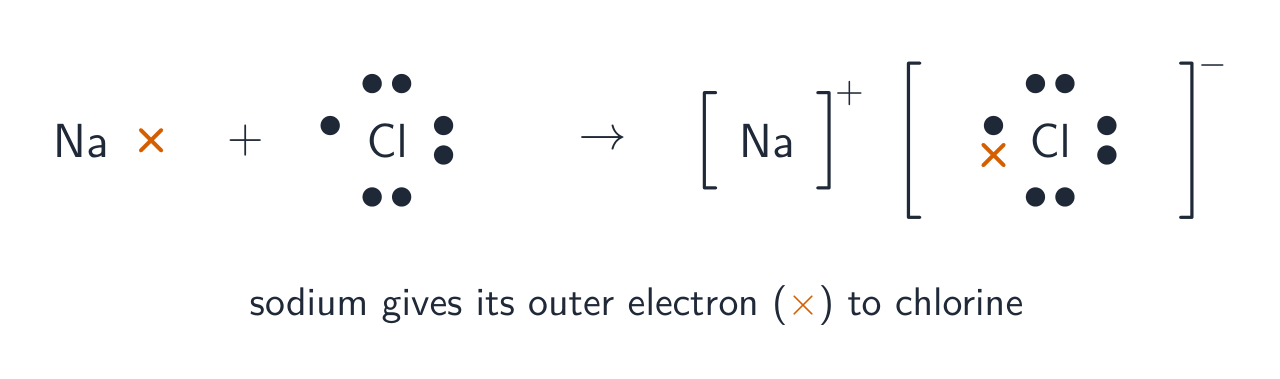
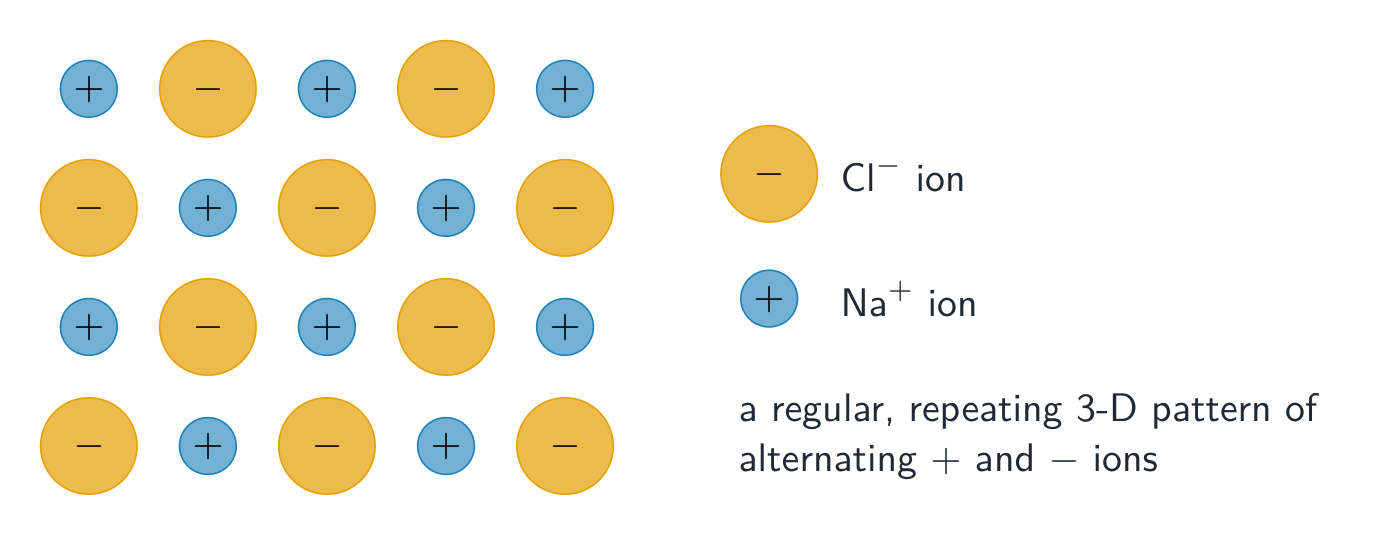
- 2.1.A.4 The difference in electronegativity is not the only factor in determining if a bond should be designated as ionic or covalent. Generally, bonds between a metal and nonmetal are ionic, and bonds between two nonmetals are covalent. Examination of the properties of a compound is the best way to characterize the type of bonding.
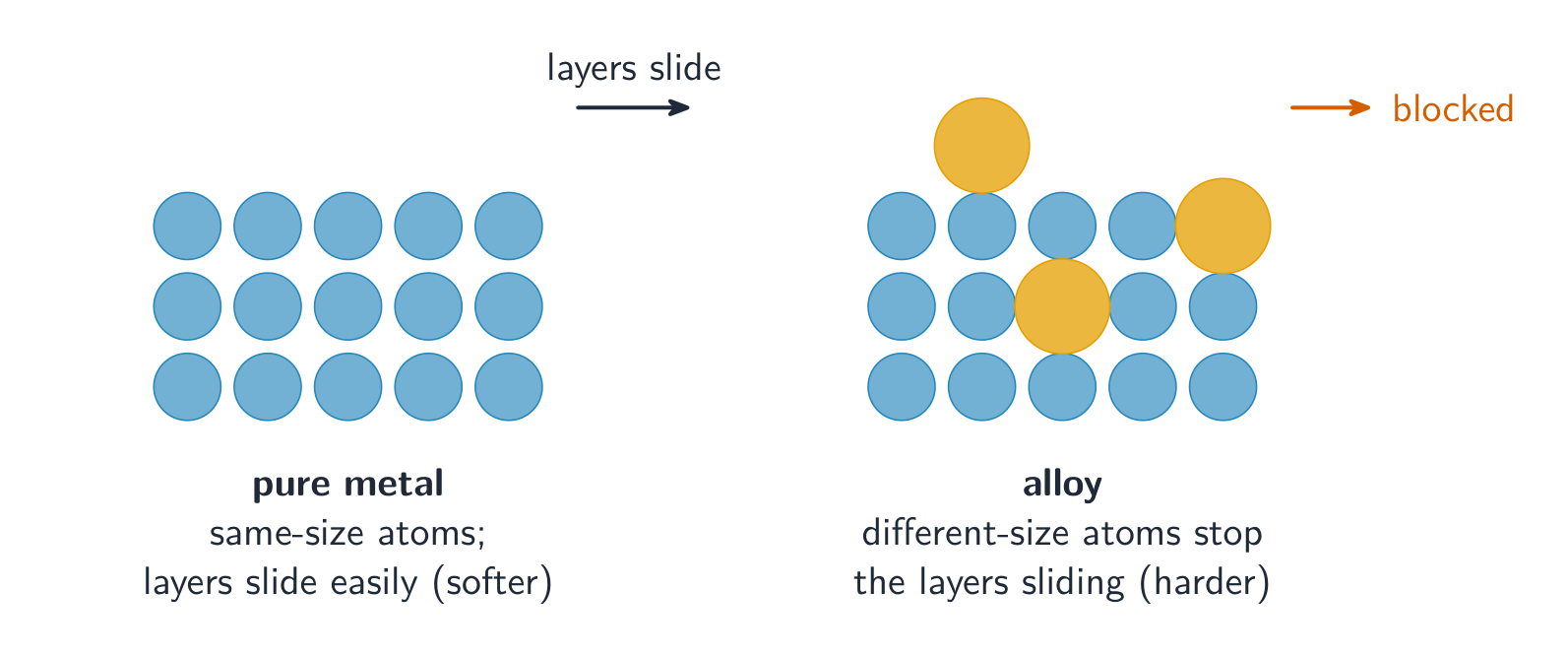
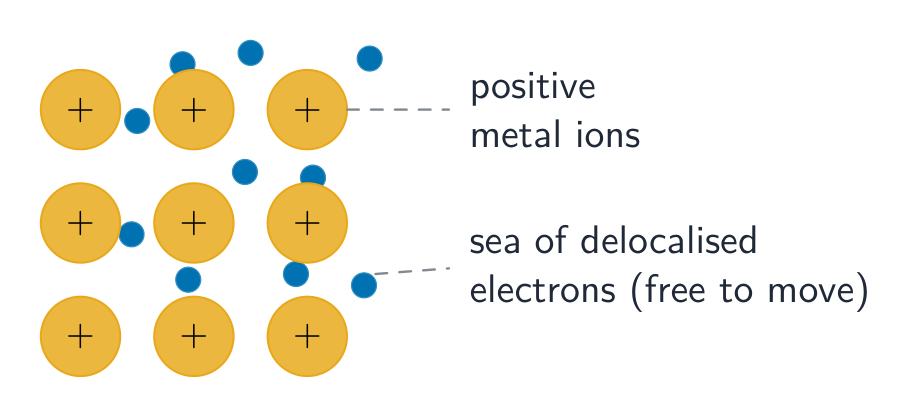
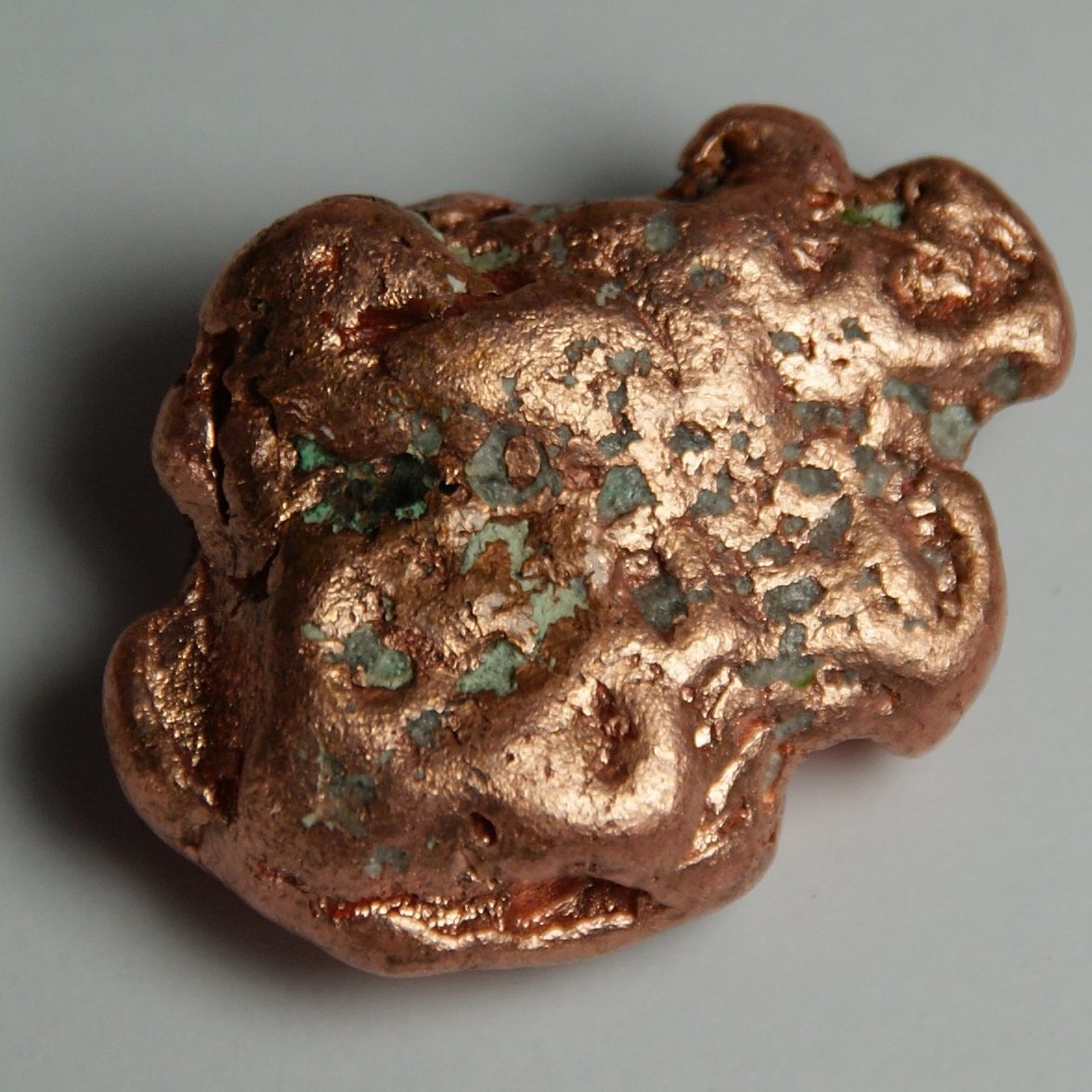
- 2.1.A.5 In a metallic solid, the valence electrons from the metal atoms are considered to be delocalized and not associated with any individual atom.
Bahasa Indonesia
Tujuan Pembelajaran 2.1.A: Jelaskan hubungan antara jenis ikatan dengan sifat-sifat unsur yang terlibat dalam ikatan tersebut.
- 2.1.A.1 Nilai elektronegativitas untuk unsur-unsur perwakilan meningkat dari kiri ke kanan melintasi suatu periode dan menurun dari atas ke bawah dalam suatu golongan. Tren-tren ini dapat dipahami secara kualitatif melalui struktur elektronik atom, model kulit, dan hukum Coulomb.
- 2.1.A.2 Elektron valensi yang dibagi antara atom-atom dengan elektronegativitas yang serupa membentuk ikatan kovalen nonpolar. Misalnya, ikatan antara karbon dan hidrogen efektifnya nonpolar meskipun karbon sedikit lebih elektronegatif daripada hidrogen.
- 2.1.A.3 Elektron valensi yang dibagi antara atom-atom dengan elektronegativitas yang berbeda membentuk ikatan kovalen polar.
- i. Atom dengan elektronegativitas yang lebih tinggi akan mengembangkan muatan parsial negatif relatif terhadap atom lainnya dalam ikatan tersebut.
- ii. Dalam ikatan tunggal, perbedaan elektronegativitas yang lebih besar menghasilkan dipol ikatan yang lebih besar.
- iii. Semua ikatan polar memiliki beberapa karakteristik ionik, dan perbedaan antara ikatan ionik dan kovalen tidak tegas melainkan sebuah kontinum.
- 2.1.A.4 Perbedaan elektronegativitas bukan satu-satunya faktor dalam menentukan apakah sebuah ikatan harus ditetapkan sebagai ionik atau kovalen. Umumnya, ikatan antara logam dan nonlogam bersifat ionik, dan ikatan antara dua nonlogam bersifat kovalen. Pemeriksaan sifat-sifat suatu senyawa adalah cara terbaik untuk mengkarakterisasi jenis ikatan.
- 2.1.A.5 Dalam padatan logam, elektron valensi dari atom-atom logam dianggap terdelokalisasi dan tidak terkait dengan atom individu mana pun.