English
Learning Objective 2.1.A: Explain the relationship between the type of bonding and the properties of the elements participating in the bond.
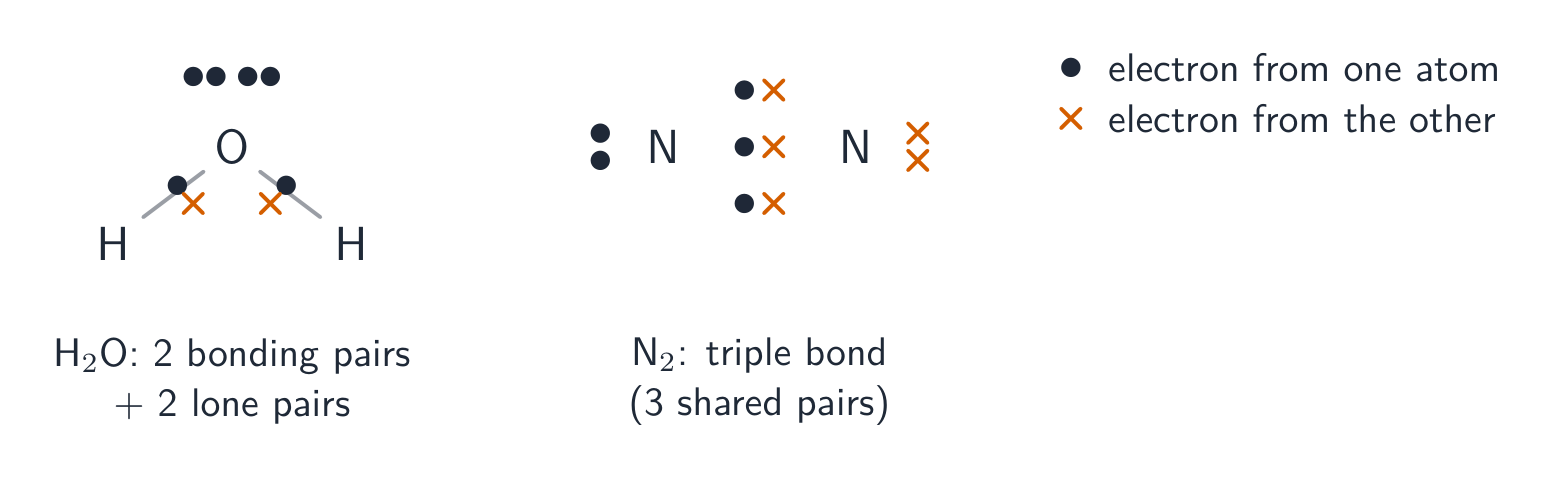
- 2.1.A.1 Electronegativity values for the representative elements increase going from left to right across a period and decrease going down a group. These trends can be understood qualitatively through the electronic structure of the atoms, the shell model, and Coulomb's law.
- 2.1.A.2 Valence electrons shared between atoms of similar electronegativity constitute a nonpolar covalent bond. For example, bonds between carbon and hydrogen are effectively nonpolar even though carbon is slightly more electronegative than hydrogen.
- 2.1.A.3 Valence electrons shared between atoms of unequal electronegativity constitute a polar covalent bond.
- i. The atom with a higher electronegativity will develop a partial negative charge relative to the other atom in the bond.
- ii. In single bonds, greater differences in electronegativity lead to greater bond dipoles.
- iii. All polar bonds have some ionic character, and the difference between ionic and covalent bonding is not distinct but rather a continuum.
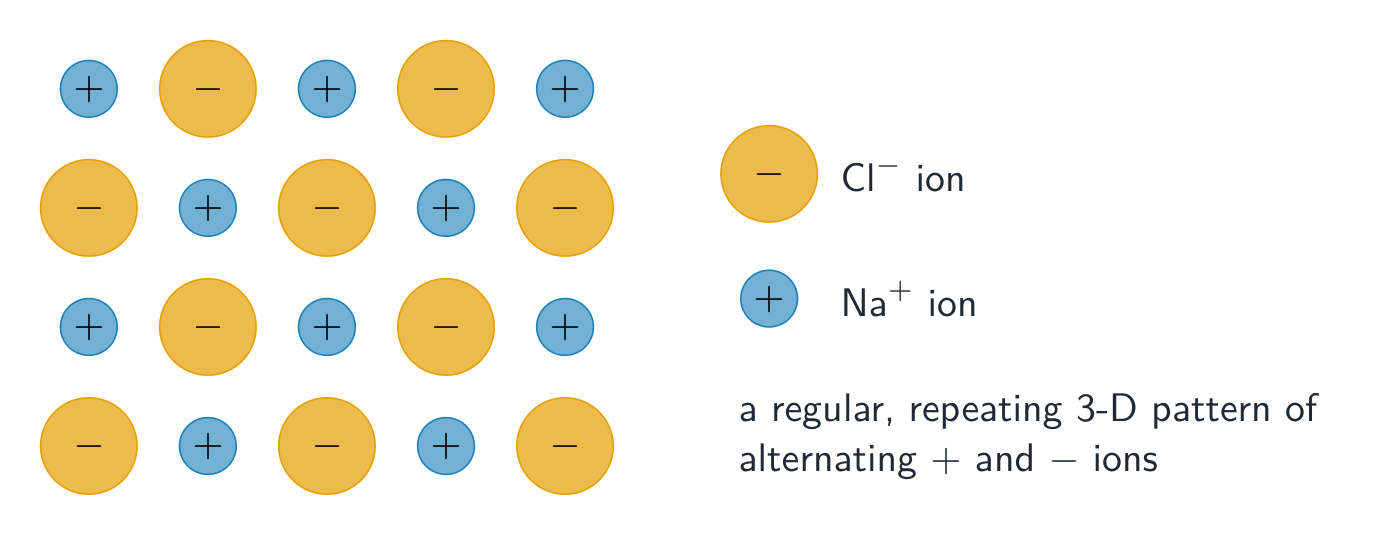
- 2.1.A.4 The difference in electronegativity is not the only factor in determining if a bond should be designated as ionic or covalent. Generally, bonds between a metal and nonmetal are ionic, and bonds between two nonmetals are covalent. Examination of the properties of a compound is the best way to characterize the type of bonding.
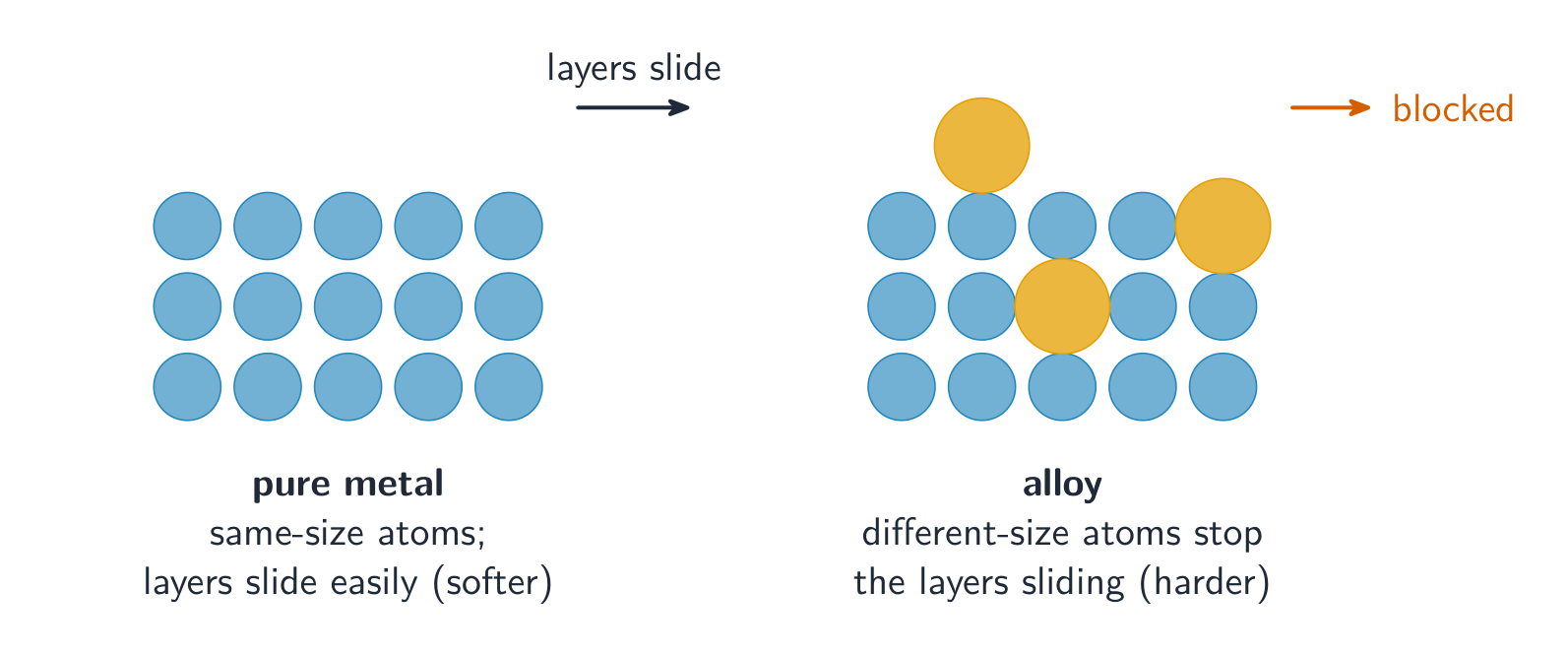
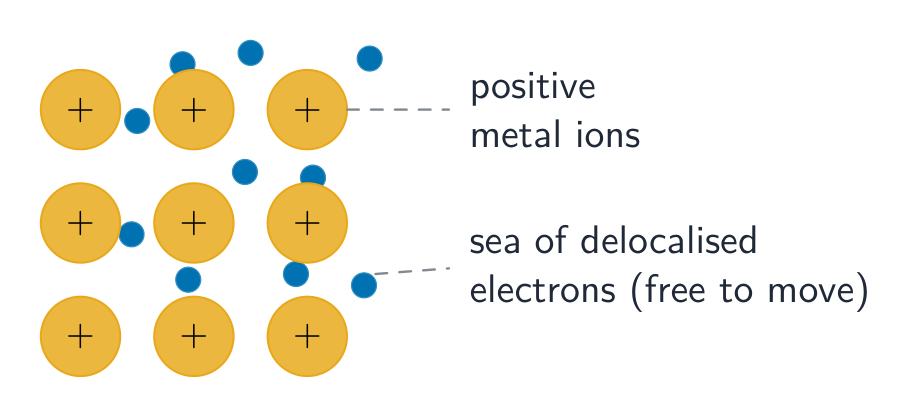
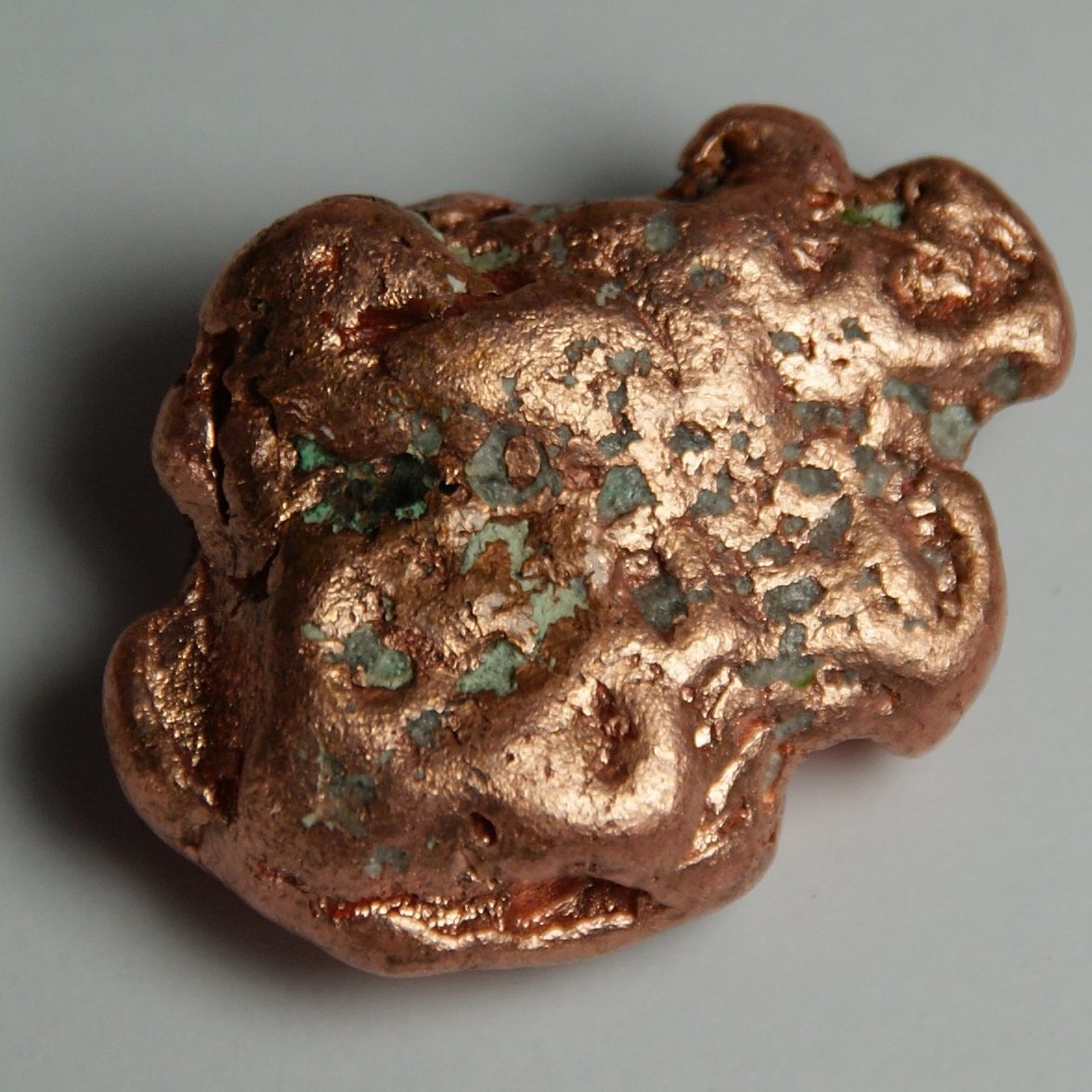
- 2.1.A.5 In a metallic solid, the valence electrons from the metal atoms are considered to be delocalized and not associated with any individual atom.
עברית
מטרת הלמידה 2.1.A: להסביר את הקשר בין סוג הקשר לבין התכונות של היסודים המשתתפים בקשר.
- 2.1.A.1 ערכי האלקטרושליליות ליסודות הנציגים עולים משמאל לימין לאורך מחזור ויורדים למטה במחלקה. מגמות אלו ניתן להבין באופן איכותי דרך המבנה האלקטרוני של האטומים, הדגם השכבתי וחוק קולון.
- 2.1.A.2 אלקטרונים על-קורתיים המשותפים בין אטומים בעלי אלקטרושליליות דומה מהווים קשר קוולנטי בלתי קוטבי. לדוגמה, קשרים בין פחמן לחמצן הם בלתי קוטביים בפועל גם אם לפחמן אלקטרושליליות מעט גבוהה יותר מאשר לחמצן.
- 2.1.A.3 אלקטרונים על-קורתיים המשותפים בין אטומים בעלי אלקטרושליליות שונה מהווים קשר קוולנטי קוטבי.
- i. האטום בעל האלקטרושליליות הגבוהה יותר יפתח מטען חלקי שלילי ביחס לאטום האחר בקשר.
- ii. בקשרים יחידים, הבדלים גדולים יותר באלקטרושליליות מובילים לדיפולים קשר גדולים יותר.
- iii. לכל הקשרים הקוטביים יש תכונה יונית מסוימת, וההבדל בין קשר יוני לקשר קוולנטי אינו חד אך אלא רצף.
- 2.1.A.4 ההבדל באלקטרושליליות אינו הגורם היחיד בקביעת אם לקשר יש לתאר כיוני או קוולנטי. בדרך כלל, קשרים בין מתכת לא-מתכת הם יוניים, וקשרים בין שני אל-מתכות הם קוולנטיים. בדיקת התכונות של תרכובת היא הדרך הטובה ביותר לאפיין את סוג הקשר.
- 2.1.A.5 במוצק מתכתי, האלקטרונים העל-קורתיים מאטומי המתכת נחשבים כמעוכבים ולא קשורים לאטום יחיד.
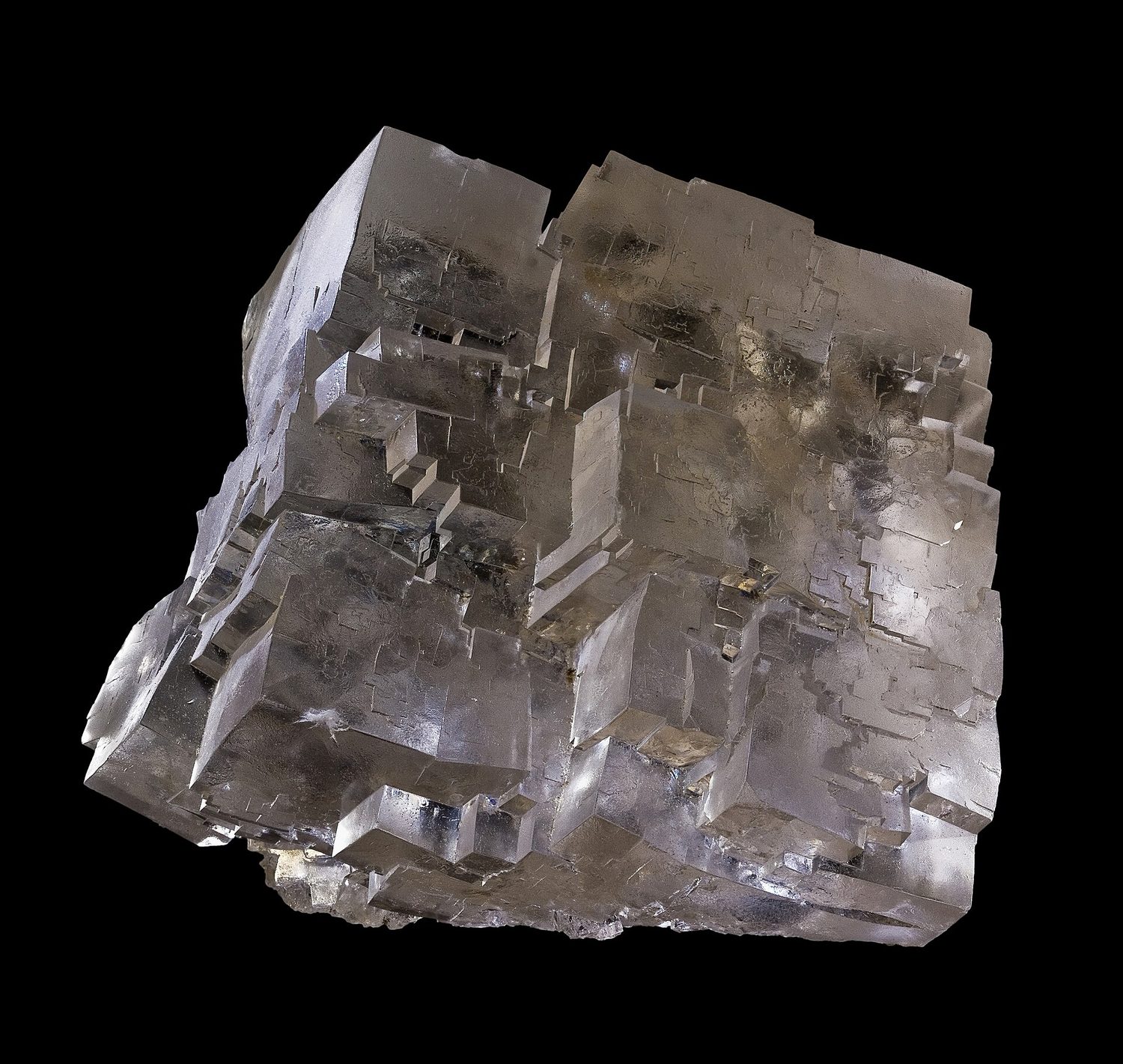
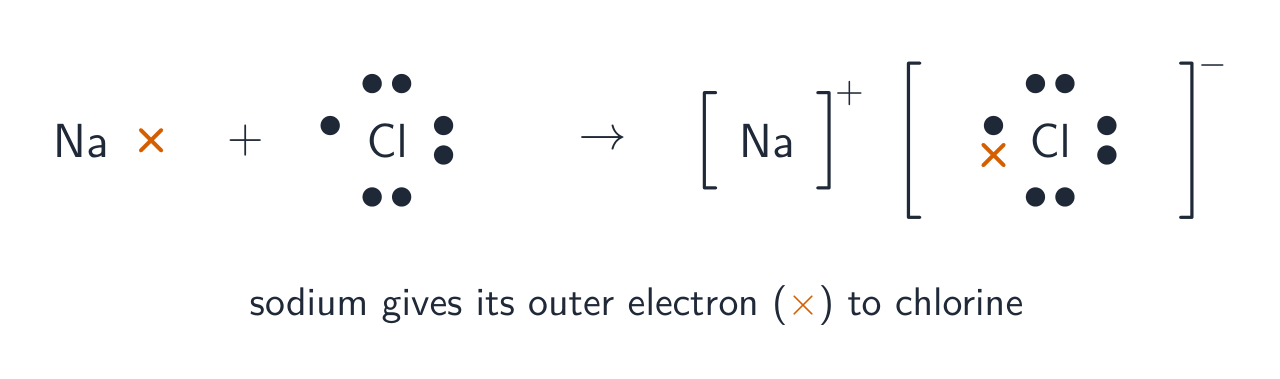 *קשר יוני: מתכת מעבירה את אלקטרוני הערכיות שלה לאל-מתכת
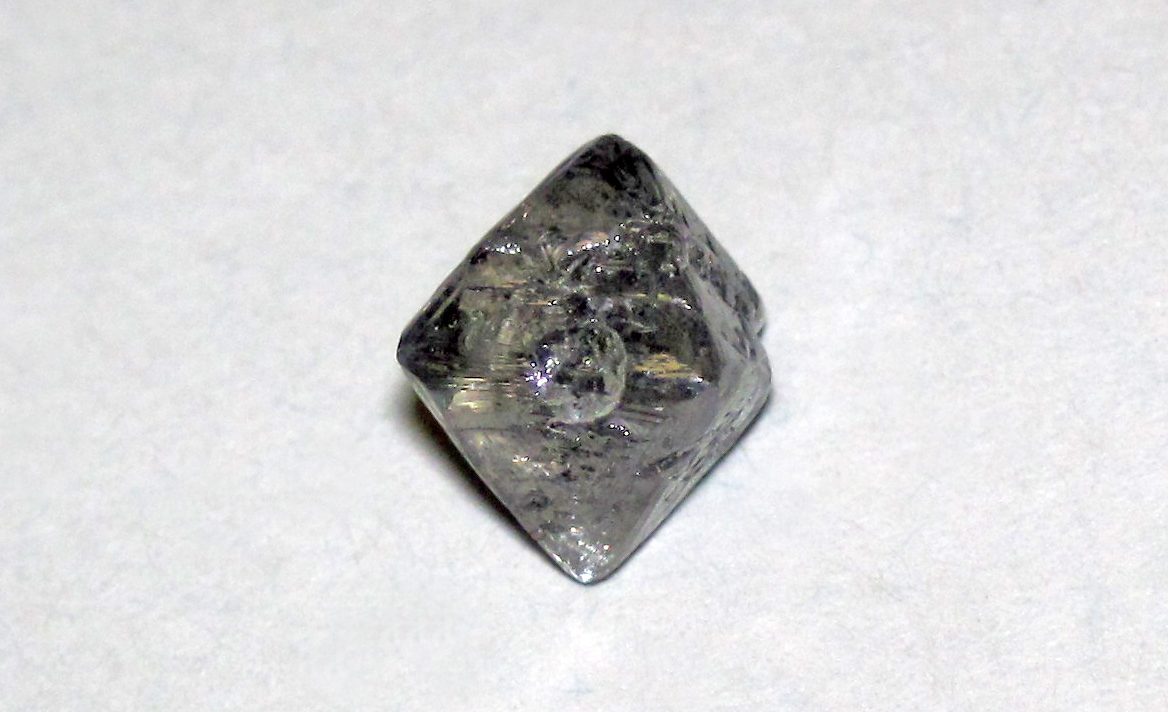 *גביש יהלום: רשתות קוולנטיות ענקיות מסבירות קשיחות קיצונית ונקודות היתוך גבוהות