English
Learning Objective 1.1.A: Calculate quantities of a substance or its relative number of particles using dimensional analysis and the mole concept.
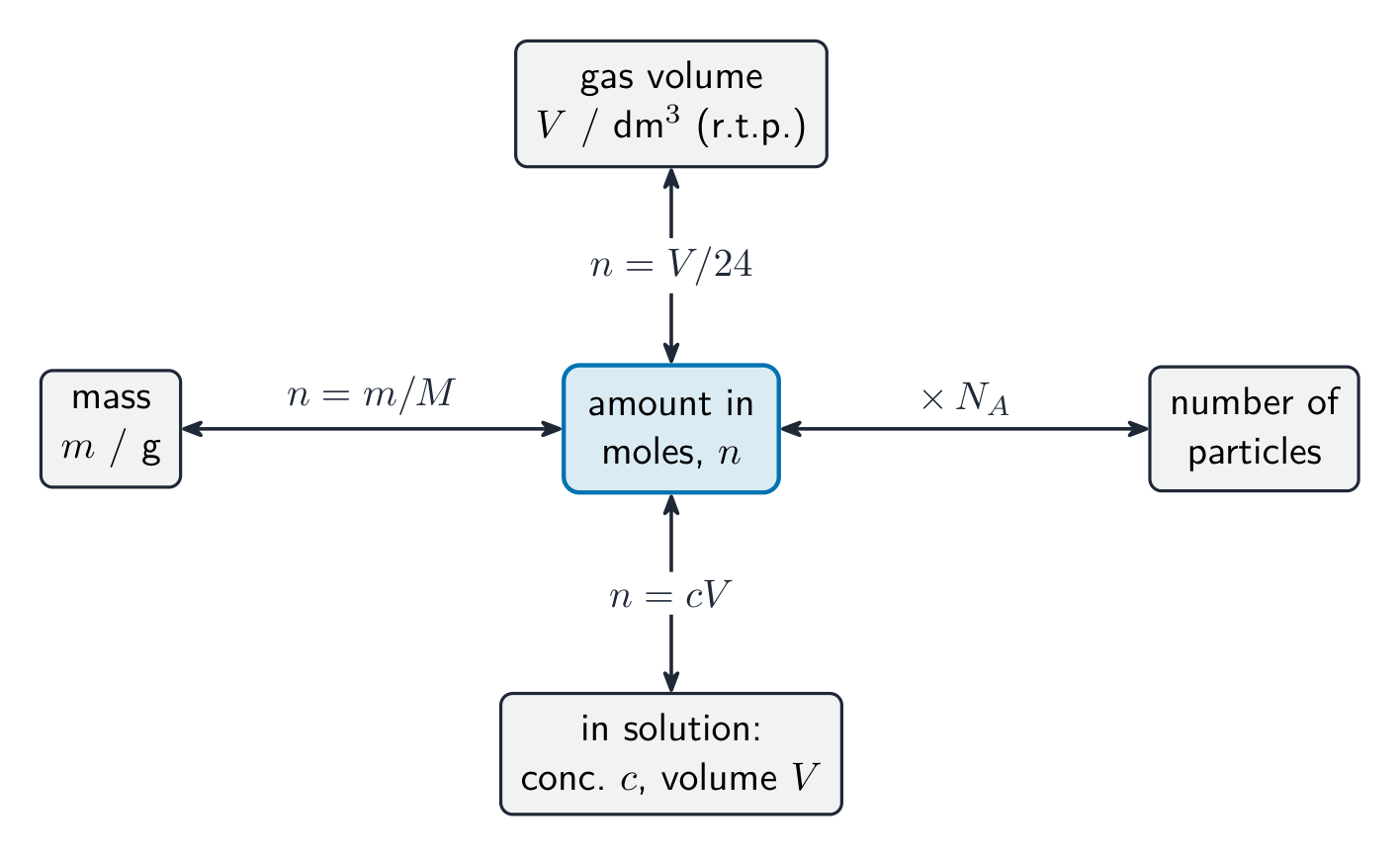
- 1.1.A.1 One cannot count particles directly while performing laboratory work. Thus, there must be a connection between the masses of substances reacting and the actual number of particles undergoing chemical changes.
- 1.1.A.2 Avogadro's number ($N_{\mathrm{A}} = 6.022 \times 10^{23}\ \mathrm{mol}^{-1}$) provides the connection between the number of moles in a pure sample of a substance and the number of constituent particles (or formula units) of that substance.
- 1.1.A.3 Expressing the mass of an individual atom or molecule in atomic mass units (amu) is useful because the average mass in amu of one particle (atom or molecule) or formula unit of a substance will always be numerically equal to the molar mass of that substance in grams. Thus, there is a quantitative connection between the mass of a substance and the number of particles that the substance contains.
- Equation: $n = m/M$
עברית
מטרות למידה 1.1.A: חישוב כמות חומר או מספר חלקיקיו היחסי באמצעות ניתוח מימדים והרעיון של המול.
- 1.1.A.1 אין ספירת חלקיקים ישירה בזמן ביצוע עבודה מעבדת. לכן, חייב להיות קשר בין מסות החומרים המגיבים לבין המספר בפועל של חלקיקים העוברים שינויים כימיים.
- 1.1.A.2 מספר אווגדרו ($N_{\mathrm{A}} = 6.022 \times 10^{23}\ \mathrm{mol}^{-1}$) מספק את הקשר בין מספר המולים בדגימה טהורה של חומר לבין מספר החלקיקים המרכיבים (או היחידות הנוסחתיות) של חומר זה.
- 1.1.A.3 ביטוי המסה של אטום או מולקולה בודד ביחידות מסה אטומית (amu) הוא שימושי מכיוון שהמסה הממוצעת ב-amu של חלקיק אחד (אטום או מולקולה) או יחידה נוסחתית אחת של חומר תהיה תמיד שווה מספרית למסה המולרית של חומר זה בגרמים. כך, קיים קשר כמותי בין מסת החומר לבין מספר החלקיקים שהוא מכיל.
- משוואה: $n = m/M$
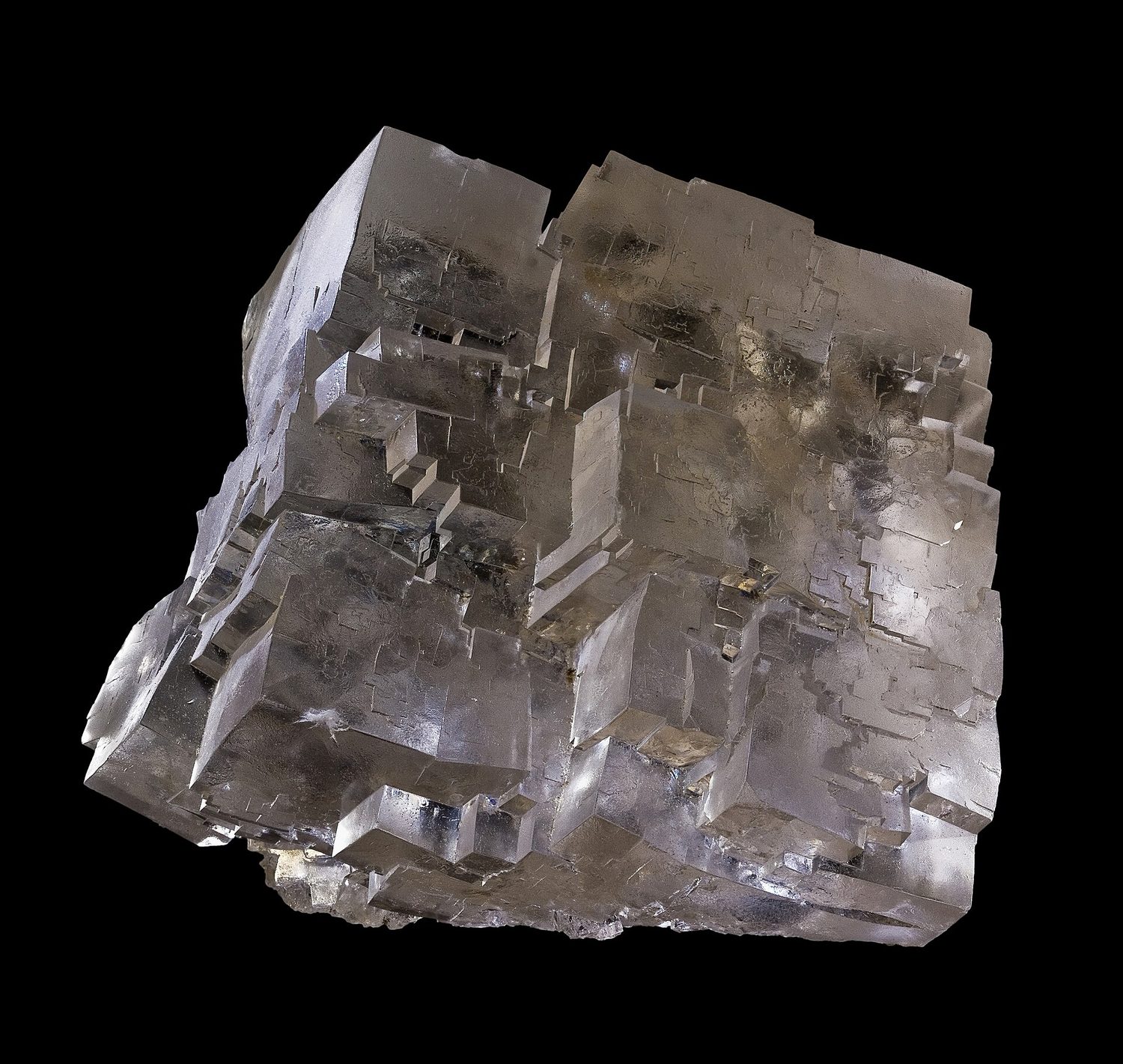
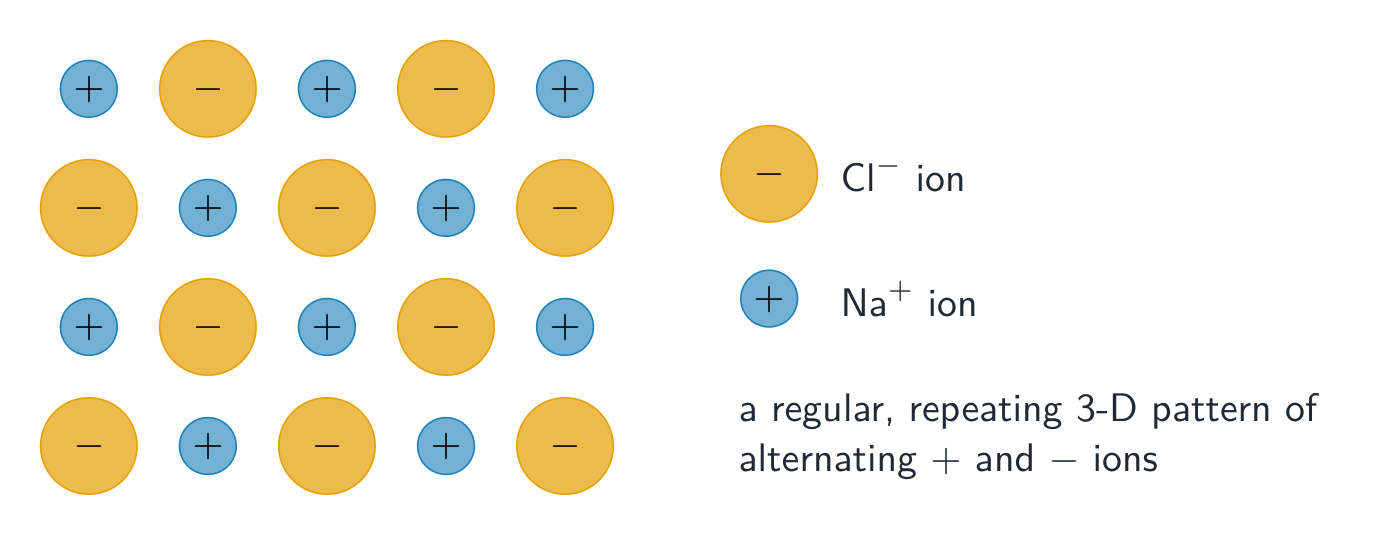
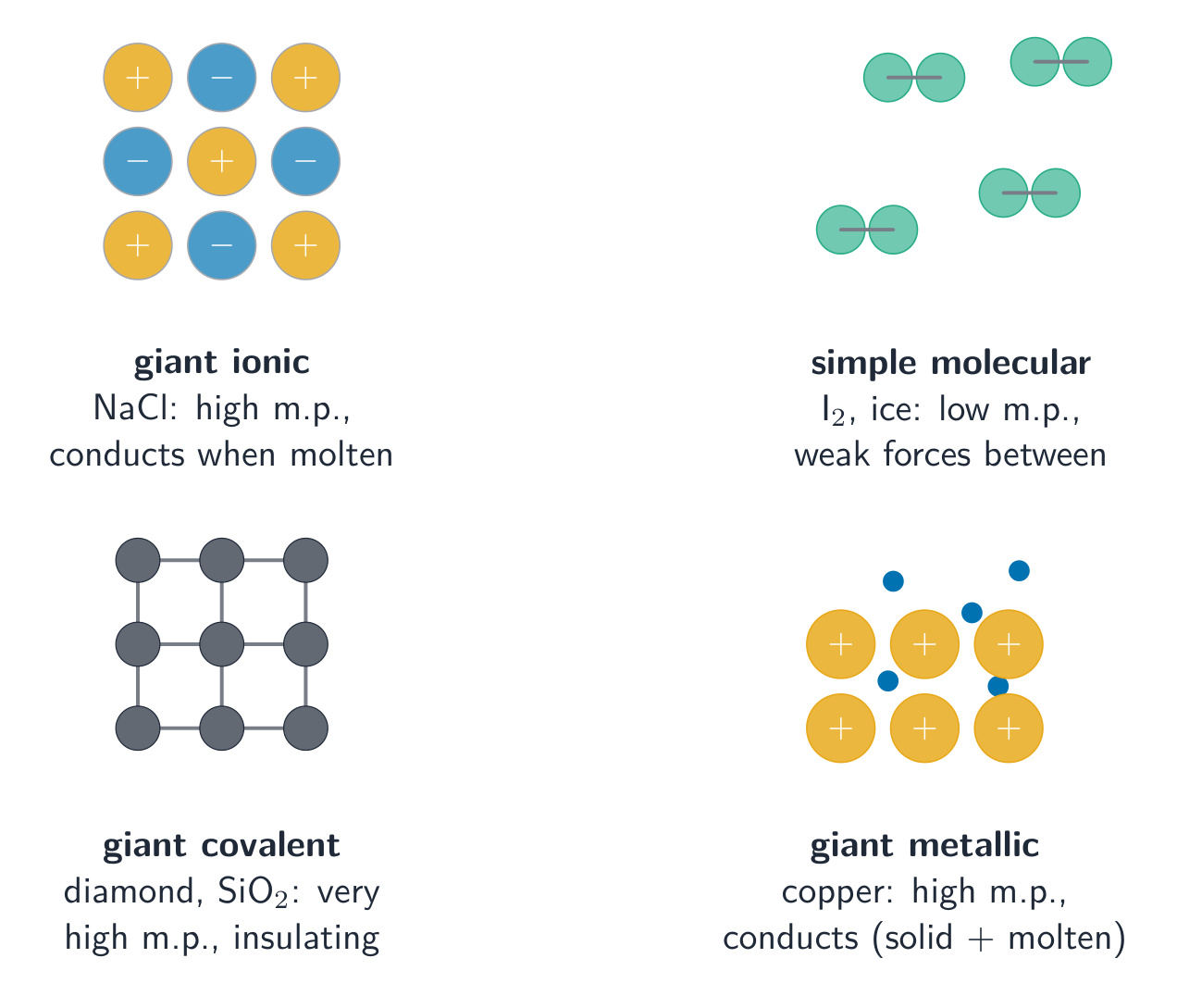
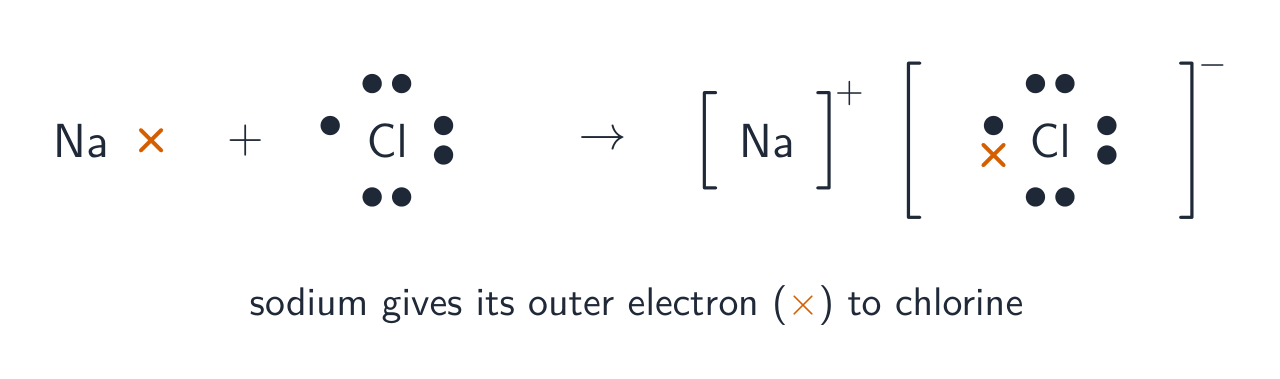 *קשר יוני: מתכת מעבירה את אלקטרוני הערכיות שלה לאל-מתכת
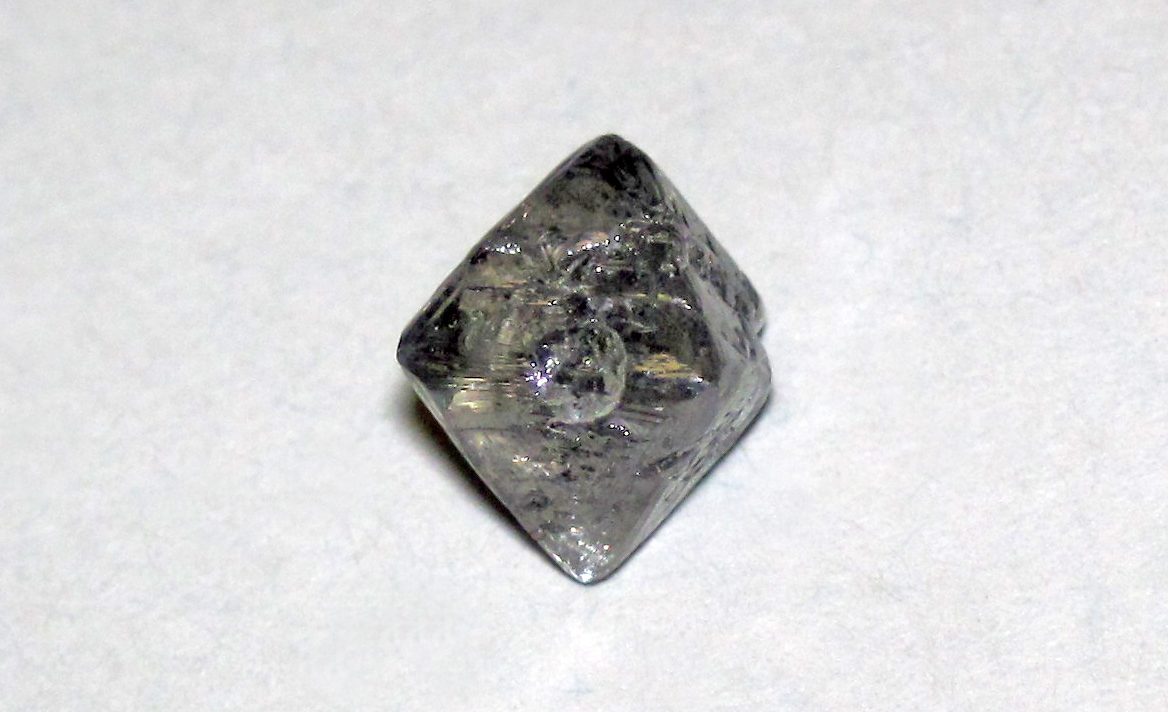 *גביש יהלום: רשתות קוולנטיות ענקיות מסבירות קשיחות קיצונית ונקודות היתוך גבוהות