الانتقال إلى المحتوى
المواد

GRE · GRE Subject Test · GRE Psychology

  • 1

    I · Biological psychology

    برنامج تعليمي قادم قريبًا

    ورقة عمل

    English

    Biological psychology

    Scope and prerequisites

    Supported GRE topic 1 (I). Read SP.1, NE.1 and HB.1 for the detailed biological mechanisms. Existing official questions are traced in bank_review_form.yaml; original tasks below are not ETS items.

    Concepts and method

    sensation 感觉: Reception of sensory stimulation. response criterion 反应标准: The threshold for reporting that a signal is present.

    Sensation concerns reception of stimulation; perception concerns interpretation. They interact but are not interchangeable.

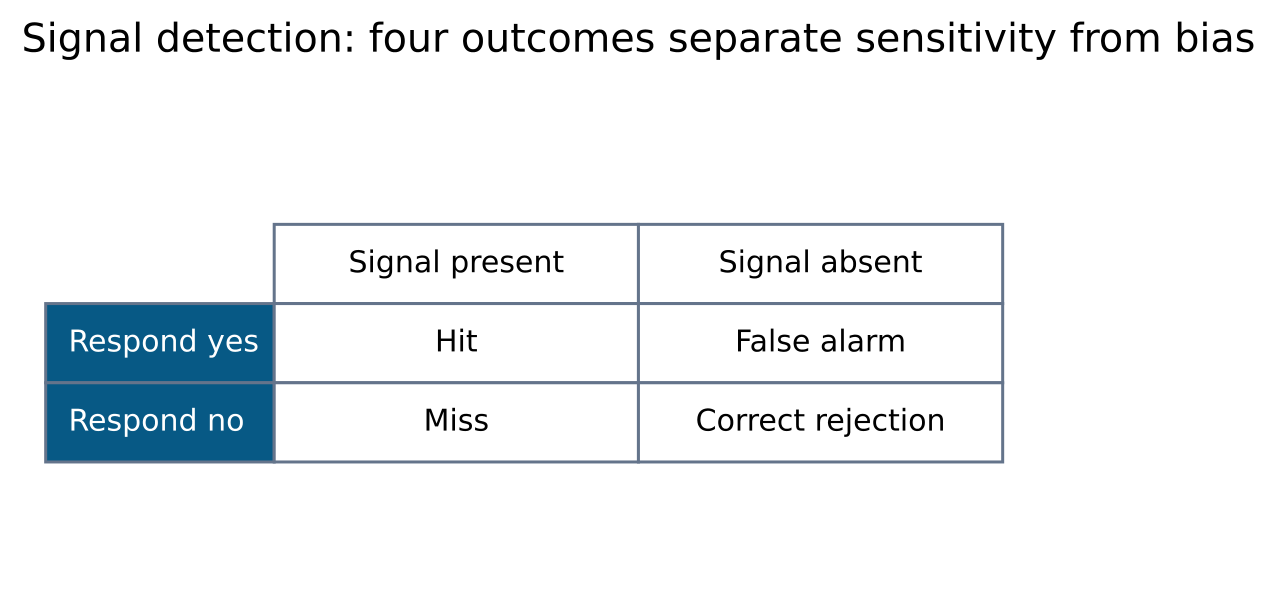
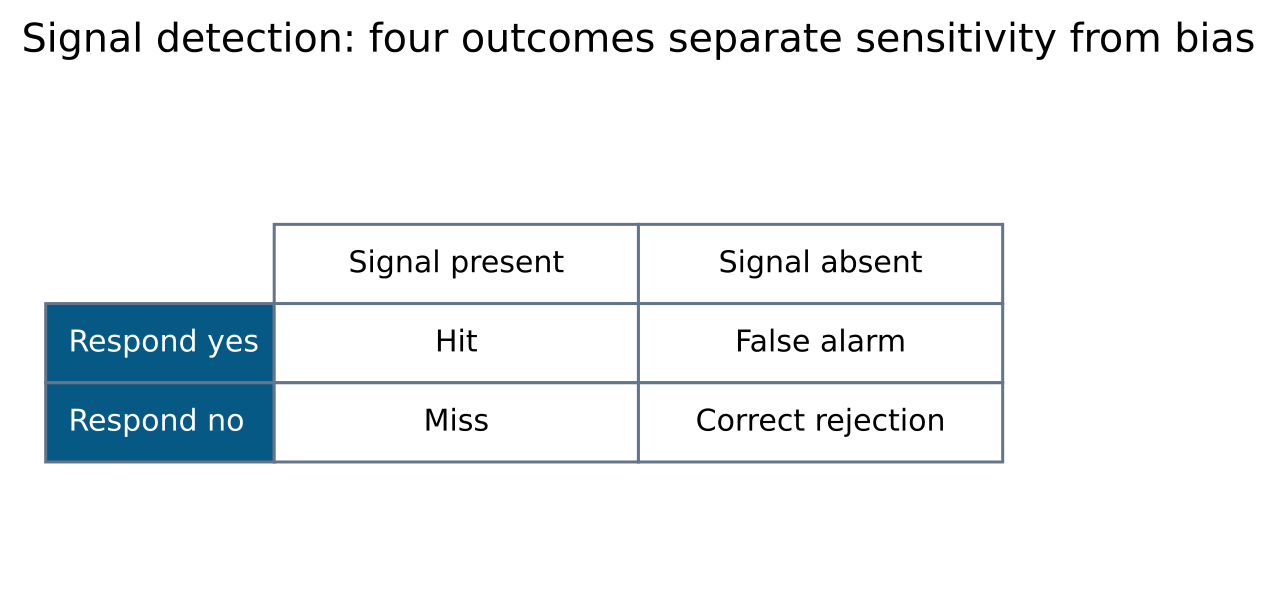
    Signal detection separates sensitivity from the criterion for saying yes. Expectations can change the response criterion.

    Neurons communicate through electrical signals and synapses. A brain region’s involvement does not establish that it acts alone.

    Lesion and imaging studies give different evidence. Consider confounds and the limits of inferring causes from associations.

    A biological explanation needs a path from a physical process to the observed behaviour. Receptors change stimulus energy into neural signals; connected brain systems process those signals. An association in an image cannot tell us whether activity causes, follows or merely accompanies the task. Sleep also depends on both a roughly daily circadian rhythm and pressure that builds during wakefulness. Motivation and emotion involve interacting neural, endocrine and environmental processes. A single brain area or hormone is rarely a complete explanation. Detailed methods are in SP.1, NE.1 and HB.1.

    Worked reasoning

    A person expecting an alarm reports more faint sounds as alarms. Hits may rise, but false alarms may also rise. This can reflect a more liberal response criterion rather than better sensory sensitivity.

    In a fictional alarm task, a bonus for reporting alarms raises hits from 60/100 to 80/100 and false alarms from 10/100 to 30/100. Does this establish improved sensitivity?

    Hit rate rises from 60% to 80%, but false-alarm rate also rises from 10% to 30%. A more liberal response criterion can produce both changes. Hit rate alone cannot establish improved sensitivity; compare separation of signal and noise using both rates and a suitable model. Neither the bonus nor these illustrative counts identifies a neural cause.
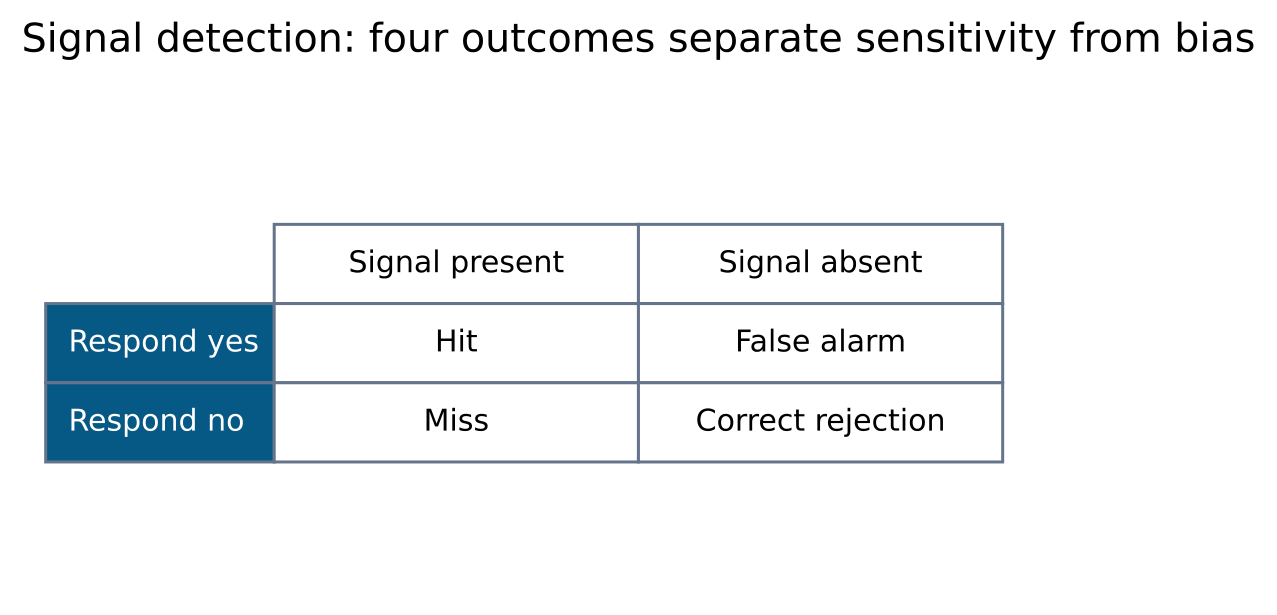
    Original schematic for Sensation, perception and psychophysics. Illustrative relationships and numbers are not research results.

    Independent transfer

    A participant sleeps little before a memory scan. Recall falls and one region is less active. Give two competing explanations and a design improvement.

    Attempt independently, then use the matching skill sheet solution.

    Review and source limits

    Avoid this error: A brain image showing activity during a task is not proof that the region alone causes the behaviour. Teaching scope comes from teaching.yaml and the source/key/crop review in bank_review_form.yaml. Detailed current diagnostic criteria require an authenticated manual; neither historical ETS practice nor this educational reference certifies them.
    مفردات
    English العربية
    sensation/senˈseɪʃn/ إحساس
    response criterion/rɪˈspɒns kraɪˈtɪərɪən/ معيار الاستجابة
  • 2

    II · Cognition, language and learning

    برنامج تعليمي قادم قريبًا

    ورقة عمل

    English

    Cognition, language and learning

    Scope and prerequisites

    Supported GRE topic 2 (II). Read LR.1, ME.1, LG.1, TH.1 and ME.2 for the detailed cognitive mechanisms. Existing official questions are traced in bank_review_form.yaml; original tasks below are not ETS items.

    Concepts and method

    negative reinforcement 负强化: Removing an aversive condition to increase behaviour. morpheme 语素: A smallest meaningful language unit.

    Classical conditioning associates stimuli; operant conditioning changes behaviour through consequences.

    Negative reinforcement removes an unpleasant condition and increases behaviour. It is not punishment.

    Working memory supports current processing. Long-term memory includes explicit and implicit forms.

    Language uses phonemes for sound contrasts and morphemes for meaning units. Problem solving can be limited by fixation or biased heuristics.

    Identify what changes before naming a learning process. In classical conditioning, a cue predicts another event and evokes a response. In operant conditioning, a consequence follows an action and changes its future frequency. Memory tasks differ in their retrieval cues: recognizing an answer supplies information that free recall does not. A language task may require sound contrasts, meaningful word parts or sentence structure; identify the level rather than using language as one undivided ability. See LR.1, ME.1, LG.1, TH.1 and ME.2 for detailed teaching.

    Worked reasoning

    A seat-belt alarm stops when the belt is fastened. Removing the alarm makes fastening more likely: negative reinforcement. If an added fine reduces unsafe driving, that is positive punishment. Positive and negative mean adding and removing, not good and bad.

    A child hears a tune before lunch and later salivates to it. Separately, a child earns a token after reading and reads more often. Explain the different processes.

    The tune predicts food; salivation to the cue fits classical conditioning. Reading produces a token and subsequently increases; adding that consequence fits positive reinforcement. A pleasant event is not automatically reinforcement: the evidence must include a change in the target action.

    Original schematic for Memory systems, processes and forgetting. Illustrative relationships and numbers are not research results.

    Independent transfer

    Students remember a definition when shown its first letter but fail to recall it unaided. One claims the memory never existed. Evaluate and propose a comparison.

    Attempt independently, then use the matching skill sheet solution.

    Review and source limits

    Avoid this error: Recognition performance cannot be treated as identical to unaided recall performance. Teaching scope comes from teaching.yaml and the source/key/crop review in bank_review_form.yaml. Detailed current diagnostic criteria require an authenticated manual; neither historical ETS practice nor this educational reference certifies them.
    مفردات
    English العربية
    negative reinforcement/ˈneɡətɪv ˌriːɪnˈfɔːsmənt/ التعزيز السلبي
    morpheme/ˈmɔːfiːm/ المورفيم
  • 3

    III · Social psychology

    برنامج تعليمي قادم قريبًا

    ورقة عمل

    علم النفس الاجتماعي

    النطاق والشروط المسبقة

    موضوع GRE المدعوم 3 (III). اقرأ SO.1 وSO.2 حول الإسناد والتأثير وآليات المجموعة. تم تتبع الأسئلة الرسمية الموجودة في bank_review_form.yaml؛ المهام الأصلية أدناه ليست عناصر ETS.

    المفاهيم والمنهجية

    الإسناد: شرح للسلوك. التطابق: تغيير السلوك أو الحكم بدلالة المجموعة.

    يتعلق الإسناد بالشرح للسلوك. يجب التمييز بين الأسباب الموقعية والشخصية.

    يتعلق التطابق بضغط المجموعة، بينما يتعلق الطاعة بتعليمات السلطة. كلاهما يتطلب سياقاً اجتماعياً واضحاً.

    ترابط النوايا والسلوك يعتمد على القياس والموقف. النية المعلنة ليست مساوية للسلوك المرصود.

    يجب أن تأخذ أبحاث المجموعات بعين الاعتبار الأعراف الاجتماعية والاختيار والقيود الأخلاقية قبل تعميم نتاجاتها.

    فصل بين ما يفعلونه، وما يؤمنون به سرياً، ولماذا يفعلونه. قد يسعى الاتفاق إلى القبول، أو استخدام الآخرين كمعلومات، أو اتباع سلطة. يجب أن يقارن الإسقاط القيود الموقعية مع الشرح الشخصي الثابت. تتطلب فروق المجموعات معلومات عن العينات والأعراف والفرص؛ ولا يفسر تصنيف ما كل فرد فيه. استخدم SO.1 وSO.2 للإسناد وآليات المجموعة.

    استنتاج محلول

    يتفق المشارك على إجابة المجموعة الظاهرة بالخطأ. إذا شكّ الشخص داخلياً فيها لكنه امتثل لتجنب الرفض، فإن التأثير المعياري تفسير معقول. قبول المجموعة كمصدر للمعلومات هو تأثير معلوماتي.

    طالب وافق علانية مع زملائه لكنه أعطى الإجابة الصحيحة سرياً. لم يصدر شخص بالغ أي تعليمات. أي نوع من التأثير يناسب هذه الحالة بشكل أفضل، وما الذي يبقى غير مؤكد؟

    الفروقات العلنية/السرّية تناسب التأثير المعياري: قد يكون الاتفاق لتجنب الرفض بينما تبقى المعتقدات مختلفة. لا يكفي تسمية الاستجابة بالطاعة لأن تعليمات السلطة غير مذكورة. الخوف من الرفض يبقى آلية مستنتجة؛ ويمكن أن يعززها حساب خاص معتمد أو تغيير شرط الانonymity.

    المخطط الأصلي للإدراك الاجتماعي والإسناد والتأثير الاجتماعي. العلاقات والأرقام التوضيحية ليست نتائج بحثية.

    النقل المستقل

    أعضاء نادٍ معين يقدمون المساعدة أكثر من غير الأعضاء. اشرح لماذا لا يُظهر هذا أن انضمام النادي يسبب العطاء، ثم حسّن الأدلة.

    حاول الحل بشكل مستقل، ثم استخدم حل ورقة المهارة المطابقة.

    مراجعة وحدود المصادر

    تجنب هذا الخطأ: لا تستنتج سمة ثابتة لشخص من فعل واحد مقيد. نطاق التدريس مستمد من ملف teaching.yaml والمراجعة الخاصة بالمصدر/الإجابة/القص في bank_review_form.yaml. تتطلب معايير التشخيص الحالية التفصيلية دليلاً معتمداً؛ ولا يقرّ كل من الممارسة التاريخية لـ ETS وهذا المرجع التعليمي المعايير هذه.

    مفردات
    English العربية
    attribution/ətrɪˈbjuːʃn/ النسب
    conformity/kənˈfɔːmɪti/ الامتثال
  • 4

    IV · Developmental psychology

    برنامج تعليمي قادم قريبًا

    ورقة عمل

    علم النفس التنموي

    النطاق والشروط المسبقة

    موضوع GRE المدعوم 4 (IV). اقرأ DV.1 حول النظريات التنموية وأدلتها. تم تتبع الأسئلة الرسمية الموجودة في bank_review_form.yaml؛ المهام الأصلية أدناه ليست عناصر ETS.

    المفاهيم والمنهجية

    الحledge: أشخاص يشاركون في فترة ميلاد أو تجربة تاريخية مشتركة. الانكماش: فقدان المشاركين خلال الدراسة.

    التطور يغطي عمر الإنسان بأكمله ومجالات متعددة، وليس فقط معالم الطفولة.

    تقارن الدراسات المقطعية الأعمار في وقت واحد؛ بينما تتبع الدراسات الطولية الأفراد عبر الزمن.

    يمكن أن تلبّد تأثيرات المجموعات comparisons الأعمار. وتواجه الدراسات الطولية مشكلة الانكماش وأثر الاختبار المتكرر.

    تقدم النظريات حسابات مختلفة للتغير. وطبق آلياتها المحددة بدلاً من اعتبار تسمية المرحلة تفسيراً ذاتياً.

    قد يتغير المعرفة والاستراتيجية والدعم الاجتماعي بمعدلات مختلفة. ويؤكد حساب بايجيه التغيرات في التفكير؛ بينما يركز حساب فيغوتسكي التعلم المدعوم بالتفاعل الاجتماعي. ويتعلق الارتباط بعلاقة وأنماط الأمان، وليس بتسمية دائمة تُستنتج من فصل واحد. ولا تحدد المتوسطات العمرية موعداً نهائياً لكل طفل. وقارن الملاحظات المتكررة ومتطلبات المهمة والسياق الثقافي قبل تحديد ما تغير. انظر DV.1 للنظريات والمنهجيات.

    استنتاج محلول

    مقارنة مستخدمي الحاسوب بين عمر 20 وعمر 70 لا يمكن عزل العمر: لديهم فرص تعرض مختلفة. متابعة مجموعة واحدة تساعد في فحص التغيير لكنها قد تفقد المشاركين بشكل غير متساوٍ، مما يخلق تحيز الانسحاب.

    يحل الأطفال مهمة تصنيف بإشارات من شخص بالغ لكن ليس وحدهم. كيف يمكن لتفسير سوسيوثقافي أن يفسر هذا الفرق؟

    توفر الإشارات دعماً ضمن نطاق يتجاوز فيه الأداء المدعوم الأداء المستقل. وقد توجه الانتباه أو نمذجة استراتيجية مفيدة. وسجل الإشارة الفعلية واختبر لاحقاً بدونها؛ فالنجاح بالمساعدة لا يثبت بعد ذلك الإتقان المستقل أو تحديد مرحلة عالمية.

    المخطط الأصلي لنظريات التطور ومعالمه. العلاقات والأرقام التوضيحية ليست نتائج بحثية.

    النقل المستقل

    تقارن دراسة مراهقين وبالغين مرة واحدة، ثم تسمي الفرق تغييراً تطورياً. اذكر التصميم، وشرح منافس، وتصميم مكمّل مع Quarterly limitation.

    حاول الحل بشكل مستقل، ثم استخدم حل ورقة المهارة المطابقة.

    مراجعة وحدود المصادر

    تجنب هذا الخطأ: لا تعني الأنماط التطورية المتوسطة توقيتاً متطابقاً أو نتائج موحدة لكل فرد. ين scope التدريس من teaching.yaml والمراجعة في bank_review_form.yaml. وتتطلب معايير التشخيص الحالية الدليل المعتمد؛ neither historical ETS practice nor this educational reference certifies them.

    مفردات
    English العربية
    cohort/ˈkəʊhɔːt/ مجموعة عمرية
    attrition/əˈtrɪʃn/ انخفاض العينة
  • 5

    V · Personality, clinical and abnormal psychology

    برنامج تعليمي قادم قريبًا

    ورقة عمل

    علم النفس الشخصية والسريري والشاذ

    النطاق والشروط المسبقة

    موضوع GRE المدعوم 5 (V). اقرأ CL.1 وCL.2 وEP.1 للحصول على التصنيف وأدوات النتائج. تم تتبع الأسئلة الرسمية القائمة في bank_review_form.yaml؛ والمهام الأصلية أدناه ليست بنود ETS.

    المفاهيم والمنهجية

    السمة: بُعد مستقر نسبياً للاختلافات الفردية. التشخيص التفريقي: مقارنة الشرحا! possible explanations for a clinical presentation.

    تصف نظريات السمة أبعاداً مستقرة نسبياً؛ بينما تؤكد نظريات الشخصية الأخرى التعلم أو الإدراك أو الديناميكيات الداخلية.

    يعتمد التصنيف السريري على الأنماط والإعاقة والسياق والتفسيرات التفريقية. ولا يكفي عرض واحد بمفرده.

    تختلف العلاجات في الآليات المقترحة. وفحص القرب approaches thoughts; behavioural approaches change learning contingencies.

    تحتاج دراسات العلاج إلى مجموعات مقارنة مناسبة ونتائج محددة. وتعلّم هذه الدروس مفاهيم أكاديمية، وليس تشخيص الذات أو نصائح علاجية.

    تصف الس姆 summarise relatively stable patterns; behavioural accounts examine learned contingencies; cognitive accounts examine interpretations; psychodynamic accounts emphasize unconscious processes; humanistic accounts emphasize experience and growth. Compare the mechanism and evidence, rather than treating these as interchangeable names. Clinical categories summarize patterns under a specified diagnostic framework. Their boundaries do not establish causes. CL.1, CL.2 and EP.1 provide educational classification and outcome interpretation.

    استنتاج محلول

    تحسن مجموعة العلاج بعد ستة أسابيع. وبدون مجموعة مقارنة، قد يعكس هذا التحسن العلاج، أو التحسن التلقائي، أو التوقعات، أو الانحدار نحو المتوسط. يمكن أن تحسن العينة العشوائية ومجموعة المقارنة الدليلاً السببي.

    تبقى درجات التقرير الذاتي للطالب ثابتة عبر الأسابيع، لكنها تتغير عند حضور المعلم. ماذا يشير ذلك إلى حول عملية التقييم؟

    تشير الدرجات الثابتة إلى القابلية للتكرار تحت ظروف مماثلة. قد يغير وجود المعلم من الرغبة الاجتماعية أو العواقب المُدركة، لذا يعتمد التفسير أيضًا على السياق. استخدم طرقًا وسياقات متعددة مناسبة؛ لا يضمن الاتساق وحده صحة تفسير السمة ولا يوفر تشخيصًا.

    المخطط الأصلي لعلم النفس القياسي وبناء الاختبارات. العلاقات والأرقام التوضيحية ليست نتائج بحثية.

    النقل المستقل

    يقدم برنامج دعم غير خاضع للرقابة تحسنًا كبيرًا بين الأشخاص الذين تم اختيارهم لدرجاتهم الأولية المرتفعة بشكل غير عادي. قدم بديلاً لتأثير العلاج وأحد مقارنات مفيدة.

    حاول الحل بشكل مستقل، ثم استخدم حل ورقة المهارة المطابقة.

    مراجعة وحدود المصادر

    تجنب هذا الخطأ: لا تقم بتشخيص نفسك أو زملائك من خلال وصف متعدد الخيارات. ينتمي التقييم الفعلي إلى أخصائيين مؤهلين. يتحدد نطاق التدريس من ملف teaching.yaml ومراجعة المصدر/الإجابة/القصاصة في bank_review_form.yaml. تتطلب معايير التشخيص الحالية التفصيلية دليلًا معتمدًا؛ neither historical ETS practice nor this educational reference certifies them.

    مفردات
    English العربية
    trait/treɪt/ صفة شخصية
    differential diagnosis/ˌdɪfəˈrenʃl ˌdaɪəɡˈnəʊsɪs/ التشخيص التفريقي
  • 6

    VI · Measurement, methods, statistics and history

    برنامج تعليمي قادم قريبًا

    ورقة عمل

    القياس، والأساليب، والإحصاء، والتاريخ

    النطاق والشروط المسبقة

    موضوع GRE المدعوم 6 (VI). اقرأ MM.1 وMM.2 وHT.1 فيما يتعلق بالقياس والتصميم والادعاءات التاريخية. يتم تتبع الأسئلة الرسمية الموجودة في bank_review_form.yaml؛ المهام الأصلية أدناه ليست عناصر ETS.

    المفاهيم والمنهجية

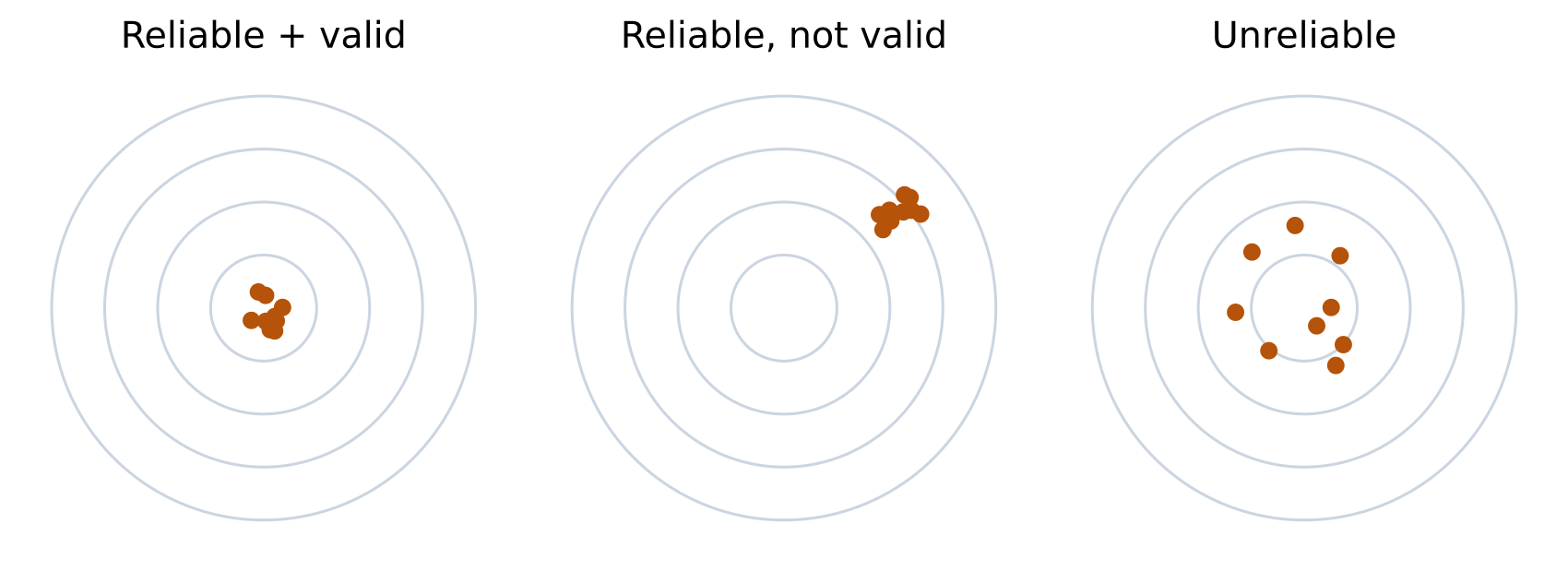
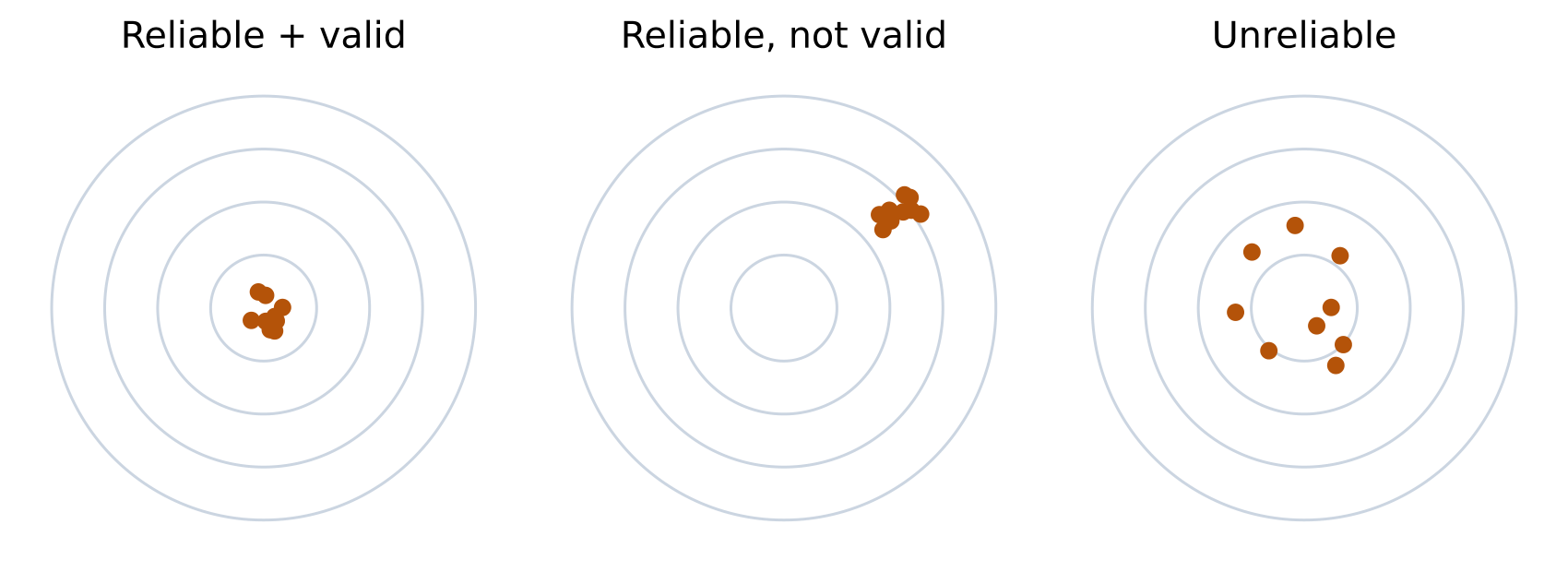
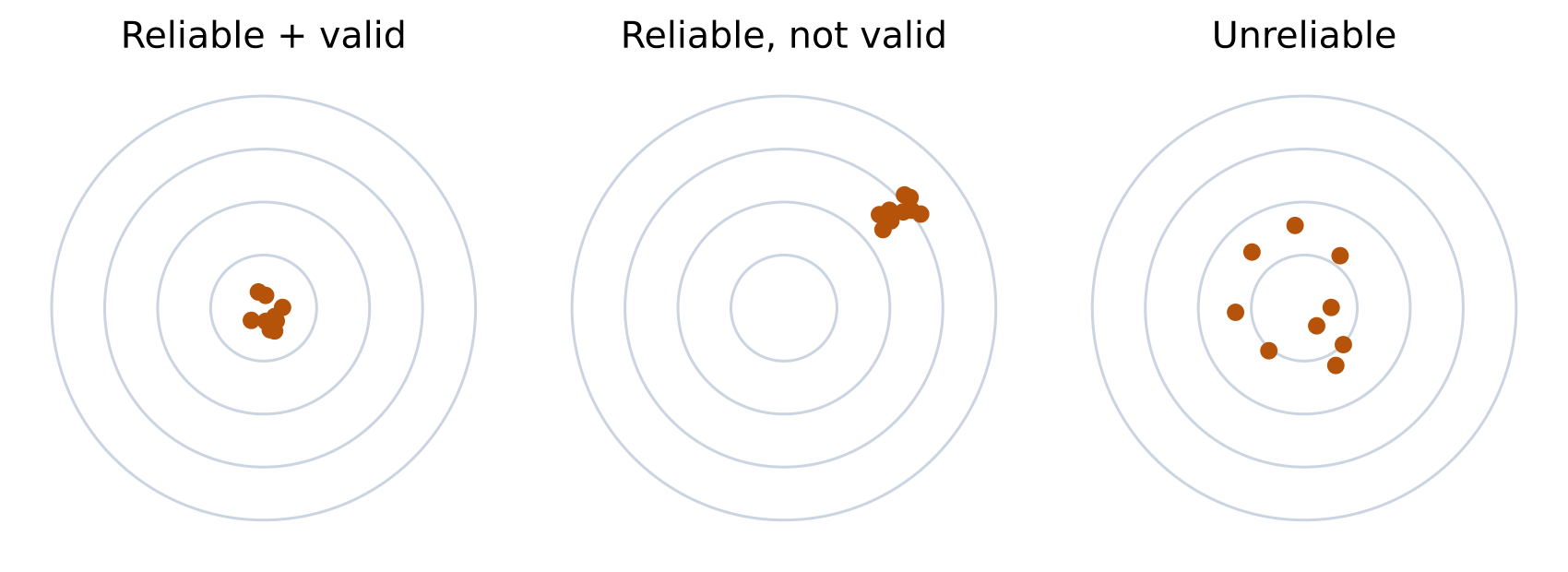
    الثبات: اتساق القياس. الصلاحية: الأدلة على تفسير القياس المقصود.

    يخص الثبات الاتساق؛ بينما تخص الصلاحية الأدلة التي تدعم تفسيرًا أو استخدامًا معينًا.

    تحديد التعريفات التشغيلية يوضح كيفية قياس البناء. لا يحدد تسمية الاستبيان صلاحية البناء.

    يعزز التعيين العشوائي المقارنات؛ ويدعم العينات العشوائية تعميم النتائج على المجتمع الإحصائي. يقيد الأخلاقيات كلًا من التصميم والتفسير.

    قيمة p هي احتمال الحصول على بيانات لا تقل توافقًا مع النموذج الصفري، وليست احتمال أن يكون النموذج الصفري صحيحًا. تُميز أسئلة التاريخ المدارس التفسيرية وأساليبها.

    عرّف بناءً، وحدد مقياسه الملاحظ، ثم اسأل عما إذا كان المقياس يدعم التفسير المقصود. تتعلق العينات العشوائية بمن يدخل الدراسة؛ بينما يتعلق التعيين العشوائي بالحالة التي يتلقاها المشاركون. يتطلب الاستنتاج السببي مقارنة موثوقة بالإضافة إلى الضمانات القياسية والأخلاقية. تختلف المدارس التاريخية في الأسئلة والأساليب التي تركز عليها. انظر MM.1 وMM.2 وHT.1 قبل استخدام العلامات الإحصائية أو التاريخية كتفسيرات.

    استنتاج محلول

    يُنتج اختبار الذاكرة درجات متشابهة عند إدارته مرارًا، لكنه يقيّر في الغالب مهارة القراءة. قد يُظهر موثوقية الاختبار-إعادة الاختبار بينما يفتقر إلى الأدلة لتفسيره المقصود المتعلق بالذاكرة. إن إثبات الصحة يتطلب أكثر من مجرد اتفاق متكرر.

    تم تعيين المتطوعين عشوائيًا في مهمتين للذاكرة. هل يجعل هذا العينة ممثلة لجميع البالغين؟

    لا. يحسن التعيين العشوائي قابلية المقارنة بين الظروف داخل العينة المختارة، ولكنه لا يلغي تأثير اختيار المتطوعين. يتطلب التعمق الانتباه إلى طريقة التجنيد وشروط الأهلية والفروقات السكانية. صف العينات العشوائية والتعيين العشوائي بشكل منفصل.

    المخطط الأصلي لعلم النفس القياسي وبناء الاختبارات. العلاقات والأرقام التوضيحية ليست نتائج بحثية.

    النقل المستقل

    تجد تقرير قيمة p=.03 ويخلص إلى أن نظريته تحمل احتمالية 97% في كونها صحيحة وتأثيرًا كبيرًا. صحح كلا الاستنتاجين.

    حاول الحل بشكل مستقل، ثم استخدم حل ورقة المهارة المطابقة.

    مراجعة وحدود المصادر

    تجنب هذا الخطأ: الدلالة الإحصائية وحدها لا تخبرك بحجم التأثير أو القيمة العملية أو غياب انحياز التصميم. يتحدد نطاق التدريس من ملف teaching.yaml ومراجعة المصدر/الإجابة/القصاصة في bank_review_form.yaml. تتطلب معايير التشخيص الحالية التفصيلية دليلًا معتمدًا؛ neither historical ETS practice nor this educational reference certifies them.

    مفردات
    English العربية
    reliability/rɪˌlaɪəˈbɪlɪti/ الثبات
    validity/væˈlɪdɪti/ الصدق
  • 7

    VII · Historical perspectives and psychometric interpretation

    برنامج تعليمي قادم قريبًا

    ورقة عمل

    المنظور التاريخي والتفسير النفسي القياسي

    النطاق والشروط المسبقة

    موضوع GRE المدعوم 7 (VII). استخدم MM.1 للدرجات المعيارية وEP.1 لمقاييس الفحص الشرطي. يتم تتبع الأسئلة الرسمية الموجودة في bank_review_form.yaml؛ المهام الأصلية أدناه ليست عناصر ETS.

    المفاهيم والمنهجية

    الموثوقية: اتساق القياس تحت شروط محددة. الصلاحية: الأدلة الداعمة لتفسير معين واستخدام للنتائج.

    حللت المدرسة البنائية التجربة الواعية؛ وسألت الوظيفية كيف تخدم النشاط العقلي التكيف. ركزت السلوكية على التعلم المرئي؛ وأكدت علم النفس الغشتالت الإدراك المنظم. هذه تركيزات تاريخية وليست مسميات قابلة للتبديل.

    تركز الروايات التحليلية على الصراع اللاواعي، والروايات الإنسانية على الوكالة والنمو، والروايات المعرفية على معالجة المعلومات. قارن الآلية التفسيرية بدلاً من مطابقة كل نظرية مع اسم مألوف واحد.

    تتعلق الموثوقية بالاتساق عبر القياسات. تتعلق الصلاحية بالأدلة للتفسير المقترح والاستخدام. لا يمكن لمعامل موثوقية مرتفع أن يثبت أن الاختبار يقيس البناء المقصود بشكل عادل.

    يوفر المعيارية إدارة متسقة وعينة مرجعية ذات صلة. يختلف المرتبة المرجعية عن الإتقان المعتمد على المعيار. تعتمد القيمة التنبؤية على المعدلات الأساسية بالإضافة إلى الحساسية والدقة.

    يصف المعيار المرتبة النسبية في مجتمع مرجعي؛ ويصف معيار الإتقان معيار أداء محدد. لا يعني المئوية العالية نفس الشيء كالنسبة المئوية للإجابات الصحيحة. تقلل الإدارة المعيارية من التباين الإجرائي الذي يمكن تجنبه، لكن عينة المعيار لا تزال يجب أن تتناسب مع الاستخدام المقصود. يمكن للنظريات النفسية طرح أسئلة مكملة؛ ولا يجعل الاختلاف في التركيز كل ملاحظة حاسمة لمدرسة واحدة.

    استنتاج محلول

    في 1,000 شخصًا، نفترض أن 10 لديهم حالة مستهدفة. يكشف أداة الفحص عن 9 من هؤلاء 10، لكنها تثير إنذارًا كاذبًا لـ 99 منOthers 990 الآخرين. من بين 108 نتائج فحص إيجابية، فقط 9/108≈8.3% هم إيجابيات حقيقية. هذا مثال منهجي افتراضي، وليس توصية تشخيصية.

    يتعلم الطالب في 80百分位 على اختبار مرجعي ويجيب 60% بشكل صحيح. هل هذا تناقض؟

    لا. تقارن الإجابات الصحيحة جميع العناصر. تقارن المئوية المرتبة نتيجة الطالب بنتائج مجموعة مرجعية. يمكن للاختبار الصعب إنتاج كلا الرقمين. حدد المجتمع المرجعي والمقارنة المحددة بدلاً من استبدال أحد المقاييس بالآخر.

    المخطط الأصلي لحاسة الإدراك وعلم النفس القياسي. العلاقات والأرقام التوضيحية ليست نتائج بحثية.

    النقل المستقل

    في 2,000 حالات افتراضية، 20 تلبي تعريف الهدف. يسجل الفحص 18 منها و198 من الآخرين. احسب الكسر من الفحوصات الإيجابية التي تلبي التعريف.

    حاول الحل بشكل مستقل، ثم استخدم حل ورقة المهارة المطابقة.

    مراجعة وحدود المصادر

    تجنب هذا الخطأ: لا تساوِ الحساسية باحتمالية أن تكون النتيجة الإيجابية صحيحة، ولا تستخدم درجة الفصل الدراسي لتشخيص اضطراب. يتحدد نطاق التدريس من ملف teaching.yaml ومراجعة source/key/crop في bank_review_form.yaml. تتطلب معايير التشخيص الحالية التفصيلية دليلًا معتمدًا؛ neither historical ETS practice nor this educational reference certifies them.

    مفردات
    English العربية
    reliability/rɪˌlaɪəˈbɪlɪti/ الثبات
    validity/væˈlɪdɪti/ الصدق
  • 8

    CL.1 · Diagnostic systems and disorder classification

    برنامج تعليمي قادم قريبًا

    ورقة عمل

    أنظمة التشخيص وتصنيف الاضطرابات

    النطاق والشروط المسبقة

    موضوع GRE المدعوم 8 (CL.1). استخدم درس نظرة عامة على القياس VI عند تفسير أدلة البحث. تم تتبع الأسئلة الرسمية الحالية في bank_review_form.yaml؛ المهام الأصلية أدناه ليست عناصر ETS.

    المفاهيم والمنهجية

    معايير التشخيص: المتطلبات المدرجة للأعراض والمدة والإعاقة وشروط الاستبعاد للتصنيف. نموذج الاستعداد والتوتر-: رواية حول كيفية تأثير الاستعداد والتوتر البيئي معًا على المخاطر.

    الإطار المسجل هو DSM-5-TR. الوصف السريري يصور الأنماط؛ الفئة لا تحدد سبب العرض. يجب تفسير عناصر ETS التاريخية مقابل إصدار المصدر المسجل.

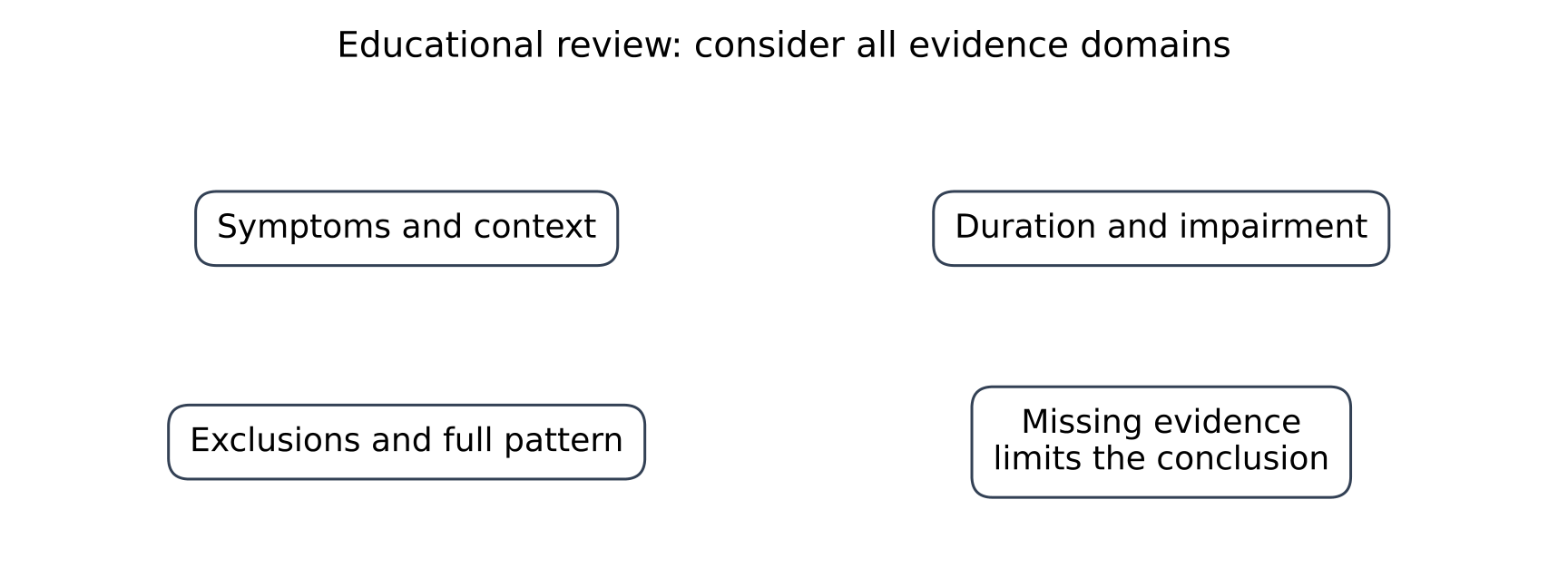
    يجب النظر في الأعراض والمدة والضيق أو الإعاقة ذات الأهمية السريرية والسياق وشروط الاستبعاد معًا. لا تحدد المدة القصيرة بمفردها اضطراب التوتر الحاد أو أي تشخيص آخر.

    يفحص نموذج الاستعداد والتوتر كيف يؤثر الاستعداد والتوتر البيئي معًا على المخاطر. neither a family history nor a later event establishes an inevitable outcome or a universal necessity/sufficiency rule.

    تشمل التمييزات التعليمية الشائعة التجارب المضافة مقابل الوظائف المخفضة في وصف الأعراض، والعروض épisodique مقابل الأنماط المستمرة. تتطلب المعايير الحالية الكاملة دليلًا معتمدًا؛ كتاب练习 GRE المتاح ليس ذلك الدليل.

    الأسماء التدريسية المسجلة هي DSM-5-TR؛ نموذج ممارسة ETS التاريخي ليس سلطة لكل معايير التشخيص الحالية. يتطلب التشخيص نمطه الكامل وشروط الاستبعاد تحت الدليل المطبق. المدة جزء واحد من الأدلة، وليس أبداً قاعدة قرار كافية. الاستعداد والتوتر مفاهيم مخاطر: neither a family history nor an adverse event makes an outcome inevitable. تجنب تصنيف الأشخاص الحقيقيين في الممارسة التعليمية.

    استنتاج محلول

    توفر نبرة خيالية حدثاً سلبياً حديثاً وعرضين لأعراض، لكنها تستبعد العجز والاستثناءات والتقييم الشامل. ما الاستنتاج المبرر؟

    تحدد النبرة الأدلة ذات الصلة والمعلومات الناقصة. لا يمكنها تأسيس تشخيص. لا يمكن عتبة المدة وحدها تحويل حساب قصير إلى اضطراب بديل. الإجابة التعليمية الصحيحة هي تسمية مجالات المعايير الناقصة والمصدر/الإصدار، وليس تقديم نصائح شخصية.

    مجالات الأدلة التعليمية: النبرة غير المكتملة لا تؤسس لتشخيص.

    النقل المستقل

    يتشارك شخصان خياليان في عامل خطر عائلي؛ لكن أحدهما فقط واجه محفزاً لاحقاً وصعوبة. اشرح تفسير الحساسية-الضغط وحدوده.

    حاول الحل بشكل مستقل، ثم استخدم حل ورقة المهارة المطابقة.

    مراجعة وحدود المصادر

    تجنب هذا الخطأ: لا تستنتج تشخيصاً من المدة أو بعض الأعراض، ولا تقدم نصائح علاجية شخصية. نطاق التدريس مستمد من teaching.yaml ومراجعة المصدر/المفتاح/التقطيع في bank_review_form.yaml. تتطلب معايير التشخيص الحالية التفصيلية دليلاً معتمدًا؛ neither historical ETS practice nor this educational reference certifies them.

    مفردات
    English العربية
    diagnostic criteria/ˌdaɪəɡˈnɒstɪk kraɪˈtɪərɪə/ معايير التشخيص
    diathesis-stress model/ˈdaɪəθəsɪs stres ˈmɒdl/ نموذج الاستعداد والتوتر
  • 9

    CL.2 · Treatment models and outcome evidence

    برنامج تعليمي قادم قريبًا

    ورقة عمل

    English

    Treatment models and outcome evidence

    Scope and prerequisites

    Supported GRE topic 9 (CL.2). Use the overview measurement lesson VI when interpreting research evidence. Existing official questions are traced in bank_review_form.yaml; original tasks below are not ETS items.

    Concepts and method

    counterconditioning 对抗性条件作用: Replacing a conditioned response by pairing the stimulus with an incompatible response such as relaxation. common factors 共同因素: Ingredients shared across therapies, such as alliance and expectancy, proposed to explain comparable outcomes.

    Each therapy family proposes a mechanism. Psychodynamic work targets unconscious conflict and early relationships, using transference; object-relations variants emphasise early relationships in particular. Behavioural treatment applies learning principles: systematic desensitisation traditionally pairs a graded fear hierarchy with relaxation (counterconditioning), while exposure approaches need not use relaxation pairing. Cognitive-behavioural therapy identifies and tests distorted thoughts and adds behavioural activation. Person-centred work offers empathy, unconditional positive regard and congruence; Gestalt work stresses the here and now. Biological treatment includes medication and, for severe depression, electroconvulsive therapy.

    Match technique to mechanism and presentation: specific phobia points to graduated exposure; obsessive-compulsive disorder to exposure with response prevention; depression to cognitive restructuring plus activity scheduling. A therapist rooted in object relations will emphasise early life relationships, not medication or cognitive distortion lists.

    Outcome claims need controls because of spontaneous remission and regression to the mean: people seek help at their worst and improve anyway. A randomised controlled trial with a waitlist or placebo comparison separates treatment gain from natural course. Efficacy is performance under controlled conditions; effectiveness is performance in ordinary practice. Meta-analysis pools trials for a more stable estimate.

    When bona fide therapies show comparable mean outcomes, the common-factors hypothesis credits shared ingredients such as the working alliance, expectancy and empathy rather than branded techniques. Comparable means do not prove identical mechanisms, and a single trial cannot settle the question either way.

    Mechanism and outcome are different claims. An intervention may improve an outcome without the study establishing its proposed mechanism. A waitlist comparison controls some natural change, but not all attention and expectancy differences. An active comparison can address some of those differences. Compare allocation, attrition, outcome definition and follow-up before attributing benefit to a particular technique. Similar sample means do not demonstrate equivalence without an appropriate design and uncertainty analysis.

    Worked reasoning

    A therapist rooted in object relations theory emphasises early life relationships. A phobia treated by a relaxation-paired hierarchy is counterconditioning. A treated group improving from pre-test to post-test shows change, not efficacy: without a control, regression to the mean and spontaneous remission remain open.

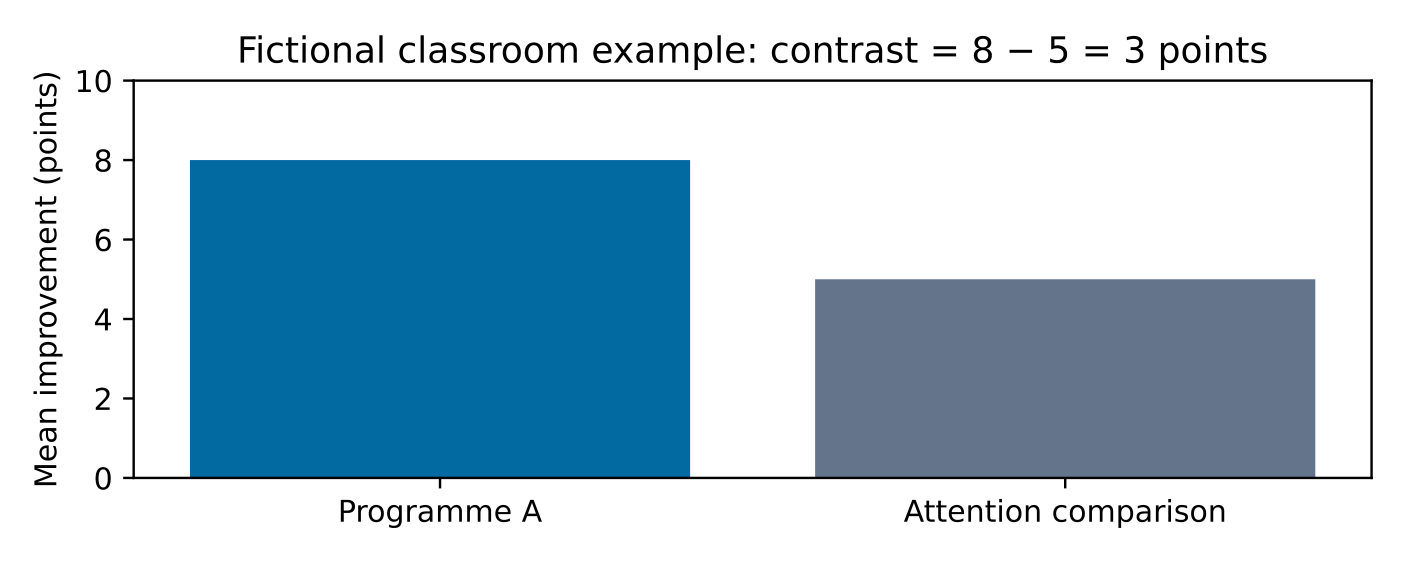
    In a fictional randomized study, mean improvement is 8 points in programme A and 5 in an attention comparison. What contrast is relevant?

    Between-group difference in mean improvement=8−5=3 points. The 8-point within-group gain includes changes also occurring under the comparison. The contrast may support a relative effect under the study conditions, but precision, missing data and outcome meaning are still needed. It does not establish the mechanism or superiority in all practice settings.

    Original fictional programme contrast: eight minus five equals three improvement points.

    Independent transfer

    A review combines ten small trials, all drawn from one type of clinic. Why does having ten studies not ensure a universal conclusion?

    Attempt independently, then use the matching skill sheet solution.

    Review and source limits

    Avoid this error: Inferring causation from a before-and-after gain without a control, or treating comparable means as proof of identical mechanisms. Teaching scope comes from teaching.yaml and the source/key/crop review in bank_review_form.yaml. Detailed current diagnostic criteria require an authenticated manual; neither historical ETS practice nor this educational reference certifies them.
    مفردات
    English العربية
    counterconditioning/ˈkaʊntəkəndɪʃənɪŋ/ التثبيط المعاكس
    common factors/ˈkɒmən ˈfæktəz/ العوامل المشتركة
  • 10

    MM.1 · Psychometrics and test construction

    برنامج تعليمي قادم قريبًا

    ورقة عمل

    English

    Psychometrics and test construction

    Scope and prerequisites

    Supported GRE topic 10 (MM.1). Use the overview measurement lesson VI when interpreting research evidence. Existing official questions are traced in bank_review_form.yaml; original tasks below are not ETS items.

    Concepts and method

    standard error of measurement 测量标准误: The expected spread of observed scores around the true score, SD×sqrt(1−r). construct validity 构想效度: Convergent and discriminant evidence that a score reflects the intended trait.

    Reliability is consistency, and its type is named by the design that produced it: the same test twice gives test-retest reliability; two similar forms give alternate-forms reliability; consistency within one sitting (split-half, Cronbach alpha) is internal consistency; agreement between scorers is inter-rater reliability. The Spearman-Brown formula r_full=2r/(1+r) rescales a half-test correlation to full test length: r=.80 becomes about .89.

    Validity is evidence for the proposed interpretation, not of the test itself: content validity asks whether items cover the domain; criterion validity relates scores to an outcome, concurrently or predictively; construct validity assembles convergent and discriminant evidence that the score tracks the intended trait. Reliability caps validity but never establishes it: a consistent scale can systematically measure something else.

    Standard scores re-express raw scores against a norm group: z=(X−mean)/SD, T=50+10z, and Wechsler deviation IQ=100+15z. A z of +2 gives IQ 130 and about the 98th percentile. The standard error of measurement SEM=SD×sqrt(1−r) converts reliability into a score band: SD=15 with r=.91 gives SEM=15×sqrt(.09)=4.5.

    Item analysis checks each item: difficulty p is the proportion answering correctly, and discrimination is the item-total correlation. Items that nearly everyone or no one answers correctly carry little information; negative discrimination flags a likely miskeyed or misleading item.

    Choose the reliability coefficient by the source of variation being studied. A standard error of measurement concerns measurement uncertainty under a model; it is not the standard error of a sample mean. The Spearman–Brown estimate assumes sufficiently comparable halves; a formula cannot repair unrelated item content. Standard scores describe relative position and do not show that a test measures the intended construct fairly across groups.

    Worked reasoning

    Two similar vocabulary tests given a week apart with r=.90 show alternate-forms reliability, not test-retest, because the form changed. With SD=15 and reliability .91, SEM=4.5 points. A z of +2 corresponds to IQ 130. A split-half correlation of .80 corrects to 2×.80/1.80≈.89 at full length.

    A fictional scale has mean 50 points, SD 10 points and reliability .84. A score is 65. Compute z and SEM, showing the formulas.

    z=(X−mean)/SD; z=(65 points−50 points)/(10 points)=1.5, dimensionless. SEM=SD√(1−r); SEM=(10 points)√(1−.84)=4 points. SEM is a model-based uncertainty measure, not proof of validity. T=50+10z; T=50+10(1.5)=65 on the T scale.

    Original schematic for Psychometrics and test construction. Illustrative relationships and numbers are not research results.

    Independent transfer

    Two raters repeatedly disagree by five points but rank scripts identically. Does a high correlation establish agreement? Suggest a check.

    Attempt independently, then use the matching skill sheet solution.

    Review and source limits

    Avoid this error: Calling a two-different-forms correlation test-retest reliability, or citing high reliability as if it were validity evidence. Teaching scope comes from teaching.yaml and the source/key/crop review in bank_review_form.yaml. Detailed current diagnostic criteria require an authenticated manual; neither historical ETS practice nor this educational reference certifies them.
    مفردات
    English العربية
    standard error of measurement/ˈstændəd ˈerə ɒv ˈmeʒəmənt/ خطأ القياس المعياري
    construct validity/ˈkɒnstrʌkt væˈlɪdɪti/ صدق البناء
  • 11

    MM.2 · Research designs and statistical interpretation

    برنامج تعليمي قادم قريبًا

    ورقة عمل

    التصاميم البحثية والتفسير الإحصائي

    النطاق والشروط المسبقة

    موضوع GRE المدعوم 11 (MM.2). استخدم درس المقياس العام VI عند تفسير الأدلة البحثية. الأسئلة الرسمية الحالية موثقة في bank_review_form.yaml؛ والمهام الأصلية أدناه ليست من items ETS.

    المفاهيم والمنهجية

    تأثير التفاعل: اعتماد تأثير عامل واحد على مستوى عامل آخر. التعيين العشوائي: تخصيص المشاركين في الحالات بالصدفة لدعم الاستدلال السببي.

    التجربة الحقيقية تتعامل مع متغير مستقل بتعيين عشوائي للمشاركين في الحالات؛ وتصاميم بين الأفراد تعطي أشخاصًا مختلفين لكل حالة، وتصاميم داخل الأفراد تقيس نفس الأشخاص في كل الحالات وتحتاج إلى الموازنة. التج شبه التجريبية تفتقر إلى التعيين الكامل، والدراسة الارتباطية لا تتعامل مع متغير مستقل. الارتباط وحده لا يثبت السببية أو الترتيب الزمني. يدعم التعيين العشوائي الصحة الداخلية (الاستدلال السببي)؛ والعينة العشوائية تدعم الصحة الخارجية (القابلية للتعميم). هما يجيبان عن أسئلة مختلفة.

    طابق التحليل مع التصميم ومقياس القياس والفرضيات. مجموعتان كميتان مستقلتان قد يناسبهما اختبار t للعينات المستقلة؛ والبيانات المترابطة تتطلب تحليلًا مترابطًا. غالبًا ما تستخدم التصاميم العاملية تحليل التباين؛ وقد يناسب الأعداد الفئوية اختبار كاي-تربيع عندما تتحقق فرضيات التعداد المتوقع. يفحص الارتباط أو الانحدار الروابط المحددة؛ ولا يثبت أي منهما وحده السببية.

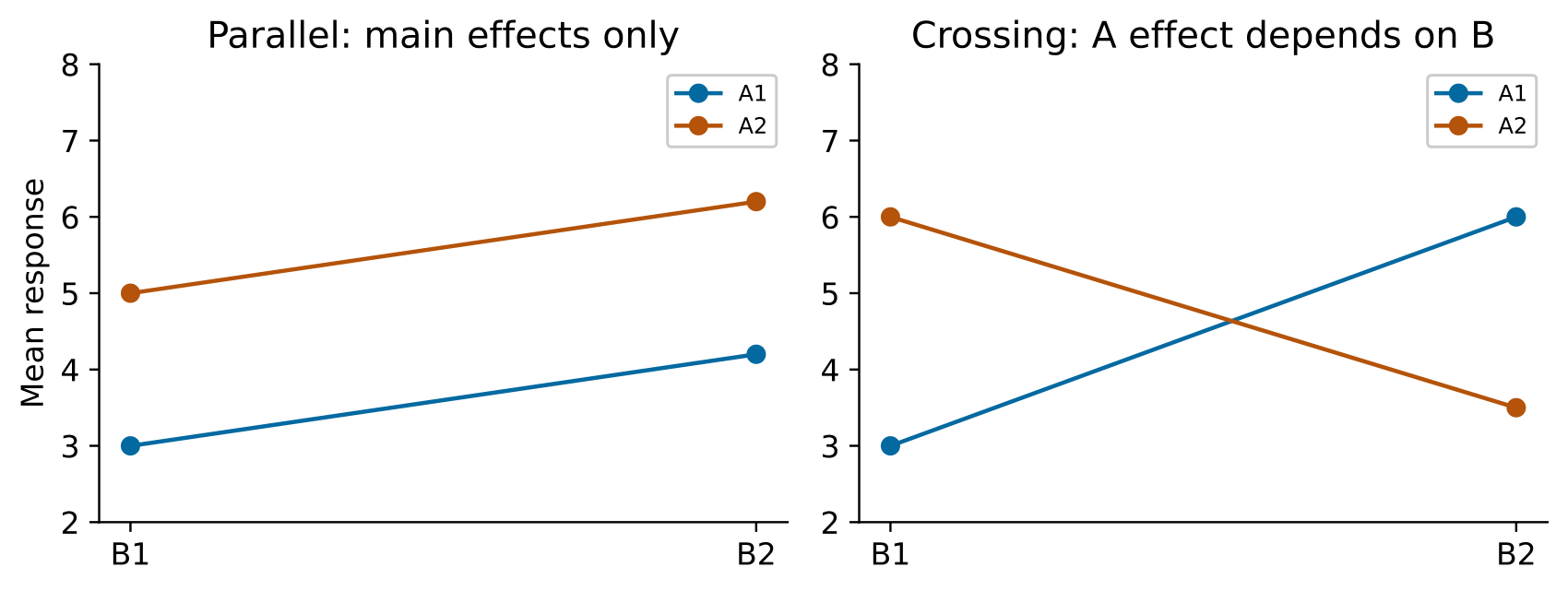
    التأثير الرئيسي يجمع عاملًا واحدًا عبر العامل الآخر. يعني التفاعل أن تأثيرًا ما يعتمد على العامل الآخر. تشير المتوسطات المجزأة غير المتوازية إلى نمط تفاعل، لكن التباين والتصميم مطلوبان للاستنتاج السكاني. يمكن أن توجد تفاعلات عندما تلغي التأثيرات الرئيسية المجزأة بعضها البعض؛ وعدم الدلالة ليس دليلاً على عدم وجود تأثير.

    متوسط العمر 26 مع معظم الطلاب 25 أو أقل يتوافق مع الانحياز الأيمن، لكنه لا يحدد شكل التوزيع بشكل فريد. الدلالة الإحصائية ليست حجم التأثير. القيمة p هي احتمالية الحصول على نتائج حادة على الأقل تحت النموذج الصفري المحدد والفرضيات، وليست احتمالية أن يكون النموذج الصفري صحيحًا. أخطاء النوع الأول والنوع الثاني تعتمد على التصميم وعتبات القرار.

    اختر اختبارًا من التصميم والمقياس والافتراضات، وليس مجرد عدد المجموعات. تتطلب المشاهدات المترافقة تحليلًا مترافقًا أو لقياسات متكررة؛ بينما تتطلب المجموعات المستقلة تحليلًا لمجموعات مستقلة. يمكن أن يكون التفاعل ذا معنى حتى لو ألغت التأثيرات الرئيسية المتوسطة بعضها البعض. الدلالة الإحصائية هي دليل تحت نموذج إحصائي، وليست شرطًا لوصف فرق مُلاحظ. قدم التقديرات وعدم اليقين وقم بتأهيل ادعاءات المجتمع الإحصائي.

    استنتاج محلول

    الدرجات المتوسطة الوهمية هي: المهمة أ، المبتدئون 4 والخبراء 8؛ المهمة ب، المبتدئون 8 والخبراء 4. احسب المتوسطات الهامشية وصف النمط.

    متوسط مبتدئ هامشي=(4+8)/2=6؛ متوسط خبير هامشي=(8+4)/2=6. متوسط مهمة أ هامشي=(4+8)/2=6؛ متوسط مهمة ب هامشي=(8+4)/2=6. يعكس تباين المهام حسب الخبرة نمط تفاعل رغم تساوي المتوسطات الهامشية. لا تكفي المتوسطات وحدها لإثبات تفاعل في المجتمع الإحصائي؛ بل نحتاج إلى التباين والتصميم والاستدلال.

    المخطط الأصلي لتصاميم البحث والتفسير الإحصائي. العلاقات والأرقام التوضيحية ليست نتائج بحثية.

    النقل المستقل

    نفس 24 أشخاص أكملوا مهمتين. محلل آخر يعامل درجات 48 كمجموعات مستقلة. اشرح المشكلة والأسلوب التحليلي المناسب.

    حاول الحل بشكل مستقل، ثم استخدم حل ورقة المهارة المطابقة.

    مراجعة وحدود المصادر

    تجنب هذا الخطأ: استنتاج سببي من تصميم ارتباطي، أو الإبلاغ عن تفاعل ذو دلالة إحصائية وكأنه تأثير رئيسي لعامل واحد. نطاق التدريس يأتي من teaching.yaml ومراجعة المصدر/المفتاح/التقطيع في bank_review_form.yaml. المعايير التشخيصية الحالية التفصيلية تتطلب دليلاً معتمداً؛ neither historical ETS practice nor this educational reference certifies them.

    مفردات
    English العربية
    interaction effect/ˌɪntəˈrækʃn ɪˈfekt/ تأثير التفاعل
    random assignment/ˈrændəm əˈsaɪnmənt/ التوزيع العشوائي
  • 12

    SP.1 · Sensation, perception and psychophysics

    برنامج تعليمي قادم قريبًا

    ورقة عمل

    الإدراك الحسي والإدراك وعلم النفس الكمي

    النطاق والشروط المسبقة

    موضوع GRE المدعوم 12 (SP.1). استخدم درس نظرة عامة القياس VI عند تفسير أدلة البحث. الأسئلة الرسمية القائمة يتم تتبعها في bank_review_form.yaml؛ المهام الأصلية أدناه ليست عناصر ETS.

    المفاهيم والمنهجية

    عتبة الفرق: أقل تغيير قابل للكشف في المحفز، وهو كسر ثابت من القيمة الأساسية وفقاً لقانون فيبر. التحويل: تحويل طاقة المحفز الفيزيائي إلى إشارات عصبية بواسطة المستقبلات.

    يرتبط علم النفس الكمي بين الشدة الفيزيائية والتجربة. العتبة المطلقة هي مستوى محفز يحقق معيار كشف محدد تحت ظروف محددة، غالباً 50% كشف؛ عتبة الفرق هي تغيير قابل للكشف تحت معيار مذكور. ينص قانون فيبر على أن عتبة الفرق هي كسر ثابت من القيمة الأساسية: ΔI/I=k. مع k=.02، يحتاج وزن 100 g إلى تغيير قدره 2 g، بينما يحتاج 200 g إلى 4 g. اقترح فيشنر أن الشدة المُدركة تنمو بشكل لوغاريتمي مع الشدة الفيزيائية.

    الكشف الحقيقي ضوضوي، لذلك يفصل نظرية كشف الإشارة بين الحساسية والتحيز. تقديم الإشارة أو الضوضاء في كل تجربة يعطي أربعة نتائج: hits, misses, false alarms and correct rejections. تقيس الحساسية d′ مدى انفصال توزيع الإشارة والضوضاء؛ المعيار يقيس استعداد المراقب للقول نعم. يمكن لتغيير المكافأة تحريك المعيار دون تغيير d′، لذا فإن معدل hits وحده ليس مقياساً للحساسية.

    يبدأ الإدراك الحسي بالتحويل: تحول المستقبلات الطاقة الفيزيائية إلى إشارات عصبية، كما يحول مستقبلات الضوء الضوء وخلايا الشعر ضغط الصوت. التكيف البصري هو تعافي حساسية النظام البصري في الضوء المنخفض.

    ينظم الإدخال الإدراك بدلاً من نسخه. مبادئ Gestalt تجمع بناءً على القرب، التشابه، الإغلاق والاستمرارية الجيدة. معالجة من الأسفل للأعلى تبني الإدراكات من الخصائص؛ معالجة من الأعلى للأسفل تطبق السياق والتوقع. الإدراك التصنيفي يعامل التباين الصوتي المستمر كphonemes منفصلة: داخل الفئة، تكون الفروق صعبة السمع حتى لو كانت موجودة فيزيائياً.

    تعرف العتبة بمعيار كشف تحت ظروف محددة، غالباً 50% كشف للعتبة المطلقة، بدلاً من حدود فيزيائية حادة بين ما يُرى دائماً وما لا يُرى أبداً. تتنبأ مقاربة فيبر بتغيرات متناسبة مع قيمة أساسية ضمن نطاقها المفيد. التحويل يغير الطاقة إلى إشارات عصبية؛ الإدراك يجمع ويفسر ذلك الإدخال. تغيير حوافز الإبلاغ يتعلق بشكل أساسي بمعيار القرار، بينما قد تؤثر التغيرات في التباين الفيزيائي على الحساسية.

    استنتاج محلول

    مع كسر فيبر .02، يتطلب اكتشاف تغير من 50 g مقدار 1 g، ومن 500 g مقدار 10 g. طبيب أشعة يقول نعم بشكل متكرر بعد نظام الدفع مقابل الإصابة يغير معياره، وليس d′. مستمع لا يستطيع التمييز بين صوتين نطاقين ضمن فئة واحدة يُظهر إدراكاً تصنيفياً لبُعد مستمر فيزيائياً.

    مع كسر فيبر وهمي k=.03، قدر الفرق القابل للإدراك للمقاييس 100 g و300 g.

    ΔI/I=k، إذن ΔI=kI. ΔI=.03×100 g=3 g؛ ΔI=.03×300 g=9 g. الكسر بلا وحدة والنتيجة لها وحدة القيمة الأساسية. التنبؤ بثابت 3 g عند كلا المقاييس سيتجاهل النموذج التناسبي. المقاربة لا ت establishes عتبات متطابقة لجميع المراقبين أو الشدات.

    المخطط الأصلي لحاسة الإدراك وعلم النفس القياسي. العلاقات والأرقام التوضيحية ليست نتائج بحثية.

    النقل المستقل

    يقول المستمع نعم في تجارب إشارة أكثر وضوضاء أكثر بعد إنذار. اشرح لماذا التكيف الحسي ليس التفسير الأولي الوحيد أو الأفضل.

    حاول الحل بشكل مستقل، ثم استخدم حل ورقة المهارة المطابقة.

    مراجعة وحدود المصادر

    تجنب هذا الخطأ: التعامل مع عتبة الفرق ككمية ثابتة بدلاً من كسر من القيمة الأساسية، أو قراءة معدل hits أعلى على أنه حساسية أفضل عندما يقول المراقب نعم أكثر فقط. نطاق التدريس يأتي من teaching.yaml ومراجعة المصدر/المفتاح/التقطيع في bank_review_form.yaml. المعايير التشخيصية الحالية التفصيلية تتطلب دليلاً معتمداً؛ neither historical ETS practice nor this educational reference certifies them.

    مفردات
    English العربية
    difference threshold/ˈdɪfrəns ˈθreʃəʊld/ عتبارة التمييز
    transduction/trænsˈdʌkʃn/ التحوّل الحسي
  • 13

    NE.1 · Neurons, synapses and brain systems

    برنامج تعليمي قادم قريبًا

    ورقة عمل

    الخلايا العصبية والمشابك وأنظمة الدماغ

    النطاق والشروط المسبقة

    موضوع GRE المدعوم 13 (NE.1). استخدم درس المراجعة VI عند تفسير الأدلة البحثية. الأسئلة الرسمية الموجودة مسجّلة في bank_review_form.yaml؛ المهام الأصلية أدناه ليست من ETS.

    المفاهيم والمنهجية

    مبدأ الكل أو لا شيء: بمجرد الوصول إلى العتبة، يُطلق العصبون نبضة كاملة؛ فزيادة شدة المحفز ترفع معدل الإطلاق، وليس حجم النبضة. إعادة الامتصاص: إعادة امتصاص الناقل العصبي داخل الخلية قبل المشبكية، مما ينهي تأثيره.

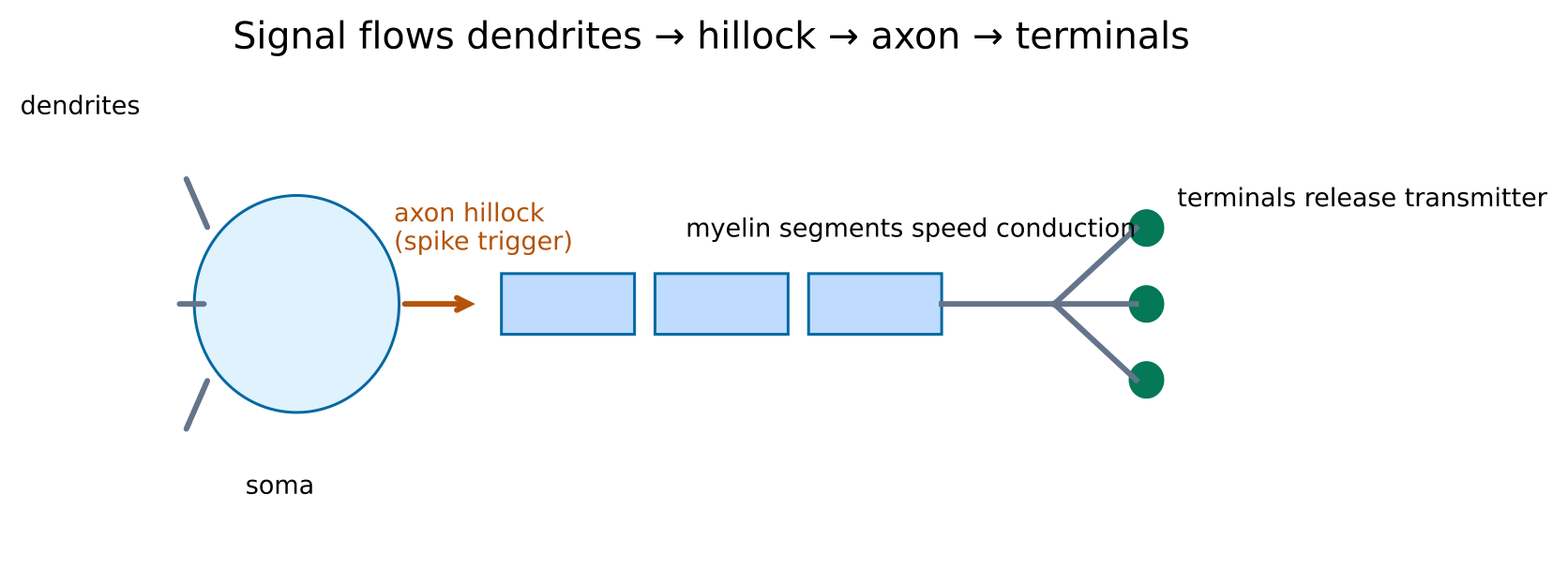
    يبدأ جهد الفعل عند البروز المحوري، حيث تتجمع المدخلات التدريجية؛ وبمجرد الوصول إلى العتبة، يُطلق العصبون نبضة كاملة (مبدأ الكل أو لا شيء)، وخلال فترة الاسترداد المطلقة لا يمكنه إطلاق نبضات أخرى. تُرمز شدة المحفز بمعدل الإطلاق وعدد العصبونات المُفعَّلة، وليس بحجم النبضة. يعمد الميالين العصب ويُسرع النقل عن طريق النقل القفزي بين عقد رانفييه؛ وتُبطئ الأمراض المدمرة للميالين أو تحجب النقل.

    عند المشبك الكيميائي، تفتح قنوات الكالسيوم عند وصول النبضة، وتفرز الحويصلات الناقل العصبي في الشق المشبكي، وتحول المستقبلات على الخلية بعد المشبكية الارتباط إلى جهد تدريجي جديد. تعيد عملية إعادة الامتصاص والتحلل الإنزيمي تنظيف الناقل. قد يكون الدواء محفزاً (يشبه أو يعزز عمل الناقل) أو مضاداً (يحجب المستقبلات)؛ مثبطات استرداد السيروتونين selective block serotonin reuptake, leaving more in the cleft.

    روابط البنية والوظيفة:-supports amygdala emotion and fear learning; hippocampus needed to form new episodic memories; hypothalamus regulates drives and homeostasis; cerebellum coordinates movement; Broca's area supports speech production and Wernicke's area comprehension; prefrontal cortex supports planning and control. Localisation is real but partial: most behaviours involve distributed networks.

    يُظهر الدوبامين التحديد: فهو يدعم الحركة والمكافأة، ويؤدي نقصه إلى مرض باركنسون، ويرتبط فرط إشارات الدوبامين بالأعراض الإيجابية لاضطراب الفصام، الذي تعالج العديد من الأدوية المضادة للذهان عن طريق حجب مستقبلات D2. يعمل ناقل عصبي واحد على أنظمة متعددة، لذا يعتمد التأثير السلوكي للدواء على المسار وليس الجزيء وحده.

    يمكن أن تتفاوت المدخلات التدريجية في الحجم وتتجمع عند منطقة التفعيل؛ وجهد الفعل المنقول هو مبدأ الكل أو لا شيء. يمكن أن يؤدي المدخل الأقوى إلى تغيير تردد الإطلاق والتجنيد، بدلاً من جعل كل نبضة أعلى. عند المشبك الكيميائي، يفتح الوصول قنوات الكالسيوم، وتفرز الحويصلات الناقل، وتغير المستقبلات الخلية المستقبلة. يزيد المحفز من عمل مرتبط بالمستقبل، بينما يحبط المضاد ذلك. تعتمد الآثار على المستقبل والدائرة العصبية، وليس فقط اسم الناقل.

    استنتاج محلول

    تُحفَّز النبذة عند تلم المحور بمجرد تجاوز المدخلات المجمعة للعتبة؛ وبعد الإطلاق، تفرض فترة الشلل المطلق توقفاً. منع استرداد السيروتونين يرفع مستواه المشبكي، وهو آلية عمل مثبطات استرداد السيروتونين. فقدان العصبونات الدوبامينية يسبب اضطراب الحركة في مرض باركنسون.

    مادة خيالية تحجب المستقبلات دون تنشيطها. وأخرى تبطئ إعادة امتصاص الناقل. تنبأ بآثارها الفورية مع وضع qualifiers.

    يعمل حاصر المستقبل كمضاد عند المستقبل المذكور. يمكن أن يؤدي بطء إعادة الامتصاص إلى إطالة أو زيادة توافر الناقل في الشق المشبكي. لا يحدد أي وصف منهما تأثيراً سلوكياً شاملاً: فالأنواع الفرعية للمستقبلات والتغذية الراجعة والمسارات المتأثرة مهمة. لا تستنتج توصية دوائية.

    المخطط الأصلي للعصبونات والمشابكات وأنظمة الدماغ. العلاقات والأرقام التوضيحية ليست نتائج بحثية.

    النقل المستقل

    ينتج المحفز الأقوى عددًا أكبر من النبضات بنفس الارتفاع. يُشير قارئ العينات إلى هذا الدليل ضد إطلاق مبدأ الكل أو لا شيء. صحح الاستنتاج.

    حاول الحل بشكل مستقل، ثم استخدم حل ورقة المهارة المطابقة.

    مراجعة وحدود المصادر

    تجنب هذا الخطأ: وصف محفز أقوى بأنه ينتج نبضة أكبر، أو تسمية مركز دماوي واحد كأساس كامل لسلوك معقد. نطاق التدريس يأتي من teaching.yaml ومراجعة المصدر/المفتاح/القصاصة في bank_review_form.yaml. تتطلب معايير التشخيص الحالية التفصيلية دليلًا موثقًا؛ neither historical ETS practice nor this educational reference certifies them.

    مفردات
    English العربية
    all-or-none principle/ɔːl ɔː nɒn ˈprɪnsɪpl/ مبدأ الكل أو اللاشيء
    reuptake/ˈruːpteɪk/ إعادة الامتصاص
  • 14

    DV.1 · Developmental theories and milestones

    برنامج تعليمي قادم قريبًا

    ورقة عمل

    نظريات التطور والمراحل

    النطاق والشروط المسبقة

    موضوع GRE المدعوم 14 (DV.1). استخدم درس المراجعة VI عند تفسير الأدلة البحثية. الأسئلة الرسمية الموجودة مسجّلة في bank_review_form.yaml؛ المهام الأصلية أدناه ليست من ETS.

    المفاهيم والمنهجية

    ثبات الجسم: إدراك أن الأجسام تستمر في الوجود حتى خارج视野، يتم اكتسابه في المرحلة الحسية-الحركية. نظرية العقل: فهم أن الآخرين يحملون معتقدات، بما في ذلك المعتقدات الخاطئة.

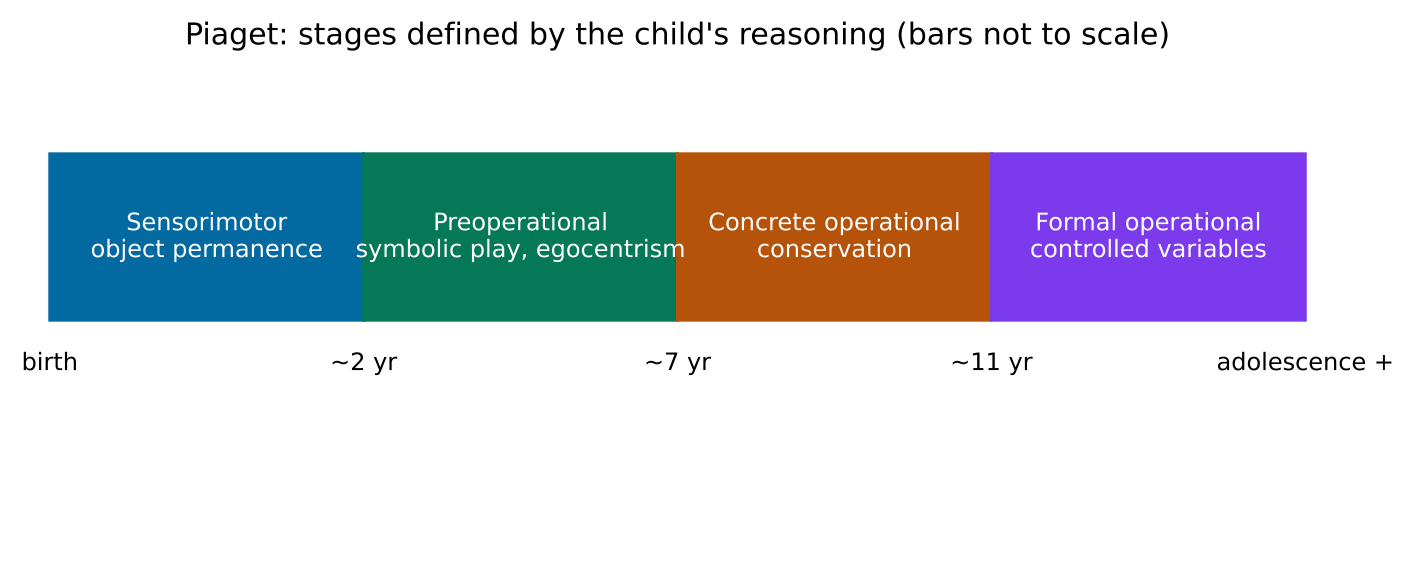
    تُعرَّف مراحل بايجيت بما يستطيع الطفل فعله. المرحلة الحسية-الحركية (من الولادة إلى حوالي 2): ثبات الجسم. مرحلة ما قبل العمليات (حوالي 2 إلى 7): اللعب الرمزي لكن الأنانية والفشل في حفظ الكمية. المرحلة العملياتية المحددة (حوالي 7 إلى 11): حفظ الكمية والعمليات العكسية على المواد الملموسة. المرحلة العملياتية المجردة (حوالي 11 فما فوق): الاستدلال الافتراضي-الاستنباطي، كما في مهمة النواس، حيث يثبت المحلّل عاملًا ثابتًا بينما يغيّر آخرًا. الأعمار تقريبية؛ لتحديد المرحلة، يُستخدم ملف نمط التفكير.

    رتَّب كولبرج التفكير الأخلاقي إلى مستويات ما قبل التقليدية (العواقب الخاصة بالذات)، والتقليدية (الموافقة والقواعد)، وما بعد التقليدية (المبادئ). صوَّغ إريكسن ثماني أزمات نفسية اجتماعية عبر العمر، من الثقة مقابل عدم الثقة في الرضاعة إلى التكامل مقابل اليأس في أواخر العمر؛ والانتماء مقابل ارتباك الأدوار ينتمي للمراهقة. تصف النظرات المرحلية تسلسلات شائعة، bukan جداول زمنية ثابتة.

    تستخدم أبحاث الترابط الحالة الغريبة: الأطفال الآمنون يستخدمون الوالدة كقاعدة ويُطمأنون عند اللقاء؛ الأطفال المتجنبون يحافظون على المسافة؛ الأطفال المقاومون (المتذبذبون) يتمسكون بالوالدة لكنهم لا يطمأنون بسهولة. يتنبأ حساسية الوالدة بالنمط، وترتبط الأنماط المبكرة بالعلاقات اللاحقة دون تحديدها.

    نظرية العقل هي فهم أن للآخرين معتقدات، بما في ذلك المعتقدات الخاطئة. اختبار المعتقد الخاطئ هو الاختبار القياسي له: الطفل الذي يتوقع من الباحث البحث عن المكان الذي يوجد فيه الجسم فعليًا، بدلاً من المكان الذي رآه فيه الباحث، لم يجتز الاختبار بعد. الاستخفاء المقصود يفترض نمذجة ما يملكه الشخص الآخر من معتقدات، لذا فإن الكذب الخادع يشير إلى تغيير في التمثيل الذهني.

    الامتصاص يستخدم مخططًا موجودًا؛ والتكيف يغير المخطط عندما لا يناسب الواقع.exam tasks فحص مهام الحفظ ما إذا كانت التحولات تغير الكمية، وليس فقط ما إذا كان الأطفال يستخدمون كلمة بالغة. في نموذج التعلم المدعوم، تمييز بين تنبيه ينظم تفكير الطفل وتنبيه يوفر الإجابة. observational observations الملاحظات المتعلقة بالارتباط تتعلق بسلوك محدد بالعلاقة ضمن بروتوكول، وليس تشخيص شخصية بالغة.

    استنتاج محلول

    الطفل الذي يحل مشكلة البندول بإبقاء X ثابتاً بينما يغير Y يُظهر تفكيراً تشغيلياً شكلياً. حفظ حجم السائل عبر الأوعية يشير إلى العمليات الملموسة. الرضيع الذي يهدأ بسهولة عند اللقاء يُظهر نمطاً آمناً. توقع أن يبحث الشخص عن المكان الفعلي للشيء بدلاً من المكان الذي رآه يفشل في اختبار الاعتقاد الخاطئ.

    يطلق الطفل على كل حيوان رباعي الأرجل اسم "كلب"، ثم يخلق فئة منفصلة للقطط بعد عرض أمثلة متناقضة. اشرح العمليتين.

    استخدام فئة الكلب الموجودة لتسمية قطة يمثل الامتصاص. تعديل الفئات لتمييز القطط يمثل التكيف. المثال يتعلق بتغيير التصنيف، وليس بإثبات مرحلة معينة أو ذكاء الطفل العام. اسأل عن استنتاجات الطفل واختبر أمثلة جديدة.

    المخطط الأصلي لنظريات التطور ومعالمه. العلاقات والأرقام التوضيحية ليست نتائج بحثية.

    النقل المستقل

    يتوقع الطفل أن يكون الكوب الضيق الأطول يحتوي على ماء أكثر بعد النقل. صمم سؤالًا يختبر التفكير دون إفشاء الإجابة.

    حاول الحل بشكل مستقل، ثم استخدم حل ورقة المهارة المطابقة.

    مراجعة وحدود المصادر

    تجنب هذا الخطأ: تعيين المرحلة بناءً على العمر فقط، أو اعتبار التسلسل التطوري جدولًا زمنيًا ثابتًا؛ ملف التعريف المعرفي، وليس تاريخ الميلاد، هو ما يحدد المرحلة. نطاق التدريس مستمد من teaching.yaml ومراجعة المصدر/المفتاح/التقطيع في bank_review_form.yaml. تتطلب معايير التشخيص الحالية المفصلة دليلًا معتمدًا؛ neither historical ETS practice nor this educational reference certifies them.

    مفردات
    English العربية
    object permanence/ˈɒbdʒekt ˈpɜːmənəns/ ثبات الكيان
    theory of mind/ˈθɪəri ɒv maɪnd/ نظرية الذهن
  • 15

    HT.1 · Theorists, schools and their claims

    برنامج تعليمي قادم قريبًا

    ورقة عمل

    النظرية والمدرسة وادعاءاتها

    النطاق والشروط المسبقة

    موضوع GRE المدعوم 15 (HT.1). Use the overview measurement lesson VI when interpreting research evidence. Existing official questions are traced in bank_review_form.yaml; original tasks below are not ETS items.

    المفاهيم والمنهجية

    البنائية: مدرسة تيتشنر التي تحلل التجربة إلى عناصر أساسية من خلال التأمل الذاتي. الثورة المعرفية: استعادة 1950 العمليات العقلية ككائنات قانونية للدراسة، مما أزال السلوكية الصارمة.

    بدأت مختبرات علم النفس في 1870s: ويليام فونت في لايبزيغ (1879) وعمل ويليام جيمس في جامعة هارفارد. نقل طالب فونت، تيتشنر، البنائية بتحليل التجربة إلى عناصر بالتأمل الذاتي؛ بينما سأل وظيفية جيمس عن الغرض من العمليات العقلية، وهي مصاغة بالتطور. رفض علماء الشكل (فيرتايمر، كههلر، كوفكا) تحليل العناصر، بحجة أن الكليات المنظمة تسبق الأجزاء في الإدراك.

    تركز التحليل النفسي لفرويد على الصراع اللاواعي والخبرة المبكرة، وآليات الدفاع ومراحل النمو الجنسي-النفسي؛ ادعاءاته محل جدل علميًا لكنها شكلت الممارسة السريرية. رد فعل Watson's 1913 السلوكية التام للتأمل الذاتي لصالح السلوك المرئي، وفسّر سكينر السلوك الجذري الأفعال عبر العواقب التشغيلية. حللت هورني التكيف بأنه التحرك نحو الأشخاص أو بعيدًا عنهم أو ضدهم.

    القوة الثالثة الإنسانية (هر马斯لو للاحتياجات، نهج روجرز المتمحور حول الشخص) أكدت النمو وتحقيق الذات مقابل التحليل النفسي والسلوكية. came revolution of the 1950s استعادة العقل ككائن قانوني: حدود ذاكرة عمل ميلر، التخليص المعرفي لنيسر، ومراجعة تشومسكي 1959 التي تجادل بأن حساب سكينر للسلوك اللفظي لا يمكنه تفسير اكتساب اللغة.

    بنّت التقاليد اللاحقة على هذه الأساسات: تعلم اجتماعي بانديرا (دراسات دمية بوبو) أضاف الملاحظة والنمذجة للتقويض؛ يعالج therapy Cognitive Beck التفكير المشوه في الاكتئاب؛ وصف إيسنك الشخصية بأبعاد واسعة مثل الانبساط والعصابية. طابق كل اسم مع ادعاء ومنهج، وليس مجرد جملة مشهورة.

    صنف التفسير حسب الآلية والمنهج المقترحين. differs from structuralist analysis of experience التحليل البنائي أسئلة وظيفية حول التكيف. behaviorist accounts تدرس العلاقات بين البيئة والسلوك المرئي؛ cognitive accounts تستخدم التمثيلات والمعالجة. emphasizes gestalt accounts التنظيم بدلاً من اختزال كل إدراك إلى إحساسات منعزلة. historical label مفيد فقط عندما يحدد ادعاءً could guide evidence collection.

    استنتاج محلول

    يعتبر مختبر فونت في لايبزيغ وعمل جيمس في هارفارد مؤسسيات 1870s؛ حوّل تيتشنر الغرائز إلى البنيوية بينما طرح جيمس أسئلة وظيفية. تعد مراجعة تشومسكي لـ Verbal Behavior نقطة تحول معرفية ضد سكينر. يعمل المعالج الذي يستهدف الأفكار التلقائية المشوهة ضمن التقليد المعرفي لبيك.

    تدرس إحدى الروايات جداول التقويض؛ ونماذج أخرى مخزن معلومات مؤقت؛ وتدرس الثالثة الغرض الذي يخدمه سلوك. طابق كل تركيز.

    jchedules reinforcement تتناسب مع التركيز السلوكي. temporary information store يتناسب مع التركيز المعرفي للمعالجة المعلوماتية. purpose adaptive يتناسب مع السؤال المميز للوظيفية. These are explanatory emphases, not a claim that a modern researcher must belong exclusively to one school.

    Original schematic for Theorists, schools and their claims. Illustrative relationships and numbers are not research results.

    النقل المستقل

    الإجابة تذكر نظريًا مشهورًا لكن لا تقدم تفسيرًا للرصد. أعد صياغتها كتفسير could be checked، باستخدام حالة التقويض.

    حاول الحل بشكل مستقل، ثم استخدم حل ورقة المهارة المطابقة.

    مراجعة وحدود المصادر

    تجنب هذا الخطأ: نسب تأسيس واحد لمؤسس وحيد، أو اعتبار ادعاءات التحليل النفسي والنتائج المعرفية المختبرة كنوع واحد من الأدلة. Teaching scope comes from teaching.yaml and the source/key/crop review in bank_review_form.yaml. Detailed current diagnostic criteria require an authenticated manual; neither historical ETS practice nor this educational reference certifies them.
    مفردات
    English العربية
    structuralism/ˈstrʌktʃərəlɪzəm/ البنائية
    cognitive revolution/ˈkɒɡnɪtɪv ˌrevəˈluːʃn/ الثورة المعرفية
  • 16

    LR.1 · Conditioning, reinforcement and observational learning

    برنامج تعليمي قادم قريبًا

    ورقة عمل

    English

    Conditioning, reinforcement and observational learning

    Scope and prerequisites

    Supported GRE topic 16 (LR.1). Use the overview measurement lesson VI when interpreting research evidence. Existing official questions are traced in bank_review_form.yaml; original tasks below are not ETS items.

    Concepts and method

    negative reinforcement 负强化: Strengthening a behaviour by removing an aversive stimulus; not punishment. extinction 消退: Weakening of a conditioned response when the CS no longer predicts the US or the behaviour is no longer reinforced.

    Classical conditioning pairs a neutral stimulus with an unconditioned stimulus until the neutral stimulus (now conditioned) evokes a conditioned response: bell then food gives bell-evoked salivation. Key phenomena: acquisition, extinction when the CS appears without the US, spontaneous recovery after a pause, generalisation to similar stimuli and discrimination between them. The CS predicts the US; timing and contingency matter.

    Operant conditioning changes voluntary behaviour by its consequences. Reinforcement INCREASES behaviour: positive adds something wanted, negative removes something aversive. Punishment DECREASES behaviour: positive adds something aversive, negative removes something wanted. Negative reinforcement is not punishment: both escape and avoidance strengthen the behaviour that ends or prevents the aversive event.

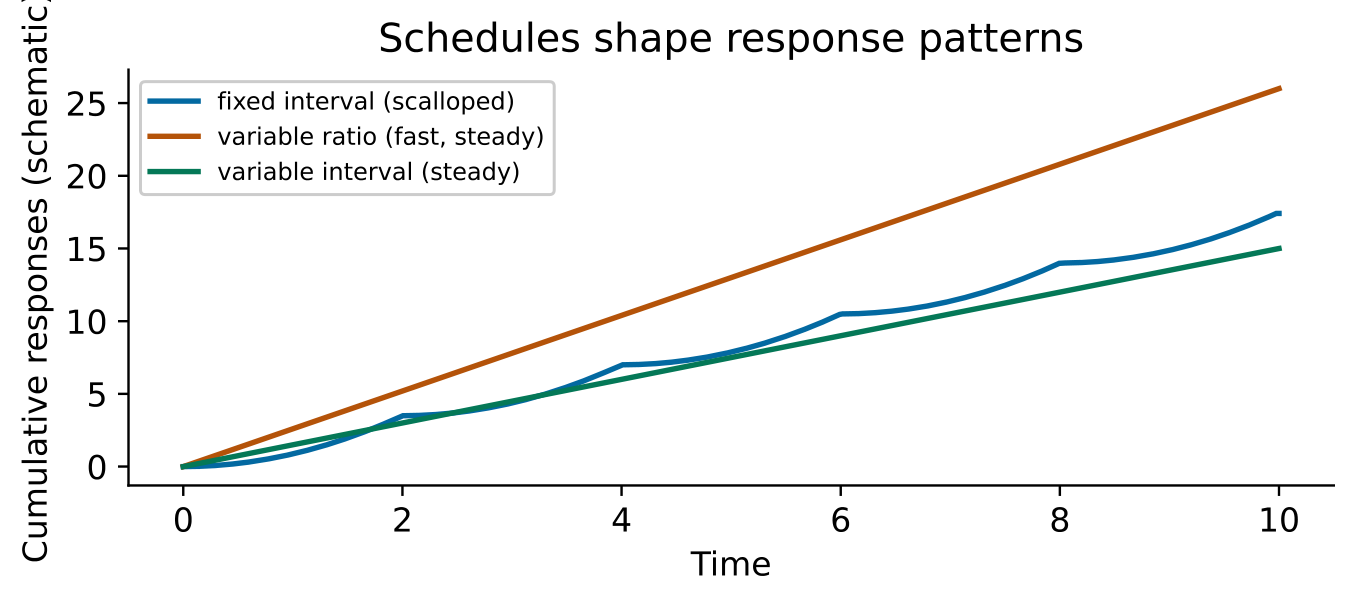
    Reinforcement schedules shape response patterns. Fixed-ratio schedules give high rates with a post-reinforcement pause; variable-ratio schedules give the highest, steadiest rates and resist extinction (gambling). Fixed-interval schedules give scalloped responding that rises near the interval end; variable-interval schedules give steady moderate rates. Ratio schedules count responses; interval schedules count time.

    Observational learning needs attention to the model, retention of what was seen, the ability to reproduce it, and motivation; vicarious reinforcement (seeing the model rewarded) raises imitation. Bandura's Bobo doll studies showed children imitate filmed aggression. Modelling extends learning beyond direct experience.

    Positive means adding; negative means removing. Reinforcement increases the target behaviour; punishment decreases it. Classify from the observed contingency and subsequent behaviour, not the adult's intention. Ratio schedules depend on responses; interval schedules depend on elapsed time before a response can be reinforced. Extinction means the previously reinforced response or cue no longer receives its former consequence; it is not simply forgetting.

    Worked reasoning

    A tone repeatedly followed by food comes to evoke salivation; presenting the tone without food extinguishes it, yet the response can briefly return after a rest (spontaneous recovery). A slot machine is a variable-ratio schedule: rapid, steady, extinction-resistant play. Taking an aspirin to end a headache is negative reinforcement; a fine for late work is negative punishment.

    Access to a game is removed after interruptions, and interruptions decline. An alarm stops after homework begins, and starting increases. Classify both.

    Removing access and decreasing interruptions is negative punishment. Removing the alarm and increasing starting is negative reinforcement. The same word removing occurs in both; the direction of change in the named behaviour separates them. These are descriptions of fictional contingencies, not recommended classroom interventions.

    Original schematic for Conditioning, reinforcement and observational learning. Illustrative relationships and numbers are not research results.

    Independent transfer

    Rewards follow every fifth response in one task and the first response after varying time intervals in another. Identify the schedules and the condition that earns each reward.

    Attempt independently, then use the matching skill sheet solution.

    Review and source limits

    Avoid this error: Calling negative reinforcement punishment, or treating any unpredictable reward as variable-ratio; interval schedules pay the first response AFTER the interval. Teaching scope comes from teaching.yaml and the source/key/crop review in bank_review_form.yaml. Detailed current diagnostic criteria require an authenticated manual; neither historical ETS practice nor this educational reference certifies them.
    مفردات
    English العربية
    negative reinforcement/ˈneɡətɪv ˌriːɪnˈfɔːsmənt/ التعزيز السلبي
    extinction/ekˈstɪŋkʃn/ الإخماد
  • 17

    ME.1 · Memory systems, processes and forgetting

    برنامج تعليمي قادم قريبًا

    ورقة عمل

    English

    Memory systems, processes and forgetting

    Scope and prerequisites

    Supported GRE topic 17 (ME.1). Use the overview measurement lesson VI when interpreting research evidence. Existing official questions are traced in bank_review_form.yaml; original tasks below are not ETS items.

    Concepts and method

    working memory 工作记忆: The limited active system holding and manipulating a few chunks for seconds. proactive interference 前摄干扰: Older learning disrupting the retention of newer material.

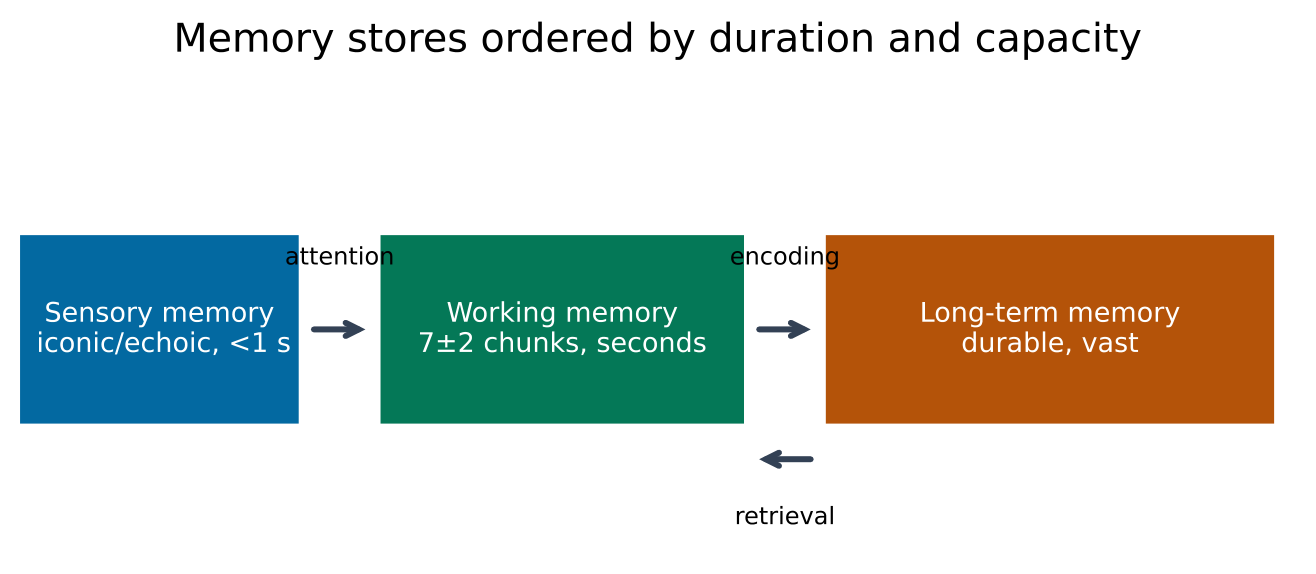
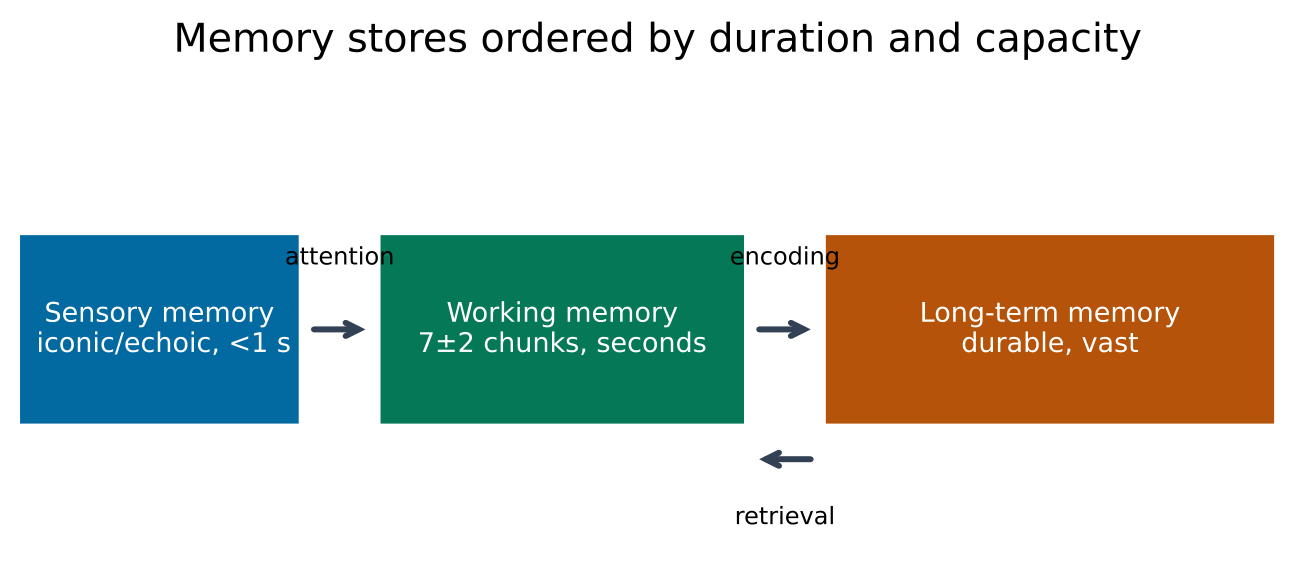
    The modal model orders stores by duration. Sensory memory holds a brief, nearly complete trace — iconic for vision, echoic for hearing — and a mask within 200–300 ms destroys it. Short-term or working memory holds a few chunks for seconds; Miller's classic estimate is 7±2 chunks, and rehearsal keeps material active. Long-term memory is durable and effectively unlimited.

    Working memory is more than a short store: Baddeley's model has a central executive with a phonological loop for speech-like material and a visuospatial sketchpad for images. Chunking recodes items into familiar units, expanding effective capacity without expanding the store.

    Long-term memory divides by content and awareness. Episodic memory is personal events; semantic memory is facts and knowledge; procedural memory is skills. Implicit memory shows in performance without deliberate recall (priming, skills); explicit memory is deliberate recall or recognition. A person can show priming for material they cannot consciously recollect.

    Forgetting has identifiable mechanisms. Proactive interference is old learning disrupting new; retroactive interference is new learning disrupting old. Retrieval failure follows encoding specificity: cues matching the encoding context restore recall. The serial position curve (primacy and recency) separates long-term from immediate-store contributions.

    Sensory stores briefly retain modality-specific input. Working memory maintains and processes a limited amount; chunking changes the effective units. Long-term explicit memory includes episodic events and semantic knowledge; implicit effects include skills and priming. Forgetting may involve interference or retrieval failure, so a failed free-recall test cannot uniquely identify decay. The familiar seven-plus-or-minus-two span is a historical estimate under particular tasks, not a universal working-memory capacity.

    Worked reasoning

    A masked letter array is lost within 300 ms — sensory memory. Remembering a phone number by 3-4 digit chunks uses chunking in working memory. Recognising a face without recalling the meeting is implicit memory. After learning French then Spanish, French vocabulary intrudes into Spanish recall: proactive interference.

    Old account passwords make a new password harder to recall. Later the new password disrupts recall of the old one. Name each direction.

    Old interfering with new is proactive interference; new interfering with old is retroactive interference. Name the target and the interfering material before applying the label. The case does not show that either memory has been erased.

    Original schematic for Memory systems, processes and forgetting. Illustrative relationships and numbers are not research results.

    Independent transfer

    A person improves at a motor task but cannot recall the training session. What distinction fits, and why is one case not proof of a fully isolated system?

    Attempt independently, then use the matching skill sheet solution.

    Review and source limits

    Avoid this error: Treating working memory as a single box, or calling every memory failure decay; interference and cue-dependent retrieval failure account for most exam cases. Teaching scope comes from teaching.yaml and the source/key/crop review in bank_review_form.yaml. Detailed current diagnostic criteria require an authenticated manual; neither historical ETS practice nor this educational reference certifies them.
    مفردات
    English العربية
    working memory/ˈwɜːkɪŋ ˈmeməri/ الذاكرة العاملة
    proactive interference/prəʊˈæktɪv ˌɪntəˈfɪərəns/ التداخل الاستباقية
  • 18

    LG.1 · Language structure, perception and acquisition

    برنامج تعليمي قادم قريبًا

    ورقة عمل

    English

    Language structure, perception and acquisition

    Scope and prerequisites

    Supported GRE topic 18 (LG.1). Use the overview measurement lesson VI when interpreting research evidence. Existing official questions are traced in bank_review_form.yaml; original tasks below are not ETS items.

    Concepts and method

    morpheme 语素: The smallest meaning-bearing unit of language. syntax 句法: The rules governing how words combine into phrases and sentences.

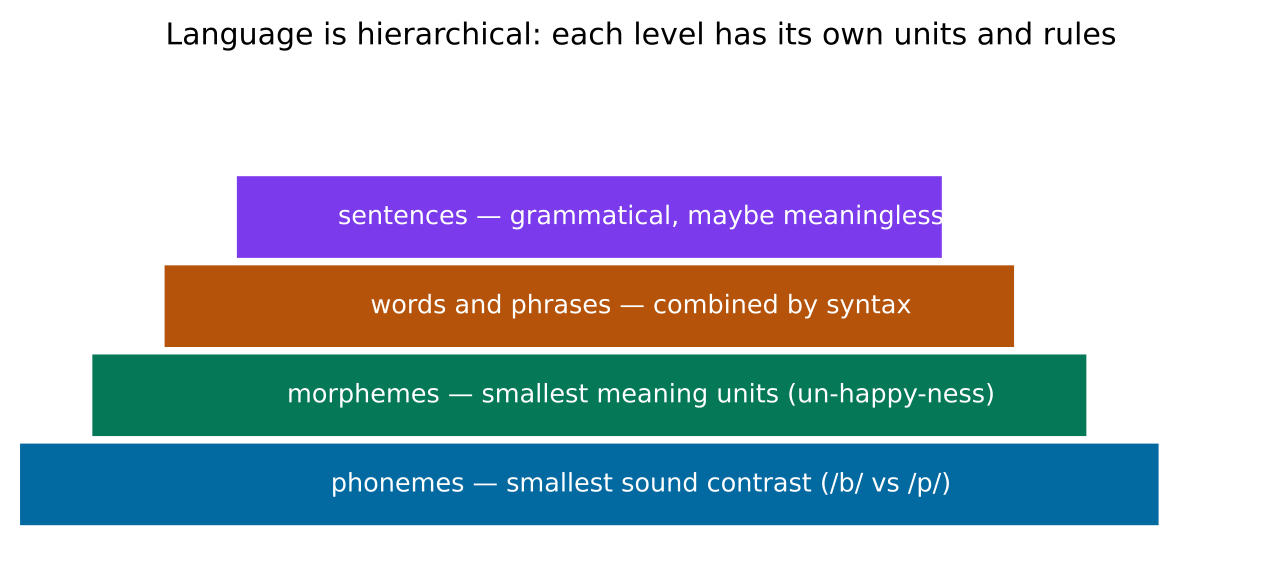
    Language is hierarchical. Phonemes are the smallest sound units that distinguish meaning (/b/ versus /p/); morphemes are the smallest meaning-bearing units (un-happy-ness has three); syntax governs how words combine into phrases and sentences; semantics concerns meaning. A sentence can be grammatical yet meaningless — syntax and semantics are separable.

    Speech perception is categorical: continuous acoustic variation is heard as discrete phonemes, so a sound between /b/ and /p/ is reported as one or the other. Listeners segment a continuous stream using transitional probabilities and knowledge, not audible gaps between words.

    Reading links print to sound and meaning. Skilled readers use both a grapheme-to-sound route (sounding out) and a direct whole-word route for familiar words; dyslexia research separates phonological decoding deficits from surface patterns. Eye-movement studies show reading is a series of fixations and saccades, not smooth gliding.

    Bilingualism research separates language proficiency from general intelligence: balanced bilinguals show executive-control practice effects, while subtractive schooling can harm both languages. Second-language learning declines with age of onset, especially for pronunciation and grammar, without a single sharp critical cut-off.

    Phonemes distinguish sound categories; morphemes carry meaning. Syntax concerns organization of words; semantics concerns meaning; pragmatics concerns use in context. A grammatical sentence can be unusual in meaning. Children's rule-based errors can show productive generalization rather than exact copying. Both learning opportunities and biological constraints matter; a single error cannot decide every language-acquisition theory.

    Worked reasoning

    Un-happy-ness is three morphemes but the spoken form has more phonemes than syllables. A sound midway between /b/ and /p/ is heard as clearly one or the other — categorical perception. Colourless green ideas sleep furiously is grammatical but meaningless, separating syntax from semantics.

    A child says walked correctly and then says goed. What does the second form suggest about learning, and what would be an overclaim?

    Goed applies a productive past-tense pattern to an irregular verb, consistent with overregularization. The child is doing more than repeating every form exactly. This does not prove that input or reinforcement never matters or that one complete theory has been established. Examine patterns across forms and development.

    Original schematic for Language structure, perception and acquisition. Illustrative relationships and numbers are not research results.

    Independent transfer

    Explain how a message can have correct syntax but be misunderstood because of context, using an original example.

    Attempt independently, then use the matching skill sheet solution.

    Review and source limits

    Avoid this error: Counting morphemes by letters or syllables, or treating word boundaries in speech as physically present; segmentation is inferred by the listener. Teaching scope comes from teaching.yaml and the source/key/crop review in bank_review_form.yaml. Detailed current diagnostic criteria require an authenticated manual; neither historical ETS practice nor this educational reference certifies them.
    مفردات
    English العربية
    morpheme/ˈmɔːfiːm/ المورفيم
    syntax/ˈsɪntæks/ النحو
  • 19

    TH.1 · Thinking, problem solving and intelligence

    برنامج تعليمي قادم قريبًا

    ورقة عمل

    English

    Thinking, problem solving and intelligence

    Scope and prerequisites

    Supported GRE topic 19 (TH.1). Use the overview measurement lesson VI when interpreting research evidence. Existing official questions are traced in bank_review_form.yaml; original tasks below are not ETS items.

    Concepts and method

    availability heuristic 可得性启发式: Estimating frequency or likelihood by how easily examples come to mind. representativeness heuristic 代表性启发式: Judging probability by similarity to a prototype, neglecting base rates.

    Concepts group instances; natural concepts have fuzzy boundaries organised around prototypes, so a robin is a "better" bird than a penguin and is verified faster. Schemas are organised knowledge structures about domains; scripts are schemas for event sequences (the restaurant script). Schemas guide encoding and also distort recall toward the expected.

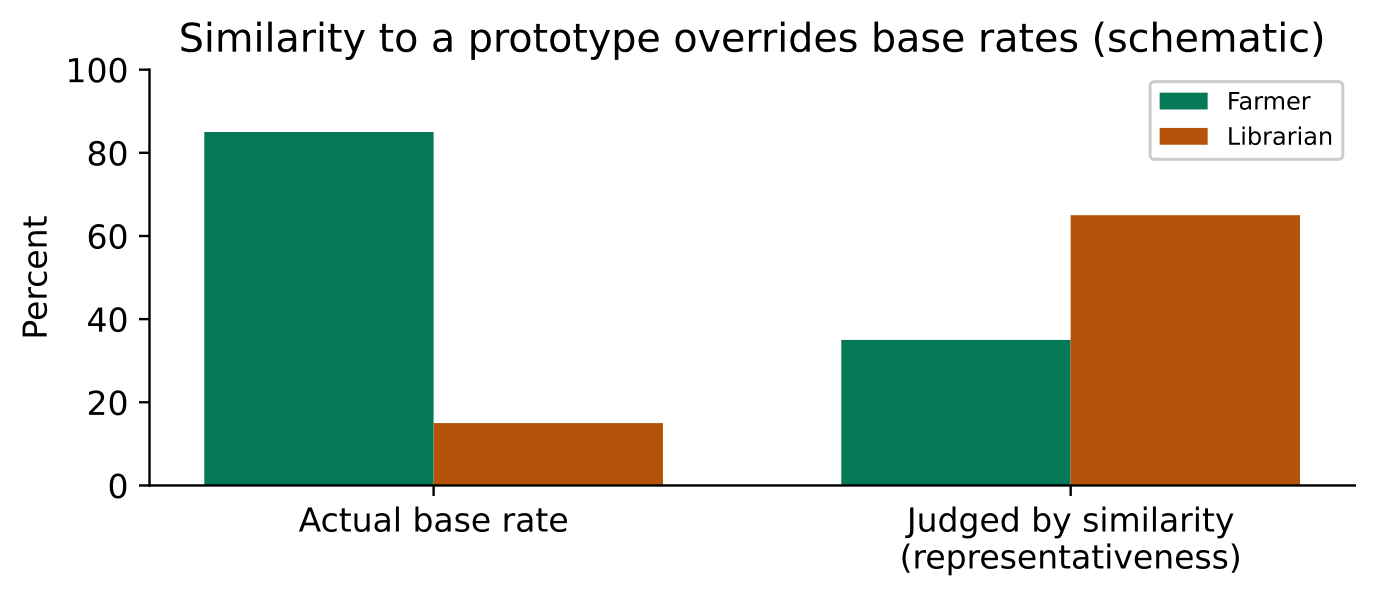
    An algorithm guarantees a solution by exhaustive rule; heuristics trade certainty for speed. Availability estimates frequency by ease of recall, so vivid events are overestimated. Representativeness judges by similarity to a prototype and neglects base rates. Anchoring drags estimates toward an initial number. Framing changes choices between logically equivalent descriptions, and confirmation bias seeks only supporting evidence.

    Problem solving fails in characteristic ways: functional fixedness (objects only in usual roles), mental set (old solutions to new problems), and missing insight restructuring. Means-end analysis reduces the difference to the goal; working backward suits problems with a clear goal state.

    Intelligence theories differ on structure: Spearman's general factor g, Cattell's fluid versus crystallised abilities, Gardner's multiple intelligences, Sternberg's triarchic analysis. Test interpretation follows the psychometrics of earlier units: scores are reliable for prediction within their validation samples, but a score measures performance on the test, not a fixed essence.

    An algorithm follows steps that guarantee a solution for its specified problem class when correctly applied. A heuristic is an efficient shortcut that may fail. Representativeness judges similarity and can neglect base rates; availability uses ease of recall and can confuse memorable with frequent. Mental set and functional fixedness constrain which solutions are considered. Intelligence tests measure performances under particular conditions and require validity and fairness evidence for their use.

    Worked reasoning

    Estimating plane crashes as commoner than car deaths after news coverage is the availability heuristic. Judging a quiet bookish stranger more likely a librarian than a farmer, despite far more farmers, is representativeness neglecting base rates. Using a candle only as a candle, not as part of a shelf, is functional fixedness.

    A description fits a rare occupation. A pupil chooses it without checking how many people have each occupation. Identify the reasoning risk.

    Representativeness can override base-rate information: similarity to a stereotype does not by itself determine probability. Combine relevant likelihood information with prior frequencies if available. A vivid description supplies neither a population count nor proof of group traits.

    Original schematic for Thinking, problem solving and intelligence. Illustrative relationships and numbers are not research results.

    Independent transfer

    A method works on nine puzzles and fails on a tenth with different constraints. Explain how to decide whether the method is an algorithm or heuristic and propose a response.

    Attempt independently, then use the matching skill sheet solution.

    Review and source limits

    Avoid this error: Calling a heuristic an error in itself; heuristics are efficient defaults whose costs are predictable. Do not equate a test score with a fixed measure of worth or potential. Teaching scope comes from teaching.yaml and the source/key/crop review in bank_review_form.yaml. Detailed current diagnostic criteria require an authenticated manual; neither historical ETS practice nor this educational reference certifies them.
    مفردات
    English العربية
    availability heuristic/əˌveɪləˈbɪlɪti hjuːˈrɪstɪk/ إحساس الإمكانية
    representativeness heuristic/ˌreprɪˈzentətɪvnəs hjuːˈrɪstɪk/ إحساس التمثيلية
  • 20

    SO.1 · Social cognition, attribution and social influence

    برنامج تعليمي قادم قريبًا

    ورقة عمل

    English

    Social cognition, attribution and social influence

    Scope and prerequisites

    Supported GRE topic 20 (SO.1). Use the overview measurement lesson VI when interpreting research evidence. Existing official questions are traced in bank_review_form.yaml; original tasks below are not ETS items.

    Concepts and method

    fundamental attribution error 基本归因错误: Over-attributing others' behaviour to disposition while neglecting the situation. normative influence 规范性影响: Conforming to gain acceptance or avoid rejection, distinct from informational influence.

    Attribution assigns causes to behaviour: internal (dispositional) or external (situational). The fundamental attribution error over-uses dispositional explanations for others, and the actor-observer asymmetry reverses this for ourselves. Correspondent inference asks when an act reveals a trait: freely chosen, unexpected or low-consensus acts are the most informative.

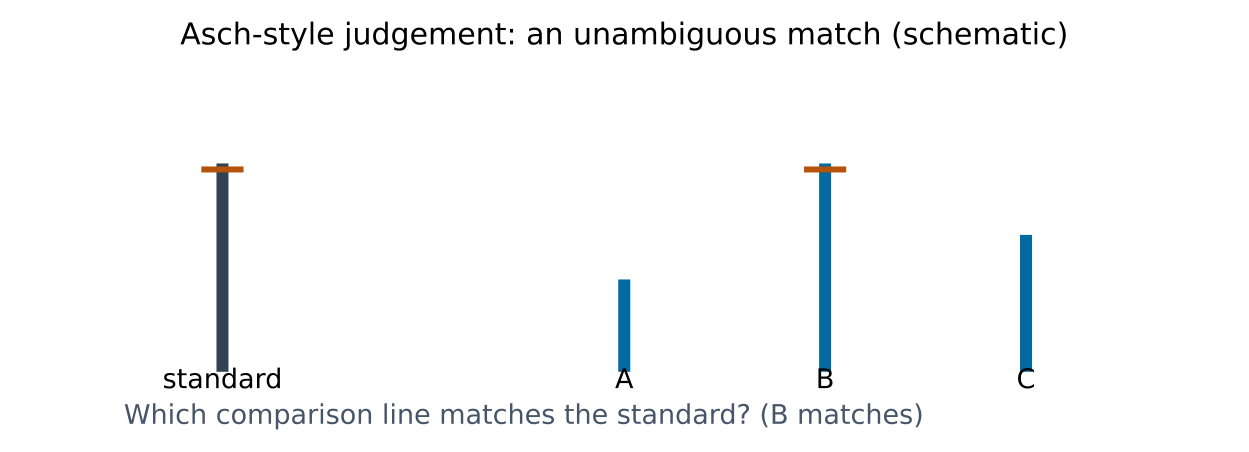
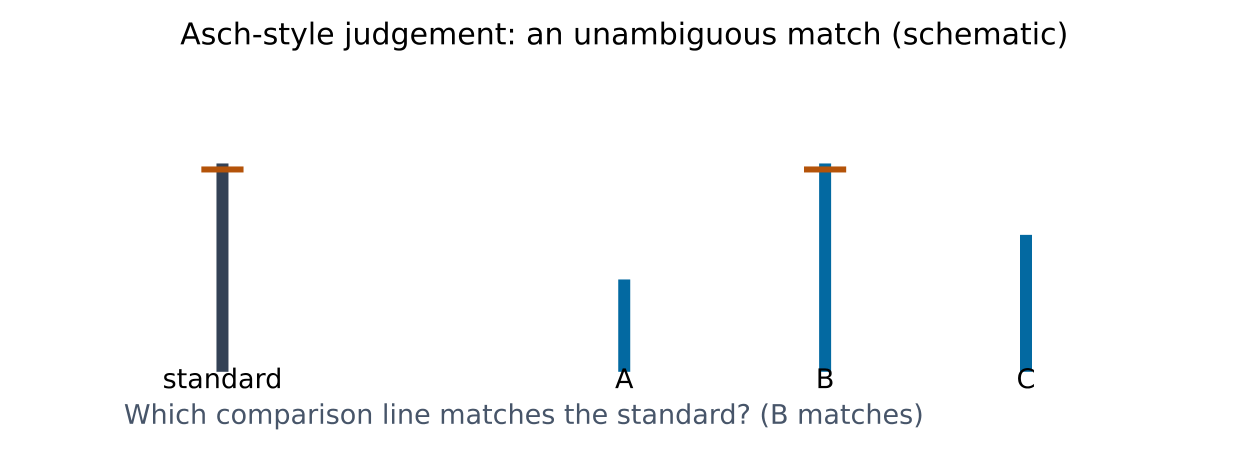
    Influence comes in two kinds: normative influence is conforming to be accepted; informational influence is accepting others' behaviour as evidence about reality. Asch's line studies showed conformity to a unanimous majority on unambiguous judgements; Milgram's obedience studies showed destructive compliance with an authority. Conformity falls sharply with one dissenting partner.

    Cognitive dissonance is the tension from holding inconsistent cognitions, reduced by changing attitudes or justifications; with insufficient external justification, people internalise the behaviour. Persuasion follows the elaboration likelihood model: the central route (arguments) produces durable change when audiences can and will think; the peripheral route (cues, attractiveness) is fragile.

    Self-evaluation processes include self-affirmation (restoring worth in an unaffected domain after a threat), self-verification (seeking confirming feedback), self-monitoring (adjusting self-presentation) and the self-serving bias (success internal, failure external). Excitation transfer lets residual arousal from one event intensify a later emotional reaction.

    Attribution distinguishes situational and dispositional explanations. Informational influence treats others as evidence; normative influence concerns acceptance. Obedience involves an authority's direction. An attitude includes evaluative components, while an action also depends on opportunity, incentives and constraints. A mechanism needs discriminating evidence: public agreement alone cannot uniquely identify private belief.

    Worked reasoning

    Screaming at a friend after a parking ticket is excitation transfer: residual arousal intensifies the later anger. Reminding yourself of a strength after a comparison threat is self-affirmation. Agreeing with a unanimous group on an obvious line length is normative conformity. A vague appeal working only when the audience is distracted is peripheral-route persuasion.

    A student copies a group's route choice because they believe the group knows the campus. How does this differ from copying to avoid ridicule?

    Believing the group has useful knowledge fits informational influence. Avoiding ridicule fits normative influence. The same outward action can arise through different mechanisms. Anonymity, uncertainty and private accounts may help distinguish them in an ethically approved task.

    Original schematic for Social cognition, attribution and social influence. Illustrative relationships and numbers are not research results.

    Independent transfer

    A late student is called lazy, but the bus stopped unexpectedly. Build a better attribution and name what remains unknown.

    Attempt independently, then use the matching skill sheet solution.

    Review and source limits

    Avoid this error: Do not merge conformity and obedience (peer pressure versus authority), or call every dispositional inference an error; the error is neglecting the situation, not using traits at all. Teaching scope comes from teaching.yaml and the source/key/crop review in bank_review_form.yaml. Detailed current diagnostic criteria require an authenticated manual; neither historical ETS practice nor this educational reference certifies them.
    مفردات
    English العربية
    fundamental attribution error/ˌfʌndəˈmentl ətrɪˈbjuːʃn ˈerə/ خطأ النسب الجوهري
    normative influence/ˈnɔːmətɪv ˈɪnfluːəns/ التأثير المعياري
  • 21

    SO.2 · Groups, relationships and intergroup processes

    برنامج تعليمي قادم قريبًا

    ورقة عمل

    English

    Groups, relationships and intergroup processes

    Scope and prerequisites

    Supported GRE topic 21 (SO.2). Use the overview measurement lesson VI when interpreting research evidence. Existing official questions are traced in bank_review_form.yaml; original tasks below are not ETS items.

    Concepts and method

    social loafing 社会惰化: Reduced individual effort when contributions are pooled and unidentifiable. bystander effect 旁观者效应: Help becomes less likely as the number of witnesses grows, via diffusion of responsibility.

    Groups change performance. Social facilitation: the presence of others strengthens dominant responses, helping well-learned tasks and hurting novel ones. Social loafing: effort falls when individual contributions are unidentifiable. Groupthink: cohesive groups under pressure suppress dissent and reach poor decisions; deindividuation: anonymity in a crowd lowers self-restraint.

    Attraction is predicted first by propinquity — physical or functional proximity, as in making friends on the same dorm floor — then similarity and reciprocal liking; mere exposure breeds familiarity-based liking. Social exchange theory reads relationships as outcomes minus costs against a comparison level; interdependence analyses use each partner's payoff structure.

    Separate the intergroup trio: stereotypes are beliefs about groups, prejudice is evaluative affect, discrimination is behaviour. The minimal-group paradigm shows in-group favouritism from arbitrary assignment alone; realistic conflict theory ties hostility to competition over resources; the contact hypothesis reduces prejudice under equal status, common goals and cooperative contact, not mere exposure.

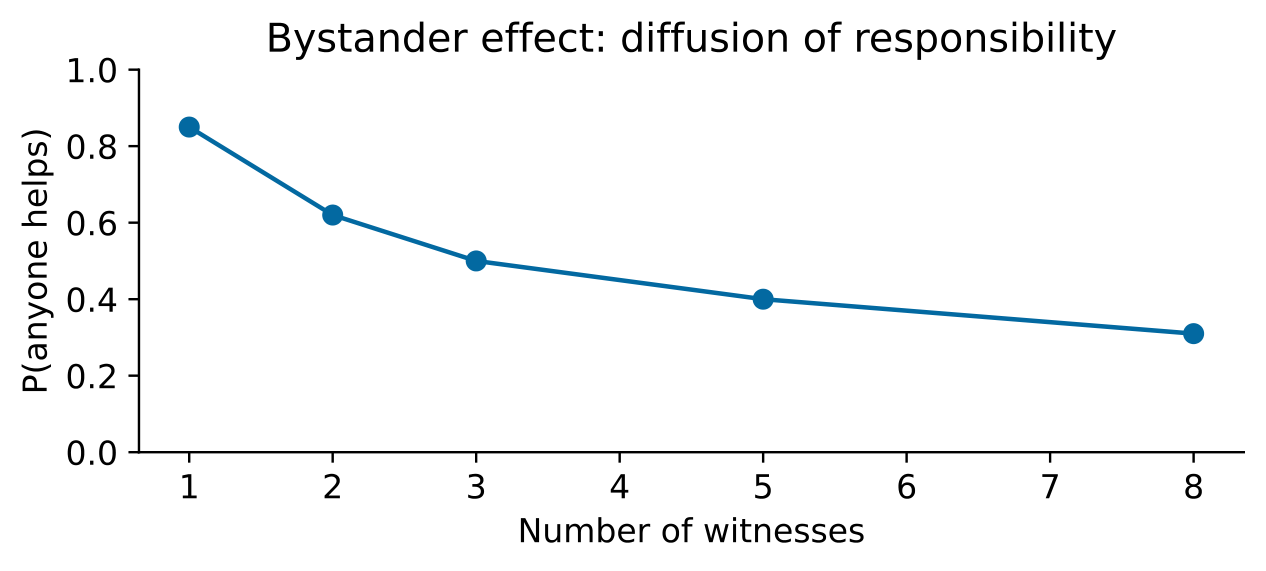
    The bystander effect: help falls as witnesses increase, through diffusion of responsibility and pluralistic ignorance (each reads others' calm as no emergency). Aggression research links frustration to aggression and shows how residual arousal (excitation transfer) can escalate conflict; altruism is helped by clear identification of a single victim.

    Diffusion of responsibility can reduce an individual's felt obligation when others could act. Pluralistic ignorance can make people interpret others' inaction as evidence that help is unnecessary. Cohesion can support cooperation but does not always improve judgement. Group polarization concerns a shift toward an initially favoured direction; groupthink concerns decision processes that suppress critical evaluation. Intergroup explanations must examine structures, norms and contact conditions, not assume every member shares one attitude.

    Worked reasoning

    Friends cluster on the same dorm floor — propinquity. A tug-of-war team slacks when pulls are pooled — social loafing under unidentifiable contributions. Arbitrary badge colours producing in-group preference is the minimal-group effect. Nobody calling for help in a crowded plaza is diffusion of responsibility.

    Several witnesses wait because each thinks another will call for help. Name the mechanism and distinguish it from believing no help is needed.

    Expecting someone else to act fits diffusion of responsibility. Interpreting everyone else's calm as evidence there is no emergency fits pluralistic ignorance. The case needs their accounts or an appropriate manipulation to distinguish mechanisms; mere group size does not establish either.

    Original schematic for Groups, relationships and intergroup processes. Illustrative relationships and numbers are not research results.

    Independent transfer

    A group makes a more extreme decision after discussion. Give evidence needed to identify polarization and one alternative process.

    Attempt independently, then use the matching skill sheet solution.

    Review and source limits

    Avoid this error: Writing stereotype, prejudice and discrimination as synonyms, or promising that any contact fixes prejudice; contact works under conditions, not by default. Teaching scope comes from teaching.yaml and the source/key/crop review in bank_review_form.yaml. Detailed current diagnostic criteria require an authenticated manual; neither historical ETS practice nor this educational reference certifies them.
    مفردات
    English العربية
    social loafing/ˈsəʊʃl ˈləʊfɪŋ/ الكسل الاجتماعي
    bystander effect/ˈbaɪstændə ɪˈfekt/ تأثير المشاهد العابر
  • 22

    AT.1 · Attention limits and non-associative learning

    برنامج تعليمي قادم قريبًا

    ورقة عمل

    حدود الانتباه والتعلم غير المرتبط

    النطاق والشروط المسبقة

    موضوع GRE المدعوم 22 (AT.1). استخدم درس القياس العام VI عند تفسير الأدلة البحثية. الأسئلة الرسمية الموجودة مسبقًا مُسجَّلة في bank_review_form.yaml؛ المهام الأصلية أدناه ليست عناصر ETS.

    المفاهيم والمنهجية

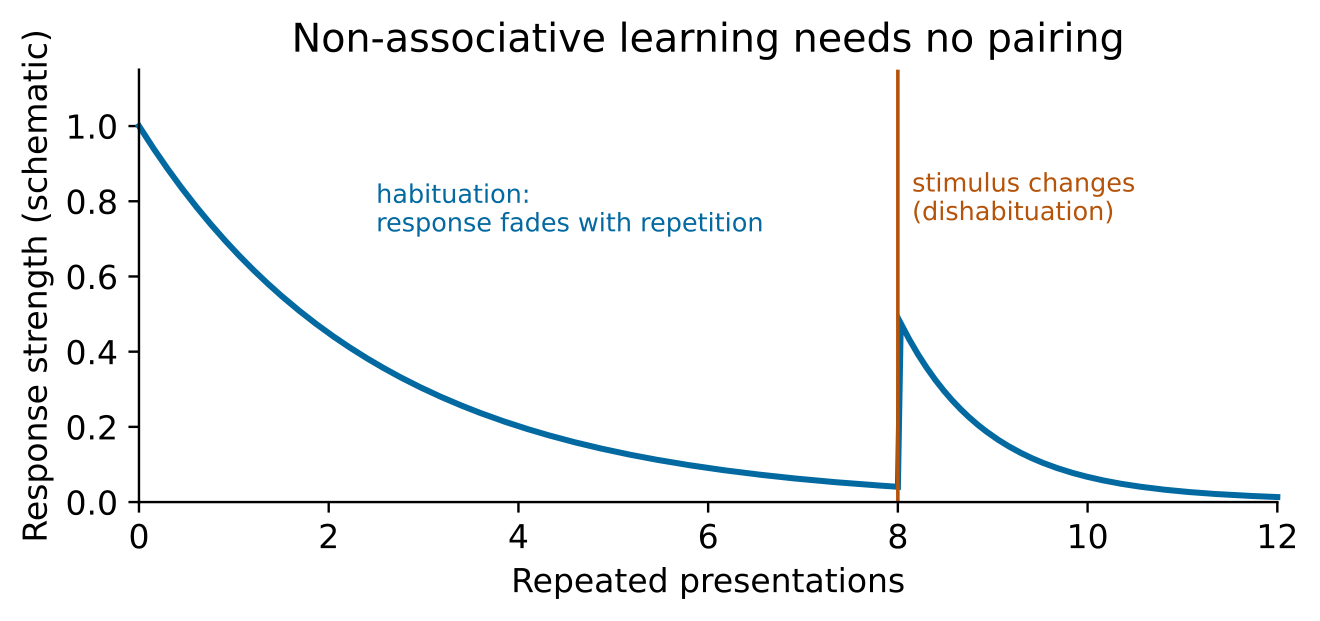
    التعود: انخفاض غير مرتبط في الاستجابة لمحفز مكرر، يُعاكسه تغير المحفز. الانتباه المقسّم: توزيع السعة المركزية المحدودة عبر مهام متزامنة، مع تكاليف تحددها الحمل.

    الانتباه سعة محدودة. تقارير الاختيار المبكر تفلتر حسب الخصائص المادية، وتقارير الاختيار المتأخر تفلتر بعد المعنى، ونظرية متعددة الأوضاع (جونستون وهينز) تسمح بمرونة نقطة الاختيار حسب متطلبات المهمة. يفشل الانتباه المقسّم عندما تتجاوز المتطلبات مجتمعةً السعة: اتصال بدون استخدام اليدين يبطئ القيادة لا لأن العائق يدوي، بل لأنه مركزي.

    فصل نظرية الحمل بين الحمل الإدراكي وحمل الذاكرة العاملة: الحمل الإدراكي العالي في المهمة الرئيسية يحجب المشتتات، بينما يحمل الحمل العالي للذاكرة العاملة احتمالية انجذابها. التنبؤات تتبع الحمل، لا الشعار بأن تعدد المهام مستحيل دائمًا.

    التعود هو تعلم غير مرتبط: تقديم محفز بشكل متكرر يضعف الاستجابة، ويعيد محفز متغير استجابته (انعدام التعود). لا يوجد ترابط مع محفز آخر، مما يفصله عن التعلم الكلاسيكي. راكب يتوقف عن سماع قطار مجدول فقد تعوَّد على صوته؛ تعود الاستجابة إذا تغير الجدول.

    يُستغل التعود كمقياس: ينظر الرضع لفترة أطول إلى المحفزات الجديدة، لذا يمثل تعافي وقت النظر بعد التعود مؤشرًا على التمييز. الانطفاء في التعلم مختلف: هناك يتم سحب ارتباط متعلم، وليس مجرد تكرار للمحفز.

    تحديد نماذج الانتباه أين ومتى يحدث الاختيار تحت أي ضغوط. يمكن أن تنتج أحمال الإدراك وضوابط الذاكرة العاملة تنبؤات مختلفة؛ ادعاء عام بأن الاضطراب يرتفع دائمًا مع الحمل غير كافٍ. التعود هو انخفاض في الاستجابة بعد التعرض المتكرر؛ عودة الاستجابة للتغير تدعم التمييز. اميزه عن تكيف المستقبلات والإرهاق وانطفاء التعلم من خلال تاريخ المحفز ومقارنة مناسبة.

    استنتاج محلول

    يتأخر السائق الذي يجري مكالمة بدون يدين في الضغط على الفرامل لأن السعة المركزية مشتركة، وليس بسبب انشغال اليدين. يتوقف سكان المدن عن الانتباه لضوضاء المرور المستمرة (التعود)، لكنهم ينتبهون فورًا عند توقفها أو تغيرها (التعود العكسي). يظهر الرضيع تمييزًا عند النظر لفترة أطول إلى عرض متغير، مما يدل على تعافي وقت النظر.

    يقل وقت النظر عبر العروض المتكررة ويزيد بعد تغير اللون. ما الذي يُدعم وما الذي لم يُثبت؟

    التعافي متسق مع تمييز التغيير بعد التعود. لا يُظهر مفاهيم ألوان تشبه البالغين ولا يثبت بدقة كيف يتم تمثيل العرض. راقب فروق السطوع البسيطة وقارن عروضًا جديدة ومألوفة مناسبة.

    المخطط الأصلي لحدود الانتباه والتعلم غير المرتبط. العلاقات والأرقام التوضيحية ليست نتائج بحثية.

    النقل المستقل

    تنخفض الاستجابة مع تقديم صوت متكرر. اقترح اختبارًا ضد الإرهاق واشرح لماذا لم يُثبت الانطفاء.

    حاول الحل بشكل مستقل، ثم استخدم حل ورقة المهارة المطابقة.

    مراجعة وحدود المصادر

    تجنب هذا الخطأ: تسمية التعود نوعًا من التعلم، أو الادعاء بأن الانتباه يفشل دائمًا تحت أي مهمة مزدوجة؛ تعتمد التكلفة على الحمل ونقطة الاختيار. نطاق التدريس مستخرج من teaching.yaml والمراجعة في source/key/crop داخل bank_review_form.yaml. تتطلب معايير التشخيص الحالية التفصيلية دليلًا موثقًا؛ لا تصدق الممارسة التاريخية لETS ولا هذا المرجع التعليمي عليها.

    مفردات
    English العربية
    habituation/ˌhæbɪtʃuːˈeɪʃn/ التعود
    divided attention/dɪˈvaɪdɪd əˈtenʃn/ توزيع الانتباه
  • 23

    EX.1 · Evolutionary and comparative perspectives

    برنامج تعليمي قادم قريبًا

    ورقة عمل

    English

    Evolutionary and comparative perspectives

    Scope and prerequisites

    Supported GRE topic 23 (EX.1). Use the overview measurement lesson VI when interpreting research evidence. Existing official questions are traced in bank_review_form.yaml; original tasks below are not ETS items.

    Concepts and method

    inclusive fitness 广义适合度: Reproductive success counting both direct offspring and the reproduction of relatives weighted by relatedness. fixed action pattern 固定行为模式: An invariant species-typical sequence released by a specific sign stimulus.

    Kin selection explains helping by inclusive fitness: a gene spreads by aiding relatives who share it. Hamilton's rule says helping pays when rB>C — benefit to the recipient weighted by relatedness exceeds cost to the helper. With benefits and costs held equal, closer relatedness makes the inequality more likely to hold: compare siblings (r=.5) with first cousins (r=.125). The rule predicts direction and rough ordering, not exact human behaviour.

    Ethology studies species-typical behaviour. A fixed action pattern is an invariant sequence released by a specific sign stimulus and run to completion, as in classic egg-retrieval or mating displays. Because it is triggered rather than assembled, a fixed action pattern can be hijacked by supernormal stimuli — models with exaggerated features.

    Evolutionary explanations ask about function: how a behaviour raised reproductive success in ancestral environments. They compete or combine with learning accounts; prepared learning (fast acquisition of evolutionarily relevant fears like snakes) shows both at once. An evolutionary story is a hypothesis about history, and needs comparative or experimental evidence, not plausibility alone.

    Comparative caution cuts both ways: do not read human motives into animal behaviour (anthropomorphism), and do not assume a human behaviour is learned when cross-species patterns suggest otherwise. The examinable skill is matching each explanation to its evidence type.

    Hamilton's inequality is a model of selection under stated costs, benefits and relatedness, not an instruction about human duty. Inclusive fitness concerns effects on genetic representation through self and relatives. Fixed action patterns describe characteristic sequences in classic ethological models; real behaviour can vary with state and context. Evolutionary function and immediate learning mechanisms can complement each other. A plausible adaptive story requires evidence that distinguishes it from alternatives.

    Worked reasoning

    Helping a sibling before a cousin fits rB>C ordering. A goose retrieving a doorknob as if it were an egg shows a fixed action pattern released by an exaggerated sign stimulus. Acquiring a fear of snakes after one bad experience, but not of flowers, illustrates prepared learning.

    In a fictional fitness model, B=8, C=3 and r=.5. Test the inequality. Repeat for r=.125.

    rB>C. For r=.5, rB=.5×8=4>3, so the stated condition holds. For r=.125, rB=.125×8=1<3, so it does not. Benefits and costs must use compatible fitness measures. Relatedness alone cannot rank helping when B or C differs across cases.

    Original schematic for Evolutionary and comparative perspectives. Illustrative relationships and numbers are not research results.

    Independent transfer

    An animal quickly learns one fear association. Explain why this can be compatible with both learning and an evolutionary account, and what evidence is needed.

    Attempt independently, then use the matching skill sheet solution.

    Review and source limits

    Avoid this error: Treating Hamilton's rule as a precise human calculator, or explaining any observed behaviour as adaptive after the fact; an evolutionary claim needs evidence, not a plausible story. Teaching scope comes from teaching.yaml and the source/key/crop review in bank_review_form.yaml. Detailed current diagnostic criteria require an authenticated manual; neither historical ETS practice nor this educational reference certifies them.
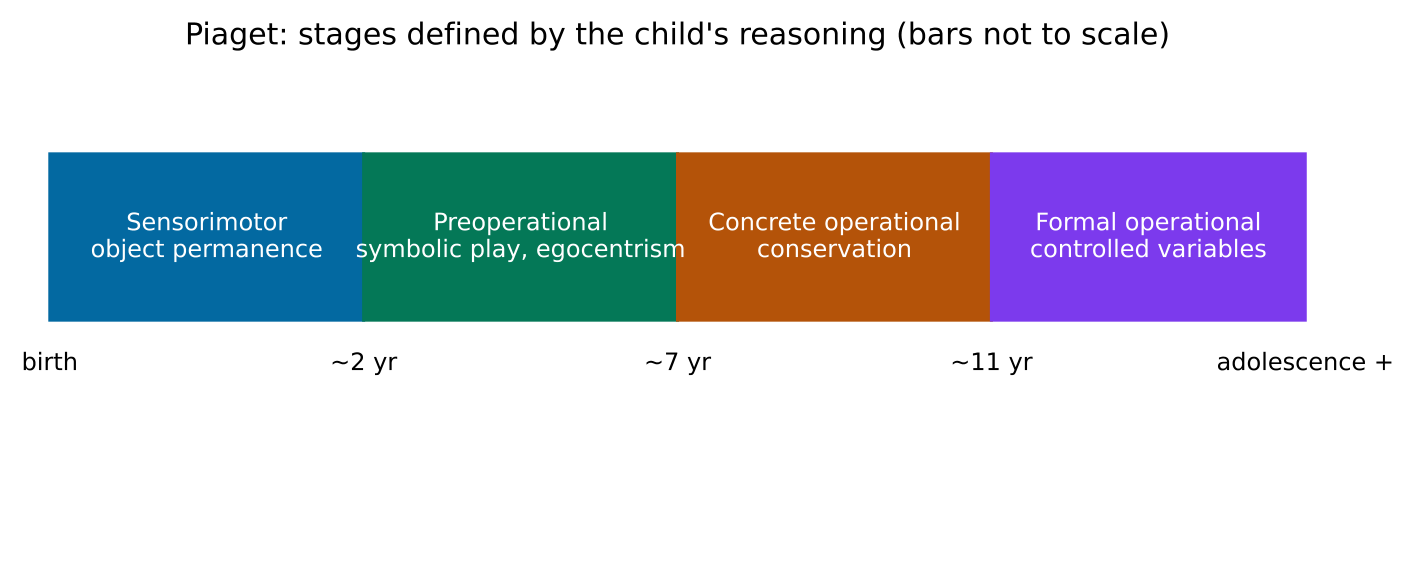
    مفردات
    English العربية
    inclusive fitness/ɪnˈkluːsɪv ˈfɪtnəs/ اللياقة الشاملة
    fixed action pattern/fɪkst ˈækʃn ˈpætn/ النمط السلوكي الثابت
  • 24

    ME.2 · Encoding depth and retrieval routes

    برنامج تعليمي قادم قريبًا

    ورقة عمل

    عمق الترميز وطرق الاسترجاع

    النطاق والشروط المسبقة

    موضوع GRE المدعوم 24 (ME.2). استخدم درس القياس النظري VI عند تفسير الأدلة البحثية. يتم تتبع الأسئلة الرسمية الموجودة في bank_review_form.yaml؛ المهام الأصلية أدناه ليست عناصر ETS.

    المفاهيم والمنهجية

    مستويات المعالجة: الحساب الذي تتبع فيه قوة الذاكرة عمق تحليل الترميز. المعالجة المناسبة للانتقال: يساعد الترميز أكثر عندما تطابق شكله اختبار الاسترجاع.

    تُشير مستويات المعالجة (كريك ولوكهارت) إلى أن قوة الذاكرة تتبع عمق الترميز، لا نية التعلم. تعطي المهام الضحلة (هل الكلمة بحروف كبيرة؟) آثاراً ضعيفة؛ المهام الصوتية (هل ترادف?) متوسطة؛ المهام الدلالية (هل تناسب الجملة؟) هي الأعمق. يمكن للمتعلمين العرضيين الذين يقومون بمهام عميقة أن يتذكروا بشكل أفضل من المتعلمين المقصودين الذين يقومون بمهام ضحلة.

    إعادة التكرار التحفظية تُعيد المادة دون تغيير وتحافظ عليها لفترة وجيزة؛ بينما تربط إعادة التكرار التوسيعية بين المعنى والصور والمعرفة السابقة، مما ينتج آثاراً دائمة. تأثير التوليد — ذاكرة أفضل للإجابات التي تنتجها مقارنة بالكلمات التي تقرأها — هو عمل التوسيع.

    تضيف المعالجة المناسبة للانتقال الجانب الاسترجاعي: يساعد الترميز أكثر عندما يطابق الاختبار. يناسب الترميز الدلالي الاختبارات الدلالية؛ يمكن للترميز الصوتي أن يتفوق عليه في اختبارات التعرف على الرثاء. عادةً ما تفوز العمق لأن معظم الاختبارات تستقصي المعنى، لكن المطابقة، وليس العمق وحده، هي ما يحدد.

    ينطبق تحديد الترميز على نفس مبدأ المطابقة في السياق: يتحسن الاسترجاع عندما يتطابق بيئة الاسترجاع أو حالته مع الترميز. تقع هذه التأثيرات بجانب آليات التداخل من الوحدة الذاكرة السابقة: يبني العمق الأثر، والمطابقة تسترجعه.

    غالباً ما يدعم التوسيع الدلالي الاسترجاع القائم على المعنى لاحقاً لأنه يخلق علاقات مساندة وطرق استرجاع مفيدة. يمكن لتكرار الصيانة الحفاظ على المعلومات نشطة دون نفس التوسيع. تستفسر المعالجة المناسبة للانتقال عما إذا كانت عمليات الترميز مناسبة للاختبار اللاحق. لذلك ليس العمق تصنيفاً شاملاً لجميع المهام الممكنة. يمكن لمطابقة السياق توفير مؤشرات؛ إنه تأثير واحد بين العديد، وليس ضماناً للاسترجاع.

    استنتاج محلول

    الإجابة على سؤال "هل يناسب الجملة" تتفوق على "هل هي بحروف كبيرة" في التذكر اللاحق، حتى بدون إنذار بوجود اختبار. توليد الكلمة المفقودة في قائمة يتفوق على قراءتها. يمكن أن يتفوق التشفير بالتناغم على التشفير بالمعنى في اختبار التناغم — معالجة مناسبة للنقل. يُظهر الغواصون الذين يتذكرون قوائم الكلمات بشكل أفضل تحت الماء (حيث تعلموها) مبدأ تحديد التشفير.

    تقيّم مجموعة واحدة المعنى وتقيّم أخرى الرثاء. في اختبار التعرف على الرثاء، تظهر مجموعة الرثاء أداءً أفضل. هل ينفي هذا كل فوائد الترميز الدلالي؟

    لا. النتيجة متسقة مع تطابق الترميز والاختبار. هذا لا يبرهن أن معالجة المعنى العميقة تفوز دائمًا. قارن المجموعتين في اختبارات تعتمد على المعنى وأخرى تعتمد على القافية لفحص التفاعل بين متطلبات الترميز واسترجاع المعلومات. حافظ على تعادل التعرض والزمن.

    المخطط الأصلي لتعمق الترميز وطرق الاسترجاع. العلاقات والأرقام التوضيحية ليست نتائج بحثية.

    النقل المستقل

    صمّم دراسة صفية ثنائية الأبعاد (2×2) تُميّز بين ميزة الترميز وميزة التطابق، ثم تنبأ بالنمط الذي سيوفر معلومات مفيدة.

    حاول الحل بشكل مستقل، ثم استخدم حل ورقة المهارة المطابقة.

    مراجعة وحدود المصادر

    تجنب هذا الخطأ: مساواة التكرار بالتعلم: التكرار الإحصائي يحافظ على المادة لفترة وجيزة فقط ويبني آثارًا ضعيفة، والمقصود بالتعلم دون مهمة عميقة يضيف القليل. نطاق التدريس مستمد من teaching.yaml ومراجعة source/key/crop في bank_review_form.yaml. تتطلب معايير التشخيص الحالية التفصيلية دليلًا موثقًا؛ neither historical ETS practice nor this educational reference certifies them.

    مفردات
    English العربية
    levels of processing/ˈlevlz ɒv ˈprəʊsesɪŋ/ مستويات المعالجة
    transfer-appropriate processing/ˈtrænsfɜː əˈprəʊprɪət ˈprəʊsesɪŋ/ المعالجة الملائمة للانتقال
  • 25

    HB.1 · Hormones, stress and behavioural regulation

    برنامج تعليمي قادم قريبًا

    ورقة عمل

    الهرمونات والإجهاد والتحكم السلوكي

    النطاق والشروط المسبقة

    موضوع GRE المدعوم 25 (HB.1). استخدم درس المقياس العام VI عند تفسير الأدلة البحثية. الأسئلة الرسمية الحالية مسجلة في bank_review_form.yaml؛ المهام الأصلية أدناه ليست عناصر من ETS.

    المفاهيم والمنهجية

    محور HPA: السلسلة الهيبوفيزية-النخامية-الكلية التي تنتج استجابة الإجهاد البطيئة للكورتيزول. التغذية الراجعة السلبية: منتج يُثبّط إطلاقه العلوي، مما يحد من الاستجابة.

    استجابة الإجهاد تعمل بنظامين زمنيين. المسار السريع للتعاطف-الكبد الكلفي يُطلق الأدرينالين خلال ثوانٍ؛ أما محور HPA الأبطأ فيمر عبر الغدة النخامية (CRH) إلى الغدة النخامية (ACTH) إلى قشرة الكلى (كورتيزول) خلال دقائق، مست*/,طّر الطاقة ويثبّط الوظائف غير العاجلة. يمكن أن يؤثر الإجهاد المزمن على الصحة عبر مسارات متعددة متفاعلة؛ الكورتيزول جزء واحد من هذه التنظيم، وليس سببًا حتميًا فرديًا.

    هرمونات تنظيم رئيسية: البروجسترون يُعدّ ويحافظ على بطانة الرحم للنزاح؛ الأوكسيتوسين يحفز انقباضات المخاض وتدفق الحليب ويرتبط بالترابط؛ الميلاتونين يضبط دورات النوم والاستيقاظ؛ الأنسولين والجلوكاجون يديران مستوى الجلوكوز في الدم بشكل متضاد. طابق الهرمون بالدورة التي يخدمها، وليس بتسمية مزاجية غامضة.

    تختلف الهرمونات عن الإشارات العصبية في التوقيت والاستهداف: الإشارة العصبية غالبًا ما تكون أسرع وموجهة مكانيًا؛ بينما الإشارة الهرمونية غالبًا ما تؤثر على مدى أطول عبر الدورة الدموية. هذه ميول مع استثناءات، وليست تقسيمًا مطلقًا. فقط الخلايا الحاملة للمستقبل المطابق تستجيب، لذا يمكن للهرمون الدائر أن يكون انتقائيًا.

    التغذية الراجعة تبقي النظام محددًا: الكورتيزول يُثبّط إطلاق CRH وACTH (تغذية راجعة سلبية)، sehingga المحور يتباطأ عند زوال المُحفِّز. فشل التغذية الراجعة أو التنشيط المزمن — وليس الهرمون نفسه — هو ما يحوّل الاستجابة التكيفية إلى عبء.

    تتسلسل HPA عبر CRH الهيبوثلامي، ACTH النخامي، وكورتيزول قشرة الكلى. يشارك الكورتيزول في تغذية راجعة قد تُثبّط الإطلاق العلوي. استجابات التعاطف-الكبد الكلفي يمكن أن تتصرف بسرعة أكبر. تتداخل الإشارات العصبية والغدية في الوظيفة؛ الوقت ميل مفيد، وليس تقسيمًا مطلقًا سريعًا/بطيءً. تعمل الهرمونات الدائرة بشكل انتقائي لأن خلايا الهدف تختلف في المستقبلات. يتضمن الإجهاد المزمن مسارات متعددة ولا يمكن اختزاله في تأثير كورتيزول حتمي واحد.

    استنتاج محلول

    حادث مرور كاد يحدث: الأدرينالين خلال ثوانٍ، ثم الكورتيزول عبر محور HPA خلال دقائق؛ يثبط الكورتيزول لاحقاً CRH/ACTH لتهدئة الاستجابة. البروجسترون يستعد الرحم لبيضة مخصبة. يرتفع الميلاتونين ليلاً لتنظيم وقت النوم.

    رتّب CRH وACTH والكورتيزول حسب مكانهم في مسار HPA، ثم اشرح التغذية الراجعة السلبية دون وصف الكورتيزول بأنه ضار بحد ذاته.

    يفرز الهيبوتلاموس CRH، الذي يحفز ACTH النخامي، الذي يحفز كورتيزول قشرة الكلى. يمكن للكورتيزول تثبيط الإشارة العلوية، مما يساعد في تنظيم الاستجابة. يختلف هذا التحكم التكيفي عن القول بأن الهرمون ضار دائمًا. التنشيط المتكرر والسياق والتنظيم أمران مهمان.

    المخطط الأصلي للهرمونات والإجهاد والتحكم السلوكي. العلاقات والأرقام التوضيحية ليست نتائج بحثية.

    النقل المستقل

    يصل الهرمون إلى أعضاء عديدة لكنه يؤثر فقط على بعض الخلايا. اشرح لماذا التوزيع الواسع والتأثير الانتقائي متوافقان.

    حاول الحل بشكل مستقل، ثم استخدم حل ورقة المهارة المطابقة.

    مراجعة وحدود المصادر

    تجنب هذا الخطأ: إسناد مشاعر وحيدة للهرمون، أو نسيان انتقائية المستقبلات؛ الهرمونات تبث إشارات لكن فقط الخلايا الحاملة للمستقبلات تستجيب. نطاق التدريس مستمد من teaching.yaml ومراجعة source/key/crop في bank_review_form.yaml. تتطلب معايير التشخيص الحالية التفصيلية دليلًا موثقًا؛ neither historical ETS practice nor this educational reference certifies them.

    مفردات
    English العربية
    HPA axis/ˌeɪtʃ piː ˈeɪ ˈæksɪs/ محور ما تحت المهاد-النخامي-الكظر
    negative feedback/ˈneɡətɪv ˈfiːdbæk/ التغذية الراجعة السلبية
  • 26

    EP.1 · Epidemiology and clinical evidence

    برنامج تعليمي قادم قريبًا

    ورقة عمل

    English

    Epidemiology and clinical evidence

    Scope and prerequisites

    Supported GRE topic 26 (EP.1). Use the overview measurement lesson VI when interpreting research evidence. Existing official questions are traced in bank_review_form.yaml; original tasks below are not ETS items.

    Concepts and method

    incidence 发病率(新发病例): The number or rate of NEW cases arising in a period. prevalence 患病率: The proportion of a population with the condition at a given time.

    Incidence counts NEW cases in a period (number of new diagnoses in a year); prevalence counts ALL existing cases at a time. Chronic conditions can have low incidence and high prevalence; short acute outbreaks show the reverse. A count of new cases in the United States in the past year is an incidence figure.

    Rates need denominators: incidence rate is new cases divided by person-time at risk; prevalence is existing cases divided by the population. Comparing raw counts across populations of different sizes misleads; compare rates.

    Case reports, case-control studies, cohorts, randomized trials and meta-analyses answer different questions. Random allocation can reduce baseline confounding under appropriate implementation; observational designs need explicit confounder analysis. Quality, bias, relevance and uncertainty must be evaluated within each design. A meta-analysis cannot automatically repair weak constituent studies.

    Screening and risk run on base rates: with low prevalence, even an accurate test yields mostly false positives among positives. Number needed to treat and relative versus absolute risk are read against the baseline, not from the treatment label alone.

    A cumulative incidence proportion uses new cases among people initially at risk over a specified period. An incidence rate uses person-time, while point prevalence counts existing cases at a specified time. Do not interchange their denominators or units. Design labels are guides, not an automatic quality ladder: a biased trial or weak meta-analysis can mislead. Relative risk reduction needs its baseline; absolute change and follow-up duration are necessary for interpretation.

    Worked reasoning

    Counting this year's new schizophrenia diagnoses measures incidence; counting everyone currently diagnosed measures prevalence. A 50% relative risk reduction from 2% to 1% is 1 point absolute. A rare-condition screen with many false positives follows directly from the low base rate.

    In a fictional closed cohort, 12 of 600 initially unaffected people develop a condition over one year, with complete follow-up. Compute cumulative incidence. If 30 of 750 people have it at a census, compute prevalence.

    Cumulative incidence=new cases/initially at-risk population=12/600=.02, or 2% over one year. Point prevalence=existing cases/population at that time=30/750=.04, or 4%. The first is not a person-time incidence rate; the second includes old and new existing cases at the census.

    Original schematic for Epidemiology and clinical evidence. Illustrative relationships and numbers are not research results.

    Independent transfer

    A fictional trial's risks over the same period are 4% in control and 3% in treatment. Compute relative and absolute reduction and NNT, then qualify.

    Attempt independently, then use the matching skill sheet solution.

    Review and source limits

    Avoid this error: Reporting a new-case count as prevalence, or quoting relative risk without the absolute baseline. Teaching scope comes from teaching.yaml and the source/key/crop review in bank_review_form.yaml. Detailed current diagnostic criteria require an authenticated manual; neither historical ETS practice nor this educational reference certifies them.
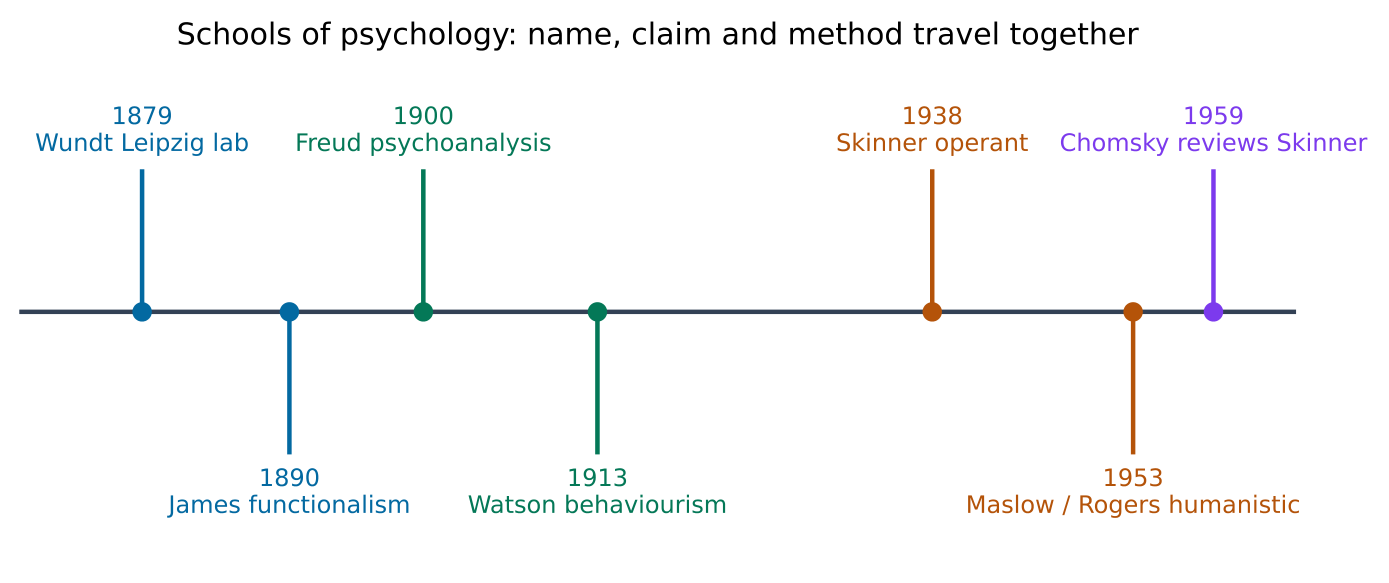
    مفردات
    English العربية
    incidence/ˈɪnsɪdəns/ الحدوث (الحالات الجديدة)
    prevalence/ˈprevələns/ انتشار المرض

تسجيل الدخول أو إنشاء حساب

IGCSE, A-Level & AP