Skip to content · ⁨الانتقال إلى المحتوى⁩

Transoceanic Interconnections · ⁨الترابطات عبر المحيطات⁩

AP World History: Modern · ⁨تاريخ العالم الحديث (AP)⁩ · Topic 4 · ⁨الموضوع 4⁩

Video lesson for this topic · ⁨درس فيديو لهذا الموضوع⁩ Open the video page · ⁨افتح صفحة الفيديو⁩
6:37

الوحدة 4: الروابط عبر المحيطات

اسأل معظم الطلاب لماذا سافر الأوروبيون وستحصل على اسم — كريستوفر كولومبوس، دا غاما، ماجلان. المستكشف هو الأقل إجابة مفيدة متاحة. ما الذي جعل…

English narration · English + 中文 subtitles burned in · ⁨سرد باللغة الإنجليزية · ترجمة مدمجة بالإنجليزية + الصينية⁩

4.1 4.2

Why Europeans Sailed · ⁨لماذا أبحر الأوروبيون⁩

Syllabus · ⁨المنهج⁩
English

4.1 Technological Innovations from1450 to 1750

Thematic Focus (TEC): Technology and Innovation — Human adaptation and innovation have resulted in increased efficiency, comfort, and security, and technological advances have shaped human development and interactions with both intended and unintended consequences.

Learning Objective Unit 4.A: Explain how cross-cultural interactions resulted in the diffusion of technology and facilitated changes in patterns of trade and travel from 1450 to 1750.

  • KC-4.1.II Knowledge, scientific learning, and technology from the Classical, Islamic, and Asian worlds spread, facilitating European technological developments and innovation.
  • KC-4.1.II.A The developments included the production of new tools, innovations in ship designs, and an improved understanding of regional wind and currents patterns—all of which made transoceanic travel and trade possible.

Illustrative examples:

  • Innovations in ship design:
    • Caravel
    • Carrack
    • Fluyt
  • European technological developments influenced by cross-cultural interactions with the Classical, Islamic, and Asian worlds:
    • Lateen sail
    • Compass
    • Astronomical charts
العربية

4.1 الابتكارات التكنولوجية من 1450 إلى 1750

التركيز الموضوعي (TEC): التكنولوجيا والابتكار – أدّى تكيف البشر وابتكاراتهم إلى زيادة الكفاءة والراحة والأمان، وشكّلت التطورات التكنولوجية التطور البشري وتفاعلاته مع عواقب مقصودة وغير مقصودة.

هدف التعلم الوحدة 4.A: اشرح كيف أدت التفاعلات عبر الثقافات إلى انتشار التكنولوجيا وسهّلت تغييرات في أنماط التجارة والسفر من 1450 إلى 1750.

  • KC-4.1.II انتشرت المعرفة والتعلم العلمي والتكنولوجيا من العالم الكلاسيكي والإسلامي والآسيوي، مما سهّل التطورات والابتكارات التكنولوجية الأوروبية.
  • KC-4.1.II.A شملت هذه التطورات إنتاج أدوات جديدة، وابتكارات في تصميم السفن، وفهم محسّن لأنماط الرياح والتيارات الإقليمية – وكلها جعلت السفر والتجارة عبر المحيطات ممكنًا.

أمثلة توضيحية:

  • ابتكارات في تصميم السفن:
    • كaravel (كارافيل)
    • Carrack (كاراك)
    • Fluyt (فلوت)
  • تطورات تكنولوجية أوروبية متأثرة بالتفاعلات عبر الثقافات مع العالم الكلاسيكي والإسلامي والآسيوي:
    • sail lateen (شراع لاتيني)
    • البوصلة
    • Astronomical charts (خرائط فلكية)
English

4.2 Exploration: Causes and Events from 1450 to 1750

Thematic Focus (GOV): Governance — A variety of internal and external factors contribute to state formation, expansion, and decline. Governments maintain order through a variety of administrative institutions, policies, and procedures, and governments obtain, retain, and exercise power in different ways and for different purposes.

Learning Objective Unit 4.B: Describe the role of states in the expansion of maritime exploration from 1450 to 1750. THEMATIC FOCUS Economics Systems ECN As societies develop, they affect and are affected by the ways that they produce, exchange, and consume goods and services. LEARNING OBJECTIVE

  • KC-4.1.III New state-supported transoceanic maritime exploration occurred in this period. HISTORICAL DEVELOPMENTS

Learning Objective Unit 4.C: Explain the economic causes and effects of maritime exploration by the various European states.

  • KC-4.1.III.A Portuguese development of maritime technology and navigational skills led to increased travel to and trade with Africa and Asia and resulted in the construction of a global trading-post empire.
  • KC-4.1.III.B Spanish sponsorship of the voyages of Columbus and subsequent voyages across the Atlantic and Pacific dramatically increased European interest in transoceanic travel and trade.
  • KC-4.1.III.C Northern Atlantic crossings were undertaken under English, French, and Dutch sponsorship, often with the goal of finding alternative sailing routes to Asia.
العربية

4.2 الاستكشاف: الأسباب والأحداث من 1450 إلى 1750

التركيز الموضوعي (GOV): الحكم — تساهم مجموعة متنوعة من العوامل الداخلية والخارجية في تشكيل الدولة وتوسعها وانهيارها. تحافظ الحكومات على النظام من خلال مجموعة متنوعة من المؤسسات والإجراءات والسياسات الإدارية، وتكتسب الحكومات وتحتفظ بالسلطة وتمارسها بطرق مختلفة ولأغراض مختلفة.

هدف التعلم الوحدة 4.B: صف دور الدول في توسيع الاستكشاف البحري من 1450 إلى 1750. التركيز الموضوعي: الاقتصاد ECN الأنظمة الاقتصادية When تتطور المجتمعات، فإنها تؤثر وتتأثر بالطرق التي تنتج بها وتبادلها وتستهلك بها السلع والخدمات. هدف التعلم

  • KC-4.1.III حدث استكشاف بحري عبر محيطي جديد مدعوم بالدولة خلال هذه الفترة. التطورات التاريخية

هدف التعلم الوحدة 4.C: اشرح الأسباب والتأثيرات الاقتصادية للاستكشاف البحري الذي أجرته الدول الأوروبية المختلفة.

  • KC-4.1.III.A أدى تطوير البرتغاليين للتكنولوجيا البحرية ومهارات الملاحة إلى زيادة السفر والتجارة مع أفريقيا وآسيا، مما نتج عنه بناء إمبراطورية قواعد تجارية عالمية.
  • KC-4.1.III.B ساهمت رعاية الأسبان لرحلات كولومبوس والرحلات اللاحقة عبر الأطلسي والمحيط الهادئ في زيادة الاهتمام الأوروبي بشكل كبير بالسفر والتجارة عبر المحيطات.
  • KC-4.1.III.C تم إجراء عبور شمال المحيط الأطلسي تحت رعايا إنجلترا وفرنسا وهولندا، وغالبًا بهدف إيجاد طرق ملاحة بديلة إلى آسيا.
Source: College Board AP Course and Exam Description · ⁨المصدر: وصف دورة وامتحان College Board AP⁩

English

Unit 4 covers 1450 to 1750 - the period in which the Eastern and Western Hemispheres are permanently joined, and the consequences of that joining.

The voyages rested on borrowed knowledge. Learning and technology from the Classical, Islamic, and Asian worlds was gathered and applied in Europe: new tools, innovations in ship design 船舶设计, and better understanding of navigation 航海 - the caravel 卡拉维尔帆船, the astrolabe, the magnetic compass, and knowledge of wind patterns.

State-supported maritime exploration 国家支持的海上探索 then followed:

  • Portuguese development of maritime technology and navigational skill led to the sea route around Africa to the Indian Ocean.
  • Spanish sponsorship of Columbus and subsequent voyages opened the Atlantic to the Americas.
  • English, French, and Dutch crossings of the northern Atlantic followed.

Motives combined the search for wealth, competition between states, and religious mission.

العربية

تغطي الوحدة 4 الفترة من 1450 إلى 1750 - وهي الفترة التي ارتبط فيها نصف الكرة الشرقي والغربي بشكل دائم، وعواقب ذلك الارتباط.

استندت الرحلات إلى معرفة مستعارة. تم جمع وتطبيق المعرفة والتكنولوجيا من العالمين الكلاسيكي والإسلامي والآسيوي في أوروبا: أدوات جديدة، وابتكارات في تصميم السفن، وفهم أفضل لـالملاحة - مثل الكaravelle، والأسترولاب، والبوصلة المغناطيسية، ومعرفة بأنماط الرياح.

استكشاف بحري مدعوم من الدولة تلا ذلك:

  • أدى تطوير البرتغال للتكنولوجيا البحرية ومهارات الملاحة إلى إنشاء طريق بحري حول أفريقيا إلى المحيط الهندي.
  • دعم إسبانيا لكولومبس والرحلات اللاحقة فتح المحيط الأطلسي إلى الأمريكتين.
  • تلت ذلك عبور إنجلترا وفرنسا وهولندا للمحيط الأطلسي الشمالي.

تضافرت الدوافع بين البحث عن الثروة، والمنافسة بين الدول، والبعثة الدينية.

أربع شروط ضرورية، وليست دافعًا واحدًا - المعرفة والأدوات لا تزال تحتاج إلى راعٍ
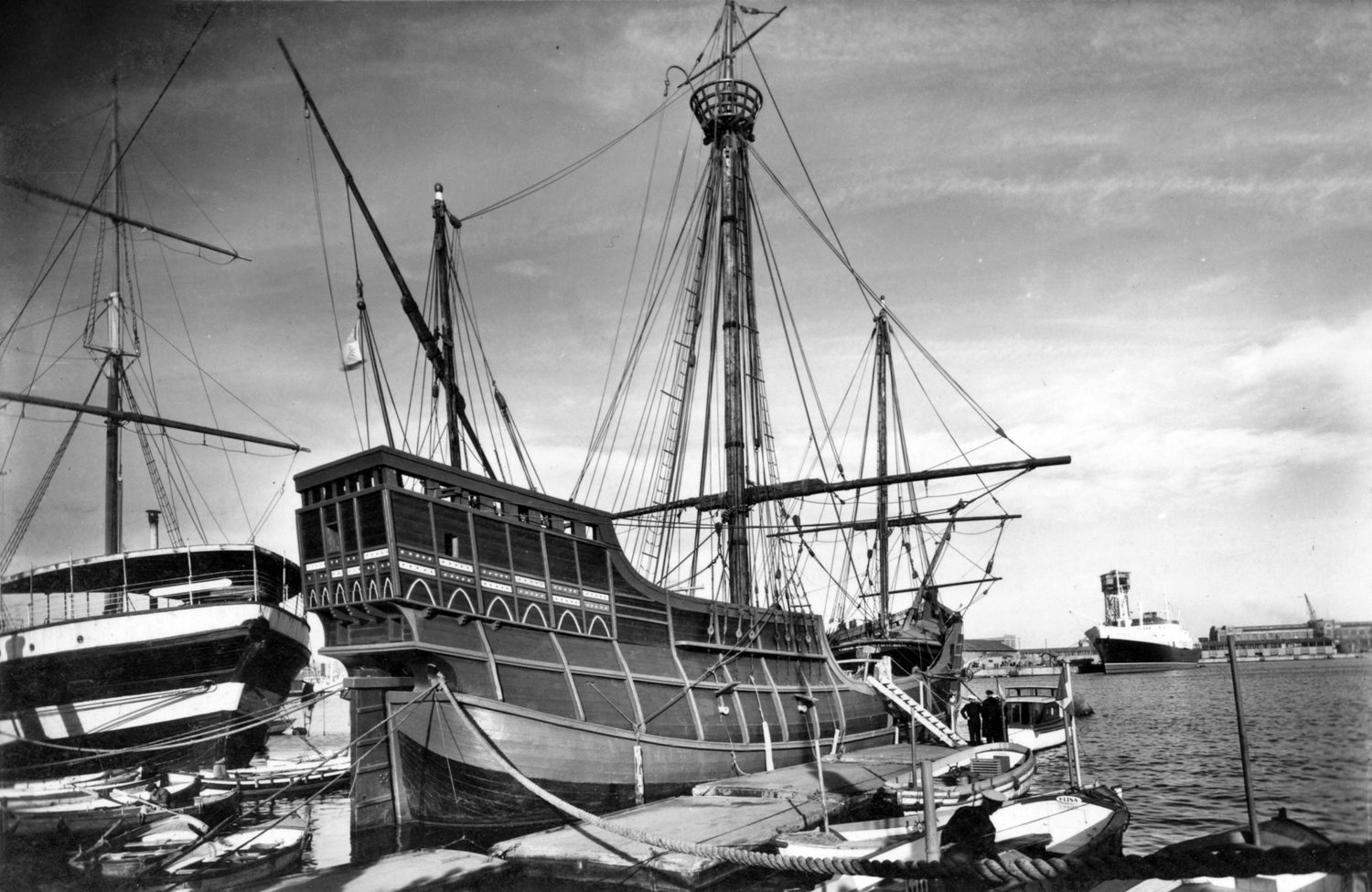
نسخة من الكaravelle - تصميم السفينة الذي جعل الرحلات عبر المحيطات ممكنًا
Explore · ⁨استكشف⁩

Collect the four conditions for a voyage · ⁨اجمع الشروط الأربعة لإبحار رحلة بحرية⁩

Knowledge, ship design, navigation and a sponsor: any three without the fourth produces no voyage. · ⁨المعرفة، وتصميم السفن، والملاحة، والداعم: أي ثلاثة بدون الرابع لا يُنتج رحلة.⁩

Vocabulary · ⁨مفردات⁩ Train · ⁨تدريب⁩
English العربية
ship design/ʃɪp dɪˈzaɪn/ تصميم السفن
navigation/ˌnævɪˈɡeɪʃn/ الملاحة
caravel/ˈkærævl/ caravel (كارافيل)
State-supported maritime exploration/steɪt səˈpɔːtɪd ˈmærɪtaɪm eksplɔːˈreɪʃn/ استكشاف بحري مدعوم من الدولة
4.3

The Columbian Exchange · ⁨التبادل الكولومبي⁩

Syllabus · ⁨المنهج⁩
English

4.3 Columbian Exchange

Thematic Focus (ENV): Humans and the Environments — The environment shapes human societies, and as populations grow and change, these populations in turn shape their environments.

Learning Objective Unit 4.D: Explain the causes of the Columbian Exchange and its effects on the Eastern and Western Hemispheres.

  • KC-4.1.V The new connections between the Eastern and Western Hemispheres resulted in the exchange of new plants, animals, and diseases, known as the Columbian Exchange.
  • KC-4.1.V.A European colonization of the Americas led to the unintentional transfer of disease vectors, including mosquitoes and rats, and the spread of diseases that were endemic in the Eastern Hemisphere, including smallpox, measles, and malaria. Some of these diseases substantially reduced the indigenous populations, with catastrophic effects in many areas.
  • KC-4.1.V.B American foods became staple crops in various parts of Europe, Asia, and Africa. Cash crops were grown primarily on plantations with coerced labor and were exported mostly to Europe and the Middle East.
  • KC-4.1.V.C Afro-Eurasian fruit trees, grains, sugar, and domesticated animals were brought by Europeans to the Americas, while other foods were brought by African enslaved persons.
  • KC-4.1.V.D Populations in Afro-Eurasia benefitted nutritionally from the increased diversity of American food crops.

Illustrative examples:

  • Domesticated animals:
    • Horses
    • Pigs
    • Cattle
  • Foods brought by African enslaved persons:
    • Okra
    • Rice
العربية

4.3 التبادل الكولمبي

التركيز الموضوعي (ENV): البشر والبيئات — البيئة تُشكّل المجتمعات البشرية، وكما تنمو السكان وتتغير، فإنها بدورها تُشكّل بيئاتها.

هدف التعلم الوحدة 4.D: اشرح أسباب التبادل الكولمبي وتأثيراته على نصفي الكرة الأرضية الشرقي والغربي.

  • KC-4.1.V أدت الروابط الجديدة بين نصفي الكرة الأرضية الشرقي والغربي إلى تبادل نباتات وحيوانات وأمراض جديدة، يُعرف باسم التبادل الكولمبي.
  • KC-4.1.V.A أدى الاستعمار الأوروبي للأمريكاس إلى نقل غير مقصود لنواقل الأمراض، بما في ذلك البعوض والفئران، وانتشار أمراض كانت مستوطنة في الكرة الأرضية الشرقية، مثل الجدري والحصبة والملاريا. قلّلت بعض هذه الأمراض بشكل كبير من السكان الأصليين، مما تسبب في آثار كارثية في العديد من المناطق.
  • KC-4.1.V.B أصبحت الأطعمة الأمريكية محاصيل أساسية في مختلف أنحاء أوروبا وآسيا وأفريقيا. زُرع المحاصيل النقدية بشكل رئيسي على مزارع تعمل بالعمالة القسرية وتصدرت معظمها إلى أوروبا والشرق الأوسط.
  • KC-4.1.V.C جلب الأوروبيون الأشجار المثمرة والحبوب والسكر والحيوانات المستأنسة الأفريقية-الأوراسية إلى الأمريكتين، بينما جلب أخرى من قبل Africans enslaved persons.
  • KC-4.1.V.D استفادت populations in Afro-Eurasia غذائيًا من التنوع المتزايد للمحاصيل الغذائية الأمريكية.

أمثلة توضيحية:

  • الحيوانات المستأنسة:
    • الخيول
    • الخنازير
    • الماشية
  • الأطعمة التي جلبها African enslaved persons:
    • Okra (خوخة)
    • Rice (أرز)

Source: College Board AP Course and Exam Description · ⁨المصدر: وصف دورة وامتحان College Board AP⁩

English

New connections between the hemispheres produced the Columbian Exchange 哥伦布大交换, and the CED spells out four consequences.

  • European colonisation led to the unintentional transfer of disease 疾病的非蓄意传播 to the Americas, causing catastrophic population loss.
  • American foods 美洲作物 - maize, potatoes, cassava - became staple crops in parts of Europe, Asia, and Africa.
  • Afro-Eurasian fruit trees, grains, sugar, and domesticated animals 驯化动物 were brought to the Americas, reshaping its landscapes and economies.
  • Populations in Afro-Eurasia benefited nutritionally 营养状况改善 from a more diverse diet, contributing to population growth.

The asymmetry is the examinable point: the same exchange raised population in Afro-Eurasia and destroyed it in the Americas.

العربية
التبادل الكولومبي في كلا الاتجاهين، مع العاقبة الديموغرافية التي دفعت تجارة الرقيق عبر الأطلس
كان التبادل في كلا الاتجاهين، لكن العواقب لم تكن متماثلة

أنتجت الروابط الجديدة بين نصفي الكرة التبادل الكولومبي، ويحدد CED أربع عواقب.

  • أدت الاستعمار الأوروبي إلى النقل غير المقصود للأمراض إلى الأمريكتين، مما تسبب في خسارة ديموغرافية كارثية.
  • أصبحت المحاصيل الأمريكية - الذرة، البطاطا، اليوكا - محاصيل أساسية في أجزاء من أوروبا وآسيا وأفريقيا.
  • تم إحضار أشجار الفاكهة الأفرو-أوراسية، والحبوب، والسكر، والحيوانات المنزلة إلى الأمريكتين، مما أعاد تشكيل مناظرها الطبيعي واقتصاداتها.
  • استفادت populations في أفرو-أوراسيا تغذويًا من نظام غذائي أكثر تنوعًا، مما ساهم في النمو السكاني.

عدم التماثل هو النقطة القابلة للاختبار: نفس التبادل رفع السكان في أفرو-أوراسيا وأدمرها في الأمريكتين.

Vocabulary · ⁨مفردات⁩ Train · ⁨تدريب⁩
English العربية
Columbian Exchange/kəˈlʌmbɪən eksˈtʃeɪndʒ/ التبادل الكولومبي
unintentional transfer of disease/ˌʌnɪnˈtenʃənl ˈtrænsfɜː ɒv dɪˈziːz/ النقل غير المقصود للأمراض
American foods/əˈmerɪkən fuːdz/ الأطعمة الأمريكية
domesticated animals/dəˈmestɪkeɪtɪd ˈænɪmlz/ حيوانات مستأنسة
benefited nutritionally/ˈbenɪfɪtɪd njuːˈtrɪʃənəli/ تحسن في التغذية
trading posts/ˈtreɪdɪŋ pəʊsts/ مواقع تجارية
rivalries/ˈraɪvəlriz/ الصراعات
4.4

Maritime Empires Established · ⁨تأسيس الإمبراطوريات البحرية⁩

Syllabus · ⁨المنهج⁩
English

4.4 Maritime Empires Established

Thematic Focus (GOV): Governance — A variety of internal and external factors contribute to state formation, expansion, and decline. Governments maintain order through a variety of administrative institutions, policies, and procedures, and governments obtain, retain, and exercise power in different ways and for different purposes.

Thematic Focus (ECN): Economics Systems — As societies develop, they affect and are affected by the ways that they produce, exchange, and consume goods and services.

Learning Objective Unit 4.E: Explain the process of state building and expansion among various empires and states in the period from 1450 to 1750.

  • KC-4.3.II.A.i Europeans established new trading posts in Africa and Asia, which proved profitable for the rulers and merchants involved in new global trade networks. Some Asian states sought to limit the disruptive economic and cultural effects of European-dominated long-distance trade by adopting restrictive or isolationist trade policies.
  • KC-4.3.II.C Driven largely by political, religious, and economic rivalries, European states established new maritime empires, including the Portuguese, Spanish, Dutch, French, and British.
  • KC-4.3.II.A.ii The expansion of maritime trading networks fostered the growth of states in Africa, including the Asante and the Kingdom of the Kongo, whose participation in trading networks led to an increase in their influence.

Learning Objective Unit 4.F: Explain the continuities and changes in economic systems and labor systems from 1450 to 1750. THEMATIC FOCUS Social Interactions and Organization SIO The process by which societies group their members and the norms that govern the interactions between these groups and between individuals influence political, economic, and cultural institutions and organization. LEARNING OBJECTIVE

  • KC-4.3.II.A.iii Despite some disruption and restructuring due to the arrival of Portuguese, Spanish, and Dutch merchants, existing trade networks in the Indian Ocean continued to flourish and included intra-Asian trade and Asian merchants.
  • KC-4.2.II.D Newly developed colonial economies in the Americas largely depended on agriculture, utilized existing labor systems, including the Incan mit’a, and introduced new labor systems including chattel slavery, indentured servitude, and encomienda and hacienda systems. HISTORICAL DEVELOPMENTS

Learning Objective Unit 4.G: Explain changes and continuities in systems of slavery in the period from 1450 to 1750.

  • KC-4.2.II.B Enslavement in Africa continued in its traditional forms, including incorporation of enslaved persons into households and the export of enslaved persons to the Mediterranean and the Indian Ocean regions.
  • KC-4.2.II.C The growth of the plantation economy increased the demand for enslaved labor in the Americas, leading to significant demographic, social, and cultural changes.

Illustrative examples:

  • Asian states that adopted restrictive or isolationist trade policies:
    • Ming China
    • Tokugawa Japan
  • (CONT’D) Indian Ocean Asian merchants:
    • Swahili Arabs
    • Omanis
    • Gujaratis
    • Javanese
العربية

4.4 الإمبراطوريات البحرية المُؤسَّسة

التركيز الموضوعي (GOV): الحكم — تساهم مجموعة متنوعة من العوامل الداخلية والخارجية في تشكيل الدولة وتوسعها وانهيارها. تحافظ الحكومات على النظام من خلال مجموعة متنوعة من المؤسسات والإجراءات والسياسات الإدارية، وتكتسب الحكومات وتحتفظ بالسلطة وتمارسها بطرق مختلفة ولأغراض مختلفة.

التركيز الموضوعي (ECN): أنظمة الاقتصاد — عندما تتطور المجتمعات، فإنها تؤثر وتتأثر بالطرق التي تنتج بها وتبادلها وتستهلك بها السلع والخدمات.

هدف التعلم الوحدة 4.E: اشرح عملية بناء الدولة والتوسع بين الإمبراطوريات والدول المختلفة في الفترة من 1450 إلى 1750.

  • KC-4.3.II.A.i أسس الأوروبيون قواعد تجارية جديدة في أفريقيا وآسيا، أثبتت أنها مربحة للحكام والتجار المشاركين في شبكات التجارة العالمية الجديدة. سعت بعض الدول الآسيوية إلى الحد من الآثار الاقتصادية والثقافية المدمرة للتجارة البعيدة المدى التي يهيمن عليها الأوروبيون من خلال اعتماد سياسات تجارية تقييدية أو انعزالية.
  • KC-4.3.II.C مدفوعة بشكل رئيسي بالتنافسات السياسية والدينية والاقتصادية، أسست الدول الأوروبية إمبراطوريات بحرية جديدة، تشمل البرتغاليين والأسبان والهولنديين والفرنسيين والبريطانيين.
  • KC-4.3.II.A.ii عززت توسع شبكات التجارة البحرية نمو الدول في أفريقيا، بما في ذلك Asante ومملكة الكونغو، حيث أدى مشاركتها في شبكات التجارة إلى زيادة نفوذها.

هدف التعلم الوحدة 4.F: اشرح الاستمراريات والتغيرات في الأنظمة الاقتصادية وأنظمة العمل من 1450 إلى 1750. التركيز الموضوعي: التفاعلات الاجتماعية والتنظيم SIO العملية التي تُجمّع فيها المجتمعات أعضائها والقواعد التي تحكم التفاعلات بين هذه المجموعات وبين الأفراد تؤثر على المؤسسات التنظيمية والسياسية والاقتصادية والثقافية. هدف التعلم

  • KC-4.3.II.A.iii على الرغم من بعض الاضطرابات وإعادة الهيكلة بسبب وصول التجار البرتغاليين والأسبان والهولنديين، استمرت شبكات التجارة القائمة في المحيط الهندي في الازدهار وشملت التجارة داخل آسيا والتجار الآسيويين.
  • KC-4.2.II.D اعتمدت الاقتصادات الاستعمارية الجديدة في الأمريكتين بشكل كبير على الزراعة، واستخدمت أنظمة العمل القائمة بما في ذلك نظام "ميوتا" الإنكي، وقدمت أنظمة عمل جديدة تشمل العبودية كعقار، والعمل بالتعاقد، وأنظمة الإنكوميندا والهاكندا. التطورات التاريخية

هدف التعلم الوحدة 4.G: اشرح التغيرات والاستمرارية في أنظمة العبودية في الفترة من 1450 إلى 1750.

  • KC-4.2.II.B استمرت العبودية في أفريقيا بصيغتها التقليدية، بما في ذلك دمج الأشخاص المستعبدين في الأسر وتصديرهم إلى مناطق البحر الأبيض المتوسط ومحيط الهند.
  • KC-4.2.II.C أدى نمو اقتصاد المزارع إلى زيادة الطلب على العمالة المستعبدة في الأمريكتين، مما نتج عنه تغييرات ديموغرافية واجتماعية وثقافية كبيرة.

أمثلة توضيحية:

  • الدول الآسيوية التي تبنت سياسات تجارية تقييدية أو معزولة:
    • الصين في عهد مينغ
    • اليابان في عهد توكوغاوا
  • (متصل) تجار المحيط الهندي الآسيويون:
    • العرب السواحيليون
    • العمانيون
    • الغوجاراتيون
    • الجافنيون

Source: College Board AP Course and Exam Description · ⁨المصدر: وصف دورة وامتحان College Board AP⁩

English

Europeans established trading posts 商站 in Africa and Asia, which proved profitable, and pursued colonisation in the Americas driven by political, religious, and economic rivalries 对抗.

Where existing states were strong, Europeans traded rather than conquered: despite disruption caused by Portuguese arrival, existing trade networks in the Indian Ocean continued, and Asian states largely dictated the terms.

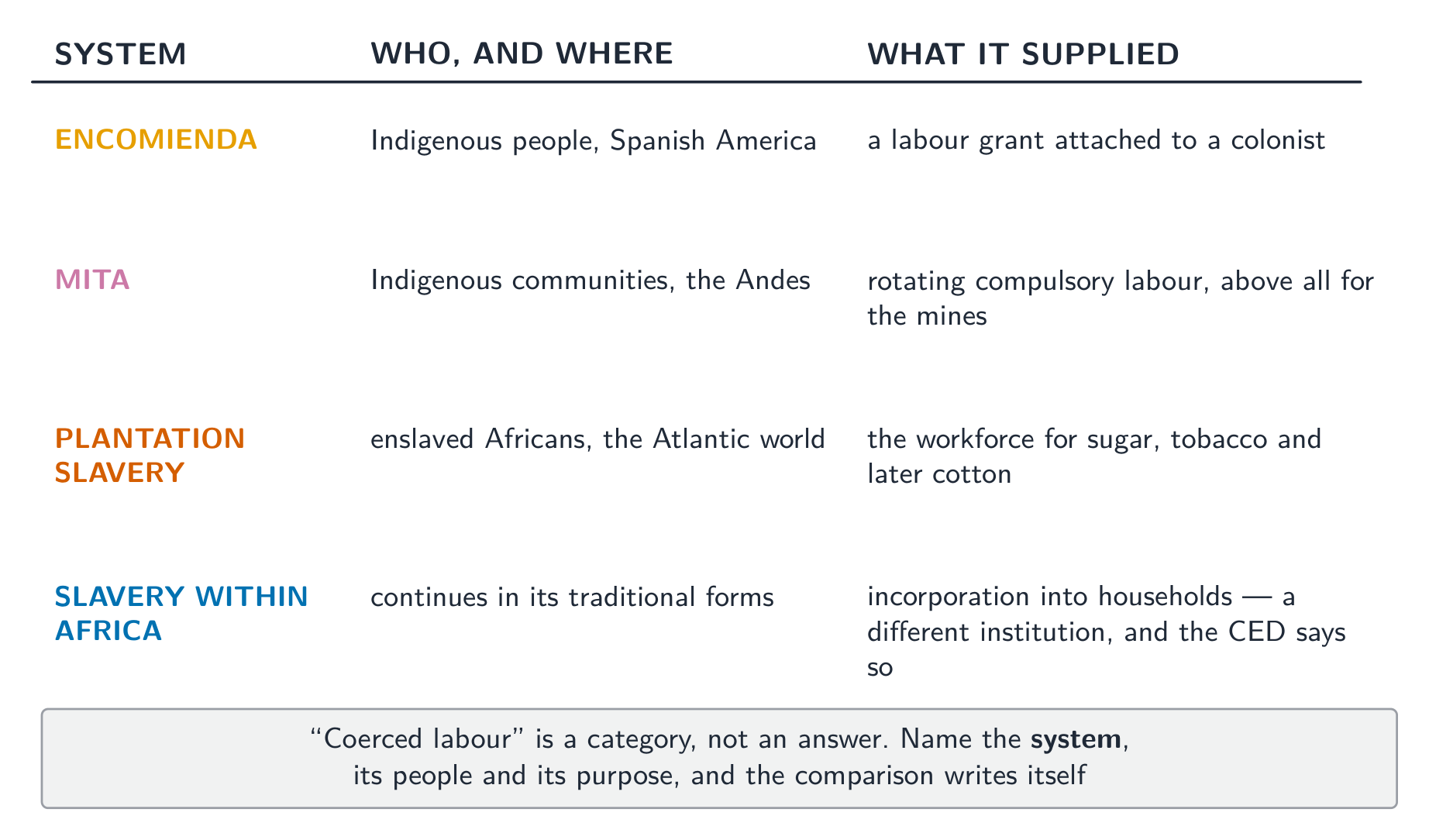
In the Americas the pattern was different. Colonial economies depended on agriculture and on coerced labour 强制劳动:

  • Enslavement in Africa continued in its traditional forms, including incorporation into households.
  • The growth of the plantation economy 种植园经济 increased demand for enslaved labour, and the Atlantic slave trade expanded enormously to supply it.
  • Systems such as the encomienda and mita 米塔制 compelled Indigenous labour.
العربية

أسس الأوروبيون مراكز تجارية في أفريقيا وآسيا، أثبتت أنها مربحة، وسعوا نحو الاستعمار في الأمريكتين مدفوعين بالمنافسات السياسية والدينية والاقتصادية.

حيث كانت الدول القائمة قوية، تاجر الأوروبيون بدلاً من غزوهم: على الرغم من الاضطراب الناتج عن وصول البرتغال، استمرت شبكات التجارة القائمة في المحيط الهندي، وحكمت الدول الآسيوية largely الشروط.

في الأمريكتين كان النمط مختلفًا. اعتمدت الاقتصادات الاستعمارية على الزراعة والعمل الإجباري:

  • استمر الاسترقاق في أفريقيا بصيغه التقليدية، بما في ذلك الدمج داخل الأسر.
  • أدى نمو اقتصاد المزارع إلى زيادة الطلب على العمل المستعبد، وتم توسيع تجارة الرقيق عبر الأطلس بشكل هائل لتوفيره.
  • أنظمة مثل الإنكوميندا والميتا أجبرت Indigenous على العمل.
أربعة أنظمة للعمل الإجباري تتميز بمن، أين، وماذا توفر كل منها
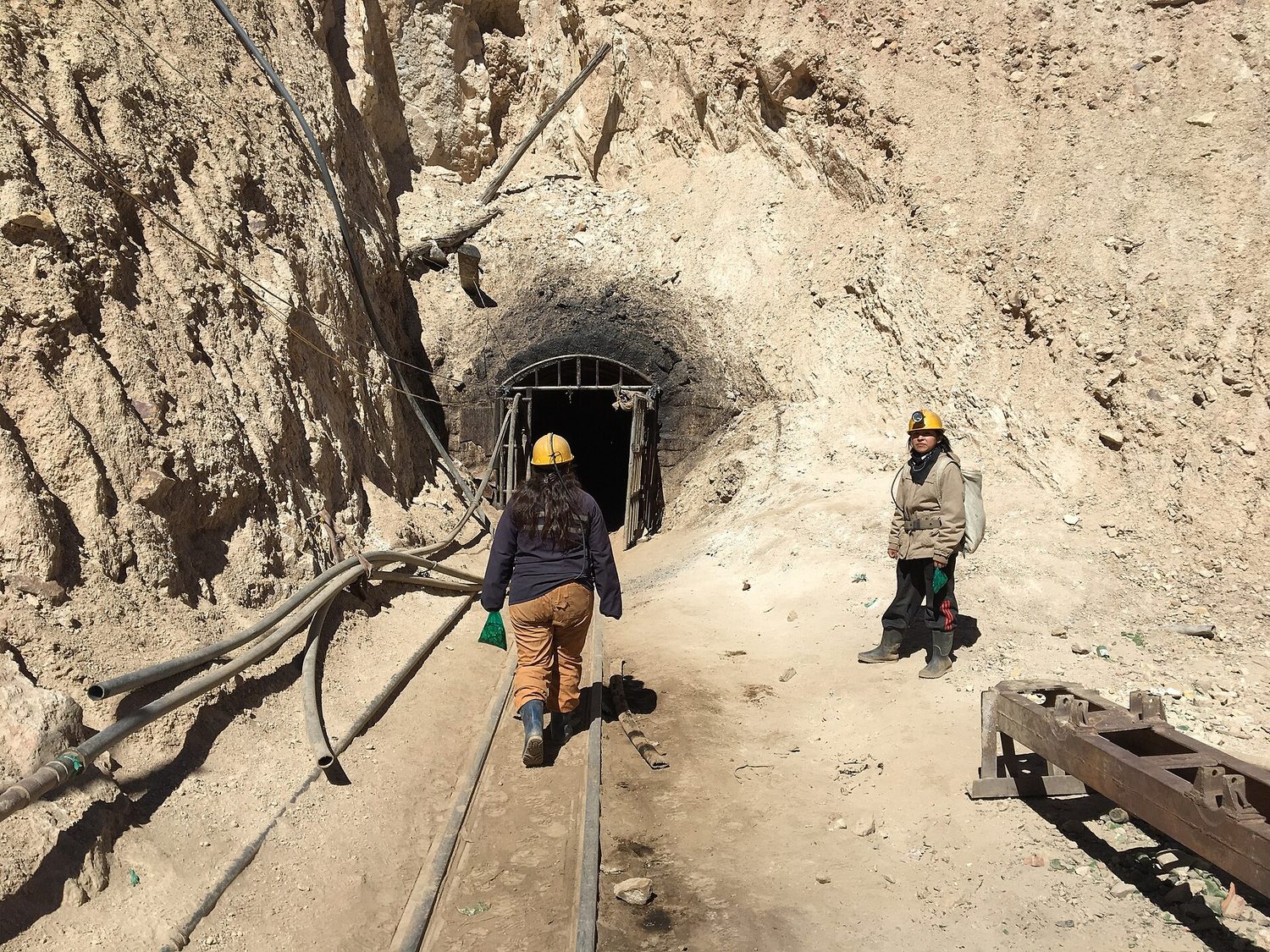
سيررو ريكو في بوتوسي - الجبل الذي تم تنظيم نظام عمل الميتا للتعدين فيه
Explore · ⁨استكشف⁩

Tell the coerced-labour systems apart · ⁨فرّق بين أنظمة العمل القسري⁩

'Coerced labour' is a category, not an answer: name the system, its people and its purpose. · ⁨'العمل القسري' فئة، ليست إجابة: سمِّ النظام، وشعبه، وغرضه.⁩

Vocabulary · ⁨مفردات⁩ Train · ⁨تدريب⁩
English العربية
coerced labour/ˌkəʊˈɜːst ˈleɪbə/ العمل القسري
plantation economy/plænˈteɪʃn ɪˈkɒnəmi/ اقتصاد المزارع
mita/ˈmiːtə/ ميثا
Mercantilist/ˈmɜːkæntɪlɪst/ mercantilist (ميركانتيلي)
Atlantic trading system/ətˈlæntɪk ˈtreɪdɪŋ ˈsɪstəm/ نظام التجارة الأطلنطي
social hierarchies/ˈsəʊʃl ˈhaɪərɑːkiz/ التدرجات الاجتماعية
4.5 4.7

Maritime Empires Maintained · ⁨الحفاظ على الإمبراطوريات البحرية⁩

Syllabus · ⁨المنهج⁩
English

4.5 Maritime Empires Maintained and Developed

Thematic Focus (GOV): Governance — A variety of internal and external factors contribute to state formation, expansion, and decline. Governments maintain order through a variety of administrative institutions, policies, and procedures, and governments obtain, retain, and exercise power in different ways and for different purposes.

Thematic Focus (ECN): Economics Systems — As societies develop, they affect and are affected by the ways that they produce, exchange, and consume goods and services.

Thematic Focus (CDI): Cultural Developments and Interactions — The development of ideas, beliefs, and religions illustrates how groups in society view themselves, and the interactions of societies and their beliefs often have political, social, and cultural implications.

Learning Objective Unit 4.H: Explain how rulers employed economic strategies to consolidate and maintain power throughout the period from 1450 to 1750.

  • KC-4.1.IV.C Mercantilist policies and practices were used by European rulers to expand and control their economies and claim overseas territories. Joint-stock companies, influenced by these mercantilist principles, were used by rulers and merchants to finance exploration and were used by rulers to compete against one another in global trade.
  • KC-4.3.III.ii Economic disputes led to rivalries and conflict between states.

Learning Objective Unit 4.I: Explain the continuities and changes in networks of exchange from 1450 to 1750. THEMATIC FOCUS Social Interactions and Organization SIO The process by which societies group their members and the norms that govern the interactions between these groups and between individuals influence political, economic, and cultural institutions and organization. LEARNING OBJECTIVE

  • KC-4.1.IV.D.i The Atlantic trading system involved the movement of goods, wealth, and labor, including enslaved persons.
  • KC-4.1.IV The new global circulation of goods was facilitated by chartered European monopoly companies and the global flow of silver, especially from Spanish colonies in the Americas, which was used to purchase Asian goods for the Atlantic markets and satisfy Chinese demand for silver. Regional markets continued to flourish in Afro-Eurasia by using established commercial practices and new transoceanic and regional shipping services developed by European merchants.
  • KC-4.2.II.A Peasant and artisan labor continued and intensified in many regions as the demand for food and consumer goods increased. HISTORICAL DEVELOPMENTS

Learning Objective Unit 4.J: Explain how political, economic, and cultural factors affected society from 1450 to 1750.

  • KC-4.2.III.C Some notable gender and family restructuring occurred, including demographic changes in Africa that resulted from the trade of enslaved persons.
  • KC-4.1.IV.D.ii The Atlantic trading system involved the movement of labor—including enslaved persons and the mixing of African, American, and European cultures and peoples, with all parties contributing to this cultural synthesis.

Learning Objective Unit 4.K: Explain the similarities and differences in how various belief systems affected societies from 1450 to 1750.

  • KC-4.1.VI In some cases, the increase and intensification of interactions between newly connected hemispheres expanded the reach and furthered development of existing religions, and contributed to religious conflicts and the development of syncretic belief systems and practices.

Illustrative examples:

  • Competition over trade routes:
    • Muslim–European rivalry in the Indian Ocean
    • Moroccan conflict with the Songhai Empire
  • (CONT’D) Increased peasant and artisan labor:
    • Western Europe— wool and linen
    • India—cotton
    • China—silk
العربية

4.5 الإمبراطوريات البحرية: الحفاظ عليها وتطويرها

التركيز الموضوعي (GOV): الحكم — تساهم مجموعة متنوعة من العوامل الداخلية والخارجية في تشكيل الدولة وتوسعها وانهيارها. تحافظ الحكومات على النظام من خلال مجموعة متنوعة من المؤسسات والإجراءات والسياسات الإدارية، وتكتسب الحكومات وتحتفظ بالسلطة وتمارسها بطرق مختلفة ولأغراض مختلفة.

التركيز الموضوعي (ECN): أنظمة الاقتصاد — عندما تتطور المجتمعات، فإنها تؤثر وتتأثر بالطرق التي تنتج بها وتبادلها وتستهلك بها السلع والخدمات.

التركيز الموضوعي (CDI): التطورات والتفاعلات الثقافية — يعكس تطور الأفكار والمعتقدات والأديان كيف تنظر المجموعات في المجتمع إلى نفسها، وغالبًا ما يكون للتفاعلات بين المجتمعات ومعتقداتها عواقب سياسية واجتماعية وثقافية.

هدف التعلم الوحدة 4.H: اشرح كيف استخدم الحكام استراتيجيات اقتصادية لتثبيت السلطة والحفاظ عليها طوال الفترة من 1450 إلى 1750.

  • KC-4.1.IV.C استخدم الحكام الأوروبيون السياسات والممارساتMercantilist لتوسيع اقتصاداتهم والتحكم فيها وادعاء الأراضي عبر البحار. تم استخدام شركات الأسهم المشتركة، المتأثرة بمبادئ Mercantilist هذه، من قبل الحكام والتجار لتمويل الاستكشاف، واستخدمها الحكام للتنافس ضد بعضهم البعض في التجارة العالمية.
  • KC-4.3.III.ii أدت النزاعات الاقتصادية إلى منافسة وصراع بين الدول.

هدف التعلم الوحدة 4.I: اشرح الاستمرارية والتغيرات في شبكات التبادل من 1450 إلى 1750. التركيز الموضوعي: التفاعلات الاجتماعية والتنظيم SIO هي العملية التي تجمع بها المجتمعات أعضائها والقواعد التي تحكم التفاعلات بين هذه المجموعات وبين الأفراد والتي تؤثر على المؤسسات السياسية والاقتصادية والثقافية والتنظيم. هدف التعلم

  • KC-4.1.IV.D.i تضمن النظام التجاري الأطلسي حركة البضائع والثروة والعمل، بما في ذلك الأشخاص المستعبدين.
  • KC-4.1.IV تم تسهيل الدوران العالمي الجديد للبضائع من قبل الشركات الأوروبية ذات الامتيازات التجارية وحركة الفضة العالمية، لا سيما من المستعمرات الإسبانية في الأمريكتين، والتي استُخدمت لشراء البضائع الآسيوية لأسواق المحيط الأطلسي وتلبية الطلب الصيني على الفضة. استمر ازدهار الأسواق الإقليمية في أفريقيا وأوراسيا باستخدام ممارسات تجارية راسخة وخدمات شحن عابرة للمحارن وإقليمية جديدة طورها التجار الأوروبيون.
  • KC-4.2.II.A استمر عمل الفلاحين والحرفيين وت intensifies في العديد من المناطق مع زيادة الطلب على الغذاء والبضائع الاستهلاكية. التطورات التاريخية

هدف التعلم الوحدة 4.J: اشرح كيف أثرت العوامل السياسية والاقتصادية والثقافية على المجتمع من 1450 إلى 1750.

  • KC-4.2.III.C حدث إعادة هيكلة ملحوظة للجنس والعائلة، بما في ذلك التغيرات الديموغرافية في أفريقيا التي نتجت عن تجارة الأشخاص المستعبدين.
  • KC-4.1.IV.D.ii تضمن النظام التجاري الأطلسي حركة العمل—بما في ذلك الأشخاص المستعبدين ومزج الثقافات والشعوب الأفريقية والأمريكية والأوروبية، مع مساهمة جميع الأطراف في هذا المزيج الثقافي.

هدف التعلم الوحدة 4.K: اشرح أوجه التشابه والاختلاف في كيفية تأثير مختلف الأنظمة العقائدية على المجتمعات من 1450 إلى 1750.

  • KC-4.1.VI في بعض الحالات، أدى الزيادة وتكثيف التفاعلات بين نصفي الكرة الأرضية المرتبطين حديثاً إلى توسيع نطاق الأديان القائمة وتعزيز تطورها، وساهم في الصراعات الدينية وتطور الأنظمة العقائدية والممارسات المختلطة.

أمثلة توضيحية:

  • المنافسة على طرق التجارة:
    • المنافسة المسلمة–الأوروبية في المحيط الهندي
    • الصراع المغربي مع إمبراطورية سونغهاي
  • (متصل) زيادة عمل الفلاحين والحرفيين:
    • أوروبا الغربية—الصوف والكتان
    • الهند—القطن
    • الصين—الحرير
English

4.7 Changing Social Hierarchies from1450 to 1750

Thematic Focus (SIO): Social Interactions and Organization — The process by which societies group their members and the norms that govern the interactions between these groups and between individuals influence political, economic, and cultural institutions and organization.

Learning Objective Unit 4.M: Explain how social categories, roles, and practices have been maintained or have changed over time.

  • KC-4.3.I.B Many states, such as the Mughal and Ottoman empires, adopted practices to accommodate the ethnic and religious diversity of their subjects or to utilize the economic, political, and military contributions of different ethnic or religious groups. In other cases, states suppressed diversity or limited certain groups’ roles in society, politics, or the economy.
  • KC-4.2.III.A Imperial conquests and widening global economic opportunities contributed to the formation of new political and economic elites, including in China with the transition to the Qing Dynasty and in the Americas with the rise of the Casta system.
  • KC-4.2.III.B The power of existing political and economic elites fluctuated as the elites confronted new challenges to their ability to affect the policies of the increasingly powerful monarchs and leaders.

Illustrative examples:

  • Differential treatment of groups in society, politics, and the economy:
    • Expulsion of Jews from Spain and Portugal; the acceptance of Jews in the Ottoman Empire
    • Restrictive policies against Han Chinese in Qing China
    • Varying status of different classes of women within the Ottoman Empire
  • Existing elites:
    • Ottoman timars
    • Russian boyars
    • European nobility
العربية

4.7 التسلسلات الهرمية الاجتماعية المتغيرة من 1450 إلى 1750

التركيز الموضوعي (SIO): التفاعلات الاجتماعية والتنظيم — عملية تجميع المجتمعات لأعضائها والمعايير التي تحكم التفاعل بين هذه المجموعات وبين الأفراد تؤثر على المؤسسات والهيكل السياسي والاقتصادي والثقافي.

هدف التعلم الوحدة 4.M: اشرح كيف تم الحفاظ على فئات الأدوار والممارسات الاجتماعية أو تغيرت بمرور الوقت.

  • KC-4.3.I.B تبعت العديد من الدول، مثل الإمبراطوريتين المغولية والعثمانية، ممارسات لاستيعاب التنوع العرقي والديني لمواطنيها أو لاستخدام المساهمات الاقتصادية والسياسية والعسكرية لمجموعات عرقية أو دينية مختلفة. وفي حالات أخرى، قمعت الدول التنوع أو حدت من أدوار مجموعات معينة في المجتمع أو السياسة أو الاقتصاد.
  • KC-4.2.III.A ساهمت الغزو الإمبراطوري وتوسيع الفرص الاقتصادية العالمية في تشكيل نخبات سياسية واقتصادية جديدة، بما في ذلك في الصين مع الانتقال إلى أسرة تشينغ وفي الأمريكتين مع ظهور نظام الكاستا.
  • KC-4.2.III.B تذبذبت سلطة النخابات السياسية والاقتصادية القائمة عندما واجهت هذه النخابات تحديات جديدة لقدرتها على التأثير في سياسات الملوك والقادة الذين أصبحوا أكثر قوة.

أمثلة توضيحية:

  • المعاملة المتفاوتة للمجموعات في المجتمع والسياسة والاقتصاد:
    • طرد اليهود من إسبانيا والبرتغال؛ وقبول اليهود في الدولة العثمانية
    • السياسات التقييدية ضد الصينيين الهان في صين أسرة تشينغ
    • الاختلاف في وضع طبقات النساء المختلفة داخل الدولة العثمانية
  • النخابات القائمة:
    • التيمارات العثمانية
    • البويارات الروس
    • النبلاء الأوروبيون

Source: College Board AP Course and Exam Description · ⁨المصدر: وصف دورة وامتحان College Board AP⁩

English

Mercantilist 重商主义 policies were used by European rulers to expand and control their economies: colonies existed to supply raw materials and buy finished goods, and trade was directed through the mother country.

The Atlantic trading system 大西洋贸易体系 moved goods, wealth, and people between Europe, Africa, and the Americas - the pattern usually taught as triangular trade, though real routes were more complex.

Economic disputes led to rivalries and conflict between states, and commercial competition became a standing cause of European war.

Colonial societies developed new social hierarchies 社会等级, defined by ancestry and by place of birth - the Spanish casta system being the most formally codified.

العربية

استُخدمت السياسات المركانتيلية من قِبل القادة الأوروبيين لتوسيع اقتصاداتهم والسيطرة عليها: كانت المستعمرات موجودة لتوفير المواد الخام وشراء البضائع المصنعة، وكان التجارة موجهة عبر الدولة الأم.

نظام التجارة في المحيط الأطلسي نقل البضائع والثروة والأشخاص بين أوروبا وأفريقيا والأميركتين - وهو النمط الذي يُدرَّس عادةً كتجارة مثلثة، على الرغم من أن المسارات الحقيقية كانت أكثر تعقيداً.

أدت النزاعات الاقتصادية إلى منافسات وصراعات بين الدول، وأصبحت المنافسة التجارية سبباً مستمراً للحروب الأوروبية.

طورت المجتمعات الاستعمارية هرميات اجتماعية جديدة، مُعرَّفة بالأنساب ومكان الميلاد - حيث كان نظام الكاستا الإسباني هو الأكثر تقييداً بشكل رسمي.

4.6

Internal and External Challenges · ⁨تحديات داخلية وخارجية⁩

Syllabus · ⁨المنهج⁩
English

4.6 Internal and External Challenges to State Power from 1450 to 1750

Thematic Focus (GOV): Governance — A variety of internal and external factors contribute to state formation, expansion, and decline. Governments maintain order through a variety of administrative institutions, policies, and procedures, and governments obtain, retain, and exercise power in different ways and for different purposes.

Learning Objective Unit 4.L: Explain the effects of the development of state power from 1450 to 1750.

  • KC-4.3.III.iii State expansion and centralization led to resistance from an array of social, political, and economic groups on a local level.
  • KC-5.3.III.C Enslaved persons challenged existing authorities in the Americas through organized resistance.

Illustrative examples:

  • Local resistance:
    • Pueblo Revolts
    • Fronde
    • Cossack revolts
    • Maratha conflict with Mughals
    • Ana Nzinga’s resistance (as ruler of Ndongo and Matamba)
    • Metacom’s War (King Philip’s War)
  • Resistance of enslaved persons:
    • The establishment of Maroon societies in the Caribbean and Brazil
    • Resistance of enslaved persons in North America
العربية

4.6 التحديات الداخلية والخارجية لسلطة الدولة من 1450 إلى 1750

التركيز الموضوعي (GOV): الحكم — تساهم مجموعة متنوعة من العوامل الداخلية والخارجية في تشكيل الدولة وتوسعها وانهيارها. تحافظ الحكومات على النظام من خلال مجموعة متنوعة من المؤسسات والإجراءات والسياسات الإدارية، وتكتسب الحكومات وتحتفظ بالسلطة وتمارسها بطرق مختلفة ولأغراض مختلفة.

هدف التعلم الوحدة 4.L: اشرح آثار تطوير سلطة الدولة من 1450 إلى 1750.

  • KC-4.3.III.iii أدى توسع الدولة وتSubmit إليها إلى مقاومة من مجموعة متنوعة من الجماعات الاجتماعية والسياسية والاقتصادية على المستوى المحلي.
  • KC-5.3.III.C تحدى الأشخاص المستعبدون السلطات القائمة في الأمريكتين من خلال المقاومة المنظمة.

أمثلة توضيحية:

  • المقاومة المحلية:
    • تمردات بويبليو
    • فرند
    • تمردات الكوزاك
    • صراع الماراتا مع المغول
    • مقاومة آنا نزينجا (كحاكمة لندونغو وماتامبا)
    • حرب ميتاكوم (حرب الملك فيليب)
  • مقاومة الأشخاص المستعبدين:
    • تأسيس مجتمعات المارون في الكاريبي وبرازيل
    • مقاومة الأشخاص المستعبدين في أمريكا الشمالية

Source: College Board AP Course and Exam Description · ⁨المصدر: وصف دورة وامتحان College Board AP⁩

English

Rulers everywhere faced resistance. Enslaved people resisted through rebellion 起义 and maroon communities 逃奴社群; Indigenous peoples resisted colonial demands; peasants and religious groups challenged state power across Eurasia.

العربية

واجه الحكام في كل مكان مقاومة. قاوم العبيد من خلال الثورة ومجتمعات الهرباء (مارون)؛ قاوم الشعوب الأصلية المطالب الاستعمارية؛ وتحدى الفلاحون والمجموعات الدينية سلطة الدولة عبر أوراسيا.

الثورة والهروب هي ردود فعل مختلفة على نظام مفروض
4.8

Continuity and Change from 1450 to 1750 · ⁨الاستمرارية والتغير من 1450 إلى 1750⁩

Syllabus · ⁨المنهج⁩
English

4.8 Continuity and Change from 1450 to 1750

Learning Objective Unit 4.N: Explain how economic developments from 1450 to 1750 affected social structures over time.

  • KC-4.1 The interconnection of the Eastern and Western Hemispheres, made possible by transoceanic voyaging, transformed trade and had a significant social impact on the world.
    • KC-4.1.II Knowledge, scientific learning, and technology from the Classical, Islamic, and Asian worlds spread, facilitating European technological developments and innovation.
    • KC-4.1.II.A The developments included the production of new tools, innovations in ship designs, and an improved understanding of regional wind and currents patterns—all of which made transoceanic travel and trade possible.
  • KC-4.2 Although the world’s productive systems continued to be heavily centered on agriculture, major changes occurred in agricultural labor, the systems and locations of manufacturing, gender and social structures, and environmental processes.
    • KC-4.2.II The demand for labor intensified as a result of the growing global demand for raw materials and finished products. Traditional peasant agriculture increased and changed in nature, plantations expanded, and the Atlantic slave trade developed and intensified.
  • KC-4.3 Empires achieved increased scope and influence around the world, shaping and being shaped by the diverse populations they incorporated.
    • KC-4.3.III.ii Economic disputes led to rivalries and conflict between states.
العربية

4.8 الاستمرارية والتغير من 1450 إلى 1750

هدف التعلم الوحدة 4.N: اشرح كيف أثرت التطورات الاقتصادية من 1450 إلى 1750 على الهياكل الاجتماعية بمرور الوقت.

  • KC-4.1 أدى ترابط نصفي الكرة الأرضية الشرقي والغربي، الذي تمكّن منه الإبحار عبر المحيطات، إلى تحويل التجارة ولعب تأثيرًا اجتماعيًا كبيرًا على العالم.
    • KC-4.1.II انتشرت المعرفة والتعلم العلمي والتقنية من worlds Classical و Islamic و Asian، مما سهّل التطورات التقنية والابتكار الأوروبي.
    • KC-4.1.II.A شملت هذه التطورات إنتاج أدوات جديدة، وابتكارات في تصميم السفن، وفهم محسّن لأنماط الرياح والمحيطات الإقليمية — وكلها جعلت السفر والتجارة عبر المحيطات ممكنًا.
  • KC-4.2 وعلى الرغم من أن الأنظمة الإنتاجية العالمية لا تزال ترتكز بشكل كبير على الزراعة، إلا أن تغييرات جوهرية حدثت في العمل الزراعي، وأنظمة ومواقع التصنيع، والهياكل الجندرية والاجتماعية، والعمليات البيئية.
    • KC-4.2.II اشتدت حاجة العمالة نتيجة للطلب العالمي المتزايد على المواد الخام والمنتجات المصنعة. زادت الزراعة التقليدية للعمال الفلاحيين وتغيرت بطبيعتها، وتمتدعت المزارع الزراعية، وتطور تجارة الرقيق عبر الأطلسي واشتدت حدة نشاطه.
  • KC-4.3 حققت الإمبراطوريات نطاقًا ونفوذًا متزايدًا حول العالم، مشكّلةً ومُشكَّلة من قبل السكان المتنوعين الذين دمجوها.
    • KC-4.3.III.ii أدت النزاعات الاقتصادية إلى منافسات وصراعات بين الدول.

Source: College Board AP Course and Exam Description · ⁨المصدر: وصف دورة وامتحان College Board AP⁩

English

The unit's reasoning skill is continuity and change. The strongest answers hold both: connection between hemispheres was genuinely new, while the dominance of agriculture, coerced labour, and land empires continued.

Worked example (a real AP exam question). AP World short-answer questions in this unit ask, for example, to "Explain one effect of the Columbian Exchange on the Americas" and "…on Afro-Eurasia." A full-mark pair states the effect and the mechanism for each: "In the Americas, transferred diseases such as smallpox caused a demographic collapse, which created the labour shortage that European colonisers met by expanding the Atlantic slave trade. In Afro-Eurasia, American crops such as the potato and maize improved nutrition and contributed to population growth." Notice the shape: effect questions want the consequence traced, and the two halves must not be the same answer twice.

العربية

مهارة الاستدلال في الوحدة هي الاستمرارية والتغير. الإجابات الأقوى تمسك بالكلاهما: فكان الاتصال بين نصفي الكرة الأرضي جديداً حقاً، بينما استمرت هيمنة الزراعة، والعمل القسري، والإمبراطوريات البرية.

مثال محلول (سؤال حقيقي من امتحان AP). أسئلة الإجابة القصيرة في امتحان AP World في هذه الوحدة تطلب مثلاً "شرح أحد تأثيرات التبادل الكولومبي على الأمريكتين" و "...على أفريقيا-أوراسيا". مجموعة إجابات الدرجة الكاملة تذكر التأثير وآلية الحدوث لكل منهما: "في الأمريكتين، تسببت الأمراض المنقولة مثل الجدري في انهيار ديموغرافي، مما خلق نقصاً في العمالة الذي واجهه المستعمرون الأوروبيون عن طريق توسيع تجارة الرقيق في المحيط الأطلسي. وفي أفريقيا-أوراسيا، أدنت المحاصيل الأمريكية مثل البطاطا والذرة التحسن الغذائي وساهمت في نمو السكان." لاحظ الشكل: أسئلة التأثير تريد تتبع العواقب، ولا يجب أن تكون النصفان نفس الإجابة مرتين.

4.8

Exam tips · ⁨نصائح للامتحان⁩

English
  • Explain the voyages with borrowed technology plus state support, not with individual explorers.
  • Keep the Columbian Exchange two-directional and asymmetrical: population fell in the Americas and rose in Afro-Eurasia.
  • Where Asian states were strong, Europeans traded; where disease had shattered societies, they conquered. That contrast answers many questions.
  • Mercantilism is the policy, the Atlantic system is the flow, and coerced labour is what made the plantation economy work.
  • Always include resistance - rebellion, maroon communities, Indigenous refusal - since it is examinable and often omitted.
  • On effect questions, trace the consequence. A named change with no mechanism is only half the mark.
العربية
  • اشرح الرحلات بـ تقنيات مستعارة بالإضافة إلى دعم دولي، لا بأفراد المستكشفين.
  • احتفظ بالتبادل الكولومبي ثنائي الاتجاه وغير متماثل: انخفض السكان في الأمريكتين وزادوا في أفريقيا-أوراسيا.
  • حيثما كانت الدول الآسيوية قوية، تجارت الأوروبيون؛ حيثما أدمر المرض المجتمعات، غزوا. هذا التناقض يجيب عن الكثير من الأسئلة.
  • المركانتيلية هي السياسة، والنظام الأطلسي هو التدفق، والعمل القسري هو ما جعل اقتصاد المزارع يعمل.
  • يجب دائمًا تضمين المقاومة - التمرد، والمجتمعات الجارية، ورفض الشعوب الأصلية - لأنها خاضعة للاختبار وغالبًا ما يتم تجاهلها.
  • always include resistance - rebellion, maroon communities, Indigenous refusal - since it is examinable and often omitted.
Vocabulary · ⁨مفردات⁩ Train · ⁨تدريب⁩
English العربية
rebellion/rɪˈbelɪən/ الثورة
maroon communities/məˈruːn kəˈmjuːnɪtiz/ مجتمعات المارون

Interactive lessons on this topic · ⁨دروس تفاعلية حول هذا الموضوع⁩

Work through it step by step, with instant-check exercises. · ⁨ا-working عليه خطوة بخطوة، مع تمارين تحقق فوري.⁩

Past Papers · ⁨أوراق الامتحانات السابقة⁩

More topics in AP World History: Modern · ⁨تاريخ العالم الحديث (AP)⁩ · ⁨المزيد من المواضيع في AP World History: Modern · ⁨تاريخ العالم الحديث (AP)⁩⁩

Log in or create account · ⁨تسجيل الدخول أو إنشاء حساب⁩

IGCSE, A-Level & AP