1.1 Contextualizing Period 1
Learning Objective Unit 1.A: Explain the context for European encounters in the Americas from 1491 to 1607.
- KC-1.1 As native populations migrated and settled across the vast expanse of North America over time, they developed distinct and increasingly complex societies by adapting to and transforming their diverse environments.
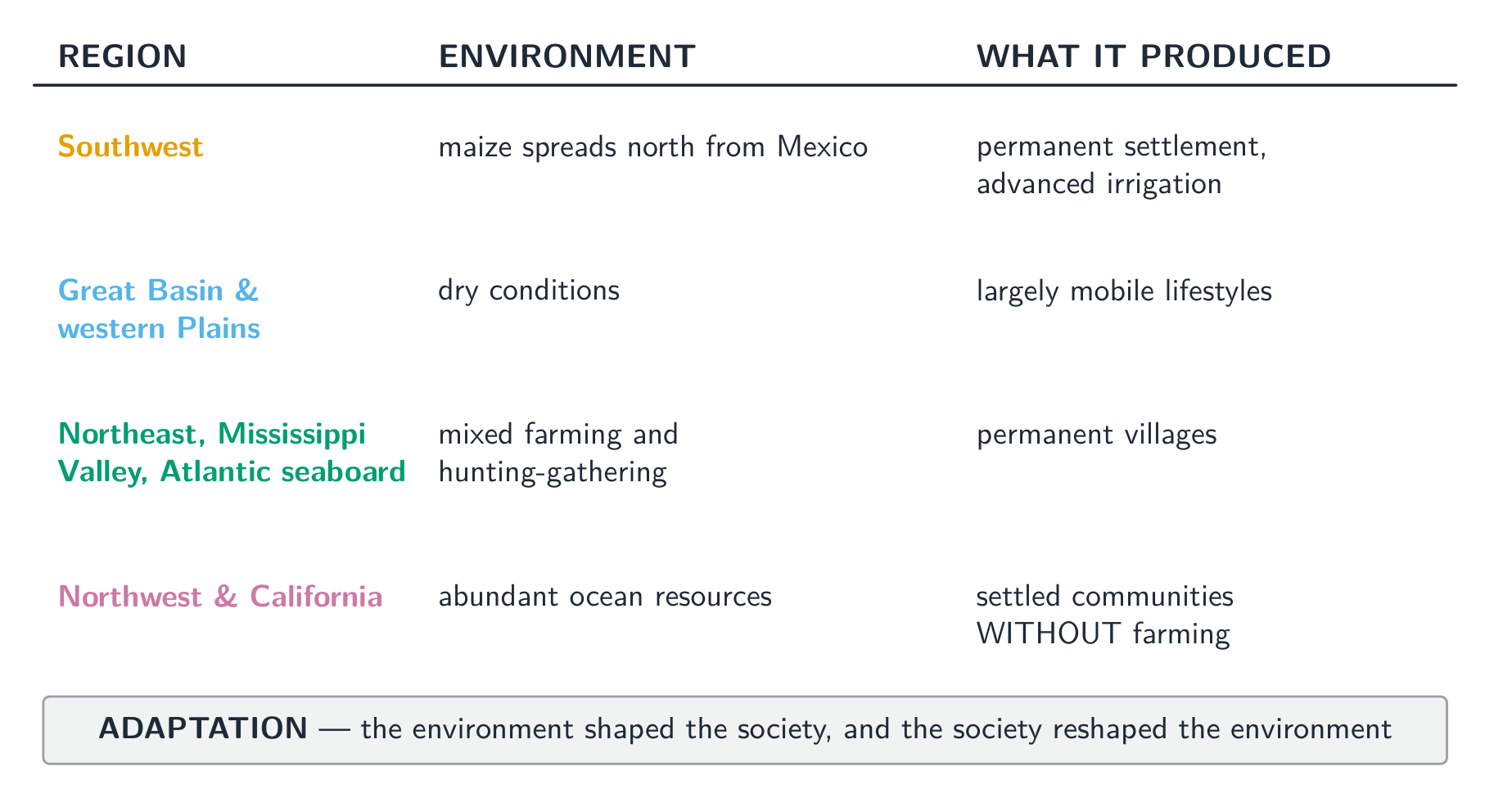
- KC-1.1.I Different native societies adapted to and transformed their environments through innovations in agriculture, resource use, and social structure.
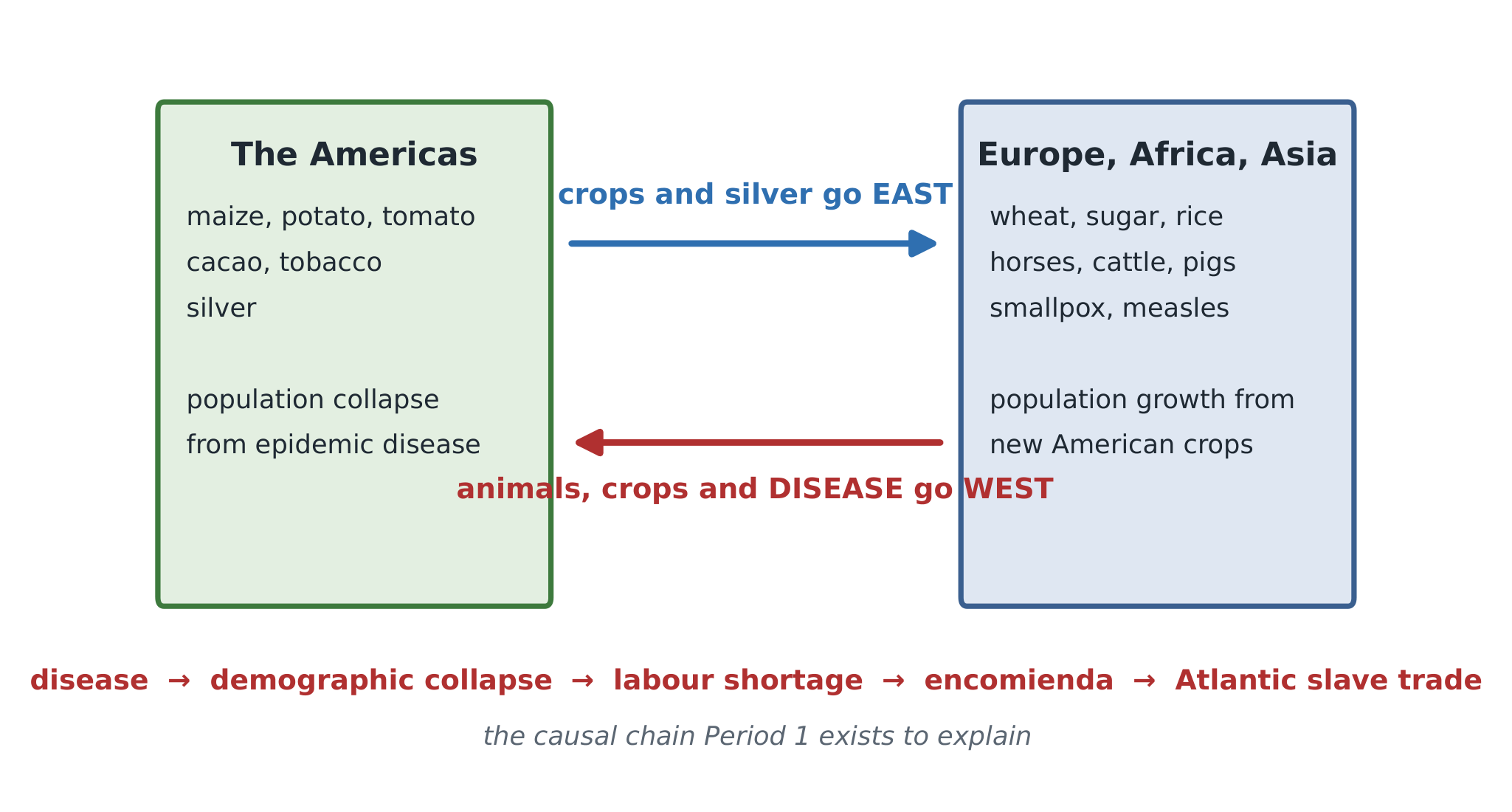
- KC-1.2 Contact among Europeans, Native Americans, and Africans resulted in the Columbian Exchange and significant social, cultural, and political changes on both sides of the Atlantic Ocean.
- KC-1.2.I European expansion into the Western Hemisphere generated intense social, religious, political, and economic competition and changes within European societies.
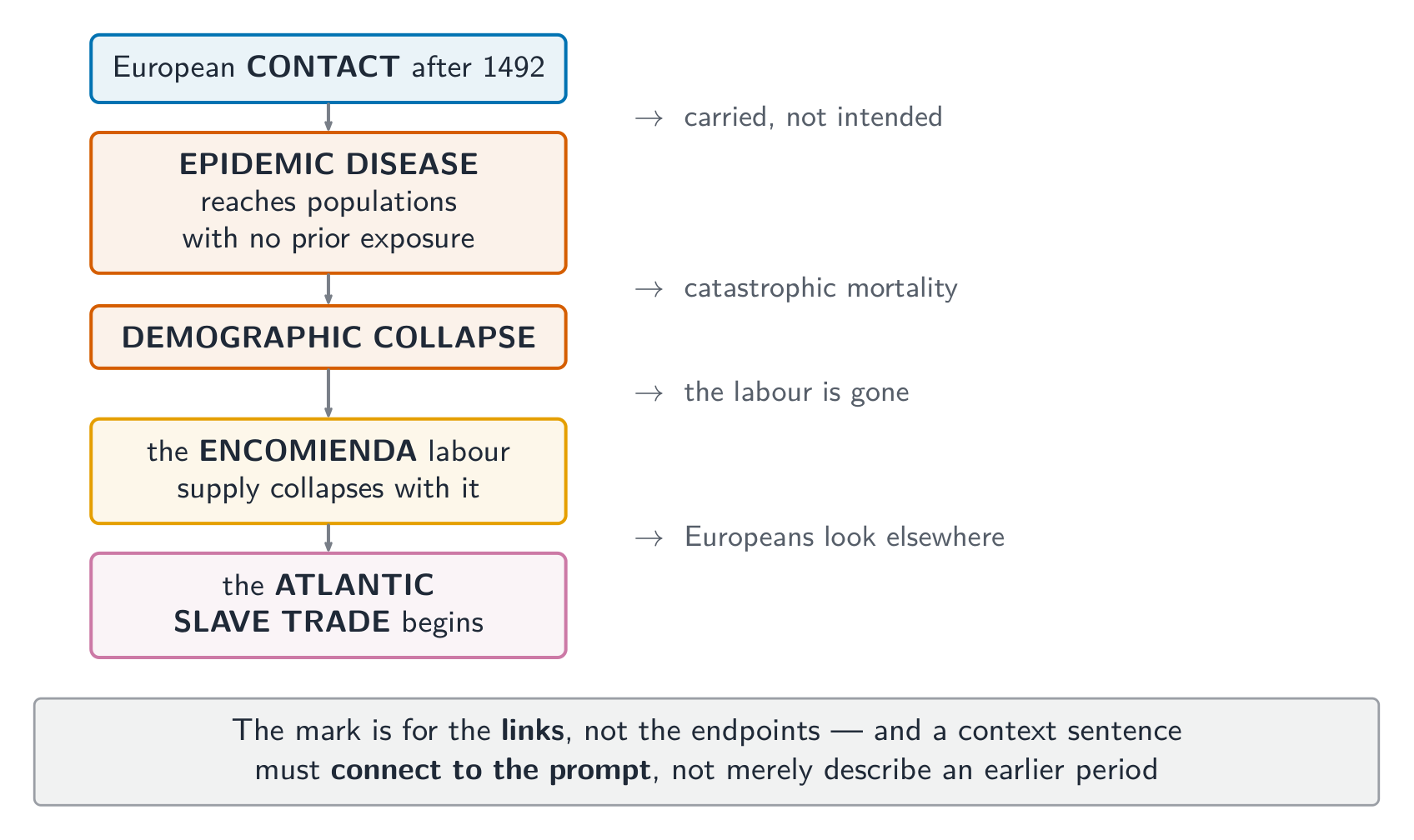
- KC-1.2.II The Columbian Exchange and development of the Spanish Empire in the Western Hemisphere resulted in extensive demographic, economic, and social changes.
- KC-1.2.III In their interactions, Europeans and Native Americans asserted divergent worldviews regarding issues such as religion, gender roles, family, land use, and power.
1.1 وضع الفترة 1 في سياقها التاريخي
هدف التعلم الوحدة 1.A: شرح سياق اللقاءات الأوروبية في الأمريكتين من عام 1491 إلى 1607.
- KC-1.1 مع هجرة السكان الأصليين واستقرارهم عبر المساحات الشاسعة من أمريكا الشمالية مع مرور الوقت، طوروا مجتمعات متميزة ومتزايدة التعقيد من خلال التكيف مع بيئاتهم المتنوعة وتحويلها.
- KC-1.1.I تكيفت مجتمعات أصلية متنوعة وحوّلت بيئاتها من خلال ابتكارات في الزراعة، واستخدام الموارد، والبنية الاجتماعية.
- KC-1.2 أدى التواصل بين الأوروبيين والأمريكيين الأصليين والأفارقة إلى تبادل كولومبي وتغيرات اجتماعية وثقافية وسياسية كبيرة على جانبي المحيط الأطلسي.
- KC-1.2.I أنتج التوسع الأوروبي في نصف الكرة الغربي منافسة شديدة وتغييرات اجتماعية ودينية وسياسية واقتصادية داخل المجتمعات الأوروبية.
- KC-1.2.II نتج عن التبادل الكولمبي وتطوير الإمبراطورية الإسبانية في نصف الكرة الغربي تغييرات ديموغرافية واقتصادية واجتماعية واسعة النطاق.
- KC-1.2.III في تفاعلاتهم، أكد الأوروبيون والأمريكيون الأصليون نظريات عالم متباينة بشأن قضايا مثل الدين، وأدوار الجنس، والأسرة، واستخدام الأراضي، والسلطة.
1.2 Native American Societies Before European Contact
Thematic Focus (GEO): Geography and the Environment — Geographic and environmental factors, including competition over and debates about natural resources, shape the development of America and foster regional diversity. The development of America impacts the environment and reshapes geography, which leads to debates about environmental and geographic issues.
Learning Objective Unit 1.B: Explain how and why various native populations in the period before European contact interacted with the natural environment in North America.
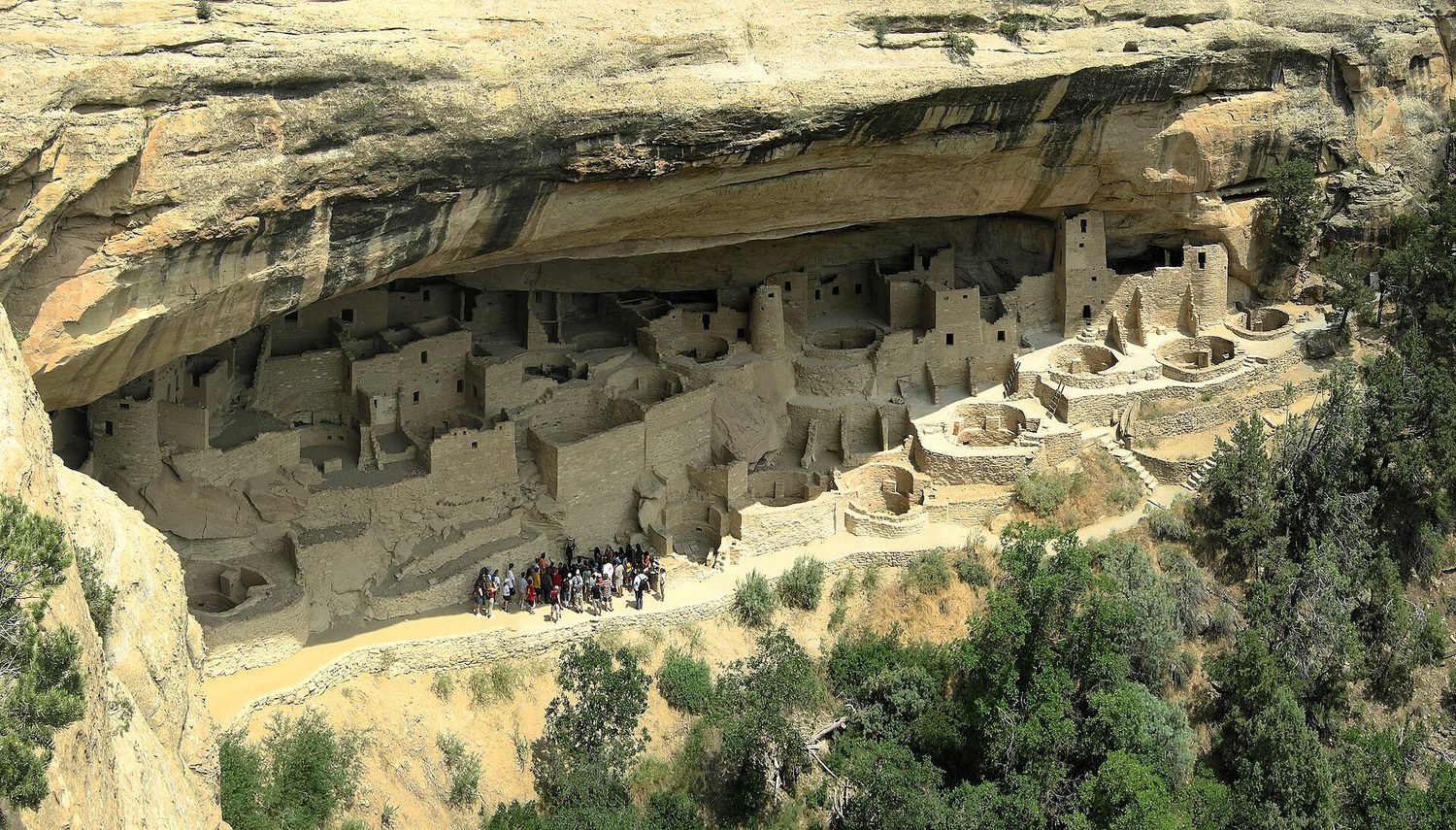
- KC-1.1.I.A The spread of maize cultivation from present-day Mexico northward into the present-day American Southwest and beyond supported economic development, settlement, advanced irrigation, and social diversification among societies.
- KC-1.1.I.B Societies responded to the aridity of the Great Basin and the grasslands of the western Great Plains by developing largely mobile lifestyles.
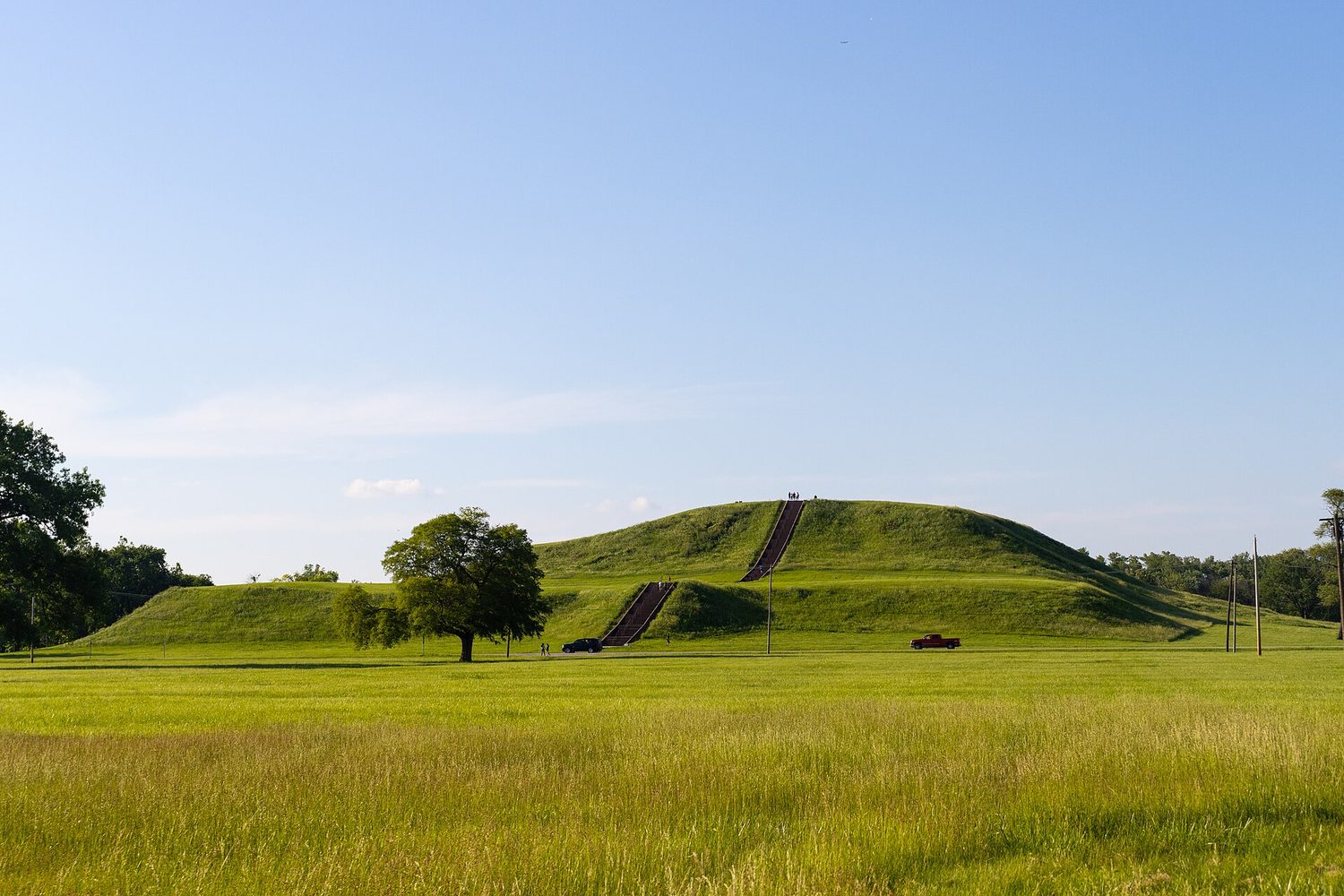
- KC-1.1.I.C In the Northeast, the Mississippi River Valley, and along the Atlantic seaboard, some societies developed mixed agricultural and hunter-gatherer economies that favored the development of permanent villages.
- KC-1.1.I.D Societies in the Northwest and present-day California supported themselves by hunting and gathering, and in some areas developed settled communities supported by the vast resources of the ocean.
1.2 المجتمعات الأمريكية الأصلية قبل الاتصال الأوروبي
التركيز الموضوعي (GEO): الجغرافيا والبيئة — العوامل الجغرافية والبيئية، بما في ذلك المنافسة والنقاشات حول الموارد الطبيعية، تشكل تطور أمريكا وتعزز التنوع الإقليمي. يؤثر تطوير أمريكا على البيئة ويعيد تشكيل الجغرافيا، مما يؤدي إلى نقاشات حول القضايا البيئية والجغرافية.
هدف التعلم الوحدة 1.B: شرح كيف ولماذا تفاعل مختلف السكان الأصليين في تلك الفترة قبل الاتصال الأوروبي مع البيئة الطبيعية في أمريكا الشمالية.
- KC-1.1.I.A ساهم انتشار زراعة الذرة من المكسيك الحالية شمالًا نحو جنوب غرب الولايات المتحدة الحالية وما وراءه في التنمية الاقتصادية، والاستيطان، والتطوير المتقدم للري، والتنوع الاجتماعي بين المجتمعات.
- KC-1.1.I.B استجابت المجتمعات لجفاف حوض(Node) الكبير وسهول العشب في سهل العظمى الغربي من خلال تطوير أنماط حياة متنقلة بشكل كبير.
- KC-1.1.I.C في الشمال الشرقي، ووادي نهر المسيسيبي، وعلى طول الساحل الأطلسي، طورت بعض المجتمعات اقتصادات مختلطة زراعية وصيد جماعي favoreت تطوير قرى دائمة.
- KC-1.1.I.D دعمت المجتمعات في الشمال الغربي وكاليفورنيا الحالية نفسها بالصيد والجمع، وطورت في بعض المناطق مجتمعات مستقرة مدعومة بالموارد الهائلة للمحيط.