English
Learning Objective 2.1.A: Explain the relationship between the type of bonding and the properties of the elements participating in the bond.
- 2.1.A.1 Electronegativity values for the representative elements increase going from left to right across a period and decrease going down a group. These trends can be understood qualitatively through the electronic structure of the atoms, the shell model, and Coulomb's law.
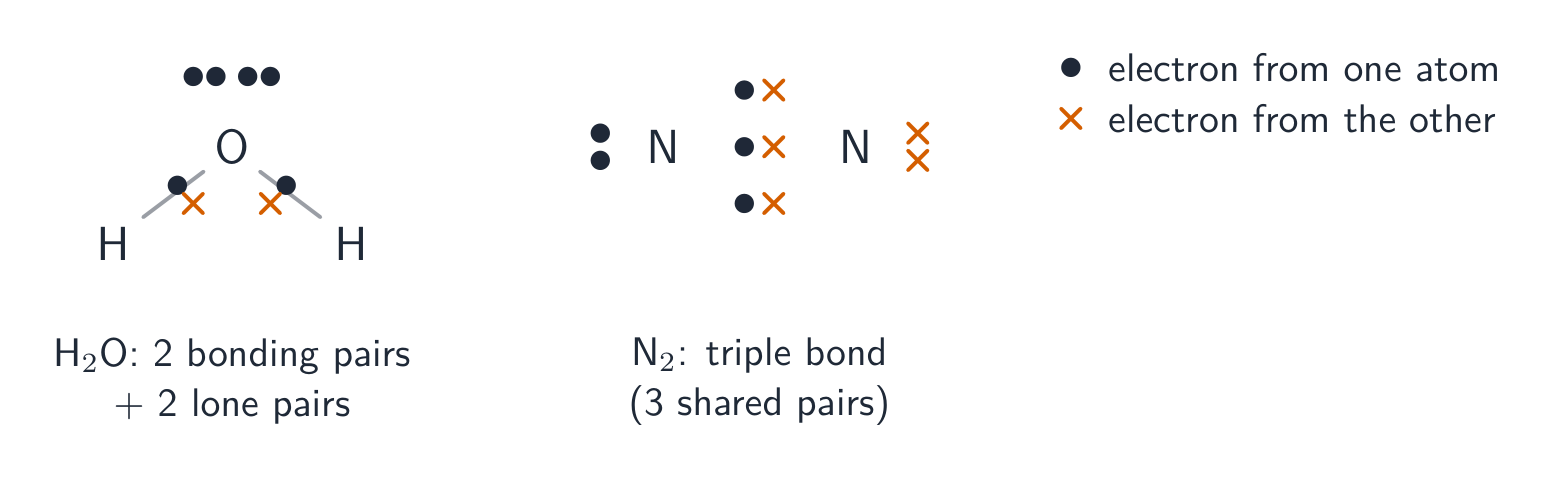
- 2.1.A.2 Valence electrons shared between atoms of similar electronegativity constitute a nonpolar covalent bond. For example, bonds between carbon and hydrogen are effectively nonpolar even though carbon is slightly more electronegative than hydrogen.
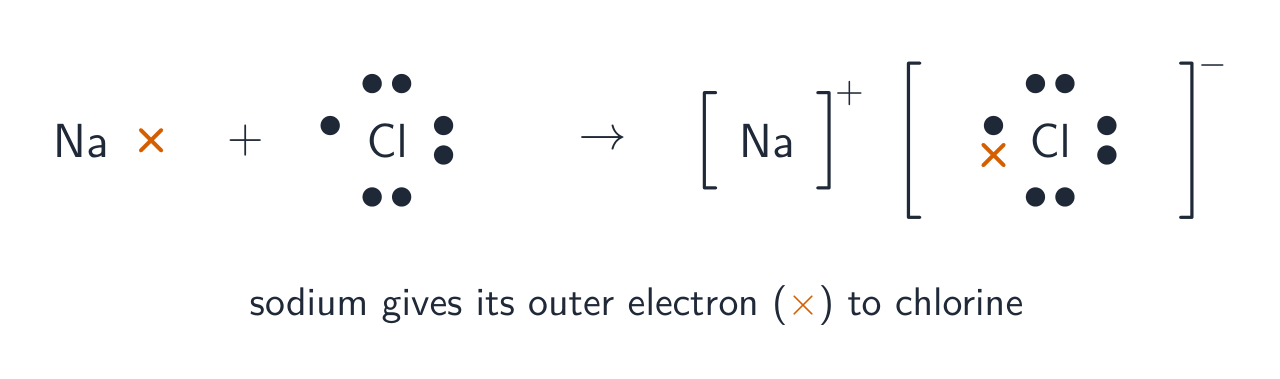
- 2.1.A.3 Valence electrons shared between atoms of unequal electronegativity constitute a polar covalent bond.
- i. The atom with a higher electronegativity will develop a partial negative charge relative to the other atom in the bond.
- ii. In single bonds, greater differences in electronegativity lead to greater bond dipoles.
- iii. All polar bonds have some ionic character, and the difference between ionic and covalent bonding is not distinct but rather a continuum.
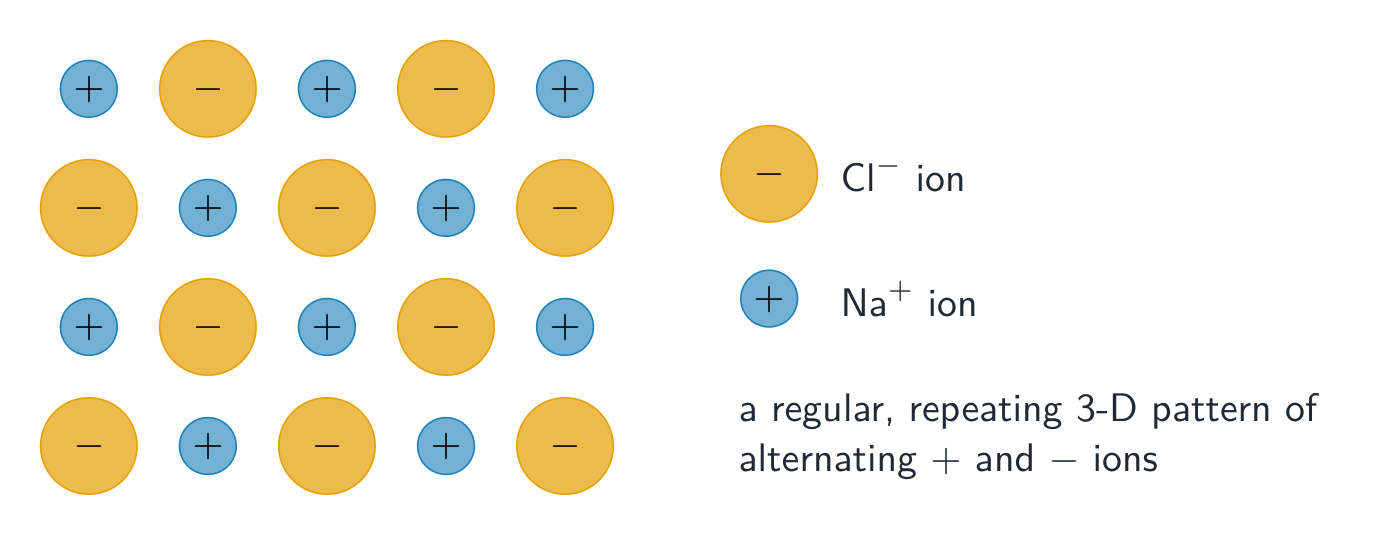
- 2.1.A.4 The difference in electronegativity is not the only factor in determining if a bond should be designated as ionic or covalent. Generally, bonds between a metal and nonmetal are ionic, and bonds between two nonmetals are covalent. Examination of the properties of a compound is the best way to characterize the type of bonding.
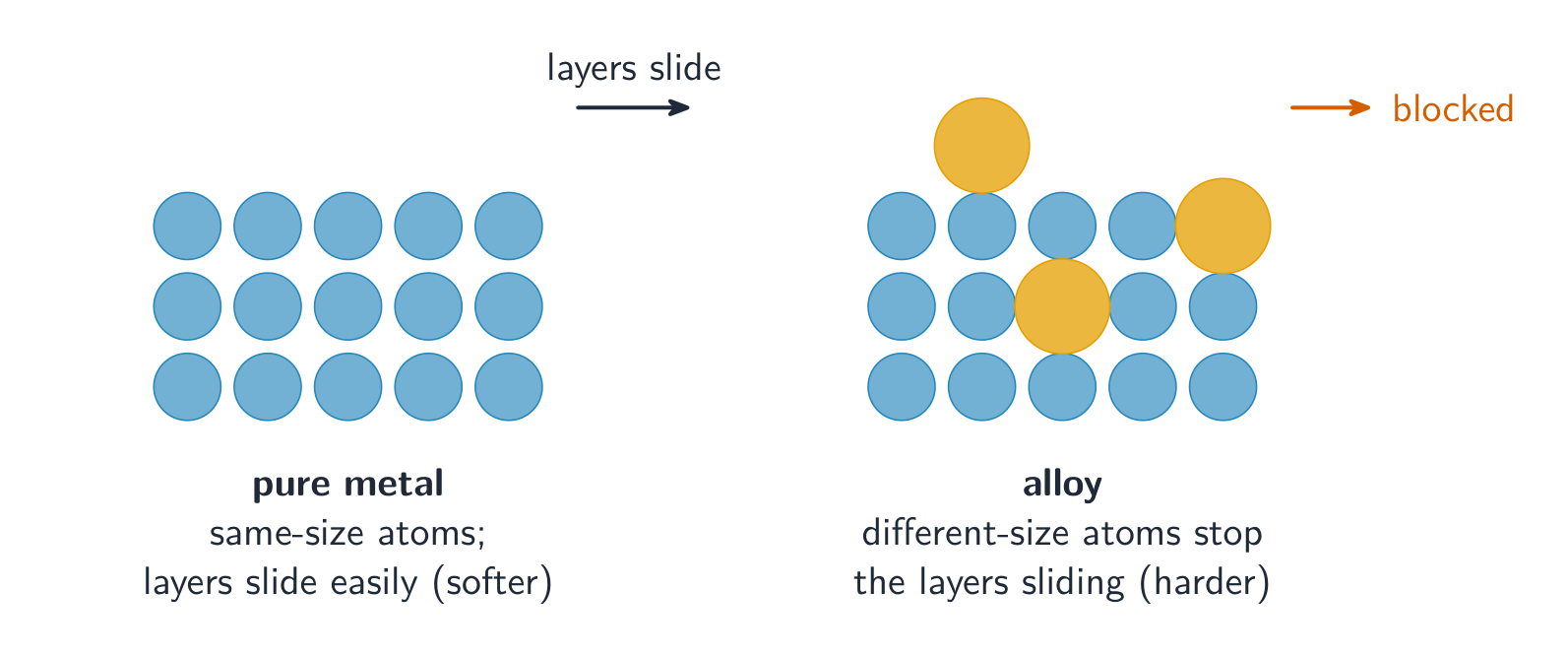
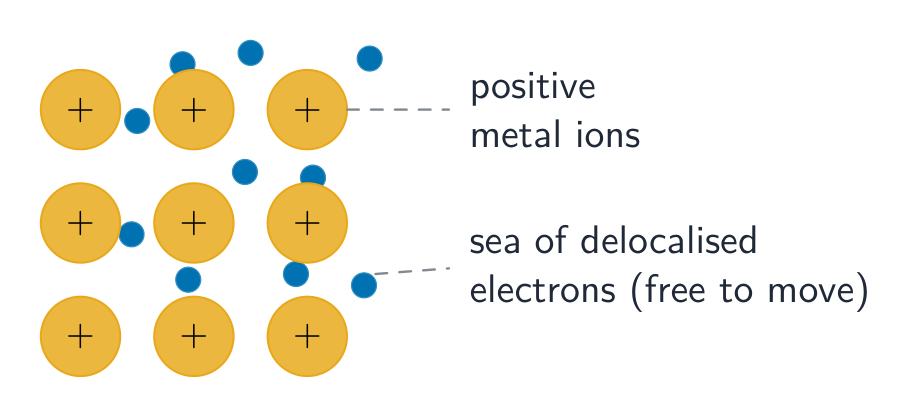
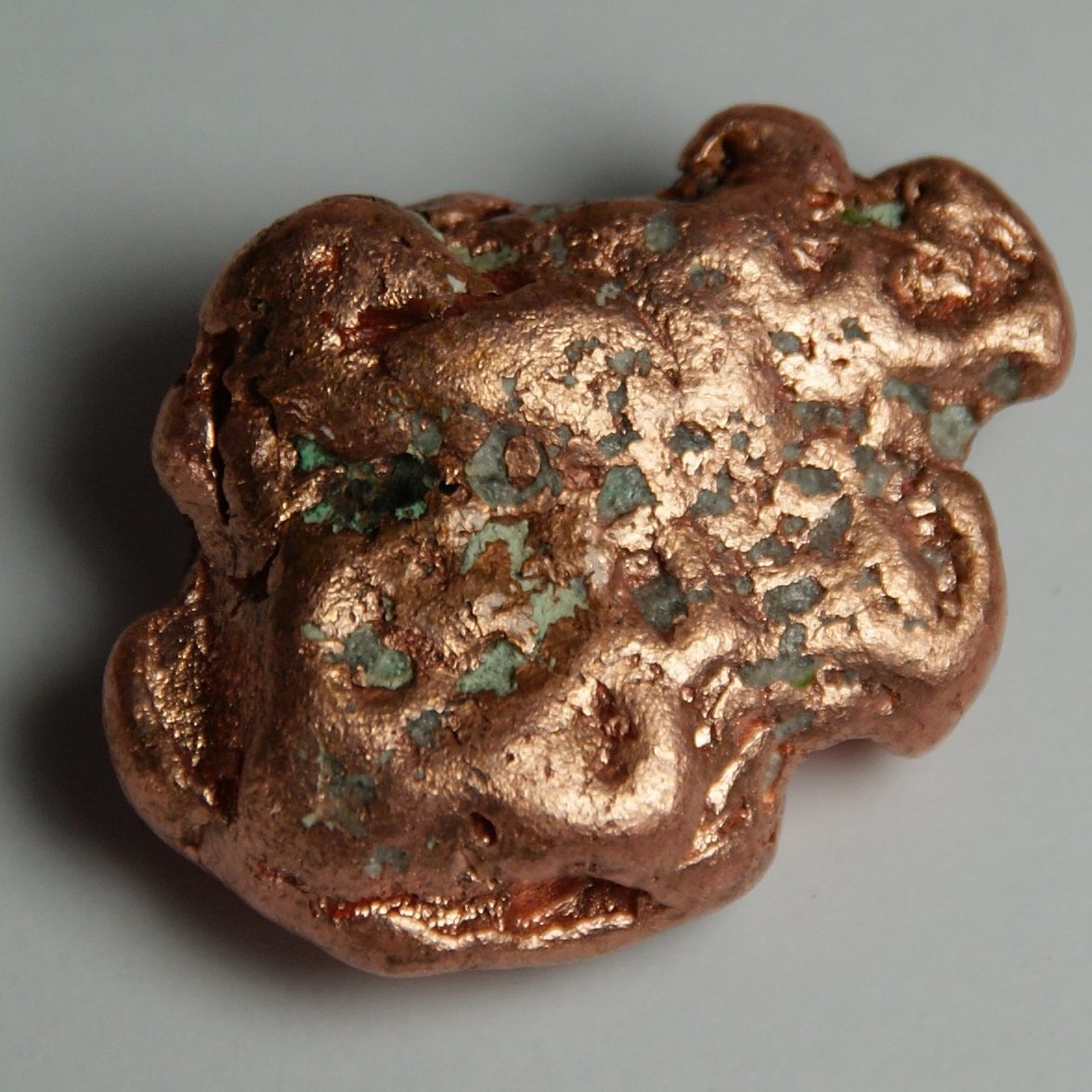
- 2.1.A.5 In a metallic solid, the valence electrons from the metal atoms are considered to be delocalized and not associated with any individual atom.
العربية
الهدف التعليمي 2.1.A: شرح العلاقة بين نوع الرابطة وخصائص العناصر المشاركة فيها.
- 2.1.A.1 تتزايد قيم الكهروسالبية للعناصر الممثلة من اليسار إلى اليمين عبر الدورة وتنخفض عند النزول في المجموعة. يمكن فهم هذه الاتجاهات نوعياً من خلال البنية الإلكترونية للذرات، ونموذج الغلاف، وقانون كولوم.
- 2.1.A.2 تشكل إلكترونات التكافؤ المشتركة بين ذرات ذات كهروسالبية متماثلة رابطة تساهمية غير قطبية. على سبيل المثال، الروابط بين الكربون والهيدروجين تعتبر غير قطبية عملياً على الرغم من أن الكربون أكثر كهروسالبية قليلاً من الهيدروجين.
- 2.1.A.3 تشكل إلكترونات التكافؤ المشتركة بين ذرات ذات كهروسالبية غير متساوية رابطة تساهمية قطبية.
- i. سيكتسب الذرة ذات الكهروسالبية الأعلى شحنة جزئية سالبة بالنسبة للذرة الأخرى في الرابطة.
- ii. في الروابط الأحادية، تؤدي الفروقات الأكبر في الكهروسالبية إلى ثنائيات قطب أكبر للرابطة.
- iii. جميع الروابط القطبية تمتلك بعض الطابع الأيوني، والفرق بين الرابطة الأيونية والتساهمية ليس حاداً بل يمثل استمرارية.
- 2.1.A.4 الفرق في الكهروسالبية ليس العامل الوحيد لتحديد ما إذا كانت الرابطة يجب تصنيفها كأيونية أو تساهمية. عموماً، تكون الروابط بين فلز ولا فلز أيونية، والروابط بين لا فلزين تساهمية. يُعد فحص خصائص المركب أفضل طريقة لتصنيف نوع الرابطة.
- 2.1.A.5 في الصلبة المعدنية، تُعتبر إلكترونات التكافؤ من ذرات الفلز موزعة عدم توطين وغير مرتبطة بذرة فردية.