English
Big Idea 4 — Systems Interactions (SYI): Biological systems interact, and these systems and their interactions exhibit complex properties.
Learning Objective 2.1.A: Explain how the structure and function of subcellular components and organelles contribute to the function of cells.
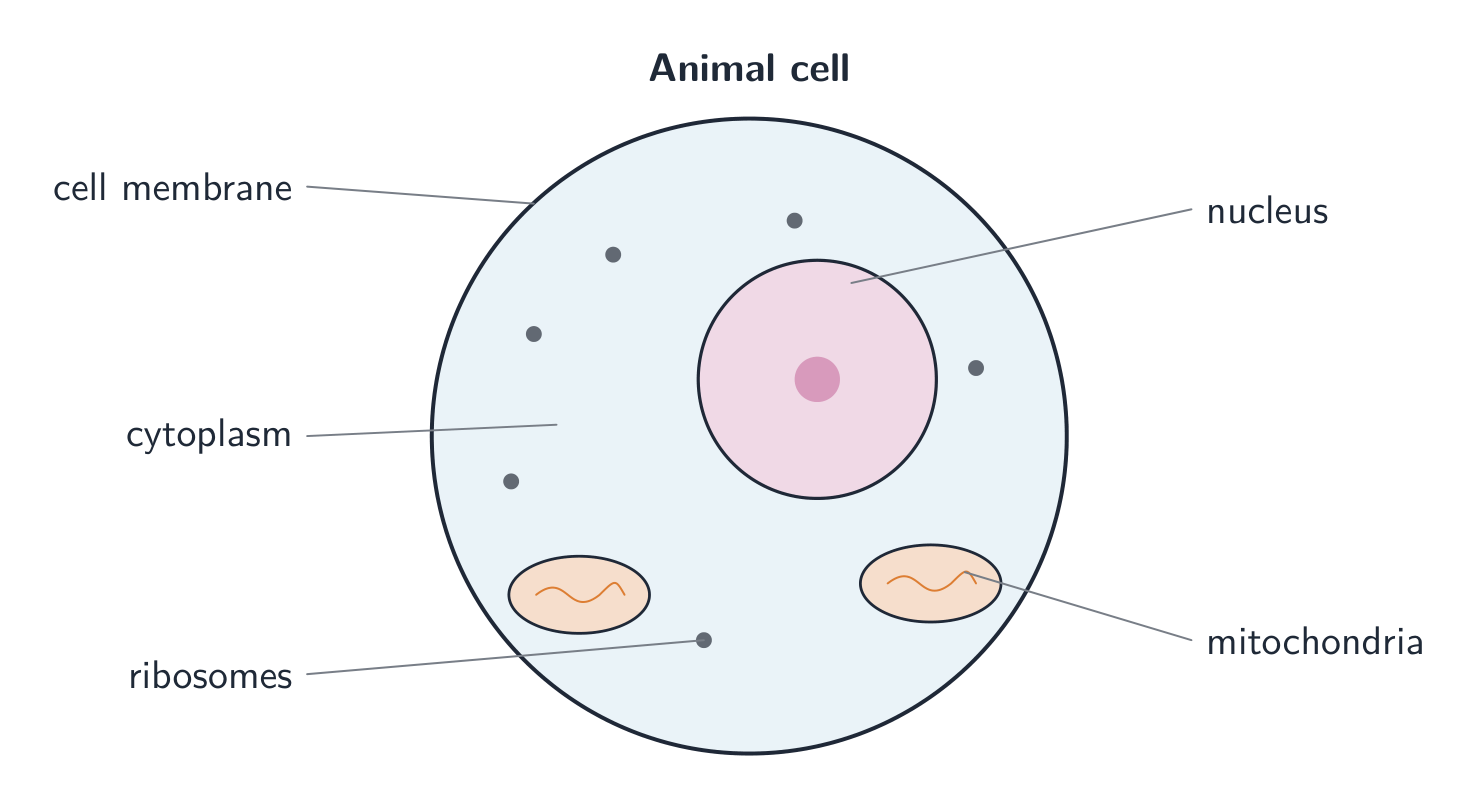
- 2.1.A.1 Ribosomes are comprised of ribosomal RNA (rRNA) and protein. These non-membrane, subcellular structures are found in cells in all forms of life and reflect the common ancestry in all known life. Ribosomes synthesize proteins according to messenger RNA (mRNA) sequences.
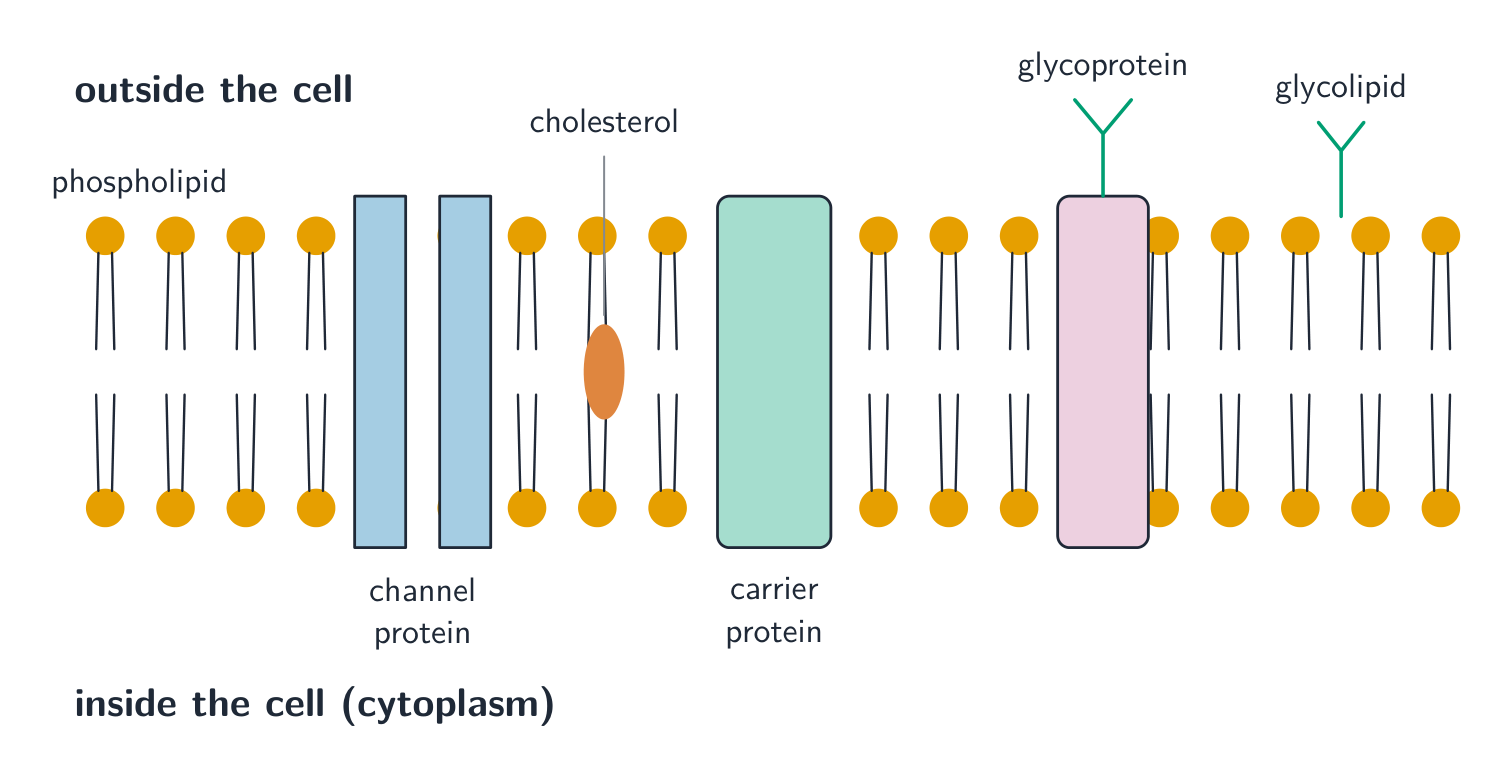
- 2.1.A.2 The endomembrane system consists of a group of membrane-bound organelles and subcellular components (endoplasmic reticulum (ER), Golgi complex, lysosomes, vacuoles and transport vesicles, the nuclear envelope, and the plasma membrane) that work together to modify, package, and transport polysaccharides, lipids, and proteins intercellularly.
- 2.1.A.3 Endoplasmic reticulum provides mechanical support by helping cells maintain shape and plays a role in intracellular transport.
- i. Rough ER is associated with membrane-bound ribosomes, allows for the compartmentalization of cells, and helps carry out protein synthesis.
- ii. Smooth ER functions include the detoxification of cells and lipid synthesis.
- Exclusion statement: Knowledge of the specific functions of smooth ER in specialized cells is beyond the scope of the AP Exam.
- 2.1.A.4 The Golgi complex is a membrane-bound structure that consists of a series of flattened membrane sacs. Functions of the Golgi include:
- i. Correctly folding and chemically modifying newly synthesized cellular products
- ii. Packaging proteins for trafficking
- Exclusion statement: Knowledge of the role of Golgi in the synthesis of specific phospholipids and packaging of specific enzymes for lysosomes, peroxisomes, and secretory vesicles is beyond the scope of the AP Exam.
- Illustrative examples for 2.1.A.4:
- Glycosylation and other chemical modifications of proteins that take place within the Golgi and determine protein function or targeting
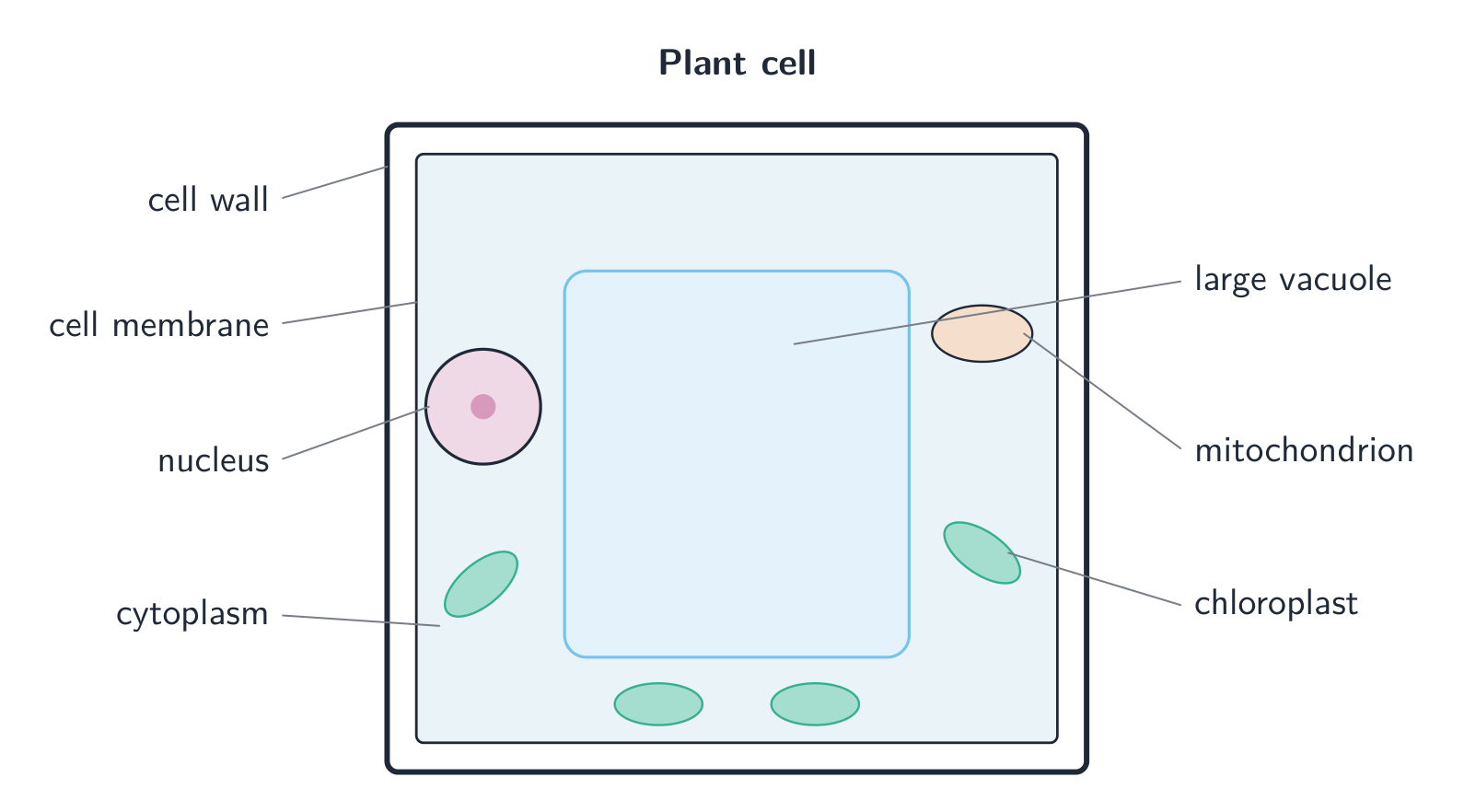
- 2.1.A.5 Mitochondria have a double membrane that provides compartments for different metabolic reactions involved in aerobic cellular respiration. The outer membrane is smooth, while the inner membrane is highly convoluted, forming folds that enable ATP to be synthesized more efficiently.
- 2.1.A.6 Lysosomes are membrane-enclosed sacs that contain hydrolytic enzymes that digest material. Lysosomes also play a role in programmed cell death (apoptosis).
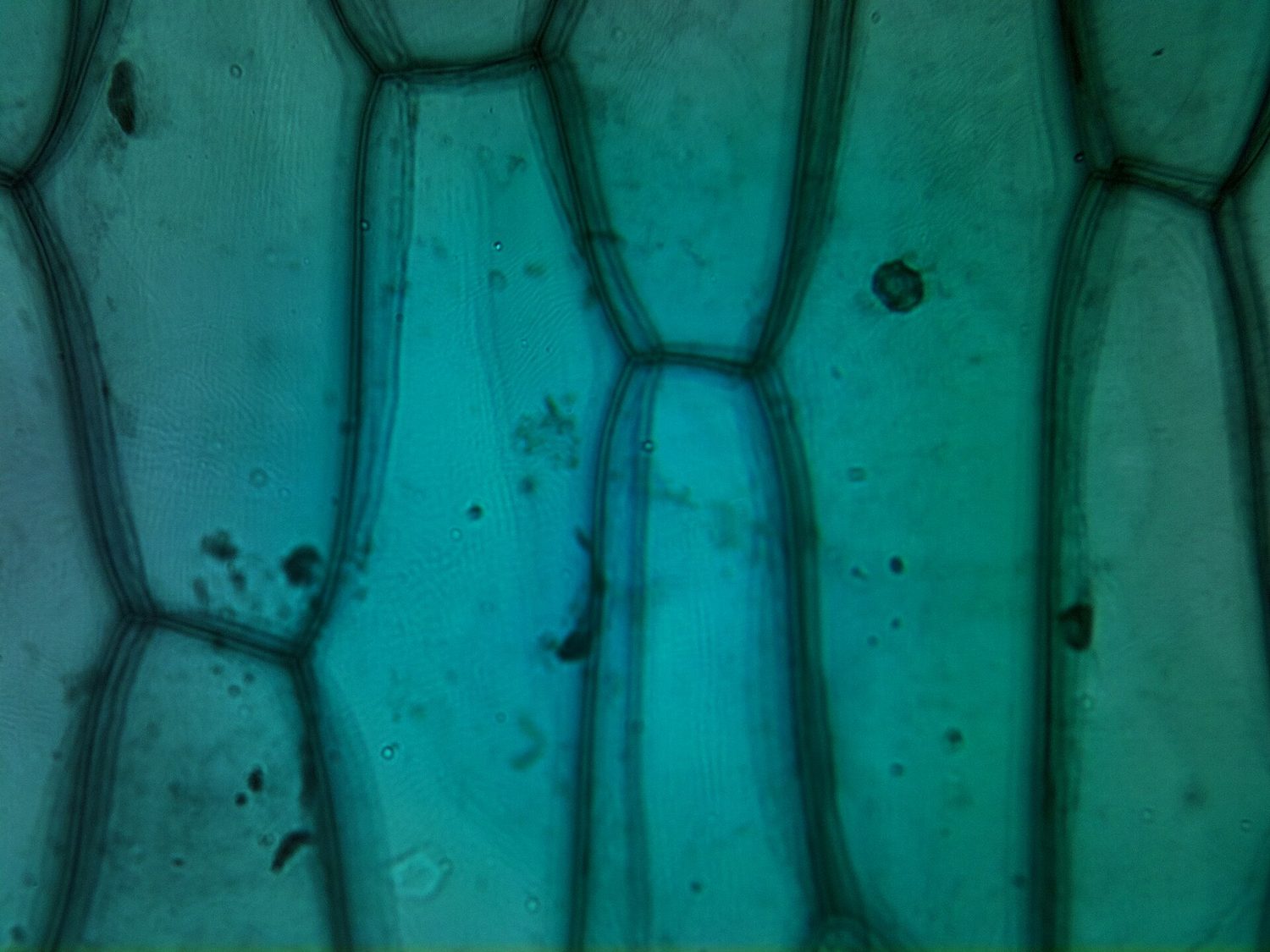
- 2.1.A.7 Vacuoles are membrane-bound sacs that play many different roles.
- i. In plant cells, a specialized large vacuole maintains turgor pressure through nutrient and water storage.
- ii. In animal cells, vacuoles are smaller in size, are more plentiful than in plant cells, and store cellular materials.
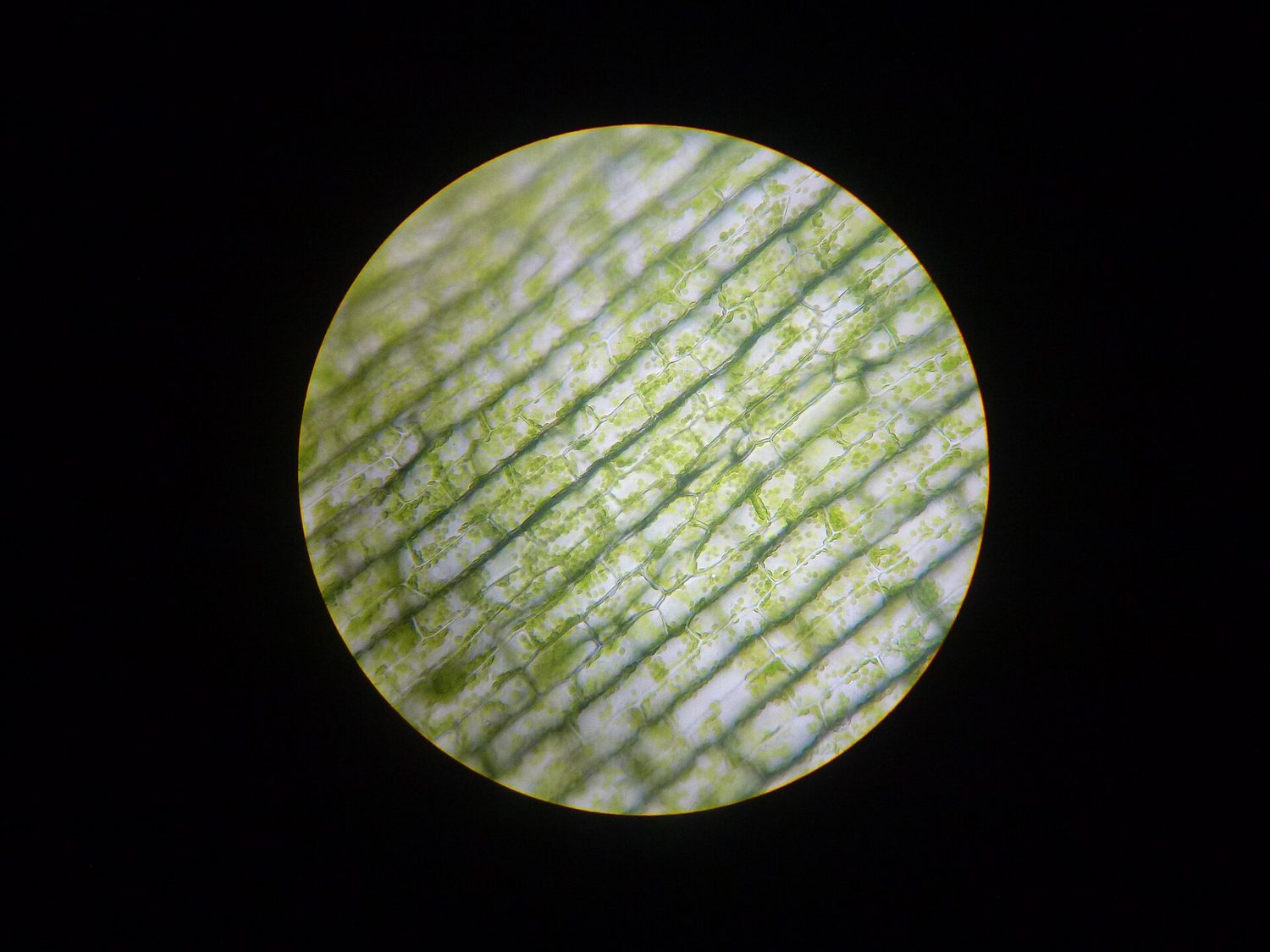
- 2.1.A.8 Chloroplasts are specialized organelles that are found in plants and photosynthetic algae. Chloroplasts contain a double membrane and serve as the location for photosynthesis.
العربية
الفكرة الكبرى 4 — تفاعل الأنظمة (SYI): تتفاعل الأنظمة البيولوجية، وتعرض هذه الأنظمة وتفاعلاتها خصائص معقدة.
هدف التعلم 2.1.A: شرح كيف تساهم بنية ووظائف المكونات تحت الخلوية والعضيات في وظيفة الخلايا.
- 2.1.A.1 تتكون الريبوسومات من الحمض النووي الريبوزي الريبوسومي (rRNA) والبروتين. هذه التراكيب غير الغشائية تحت الخلوية توجد في خلايا جميع أشكال الحياة وتعكس النسب المشترك في جميع الأحياء المعروفة. تقوم الريبوسومات بتركيب البروتينات وفقاً لتسلسلات الحمض النووي الريبوزي الرسول (mRNA).
- 2.1.A.2 يتكون الجهاز الغشائي الداخلي من مجموعة من العضيات والمكونات تحت الخلوية المحاطة بغشاء (الشبكة الإندوبلازمية (ER)، جهاز جولجي، الجسيمات الحالة، الفجوات، وحويصلات النقل، الغلاف النووي، والغشاء البلازمي) التي تعمل معاً لتعديل وتعبئة ونقل السكريات المتعددة والدهون والبروتينات بين الخلايا.
- 2.1.A.3 توفر الشبكة الإندوبلازمية دعماً ميكانيكياً عن طريق مساعدة الخلايا على الحفاظ على شكلها، وتلعب دوراً في النقل داخل الخلية.
- i. ترتبط الشبكة الإندوبلازمية الخشنة بالريبوسومات المرتبطة بالغشاء، وتسمح بتقسيم الخلايا، وتساعد في إجراء عملية تركيب البروتينات.
- ii. تشمل وظائف الشبكة الإندوبلازمية الملساء detoxification الخلايا وتركيب الدهون.
- بيان الاستبعاد: معرفة الوظائف المحددة للشبكة الإندوبلازمية الملساء في الخلايا المتخصصة تقع خارج نطاق امتحان AP.
- 2.1.A.4 جهاز جولجي هو بنية محاطة بغشاء تتكون من سلسلة من أكياس غشائية مسطحة. تشمل وظائف جهاز جولجي:
- i. الطي الصحيح والتعديل الكيميائي للمنتجات الخلوية الجديدة المصنوعة حديثاً
- ii. تعبئة البروتينات للنقل
- بيان الاستبعاد: معرفة دور جهاز جولجي في تركيب فوسفوليبيدات محددة وتعبئة إنزيمات معينة للجسيمات الحالة والبيروكسيسومات والحويصلات الإفرازية تقع خارج نطاق امتحان AP.
- أمثلة توضيحية لـ 2.1.A.4:
- التحلل السكري وغيرها من التعديلات الكيميائية للبروتينات التي تحدث داخل جهاز جولجي وتحدد وظيفة البروتين أو استهدافه
- 2.1.A.5 تمتلك الميتوكوندريا غشاءً مزدوجاً يوفر حجرات لتفاعلات أيضية مختلفة تشارك في التنفس الخلوي الهوائي. الغشاء الخارجي أملس، بينما الغشاء الداخلي مجعد بشدة، مشكلاً طيات تسمح بإنتاج ATP بكفاءة أكبر.
- 2.1.A.6 الجسيمات الحالة هي أكياس محاطة بغشاء تحتوي على إنزيمات محللة لهضم المواد. تلعب الجسيمات الحالة أيضاً دوراً في موت الخلية المبرمج (الاستماتة).
- 2.1.A.7 الفجوات هي أكياس محاطة بغشاء تلعب أدواراً مختلفة عديدة.
- i. في الخلايا النباتية، تحافظ فجوة كبيرة متخصصة على ضغط الامتلاء من خلال تخزين العناصر الغذائية والماء.
- ii. في الخلايا الحيوانية، تكون الفجوات أصغر حجماً وأكثر وفرة من تلك الموجودة في الخلايا النباتية، وتخزن مواد خلوية.
- 2.1.A.8 البلاستيدات الخضراء هي عضيات متخصصة توجد في النباتات والطحالب ذاتية التغذية الضوئية. تحتوي البلاستيدات الخضراء على غشاء مزدوج وتعمل كموقع لعملية البناء الضوئي.