English
Enduring Understanding (ERT-2): Ecosystems have structure and diversity that change over time.
Learning Objective ERT-2.A: Explain levels of biodiversity and their importance to ecosystems.
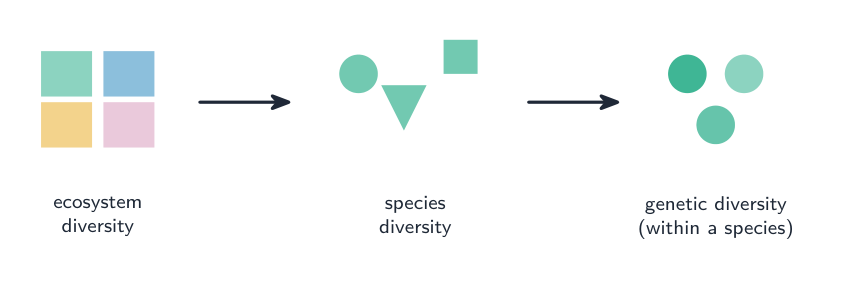
- ERT-2.A.1 Biodiversity in an ecosystem includes genetic, species, and habitat diversity.
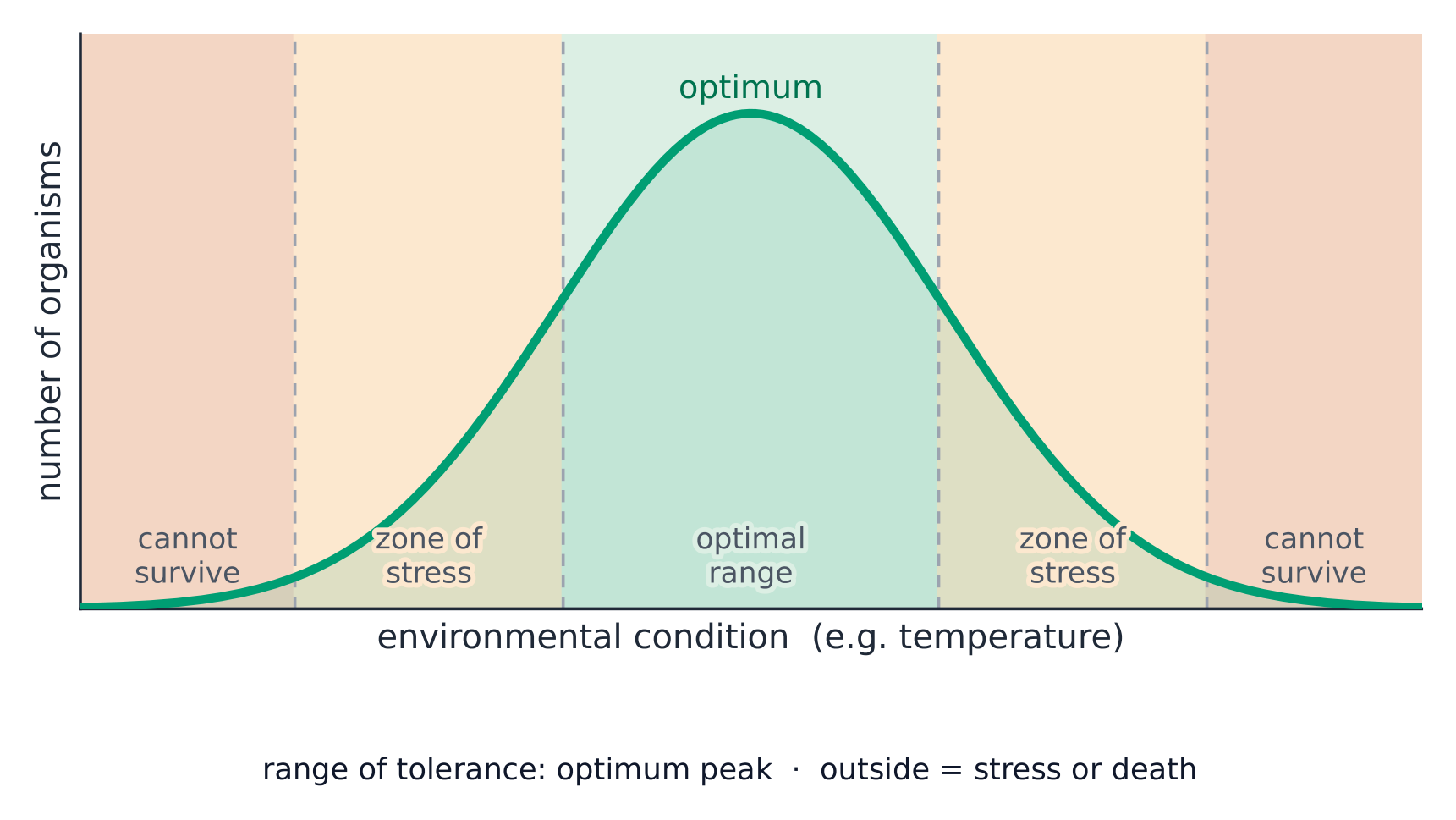
- ERT-2.A.2 The more genetically diverse a population is, the better it can respond to environmental stressors. Additionally, a population bottleneck can lead to a loss of genetic diversity.
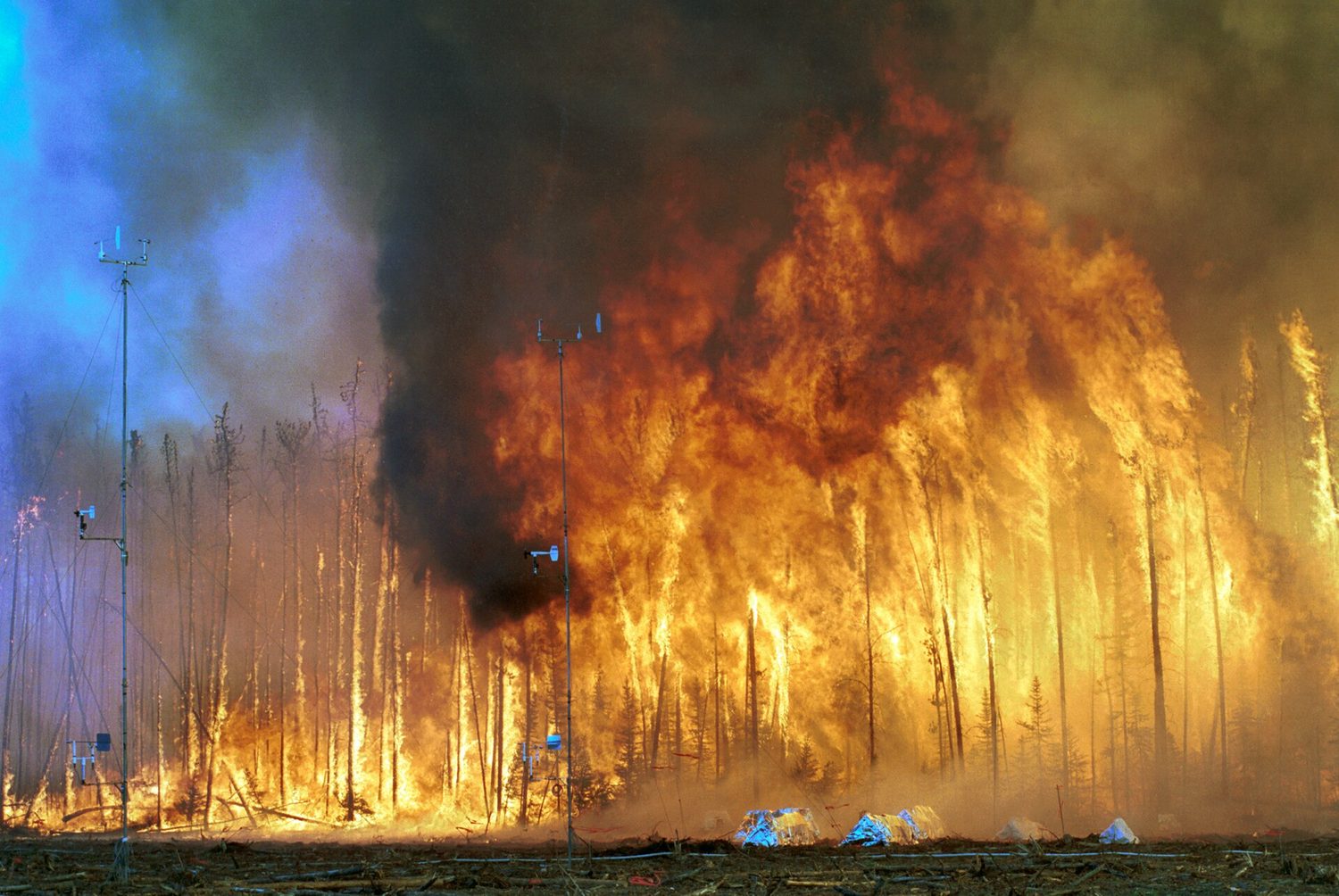
- ERT-2.A.3 Ecosystems that have a larger number of species are more likely to recover from disruptions.
- ERT-2.A.4 Loss of habitat leads to a loss of specialist species, followed by a loss of generalist species. It also leads to reduced numbers of species that have large territorial requirements.
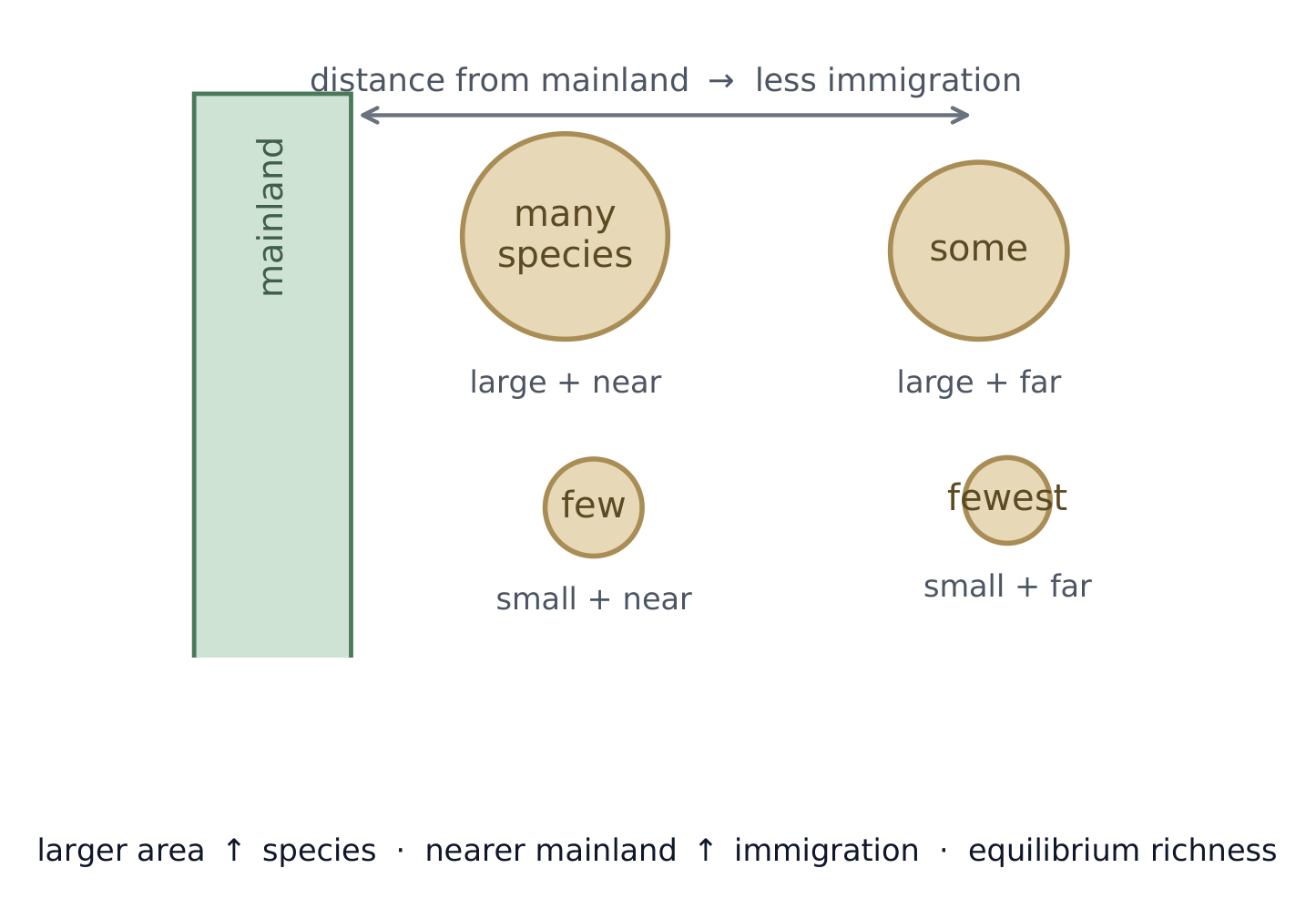
- ERT-2.A.5 Species richness refers to the number of different species found in an ecosystem.
Tiếng Việt
Hiểu biết bền vững (ERT-2): Hệ sinh thái có cấu trúc và sự đa dạng thay đổi theo thời gian.
Mục tiêu học tập ERT-2.A: Giải thích các mức độ đa dạng sinh học và tầm quan trọng của chúng đối với hệ sinh thái.
- ERT-2.A.1 Đa dạng sinh học trong một hệ sinh thái bao gồm đa dạng di truyền, đa dạng loài và đa dạng môi trường sống.
- ERT-2.A.2 Một quần thể càng đa dạng về mặt di truyền thì càng có khả năng phản ứng tốt với các tác nhân gây áp lực môi trường. Ngoài ra, cổ chai di truyền có thể dẫn đến sự mất mát đa dạng di truyền.
- ERT-2.A.3 Các hệ sinh thái có số lượng loài lớn hơn sẽ có khả năng phục hồi cao hơn sau các sự cố gián đoạn.
- ERT-2.A.4 Sự mất mát môi trường sống dẫn đến sự suy giảm các loài chuyên biệt, tiếp theo là sự suy giảm các loài phổ biến. Nó cũng dẫn đến số lượng loài giảm sút những loài có yêu cầu lãnh thổ rộng lớn.
- ERT-2.A.5 Độ giàu loài đề cập đến số lượng các loài khác nhau được tìm thấy trong một hệ sinh thái.