| Enduring Understanding | Learning Objective | Essential Knowledge |
|---|---|---|
EIN-2 | EIN-2.A |
|
Land and Water Use
AP Environmental Science · Topic 5
 13:36
13:36
Land and Water Use
Three ordinary places. A logging truck carrying trees that stood here this morning. A pit so wide you could see it from space. A city spreading over the…
English narration · English + 中文 subtitles burned in
5.1
The Tragedy of the Commons
Syllabus
Source: College Board AP Course and Exam Description
The tragedy of the commons 公地悲剧: when a resource is shared and open to all (a fishery, the atmosphere, a pasture), each user takes as much as they can for private gain, and the shared resource is overused and degraded for everyone. Solutions require regulation, privatization, or cooperative management.
Vocabulary
Train
| English |
|---|
| tragedy of the commons/ˈtrædʒədi ɒvðə ˈkɒmənz/ |
5.2
Clearcutting
Syllabus
| Enduring Understanding | Learning Objective | Essential Knowledge |
|---|---|---|
EIN-2 | EIN-2.B |
|
Source: College Board AP Course and Exam Description
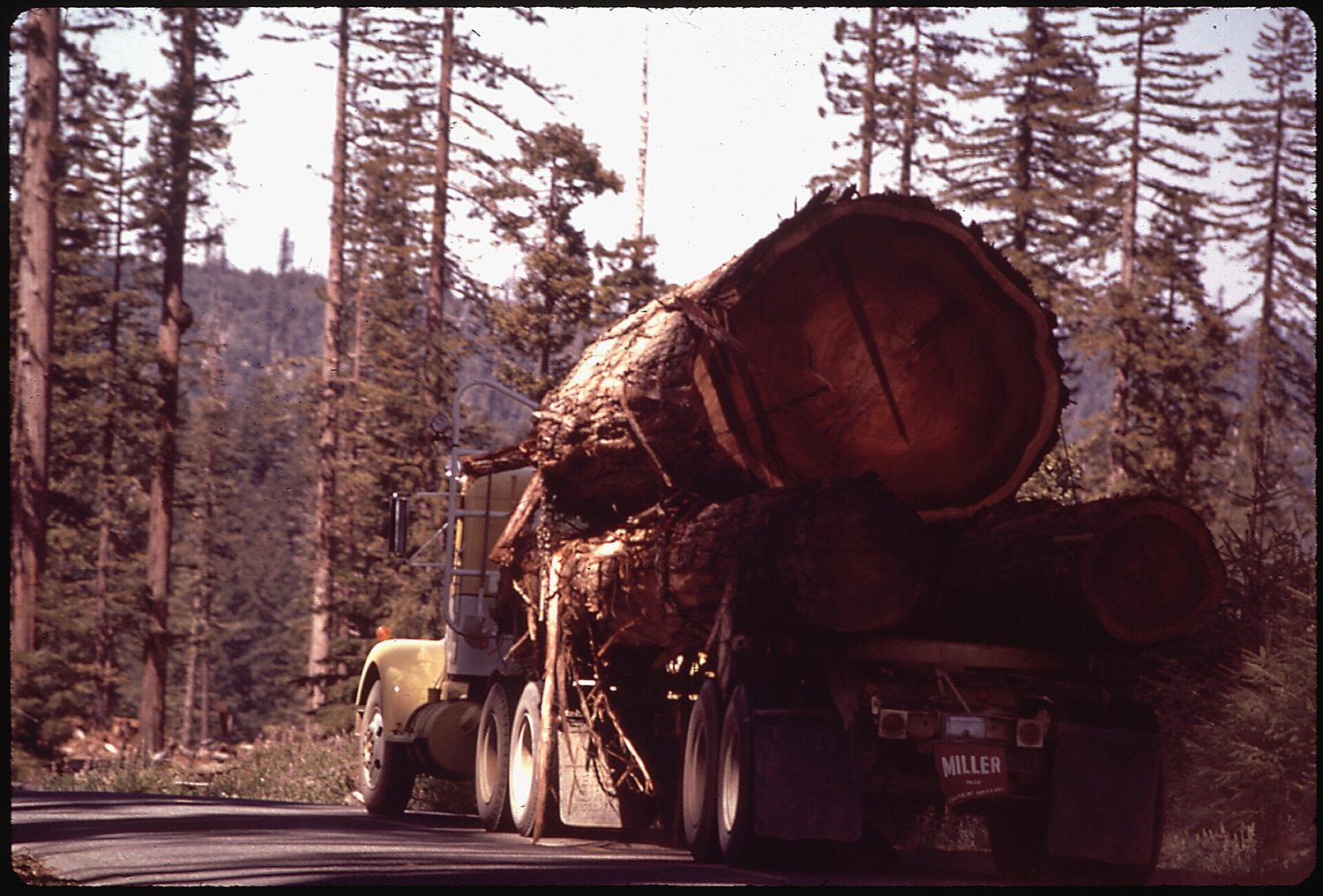
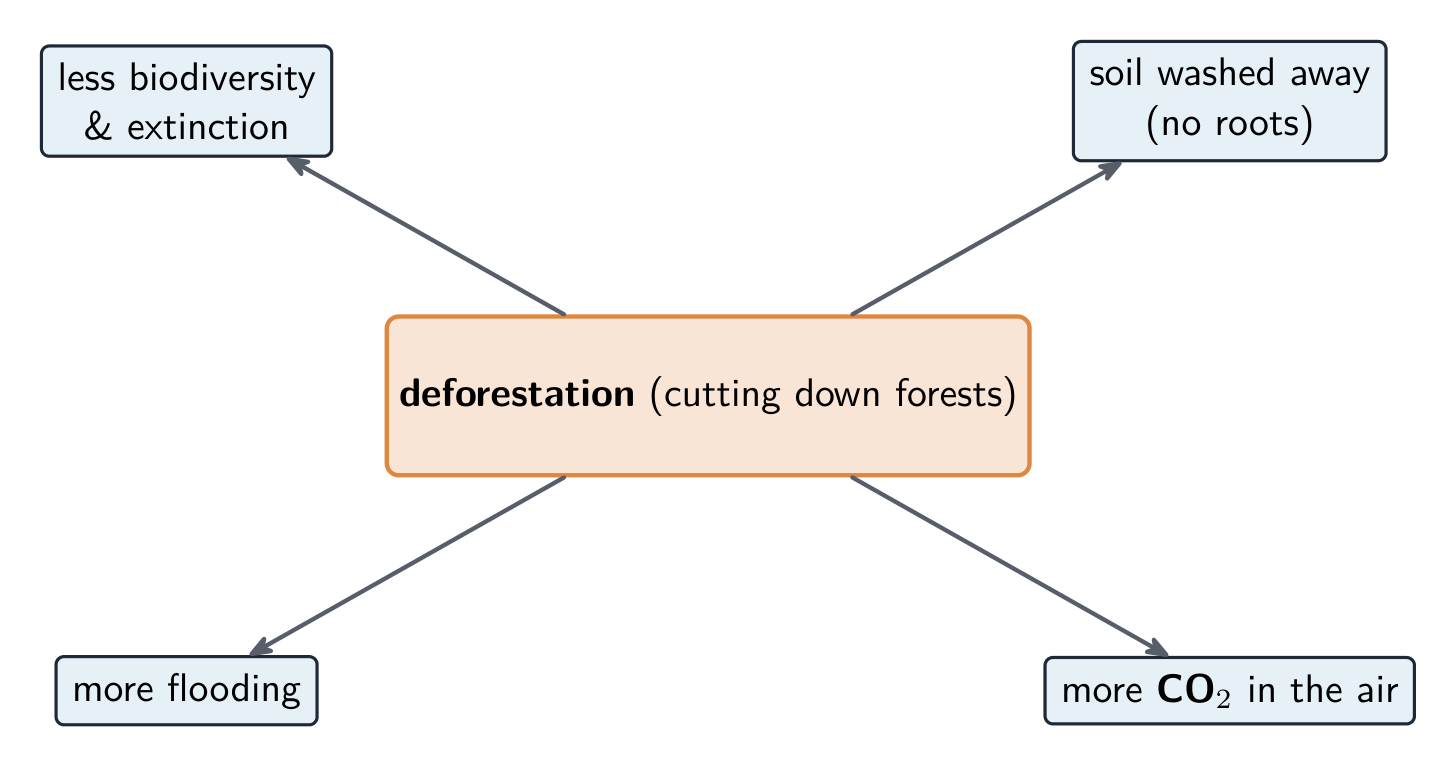
Clearcutting 皆伐 removes all trees from an area at once. It is cheap and efficient but causes erosion 侵蚀, loss of habitat and biodiversity, flooding, and higher soil temperatures. Recovery is slow, and nearby streams suffer from sediment.
Vocabulary
Train
| English |
|---|
| Clearcutting/ˈklɪəkʌtɪŋ/ |
| erosion/ɪˈrəʊʒn/ |
5.3
The Green Revolution
Syllabus
| Enduring Understanding | Learning Objective | Essential Knowledge |
|---|---|---|
EIN-2 | EIN-2.C |
|
Source: College Board AP Course and Exam Description
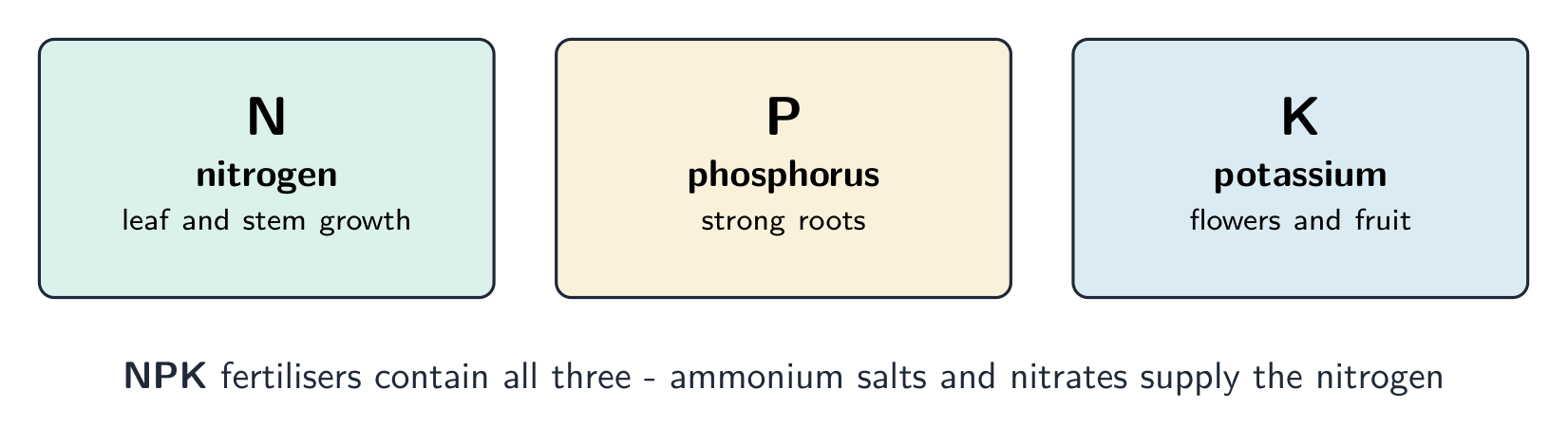
The Green Revolution 绿色革命 boosted crop yields with high-yield seeds, synthetic fertilizers 化肥, pesticides 农药, irrigation, and mechanization. It fed billions but brought costs: soil degradation, water pollution, high energy and water use, and loss of crop diversity (monoculture 单一栽培).
Vocabulary
Train
| English |
|---|
| Green Revolution/ɡriːn ˌrevəˈluːʃn/ |
| synthetic fertilizers/sɪnˈθetɪk ˈfɜːtəlaɪzəz/ |
| pesticides/ˈpestɪsaɪdz/ |
| monoculture/ˈmɒnəʊkʌltʃə/ |
5.4
Impacts of Agricultural Practices
Syllabus
| Enduring Understanding | Learning Objective | Essential Knowledge |
|---|---|---|
EIN-2 | EIN-2.D |
|
Source: College Board AP Course and Exam Description
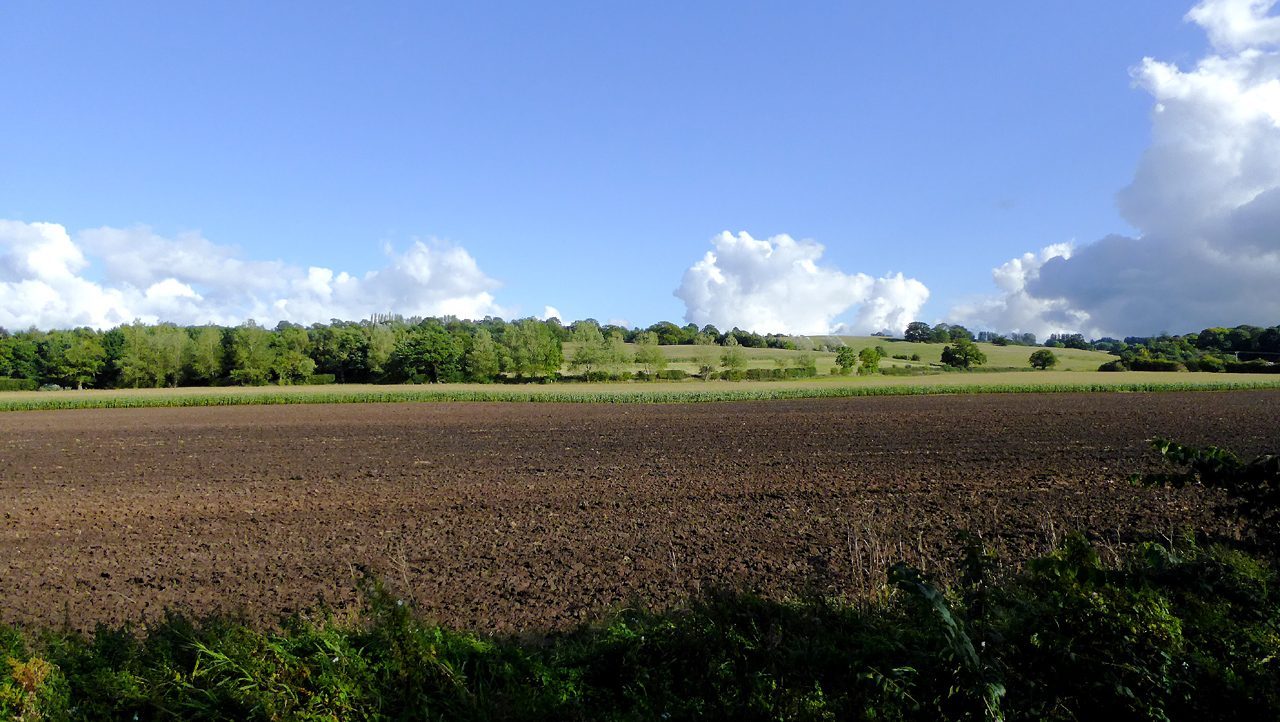
Practices such as tilling, monoculture, and heavy fertilizer/pesticide use cause erosion, soil salinization 土壤盐碱化, nutrient runoff (causing eutrophication 富营养化), and loss of biodiversity. Sustainable methods reduce these harms.
Vocabulary
Train
| English |
|---|
| soil salinization/sɔɪl ˌseɪlɪnaɪˈzeɪʃn/ |
| eutrophication/ˌjuːtrəfɪˈkeɪʃn/ |
5.5
Irrigation Methods
Syllabus
| Enduring Understanding | Learning Objective | Essential Knowledge |
|---|---|---|
EIN-2 | EIN-2.E |
|
EIN-2.F |
|
Source: College Board AP Course and Exam Description
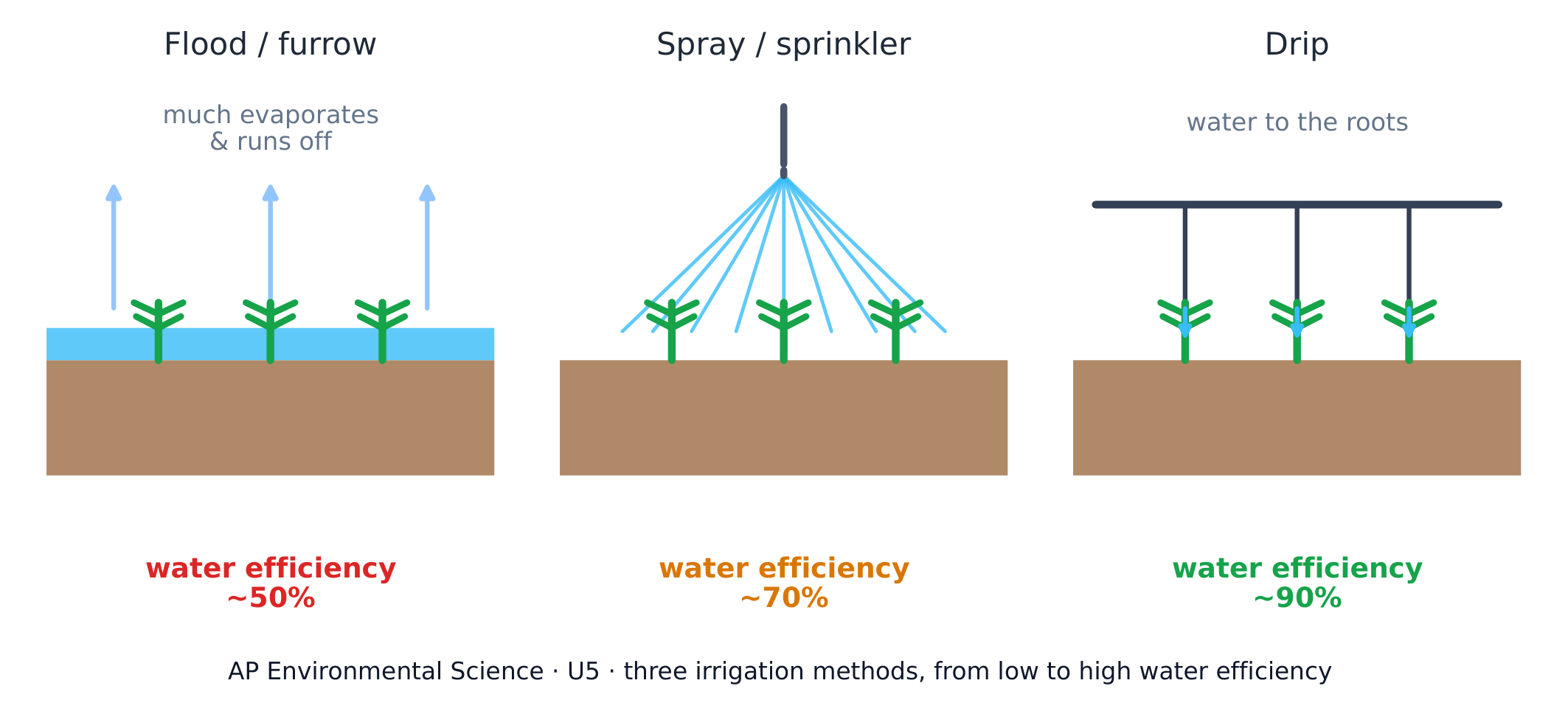
Irrigation 灌溉 supplies water to crops, and it is by far the largest human use of freshwater - about 70% of it worldwide, a figure the exam expects you to know. Drip irrigation is the most efficient (least evaporation); flood and spray methods waste more water and can cause waterlogging and salinization as evaporation leaves salts behind. Over-irrigation depletes aquifers 含水层 (underground stores of freshwater) faster than they refill.
Vocabulary
Train
| English |
|---|
| Irrigation/ˌɪrɪˈɡeɪʃn/ |
| aquifers/ˈækwɪfəz/ |
5.6
Pest Control Methods
Syllabus
| Enduring Understanding | Learning Objective | Essential Knowledge |
|---|---|---|
EIN-2 | EIN-2.G |
|
Source: College Board AP Course and Exam Description
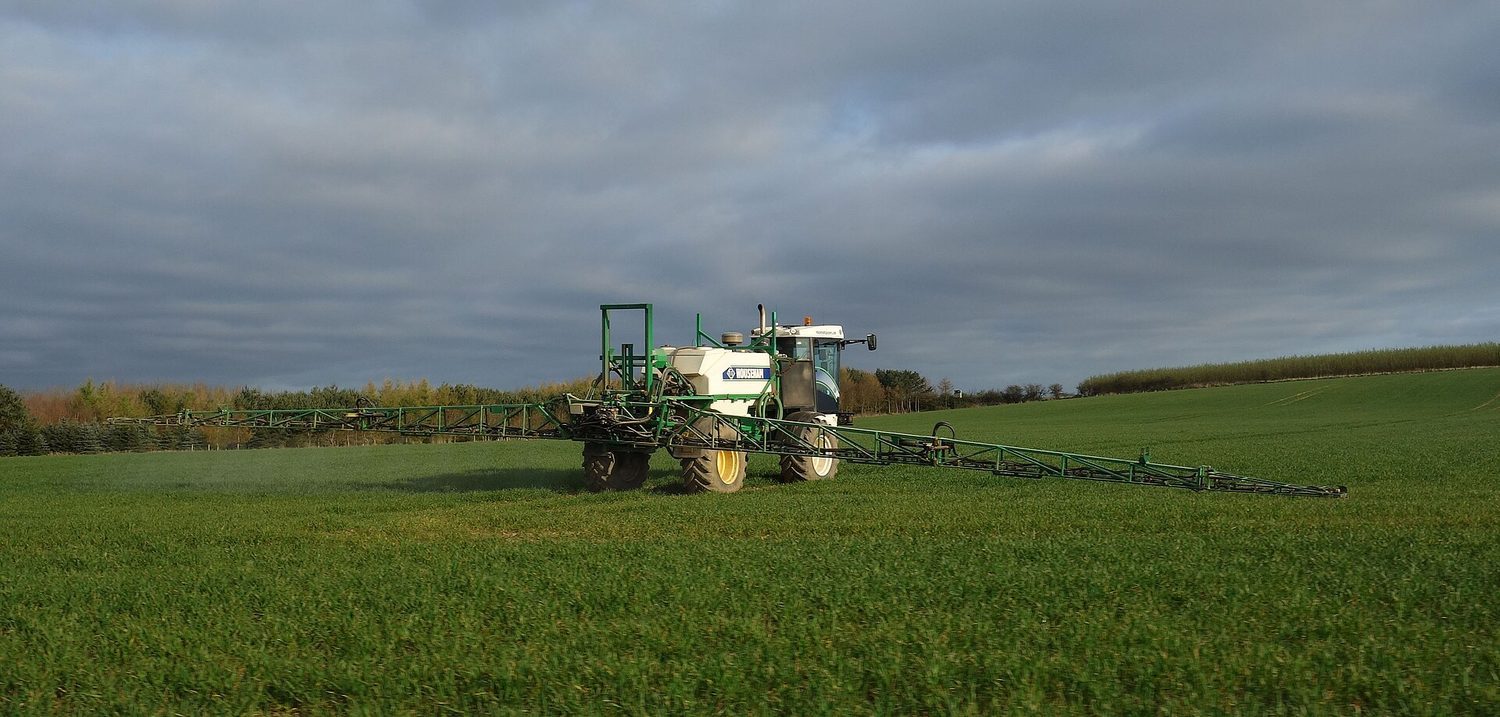
Pesticides kill pests and raise yields, but cause problems: they harm non-target species, pollute water, and drive pesticide resistance 抗药性 (survivors breed, so stronger doses are needed – the "pesticide treadmill").
Vocabulary
Train
| English |
|---|
| pesticide resistance/ˈpestɪsaɪd rɪˈzɪstəns/ |
5.7
Meat Production Methods
Syllabus
| Enduring Understanding | Learning Objective | Essential Knowledge |
|---|---|---|
EIN-2 | EIN-2.H |
|
EIN-2.I |
|
Source: College Board AP Course and Exam Description
Producing meat, especially in concentrated animal feeding operations (CAFOs), uses large amounts of land, water, feed, and energy, and generates waste and methane 甲烷 (a greenhouse gas). Meat is far less energy-efficient than plant food because of the 10% rule – higher trophic levels waste more energy.
Overgrazing 过度放牧 - letting livestock eat vegetation faster than it regrows - strips the soil of its protective cover. On dry land this can drive desertification 荒漠化: the degradation of low-precipitation regions until they become deserts. The sustainable answer is rotational grazing 轮牧, moving livestock regularly between pastures so no single area is grazed bare.
Vocabulary
Train
| English |
|---|
| methane/ˈmiːθeɪn/ |
| Overgrazing/ˌəʊvəˈɡreɪzɪŋ/ |
| desertification/dɪˌzɜːtɪfɪˈkeɪʃn/ |
| rotational grazing/rəʊˈteɪʃənl ˈɡreɪzɪŋ/ |
5.8
Impacts of Overfishing
Syllabus
| Enduring Understanding | Learning Objective | Essential Knowledge |
|---|---|---|
EIN-2 | EIN-2.J |
|
Source: College Board AP Course and Exam Description
Overfishing 过度捕捞 removes fish faster than they reproduce, collapsing populations (like cod). Bycatch (unwanted catch) and destructive methods (bottom trawling) damage ecosystems. It is a classic tragedy of the commons in the open ocean.
Explore
Push a fish stock past its limit
A population grows toward its carrying capacity $K$, but harvesting faster than it can breed collapses the stock. Raise the pressure and watch the population crash.
Vocabulary
Train
| English |
|---|
| Overfishing/ˌəʊvəˈfɪʃɪŋ/ |
5.9
Impacts of Mining
Syllabus
| Enduring Understanding | Learning Objective | Essential Knowledge |
|---|---|---|
EIN-2 | EIN-2.K |
|
EIN-2.L |
|
Source: College Board AP Course and Exam Description
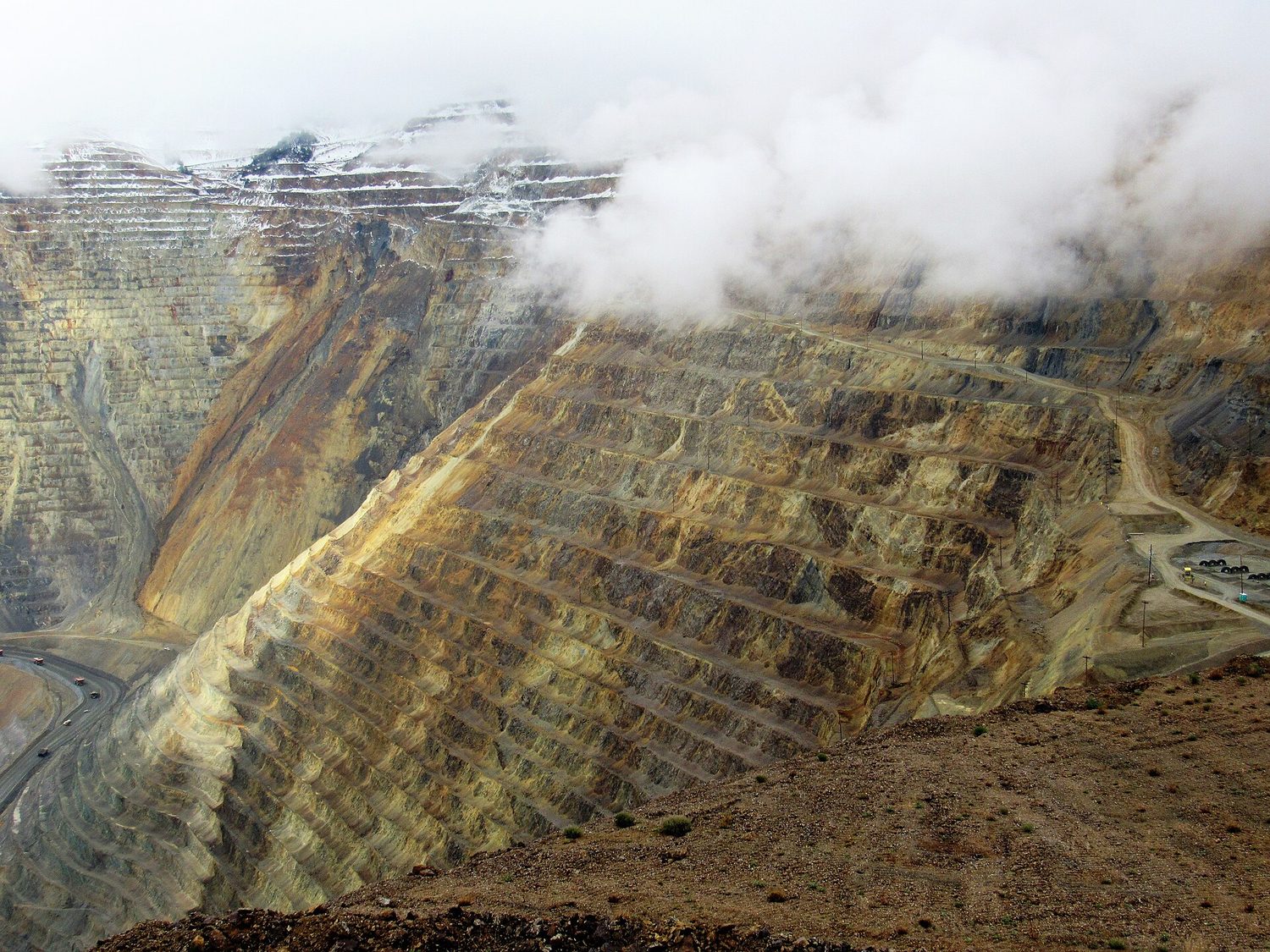
Mining 采矿 extracts minerals and fuels but disturbs land, especially surface (strip) mining and mountaintop removal. Impacts include habitat destruction, acid mine drainage 酸性矿山废水, and toxic tailings polluting water.
When the easily reached deposits are gone, mining moves underground to subsurface mining 地下开采, which is far more expensive and dangerous - the same pattern applies to coal as its accessible reserves shrink.
Vocabulary
Train
| English |
|---|
| Mining/ˈmaɪnɪŋ/ |
| acid mine drainage/ˈæsɪd maɪn ˈdreɪnɪdʒ/ |
| subsurface mining/ˈsʌbsəfɪs ˈmaɪnɪŋ/ |
| open-pit mine/ˈəʊpən pɪt maɪn/ |
5.10
Impacts of Urbanization
Syllabus
| Enduring Understanding | Learning Objective | Essential Knowledge |
|---|---|---|
EIN-2 | EIN-2.M |
|
Source: College Board AP Course and Exam Description
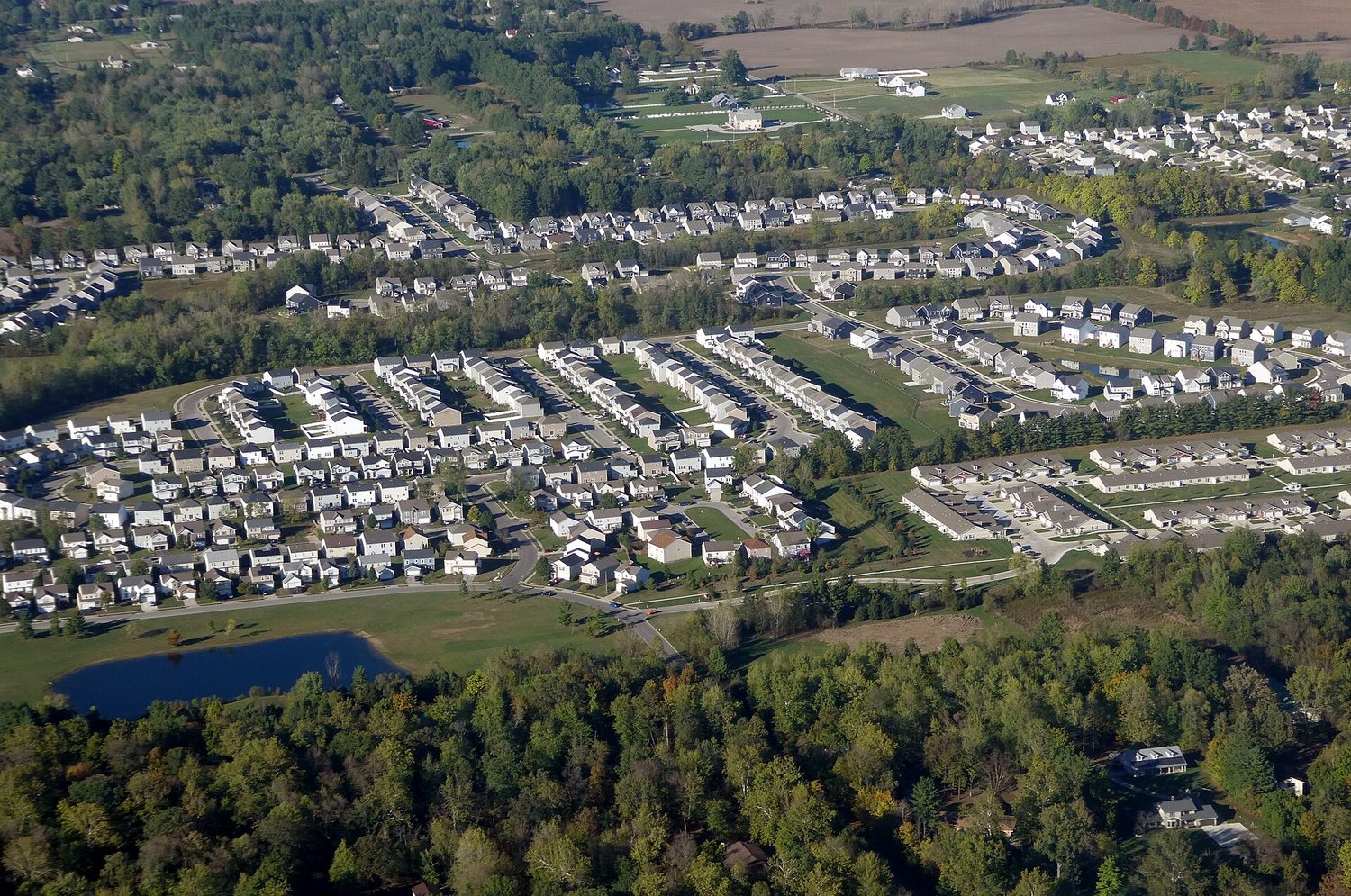
Urbanization 城市化 replaces natural land with impervious surfaces 不透水面 (roads, buildings), increasing runoff and flooding, creating urban heat islands 热岛, and generating pollution and waste. Urban sprawl consumes farmland and habitat. It also strains the hydrologic cycle 水循环: a dense city depletes local water, and heavy groundwater pumping near a coast draws seawater into the aquifer - saltwater intrusion 海水入侵 - which can ruin a freshwater supply.
Vocabulary
Train
| English |
|---|
| Urbanization/ˌɜːbənaɪˈzeɪʃn/ |
| impervious surfaces/ɪmˈpɜːvɪəs ˈsɜːfɪsɪz/ |
| urban heat islands/ˈɜːbən hiːt ˈaɪləndz/ |
| hydrologic cycle/ˌhaɪdrəˈlɒdʒɪk ˈsaɪkl/ |
| saltwater intrusion/ˈsɒltwɔːtə ɪnˈtruːʒn/ |
| urban sprawl/ˈɜːbən sprɔːl/ |
5.11
Ecological Footprints
Syllabus
| Enduring Understanding | Learning Objective | Essential Knowledge |
|---|---|---|
EIN-2 | EIN-2.N |
|
Source: College Board AP Course and Exam Description
An ecological footprint 生态足迹 measures the land and water a person or population needs to supply resources and absorb wastes. Wealthy, high-consumption nations have much larger footprints. If everyone's footprint exceeds Earth's capacity, resources are being used unsustainably.
Worked example. Earth provides roughly $1.6$ global hectares (gha) of biocapacity per person. If the average person's footprint is $2.7\ \text{gha}$, humanity is demanding about $\tfrac{2.7}{1.6}\approx1.7$ Earths – living beyond what the planet can renew. Worse, if everyone consumed like a high-income nation at $8\ \text{gha}$ per person, it would take $\tfrac{8}{1.6}=5$ Earths – exactly why footprint-per-person is the key sustainability yardstick.
Vocabulary
Train
| English |
|---|
| ecological footprint/ˌekəˈlɒdʒɪkl ˈfʊtprɪnt/ |
5.12
Introduction to Sustainability
Syllabus
| Enduring Understanding | Learning Objective | Essential Knowledge |
|---|---|---|
STB-1 | STB-1.A |
|
Source: College Board AP Course and Exam Description
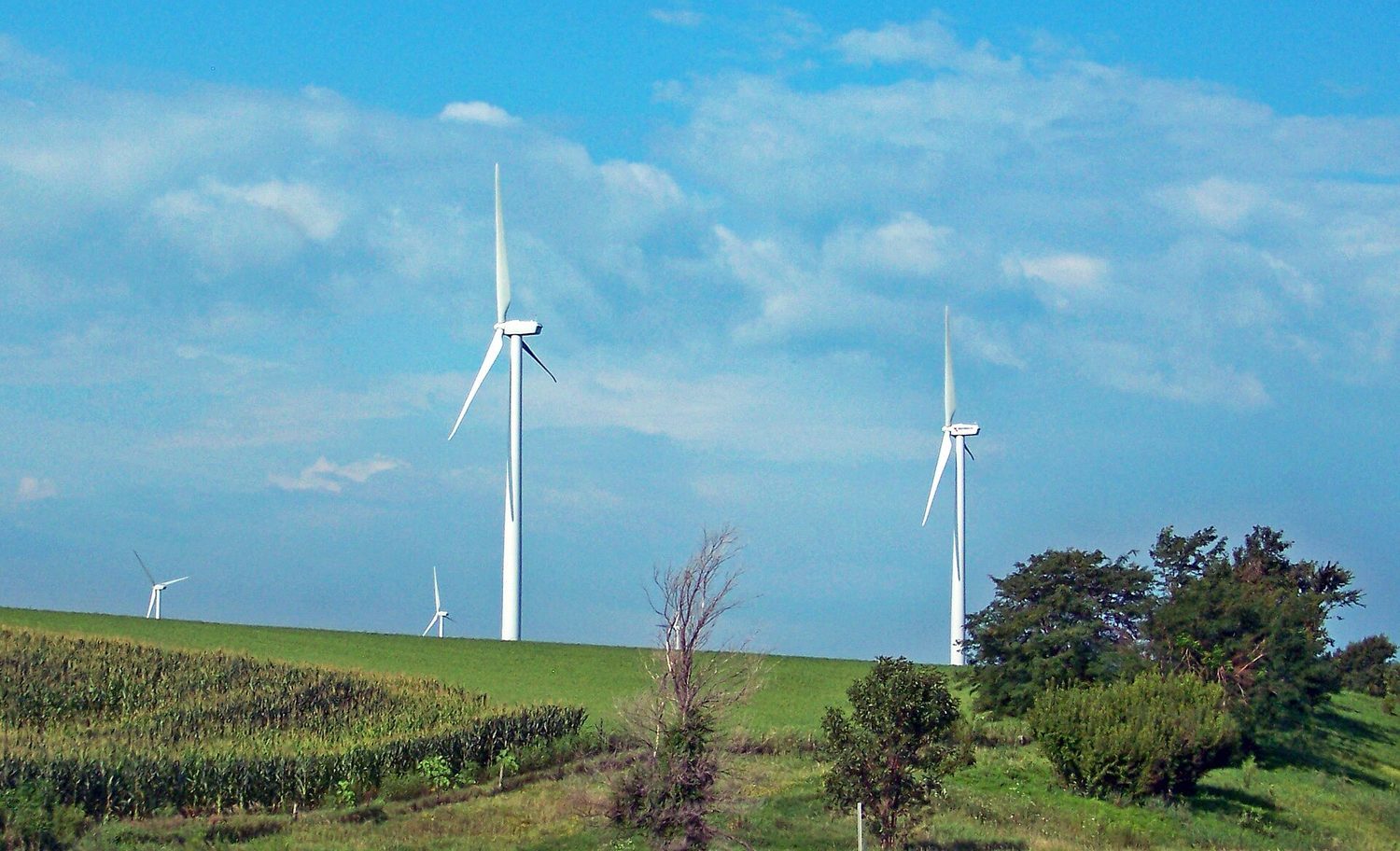
Sustainability 可持续性 means meeting present needs without harming future generations' ability to meet theirs. It balances environmental health, economic viability, and social equity, using resources no faster than they can be replaced.
Vocabulary
Train
| English |
|---|
| Sustainability/səˌsteɪnəˈbɪlɪti/ |
5.13
Methods to Reduce Urban Runoff
Syllabus
| Enduring Understanding | Learning Objective | Essential Knowledge |
|---|---|---|
STB-1 | STB-1.B |
|
Source: College Board AP Course and Exam Description
Reduce runoff with permeable pavement 透水路面, rain gardens and green roofs 绿色屋顶, retention ponds, and preserved vegetation. These let water soak in, filtering pollutants and recharging groundwater instead of flooding streams.
Vocabulary
Train
| English |
|---|
| permeable pavement/ˈpɜːməbl ˈpeɪvmənt/ |
| green roofs/ɡriːn ruːfs/ |
5.14
Integrated Pest Management
Syllabus
| Enduring Understanding | Learning Objective | Essential Knowledge |
|---|---|---|
STB-1 | STB-1.C |
|
STB-1.D |
|
Source: College Board AP Course and Exam Description
Integrated pest management 综合虫害管理 (IPM) combines methods – biological controls (natural predators), crop rotation, limited targeted pesticides, and monitoring – to control pests with less chemical use, slowing resistance and protecting non-target species.
Vocabulary
Train
| English |
|---|
| Integrated pest management/ˈɪntɪɡreɪtɪd pest ˈmænɪdʒmənt/ |
5.15
Sustainable Agriculture
Syllabus
| Enduring Understanding | Learning Objective | Essential Knowledge |
|---|---|---|
STB-1 | STB-1.E |
|
Source: College Board AP Course and Exam Description
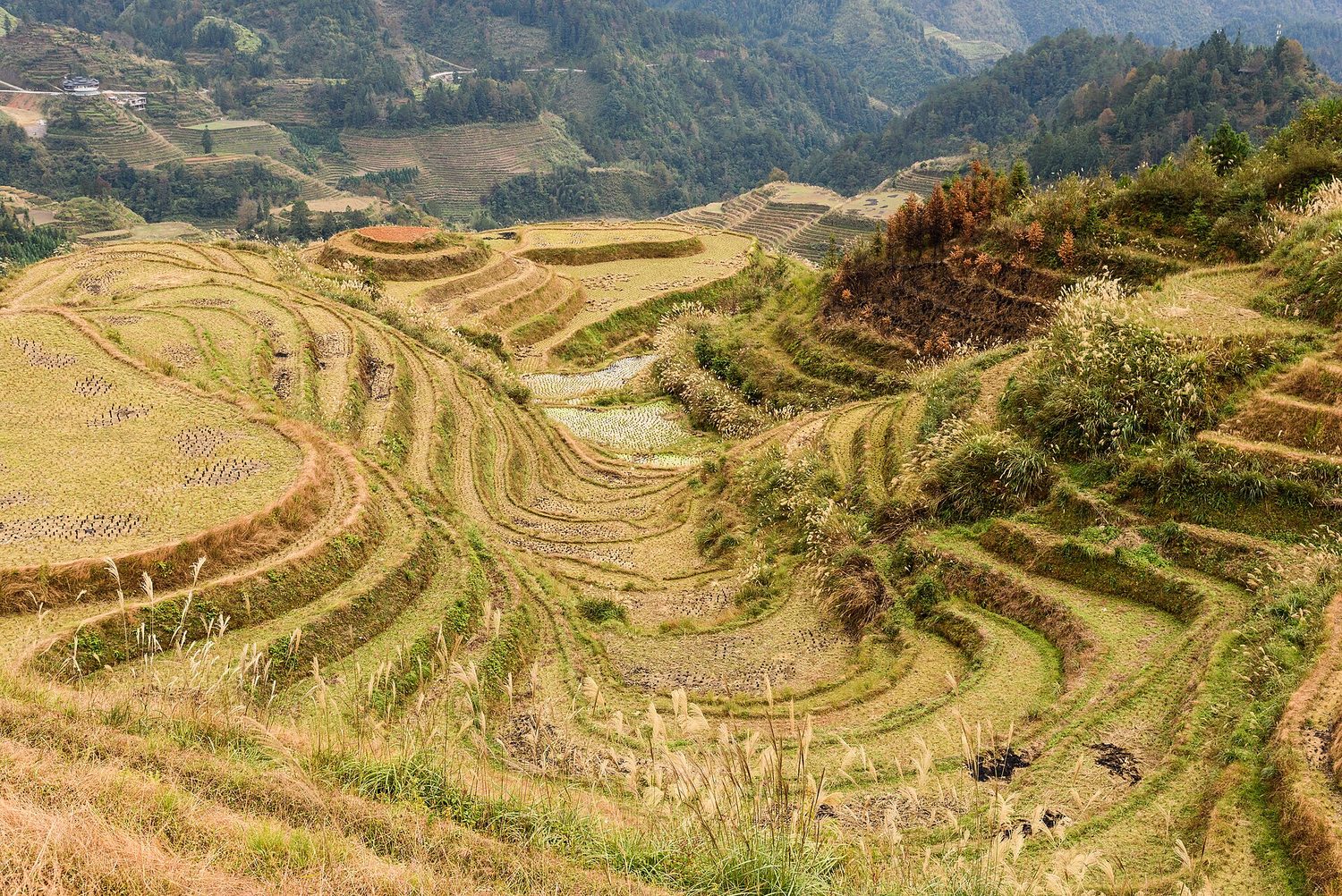
Sustainable farming protects soil and water: crop rotation 轮作, cover crops, contour plowing 等高耕作, terracing 梯田, reduced tillage, and agroforestry. These cut erosion, maintain fertility, and reduce chemical inputs.
Vocabulary
Train
| English |
|---|
| crop rotation/krɒp rəʊˈteɪʃn/ |
| contour plowing/ˈkɒntʊə ˈplaʊɪŋ/ |
| terracing/ˈterɪsɪŋ/ |
5.16
Aquaculture
Syllabus
| Enduring Understanding | Learning Objective | Essential Knowledge |
|---|---|---|
STB-1 | STB-1.F |
|
Source: College Board AP Course and Exam Description
Aquaculture 水产养殖 (fish farming) eases pressure on wild stocks and is efficient, but can pollute water with waste and antibiotics, spread disease to wild fish, and destroy habitat (like mangroves for shrimp farms).
Vocabulary
Train
| English |
|---|
| Aquaculture/ˈækwəkʌltʃə/ |
5.17
Sustainable Forestry
Syllabus
| Enduring Understanding | Learning Objective | Essential Knowledge |
|---|---|---|
STB-1 | STB-1.G |
|
Source: College Board AP Course and Exam Description
Sustainable forestry keeps forests productive: selective cutting 择伐 instead of clearcutting, replanting, leaving buffer strips along streams, and long rotation times. It maintains habitat, prevents erosion, and lets forests keep providing ecosystem services.
Forests also absorb pollutants and store carbon dioxide, so cutting and burning them releases $\text{CO}_2$ and worsens climate change. Ways to mitigate deforestation include reforestation 重新造林 (replanting), buying wood from ecologically sustainable forestry, and reusing wood. A separate tool is the prescribed burn 计划烧除: deliberately burning a forest under controlled conditions to clear fuel, so a later wildfire cannot grow catastrophic.
Vocabulary
Train
| English |
|---|
| selective cutting/sɪˈlektɪv ˈkʌtɪŋ/ |
| reforestation/rɪˌfɒrɪˈsteɪʃn/ |
| prescribed burn/prɪˈskraɪbd bɜːn/ |
5.17
Exam tips
- Explain the tragedy of the commons — shared, unowned resources get overused — and how rules/ownership prevent it.
- Weigh the trade-offs of the green revolution, irrigation (salinisation, aquifer depletion), and mining/urbanisation.
- Compute an ecological footprint in "number of Earths" (footprint ÷ biocapacity per person); it is measured per person.
- List the harms of deforestation (erosion, flooding, lost habitat, more CO₂).
- Define sustainability (meeting needs without harming future generations) and give sustainable methods (IPM, crop rotation, quotas).
Interactive lessons on this topic
Work through it step by step, with instant-check exercises.
- The Tragedy of the Commons
- Clearcutting
- The Green Revolution
- Impacts of Agricultural Practices
- Irrigation Methods
- Pest Control Methods
- Meat Production Methods
- Impacts of Overfishing
- Impacts of Mining
- Impacts of Urbanization
- Ecological Footprints
- Introduction to Sustainability
- Methods to Reduce Urban Runoff
- Integrated Pest Management
- Sustainable Agriculture
- Aquaculture
- Sustainable Forestry