| Enduring Understanding | Learning Objective | Essential Knowledge |
|---|---|---|
ENG-3 | ENG-3.A |
|
Energy Resources and Consumption
AP Environmental Science · Topic 6
 9:13
9:13
Energy Resources and Consumption
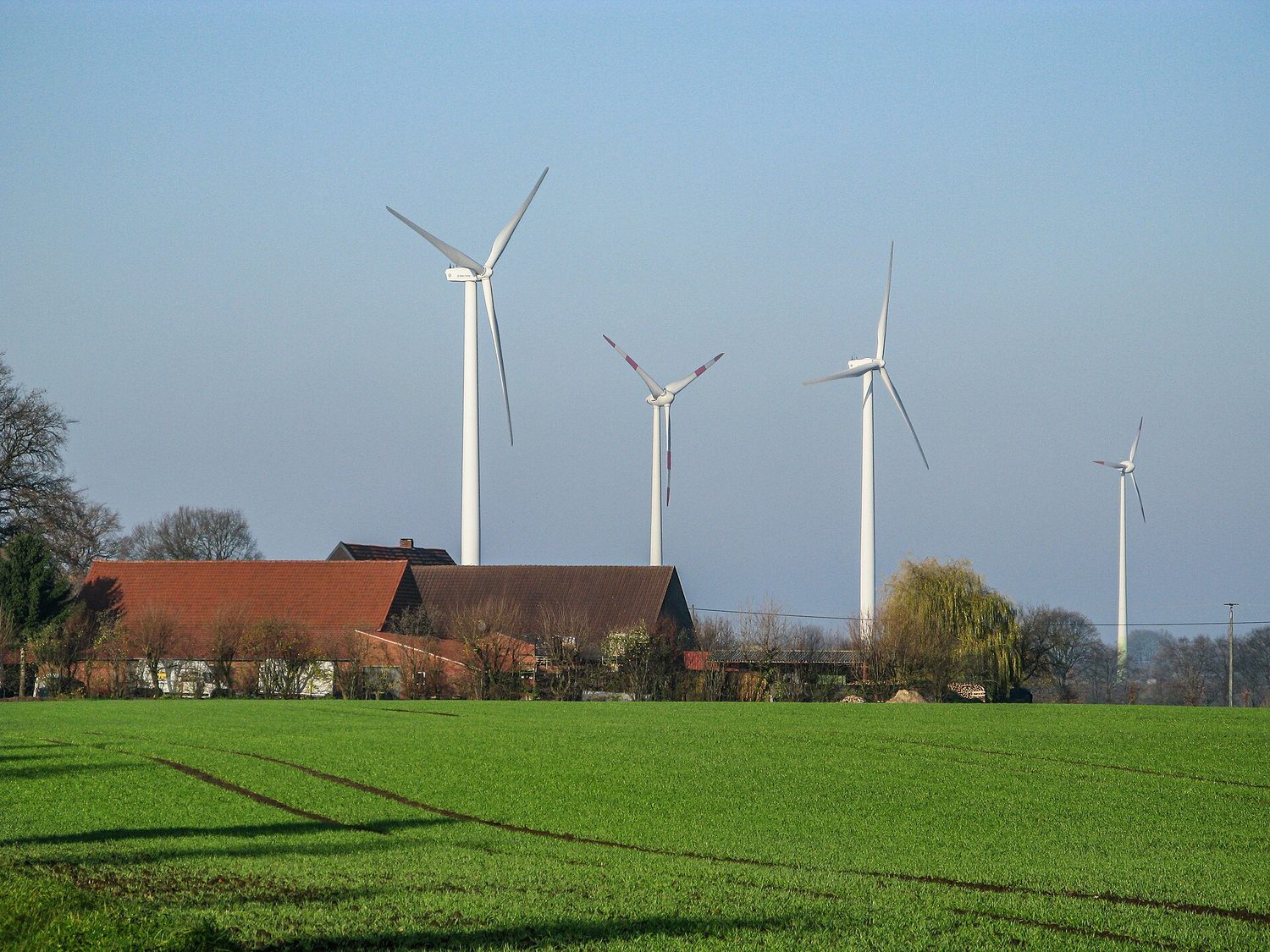
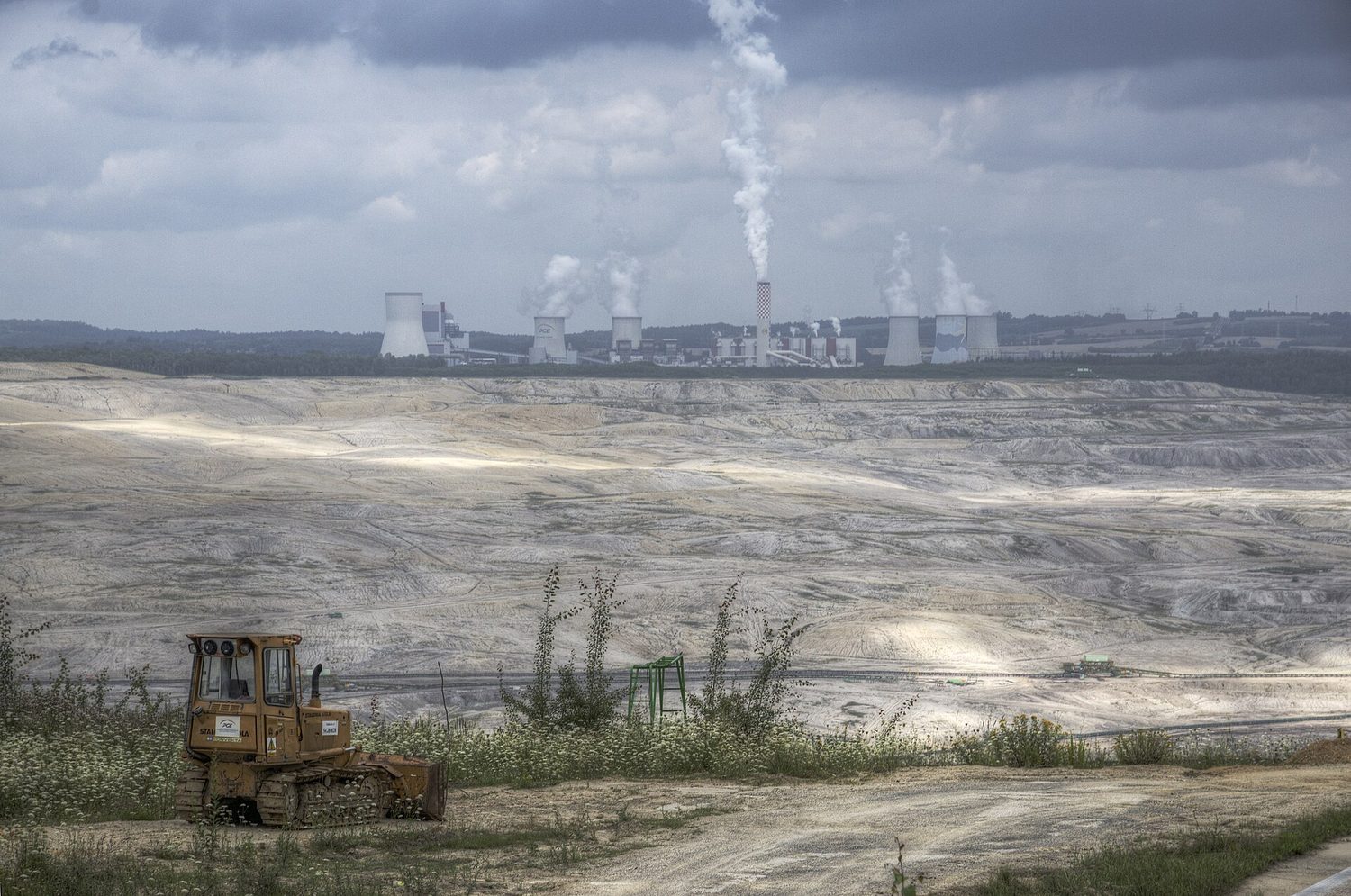
Look at this hole in the ground. A machine digs out soft brown coal, and the power station behind it burns it the same day. Now look at this: three towers on a…
English narration · English + 中文 subtitles burned in
6.1
Renewable and Nonrenewable Resources
Syllabus
Source: College Board AP Course and Exam Description
A renewable resource 可再生资源 replenishes on a human timescale (sun, wind, water, biomass); a nonrenewable resource 不可再生资源 exists in fixed amounts that take millions of years to form (fossil fuels, nuclear fuel). Nonrenewables will eventually run out and often pollute more.
Vocabulary
Train
| English |
|---|
| renewable resource/rɪˈnjuːəbl rɪˈzɔːs/ |
| nonrenewable resource/ˌnɒnrɪˈnjuːəbl rɪˈzɔːs/ |
6.2
Global Energy Consumption
Syllabus
| Enduring Understanding | Learning Objective | Essential Knowledge |
|---|---|---|
ENG-3 | ENG-3.B |
|
Source: College Board AP Course and Exam Description
Global energy use is rising, especially in developing nations. Most energy still comes from fossil fuels 化石燃料. Wealthy nations consume the most per person; access to energy shapes economic development.
Explore
Trace energy from source to use
A Sankey diagram shows how energy flows from sources to useful work — and how much is lost. Most primary energy is wasted as heat before it does anything useful.
Vocabulary
Train
| English |
|---|
| fossil fuels/ˈfɒsl ˈfjuːəlz/ |
6.3
Fuel Types and Uses
Syllabus
| Enduring Understanding | Learning Objective | Essential Knowledge |
|---|---|---|
ENG-3 | ENG-3.C |
|
Source: College Board AP Course and Exam Description
Different fuels suit different needs: coal and natural gas for electricity, oil for transportation, and biomass for heating and cooking in many regions. Each has trade-offs in cost, availability, and pollution.
6.4
Distribution of Natural Energy Resources
Syllabus
| Enduring Understanding | Learning Objective | Essential Knowledge |
|---|---|---|
ENG-3 | ENG-3.D |
|
Source: College Board AP Course and Exam Description
Energy resources are unevenly distributed – oil is concentrated in some regions, coal in others, and renewables depend on local sun, wind, or rivers. This uneven distribution drives trade, economics, and geopolitics.
6.5
Fossil Fuels
Syllabus
| Enduring Understanding | Learning Objective | Essential Knowledge |
|---|---|---|
ENG-3 | ENG-3.E |
|
ENG-3.F |
|
Source: College Board AP Course and Exam Description
Fossil fuels (coal, oil, natural gas) formed from ancient organisms. They are energy-dense and reliable but nonrenewable and the main source of $\text{CO}_2$ and air pollution. Coal is the dirtiest; natural gas burns cleaner but leaks methane 甲烷.
Coal forms in stages, and its rank climbs with the heat, pressure, and depth of burial it has endured. Partly decomposed plant matter first becomes peat 泥炭 (which can itself be dried and burned), then soft brown lignite, then bituminous 烟煤 coal, and finally hard anthracite 无烟煤 – each step is drier, more carbon-rich, and higher in energy, so anthracite burns hottest and cleanest.
Oil and natural gas are increasingly reached by hydraulic fracturing 水力压裂 ("fracking"): a high-pressure fluid is pumped into shale rock to crack it open and release the trapped fuel. It has unlocked huge reserves, but it can contaminate groundwater (methane and chemicals reaching drinking-water wells), release volatile organic compounds 挥发性有机化合物 into the air, and trigger minor earthquakes.
Crude oil can also be recovered from tar sands 油砂 – a mix of clay, sand, water, and thick bitumen 沥青. Separating the oil is energy- and water-intensive and clears large areas of land, so its environmental cost per barrel of oil is high.
Vocabulary
Train
| English |
|---|
| methane/ˈmiːθeɪn/ |
| lignite/ˈlɪɡnaɪt/ |
| peat/piːt/ |
| bituminous/baɪˈtjuːmɪnəs/ |
| anthracite/ˈænθrəsaɪt/ |
| hydraulic fracturing/haɪˈdrɔːlɪk ˈfræktʃərɪŋ/ |
| volatile organic compounds/ˈvɒlətaɪl ɔːˈɡænɪk ˈkɒmpaʊndz/ |
| tar sands/tɑː sændz/ |
| bitumen/ˈbɪtʃuːmən/ |
| power station/ˈpaʊə ˈsteɪʃn/ |
6.6
Nuclear Power
Syllabus
| Enduring Understanding | Learning Objective | Essential Knowledge |
|---|---|---|
ENG-3 | ENG-3.G |
|
ENG-3.H |
|
Source: College Board AP Course and Exam Description
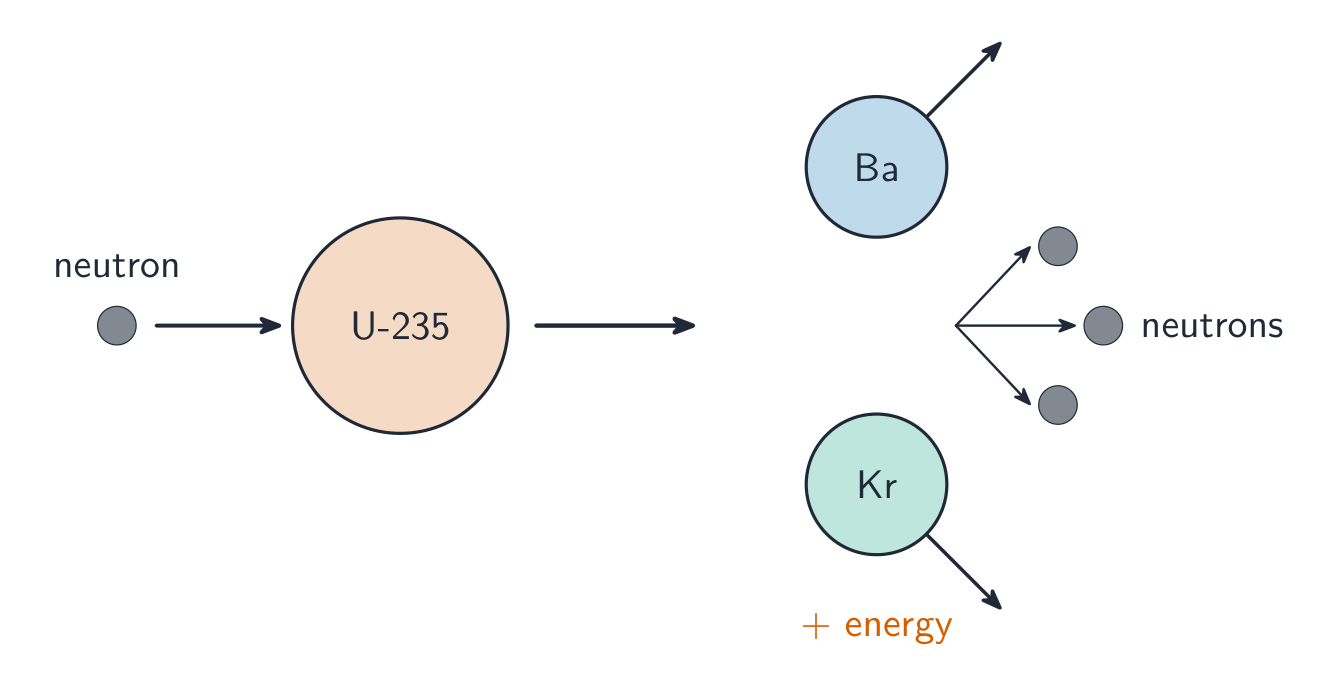
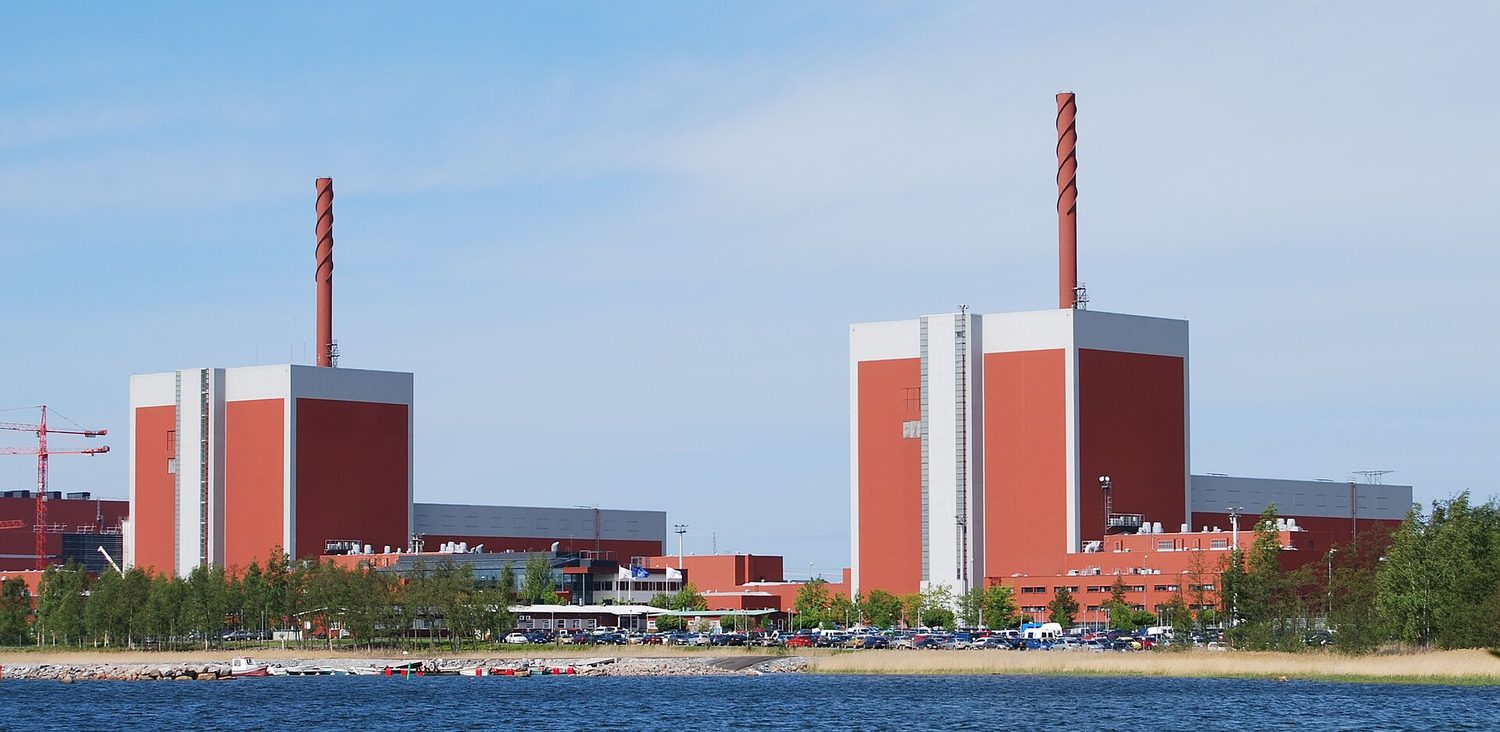
Nuclear power 核能 splits uranium (fission 裂变) to boil water and drive turbines. It produces no $\text{CO}_2$ and lots of energy from little fuel, but risks include radioactive waste 核废料 (long-lived), the danger of meltdowns, and high cost.
Worked example. Radioactive waste decays by its half-life – the time for half of it to decay. Suppose an isotope has a half-life of $30$ years and a reactor leaves $100\ \text{g}$ of it. After $30$ years $50\ \text{g}$ remains; after $60$ years $25\ \text{g}$; after $90$ years (three half-lives) $100\times\left(\tfrac12\right)^3=12.5\ \text{g}$. Because the drop is halving, not linear, the waste stays hazardous for many half-lives – the core reason it must be stored safely for centuries.
Vocabulary
Train
| English |
|---|
| Nuclear power/ˈnjuːklɪə ˈpaʊə/ |
| fission/ˈfɪʃn/ |
| waste/weɪst/ |
| nuclear power station/ˈnjuːklɪə ˈpaʊə ˈsteɪʃn/ |
6.7
Energy from Biomass
Syllabus
| Enduring Understanding | Learning Objective | Essential Knowledge |
|---|---|---|
ENG-3 | ENG-3.I |
|
Source: College Board AP Course and Exam Description
Biomass 生物质 (wood, crops, waste, biofuels like ethanol) is renewable and can be carbon-neutral if replanted, but burning it causes air pollution, and growing fuel crops competes with food and habitat.
Ethanol 乙醇, made from crops such as corn or sugarcane, can substitute for gasoline and adds no new carbon when burned (the plant absorbed that $\text{CO}_2$ as it grew). Its drawback is a low energy return on energy investment (EROEI) 能量投资回报率: growing, harvesting, and distilling the crop uses nearly as much energy as the fuel finally delivers.
Vocabulary
Train
| English |
|---|
| Biomass/ˌbaɪəʊˈmæs/ |
| Ethanol/ˈeθənɒl/ |
| energy return on energy investment (EROEI)/ˈenədʒi rɪˈtɜːn ɒn ˈenədʒi ɪnˈvestmənt/ |
6.8
Solar Energy
Syllabus
| Enduring Understanding | Learning Objective | Essential Knowledge |
|---|---|---|
ENG-3 | ENG-3.J |
|
ENG-3.K |
|
Source: College Board AP Course and Exam Description
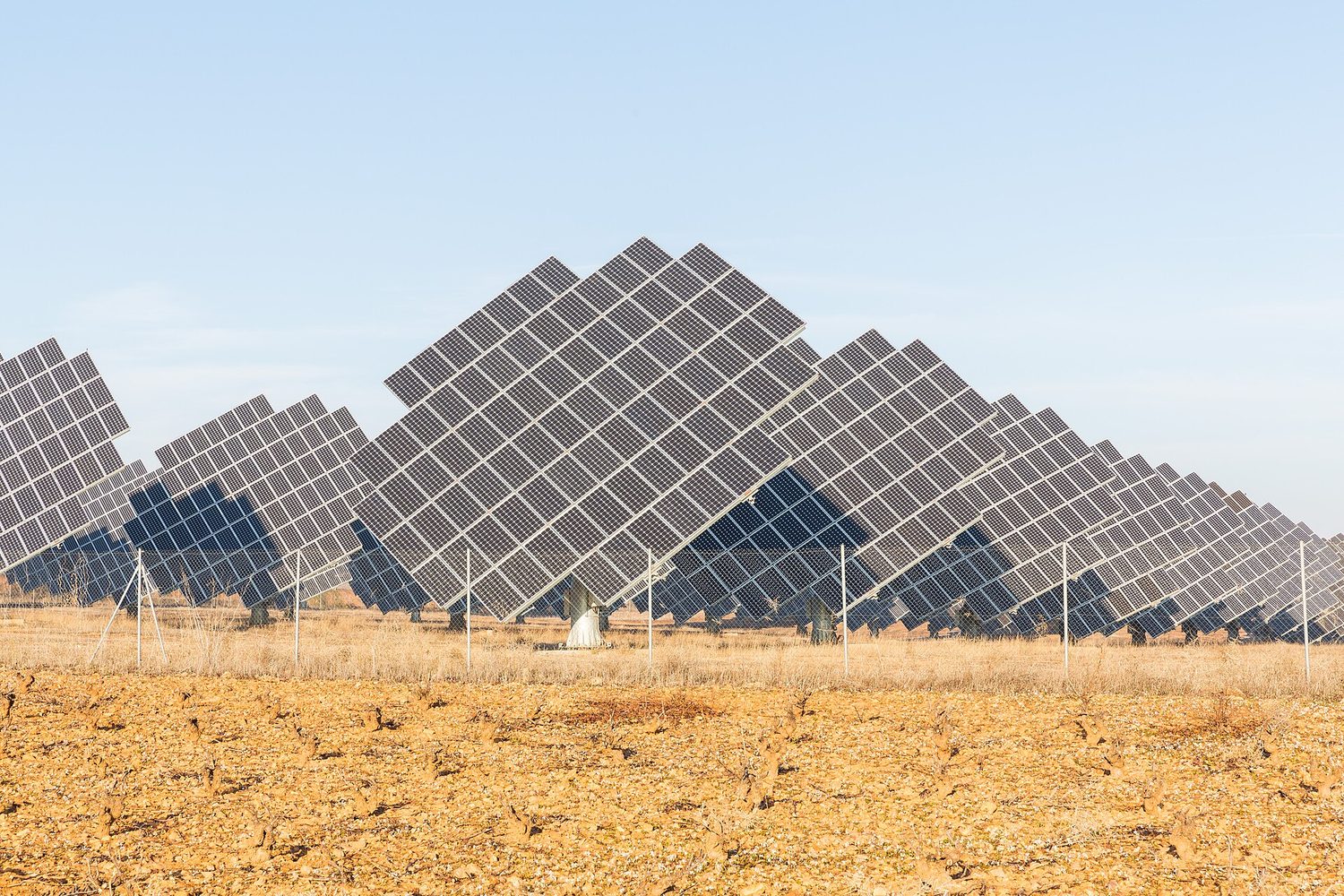
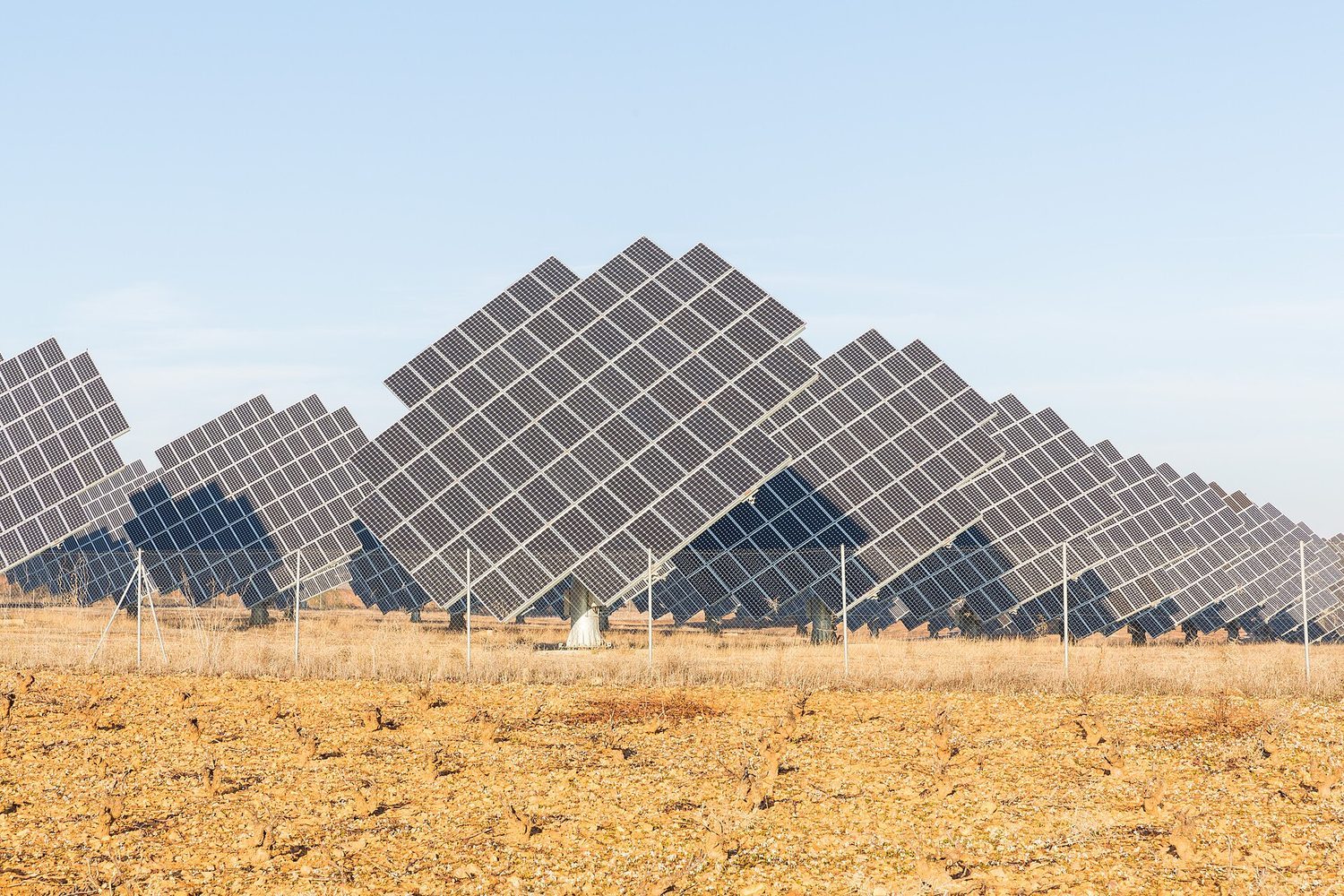
Solar 太阳能 converts sunlight to electricity (photovoltaic panels) or heat. It is renewable and clean during use, but intermittent (no sun at night), needs space, and has manufacturing impacts.
Vocabulary
Train
| English |
|---|
| Solar/ˈsəʊlə/ |
| photovoltaic/ˌfəʊtəʊvəʊlˈteɪɪk/ |
6.9
Hydroelectric Power
Syllabus
| Enduring Understanding | Learning Objective | Essential Knowledge |
|---|---|---|
ENG-3 | ENG-3.L |
|
ENG-3.M |
|
Source: College Board AP Course and Exam Description
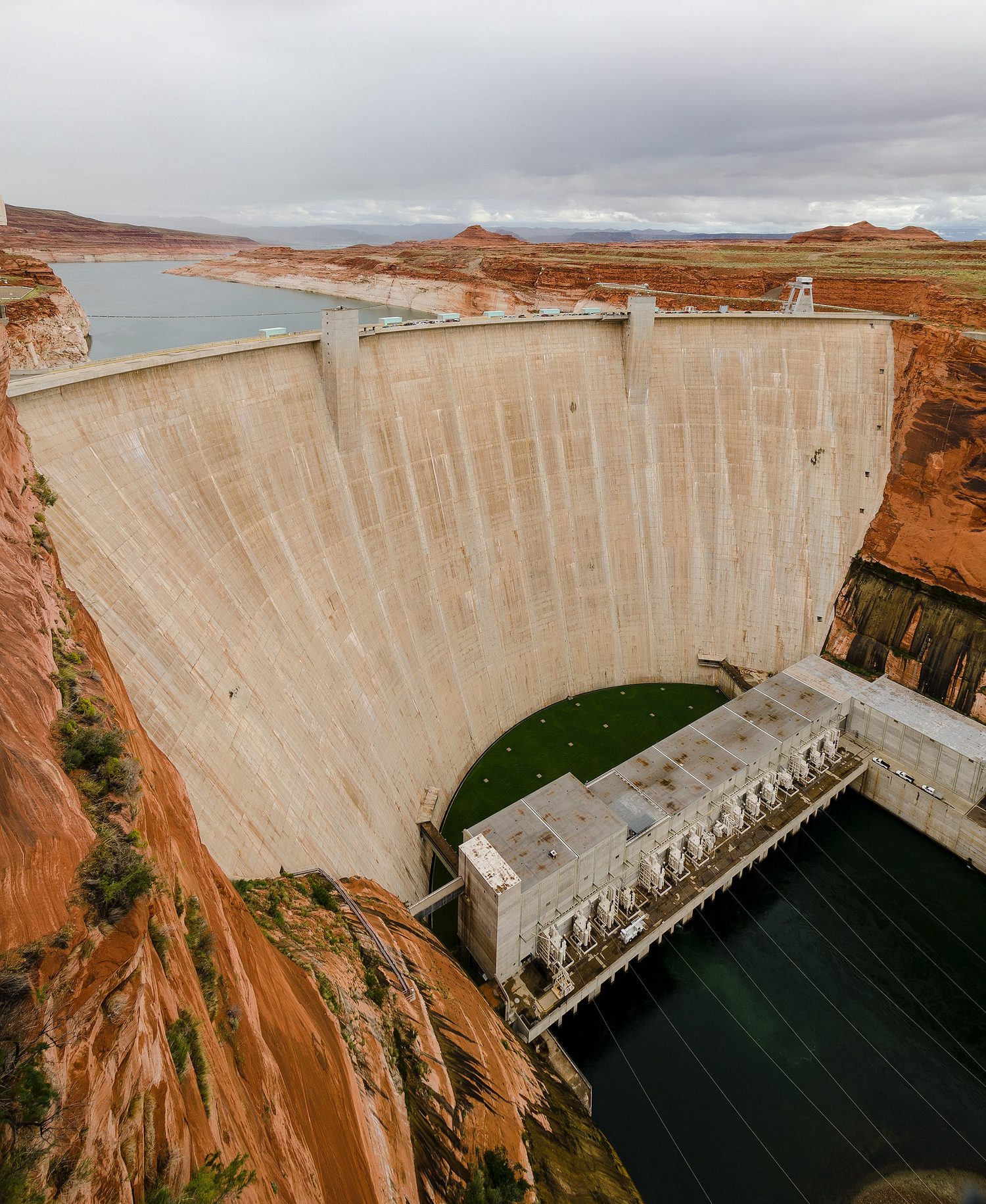
Hydroelectric 水电 power uses flowing water (dams) to spin turbines – renewable and low-emission, but dams flood habitat, block fish migration, trap sediment, and displace people.
Vocabulary
Train
| English |
|---|
| Hydroelectric/ˌhaɪdrəʊɪˈlektrɪk/ |
| reservoir/ˈrezəvwɑː/ |
| dam/dæm/ |
6.10
Geothermal Energy
Syllabus
| Enduring Understanding | Learning Objective | Essential Knowledge |
|---|---|---|
ENG-3 | ENG-3.N |
|
ENG-3.O |
|
Source: College Board AP Course and Exam Description
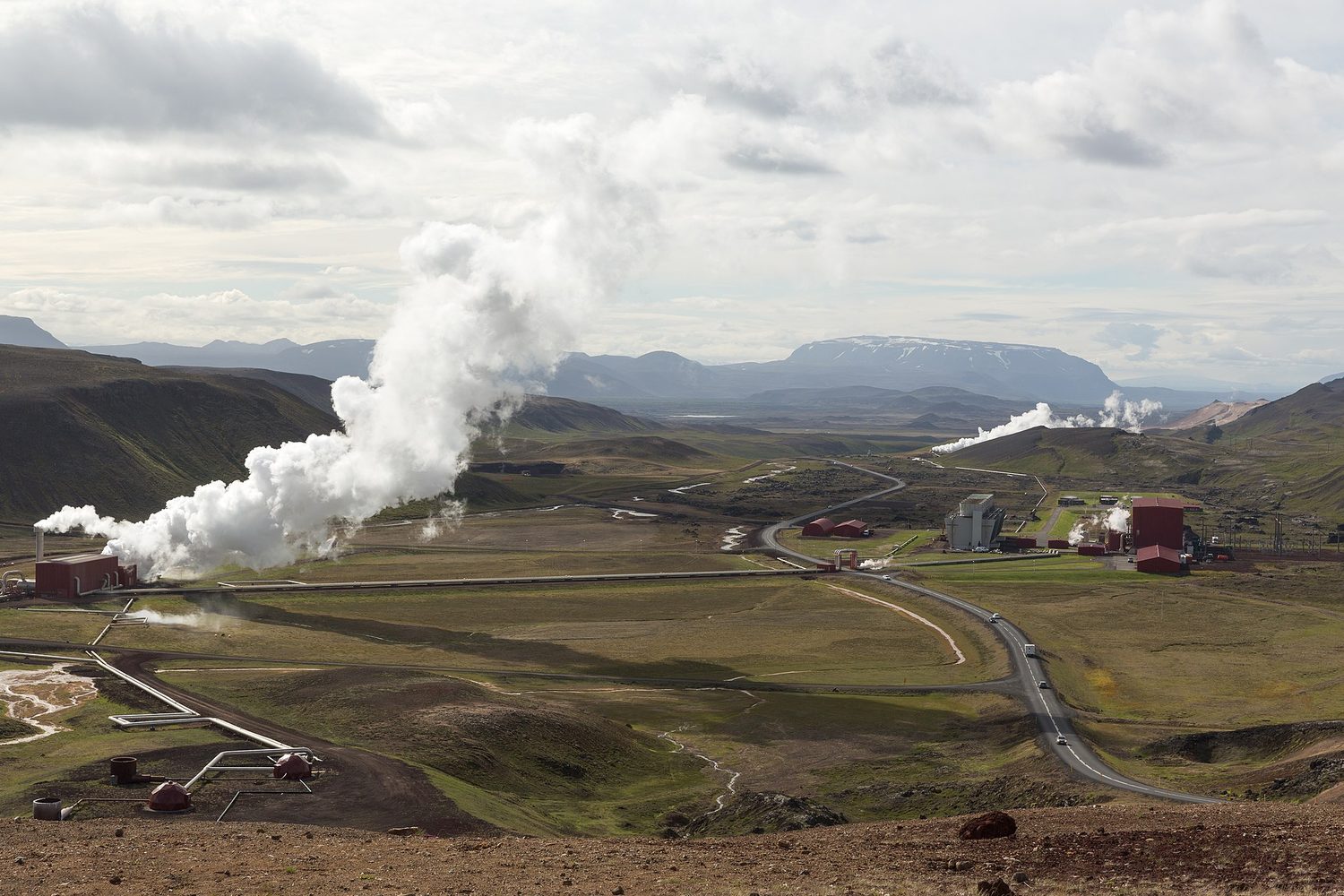
Geothermal 地热能 taps Earth's internal heat for electricity and heating. It is renewable and reliable, but only practical where hot rock is near the surface (volcanic regions) and can release underground gases.
Vocabulary
Train
| English |
|---|
| Geothermal/ˌdʒiːəʊˈθɜːml/ |
| Steam/stiːm/ |
6.11
Hydrogen Fuel Cell
Syllabus
| Enduring Understanding | Learning Objective | Essential Knowledge |
|---|---|---|
ENG-3 | ENG-3.P |
|
ENG-3.Q |
|
Source: College Board AP Course and Exam Description
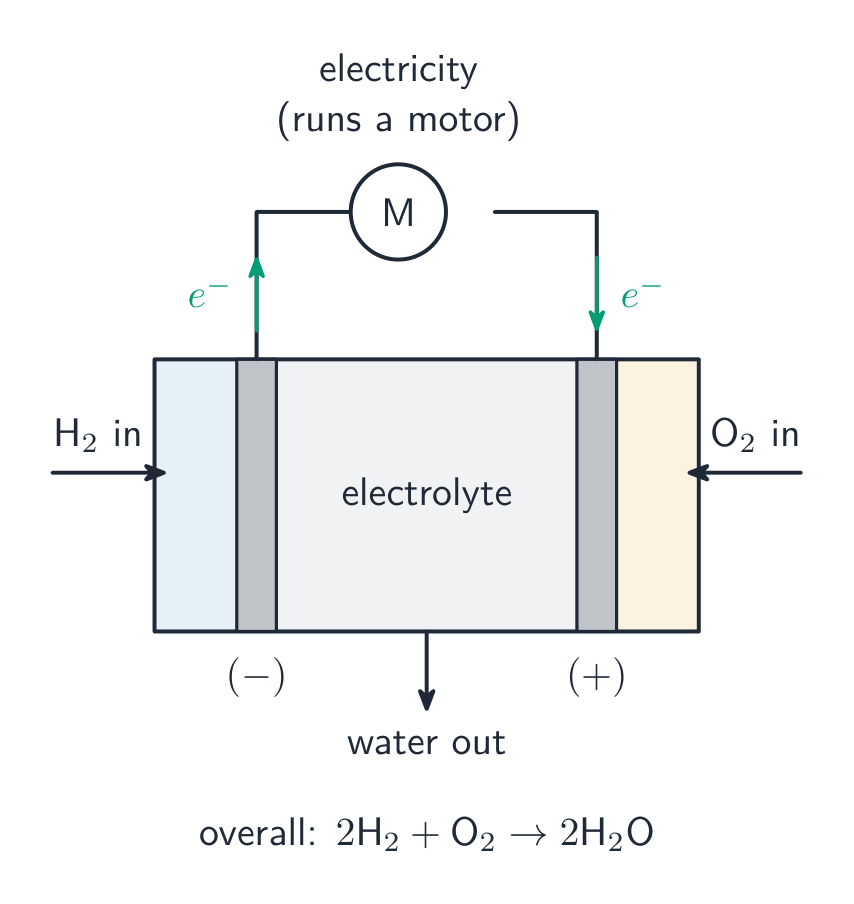
A hydrogen fuel cell 氢燃料电池 combines hydrogen and oxygen to make electricity, with water as the only emission at use. But producing hydrogen usually requires energy (often from fossil fuels), and storage is difficult.
Vocabulary
Train
| English |
|---|
| hydrogen fuel cell/ˈhaɪdrədʒn ˈfjuːəl sel/ |
6.12
Wind Energy
Syllabus
| Enduring Understanding | Learning Objective | Essential Knowledge |
|---|---|---|
ENG-3 | ENG-3.R |
|
ENG-3.S |
|
Source: College Board AP Course and Exam Description
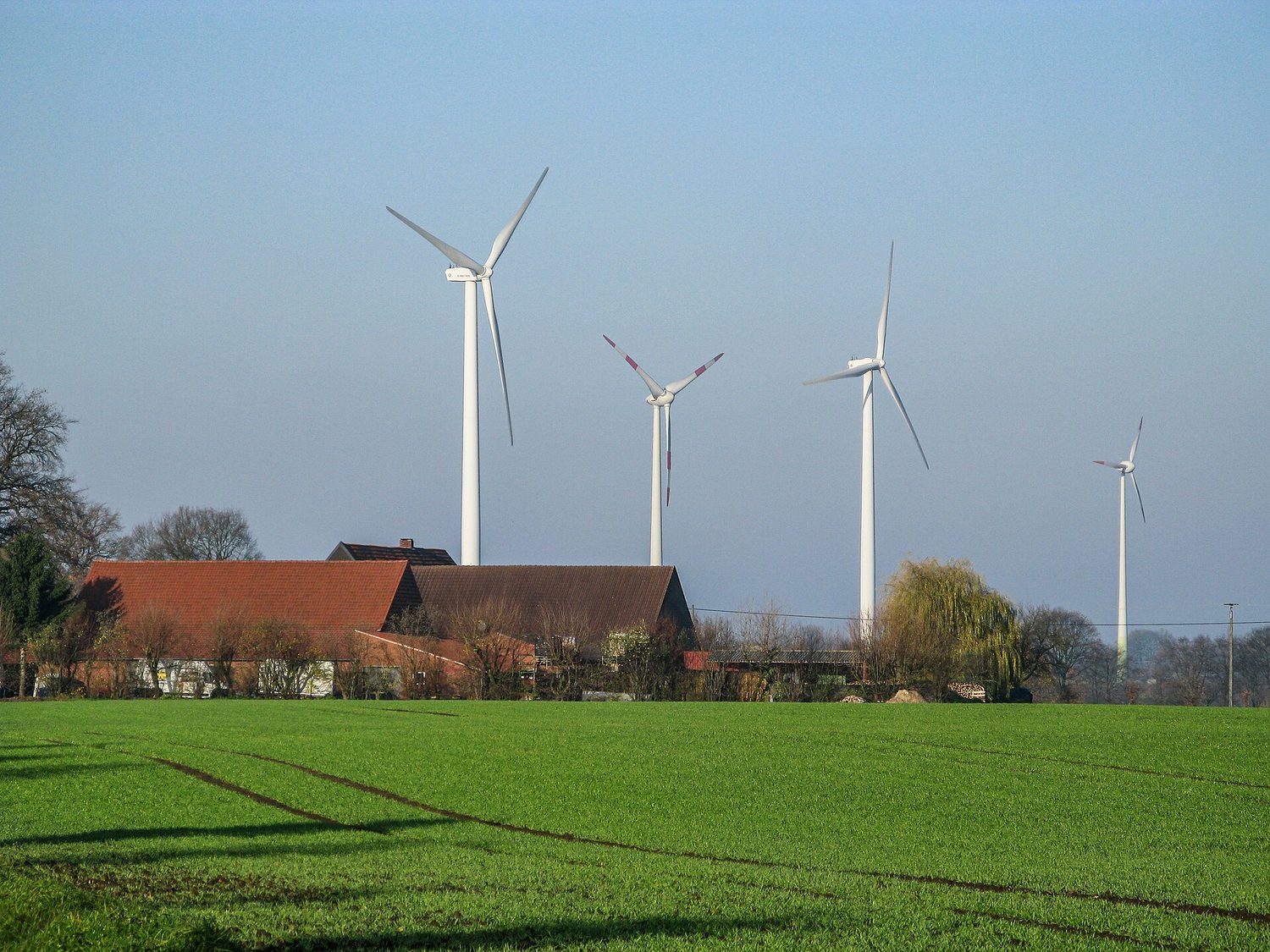
Wind 风能 turbines convert moving air to electricity – renewable, clean, and low-operating-cost, but intermittent, land- or sea-intensive, and a hazard to birds and bats. Best where winds are strong and steady.
Vocabulary
Train
| English |
|---|
| Wind/wɪnd/ |
| wind turbines/wɪnd ˈtɜːbaɪnz/ |
6.13
Energy Conservation
Syllabus
| Enduring Understanding | Learning Objective | Essential Knowledge |
|---|---|---|
ENG-3 | ENG-3.T |
|
Source: College Board AP Course and Exam Description
Energy conservation 节能 reduces demand through efficiency (LED lighting, insulation, efficient appliances, public transport) and behavior. Saving energy is often the cheapest and cleanest option – the energy you do not use needs no fuel and makes no pollution.
A related efficiency gain is cogeneration 热电联产 (combined heat and power): a single fuel burn is used to make both electricity and useful heat, capturing the waste heat that an ordinary power plant simply dumps – so far more of the fuel's energy ends up doing useful work.
Worked example. Replacing a $60\ \text{W}$ incandescent bulb with a $10\ \text{W}$ LED that gives the same light saves $50\ \text{W}$. Running it $5$ hours a day saves $50\ \text{W}\times5\ \text{h}=250\ \text{Wh}=0.25\ \text{kWh}$ per day, or about $0.25\times365\approx91\ \text{kWh}$ per year. Multiply that by every bulb in a city and conservation rivals a new power plant – at far lower cost.
Vocabulary
Train
| English |
|---|
| Energy conservation/ˈenədʒi ˌkɒnsəˈveɪʃn/ |
| cogeneration/ˌkəʊdʒənəˈreɪʃn/ |
6.13
Exam tips
- Separate renewable (sun, wind, water) from non-renewable (fossil fuels, nuclear) and weigh each source's trade-offs.
- Fossil fuels are energy-dense but emit CO₂; nuclear emits no CO₂ but leaves long-lived waste.
- Do half-life math: after $n$ half-lives a fraction $(\tfrac12)^n$ remains.
- Note that solar and wind are intermittent and need storage or backup.
- Conservation (efficiency) is often the cheapest, cleanest option — the energy not used needs no fuel.
- Know the coal ranks (peat → lignite → bituminous → anthracite; more heat/pressure/burial → higher energy) and the unconventional fuels fracking (shale oil/gas; groundwater + VOC pollution) and tar sands (bitumen, energy-intensive).
- Ethanol adds no net CO₂ but has a low EROEI; cogeneration (combined heat and power) captures waste heat so one fuel gives both electricity and heat.
Interactive lessons on this topic
Work through it step by step, with instant-check exercises.