Skip to content · ⁨ข้ามไปยังเนื้อหา⁩

Agriculture and Rural Land-Use Patterns and Processes · ⁨รูปแบบและกระบวนการของการเกษตรและการใช้ที่ดินในพื้นที่ชนบท⁩

AP Human Geography · ⁨AP ภูมิศาสตร์มนุษย์⁩ · Topic 5 · ⁨หัวข้อ 5⁩

Video lesson for this topic · ⁨บทเรียนวิดีโอสำหรับหัวข้อนี้⁩ Open the video page · ⁨เปิดหน้าวิดีโอ⁩
8:32

รูปแบบและกระบวนการของการเกษตรและการใช้ที่ดินในพื้นที่ชนบท

เกษตรกรสองคน. หน้าที่เดียวกัน: ผลิตอาหาร. แต่เป็นโลกที่แตกต่างกันโดยสิ้นเชิง คนหนึ่งขับรถเครื่องข้ามทุ่งนาที่กว้างจนมองไม่เห็นจุดจบ และทุกเมล็ด...

English narration · English + 中文 subtitles burned in · ⁨การบรรยายภาษาอังกฤษ · คำบรรยายภาษาอังกฤษ + 中文 ลอยตัวบนภาพ⁩

5.1

Introduction to Agriculture · ⁨บทนำเกี่ยวกับการเกษตร⁩

Syllabus · ⁨หลักสูตร⁩
English

Enduring Understanding (PSO-5): Availability of resources and cultural practices influence agricultural practices and land-use patterns.

Learning Objective PSO-5.A: Explain the connection between physical geography and agricultural practices.

  • PSO-5.A.1 Agricultural practices are influenced by the physical environment and climatic conditions, such as the Mediterranean climate and tropical climates.
  • PSO-5.A.2 Intensive farming practices include market gardening, plantation agriculture, and mixed crop/livestock systems.
  • PSO-5.A.3 Extensive farming practices include shifting cultivation, nomadic herding, and ranching.
ไทย

ความเข้าใจที่ยั่งยืน (PSO-5): ความพร้อมใช้งานของทรัพยากรและแนวปฏิบัติทางวัฒนธรรมส่งผลต่อแนวทางการเกษตรกรรมและรูปแบบการใช้ที่ดิน

จุดประสงค์การเรียนรู้ PSO-5.A: อธิบายความสัมพันธ์ระหว่างภูมิศาสตร์ทางกายภาพกับแนวทางการเกษตรกรรม

  • PSO-5.A.1 แนวทางการเกษตรกรรมได้รับอิทธิพลจากสภาพแวดล้อมทางกายภาพและสภาวะภูมิอากาศ เช่น ภูมิอากาศเมดิเตอร์เรเนียนและภูมิอากาศเขตร้อน
  • PSO-5.A.2 แนวทางการทำนาแบบ intensive รวมถึง การทำสวนตลาด, การเกษตรบน Plantation และระบบพืช/สัตว์ผสมผสาน
  • PSO-5.A.3 แนวทางการทำนาแบบ extensive รวมถึง การเพาะปลูกแบบเคลื่อนที่, การเลี้ยงสัตว์แบบ nomadic และ Ranching
Source: College Board AP Course and Exam Description · ⁨แหล่งที่มา: คำอธิบายหลักสูตรและข้อสอบ College Board AP⁩

English

Agriculture 农业 is the deliberate growing of crops and raising of animals for food and other products. A first big split:

  • Subsistence agriculture 自给农业 — farming to feed the farmer's own family, common in less-developed regions.
  • Commercial agriculture 商业农业 — farming to sell for profit, common in developed regions and often large-scale and mechanised.

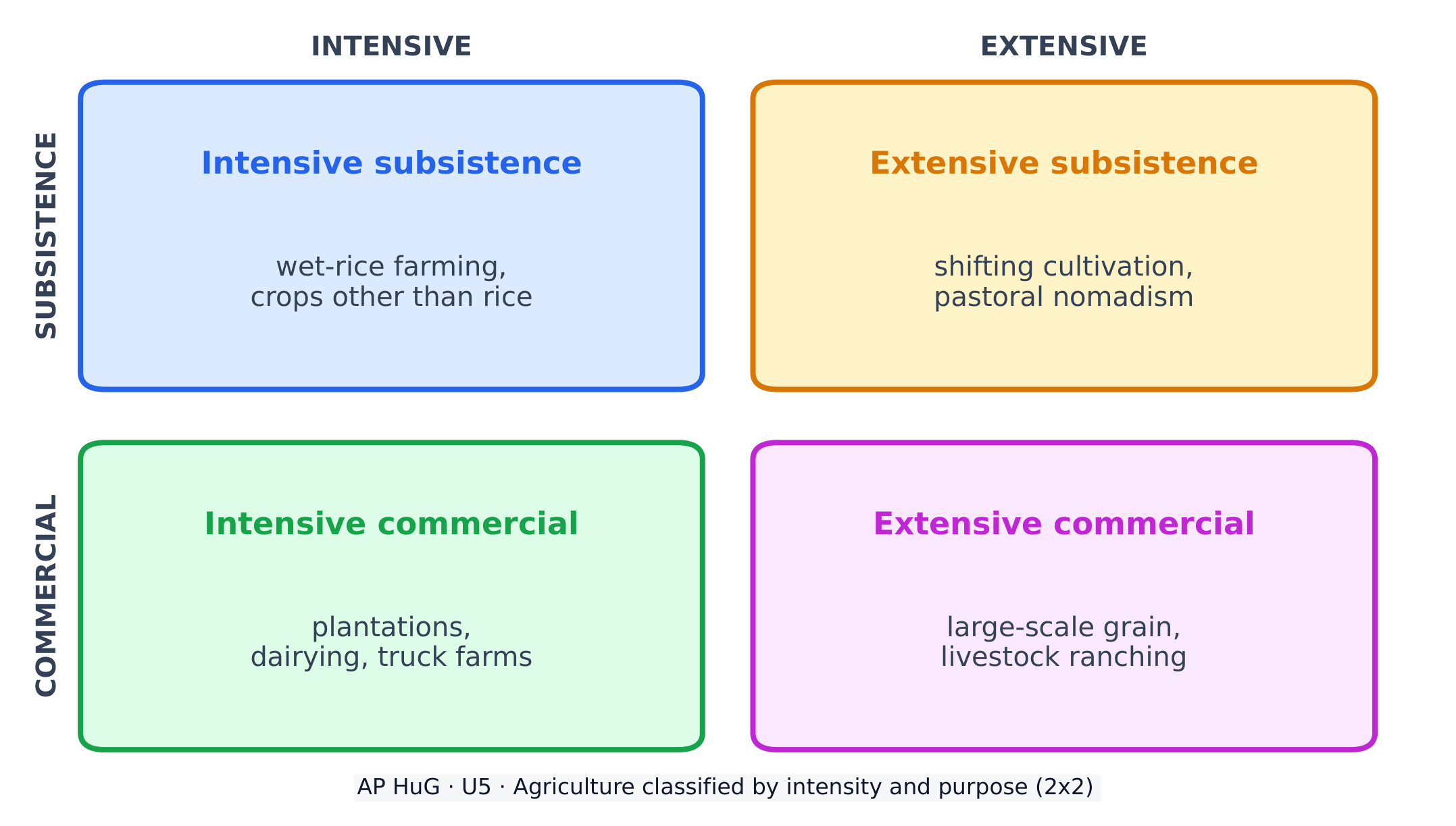
Farming also varies by intensity: intensive 集约 farming uses a lot of labour or money on a small area (rice paddies, market gardening); extensive 粗放 farming uses little input over a large area (ranching, shifting cultivation).

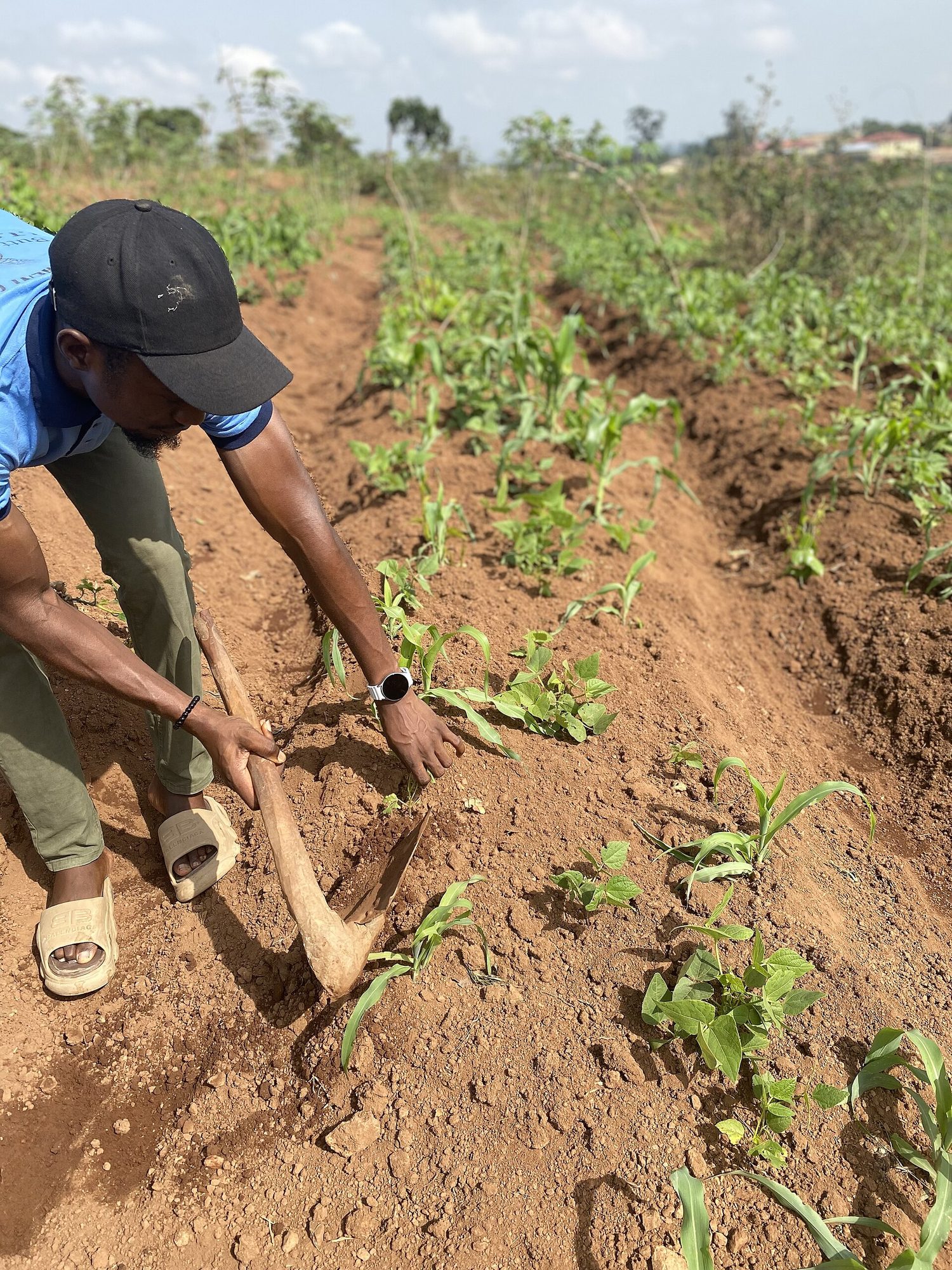
The two photos below are the two ends of the first split — one machine feeding a market versus one person feeding a family:

ไทย

การเกษตร คือการเพาะปลูกพืชและเลี้ยงสัตว์อย่างตั้งใจเพื่ออาหารและผลิตภัณฑ์อื่นๆ การแบ่งแยกครั้งใหญ่แรก:

  • การเกษตรเพื่อใช้สอยเอง — การทำนาเพื่อเลี้ยงครอบครัวเกษตรกร自身, พบบ่อยในพื้นที่ kurang พัฒนา
  • การเกษตรเชิงพาณิชย์ — การทำนาเพื่อขายทำกำไร, พบบ่อยในพื้นที่พัฒนาแล้ว มักมีขนาดใหญ่และเป็นระบบเครื่องจักรกล

การทำนาอาจแตกต่างกันไปตาม ความเข้มข้น: การเกษตรเข้มข้น ใช้แรงงานหรือเงินจำนวนมากในพื้นที่เล็ก (นาข้าว, สวนผัก), การเกษตรแบบกว้างขวาง ใช้ปัจจัยการผลิตน้อยในพื้นที่กว้าง (ฟาร์มปศุสัตว์, การทำนาเลื่อนลอย)

ภาพด้านล่างทั้งสองคือสองขั้วของการแบ่งแยกครั้งแรก — เครื่องจักรหนึ่งเครื่องเลี้ยงตลาด مقابلมนุษย์หนึ่งคนเลี้ยงครอบครัว:

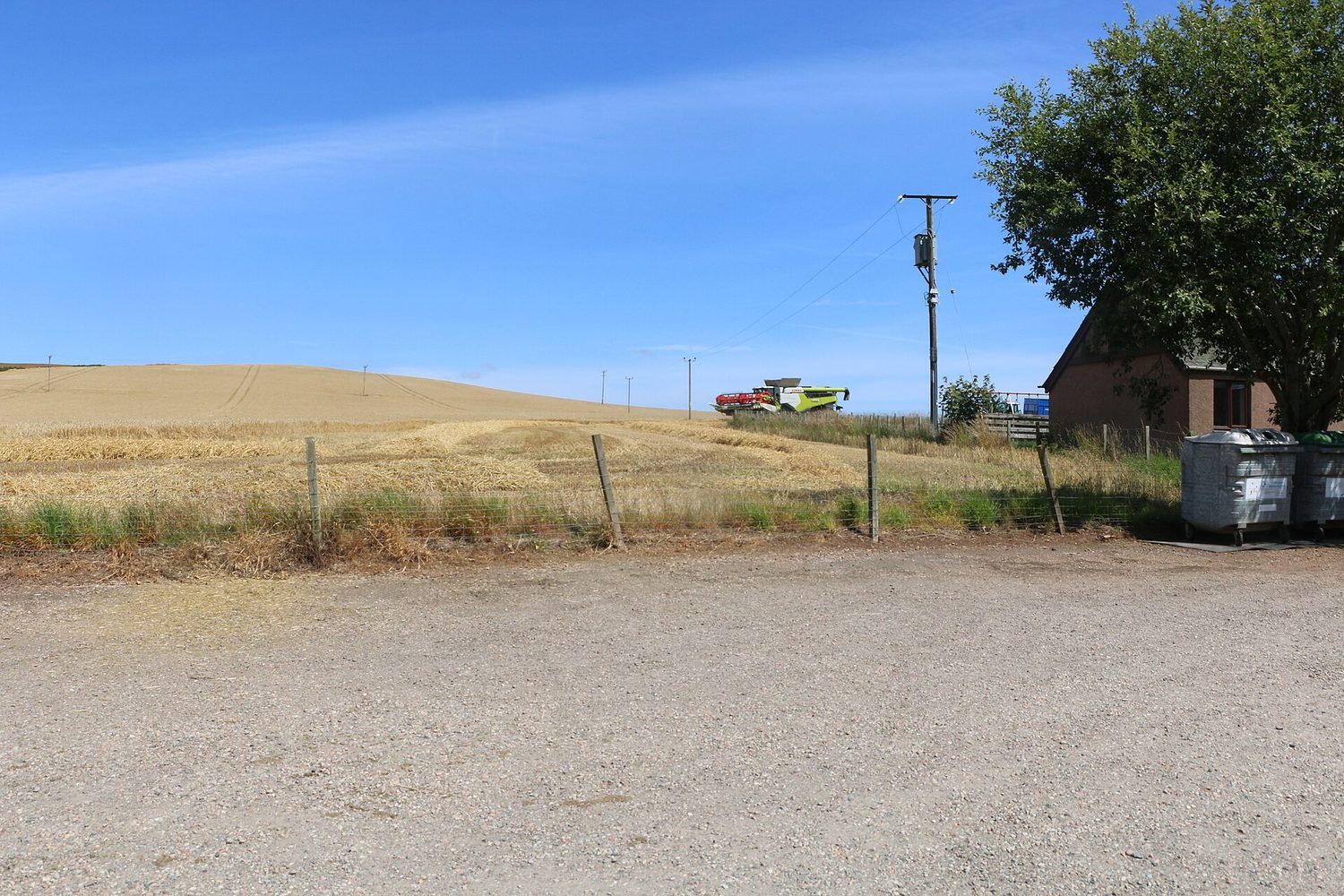
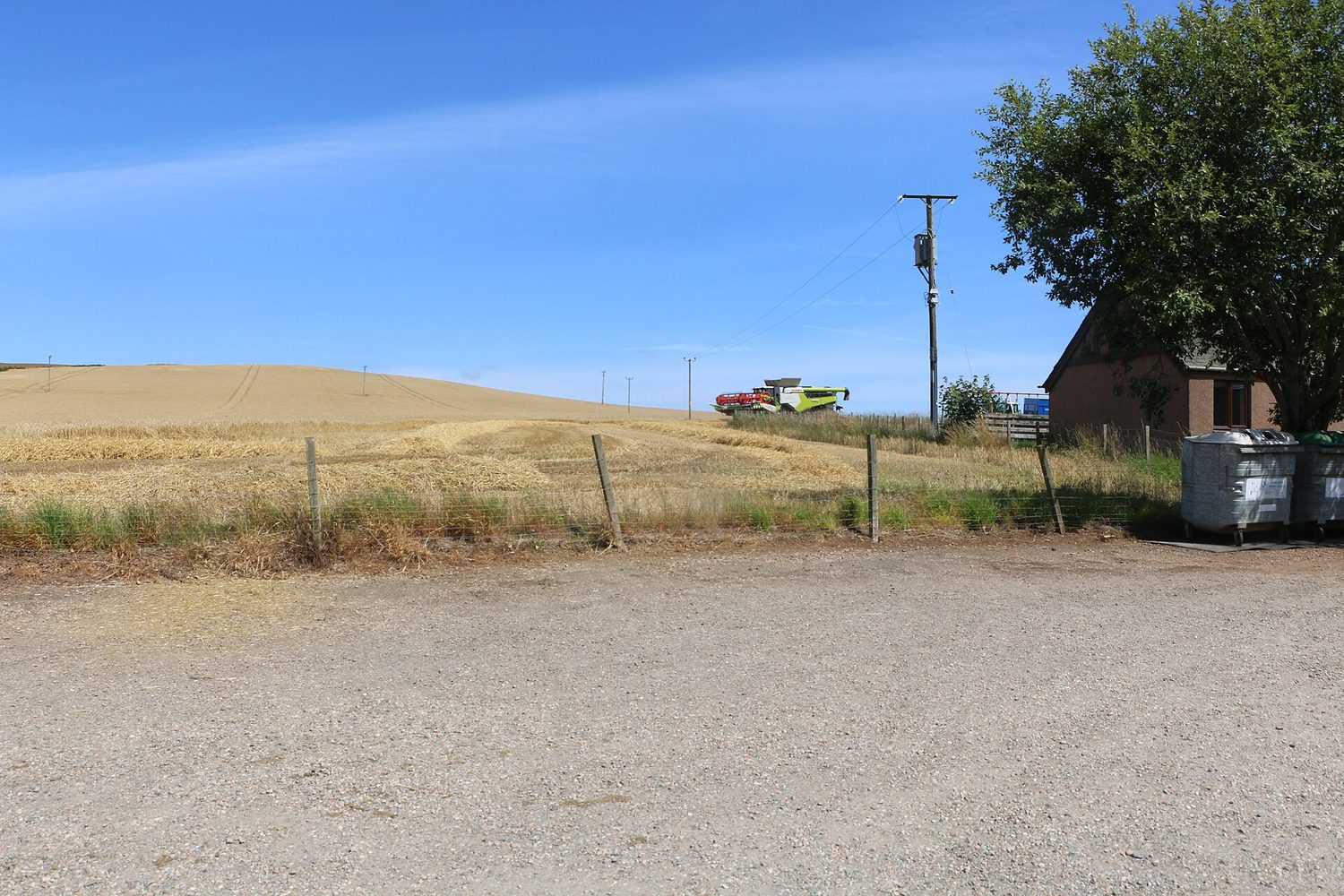
รถเก็บเกี่ยวขนาดใหญาสีแดงเขียวกำลังตัดแปลงข้าวสาลีสีทอง
การเกษตรเชิงพาณิชย์: รถเก็บเกี่ยวคันเดียวตัดแปลงข้าวสาลีขนาดใหญ่โดยแทบไม่ต้องใช้แรงงาน ปลูกธัญพืชเพื่อขาย
เกษตรกรก้มตัวลงทำงานดินในแปลงข้าวโพดขนาดเล็กด้วยพลั่วมือ
การเกษตรเพื่อใช้สอยเอง: เกษตรกรทำงานในแปลงเล็กๆ ด้วยมือใช้พลั่ว ส่วนใหญ่เพื่อเลี้ยงครอบครัว
Explore · ⁨สำรวจ⁩

Intensive or extensive farming? · ⁨การเกษตรแบบเข้มข้นหรือแบบกระจาย?⁩

Intensive farming puts a lot of labour or money into a small area; extensive farming spreads little input over a large area. · ⁨การเกษตรแบบเข้มข้น ใช้แรงงานหรือเงินทุนจำนวนมากในพื้นที่จำกัด; การเกษตรแบบกระจาย กระจายปัจจัยการผลิตน้อยลงบนพื้นที่กว้างใหญ่⁩

5.2

Settlement Patterns and Survey Methods · ⁨รูปแบบการตั้งถิ่นฐานและวิธีการสำรวจ⁩

Syllabus · ⁨หลักสูตร⁩
English

Enduring Understanding (PSO-5): Availability of resources and cultural practices influence agricultural practices and land-use patterns.

Learning Objective PSO-5.B: Identify different rural settlement patterns and methods of surveying rural settlements.

  • PSO-5.B.1 Specific agricultural practices shape different rural land-use patterns.
  • PSO-5.B.2 Rural settlement patterns are classified as clustered, dispersed, or linear.
  • PSO-5.B.3 Rural survey methods include metes and bounds, township and range, and long lot.
ไทย

ความเข้าใจที่ยั่งยืน (PSO-5): ความพร้อมใช้งานของทรัพยากรและแนวปฏิบัติทางวัฒนธรรมส่งผลต่อแนวทางการเกษตรกรรมและรูปแบบการใช้ที่ดิน

จุดประสงค์การเรียนรู้ PSO-5.B: ระบุรูปแบบการตั้งถิ่นฐานในชนบทและวิธีการสำรวจการตั้งถิ่นฐานในชนบทที่แตกต่างกัน

  • PSO-5.B.1 แนวทางปฏิบัติทางการเกษตรเฉพาะเจาะจงกำหนดรูปแบบการใช้ที่ดินในชนบทที่แตกต่างกัน
  • PSO-5.B.2 รูปแบบการตั้งถิ่นฐานในชนบทถูกแบ่งออกเป็นแบบกลุ่ม, แบบกระจายตัว หรือแบบเส้นตรง
  • PSO-5.B.3 วิธีการสำรวจในชนบทได้แก่ Metes and bounds, Township and range, และ Long lot

Source: College Board AP Course and Exam Description · ⁨แหล่งที่มา: คำอธิบายหลักสูตรและข้อสอบ College Board AP⁩

English

How farmers settle the land leaves a lasting pattern.

  • Clustered (nucleated) 集聚式 settlements group homes together; dispersed 分散 settlements spread them out; linear settlements follow a road or river.
  • Survey methods divide the land: the metes-and-bounds system uses natural features; the township-and-range system uses a grid of squares; the long-lot system gives each farm a thin strip reaching a river or road.
ไทย

วิธีการที่เกษตรกรตั้งถิ่นฐานบนดินจะทิ้งร่องรอยรูปแบบที่คงอยู่

  • การตั้งถิ่นฐานแบบ กลุ่มหนาแน่น (nucleated) รวมบ้านเรือนไว้ด้วยกัน; การตั้งถิ่นฐานแบบ กระจาย กางออกไป; การตั้งถิ่นฐานแบบ เส้นตรง ตามถนนหรือแม่น้ำ
  • วิธีการสำรวจ แบ่งที่ดิน: ระบบ เมตส์-แอนด์-บาวন্ดส์ ใช้ลักษณะทางธรรมชาติ; ระบบ ทาวน์ชิป-แอนด์-เรนจ์ ใช้ตารางสี่เหลี่ยม; ระบบ ลอง-ล็อต ให้แต่ละฟาร์มเป็นแถบแคบๆ ที่เข้าถึงแม่น้ำหรือถนน
5.3 5.4 5.5

Agricultural Origins and Revolutions · ⁨จุดกำเนิดและการปฏิวัติทางการเกษตร⁩

Syllabus · ⁨หลักสูตร⁩
English

Enduring Understanding (SPS-5): Agriculture has changed over time because of cultural diffusion and advances in technology.

Learning Objective SPS-5.A: Identify major centers of domestication of plants and animals.

  • SPS-5.A.1 Early hearths of domestication of plants and animals arose in the Fertile Crescent and several other regions of the world, including the Indus River Valley, Southeast Asia, and Central America.

Learning Objective SPS-5.B: Explain how plants and animals diffused globally.

  • SPS-5.B.1 Patterns of diffusion, such as the Columbian Exchange and the agricultural revolutions, resulted in the global spread of various plants and animals.
ไทย

ความเข้าใจที่ยั่งยืน (SPS-5): เกษตรกรรมมีการเปลี่ยนแปลงไปตามเวลาเนื่องจากกระบวนการแพร่กระจายทางวัฒนธรรมและความก้าวหน้าทางเทคโนโลยี

จุดประสงค์การเรียนรู้ SPS-5.A: ระบุแหล่งกลางหลักของการเพาะพันธุ์พืชและสัตว์

  • SPS-5.A.1 แหล่งกำเนิดแรกของการเพาะพันธุ์พืชและสัตว์เกิดขึ้นในดินอันอุดมสมบูรณ์ (Fertile Crescent) และภูมิภาคอื่นๆ ของโลกหลายแห่ง รวมถึงหุบเขาแม่น้ำอินดัส, เอเชียตะวันออกเฉียงใต้ และอเมริกากลาง

จุดประสงค์การเรียนรู้ SPS-5.B: อธิบาย cáchพืชและสัตว์ได้แพร่กระจายไปทั่วโลก

  • SPS-5.B.1 รูปแบบการแพร่กระจาย เช่น การแลกเปลี่ยนคูลัมเบีย (Columbian Exchange) และการปฏิวัติทางเกษตรกรรม ส่งผลให้เกิดการแพร่กระจายของพืชและสัตว์ต่างๆ ไปทั่วโลก
English

Enduring Understanding (SPS-5): Agriculture has changed over time because of cultural diffusion and advances in technology.

Learning Objective SPS-5.C: Explain the advances and impacts of the second agricultural revolution.

  • SPS-5.C.1 New technology and increased food production in the second agricultural revolution led to better diets, longer life expectancies, and more people available for work in factories.
ไทย

ความเข้าใจที่ยั่งยืน (SPS-5): เกษตรกรรมมีการเปลี่ยนแปลงไปตามเวลาเนื่องจากกระบวนการแพร่กระจายทางวัฒนธรรมและความก้าวหน้าทางเทคโนโลยี

จุดประสงค์การเรียนรู้ SPS-5.C: อธิบายความก้าวหน้าและผลกระทบของการปฏิวัติทางเกษตรกรรมครั้งที่สอง

  • SPS-5.C.1 เทคโนโลยีใหม่และการผลิตอาหารที่เพิ่มขึ้นในการปฏิวัติทางเกษตรกรรมครั้งที่สอง นำไปสู่การรับประทานอาหารที่ดีขึ้น, อายุขัยที่ยาวนานขึ้น และมีคนมากขึ้นพร้อมทำงานในโรงงาน
English

Enduring Understanding (SPS-5): Agriculture has changed over time because of cultural diffusion and advances in technology.

Learning Objective SPS-5.D: Explain the consequences of the Green Revolution on food supply and the environment in the developing world.

  • SPS-5.D.1 The Green Revolution was characterized in agriculture by the use of high-yield seeds, increased use of chemicals, and mechanized farming.
  • SPS-5.D.2 The Green Revolution had positive and negative consequences for both human populations and the environment.
ไทย

ความเข้าใจที่ยั่งยืน (SPS-5): เกษตรกรรมมีการเปลี่ยนแปลงไปตามเวลาเนื่องจากกระบวนการแพร่กระจายทางวัฒนธรรมและความก้าวหน้าทางเทคโนโลยี

จุดประสงค์การเรียนรู้ SPS-5.D: อธิบายผลกระทบของการปฏิวัติสีเขียวต่ออุปทานอาหารและสิ่งแวดล้อมในประเทศกำลังพัฒนา

  • SPS-5.D.1 การปฏิวัติสีเขียวมีลักษณะเด่นในภาคเกษตรกรรมด้วยการใช้เมล็ดพันธุ์ให้ผลผลิตสูง, การใช้สารเคมีเพิ่มขึ้น และการทำเกษตรด้วยเครื่องจักรกล
  • SPS-5.D.2 การปฏิวัติสีเขียวมีทั้งผลกระทบเชิงบวกและลบต่อประชากรมนุษย์และสิ่งแวดล้อม

Source: College Board AP Course and Exam Description · ⁨แหล่งที่มา: คำอธิบายหลักสูตรและข้อสอบ College Board AP⁩

English

Farming began in a few hearths and spread by diffusion, then was transformed by three revolutions.

  • The First (Neolithic) Agricultural Revolution 新石器农业革命 was the original domestication of plants and animals, letting people settle in one place.
  • The Second Agricultural Revolution 第二次农业革命 used the tools of the Industrial Revolution (machines, better transport, crop rotation) to raise output and feed growing cities.
  • The Green Revolution 绿色革命 (mid-1900s) introduced high-yield seeds, fertilisers, pesticides, and irrigation — hugely increasing food output, though at an environmental and social cost.

Worked example (a real AP exam question). "Describe the concept of an early hearth of domestication." (2023) A full-mark answer: "A place where people first domesticated a wild plant or animal into a farmed variety, and from which that farming practice then spread to other regions." The command word Describe wants more than a one-word definition — give the key features (where domestication began and that it spread) — but it does not require the cause-and-effect reasoning that "Explain" demands.

ไทย

การเกษตรเริ่มขึ้นในจุดกำเนิด few และแพร่กระจายด้วยการแพร่กระจาย จากนั้นถูกเปลี่ยนแปลงด้วยการปฏิวัติสามครั้ง

  • การปฏิวัติเกษตรกรรมครั้งแรก (First/Neolithic Agricultural Revolution) คือการเพาะเลี้ยงพืชและสัตว์เป็นครั้งแรก ทำให้ผู้คนสามารถตั้งถิ่นฐาน在一个 place ได้
  • การปฏิวัติการเกษตรครั้งที่สอง ใช้เครื่องมือของการปฏิวัติอุตสาหกรรม (เครื่องจักร, การขนส่งที่ดีขึ้น, การหมุนเวียนพืชผล) เพื่อเพิ่มผลผลิตและเลี้ยงดูเมืองที่กำลังเติบโต
  • การปฏิวัติสีเขียว (กลางศตวรรษที่ 1900) นำเมล็ดพันธุ์ผลผลิตสูง ปุ๋ย ยาฆ่าแมลง และระบบชลประทานเข้ามา — เพิ่มผลผลิตอาหารอย่างมาก แต่ต้องแลกกับต้นทุนทางสิ่งแวดล้อมและสังคม

ตัวอย่างคำอธิบาย (worked example) – ข้อสอบ AP จริง "อธิบายแนวคิดของแหล่งกำเนิดการเพาะเลี้ยง初期 (early hearth of domestication)" (2023) คำตอบเต็มคะแนน: "สถานที่ที่มนุษย์เริ่มเพาะเลี้ยงพืชหรือสัตว์ป่าให้เป็นสายพันธุ์สำหรับทำเกษตรกรรม และจากนั้นการปฏิบัติทางการเกษตรนั้นจึงแพร่กระจายไปยังภูมิภาคอื่นๆ" คำสั่ง Describe ต้องการมากกว่าแค่คำจำกัดความหนึ่งคำ — ให้ระบุลักษณะสำคัญ (where domestication began and that it spread) — แต่ไม่จำเป็นต้องให้เหตุผลเชิงสาเหตุและผลที่ "Explain" ต้องการ

5.6

Agricultural Production Regions · ⁨พื้นที่การผลิตทางการเกษตร⁩

Syllabus · ⁨หลักสูตร⁩
English

Enduring Understanding (PSO-5): Availability of resources and cultural practices influence agricultural practices and land-use patterns.

Learning Objective PSO-5.C: Explain how economic forces influence agricultural practices.

  • PSO-5.C.1 Agricultural production regions are defined by the extent to which they reflect subsistence or commercial practices (monocropping or monoculture).
  • PSO-5.C.2 Intensive and extensive farming practices are determined in part by land costs (bid-rent theory).
ไทย

ความเข้าใจที่ยั่งยืน (PSO-5): ความพร้อมใช้งานของทรัพยากรและแนวปฏิบัติทางวัฒนธรรมส่งผลต่อแนวทางการเกษตรกรรมและรูปแบบการใช้ที่ดิน

จุดประสงค์การเรียนรู้ PSO-5.C: อธิบายว่าแรงจูงใจทางเศรษฐศาสตร์ส่งผลต่อแนวทางการเกษตรอย่างไร

  • PSO-5.C.1 เขตการผลิตทางการเกษตรถูกกำหนดโดยระดับที่สะท้อนแนวทางยังชีพหรือเชิงพาณิชย์ ( monocropping หรือ monoculture )
  • PSO-5.C.2 แนวทางปฏิบัติทางการเกษตรแบบเข้มข้นและแบบกว้างๆ ถูกกำหนด جز或部分โดยต้นทุนที่ดิน (ทฤษฎี Bid-rent)

Source: College Board AP Course and Exam Description · ⁨แหล่งที่มา: คำอธิบายหลักสูตรและข้อสอบ College Board AP⁩

English

The type of farming in a place depends on climate and level of development.

  • Tropical regions favour shifting cultivation 迁移农业 (slash-and-burn) and plantation crops; dry regions favour pastoral nomadism 游牧 (herding).
  • Developed regions have mixed crop and livestock, dairying, and large commercial grain farms.
  • Bid-rent theory 竞租理论 explains why land close to a market is used more intensively: it is more expensive, so it must earn more per hectare.
ไทย

ประเภทการทำนา在一个地方ขึ้นอยู่กับ สภาพอากาศ และ ระดับการพัฒนา

  • พื้นที่เขตร้อนเอื้อต่อการ เกษตรแบบเคลื่อนที่ (shifting cultivation / slash-and-burn) และพืชสวน; พื้นที่แห้งแล้งเอื้อต่อการ การอพยพตามธรรมชาติเพื่อปศุสัตว์ (pastoral nomadism / herding)
  • พื้นที่พัฒนาแล้วมี เกษตรผสมผสาน (mixed crop and livestock), ฟาร์มโคนม (dairying) และฟาร์ม ข้าวสาลีเชิงพาณิชย์ขนาดใหญ่ (commercial grain farms)
  • ทฤษฎี Bid-rent อธิบายว่าทำไมที่ดินใกล้ตลาดจึงถูกใช้เข้มข้นกว่า: มันแพงกว่า ดังนั้นจึงต้องสร้างรายได้ต่อเฮกตาร์ได้มากกว่า
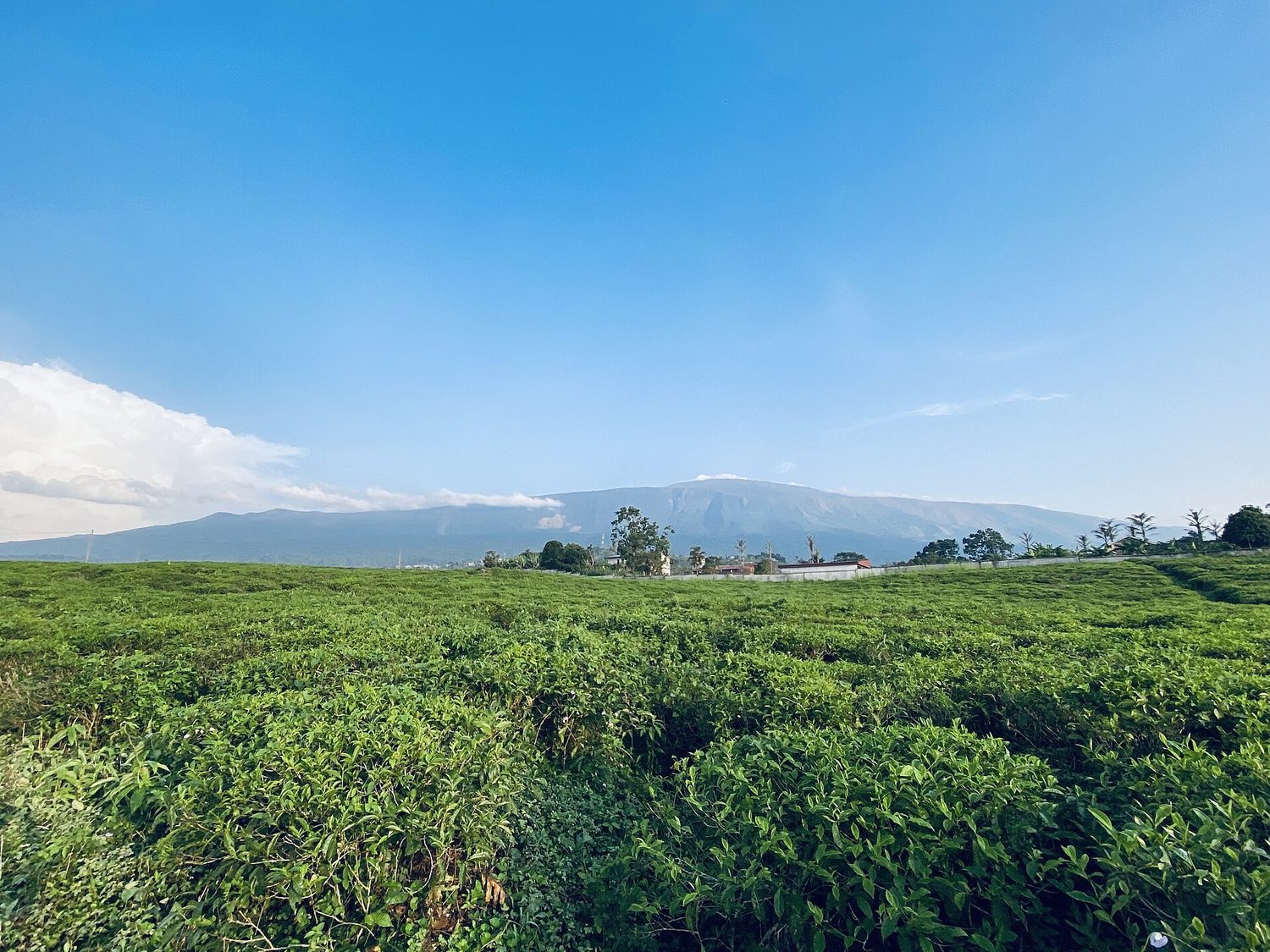
แถวต้นชาเขียวเตี้ยเรียงเป็นระเบียบปกคลุมเนินเขา
สวนชา: พืชเงินสดชนิดเดียวปลูกในแถว整齐บนพื้นที่กว้าง เป็นลักษณะทั่วไปของการเกษตรเชิงพาณิชย์ tropics
การเกษตรจำแนกตามความเข้มข้นและตามวัตถุประสงค์
แกนนอนสองแกน — แรงงานและทุนที่ใช้ต่อหน่วยที่ดิน (intensive vs extensive), และอาหารนั้นสำหรับใคร (subsistence vs commercial)
Vocabulary · ⁨คำศัพท์⁩ Train · ⁨ฝึกฝน⁩
English ไทย
Agriculture/ˈæɡrɪkʌltʃə/ Agriculture
Subsistence agriculture/sʌbˈsɪstəns ˈæɡrɪkʌltʃə/ เกษตรกรรมสำหรับกินเอง
Commercial agriculture/kəˈmɜːʃl ˈæɡrɪkʌltʃə/ เกษตรกรรมเชิงพาณิชย์
intensive/ɪnˈtensɪv/ เข้มข้น
extensive/ekˈstensɪv/ กระจายพื้นที่
Clustered (nucleated)/ˈklʌstəd/ แบบกลุ่ม (รวมศูนย์)
dispersed/dɪˈspɜːst/ กระจาย
First (Neolithic) Agricultural Revolution/fɜːst ˌæɡrɪˈkʌltʃərəl ˌrevəˈluːʃn/ ปฏิวัติเกษตรกรรมครั้งที่หนึ่ง (Neolithic)
Second Agricultural Revolution/ˈsekənd ˌæɡrɪˈkʌltʃərəl ˌrevəˈluːʃn/ ปฏิวัติการเกษตรครั้งที่สอง
Green Revolution/ɡriːn ˌrevəˈluːʃn/ ปฏิวัติเขียว
shifting cultivation/ˈʃɪftɪŋ ˌkʌltɪˈveɪʃn/ การทำนาแบบหมุนเวียน
pastoral nomadism/ˈpæstərəl ˈnəʊmeɪdɪzəm/ การอพยพแบบ chănสัตว์
Bid-rent theory/bɪd rent ˈθɪəri/ ทฤษฎีค่าเช่าเสนอสูงสุด
plantation/plænˈteɪʃn/ ฟาร์มปลูกพืช
von Thünen model/vɒn ˈθuːnən ˈmɒdl/ von Thünen model
global supply chain/ˈɡləʊbl səˈplaɪ tʃeɪn/ global supply chain
Agribusiness/ˈæɡrɪbɪznəs/ ธุรกิจเกษตร
export commodities/ˈekspɔːt kəˈmɒdɪtiz/ export commodities
Fair trade/feə treɪd/ การค้าแบบยุติธรรม
desertification/dɪˌzɜːtɪfɪˈkeɪʃn/ การกลายเป็นทะเลทราย
food security/fuːd sɪˈkjʊərɪti/ ความมั่นคงทางอาหาร
GMOs/ˌdʒiː em ˈəʊz/ GMOs
5.7 5.8

Spatial Organization and the Von Thünen Model · ⁨การจัดระเบียบพื้นที่และโมเดล Von Thünen⁩

Syllabus · ⁨หลักสูตร⁩
English

Enduring Understanding (PSO-5): Availability of resources and cultural practices influence agricultural practices and land-use patterns.

Learning Objective PSO-5.C: Explain how economic forces influence agricultural practices.

  • PSO-5.C.3 Large-scale commercial agricultural operations are replacing small family farms.
  • PSO-5.C.4 Complex commodity chains link production and consumption of agricultural products.
  • PSO-5.C.5 Technology has increased economies of scale in the agricultural sector and the carrying capacity of the land.
ไทย

ความเข้าใจที่ยั่งยืน (PSO-5): ความพร้อมใช้งานของทรัพยากรและแนวปฏิบัติทางวัฒนธรรมส่งผลต่อแนวทางการเกษตรกรรมและรูปแบบการใช้ที่ดิน

จุดประสงค์การเรียนรู้ PSO-5.C: อธิบายว่าแรงจูงใจทางเศรษฐศาสตร์ส่งผลต่อแนวทางการเกษตรอย่างไร

  • PSO-5.C.3 การประกอบกิจการเกษตรกรรมเชิงพาณิชย์ขนาดใหญ่กำลังเข้ามาแทนที่ฟาร์มครอบครัวขนาดเล็ก
  • PSO-5.C.4 โซ่อุปทานสินค้าเกษตรที่ซับซ้อนเชื่อมโยงการผลิตและการบริโภคผลิตภัณฑ์ทางการเกษตรเข้าด้วยกัน
  • PSO-5.C.5 เทคโนโลยีได้เพิ่มประสิทธิภาพทางเศรษฐกิจตามขนาดในภาคเกษตรกรรมและความสามารถในการรองรับของที่ดิน
English

Enduring Understanding (PSO-5): Availability of resources and cultural practices influence agricultural practices and land-use patterns.

Learning Objective PSO-5.D: Describe how the von Thünen model is used to explain patterns of agricultural production at various scales.

  • PSO-5.D.1 Von Thünen’s model helps to explain rural land use by emphasizing the importance of transportation costs associated with distance from the market; however, regions of specialty farming do not always conform to von Thünen’s concentric rings.
ไทย

ความเข้าใจที่ยั่งยืน (PSO-5): ความพร้อมใช้งานของทรัพยากรและแนวปฏิบัติทางวัฒนธรรมส่งผลต่อแนวทางการเกษตรกรรมและรูปแบบการใช้ที่ดิน

จุดประสงค์การเรียนรู้ PSO-5.D: อธิบายการใช้โมเดลของ Von Thünen เพื่ออธิบายรูปแบบการผลิตทางการเกษตรในระดับต่างๆ

  • PSO-5.D.1 โมเดลของ Von Thünen ช่วยอธิบายการใช้ที่ดินในชนบทโดยเน้นความสำคัญของค่าขนส่งที่เกี่ยวข้องกับระยะห่างจากตลาด; อย่างไรก็ตาม เขตการทำเกษตรเฉพาะบางแห่งอาจไม่สอดคล้องกับวงกลมซ้อนกันของ Von Thünen

Source: College Board AP Course and Exam Description · ⁨แหล่งที่มา: คำอธิบายหลักสูตรและข้อสอบ College Board AP⁩

English
The Von Thünen model

The von Thünen model 冯·杜能模型 (1826) explains what farmers grow where, based on transport cost and distance to market.

  • At the centre is the market (a city). Around it, land use forms concentric rings.
  • Ring 1 — market gardening and dairying (perishable, must be near market).
  • Ring 2 — forest (heavy firewood, costly to move, in his day).
  • Ring 3 — field crops and grain (less perishable).
  • Ring 4 — ranching (extensive, low value per hectare, can be far away).

The model assumes a flat, uniform plain with one market. Real regions bend the rings because of roads, rivers, terrain, and refrigeration — but the core idea, that transport cost shapes land use, still holds.

ไทย
โมเดล Von Thünen

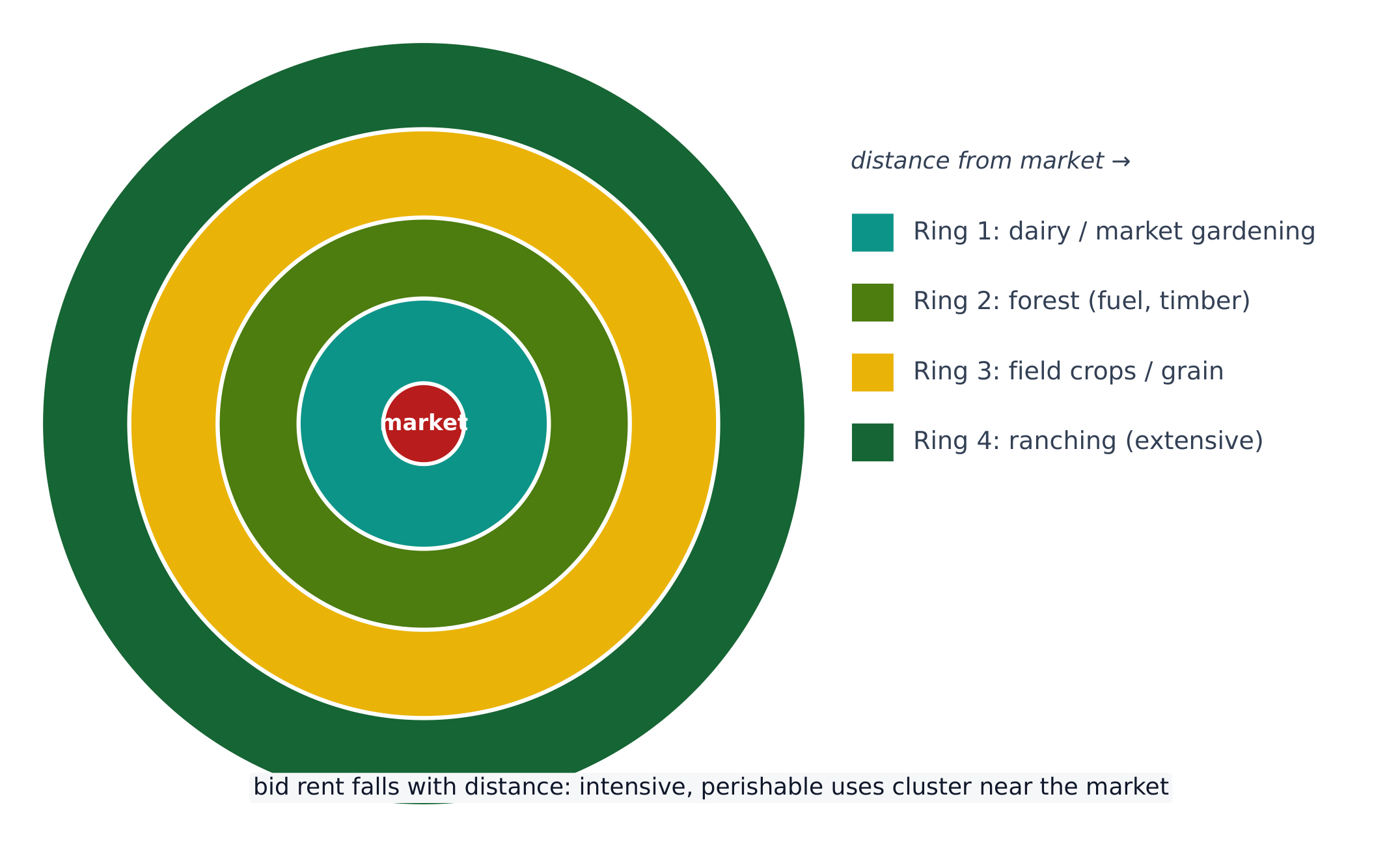
โมเดล von Thünen (1826) อธิบายว่าเกษตรกรปลูกอะไร ที่ไหน, โดยอิงจาก ค่าขนส่ง และ ระยะห่างจากตลาด

โมเดล von Thünen: การใช้ที่ดินสร้างวงแหวนรอบตลาดกลาง
สินค้าที่เน่าเสียง่าย น้ำหนักมาก หรือใช้แรงงานหนาแน่นจะตั้งอยู่ใกล้ตลาด; การใช้ที่ดินแบบกระจายตัวจะตั้งอยู่ห่างออกไป
  • ตรงกลางคือ ตลาด (เมือง) รอบๆ มีการจัดสรรการใช้ที่ดินเป็น วงกลมซ้อนกัน
  • วงกลมที่ 1 — การทำสวนผักและฟาร์มปศุสัตว์ (สินค้าเน่าเสียง่าย ต้องอยู่ใกล้ตลาด)
  • วงกลมที่ 2 — ป่าไม้ (ไม้ฟืนที่มีน้ำหนักมาก ค่าขนส่งสูง ในยุคนั้น)
  • วงกลมที่ 3 — พืชไร่และพืชธัญพืช (เน่าเสียยากกว่า)
  • วงกลมที่ 4 — การทำฟาร์มปศุสัตว์แบบเปิดโล่ง (ใช้พื้นที่กว้าง ค่าผลผลิตต่อเฮกตาร์ต่ำ สามารถอยู่ห่างไกลได้)

โมเดลนี้สมมติว่าพื้นราบเรียบสม่ำเสมอและมีตลาดเพียงแห่งเดียว ในความเป็นจริงภูมิภาคต่างๆ จะทำให้วงกลมบิดเบี้ยวไปเนื่องจากถนน แม่น้ำ ภูมิประเทศ และระบบทำความเย็น แต่แนวคิดหลักที่ว่า ค่าขนส่งกำหนดการใช้ที่ดิน ยังคงเป็นจริง

5.9

The Global System of Agriculture · ⁨ระบบเกษตรกรรมระดับโลก⁩

Syllabus · ⁨หลักสูตร⁩
English

Enduring Understanding (PSO-5): Availability of resources and cultural practices influence agricultural practices and land use patterns.

Learning Objective PSO-5.E: Explain the interdependence among regions of agricultural production and consumption.

  • PSO-5.E.1 Food and other agricultural products are part of a global supply chain.
  • PSO-5.E.2 Some countries have become highly dependent on one or more export commodities.
  • PSO-5.E.3 The main elements of global food distribution networks are affected by political relationships, infrastructure, and patterns of world trade.
ไทย

ความเข้าใจที่ยั่งยืน (PSO-5): ความพร้อมของทรัพยากรและแนวปฏิบัติทางวัฒนธรรมมีอิทธิพลต่อแนวทางการเกษตรและรูปแบบการใช้ที่ดิน

จุดประสงค์การเรียนรู้ PSO-5.E: อธิบายความสัมพันธ์ salingพึ่งพาระหว่างเขตการผลิตและการบริโภคทางการเกษตร

  • PSO-5.E.1 อาหารและผลิตภัณฑ์ทางการเกษตรอื่นๆ เป็นส่วนหนึ่งของโซ่อุปทานระดับโลก
  • PSO-5.E.2 บางประเทศได้กลายเป็นพึ่งพาสินค้าส่งออกชนิดหนึ่งหรือหลายชนิดอย่างมาก
  • PSO-5.E.3 องค์ประกอบหลักของเครือข่ายการจัดจำหน่ายอาหารระดับโลกได้รับผลกระทบจากความสัมพันธ์ทางการเมือง, زیر structure และรูปแบบการค้าโลก

Source: College Board AP Course and Exam Description · ⁨แหล่งที่มา: คำอธิบายหลักสูตรและข้อสอบ College Board AP⁩

English

Modern farming is a global supply chain 全球供应链.

  • Agribusiness 农业综合企业 links farms to seed, machinery, processing, and retail companies.
  • Many countries specialise in a few export commodities 出口商品 (coffee, cocoa, soy), which can make them dependent on world prices.
  • Fair trade 公平贸易 and local-food movements are responses to the inequalities of this global system.
ไทย

การเกษตรสมัยใหม่เป็น ห่วงโซ่อุปทานระดับโลก

  • ธุรกิจเกษตร เชื่อมโยงฟาร์มกับบริษัทเมล็ดพันธุ์, เครื่องจักร, ประมวลผล, และขายปลีก
  • หลายประเทศเชี่ยวชาญในสินค้าเกษตรสำหรับส่งออกจำนวนจำกัด (กาแฟ, โกโก้, ถั่วเหลือง) ซึ่งอาจทำให้ประเทศเหล่านั้นขึ้นอยู่กับราคาโลก
  • การค้าที่เป็นธรรมและการเคลื่อนไหวของอาหารท้องถิ่นเป็นการตอบสนองต่อความไม่เท่าเทียมกันในระบบระดับโลกนี้
5.10 5.11

Consequences and Challenges of Agriculture · ⁨ผลกระทบและความท้าทายทางการเกษตร⁩

Syllabus · ⁨หลักสูตร⁩
English

Enduring Understanding (IMP-5): Agricultural production and consumption patterns vary in different locations, presenting different environmental, social, economic, and cultural opportunities and challenges.

Learning Objective IMP-5.A: Explain how agricultural practices have environmental and societal consequences.

  • IMP-5.A.1 Environmental effects of agricultural land use include pollution, land cover change, desertification, soil salinization, and conservation efforts.
  • IMP-5.A.2 Agricultural practices—including slash and burn, terraces, irrigation, deforestation, draining wetlands, shifting cultivation, and pastoral nomadism—alter the landscape.
  • IMP-5.A.3 Societal effects of agricultural practices include changing diets, role of women in agricultural production, and economic purpose.
ไทย

ความเข้าใจที่ยั่งยืน (IMP-5): รูปแบบการผลิตและการบริโภคอาหารแตกต่างกันไปในแต่ละสถานที่ นำเสนอโอกาสและความท้าทายด้านสิ่งแวดล้อม สังคม เศรษฐกิจ และวัฒนธรรมที่แตกต่างกัน

จุดประสงค์การเรียนรู้ IMP-5.A: อธิบายว่าแนวทางการเกษตรกรรมมีผลกระทบทางสิ่งแวดล้อมและสังคมอย่างไร

  • IMP-5.A.1 ผลกระทบทางสิ่งแวดล้อมของการใช้ที่ดินทางการเกษตรรวมถึง มลพิษ, การเปลี่ยนแปลงการปกคลุมดิน, ภาวะทะเลทราย, การเค็มของดิน และความพยายามอนุรักษ์
  • IMP-5.A.2 แนวทางการทำนา—including slash and burn, terraces, irrigation, deforestation, draining wetlands, shifting cultivation และ pastoral nomadism—เปลี่ยน landscape
  • IMP-5.A.3 ผลกระทบทางสังคมของแนวทางการทำนารวมถึง การเปลี่ยนแปลง饮食习惯, บทบาทของผู้หญิงในการผลิตทางการเกษตร และวัตถุประสงค์ทางเศรษฐกิจ
English

Enduring Understanding (IMP-5): Agricultural production and consumption patterns vary in different locations, presenting different environmental, social, economic, and cultural opportunities and challenges.

Learning Objective IMP-5.B: Explain challenges and debates related to the changing nature of contemporary agriculture and food-production practices.

  • IMP-5.B.1 Agricultural innovations such as biotechnology, genetically modified organisms, and aquaculture have been accompanied by debates over sustainability, soil and water usage, reductions in biodiversity, and extensive fertilizer and pesticide use.
  • IMP-5.B.2 Patterns of food production and consumption are influenced by movements relating to individual food choice, such as urban farming, community-supported agriculture (CSA), organic farming, value-added specialty crops, fair trade, local-food movements, and dietary shifts.
  • IMP-5.B.3 Challenges of feeding a global population include lack of food access, as in cases of food insecurity and food deserts; problems with distribution systems; adverse weather; and land use lost to suburbanization.
  • IMP-5.B.4 The location of food-processing facilities and markets, economies of scale, distribution systems, and government policies all have economic effects on food-production practices.
ไทย

ความเข้าใจที่ยั่งยืน (IMP-5): รูปแบบการผลิตและการบริโภคอาหารแตกต่างกันไปในแต่ละสถานที่ นำเสนอโอกาสและความท้าทายด้านสิ่งแวดล้อม สังคม เศรษฐกิจ และวัฒนธรรมที่แตกต่างกัน

จุดประสงค์การเรียนรู้ IMP-5.B: อธิบายความท้าทายและข้อถกเถียงที่เกี่ยวข้องกับการเปลี่ยนแปลงnature ของการเกษตรสมัยใหม่และแนวทางการผลิตอาหาร

  • IMP-5.B.1 นวัตกรรมทางการเกษตรเช่น biotechnology,转基因 organisms และ aquaculture ได้มาพร้อมกับข้อถกเถียงเรื่องความยั่งยืน, การใช้ที่ดินและน้ำ, การลดลงของความหลากหลายทางชีวภาพ และการใช้ปุ๋ยและสารกำจัดศัตรูพืชอย่างกว้างขวาง
  • IMP-5.B.2 รูปแบบการผลิตและการบริโภคอาหารได้รับอิทธิพลจากการเคลื่อนย้ายที่เกี่ยวข้องกับการเลือกอาหารส่วนบุคคล เช่น การทำเกษตรในเขตเมือง, เกษตรที่สนับสนุนโดยชุมชน (CSA), การทำเกษตรอินทรีย์, พืชผลเฉพาะที่มีมูลค่าเพิ่ม, การค้าที่เป็นธรรม, การเคลื่อนไหวของอาหารท้องถิ่น และการเปลี่ยนแปลงการรับประทานอาหาร
  • IMP-5.B.3 ความท้าทายในการเลี้ยงประชากรโลกรวมถึงการขาดแคลนการเข้าถึงอาหาร เช่น ในกรณีของความไม่มั่นคงด้านอาหารและพื้นที่ไร้สารอาหาร; ปัญหาในระบบจัดจำหน่าย; สภาพอากาศที่รุนแรง; และการสูญเสียที่ดินไปกับการขยายตัวของชานเมือง
  • IMP-5.B.4 สถานที่ตั้งของโรงงานแปรรูปอาหารและตลาด, เศรษฐกิจตามขนาด, ระบบจัดจำหน่าย และนโยบายของรัฐบาล ล้วนมีผลกระทบทางเศรษฐกิจต่อแนวทางการผลิตอาหาร

Source: College Board AP Course and Exam Description · ⁨แหล่งที่มา: คำอธิบายหลักสูตรและข้อสอบ College Board AP⁩

English

Modern agriculture feeds billions but creates problems:

  • Environmental: soil erosion, water pollution from fertiliser, loss of biodiversity, desertification 荒漠化, and greenhouse-gas emissions.
  • Economic and social: the loss of small family farms, rural depopulation, and questions about food security 粮食安全 and GMOs 转基因生物.
  • Land use change: suburbanisation and urban growth eat into farmland at the edge of cities.
ไทย

การเกษตรสมัยใหม่เลี้ยงดูประชากรนับพันล้านคนแต่ก็สร้างปัญหา:

  • ด้านสิ่งแวดล้อม: การกัดเซาะดิน มลพิษทางน้ำจากปุ๋ย ความหลากหลายทางชีวภาพลดลง การแปรสภาพเป็นทะเลทราย และการปล่อยก๊าซเรือนกระจก
  • ด้านเศรษฐกิจและสังคม: การสูญเสียฟาร์มครอบครัวขนาดเล็ก การลดทอนประชากรในพื้นที่ชนบท และคำถามเกี่ยวกับ ความปลอดภัยทางอาหาร และ จีเอ็มโอ
  • การเปลี่ยนแปลงการใช้ที่ดิน: การขยายตัวของชุมชนชายเมืองและการเติบโตของเมืองกินพื้นที่เกษตรกรรมบริเวณขอบเมือง
การเกษตรเชิงพาณิชย์แบบเข้มข้น: การปลูกพืชชนิดเดียวเพิ่มผลผลิตแต่สามารถทำลายคุณภาพดินและความหลากหลายทางชีวภาพ
5.12

Women in Agriculture · ⁨ผู้หญิงในการเกษตร⁩

Syllabus · ⁨หลักสูตร⁩
English

Enduring Understanding (IMP-5): Agricultural production and consumption patterns vary in different locations, presenting different environmental, social, economic, and cultural opportunities and challenges.

Learning Objective IMP-5.C: Explain geographic variations in female roles in food production and consumption.

  • IMP-5.C.1 The role of females in food production, distribution, and consumption varies in many places depending on the type of production involved.
ไทย

ความเข้าใจที่ยั่งยืน (IMP-5): รูปแบบการผลิตและการบริโภคอาหารแตกต่างกันไปในแต่ละสถานที่ นำเสนอโอกาสและความท้าทายด้านสิ่งแวดล้อม สังคม เศรษฐกิจ และวัฒนธรรมที่แตกต่างกัน

จุดประสงค์การเรียนรู้ IMP-5.C: อธิบายความแตกต่างทางภูมิศาสตร์ของบทบาทของผู้หญิงในการผลิตและการบริโภคอาหาร

  • IMP-5.C.1 บทบาทของผู้หญิงในการผลิต การกระจาย และการบริโภคอาหารแตกต่างกันไปในหลายสถานที่ ขึ้นอยู่กับประเภทของการผลิตที่เกี่ยวข้อง

Source: College Board AP Course and Exam Description · ⁨แหล่งที่มา: คำอธิบายหลักสูตรและข้อสอบ College Board AP⁩

English

In much of the developing world, women do the majority of farm labour, especially in subsistence agriculture, yet often own little of the land. Their role is central to family food supply. Improving women's access to land, credit, and education raises farm output and, by lowering fertility, links back to the demographic transition.

ไทย

ในหลายส่วนของโลกกำลังพัฒนา ผู้หญิง ทำแรงงานเกษตรส่วนใหญ่ โดยเฉพาะในการเกษตรเพื่อเลี้ยงชีพ แต่มักไม่มีที่ดินเป็นของตนเอง บทบาท theirs central ต่อการจัดหาอาหารของครอบครัว การปรับปรุง women's access ต่อที่ดิน เงินกู้ และการศึกษา จะเพิ่ม output ของฟาร์ม และ通过对การลด fertility เชื่อมโยงกลับ إلى demographic transition

5.12

Exam tips · ⁨ข้อแนะนำสำหรับการสอบ⁩

English
  • Classify farming on two axes at once: subsistence or commercial, and intensive or extensive.
  • Drive every Von Thünen answer with transport cost and the perishability of the product.
  • Weigh the Green Revolution: higher yields against costly inputs, environmental harm, and uneven reach.
  • Name the survey system (long-lot, township-and-range, metes-and-bounds) from the field shape.
  • Connect farming to its consequences: soil degradation, water pollution, and deforestation.
ไทย
  • จัดประเภทการเกษตรตามสองแกนพร้อมกัน: การเกษตรเพื่อบริโภค หรือ การเกษตรเชิงพาณิชย์, และ แบบเข้มข้น หรือ แบบกระจายตัว
  • ใช้ทุกคำตอบของ Von Thünen โดยอ้างอิงถึง ค่าขนส่ง และความเน่าเสียของผลิตภัณฑ์
  • พิจารณา ปฏิวัติสีเขียว: ผลผลิตที่สูงขึ้น เทียบกับต้นทุนการผลิตที่สูง มลพิษต่อสิ่งแวดล้อม และการเข้าถึงที่ไม่เท่าเทียม
  • ชื่อบรรทัดฐานการสำรวจ (long-lot, township-and-range, metes-and-bounds) จากลักษณะรูปทรงของแปลงนา
  • เชื่อมโยงการเกษตรกับผลกระทบ: การเสื่อมโทรมของดิน, มลพิษทาง น้ำ, และการ ตัดไม้ทำลายป่า

Interactive lessons on this topic · ⁨บทเรียนเชิงโต้ตอบสำหรับหัวข้อนี้⁩

Work through it step by step, with instant-check exercises. · ⁨ทำทีละขั้นตอน พร้อมแบบฝึกหัดตรวจสอบผลทันที⁩

Past Papers · ⁨ข้อสอบย้อนหลัง⁩

More topics in AP Human Geography · ⁨AP ภูมิศาสตร์มนุษย์⁩ · ⁨หัวข้อเพิ่มเติมใน AP Human Geography · ⁨AP ภูมิศาสตร์มนุษย์⁩⁩

Log in or create account · ⁨เข้าสู่ระบบหรือสร้างบัญชี⁩

IGCSE, A-Level & AP