Skip to content · ⁨ข้ามไปยังเนื้อหา⁩

The Living World: Biodiversity · ⁨โลกมีชีวิต: ความหลากหลายทางชีวภาพ⁩

AP Environmental Science · Topic 2 · ⁨หัวข้อ 2⁩

Video lesson for this topic · ⁨บทเรียนวิดีโอสำหรับหัวข้อนี้⁩ Open the video page · ⁨เปิดหน้าวิดีโอ⁩
7:58

โลกมีชีวิต: ความหลากหลายทางชีวภาพ

ภูเขาไฟดันเกาะใหม่ขึ้นมาเหนือทะเล ban đầu ไม่มีอะไรบนนั้น — หินเปล่า ไม่มีดิน ไม่มีชีวิตเลย สี่สิบห้าปีต่อมา มันเขียวชอุ่ม ดังนั้นวิธี...

English narration · English + 中文 subtitles burned in · ⁨การบรรยายภาษาอังกฤษ · คำบรรยายภาษาอังกฤษ + 中文 ลอยตัวบนภาพ⁩

2.1

Introduction to Biodiversity · ⁨บทนำเรื่องความหลากหลายทางชีวภาพ⁩

Syllabus · ⁨หลักสูตร⁩
English

Enduring Understanding (ERT-2): Ecosystems have structure and diversity that change over time.

Learning Objective ERT-2.A: Explain levels of biodiversity and their importance to ecosystems.

  • ERT-2.A.1 Biodiversity in an ecosystem includes genetic, species, and habitat diversity.
  • ERT-2.A.2 The more genetically diverse a population is, the better it can respond to environmental stressors. Additionally, a population bottleneck can lead to a loss of genetic diversity.
  • ERT-2.A.3 Ecosystems that have a larger number of species are more likely to recover from disruptions.
  • ERT-2.A.4 Loss of habitat leads to a loss of specialist species, followed by a loss of generalist species. It also leads to reduced numbers of species that have large territorial requirements.
  • ERT-2.A.5 Species richness refers to the number of different species found in an ecosystem.
ไทย

ความเข้าใจที่ยั่งยืน (ERT-2): ระบบนิเวศมีโครงสร้างและความหลากหลายที่เปลี่ยนแปลงไปตามเวลา

วัตถุประสงค์การเรียนรู้ ERT-2.A: อธิบายระดับของความหลากหลายทางชีวภาพและความสำคัญต่อระบบนิเวศ

  • ERT-2.A.1 ความหลากหลายทางชีวภาพในระบบนิเวศรวมถึงความหลากหลายด้านพันธุกรรม ชนิดพันธุ์ และถิ่นที่อยู่
  • ERT-2.A.2 ประชากรที่มีความหลากหลายทางพันธุกรรมมากยิ่งสามารถตอบสนองต่อแรงกดดันจากสิ่งแวดล้อมได้ดีขึ้น นอกจากนี้ การเกิด瓶颈ประชากรอาจนำไปสู่การสูญเสียความหลากหลายทางพันธุกรรม
  • ERT-2.A.3 ระบบนิเวศที่มีจำนวนชนิดพันธุ์มากขึ้นจะมีโอกาสฟื้นตัวจากความรบกวนได้ง่ายกว่า
  • ERT-2.A.4 การสูญเสียถิ่นที่อยู่นำไปสู่การสูญเสียชนิดพันธุ์เฉพาะทาง ตามด้วยการสูญเสียชนิดพันธุ์ทั่วไป它还导致拥有大领域需求的物种数量减少
  • ERT-2.A.5 ความอุดมสมบูรณ์ของชนิดพันธุ์หมายถึงจำนวนชนิดพันธุ์ที่แตกต่างกันที่พบในระบบนิเวศ
Source: College Board AP Course and Exam Description · ⁨แหล่งที่มา: คำอธิบายหลักสูตรและข้อสอบ College Board AP⁩

English

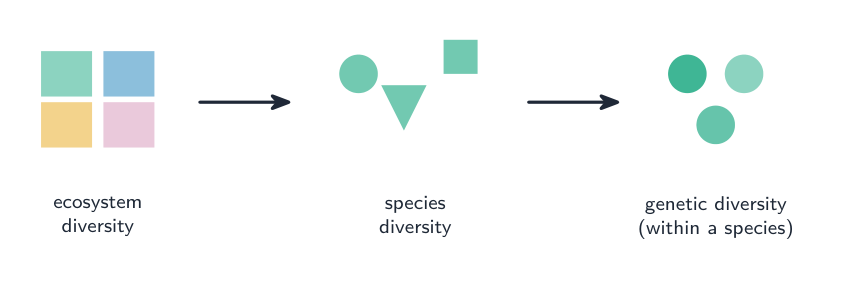
Biodiversity 生物多样性 is the variety of life, measured at three levels:

  • Genetic diversity – variety of genes within a species. More genetic variety means a population can better respond to environmental stressors 环境压力; a population bottleneck 种群瓶颈 (a sharp drop in numbers) throws that variety away and leaves the survivors vulnerable.
  • Species diversity – the number of species (species richness 物种丰富度) and how evenly individuals are spread among them.
  • Habitat diversity – the variety of habitats in a region.

More species-rich ecosystems are more resilient 有韧性的: they recover from disruption more readily, because varied species can fill roles when conditions change. Habitat loss removes species in a predictable order – specialist 特化 species (narrow needs) go first, then the hardier generalist 广适性 species, and species that need large territories decline as their range shrinks.

ไทย

ความหลากหลายทางชีวภาพ คือความหลากหลายของสิ่งมีชีวิต ซึ่งวัดได้สามระดับ:

  • ความหลากหลายทางพันธุกรรม – ความหลากหลายของยีน ภายใน สปีชีส์หนึ่ง ความหลากหลายทางพันธุกรรมที่มากขึ้นช่วยให้ประชากรตอบสนองต่อ ปัจจัยความเครียดจากสิ่งแวดล้อม ได้ดียิ่งขึ้น; แต่ปรากฏการณ์ คอขวดของประชากร (การลดลงของจำนวนอย่างรวดเร็ว) จะทำให้ความหลากหลายนี้หายไป และทำให้ผู้รอดชีวิตมีความเสี่ยงมากขึ้น
  • ความหลากหลายทางสปีชีส์ – จำนวนของสปีชีส์ (ความอุดมสมบูรณ์ของสปีชีส์) และการกระจายตัวของบุคคลอย่างสม่ำเสมอในระหว่างสปีชีส์เหล่านั้น
  • ความหลากหลายของแหล่งที่อยู่อาศัย – ความหลากหลายของแหล่งที่อยู่อาศัยในพื้นที่หนึ่งๆ

ระบบนิเวศที่มีความอุดมสมบูรณ์ของสปีชีส์สูงจะมีความ ยืดหยุ่น มากขึ้น: สามารถฟื้นตัวจากความรบกวนได้ง่ายกว่า เนื่องจากสปีชีส์ที่หลากหลายสามารถเข้ามาเติมเต็มบทบาทเมื่อสภาพแวดล้อมเปลี่ยนแปลง การสูญเสียแหล่งที่อยู่อาศัยจะทำให้สปีชีส์สูญพันธุ์ตามลำดับที่คาดเดาได้ – สปีชีส์ จำเพาะ (มีความต้องการเฉพาะเจาะจง) จะหายไปก่อน ตามด้วยสปีชีส์ ทั่วไป ที่ทนทานกว่า และสปีชีส์ที่ต้องการพื้นที่กว้างขวางจะลดจำนวนลงเมื่อขอบเขตการกระจายตัวหดตัวลง

ความหลากหลายทางชีวภาพมีสามระดับ: ทางพันธุกรรม ทางสปีชีส์ และแหล่งที่อยู่อาศัย
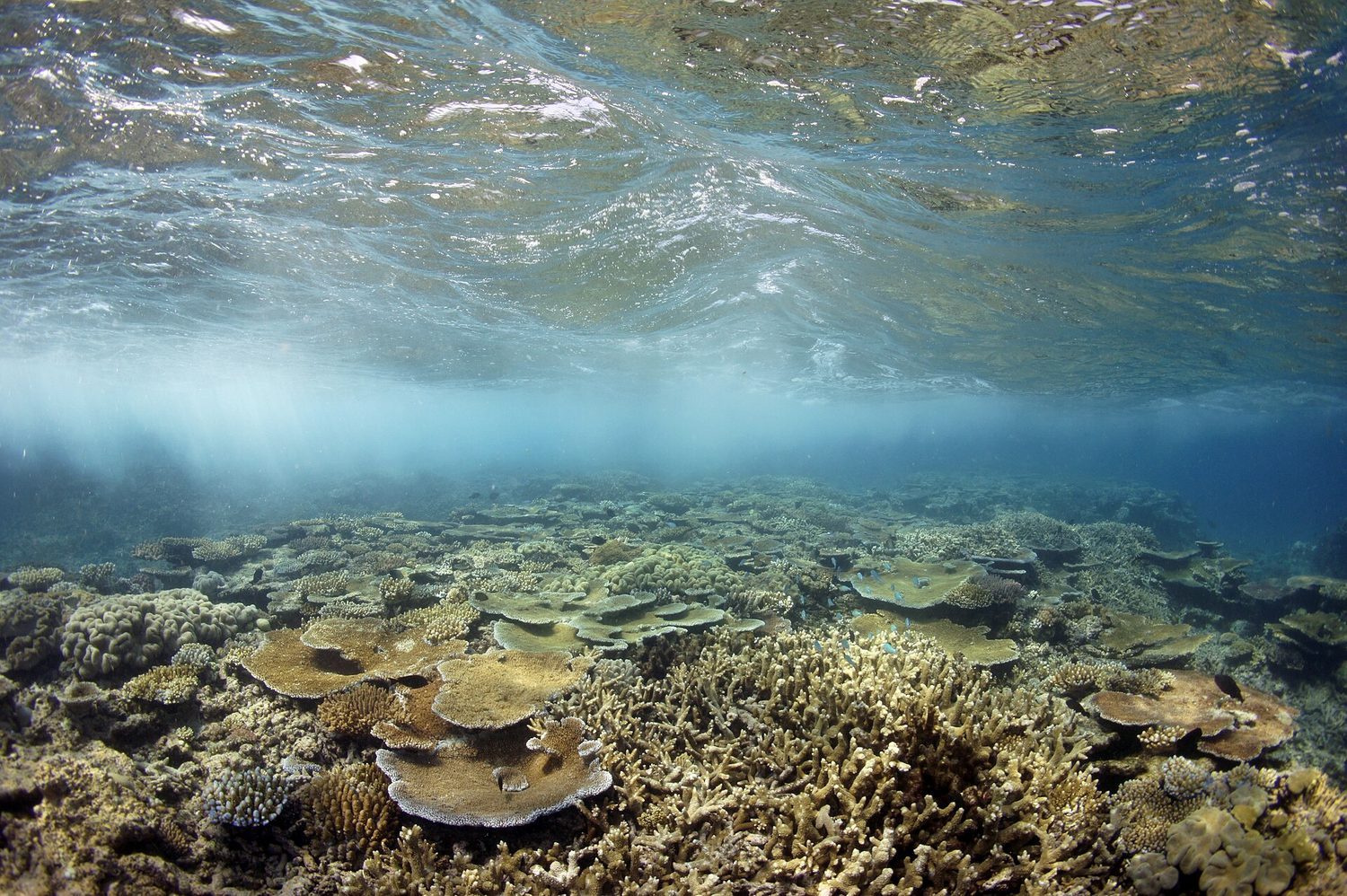
A coral reef: high biodiversity concentrates species and ecosystem services in a small area
แนวปะการัง: ความหลากหลายทางชีวภาพสูงรวมสปีชีส์และบริการระบบนิเวศไว้ในพื้นที่เล็ก
Vocabulary · ⁨คำศัพท์⁩ Train · ⁨ฝึกฝน⁩
English ไทย
Biodiversity/ˌbaɪəʊdaɪˈvɜːsɪti/ ความหลากหลายทางชีวภาพ
environmental stressors/enˌvaɪrənˈmentl ˈstresəz/ ตัวกระตุ้นความเครียดจากสิ่งแวดล้อม
population bottleneck/ˌpɒpjʊˈleɪʃn ˈbɒtəlnek/ ขวดคอประชากร
species richness/ˈspiːsiːz ˈrɪtʃnəs/ ความหลากหลายของชนิดพันธุ์ (species richness)
resilient/rɪˈsɪlɪənt/ ยืดหยุ่น (resilient)
Ecosystem services/ˈiːkəʊsɪstəm ˈsɜːvɪsɪz/ บริการระบบนิเวศ
2.2

Ecosystem Services · ⁨บริการระบบนิเวศ⁩

Syllabus · ⁨หลักสูตร⁩
English

Enduring Understanding (ERT-2): Ecosystems have structure and diversity that change over time.

Learning Objective ERT-2.B: Describe ecosystem services.

  • ERT-2.B.1 There are four categories of ecosystem services: provisioning, regulating, cultural, and supporting.

Learning Objective ERT-2.C: Describe the results of human disruptions to ecosystem services.

  • ERT-2.C.1 Anthropogenic activities can disrupt ecosystem services, potentially resulting in economic and ecological consequences.
ไทย

ความเข้าใจที่ยั่งยืน (ERT-2): ระบบนิเวศมีโครงสร้างและความหลากหลายที่เปลี่ยนแปลงไปตามเวลา

วัตถุประสงค์การเรียนรู้ ERT-2.B: อธิบายบริการของระบบนิเวศ

  • ERT-2.B.1 มีสี่ประเภทของบริการระบบนิเวศ: การจัดหา การควบคุม วัฒนธรรม และการสนับสนุน

วัตถุประสงค์การเรียนรู้ ERT-2.C: อธิบายผลลัพธ์จากการรบกวนของมนุษย์ต่อบริการของระบบนิเวศ

  • ERT-2.C.1 กิจกรรมของมนุษย์สามารถรบกวนบริการของระบบนิเวศ ซึ่งอาจนำไปสู่ผลกระทบทางเศรษฐกิจและเชิงนิเวศวิทยา

Source: College Board AP Course and Exam Description · ⁨แหล่งที่มา: คำอธิบายหลักสูตรและข้อสอบ College Board AP⁩

English

Ecosystem services 生态系统服务 are the free benefits nature gives people, in four categories:

  • Provisioning – products: food, fresh water, timber, fibre.
  • Regulating – processes that keep conditions stable: climate regulation, water filtration, pollination, flood control.
  • Cultural – non-material value: recreation, beauty, spiritual and educational value.
  • Supporting – the services that make the others possible: nutrient cycling, soil formation, photosynthesis.

Anthropogenic 人为的 (human-caused) activities can disrupt these services, with real economic and ecological costs – for example, losing pollinators forces farmers to pay for pollination that bees once did for free.

ไทย

บริการระบบนิเวศ คือประโยชน์ที่ธรรมชาติมอบให้มนุษย์โดยไม่มีค่าแบ่งเป็นสี่ประเภท:

  • การให้บริการ – ผลิตภัณฑ์: อาหาร น้ำจืด ไม้ไผ่ ใยพืช
  • การควบคุม – กระบวนการที่รักษาสมดุลของสภาพแวดล้อม: การควบคุมภูมิอากาศ การกรองน้ำ การผสมเกสร การป้องกันน้ำท่วม
  • ทางวัฒนธรรม – ค่าที่ไม่ใช่ตัวตน: การพักผ่อน ความสวยงาม คุณค่าทางจิตวิญญาณและการศึกษา
  • การสนับสนุน – บริการที่ทำให้บริการอื่นๆ เป็นไปได้: การหมุนเวียนสารอาหาร การสร้างดิน การสังเคราะห์แสง

กิจกรรมที่ มนุษย์สร้างขึ้น (Anthropogenic) สามารถรบกวนบริการเหล่านี้ได้ พร้อมค่าใช้จ่ายทั้งด้านเศรษฐกิจและเชิงนิเวศจริง – เช่น การสูญเสียสัตว์ผสมเกสร ทำให้เกษตรกรต้องจ่ายเงินเพื่อแลกกับการผสมเกสรที่ผึ้งเคยทำฟรี

Vocabulary · ⁨คำศัพท์⁩ Train · ⁨ฝึกฝน⁩
English ไทย
Anthropogenic/ˌænθrəpəˈdʒenɪk/ เกิดจากมนุษย์
2.3

Island Biogeography · ⁨ชีวภูมิศาสตร์เกาะ⁩

Syllabus · ⁨หลักสูตร⁩
English

Enduring Understanding (ERT-2): Ecosystems have structure and diversity that change over time.

Learning Objective ERT-2.D: Describe island biogeography.

  • ERT-2.D.1 Island biogeography is the study of the ecological relationships and distribution of organisms on islands, and of these organisms' community structures.
  • ERT-2.D.2 Islands have been colonized in the past by new species arriving from elsewhere.

Learning Objective ERT-2.E: Describe the role of island biogeography in evolution.

  • ERT-2.E.1 Many island species have evolved to be specialists versus generalists because of the limited resources, such as food and territory, on most islands. The long-term survival of specialists may be jeopardized if and when invasive species, typically generalists, are introduced and outcompete the specialists.
ไทย

ความเข้าใจที่ยั่งยืน (ERT-2): ระบบนิเวศมีโครงสร้างและความหลากหลายที่เปลี่ยนแปลงไปตามเวลา

วัตถุประสงค์การเรียนรู้ ERT-2.D: อธิบายชีวภูมิศาสตร์เกาะ

  • ERT-2.D.1 ชีวภูมิศาสตร์เกาะคือการศึกษาความสัมพันธ์ทางนิเวศวิทยาและการกระจายของสิ่งมีชีวิตบนเกาะ รวมถึงโครงสร้างชุมชนของสิ่งมีชีวิตเหล่านี้
  • ERT-2.D.2 เกาะเคยถูกพิชิตโดยชนิดพันธุ์ใหม่จากที่อื่นในอดีต

วัตถุประสงค์การเรียนรู้ ERT-2.E: อธิบายบทบาทของชีวภูมิศาสตร์เกาะในการวิวัฒนาการ

  • ERT-2.E.1 Species on many islands have evolved to be specialists versus generalists because of limited resources such as food and territory. The long-term survival of specialists may be jeopardized if invasive species, typically generalists, are introduced and outcompete the specialists.

Source: College Board AP Course and Exam Description · ⁨แหล่งที่มา: คำอธิบายหลักสูตรและข้อสอบ College Board AP⁩

English
Island biogeography

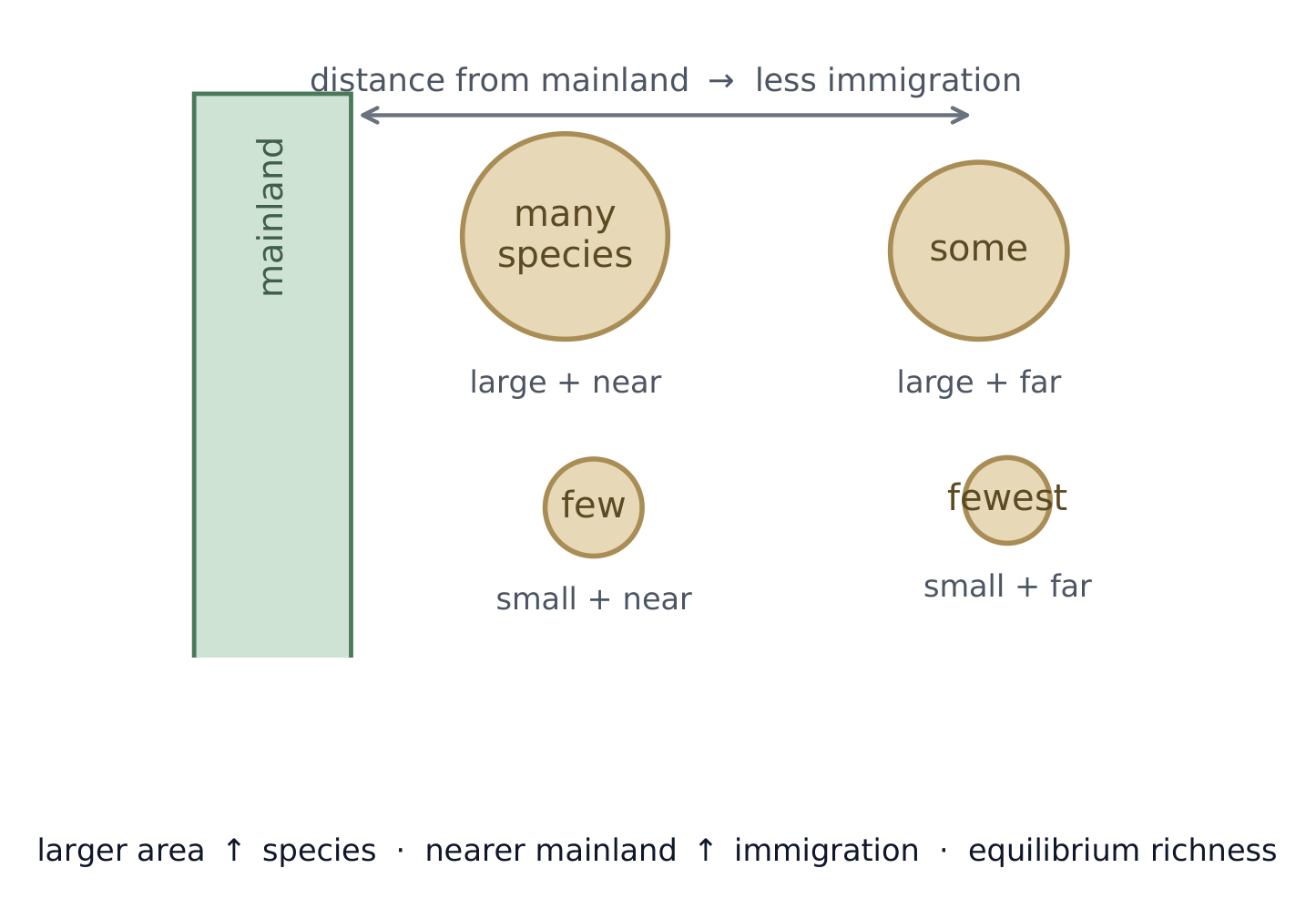
Island biogeography 岛屿生物地理学 studies how many species an island (or any isolated habitat patch) holds. The number settles at a balance between two rates:

  • Immigration of new species – higher for islands closer to the mainland.
  • Extinction of resident species – lower on larger islands.

So big, near islands hold the most species; small, remote ones the fewest. Isolation also drives evolution: island species often become specialists because resources are limited, and many are endemic 特有 – found nowhere else. That makes them fragile. When an invasive species 入侵物种 (usually a tough generalist) arrives, it can outcompete the specialists, which have nowhere else to go.

ไทย
ชีวภูมิศาสตร์เกาะ

ชีวภูมิศาสตร์เกาะ ศึกษาจำนวนสปีชีส์ที่เกาะ (หรือแผ่นแหล่งที่อยู่อาศัยที่แยกออกจากกันใดๆ) รองรับ จำนวนนี้/settle ที่จุดสมดุลระหว่างสองอัตรา:

  • การอพยพเข้า ของสปีชีส์ใหม่ – สูงกว่าสำหรับเกาะที่ อยู่ใกล้ กับแผ่นดินใหญ่
  • การสูญพันธุ์ ของสปีชีส์ประจำถิ่น – ต่ำกว่าในเกาะที่มี ขนาดใหญ่

ดังนั้น เกาะที่ใหญ่และอยู่ใกล้จึงมีสปีชีส์มากที่สุด; เกาะเล็กและห่างไกลมีน้อยที่สุด ความเป็นเอกเทศยังขับเคลื่อนการวิวัฒนาการ: สปีชีส์บนเกาะมักกลายเป็นสปีชีส์ จำเพาะ เนื่องจากทรัพยากรมีจำกัด และหลายชนิดเป็น สปีชีส์พื้นเมือง – พบได้เฉพาะในที่นั้นเท่านั้น สิ่งนี้ทำให้พวกมันเปราะบาง เมื่อ สปีชีส์รุกราน (มักเป็นสปีชีส์ทั่วไปที่ทนทาน) เข้ามา มันสามารถแข่งขันกับสปีชีส์จำเพาะจนชนะ ซึ่งสปีชีส์จำเพาะไม่มีที่อื่นไป

Larger and nearer islands hold more species, balancing immigration against extinction
เกาะที่ใหญ่และอยู่ใกล้รองรับสปีชีส์มากกว่า โดยสมดุลระหว่างการอพยพเข้ากับการสูญพันธุ์
Vocabulary · ⁨คำศัพท์⁩ Train · ⁨ฝึกฝน⁩
English ไทย
Island biogeography/ˈaɪlənd ˌbaɪəʊdʒɪˈɒɡrəfi/ ชีวภูมิศาสตร์เกาะ
endemic/enˈdemɪk/ เฉพาะถิ่น
invasive species/ɪnˈveɪsɪv ˈspiːsiːz/ ชนิดพันธุ์รุกราน
range of tolerance/reɪndʒ ɒv ˈtɒlərəns/ ช่วงความทนทาน
migration/maɪˈɡreɪʃn/ การย้ายถิ่น
adaptation/ˌædæpˈteɪʃn/ การปรับตัว
natural selection/ˈnætʃərəl sɪˈlekʃn/ การคัดเลือกโดยธรรมชาติ
2.4

Ecological Tolerance · ⁨ขอบเขตความทนทานทางนิเวศวิทยา⁩

Syllabus · ⁨หลักสูตร⁩
English

Enduring Understanding (ERT-2): Ecosystems have structure and diversity that change over time.

Learning Objective ERT-2.F: Describe ecological tolerance.

  • ERT-2.F.1 Ecological tolerance refers to the range of conditions, such as temperature, salinity, flow rate, and sunlight that an organism can endure before injury or death results.
  • ERT-2.F.2 Ecological tolerance can apply to individuals and to species.
ไทย

ความเข้าใจที่ยั่งยืน (ERT-2): ระบบนิเวศมีโครงสร้างและความหลากหลายที่เปลี่ยนแปลงไปตามเวลา

วัตถุประสงค์การเรียนรู้ ERT-2.F: อธิบายขอบเขตความทนทานทางนิเวศวิทยา

  • ERT-2.F.1 ขอบเขตความทนทานทางนิเวศวิทยาหมายถึงช่วงของสภาวะต่างๆ เช่น อุณหภูมิ ความเค็ม อัตราการไหล และแสงแดด ที่สิ่งมีชีวิตสามารถทนได้ก่อน会发生บาดเจ็บหรือตาย
  • ERT-2.F.2 ขอบเขตความทนทานทางนิเวศวิทยาสามารถใช้กับทั้งบุคคลและชนิดพันธุ์

Source: College Board AP Course and Exam Description · ⁨แหล่งที่มา: คำอธิบายหลักสูตรและข้อสอบ College Board AP⁩

English

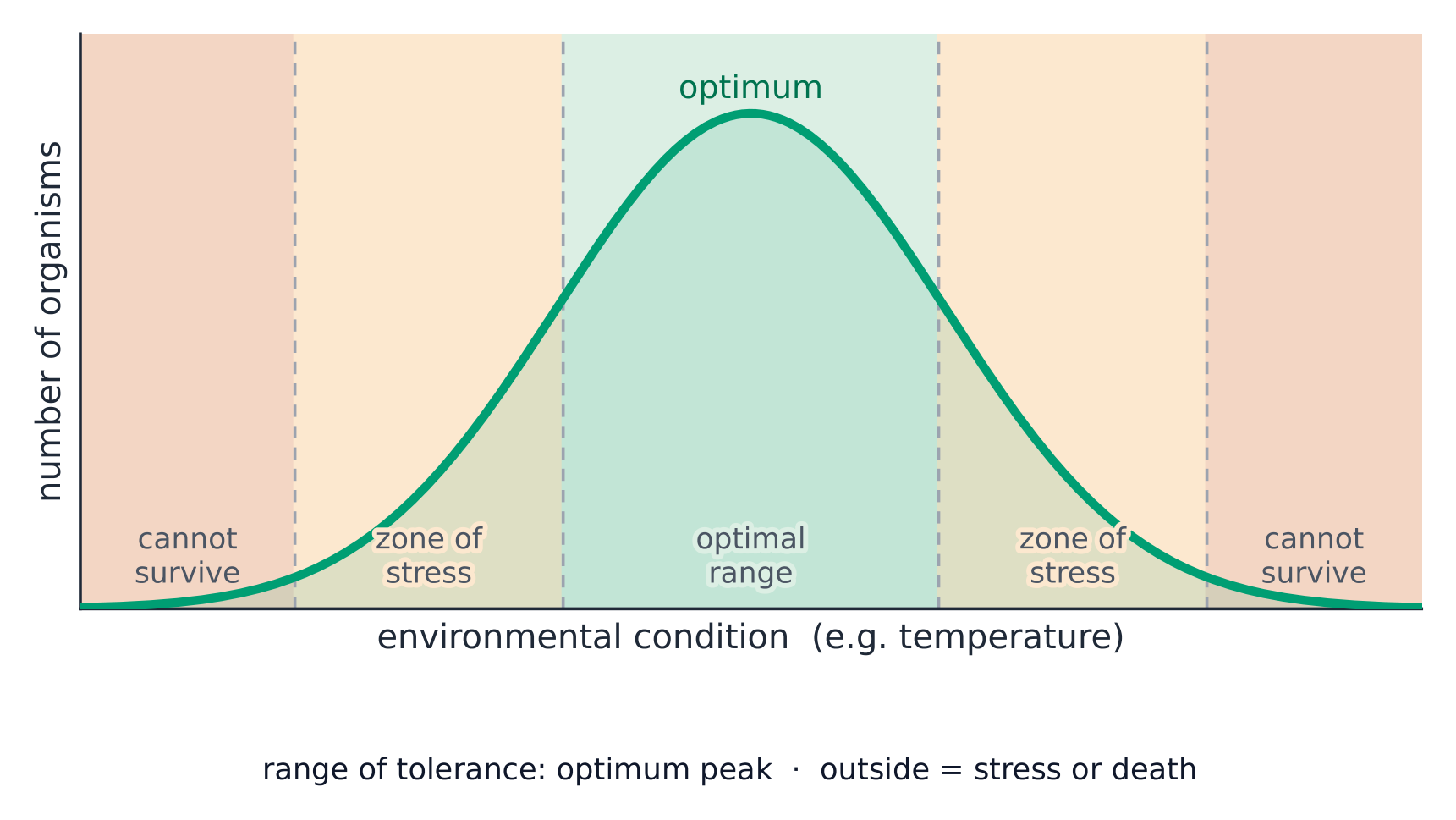
Every species has a range of tolerance 耐受范围 – the span of conditions (temperature, salinity, pH, sunlight) it can survive. Near the middle is an optimal range 最适范围 where individuals thrive; toward the edges are zones of stress 胁迫区 where they survive but struggle to grow or reproduce; beyond the limits they die. Ecological tolerance 生态耐受性 applies both to a single individual and to a whole species, and it decides where an organism can live and how it copes with change.

ไทย

ทุกสปีชีส์มี ขอบเขตความทนทาน – ช่วงของสภาวะ (อุณหภูมิ ความเค็ม pH แสงแดด) ที่มันสามารถอยู่รอดได้ Near กลางคือ ขอบเขตที่เหมาะสม ที่บุคคลเจริญเติบโตได้ดี; towards ขอบเขตคือ โซนความเครียด ที่มันอยู่รอดแต่ยากต่อการเจริญเติบโตหรือสืบพันธุ์;Beyond ขอบเขตมันจะตาย ความทนทานทางนิเวศวิทยา ใช้ได้ทั้งกับบุคคลเดียวและทั้งสปีชีส์ และกำหนดว่าสิ่งมีชีวิต何处อยู่以及如何应对变化。

Within its optimal range a species thrives; toward the limits it is stressed, then cannot survive
ภายในขอบเขตที่เหมาะสมสปีชีส์จะเจริญเติบโต;接近ขอบเขตจะเกิดความเครียด จากนั้นไม่สามารถอยู่รอดได้
Vocabulary · ⁨คำศัพท์⁩ Train · ⁨ฝึกฝน⁩
English ไทย
optimal range/ˈɒptɪml reɪndʒ/ ช่วงที่เหมาะสมที่สุด
zones of stress/zəʊnz ɒv stres/ โซนความเครียด
Ecological tolerance/ˌekəˈlɒdʒɪkl ˈtɒlərəns/ ความทนทานต่อสิ่งมีชีวิตในนิเวศ
Periodic/ˌpɪərɪˈɒdɪk/ เป็นรอบ
Episodic/ˌepɪˈsɒdɪk/ เป็นช่วง
Random/ˈrændəm/ สุ่ม
2.5

Natural Disruptions to Ecosystems · ⁨การรบกวนจากธรรมชาติต่อระบบนิเวศ⁩

Syllabus · ⁨หลักสูตร⁩
English

Enduring Understanding (ERT-2): Ecosystems have structure and diversity that change over time.

Learning Objective ERT-2.G: Explain how natural disruptions, both short- and long-term, impact an ecosystem.

  • ERT-2.G.1 Natural disruptions to ecosystems have environmental consequences that may, for a given occurrence, be as great as, or greater than, many human-made disruptions.
  • ERT-2.G.2 Earth system processes operate on a range of scales in terms of time. Processes can be periodic, episodic, or random.
  • ERT-2.G.3 Earth's climate has changed over geological time for many reasons.
  • ERT-2.G.4 Sea level has varied significantly as a result of changes in the amount of glacial ice on Earth over geological time.
  • ERT-2.G.5 Major environmental change or upheaval commonly results in large swathes of habitat changes.
  • ERT-2.G.6 Wildlife engages in both short- and long-term migration for a variety of reasons, including natural disruptions.
ไทย

ความเข้าใจที่ยั่งยืน (ERT-2): ระบบนิเวศมีโครงสร้างและความหลากหลายที่เปลี่ยนแปลงไปตามเวลา

วัตถุประสงค์การเรียนรู้ ERT-2.G: อธิบายว่าความรบกวนตามธรรมชาติ ทั้งระยะสั้นและระยะยาว ส่งผลต่อระบบนิเวศอย่างไร

  • ERT-2.G.1 ความรบกวนตามธรรมชาติต่อระบบนิเวศมีผลกระทบทางสิ่งแวดล้อมซึ่งสำหรับเหตุการณ์หนึ่งอาจมีขนาดเท่ากับหรือมากกว่าความรบกวนที่เกิดจากมนุษย์หลายอย่าง
  • ERT-2.G.2 กระบวนการของระบบโลกทำงานในระดับเวลาที่หลากหลาย กระบวนการอาจเป็นแบบรอบ周期、episodic หรือสุ่ม
  • ERT-2.G.3 iklim地球ได้เปลี่ยนแปลงไปตามเวลาทางธรณีวิทยาด้วยเหตุผลมากมาย
  • ERT-2.G.4 ระดับน้ำทะเลได้เปลี่ยนแปลงอย่างมากเนื่องจากปริมาณน้ำแข็ง glaciers บนโลกเปลี่ยนแปลงไปตามเวลาทางธรณีวิทยา
  • ERT-2.G.5 การเปลี่ยนแปลงหรือการรบกวนทางสิ่งแวดล้อมครั้งใหญ่มักนำไปสู่การเปลี่ยนแปลงของพื้นที่ถิ่นที่อยู่ขนาดใหญ่
  • ERT-2.G.6 สัตว์ป่ามีการอพยพทั้งระยะสั้นและระยะยาวด้วยเหตุผลหลากหลาย รวมถึงความรบกวนตามธรรมชาติ

Source: College Board AP Course and Exam Description · ⁨แหล่งที่มา: คำอธิบายหลักสูตรและข้อสอบ College Board AP⁩

English

Natural events disrupt ecosystems across every timescale, and a single natural event can rival or exceed a human-made one. Earth's processes come in three timing patterns:

  • Periodic 周期性 – regular cycles (seasons, tides).
  • Episodic 偶发性 – occasional, irregular events (fires, floods, volcanic eruptions).
  • Random 随机 – no pattern (a meteor strike).

Over geological time, Earth's climate has shifted for many reasons, and sea level has risen and fallen with the amount of glacial ice – each change reshaping large swaths of habitat. Wildlife responds by migration 迁徙, moving short or long distances to follow conditions.

ไทย

เหตุการณ์ธรรมชาติรบกวนระบบนิเวศในทุกช่วงเวลา และเหตุการณ์ธรรมชาติเพียงครั้งเดียวอาจเทียบเท่าหรือเกินกว่าเหตุการณ์ที่มนุษย์สร้างขึ้น กระบวนการของโลกมีสามรูปแบบเวลา:

  • เป็นระยะ – วงจรปกติ (ฤดูกาล ลึกน้ำ),
  • เป็นช่วง – เหตุการณ์偶爾ไม่แน่นอน (ไฟไหม้ น้ำท่วม ภูเขาไฟระเบิด),
  • สุ่ม – ไม่มีรูปแบบ (อุกกาบาตตก),

ในช่วงเวลาทางธรณีวิทยา อากาศโลกได้เปลี่ยนไปเนื่องจากหลายสาเหตุ และระดับน้ำทะเลได้สูงขึ้นและลดลงตามปริมาณน้ำแข็ง glaciers – การเปลี่ยนแปลงแต่ละครั้ง重塑大面积栖息地. สัตว์ป่าตอบสนองด้วยการ อพยพ เคลื่อนย้ายระยะสั้นหรือยาวเพื่อติดตามสภาพ

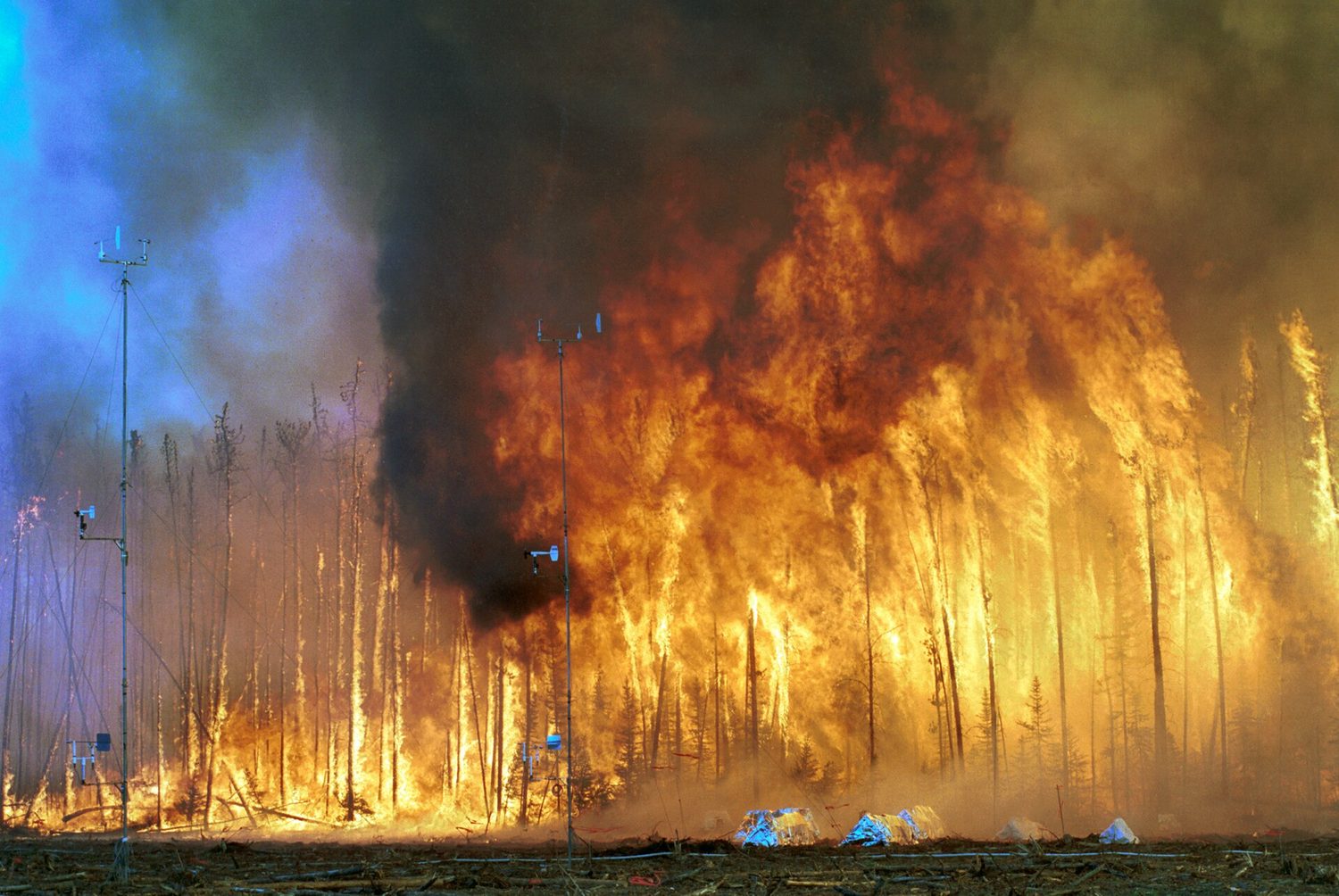
A wall of flame and smoke racing through the tops of a conifer forest
ไฟ korona ลาดผ่านป่า ไฟเป็นการรบกวนแบบเป็นช่วงตามธรรมชาติ และหลายสปีชีส์ปรับตัวเข้ากับมัน
2.6

Adaptations · ⁨การปรับตัว⁩

Syllabus · ⁨หลักสูตร⁩
English

Enduring Understanding (ERT-2): Ecosystems have structure and diversity that change over time.

Learning Objective ERT-2.H: Describe how organisms adapt to their environment.

  • ERT-2.H.1 Organisms adapt to their environment over time, both in short- and long-term scales, via incremental changes at the genetic level.
  • ERT-2.H.2 Environmental changes, either sudden or gradual, may threaten a species' survival, requiring individuals to alter behaviors, move, or perish.
ไทย

ความเข้าใจที่ยั่งยืน (ERT-2): ระบบนิเวศมีโครงสร้างและความหลากหลายที่เปลี่ยนแปลงไปตามเวลา

วัตถุประสงค์การเรียนรู้ ERT-2.H: อธิบายวิธีที่สิ่งมีชีวิตปรับตัวเข้ากับสภาพแวดล้อม

  • ERT-2.H.1 สิ่งมีชีวิตปรับตัวเข้ากับสภาพแวดล้อมตามเวลา ทั้งในระยะสั้นและระยะยาว ผ่านการเปลี่ยนแปลงทีละน้อยในระดับพันธุกรรม
  • ERT-2.H.2 การเปลี่ยนแปลงทางสิ่งแวดล้อม ทั้งแบบฉับพลันและแบบค่อยเป็นค่อยไป อาจคุกคามการดำรงชีวิตของสายพันธุ์ ทำให้แต่ละบุคคลต้องปรับพฤติกรรม ย้ายถิ่น หรือตายไป

Source: College Board AP Course and Exam Description · ⁨แหล่งที่มา: คำอธิบายหลักสูตรและข้อสอบ College Board AP⁩

English

An adaptation 适应 is an inherited trait that improves survival and reproduction in an environment. Adaptations arise through natural selection 自然选择 – incremental genetic change accumulating over generations, not within a single lifetime. When the environment changes, individuals must alter their behaviour, move, or die; if change comes faster than a population can adapt, it declines. A periodic disturbance such as fire is often part of a healthy cycle, and many species are adapted to it (some pine cones open only in a fire's heat).

ไทย

การปรับตัว เป็นลักษณะที่สืบทอดมาซึ่งช่วยเพิ่มการอยู่รอดและการสืบพันธุ์ในสิ่งแวดล้อม การปรับตัวเกิดขึ้นผ่าน การคัดเลือกโดยธรรมชาติ – การเปลี่ยนแปลงทางพันธุกรรมเล็กน้อยสะสมตลอดหลายรุ่น ไม่ใช่ภายในชีวิตเดียว เมื่อสิ่งแวดล้อมเปลี่ยน บุคคลต้องปรับพฤติกรรม ย้ายที่ หรือตาย; หากการเปลี่ยนแปลงมาเร็วกว่าที่ประชากรจะปรับตัวได้它将 decline. การรบกวนเป็นระยะเช่นไฟมักเป็นส่วนหนึ่งของวงจรสุขภาพดี และหลายสปีชีส์ปรับตัว against与之 (some pine cones open only in a fire's heat).

2.7

Ecological Succession · ⁨การพัฒนาชุมชนทางนิเวศวิทยา⁩

Syllabus · ⁨หลักสูตร⁩
English

Enduring Understanding (ERT-2): Ecosystems have structure and diversity that change over time.

Learning Objective ERT-2.I: Describe ecological succession.

  • ERT-2.I.1 There are two main types of ecological succession: primary and secondary succession.
  • ERT-2.I.2 A keystone species in an ecosystem is a species whose activities have a particularly significant role in determining community structure.
  • ERT-2.I.3 An indicator species is a plant or animal that, by its presence, abundance, scarcity, or chemical composition, demonstrates that some distinctive aspect of the character or quality of an ecosystem is present.

Learning Objective ERT-2.J: Describe the effect of ecological succession on ecosystems.

  • ERT-2.J.1 Pioneer members of an early successional species commonly move into unoccupied habitat and over time adapt to its particular conditions, which may result in the origin of new species.
  • ERT-2.J.2 Succession in a disturbed ecosystem will affect the total biomass, species richness, and net productivity over time.
ไทย

ความเข้าใจที่ยั่งยืน (ERT-2): ระบบนิเวศมีโครงสร้างและความหลากหลายที่เปลี่ยนแปลงไปตามเวลา

วัตถุประสงค์การเรียนรู้ ERT-2.I: อธิบายการเปลี่ยนแปลงทางนิเวศวิทยา

  • ERT-2.I.1 มีการเปลี่ยนแปลงทางนิเวศวิทยาหลักๆ สองประเภท คือ การเปลี่ยนแปลงขั้นต้นและการเปลี่ยนแปลงขั้นรอง
  • ERT-2.I.2 สายพันธุ์สำคัญในระบบนิเวศคือสายพันธุ์whoseกิจกรรมมีบทบาทสำคัญอย่างยิ่งในการกำหนดโครงสร้างของชุมชน
  • ERT-2.I.3 สายพันธุ์ตัวบ่งชี้คือพืชหรือสัตว์ที่โดยการมีอยู่ ความหนาแน่น ความหายาก หรือองค์ประกอบทางเคมี แสดงให้เห็นว่ามีลักษณะเฉพาะด้านใดอย่างหนึ่งของลักษณะหรือคุณภาพของระบบนิเวศปรากฏอยู่

วัตถุประสงค์การเรียนรู้ ERT-2.J: อธิบายผลกระทบของการเปลี่ยนแปลงทางนิเวศวิทยาที่มีต่อระบบนิเวศ

  • ERT-2.J.1 สมาชิกตัวนำของสายพันธุ์ในระยะแรกของการเปลี่ยนแปลงมักจะเข้าสู่ที่อยู่อาศัยที่ยังว่างเปล่า และเมื่อเวลาผ่านไปจะปรับตัวเข้ากับcspecificcsituations of its particularcs, ซึ่งอาจนำไปสู่การกำเนิดของสายพันธุ์ใหม่
  • ERT-2.J.2 การเปลี่ยนแปลงระบบนิเวศที่ถูกรบกวนรบกวนจะส่งผลต่อมวลชีวภาพรวม ความหลากหลายของชนิด และผลผลิตสุทธิตามเวลา

Source: College Board AP Course and Exam Description · ⁨แหล่งที่มา: คำอธิบายหลักสูตรและข้อสอบ College Board AP⁩

English
Ecological succession

Ecological succession 生态演替 is the gradual, orderly change in a community over time:

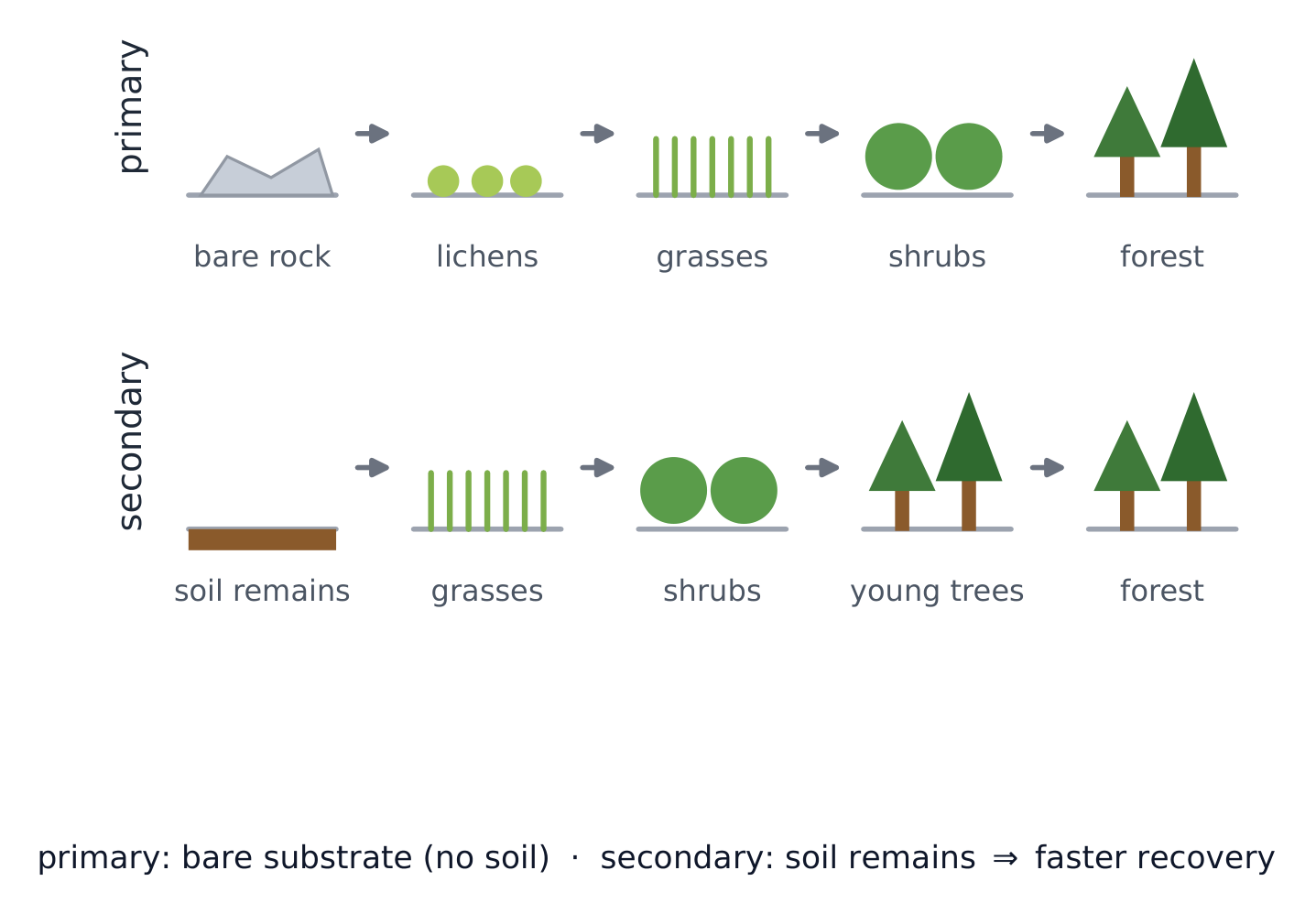
  • Primary succession 初级演替 starts on bare rock with no soil – after a glacier retreats or lava cools. Pioneer species 先锋物种 such as lichens 地衣 arrive first and slowly build soil. It is slow.
  • Secondary succession 次级演替 follows a disturbance that leaves the soil intact – after a fire or abandoned farming – so it is much faster.

Succession tends toward a relatively stable climax community 顶极群落. Two special roles shape a community out of proportion to their numbers: a keystone species 关键种, whose activities hold the community structure together (remove it and the community collapses – sea otters keeping urchins in check), and an indicator species 指示物种, whose presence or health signals the condition of the whole ecosystem (lichens vanish where the air is polluted).

Worked example. A pond holds 3 fish species with 5, 3, and 2 individuals ($N=10$). Simpson's Diversity Index $=1-\sum\left(\tfrac{n}{N}\right)^2 = 1-\left[(0.5)^2+(0.3)^2+(0.2)^2\right] = 1-0.38 = 0.62$. A value near 1 means high diversity; near 0 means one species dominates. Adding a fourth, evenly-sized species would push the index higher.

ไทย
Ecological succession

การพัฒนาชุมชนทางนิเวศวิทยา คือการเปลี่ยนแปลงทีละขั้นตอนอย่างเป็นระเบียบในชุมชนตามเวลา:

  • การพัฒนาเริ่มต้น เริ่มต้นบนหินเปลือยที่มี ไม่มีดิน – หลัง glaciers ถอยกลับหรือ lava เย็นตัว สปีชีส์เริ่มต้น เช่น ไลเคน arrives first และค่อยๆ สร้างดิน It is slow.
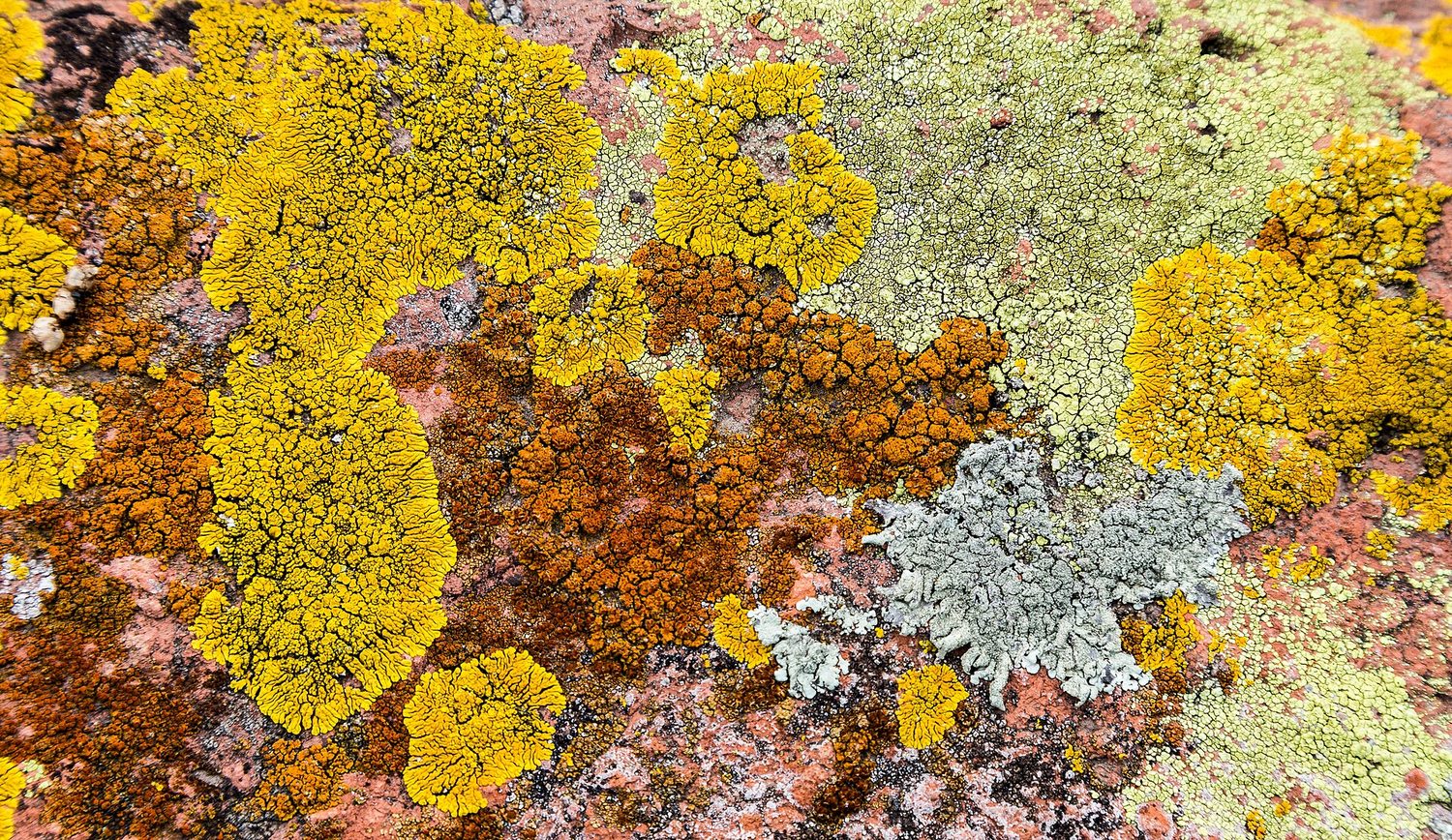
A rock surface covered in yellow, orange, and pale-green crusty patches of lichen
ไลเคนขึ้นบนหินเปลือย โดยเป็นสปีชีส์นำที่ค่อยๆ บด碎石และสร้างชั้นดินบางๆ แรกเริ่ม
  • การเปลี่ยนผ่านแบบ ثانวินัย เกิดขึ้นหลังจากเกิดการรบกวนที่ยังคงชั้นดินไว้ได้ – เช่น หลังไฟไหม้ หรือพื้นที่เกษตรกรรมถูกทิ้งร้าง – ดังนั้นจึงเกิดขึ้นได้เร็วมาก

การเปลี่ยนผ่านมีแนวโน้มไปสู่ ชุมชนจุดสมดุล (climax community) ที่ค่อนข้างเสถียร 2 บทบาทพิเศษที่มีอิทธิพลต่อชุมชนเกินกว่าจำนวนประชากร: สปีชีส์สำคัญ (keystone species) ซึ่งกิจกรรมของมันช่วยรักษาโครงสร้างของชุมชนไว้ (หากกำจัดออกไป ชุมชนจะพังทลาย – เช่น นกนากทะเลควบคุมประชากรหอยแมลงภู่) และ สปีชีส์บ่งชี้ (indicator species) ซึ่งการมีอยู่หรือสุขภาพของมันสะท้อนสภาพของระบบนิเวศทั้งระบบ (ไลเคนจะหายไปเมื่ออากาศมีมลพิษ)

การเปลี่ยนผ่านแบบปฐมวัยสร้างจากหินเปลือย; การเปลี่ยนผ่านแบบ ثانวินัยเติบโตใหม่จากดินที่เหลืออยู่

ตัวอย่างวิธีทำ. บ่อcontains 3 สปีชีส์ของปลา โดยมีจำนวน 5, 3 และ 2 ตัว ($N=10$). ดัชนีความหลากหลายของซิมปสัน $=1-\sum\left(\tfrac{n}{N}\right)^2 = 1-\left[(0.5)^2+(0.3)^2+(0.2)^2\right] = 1-0.38 = 0.62$. ค่าที่ใกล้ 1 หมายถึงความหลากหลายสูง; ใกล้ 0 หมายถึงมีสปีชีส์หนึ่งครองตลาด การเพิ่มสปีชีส์ที่สี่ที่มีขนาดเท่ากันจะทำให้ดัชนีสูงขึ้น

Vocabulary · ⁨คำศัพท์⁩ Train · ⁨ฝึกฝน⁩
English ไทย
Ecological succession/ˌekəˈlɒdʒɪkl səkˈseʃn/ การเปลี่ยนแปลงทางนิเวศวิทยา
Primary succession/ˈpraɪməri səkˈseʃn/ การเปลี่ยนสภาพครั้งแรก
Pioneer species/paɪəˈnɪə ˈspiːsiːz/ สายพันธุ์เริ่มต้น
lichens/ˈlaɪkənz/ ราlichen
Secondary succession/ˈsekəndəri səkˈseʃn/ การเปลี่ยนสภาพครั้งที่สอง
climax community/ˈklaɪmæks kəˈmjuːnɪti/ ชุมชนสูงสุด (climax community)
keystone species/ˈkiːstəʊn ˈspiːsiːz/ สปีชีส์สำคัญ
indicator species/ˈɪndɪkeɪtə ˈspiːsiːz/ ชนิดพันธุ์ตัวบ่งชี้
2.7

Exam tips · ⁨ข้อแนะนำสำหรับการสอบ⁩

English
  • Describe biodiversity at three levels: genetic, species, and habitat, and link higher diversity to greater resilience.
  • Specialist species (narrow needs) are more vulnerable than generalists when a habitat changes.
  • Distinguish primary succession (bare rock, no soil, slow) from secondary (soil intact, faster).
  • Explain a keystone species (outsized effect) and an indicator species (signals ecosystem health).
  • Name the four ecosystem services (provisioning, regulating, cultural, supporting) with examples.
ไทย
  • อธิบายความหลากหลายทางชีวภาพในสามระดับ: พันธุกรรม, สปีชีส์ และแหล่งอาศัย, และเชื่อมโยงความหลากหลายที่สูงขึ้นกับความ ยืดหยุ่น (resilience) ที่มากขึ้น
  • สปีชีส์เฉพาะเจาะจง (Specialist) (มีความต้องการจำกัด) มีความเสี่ยงมากกว่า สปีชีส์ทั่วไป (generalists) เมื่อแหล่งอาศัยเปลี่ยนแปลง
  • แยกแยะ การเปลี่ยนผ่านแบบปฐมวัย (หินเปลือย ไม่มีดิน ช้า) จาก แบบ ثانวินัย (ดินยังสมบูรณ์, เร็วขึ้น)
  • อธิบายถึง สปีชีส์สำคัญ (มีผลกระทบอย่างมหาศาล) และ สปีชีส์บ่งชี้ (สะท้อนสุขภาพของระบบนิเวศ)
  • ชื่อบริการของระบบนิเวศทั้งสี่ (การจัดหา, การควบคุม, ทางวัฒนธรรม, การสนับสนุน) พร้อมตัวอย่าง
Vocabulary · ⁨คำศัพท์⁩ Train · ⁨ฝึกฝน⁩
English ไทย
specialist/ˈspeʃəlɪst/ สายพันธุ์เฉพาะ
generalist/ˈdʒenərəlɪst/ สายพันธุ์ทั่วไป (generalist)

Interactive lessons on this topic · ⁨บทเรียนเชิงโต้ตอบสำหรับหัวข้อนี้⁩

Work through it step by step, with instant-check exercises. · ⁨ทำทีละขั้นตอน พร้อมแบบฝึกหัดตรวจสอบผลทันที⁩

Past Papers · ⁨ข้อสอบย้อนหลัง⁩

More topics in AP Environmental Science · ⁨หัวข้อเพิ่มเติมใน AP Environmental Science⁩

Log in or create account · ⁨เข้าสู่ระบบหรือสร้างบัญชี⁩

IGCSE, A-Level & AP