Skip to content · ⁨ข้ามไปยังเนื้อหา⁩

Marketing · ⁨การตลาด⁩

A-Level Business · ⁨Business A-Level⁩ · Topic 3 · ⁨หัวข้อ 3⁩

Video lesson for this topic · ⁨บทเรียนวิดีโอสำหรับหัวข้อนี้⁩ Open the video page · ⁨เปิดหน้าวิดีโอ⁩
15:14

การตลาด

ร้านสองร้านขายกาแฟในราคาเท่ากัน ร้านหนึ่งคึกคักตลอดเวลา อีกร้านว่างเปล่า ไม่มีอะไรเกี่ยวกับผลิตภัณฑ์ที่จะอธิบายได้ ความแตกต่างอยู่ที่การตลาด…

English narration · English + 中文 subtitles burned in · ⁨การบรรยายภาษาอังกฤษ · คำบรรยายภาษาอังกฤษ + 中文 ลอยตัวบนภาพ⁩

3.1

The role of marketing · ⁨บทบาทของการตลาด⁩

Syllabus · ⁨หลักสูตร⁩
English
  1. explain the role of marketing, market and product orientation, and customer relationship marketing (CRM)
  2. explain market size, market growth and market share, mass and niche markets and market segmentation
  3. explain demand and supply and the concept of elasticity (price, income, cross) and its usefulness
ไทย
  1. อธิบายบทบาทของ marketing, market orientation และ product orientation และ customer relationship marketing (CRM)
  2. อธิบาย market size, market growth และ market share, mass market และ niche market以及 market segmentation
  3. อธิบาย demand and supply และแนวคิด关于 elasticity (price elasticity, income elasticity, cross elasticity)以及其用处

Source: Cambridge International syllabus · ⁨แหล่งที่มา: หลักสูตร Cambridge International⁩

English
Elastic vs inelastic demand
Demand shifts right: P and Q rise

Marketing 市场营销 is the job of finding out what customers want, then making and selling products that meet those wants at a profit. Good marketing links the business to its market 市场 (all the buyers and sellers of a product).

A business can be:

  • product-orientated 产品导向 — it focuses on the product first and hopes customers will buy it. This suits new or technical products.
  • market-orientated 市场导向 — it finds out what customers want first, then makes it. This lowers the risk of failure.

Customer relationship marketing 客户关系营销 (CRM) means building long-term links with customers so they come back again. Keeping a customer is cheaper than finding a new one.

ไทย
ความยืดหยุ่นของอุปสงค์ vs ความไม่ยืดหยุ่นของอุปสงค์
อุปสงค์ shifted ขวา: ราคา (P) และปริมาณ (Q) เพิ่มขึ้น

การตลาด (Marketing) คือการค้นพบสิ่งที่ลูกค้าต้องการ จากนั้นสร้างและขายสินค้าที่ตอบโจทย์ความต้องการเหล่านั้นด้วยกำไร การตลาดที่ดีเชื่อมโยงธุรกิจเข้ากับ ตลาด (market) (ผู้ซื้อและผู้ขายทั้งหมดของสินค้านั้น)

ธุรกิจสามารถเป็น:

  • เน้นผลิตภัณฑ์ (product-orientated) — เน้นที่ผลิตภัณฑ์ก่อนแล้วหวังว่าลูกค้าจะซื้อ ซึ่งเหมาะสำหรับสินค้าใหม่หรือสินค้าทางเทคนิค
  • เน้นตลาด (market-orientated) — ค้นหาสิ่งที่ลูกค้าต้องการก่อน แล้วจึงสร้าง ซึ่งช่วยลดความเสี่ยงในการล้มเหลว

การตลาดสร้างความสัมพันธ์กับลูกค้า (Customer relationship marketing - CRM) หมายถึงการสร้างความสัมพันธ์ระยะยาวกับลูกค้าเพื่อให้กลับมาซื้ออีกครั้ง การรักษาลูกค้าเก่าถูกกว่าการหาลูกค้าใหม่

Explore · ⁨สำรวจ⁩

Marketing mix lab · ⁨ห้องปฏิบัติการส่วนผสมทางการตลาด⁩

See which part of the marketing mix changes in each real decision. · ⁨ดูว่าส่วนใดของส่วนผสมทางการตลาดที่เปลี่ยนแปลงในแต่ละการตัดสินใจจริง⁩

Vocabulary · ⁨คำศัพท์⁩ Train · ⁨ฝึกฝน⁩
English ไทย
marketing/ˈmɑːkɪtɪŋ/ การตลาด
market/ˈmɑːkɪt/ ตลาด
product-orientated/ˈprɒdʌkt ˈɔːrɪənteɪtɪd/ มุ่งเน้นผลิตภัณฑ์
market-orientated/ˈmɑːkɪt ˈɔːrɪənteɪtɪd/ มุ่งเน้นตลาด
customer relationship marketing/ˈkʌstəmə rɪˈleɪʃənʃɪp ˈmɑːkɪtɪŋ/ การตลาดความสัมพันธ์ลูกค้า
demand/dɪˈmænd/ ความต้องการ
supply/səˈplaɪ/ อุปทาน
elasticity/ɪlæˈstɪsɪti/ ความยืดหยุ่น
price elasticity of demand/praɪs ɪlæˈstɪsɪti ɒv dɪˈmænd/ ความยืดหยุ่นของราคาต่อความต้องการ
price elastic/praɪs ɪˈlæstɪk/ ความยืดหยุ่นของราคา
price inelastic/praɪs ɪnɪˈlæstɪk/ ความไม่ยืดหยุ่นของราคา
income elasticity of demand/ˈɪŋkʌm ɪlæˈstɪsɪti ɒv dɪˈmænd/ ความยืดหยุ่นต่อรายได้
cross elasticity of demand/krɒs ɪlæˈstɪsɪti ɒv dɪˈmænd/ ความยืดหยุ่นข้ามกันของความต้องการ
substitutes/ˈsʌbstɪtjuːts/ สินค้าทดแทน
complements/ˈkɒmplɪmənts/ สินค้าเสริมกัน
product/ˈprɒdʌkt/ ผลิตภัณฑ์
Watch lesson · ⁨ดูบทเรียน⁩
3.1

Market size, growth and share · ⁨ขนาดตลาด การเติบโต และส่วนแบ่งตลาด⁩

English
  • market size 市场规模 — the total sales of all firms in a market, by value or by number of units.
  • market growth 市场增长 — how fast the market is getting bigger, shown as a percentage.
  • market share 市场份额 — one firm's sales as a percentage of the total market:
$$\text{market share} = \frac{\text{firm's sales}}{\text{total market sales}} \times 100\%$$

A rising market share is a sign of strong marketing.

Worked example. A firm sells £4 million of goods in a market worth £50 million in total. Find its market share.

$$\text{market share} = \frac{4}{50} \times 100\% = 8\%.$$

If the whole market grows but the firm's sales stay at £4 million, its market share falls — so a firm can sell the same amount yet lose ground to faster-growing rivals.

ไทย
  • ขนาดตลาด (market size) — ยอดขายรวมของทุกบริษัทในตลาด โดยวัดเป็นมูลค่าหรือจำนวนหน่วย
  • การเติบโตของตลาด (market growth) — ความเร็วที่ตลาดขยายตัว แสดงเป็นเปอร์เซ็นต์
  • ส่วนแบ่งตลาด (market share) — ยอดขายของบริษัทหนึ่งเมื่อเทียบกับตลาดทั้งหมด:
$$\text{market share} = \frac{\text{firm's sales}}{\text{total market sales}} \times 100\%$$

ส่วนแบ่งตลาดที่เพิ่มขึ้นเป็นสัญญาณของการตลาดที่แข็งแกร่ง

ตัวอย่างวิธีทำ (Worked example). บริษัทหนึ่งขายสินค้าได้ 4 ล้านปอนด์ในตลาดที่มีมูลค่ารวม 50 ล้านปอนด์ หาส่วนแบ่งตลาดของบริษัทนี้

$$\text{market share} = \frac{4}{50} \times 100\% = 8\%.$$

หากตลาดทั้งหมดขยายตัวแต่ยอดขายของบริษัทอยู่ที่ 4 ล้านปอนด์ ส่วนแบ่งตลาดของ该公司จะ ลดลง — ดังนั้นบริษัทอาจขายได้เท่าเดิมแต่เสียเปรียบให้คู่แข่งที่เติบโตเร็วกว่า

Vocabulary · ⁨คำศัพท์⁩ Train · ⁨ฝึกฝน⁩
English ไทย
market size/ˈmɑːkɪt saɪz/ ขนาดตลาด
market growth/ˈmɑːkɪt ɡrəʊθ/ การเติบโตของตลาด
market share/ˈmɑːkɪt ʃeə/ ส่วนแบ่งตลาด
growth/ɡrəʊθ/ การเติบโต
maturity/məˈtʃʊərɪti/ ความสมบูรณ์
decline/dɪˈklaɪn/ ความเสื่อมถอย
extension strategies/ekˈstenʃn ˈstrætədʒiz/ กลยุทธ์การขยาย
product portfolio/ˈprɒdʌkt pɔːtˈfəʊlɪəʊ/ พอร์ตโฟลิโอสินค้า
3.1

Mass and niche markets · ⁨ตลาดมวลชนและตลาดเฉพาะกลุ่ม⁩

English
  • a mass market 大众市场 is large, with products aimed at most buyers (e.g. soft drinks). Sales are high, but competition is strong.
  • a niche market 利基市场 is a small part of a market with special needs (e.g. left-handed tools). Competition is weaker, but sales are smaller.
ไทย
  • ตลาดมวลชน (mass market) เป็นตลาดขนาดใหญ่ ที่สินค้ามุ่งเป้าไปที่ผู้ซื้อส่วนใหญ่ (เช่น น้ำอัดลม) มียอดขายสูงแต่มีการแข่งขันสูง
  • ตลาดเฉพาะกลุ่ม (niche market) เป็นส่วนย่อยของตลาดที่มีความต้องการพิเศษ (เช่น เครื่องมือสำหรับคนถนัดซ้าย) การแข่งขันน้อยกว่าแต่ยอดขายน้อยกว่า
ตลาดมวลชนมุ่งเน้นผู้ซื้อส่วนใหญ่; ตลาดเฉพาะกลุ่มบริการกลุ่มเล็กที่มีความต้องการพิเศษ
ตลาดมวลชน nhắmไปที่ทุกคน; ตลาดเฉพาะกลุ่มให้บริการกลุ่มผู้เชี่ยวชาญขนาดเล็ก
Vocabulary · ⁨คำศัพท์⁩ Train · ⁨ฝึกฝน⁩
English ไทย
mass market/mæs ˈmɑːkɪt/ ตลาดมวลชน
niche market/niːʃ ˈmɑːkɪt/ ตลาดเฉพาะกลุ่ม
3.1

Market segmentation · ⁨การแบ่งส่วนตลาด⁩

English

Market segmentation 市场细分 means splitting a market into groups (segments 细分市场) of buyers who are alike. Common ways to segment are by age, income, gender, location, and lifestyle. Segmentation lets a firm aim the right product and message at each group, which raises sales and cuts waste.

ไทย
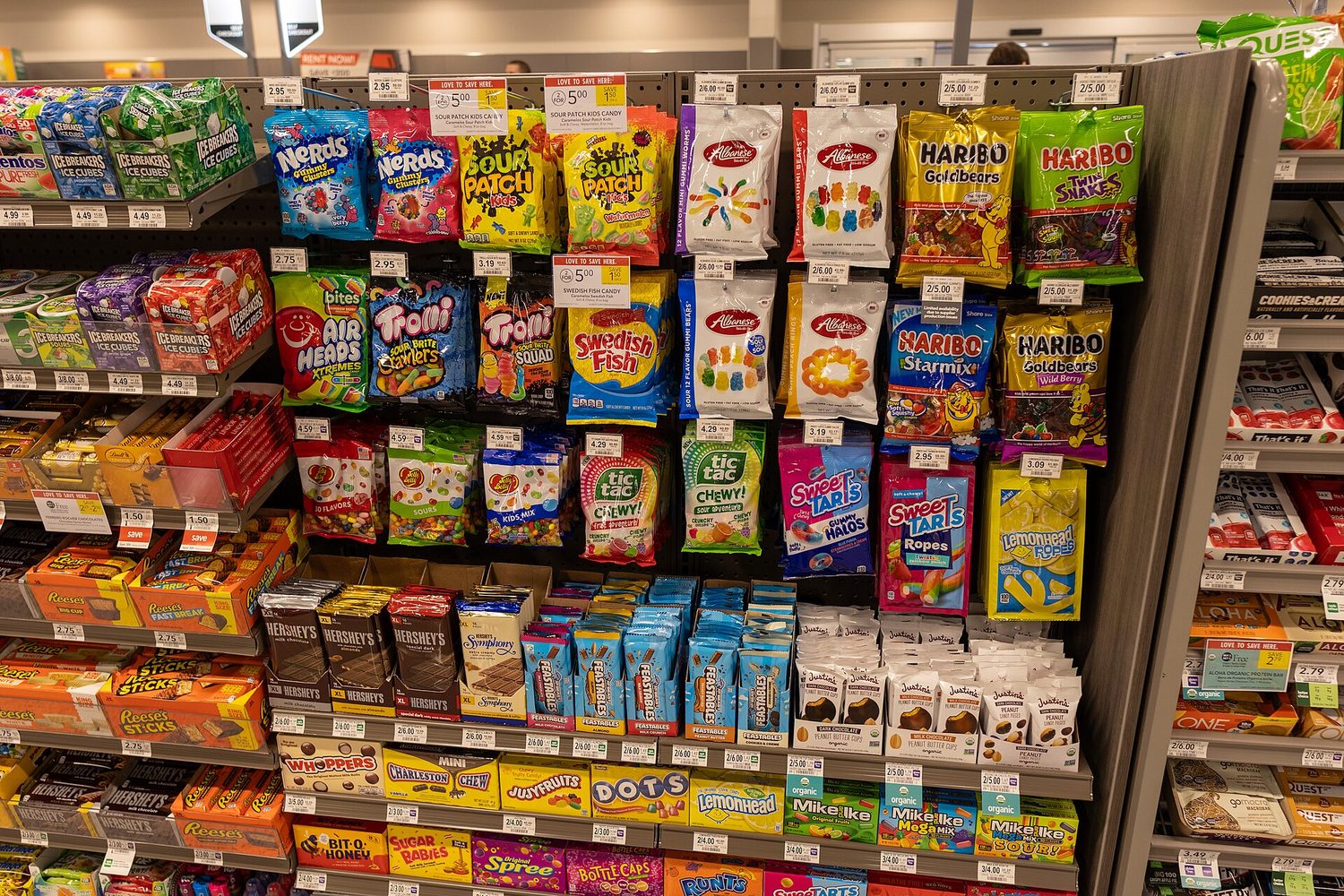
ผลิตภัณฑ์ขนมหลากหลายยี่ห้อจัดวางอยู่บนชั้นวางในซูเปอร์มาร์เก็ต
พื้นที่วางสินค้าเป็นการตัดสินใจทางการตลาด: แบ่งส่วนตลาด ตั้งตำแหน่ง แล้วกำหนดราคาและโปรโมต

การแบ่งส่วนตลาด (Market segmentation) หมายถึงการแบ่งตลาดออกเป็นกลุ่ม (segments) ของผู้ซื้อที่มีลักษณะคล้ายกัน วิธีแบ่งส่วนตลาดทั่วไปรวมถึงอายุ รายได้ เพศ สถานที่ตั้ง และวิถีชีวิต การแบ่งส่วนตลาดช่วยให้บริษัท cib target สินค้าและข้อความที่เหมาะสมให้กับแต่ละกลุ่ม ซึ่งช่วยเพิ่มยอดขายและลดความสิ้นเปลือง

ตลาดถูกแบ่งออกเป็นกลุ่มย่อยตามอายุ รายได้ และวิถีชีวิต เพื่อให้แต่ละกลุ่มได้รับสินค้าที่เหมาะสม
การแบ่งตลาดออกเป็นกลุ่มย่อยตามอายุ รายได้ และวิถีชีวิต
Vocabulary · ⁨คำศัพท์⁩ Train · ⁨ฝึกฝน⁩
English ไทย
market segmentation/ˈmɑːkɪt ˌseɡmənˈteɪʃn/ การแบ่งส่วนตลาด
segments/ˈseɡmənts/ ส่วนประกอบ
3.1

Demand, supply and elasticity · ⁨อุปสงค์ อุปทาน และความยืดหยุ่น⁩

English

Demand 需求 is how much of a product buyers will buy at each price. Supply 供给 is how much sellers will offer at each price. Usually, when price falls, demand rises.

Elasticity 弹性 measures how strongly demand reacts to a change. You should know three types.

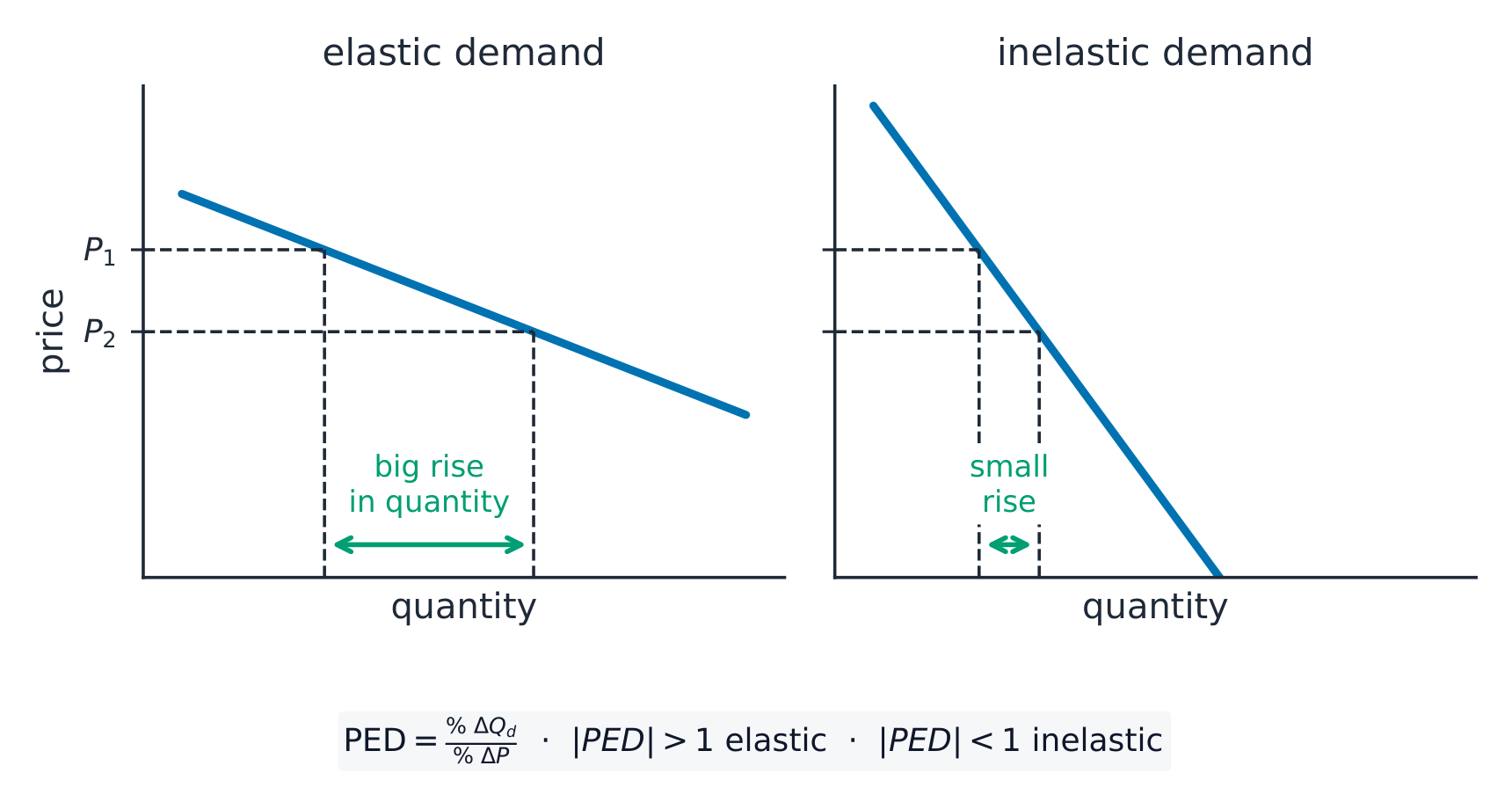
Price elasticity of demand 需求价格弹性 (PED) measures how demand reacts to a price change:

$$\text{PED} = \frac{\%\ \text{change in quantity demanded}}{\%\ \text{change in price}}$$
  • if PED is greater than 1, demand is price elastic 富有弹性 — a small price cut raises sales a lot, so lowering price can raise revenue.
  • if PED is less than 1, demand is price inelastic 缺乏弹性 — demand changes little, so raising price can raise revenue.

Income elasticity of demand 需求收入弹性 (YED) measures how demand reacts to a change in customers' income. Luxury goods react strongly; basic goods react weakly.

Cross elasticity of demand 需求交叉弹性 (XED) measures how the demand for one product reacts to a price change of another. It is positive for substitutes 替代品 (e.g. tea and coffee) and negative for complements 互补品 (e.g. cars and fuel).

Elasticity is useful because it helps a firm predict how a price change will affect sales and revenue.

ไทย

อุปสงค์ (Demand) คือปริมาณสินค้าที่ผู้ซื้อจะซื้อ在每个ราคา อุปทาน (Supply) คือปริมาณสินค้าที่ผู้ขายจะเสนอ在每个ราคา โดยปกติเมื่อราคาลดลง อุปสงค์จะเพิ่มขึ้น

เส้นความต้องการเอียงลงและเส้นอุปทานเอียงขึ้น ตัดกันที่จุดสมดุลซึ่งราคาตลาดถูกกำหนด
อุปทานและความต้องการมาบรรจบกันที่ราคาตลาดสมดุล

ความยืดหยุ่น วัดว่าความต้องการตอบสนองต่อการเปลี่ยนแปลงอย่างไร คุณควรรู้ถึงสามประเภท

ความยืดหยุ่นของความต้องการต่อราคา (PED) วัดว่าความต้องการตอบสนองต่อการเปลี่ยนแปลงราคาสัญญาณใด:

$$\text{PED} = \frac{\%\ \text{change in quantity demanded}}{\%\ \text{change in price}}$$
  • หาก PED มากกว่า 1 ความต้องการเป็น ยืดหยุ่นต่อราคา — การลดราคาเล็กน้อยทำให้ยอดขายเพิ่มขึ้นมาก ดังนั้นการลดราคาจึงสามารถเพิ่มรายได้ได้
  • หาก PED น้อยกว่า 1 ความต้องการเป็น ไม่ยืดหยุ่นต่อราคา — ความต้องการเปลี่ยนแปลงน้อย การเพิ่มราคาจึงสามารถเพิ่มรายได้ได้
กราฟสองเส้นความต้องการ: เส้นยืดหยุ่นที่เอียงต่ำซึ่งการลดราคาทำให้ปริมาณเพิ่มขึ้นมาก และเส้นไม่ยืดหยุ่นที่ชันซึ่งการลดราคาเท่ากันทำให้ปริมาณเพิ่มขึ้นเพียงเล็กน้อย
การลดราคาเท่ากันทำให้ปริมาณเพิ่มขึ้นมากเมื่อความต้องการยืดหยุ่น แต่เพิ่มขึ้นเพียงเล็กน้อยเมื่อไม่ยืดหยุ่น

ความยืดหยุ่นของความต้องการต่อรายได้ (YED) วัดว่าความต้องการตอบสนองต่อการเปลี่ยนแปลงรายได้ของผู้บริโภคอย่างไร สินค้าหรูตอบสนองแรง ส่วนสินค้าจำเป็นตอบสนองอ่อน

ความยืดหยุ่นของความต้องการข้ามผลิตภัณฑ์ (XED) วัดว่าความต้องการของสินค้าหนึ่งตอบสนองต่อการเปลี่ยนแปลงราคาของอีกสินค้ายังไง เป็นบวกสำหรับ สินค้าทดแทน (เช่น ชานและกาแฟ) และเป็นลบสำหรับ สินค้าเสริม (เช่น รถยนต์และน้ำมันเชื้อเพลิง)

ความยืดหยุ่นมีประโยชน์เพราะช่วยให้บริษัทคาดการณ์ได้ว่าราคาเปลี่ยนจะส่งผลต่อยอดขายและรายได้อย่างไร

Explore · ⁨สำรวจ⁩

Demand, supply & elasticity · ⁨อุปสงค์ อุปทาน & ความยืดหยุ่น⁩

Price is set where demand meets supply. · ⁨ราคาถูกกำหนดที่จุดที่ อุปสงค์ ตัดกับ อุปทาน⁩

Explore · ⁨สำรวจ⁩

Demand and supply · ⁨อุปสงค์และอุปทาน⁩

Shift the curves to see how price is set in a market — and how elasticity decides how much quantity responds. · ⁨เลื่อนกราฟเพื่อดูว่าราคาถูกกำหนดในตลาดอย่างไร — และความยืดหยุ่นกำหนดปริมาณตอบสนองเท่าไร⁩

Vocabulary · ⁨คำศัพท์⁩ Train · ⁨ฝึกฝน⁩
English ไทย
price/praɪs/ ราคา
3.2

Market research · ⁨การวิจัยตลาด⁩

Syllabus · ⁨หลักสูตร⁩
English
  1. distinguish primary and secondary market research and qualitative and quantitative data
  2. explain sampling methods and the reliability of data; present and interpret market research findings
ไทย
  1. แยกแยะ primary research และ secondary research以及 qualitative data และ quantitative data
  2. อธิบาย sampling methodsและความน่าเชื่อถือของข้อมูล; นำเสนอและตีความผลการวิจัยตลาด

Source: Cambridge International syllabus · ⁨แหล่งที่มา: หลักสูตร Cambridge International⁩

English

Market research 市场调研 is collecting and studying information about customers, competitors 竞争对手 and the market.

  • primary research 一手调研 — new information you collect yourself, by surveys, interviews or observation. It fits your exact needs, but costs more and takes time.
  • secondary research 二手调研 — information that already exists, such as reports, websites and sales records. It is cheap and quick, but may be old or not exactly right.

Data can be:

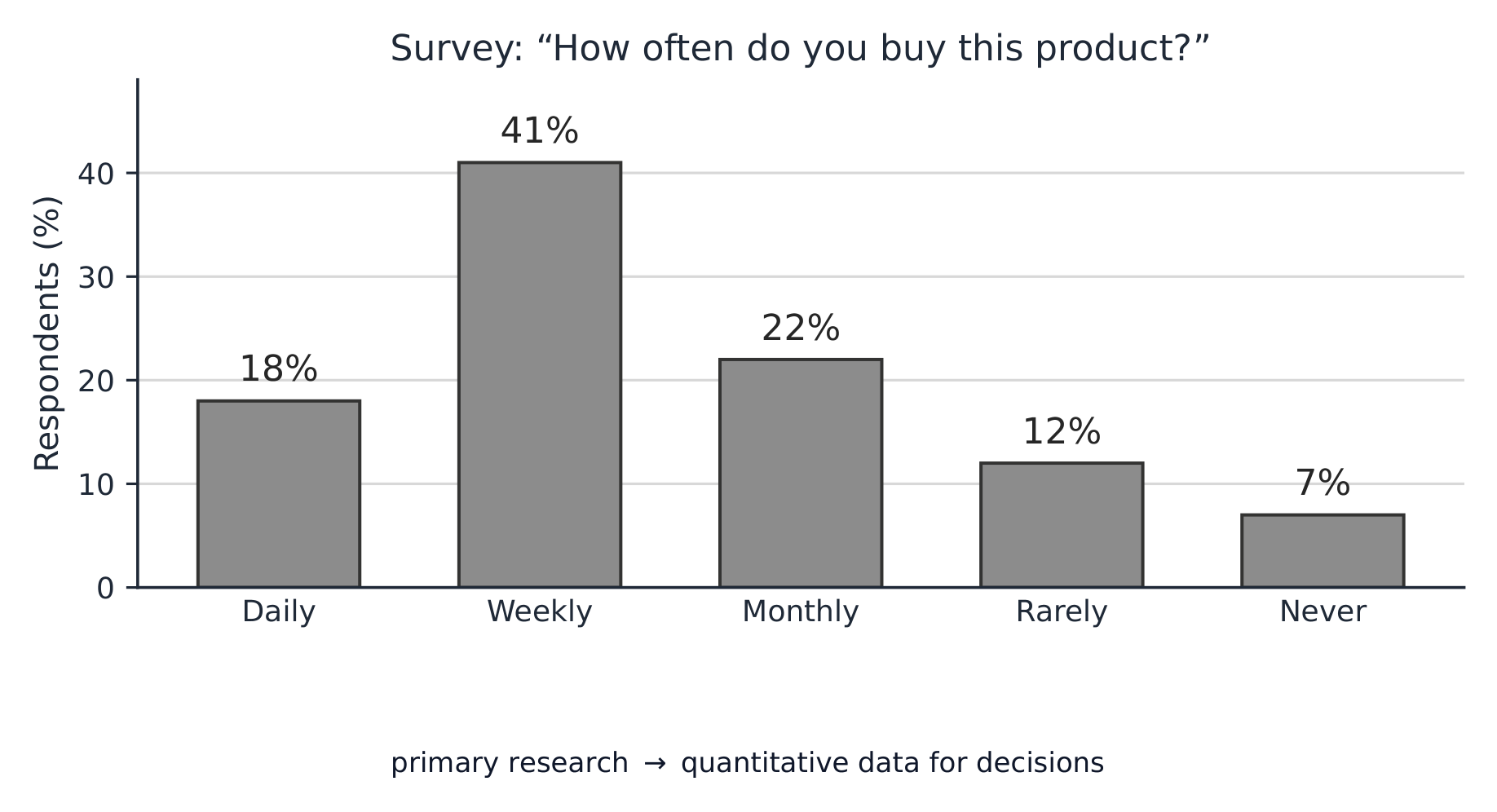
  • quantitative data 定量数据 — facts in numbers (e.g. "60% buy weekly"). Easy to compare.
  • qualitative data 定性数据 — opinions and reasons (e.g. "why people like the brand"). Gives deeper understanding.

Sampling and reliability

A sample 样本 is the small group of people asked, chosen to stand for the whole market. Sampling 抽样 methods include:

  • random sampling 随机抽样 — everyone has an equal chance of being picked.
  • quota sampling 配额抽样 — set numbers from each group are asked.
  • stratified sampling 分层抽样 — the sample copies the make-up of the whole market.

A larger, well-chosen sample gives more reliable 可靠的 results. Poor sampling can cause bias 偏差, which makes the findings wrong. Results are often shown in tables and charts, then read carefully to guide decisions.

ไทย

การวิจัยตลาด คือการเก็บรวบรวมและศึกษาข้อมูลเกี่ยวกับลูกค้า คู่แข่ง และตลาด

  • งานวิจัยต้นทาง — ข้อมูลใหม่ที่คุณเก็บเอง ผ่านแบบสอบถาม การสัมภาษณ์ หรือการสังเกต เหมาะกับความต้องการเฉพาะของคุณแต่มีค่าใช้จ่ายสูงและใช้เวลานาน
  • งานวิจัยรอง — ข้อมูลที่มีอยู่แล้ว เช่น รายงาน เว็บไซต์ และบันทึกการขาย ถูกและเร็วแต่อาจเก่าหรือไม่ตรงตามความเป็นจริง

ข้อมูลสามารถแบ่งเป็น:

  • ข้อมูลเชิงปริมาณ — ข้อเท็จจริงที่เป็นตัวเลข (เช่น "60% ซื้อทุกสัปดาห์") เปรียบเทียบได้ง่าย
  • ข้อมูลเชิงคุณภาพ — ความคิดเห็นและเหตุผล (เช่น "ทำไมคนชอบแบรนด์นี้") ให้ความเข้าใจที่ลึกซึ้ง

การสุ่มตัวอย่างและความน่าเชื่อถือ

กลุ่มตัวอย่าง คือกลุ่มคนจำนวนน้อยที่ถูกถาม เพื่อเป็นตัวแทนของตลาดทั้งหมด วิธีสุ่มตัวอย่างประกอบด้วย:

  • การสุ่มแบบสุ่ม — ทุกคนมีโอกาสถูกเลือกเท่ากัน
  • การสุ่มตาม kuota — กำหนดจำนวนจากแต่ละกลุ่มมาสอบถาม
  • การสุ่มแบบชั้น — กลุ่มตัวอย่างสะท้อนองค์ประกอบของตลาดทั้งหมด

กลุ่มตัวอย่างที่ใหญ่และคัดเลือกอย่างดีให้ผลลัพธ์ที่ น่าเชื่อถือ มากขึ้น การสุ่มตัวอย่างที่ไม่ดีอาจทำให้เกิด อคติ ซึ่งทำให้ผลวิจัยผิด ผลลัพธ์มักแสดงในตารางและกราฟ แล้วอ่านอย่างละเอียดเพื่อประกอบการตัดสินใจ

แผนภูมิแท่งแบบสำรวจ: งานวิจัยต้นทางให้ข้อมูลเชิงปริมาณสำหรับการตัดสินใจ
งานวิจัยต้นทาง → ข้อมูลเชิงปริมาณที่ช่วยในการตัดสินใจด้านการตลาด
Explore · ⁨สำรวจ⁩

Market research cycle · ⁨วงจรการวิจัยตลาด⁩

Follow how a business turns customer data into a marketing decision. · ⁨ติดตามว่าบริษัทแปลงข้อมูลลูกค้าเป็นการตัดสินใจทางการตลาดได้อย่างไร⁩

Vocabulary · ⁨คำศัพท์⁩ Train · ⁨ฝึกฝน⁩
English ไทย
market research/ˈmɑːkɪt rɪˈsɜːtʃ/ การวิจัยตลาด
competitors/kəmˈpetɪtəz/ คู่แข่ง
primary research/ˈpraɪməri rɪˈsɜːtʃ/ การวิจัยปฐมภูมิ
secondary research/ˈsekəndəri rɪˈsɜːtʃ/ การวิจัยทุติยภูมิ
quantitative data/ˈkwɒntɪteɪtɪv ˈdeɪtə/ ข้อมูลเชิงปริมาณ
qualitative data/ˈkwɒlɪteɪtɪv ˈdeɪtə/ ข้อมูลเชิงคุณภาพ
sample/ˈsæmpl/ ตัวอย่าง
sampling/ˈsæmplɪŋ/ การสุ่มตัวอย่าง (sampling)
random sampling/ˈrændəm ˈsæmplɪŋ/ การสุ่มตัวอย่างแบบสุ่ม
quota sampling/ˈkwəʊtə ˈsæmplɪŋ/ การสุ่มแบบโควตา
stratified sampling/ˈstrætɪfaɪd ˈsæmplɪŋ/ การสุ่มตัวอย่างแบบแยกชั้น (stratified sampling)
reliable/rɪˈlaɪəbl/ เชื่อถือได้
bias/ˈbaɪəs/ อคติ
3.3

The marketing mix · ⁨ส่วนประกอบทางการตลาด⁩

Syllabus · ⁨หลักสูตร⁩
English
  1. explain the elements of the marketing mix (product, price, place, promotion) and their integration
  2. product: product development, the product life cycle, the product portfolio (Boston Matrix), branding
  3. price: pricing methods and strategies (cost-plus, penetration, skimming, competitive, price discrimination, dynamic, psychological)
  4. place and promotion: distribution channels, above- and below-the-line promotion, and digital/e-commerce marketing
ไทย
  1. อธิบายองค์ประกอบของ marketing mix (product, price, place, promotion)以及它们的整合
  2. Product: product development, product life cycle, product portfolio (Boston Matrix), branding
  3. Price: pricing methods and strategies (cost-plus, penetration, skimming, competitive, price discrimination, dynamic, psychological)
  4. Place and promotion: distribution channels, above-the-line promotion และ below-the-line promotion,以及 digital/e-commerce marketing

Source: Cambridge International syllabus · ⁨แหล่งที่มา: หลักสูตร Cambridge International⁩

English
The product life cycle

The marketing mix 营销组合 is the set of choices a firm makes to sell a product. It is often called the 4Ps:

P Question it answers
product 产品 what are we selling?
price 价格 how much do we charge?
place 渠道 where and how do customers buy it?
promotion 促销 how do we tell customers about it?

The four parts must work together. For example, a high price needs high quality and a good image. Making the parts fit each other is called integration 整合.

ไทย
วงจรชีวิตผลิตภัณฑ์
การจัดแสดงร้านค้าแบรนด์สีสันสดใส
หน้าต่างร้านแบรนด์ — การสร้างแบรนด์และสถานที่ช่วยขายผลิตภัณฑ์

marketing mix คือชุดทางเลือกที่บริษัทเลือกเพื่อขายผลิตภัณฑ์ มักเรียกว่า 4Ps:

P คำถามที่ตอบได้
product เราขายอะไร?
price เราตั้งราคาเท่าไหร่?
place ลูกค้าซื้อที่ไหนและอย่างไร?
promotion เรารับรู้ถึงมันได้อย่างไร?
marketing mix อยู่ตรงกลางพร้อม 4P รอบข้าง — Product (สิ่งที่เราขาย), Price (ราคา), Place (สถานที่ซื้อ) และ Promotion (วิธีการสื่อสาร)
ส่วนผสมทางการตลาดรวมสี่ P ไว้ด้วยกัน

ส่วนทั้งสี่ต้องทำงานร่วมกัน ตัวอย่างเช่น ราคาสูงจำเป็นต้องมีคุณภาพสูงและภาพลักษณ์ที่ดี การทำให้ส่วนต่างๆ เข้ากันได้เรียกว่า การบูรณาการ

Vocabulary · ⁨คำศัพท์⁩ Train · ⁨ฝึกฝน⁩
English ไทย
marketing mix/ˈmɑːkɪtɪŋ mɪks/ ส่วนผสมทางการตลาด
place/pleɪs/ สถานที่
promotion/prəˈməʊʃn/ การส่งเสริมการขาย
integration/ˌɪntɪˈɡreɪʃn/ integration
product development/ˈprɒdʌkt dɪˈveləpmənt/ การพัฒนาผลิตภัณฑ์
product life cycle/ˈprɒdʌkt laɪf ˈsaɪkl/ วงจรชีวิตผลิตภัณฑ์
introduction/ˌɪntrəˈdʌkʃn/ การแนะนำ
branding/ˈbrændɪŋ/ การสร้างแบรนด์
loyalty/ˈlɔɪəlti/ ความภักดี
cost-plus pricing/kɒst plʌs ˈpraɪsɪŋ/ การตั้งราคาบวกต้นทุน
Watch lesson · ⁨ดูบทเรียน⁩
3.3

Product · ⁨ผลิตภัณฑ์⁩

English

A good product is the heart of the mix.

Product development 产品开发 is the work of designing and improving products to meet customer needs and beat rivals.

The product life cycle

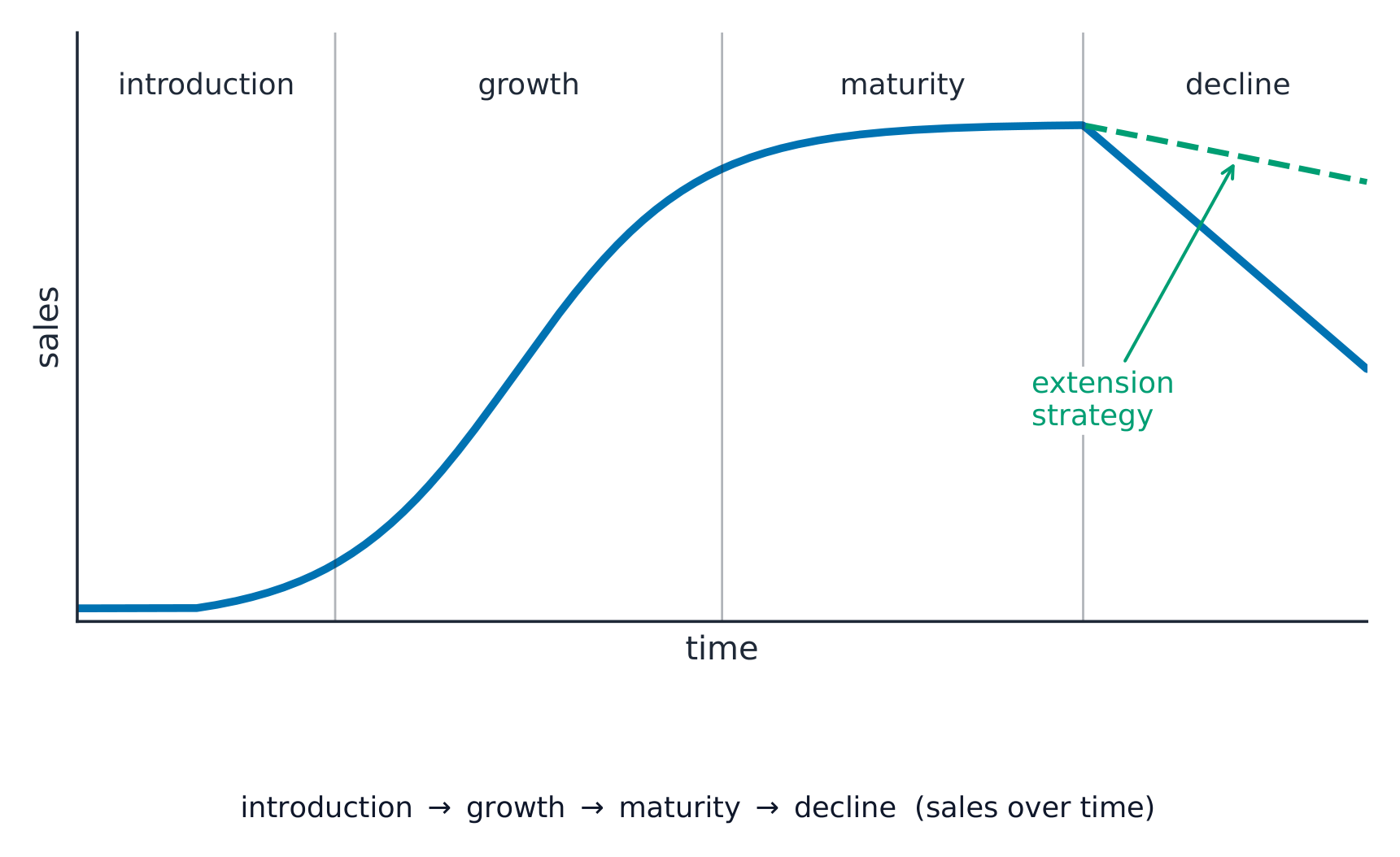
The product life cycle 产品生命周期 shows the sales of a product over time, in four stages:

  1. introduction 引入期 — launch; low sales, high promotion cost.
  2. growth 成长期 — sales rise quickly.
  3. maturity 成熟期 — sales reach their peak and level off.
  4. decline 衰退期 — sales fall as tastes change.

To keep sales up in maturity, firms use extension strategies 延长策略, such as new packaging, new uses, or selling in new markets.

The product portfolio (Boston Matrix)

The product portfolio 产品组合 is the full range of products a firm sells. The Boston Matrix 波士顿矩阵 sorts products by market share and market growth:

High market growth Low market growth
High share stars 明星产品 cash cows 现金牛
Low share question marks 问题产品 dogs 瘦狗产品

Stars need investment but may become cash cows. Cash cows bring steady profit. Question marks are risky. Dogs are usually dropped.

Branding

Branding 品牌 gives a product a name, design and image that customers recognise. A strong brand builds loyalty 忠诚度, lets the firm charge more, and makes new products easier to launch.

ไทย

ผลิตภัณฑ์ที่ดีคือหัวใจของ marketing mix

การพัฒนาผลิตภัณฑ์ คือการออกแบบและปรับปรุงผลิตภัณฑ์เพื่อตอบสนองความต้องการของลูกค้าและเอาชนะคู่แข่ง

วงจรชีวิตผลิตภัณฑ์

วงจรชีวิตผลิตภัณฑ์ แสดงยอดขายของผลิตภัณฑ์ตามเวลา ใน 4 ระยะ:

  1. การแนะนำ — เปิดตัว; ยอดขายต่ำ ค่าการตลาดสูง
  2. การเติบโต — ยอดขายเพิ่มขึ้นอย่างรวดเร็ว
  3. ความ trưởng完整 — ยอดขายสูงสุดและคงที่
  4. การลดลง — ยอดขายลดลงตามการเปลี่ยนรสนิยม
กราฟวงจรชีวิตผลิตภัณฑ์แสดงยอดขายที่เพิ่มขึ้นในช่วงแนะนำและการเติบโต คงที่ในช่วงความ trưởng完整 และลดลงในช่วงการลดลง พร้อมเส้นกลยุทธ์ขยายที่ยึดยอดขายไว้
ยอดขายของผลิตภัณฑ์ตลอด 4 ระยะของวงจรชีวิต พร้อมกลยุทธ์ขยายในช่วงความ trưởng完整

เพื่อยึดยอดขายไว้ในช่วงความ trưởng完整 บริษัทใช้ กลยุทธ์ขยาย เช่น บรรจุภัณฑ์ใหม่ การใช้ใหม่ หรือการขายในตลาดใหม่

портфельผลิตภัณฑ์ (Boston Matrix)

portfolio ของผลิตภัณฑ์คือผลิตภัณฑ์ทั้งหมดที่บริษัทขาย Boston Matrix จัดหมวดหมู่ผลิตภัณฑ์ตามส่วนแบ่งตลาดและการเติบโตของตลาด:

การเติบโตของตลาดสูง การเติบโตของตลาดต่ำ
ส่วนแบ่งสูง ดาว วัวน้ำนม
ส่วนแบ่งต่ำ คำถาม สุนัข
Boston Matrix ตารางสองคูณสอง: ดาว (ส่วนแบ่งสูง การเติบโตสูง), คำถาม (ส่วนแบ่งต่ำ การเติบโตสูง), วัวน้ำนม (ส่วนแบ่งสูง การเติบโตต่ำ) และสุนัข (ส่วนแบ่งต่ำ การเติบโตต่ำ)
Boston Matrix จัดหมวดหมู่ผลิตภัณฑ์ตามส่วนแบ่งตลาดและการเติบโตของตลาด

ดาวต้องการการลงทุนแต่อาจกลายเป็นวัวน้ำนม วัวน้ำนมสร้างกำไรสม่ำเสมอ คำถามมีความเสี่ยง สุนัขมักจะถูกตัดออก

การสร้างแบรนด์

การสร้างแบรนด์赋予ผลิตภัณฑ์ชื่อ การออกแบบ และภาพที่ลูกค้าจดจำ แบรนด์ที่แข็งแกร่งสร้างความ ความภักดี ช่วยให้บริษัทตั้งราคาสูงขึ้น และง่ายต่อการเปิดตัวผลิตภัณฑ์ใหม่

Explore · ⁨สำรวจ⁩

The product life cycle · ⁨วงจรชีวิตผลิตภัณฑ์⁩

Most products pass through four sales stages over time — from launch to decline. · ⁨ผลิตภัณฑ์ส่วนใหญ่ผ่านสี่ขั้นตอนยอดขายตามเวลา — ตั้งแต่เปิดตัวจนถึงการลดลง⁩

Explore · ⁨สำรวจ⁩

Balance the product portfolio · ⁨ปรับสมดุลพอร์ตfolioผลิตภัณฑ์⁩

Pick a product and drag its market share and growth — it re-classifies live, and Play walks one product through its whole life across the matrix. · ⁨เลือกผลิตภัณฑ์แล้วลากส่วนแบ่งตลาดและการเติบโต — มันจัดหมวดหมู่ใหม่ทันที, และ Play จะพาผลิตภัณฑ์หนึ่งตัวผ่านวงจรชีวิตเต็มรูปแบบบนเมทริกซ์⁩

Vocabulary · ⁨คำศัพท์⁩ Train · ⁨ฝึกฝน⁩
English ไทย
Boston Matrix/ˈbɒstn ˈmeɪtrɪks/ เมทริกซ์บอสตัน
stars/stɑːz/ ดาว
cash cows/kæʃ kaʊz/ วัวน้ำนม
question marks/ˈkwestʃn mɑːks/ เครื่องหมายคำถาม
dogs/dɒɡz/ สุนัข
3.3

Price · ⁨ราคา⁩

English

Choosing a price is a key decision. The main methods and strategies are:

Method / strategy How it works
cost-plus pricing 成本加成定价 add a fixed profit margin to the unit cost
penetration pricing 渗透定价 set a low price to enter a market and win share
price skimming 撇脂定价 set a high price first for a new, special product, then lower it
competitive pricing 竞争定价 set a price close to rivals' prices
price discrimination 价格歧视 charge different prices to different groups (e.g. peak vs off-peak)
dynamic pricing 动态定价 change the price often as demand changes
psychological pricing 心理定价 use prices like $9.99 that feel lower

The best price depends on costs, competitors, the product's life-cycle stage, and how price elastic demand is.

ไทย

การกำหนดราคาเป็นตัดสินใจที่สำคัญ วิธีและกลยุทธ์หลักมีดังนี้:

วิธี / กลยุทธ์ วิธีการทำงาน
การตั้งราคาค่าผลบวก เพิ่มส่วนกำไรคงที่ลงบนต้นทุนต่อหน่วย
การทะลุตลาด (Penetration Pricing) กำหนดราคาต่ำเพื่อเข้าสู่ตลาดและ giànhส่วนแบ่ง
การตัดราคา (Price Skimming) ตั้งราคาสูงสำหรับสินค้าใหม่พิเศษก่อน แล้วจึงลดราคา
การตั้งราคายึดตามคู่แข่ง กำหนดราคาใกล้เคียงกับคู่แข่ง
การเลือกปฏิบัติทางราคา (Price Discrimination) เก็บราคาต่างกลุ่มลูกค้า (เช่น ช่วงเวลาสูงสุด vs ช่วงเวลาปกติ)
การปรับราคาแบบไดนามิก เปลี่ยนราคาบ่อยเมื่อความต้องการเปลี่ยนแปลง
จิตวิทยาทางราคา ใช้ราคาเช่น $9.99 ที่รู้สึกถูกกว่า

ราคาที่ดีที่สุดขึ้นอยู่กับต้นทุน คู่แข่ง ระยะของวงจรชีวิตสินค้า และความยืดหยุ่นของราคา

กราฟราคาเทียบกับเวลา: การทะลุตลาดเริ่มจากต่ำเพื่อ giànhส่วนแบ่ง ในขณะที่การตัดราคาเริ่มจากสูงสำหรับสินค้าใหม่แล้วค่อยๆ ลดลงตามเวลา
สองกลยุทธ์การเปิดตัวตามเวลา: การทะลุตลาดตั้งราคาต่ำเพื่อ giànhส่วนแบ่ง; การตัดราคาตั้งราคาสูงก่อนแล้วจึงลดลง
Explore · ⁨สำรวจ⁩

Marketing mix lab · ⁨ห้องปฏิบัติการส่วนผสมทางการตลาด⁩

See which part of the marketing mix changes in each real decision. · ⁨ดูว่าส่วนใดของส่วนผสมทางการตลาดที่เปลี่ยนแปลงในแต่ละการตัดสินใจจริง⁩

Vocabulary · ⁨คำศัพท์⁩ Train · ⁨ฝึกฝน⁩
English ไทย
penetration pricing/ˌpenɪˈtreɪʃn ˈpraɪsɪŋ/ การตั้งราคาทะลุตลาด
price skimming/praɪs ˈskɪmɪŋ/ การตั้งราคาขจัดชั้นบน
competitive pricing/kəmˈpetɪtɪv ˈpraɪsɪŋ/ การกำหนดราคาที่แข่งขันกัน
price discrimination/praɪs dɪˌskrɪmɪˈneɪʃn/ การเลือกปฏิบัติทางราคา
dynamic pricing/daɪˈnæmɪk ˈpraɪsɪŋ/ การกำหนดราคาแบบไดนามิก
psychological pricing/saɪkəˈlɒdʒɪkl ˈpraɪsɪŋ/ การกำหนดราคาเชิงจิตวิทยา
3.3

Place and promotion · ⁨สถานที่และการส่งเสริมการขาย⁩

English

Place is how the product reaches the customer, through a distribution channel 分销渠道. A short channel (maker → customer) gives more control; a longer channel (maker → wholesaler 批发商 → shop → customer) reaches more buyers.

Promotion tells customers about a product and persuades them to buy. It is split into:

  • above-the-line promotion 大众媒体广告 — paid advertising 广告 in mass media, such as TV and online ads, aimed at a wide audience.
  • below-the-line promotion 直接促销 — targeted methods the firm controls, such as discounts, free samples and direct mail.

Digital marketing 数字营销 and e-commerce 电子商务 (buying and selling online) now play a huge role. They let small firms reach world markets cheaply, target adverts to the right people, and sell at any time of day.

ไทย
จอโฆษณาขนาดใหญ่ที่ทางแยกที่วุ่นวาย
โฆษณาบนจอขนาดใหญ่ — การส่งเสริมการขายเป็นส่วนหนึ่งของส่วนผสมทางการตลาด

สถานที่ คือวิธีการที่สินค้าถึงมือลูกค้า ผ่าน ช่องทางการจัดจำหน่าย ช่องทางสั้น (ผู้ผลิต → ลูกค้า) ให้ความควบคุมมากกว่า; ช่องทางที่ยาวขึ้น (ผู้ผลิต → ผู้ค้าส่ง → ร้านค้า → ลูกค้า) เข้าถึงผู้ซื้อได้มากขึ้น

แผนภาพช่องทางจัดจำหน่ายสั้นจากผู้ผลิตตรงไปยังลูกค้า และช่องทางยาวจากผู้ผลิตผ่านผู้ค้าส่งและผู้ขายปลีกไปยังลูกค้า *ช่องทางสั้นให้ความควบคุมมากกว่า; ช่องทางที่ยาวเข้าถึงผู้ซื้อได้มากขึ้น

การส่งเสริมการขาย บอกลูกค้าเกี่ยวกับสินค้าและชักจูงให้ซื้อ แบ่งออกเป็น:

  • การส่งเสริมการขายแบบเหนือเส้น — โฆษณา ที่จ่ายค่าโฆษณาในสื่อมวลชน เช่น โทรทัศน์และอินเทอร์เน็ต มุ่งสู่กลุ่มคนกว้างขวาง
  • การส่งเสริมการขายแบบใต้เส้น — วิธีที่มุ่งเป้าซึ่งบริษัทควบคุมเอง เช่น ส่วนลด ตัวอย่างฟรี และการส่งจดหมายโดยตรง

การตลาดดิจิทัล และ Commerce ทางอิเล็กทรอนิกส์ (e-commerce) (การซื้อขายออนไลน์) มีบทบาทสำคัญ ปัจจุบันช่วยให้ธุรกิจขนาดเล็กเข้าถึงตลาดโลกด้วยต้นทุนต่ำ มุ่งเป้าหมายโฆษณาไปที่คนที่เหมาะสม และขายได้ทุกเวลา

Vocabulary · ⁨คำศัพท์⁩ Train · ⁨ฝึกฝน⁩
English ไทย
distribution channel/ˌdɪstrɪˈbjuːʃn ˈtʃænl/ ช่องทางการจัดจำหน่าย
wholesaler/ˈhəʊlseɪlə/ ผู้ค้าส่ง
above-the-line promotion/əˈbʌv ðə laɪn prəˈməʊʃn/ การส่งเสริมขายผ่านสื่อหลัก
advertising/ˈædvətaɪzɪŋ/ การโฆษณา
below-the-line promotion/bɪˈləʊ ðə laɪn prəˈməʊʃn/ การส่งเสริมขายผ่านสื่อรอง
digital marketing/ˈdɪdʒɪtl ˈmɑːkɪtɪŋ/ การตลาดดิจิทัล
e-commerce/iː ˈkɒmɜːs/ อีคอมเมิร์ซ
3.3

Exam tips · ⁨ข้อแนะนำสำหรับการสอบ⁩

English
  • Calculate market share and market growth as percentages; a firm can grow yet lose share in a faster-growing market.
  • Use price elasticity of demand to decide pricing: raise price when demand is inelastic (revenue rises), cut it when elastic.
  • Distinguish primary vs secondary and quantitative vs qualitative research, and comment on sampling reliability.
  • Treat the marketing mix (4Ps) as a coordinated set — each P should support the others.
ไทย
  • คำนวณ ส่วนแบ่งตลาด และ อัตราการเติบโตของตลาด เป็นเปอร์เซ็นต์; บริษัทอาจเติบโตแต่สูญเสียส่วนแบ่งในตลาดที่เติบโตเร็วกว่า
  • ใช้ ความยืดหยุ่นของราคา ในการกำหนดราคา: เพิ่มราคาเมื่อความต้องการไม่ยืดหยุ่น (รายได้เพิ่มขึ้น) ลดเมื่อมีความยืดหยุ่น
  • แยกแยะ งานวิจัยเบื้องต้น vs งานวิจัยรอง และ เชิงปริมาณ vs เชิงคุณภาพ พร้อมวิจารณ์ความน่าเชื่อถือของการสุ่มตัวอย่าง
  • จัดชุด ส่วนผสมทางการตลาด (4Ps) ให้สอดคล้องกัน — ตัว P แต่ละตัวควรสนับสนุนอีกตัว

Interactive lessons on this topic · ⁨บทเรียนเชิงโต้ตอบสำหรับหัวข้อนี้⁩

Work through it step by step, with instant-check exercises. · ⁨ทำทีละขั้นตอน พร้อมแบบฝึกหัดตรวจสอบผลทันที⁩

Past Papers · ⁨ข้อสอบย้อนหลัง⁩

More topics in A-Level Business · ⁨Business A-Level⁩ · ⁨หัวข้อเพิ่มเติมใน A-Level Business · ⁨Business A-Level⁩⁩

Log in or create account · ⁨เข้าสู่ระบบหรือสร้างบัญชี⁩

IGCSE, A-Level & AP