Skip to content · ⁨본문 바로가기⁩

Reproduction · ⁨수행(Reproduction)⁩

IGCSE Biology · ⁨IGCSE 생물학⁩ · Topic 16 · ⁨주제 16⁩

Video lesson for this topic · ⁨이 주제용 영상 수업⁩ Open the video page · ⁨영상 페이지 열기⁩
10:42

수행(Reproduction)

새로운 생물체를 만드는 방법은 두 가지 뿐이며, 이 두 가지는 서로 상충되는 특성을 가진다. 하나는 빠르고, 단일 부모가 필요하며, 완벽한 복제를 만든다. 다른…

English narration · English + 中文 subtitles burned in · ⁨영어 내레이션 · 영어 + 중국어 자막 burned-in⁩

16.1 16.2

Two kinds of reproduction · ⁨두 가지 생식 방식⁩

Syllabus
English
Core Supplement
1 Describe asexual reproduction as a process resulting in the production of genetically identical offspring from one parent
2 Identify examples of asexual reproduction in diagrams, images and information provided 3 Discuss the advantages and disadvantages of asexual reproduction: (a) to a population of a species in the wild (b) to crop production
한국어
핵심 보충
1 one parent로부터 genetically identical offspring를 생산하는 과정으로서 asexual reproduction를 서술하시오
2 제공된 도식, 이미지 및 정보에서 asexual reproduction의 예를 식별하시오 3 asexual reproduction의 장점과 단점을 논하시오: (a) wild에서의 species population에 (b) crop production에
English
Core Supplement
1 Describe sexual reproduction as a process involving the fusion of the nuclei of two gametes to form a zygote and the production of offspring that are genetically different from each other 3 State that nuclei of gametes are haploid and that the nucleus of a zygote is diploid
2 Describe fertilisation as the fusion of the nuclei of gametes
4 Discuss the advantages and disadvantages of sexual reproduction: (a) to a population of a species in the wild (b) to crop production
한국어
핵심 보충
1 two gametes의 nucleus가 융합하여 zygote를 형성하고 genetically different offspring를 생산하는 과정으로서 sexual reproduction를 서술하시오 3 Gamete의 nucleus가 haploid이며 zygote의 nucleus가 diploid라는 것을 서술하시오
2 Gametes의 nucleus가 융합하는 과정을 fertilisation으로 서술하시오
4 sexual reproduction의 장점과 단점을 논하시오: (a) wild에서의 species population에 (b) crop production에

Source: Cambridge International syllabus · ⁨출처: Cambridge International syllabus⁩

English

Reproduction 生殖 makes new organisms of the same kind. There are two types.

Asexual reproduction

Asexual reproduction 无性生殖 needs only one parent 亲本. The offspring 后代 have exactly the same genes 基因 as the parent — they are genetically identical (clones).

  • Advantage: it is fast and needs only one parent — useful when conditions are good and stable.
  • Disadvantage: all the offspring are identical, so if the environment 环境 changes (for example a new disease) they may all die. (In crops, identical plants give an even harvest, but one disease can wipe out the whole crop.)

Sexual reproduction

Sexual reproduction 有性生殖 needs two parents. It involves the fusion 融合 (joining) of the nuclei 细胞核 of two gametes 配子 (sex cells) to make a zygote 合子. This joining is called fertilisation 受精. The offspring get a mix of genes from both parents, so they show variation 变异 (they are genetically different).

  • Advantage: variation means some offspring may survive if the environment changes.
  • Disadvantage: it is slower and needs two parents.

(Supplement) The nuclei of gametes are haploid 单倍体 (one set of chromosomes 染色体); the nucleus of the zygote is diploid 二倍体 (two sets).

한국어

생식은 같은 종류의 새로운 개체를 만든다. 두 가지 유형이 있다.

무성생식은 한 부모가 동일한 복제체(clones)를 생성하고, 유성생식은 두 부모의 생식세포가 결합하여 다양한 자손을 산출한다
무성생식은 한 부모가 필요하며 동일한 복제체를 제공; 유성생식은 두 부모가 필요하며 다양한 자손을 제공한다

무성생식

무성생식은 한 부모만 필요하다. 자손은 부모와 유전자가 정확히 동일하다 — 유전적으로 동일하다(복제체).

  • 장점: 빠르고 한 부모만 필요하므로 환경이 좋고 안정적일 때 유용하다.
  • 단점: 모든 자손이 동일하므로, 환경이 변화할 때(예: 새로운 질병) 모두 죽을 수 있다. (작물에서는 동일한 식물이 고른 수확을提供하지만, 하나의 질병이 전체 작물을 파괴할 수 있다.)
무성생식은 빠르고 동일한 복제체로부터 안정적이고 고른 작물을 생산하지만, 모든 약점이 공유되어 새로운 질병이 모두를 죽일 수 있다
무성생식은 빠르지만 변이를 제공하지 않으므로, 하나의 질병이 동일한 자손 모두를 죽일 수 있다

유성생식

유성생식은 두 부모가 필요하다. 이는 핵이 두 생식세포(성세포)의 융합(결합)을 포함하여 **접합자(zygote)**를 만든다. 이 결합을 **수정(fertilisation)**이라고 한다. 자손은 두 부모의 유전자를 혼합하여 얻으므로, 변이를 나타낸다(유전적으로 다름).

  • 장점: 변이가 있으므로 환경이 변화할 때 일부 자손이 생존할 수 있다.
  • 단점: 느리고 두 부모가 필요하다.

(보충) 생식세포의 핵은 반수染色体(한 세트의 염색체)이고, 접합자의 핵은 배수染色体(두 세트)이다.

Explore · ⁨탐색하기⁩

Asexual reproduction · ⁨무성 생식⁩

One parent makes genetically identical offspring (clones) by mitosis — no gametes needed. · ⁨한 부모가 유전적으로 동일한 자손(복제)을的产生하기 위해 분열 — 배우자 필요 없음.⁩

Vocabulary · ⁨어휘⁩ Train · ⁨연습하기⁩
English 한국어
reproduction/rɪprəˈdʌkʃn/ 생식
asexual reproduction/eɪˈsekʃuːəl rɪprəˈdʌkʃn/ 무성 생식
parent/ˈpeərənt/ 부모 노드
offspring/ˈɒfsprɪŋ/ 자손(offspring)
genes/dʒiːnz/ 유전자
environment/enˈvaɪrənmənt/ 환경
sexual reproduction/ˈsekʃuːəl rɪprəˈdʌkʃn/ 유성 생식
fusion/ˈfjuːʒn/ 융합
nuclei/ˈnjuːklɪi/ 핵
gametes/ˈɡæmiːts/ 배당자
zygote/ˈzaɪɡəʊt/ 접합자
fertilisation/ˌfɜːtɪlaɪˈzeɪʃn/ 수정
variation/ˌveərɪˈeɪʃn/ 변화
haploid/ˈhæplɔɪd/ haploid
chromosomes/ˈkrəʊməsəʊmz/ 염색체
diploid/ˈdɪplɔɪd/ 이배수체(이중염색체)
16.3

Sexual reproduction in plants · ⁨식물에서의 유성생식⁩

Syllabus
English
Core Supplement
1 Identify in diagrams and images and draw the following parts of an insect-pollinated flower: sepals, petals, stamens, filaments, anthers, carpels, style, stigma, ovary and ovules
2 State the functions of the structures listed in 16.3.1
3 Identify in diagrams and images and describe the anthers and stigmas of a wind-pollinated flower
4 Distinguish between the pollen grains of insect-pollinated and wind-pollinated flowers
5 Describe pollination as the transfer of pollen grains from an anther to a stigma
9 Describe self-pollination as the transfer of pollen grains from the anther of a flower to the stigma of the same flower or a different flower on the same plant
10 Describe cross-pollination as the transfer of pollen grains from the anther of a flower to the stigma of a flower on a different plant of the same species
11 Discuss the potential effects of self-pollination and cross-pollination on a population, in terms of variation, capacity to respond to changes in the environment and reliance on pollinators
6 State that fertilisation occurs when a pollen nucleus fuses with a nucleus in an ovule 12 Describe the growth of the pollen tube and its entry into the ovule followed by fertilisation (details of production of endosperm and development are not required)
7 Describe the structural adaptations of insect-pollinated and wind-pollinated flowers
8 Investigate and describe the environmental conditions that affect germination of seeds, limited to the requirement for: water, oxygen and a suitable temperature
한국어
핵심 보충
1昆虫授粉花의 도식 및 이미지에서 다음 부위를 식별하고 그리시오:萼片, 꽃잎,雄蕊, 화경, 화약,雌蕊, 화관, 후두, 난자 및 배주
2 16.3.1에 나열된 구조들의 기능을 서술하시오
3風媒授粉花의 화약과 후두를 도식 및 이미지에서 식별하고 서술하시오
4昆虫授粉花와 風媒授粉花의花粉粒의 차이를 구별하시오
5 Pollination을 한화약에서 후두로의花粉粒전달로 서술하시오
9 Self-pollination을 한꽃의 화약에서 같은 꽃 또는 같은 식물의 다른 꽃의 후두로의花粉粒전달로 서술하시오
10 Cross-pollination을 한꽃의 화약에서 같은 종의 다른 식물의 꽃의 후두로의花粉粒전달로 서술하시오
11 Self-pollination과 Cross-pollination이 Variation, 환경 변화에 대응 능력 및授粉者 의존성에 미치는 잠재적 영향을 논하시오
6 Pollen nucleus가 배주 내의 nucleus와 융합할 때 Fertilisation이 일어난다고 서술하시오 12 Pollen tube의 성장과 배주로의 진입, 이후의 fertilisation(endosperm 생성 및 발달에 대한 상세 내용은 불필요함)을 서술하시오
7昆虫授粉花와 風媒授粉花의 구조적 적응을 서술하시오
8 Seeds의 germination에 영향을 미치는 환경 조건(다음 요구사항에만 한정)을 조사하고 서술하시오: 물, 산소, 적절한 온도

Source: Cambridge International syllabus · ⁨출처: Cambridge International syllabus⁩

English

Parts of an insect-pollinated flower

Part Function
sepals 萼片 protect the flower bud before it opens
petals 花瓣 large and colourful, to attract insects 昆虫
stamens 雄蕊 the male parts; each is a filament 花丝 holding up an anther 花药
anther makes pollen grains 花粉粒
carpel 雌蕊 the female part; made of a stigma 柱头, a style 花柱 and an ovary 子房
stigma catches pollen grains
ovary holds the ovules 胚珠, which become seeds

Pollination

Pollination 传粉 is the transfer of pollen grains from an anther to a stigma.

  • insect-pollinated flowers have bright petals, scent and nectar, and sticky or spiky pollen, to attract insects and stick to them.
  • wind-pollinated flowers have small dull petals, anthers and stigmas that hang outside, and light, smooth pollen that blows in the wind.

(Supplement) Self-pollination 自花传粉 is pollen landing on the stigma of the same flower (or another flower on the same plant). Cross-pollination 异花传粉 is pollen carried to a flower on a different plant of the same species. Cross-pollination gives more variation, helping the population cope with change, but it relies on pollinators 传粉者 or wind. Self-pollination is more reliable but gives less variation.

Fertilisation and germination

Fertilisation happens when a pollen nucleus fuses with a nucleus in an ovule. (Supplement) First a pollen tube 花粉管 grows down the style into the ovary, carrying the pollen nucleus to the ovule.

A seed 种子 will only germinate 萌发 (begin to grow) when it has water, oxygen 氧气 and a suitable temperature 温度.

한국어

곤충 매개 화분의 부분

부분 기능
萼片(sepals) 꽃봉오리가 열리기 전에 보호
꽃잎(petals) 크고 색상이 선명하여 곤충을 끌기 위함
암술(stamens) 암수 수술; 각각 필라멘트가 **약약(anther)**을 지지함
약약(anther) 포포(pollen grains) 생성
심피(carpel) 암수 수술; 수주(stigma), 화관(style) 및 **자房(ovary)**로 구성됨
수주(stigma) 포포를 붙잡음
자房(ovary) **란란(ovules)**을 giữ어 씨앗으로 발달
곤충 매개 화단의 단면: 바깥쪽에萼片和花叶,中间是雄性雄蕊(filament和anther)和雌性心皮(stigma、style和含ovules的ovary)
곤충에 의해 수분되는 꽃: 수컷雄蕊와 암컷雌蕊
실제 백합 꽃의 근접 사진: 긴 대포(petal-like structure)를 가진 6개의 수술이 있으며, 각 수술은 가루꽃가루가 뒤덮인 짙은 빨간색 화약(anther)을 들고, 중앙의 암술(be style)은 점성이 있는 암술머리(stigma)로 끝난다
실물 백합: 긴雄蕊가花粉를 생성하고 중앙의수강판이接收함

수분(pollination)

수분은 약약(anther)에서 수주(stigma)로 포포(pollen grains)를 옮기는 과정이다.

  • 곤충 매개 화도는 밝은 꽃잎, 향기, 진액이 있고, 점성이나 가시가 있는 포포를 가져 곤충을 끌고 그에게 붙도록 한다.
  • 풍매 화도는 작고 흐린 꽃잎, 바깥쪽으로 매달린 약약과 수주가 있으며, 바람에 날리는 가볍고 매끄러운 포포를 가진다.
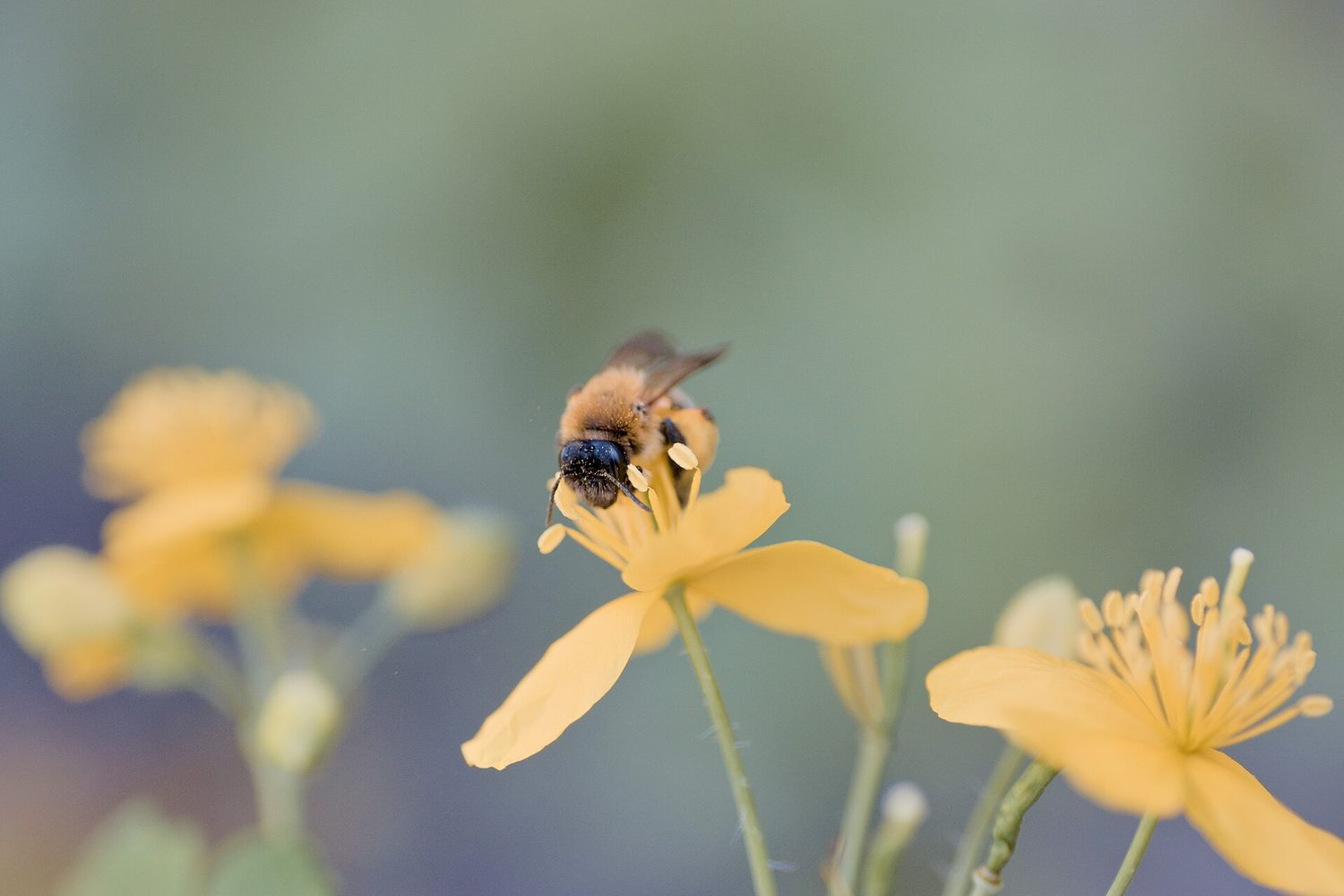
황색 화단에 앉아 있는 벌, 몸통에 약약으로부터의 포포가 묻어 있음
벌은 한 화단에서 다른 화단으로 포포를 운반함 — 곤충 수분의 실제 사례
두 화단을 비교: 큰 밝은 꽃잎을 가진 곤충 매개 화단에 벌이 방문하고, 작은 흐린 꽃잎과 약약을 가진 풍매 화단이 바람에 나뭇가지 모양의 수주를 내걸고 있음
곤충 매개 화도는 화려하고, 풍매 화도는 작아 부분이 바깥으로 나와 있음
세 가지 다른 식물에서 채취된花粉의 스캔 전자 현미경 사진; 위색 처리됨; 각 종류는 고유한 표면 무늬(주름 및 돌기)를 가지고 있다
전자 현미경으로 본花粉(포자) (색상 추가); 각 식물은 고유한 패턴을 가짐

(보충) 자매수분은花粉이 같은 꽃의 암술두(또는 같은 식물 내 다른 꽃)에 떨어지는 것입니다. 교배수분은花粉이 동일한 종의 다른 식물에 있는 꽃으로 운반되는 것입니다. 교배수분은 더 많은 변이를 제공하여 개체군이 변화에 대처하도록 돕지만, 수분 매개체나 바람에 의존합니다. 자매수분은 더 신뢰할 수 있으나 변이는 적습니다.

수정 및 발아

수정란핵이 배낭 내 핵과 융합될 때 수정이 발생합니다. (보충) 먼저 花粉관이 암술을 따라 자라 난소에 진입하며花粉핵을 배낭까지 운반합니다.

씨앗은 물, 산소, 적절한 온도가 있을 때만 발아(성장 시작)합니다.

Explore · ⁨탐색하기⁩

Sexual reproduction · ⁨유성 생식⁩

Two parents each contribute a gamete; fertilisation combines them, creating variation. · ⁨두 부모가 각각 한 쌍의 배우자를 제공하며, 수정은 이를 결합하여 변이를 만듭니다.⁩

Vocabulary · ⁨어휘⁩ Train · ⁨연습하기⁩
English 한국어
sepals/ˈseplz/ 萼片(萼片)
petals/ˈpetlz/ 꽃받침
insects/ˈɪnsekts/ 곤충
stamens/ˈsteɪmenz/ 雄蕊(雄蕊)
filament/ˈfɪləmənt/ 필라멘트
anther/ˈænθə/ 꽃밥
pollen grains/ˈpɒlən ɡreɪnz/ 花粉(화분)
carpel/ˈkɑːpl/ 자실
stigma/ˈstɪɡmə/ 수두
style/staɪl/ 양식
ovary/ˈəʊvəri/ 자방
ovules/ˈɒvjuːlz/ 배주
pollination/ˌpɒlɪˈneɪʃn/ 수분
self-pollination/self ˌpɒlɪˈneɪʃn/ 자가 수분 매개
cross-pollination/krɒs ˌpɒlɪˈneɪʃn/ 교차 수분 매개
pollinators/ˈpɒlɪneɪtəz/ 수분 매개자
pollen tube/ˈpɒlən tjuːb/ 꽃가루 관
seed/siːd/ 씨앗
germinate/ˈdʒɜːmɪneɪt/ 발아(germinate)
oxygen/ˈɒksɪdʒn/ 산소
temperature/ˈtemprɪtʃə/ 온도
testes/ˈtestiːz/ 고환
16.4

Sexual reproduction in humans · ⁨인간의 성생식⁩

Syllabus
Core Supplement
1 Identify on diagrams and state the functions of the following parts of the male reproductive system: testes, scrotum, sperm ducts, prostate gland, urethra and penis
2 Identify on diagrams and state the functions of the following parts of the female reproductive system: ovaries, oviducts, uterus, cervix and vagina
3 Describe fertilisation as the fusion of the nuclei from a male gamete (sperm) and a female gamete (egg cell)
4 Explain the adaptive features of sperm, limited to: flagellum, mitochondria and enzymes in the acrosome
5 Explain the adaptive features of egg cells, limited to: energy stores and the jelly coat that changes at fertilisation
6 Compare male and female gametes in terms of: size, structure, motility and numbers
7 State that in early development, the zygote forms an embryo which is a ball of cells that implants into the lining of the uterus
8 Identify on diagrams and state the functions of the following in the development of the fetus: umbilical cord, placenta, amniotic sac and amniotic fluid 9 Describe the function of the placenta and umbilical cord in relation to the exchange of dissolved nutrients, gases and excretory products between the blood of the mother and the blood of the fetus
10 State that some pathogens and toxins can pass across the placenta and affect the fetus

Source: Cambridge International syllabus · ⁨출처: Cambridge International syllabus⁩

English

The male reproductive system

Part Function
testes 睾丸 make sperm 精子 and testosterone 睾酮
scrotum 阴囊 holds the testes outside the body, kept slightly cool
sperm ducts 输精管 carry sperm away from the testes
prostate gland 前列腺 adds fluid to make semen
urethra 尿道 carries semen (and urine) out through the penis
penis 阴茎 passes sperm into the female

The female reproductive system

Part Function
ovaries 卵巢 make egg cells 卵细胞 and oestrogen 雌激素
oviducts 输卵管 carry the egg towards the uterus; fertilisation happens here
uterus 子宫 where the baby develops
cervix 子宫颈 the ring of muscle at the base of the uterus
vagina 阴道 receives the penis; also the birth canal

Gametes and fertilisation

Fertilisation is the fusion of the nuclei of a male gamete (sperm) and a female gamete (egg cell). The two gametes are adapted to their jobs:

Sperm Egg cell
size very small large
number millions few (about one a month)
can it move? yes — swims with a flagellum 鞭毛 no — it is carried along
special features many mitochondria 线粒体 for energy; enzymes 酶 in the acrosome 顶体 to break into the egg a store of food; a jelly coat 胶质层 that changes after fertilisation to keep other sperm out

Pregnancy and the fetus

After fertilisation the zygote divides to form an embryo 胚胎 — a ball of cells that implants 植入 into the lining of the uterus. As it grows it becomes a fetus 胎儿. These structures support it:

  • the placenta 胎盘 — where dissolved nutrients, gases and wastes are exchanged between the mother's blood and the fetus's blood (the two never mix).
  • the umbilical cord 脐带 — joins the fetus to the placenta.
  • the amniotic sac 羊膜囊 — a bag around the fetus, filled with amniotic fluid 羊水 that cushions it.

(Supplement) Some pathogens 病原体 and toxins 毒素 can cross the placenta and harm the fetus.

한국어

남성의 생식계

부분 기능
고환 정자와 테스토스테론 생성
음낭 고환을体外에 유지하고 약간 서늘하게 함
정소관 정자를 고환에서 이동시킴
전립선 정액을 만들기 위해 액체 첨가
요도 정액(및 소변)을 음경을 통해体外로 배출
음경 정자를 여성体内로 전달

여성의 생식계

부분 기능
난소 란세포와 에스트로겐 생성
난관 란세포를 자궁으로 이동;此处发生受精
자궁 아기가 발달하는 곳
자궁경부 자궁 하부의 근성 링
질 음경을 받침; 출생 통로이기도 함

배우자 세포 및 수정

수정은 남성 배우자 세포(정자)의 핵과 여성 배우자 세포(란세포)의 핵이 융합되는 과정입니다. 두 배우자 세포는各自的职能相适应:

정자 란세포
크기 매우 작음 큼
수 수백만 드물음(약 1개/월)
이동 가능? 예 — 편모로 헤엄침 아니오 — 운반됨
특수 구조 에너지용 미토콘드리아 많음; 막단의 효소로 란세포 침투 음식 저장소; 겔 코트(수정 후 변경되어 다른 정자 차단)
작은 정자(머리, 막단, 긴 꼬리 포함)와 큰 원형 란세포(영양 저장소, 핵, 겔 코트 포함)
정자는 작고 헤엄치며, 난자는 크고 영양분을 저장함

임신 및 태아

수정 후 합자란 분열하여 **태아(Embryo)**를 형성함 — 자궁벽에 착상하는 세포 덩어리. 성장하면 **태아(Fetus)**가 됨. 이를 지지하는 구조:

  • 胎盘 — dissolvednutrients, gas, waste가 모체 혈액과 태아 혈액 사이에서交换되는 곳(두 혈액은 절대 섞이지 않음).
  • 脐带 — 태아를胎盘에 연결.
  • 양막주머니 — 태아를 감싸는 주머니, 양수가 차 있어 cushion作用.
자궁내에 말린 태아:胎盘是子宫壁上的部分通过脐带连接到胎儿,胎儿漂浮在羊膜囊内的羊水中,下方是宫颈
태아는胎盘, cord及羊膜囊的支撑下在子宫内发育

(보충) 일부 병원성微生物 및 독소가胎盘를穿过하여 태아를 해칠 수 있음.

Explore · ⁨탐색하기⁩

Reproductive organ lab · ⁨생식 기관 실험실⁩

Match each organ to its role in human reproduction. · ⁨각 기관을 인간 생식에서의 역할과 매칭하십시오.⁩

Explore · ⁨탐색하기⁩

Fertilisation to pregnancy · ⁨수정에서 임신까지⁩

Follow the route from gametes to implantation. · ⁨배당자에서 착상까지의 경로를 따르십시오.⁩

Vocabulary · ⁨어휘⁩ Train · ⁨연습하기⁩
English 한국어
sperm/spɜːm/ 정자
testosterone/teˈstɒstərəʊn/ 테스토스테론
scrotum/ˈskrəʊtəm/ 음낭
sperm ducts/spɜːm dʌkts/ 정관
prostate gland/ˈprɒsteɪt ɡlænd/ 전립선
urethra/jʊəˈriːθrə/ 요도
penis/ˈpiːnɪs/ 음경
ovaries/ˈəʊvəriz/ 난소
egg cells/eɡ selz/ 란세포
oestrogen/ˈiːstrədʒn/ 에스트로겐
oviducts/ˈəʊvɪdʌkts/ 난관
uterus/ˈjuːtərəs/ 자궁
cervix/ˈsɜːvɪks/ 자궁경
vagina/vəˈdʒaɪnə/ 질
flagellum/fləˈdʒeləm/ 鞭毛(鞭毛)
mitochondria/ˌmaɪtəˈkɒndrɪə/ 미토콘드리아
enzymes/ˈenzaɪmz/ 효소
acrosome/ˈækrəʊsəʊm/ 顶体(顶体)
jelly coat/ˈdʒelɪ kəʊt/ 젤리 막
embryo/ˈembrɪəʊ/ 배
implants/ˈɪmplænts/ 착상
fetus/ˈfiːtəs/ 태아
placenta/pləˈsentə/ 태胎盘
umbilical cord/ʌmˈbɪlɪkl kɔːd/ 배꼽줄기
amniotic sac/ˌæmnɪˈɒtɪk sæk/ 양막
amniotic fluid/ˌæmnɪˈɒtɪk ˈfluːɪd/ 양수
pathogens/ˈpæθədʒnz/ 병원성 미생물
toxins/ˈtɒksɪnz/ 독소
puberty/ˈpjuːbəti/ puberty
hormones/ˈhɔːməʊnz/ 호르몬
secondary sexual characteristics/ˈsekəndəri ˈsekʃuːəl ˌkærɪktəˈrɪstɪks/ 이차 성징
16.5

Sex hormones · ⁨성호르몬⁩

Syllabus
Core Supplement
1 Describe the roles of testosterone and oestrogen in the development and regulation of secondary sexual characteristics during puberty
2 Describe the menstrual cycle in terms of changes in the ovaries and in the lining of the uterus 3 Describe the sites of production of oestrogen and progesterone in the menstrual cycle and in pregnancy
4 Explain the role of hormones in controlling the menstrual cycle and pregnancy, limited to FSH, LH, progesterone and oestrogen

Source: Cambridge International syllabus · ⁨출처: Cambridge International syllabus⁩

English

Puberty

At puberty 青春期, sex hormones 激素 make the body develop secondary sexual characteristics 第二性征 — such as body hair, a deeper voice in boys, and breasts in girls. Testosterone does this in boys; oestrogen does it in girls.

The menstrual cycle

The menstrual cycle 月经周期 (about 28 days) prepares the uterus for a possible pregnancy:

  • the lining of the uterus thickens.
  • around day 14 an ovary releases an egg (ovulation 排卵).
  • if the egg is not fertilised, the lining breaks down and leaves the body (a period), and the cycle starts again.

(Supplement) Four hormones control the cycle: FSH (makes an egg mature and the ovary release oestrogen), LH (triggers ovulation), oestrogen (repairs and thickens the lining), and progesterone 孕酮 (keeps the lining thick). Oestrogen and progesterone are made in the ovaries; during pregnancy 怀孕, progesterone keeps the lining in place.

Worked example. A woman has a regular 28-day cycle, and her period starts on the 1st of the month. On roughly which date is she most likely to conceive? Ovulation happens about day 14, so counting 14 days on from the start of the period points to about the 14th, and the days either side of it are the most fertile. Day 1 is the day the period starts, not the day it ends - counting from the wrong day is what makes most cycle questions go wrong.

한국어

사춘기

사춘기에 성호르몬이 이차성징을 발달시킴 — 예를 들어 체모, 남자아이의 목소리 깊어짐, 여자아이의 유방 발달 등. 테스토스테론이 남자아이에서, 에스트로겐이 여자아이에서 이 역할을 함.

월경 주기

월경 주기(약 28일)는 possible pregnancy를 대비하여 자궁을 준비함:

  • 자궁벽이 두꺼워짐.
  • 약 14일째에 난소가 란세포를 방출함 (배란).
  • 란세포가 수정되지 않으면 자궁벽이 붕괴되어体外로 배출됨(월경), 주기가 다시 시작됨.
28일 주기에 대한 그래프: 1-5일 월경 시 자궁벽이 탈락, 이후 두꺼워짐, 14일 배란 시 란세포 방출, 그 후 자궁벽이 붕괴될 때까지 두꺼움 유지
자궁벽이 두꺼워지고 14일째 란세포가 방출되며, 임신이 없으면 월경이 따름

(보충) 네 가지 호르몬이 주기를 조절: FSH(란세포 성숙 및 난소의 에스트로겐 방출 유도), LH(배란 Trigger), 에스트로겐(자궁벽 수선 및 두꺼워짐), 프로게스테론(자궁벽 두꺼움 유지). 에스트로겐과 프로게스테론은 난소에서 생성되며, 임신 중에는 프로게스테론이 자궁벽을 유지함.

해설 예제. 한 여자가 규칙적인 28일 주기를 가지고 있으며 월경이 월 1일에 시작되었다. 그녀는 대략 어느 날에 임신할 가능성이 가장 높은가? 배란은 약 14일째에 일어나므로, 월경 시작일로부터 14일을 세면 약 14일을 가리키며, 그 양쪽 날들이 가장 fertile하다. 1일은 월경이 시작된 날이지 끝난 날이 아니다 — 잘못된 날부터 세는 것이 대부분의 주기 문제 실수의 원인이다.

Explore · ⁨탐색하기⁩

The menstrual cycle · ⁨월경 주기에⁩

Hormones control a roughly monthly cycle that prepares the uterus for a possible pregnancy. · ⁨호르몬은 약 한 달 주기로 자궁을 가능한 임신에 준비하는 주기를 조절합니다.⁩

Vocabulary · ⁨어휘⁩ Train · ⁨연습하기⁩
English 한국어
menstrual cycle/ˈmenstruːəl ˈsaɪkl/ 월경 주기에
ovulation/ˌɒvjʊˈleɪʃn/ 배란
progesterone/prəʊˈdʒestərəʊn/ 프로게스테론
pregnancy/ˈpreɡnənsi/ 임신
sexually transmitted infection/ˈsekʃuːəli trænˈsmɪtɪd ɪnˈfekʃn/ 성매개 감염증
infection/ɪnˈfekʃn/ 감염
virus/ˈvaɪrəs/ 바이러스(virus)
16.6

Sexually transmitted infections · ⁨성접촉 전염병⁩

Syllabus
Core Supplement
1 Describe a sexually transmitted infection (STI) as an infection that is transmitted through sexual contact
2 State that human immunodeficiency virus (HIV) is a pathogen that causes an STI
3 State that HIV infection may lead to AIDS
4 Describe the methods of transmission of HIV
5 Explain how the spread of STIs is controlled

Source: Cambridge International syllabus · ⁨출처: Cambridge International syllabus⁩

English

A sexually transmitted infection 性传播感染 (STI) is an infection 感染 spread through sexual contact.

HIV is a virus 病毒 that causes an STI, and it can lead to AIDS, in which the immune system stops working properly. HIV is passed on in infected body fluids — for example by sharing needles, during sex, or from mother to baby (across the placenta or in breast milk).

The spread of STIs is controlled by using condoms, having fewer partners, testing and treating infected people, and not sharing needles.

한국어

성접촉 전염병(STI)은 성접촉을 통해 spread되는 감염증이다.

HIV는 STI를 일으키는 바이러스이며, 이는 AIDS로 이어져 면역 체계가 정상적으로 기능하지 못하게 함. HIV는 감염된 체액(예:共用针头, 성관계 시, 또는 모체에서 신생아로(胎盘穿过或母乳))을 통해 전파됨.

성접촉 전염병의 spread는 콘돔 사용, fewer partners, 검진 및 치료,共用针头하지 않기로 통제됨.

Explore · ⁨탐색하기⁩

STI prevention chain · ⁨STI 예방 체인⁩

See where prevention breaks transmission. · ⁨예방이 전파를 차단하는 지점을 확인하십시오.⁩

16.6

Exam tips · ⁨시험 팁⁩

English
  • Asexual: one parent, identical offspring (no variation). Sexual: two parents, gametes fuse, offspring show variation.
  • Fertilisation = fusion of two gamete nuclei → zygote. (Supplement: gametes haploid, zygote diploid.)
  • Learn the flower parts and which are male (stamen) and female (carpel). Compare insect- and wind-pollinated flowers.
  • Sperm: small, many, moving (flagellum). Egg: large, few, with a food store.
  • Menstrual cycle: lining thickens → ovulation (day 14) → period if no fertilisation. (Supplement: FSH, LH, oestrogen, progesterone.)
  • HIV is a virus that causes an STI and can lead to AIDS; it spreads through body fluids.
한국어
  • 무성생식: 한 명의 부모, 자손이 모두 동일 (변이 없음). 유성생식: 두 명의 부모, 배자가 융합되어 자손에 변이가 나타남.
  • 수정 = 두 배자 핵의 융합 → 합자. (보충: 배자는 단배체, 합자는 이배체.)
  • 꽃의 부위를 외우고, 수꽃(수선)과 암꽃(암란)을 구분할 것. 곤충 매개와 바람 매개 꽃을 비교할 것.
  • 정자: 작고 많으며 움직임(섬모/편모). 알: 크고 적으며 영양 저장소 포함.
  • 월경 주기: 자궁 내막 두꺼워짐 → 배란(14일째) → 수정 실패 시 월경 발생. (보충: FSH, LH, 에스트로겐, 프로게스테론.)
  • HIV는 성매개 질환(STI)을 유발하는 바이러스이며, AIDS로 진행될 수 있습니다. 체액(혈액, 정액, 질 분비물 등)을 통해 전파됩니다.

Interactive lessons on this topic · ⁨이 주제에 대한 인터랙티브 수업⁩

Work through it step by step, with instant-check exercises. · ⁨즉시 체크 기능 exercises를 통해 단계별로 진행하세요.⁩

Past Papers · ⁨과거 시험지⁩

More topics in IGCSE Biology · ⁨IGCSE 생물학⁩ · ⁨IGCSE Biology · ⁨IGCSE 생물학⁩ 내 추가 주제⁩

Log in or create account · ⁨로그인 또는 계정 만들기⁩

IGCSE, A-Level & AP