Sexually transmitted infections
Introduced| English | Meaning |
|---|---|
| sexually transmitted infections/ˈsekʃuːəli trænˈsmɪtɪd ɪnˈfekʃnz/ | sexually transmitted infections |
| HIV/ˌeɪtʃ aɪ ˈviː/ | A virus that can lead to AIDS , by attacking the immune system's white blood cells. |
| AIDS/eɪdz/ | AIDS |
| condom/ˈkɒndəm/ | condom |
Infections passed on by sex
- Some pathogens spread through sexual contact. These cause sexually transmitted infections 性传播感染 (STIs).
- Knowing how they spread is the key to preventing them.
STI prevention chain
See where prevention breaks transmission.
An STI is an infection spread mainly by:
Difficulty 1/5 · 100 coins + a small bonus on first completion today
STIs spread through sexual contact and body fluids.
HIV attacks the body's:
Difficulty 1/5 · 100 coins + a small bonus on first completion today
HIV weakens the immune system, which can lead to AIDS.
The condition that can develop from untreated HIV infection is ______.
Difficulty 1/5 · 100 coins + a small bonus on first completion today
HIV can lead to AIDS by destroying immune cells.
An example: HIV 艾滋病毒
- HIV is a virus that can lead to AIDS 艾滋病, by attacking the immune system's white blood cells.
- A weakened immune system can no longer fight off other infections.
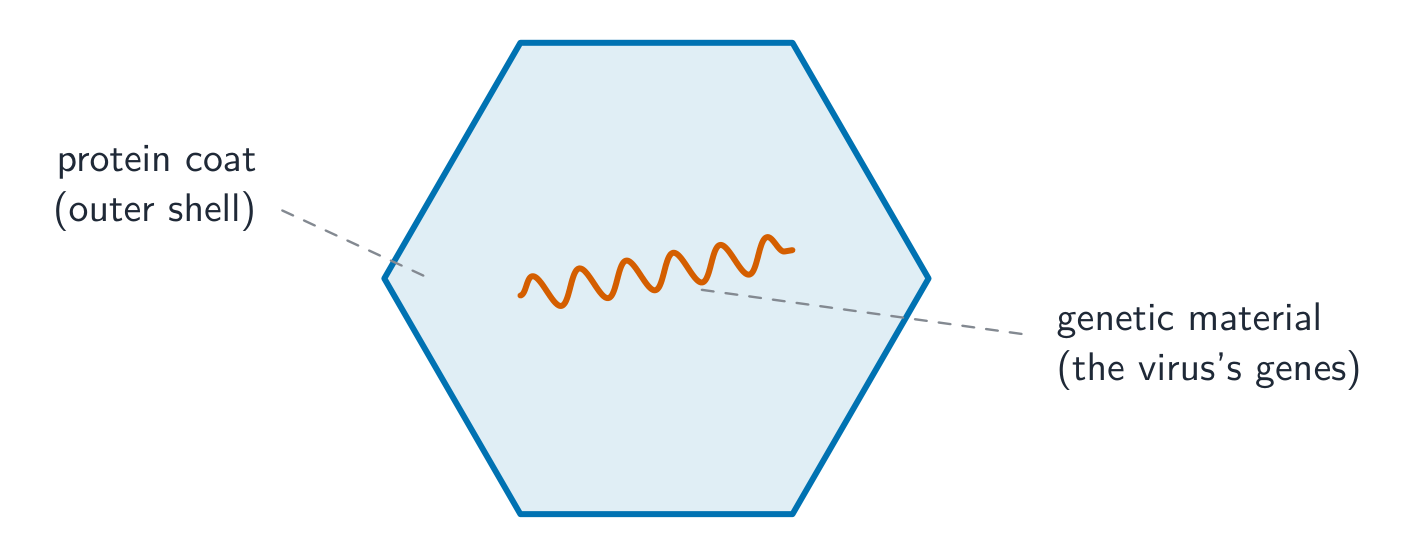
HIV is a virus passed on through unprotected sex and infected blood
HIV can be caught from hugging or sharing a cup.
Difficulty 1/5 · 100 coins + a small bonus on first completion today
HIV spreads through specific body fluids, not everyday contact.
How STIs spread
- Through unprotected sexual contact and exchange of body fluids.
- HIV can also spread via infected blood (e.g. shared needles) and from mother to baby.
Which greatly reduces the spread of STIs?
Difficulty 1/5 · 100 coins + a small bonus on first completion today
Condoms reduce transmission of STIs.
Prevention
- Using a condom 避孕套 greatly reduces the spread of STIs.
- Other measures: not sharing needles, testing, and treatment to reduce transmission.
HIV is not spread by everyday contact. You cannot catch HIV from hugging, sharing cups or toilet seats. It spreads through specific body fluids — understanding this prevents both infection and stigma.
You've got it
- STIs spread through sexual contact; HIV is a virus that can cause AIDS
- HIV spreads via body fluids, infected blood, and mother to baby — not everyday contact
- condoms and not sharing needles greatly reduce spread