1.1 Contextualizing Period 1
Learning Objective Unit 1.A: Explain the context for European encounters in the Americas from 1491 to 1607.
- KC-1.1 As native populations migrated and settled across the vast expanse of North America over time, they developed distinct and increasingly complex societies by adapting to and transforming their diverse environments.
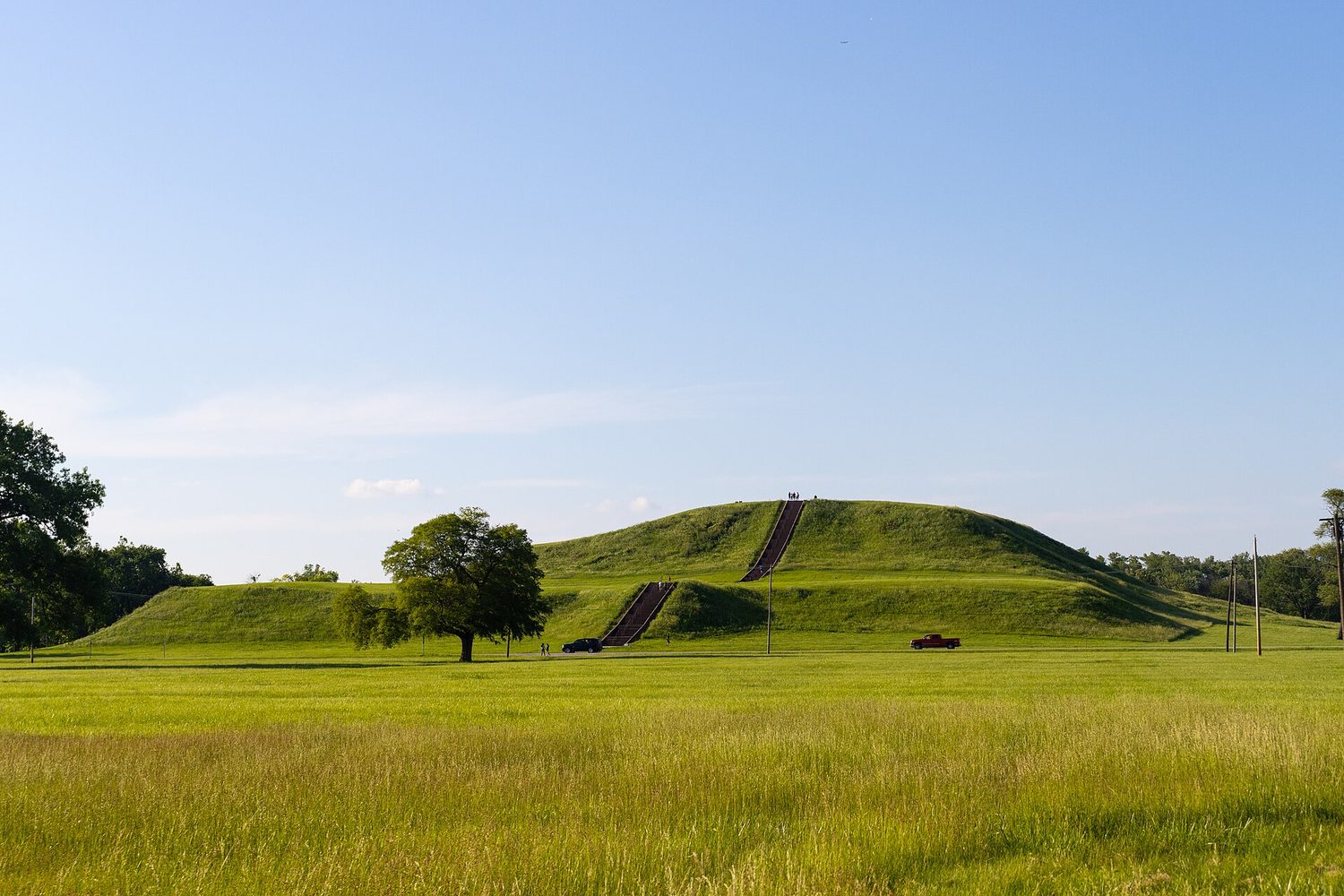
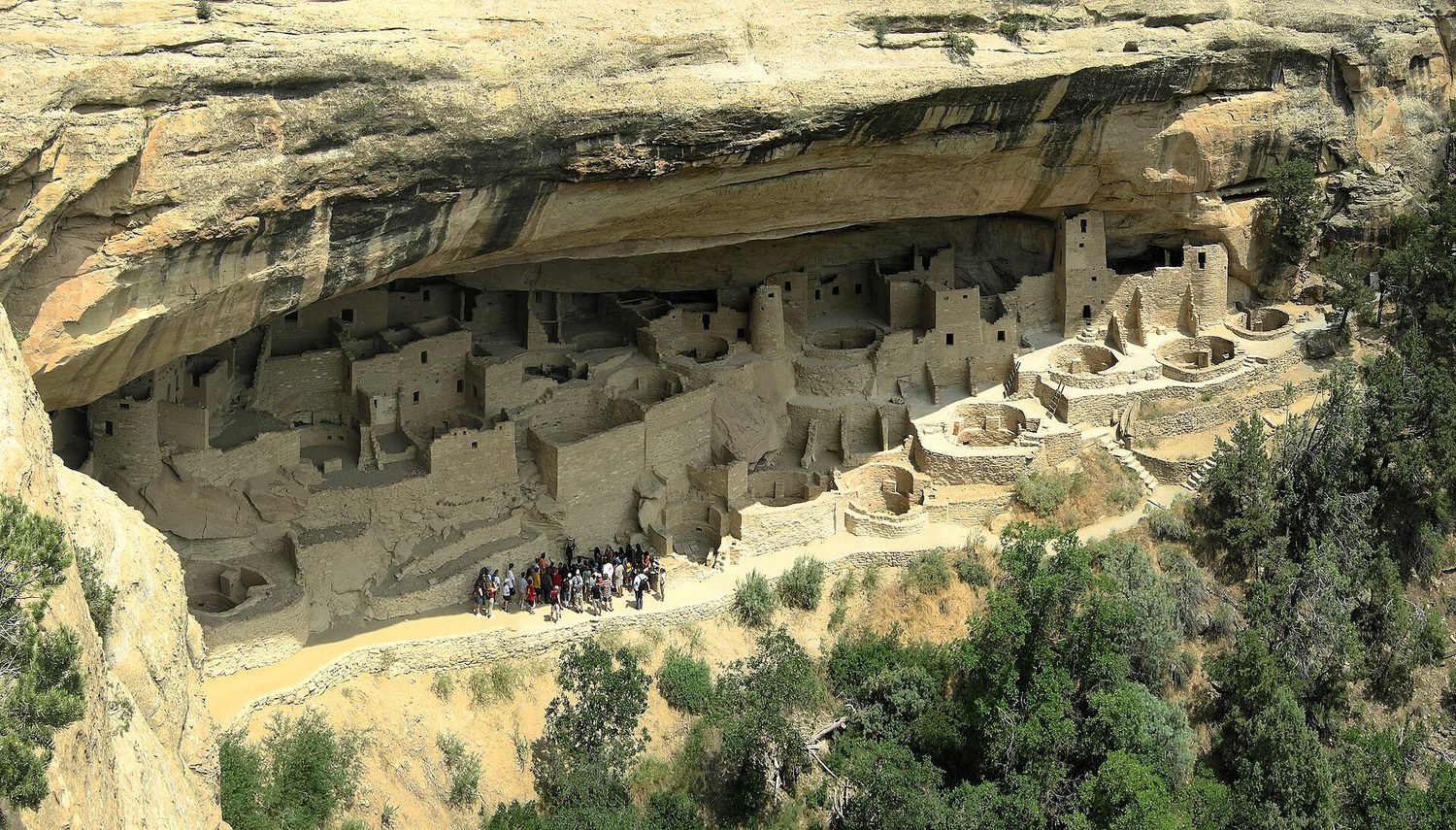
- KC-1.1.I Different native societies adapted to and transformed their environments through innovations in agriculture, resource use, and social structure.
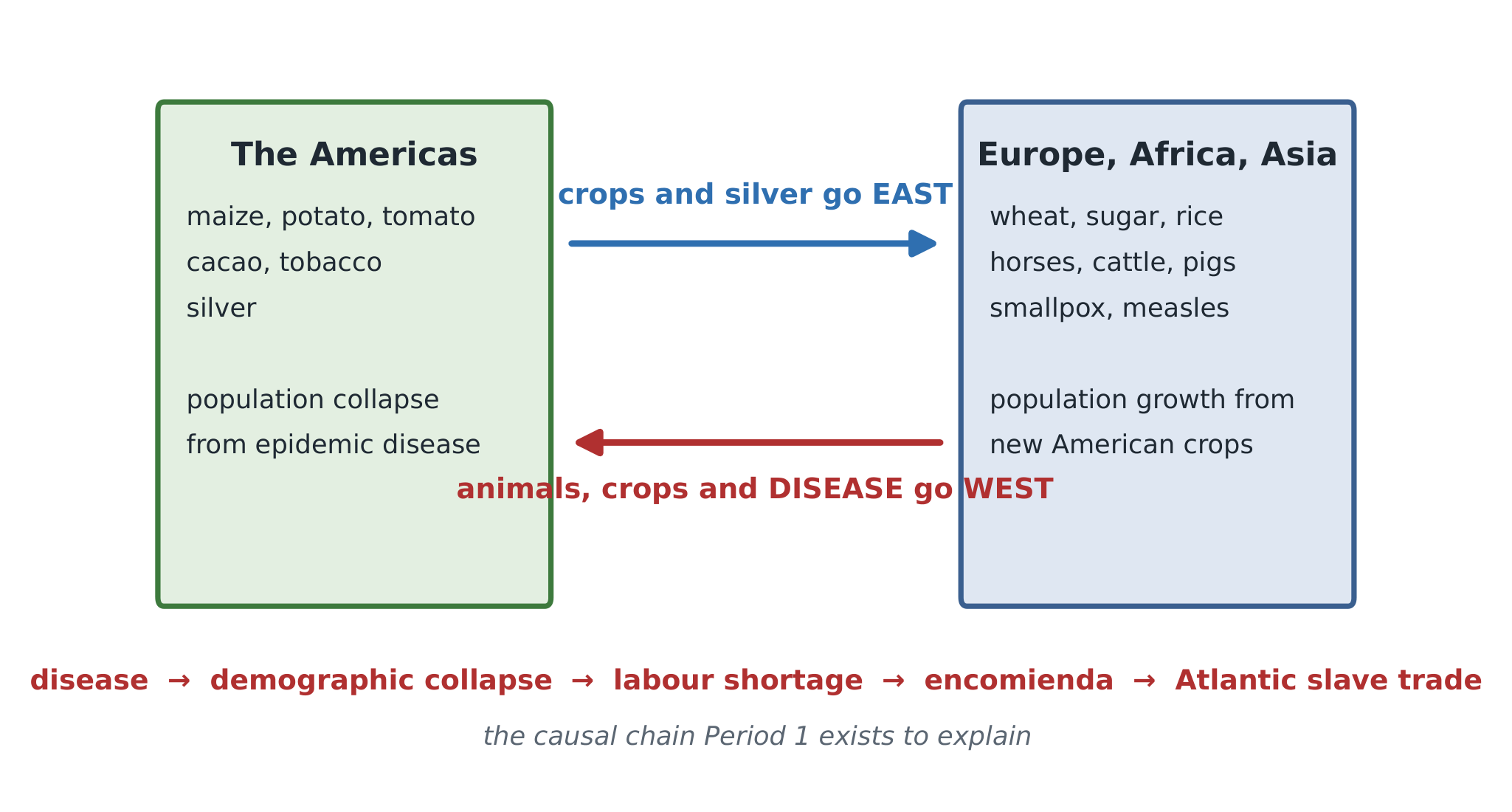
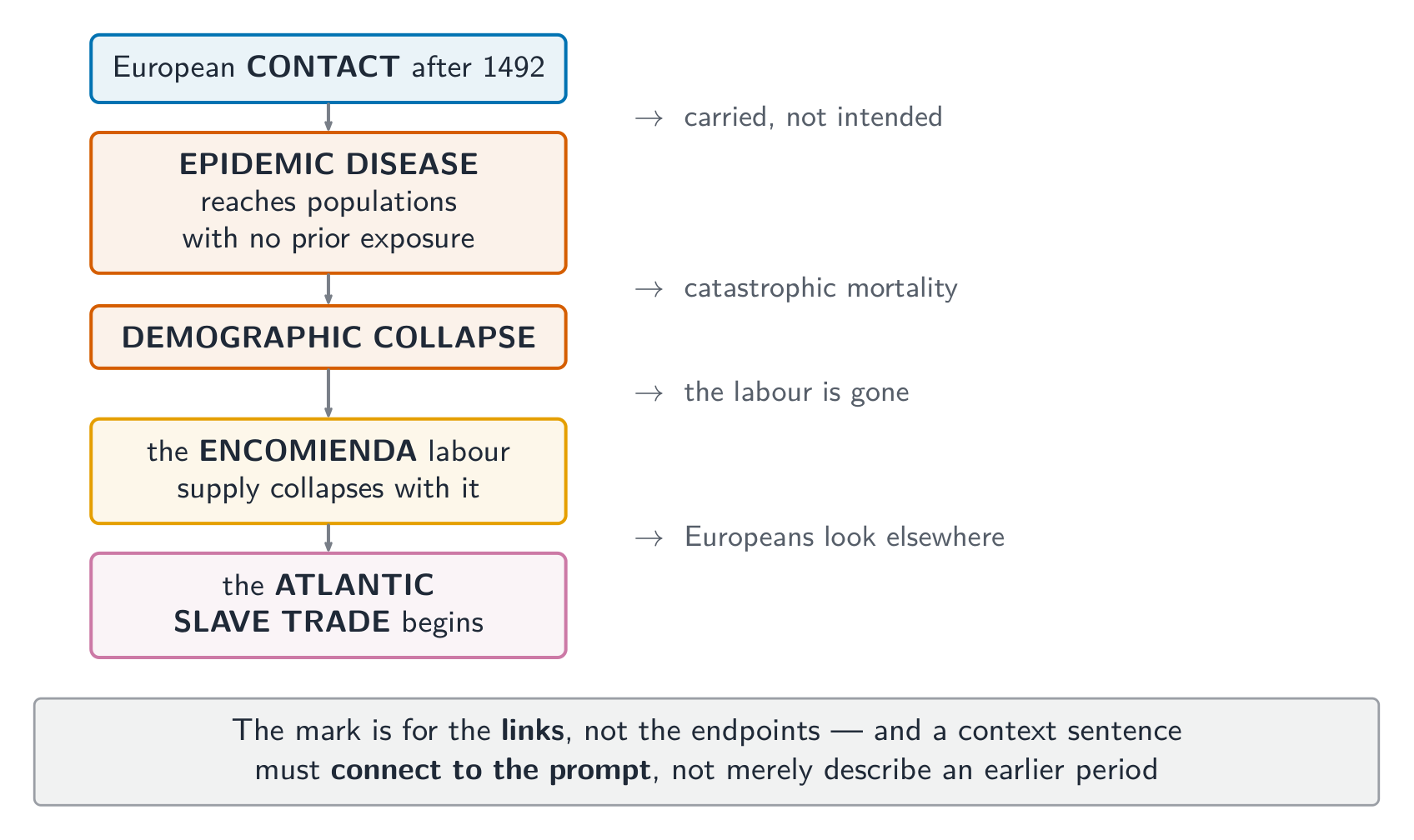
- KC-1.2 Contact among Europeans, Native Americans, and Africans resulted in the Columbian Exchange and significant social, cultural, and political changes on both sides of the Atlantic Ocean.
- KC-1.2.I European expansion into the Western Hemisphere generated intense social, religious, political, and economic competition and changes within European societies.
- KC-1.2.II The Columbian Exchange and development of the Spanish Empire in the Western Hemisphere resulted in extensive demographic, economic, and social changes.
- KC-1.2.III In their interactions, Europeans and Native Americans asserted divergent worldviews regarding issues such as religion, gender roles, family, land use, and power.
1.1 1기 맥락화
학습 목표 1.A: 1491년부터 1607년까지 유럽의 아메리카接触에 대한 맥락을 설명한다.
- KC-1.1 원주민들이 시간이 흐르며 북미 대지 전체로 이동하고 정착함에 따라, 그들은 다양한 환경에 적응하고 변형시킴으로써 독특하고 점진적으로 복잡한 사회를 발전시켰다.
- KC-1.1.I 다양한 원주민 사회들은 농업, 자원 활용, 사회 구조에서의 혁신을 통해 자신의 환경을 적응시키고 변형시켰다.
- KC-1.2 유럽인, 원주민, 아프리카인 간의 접촉은 콜럼비아 교환(Columbian Exchange)을 일으켰고 대서양 양안의 양측에서 중대한 사회적, 문화적, 정치적 변화를 가져왔다.
- KC-1.2.I 서반구로의 유럽 확장으로 인해 유럽 사회 내부에서 치열한 사회적, 종교적, 정치적, 경제적 경쟁과 변화가 발생했다.
- KC-1.2.II 콜럼비아 교환과 서반구에서의 스페인 제국 개발은 광범위한 인구, 경제, 사회적 변화를 초래했다.
- KC-1.2.III 상호작용 과정에서 유럽인과 원주민은 종교, 성별 역할, 가족, 토지 이용, 권력 등의 문제 regarding 이질적인 세계관을 주장했다.
1.2 Native American Societies Before European Contact
Thematic Focus (GEO): Geography and the Environment — Geographic and environmental factors, including competition over and debates about natural resources, shape the development of America and foster regional diversity. The development of America impacts the environment and reshapes geography, which leads to debates about environmental and geographic issues.
Learning Objective Unit 1.B: Explain how and why various native populations in the period before European contact interacted with the natural environment in North America.
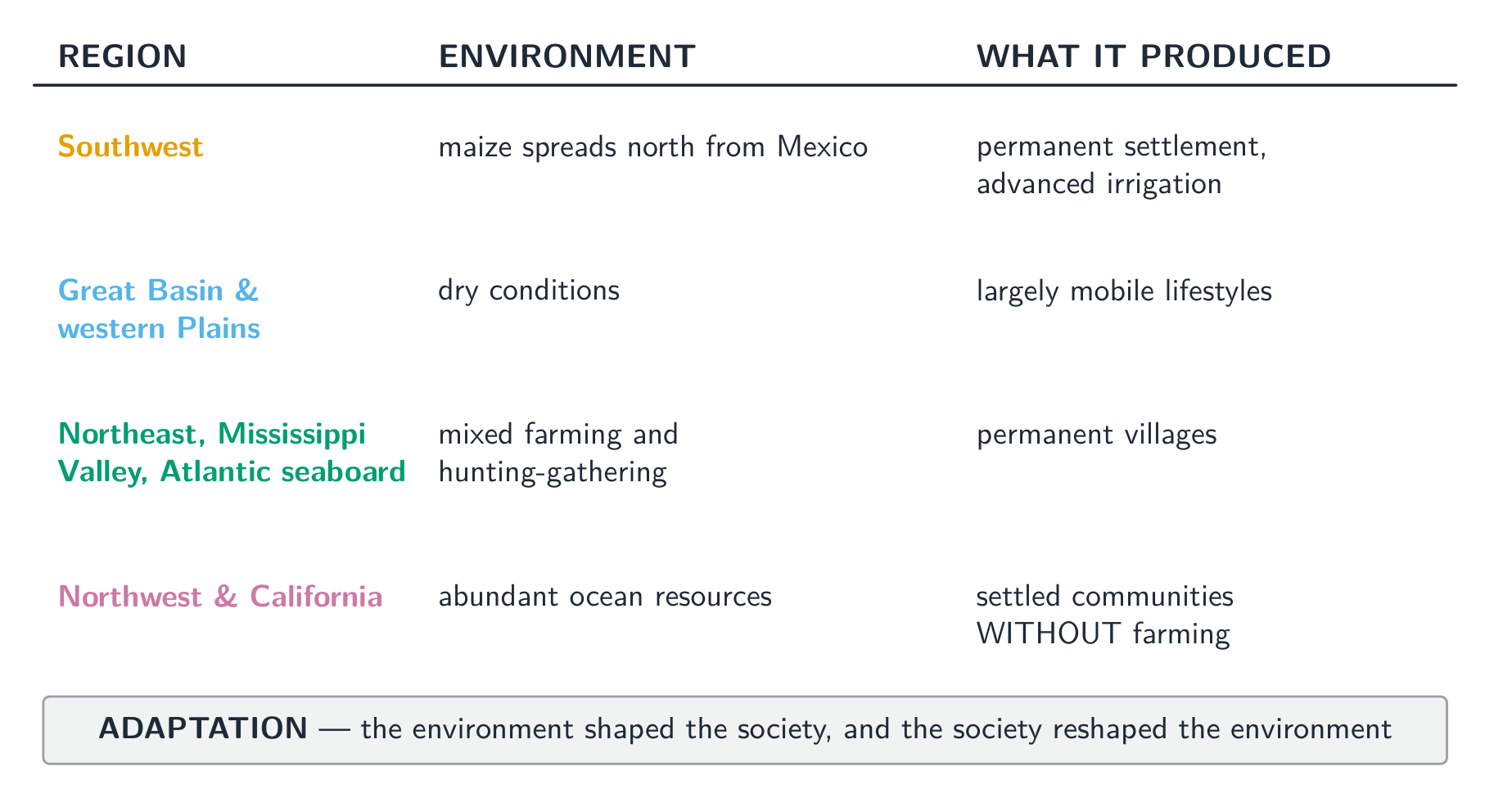
- KC-1.1.I.A The spread of maize cultivation from present-day Mexico northward into the present-day American Southwest and beyond supported economic development, settlement, advanced irrigation, and social diversification among societies.
- KC-1.1.I.B Societies responded to the aridity of the Great Basin and the grasslands of the western Great Plains by developing largely mobile lifestyles.
- KC-1.1.I.C In the Northeast, the Mississippi River Valley, and along the Atlantic seaboard, some societies developed mixed agricultural and hunter-gatherer economies that favored the development of permanent villages.
- KC-1.1.I.D Societies in the Northwest and present-day California supported themselves by hunting and gathering, and in some areas developed settled communities supported by the vast resources of the ocean.
1.2 유럽接触 이전의 원주민 사회
주제 집중 (GEO): 지리와 환경 — 자연 자원에 대한 경쟁과 논의를 포함한 지리적 및 환경적 요인은 미국의 발전을 형성하고 지역적 다양성을 조성한다. 미국의 발전은 환경에 영향을 미치고 지형을 재편하며, 이는 환경 및 지리적 문제에 대한 논의로 이어진다.
학습 목표 1.B: 유럽接触 이전 시기의 다양한 원주민 집단이 북미의 자연 환경과 어떻게, 왜 상호작용했는지 설명한다.
- KC-1.1.I.A 현Mexico에서 북쪽으로 현미국 서남부 및 그 너머까지 옥수수 재배가 확산되면서 사회 간 경제 발전, 정착, 고도화된 관개 시스템, 그리고 사회적 다양성이 지원되었다.
- KC-1.1.I.B 사회들은 그레이트 베신(Great Basin)의 가뭄과 서부 그레이트 플레인즈(Grasslands)의 초원 조건에 대응하여 대부분 유동적인 생활 방식을 발전시켰다.
- KC-1.1.I.C 동부 연안, 미시시피 강 계곡, 그리고 대서양 해안을 중심으로 일부 사회들은 영구 마을의 발전을 선호하는 복합 농업 및 채취-사냥 경제를 발전시켰다.
- KC-1.1.I.D 북서부와 현캘리포니아의 사회들은 사냥과 채취를 통해 생계를 유지했으며, 일부 지역에서는 방대한 해양 자원을 기반으로 정착 공동체를 발전시켰다.