English
Enduring Understanding (STB-2): Human activities have physical, chemical, and biological consequences for the atmosphere.
Learning Objective STB-2.A: Identify the sources and effects of air pollutants.
- STB-2.A.1 Coal combustion releases air pollutants including carbon dioxide, sulfur dioxide, toxic metals, and particulates.
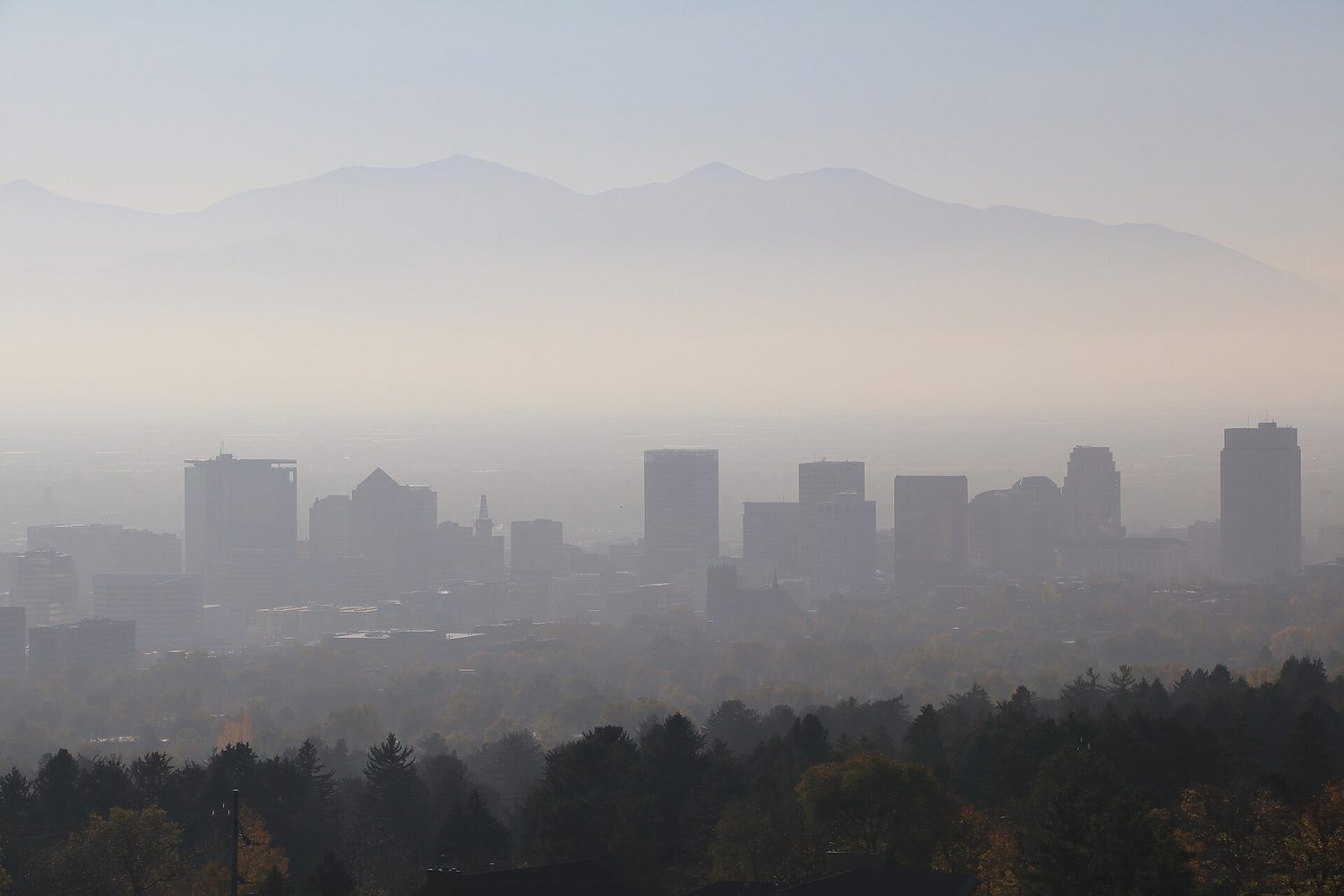
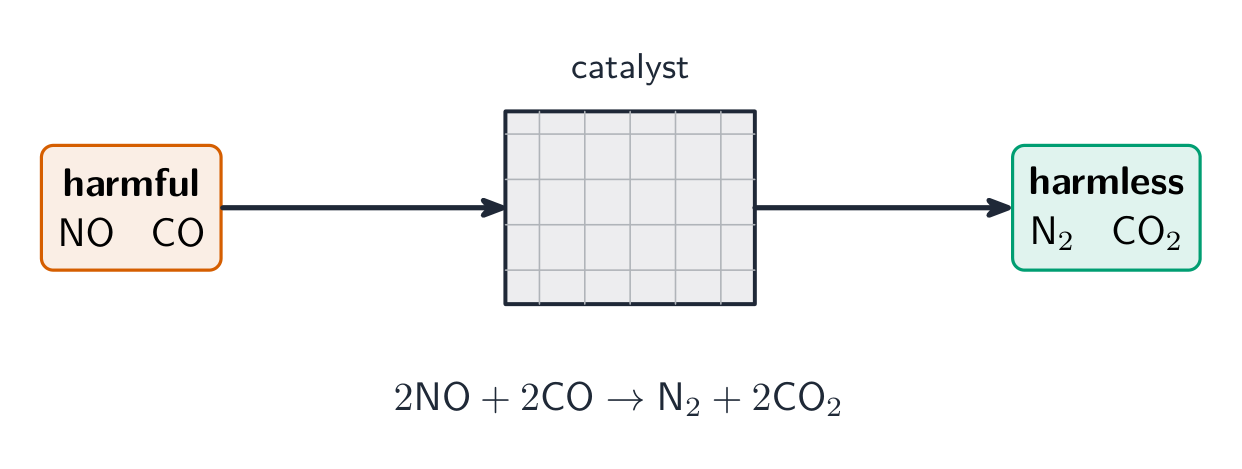
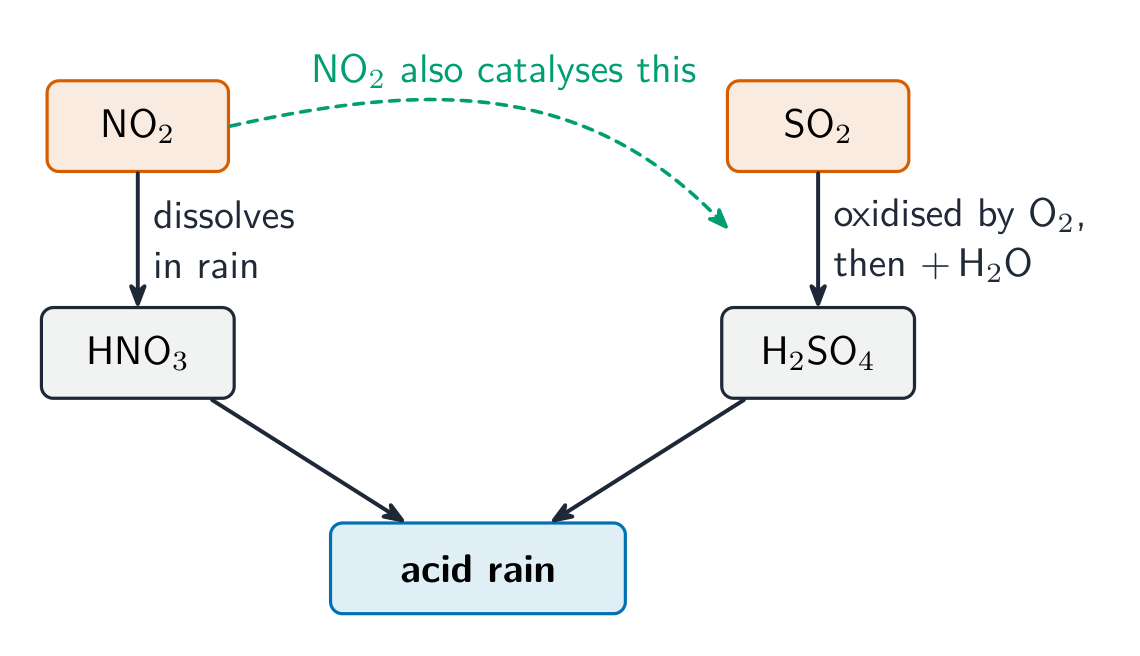
- STB-2.A.2 The combustion of fossil fuels releases nitrogen oxides into the atmosphere. They lead to the production of ozone, formation of photochemical smog, and convert to nitric acid in the atmosphere, causing acid rain. Other pollutants produced by fossil fuel combustion include carbon monoxide, hydrocarbons, and particulate matter.
- STB-2.A.3 Air quality can be affected through the release of sulfur dioxide during the burning of fossil fuels, mainly diesel fuels.
- STB-2.A.4 Through the Clean Air Act, the Environmental Protection Agency (EPA) regulated the use of lead, particularly in fuels, which dramatically decreased the amount of lead in the atmosphere.
- STB-2.A.5 Air pollutants can be primary or secondary pollutants.
한국어
지속적 이해 (STB-2): 인간 활동은 대기에 물리적, 화학적, 생물학적 결과를 초래합니다.
학습 목표 STB-2.A: 대기 오염 물질의 원인과 영향을 식별하시오.
- STB-2.A.1 석탄 연소는 이산화탄소, 황산염, 유해 금속, 그리고 입자물질을 포함한 대기 오염 물질을 방출합니다.
- STB-2.A.2 화석연료의 연소는 대기로 질소 산化物를 방출합니다. 이는 오존 생성, 광화학 스모그 형성, 그리고 대략 질산으로 전환되어 산성비와 같은 현상을 유발합니다. 화석연료 연소로 인해 발생하는 다른 오염 물질로는 일산화탄소, 탄화수소, 그리고 입자물질이 있습니다.
- STB-2.A.3 대기 질은 주로 디젤 연료와 같은 화석연료 연소 시 발생하는 황산염 방출을 통해 영향을 받을 수 있습니다.
- STB-2.A.4 청정대기법(Clean Air Act)을 통해 환경보호청(EPA)은 특히 연료에서의 납 사용을 규제하여 대기의 납 양을 급격히 감소시켰습니다.
- STB-2.A.5 대기 오염 물질은 일차 오염 물질과 이차 오염 물질로 나뉠 수 있습니다.