Skip to content · ⁨コンテンツへスキップ⁩

The internet and its uses · ⁨インターネットおよびその用途⁩

IGCSE Computer Science · ⁨IGCSE コンピューター科学⁩ · Topic 5 · ⁨トピック 5⁩

View Slides · ⁨查看幻灯片⁩ Train · ⁨練習する⁩
Video lesson for this topic · ⁨このトピックのビデオレッスン⁩ Open the video page · ⁨動画ページを開く⁩
9:52

The Internet & the Web

You type a web address and press enter. Less than a second later, a page appears — a page that lives on a computer maybe ten thousand kilometres away. In that…

English narration · English + 中文 subtitles burned in · ⁨英語ナレーション・英語+中文字幕 burning-in⁩

5.1

The internet and the world wide web · ⁨インターネットとワールドワイドウェブ⁩

Syllabus · ⁨シラバス⁩
English
Candidates should be able to: Notes and guidance
1 Understand the difference between the internet and the world wide web • The internet is the infrastructure • The world wide web is the collection of websites and web pages accessed using the internet
2 Understand what is meant by a uniform resource locator (URL) • A URL is a text-based address for a web page; it can contain the protocol, the domain name and the web page/file name
3 Describe the purpose and operation of hypertext transfer protocol (HTTP) and hypertext transfer protocol secure (HTTPS)
4 Explain the purpose and functions of a web browser • The main purpose of a web browser is to render hypertext markup language (HTML) and display web pages • Functions include: – storing bookmarks and favourites – recording user history – allowing use of multiple tabs – storing cookies – providing navigation tools – providing an address bar
5 Describe how web pages are located, retrieved and displayed on a device when a user enters a URL • Including the role of: – the web browser – IP addresses – the domain name server (DNS) – the web server – HTML
6 Explain what is meant by cookies and how they are used, including session cookies and persistent cookies • Cookies are used for functions, including: – saving personal details – tracking user preferences – holding items in an online shopping cart – storing login details
日本語
受験者は以下的能力を備えているべきである: メモおよびガイドライン
1 インターネットとワールドワイドウェブの違いを理解する • インターネットはインフラストラクチャである • ワールドワイドウェブはインターネットを使用してアクセスされるウェブサイトおよびウェブページの集合体である
2 **earer resource locator (URL)**の意味を理解する • URLはウェブページのテキストベースのアドレスであり、プロトコル、ドメイン名、およびウェブページ/ファイル名を含めることができる
3 **hypertext transfer protocol (HTTP)およびhypertext transfer protocol secure (HTTPS)**の目的と動作について説明する
4 ウェブブラウザの目的と機能について説明する • ウェブブラウザの主な目的は、hyper text markup language (HTML) をレンダリングし、ウェブページを表示することである • 機能には以下が含まれる: ブックマークおよびお気に入りの保存、ユーザー履歴の記録、複数タブの使用許可、クッキーの保存、ナビゲーションツールの提供、アドレスバーの提供
5 ユーザーがURLを入力した際に、ウェブページがどのように特定、取得、およびデバイス上で表示されるかを説明する • 以下の役割を含む: ウェブブラウザ、IPアドレス、ドメインネームサーバー (DNS)、Webサーバー、HTML
6 クッキーの意味と使用方法を説明し、セッションクッキーおよび永続クッキーも含める • クッキーは以下の機能に使用される: 個人情報の保存、ユーザーの嗜好の追跡、オンラインショッピングカートにおけるアイテムの保持、ログイン情報の保存

Source: Cambridge International syllabus · ⁨出典: Cambridge International シラバス⁩

English

People often mix up these two terms, but they are not the same.

  • The internet 互联网 is the infrastructure 基础设施 — the huge worldwide network of computers and the cables, routers and connections that join them.
  • The world wide web 万维网 (WWW) is a collection of websites 网站 and web pages that you view using the internet.

So the internet is the network; the web is one of the things you use on that network.

日本語

この2つの用語はよく混同されるが、異なる概念である。

  • インターネット はインフラストラクチャ、すなわち膨大な世界的なコンピュータネットワークと、それらを接続するケーブル、ルーター、接続部である。
  • ワールドワイドウェブ(WWW)は、インターネットを利用して閲覧するウェブサイトやWebページの集合体である。

つまり、インターネットはネットワークそのものであり、ウェブはそのネットワーク上で利用される機能の一つである。

インターネットとラベル付けされた大きな箱の中に、2つの小さい箱が含まれており、それぞれWorld Wide Webと、メールなどのその他のサービスを表している
インターネットは世界的なネットワークであり、ワールドワイドウェブはその上で利用される機能の一つである
黒い箱型のルーターに3本の長いアンテナが立っている写真
ルーターは家庭用ネットワークをインターネットに接続し、データを正しい場所へ送る
Vocabulary · ⁨語彙⁩ Train · ⁨練習する⁩
English 日本語
internet/ˈɪntənet/ インターネット
infrastructure/ˈɪnfrəstrʌktʃə/ インフラ
world wide web/wɜːld waɪd web/ ワールドワイドウェブ
websites/ˈwebsaɪts/ ウェブサイト
uniform resource locator/ˈjuːnɪfɔːm rɪˈzɔːs ləʊˈkeɪtə/ earer resource locator
web browser/web ˈbraʊzə/ ウェブブラウザ
rendering/ˈrendərɪŋ/ レンダリング
hypertext markup language/ˈhaɪpətekst ˈmɑːkʌp ˈlæŋɡwɪdʒ/ ハイパーテキストマークアップ言語
IP address/ˌaɪ ˈpiː əˈdres/ IPアドレス
domain name service/dəˈmeɪn neɪm ˈsɜːvɪs/ ドメインネームサービス
web server/web ˈsɜːvə/ Webサーバー
session/ˈseʃn/ セッション
persistent/pəˈsɪstənt/ persistent
user preferences/ˈjuːzə ˈprefrənsɪz/ ユーザー設定
digital currency/ˈdɪdʒɪtl ˈkʌrənsi/ デジタル通貨
electronic form/ɪlekˈtrɒnɪk fɔːm/ 電子フォーム
5.1

URL

English

A uniform resource locator 统一资源定位符 (URL) is a text-based address for a web page. You type it into a web browser 网页浏览器 to visit a page, for example https://www.example.com/index.html.

日本語

URL(earer resource locator)とは、Webページのテキストベースの住所である。Webブラウザ に入力してページにアクセスする。例として https://www.example.com/index.html が挙げられる。

URL https://www.example.com/index.html を3つのラベル付き部分に分割した図:プロトコル、ドメイン名、パス
URLには3つの部分がある:プロトコル、ドメイン名、サーバー上のページへのパス
5.1

The web browser · ⁨ウェブブラウザ⁩

English

A web browser is the program you use to view web pages. Its role includes:

  • rendering 渲染 the hypertext markup language 超文本标记语言 (HTML) — turning the page's code into what you see;
  • displaying web pages on the screen;
  • managing how a web page is presented — its layout, text and images.
日本語

WebブラウザはWebページを表示するために使用するプログラムである。その役割には以下が含まれる:

  • ハイパーテキストマークアップ言語(HTML)のレンダリング — ページのコードを視覚的に表示される内容に変換すること;
  • スクリーン上にWebページを表示すること;
  • Webページの表示方法の管理 — レイアウト、テキスト、画像など。
5.1

How a web page reaches you · ⁨Webページがあなたに届く仕組み⁩

English

When you type a URL and press enter, several steps happen:

  1. The browser needs the website's IP address 网际协议地址, but a URL uses a name, not a number.
  2. The browser asks a domain name service 域名服务 (DNS) — a system that stores the IP address for each web address.
  3. The DNS finds the matching IP address and sends it back to the browser.
  4. The browser uses the IP address to contact the web server 网页服务器 that stores the page.
  5. The web server sends the page's HTML back to the browser.
  6. The browser turns the HTML into the page and displays it.

If the DNS does not have the address, it asks another DNS server until the address is found.

Worked example. Break down the URL https://www.example.com/books/index.html. https is the protocol, the set of rules used to transfer the page (the s means the transfer is encrypted). www.example.com is the domain name, which identifies the web server and which a DNS server turns into an IP address. /books/index.html is the file path and file name of the resource stored on that server. Name each part together with its job: an answer that says "the first bit" and "the last bit" describes the URL without ever explaining it.

日本語

URLを入力してエンターキーを押すと、以下の手順が行われる:

  1. ブラウザにはサイトのIPアドレスが必要だが、URLには名前が使われ、数字ではない。
  2. ブラウザは各WebアドレスのIPアドレスを格納するシステムであるドメインネームサービス(DNS)に照合する。
  3. DNSが対応するIPアドレスを検索し、ブラウザに送信する。
  4. ブラウザはIPアドレスを使用して、ページを格納しているWebサーバーに接続する。
  5. WebサーバーがページのHTMLをブラウザへ送信する。
  6. ブラウザがHTMLをページに変換して表示する。
ブラウザがDNSサーバーにIPアドレスを問い合わせ、Webサーバーからページを要求し、HTMLを受信する様子
ブラウザがDNSにサイトのIPアドレスを問い合わせ、Webサーバーからページを要求すると、HTMLが返ってくる

DNSにそのアドレスがない場合、見つかるまで別のDNSサーバーに問い合わせ続ける。

データセンター内、青いライトが点灯する金属ラックに並んだ多数のコンピュータサーバー
サーバーで溢れたデータセンター:ウェブサイトを格納し、あなたに送信する強力なコンピュータ

** worked example.** URL https://www.example.com/books/index.html を分解する。https はプロトコルであり、ページを転送するためのルールセットである(s は転送が暗号化されていることを示す)。www.example.com はドメイン名であり、Webサーバーを識別し、DNSサーバーによってIPアドレスに変換される。/books/index.html は、そのサーバーに格納されているリソースのファイルパスおよびファイル名である。各部分とその役割を名称で答える。「最初の部分」や「最後の部分」という表現だけでは、URLを説明していないことになる。

Explore · ⁨探索⁩

What happens when you load a web page · ⁨ウェブページを読み込むとき、何が起こるのか⁩

Step through it. The web address is just a name — DNS turns it into an IP address before the browser can ask the right server for the page. · ⁨順を追って確認します。Webアドレスは単なる名称に過ぎず、ブラウザが正しいサーバーにページを要求する前に、DNSによってIPアドレスに変換されます。⁩

5.1

Cookies · ⁨クッキー⁩

English

A cookie is a small text file that a website stores on your device. It lets the website remember things about you. There are two types.

Type Kept when you close the browser? Used for
session 会话 cookie no — deleted when you close the browser short-term data, e.g. items in a shopping basket
persistent 持久 cookie yes — saved on the device remembering you between visits

Cookies are used to:

  • save personal details so you do not type them again (such as login or address);
  • track user preferences 用户偏好, such as your language or the things you like, so the site can suggest content.
日本語

クッキー とは、ウェブサイトがあなたのデバイスに格納する小さなテキストファイルである。これにより、ウェブサイトはあなたの情報を記憶できる。2つの種類がある。

クッキーとは、あなたの設定やログイン情報を記憶するためにコンピュータに保存される小さなテキストファイルです
クッキーはコンピュータ上に保存された小さなテキストファイル
種類 ブラウザを閉じた後も保持されるか? 用途
セッション クッキー いいえ — ブラウザを閉じると削除される 短期間のデータ、例:ショッピングカートの商品
永続的 クッキー はい — デバイスに保存される 訪問間でのユーザー記憶

クッキーは次のために使用される:

  • 個人情報を読み込むことで、再度入力を不要にする(ログイン情報や住所など);
  • ユーザーの嗜好を追跡することで、言語設定や好みのコンテンツなどを记忆し、サイトがコンテンツを提案できるようにする。
5.2

Digital currency · ⁨デジタル通貨⁩

Syllabus · ⁨シラバス⁩
English
Candidates should be able to: Notes and guidance
1 Understand the concept of a digital currency and how digital currencies are used • A digital currency is one that only exists electronically
2 Understand the process of blockchain and how it is used to track digital currency transactions • Blockchain, in its basic form, is a digital ledger, that is a time-stamped series of records that cannot be altered
日本語
受験者は以下的能力を備えているべきである: メモおよびガイドライン
1 デジタル通貨の概念を理解し、デジタル通貨がどのように使用されるかを知る • デジタル通貨とは、電子のみで存在する通貨である
2 ブロックチェーンのプロセスを理解し、それがどうやってデジタル通貨の取引を追跡するために使用されるかを知る • ブロックチェーンは基本的な形では、デジタル.blocksとして、改ざんできないタイムスタンプ付きのレコードの系列である

Source: Cambridge International syllabus · ⁨出典: Cambridge International シラバス⁩

English

A digital currency 数字货币 is money that exists only in electronic form 电子形式. There are no coins or notes. It is stored and moved between people using computers, and can be used to pay for things online.

A problem with digital money is trust: how do you stop someone spending the same money twice, or changing the records? Blockchain solves this.

日本語

デジタル通貨 とは、電子形式 でのみ存在するお金である。硬貨や紙幣はない。コンピュータを用いて人与人之间で保管・移動され、オンラインでの支払いに使用できる。

デジタルマネーの問題点は信頼性にある:同じお金を二度使ったり、記録を改変したりしないようにどうするかである。ブロックチェーンはこの問題を解決する。

5.2

Blockchain · ⁨ブロックチェーン⁩

English

A blockchain 区块链 is a digital ledger 数字账本 — a shared record of every transaction 交易. The record is copied across many computers, so no single person controls it and it is very hard to change.

The transactions are kept in blocks joined in a chain. Each block holds:

  • the data of the transaction (who paid whom, and how much);
  • a timestamp 时间戳 (the date and time);
  • a hash value 哈希值 — a special code worked out from the block's contents.

Each block also stores the hash of the block before it. If someone changes an old block, its hash changes, so it no longer matches the next block. This breaks the chain and the change is spotted at once. This is how blockchain tracks transactions safely.

日本語

ブロックチェーン とは、デジタル台帳、すなわちすべての取引の共有記録である。この記録は多数のコンピュータに複製されるため、単一の個人が管理することはできず、変更も極めて困難である。

取引はチェーン状に接続されたブロックに格納される。各ブロックには以下の情報が含まれる:

  • 取引のデータ(誰が誰に、いくら送ったか)
  • タイムスタンプ(日付と時刻);
  • ハッシュ値 — ブロックの内容から算出された特別なコード。

各ブロックは、その前のブロックのハッシュも格納しています。もし古いブロックが改ざんされると、ハッシュ値が変わり、次のブロックとの整合性が取れなくなります。これによりチェーンが切断され、変化は即座に検知されます。これがブロックチェーンで取引を安全に追跡する仕組みです。

チェーン内の3つのブロック、それぞれデータ、タイムスタンプ、ハッシュを保持し、各ブロックは前のブロックのハッシュも格納している
各ブロックは前のブロックのハッシュを格納してブロックをつなげており、1つのブロックを変更するとチェーンが切断される
Explore · ⁨探索⁩

Hashing behind a blockchain · ⁨ブロックチェーンの背後にあるハッシュ化⁩

A hash is one-way and a tiny change to the input flips much of the output — a blockchain chains these hashes so any tamper is obvious. · ⁨ハッシュは一方向性を持ち、入力にわずかな変化を与えると出力の大部分が変更されます。ブロックチェーンはこのハッシュを連鎖させることで、改ざんがあれば容易に検出できます。⁩

Vocabulary · ⁨語彙⁩ Train · ⁨練習する⁩
English 日本語
blockchain/ˈblɒktʃeɪn/ ブロックチェーン
digital ledger/ˈdɪdʒɪtl ˈledʒə/ デジタル帳簿
transaction/trænˈsækʃn/ 取引
timestamp/ˈtaɪmstæmp/ タイムスタンプ
hash value/hæʃ ˈvæljuː/ ハッシュ値
cyber security/ˈsaɪbə sɪˈkjʊərɪti/ サイバーセキュリティ
brute force attack/bruːt fɔːs əˈtæk/ ブルートフォース攻撃
data interception/ˈdeɪtə ˌɪntəˈsepʃn/ データ傍受
distributed denial of service/ˈdɪstrɪbjuːtɪd dɪˈnaɪəl ɒv ˈsɜːvɪs/ distributed denial of service(分散DoS攻撃)
hacking/ˈhækɪŋ/ ハッキング
malware/ˈmælweə/ マルウェア
pharming/ˈfɑːmɪŋ/ ファーマリング
phishing/ˈfɪʃɪŋ/ フィッシング
social engineering/ˈsəʊʃl ˌendʒɪˈnɪərɪŋ/ ソーシャルエンジニアリング
virus/ˈvaɪrəs/ ウイルス
worm/wɜːm/ ワーム(コンピュータ病毒)
Trojan horse/ˈtrəʊdʒn hɔːs/ トロイの木馬
spyware/ˈspaɪweə/ スパイウェア
adware/ˈædweə/ アダウェア
ransomware/ˈrænsəmweə/ ランサムウェア
access levels/ˈækses ˈlevlz/ アクセス権限
anti-malware/ˈænti ˈmælweə/ マルウェア対策ソフト
anti-virus/ˈænti ˈvaɪrəs/ antivirus
anti-spyware/ˈænti ˈspaɪweə/ スパイウェア除去ソフト
authentication/ɔːˌθentɪˈkeɪʃn/ 認証
biometrics/ˌbaɪəʊˈmetrɪks/ 生体認証
password/ˈpæswɜːd/ パスワード
two-step verification/tuː step ˌverɪfɪˈkeɪʃn/ 二段階認証
5.3

Cyber security threats · ⁨サイバーセキュリティ脅威⁩

Syllabus · ⁨シラバス⁩
English
Candidates should be able to: Notes and guidance
1 Describe the processes involved in, and the aim of carrying out, a range of cyber security threats • Including: – brute-force attack – data interception – distributed denial of service (DDoS) attack – hacking – malware (virus, worm, Trojan horse, spyware, adware, ransomware) – pharming – phishing – social engineering
2 Explain how a range of solutions are used to help keep data safe from security threats • Including: – access levels – anti-malware, including anti-virus and anti-spyware – authentication (username and password, biometrics, two-step verification) – automating software updates – checking the spelling and tone of communications – checking the URL attached to a link – firewalls – privacy settings – proxy-servers – secure socket layer (SSL) security protocol
日本語
受験者は以下的能力を備えているべきである: メモおよびガイドライン
1 多様なサイバーセキュリティ脅威を行うことに関わるプロセスおよびその目的を説明する • 以下を含む: ブルートフォース攻撃、データ傍受、分散型服務妨害攻撃 (DDoS)、ハッキング、マルウェア(ウイルス、ワーム、トロイの木馬、スパイウェア、広告軟件、ランサムウェア)、ファーマー、フィッシング、ソーシャルエンジニアリング
2 多様な解決策が、セキュリティ脅威からデータを安全に保つためにどのように使われるかを説明する • 以下を含む: アクセス権限、アンチマルウェア(アンチウイルスおよびアンチスパイウェア含む)、認証(ユーザー名とパスワード、生体認証、2段階認証)、ソフトウェアアップデートの自動化、コミュニケーションのスペルとトーンの確認、リンクに添付されたURLの確認、ファイアウォール、プライバシー設定、プロキシサーバー、secure socket layer (SSL) セキュリティプロトコル

Source: Cambridge International syllabus · ⁨出典: Cambridge International シラバス⁩

English

Cyber security 网络安全 means keeping computers, networks and data safe from attack. You must know these threats.

Threat What it is
brute force attack 暴力破解 trying many passwords very quickly until the right one is found
data interception 数据拦截 "listening in" to steal data while it travels across a network
distributed denial of service 分布式拒绝服务 (DDoS) attack flooding a server with so many requests that it cannot respond, so the website goes down
hacking 黑客攻击 gaining access to a computer system without permission
malware 恶意软件 harmful software (see the table below)
pharming 域名欺骗 secret code sends you to a fake website even when you type the correct address
phishing 网络钓鱼 fake emails or messages that trick you into giving away private details
social engineering 社会工程 tricking a person (not a computer) into breaking security, e.g. pretending to be the boss

Types of malware

Malware is any software made to harm a computer. The main types are:

Malware What it does
virus 病毒 attaches to a file and copies itself when the file is opened; can delete or damage data
worm 蠕虫 copies itself across a network on its own, without needing a file to be opened
Trojan horse 特洛伊木马 pretends to be useful software, but harms the computer once installed
spyware 间谍软件 secretly records what you do, such as the keys you press
adware 广告软件 floods you with unwanted adverts
ransomware 勒索软件 locks your files and demands payment to unlock them

Impact of the threats

These attacks can steal personal data, delete or change files, stop a service from working, cost money, and make users lose trust in a company. For example, a DDoS attack can make an online shop unusable, so it loses sales.

日本語

サイバーセキュリティとは、コンピュータ、ネットワーク、データを攻撃から守ることを指します。これらの脅威について知る必要があります。

脅威 内容
ブルートフォース攻撃 正しいパスワードが見つかるまで、非常に多くのパスワードを素早く試すこと
データ傍受 ネットワーク上を転送中のデータを盗むために「聞き取り」を行うこと
分散型サービス妨害攻撃 (DDoS) サーバーに要求を過剰に送り込み応答できなくして、ウェブサイトがダウンさせること
ハッキング 許可なくコンピュータシステムへのアクセスを得ること
マルウェア 有害なソフトウェア(以下の表参照)
ファーマリング 正しいアドレスを入力しても、秘密のコードによって偽のウェブサイトに誘導されること
フィッシング 個人情報を漏洩させてしまうようにだますための偽メールやメッセージ
ソーシャルエンジニアリング コンピュータではなく人間をだましてセキュリティを破る(例:上司を装うこと)

マルウェアの種類

マルウェアとはコンピュータを損なうために作られたすべてのソフトウェアを指します。主な種類は以下の通りです:

マルウェア 行うこと
ウイルス ファイルに付着し、ファイルが開かれると自身を複製します;データを削除したり破損させたりする可能性があります
ワーム ファイルを開く必要 없이ネットワーク全体に自ら複製して伝播します
トロイの木馬 有用なソフトウェアであるかのように装いますが、インストールされた後にコンピュータを害します
スパイウェア キーボード入力など、ユーザーの行動を密かに記録します
広告ウェア 不要な広告で溢れさせます
ランサムウェア ファイルをロックし、解除のために支払いを要求します

脅威の影響

これらの攻撃は、個人情報の窃取、ファイルの削除や改変、サービスの停止、金銭的損失、および顧客からの信頼喪失を引き起こすことがあります。例えば、DDoS攻撃によりオンラインショップが利用できなくなると、売上が減少します。

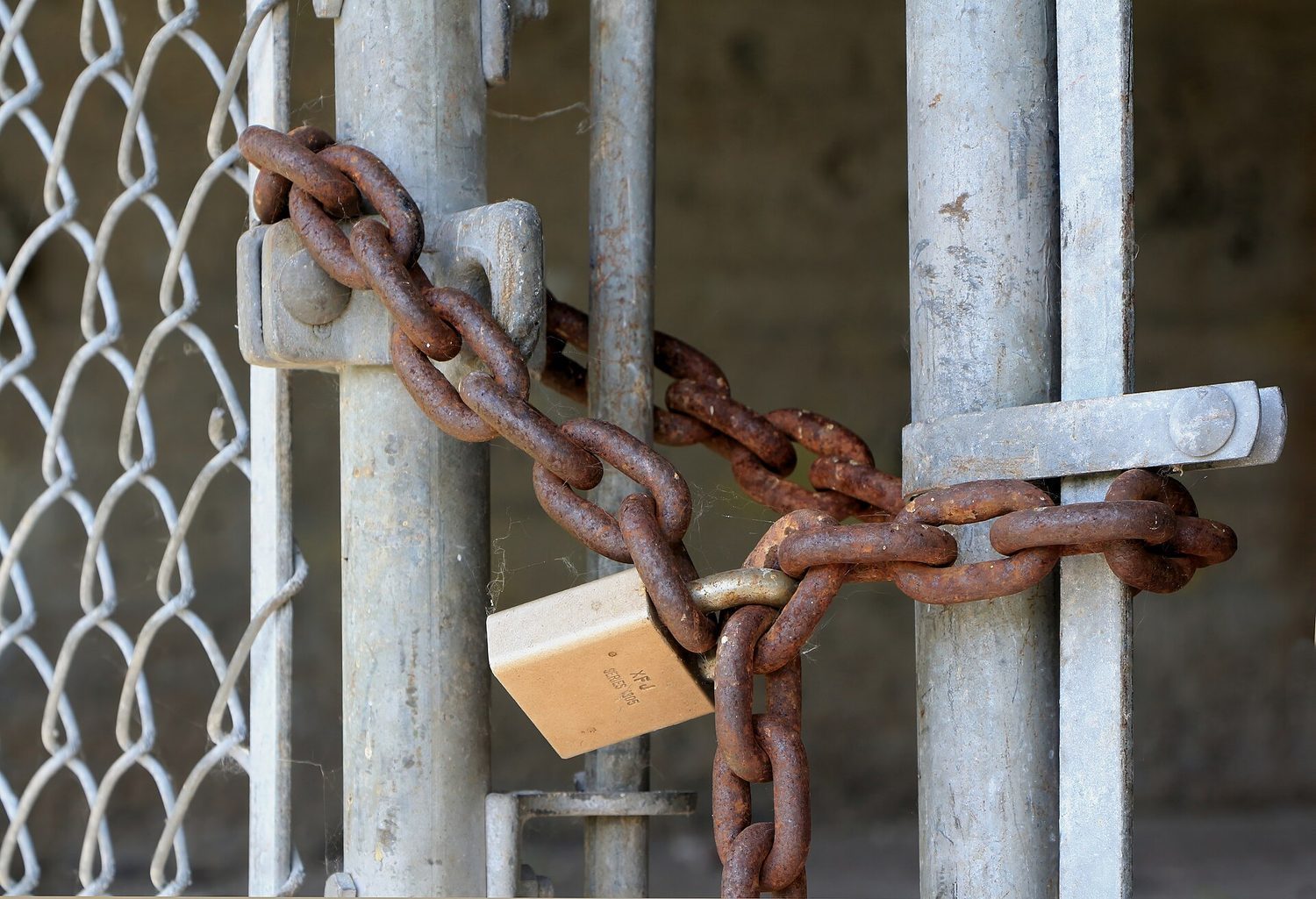
パッドロック:マルウェア、フィッシング、無断アクセスからデータとシステムを守るサイバーセキュリティ
5.3

Keeping data safe · ⁨データ保護⁩

English

You can protect data using these methods.

  • access levels 访问权限 — each user can only see or change the data they need, nothing more.
  • anti-malware 反恶意软件 software, including anti-virus 杀毒软件 and anti-spyware 反间谍软件 — scans for and removes harmful software.
  • authentication 身份验证 — proving who you are before you get access. Methods include:
    • biometrics 生物识别 (fingerprint or face),
    • a password 密码,
    • two-step verification 两步验证 (a code sent to your phone as well as a password).
  • automating software updates — updates fix weak points (bugs) in software automatically.
  • checking the spelling and tone of messages — bad spelling or an odd, urgent tone can show a message is fake (phishing).
  • checking the URL attached to a link — a wrong or strange web address warns you the link is unsafe.
  • firewall 防火墙 — checks data going in and out of a network and blocks anything not allowed.
  • privacy settings 隐私设置 — control who can see your information online.
  • proxy server 代理服务器 — sits between the user and the internet, hiding the user's IP address and filtering out unsafe content.
日本語

以下の方法を使ってデータを保護できます。

  • アクセス権限 — ユーザーは必要なデータのみを見たり変更したりでき、それ以上はできません。
  • アンチマルウェア ソフトウェア、アンチウイルス および アンチスパイウェア を含む — 有害なソフトウェアを検索して除去します。
  • 認証 — アクセス前に自身の身元を確認すること。方法には以下が含まれます:
    • 生体認証(指紋や顔認識)、
    • パスワード、
    • 二段階認証(パスワードに加え、スマートフォンに送信されるコード)。
  • ソフトウェアアップデートの自動化 — アップデートは自動的にソフトウェアの脆弱性(バグ)を修正します。
  • メッセージのスペルとトーンの確認 — 誤字や不自然で急ぎのトーンは、メッセージが偽物である可能性(フィッシング)を示唆します。
  • リンクに添付されたURLの確認 — 間違ったまたは奇妙なWebアドレスは、リンクが不安全であることを警告します。
  • ファイアウォール — ネットワークへの入出力データを確認し、許可されていないものをブロックします。
  • プライバシー設定 — オンライン上で誰が自分の情報を見られるかを制御します。
インターネットとプライベートネットワークの間に設置されたファイアウォール、許可された接続は通過させ、他の接続をブロックしている
ファイアウォールは外部インターネットとネットワークの間に位置し、すべての接続をチェックし、許可されていないトラフィックはすべてブロックする。
  • プロキシサーバー — ユーザーとインターネットの間に位置し、ユーザーのIPアドレスを隠蔽し、不安全なコンテンツをフィルタリングします。
Explore · ⁨探索⁩

Encryption with a key · ⁨鍵による暗号化⁩

Change the shift — that is the key. Each letter slides that many places to make ciphertext, and the same key slides it back. That is symmetric encryption. · ⁨シフト(ずらし量)を変えることが鍵である。各文字はその数だけずれて暗号文となり、同じ鍵で逆方向にずらすことで復号される。これが対称暗号である。⁩

Vocabulary · ⁨語彙⁩ Train · ⁨練習する⁩
English 日本語
firewall/ˈfaɪəwɔːl/ ファイアウォール
privacy settings/ˈprɪvəsi ˈsetɪŋz/ プライバシー設定
proxy server/ˈprɒksi ˈsɜːvə/ プロキシサーバー
5.3

Exam tips · ⁨試験対策⁩

English
  • The internet is the worldwide network (the infrastructure); the world wide web is the pages you view on it — do not mix the two up.
  • Learn how a page loads: the browser asks a DNS for the site's IP address, then requests the page from the web server, which returns the HTML.
  • Match the malware types: virus (attaches to a file), worm (spreads by itself across a network), Trojan horse (pretends to be useful), spyware, ransomware.
  • Match each threat to a defence: phishing/pharming → check the URL; brute force → strong passwords + two-step verification; interception → encryption; hacking/DDoS → a firewall.
  • A session cookie is deleted when you close the browser; a persistent cookie is saved to remember you between visits.
日本語
  • インターネット は世界的なネットワーク(インフラストラクチャ)であり、ワールドワイドウブ はその上で表示されるページです。この2つを混同しないでください。
  • ページの読み込み方法を学ぶ:ブラウザはサイトのIPアドレスを DNS に照会し、Webサーバー からページをリクエストします。WebサーバーはHTMLを返します。
  • マルウェアの種類を対応させる:ウイルス(ファイルに付着)、ワーム(自らネットワークを拡散)、トロイの木馬(有用なsoftwareを装う)、スパイウェア、ランサムウェア。
  • 各脅威に対応する防御策を対応させる:フィッシング/ファーマリング → URLの確認;ブルートフォース → 強いパスワード+二段階認証;傍受 → 暗号化;ハッキング/DDoS → ファイアウォール。
  • セッションクッキー はブラウザを閉じると削除され、永続クッキー は訪問間での記憶のために保存されます。

Interactive lessons on this topic · ⁨このトピックのインタラクティブ授業⁩

Work through it step by step, with instant-check exercises. · ⁨一歩ずつ進め、即時チェック付きの問題で学習します。⁩

Past Papers · ⁨過去問⁩

More topics in IGCSE Computer Science · ⁨IGCSE コンピューター科学⁩ · ⁨IGCSE Computer Science · ⁨IGCSE コンピューター科学⁩ の他のトピック⁩

Log in or create account · ⁨ログインまたはアカウント作成⁩

IGCSE, A-Level & AP