| Candidates should be able to: | Notes and guidance |
|---|---|
| 1 (a) Understand the role of the central processing unit (CPU) in a computer | • The CPU processes instructions and data that are input into the computer so that the result can be output |
| (b) Understand what is meant by a microprocessor | • A microprocessor is a type of integrated circuit on a single chip |
| 2 (a) Understand the purpose of the components in a CPU, in a computer that has a Von Neumann architecture | • Including: – units: arithmetic logic unit (ALU) and control unit (CU) – registers: program counter (PC), memory address register (MAR), memory data register (MDR), current instruction register (CIR) and accumulator (ACC) – buses: address bus, data bus and control bus |
| (b) Describe the process of the fetch–decode–execute (FDE) cycle, including the role of each component in the process | • How instructions and data are fetched from random access memory (RAM) into the CPU, how they are processed using each component and how they are then executed • Storing data and addresses into specific registers • Using buses to transmit data, addresses and signals • Using units to fetch, decode and execute data and instructions |
| 3 Understand what is meant by a core, cache and clock in a CPU and explain how they can affect the performance of a CPU | • The number of cores, size of the cache and speed of the clock can affect the performance of a CPU |
| 4 Understand the purpose and use of an instruction set for a CPU | • An instruction set is a list of all the commands that can be processed by a CPU, and the commands are machine code |
| 5 Describe the purpose and characteristics of an embedded system and identify devices in which they are commonly used | • An embedded system is used to perform a dedicated functions. For example in, domestic appliances, cars, security systems, lighting systems or vending machines. This is different to a general purpose computer that is used to perform many different functions. For example in, a personal computer (PC) or a laptop |
Hardware
IGCSE Computer Science · Topic 3
 18:08
18:08
The CPU
The processor in your phone is doing something almost stupidly simple. Fetch one instruction. Work out what it means. Do it. Then fetch the next one. That is…
English narration · English + 中文 subtitles burned in
3.1
The central processing unit (CPU)
Syllabus
Source: Cambridge International syllabus
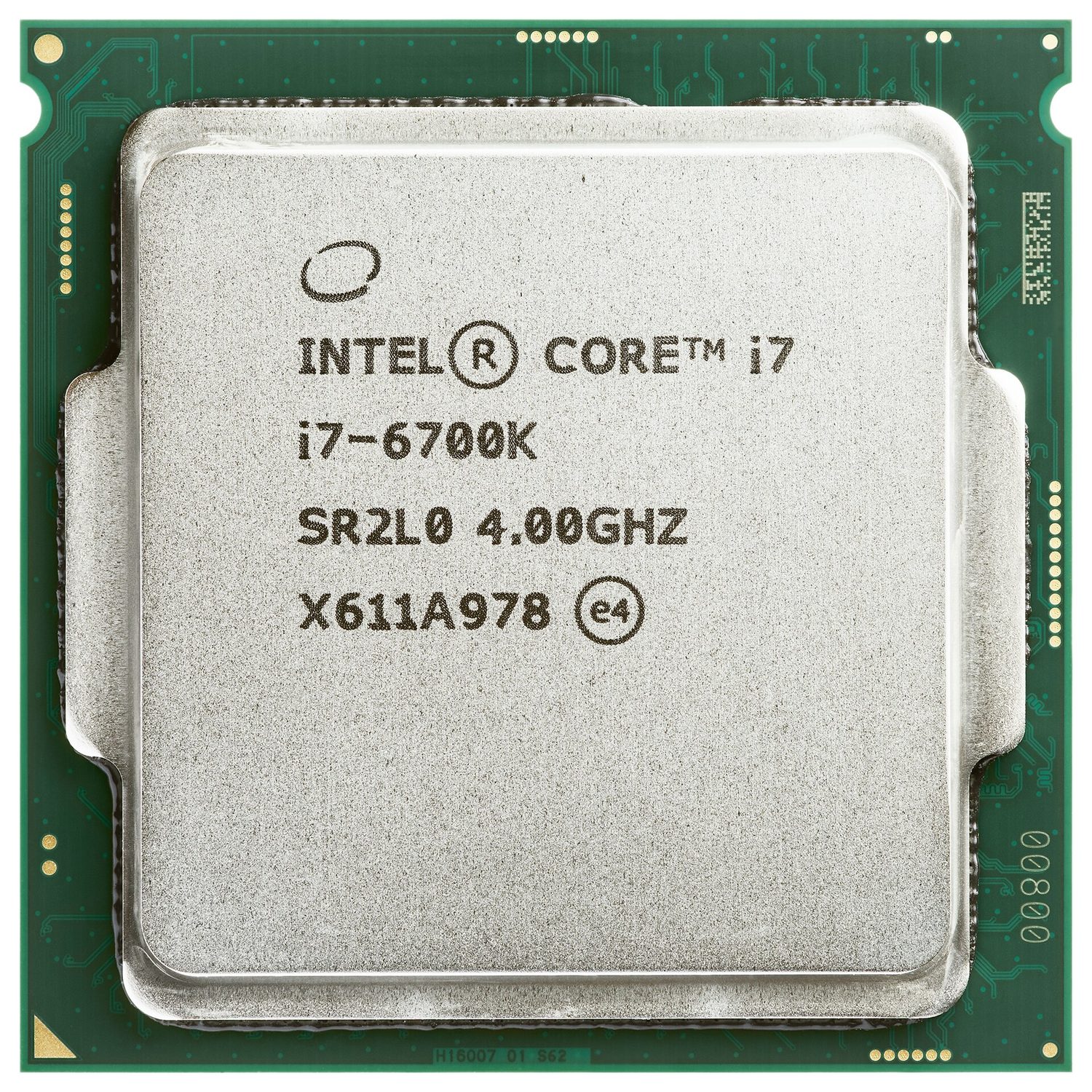
The central processing unit 中央处理器 (CPU) is the part of the computer that processes data and carries out instructions 指令. It runs programs by repeating a cycle, millions of times each second.
Parts of the CPU
| Part | What it does |
|---|---|
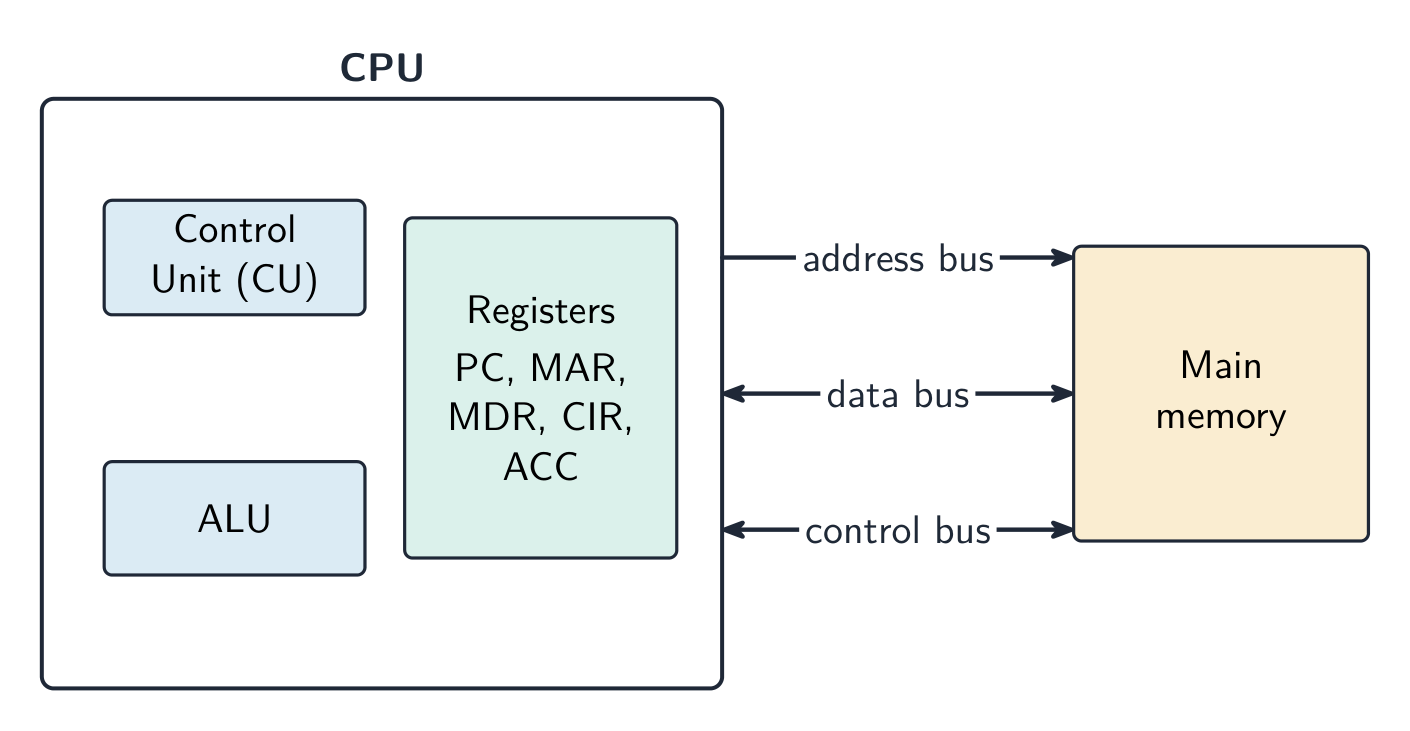
| arithmetic logic unit 算术逻辑单元 (ALU) | does calculations (add, subtract) and logical operations (compare) |
| control unit 控制单元 (CU) | sends control signals to manage all the parts and tell them what to do |
| registers 寄存器 | very small, very fast stores that hold one piece of data at a time |
The parts are joined by buses 总线 — sets of wires that carry information:
- the address bus 地址总线 carries memory addresses (one direction);
- the data bus 数据总线 carries data and instructions (both directions);
- the control bus 控制总线 carries control signals.
Special registers
These registers are used during the fetch–execute cycle.
| Register | Purpose |
|---|---|
| program counter 程序计数器 (PC) | holds the address of the next instruction |
| memory address register 内存地址寄存器 (MAR) | holds the address to read from or write to |
| memory data register 内存数据寄存器 (MDR) | holds the data or instruction just fetched |
| current instruction register 当前指令寄存器 (CIR) | holds the instruction now being carried out |
| accumulator 累加器 (ACC) | holds the result of the ALU's calculations |
The fetch–execute cycle
The fetch–execute cycle 取指执行周期 has three stages, repeated again and again:
- Fetch — the instruction is copied from memory 内存 into the CPU (using the PC, MAR and MDR). The PC then increases by 1.
- Decode — the control unit works out what the instruction means.
- Execute — the instruction is carried out (the ALU may do a calculation, with the result going to the accumulator).

Cache memory
Cache 高速缓存 is a small amount of very fast memory inside or close to the CPU. It stores data and instructions that the CPU uses often. The CPU can read from cache much faster than from main memory, so the computer runs faster.
What affects CPU performance
| Feature | Effect |
|---|---|
| number of cores 核心 | each core can run instructions on its own, so more cores can do more work at the same time |
| cache size | a larger cache holds more data ready for the CPU, so it waits less |
| clock speed 时钟速度 | the number of cycles per second; a higher clock speed runs more instructions per second |
Worked example. Two computers are identical except that A has a 3.0 GHz single-core CPU with 2 MB of cache, and B has a 2.4 GHz quad-core CPU with 8 MB of cache. Which is better for video editing, and why? Video editing splits into many tasks that can run at the same time, so B's four cores can process several streams in parallel while A can only work on one at a time. B's larger cache also keeps more frequently used data close to the CPU, so it has to fetch from RAM less often. B is the better choice, even though A has the higher clock speed. Never answer on clock speed alone: weigh cores, cache and clock speed together, and tie each one to the job being done.
Embedded systems
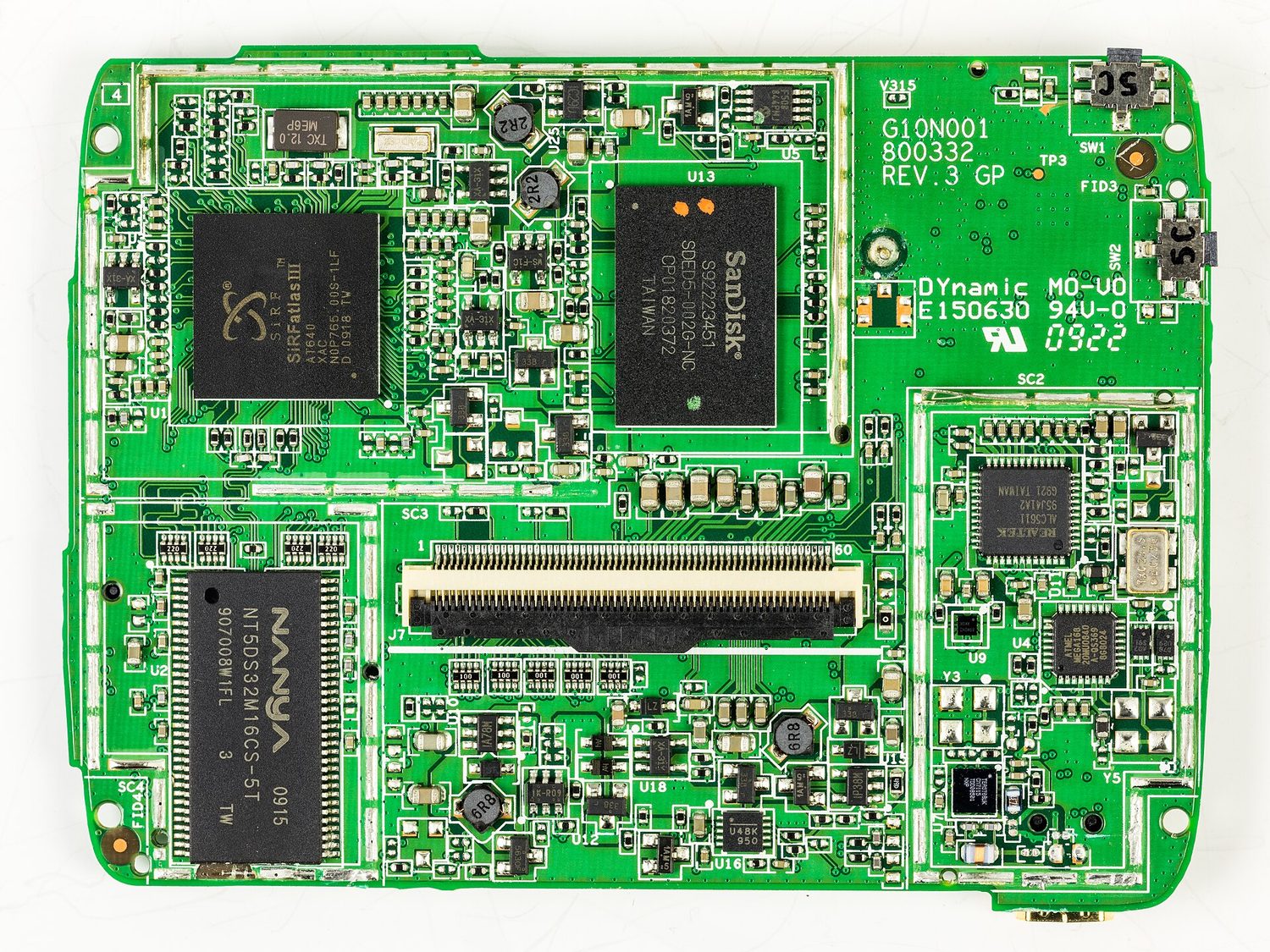
An embedded system 嵌入式系统 is a small computer built inside a larger device to do one fixed job. It is dedicated to that task, is usually small and low-cost, and has no general operating system. Examples: a washing machine, a microwave, a set-top box.
Explore
The fetch-execute cycle
Tap round the loop the CPU repeats billions of times a second — fetch the instruction, decode what it means, execute it, then do it all again.
Vocabulary
Train
| English |
|---|
| central processing unit/ˈsentrəl ˈprəʊsesɪŋ ˈjuːnɪt/ |
| instructions/ɪnˈstrʌkʃnz/ |
| arithmetic logic unit/əˈrɪθmətɪk ˈlɒdʒɪk ˈjuːnɪt/ |
| control unit/kənˈtrəʊl ˈjuːnɪt/ |
| registers/ˈredʒɪstəz/ |
| buses/ˈbʌsɪz/ |
| address bus/əˈdres bʌs/ |
| data bus/ˈdeɪtə bʌs/ |
| control bus/kənˈtrəʊl bʌs/ |
| program counter/ˈprəʊɡræm ˈkaʊntə/ |
| memory address register/ˈmeməri əˈdres ˈredʒɪstə/ |
| memory data register/ˈmeməri ˈdeɪtə ˈredʒɪstə/ |
| current instruction register/ˈkʌrənt ɪnˈstrʌkʃn ˈredʒɪstə/ |
| accumulator/əˈkjuːmjʊleɪtə/ |
| fetch–execute cycle/fetʃ ˈeksɪkjuːt ˈsaɪkl/ |
| Cache/kæʃ/ |
| cores/kɔːz/ |
| clock speed/klɒk spiːd/ |
| embedded system/emˈbedɪd ˈsɪstəm/ |
| memory/ˈmeməri/ |
3.2
Input devices
Syllabus
| Candidates should be able to: | Notes and guidance |
|---|---|
| 1 Understand what is meant by an input device and why it is required | • Including: – barcode scanner – digital camera – keyboard – microphone – optical mouse – QR code scanner – touch screen (resistive, capacitive and infra-red) – two-dimensional (2D) and three-dimensional (3D) scanners |
| 2 Understand what is meant by an output device and why it is required | • Including: – actuator – digital light processing (DLP) projector – inkjet printer – laser printer – light emitting diode (LED) screen – liquid crystal display (LCD) projector – liquid crystal display (LCD) screen – speaker – 3D printer |
| 3 (a) Understand what is meant by a sensor and the purposes of sensors | • Limited to: – acoustic – accelerometer – flow – gas – humidity – infra-red – level – light – magnetic field – moisture – pH – pressure – proximity – temperature |
| (b) Identify the type of data captured by each sensor and understand when each sensor would be used, including selecting the most suitable sensor for a given context |
Source: Cambridge International syllabus
An input device sends data into the computer.
| Device | How it works |
|---|---|
| barcode scanner 条形码扫描器 | shines light at the bars and reads the pattern reflected back |
| QR code scanner 二维码扫描器 | a camera reads a square pattern of black-and-white blocks |
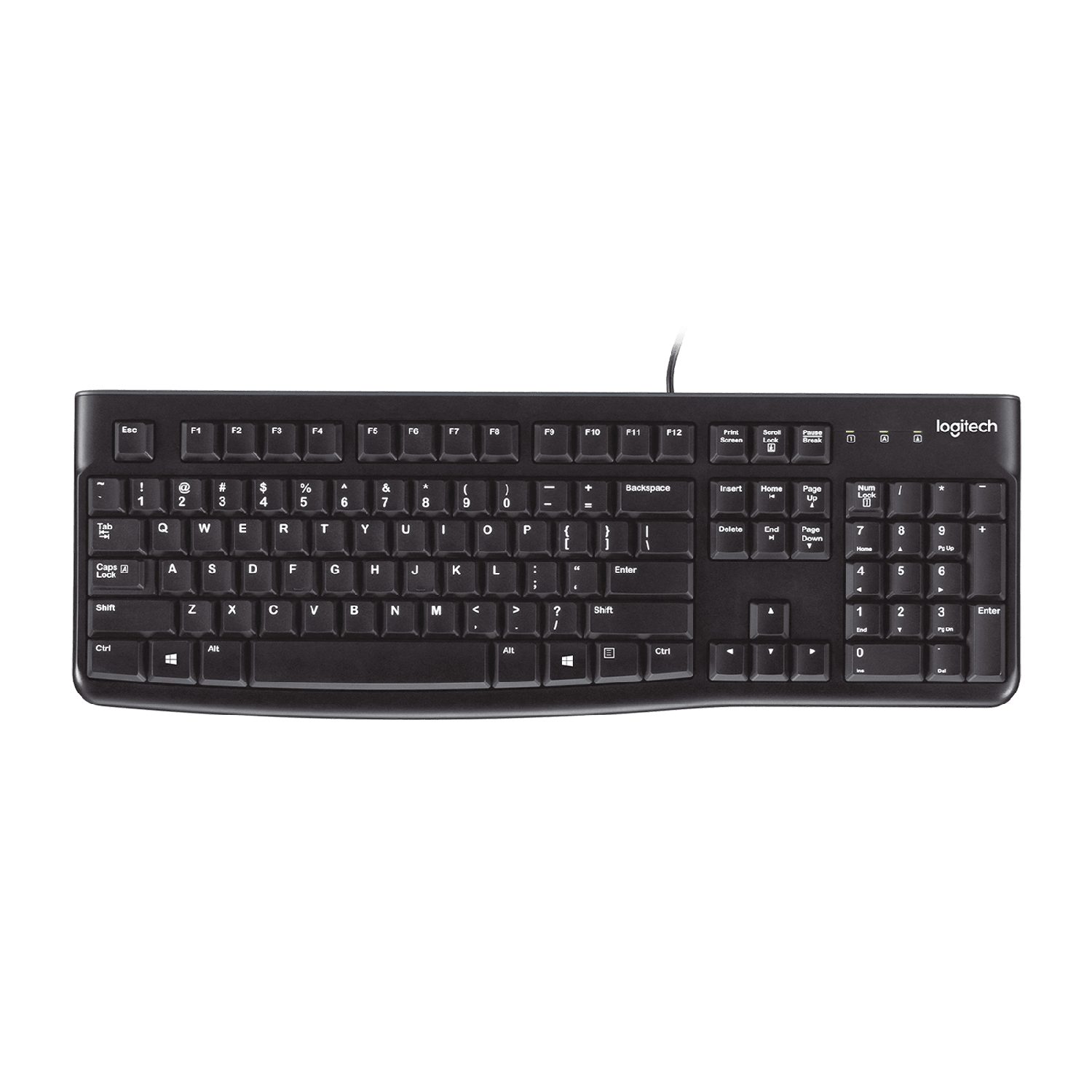
| keyboard | pressing a key sends a code for that character |
| optical mouse 光电鼠标 | a light and a sensor track movement across a surface |
| microphone | turns sound waves into an electrical signal |
| digital camera | a lens focuses light onto a sensor that records pixels |
| sensors 传感器 | measure a physical quantity (such as temperature or light) and send it as data |
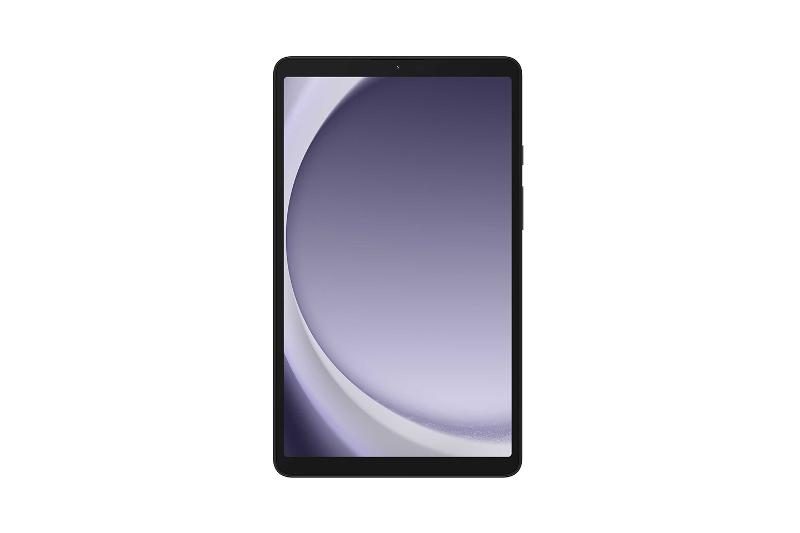
| touch screen 触摸屏 | detects where your finger touches the screen |


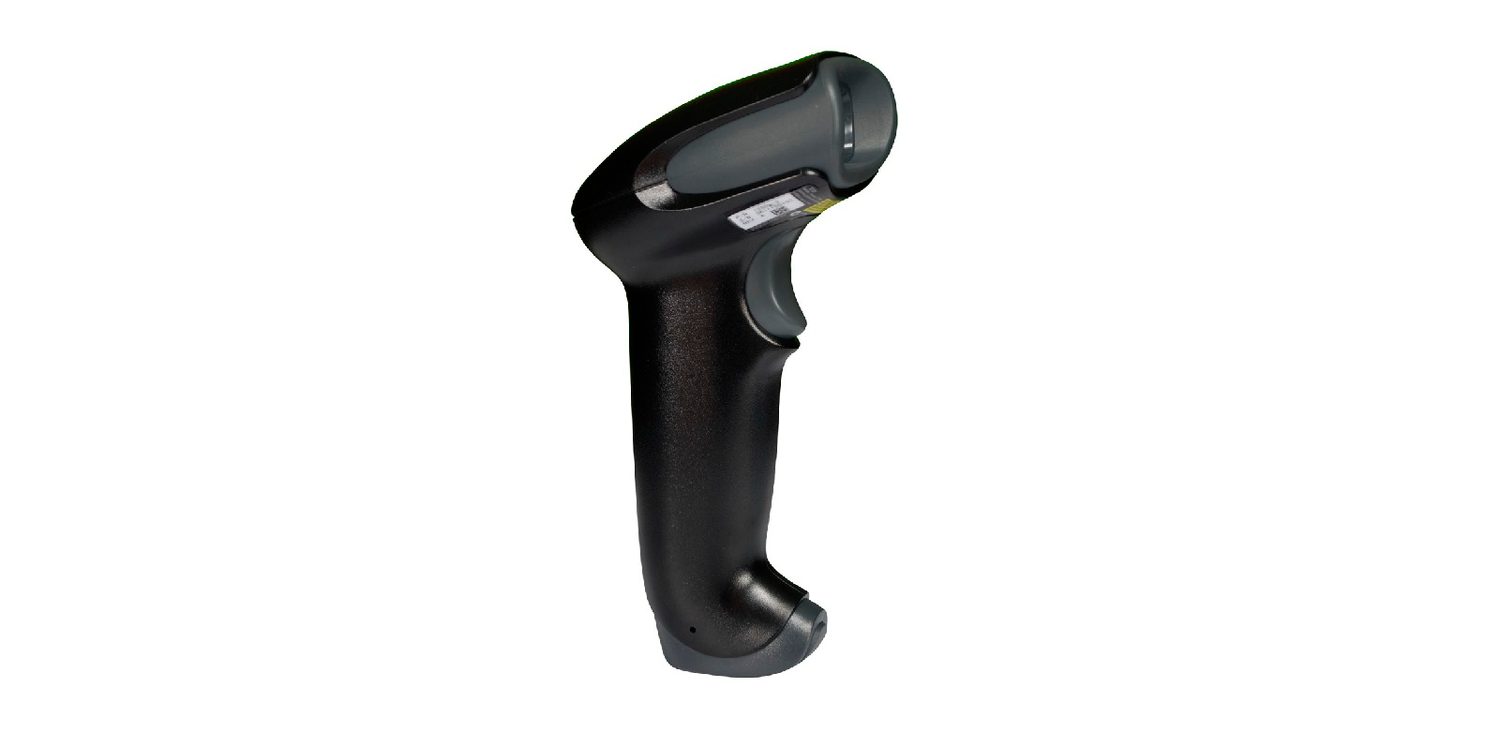

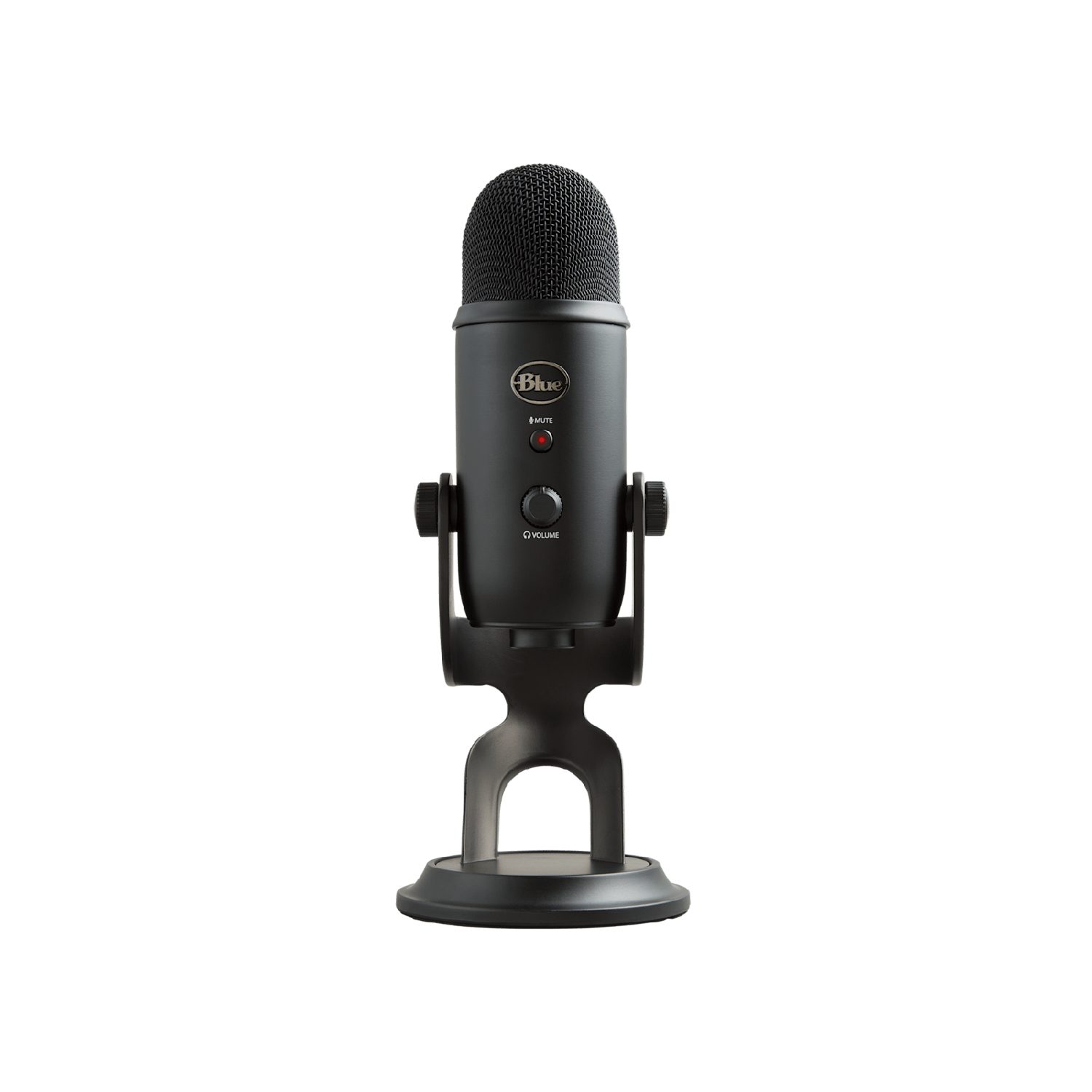

A touch screen can work in three ways:
- resistive 电阻式 — two layers are pressed together where you touch;
- capacitive 电容式 — it senses the tiny electric charge of your finger;
- infrared 红外线 — your finger breaks a grid of light beams.
Explore
Device and storage lab
Classify computing examples by what job they do in a system.
Vocabulary
Train
| English |
|---|
| barcode scanner/ˈbɑːkəʊd ˈskænə/ |
| QR code scanner/ˌkjuː ˈɑː kəʊd ˈskænə/ |
| sensors/ˈsensəz/ |
| touch screen/tʌtʃ skriːn/ |
| resistive/rɪˈzɪstɪv/ |
| capacitive/kəˈpæsɪtɪv/ |
| infrared/ˌɪnfrəˈred/ |
| optical mouse/ˈɒptɪkl maʊs/ |
3.2
Output devices

An output device sends data out of the computer to the user.
| Device | How it works |
|---|---|
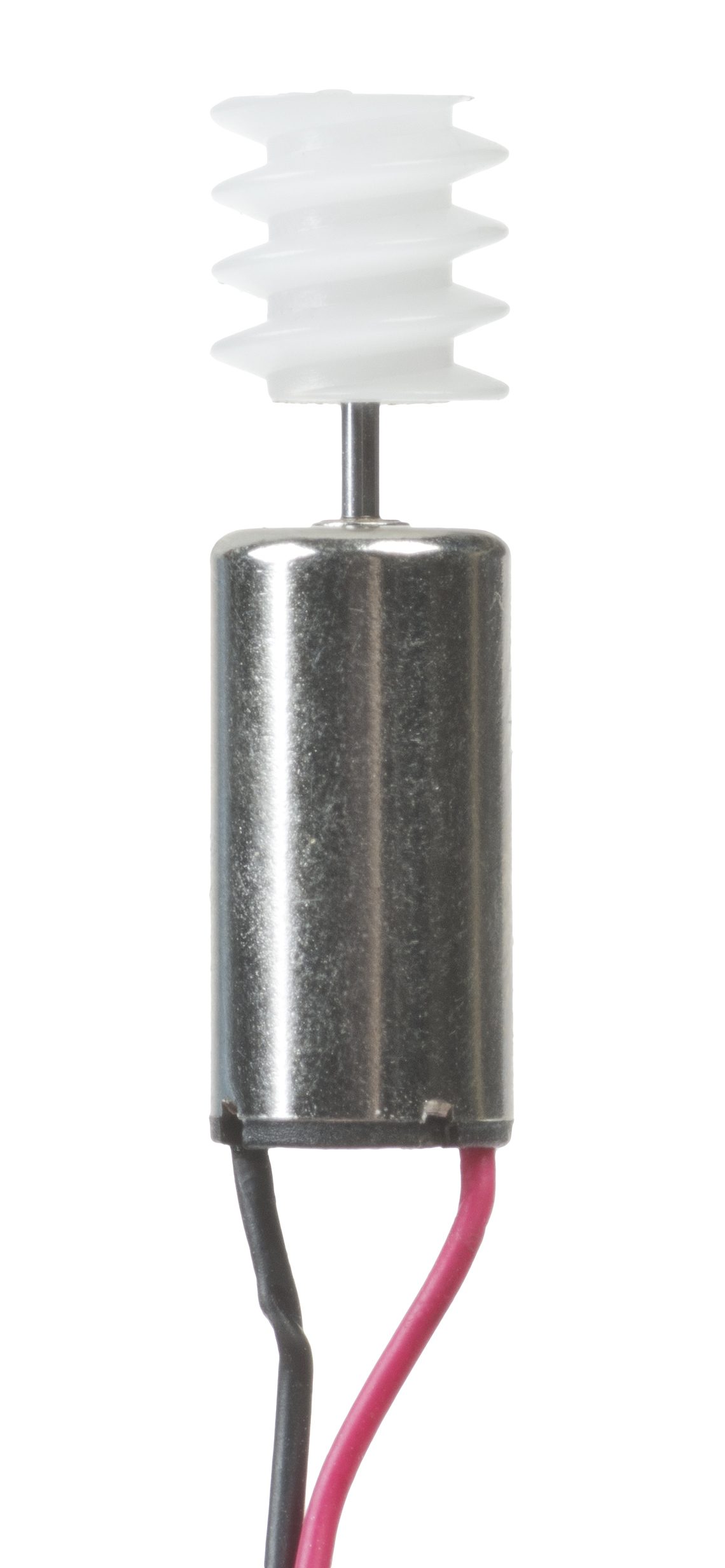
| actuator 执行器 | turns an electrical signal into movement (e.g. a motor or valve) |
| LCD/LED screen | shows images using a grid of tiny coloured dots |
| projector 投影仪 | shines an enlarged image onto a wall or screen |
| inkjet printer 喷墨打印机 | sprays tiny drops of ink onto paper |
| laser printer 激光打印机 | uses a laser and powder (toner) fixed onto paper by heat |
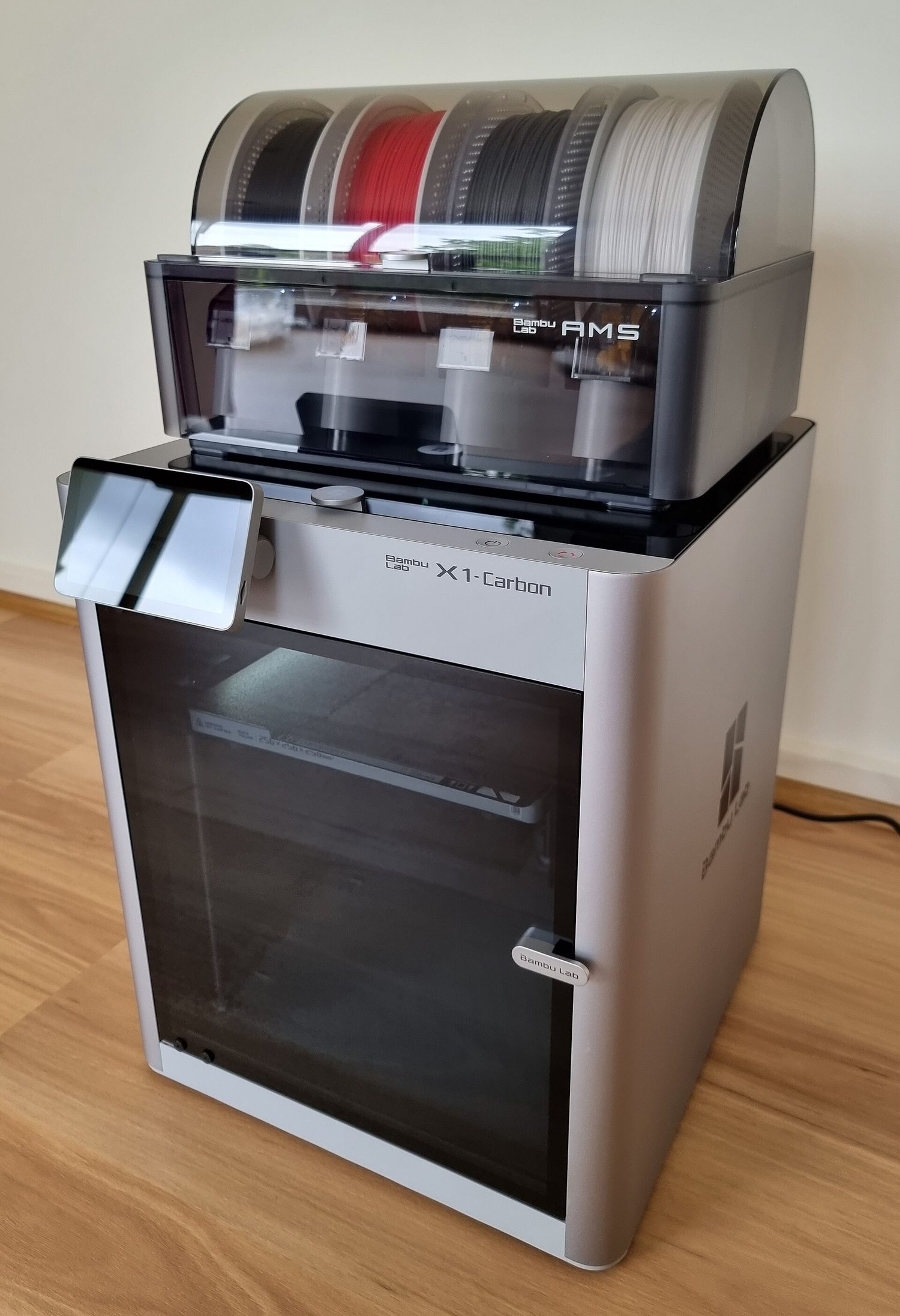
| 3D printer | builds a solid object layer by layer |
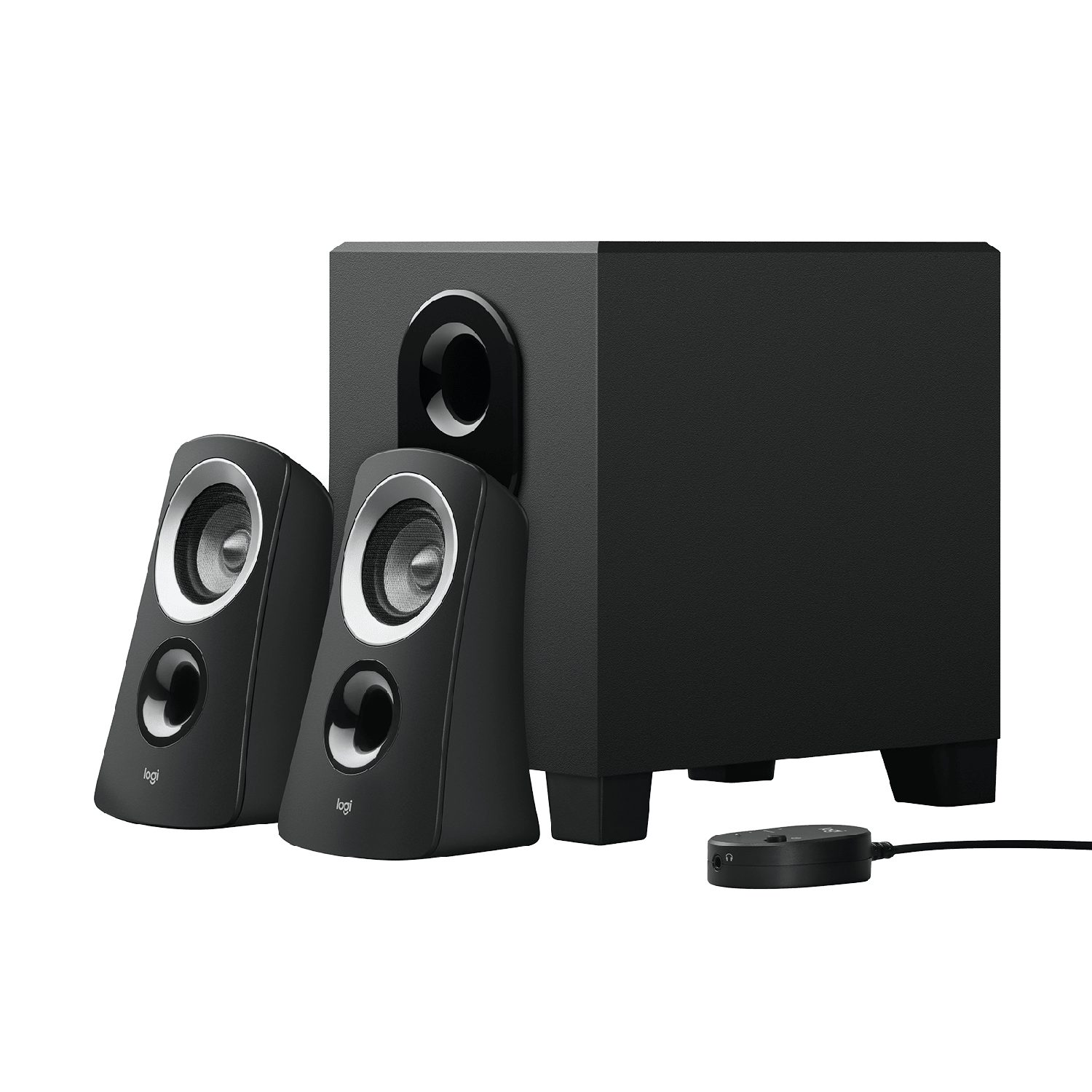
| speaker 扬声器 | turns an electrical signal into sound |
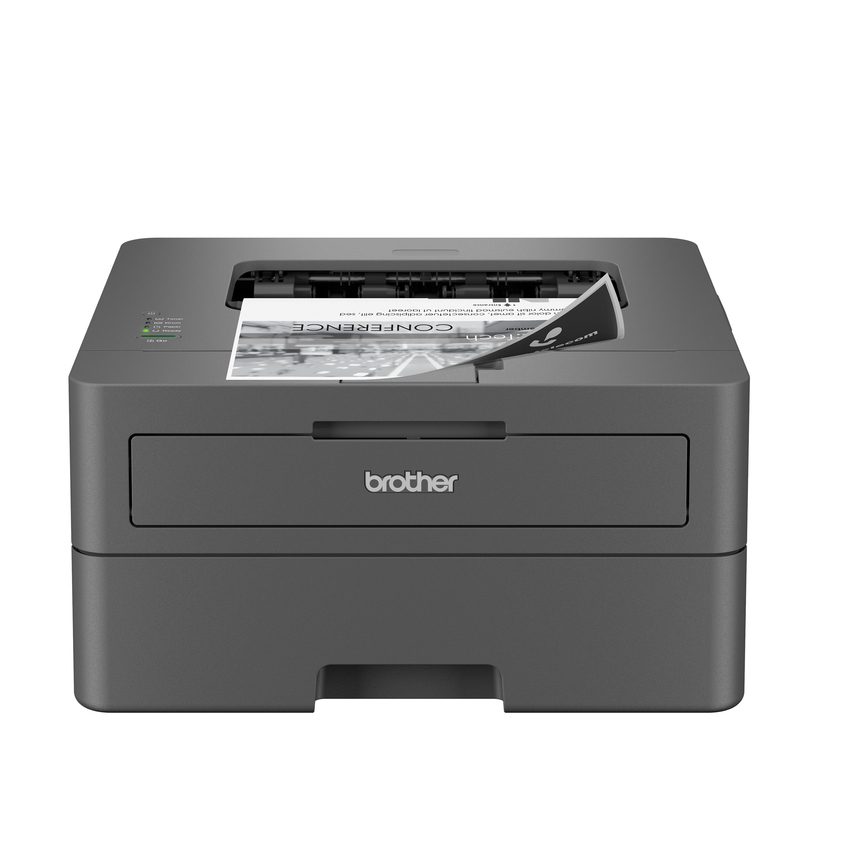


Vocabulary
Train
| English |
|---|
| actuator/ˈæktʃuːeɪtə/ |
| projector/prəˈdʒektə/ |
| inkjet printer/ɪŋkˈdʒet ˈprɪntə/ |
| laser printer/ˈleɪzə ˈprɪntə/ |
| speaker/ˈspiːkə/ |
3.3
Primary storage: RAM and ROM
Syllabus
| Candidates should be able to: | Notes and guidance |
|---|---|
| 1 Understand what is meant by primary storage | • Primary storage is directly accessed by the CPU • Including the role of: – random access memory (RAM) – read only memory (ROM) • Including why a computer needs both RAM and ROM, and the difference between them |
| 2 Understand what is meant by secondary storage | • Secondary storage is not directly accessed by the CPU and is necessary for more permanent storage of data |
| 3 Describe the operation of magnetic, optical and solid-state (flash memory) storage and give examples of each | • Magnetic storage uses platters which are divided into tracks and sectors. Data is read and written using electromagnets. Including hard disk drive (HDD) • Optical storage uses lasers to create and read pits and lands. Including: CD, DVD and Blu-ray • Solid-state (flash memory) uses NAND or NOR technology. Transistors are used as control gates and floating gates. Including: solid-state drive (SSD), SD card and USB drive |
| 4 Describe what is meant by virtual memory, how it is created and used and why it is necessary | • Pages of data are transferred between RAM and virtual memory when needed |
| 5 Understand what is meant by cloud storage | • Cloud storage can be accessed remotely in comparison to storing data locally |
| 6 Explain the advantages and disadvantages of storing data on the cloud in comparison to storing it locally | • Physical servers and storage are needed to store data in cloud storage |
Source: Cambridge International syllabus
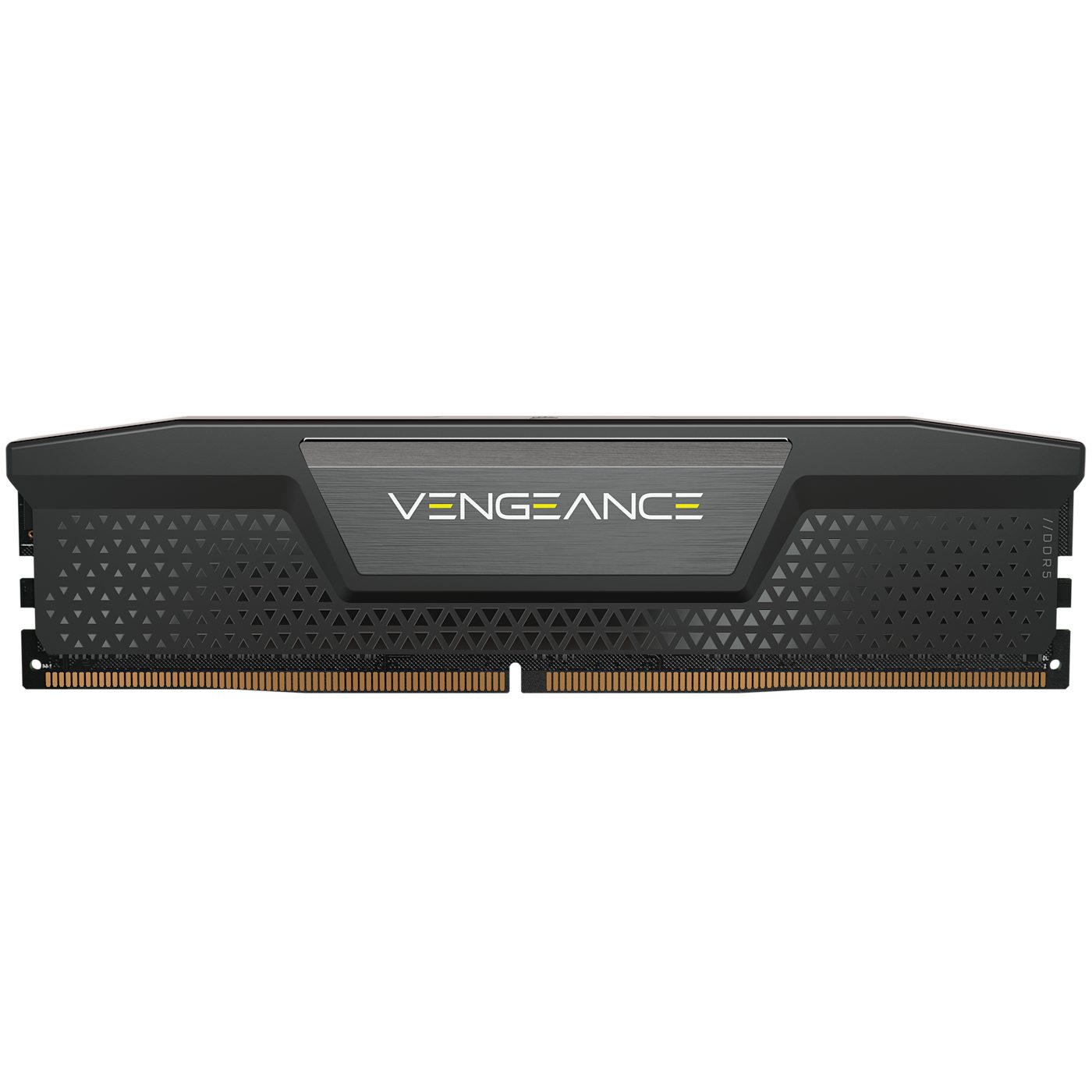
Primary storage 主存储器 is memory the CPU can use directly. There are two kinds.
| RAM | ROM | |
|---|---|---|
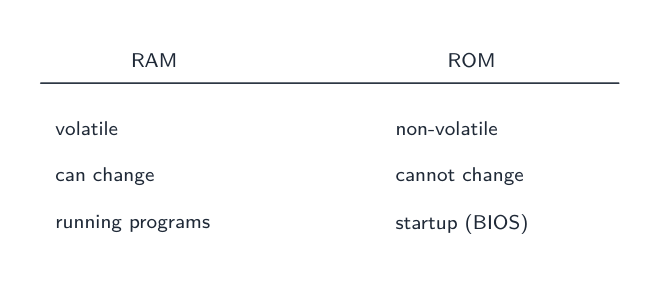
| Full name | random access memory 随机存取存储器 | read only memory 只读存储器 |
| Read/write | read and write | read only |
| Keeps data without power? | no — it is volatile 易失性 | yes — it is non-volatile 非易失性 |
| Holds | programs and data in use now | start-up instructions (how to boot the computer) |
Both are needed: ROM tells the computer how to start, then RAM holds the programs you run.
Vocabulary
Train
| English |
|---|
| Primary storage/ˈpraɪməri ˈstɔːrɪdʒ/ |
| random access memory/ˈrændəm ˈækses ˈmeməri/ |
| read only memory/riːd ˈəʊnli ˈmeməri/ |
| volatile/ˈvɒlətaɪl/ |
| non-volatile/nɒn ˈvɒlətaɪl/ |
3.3
Secondary storage
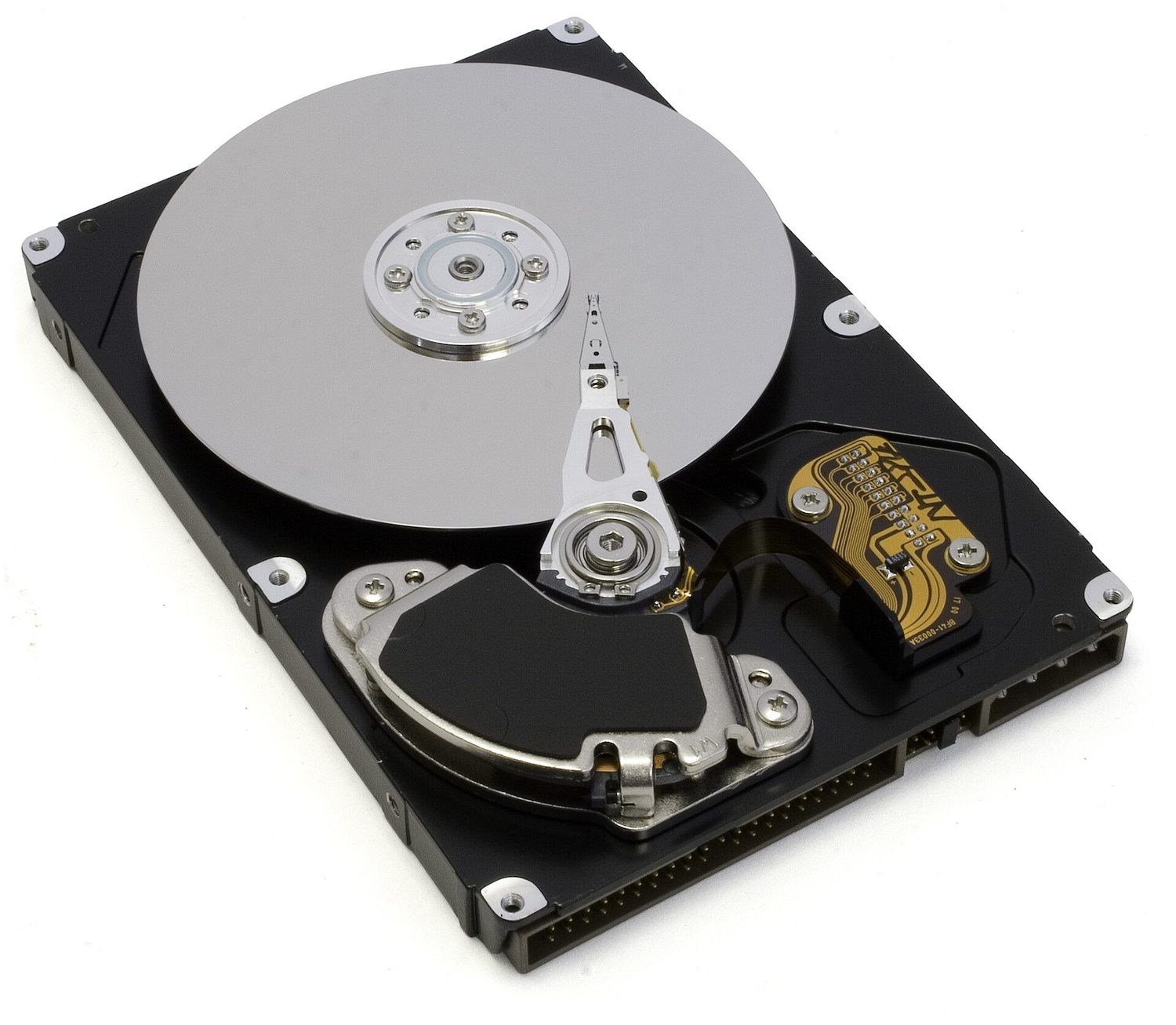
Secondary storage 辅助存储器 keeps data permanently, even when the power is off. It is non-volatile and is used for long-term storage. There are three types.
| Type | How it stores data | Examples |
|---|---|---|
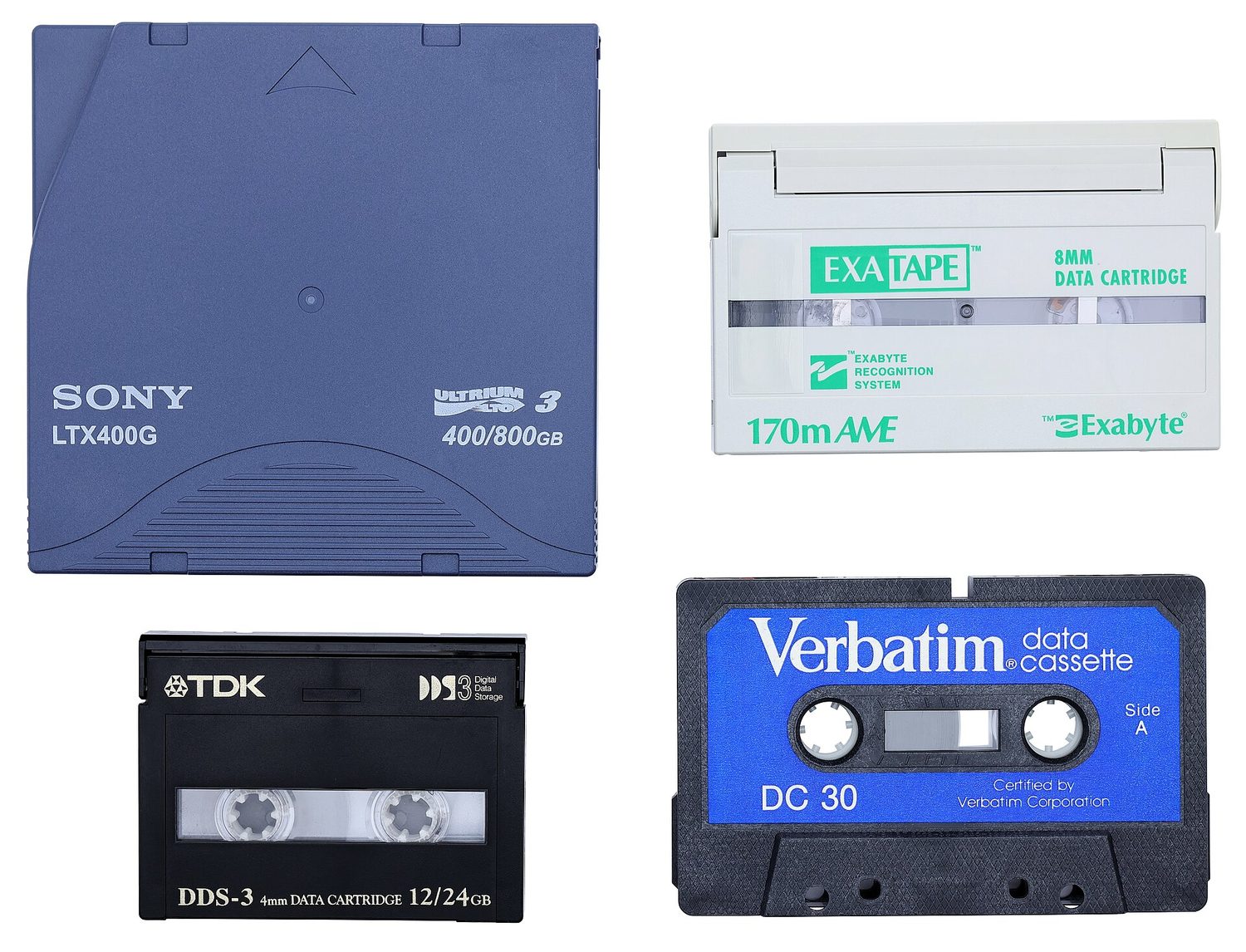
| magnetic storage 磁存储 | data is stored as magnetised spots on spinning disks | hard disk drive (HDD), magnetic tape |
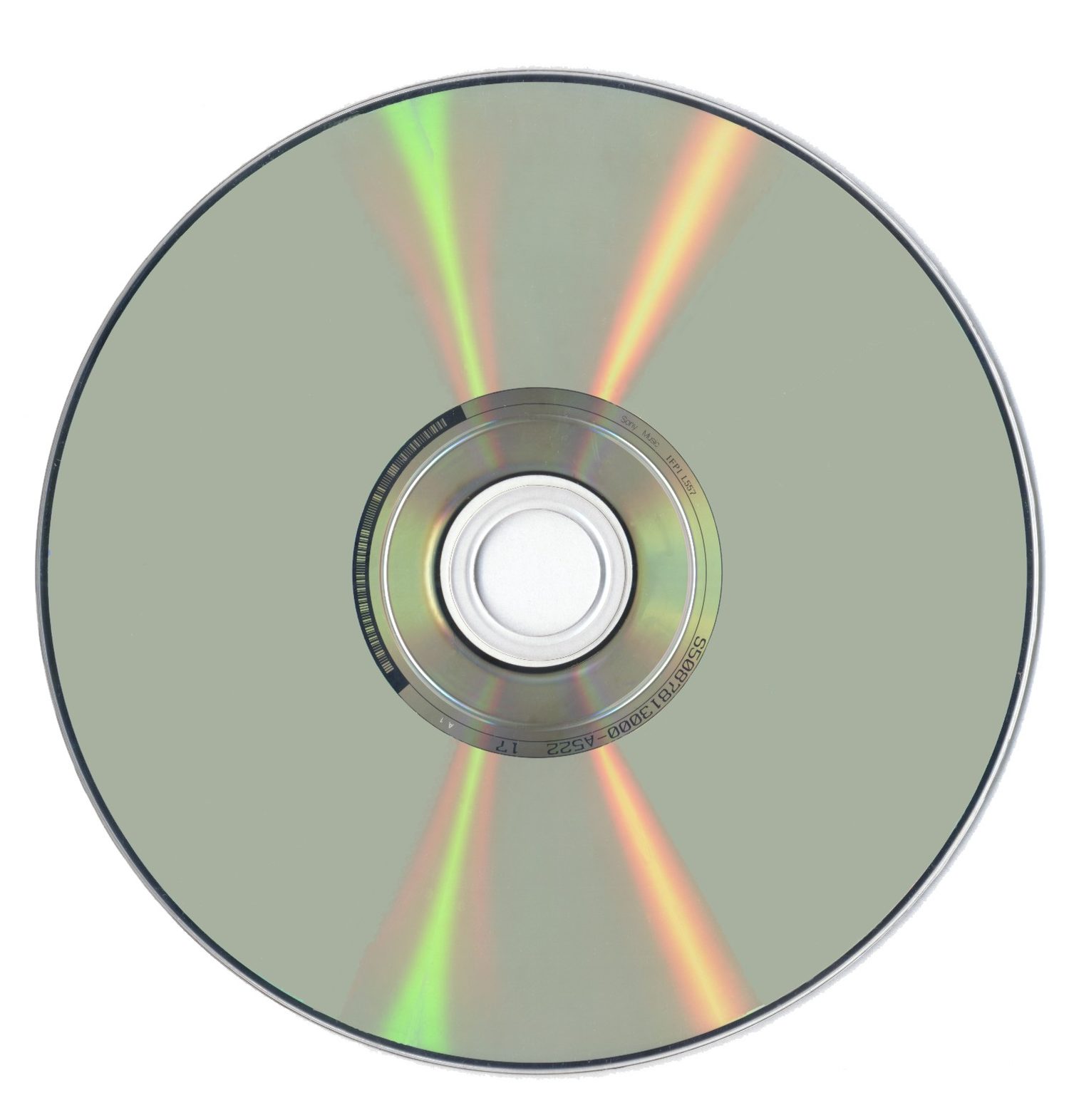
| optical storage 光存储 | data is stored as marks read by a laser | CD, DVD, Blu-ray |
| solid state storage 固态存储 | data is stored in flash memory 闪存, with no moving parts | SSD, USB flash drive, memory card |


Explore
Device and storage lab
Classify computing examples by what job they do in a system.
Vocabulary
Train
| English |
|---|
| Secondary storage/ˈsekəndəri ˈstɔːrɪdʒ/ |
| magnetic storage/mæɡˈnetɪk ˈstɔːrɪdʒ/ |
| optical storage/ˈɒptɪkl ˈstɔːrɪdʒ/ |
| solid state storage/ˈsɒlɪd steɪt ˈstɔːrɪdʒ/ |
| flash memory/flæʃ ˈmeməri/ |
3.3
Virtual memory

When the RAM becomes full, the computer can use part of the secondary storage as extra, pretend RAM. This is called virtual memory 虚拟内存.
Data that is not needed right now is moved out of RAM onto the disk, which frees space in RAM for other programs. This lets you run more programs than the RAM alone could hold. It is slower, because secondary storage is much slower than RAM.
Vocabulary
Train
| English |
|---|
| virtual memory/ˈvɜːtʃuːəl ˈmeməri/ |
3.3
Cloud storage
Syllabus
| Candidates should be able to: | Notes and guidance |
|---|---|
| 1 Understand what is meant by primary storage | • Primary storage is directly accessed by the CPU • Including the role of: – random access memory (RAM) – read only memory (ROM) • Including why a computer needs both RAM and ROM, and the difference between them |
| 2 Understand what is meant by secondary storage | • Secondary storage is not directly accessed by the CPU and is necessary for more permanent storage of data |
| 3 Describe the operation of magnetic, optical and solid-state (flash memory) storage and give examples of each | • Magnetic storage uses platters which are divided into tracks and sectors. Data is read and written using electromagnets. Including hard disk drive (HDD) • Optical storage uses lasers to create and read pits and lands. Including: CD, DVD and Blu-ray • Solid-state (flash memory) uses NAND or NOR technology. Transistors are used as control gates and floating gates. Including: solid-state drive (SSD), SD card and USB drive |
| 4 Describe what is meant by virtual memory, how it is created and used and why it is necessary | • Pages of data are transferred between RAM and virtual memory when needed |
| 5 Understand what is meant by cloud storage | • Cloud storage can be accessed remotely in comparison to storing data locally |
| 6 Explain the advantages and disadvantages of storing data on the cloud in comparison to storing it locally | • Physical servers and storage are needed to store data in cloud storage |
Source: Cambridge International syllabus
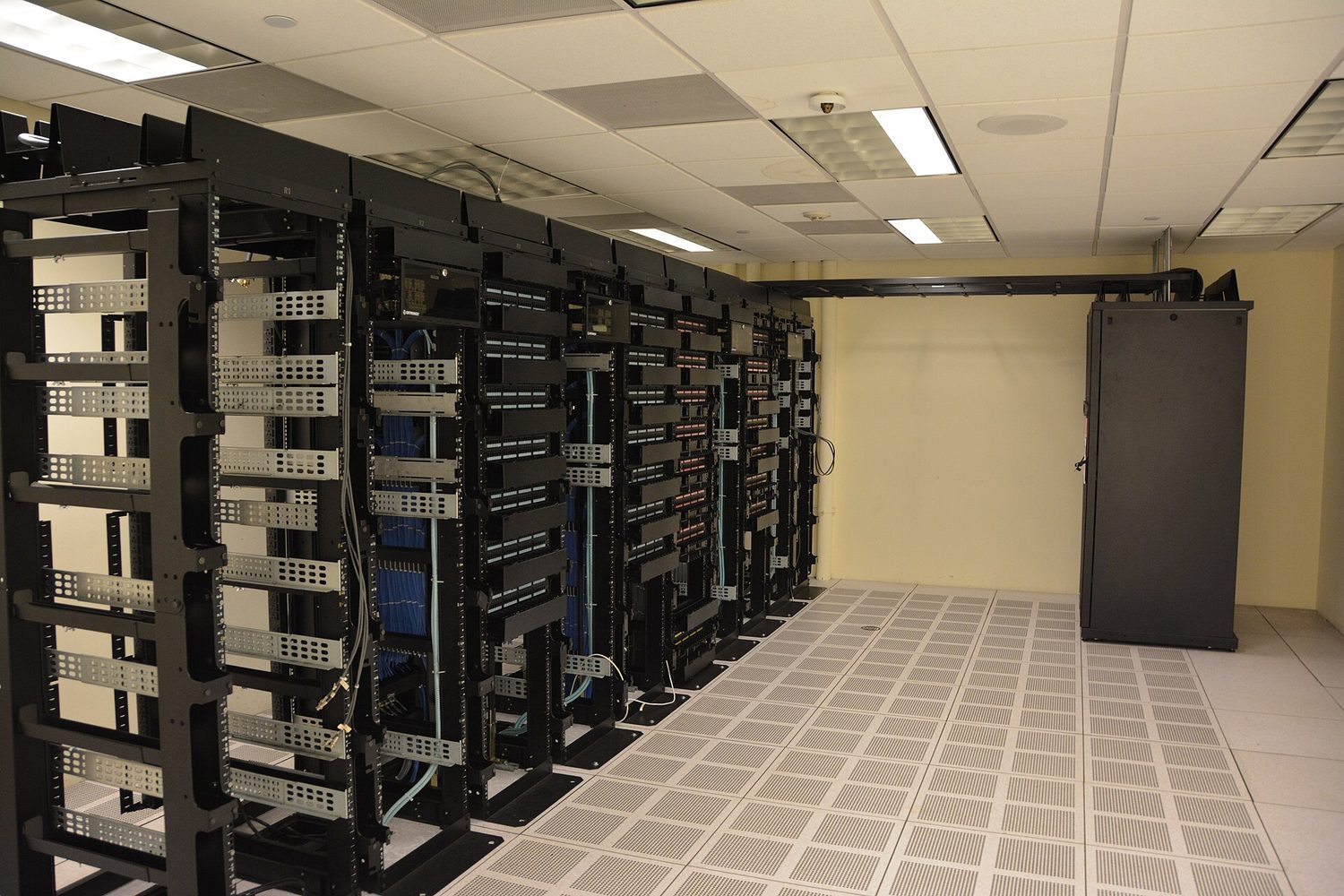
Cloud storage 云存储 keeps your data on remote physical servers, reached over the internet, instead of on your own device.
- Advantages: reach it from anywhere on any device; no local storage hardware to buy or maintain; easy to share files and to back up automatically.
- Disadvantages: needs a working internet connection; an ongoing subscription cost; security and privacy depend on the provider; you rely on that provider staying available and in business.
Vocabulary
Train
| English |
|---|
| Cloud storage/klaʊd ˈstɔːrɪdʒ/ |
3.4
Network hardware
Syllabus
| Candidates should be able to: | Notes and guidance |
|---|---|
| 1 Understand that a computer needs a network interface card (NIC) to access a network | |
| 2 Understand what is meant by, and the purpose of, a media access control (MAC) address, including its structure | • A network interface card is given a MAC address at the point of manufacture • MAC addresses are usually written as hexadecimal • MAC addresses are created using the manufacturer code and the serial code |
| 3 (a) Understand what is meant by, and the purpose of, an internet protocol (IP) address (b) Understand that there are different types of IP address | • An IP address is allocated by the network and it can be static or dynamic • Including the characteristics of, and differences between, IPv4 and IPv6 |
| 4 Describe the role of a router in a network | • A router sends data to a specific destination on a network • A router can assign IP addresses • A router can connect a local network to the internet |
Source: Cambridge International syllabus
Network interface card (NIC)
A network interface card 网络接口卡 (NIC) is the hardware that lets a device join a network and send and receive data. Each NIC has a built-in MAC address.
MAC address and IP address
- A MAC address (media access control 介质访问控制 address) is a number that identifies one physical device. The maker sets it, and it does not normally change. It is written in hexadecimal.
- An IP address (internet protocol 网际协议 address) is a number that identifies a device on a network. It is given by the network and can change.
So a MAC address stays with the device, while an IP address depends on the network the device is using.
There are two versions of IP address. IPv4 is 32-bit, written as four denary numbers 0–255 (for example 192.168.0.1); the newer IPv6 is 128-bit, written as eight groups of hexadecimal separated by colons, giving vastly more addresses. An address is also either static 静态 (fixed, set by hand and never changing) or dynamic 动态 (handed out by the router/network each time the device connects, so it can change).
Router
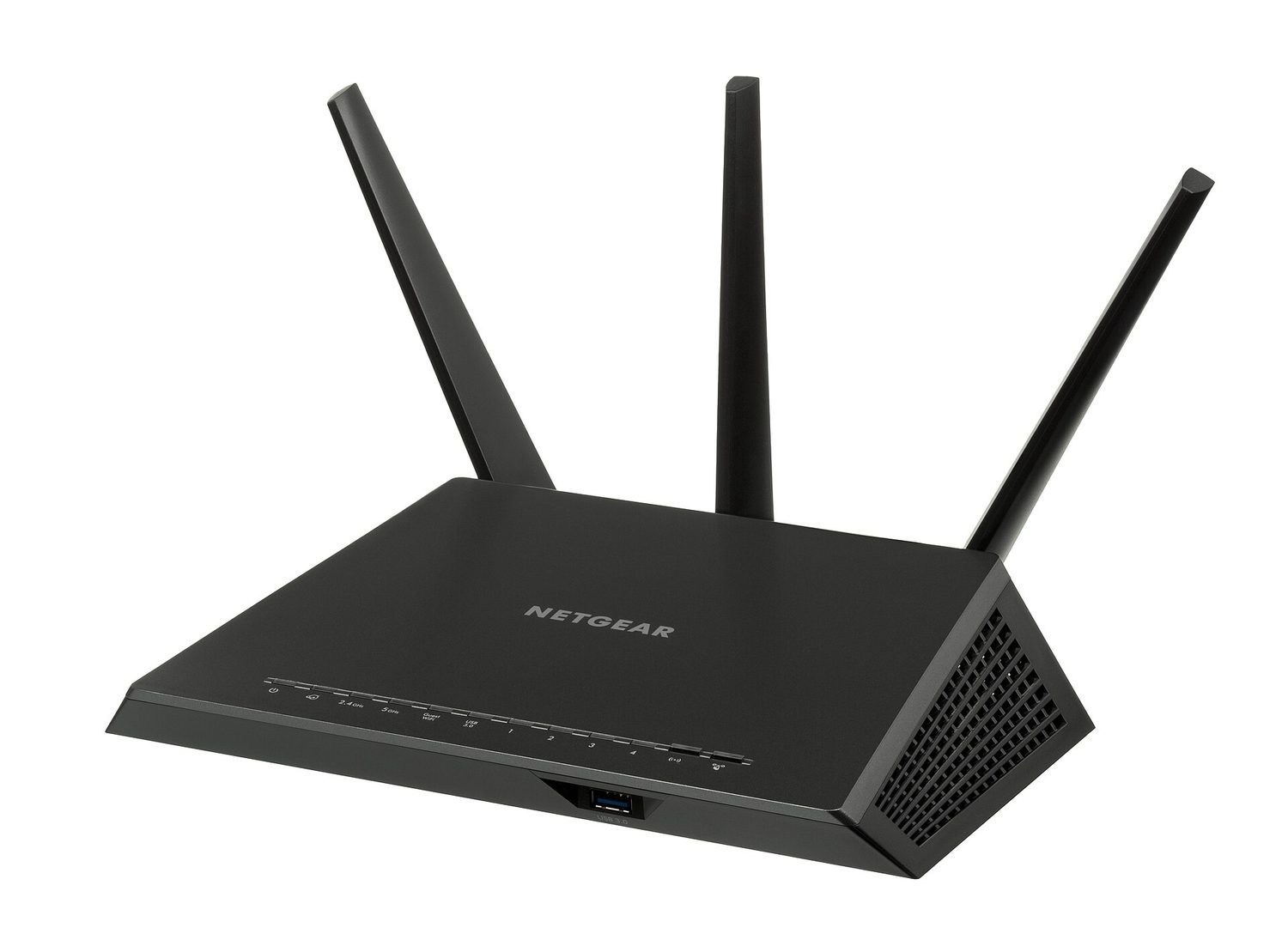
A router 路由器 connects different networks together — for example, your home network to the internet. It reads the IP address in each packet and forwards it towards the right network.
Explore
Network route lab
Follow data from a device through network hardware and protocols.
Vocabulary
Train
| English |
|---|
| network interface card/ˈnetwɜːk ˈɪntəfeɪs kɑːd/ |
| static/ˈstætɪk/ |
| dynamic/daɪˈnæmɪk/ |
| router/ˈruːtə/ |
| fetch-execute cycle/fetʃ ˈeksɪkjuːt ˈsaɪkl/ |
| media access control/ˈmiːdiːə ˈækses kənˈtrəʊl/ |
| internet protocol/ˈɪntənet ˈprəʊtəkɒl/ |
3.4
Exam tips
- Learn the fetch–decode–execute cycle and the special registers: the program counter holds the address of the next instruction, the MAR/MDR carry the address/data, and the accumulator holds the ALU's result.
- CPU performance improves with more cores, a larger cache, and a higher clock speed.
- RAM is volatile (it loses its data with no power) and holds programs in use; ROM is non-volatile and read-only (the start-up instructions).
- Match the secondary-storage types: magnetic (HDD, tape), optical (CD/DVD, read by a laser), solid state (SSD, USB, flash — no moving parts).
- A MAC address identifies the physical device and does not normally change; an IP address is given by the network and can change.
Interactive lessons on this topic
Work through it step by step, with instant-check exercises.