Skip to content · ⁨コンテンツへスキップ⁩

Reproduction · ⁨再現⁩

IGCSE Biology · ⁨IGCSE 生物⁩ · Topic 16 · ⁨トピック 16⁩

View Slides · ⁨查看幻灯片⁩ Train · ⁨練習する⁩
Video lesson for this topic · ⁨このトピックのビデオレッスン⁩ Open the video page · ⁨動画ページを開く⁩
10:42

再現

新しい生物を作る方法は2つしかなく、それぞれトレードオフ关系にあります。一つは速く、片亲のみが必要で、完全な写しを作ります。もう一つは…

English narration · English + 中文 subtitles burned in · ⁨英語ナレーション・英語+中文字幕 burning-in⁩

16.1 16.2

Two kinds of reproduction · ⁨生殖の2つの種類⁩

Syllabus · ⁨シラバス⁩
English
Core Supplement
1 Describe asexual reproduction as a process resulting in the production of genetically identical offspring from one parent
2 Identify examples of asexual reproduction in diagrams, images and information provided 3 Discuss the advantages and disadvantages of asexual reproduction: (a) to a population of a species in the wild (b) to crop production
日本語
コア サプリメント
1 無性生殖を、親一個体から遺伝的に同一な子孫を生み出すプロセスとして説明せよ
2 提供された図、写真、情報に基づき、無性生殖の例を識別せよ 3 無性生殖の利点と欠点を次の観点から議論せよ:(a) 野生の種の個体群にとって (b) 作物生産にとって
English
Core Supplement
1 Describe sexual reproduction as a process involving the fusion of the nuclei of two gametes to form a zygote and the production of offspring that are genetically different from each other 3 State that nuclei of gametes are haploid and that the nucleus of a zygote is diploid
2 Describe fertilisation as the fusion of the nuclei of gametes
4 Discuss the advantages and disadvantages of sexual reproduction: (a) to a population of a species in the wild (b) to crop production
日本語
コア サプリメント
1 有性生殖を、2つの配偶子の核が融合して受精卵を形成し、互いに遺伝的に異なる子孫を生み出すプロセスとして説明せよ 3 配偶子の核はハプロイドであり、受精卵の核は二倍体であることを述べる
2 受精を、配偶子の核が融合するプロセスとして説明せよ
4 有性生殖の利点と欠点を次の観点から議論せよ:(a) 野生の種の個体群にとって (b) 作物生産にとって

Source: Cambridge International syllabus · ⁨出典: Cambridge International シラバス⁩

English

Reproduction 生殖 makes new organisms of the same kind. There are two types.

Asexual reproduction

Asexual reproduction 无性生殖 needs only one parent 亲本. The offspring 后代 have exactly the same genes 基因 as the parent — they are genetically identical (clones).

  • Advantage: it is fast and needs only one parent — useful when conditions are good and stable.
  • Disadvantage: all the offspring are identical, so if the environment 环境 changes (for example a new disease) they may all die. (In crops, identical plants give an even harvest, but one disease can wipe out the whole crop.)

Sexual reproduction

Sexual reproduction 有性生殖 needs two parents. It involves the fusion 融合 (joining) of the nuclei 细胞核 of two gametes 配子 (sex cells) to make a zygote 合子. This joining is called fertilisation 受精. The offspring get a mix of genes from both parents, so they show variation 变异 (they are genetically different).

  • Advantage: variation means some offspring may survive if the environment changes.
  • Disadvantage: it is slower and needs two parents.

(Supplement) The nuclei of gametes are haploid 单倍体 (one set of chromosomes 染色体); the nucleus of the zygote is diploid 二倍体 (two sets).

日本語

生殖によって同じ種類の新しい個体を作る。2つのタイプがある。

無性生殖は親が1つで遺伝的に同一のクローンを作り出す;有性生殖は親が2つで、配偶子の結合により多様な子孫を得る
無性生殖は親が1つ必要で同一のクローンを生み出し、有性生殖は親が2つ必要で多様な子孫を生み出す

無性生殖

無性生殖には親が1つだけで十分である。子孫は親と遺伝子が完全に一致しており、遺伝的に同一(クローン)である。

  • 利点: 迅速であり親が1つだけでよい。環境が良く安定している場合に有用。
  • 欠点: 全ての子孫が同一であるため、環境が変化した場合(例えば新たな感染症など)、全てが死滅する可能性がある。(作物では、同一の植物は均一な収穫をもたらすが、一種の病害が作物全体を枯渇させることがある。)
無性生殖は迅速で同一のクローンの均一で確実な収穫をもたらすが、共通の弱点を共有しているため新たな感染症で全てが死滅する
無性生殖は迅速だが多様性を与えないため、一種の病害が同一の子孫全てを死滅させる

有性生殖

有性生殖には親が2つ必要である。2つの配偶子の核の融合(結合)によって受精卵を作ることが関わる。この結合を受精という。子孫は両方の親から遺伝子の混合を受け取ったため、変異が見られ(遺伝的に異なる)。

  • 利点: 変異があるため、環境が変化しても一部の子孫が生存する可能性がある。
  • 欠点: 遅く、親が2つ必要。

(補足) 配偶子の核は半染色体数(染色体のセットが1組)であり、受精卵の核は二倍体(染色体のセットが2組)である。

Explore · ⁨探索⁩

Asexual reproduction · ⁨無性生殖⁩

One parent makes genetically identical offspring (clones) by mitosis — no gametes needed. · ⁨片親が有糸分裂によって遺伝的に同一の子孫(クローン)を作り出す——配偶子不要。⁩

Vocabulary · ⁨語彙⁩ Train · ⁨練習する⁩
English 日本語
reproduction/rɪprəˈdʌkʃn/ 生殖
asexual reproduction/eɪˈsekʃuːəl rɪprəˈdʌkʃn/ 無性生殖
parent/ˈpeərənt/ 親
offspring/ˈɒfsprɪŋ/ 子孫
genes/dʒiːnz/ 遺伝子
environment/enˈvaɪrənmənt/ 環境
sexual reproduction/ˈsekʃuːəl rɪprəˈdʌkʃn/ 有性生殖
fusion/ˈfjuːʒn/ 核融合
nuclei/ˈnjuːklɪi/ 核
gametes/ˈɡæmiːts/ 生殖胞(ガメート)
zygote/ˈzaɪɡəʊt/ 受精卵(ジゴート)
fertilisation/ˌfɜːtɪlaɪˈzeɪʃn/ 受精
variation/ˌveərɪˈeɪʃn/ 変異
haploid/ˈhæplɔɪd/ 単倍体
chromosomes/ˈkrəʊməsəʊmz/ 染色体
diploid/ˈdɪplɔɪd/ 二倍体
sepals/ˈseplz/ 萼
petals/ˈpetlz/ 花びら
insects/ˈɪnsekts/ 昆虫
stamens/ˈsteɪmenz/ 雄しべ
filament/ˈfɪləmənt/ フィラメント
anther/ˈænθə/ anther
16.3

Sexual reproduction in plants · ⁨植物の有性生殖⁩

Syllabus · ⁨シラバス⁩
English
Core Supplement
1 Identify in diagrams and images and draw the following parts of an insect-pollinated flower: sepals, petals, stamens, filaments, anthers, carpels, style, stigma, ovary and ovules
2 State the functions of the structures listed in 16.3.1
3 Identify in diagrams and images and describe the anthers and stigmas of a wind-pollinated flower
4 Distinguish between the pollen grains of insect-pollinated and wind-pollinated flowers
5 Describe pollination as the transfer of pollen grains from an anther to a stigma
9 Describe self-pollination as the transfer of pollen grains from the anther of a flower to the stigma of the same flower or a different flower on the same plant
10 Describe cross-pollination as the transfer of pollen grains from the anther of a flower to the stigma of a flower on a different plant of the same species
11 Discuss the potential effects of self-pollination and cross-pollination on a population, in terms of variation, capacity to respond to changes in the environment and reliance on pollinators
6 State that fertilisation occurs when a pollen nucleus fuses with a nucleus in an ovule 12 Describe the growth of the pollen tube and its entry into the ovule followed by fertilisation (details of production of endosperm and development are not required)
7 Describe the structural adaptations of insect-pollinated and wind-pollinated flowers
8 Investigate and describe the environmental conditions that affect germination of seeds, limited to the requirement for: water, oxygen and a suitable temperature
日本語
コア サプリメント
1 図や写真に基づき、虫媒花の以下の部分(萼、花弁、雄しべ、花絲、葯、雌しべ、花柱、柱頭、子房、胚珠)を識別し、描け
2 16.3.1に記載した構造の機能述べる
3 図や写真に基づき、風媒花の葯と柱頭を識別し、説明せよ
4 虫媒花と風媒花の花粉粒の違いを述べよ
5 授粉を、花粉粒が葯から柱頭へ移動するプロセスとして説明せよ
9 自花授粉を、花粉粒が花の葯から同じ花、あるいは同一植物上の別の花の柱頭へ移動するプロセスとして説明せよ
10 異花授粉を、花粉粒が花の葯から同一種内の異なる植物の花の柱頭へ移動するプロセスとして説明せよ
11 自花授粉と異花授粉が個体群に与える潜在的な影響を、変異、環境変化への適応能力、媒介者への依存性の観点から議論せよ
6 受精は、花粉核が胚珠内の核と融合した際に起こることを述べる 12 花粉管の伸長、胚珠への侵入、そして受精のプロセスを説明せよ(胚乳の形成と発育の詳細は不要)
7 虫媒花と風媒花の構造的適応を説明せよ
8 種子の発芽に影響を与える環境条件を、水、酸素、適切な温度の必要性の観点から調査し、説明せよ

Source: Cambridge International syllabus · ⁨出典: Cambridge International シラバス⁩

English

Parts of an insect-pollinated flower

Part Function
sepals 萼片 protect the flower bud before it opens
petals 花瓣 large and colourful, to attract insects 昆虫
stamens 雄蕊 the male parts; each is a filament 花丝 holding up an anther 花药
anther makes pollen grains 花粉粒
carpel 雌蕊 the female part; made of a stigma 柱头, a style 花柱 and an ovary 子房
stigma catches pollen grains
ovary holds the ovules 胚珠, which become seeds

Pollination

Pollination 传粉 is the transfer of pollen grains from an anther to a stigma.

  • insect-pollinated flowers have bright petals, scent and nectar, and sticky or spiky pollen, to attract insects and stick to them.
  • wind-pollinated flowers have small dull petals, anthers and stigmas that hang outside, and light, smooth pollen that blows in the wind.

(Supplement) Self-pollination 自花传粉 is pollen landing on the stigma of the same flower (or another flower on the same plant). Cross-pollination 异花传粉 is pollen carried to a flower on a different plant of the same species. Cross-pollination gives more variation, helping the population cope with change, but it relies on pollinators 传粉者 or wind. Self-pollination is more reliable but gives less variation.

Fertilisation and germination

Fertilisation happens when a pollen nucleus fuses with a nucleus in an ovule. (Supplement) First a pollen tube 花粉管 grows down the style into the ovary, carrying the pollen nucleus to the ovule.

A seed 种子 will only germinate 萌发 (begin to grow) when it has water, oxygen 氧气 and a suitable temperature 温度.

日本語

虫媒花の構造

部分 機能
萼片 花蕾を開く前に保護する
花弁 大きく鮮やかな色をして昆虫を引き寄せる
雄しべ 雄性部分;それぞれが花丝によって支えられた花粉嚢を持つ
花粉嚢 花粉粒を作る
雌しべ 雌性部分;柱頭、花柱、および子房からなる
柱頭 花粉粒を受け取る
子房 胚珠を保持し、それが種子になる
虫媒花の断面図:外側に萼片と花弁、中央に雄性の雄しべ(花絲と花粉嚢)と雌性の雌しべ(柱頭、花柱、胚珠を含む子房)
虫媒花:雄性の雄しべと雌性の雌しべ
本物のユリの花の拡大写真:6本の雄しべがあり、それぞれ長い花絲が暗赤色の花粉嚢を支えており、その中心には粘性のある柱頭を持つ花柱がある
実際のユリ:長い雄しべが花粉を作り、中央の柱頭が受け取る

受粉

受粉とは、花粉嚢から柱頭への花粉粒の移動のこと。

  • 虫媒花は鮮やかな花弁、香り、蜜を持っており、粘性または棘のある花粉粒で昆虫を引き寄せ、付着させる。
  • 風媒花は小さく無機質な花弁、外側に出た花粉嚢と柱頭を持っており、軽く滑らかな花粉粒が風に吹かれて運ばれる。
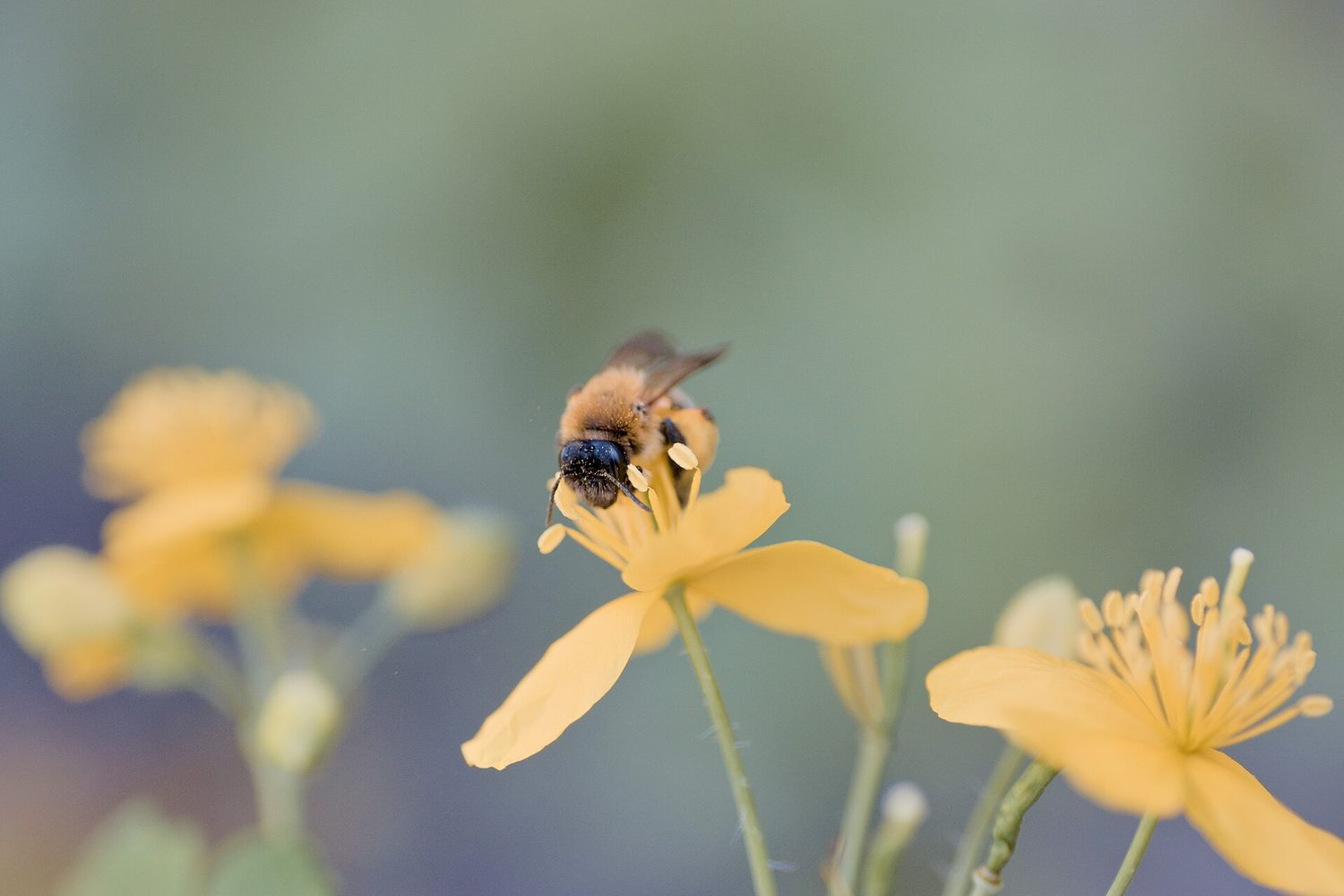
黄色い花の上のハチ、その体は花粉嚢からの花粉で覆われている
ハチは1つの花から別の花へ花粉を運ぶ — 虫媒受粉の実態
2つの花の比較:大きな鮮やかな花弁を持つハチが訪れた虫媒花と、小さな無機質な花弁と花粉嚢、風で揺れる羽状の柱頭を持つ風媒花
虫媒花は華やかで、風媒花は小さく器官を外に出している
3つの異なる植物の花粉粒の走査型電子顕微鏡写真(偽彩色);每种都有其独特的表面脊纹和刺状图案
電子顕微鏡で観察された花粉粒(色付け済み);各植物固有のパターンを持つ

(補足) 自家受粉とは、花粉が同一の花(または同一の植物の別の花)の柱頭に着生することである。異花受粉とは、花粉が同じ種でも異なる植物の花に運ばれることである。異花受粉はより多くの変異をもたらし、集団が変化に適応するのを助けるが、媒介生物や風を必要とする。自家受粉はより確実だが、変異は少ない。

受精と発芽

花粉核が胚珠内の核と融合することで受精が起こる。(補足) まず、花粉管がくさびを下りて子房に入り、花粉核を胚珠へ届ける。

種子には水、酸素、適切な温度があるときのみ発芽(成長の開始)する。

Explore · ⁨探索⁩

Sexual reproduction

Two parents each contribute a gamete; fertilisation combines them, creating variation. · ⁨両親それぞれが.Authentication(配偶子)を提供し、受精によってそれらが結合され、変異が生まれる。⁩

Vocabulary · ⁨語彙⁩ Train · ⁨練習する⁩
English 日本語
pollen grains/ˈpɒlən ɡreɪnz/ 花粉粒
carpel/ˈkɑːpl/ carpel
stigma/ˈstɪɡmə/ stigma
style/staɪl/ style
ovary/ˈəʊvəri/ ovary
ovules/ˈɒvjuːlz/ 胚珠
pollination/ˌpɒlɪˈneɪʃn/ 受粉
self-pollination/self ˌpɒlɪˈneɪʃn/ 同花受粉
cross-pollination/krɒs ˌpɒlɪˈneɪʃn/ 異花受粉
pollinators/ˈpɒlɪneɪtəz/ 媒介者
pollen tube/ˈpɒlən tjuːb/ 花粉管
seed/siːd/ seed
germinate/ˈdʒɜːmɪneɪt/ 発芽する
oxygen/ˈɒksɪdʒn/ 酸素
temperature/ˈtemprɪtʃə/ 温度
testes/ˈtestiːz/ 精巣(テストス)
16.4

Sexual reproduction in humans · ⁨人間の性生殖⁩

Syllabus · ⁨シラバス⁩
English
Core Supplement
1 Identify on diagrams and state the functions of the following parts of the male reproductive system: testes, scrotum, sperm ducts, prostate gland, urethra and penis
2 Identify on diagrams and state the functions of the following parts of the female reproductive system: ovaries, oviducts, uterus, cervix and vagina
3 Describe fertilisation as the fusion of the nuclei from a male gamete (sperm) and a female gamete (egg cell)
4 Explain the adaptive features of sperm, limited to: flagellum, mitochondria and enzymes in the acrosome
5 Explain the adaptive features of egg cells, limited to: energy stores and the jelly coat that changes at fertilisation
6 Compare male and female gametes in terms of: size, structure, motility and numbers
7 State that in early development, the zygote forms an embryo which is a ball of cells that implants into the lining of the uterus
8 Identify on diagrams and state the functions of the following in the development of the fetus: umbilical cord, placenta, amniotic sac and amniotic fluid 9 Describe the function of the placenta and umbilical cord in relation to the exchange of dissolved nutrients, gases and excretory products between the blood of the mother and the blood of the fetus
10 State that some pathogens and toxins can pass across the placenta and affect the fetus
日本語
コア サプリメント
1 男性生殖器官の以下の部分(精巣、陰嚢、精索、前立腺、尿道、ペニス)を図上で識別し、機能を述べる
2 女性生殖器官の以下の部分(卵巣、卵管、子宮、膣口、膣)を図上で識別し、機能を述べる
3 受精を、雄性配偶子(精子)と雌性配偶子(卵細胞)の核が融合するプロセスとして説明せよ
4 精子の適応的特徴について説明すること:鞭毛、ミトコンドリア、およびアクロソーム内の酵素に限定する
5 卵細胞の適応的特徴について説明すること:エネルギー貯蔵物質と受精時に変化するゲル質膜に限定する
6 雄性および雌性の遊離子(生殖細胞)を以下の点で比較すること:大きさ、構造、運動能力、および数
7 初期発育において、受精卵は胚となり、これが子宮内壁に着床する塊状の細胞群であることを述べる
8 胎児の発育における以下のものの図上での位置を特定し、その機能を述べる:臍帯、胎盤、羊水嚢、および羊水。9 母体血液と胎児血液の間で溶解した栄養素、ガス、および排泄物の交換に関する機能において、胎盤および臍帯の役割を説明すること
10 一部の病原性微生物や毒素が胎盤を通過し、胎児に影響を与えることを述べる

Source: Cambridge International syllabus · ⁨出典: Cambridge International シラバス⁩

English

The male reproductive system

Part Function
testes 睾丸 make sperm 精子 and testosterone 睾酮
scrotum 阴囊 holds the testes outside the body, kept slightly cool
sperm ducts 输精管 carry sperm away from the testes
prostate gland 前列腺 adds fluid to make semen
urethra 尿道 carries semen (and urine) out through the penis
penis 阴茎 passes sperm into the female

The female reproductive system

Part Function
ovaries 卵巢 make egg cells 卵细胞 and oestrogen 雌激素
oviducts 输卵管 carry the egg towards the uterus; fertilisation happens here
uterus 子宫 where the baby develops
cervix 子宫颈 the ring of muscle at the base of the uterus
vagina 阴道 receives the penis; also the birth canal

Gametes and fertilisation

Fertilisation is the fusion of the nuclei of a male gamete (sperm) and a female gamete (egg cell). The two gametes are adapted to their jobs:

Sperm Egg cell
size very small large
number millions few (about one a month)
can it move? yes — swims with a flagellum 鞭毛 no — it is carried along
special features many mitochondria 线粒体 for energy; enzymes 酶 in the acrosome 顶体 to break into the egg a store of food; a jelly coat 胶质层 that changes after fertilisation to keep other sperm out

Pregnancy and the fetus

After fertilisation the zygote divides to form an embryo 胚胎 — a ball of cells that implants 植入 into the lining of the uterus. As it grows it becomes a fetus 胎儿. These structures support it:

  • the placenta 胎盘 — where dissolved nutrients, gases and wastes are exchanged between the mother's blood and the fetus's blood (the two never mix).
  • the umbilical cord 脐带 — joins the fetus to the placenta.
  • the amniotic sac 羊膜囊 — a bag around the fetus, filled with amniotic fluid 羊水 that cushions it.

(Supplement) Some pathogens 病原体 and toxins 毒素 can cross the placenta and harm the fetus.

日本語

男性の生殖器系

部分 機能
睾丸 精子とテストステロンを作る
陰嚢 体外に睾丸を保持し、やや低温に保つ
精巣管 精子を睾丸から運ぶ
前立腺 精液にするための液体を追加する
尿道 精液(および尿)をペニスを通って体外へ排出する
ペニス 精子を女性体内に送り込む

女性の生殖器系

部分 機能
卵巣 卵細胞とエストロゲンを作る
卵管 卵を子宮へ運ぶ;ここで受精が起こる
子宮 赤ちゃんが発達する場所
子宮頸部 子宮底部にある筋肉の輪
膣 ペニスを受け取る;また分娩路でもある

配偶子と受精

受精とは、雄の配偶子(精子)と雌の配偶子(卵細胞)の核が融合することである。2種類の配偶子はそれぞれの機能に適応している:

精子 卵細胞
大きさ 非常に小さい 大きい
数 数百万個 少数(月約1個程度)
動けるか? はい — 鞭毛で泳ぐ いいえ — 運ばれるだけ
特長 エネルギー用の多くのミトコンドリア;頭頂体内の酵素で卵を突破する 栄養の貯蔵庫;受精後に他の精子を防ぐために変化するゼリー状被膜
頭部、頭頂体、長い尾を持つ小さな精子と、栄養貯蔵庫、核、ゼリー状被膜を持つはるかに大きな丸い卵細胞
精子は小さく泳ぎ、卵细胞は大きく栄養を蓄える

妊娠と胎児

受精後、受精卵は分裂して胚(細胞の塊)となり、着床して子宮内壁に埋め込まれる。成長すると胎児となる。これら構造がそれを支える:

  • 胎盤 — 母体の血液と胎児の血液の間で溶解した栄養素、ガス、廃棄物交換が行われる場所(両者は混ざらない)。
  • 臍帯 — 胎児を胎盤に結びつける。
  • 羊膜腔 — 胎児を取り囲む袋で、羊水が入っており、クッション役をする。
子宮内に曲がった胎児:子宮壁に付いた胎盤が臍帯によって胎児に接続され、胎児は羊膜腔内の羊水に浮かんでいる、下部に子宮頸部が見える
胎児は胎盤、臍帯、羊膜腔によって支えられながら子宮内で発達する

(補足) 一部の病原体や毒素が胎盤を越えて胎児に害を与えることがある。

Explore · ⁨探索⁩

Reproductive organ lab · ⁨生殖器官の実験⁩

Match each organ to its role in human reproduction. · ⁨各器官と、それらが人間の生殖における役割を対応させよ。⁩

Explore · ⁨探索⁩

Fertilisation to pregnancy · ⁨受精から妊娠まで⁩

Follow the route from gametes to implantation. · ⁨生殖胞から着床までの経路を追え。⁩

Vocabulary · ⁨語彙⁩ Train · ⁨練習する⁩
English 日本語
sperm/spɜːm/ 精子
testosterone/teˈstɒstərəʊn/ テストステロン
scrotum/ˈskrəʊtəm/ 陰嚢
sperm ducts/spɜːm dʌkts/ 精子導管
prostate gland/ˈprɒsteɪt ɡlænd/ 前立腺
urethra/jʊəˈriːθrə/ 尿道
penis/ˈpiːnɪs/ 陰茎
ovaries/ˈəʊvəriz/ 卵巣(オーバリー)
egg cells/eɡ selz/ 卵細胞
oestrogen/ˈiːstrədʒn/ エストロゲン
oviducts/ˈəʊvɪdʌkts/ 卵管
uterus/ˈjuːtərəs/ 子宮(ウタース)
cervix/ˈsɜːvɪks/ 子宮頸部
vagina/vəˈdʒaɪnə/ 腟(ヴァジナ)
flagellum/fləˈdʒeləm/ 鞭毛
mitochondria/ˌmaɪtəˈkɒndrɪə/ ミトコンドリア
enzymes/ˈenzaɪmz/ 酵素
acrosome/ˈækrəʊsəʊm/ 頂体
jelly coat/ˈdʒelɪ kəʊt/ ゼリー層
embryo/ˈembrɪəʊ/ 胚(エンブリオ)
implants/ˈɪmplænts/ 着床
fetus/ˈfiːtəs/ 胎児
placenta/pləˈsentə/ 胎盤(プラセンタ)
umbilical cord/ʌmˈbɪlɪkl kɔːd/ 臍帯
amniotic sac/ˌæmnɪˈɒtɪk sæk/ 羊膜嚢
amniotic fluid/ˌæmnɪˈɒtɪk ˈfluːɪd/ 羊水
pathogens/ˈpæθədʒnz/ 病原体
toxins/ˈtɒksɪnz/ 毒素
puberty/ˈpjuːbəti/ 思春期
hormones/ˈhɔːməʊnz/ ホルモン
secondary sexual characteristics/ˈsekəndəri ˈsekʃuːəl ˌkærɪktəˈrɪstɪks/ 第二性徴
16.5

Sex hormones · ⁨性ホルモン⁩

Syllabus · ⁨シラバス⁩
English
Core Supplement
1 Describe the roles of testosterone and oestrogen in the development and regulation of secondary sexual characteristics during puberty
2 Describe the menstrual cycle in terms of changes in the ovaries and in the lining of the uterus 3 Describe the sites of production of oestrogen and progesterone in the menstrual cycle and in pregnancy
4 Explain the role of hormones in controlling the menstrual cycle and pregnancy, limited to FSH, LH, progesterone and oestrogen
日本語
コア サプリメント
1 思春期における第二次性徴の発達および調節におけるテストステロンおよびエストロジェンの役割を説明すること
2 卵巣および子宮内膜の変化という観点から月経周期を説明すること。3 月経周期および妊娠中におけるエストロゲンおよびプロゲステロンの産生部位を説明すること
4 FSH、LH、プロゲステロン、エストロジェンに限定して、ホルモンが月経周期および妊娠を調節する役割を説明する

Source: Cambridge International syllabus · ⁨出典: Cambridge International シラバス⁩

English

Puberty

At puberty 青春期, sex hormones 激素 make the body develop secondary sexual characteristics 第二性征 — such as body hair, a deeper voice in boys, and breasts in girls. Testosterone does this in boys; oestrogen does it in girls.

The menstrual cycle

The menstrual cycle 月经周期 (about 28 days) prepares the uterus for a possible pregnancy:

  • the lining of the uterus thickens.
  • around day 14 an ovary releases an egg (ovulation 排卵).
  • if the egg is not fertilised, the lining breaks down and leaves the body (a period), and the cycle starts again.

(Supplement) Four hormones control the cycle: FSH (makes an egg mature and the ovary release oestrogen), LH (triggers ovulation), oestrogen (repairs and thickens the lining), and progesterone 孕酮 (keeps the lining thick). Oestrogen and progesterone are made in the ovaries; during pregnancy 怀孕, progesterone keeps the lining in place.

Worked example. A woman has a regular 28-day cycle, and her period starts on the 1st of the month. On roughly which date is she most likely to conceive? Ovulation happens about day 14, so counting 14 days on from the start of the period points to about the 14th, and the days either side of it are the most fertile. Day 1 is the day the period starts, not the day it ends - counting from the wrong day is what makes most cycle questions go wrong.

日本語

思春期

思春期において、性ホルモンにより身体は第二次性徴を発達させる—例えば体毛、男子の低音、女子の乳房など。男子ではテストステロンがこれを行い、女子ではエストロゲンがこれを行う。

月経周期

月経周期(約28日)は、潜在的な妊娠に向けて子宮を整備する:

  • 子宮内壁が厚くなる。
  • 約14日目に卵巣から卵が放出される(排卵)。
  • 卵が受精されなければ、内壁は崩れて体外へ排出され(月経)、サイクルが再び始まる。
28日間のサイクルにおけるグラフ:1〜5日目の月経中に子宮内壁が剥離され、その後厚くなり、14日目の排卵時に卵が放出され、内壁は再び崩れるまで厚い状態が続く
内壁は厚くなり、14日目に卵が放出され、妊娠がない場合は月経が続く

(補足) 4つのホルモンがサイクルを制御する:FSH(卵の成熟と卵巣からのエストロゲン放出)、LH(排卵のトリガー)、エストロゲン(内壁の修復と増殖)、プロゲステロン(内壁の維持)。エストロゲンとプロゲステロンは卵巣で作られる;妊娠中にはプロゲステロンが内壁を維持する。

** worked example.** 月経周期が規則的な28日間で、月経開始日がその月の1日の女性がいる。最も妊娠しやすいのはおおよそいつか? 排卵は約14日目に行われるため、月経開始日から14日を数えると約14日になり、その前後の数が最も肥沃である。1日目は月経が終わる日ではなく始まる日である;間違った日から数えることが、ほとんどのサイクル関連問題の誤解の原因となる。

Explore · ⁨探索⁩

The menstrual cycle · ⁨月経周期⁩

Hormones control a roughly monthly cycle that prepares the uterus for a possible pregnancy. · ⁨ホルモンがほぼ月ごとの周期を制御し、子宮を妊娠の可能性に備える。⁩

Vocabulary · ⁨語彙⁩ Train · ⁨練習する⁩
English 日本語
menstrual cycle/ˈmenstruːəl ˈsaɪkl/ 月経周期
ovulation/ˌɒvjʊˈleɪʃn/ 排卵(オヴュレーション)
progesterone/prəʊˈdʒestərəʊn/ プロゲステロン
pregnancy/ˈpreɡnənsi/ 妊娠
sexually transmitted infection/ˈsekʃuːəli trænˈsmɪtɪd ɪnˈfekʃn/ 性感染症
infection/ɪnˈfekʃn/ 感染
virus/ˈvaɪrəs/ ウイルス
16.6

Sexually transmitted infections · ⁨性感染症⁩

Syllabus · ⁨シラバス⁩
English
Core Supplement
1 Describe a sexually transmitted infection (STI) as an infection that is transmitted through sexual contact
2 State that human immunodeficiency virus (HIV) is a pathogen that causes an STI
3 State that HIV infection may lead to AIDS
4 Describe the methods of transmission of HIV
5 Explain how the spread of STIs is controlled
日本語
コア サプリメント
1 性感染症(STI)を性接触によって伝染する感染として説明すること
2 ヒト免疫欠損ウイルス(HIV)が性感染症を引き起こす病原体であることを述べる
3 HIV感染がエイズにつながる可能性があることを述べる
4 HIVの伝播方法について説明すること
5 性感染症の拡散を抑制する方法について説明すること

Source: Cambridge International syllabus · ⁨出典: Cambridge International シラバス⁩

English

A sexually transmitted infection 性传播感染 (STI) is an infection 感染 spread through sexual contact.

HIV is a virus 病毒 that causes an STI, and it can lead to AIDS, in which the immune system stops working properly. HIV is passed on in infected body fluids — for example by sharing needles, during sex, or from mother to baby (across the placenta or in breast milk).

The spread of STIs is controlled by using condoms, having fewer partners, testing and treating infected people, and not sharing needles.

日本語

性感染症(STI)は、性的接触によって伝染する感染症である。

HIVは性感染症を引き起こすウイルスであり、免疫システムが正常に機能しなくなるAIDSにつながる可能性がある。HIVは感染した体液を通じて伝染する—例えば共用針具、性交渉、または母親から乳児へ(胎盤を越える、または母乳の中で)。

性感染症の拡大は、コンドームの使用、パートナー数の削減、検査と治療、および共用針具の禁止によって管理される。

Explore · ⁨探索⁩

STI prevention chain · ⁨性感染症(STI)予防の連鎖⁩

See where prevention breaks transmission. · ⁨どこで transmission が遮断されるかを確認せよ。⁩

16.6

Exam tips · ⁨試験対策⁩

English
  • Asexual: one parent, identical offspring (no variation). Sexual: two parents, gametes fuse, offspring show variation.
  • Fertilisation = fusion of two gamete nuclei → zygote. (Supplement: gametes haploid, zygote diploid.)
  • Learn the flower parts and which are male (stamen) and female (carpel). Compare insect- and wind-pollinated flowers.
  • Sperm: small, many, moving (flagellum). Egg: large, few, with a food store.
  • Menstrual cycle: lining thickens → ovulation (day 14) → period if no fertilisation. (Supplement: FSH, LH, oestrogen, progesterone.)
  • HIV is a virus that causes an STI and can lead to AIDS; it spreads through body fluids.
日本語
  • 無性生殖: 1親、遺伝的に同一の子(変異なし)。有性生殖: 2親、配偶子が融合し、子に変異が見られる。
  • 受精 = 2つの配偶子の核の融合 → 合子。(補足:配偶子は単倍体、合子は二倍体。)
  • 花の各部分と、雄しべ(雄器)および雌しべ(雌器)を学ぶ。虫媒花と風媒花を比較する。
  • 精子: 小さく、数が多く、運動する(鞭毛)。卵: 大きく、数が少なく、栄養貯蔵を持つ。
  • 月経周期: 内膜が厚くなる → 排卵(14日目)→ 未受精の場合は月経。(補足:FSH、LH、エストロゲン、プロゲステロン。)
  • HIVは性感染症を引き起こすウイルスであり、AIDSにつながる可能性があります。体液を介して感染します。

Interactive lessons on this topic · ⁨このトピックのインタラクティブ授業⁩

Work through it step by step, with instant-check exercises. · ⁨一歩ずつ進め、即時チェック付きの問題で学習します。⁩

Past Papers · ⁨過去問⁩

More topics in IGCSE Biology · ⁨IGCSE 生物⁩ · ⁨IGCSE Biology · ⁨IGCSE 生物⁩ の他のトピック⁩

Log in or create account · ⁨ログインまたはアカウント作成⁩

IGCSE, A-Level & AP