1.1 Contextualizing Period 1
Learning Objective Unit 1.A: Explain the context for European encounters in the Americas from 1491 to 1607.
- KC-1.1 As native populations migrated and settled across the vast expanse of North America over time, they developed distinct and increasingly complex societies by adapting to and transforming their diverse environments.
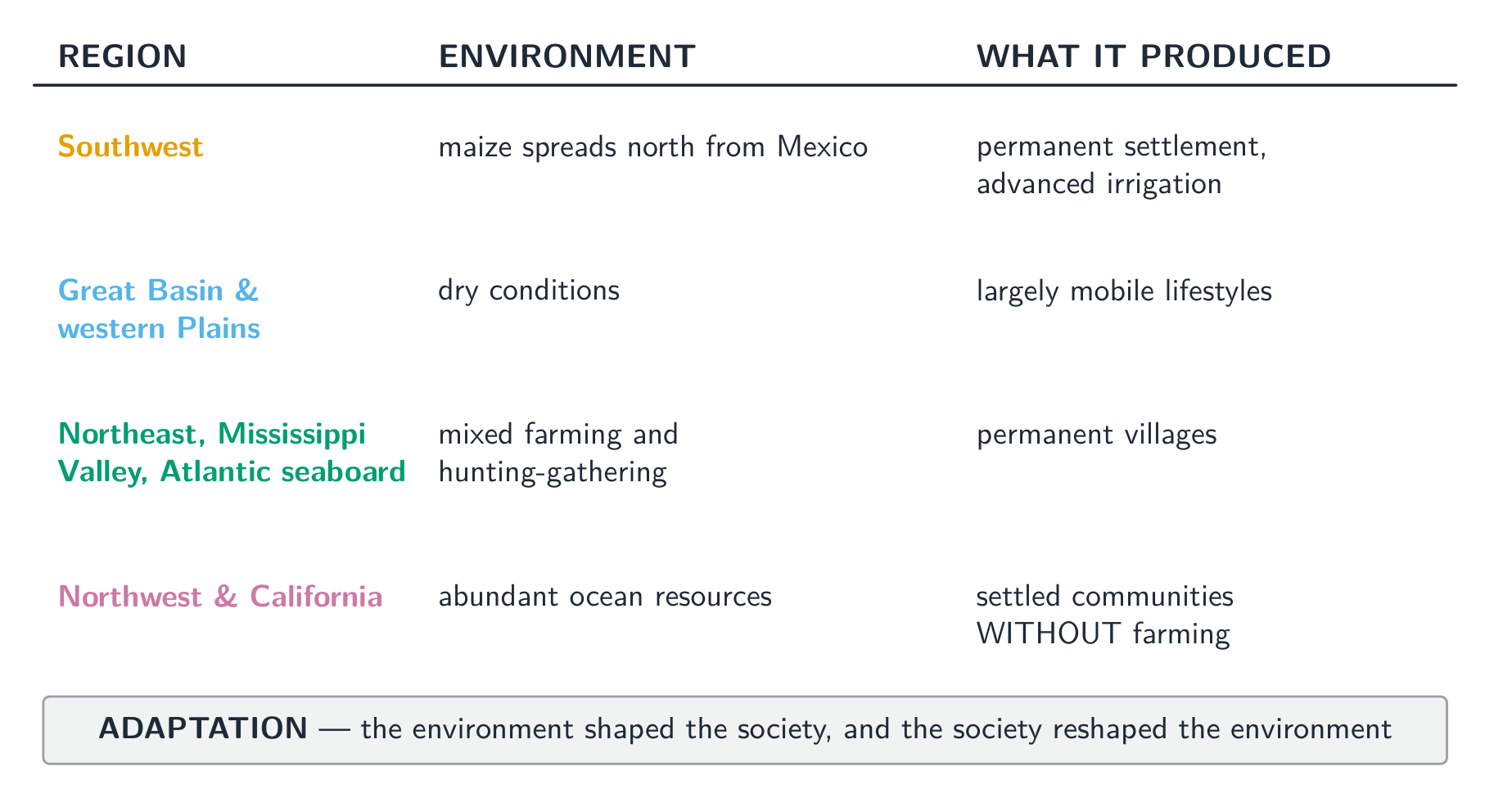
- KC-1.1.I Different native societies adapted to and transformed their environments through innovations in agriculture, resource use, and social structure.
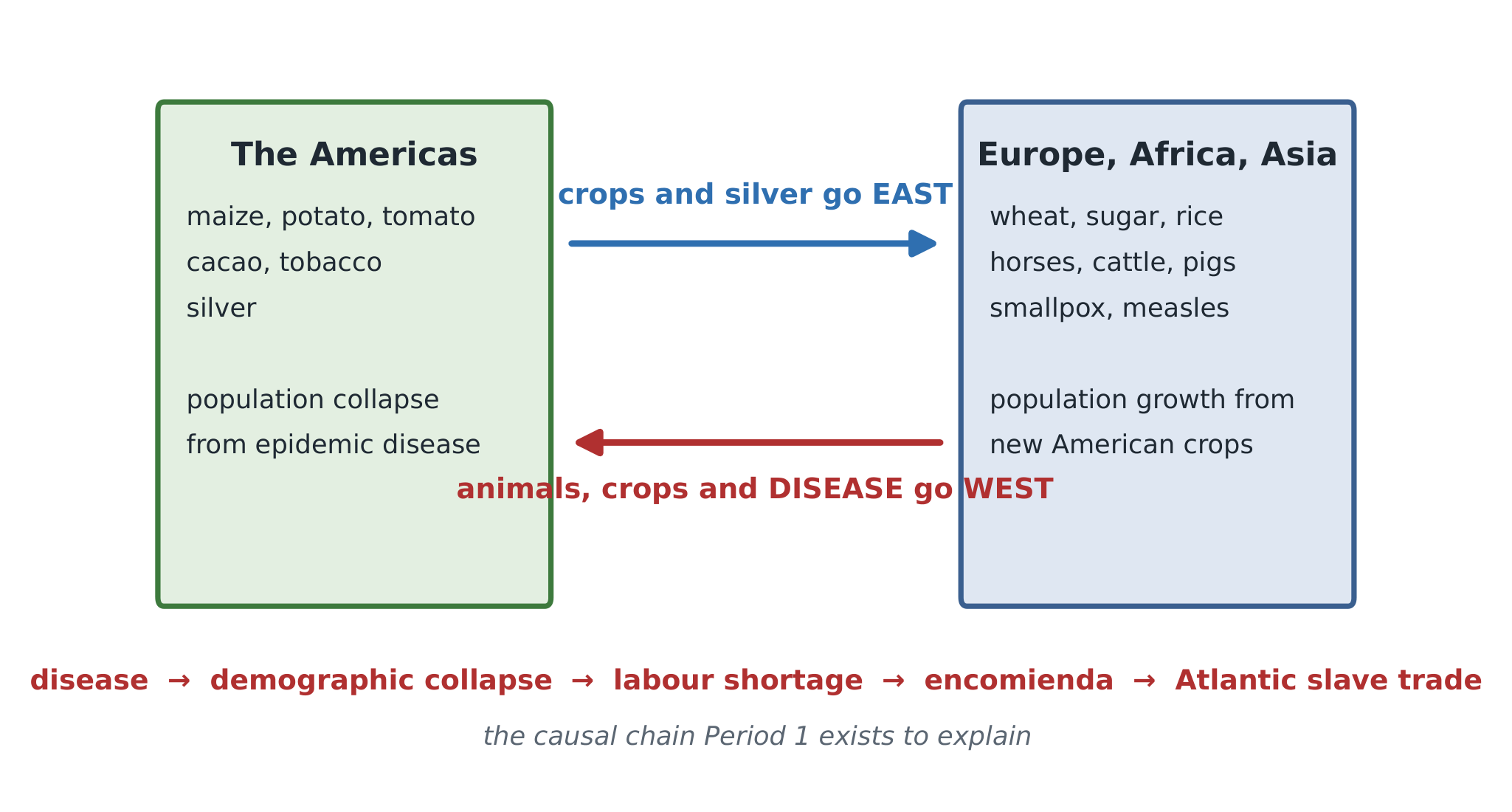
- KC-1.2 Contact among Europeans, Native Americans, and Africans resulted in the Columbian Exchange and significant social, cultural, and political changes on both sides of the Atlantic Ocean.
- KC-1.2.I European expansion into the Western Hemisphere generated intense social, religious, political, and economic competition and changes within European societies.
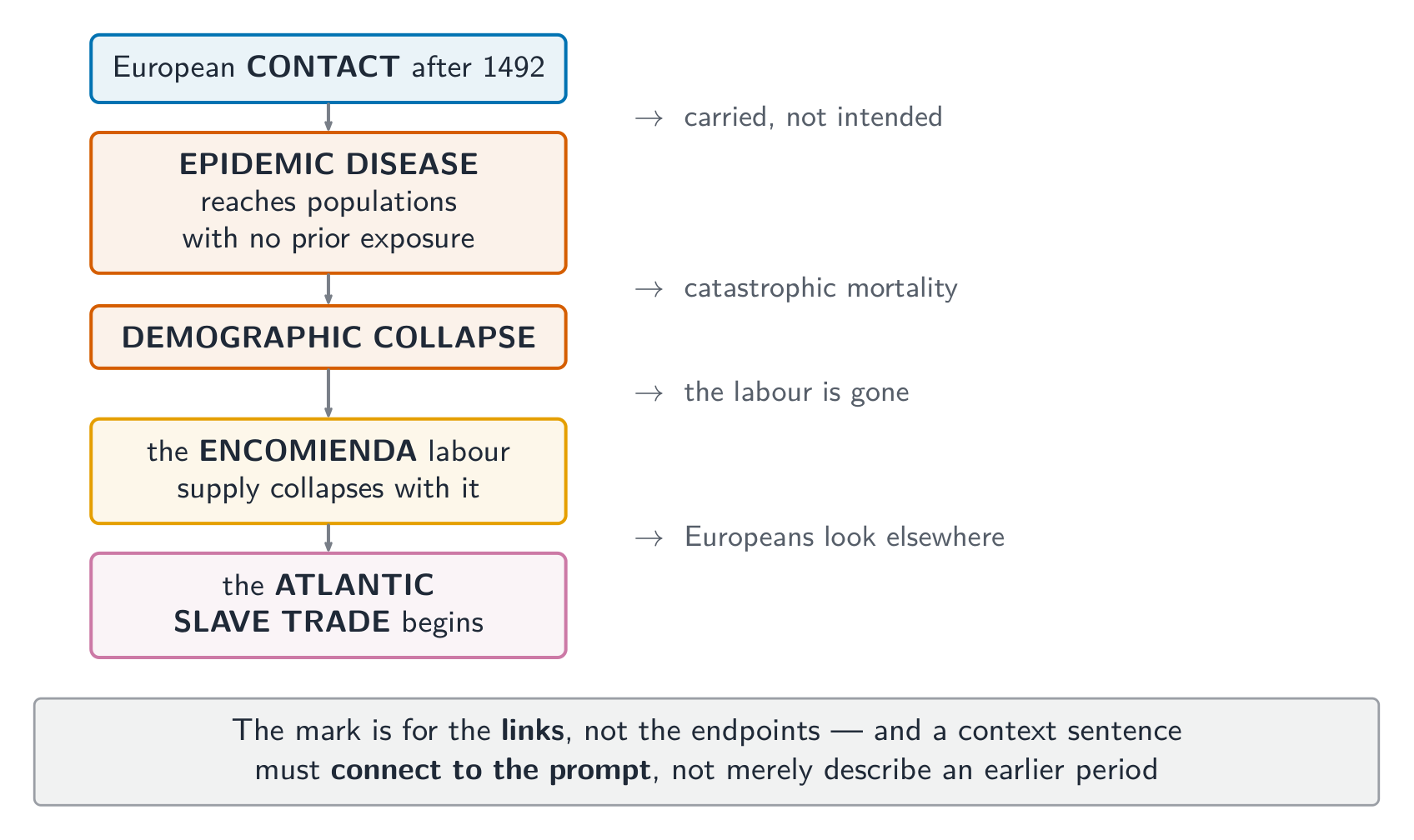
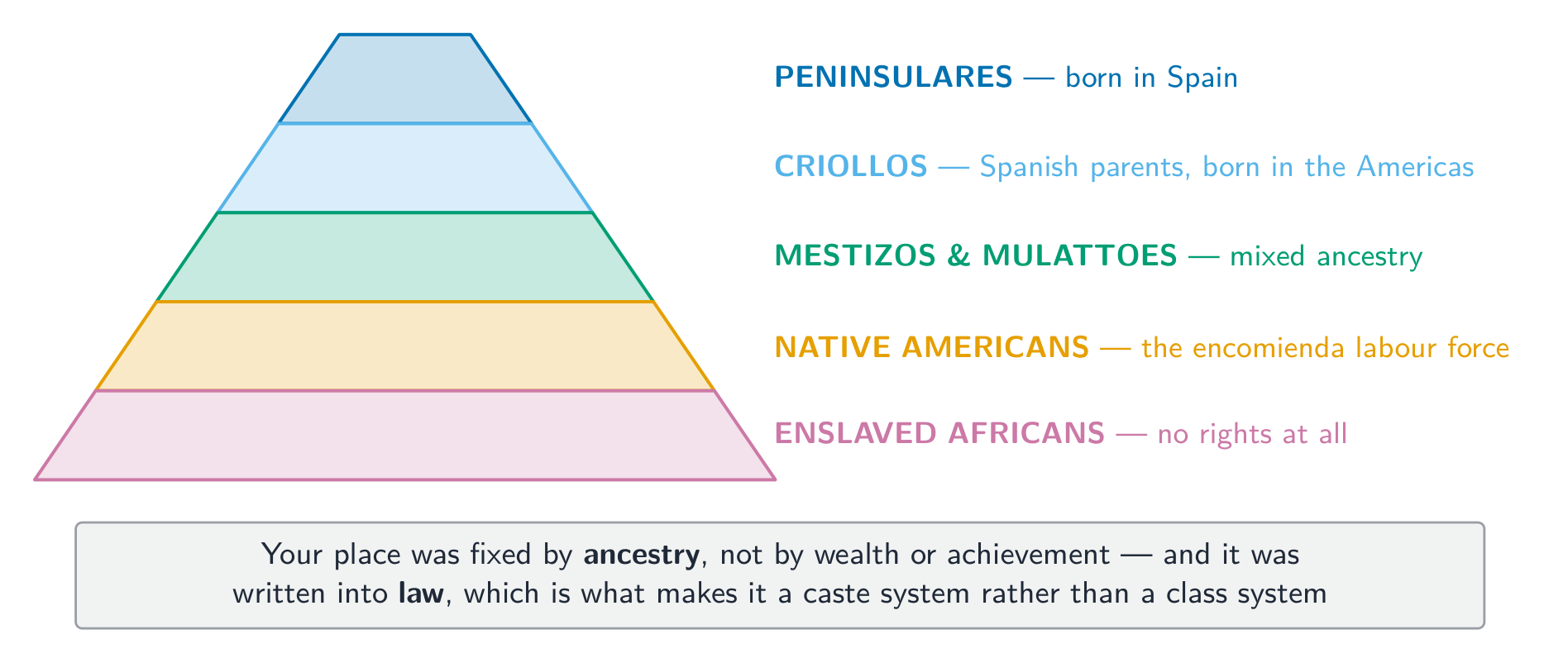
- KC-1.2.II The Columbian Exchange and development of the Spanish Empire in the Western Hemisphere resulted in extensive demographic, economic, and social changes.
- KC-1.2.III In their interactions, Europeans and Native Americans asserted divergent worldviews regarding issues such as religion, gender roles, family, land use, and power.
1.1 第1期の文脈付け
学習目標 Unit 1.A: 1491年から1607年にかけてのヨーロッパ人によるアメリカとの接触の背景を説明する。
- KC-1.1 土着民が時間とともに広大な北米大陆に移動・定住するにつれて、多様な環境に適応し、それを変革することで、独自かつ複雑さを増す社会を発達させた。
- KC-1.1.I 異なる土着社会は、農業、資源利用、社会構造における革新を通じて、自らの環境に適応し、変化した。
- KC-1.2 ヨーロッパ人、先住民、アフリカ人の間の接触は、コロンブス交換をもたらしたほか、大西洋両岸で重要な社会的、文化的、政治的変化をもたらした。
- KC-1.2.I 西半球へのヨーロッパ人の進出は、ヨーロッパ社会内での激しい社会的、宗教的、政治的、経済的な競争と変化を生み出した。
- KC-1.2.II コロンブス交換と西半球におけるスペイン帝国の発展は、大規模な人口動態、経済、社会的変化をもたらした。
- KC-1.2.III 相互の相互作用において、ヨーロッパ人と先住民は、宗教、性別役割、家族、土地利用、権力などの問題 regarding 異なる世界観を主張した。
1.2 Native American Societies Before European Contact
Thematic Focus (GEO): Geography and the Environment — Geographic and environmental factors, including competition over and debates about natural resources, shape the development of America and foster regional diversity. The development of America impacts the environment and reshapes geography, which leads to debates about environmental and geographic issues.
Learning Objective Unit 1.B: Explain how and why various native populations in the period before European contact interacted with the natural environment in North America.
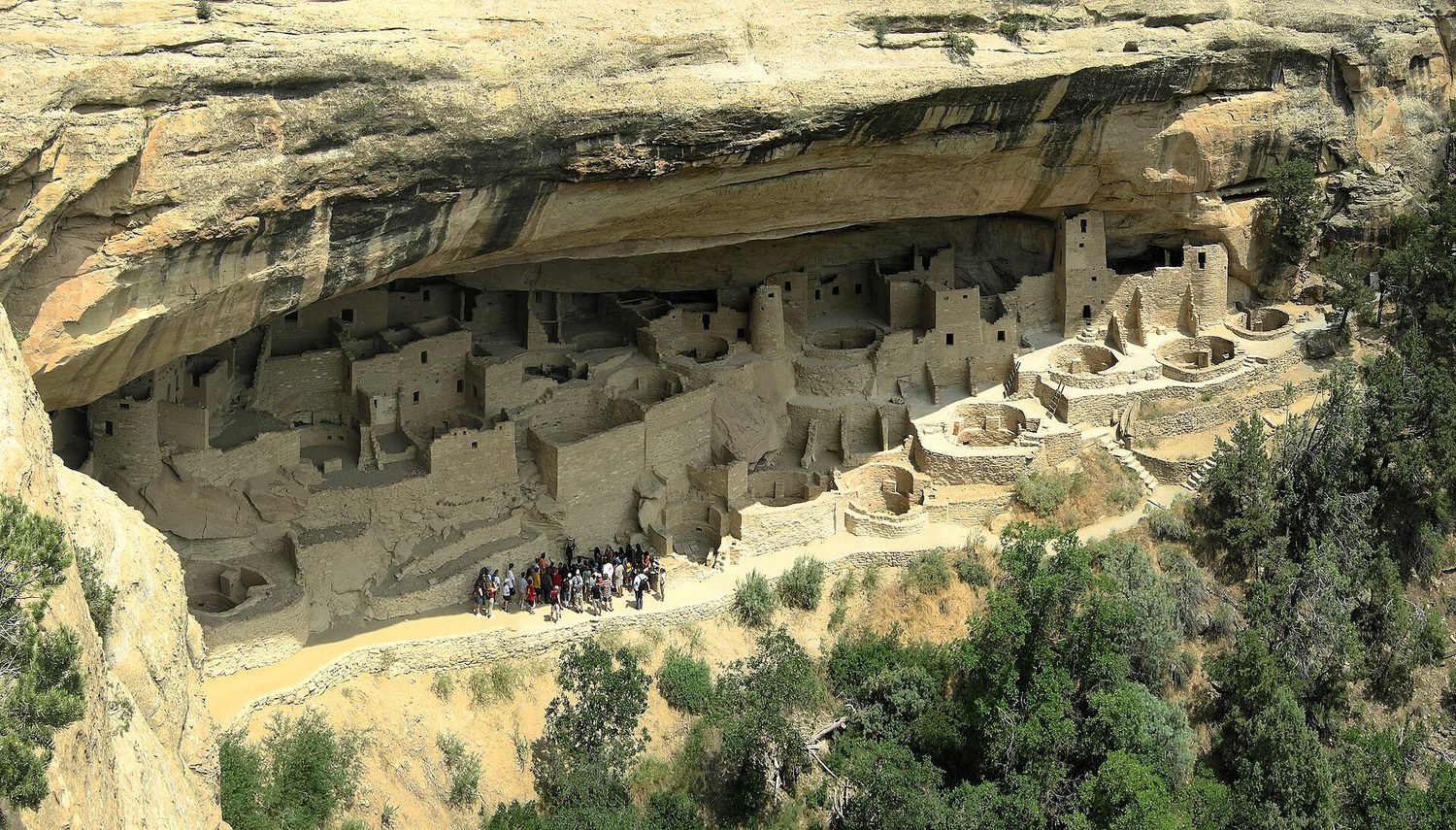
- KC-1.1.I.A The spread of maize cultivation from present-day Mexico northward into the present-day American Southwest and beyond supported economic development, settlement, advanced irrigation, and social diversification among societies.
- KC-1.1.I.B Societies responded to the aridity of the Great Basin and the grasslands of the western Great Plains by developing largely mobile lifestyles.
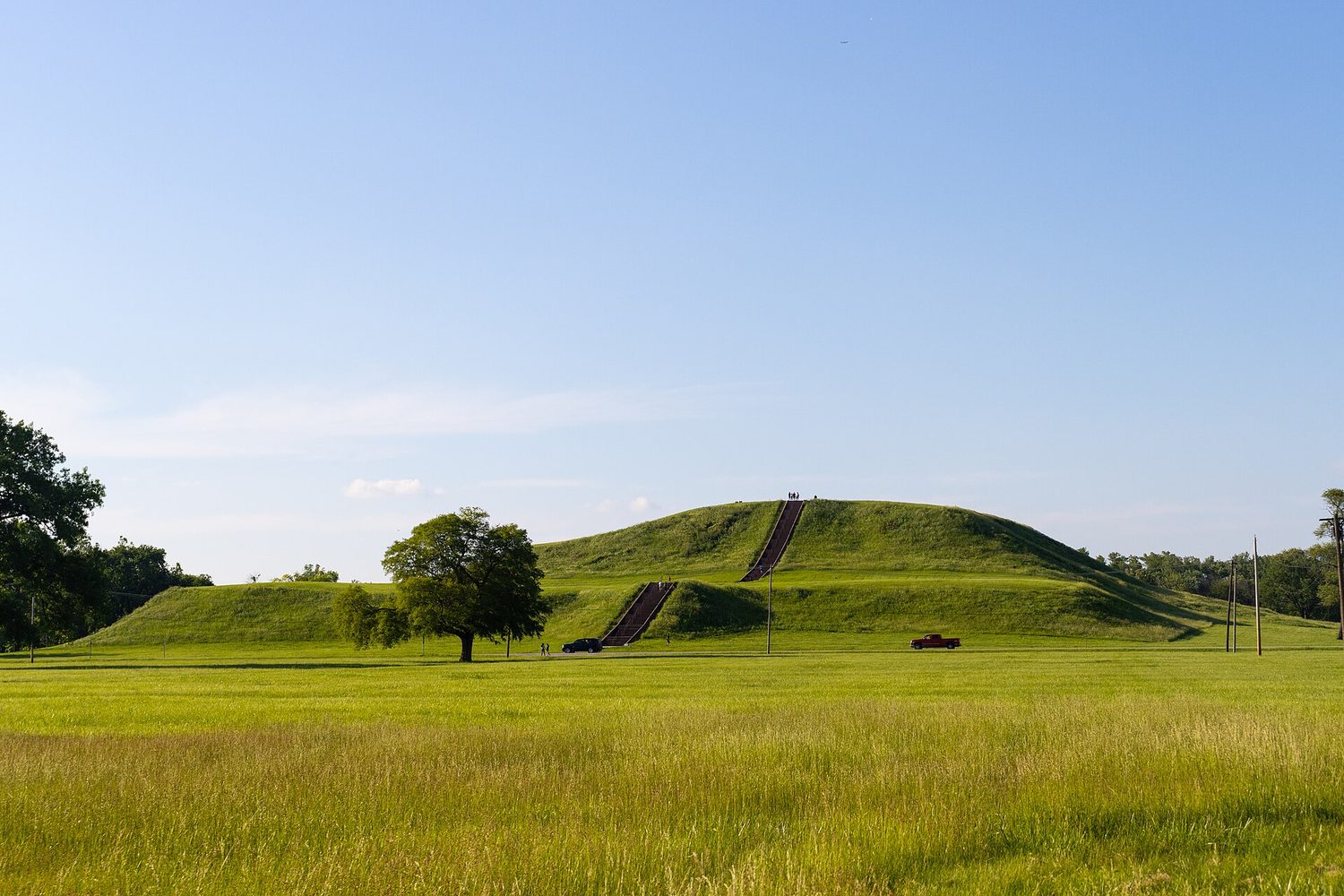
- KC-1.1.I.C In the Northeast, the Mississippi River Valley, and along the Atlantic seaboard, some societies developed mixed agricultural and hunter-gatherer economies that favored the development of permanent villages.
- KC-1.1.I.D Societies in the Northwest and present-day California supported themselves by hunting and gathering, and in some areas developed settled communities supported by the vast resources of the ocean.
1.2 ヨーロッパ人接触前の先住民社会
テーマ焦点 (GEO): 地理学と環境 — 自然資源をめぐる競争や議論を含む地理学的・環境的要因は、アメリカの発展を形作り、地域的多様性を育む。アメリカの発展は環境に影響を与え、地理を再構成し、環境・地理的問題についての議論につながる。
学習目標 Unit 1.B: ヨーロッパ人接触前の期間に、さまざまな先住民が北米の自然環境とどのように、なぜ相互作用したかを説明する。
- KC-1.1.I.A メキシコ現在の地から北米西南地方およびそれ以北へ玉米栽培が広がったことは、社会間の経済発展、定住、高度な灌漑、そして社会の多様化を支えた。
- KC-1.1.I.B 社会はグレートベースンの乾燥さや西部グレートプレーンズの草原に対応するため、主に移動生活スタイルを発達させた。
- KC-1.1.I.C 北東部、ミシシッピ川流域、および大西洋沿岸において、いくつかの社会は定住村の発展を好む混合農業および狩猟採集経済を発達させた。
- KC-1.1.I.D 北西部およびカリフォルニア現在の地の社会は狩猟採集によって生計を立て、一部の地域では海洋の豊富な資源によって支えられた定住コミュニティを発達させた。