English
9.1 Contextualizing Cold War and Contemporary Europe
Learning Objective Unit 9.A: Explain the context in which the Cold War developed, spread, and ended in Europe.
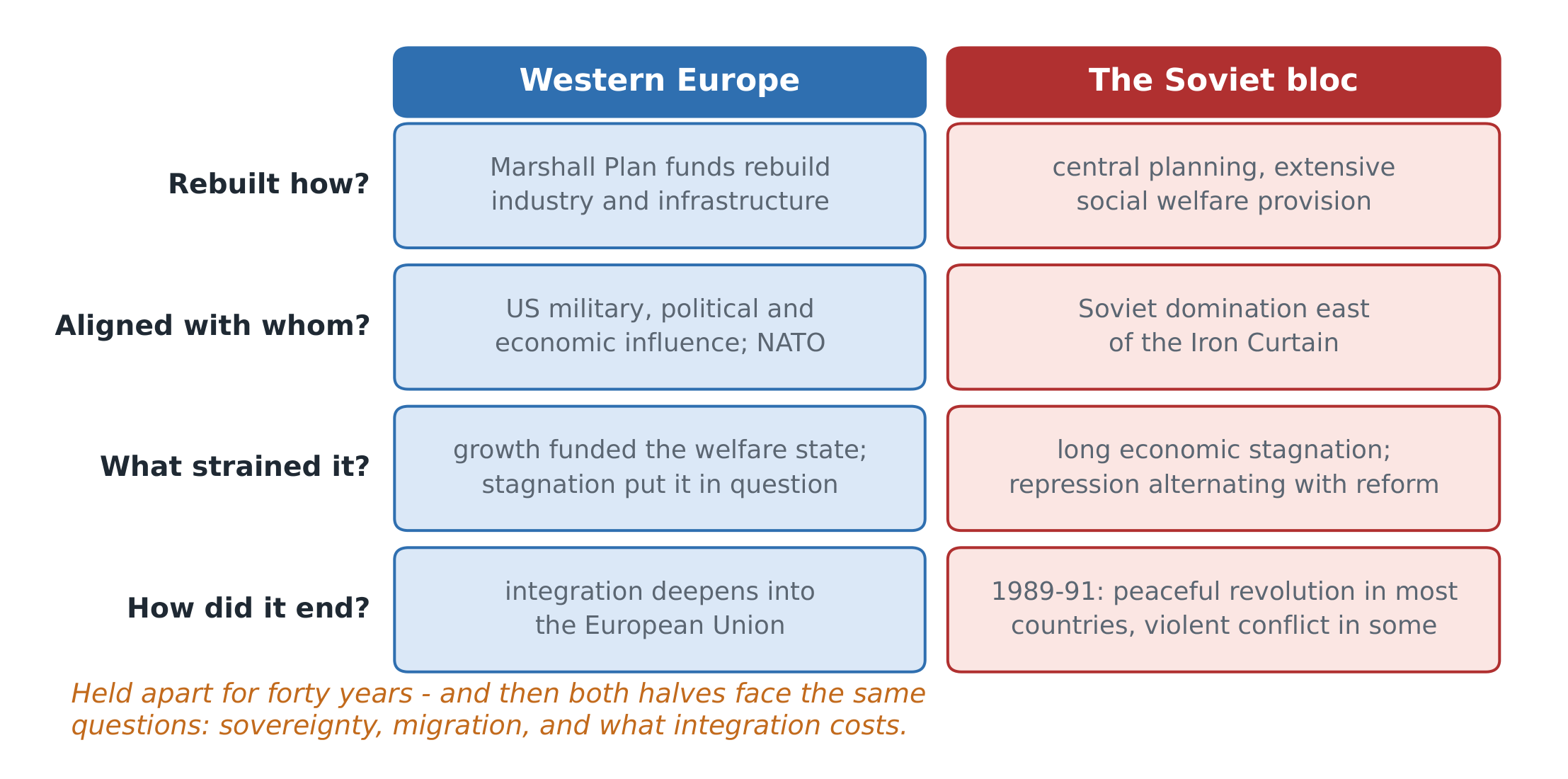
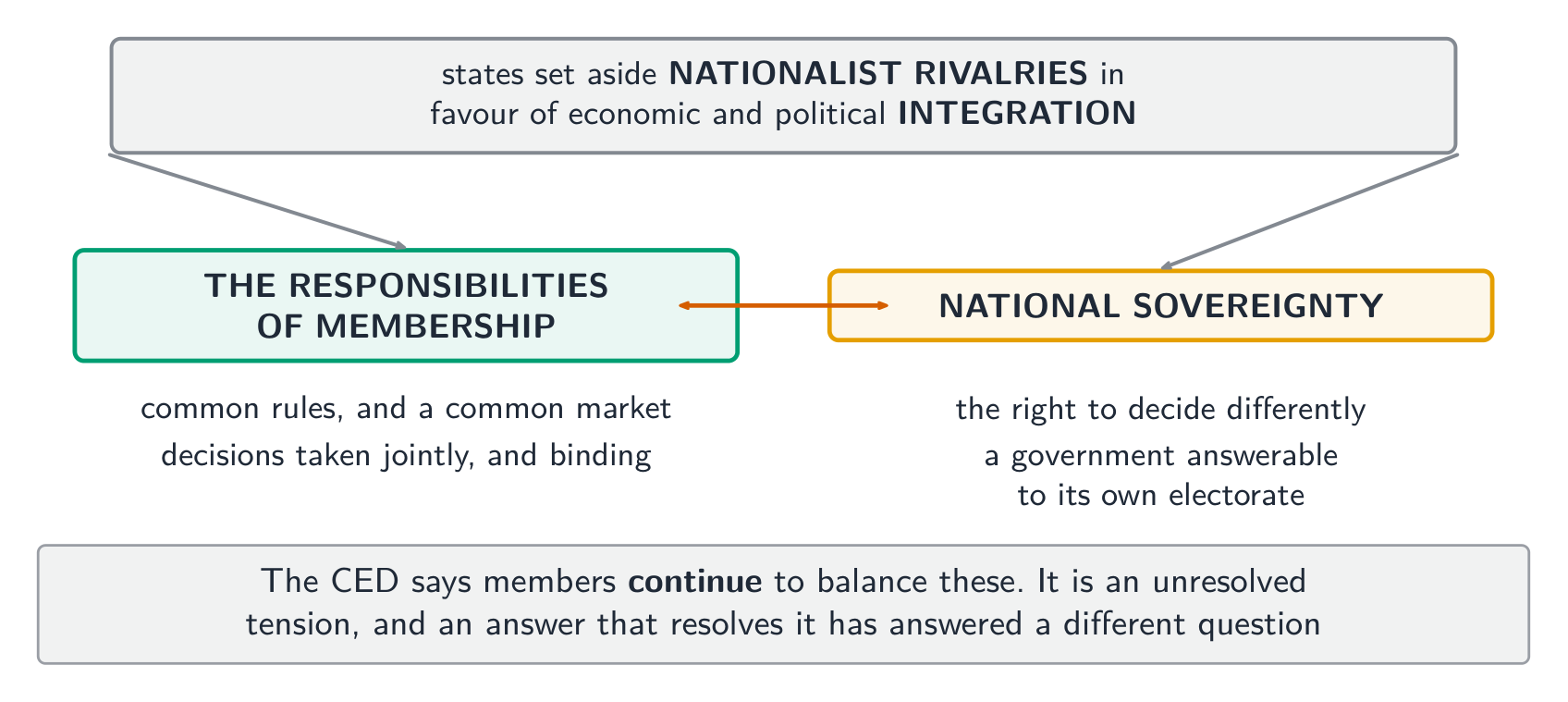
- KC-4.1 Total war and political instability in the first half of the 20th century gave way to a polarized state order during the Cold War and eventually to efforts at transnational union.
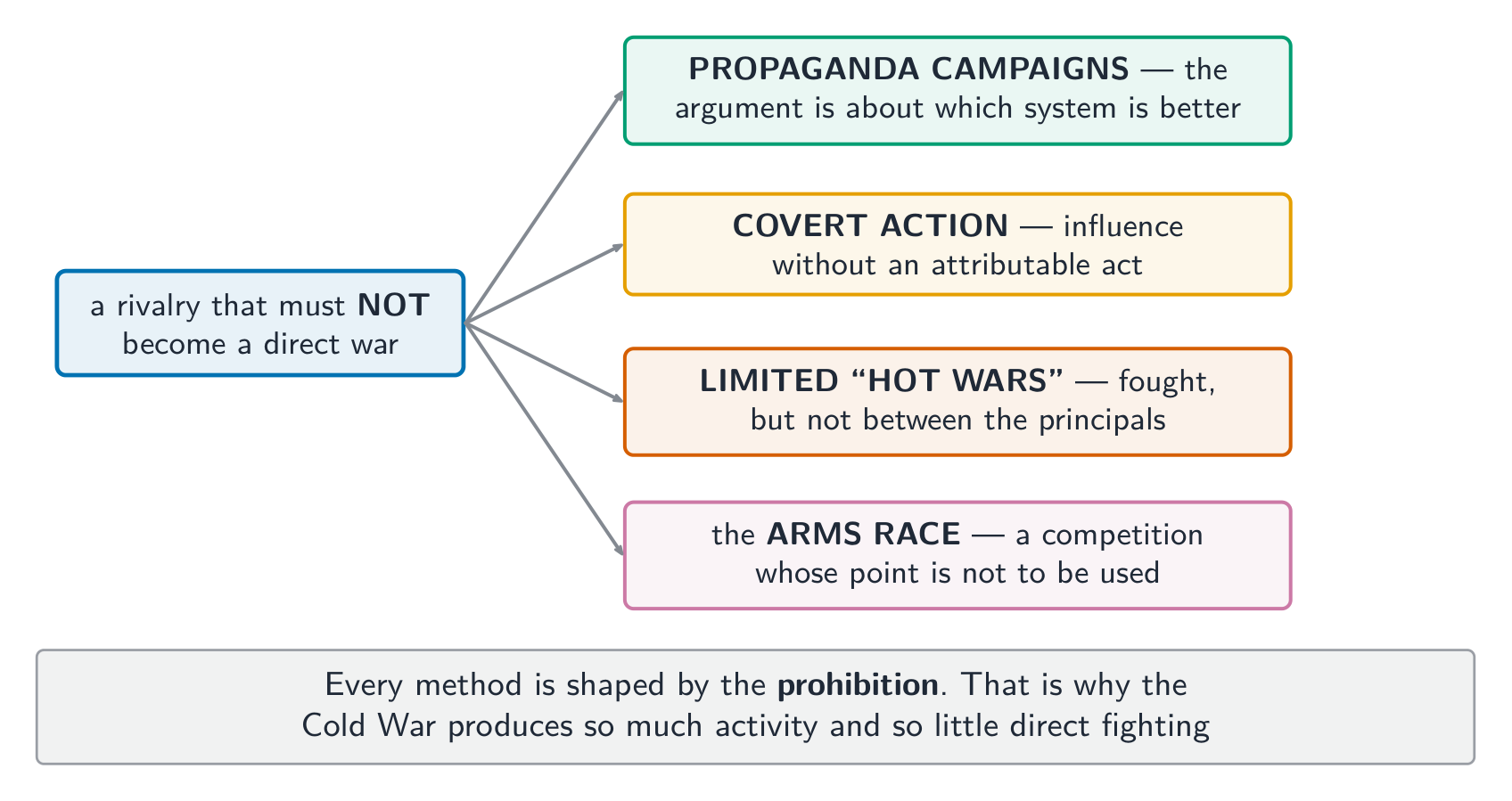
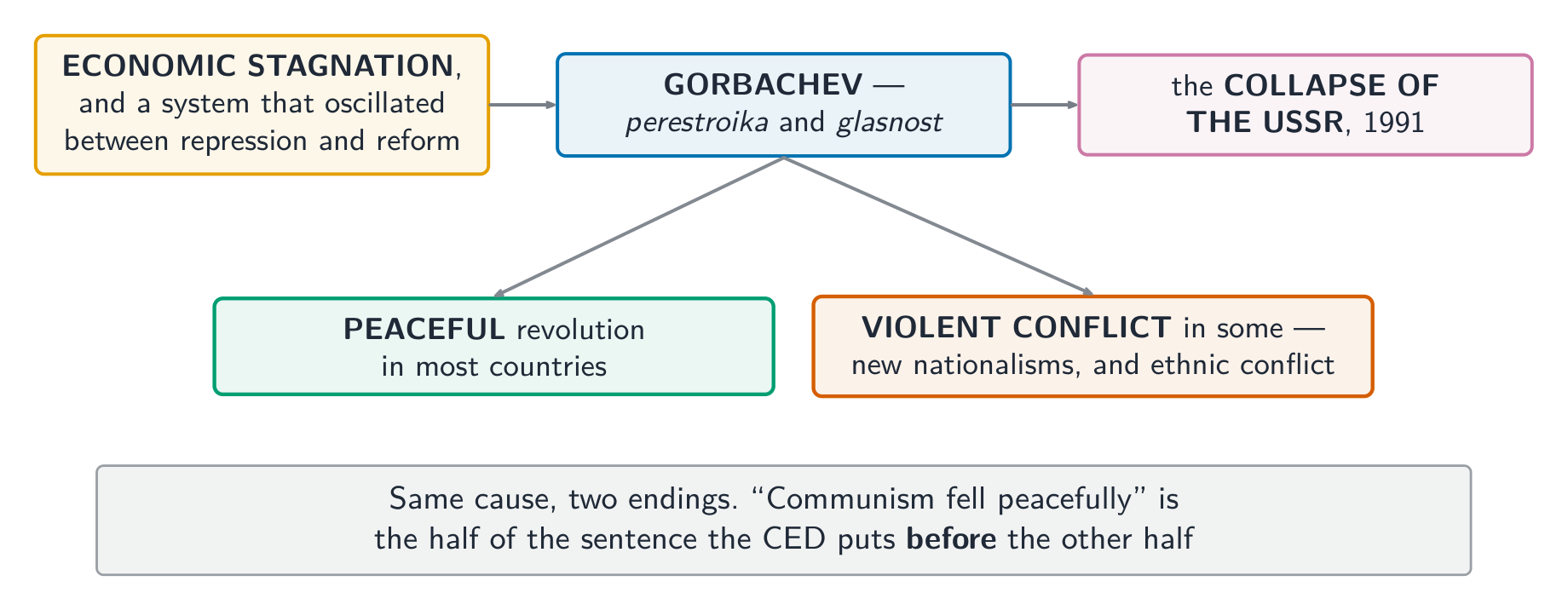
- KC-4.1.IV As World War II ended, a Cold War between the liberal democratic West and the communist East began, lasting nearly half a century.
- KC-4.2 The stresses of economic collapse and total war engendered internal conflicts within European states and created conflicting conceptions of the relationship between the individual and the state, as demonstrated in the ideological battle between and among democracy, communism, and fascism.
- KC-4.3 During the 20th century, diverse intellectual and cultural movements questioned the existence of objective knowledge, the ability of reason to arrive at truth, and the role of religion in determining moral standards.
- KC-4.3.I.ii The experience of war intensified a sense of anxiety that permeated many facets of thought and culture, giving way by the century’s end to a plurality of intellectual frameworks.
- KC-4.4 Demographic changes, economic growth, total war, disruptions of traditional social patterns, and competing definitions of freedom and justice altered the experiences of everyday life.
- KC-4.4.III New voices gained prominence in political, intellectual, and social discourse.
日本語
9.1 コールドウォーと現代ヨーロッパの文脈
学習目標ユニット9.A: ヨーロッパにおいてコールドウォーが発展し、拡大し、終結した背景を説明すること。
- KC-4.1 20世紀前半の総力戦と政治的不安定は、冷戦期における極端に分裂した国際秩序を経て、最終的には超国家的連合への取り組みへと移行した。
- KC-4.1.IV 第二次世界大戦の終結に伴い、自由民主主義の西側と共産主義の東側との間でコールドウォーが始まり、ほぼ半世紀にわたって継続した。
- KC-4.2 経済崩壊と総力戦によるストレスは、ヨーロッパ各国内部の対立を生み出し、個人と国家の関係に関する概念的な対立を生むこととなり、民主主義、共産主義、ファシズムの間およびそれら相互間のイデオロギー闘争によって示された。
- KC-4.3 20世紀には、客観的知識の存在、理性による真理への到達能力、および道徳基準の決定における宗教の役割を問う多様な知的・文化的運動が生まれた。
- KC-4.3.I.ii 戦争体験は、思考や文化の多くの側面に蔓延する不安感を激化させ、世紀の終わりに至るまでには多様な知的枠組みへと移行した。
- KC-4.4 人口動態の変化、経済成長、総力戦、伝統的な社会パターンの撹乱、自由および正義の競合する定義は、日常生活の体験を変革した。
- KC-4.4.III 政治的、知的、社会的議論において新たな声が注目されるようになった。