Skip to content · ⁨コンテンツへスキップ⁩

Aquatic and Terrestrial Pollution · ⁨水生・陸生汚染⁩

AP Environmental Science · Topic 8 · ⁨トピック 8⁩

View Slides · ⁨查看幻灯片⁩ Train · ⁨練習する⁩
Video lesson for this topic · ⁨このトピックのビデオレッスン⁩ Open the video page · ⁨動画ページを開く⁩
8:37

水生・陸生汚染

この池を見てください。鮮やかな緑色をしており、生命に満ちています。そこに住む魚はすべて死んでいます。今、この丘を見てください。これは丘ではありません。私たちのごみです、埋められています。…

English narration · English + 中文 subtitles burned in · ⁨英語ナレーション・英語+中文字幕 burning-in⁩

8.1

Sources of Pollution · ⁨汚染源⁩

Syllabus · ⁨シラバス⁩
English

Enduring Understanding (STB-3): Human activities, including the use of resources, have physical, chemical, and biological consequences for ecosystems.

Learning Objective STB-3.A: Identify differences between point and nonpoint sources of pollution.

  • STB-3.A.1 A point source refers to a single, identifiable source of a pollutant, such as a smokestack or waste discharge pipe.
  • STB-3.A.2 Nonpoint sources of pollution are diffused and can therefore be difficult to identify, such as pesticide spraying or urban runoff.
日本語

持続的知識 (STB-3): 資源の使用を含む人間の活動は、生態系に対して物理的、化学的、生物学的な結果をもたらします。

学習目標 STB-3.A: 点発生源と非点発生源の違いを特定すること。

  • STB-3.A.1 点発生源とは、煙突や廃水排放管のような、単一の識別可能な汚染物質の発生源を指します。
  • STB-3.A.2 非点発生源は拡散しており、そのため識別することが難しい場合があります。例として農薬散布や都市部からの流出水があります。
Source: College Board AP Course and Exam Description · ⁨出典: College Board AP コースおよび試験説明書⁩

English

Pollution sources are point or nonpoint. A point source 点源 comes from a single, identifiable place (a factory pipe, a sewage outfall) – easy to locate and regulate. A nonpoint source 非点源 is spread out (farm runoff, urban street runoff, car exhaust) – much harder to control because it comes from everywhere.

日本語

汚染源は点源または非点源である。点源は単一の識別可能な場所から発生する(工場の排煙管、下水排放口など)——位置特定および規制が容易である。非点源は広範囲に分散している(農業排水、都市部道路排水、自動車の排気ガスなど)——どこからも発生するため、 MUCH harder to control because it comes from everywhere.

8.2

Human Impacts on Ecosystems · ⁨生態系への人為的影響⁩

Syllabus · ⁨シラバス⁩
English

Enduring Understanding (STB-3): Human activities, including the use of resources, have physical, chemical, and biological consequences for ecosystems.

Learning Objective STB-3.B: Describe the impacts of human activities on aquatic ecosystems.

  • STB-3.B.1 Organisms have a range of tolerance for various pollutants. Organisms have an optimum range for each factor where they can maintain homeostasis. Outside of this range, organisms may experience physiological stress, limited growth, reduced reproduction, and in extreme cases, death.
  • STB-3.B.2 Coral reefs have been suffering damage due to a variety of factors, including increasing ocean temperature, sediment runoff, and destructive fishing practices.
  • STB-3.B.3 Oil spills in marine waters cause organisms to die from the hydrocarbons in oil. Oil that floats on the surface of water can coat the feathers of birds and fur of marine mammals. Some components of oil sink to the ocean floor, killing some bottom-dwelling organisms.
  • STB-3.B.4 Oil that washes up on the beach can have economic consequences on the fishing and tourism industries.
  • STB-3.B.5 Oceanic dead zones are areas of low oxygen in the world's oceans caused by increased nutrient pollution.
  • STB-3.B.6 An oxygen sag curve is a plot of dissolved oxygen levels versus the distance from a source of pollution, usually excess nutrients and biological refuse.
  • STB-3.B.7 Heavy metals used for industry, especially mining and burning of fossil fuels, can reach the groundwater, impacting the drinking water supply.
  • STB-3.B.8 Litter that reaches aquatic ecosystems, besides being unsightly, can create intestinal blockage and choking hazards for wildlife and introduce toxic substances to the food chain.
  • STB-3.B.9 Increased sediment in waterways can reduce light infiltration, which can affect primary producers and visual predators. Sediment can also settle, disrupting habitats.
  • STB-3.B.10 When elemental sources of mercury enter aquatic environments, bacteria in the water convert it to highly toxic methylmercury.
日本語

持続的知識 (STB-3): 資源の使用を含む人間の活動は、生態系に対して物理的、化学的、生物学的な結果をもたらします。

学習目標 STB-3.B: 人間の活動が水生生態系に与える影響を記述する。

  • STB-3.B.1 生物には、様々な汚染物質に対する耐性範囲が存在する。各要因に対して、恒常性を維持できる最適範囲がある。この範囲外では、生理的ストレス、成長阻害、生殖能力の低下が生じ、極端な場合には死亡に至ることもある。
  • STB-3.B.2 珊瑚礁は、海洋温度の上昇、堆積物流出、破壊的な漁業などの多様な要因により、損傷を受けている。
  • STB-3.B.3 海上での石油漏洩により、石油中の炭化水素によって生物が死滅する。水面に浮遊した石油は鳥の羽毛や海獣の毛皮を被覆することがある。また、石油の一部は海底に沈降し、底生生物を殺すことがある。
  • STB-3.B.4 海岸に打ち寄せる石油は、漁業や観光産業に経済的損失をもたらすことがある。
  • STB-3.B.5 海洋のデッドゾーンとは、栄養塩汚染の増加によって生じる、世界規模の海洋における低酸素域である。
  • STB-3.B.6 酸欠曲線とは、汚染源(通常は過剰な栄養塩や有機廃棄物)からの距離に対して溶解酸素濃度をプロットしたグラフである。
  • STB-3.B.7 工業用重金属、特に鉱山開発や化石燃料の燃焼に伴って発生するものは、地下水に到達し、飲料水の供給に影響を与えることがある。
  • STB-3.B.8 水生生態系に流入したごみは、視覚的に醜いだけでなく、野生生物の腸閉塞や窒息の原因となったり、食物連鎖に有毒物質を導入したりする。
  • STB-3.B.9 水路内の堆積物の増加は光の透過を妨げ、一次生産者や視覚捕食者に影響を与える可能性がある。堆積物は沈殿して生息環境を攪乱することもある。
  • STB-3.B.10 元素状の水銀が水生環境に投入されると、水中の細菌によって高毒性のメチル水銀に変換される。

Source: College Board AP Course and Exam Description · ⁨出典: College Board AP コースおよび試験説明書⁩

English

Human activities – pollution, habitat destruction, overharvesting, introducing species – degrade ecosystems and reduce biodiversity. Because species are interconnected, harming one part can ripple through the whole system.

日本語

人間の活動——汚染、生息地の破壊、過剰採取、外来種の導入——は生態系を劣化させ、生物多様性を減少させる。種は相互に関係しているため、ある部分を損なうとシステム全体に波及する。

8.3

Endocrine Disruptors · ⁨内分泌かく乱物質⁩

Syllabus · ⁨シラバス⁩
English

Enduring Understanding (STB-3): Human activities, including the use of resources, have physical, chemical, and biological consequences for ecosystems.

Learning Objective STB-3.C: Describe endocrine disruptors.

  • STB-3.C.1 Endocrine disruptors are chemicals that can interfere with the endocrine system of animals.

Learning Objective STB-3.D: Describe the effects of endocrine disruptors on ecosystems.

  • STB-3.D.1 Endocrine disruptors can lead to birth defects, developmental disorders, and gender imbalances in fish and other species.
日本語

持続的知識 (STB-3): 資源の使用を含む人間の活動は、生態系に対して物理的、化学的、生物学的な結果をもたらします。

学習目標 STB-3.C: 内分泌かく乱物質を記述する。

  • STB-3.C.1 内分泌かく乱物質とは、動物の内分泌系に干渉することができる化学物質である。

学習目標 STB-3.D: 内分泌かく乱物質が生態系に与える影響を記述する。

  • STB-3.D.1 内分泌かく乱物質は、魚類やその他の種において奇形、発達障害、性別比の偏りを引き起こすことがある。

Source: College Board AP Course and Exam Description · ⁨出典: College Board AP コースおよび試験説明書⁩

English

Endocrine disruptors 内分泌干扰物 are chemicals (some pesticides, plasticizers like BPA) that mimic or block hormones, disrupting growth, reproduction, and development in wildlife and humans even at very low doses.

日本語

内分泌かく乱物質とは、化学物質(一部の農薬、BPAなどの可塑剤)で、ホルモンを模倣したり阻害したりし、非常に低い濃度でも野生生物や人間の成長、生殖、発達をかく乱する。

8.4

Human Impacts on Wetlands and Mangroves · ⁨湿地およびマングローブへの人為的影響⁩

Syllabus · ⁨シラバス⁩
English

Enduring Understanding (STB-3): Human activities, including the use of resources, have physical, chemical, and biological consequences for ecosystems.

Learning Objective STB-3.E: Describe the impacts of human activity on wetlands and mangroves.

  • STB-3.E.1 Wetlands are areas where water covers the soil, either part or all of the time.
  • STB-3.E.2 Wetlands provide a variety of ecological services, including water purification, flood protection, water filtration, and habitat.
  • STB-3.E.3 Threats to wetlands and mangroves include commercial development, dam construction, overfishing, and pollutants from agriculture and industrial waste.
日本語

持続的知識 (STB-3): 資源の使用を含む人間の活動は、生態系に対して物理的、化学的、生物学的な結果をもたらします。

学習目標 STB-3.E: 人間の活動が湿地およびマングローブに与える影響を説明する。

  • STB-3.E.1 湿地とは、土壌が水で覆われている地域であり、その状態は部分的あるいは常時続く場合がある。
  • STB-3.E.2 湿地は、水の浄化、洪水防止、水のろ過、生息場所など、多様な生態系サービスを提供する。
  • STB-3.E.3 湿地およびマングローブへの脅威には、商業開発、ダム建設、過剰な漁業、農業および産業廃棄物からの汚染物質が含まれる。

Source: College Board AP Course and Exam Description · ⁨出典: College Board AP コースおよび試験説明書⁩

English

Wetlands 湿地 and mangroves 红树林 filter pollutants, store floodwater, and nurse young fish, but they are drained and cleared for farms, shrimp ponds, and development. Losing them removes valuable ecosystem services and coastal protection.

日本語

湿地およびマングローブは汚染物質をろ過し、洪水水を貯留し、幼魚を養育するが、農場、エビ養殖池、開発のために排水・伐採されている。これらを失うことは、貴重な生態系サービスおよび海岸保護の喪失を意味する。

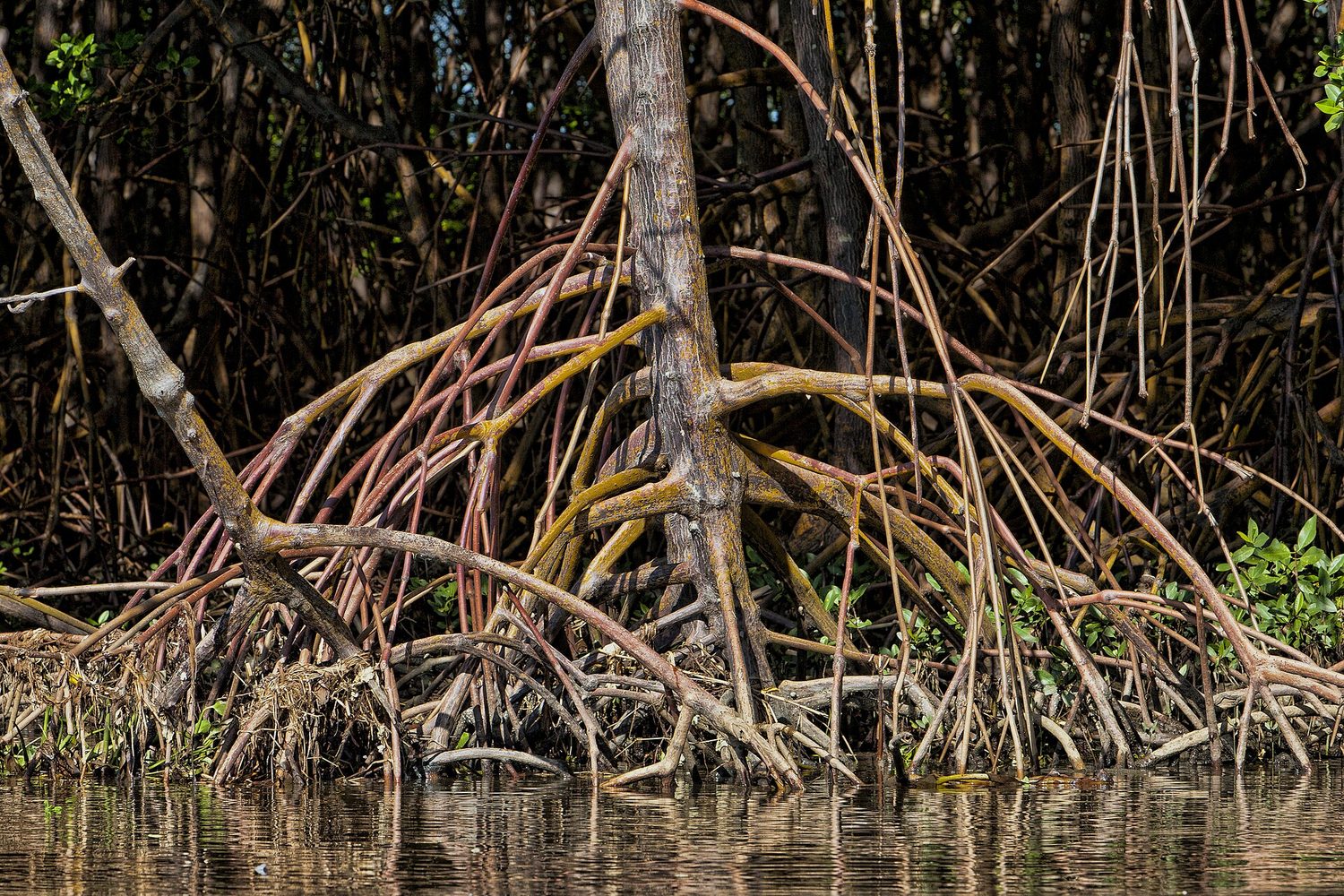
浅い水面上に立ち上がるマングローブの密集したアーチ状支柱根
マングローブの根:この絡み合いは堆積物を捕捉し、波を穏やかにし、幼魚を保護する——これらすべてのサービスはマングローブが伐採された際に失われる
Vocabulary · ⁨語彙⁩ Train · ⁨練習する⁩
English 日本語
point source/pɔɪnt sɔːs/ 定点汚染源
nonpoint source/ˌnɒnˈpɔɪnt sɔːs/ 非定点汚染源
Endocrine disruptors/ˈendəʊkraɪn dɪsˈrʌptəz/ 内分泌かく乱物質
Wetlands/ˈwetləndz/ 湿地
mangroves/ˈmæŋɡrəʊvz/ マングローブ
8.5

Eutrophication · ⁨富栄養化⁩

Syllabus · ⁨シラバス⁩
English

Enduring Understanding (STB-3): Human activities, including the use of resources, have physical, chemical, and biological consequences for ecosystems.

Learning Objective STB-3.F: Explain the environmental effects of excessive use of fertilizers and detergents on aquatic ecosystems.

  • STB-3.F.1 Eutrophication occurs when a body of water is enriched in nutrients.
  • STB-3.F.2 The increase in nutrients in eutrophic aquatic environments causes an algal bloom. When the algal bloom dies, microbes digest the algae, along with the oxygen in the water, leading to a decrease in the dissolved oxygen levels in the water. The lack of dissolved oxygen can result in large die-offs of fish and other aquatic organisms.
  • STB-3.F.3 Hypoxic waterways are those bodies of water that are low in dissolved oxygen.
  • STB-3.F.4 Compared to eutrophic waterways, oligotrophic waterways have very low amounts of nutrients, stable algae populations, and high dissolved oxygen.
  • STB-3.F.5 Anthropogenic causes of eutrophication are agricultural runoff and wastewater release.
日本語

持続的知識 (STB-3): 資源の使用を含む人間の活動は、生態系に対して物理的、化学的、生物学的な結果をもたらします。

学習目標 STB-3.F: 肥料および洗剤の過度な使用が水生生態系に与える環境的影響を説明する。

  • STB-3.F.1 富栄養化とは、水体が栄養塩で豊富になる現象である。
  • STB-3.F.2 富栄養化した水生環境における栄養塩の増加は藻類の爆発的増殖(アルgae bloom)を引き起こす。藻類が死滅すると、微生物が藻類と水中の酸素を分解・消費するため、水中の溶解酸素濃度が低下する。溶解酸素の不足により、魚やその他の水生生物が大量に死亡することがある。
  • STB-3.F.3 貧酸素水域とは、水中の溶解酸素量が低い水体のことである。
  • STB-3.F.4 富栄養化した水域と比較して、寡栄養水域は栄養塩が極めて少なく、安定した藻類個体群、および高い溶解酸素量を持つ。
  • STB-3.F.5 富栄養化の人為的要因は、農業排水および廃水処理水の排出である。

Source: College Board AP Course and Exam Description · ⁨出典: College Board AP コースおよび試験説明書⁩

English
Eutrophication

Eutrophication 富营养化 happens when excess nutrients (nitrogen, phosphorus from fertilizer and sewage) trigger algal blooms 藻华. When the algae die, decomposers use up the oxygen, creating hypoxic 缺氧 "dead zones" that suffocate fish.

日本語
富栄養化

富栄養化とは、過剰な栄養塩(肥料や下水由来の窒素、リン)が藻類爆発を引き起こす現象である。藻類が死後、分解者が酸素を消費し、魚を窒息させる酸欠「デッドゾーン」を生み出す。

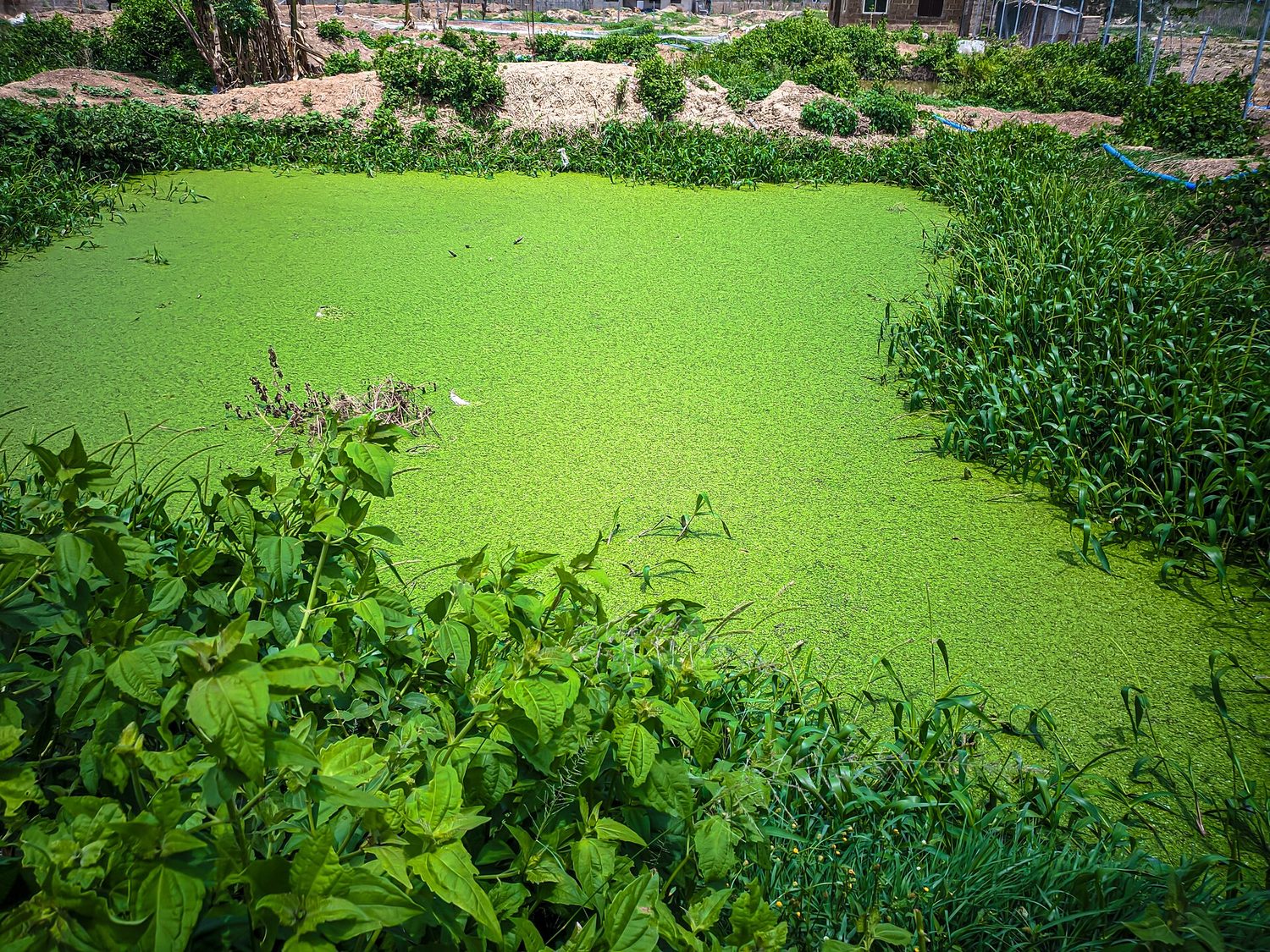
表面全体が厚い鮮やかな緑色の藻類で覆われた小池
藻類爆発により閉塞された池:追加の栄養塩により藻類が表面全体を覆う。死んで腐敗すると、水は酸素を失う
追加の肥料により藻類が繁茂し、水が酸欠状態になる
追加の肥料により藻類が爆発し、その後水は酸素を失う
Vocabulary · ⁨語彙⁩ Train · ⁨練習する⁩
English 日本語
Eutrophication/ˌjuːtrəfɪˈkeɪʃn/ 富栄養化
algal blooms/ˈælɡl bluːmz/ 藻類爆発
hypoxic/ˌhaɪpəʊˈzɪk/ 低酸素状態
Thermal pollution/ˈθɜːml pəˈluːʃn/ 熱汚染
Persistent organic pollutants/pəˈsɪstənt ɔːˈɡænɪk pəˈluːtənts/ 持続性有機汚染物質(POPs)
Bioaccumulation/ˌbaɪəʊəˌkjuːmjʊˈleɪʃn/ 生体蓄積
8.6

Thermal Pollution · ⁨熱汚染⁩

Syllabus · ⁨シラバス⁩
English

Enduring Understanding (STB-3): Human activities, including the use of resources, have physical, chemical, and biological consequences for ecosystems.

Learning Objective STB-3.G: Describe the effects of thermal pollution on aquatic ecosystems.

  • STB-3.G.1 Thermal pollution occurs when heat released into the water produces negative effects to the organisms in that ecosystem.
  • STB-3.G.2 Variations in water temperature affect the concentration of dissolved oxygen because warm water does not contain as much oxygen as cold water.
日本語

持続的知識 (STB-3): 資源の使用を含む人間の活動は、生態系に対して物理的、化学的、生物学的な結果をもたらします。

学習目標 STB-3.G: 熱汚染が水生生態系に与える影響を説明する。

  • STB-3.G.1 熱汚染とは、水へ放出された熱が、その生態系の生物に悪影響を与える現象である。
  • STB-3.G.2 水温の変化は溶解酸素濃度に影響を与える。温水は冷水よりも少ない酸素しか含まないためである。

Source: College Board AP Course and Exam Description · ⁨出典: College Board AP コースおよび試験説明書⁩

English

Thermal pollution 热污染 is heat added to water, usually from power-plant cooling. Warm water holds less dissolved oxygen and stresses aquatic life adapted to cooler temperatures.

日本語

熱汚染とは、通常発電所の冷却水によって加えられた熱を指す。暖かい水は溶解酸素量少なく、涼しい温度に適応した水生生物にストレスを与える。

8.7

Persistent Organic Pollutants (POPs) · ⁨持続性有機汚染物質(POPs)⁩

Syllabus · ⁨シラバス⁩
English

Enduring Understanding (STB-3): Human activities, including the use of resources, have physical, chemical, and biological consequences for ecosystems.

Learning Objective STB-3.H: Describe the effect of persistent organic pollutants (POPs) on ecosystems.

  • STB-3.H.1 Persistent organic pollutants (POPs) do not easily break down in the environment because they are synthetic, carbon-based molecules (such as DDT and PCBs).
  • STB-3.H.2 Persistent organic pollutants (POPs) can be toxic to organisms because they are soluble in fat, which allows them to accumulate in organisms' fatty tissues.
  • STB-3.H.3 Persistent organic pollutants (POPs) can travel over long distances via wind and water before being redeposited.
日本語

持続的知識 (STB-3): 資源の使用を含む人間の活動は、生態系に対して物理的、化学的、生物学的な結果をもたらします。

学習目標 STB-3.H: 残留性有機汚染物質 (POPs) が生態系に与える影響を説明する。

  • STB-3.H.1 残留性有機汚染物質 (POPs) は、DDTやPCBなどの合成炭素化合物であるため、環境中で容易に分解されない。
  • STB-3.H.2 残留性有機汚染物質 (POPs) は脂肪に溶けやすいため、生物の脂肪組織に蓄積しやすく、生物に対して毒性を示すことがある。
  • STB-3.H.3 残留性有機汚染物質 (POPs) は風や水によって長距離を移動し、後に再堆積することがある。

Source: College Board AP Course and Exam Description · ⁨出典: College Board AP コースおよび試験説明書⁩

English

Persistent organic pollutants 持久性有机污染物 (POPs, like DDT and PCBs) resist breakdown, so they last for decades, travel far, and are fat-soluble, so they build up in organisms. This sets up bioaccumulation and biomagnification.

日本語

持続性有機汚染物質(POPs、DDTやPCBなど)は分解に強く、数十年間残留し、遠方まで移動し、脂溶性であるため生物体内に蓄積する。これにより生物蓄積および生物放大が生じる。

8.8

Bioaccumulation and Biomagnification · ⁨生物蓄積および生物放大⁩

Syllabus · ⁨シラバス⁩
English

Enduring Understanding (STB-3): Human activities, including the use of resources, have physical, chemical, and biological consequences for ecosystems.

Learning Objective STB-3.I: Describe bioaccumulation and biomagnification.

  • STB-3.I.1 Bioaccumulation is the selective absorption and concentration of elements or compounds by cells in a living organism, most commonly fat-soluble compounds.
  • STB-3.I.2 Biomagnification is the increase in concentration of substances per unit of body tissue that occurs in successively higher trophic levels of a food chain or in a food web.

Learning Objective STB-3.J: Describe the effects of bioaccumulation and biomagnification.

  • STB-3.J.1 Some effects that can occur in an ecosystem when a persistent substance is biomagnified in a food chain include eggshell thinning and developmental deformities in top carnivores of the higher trophic levels.
  • STB-3.J.2 Humans also experience harmful effects from biomagnification, including issues with the reproductive, nervous, and circulatory systems.
  • STB-3.J.3 DDT, mercury, and PCBs are substances that bioaccumulate and have significant environmental impacts.
日本語

持続的知識 (STB-3): 資源の使用を含む人間の活動は、生態系に対して物理的、化学的、生物学的な結果をもたらします。

学習目標 STB-3.I: 生物蓄積および生物放大を説明する。

  • STB-3.I.1 生物蓄積とは、生体細胞による元素または化合物の選択的な吸収および濃縮であり、一般的には脂溶性化合物について用いられる。
  • STB-3.I.2 生物放大とは、食物連鎖または食物網において、上位の栄養階層になるにつれて、単位体重あたりの物質濃度が増加する現象である。

学習目標 STB-3.J: 生物蓄積および生物放大の影響を説明する。

  • STB-3.J.1 食物連鎖内で残留性物質が生物放大されることで生態系に生じる影響としては、上位栄養階層の獲食動物における卵殻の薄化や発生奇形などが挙げられる。
  • STB-3.J.2 人間もまた、生物放大による有害な影響を受け、生殖系、神経系、循環器系に問題が生じることがある。
  • STB-3.J.3 DDT、水銀、PCBは生物蓄積を起こす物質であり、環境に重大な影響を与える。

Source: College Board AP Course and Exam Description · ⁨出典: College Board AP コースおよび試験説明書⁩

English
Bioaccumulation and biomagnification

Bioaccumulation 生物累积 is the build-up of a toxin within one organism over its life. Biomagnification 生物放大 is the increase in concentration up the food chain – top predators end up with the highest levels, which is why large predatory fish carry the most mercury.

Worked example. Suppose lake water holds DDT at just $0.01\ \text{ppm}$. Plankton concentrate it to $0.5\ \text{ppm}$, small fish to $2\ \text{ppm}$, large fish to $10\ \text{ppm}$, and a fish-eating eagle to $25\ \text{ppm}$. From water to eagle the concentration has multiplied about $\dfrac{25}{0.01}=2500$-fold – which is why a top predator can be poisoned even when the water itself looks only lightly polluted.

日本語
生物蓄積および生物放大

生物蓄積とは、 toxin within one organism over its life accumulated. 生物放大とは、 food chain increase in concentration up explained. top predators end up with the highest levels, which is why large predatory fish carry the most mercury.

演習例。 湖水中にDDTが$0.01\ \text{ppm}$含まれているとする。プランクトンが$0.5\ \text{ppm}$に濃縮し、小魚が$2\ \text{ppm}$、大魚が$10\ \text{ppm}$、魚食鳥が$25\ \text{ppm}$に達する。水から鳥までの間に濃度は約$\dfrac{25}{0.01}=2500$倍に増幅される——これは、水自体がわずかに汚染されているように見えても、頂点捕食体が中毒する理由である。

Explore · ⁨探索⁩

Toxins concentrate up the food chain · ⁨毒素は食物連鎖の上層で濃縮される⁩

Bioaccumulation builds a toxin up in one organism; biomagnification concentrates it at each step up the food chain, so top predators carry the highest doses. · ⁨生物蓄積 は単一個体内に毒素を蓄積させ、生物放大 は食物連鎖の各段階でそれを濃縮するため、上位捕食者が最も高い量を保有する。⁩

Vocabulary · ⁨語彙⁩ Train · ⁨練習する⁩
English 日本語
Biomagnification/ˌbaɪəʊˌmæɡnɪfɪˈkeɪʃn/ 生物濃縮
8.9

Solid Waste Disposal · ⁨固形廃棄物処理⁩

Syllabus · ⁨シラバス⁩
English

Enduring Understanding (STB-3): Human activities, including the use of resources, have physical, chemical, and biological consequences for ecosystems.

Learning Objective STB-3.K: Describe solid waste disposal methods.

  • STB-3.K.1 Solid waste is any discarded material that is not a liquid or gas. It is generated in domestic, industrial, business, and agricultural sectors.
  • STB-3.K.2 Solid waste is most often disposed of in landfills. Landfills can contaminate groundwater and release harmful gases.
  • STB-3.K.3 Electronic waste, or e-waste, is composed of discarded electronic devices including televisions, cell phones, and computers.
  • STB-3.K.4 A sanitary municipal landfill consists of a bottom liner (plastic or clay), a storm water collection system, a leachate collection system, a cap, and a methane collection system.

Learning Objective STB-3.L: Describe the effects of solid waste disposal methods.

  • STB-3.L.1 Factors in landfill decomposition include the composition of the trash and conditions needed for microbial decomposition of the waste.
  • STB-3.L.2 Solid waste can also be disposed of through incineration, where waste is burned at high temperatures. This method significantly reduces the volume of solid waste but releases air pollutants.
  • STB-3.L.3 Some items are not accepted in sanitary landfills and may be disposed of illegally, leading to environmental problems. One example is used rubber tires, which when left in piles can become breeding grounds for mosquitoes that can spread disease.
  • STB-3.L.4 Some countries dispose of their waste by dumping it in the ocean. This practice, along with other sources of plastic, has led to large floating islands of trash in the oceans. Additionally, wildlife can become entangled in the waste, as well as ingest it.
日本語

持続的知識 (STB-3): 資源の使用を含む人間の活動は、生態系に対して物理的、化学的、生物学的な結果をもたらします。

学習目標 STB-3.K: 固形廃棄物の処分方法を説明する。

  • STB-3.K.1 固形廃棄物とは、液体やガスではない廃棄されたあらゆる材料を指す。家庭、工業、ビジネス、農業の各部門から生成される。
  • STB-3.K.2 固形廃棄物は主に埋立地での処分が行われる。埋立地は地下水を汚染したり、有害ガスを放出したりすることがある。
  • STB-3.K.3 電子廃棄物(e-waste)とは、テレビ、携帯電話、コンピュータなどの廃棄された電子機器から構成される。
  • STB-3.K.4 衛生型都市埋立地は、底部ライナー(プラスチックまたは粘土)、雨水収集システム、浸出液収集システム、キャップ、メタン収集システムで構成されている。

学習目標 STB-3.L: 固形廃棄物の処分方法が与える影響を説明する。

  • STB-3.L.1 埋立地での分解要因には、ごみの組成および微生物による廃棄物分解に必要な条件が含まれる。
  • STB-3.L.2 固形廃棄物は、高温で焼却する焼却法によって処分されることもある。この方法は固形廃棄物の容積を大幅に減少させるが、大気汚染物質を放出する。
  • STB-3.L.3 衛生型埋立地では受け入れられない物品があり、不法投棄されることがある。これにより環境問題が発生する。一つの例として、使用済みゴムタイヤがある。これらが山積みになると、病気を広げる蚊の繁殖地となることがある。
  • STB-3.L.4 一部の国々は、廃棄物を海洋に投棄することで処分している。この慣行および他のプラスチック由来の要因は、海洋内の巨大ごみ島を引き起こしている。さらに、野生生物が廃棄物に絡まったり、摂取したりすることもある。

Source: College Board AP Course and Exam Description · ⁨出典: College Board AP コースおよび試験説明書⁩

English

Solid waste is any discarded material that is not a liquid or gas, generated by homes, industry, business, and agriculture. It is buried in sanitary landfills 卫生填埋场 (lined to limit leachate) or burned in incinerators 焚烧炉 (reduces volume but emits pollutants). Landfills take space and can leak; both have environmental costs, so reducing waste is preferred.

Two categories the exam names specifically: e-waste 电子垃圾 (discarded electronics - phones, computers, televisions - which contain toxic metals), and ocean dumping, where plastic and other waste collect into vast floating garbage patches 垃圾带 far out at sea.

日本語

固形廃棄物とは、液体やガスではない discard material generated by homes, industry, business, and agriculture. It is buried in sanitary landfills (lined to limit leachate) or burned in incinerators (reduces volume but emits pollutants). Landfills take space and can leak; both have environmental costs, so reducing waste is preferred.

試験で具体的に名付けられる2つのカテゴリー:電子廃棄物(電話、コンピュータ、テレビなどの discarded electronics - which contain toxic metals)、および海洋投棄、ここで plastic and other waste collect into vast floating garbage patches far out at sea.

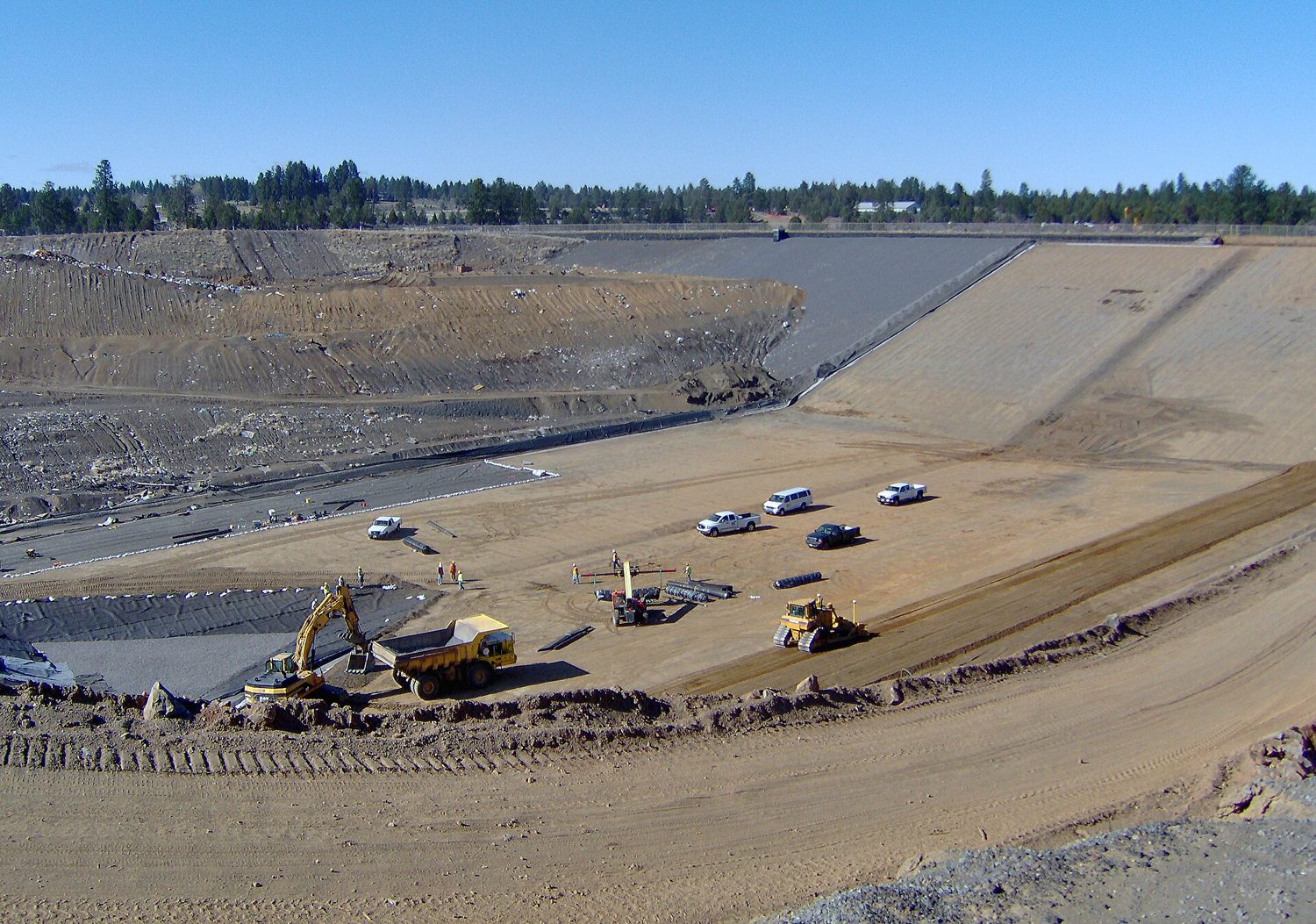
谷間の町の上に突き出た埋立地の廃棄物山
埋立地:固体廃棄物はここで裏打ちされた槽に埋められます。土地を占有し、漏れ出すこともあり、そのため廃棄物の削減が最優先となります
Vocabulary · ⁨語彙⁩ Train · ⁨練習する⁩
English 日本語
sanitary landfills/ˈsænɪtəri ˈlændfɪlz/ 衛生埋立地
incinerators/ɪnˈsɪnəreɪtəz/ 焼却炉
e-waste/iː weɪst/ 電子廃棄物(e-waste)
garbage patches/ˈɡɑːbɪdʒ ˈpætʃɪz/ ごみパッチ(太平洋ごみ島)
reduce, reuse, recycle/rɪˈdjuːs riːˈjuːz rɪˈsaɪkl/ リデュース、リユース、リサイクル
composting/ˈkɒmpɒstɪŋ/ コンポスト
Sewage treatment/ˈsuːɪdʒ ˈtriːtmənt/ 下水処理
8.10

Waste Reduction Methods · ⁨廃棄物削減方法⁩

Syllabus · ⁨シラバス⁩
English

Enduring Understanding (STB-3): Human activities, including the use of resources, have physical, chemical, and biological consequences for ecosystems.

Learning Objective STB-3.M: Describe changes to current practices that could reduce the amount of generated waste and their associated benefits and drawbacks.

  • STB-3.M.1 Recycling is a process by which certain solid waste materials are processed and converted into new products.
  • STB-3.M.2 Recycling is one way to reduce the current global demand on minerals, but this process is energy-intensive and can be costly.
  • STB-3.M.3 Composting is the process of organic matter such as food scraps, paper, and yard waste decomposing. The product of this decomposition can be used as fertilizer. Drawbacks to composting include odor and rodents.
  • STB-3.M.4 E-waste can be reduced by recycling and reuse. E-wastes may contain hazardous chemicals, including heavy metals such as lead and mercury, which can leach from landfills into groundwater if they are not disposed of properly.
  • STB-3.M.5 Landfill mitigation strategies range from burning waste for energy to restoring habitat on former landfills for use as parks.
  • STB-3.M.6 The combustion of gases produced from decomposition of organic material in landfills can be used to turn turbines and generate electricity. This process reduces landfill volume.
日本語

持続的知識 (STB-3): 資源の使用を含む人間の活動は、生態系に対して物理的、化学的、生物学的な結果をもたらします。

学習目標 STB-3.M: 生成される廃棄物の量を削減できる現在の実践の変更、およびそれに関連する利点と欠点を説明すること。

  • STB-3.M.1 リサイクルとは、特定の固体廃棄物材料が処理され、新しい製品に変換されるプロセスです。
  • STB-3.M.2 リサイクルは、現在の地球規模での鉱物需要を減少させる一つの方法ですが、このプロセスはエネルギーを多く消費し、コストがかかることがあります。
  • STB-3.M.3 コンポスト化とは、食品くず、紙、庭園廃棄物などの有機物が分解されるプロセスです。この分解の結果物は肥料として使用できます。コンポスト化の欠点には悪臭やネズミの発生が含まれます。
  • STB-3.M.4 電子廃棄物をリサイクルおよび再利用することで削減できます。電子廃棄物には、鉛や水銀などの重金属を含む有害化学物質が含まれており、適切に処分されない場合、埋立地から地下水へ浸出する恐れがあります。
  • STB-3.M.5 埋立地の軽減戦略は、廃棄物を燃焼してエネルギーを得ることから、元々の埋立地を公園として恢复するまでの範囲に及ぶことがあります。
  • STB-3.M.6 埋立地内の有機物の分解によって生じるガスの燃焼は、タービンを回転させて電気的产生に使用できます。このプロセスは埋立地の体積を削減します。

Source: College Board AP Course and Exam Description · ⁨出典: College Board AP コースおよび試験説明書⁩

English

The waste hierarchy is reduce, reuse, recycle 减量、再利用、回收, plus composting 堆肥 for organic waste. Reducing consumption is best (no waste to manage); recycling and composting recover materials and cut landfill use.

日本語

廃棄物階層は 減らす、再利用する、リサイクルする、、そして有機廃棄物には 堆肥化 が加わります。消費を減らすことが最善です(管理すべき廃棄物がないため);リサイクルと堆肥化は材料を回収し、埋立地の使用を削減します。

8.11

Sewage Treatment · ⁨下水処理⁩

Syllabus · ⁨シラバス⁩
English

Enduring Understanding (STB-3): Human activities, including the use of resources, have physical, chemical, and biological consequences for ecosystems.

Learning Objective STB-3.N: Describe best practices in sewage treatment.

  • STB-3.N.1 Primary treatment of sewage is the physical removal of large objects, often through the use of screens and grates, followed by the settling of solid waste in the bottom of a tank.
  • STB-3.N.2 Secondary treatment is a biological process in which bacteria break down organic matter into carbon dioxide and inorganic sludge, which settles in the bottom of a tank. The tank is aerated to increase the rate at which the bacteria break down the organic matter.
  • STB-3.N.3 Tertiary treatment is the use of ecological or chemical processes to remove any pollutants left in the water after primary and secondary treatment.
  • STB-3.N.4 Prior to discharge, the treated water is exposed to one or more disinfectants (usually, chlorine, ozone, or UV light) to kill bacteria.
日本語

持続的知識 (STB-3): 資源の使用を含む人間の活動は、生態系に対して物理的、化学的、生物学的な結果をもたらします。

学習目標 STB-3.N: 下水処理におけるベストプラクティスを説明すること。

  • STB-3.N.1 下水の一次処理は、スクリーンやグリッドを使用したりして大きな物体を物理的に除去し、その後タンクの底で固体廃棄物を沈殿させる工程です。
  • STB-3.N.2 二次処理は、細菌が有機物を二酸化炭素および無機スラッジに分解する生物学的プロセスです。スラッジはタンクの底に沈殿します。タンクは通気され、細菌が有機物を分解する速度を増やすために空気を供給されます。
  • STB-3.N.3 三次処理とは、一次および二次処理後に水中に残る汚染物質を除去するために、生態学的または化学的プロセスを使用することです。
  • STB-3.N.4 排水前に、処理された水は殺菌剤(通常は塩素、オゾン、または紫外線)にさらされ、細菌を殺します。

Source: College Board AP Course and Exam Description · ⁨出典: College Board AP コースおよび試験説明書⁩

English

Sewage treatment 污水处理 cleans wastewater in stages: primary (settling out solids), secondary (bacteria break down organic matter), and sometimes tertiary (removing nutrients and disinfecting). This protects waterways from pathogens and nutrient pollution.

日本語

下水処理 は段階的に汚水を浄化します:一次処理(固形物を沈殿させる)、二次処理(細菌が有機物を分解する)、そしてsometimes 三次処理(栄養塩の除去および消毒)。これにより、水路を病原体や栄養塩汚染から守ります。

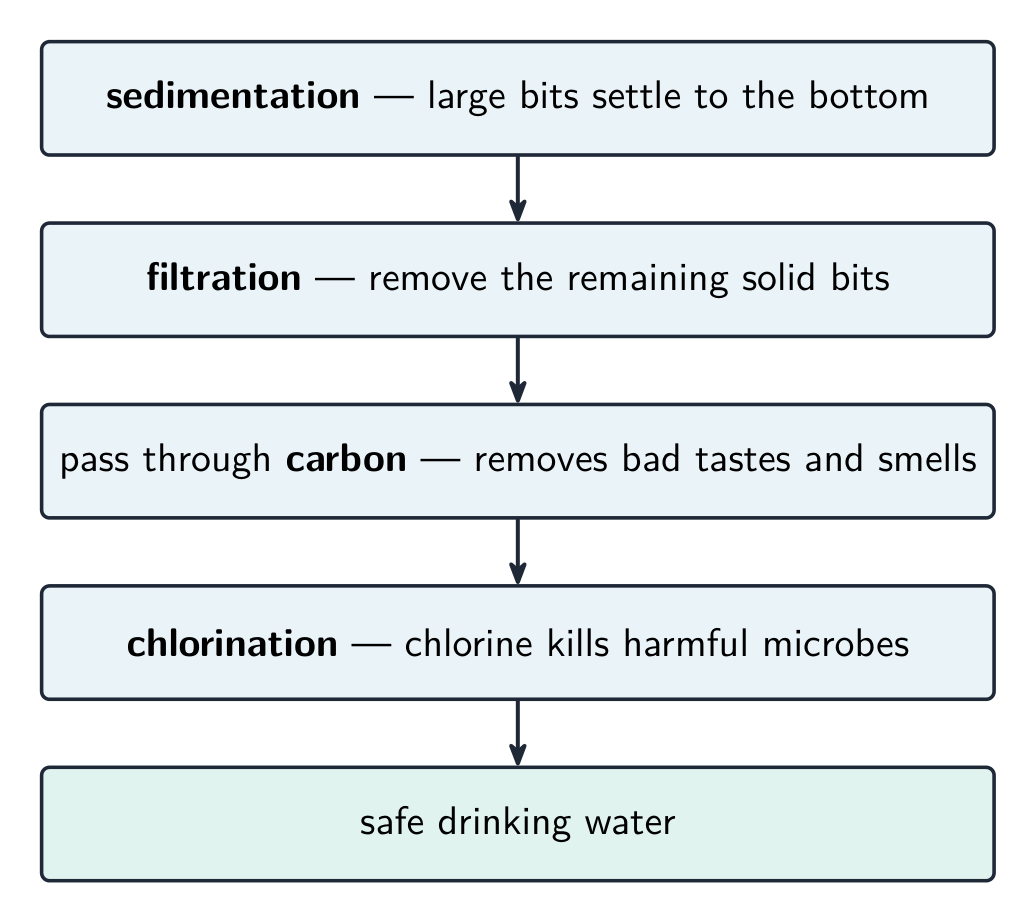
安全な水にするための処理:沈殿、ろ過、その後消毒
8.12

Lethal Dose 50% (LD50) · ⁨致死量50% (LD50)⁩

Syllabus · ⁨シラバス⁩
English

Enduring Understanding (EIN-3): Pollutants can have both direct and indirect impacts on the health of organisms, including humans.

Learning Objective EIN-3.A: Define lethal dose 50% ($LD_{50}$).

  • EIN-3.A.1 Lethal dose 50% ($LD_{50}$) is the dose of a chemical that is lethal to 50% of the population of a particular species.
日本語

持続的認識 (EIN-3): 汚染物質は、人間を含む生物の健康に直接的および間接的な影響を与えることができる。

学習目標 EIN-3.A: 致死量50% ($LD_{50}$) を定義する。

  • EIN-3.A.1 致死量50% ($LD_{50}$) とは、特定の種の個体群の50%を致死させる化学物質の投与量を指す。

Source: College Board AP Course and Exam Description · ⁨出典: College Board AP コースおよび試験説明書⁩

English
The dose-response curve and LD50

The LD50 半数致死量 is the dose of a substance that kills 50% of a test population. A lower LD50 means a more toxic substance (less is needed to be deadly). It is a standard way to compare toxicity.

Worked example. Chemical A has an LD50 of $5\ \text{mg}$ per kg of body weight; chemical B, $500\ \text{mg/kg}$. Because A's value is $100$ times smaller, A is about $100\times$ more toxic. For a $70\ \text{kg}$ adult, the dose of A expected to be lethal to half of people is $5\ \text{mg/kg}\times70\ \text{kg}=350\ \text{mg}$ – a tiny amount, whereas B would take $500\times70=35{,}000\ \text{mg}$ ($35\ \text{g}$).

日本語
用量反応曲線とLD50

LD50 とは、物質の投与量が試験対象の50% を死亡させるdoseのことです。低い LD50ほど毒性が高い物質であり、少量で致命に至ることを意味します。これは毒性を比較するための標準的な方法です。

計算例。 化学物質AのLD50は体重kgあたり$5\ \text{mg}$、化学物質Bは$500\ \text{mg/kg}$です。Aの値は$100$倍小さいため、Aは約$100\times$倍毒性が高いと言えます。$70\ \text{kg}$の成人に対して、半数が致死するAの投与量は$5\ \text{mg/kg}\times70\ \text{kg}=350\ \text{mg}$—a微小な量ですが、Bの場合には$500\times70=35{,}000\ \text{mg}$($35\ \text{g}$)必要となります。

Vocabulary · ⁨語彙⁩ Train · ⁨練習する⁩
English 日本語
LD50/ˌel diː ˈfɪfti/ LD50
dose–response curve/dəʊs rɪˈspɒns kɜːv/ 用量反応曲線
threshold/ˈθreʃəʊld/ 閾値(しちじ)
Pathogens/ˈpæθədʒnz/ 病原体
8.13

Dose Response Curve · ⁨用量反応曲線⁩

Syllabus · ⁨シラバス⁩
English

Enduring Understanding (EIN-3): Pollutants can have both direct and indirect impacts on the health of organisms, including humans.

Learning Objective EIN-3.B: Evaluate dose response curves.

  • EIN-3.B.1 A dose response curve describes the effect on an organism or mortality rate in a population based on the dose of a particular toxin or drug.
日本語

持続的認識 (EIN-3): 汚染物質は、人間を含む生物の健康に直接的および間接的な影響を与えることができる。

学習目標 EIN-3.B: 用量反応曲線を評価する。

  • EIN-3.B.1 用量反応曲線は、ある毒素や薬物の投与量に基づき、生物への影響や個体群における死亡率の変化を示したものである。

Source: College Board AP Course and Exam Description · ⁨出典: College Board AP コースおよび試験説明書⁩

English

A dose–response curve 剂量反应曲线 plots the effect against the dose. Generally, a higher dose causes a greater effect. Some chemicals have a threshold 阈值 (no effect below it); for others any exposure carries risk. These curves guide safety limits.

日本語

用量反応曲線 は、effectをdoseに対してプロットしたものです。一般的に、高いdoseほど大きなeffectが生じます。ある化学物質には閾値(それ以下では効果なし)があり、他の物質では曝露そのものにリスクがあります。これらの曲線は安全基準の設定に役立ちます。

8.14

Pollution and Human Health · ⁨汚染と人間の健康⁩

Syllabus · ⁨シラバス⁩
English

Enduring Understanding (EIN-3): Pollutants can have both direct and indirect impacts on the health of organisms, including humans.

Learning Objective EIN-3.C: Identify sources of human health issues that are linked to pollution.

  • EIN-3.C.1 It can be difficult to establish a cause and effect between pollutants and human health issues because humans experience exposure to a variety of chemicals and pollutants.
  • EIN-3.C.2 Dysentery is caused by untreated sewage in streams and rivers.
  • EIN-3.C.3 Mesothelioma is a type of cancer caused mainly by exposure to asbestos.
  • EIN-3.C.4 Respiratory problems and overall lung function can be impacted by elevated levels of tropospheric ozone.
日本語

持続的認識 (EIN-3): 汚染物質は、人間を含む生物の健康に直接的および間接的な影響を与えることができる。

学習目標 EIN-3.C: 汚染に関連する健康問題の原因源を特定する。

  • EIN-3.C.1 人間は多様な化学物質や汚染物質に曝露するため、汚染物質と健康問題との因果関係を確立することは難しい場合がある。
  • EIN-3.C.2 赤痢は、川や川unnamedの未処理下水によって引き起こされる。
  • EIN-3.C.3 中皮腫は、主にアスベストへの曝露によって引き起こされる癌の一種である。
  • EIN-3.C.4 対流圏オゾンの濃度上昇は、呼吸器系の問題や肺全体の機能に影響を与える可能性がある。

Source: College Board AP Course and Exam Description · ⁨出典: College Board AP コースおよび試験説明書⁩

English

Pollution harms health directly (respiratory disease from air pollution, poisoning from contaminated water) and indirectly. Dose, duration, and individual sensitivity all affect the outcome. The poor are often most exposed and least protected.

日本語

汚染は直接健康を害します(大気汚染による呼吸器疾患、汚染された水による中毒);また間接的にも影響します。dose、持続期間、個人の感度がすべて結果に影響します。貧困層は最も曝露されやすく、最も保護されていません。

8.15

Pathogens and Infectious Diseases · ⁨病原体と感染症⁩

Syllabus · ⁨シラバス⁩
English

Enduring Understanding (EIN-3): Pollutants can have both direct and indirect impacts on the health of organisms, including humans.

Learning Objective EIN-3.D: Explain human pathogens and their cycling through the environment.

  • EIN-3.D.1 Pathogens adapt to take advantage of new opportunities to infect and spread through human populations.
  • EIN-3.D.2 Specific pathogens can occur in many environments regardless of the appearance of sanitary conditions.
  • EIN-3.D.3 As equatorial-type climate zones spread north and south in to what are currently subtropical and temperate climate zones, pathogens, infectious diseases, and any associated vectors are spreading into these areas where the disease has not previously been known to occur.
  • EIN-3.D.4 Poverty-stricken, low-income areas often lack sanitary waste disposal and have contaminated drinking water supplies, leading to havens and opportunities for the spread of infectious diseases.
  • EIN-3.D.5 Plague is a disease carried by organisms infected with the plague bacteria. It is transferred to humans via the bite of an infected organism or through contact with contaminated fluids or tissues.
  • EIN-3.D.6 Tuberculosis is a bacterial infection that typically attacks the lungs. It is spread by breathing in the bacteria from the bodily fluids of an infected person.
  • EIN-3.D.7 Malaria is a parasitic disease caused by bites from infected mosquitoes. It is most often found in sub-Saharan Africa.
  • EIN-3.D.8 West Nile virus is transmitted to humans via bites from infected mosquitoes.
  • EIN-3.D.9 Severe acute respiratory syndrome (SARS) is a form of pneumonia. It is transferred by inhaling or touching infected fluids.
  • EIN-3.D.10 Middle East Respiratory Syndrome (MERS) is a viral respiratory illness that is transferred from animals to humans.
  • EIN-3.D.11 Zika is a virus caused by bites from infected mosquitoes. It can be transmitted through sexual contact.
  • EIN-3.D.12 Cholera is a bacterial disease that is contracted from infected water.
日本語

持続的認識 (EIN-3): 汚染物質は、人間を含む生物の健康に直接的および間接的な影響を与えることができる。

学習目標 EIN-3.D: 人間の病原体が環境内を循環する仕組みについて説明する。

  • EIN-3.D.1 病原体は、人間集団への感染や拡散の新たな機会を利用するために適応する。
  • EIN-3.D.2 特定の病原体は、衛生条件の良し悪しに関わらず、多くの環境で存在することがある。
  • EIN-3.D.3 赤道型気候帯が現在の亜熱帯・温帯気候帯へ北緯および南緯方向に拡大するにつれ、病原体、感染症、および関連する媒介生物が、これまで疾病が報告されていなかった地域へと拡大している。
  • EIN-3.D.4 貧困層や低所得地域では、Often 衛生廃棄物処理施設が不足しており、飲料水が汚染されていることが多く、これにより感染症の蔓延や拡散のための温床となっている。
  • EIN-3.D.5 黒死病(ペスト)は、ペスト菌に感染した生物によって運ばれる病気である。感染した生物に咬まれるか、汚染された体液や組織に触れることで人間に伝染する。
  • EIN-3.D.6 結核は、通常肺を標的とする細菌性感染症である。感染者の体液に含まれる菌を吸い込むことによって传播する。
  • EIN-3.D.7 マラリアは、感染した蚊に咬されることによる寄生虫病である。主に西サハラ以南の地域で見られる。
  • EIN-3.D.8 ウエストナイルウイルスは、感染した蚊に咬されることで人間に伝染する。
  • EIN-3.D.9 重症急性呼吸症候群(SARS)は肺炎の一種であり、感染した体液を吸入したり、触ったりすることで伝染する。
  • EIN-3.D.10 中东呼吸症候群(MERS)は、動物から人間へと伝染するウイルス性の呼吸器疾患である。
  • EIN-3.D.11 ギアウイルスは、感染した蚊に咬されることにより発症するウイルスである。性的接触を通じて伝播することもある。
  • EIN-3.D.12 チョウロは、感染した水を摂取することで発症する細菌性疾患である。

Source: College Board AP Course and Exam Description · ⁨出典: College Board AP コースおよび試験説明書⁩

English

Pathogens 病原体 (bacteria, viruses, parasites) spread through contaminated water and food. The exam names specific diseases and expects you to know how each one is transmitted, because the transmission route decides the defence:

Disease Type How it spreads
Cholera 霍乱 bacterial drinking water contaminated with sewage
Dysentery 痢疾 bacterial untreated sewage in streams and rivers
Plague 鼠疫 bacterial bite of an infected organism (e.g. fleas) or contact with infected fluids
Tuberculosis (TB) 结核病 bacterial breathing in bacteria from an infected person's bodily fluids
Malaria 疟疾 parasitic bite of an infected mosquito 蚊子 (mostly sub-Saharan Africa)
West Nile / Zika 西尼罗/寨卡 viral bite of an infected mosquito (Zika also via sexual contact)
SARS / MERS viral inhaling or touching infected fluids; MERS passes from animals to humans

Two big-picture ideas carry marks. Poverty deepens the problem - low-income areas often lack sanitary waste disposal and clean water, giving water-borne diseases a haven. And climate change spreads disease: as warm equatorial climate zones expand toward the poles, mosquitoes and other vectors 传播媒介 - and the diseases they carry - move into temperate regions that never had them before. Clean water, sanitation, and vector control remain the main defences.

日本語

病原体(細菌、ウイルス、寄生虫)は汚染された水や食物を通じて広まります。試験では特定の病気が指定され、それぞれの伝播経路を知っていることが求められます。なぜなら、伝播経路が防御策を決めるからです:

疾患 種類 伝播経路
cholera(コレラ) 細菌性 下水道で汚染された飲料水
dysentery(赤痢) 細菌性 未処理の下水道が流入する川や河川
plague(ペスト) 細菌性 感染生物の咬み傷(例:ノミ)または感染体液との接触
tuberculosis(結核)(TB) 細菌性 感染者の体液に含まれる細菌を吸入
malaria(マラリア) 原虫性 感染した蚊の咬み傷(主にサハラ以南アフリカ)
ウエストナイル熱 / ズカ病毒 ウイルス性 感染した蚊の咬み傷(Zikaも性的接触による)
SARS / MERS ウイルス性 感染体液の吸入または触触;MERSは動物から人間へ伝播

2つの大局的な概念が得点ポイントとなります。貧困は問題を深刻化させます—低所得地域はOften衛生廃棄物処理や清潔な水が不足しており、水媒性疾患の温床となります。そして気候変動は疾病を広げます:暖かい赤道気候帯が極方向へ拡大するにつれて、蚊などのベクター—そしてそれらが運ぶ疾患—は、以前はそのようなものなかった温帯地域へと進出します。清潔な水、衛生設備、ベクターコントロールが依然として主要な防御手段です。

Vocabulary · ⁨語彙⁩ Train · ⁨練習する⁩
English 日本語
Cholera/ˈkɒlərə/ 赤痢
Dysentery/ˈdɪsəntəri/ 赤痢
Plague/pleɪɡ/ ペスト(黑死病)
Tuberculosis (TB)/ˌtjuːbəkjʊˈləʊsɪs/ 結核(TB)
Malaria/mæˈleərɪə/ マラリア
mosquito/məˈskiːtəʊ/ 蚊
West Nile / Zika/west naɪl ˈziːkə/ 西ナイル熱/ Zikaウイルス
vectors/ˈvektəz/ ベクトル
8.15

Exam tips · ⁨試験対策⁩

English
  • Trace eutrophication step by step: nutrient runoff → algal bloom → decay → oxygen depletion → fish die.
  • Bioaccumulation builds up in one organism; biomagnification increases up the food chain, so top predators are hit hardest.
  • Read an LD50: a lower value means more toxic; multiply by body mass for a lethal dose.
  • Order the waste hierarchy reduce > reuse > recycle, and the stages of sewage treatment.
  • Link pathogens to contaminated water and to clean-water/sanitation defences.
日本語
  • 富栄養化 のプロセスを段階的に追跡する:栄養塩流出 → 藻類増殖 → 腐敗 → 酸素枯渇 → 魚の死滅。
  • 生体内蓄積 は個体内で蓄積し、生物濃縮 は食物連鎖の上流に向かって増加するため、上位捕食者が最も強い影響を受けます。
  • LD50 を読む:低い値ほど毒性が高い;体重を乗じて致死量を求める。
  • 廃棄物階層を減らす > 再利用する > リサイクルすると順序付け、下水処理の工程を並べ替える。
  • 病原体を汚染された水と関連づけ、清潔な水・衛生設備による防御策を結びつける。

Interactive lessons on this topic · ⁨このトピックのインタラクティブ授業⁩

Work through it step by step, with instant-check exercises. · ⁨一歩ずつ進め、即時チェック付きの問題で学習します。⁩

Past Papers · ⁨過去問⁩

More topics in AP Environmental Science · ⁨AP Environmental Science の他のトピック⁩

Log in or create account · ⁨ログインまたはアカウント作成⁩

IGCSE, A-Level & AP