Skip to content · ⁨コンテンツへスキップ⁩

Atmospheric Pollution · ⁨大気汚染⁩

AP Environmental Science · Topic 7 · ⁨トピック 7⁩

View Slides · ⁨查看幻灯片⁩ Train · ⁨練習する⁩
Video lesson for this topic · ⁨このトピックのビデオレッスン⁩ Open the video page · ⁨動画ページを開く⁩
8:02

大気汚染

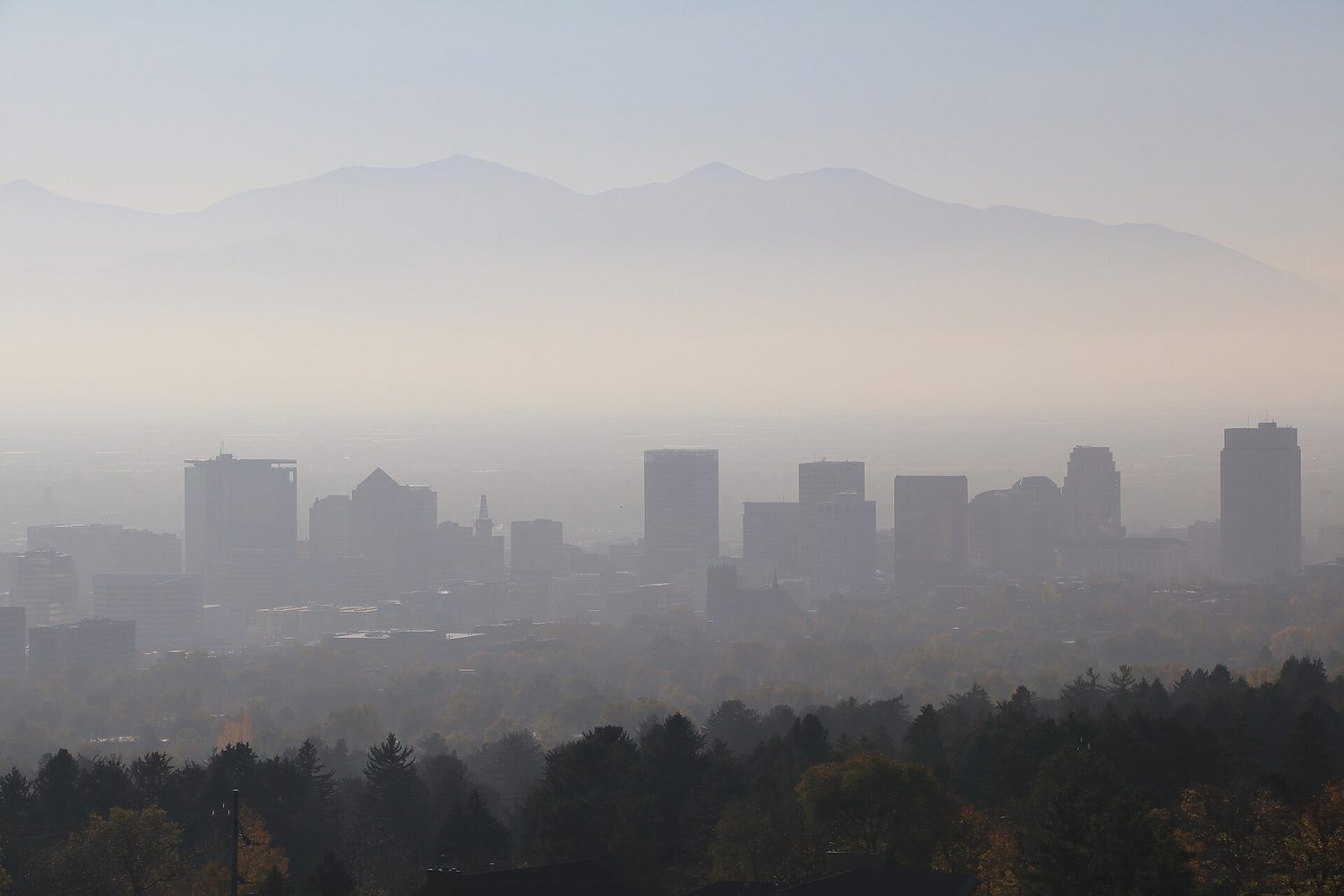
この都市を見てください。建物は見えません、空気が見えるからです。今、調理火が部屋全体を煙で満たす台所に入ってみてください。今…

English narration · English + 中文 subtitles burned in · ⁨英語ナレーション・英語+中文字幕 burning-in⁩

7.1

Introduction to Air Pollution · ⁨大気汚染への導入⁩

Syllabus · ⁨シラバス⁩
English

Enduring Understanding (STB-2): Human activities have physical, chemical, and biological consequences for the atmosphere.

Learning Objective STB-2.A: Identify the sources and effects of air pollutants.

  • STB-2.A.1 Coal combustion releases air pollutants including carbon dioxide, sulfur dioxide, toxic metals, and particulates.
  • STB-2.A.2 The combustion of fossil fuels releases nitrogen oxides into the atmosphere. They lead to the production of ozone, formation of photochemical smog, and convert to nitric acid in the atmosphere, causing acid rain. Other pollutants produced by fossil fuel combustion include carbon monoxide, hydrocarbons, and particulate matter.
  • STB-2.A.3 Air quality can be affected through the release of sulfur dioxide during the burning of fossil fuels, mainly diesel fuels.
  • STB-2.A.4 Through the Clean Air Act, the Environmental Protection Agency (EPA) regulated the use of lead, particularly in fuels, which dramatically decreased the amount of lead in the atmosphere.
  • STB-2.A.5 Air pollutants can be primary or secondary pollutants.
日本語

持続的な理解 (STB-2): 人間の活動は、大気に対して物理的、化学的、生物学的な影響を与える。

学習目標 STB-2.A: 大気汚染物質の発生源と影響を特定せよ。

  • STB-2.A.1 石炭の燃焼により、二酸化炭素、二酸化硫黄、有毒金属、微粒子などの大気汚染物質が放出される。
  • STB-2.A.2 化石燃料の燃焼により窒素酸化物が大気に放出される。これらはオゾンの生成、光化学スモッグの形成、および大気中での硝酸への変換を引き起こし、酸性雨の原因となる。化石燃料の燃焼によって生成される他の汚染物質には、一酸化炭素、炭化水素、粉塵が含まれる。
  • STB-2.A.3 大気質は、主にディーゼル燃料などの化石燃料の燃焼に伴う二酸化硫黄の排出によって影響を受ける。
  • STB-2.A.4 清潔な空気法(Clean Air Act)により、環境保護庁(EPA)は特に燃料における鉛の使用を規制し、大気中の鉛量が劇的に減少した。
  • STB-2.A.5 大気汚染物質は一次汚染物質または二次汚染物質である。
Source: College Board AP Course and Exam Description · ⁨出典: College Board AP コースおよび試験説明書⁩

English

Air pollution 空气污染 is harmful substances in the atmosphere. Primary pollutants 一次污染物 are emitted directly (carbon monoxide, nitrogen oxides, sulfur dioxide, particulates); secondary pollutants 二次污染物 form in the air from reactions (like ozone in smog). Most come from burning fossil fuels in vehicles, power plants, and industry.

日本語

大気汚染とは、大気中に存在する有害物質のことです。一次汚染物質は直接排出されます(一酸化炭素、窒素酸化物、二酸化硫黄、微粒子);二次汚染物質は、大気中の反応によって形成されます(スモッグ中のオゾンなど)。これらの多くは、自動車、発電所、工業施設での化石燃料の燃焼に由来します。

7.2

Photochemical Smog · ⁨光化学スモッグ⁩

Syllabus · ⁨シラバス⁩
English

Enduring Understanding (STB-2): Human activities have physical, chemical, and biological consequences for the atmosphere.

Learning Objective STB-2.B: Explain the causes and effects of photochemical smog and methods to reduce it.

  • STB-2.B.1 Photochemical smog is formed when nitrogen oxides and volatile organic hydrocarbons react with heat and sunlight to produce a variety of pollutants.
  • STB-2.B.2 Many environmental factors affect the formation of photochemical smog.
  • STB-2.B.3 Nitrogen oxide is produced early in the day. Ozone concentrations peak in the afternoon and are higher in the summer because ozone is produced by chemical reactions between oxygen and sunlight.
  • STB-2.B.4 Volatile Organic Compounds (VOCs), such as formaldehyde and gasoline, evaporate or sublimate at room temperature. Trees are a natural source of VOCs.
  • STB-2.B.5 Photochemical smog often forms in urban areas because of the large number of motor vehicles there.
  • STB-2.B.6 Photochemical smog can be reduced through the reduction of nitrogen oxide and VOCs.
  • STB-2.B.7 Photochemical smog can harm human health in several ways, including causing respiratory problems and eye irritation.
日本語

持続的な理解 (STB-2): 人間の活動は、大気に対して物理的、化学的、生物学的な影響を与える。

学習目標 STB-2.B: 光化学スモッグの原因と影響、およびその削減方法を説明せよ。

  • STB-2.B.1 光化学スモッグは、窒素酸化物と揮発性有機炭化水素が熱と日光と反応して多様な汚染物質を生成することで形成される。
  • STB-2.B.2 多くの環境要因が光化学スモッグの形成に影響を与える。
  • STB-2.B.3 窒素酸化物は日没前に生成される。オゾン濃度は午後ピークとなり、夏に高い。これは、オゾンが酸素と日光の化学反応によって生成されるためである。
  • STB-2.B.4 揮発性有機化合物(VOCs)、例えばホルムアルデヒドやガソリンは、室温で蒸発または昇華する。樹木はVOCsの天然源である。
  • STB-2.B.5 光化学スモッグは都市部で頻繁に形成される。これは、都市部に自動車が多いからである。
  • STB-2.B.6 光化学スモッグは、窒素酸化物およびVOCsの削減によって減少できる。
  • STB-2.B.7 光化学スモッグは呼吸器障害や目の刺激などを引き起こすなど、人間の健康に複数の方法で危害を加える。

Source: College Board AP Course and Exam Description · ⁨出典: College Board AP コースおよび試験説明書⁩

English

Photochemical smog 光化学烟雾 forms when sunlight drives reactions among nitrogen oxides and volatile organic compounds from car exhaust, producing ground-level ozone 臭氧. It is worst in sunny, car-heavy cities and harms lungs. (Ground-level ozone is a pollutant, unlike the protective ozone layer high up.)

日本語

光化学スモッグは、自動車の排気に含まれる窒素酸化物や揮発性有機化合物が、日光によって反応し、地表レベルのオゾンを生成することで発生します。晴れて自動車の多い都市で最も深刻であり、肺に害を及ぼします。(地表レベルのオゾンは汚染物質であり、上空の保護層となるオゾン層とは異なります。)

前景に高速道路の車が走り、背後には厚い灰色の霧に隠れて見えないロサンゼルのスカイライン
ロサンゼルスの光化学スモッグ:晴れた日に自動車の排気が光の中で反応し、スカイラインを隠す茶色の霧を生む
7.3

Thermal Inversion · ⁨温度逆転⁩

Syllabus · ⁨シラバス⁩
English

Enduring Understanding (STB-2): Human activities have physical, chemical, and biological consequences for the atmosphere.

Learning Objective STB-2.C: Describe thermal inversion and its relationship with pollution.

  • STB-2.C.1 During a thermal inversion, the normal temperature gradient in the atmosphere is altered as the air temperature at the Earth's surface is cooler than the air at higher altitudes.
  • STB-2.C.2 Thermal inversion traps pollution close to the ground, especially smog and particulates.
日本語

持続的な理解 (STB-2): 人間の活動は、大気に対して物理的、化学的、生物学的な影響を与える。

学習目標 STB-2.C: 温度逆転と汚染との関係を説明せよ。

  • STB-2.C.1 温度逆転发生时,大気中の通常の温度勾配が変化する。これは地表の気温が高度の高い大気の気温よりも低い状態である。
  • STB-2.C.2 温度逆転は、スモッグや微粒子などの汚染物質を地面近くに閉じ込める。

Source: College Board AP Course and Exam Description · ⁨出典: College Board AP コースおよび試験説明書⁩

English
Thermal inversion

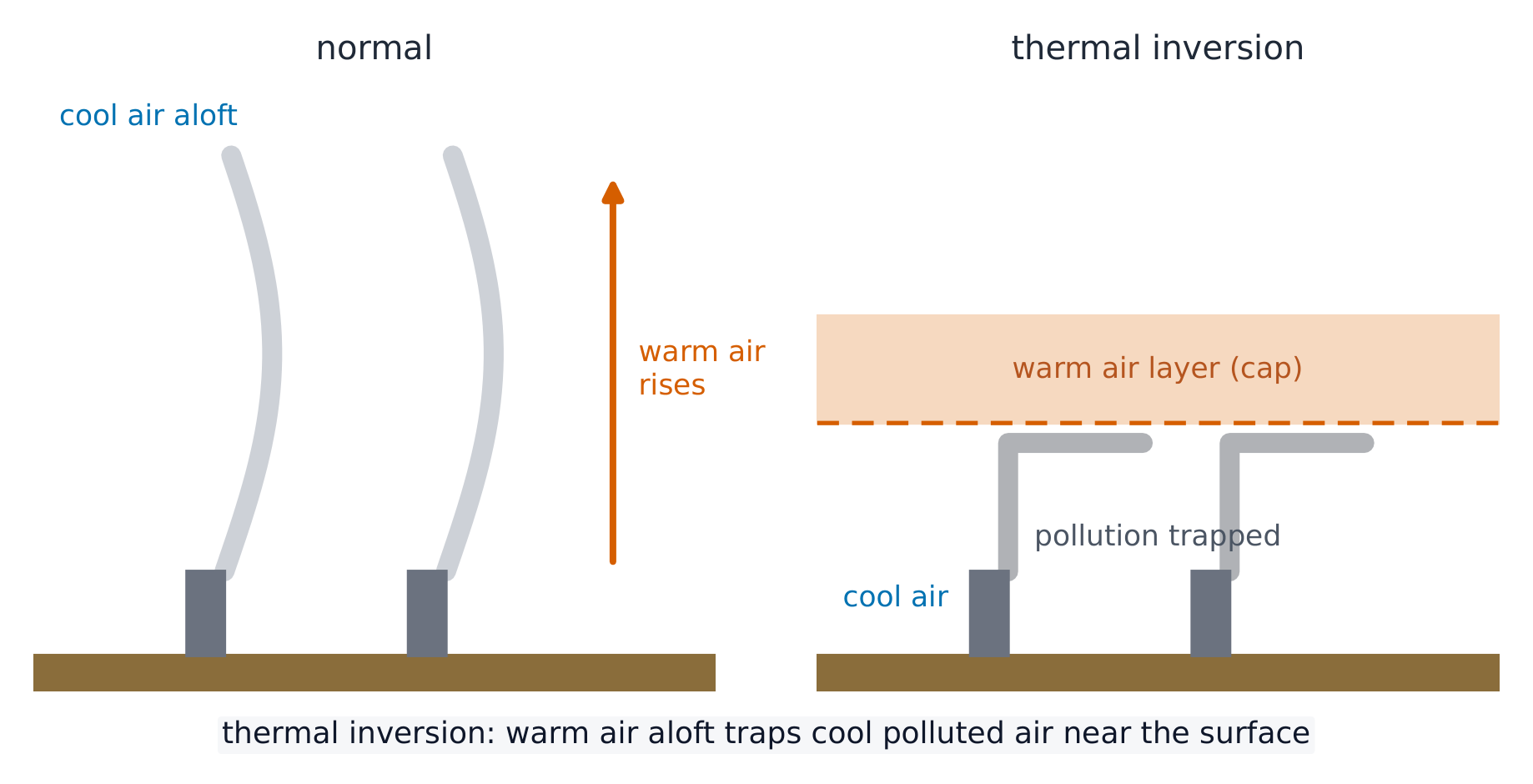
A thermal inversion 逆温 traps pollution near the ground. Normally warm air rises and carries pollutants away, but in an inversion a layer of warm air sits above cooler air, capping it. Pollutants accumulate below – causing dangerous smog episodes, especially in valleys.

日本語
温度逆転

温度逆転は、汚染物質を地表近くに閉じ込めます。通常は暖かい空気が上昇して汚染物質を遠ざけますが、逆転層では涼しい空気の上に暖かい空気層が存在し、それを覆い隠します。汚染物質が下部に蓄積し、特に谷部で危険なスモッグ現象を引き起こします。

通常は暖かい空気が上昇して汚染物質を拡散しますが、逆転層は地表近くでそれを覆います
Vocabulary · ⁨語彙⁩ Train · ⁨練習する⁩
English 日本語
Air pollution/eə pəˈluːʃn/ 大気汚染
Primary pollutants/ˈpraɪməri pəˈluːtənts/ 一次汚染物質
secondary pollutants/ˈsekəndəri pəˈluːtənts/ 二次汚染物質
Photochemical smog/ˌfəʊtəʊˈkemɪkl smɒɡ/ 光化学スモッグ
ozone/ˈəʊzəʊn/ オゾン
thermal inversion/ˈθɜːml ɪnˈvɜːʃn/ 温度逆転
Particulate matter/pəˈtɪkjʊleɪt ˈmætə/ 微小粒子状物質
radon/ˈreɪdɒn/ ラドン
asbestos/æsˈbestəs/ アスベスト
catalytic converters/ˌkætəˈlɪtɪk kənˈvɜːtəz/ 触媒コンバーター
scrubbers/ˈskrʌbəz/ スクラバー(ガス洗浄装置)
electrostatic precipitators/ɪˌlektrəʊˈstætɪk prɪˈsɪpɪteɪtəz/ 静電集塵器
7.4

Atmospheric CO2 and Particulates · ⁨大気中のCO2と微粒子⁩

Syllabus · ⁨シラバス⁩
English

Enduring Understanding (STB-2): Human activities have physical, chemical, and biological consequences for the atmosphere.

Learning Objective STB-2.D: Describe natural sources of $CO_2$ and particulates.

  • STB-2.D.1 $CO_2$ appears naturally in the atmosphere from sources such as respiration, decomposition, and volcanic eruptions.
  • STB-2.D.2 There are a variety of natural sources of particulate matter.
日本語

持続的な理解 (STB-2): 人間の活動は、大気に対して物理的、化学的、生物学的な影響を与える。

学習目標 STB-2.D: $CO_2$および微粒子の天然発生源を説明せよ。

  • STB-2.D.1 $CO_2$は、呼吸、分解、火山噴火などの天然発生源から大気中に自然に存在する。
  • STB-2.D.2 粉塵には多様な天然発生源がある。

Source: College Board AP Course and Exam Description · ⁨出典: College Board AP コースおよび試験説明書⁩

English

Rising atmospheric $\text{CO}_2$ from fossil fuels enhances the greenhouse effect and warms the climate. Particulate matter 颗粒物 (tiny solid/liquid particles, PM2.5 and PM10) penetrates deep into lungs, causing respiratory and heart disease, and reduces visibility.

日本語

化石燃料による大気中$\text{CO}_2$の増加は温室効果を強め、気候を温暖化させます。微粒子(微小な固体・液体粒子、PM2.5およびPM10)は肺の奥深くまで侵入し、呼吸器疾患や心臓病を引き起こし、視界を低下させます。

7.5

Indoor Air Pollutants · ⁨室内空気汚染物質⁩

Syllabus · ⁨シラバス⁩
Enduring UnderstandingLearning ObjectiveEssential Knowledge

STB-2
Human activities have physical, chemical, and biological consequences for the atmosphere.

STB-2.E
Identify indoor air pollutants.

  • STB-2.E.1 Carbon monoxide is an indoor air pollutant that is classified as an asphyxiant.
  • STB-2.E.2 Indoor air pollutants that are classified as particulates include asbestos, dust, and smoke.
  • STB-2.E.3 Indoor air pollutants can come from natural sources, human-made sources, and combustion.
  • STB-2.E.4 Common natural source indoor air pollutants include radon, mold, and dust.
  • STB-2.E.5 Common human-made indoor air pollutants include insulation, Volatile Organic Compounds (VOCs) from furniture, paneling and carpets; formaldehyde from building materials, furniture, upholstery, and carpeting; and lead from paints.
  • STB-2.E.6 Common combustion air pollutants include carbon monoxide, nitrogen oxides, sulfur dioxide, particulates, and tobacco smoke.
  • STB-2.E.7 Radon-222 is a naturally occurring radioactive gas that is produced by the decay of uranium found in some rocks and soils.

STB-2.F
Describe the effects of indoor air pollutants.

  • STB-2.F.1 Radon gas can infiltrate homes as it moves up through the soil and enters homes via the basement or cracks in the walls or foundation. It is also dissolved in groundwater that enters homes through a well.
  • STB-2.F.2 Exposure to radon gas can lead to radon-induced lung cancer, which is the second leading cause of lung cancer in America.

Source: College Board AP Course and Exam Description · ⁨出典: College Board AP コースおよび試験説明書⁩

English

Indoor air can be more polluted than outdoor. Common indoor pollutants include radon 氡 (radioactive gas from the ground, a lung-cancer risk), carbon monoxide, asbestos 石棉, tobacco smoke, mold, and VOCs from paints and furnishings. Ventilation and source control reduce exposure.

日本語

室内の空気は屋外よりも汚染されていることがあります。一般的な室内汚染物質には、ラドン(地面からの放射性ガス、肺がんのリスク)、一酸化炭素、アスベスト、たばこの煙、カビ、塗料や家具からのVOCsが含まれます。換気と発生源の管理により暴露を減少させることができます。

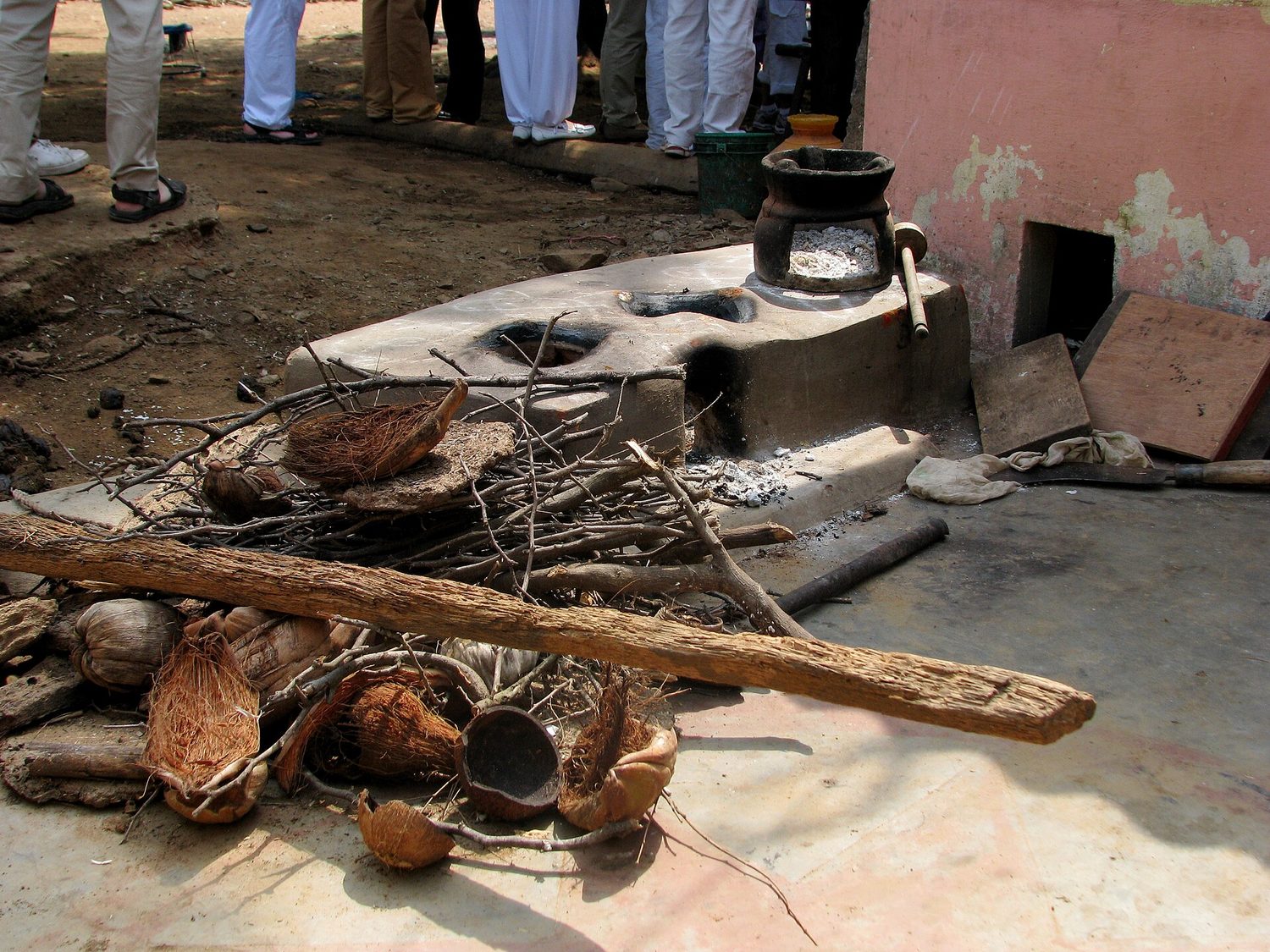
屋内調理用ストーブ:生物質煙は世界中の多くの家庭における主要な室内空気汚染物質です
7.6

Reduction of Air Pollutants · ⁨大気汚染物質の削減⁩

Syllabus · ⁨シラバス⁩
English

Enduring Understanding (STB-2): Human activities have physical, chemical, and biological consequences for the atmosphere.

Learning Objective STB-2.G: Explain how air pollutants can be reduced at the source.

  • STB-2.G.1 Methods to reduce air pollutants include regulatory practices, conservation practices, and alternative fuels.
  • STB-2.G.2 A vapor recovery nozzle is an air pollution control device on a gasoline pump that prevents fumes from escaping into the atmosphere when fueling a motor vehicle.
  • STB-2.G.3 A catalytic converter is an air pollution control device for internal combustion engines that converts pollutants (CO, $NO_x$, and hydrocarbons) in exhaust into less harmful molecules ($CO_2$, $N_2$, $O_2$, and $H_2O$).
  • STB-2.G.4 Wet and dry scrubbers are air pollution control devices that remove particulates and/or gases from industrial exhaust streams.
  • STB-2.G.5 Methods to reduce air pollution from coal-burning power plants include scrubbers and electrostatic precipitators.
日本語

持続的な理解 (STB-2): 人間の活動は、大気に対して物理的、化学的、生物学的な影響を与える。

学習目標 STB-2.G: 大気汚染物質が排出源でどのように削減されるかを説明すること。

  • STB-2.G.1 大気汚染物質を削減する方法には、規制手法、保全実践、代替燃料が含まれます。
  • STB-2.G.2 バapor回収ノズルとは、ガソリンポンプに取り付けられた大気汚染防止装置であり、自動車の給油時に蒸気が大気中に放出されるのを防ぎます。
  • STB-2.G.3 触媒コンバーターとは、内燃機関のための大気汚染防止装置であり、排気中の汚染物質(CO、$NO_x$、炭化水素)をより無害な分子($CO_2$、$N_2$、$O_2$、$H_2O$)に変換します。
  • STB-2.G.4 ウェットスクラブおよびドライスクラブは、産業用排気流から微粒子および/またはガスを除去する大気汚染防止装置です。
  • STB-2.G.5 石炭火力発電所からの大気汚染を削減する方法には、スクラブおよび静電集塵装置が含まれます。

Source: College Board AP Course and Exam Description · ⁨出典: College Board AP コースおよび試験説明書⁩

English

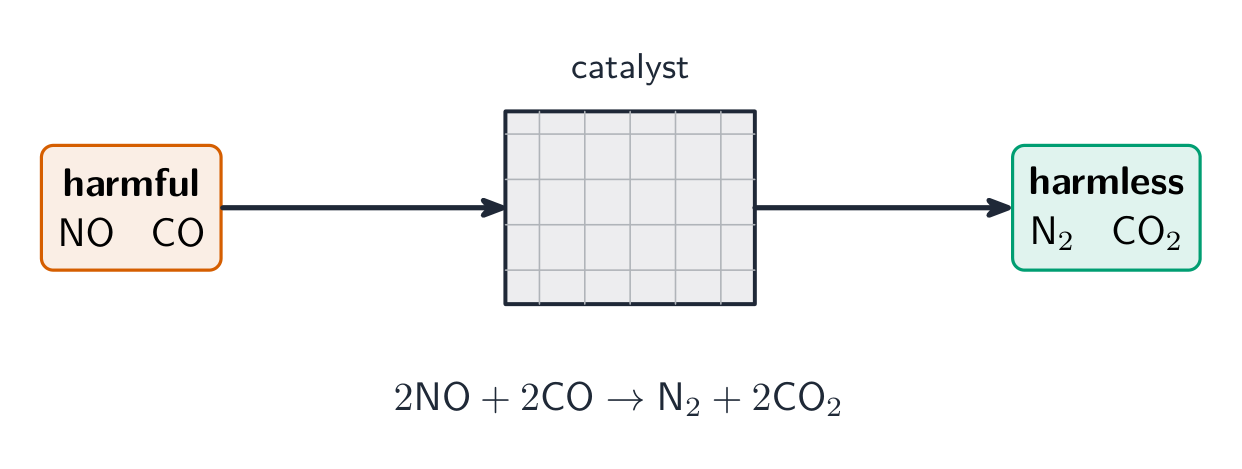
Air pollution is cut by technology and policy: catalytic converters 催化转化器 on cars, scrubbers 洗涤器 and electrostatic precipitators 静电除尘器 on smokestacks, cleaner fuels, and laws like the Clean Air Act setting emission limits. Reducing fossil-fuel use addresses the root cause.

日本語

大気汚染は技術と政策によって削減されます。自動車における触媒コンバーター、煙突におけるスクラブバーおよび静電集塵機、清浄燃料、および排出制限を設定するクリーンエア法のような法律です。化石燃料の使用を削減することが根本原因への対処となります。

触媒コンバーターは有害なNOとCOを無害なN2とCO2に変換する
7.7

Acid Rain · ⁨酸性雨⁩

Syllabus · ⁨シラバス⁩
English

Enduring Understanding (STB-2): Human activities have physical, chemical, and biological consequences for the atmosphere.

Learning Objective STB-2.H: Describe acid deposition.

  • STB-2.H.1 Acid rain and deposition is due to nitrogen oxides and sulfur oxides from anthropogenic and natural sources in the atmosphere.
  • STB-2.H.2 Nitric oxides that cause acid deposition come from motor vehicles and coal-burning power plants. Sulfur dioxides that cause acid deposition come from coal-burning power plants.

Learning Objective STB-2.I: Describe the effects of acid deposition on the environment.

  • STB-2.I.1 Acid deposition mainly affects communities that are downwind from coal-burning power plants.
  • STB-2.I.2 Acid rain and deposition can lead to the acidification of soils and bodies of water and corrosion of human-made structures.
  • STB-2.I.3 Regional differences in soils and bedrock affect the impact that acid deposition has on the region—such as limestone bedrock's ability to neutralize the effect of acid rain on lakes and ponds.
日本語

持続的な理解 (STB-2): 人間の活動は、大気に対して物理的、化学的、生物学的な影響を与える。

学習目標 STB-2.H: 酸性沈降を説明すること。

  • STB-2.H.1 酸雨および酸性沈降は、大気中の人为的および自然的由来の窒素酸化物および硫黄酸化物によるものです。
  • STB-2.H.2 酸性沈降を引き起こす窒素酸化物は自動車および石炭火力発電所から発生します。酸性沈降を引き起こす二酸化硫黄は石炭火力発電所から発生します。

学習目標 STB-2.I: 酸性沈降が環境に与える影響を説明すること。

  • STB-2.I.1 酸性沈降は主に、石炭火力発電所の風下側にあるコミュニティに影響を与えます。
  • STB-2.I.2 酸雨および酸性沈降は、土壌および水体の酸性化、および人工構造物の腐食を引き起こすことがあります。
  • STB-2.I.3 土壌および基盤岩の地域的な違いは、酸性沈降が地域に与える影響に影響します。例えば、石灰岩の基盤岩は湖沼に対する酸雨の影響を中和する能力があります。

Source: College Board AP Course and Exam Description · ⁨出典: College Board AP コースおよび試験説明書⁩

English

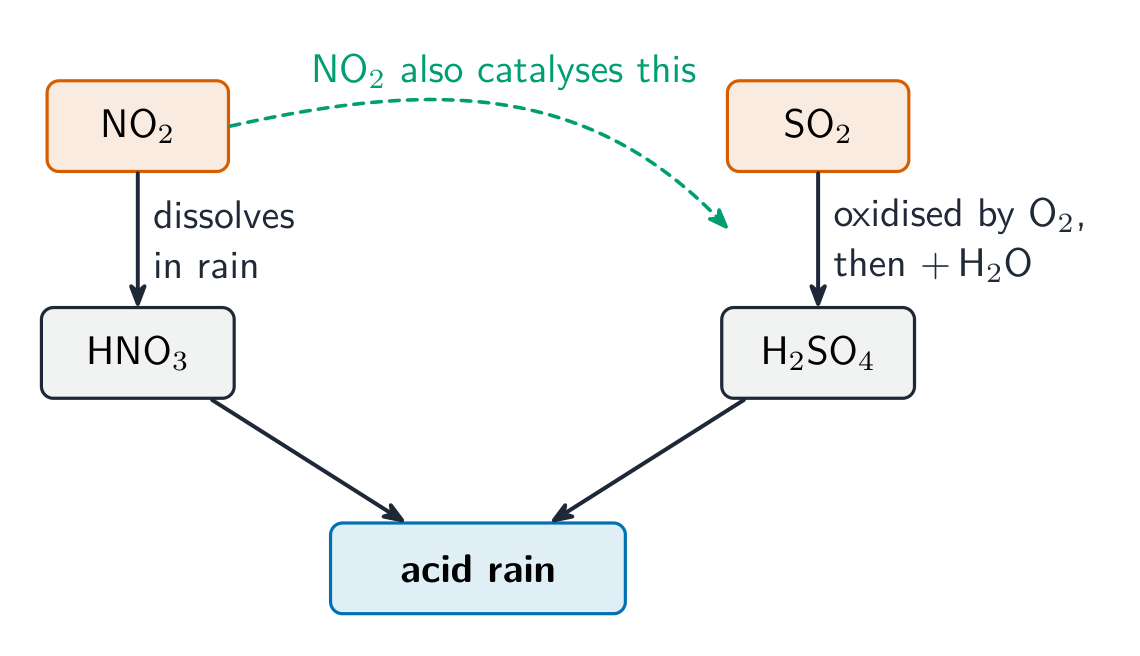
Acid rain 酸雨 forms when sulfur dioxide and nitrogen oxides react with water in the air to make sulfuric and nitric acids, which fall far downwind. It acidifies lakes and soils (harming fish and trees), leaches nutrients, and corrodes buildings. Reducing $\text{SO}_2$ and $\text{NO}_x$ emissions is the fix.

日本語

酸性雨は、二酸化硫黄と窒素酸化物が大気中の水と反応して硫酸と硝酸を生成し、下流の遠くまで降り注ぐことで発生します。湖や土壌を酸性化させ(魚や木々に害を与え)、養分を浸出させ、建造物を腐食させます。$\text{SO}_2$および$\text{NO}_x$の排出を削減することが解決策です。

窒素と硫黄の酸化物は雨の中で硝酸と硫酸を形成する
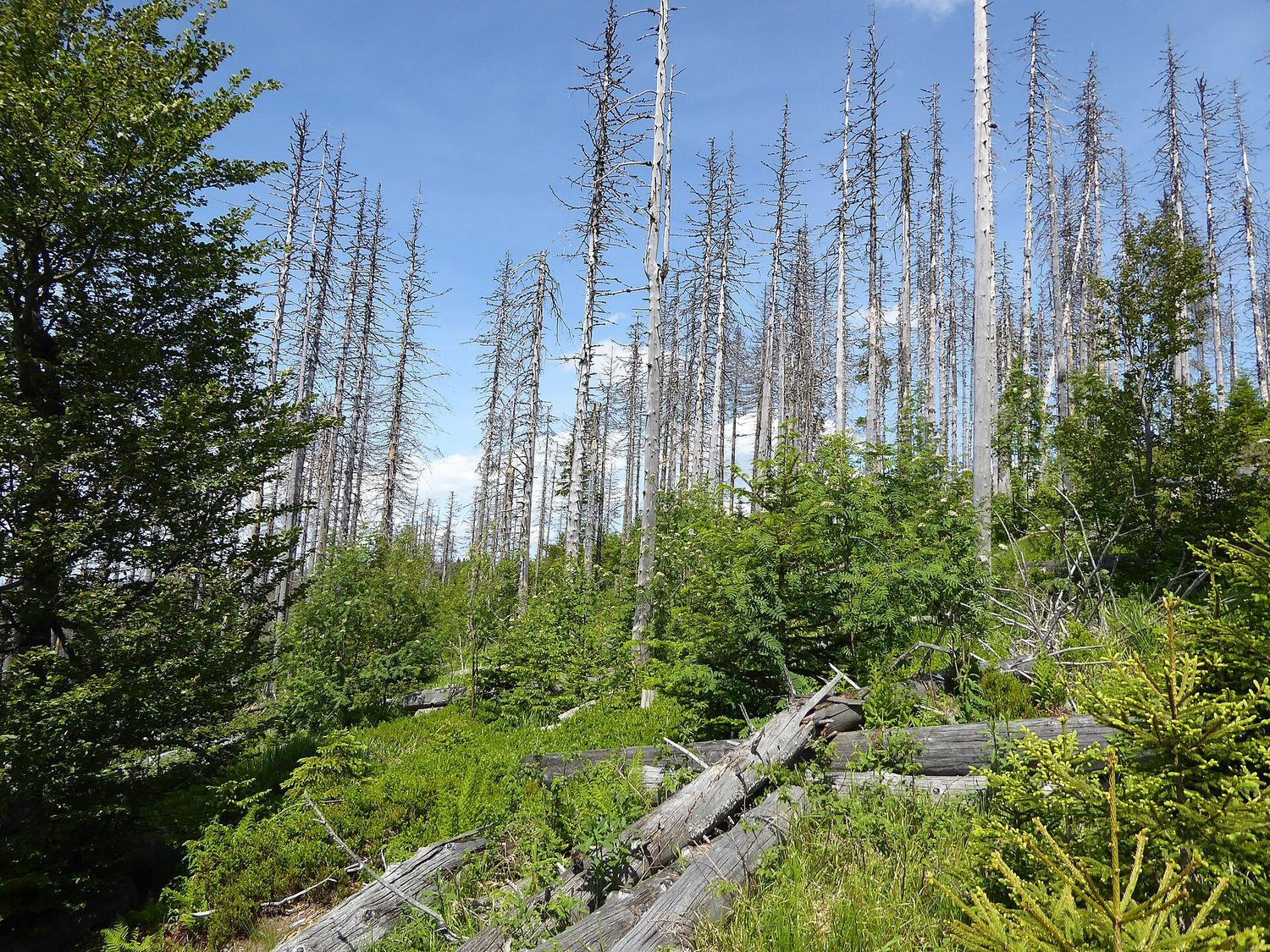
森林枯死:SO2およびNOxからの酸性降下は、発生源から遠く離れた下風側にある樹木を損傷させる
Explore · ⁨探索⁩

How acidic is acid rain?

Acid rain forms when sulfur and nitrogen oxides dissolve into rain, dropping its pH well below the normal ~5.6. Each pH unit down is ten times more acidic.

Vocabulary · ⁨語彙⁩ Train · ⁨練習する⁩
English 日本語
Acid rain/ˈæsɪd reɪn/ 酸性雨
noise pollution/nɔɪz pəˈluːʃn/ 騒音汚染
hearing loss/ˈhɪərɪŋ lɒs/ 難聴
stress/stres/ 応力
wildlife/ˈwaɪldlaɪf/ 野生生物
7.8

Noise Pollution · ⁨騒音汚染⁩

Syllabus · ⁨シラバス⁩
English

Enduring Understanding (STB-2): Human activities have physical, chemical, and biological consequences for the atmosphere.

Learning Objective STB-2.J: Describe human activities that result in noise pollution and its effects.

  • STB-2.J.1 Noise pollution is sound at levels high enough to cause physiological stress and hearing loss.
  • STB-2.J.2 Sources of noise pollution in urban areas include transportation, construction, and domestic and industrial activity.
  • STB-2.J.3 Some effects of noise pollution on animals in ecological systems include stress, the masking of sounds used to communicate or hunt, damaged hearing, and causing changes to migratory routes.
日本語

持続的な理解 (STB-2): 人間の活動は、大気に対して物理的、化学的、生物学的な影響を与える。

学習目標 STB-2.J: 騒音汚染を引き起こす人間の活動と、その影響を説明すること。

  • STB-2.J.1 騒音汚染とは、生理学的ストレスおよび聴力障害を引き起こすのに十分なレベルの音です。
  • STB-2.J.2 都市部における騒音汚染の発生源には、交通、建設、家庭および産業活動が含まれます。
  • STB-2.J.3 生態系における動物への騒音汚染の影響には、ストレス、コミュニケーションや獲物捕獲に使用される音のカバリング、聴覚損傷、以及回遊路の変化が含まれます。

Source: College Board AP Course and Exam Description · ⁨出典: College Board AP コースおよび試験説明書⁩

English

Noise pollution 噪声污染 is unwanted or harmful sound in the environment. Major sources are road traffic, aircraft, trains, industry, and construction. In people, long or loud exposure causes hearing loss 听力损失, stress 压力, sleep loss, and higher blood pressure. It also disturbs wildlife 野生动物: it masks the sounds animals use to communicate, navigate, and find mates, and underwater noise from ships is especially harmful to whales and dolphins. It is reduced by sound barriers, quieter engines and mufflers, and land-use planning such as buffer zones around airports.

Worked example. Normal rain has a pH of about 5.6; an acid-rain sample measures pH 3.6. Because pH is a base-10 logarithmic scale, each unit is a $10\times$ change in hydrogen-ion concentration, so pH 3.6 is $10^{(5.6-3.6)}=10^{2}=100$ times more acidic than normal rain. That hundred-fold jump is why acid rain damages leaves, soils, and limestone so quickly.

日本語

騒音汚染とは、環境中に存在する望ましくない、あるいは有害な音を指す。主な発生源は道路交通、航空機、鉄道、産業、建設である。人間において、長時間または大音量の曝露は難聴、ストレス、睡眠不足、血圧上昇を引き起こす。また野生生物にも悪影響を及ぼす:動物がコミュニケーション、航行、配偶者探しに用いる音を覆い隠し、船舶による水中の騒音はクジラやイルカにとって特に有害である。防音壁、低ノイズエンジンと消音器、空港周辺のバッファーゾーンのような土地利用計画によって減少する。

演習例。 通常の雨のpHは約5.6であり、酸性雨のサンプルではpH 3.6となる。pHは10進対数スケールであるため、各単位は水素イオン濃度の$10\times$倍の変化を表す。したがって、pH 3.6は通常雨に対して$10^{(5.6-3.6)}=10^{2}=100$倍酸性である。この百倍もの増加が、酸性雨が葉、土壌、石灰岩を迅速に損傷させる理由である。

7.8

Exam tips · ⁨試験対策⁩

English
  • Distinguish primary pollutants (emitted directly: CO, NOₓ, SO₂, particulates) from secondary (form in the air: ground-level ozone).
  • Ground-level ozone is a pollutant, but the ozone layer high up is protective — do not confuse them.
  • Explain how a thermal inversion traps pollution near the ground.
  • Acid rain (from SO₂ and NOₓ) often falls far downwind, making it an international problem.
  • Link control methods to pollutants (catalytic converters, scrubbers, cleaner fuels, emission laws).
日本語
  • 一次汚染物質(直接排出される:CO、NOₓ、SO₂、粒子状物質)と二次汚染物質(大気中で生成される:地上オゾン)を区別する。
  • 地上オゾンは汚染物質であるが、高空にあるオゾン層は保護的役割を果たすので混同しないこと。
  • 熱逆転が how pollution near the ground traps explained.
  • 酸性雨(SO₂およびNOₓ由来)は風下側で長く落下するため、国際的な問題となります。
  • 制御方法を汚染物質に結びつける(触媒コンバーター、スクラブ装置、清浄燃料、排出規制)。

Interactive lessons on this topic · ⁨このトピックのインタラクティブ授業⁩

Work through it step by step, with instant-check exercises. · ⁨一歩ずつ進め、即時チェック付きの問題で学習します。⁩

Past Papers · ⁨過去問⁩

More topics in AP Environmental Science · ⁨AP Environmental Science の他のトピック⁩

Log in or create account · ⁨ログインまたはアカウント作成⁩

IGCSE, A-Level & AP