Skip to content · ⁨コンテンツへスキップ⁩

Land and Water Use · ⁨陸地と水の利用⁩

AP Environmental Science · Topic 5 · ⁨トピック 5⁩

View Slides · ⁨查看幻灯片⁩ Train · ⁨練習する⁩
Video lesson for this topic · ⁨このトピックのビデオレッスン⁩ Open the video page · ⁨動画ページを開く⁩
13:36

陸地と水の利用

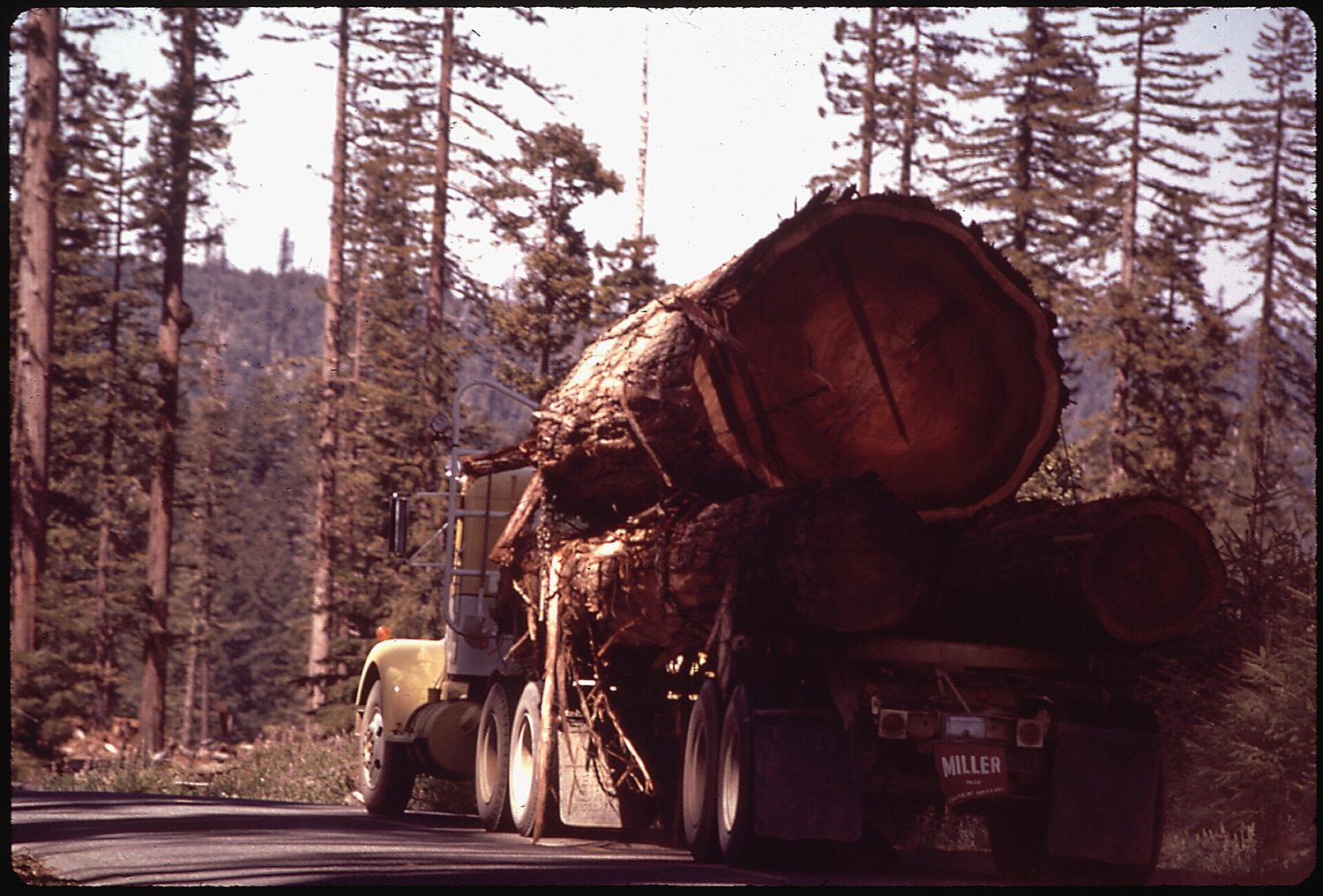
三つの一般的な場所。今日朝までここにあった木々を積んだ伐採トラック。宇宙から見えてしまうほど広い坑。都市が…に広がっている

English narration · English + 中文 subtitles burned in · ⁨英語ナレーション・英語+中文字幕 burning-in⁩

5.1

The Tragedy of the Commons · ⁨コモンズの悲劇⁩

Syllabus · ⁨シラバス⁩
English

Enduring Understanding (EIN-2): When humans use natural resources, they alter natural systems.

Learning Objective EIN-2.A: Explain the concept of the tragedy of the commons.

  • EIN-2.A.1 The tragedy of the commons suggests that individuals will use shared resources in their own self-interest rather than in keeping with the common good, thereby depleting the resources.
日本語

持続的知識 (EIN-2): 人間が自然資源を使用する場合、自然システムは変化する。

学習目標 EIN-2.A: コモンズの悲劇の概念を説明する。

  • EIN-2.A.1 コモンズの悲劇は、個人が共同の利益に従うのではなく、自己の利益のために共有された資源を使用するため、資源が枯渇することを示唆している。
Source: College Board AP Course and Exam Description · ⁨出典: College Board AP コースおよび試験説明書⁩

English
The tragedy of the commons

The tragedy of the commons 公地悲剧: when a resource is shared and open to all (a fishery, the atmosphere, a pasture), each user takes as much as they can for private gain, and the shared resource is overused and degraded for everyone. Solutions require regulation, privatization, or cooperative management.

日本語
コモンズの悲劇

コモンズの悲劇とは、資源が共有され全人に開放されている場合(漁場、大気、牧草地など)、各利用者は私的な利益のために可能な限り多くを採取するため、共有された資源は過剰利用され、すべての人のために劣化してしまう現象である。解決には規制、私有化、または協働管理が必要である。

5.2

Clearcutting · ⁨皆伐採⁩

Syllabus · ⁨シラバス⁩
English

Enduring Understanding (EIN-2): When humans use natural resources, they alter natural systems.

Learning Objective EIN-2.B: Describe the effect of clearcutting on forests.

  • EIN-2.B.1 Clearcutting can be economically advantageous but leads to soil erosion, increased soil and stream temperatures, and flooding.
  • EIN-2.B.2 Forests contain trees that absorb pollutants and store carbon dioxide. The cutting and burning of trees releases carbon dioxide and contributes to climate change.
日本語

持続的知識 (EIN-2): 人間が自然資源を使用する場合、自然システムは変化する。

学習目標 EIN-2.B: 皆伐採が森林に与える影響を説明すること。

  • EIN-2.B.1 皆伐採は経済的な利益をもたらすことがあるが、土壌侵食、土壌および河川水温の上昇、洪水を引き起こす。
  • EIN-2.B.2 森林は、大気中の汚染物質を吸収し、二酸化炭素を貯留する木々を含んでいる。木々の伐採や焼却は二酸化炭素を放出し、気候変動に寄与する。

Source: College Board AP Course and Exam Description · ⁨出典: College Board AP コースおよび試験説明書⁩

English

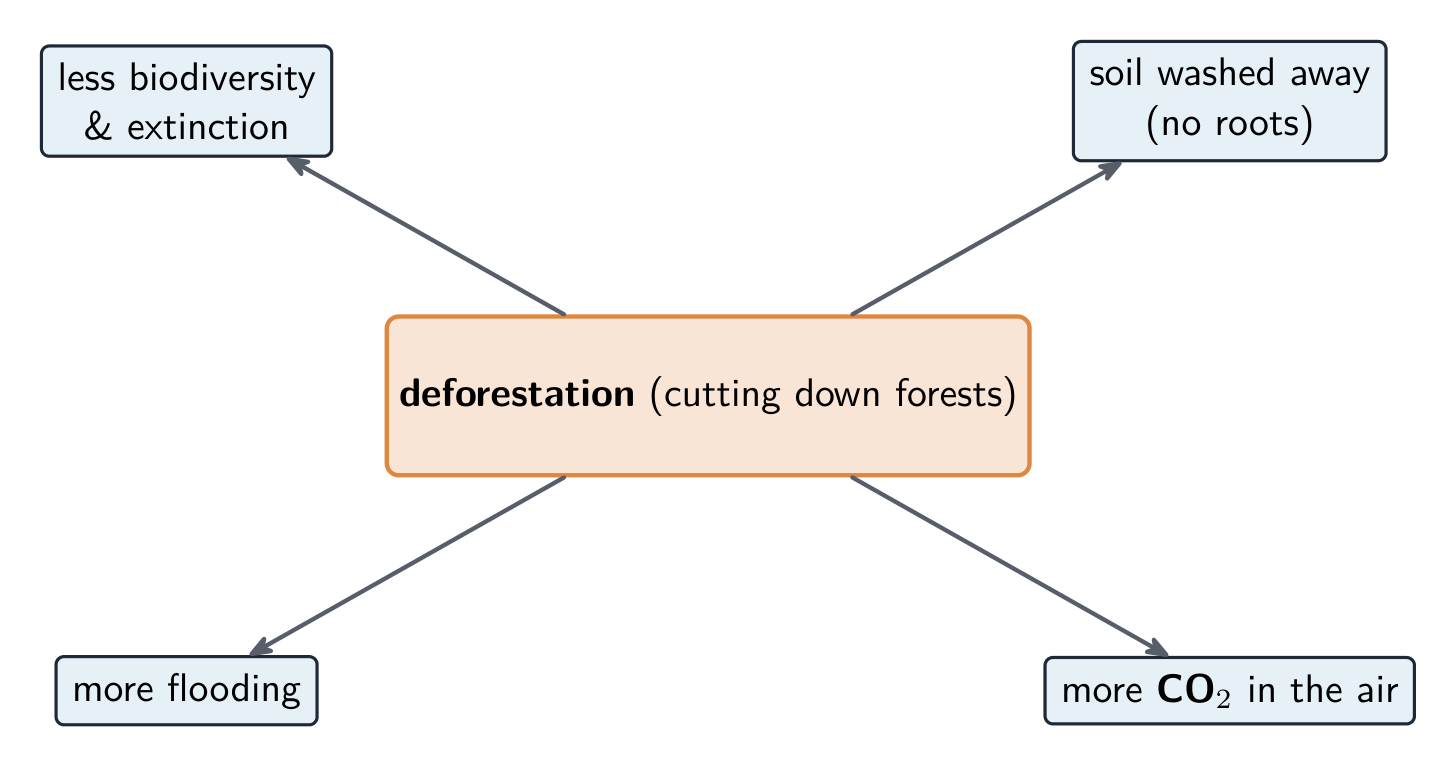
Clearcutting 皆伐 removes all trees from an area at once. It is cheap and efficient but causes erosion 侵蚀, loss of habitat and biodiversity, flooding, and higher soil temperatures. Recovery is slow, and nearby streams suffer from sediment.

日本語

皆伐採は、ある地域の樹木を一度にすべて切り倒すことである。安価で効率的だが、侵食、生息地と生物多様性の喪失、洪水、および土壌温度の上昇を引き起こす。回復は遅く、周辺の川は堆積物により悪影響を受ける。

森の帯が完全に伐採され、残っている緑の木々の隣に裸の茶色い土が残った斜面
新しい皆伐採:帯内のすべての木が一度に取られ、侵食されて川に流れ込む裸の土が残る
森林伐採は生物多様性を低下させ、侵食、洪水、CO2濃度上昇をもたらす
5.3

The Green Revolution · ⁨グリーン革命⁩

Syllabus · ⁨シラバス⁩
English

Enduring Understanding (EIN-2): When humans use natural resources, they alter natural systems.

Learning Objective EIN-2.C: Describe changes in agricultural practices.

  • EIN-2.C.1 The Green Revolution started a shift to new agricultural strategies and practices in order to increase food production, with both positive and negative results. Some of these strategies and methods are mechanization, genetically modified organisms (GMOs), fertilization, irrigation, and the use of pesticides.
  • EIN-2.C.2 Mechanization of farming can increase profits and efficiency for farms. It can also increase reliance on fossil fuels.
日本語

持続的知識 (EIN-2): 人間が自然資源を使用する場合、自然システムは変化する。

学習目標 EIN-2.C: 農業实践の変化を説明すること。

  • EIN-2.C.1 グリーン革命は、食料生産を増加させるために、好影響と悪影響の両方をもたらす新しい農業戦略と実践への移行を開始した。これらの戦略や方法には、機械化、遺伝子組み換え生物(GMO)、施肥、灌漑、農薬の使用などがある。
  • EIN-2.C.2 農業の機械化は、農場の利益と効率性を高めることができる。しかし、化石燃料への依存度を高めることもある。

Source: College Board AP Course and Exam Description · ⁨出典: College Board AP コースおよび試験説明書⁩

English

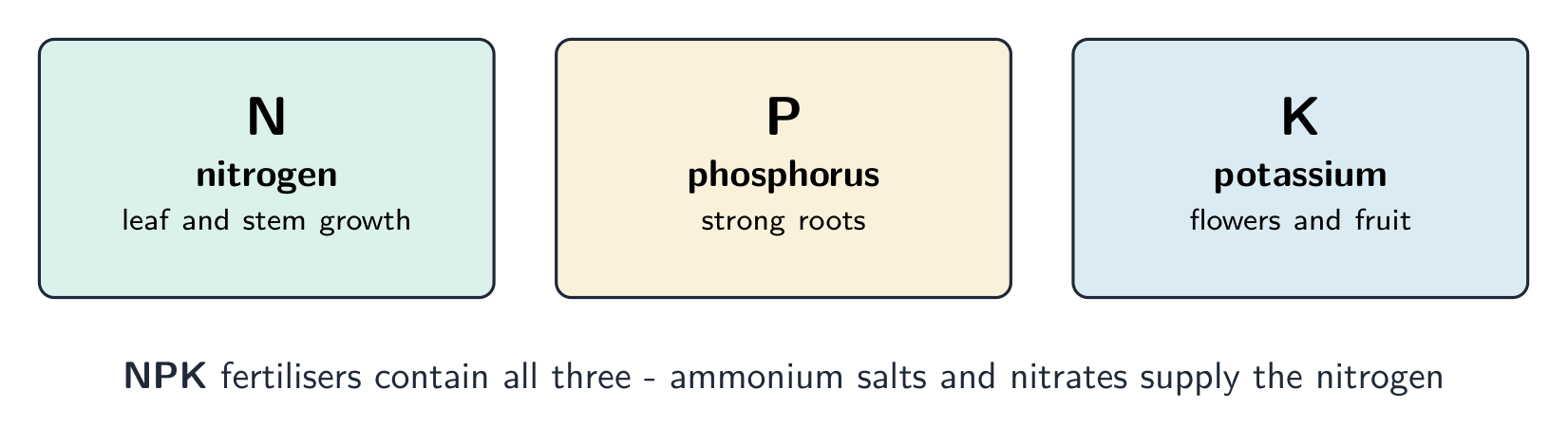
The Green Revolution 绿色革命 boosted crop yields with high-yield seeds, synthetic fertilizers 化肥, pesticides 农药, irrigation, and mechanization. It fed billions but brought costs: soil degradation, water pollution, high energy and water use, and loss of crop diversity (monoculture 单一栽培).

日本語

グリーン革命は、高収量種子、化学肥料、農薬、灌漑、機械化によって作物の収穫量を向上させた。数十億人を養うことに成功したが、コストも伴った:土壌の劣化、水污染、高いエネルギーと水の消費、および作物の多様性の喪失(単一栽培)。

NPK肥料は植物が最も必要とする3つの元素を供給する
5.4

Impacts of Agricultural Practices · ⁨農業慣行の影響⁩

Syllabus · ⁨シラバス⁩
English

Enduring Understanding (EIN-2): When humans use natural resources, they alter natural systems.

Learning Objective EIN-2.D: Describe agricultural practices that cause environmental damage.

  • EIN-2.D.1 Agricultural practices that can cause environmental damage include tilling, slash-and-burn farming, and the use of fertilizers.
日本語

持続的知識 (EIN-2): 人間が自然資源を使用する場合、自然システムは変化する。

学習目標 EIN-2.D: 環境破壊を引き起こす農業实践を説明すること。

  • EIN-2.D.1 環境破壊を引き起こす可能性のある農業实践には、耕作、焼畑農業、肥料の使用が含まれる。

Source: College Board AP Course and Exam Description · ⁨出典: College Board AP コースおよび試験説明書⁩

English

Practices such as tilling, monoculture, and heavy fertilizer/pesticide use cause erosion, soil salinization 土壤盐碱化, nutrient runoff (causing eutrophication 富营养化), and loss of biodiversity. Sustainable methods reduce these harms.

日本語

耕作、単一栽培、過度な肥料・農薬使用などの慣行は、侵食、土壌塩害、栄養素流出(富栄養化の原因)、および生物多様性の喪失を引き起こす。持続可能な方法はこれらの被害を軽減する。

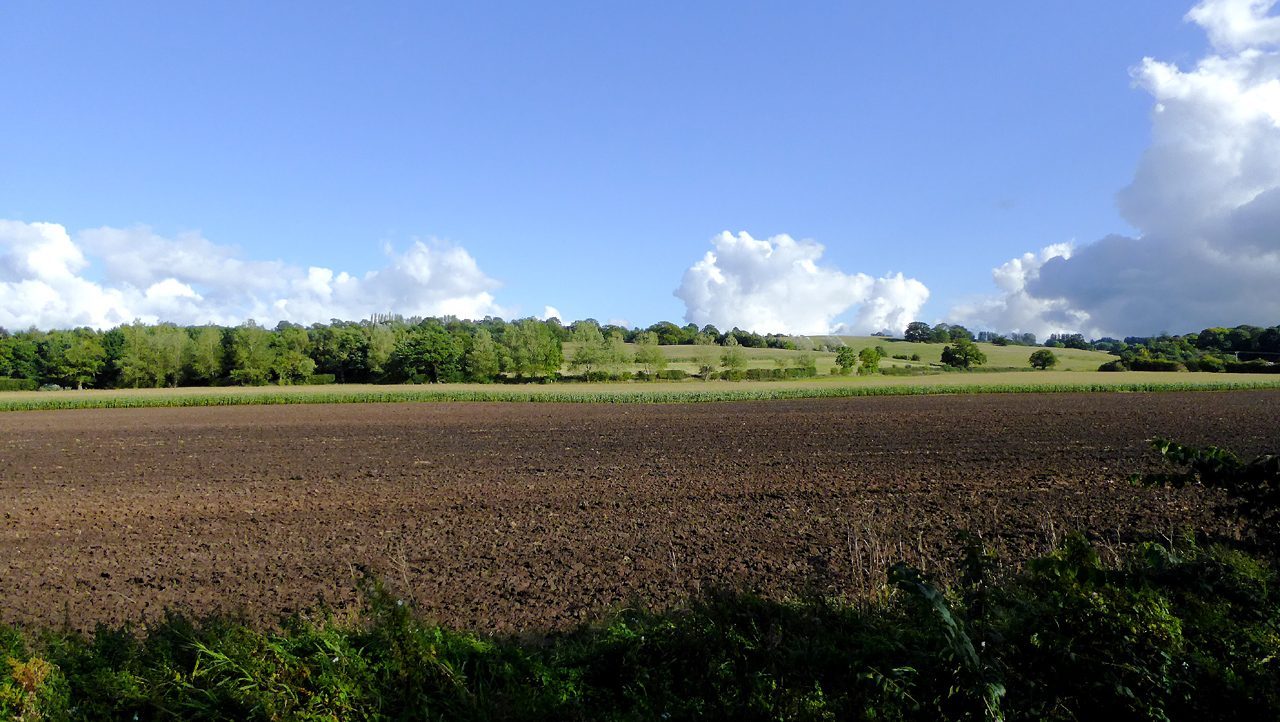
集約農業:耕作、肥料、単一栽培は収量を上げるが、土壌侵食や水污染を招く可能性がある
5.5

Irrigation Methods · ⁨灌漑方法⁩

Syllabus · ⁨シラバス⁩
English

Enduring Understanding (EIN-2): When humans use natural resources, they alter natural systems.

Learning Objective EIN-2.E: Describe different methods of irrigation.

  • EIN-2.E.1 The largest human use of freshwater is for irrigation (70%).
  • EIN-2.E.2 Types of irrigation include drip irrigation, flood irrigation, furrow irrigation, drip irrigation, and spray irrigation.

Learning Objective EIN-2.F: Describe the benefits and drawbacks of different methods of irrigation.

  • EIN-2.F.1 Waterlogging occurs when too much water is left to sit in the soil, which raises the water table of groundwater and inhibits plants' ability to absorb oxygen through their roots.
  • EIN-2.F.2 Furrow irrigation involves cutting furrows between crop rows and filling them with water. This system is inexpensive, but about 1/3 of the water is lost to evaporation and runoff.
  • EIN-2.F.3 Flood irrigation involves flooding an agricultural field with water. This system sees about 20% of the water lost to evaporation and runoff. This can also lead to waterlogging of the soil.
  • EIN-2.F.4 Spray irrigation involves pumping ground water into spray nozzles across an agricultural field. This system is more efficient than flood and furrow irrigation, with only 1/4 or less of the water lost to evaporation or runoff. However, spray systems are more expensive than flood and furrow irrigation, and also requires energy to run.
  • EIN-2.F.5 Drip irrigation uses perforated hoses to release small amounts of water to plant roots. This system is the most efficient, with only about 5% of water lost to evaporation and runoff. However, this system is expensive and so is not often used.
  • EIN-2.F.6 Salinization occurs when the salts in groundwater remain in the soil after the water evaporates. Over time, salinization can make soil toxic to plants.
  • EIN-2.F.7 Aquifers can be severely depleted if overused for agricultural irrigation, as has happened to the Ogallala Aquifer in the central United States.
日本語

持続的知識 (EIN-2): 人間が自然資源を使用する場合、自然システムは変化する。

学習目標 EIN-2.E: 異なる灌漑方法を説明すること。

  • EIN-2.E.1 淡水の最大の人間による利用は灌漑であり、その割合は70%である。
  • EIN-2.E.2 灌漑の種類には、点滴灌漑、洪水灌漑、畦畔灌漑、スプレー灌漑が含まれる。

学習目標 EIN-2.F: 異なる灌漑方法の利点と欠点を説明すること。

  • EIN-2.F.1 水没は、土壌に過度な水分が滞留することで地下水位が上昇し、植物が根から酸素を吸収するのを阻害する現象である。
  • EIN-2.F.2 畦畔灌漑は、作物の列間に畦を掘り、そこに水を満たす方法である。このシステムは安価であるが、約1/3の水分が蒸発や流出によって失われる。
  • EIN-2.F.3 洪水灌漑は、農地に水を浸透させて灌水する方法である。このシステムでは、約20%の水分が蒸発や流出によって失われる。また、これにより土壌の水没も引き起こすことがある。
  • EIN-2.F.4 スプレー灌漑は、地下水をポンプで汲み上げ、農地全体のスプレーノズルから散布する方法である。このシステムは洪水灌漑や畦畔灌よりも効率的であり、水分の蒸発や流出による損失は1/4以下である。しかし、洪水灌漑や畦畔灌漑よりも高価であり、運転にはエネルギーを要する。
  • EIN-2.F.5 点滴灌漑は、穴開きホースを使用して植物の根に少量の水分を供給する方法である。このシステムは最も効率的であり、水分の蒸発や流出による損失は約5%にとどまる。しかし、このシステムは高価であるため、頻繁には使用されない。
  • EIN-2.F.6 塩類集積は、地下水に含まれる塩分が水分が蒸発した後に土壌中に残留することで生じる。長期的には、塩類集積により土壌が植物に対して毒性を持つようになる。
  • EIN-2.F.7 農業用水の過剰な利用により、含水層は深刻に枯渇する。これは、米国中央部のオガララ含水層で実際に起きていることである。

Source: College Board AP Course and Exam Description · ⁨出典: College Board AP コースおよび試験説明書⁩

English

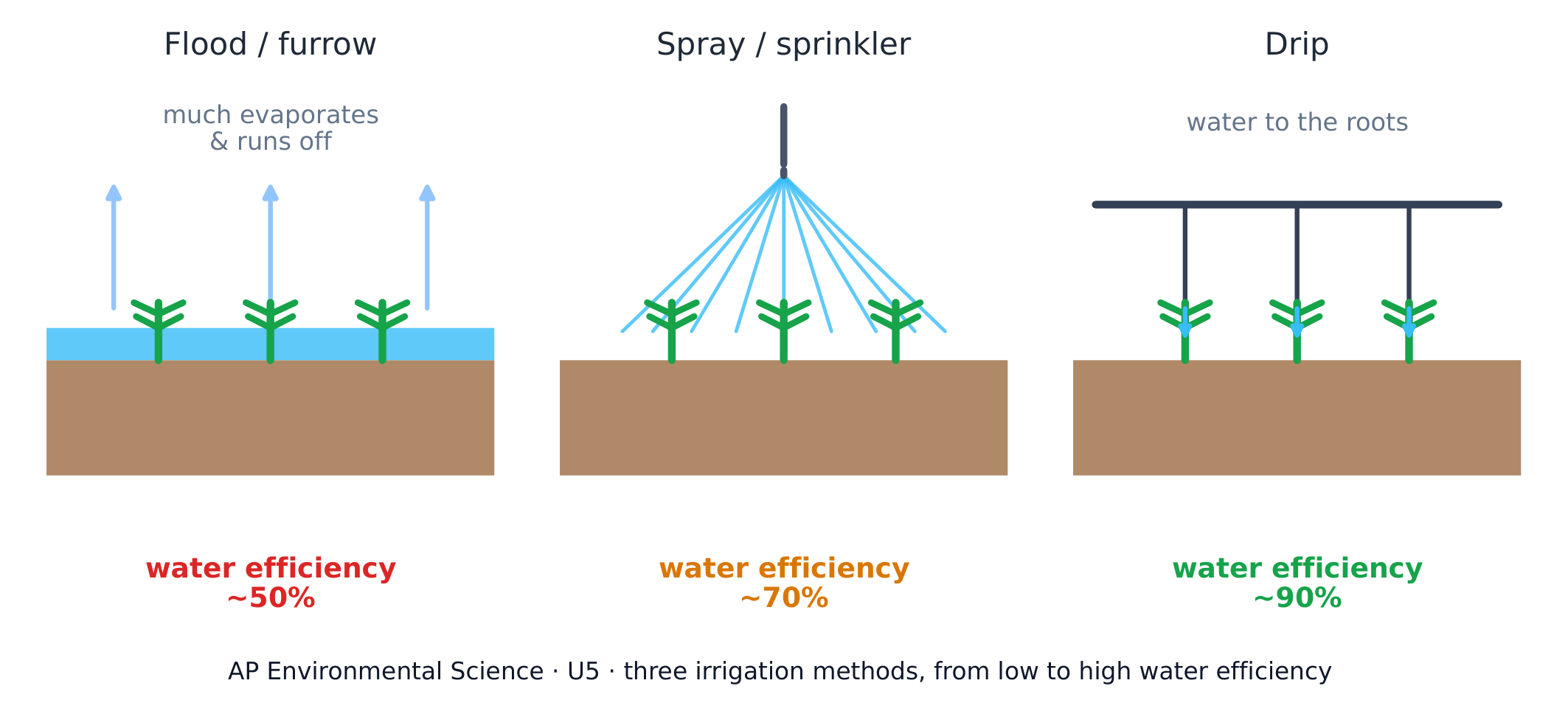
Irrigation 灌溉 supplies water to crops, and it is by far the largest human use of freshwater - about 70% of it worldwide, a figure the exam expects you to know. Drip irrigation is the most efficient (least evaporation); flood and spray methods waste more water and can cause waterlogging and salinization as evaporation leaves salts behind. Over-irrigation depletes aquifers 含水层 (underground stores of freshwater) faster than they refill.

日本語

灌漑は作物に水を供給するものであり、全世界で淡水の最大の人間による使用量 - およそ70% を占めている。この数値は試験で知っておくことが求められている。滴下灌漑が最も効率的(蒸発が最少)であり、氾濫灌漑やスプレー灌漑はより多くの水を無駄にし、蒸発によって塩分が残ることで水はけの悪さ(過湿)や塩害を引き起こすことがある。過剰な灌漑は、地下水位の再充満よりも早く含水層(地下水の貯留層)を枯渇させる。

灌漑方法の比較:滴下灌漑が最も水を節約し、氾濫灌漑が最も浪費する
Vocabulary · ⁨語彙⁩ Train · ⁨練習する⁩
English 日本語
tragedy of the commons/ˈtrædʒədi ɒvðə ˈkɒmənz/ 共用地の悲劇
Clearcutting/ˈklɪəkʌtɪŋ/ 皆伐採
erosion/ɪˈrəʊʒn/ 侵食
Green Revolution/ɡriːn ˌrevəˈluːʃn/ グリーン革命
synthetic fertilizers/sɪnˈθetɪk ˈfɜːtəlaɪzəz/ 合成肥料
pesticides/ˈpestɪsaɪdz/ 農薬
monoculture/ˈmɒnəʊkʌltʃə/ 単一作物栽培
soil salinization/sɔɪl ˌseɪlɪnaɪˈzeɪʃn/ 土壌塩害
eutrophication/ˌjuːtrəfɪˈkeɪʃn/ 富栄養化
Irrigation/ˌɪrɪˈɡeɪʃn/ 灌漑
aquifers/ˈækwɪfəz/ 含水層
pesticide resistance/ˈpestɪsaɪd rɪˈzɪstəns/ 農薬抵抗性
methane/ˈmiːθeɪn/ メタン
Overgrazing/ˌəʊvəˈɡreɪzɪŋ/ 過放牧
desertification/dɪˌzɜːtɪfɪˈkeɪʃn/ 砂漠化
rotational grazing/rəʊˈteɪʃənl ˈɡreɪzɪŋ/ 回転放牧
Overfishing/ˌəʊvəˈfɪʃɪŋ/ 過剰漁業
Mining/ˈmaɪnɪŋ/ 鉱業
acid mine drainage/ˈæsɪd maɪn ˈdreɪnɪdʒ/ 酸性鉱山排水
subsurface mining/ˈsʌbsəfɪs ˈmaɪnɪŋ/ 地下採掘
Urbanization/ˌɜːbənaɪˈzeɪʃn/ 都市化
impervious surfaces/ɪmˈpɜːvɪəs ˈsɜːfɪsɪz/ 不透水面
urban heat islands/ˈɜːbən hiːt ˈaɪləndz/ 都市熱島効果
hydrologic cycle/ˌhaɪdrəˈlɒdʒɪk ˈsaɪkl/ 水文循環
saltwater intrusion/ˈsɒltwɔːtə ɪnˈtruːʒn/ 海水準入
ecological footprint/ˌekəˈlɒdʒɪkl ˈfʊtprɪnt/ エコロジカル・フットプリント
5.6

Pest Control Methods · ⁨害虫防除方法⁩

Syllabus · ⁨シラバス⁩
English

Enduring Understanding (EIN-2): When humans use natural resources, they alter natural systems.

Learning Objective EIN-2.G: Describe the benefits and drawbacks of different methods of pest control.

  • EIN-2.G.1 One consequence of using common pest-control methods such as pesticides, herbicides, fungicides, rodenticides, and insecticides is that organisms can become resistant to them through artificial selection. Pest control decreases crop damage by pest and increases crop yields.
  • EIN-2.G.2 Crops can be genetically engineered to increase their resistance to pests and diseases. However, using genetically engineered crops in planting or other ways can lead to loss of genetic diversity of that particular crop.
日本語

持続的知識 (EIN-2): 人間が自然資源を使用する場合、自然システムは変化する。

学習目標 EIN-2.G: 異なる防除方法の利点と欠点を説明すること。

  • EIN-2.G.1 農薬、除草剤、殺菌剤、 rodenticide、殺虫剤などの一般的な防除方法を使用すると、人工選択によって生物がそれらに耐性を持つようになるという副作用が生じる。防除は害虫による作物被害を減らし、収穫量を増やす。
  • EIN-2.G.2 作物は遺伝子組換えによって害虫や病害に対する抵抗力を高めることができる。しかし、遺伝子組換え作物の栽培や他の用途において、その作物の遺伝的多様性の喪失を招くことがある。

Source: College Board AP Course and Exam Description · ⁨出典: College Board AP コースおよび試験説明書⁩

English

Pesticides kill pests and raise yields, but cause problems: they harm non-target species, pollute water, and drive pesticide resistance 抗药性 (survivors breed, so stronger doses are needed – the "pesticide treadmill").

日本語

農薬は害虫を殺して収量を上げるが、問題も引き起こす:非標的種を損傷させ、水を汚染し、農薬耐性(生き残者が繁殖するため、より強力な用量が必要になる「農薬トレッドミル」)を生じさせる。

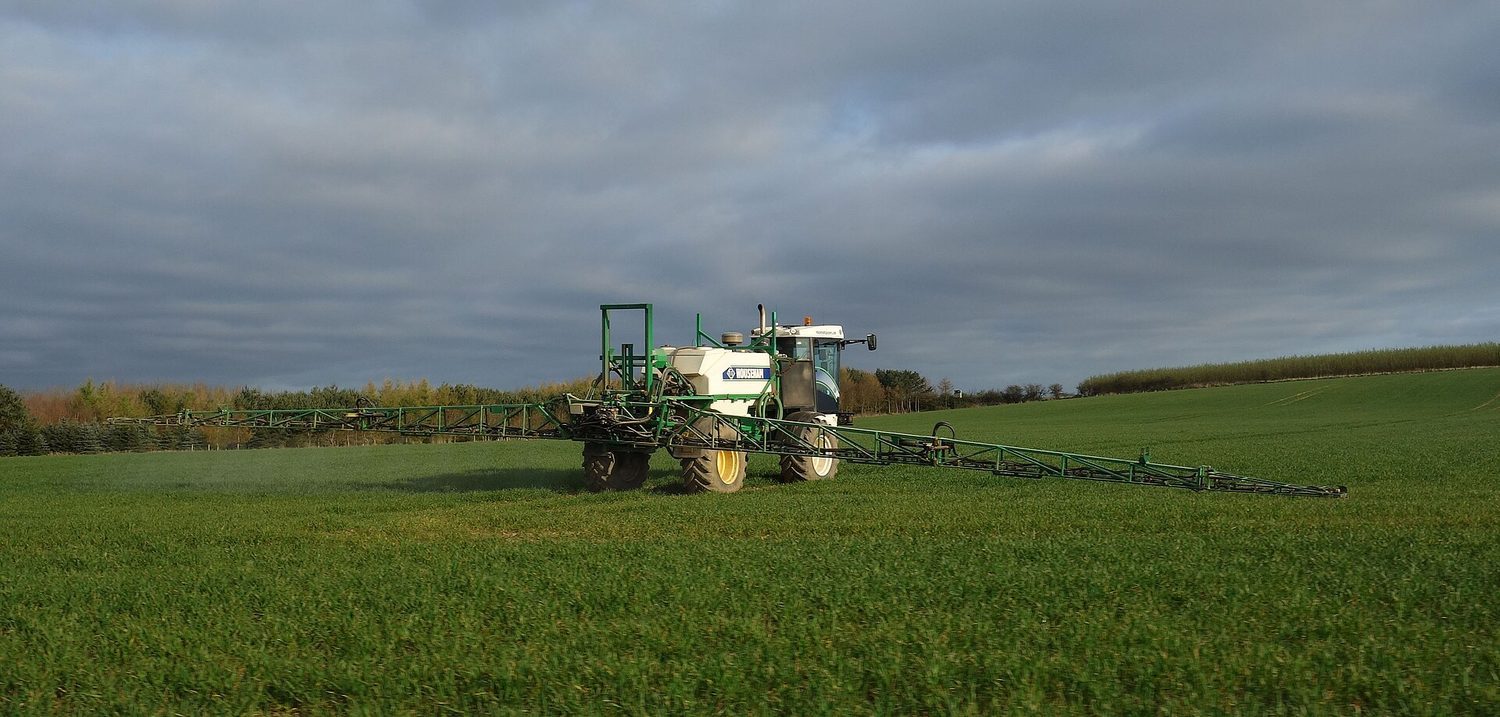
航空機による農薬散布:化学的害虫防除は収量を保護できるが、非標的種を損傷させ、耐性害虫を生じさせることもある
5.7

Meat Production Methods · ⁨肉生産方法⁩

Syllabus · ⁨シラバス⁩
English

Enduring Understanding (EIN-2): When humans use natural resources, they alter natural systems.

Learning Objective EIN-2.H: Identify different methods of meat production.

  • EIN-2.H.1 Methods of meat production include concentrated animal feeding operations (CAFOs), also called feedlots, and free-range grazing.

Learning Objective EIN-2.I: Describe the benefits and drawbacks of different methods of meat production.

  • EIN-2.I.1 Meat production is less efficient than agriculture; it takes approximately 20 times more land to produce the same amount of calories from meat as from plants.
  • EIN-2.I.2 Concentrated animal feeding operation (CAFOs) are used as a way to quickly get livestock ready for slaughter. They tend to be crowded, and animals are fed grains or feed that are not as suitable as grass. Additionally, feedlots generate a large amount of organic waste, which can contaminate ground and surface water. The use of feedlots are less expensive than other methods, which can keep costs to consumers down.
  • EIN-2.I.3 Free range grazing allows animals to graze on grass during their entire lifecycle. Meat from free range animals tends to be free from antibiotics and other chemicals used in feedlots. Organic waste from these animals acts as fertilizer. Free range grazing requires large areas of land and the meat produced is more expensive for consumers.
  • EIN-2.I.4 Overgrazing occurs when too many animals feed on a particular area of land. Overgrazing causes loss of vegetation, which leads to soil erosion.
  • EIN-2.I.5 Overgrazing can cause desertification. Desertification is the degradation of low precipitation regions toward being increasingly arid until they become deserts.
  • EIN-2.I.6 Less consumption of meat could reduce $\text{CO}_2$, methane, and $\text{N}_2\text{O}$ emissions; conserve water; reduce the use of antibiotics and growth hormones; and improve topsoil.
日本語

持続的知識 (EIN-2): 人間が自然資源を使用する場合、自然システムは変化する。

学習目標 EIN-2.H: 異なる肉生産方法を特定すること。

  • EIN-2.H.1 肉生産の方法には、集中給餌施設(CAFOs、 Feedlotsとも呼ばれる)と自由放牧が含まれる。

学習目標 EIN-2.I: 異なる肉生産方法の利点と欠点を説明すること。

  • EIN-2.I.1 肉類生産は農業よりも非効率的であり、植物から同じ量のカロリーを得るのに比べて、約20倍の土地が必要である。
  • EIN-2.I.2 集約的動物飼育施設(CAFOs)は、家畜を迅速に屠殺準備状態にするために使用される。これらは密集しており、動物には草よりも適していない穀物や飼料が与えられる。さらに、給餌場は大量の有機廃棄物を生成し、地下水および地表水を汚染する可能性がある。給餌場の利用は他の方法より安価であるため、消費者へのコストを抑えることができる。
  • EIN-2.I.3 自由放牧では、動物は生涯を通じて草を採食できる。自由放牧の動物由来の肉は、給餌場で用いられる抗生物質やその他の化学物質が含まれていない傾向がある。これらの動物からの有機廃棄物は肥料として機能する。自由放牧には広大な土地が必要であり、その結果生産された肉は消費者にとって価格が高くなる。
  • EIN-2.I.4 過放牧とは、特定の地域に過度な数の動物が餌を食べることで生じる現象である。過放牧は植生の喪失を引き起こし、土壌侵食につながる。
  • EIN-2.I.5 過放牧は砂漠化を引き起こすことがある。砂漠化とは、降水が少ない地域が次第に乾燥化して砂漠となるような劣化のプロセスである。
  • EIN-2.I.6 肉類消費量を減らすことは、$\text{CO}_2$、メタン、および$\text{N}_2\text{O}$の排出を削減し、水資源の保全、抗生物質および成長ホルモン使用の削減、表土の改善につながることがある。

Source: College Board AP Course and Exam Description · ⁨出典: College Board AP コースおよび試験説明書⁩

English

Producing meat, especially in concentrated animal feeding operations (CAFOs), uses large amounts of land, water, feed, and energy, and generates waste and methane 甲烷 (a greenhouse gas). Meat is far less energy-efficient than plant food because of the 10% rule – higher trophic levels waste more energy.

Overgrazing 过度放牧 - letting livestock eat vegetation faster than it regrows - strips the soil of its protective cover. On dry land this can drive desertification 荒漠化: the degradation of low-precipitation regions until they become deserts. The sustainable answer is rotational grazing 轮牧, moving livestock regularly between pastures so no single area is grazed bare.

日本語

肉の生産、特に密集型家畜飼育施設(CAFOs)では、広大な土地、水、飼料、エネルギーを大量に消費し、廃棄物とメタン(温室効果ガス)を排出する。10%則(higher trophic levels waste more energy)により、 higher trophic levels の食物は植物性食品よりもはるかにエネルギー効率が悪い。

過放牧 - 家畜が植生を食べる速度が再生速度を上回る状態 - は土壌の保護被覆を剥ぎ取る。乾燥地ではこれにより砂漠化(降水量の少ない地域の劣化が進行し、砂漠となること)が進む。持続可能な解決策は輪替放牧であり、家畜を定期的に牧場で移動させて、特定の区域が完全に食べ尽くされないようにする。

5.8

Impacts of Overfishing · ⁨過剰漁獲の影響⁩

Syllabus · ⁨シラバス⁩
English

Enduring Understanding (EIN-2): When humans use natural resources, they alter natural systems.

Learning Objective EIN-2.J: Describe causes of and problems related to overfishing.

  • EIN-2.J.1 Overfishing has led to the extreme scarcity of some fish species, which can lessen biodiversity in aquatic systems and harm people who depend on fishing for food and commerce.
日本語

持続的知識 (EIN-2): 人間が自然資源を使用する場合、自然システムは変化する。

学習目標 EIN-2.J: 過剰漁業の原因および関連する問題について説明せよ。

  • EIN-2.J.1 過剰漁業により、いくつかの魚種が極めて希少となり、水生系の生物多様性が減少したり、食料や商業のために漁業に依存する人々に被害を与えたりすることがある。

Source: College Board AP Course and Exam Description · ⁨出典: College Board AP コースおよび試験説明書⁩

English

Overfishing 过度捕捞 removes fish faster than they reproduce, collapsing populations (like cod). Bycatch (unwanted catch) and destructive methods (bottom trawling) damage ecosystems. It is a classic tragedy of the commons in the open ocean.

日本語

過剰漁獲は魚の生殖速度よりも速く魚を採取するため、個体数を崩壊させる(例:タラ)。混獲(意図しない捕獲)や破壊的な手法(底曳網)は生態系を損傷させる。これは公海上におけるコモンズの悲劇の典型である。

Explore · ⁨探索⁩

Push a fish stock past its limit · ⁨魚類資源を限界値を超えるまで押し上げる⁩

A population grows toward its carrying capacity $K$, but harvesting faster than it can breed collapses the stock. Raise the pressure and watch the population crash. · ⁨個体数は** carrying capacity $K$ **(環境収容力)に近づくが、繁殖速度より早く採捕すると資源は崩壊する。圧力を高めると個体数が急激に減少することを観察できる。⁩

5.9

Impacts of Mining · ⁨採掘の影響⁩

Syllabus · ⁨シラバス⁩
English

Enduring Understanding (EIN-2): When humans use natural resources, they alter natural systems.

Learning Objective EIN-2.K: Describe natural resource extraction through mining.

  • EIN-2.K.1 As the more accessible ores are mined to depletion, mining operations are forced to access lower grade ores. Accessing these ores requires increased use of resources that can cause increased waste and pollution.
  • EIN-2.K.2 Surface mining is the removal of large portions of soil and rock, called overburden, in order to access the ore underneath. An example is strip mining, which removes the vegetation from an area, making the area more susceptible to erosion.

Learning Objective EIN-2.L: Describe ecological and economic impacts of natural resource extraction through mining.

  • EIN-2.L.1 Mining wastes include the soil and rocks that are moved to gain access to the ore and the waste, called slag and tailings that remain when the minerals have been removed from the ore. Mining helps to provide low cost energy and material necessary to make products. The mining of coal can destroy habitats, contaminate ground water, and release dust particles and methane.
  • EIN-2.L.2 As coal reserves get smaller, due to a lack of easily accessible reserves, it becomes necessary to access coal through subsurface mining, which is very expensive.
日本語

持続的知識 (EIN-2): 人間が自然資源を使用する場合、自然システムは変化する。

学習目標 EIN-2.K: 鉱山開発による天然資源の採取について説明せよ。

  • EIN-2.K.1 容易に入手可能な鉱床が枯渇するにつれ、鉱山事業所は品位の低い鉱床にアクセスせざるを得なくなる。これらの鉱床にアクセスするには、より多くの資源を使用する必要があり、廃棄物や汚染が増加する可能性がある。
  • EIN-2.K.2 表層採掘とは、地下にある鉱床にアクセスするために、オーバーバーデンと呼ばれる土壌や岩の大部分を取り除くことである。ストリップ採掘はその一例であり、ある地域の植生を取り除き、同地域を侵食に対してより脆弱にする。

学習目標 EIN-2.L: 鉱山開発による天然資源の採取の生態学的・経済的影響について説明せよ。

  • EIN-2.L.1 鉱山廃棄物には、鉱床にアクセスするために移動させられた土壌や岩石、および鉱物を取り除いた後に残るスラグや尾矿と呼ばれる廃棄物が含まれる。鉱山開発は、製品を作るために必要な低コストエネルギーと材料を提供するのに役立つ。石炭の採掘は生息地を破壊し、地下水を汚染し、微粒子やメタンの放出をもたらすことがある。
  • EIN-2.L.2 容易に入手可能な埋蔵量が不足するため、石炭の埋蔵量が減少するにつれ、非常に高価な地下採掘によって石炭にアクセスする必要がある。

Source: College Board AP Course and Exam Description · ⁨出典: College Board AP コースおよび試験説明書⁩

English

Mining 采矿 extracts minerals and fuels but disturbs land, especially surface (strip) mining and mountaintop removal. Impacts include habitat destruction, acid mine drainage 酸性矿山废水, and toxic tailings polluting water.

When the easily reached deposits are gone, mining moves underground to subsurface mining 地下开采, which is far more expensive and dangerous - the same pattern applies to coal as its accessible reserves shrink.

日本語

採掘は鉱物や燃料を採取しますが、土地を攪乱させます。特に地表(ストリップ)採掘と山頂除去がその影響を及ぼします。主な影響には、生息地の破壊、酸性 mine drainage(酸性坑水)、および水を汚染する有毒な尾矿があります。

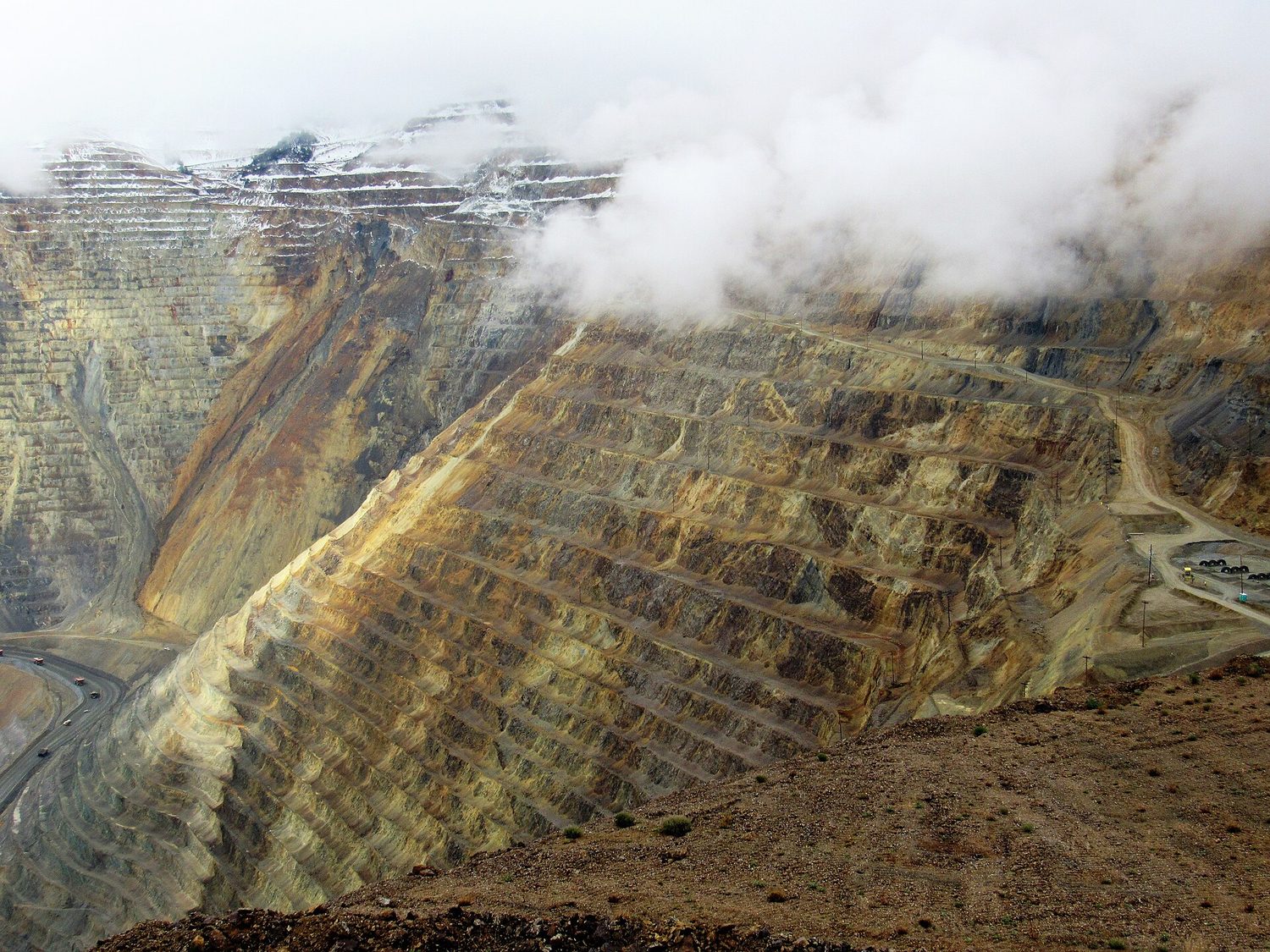
広大な露天坑鉱山:地面に深く切り込まれた段丘状のベンチの螺旋状構造、何キロメートルにもわたる
露天坑鉱山:鉱床に到達するために段丘がより広く深く切り開かれ、生息地が破壊され、水を汚染する岩石が露出する

容易にアクセスできる鉱床が枯渇すると、採掘は地下採掘へ移行します。これは遥かに高コストかつ危険であり、アクセス可能な埋蔵量が減少するにつれて石炭も同じパターンに従います。

Vocabulary · ⁨語彙⁩ Train · ⁨練習する⁩
English 日本語
open-pit mine/ˈəʊpən pɪt maɪn/ 露天鉱山
5.10

Impacts of Urbanization · ⁨都市化の影響⁩

Syllabus · ⁨シラバス⁩
English

Enduring Understanding (EIN-2): When humans use natural resources, they alter natural systems.

Learning Objective EIN-2.M: Describe the effects of urbanization on the environment.

  • EIN-2.M.1 Urbanization can lead to depletion of resources and saltwater intrusion in the hydrologic cycle.
  • EIN-2.M.2 Urbanization, through the burning of fossil fuels and landfills, affects the carbon cycle by increasing the amount of carbon dioxide in the atmosphere.
  • EIN-2.M.3 Impervious surfaces are human-made structures—such as roads, buildings, sidewalks, and parking lots—that do not allow water to reach the soil, leading to flooding.
  • EIN-2.M.4 Urban sprawl is the change in population distribution from high population density areas to low density suburbs that spread into rural lands, leading to potential environmental problems.
日本語

持続的知識 (EIN-2): 人間が自然資源を使用する場合、自然システムは変化する。

学習目標 EIN-2.M: 都市化が環境に与える影響を説明する。

  • EIN-2.M.1 都市化は、資源の枯渇や水循環における塩水侵入を引き起こす可能性がある。
  • EIN-2.M.2 都市化は、化石燃料の燃焼や埋立地を通じて大気中の二酸化炭素量を増加させ、炭素循環に影響を与える。
  • EIN-2.M.3 不透水面とは、道路、建物、歩道、駐車場などの人為的な構造物であり、水が土壌に到達できないため、洪水を引き起こす。
  • EIN-2.M.4 都市スプロールとは、高密度人口地域から低密度郊外へと人口分布が変わり、農村地帯へ蔓延していくことで、潜在的な環境問題を引き起こすことである。

Source: College Board AP Course and Exam Description · ⁨出典: College Board AP コースおよび試験説明書⁩

English

Urbanization 城市化 replaces natural land with impervious surfaces 不透水面 (roads, buildings), increasing runoff and flooding, creating urban heat islands 热岛, and generating pollution and waste. Urban sprawl consumes farmland and habitat. It also strains the hydrologic cycle 水循环: a dense city depletes local water, and heavy groundwater pumping near a coast draws seawater into the aquifer - saltwater intrusion 海水入侵 - which can ruin a freshwater supply.

日本語

都市化は自然土地を不透水面(道路、建物)で置き換え、流出量や洪水を増加させ、都市熱島効果を生み出し、汚染や廃棄物を発生させます。都市スプロールは農地や生息地を消費します。また、水文循環にも負担をかけます。密集した都市は地下水を枯渇させ、海岸付近での大量の揚水は海水を含水層に引き込みます。これが塩水侵入であり、淡水供給を破壊する可能性があります。

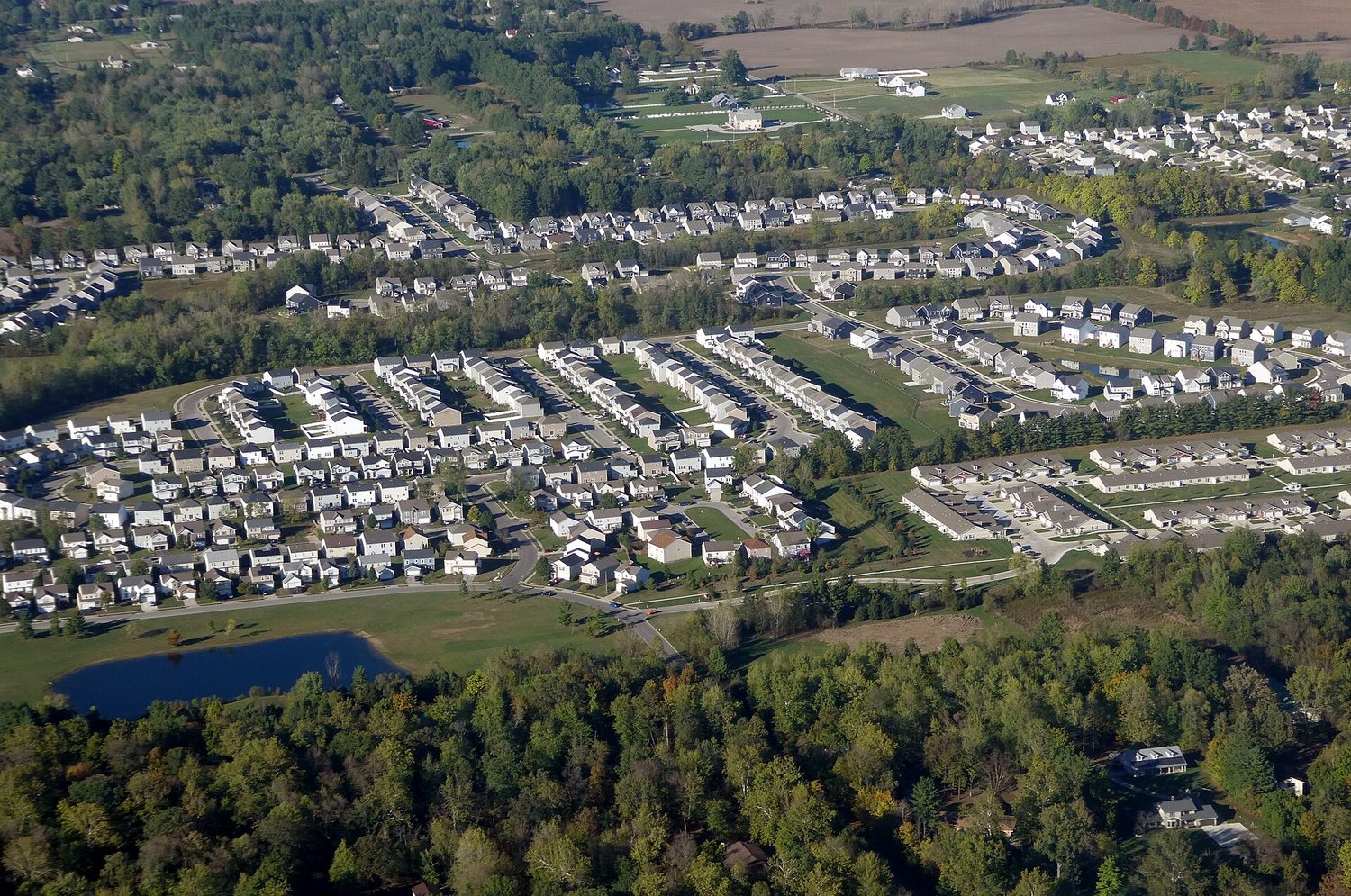
低密度の単世帯住宅が旧農地を横切って地平線まで広がっている空中写真
都市スプロール:住宅が旧農地を覆い、土壌を密閉して雨水が浸透せず流出してしまう
Vocabulary · ⁨語彙⁩ Train · ⁨練習する⁩
English 日本語
urban sprawl/ˈɜːbən sprɔːl/ スプロール(都市の無限拡大)
5.11

Ecological Footprints · ⁨生態フットプリント⁩

Syllabus · ⁨シラバス⁩
English

Enduring Understanding (EIN-2): When humans use natural resources, they alter natural systems.

Learning Objective EIN-2.N: Explain the variables measured in an ecological footprint.

  • EIN-2.N.1 Ecological footprints compare resource demands and waste production required for an individual or a society.
日本語

持続的知識 (EIN-2): 人間が自然資源を使用する場合、自然システムは変化する。

学習目標 EIN-2.N: 生態フットプリントで測定される変数を説明する。

  • EIN-2.N.1 生態フットプリントは、一人の個人や社会が必要とする資源消費量と廃棄物排出量を比較する。

Source: College Board AP Course and Exam Description · ⁨出典: College Board AP コースおよび試験説明書⁩

English

An ecological footprint 生态足迹 measures the land and water a person or population needs to supply resources and absorb wastes. Wealthy, high-consumption nations have much larger footprints. If everyone's footprint exceeds Earth's capacity, resources are being used unsustainably.

Worked example. Earth provides roughly $1.6$ global hectares (gha) of biocapacity per person. If the average person's footprint is $2.7\ \text{gha}$, humanity is demanding about $\tfrac{2.7}{1.6}\approx1.7$ Earths – living beyond what the planet can renew. Worse, if everyone consumed like a high-income nation at $8\ \text{gha}$ per person, it would take $\tfrac{8}{1.6}=5$ Earths – exactly why footprint-per-person is the key sustainability yardstick.

日本語

生態フットプリントとは、一人または人口が資源を提供し廃棄物を吸収するために必要な土地と水の量を測定する指標です。豊かで消費量が多い国ほどフットプリントは大きくなります。全員のフットプリントが地球の再生能力を超えれば、資源は持続不可能に使用されていることになります。

** worked example(演習例)。地球は一人あたり約$1.6$のグローバルヘクタール(gha)の生物生産性(biocapacity)**を提供しています。一人あたりの平均フットプリントが$2.7\ \text{gha}$である場合、人類は地球を約$\tfrac{2.7}{1.6}\approx1.7$分要求しており、惑星が再生できる限度を超えて暮らしていることになります。さらに悪化するのは、一人あたり$8\ \text{gha}$の消費レベルを持つ高所得国の国民全員が同じように消費した場合、地球を$\tfrac{8}{1.6}=5$分必要とするためです。これこそが、一人あたりのフットプリントが持続可能性の重要な基準となる理由です。

5.12

Introduction to Sustainability · ⁨持続可能性への入門⁩

Syllabus · ⁨シラバス⁩
English

Enduring Understanding (STB-1): Humans can mitigate their impact on land and water resources through sustainable use.

Learning Objective STB-1.A: Explain the concept of sustainability.

  • STB-1.A.1 Sustainability refers to humans living on Earth and their use of resources without depletion of the resources for future generations. Environmental indicators that can guide humans to sustainability include biological diversity, food production, average global surface temperatures and $\text{CO}_2$ concentrations, human population, and resource depletion.
  • STB-1.A.2 Sustainable yield is the amount of a renewable resource that can be taken without reducing the available supply.
日本語

持続的知識 (STB-1): 人間は持続可能な利用を通じて、土地および水資源に対する自身の影響を軽減できる。

学習目標 STB-1.A: 持続可能性の概念を説明する。

  • STB-1.A.1 持続可能性とは、未来の世代のための資源枯渇を防ぎながら、人類が地球上で生存し、資源を使用することを指す。人間を持続可能性へ導く環境指標には、生物多様性、食糧生産、平均全球地表気温、$\text{CO}_2$濃度、人口、および資源枯渇が含まれる。
  • STB-1.A.2 持続可能収量は、利用可能な供給量を減少させることなく採取できる再生可能資源の量である。

Source: College Board AP Course and Exam Description · ⁨出典: College Board AP コースおよび試験説明書⁩

English

Sustainability 可持续性 means meeting present needs without harming future generations' ability to meet theirs. It balances environmental health, economic viability, and social equity, using resources no faster than they can be replaced.

日本語

**持続可能性(サステナビリティ)**とは、将来の世代が自身のニーズを満たす能力を損なうことなく、現在のニーズを満たすことを意味します。環境の健全性、経済的可行性、社会的公正をバランスさせ、資源が再生される速度以上に使わないことを目指します。

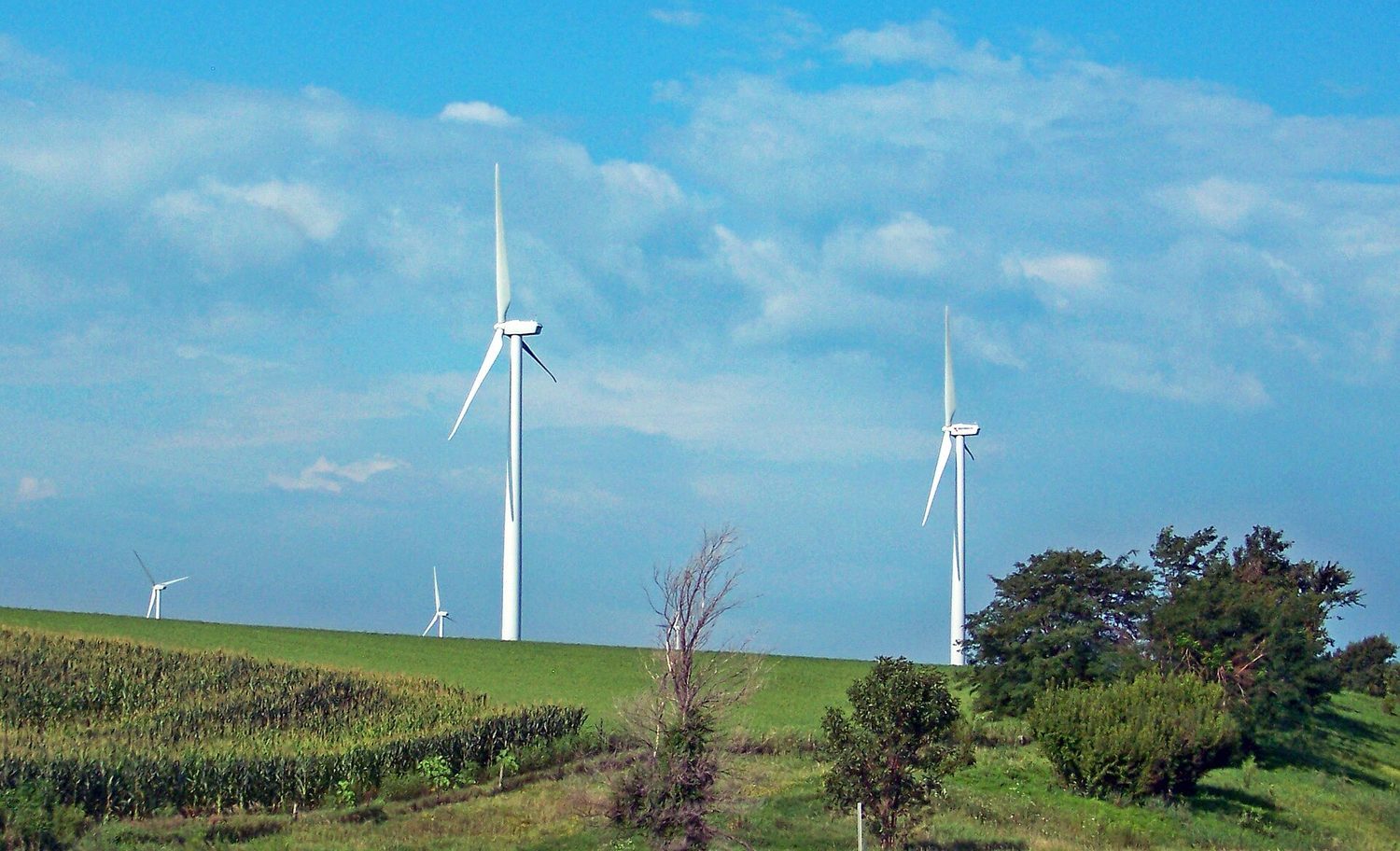
農地に設置された風力タービン:持続可能な資源利用は現在のニーズを満たしつつ、将来の世代を排除しない
農地の風力タービン:持続可能な資源利用は現在のニーズを満たしつつ、将来の世代を排除しない
Vocabulary · ⁨語彙⁩ Train · ⁨練習する⁩
English 日本語
Sustainability/səˌsteɪnəˈbɪlɪti/ 持続可能性
permeable pavement/ˈpɜːməbl ˈpeɪvmənt/ 透水性舗装
green roofs/ɡriːn ruːfs/ 緑の屋根
Integrated pest management/ˈɪntɪɡreɪtɪd pest ˈmænɪdʒmənt/ 統合害虫管理
crop rotation/krɒp rəʊˈteɪʃn/ 輪作
contour plowing/ˈkɒntʊə ˈplaʊɪŋ/ 等高線耕作
terracing/ˈterɪsɪŋ/ 段丘造成
Aquaculture/ˈækwəkʌltʃə/ 養殖業(アクアカルチャー)
selective cutting/sɪˈlektɪv ˈkʌtɪŋ/ 選伐
reforestation/rɪˌfɒrɪˈsteɪʃn/ 植林
5.13

Methods to Reduce Urban Runoff · ⁨都市流出水の削減方法⁩

Syllabus · ⁨シラバス⁩
English

Enduring Understanding (STB-1): Humans can mitigate their impact on land and water resources through sustainable use.

Learning Objective STB-1.B: Describe methods for mitigating problems related to urban runoff.

  • STB-1.B.1 Methods to increase water infiltration include replacing traditional pavement with permeable pavement, planting trees, increased use of public transportation, and building up, not out.
日本語

持続的知識 (STB-1): 人間は持続可能な利用を通じて、土地および水資源に対する自身の影響を軽減できる。

学習目標 STB-1.B: 都市流出水に関連する問題の緩和方法について説明する。

  • STB-1.B.1 水の浸透を増やす方法には、従来の舗装を透水舗装に置き換える、樹木を植える、公共交通機関の利用拡大、そして建物を高く而不是広げる(垂直発展)ことが含まれる。

Source: College Board AP Course and Exam Description · ⁨出典: College Board AP コースおよび試験説明書⁩

English

Reduce runoff with permeable pavement 透水路面, rain gardens and green roofs 绿色屋顶, retention ponds, and preserved vegetation. These let water soak in, filtering pollutants and recharging groundwater instead of flooding streams.

日本語

透水性舗装、雨水庭園、緑の屋根、保水池、および保護された植生を用いて流出水を減少させます。これらは水を浸透させ、汚染物質をろ過し、洪水を引き起こす河川ではなく地下水を涵養させます。

5.14

Integrated Pest Management · ⁨統合的害虫管理⁩

Syllabus · ⁨シラバス⁩
English

Enduring Understanding (STB-1): Humans can mitigate their impact on land and water resources through sustainable use.

Learning Objective STB-1.C: Describe integrated pest management.

  • STB-1.C.1 Integrated pest management (IPM) is a combination of methods used to effectively control pest species while minimizing the disruption to the environment. These methods include biological, physical, and limited chemical methods such as biocontrol, intercropping, crop rotation, and natural predators of the pests.

Learning Objective STB-1.D: Describe the benefits and drawbacks of integrated pest management (IPM).

  • STB-1.D.1 The use of integrated pest management (IPM) reduces the risk that pesticides pose to wildlife, water supplies, and human health.
  • STB-1.D.2 Integrated pest management (IPM) minimizes disruptions to the environment and threats to human health but can be complex and expensive.
日本語

持続的知識 (STB-1): 人間は持続可能な利用を通じて、土地および水資源に対する自身の影響を軽減できる。

学習目標 STB-1.C: 統合的害虫管理を説明する。

  • STB-1.C.1 統合的害虫管理(IPM)は、環境への影響を最小限に抑えながら有害生物種を効果的に制御するための複数の方法を組み合わせたものである。これには、生物防除、間作、輪作、および有害生物の自然捕食者などを用いた生物学的、物理的、限定的な化学的方法が含まれる。

学習目標 STB-1.D: 統合的害虫管理(IPM)の利点と欠点を説明する。

  • STB-1.D.1 統合的害虫管理(IPM)の採用は、農薬が野生動物、水道水源、および人間の健康に及ぼすリスクを低減する。
  • STB-1.D.2 統合的害虫管理(IPM)は環境への影響や人間健康への脅威を最小限に抑えるが、複雑でコストがかかる場合がある。

Source: College Board AP Course and Exam Description · ⁨出典: College Board AP コースおよび試験説明書⁩

English

Integrated pest management 综合虫害管理 (IPM) combines methods – biological controls (natural predators), crop rotation, limited targeted pesticides, and monitoring – to control pests with less chemical use, slowing resistance and protecting non-target species.

日本語

統合的害虫管理(IPM)は、生物学的防除(天敵)、輪作、限定的な標的型農薬の使用、モニタリングなどの方法を組み合わせて、化学薬品の使用を減らしながら害虫を制御し、耐性の拡大を防ぎ、非標的種を保護します。

5.15

Sustainable Agriculture · ⁨持続可能な農業⁩

Syllabus · ⁨シラバス⁩
English

Enduring Understanding (STB-1): Humans can mitigate their impact on land and water resources through sustainable use.

Learning Objective STB-1.E: Describe sustainable agricultural and food production practices.

  • STB-1.E.1 The goal of soil conservation is to prevent soil erosion. Different methods of soil conservation include contour plowing, windbreaks, perennial crops, terracing, no-till agriculture, and strip cropping.
  • STB-1.E.2 Strategies to improve soil fertility include crop rotation and the addition of green manure and limestone.
  • STB-1.E.3 Rotational grazing is the regular rotation of livestock between different pastures in order to avoid overgrazing in a particular area.
日本語

持続的知識 (STB-1): 人間は持続可能な利用を通じて、土地および水資源に対する自身の影響を軽減できる。

学習目標 STB-1.E: 持続可能な農業および食品生産の実践方法来説明する。

  • STB-1.E.1 土壌保全の目的は土壌侵食を防ぐことである。土壌保全の異なる方法には、等高線耕作、防风林、多年作物、段丘造成、無耕法農業、およびストリップ栽培が含まれる。
  • STB-1.E.2 土壌肥培性を向上させる戦略には、輪作、緑肥および石灰の添加が含まれる。
  • STB-1.E.3 回転放牧とは、特定の地域での過剰放牧を防ぐために、家畜を異なる放牧地間で定期的に移動させることである。

Source: College Board AP Course and Exam Description · ⁨出典: College Board AP コースおよび試験説明書⁩

English

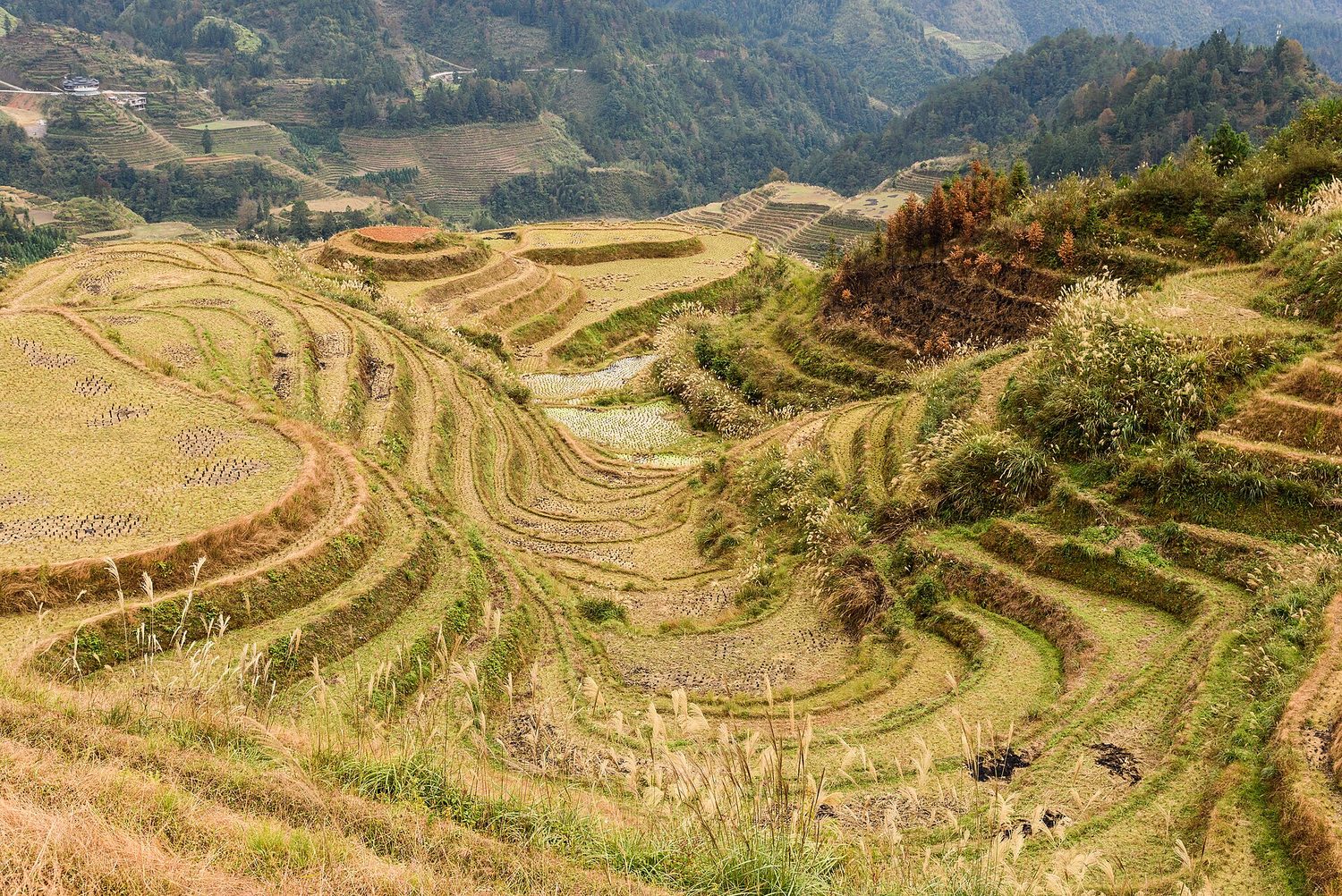
Sustainable farming protects soil and water: crop rotation 轮作, cover crops, contour plowing 等高耕作, terracing 梯田, reduced tillage, and agroforestry. These cut erosion, maintain fertility, and reduce chemical inputs.

日本語

持続可能な耕作は土壌と水を守ります:輪作、カバー作物、等高線耕作、段々畑、減垄耕、そしてアグロフォレストリーです。これらは侵食を削减し、地力を維持し、化学投入量を減らします。

急斜面の地形に沿って曲線的な水平の段々として形成された緑豊かな水田
段々畑は急斜面を水平な段々に切り開き、水と土壌を流失させずに留めます
5.16

Aquaculture · ⁨養殖業⁩

Syllabus · ⁨シラバス⁩
English

Enduring Understanding (STB-1): Humans can mitigate their impact on land and water resources through sustainable use.

Learning Objective STB-1.F: Describe the benefits and drawbacks of aquaculture.

  • STB-1.F.1 Aquaculture has expanded because it is highly efficient, requires only small areas of water, and requires little fuel.
  • STB-1.F.2 Aquaculture can contaminate wastewater, and fish that escape may compete or breed with wild fish. The density of fish in aquaculture can lead to increases in disease incidences, which can be transmitted to wild fish.
日本語

持続的知識 (STB-1): 人間は持続可能な利用を通じて、土地および水資源に対する自身の影響を軽減できる。

学習目標 STB-1.F: 水産養殖の利点と欠点を説明すること。

  • STB-1.F.1 水産養殖は、非常に効率的であり、必要な水域が少なく、燃料もほとんど必要ないため、拡大している。
  • STB-1.F.2 水産養殖は排水を汚染することがあり、 escapeした魚が野生の魚と競争したり交配したりする可能性がある。また、水産養殖における魚の高密度飼育は、疾病発生率の上昇を招き、これが野生の魚へ伝播する恐れがある。

Source: College Board AP Course and Exam Description · ⁨出典: College Board AP コースおよび試験説明書⁩

English

Aquaculture 水产养殖 (fish farming) eases pressure on wild stocks and is efficient, but can pollute water with waste and antibiotics, spread disease to wild fish, and destroy habitat (like mangroves for shrimp farms).

日本語

**養殖業(魚類養殖)**は野生個体群への圧力を和らげ効率的ですが、廃棄物や抗生物質による水質汚染、野生魚への疾病伝播、および生息地の破壊(エビ養殖のためのマングローブなど)を引き起こすことがあります。

5.17

Sustainable Forestry · ⁨持続可能な林業⁩

Syllabus · ⁨シラバス⁩
English

Enduring Understanding (STB-1): Humans can mitigate their impact on land and water resources through sustainable use.

Learning Objective STB-1.G: Describe methods for mitigating human impact on forests.

  • STB-1.G.1 Some of the methods for mitigating deforestation include reforestation, using and buying wood harvested by ecologically sustainable forestry techniques, and reusing wood.
  • STB-1.G.2 Methods to protect forests from pathogens and insects include integrated pest management (IPM) and the removal of affected trees.
  • STB-1.G.3 Prescribed burn is a method by which forests are set on fire under controlled conditions in order to reduce the occurrence of natural fires.
日本語

持続的知識 (STB-1): 人間は持続可能な利用を通じて、土地および水資源に対する自身の影響を軽減できる。

学習目標 STB-1.G: 森林への人間の影響を軽減する方法を説明すること。

  • STB-1.G.1 森林減少の軽減には、再造林、生態学的に持続可能な林業技術で伐採された木材の使用・購入、木材の再利用などが含まれる。
  • STB-1.G.2 病原菌や害虫からの森林保護には、統合的害虫管理(IPM)および被害を受けた樹木の除去が含まれる。
  • STB-1.G.3 計画焼却とは、自然火災の発生を減らすために、森林を管理された条件下で意図的に火にかける手法である。

Source: College Board AP Course and Exam Description · ⁨出典: College Board AP コースおよび試験説明書⁩

English

Sustainable forestry keeps forests productive: selective cutting 择伐 instead of clearcutting, replanting, leaving buffer strips along streams, and long rotation times. It maintains habitat, prevents erosion, and lets forests keep providing ecosystem services.

Forests also absorb pollutants and store carbon dioxide, so cutting and burning them releases $\text{CO}_2$ and worsens climate change. Ways to mitigate deforestation include reforestation 重新造林 (replanting), buying wood from ecologically sustainable forestry, and reusing wood. A separate tool is the prescribed burn 计划烧除: deliberately burning a forest under controlled conditions to clear fuel, so a later wildfire cannot grow catastrophic.

日本語

持続可能な林業は森林の生産性を維持します:選択伐採(皆伐の代わりに)、再植林、渓流沿いのバッファーストリップの残置、長周期の伐採期です。これにより生息地が維持され、侵食が防がれ、森林が生態系サービスを提供し続けます。

森林は汚染物質を吸収二酸化炭素を貯留するため、伐採や燃焼は$\text{CO}_2$を放出し気候変動を悪化させます。森林消失の緩和のためには、植林(再植)、生態的に持続可能な林業から木材を購入すること、木材の再利用があります。別のツールとして**意図的な焼却(prescribed burn)**があります。これは制約条件下で森林を意図的に燃やして燃料を除去し、後から発生する野火が壊滅的な規模になるのを防ぐものです。

Vocabulary · ⁨語彙⁩ Train · ⁨練習する⁩
English 日本語
prescribed burn/prɪˈskraɪbd bɜːn/ 指定焼却
5.17

Exam tips · ⁨試験対策⁩

English
  • Explain the tragedy of the commons — shared, unowned resources get overused — and how rules/ownership prevent it.
  • Weigh the trade-offs of the green revolution, irrigation (salinisation, aquifer depletion), and mining/urbanisation.
  • Compute an ecological footprint in "number of Earths" (footprint ÷ biocapacity per person); it is measured per person.
  • List the harms of deforestation (erosion, flooding, lost habitat, more CO₂).
  • Define sustainability (meeting needs without harming future generations) and give sustainable methods (IPM, crop rotation, quotas).
日本語
  • コモンズの悲劇(共有・無主資源が過度に消費される現象)を説明し、ルールや所有権がこれをどう防ぐか示す。
  • 緑の革命、灌漑(塩害、含水層枯渇)、採掘・都市化のトレードオフを検討する。
  • 「地球の数」(フットプリント ÷ 一人あたりの生物生産性)で生態フットプリントを計算する;これは一人あたりで測定される。
  • 森林消失の害を列挙する(侵食、洪水、生息地の喪失、CO₂増加)。
  • 持続可能性(将来の世代を傷つけずにニーズを満たすこと)を定義し、持続可能な手法(IPM、輪作、 quota)を挙げる。

Interactive lessons on this topic · ⁨このトピックのインタラクティブ授業⁩

Work through it step by step, with instant-check exercises. · ⁨一歩ずつ進め、即時チェック付きの問題で学習します。⁩

Past Papers · ⁨過去問⁩

More topics in AP Environmental Science · ⁨AP Environmental Science の他のトピック⁩

Log in or create account · ⁨ログインまたはアカウント作成⁩

IGCSE, A-Level & AP