English
Enduring Understanding (STB-2): Human activities have physical, chemical, and biological consequences for the atmosphere.
Learning Objective STB-2.A: Identify the sources and effects of air pollutants.
- STB-2.A.1 Coal combustion releases air pollutants including carbon dioxide, sulfur dioxide, toxic metals, and particulates.
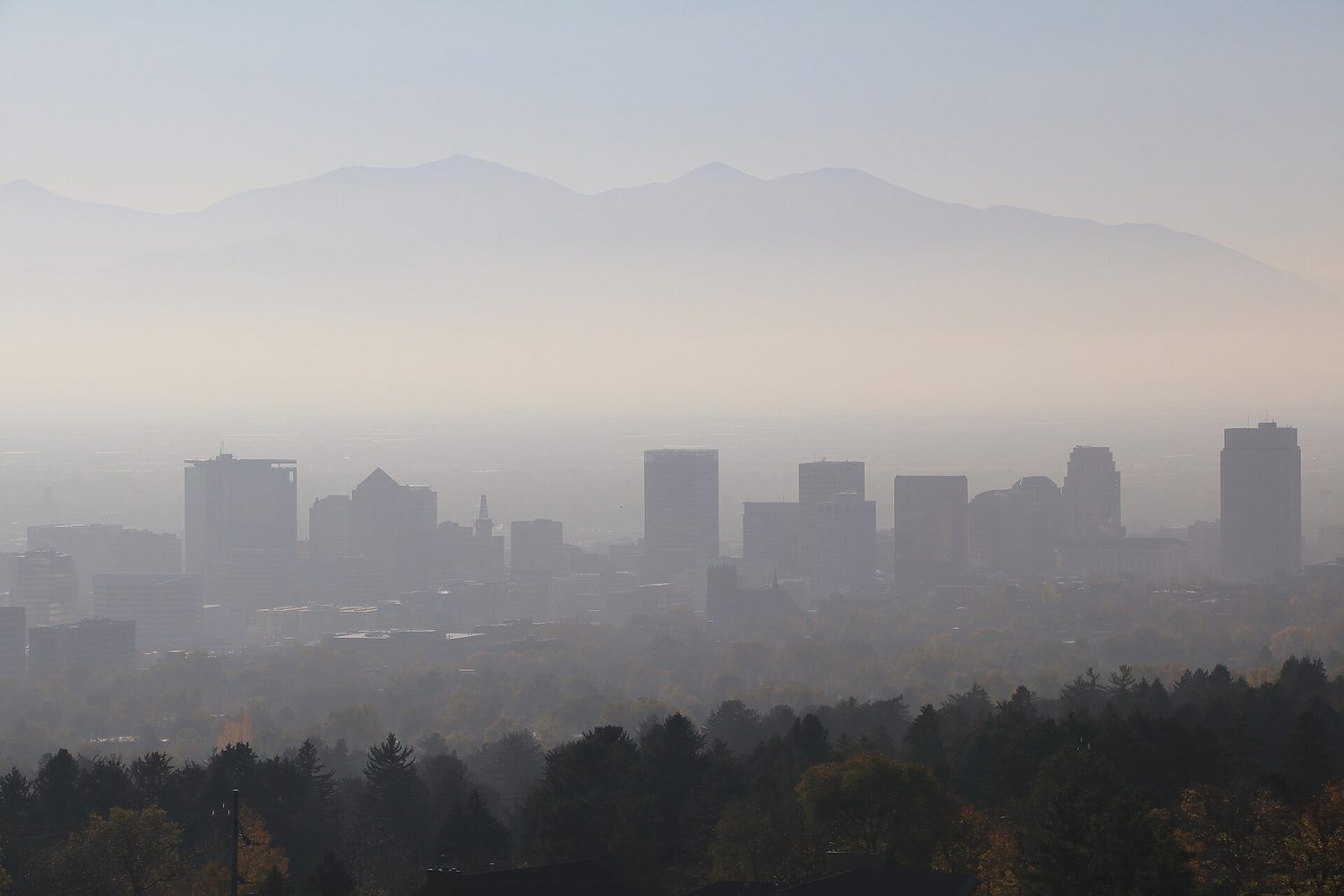
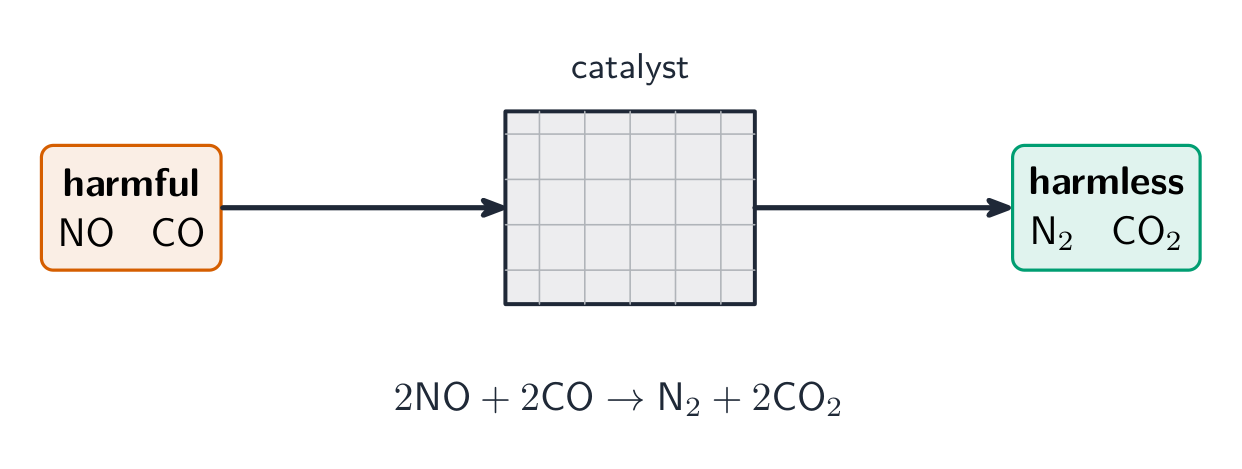
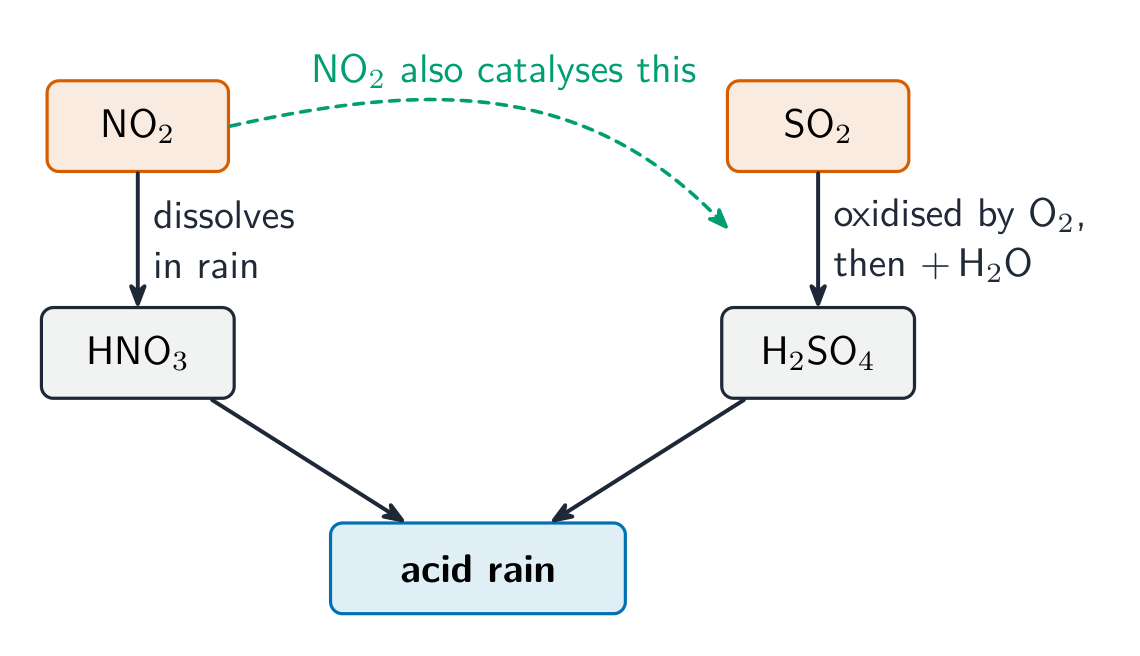
- STB-2.A.2 The combustion of fossil fuels releases nitrogen oxides into the atmosphere. They lead to the production of ozone, formation of photochemical smog, and convert to nitric acid in the atmosphere, causing acid rain. Other pollutants produced by fossil fuel combustion include carbon monoxide, hydrocarbons, and particulate matter.
- STB-2.A.3 Air quality can be affected through the release of sulfur dioxide during the burning of fossil fuels, mainly diesel fuels.
- STB-2.A.4 Through the Clean Air Act, the Environmental Protection Agency (EPA) regulated the use of lead, particularly in fuels, which dramatically decreased the amount of lead in the atmosphere.
- STB-2.A.5 Air pollutants can be primary or secondary pollutants.
Bahasa Indonesia
Pemahaman Berkelanjutan (STB-2): Aktivitas manusia memiliki konsekuensi fisik, kimia, dan biologis bagi atmosfer.
Tujuan Pembelajaran STB-2.A: Identifikasi sumber dan efek polutan udara.
- STB-2.A.1 Pembakaran batubara melepaskan polutan udara termasuk karbon dioksida, sulfur dioksida, logam beracun, dan partikulat.
- STB-2.A.2 Pembakaran bahan bakar fosil melepaskan nitrogen oksida ke atmosfer. Hal ini menyebabkan produksi ozon, pembentukan smog foto-kimia, dan berubah menjadi asam nitrat di atmosfer, menyebabkan hujan asam. Polutan lain yang dihasilkan oleh pembakaran bahan bakar fosil meliputi karbon monoksida, hidrokarbon, dan materi partikulat.
- STB-2.A.3 Kualitas udara dapat terpengaruh melalui pelepasan sulfur dioksida selama pembakaran bahan bakar fosil, terutama bahan bakar diesel.
- STB-2.A.4 Melalui Undang-Undang Udara Bersih, Badan Perlindungan Lingkungan (EPA) mengatur penggunaan timbal, khususnya dalam bahan bakar, yang secara drastis mengurangi jumlah timbal di atmosfer.
- STB-2.A.5 Polutan udara dapat bersifat primer atau sekunder.